Plants
andiroba
Carapa guianensis Aubl.
Family: Meliaceae · Genus: Carapa
crabwood, carapa
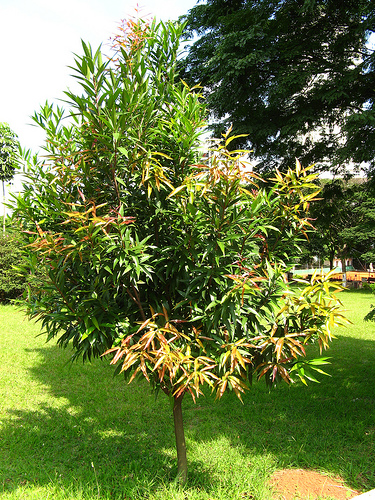
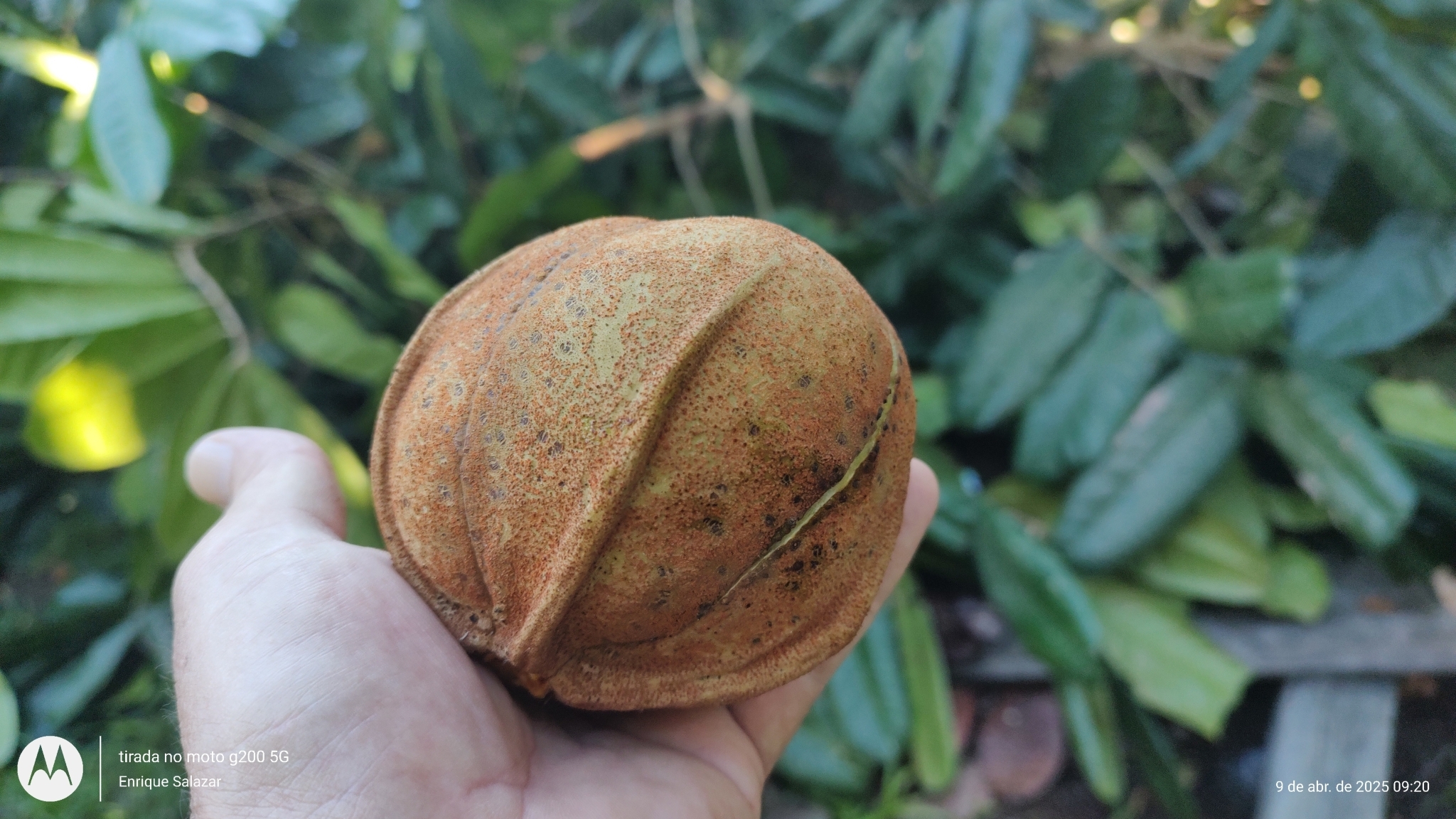
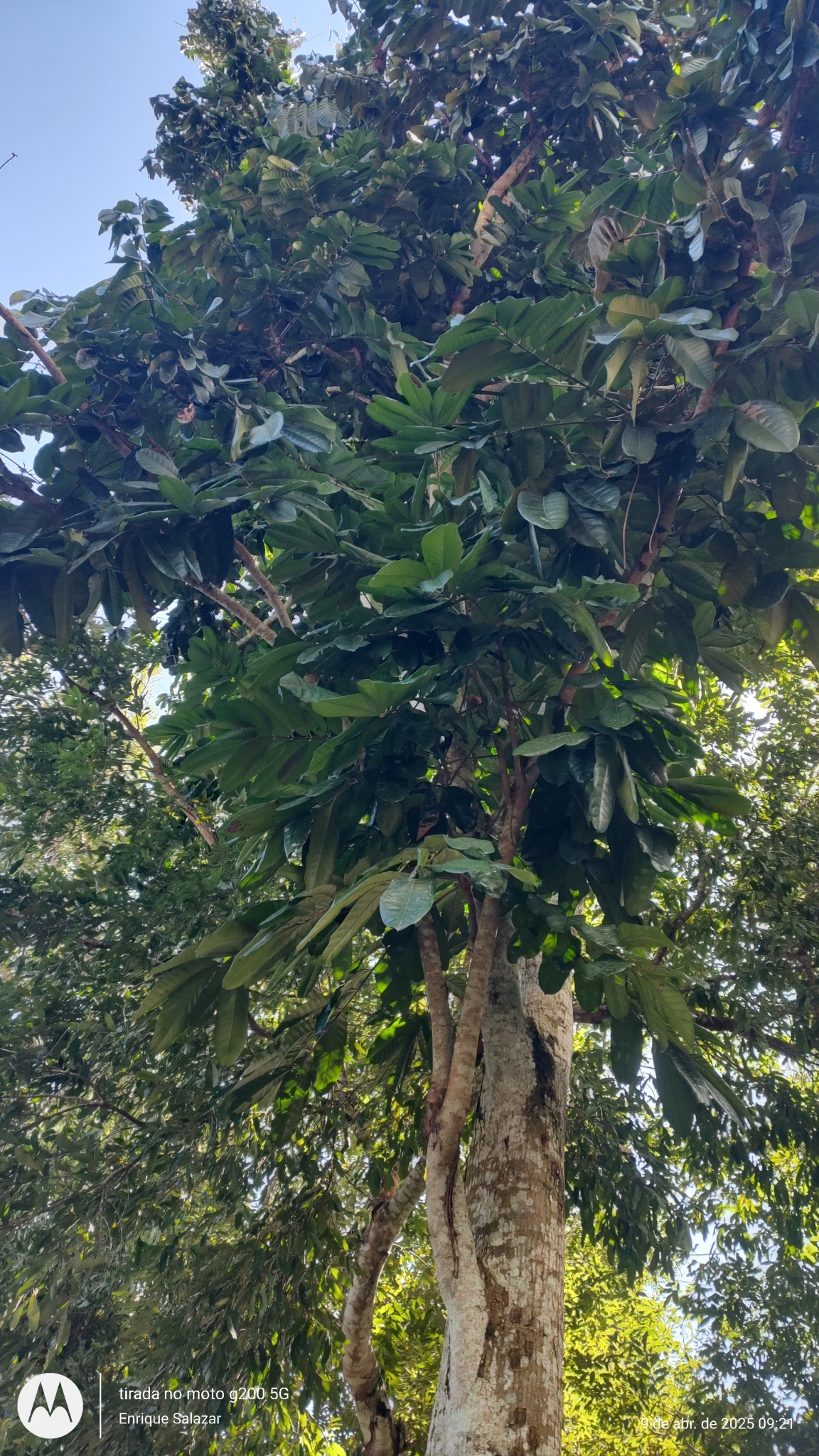
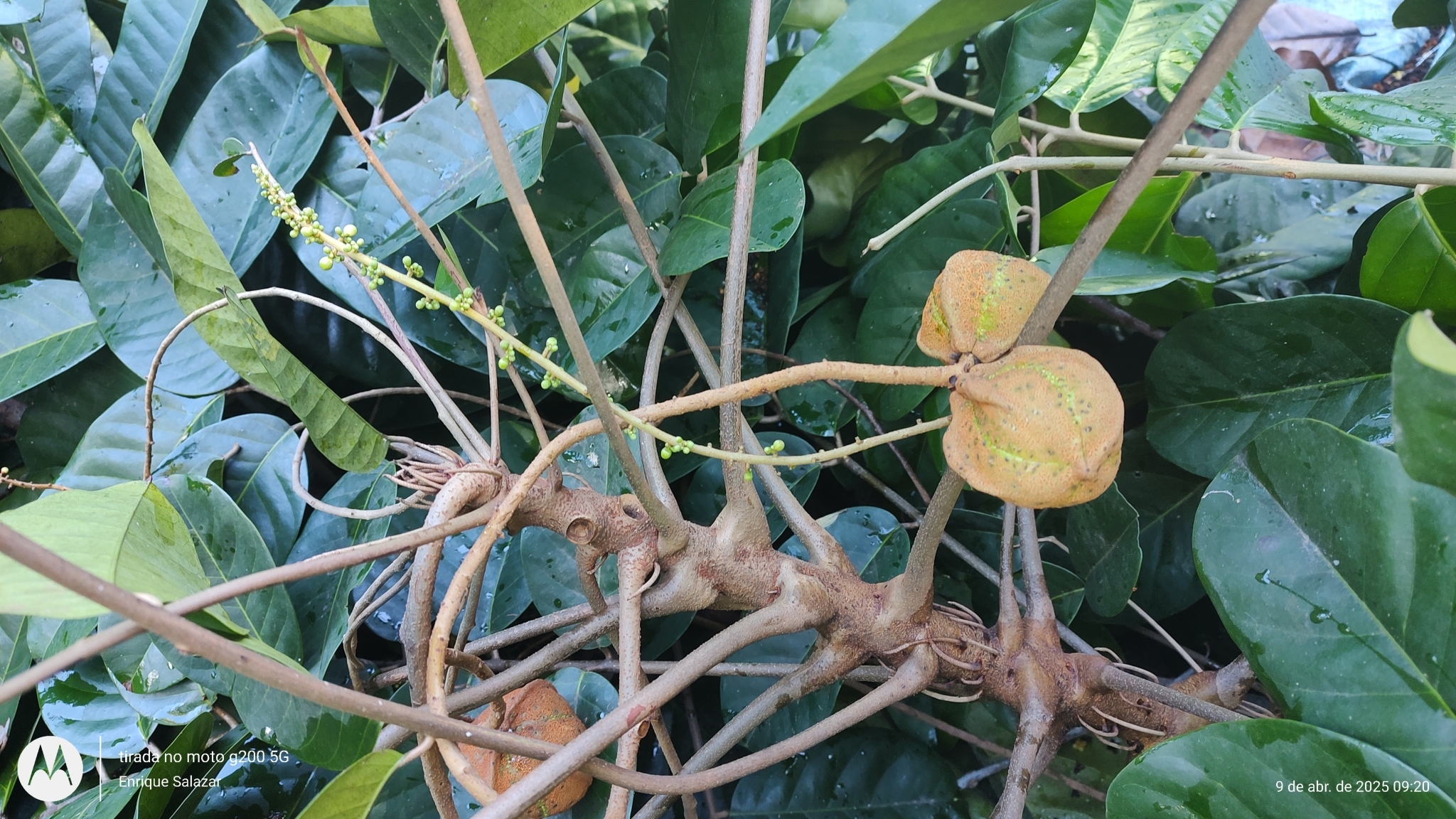
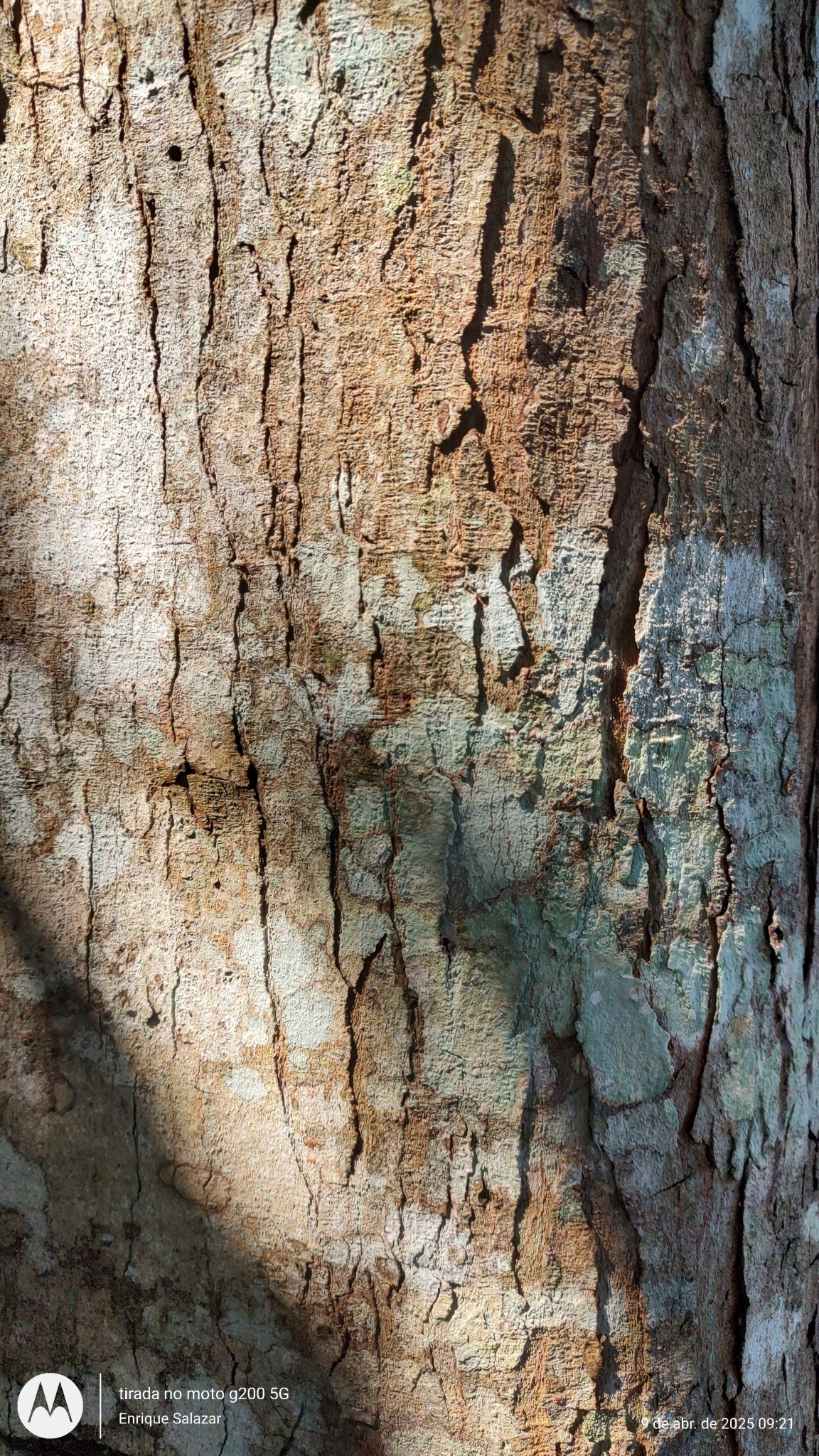
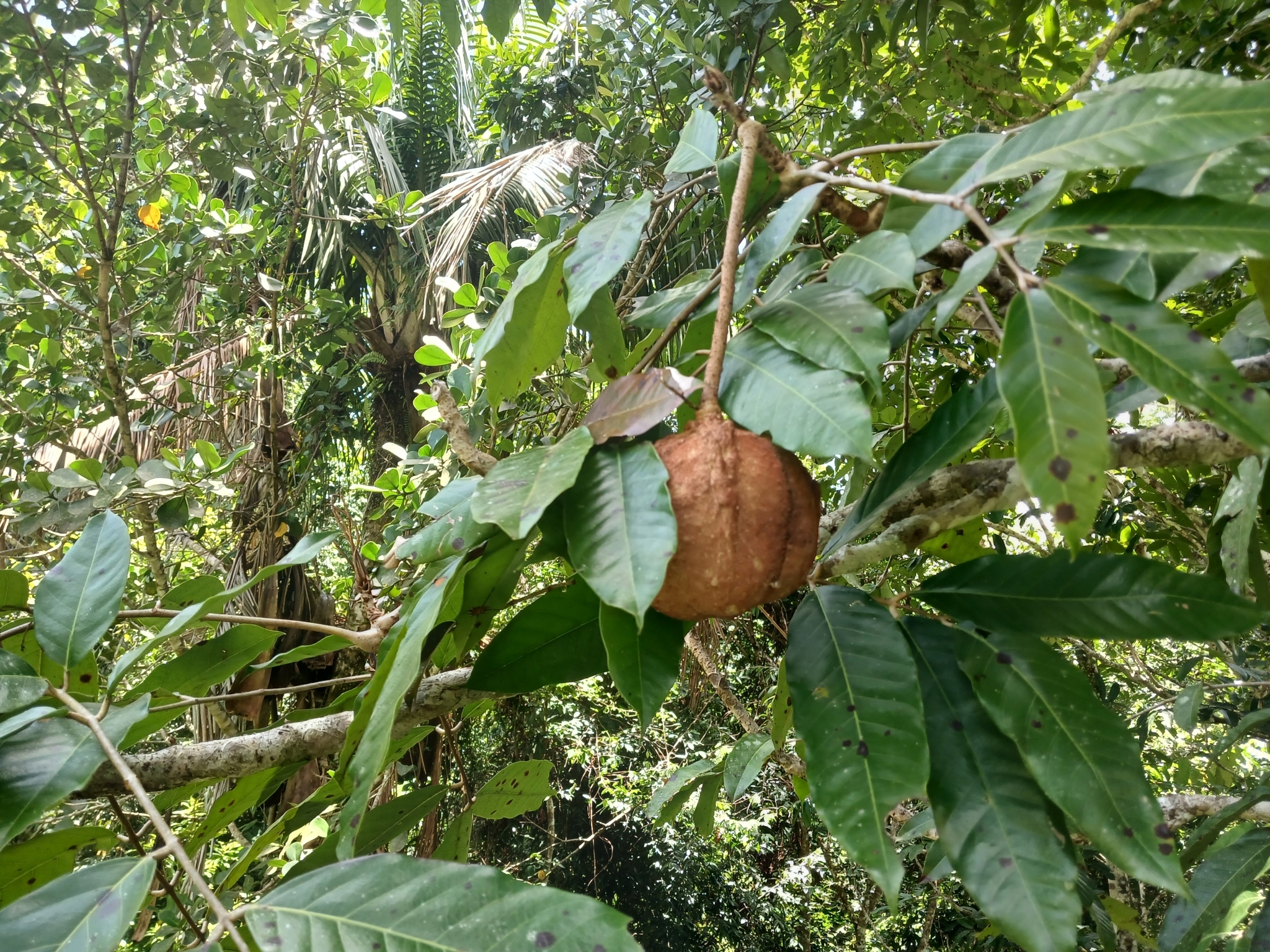
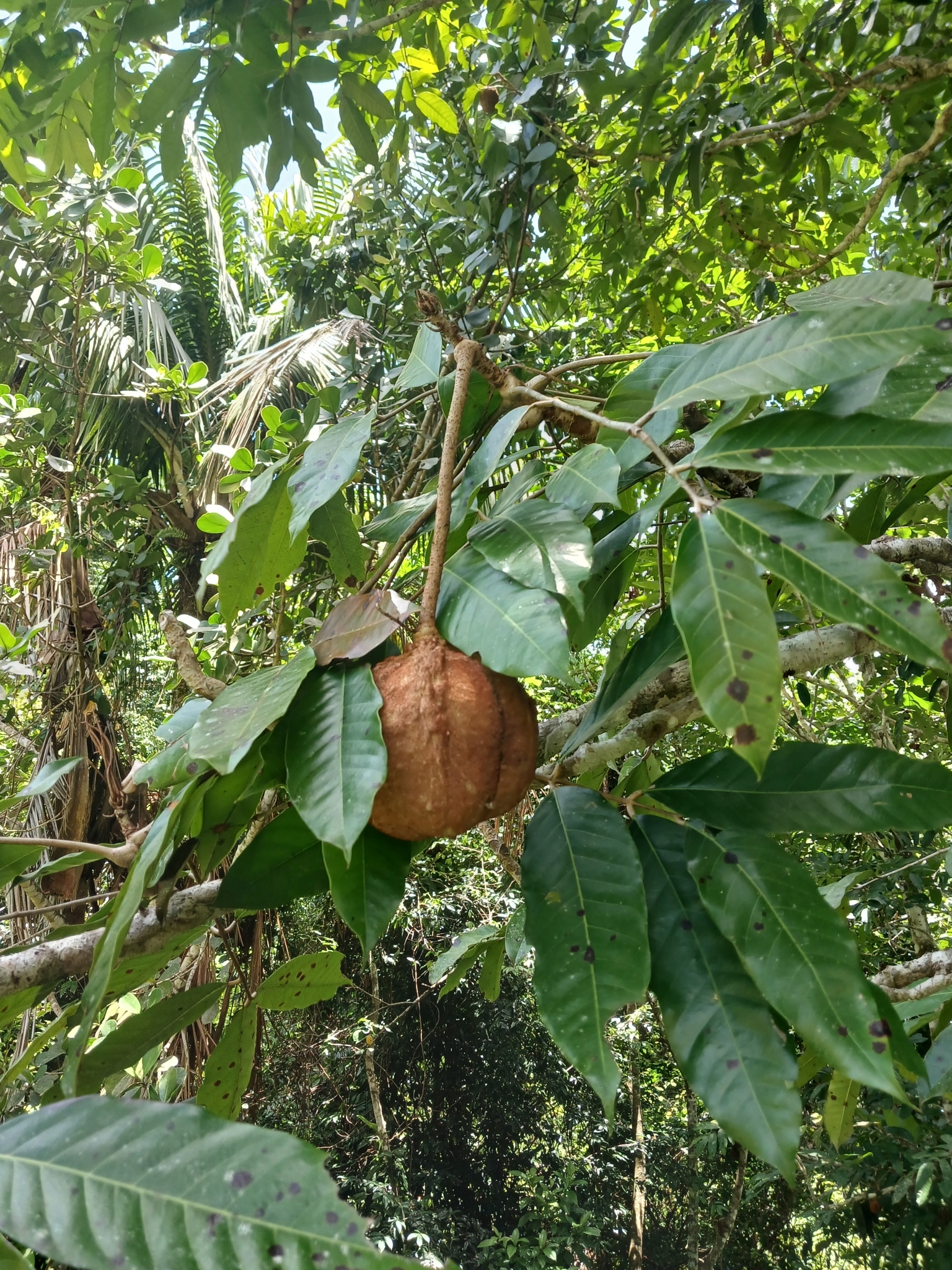
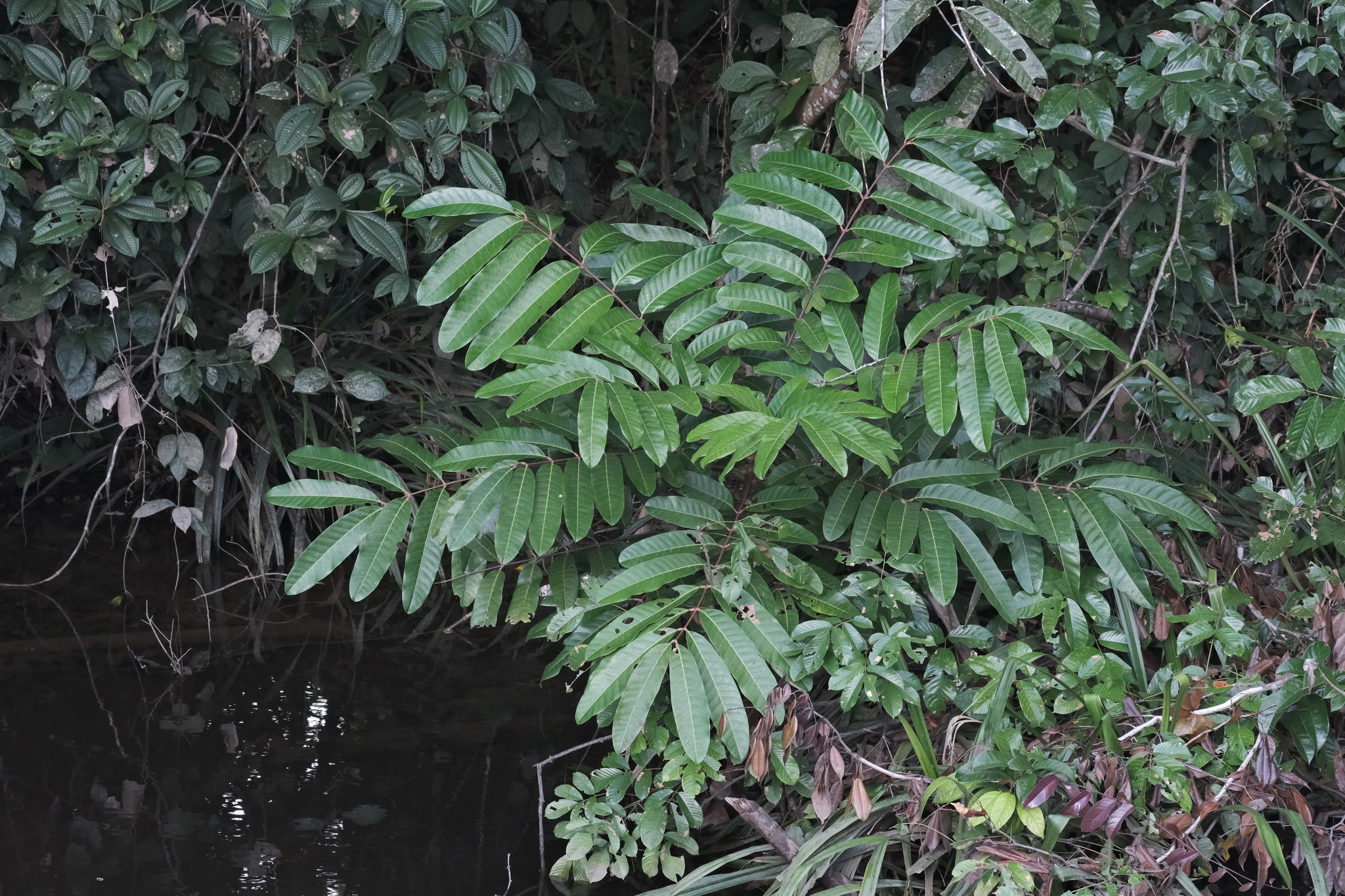
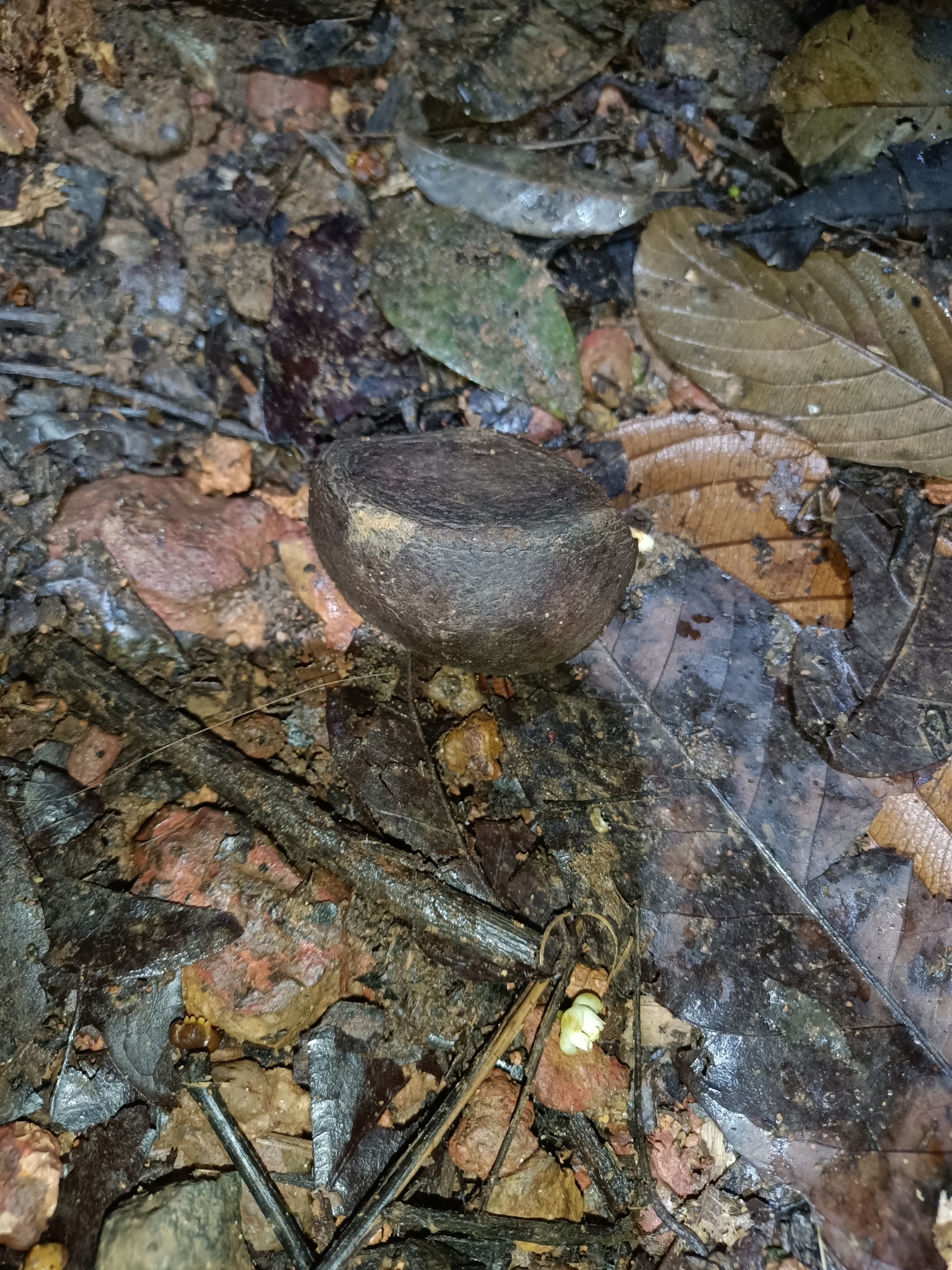
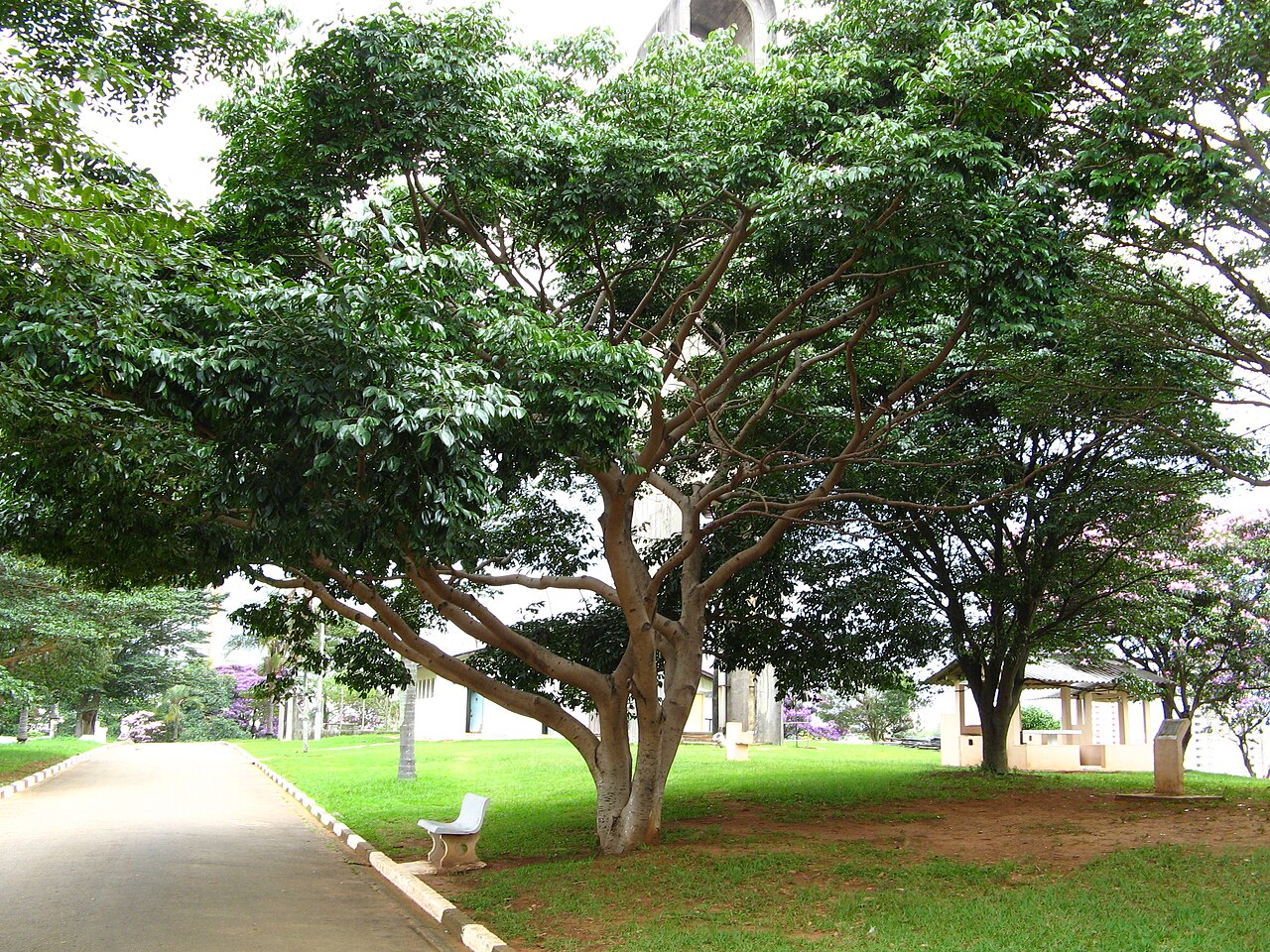
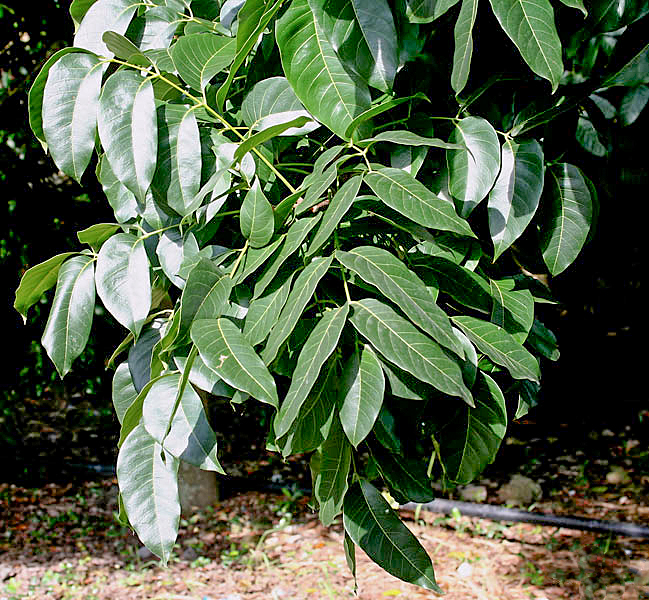
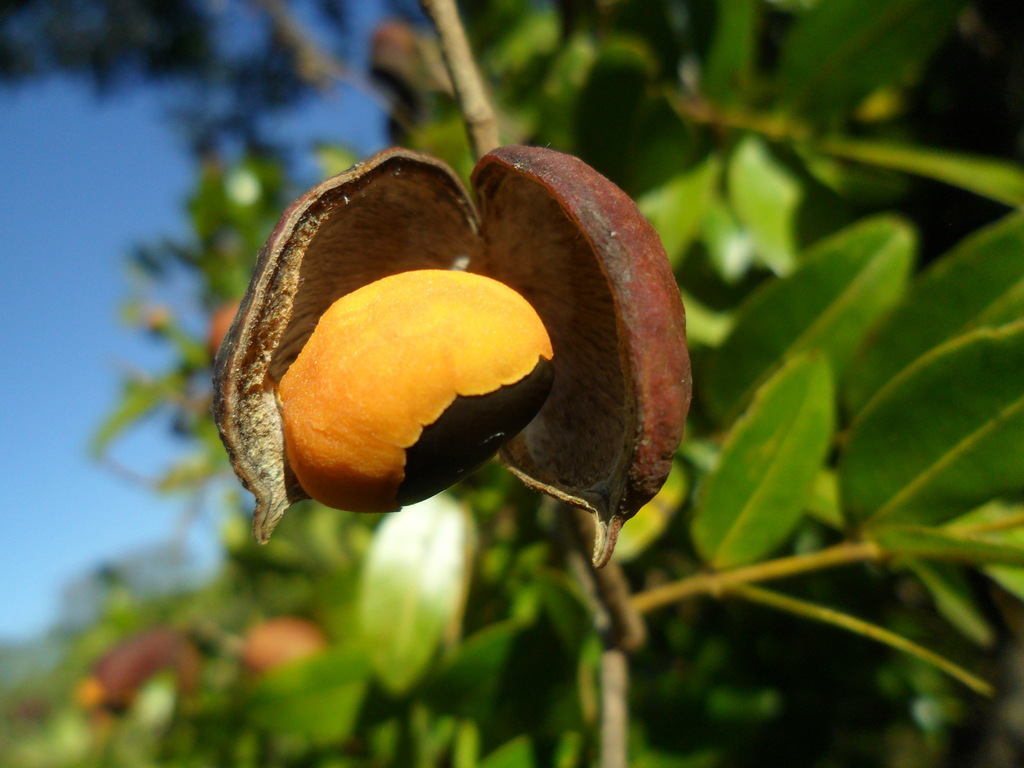
Amazonian premium-timber tree (luxury furniture) producing medicinal seed oil that repels insects. Pasini lists it in the emergent stratum of Tabela 3; included in the Embrapa Vitrine SAF in Brasília as both a forestry and biopesticide species.
Götsch succession
- Götsch stage
- Climax
- Ecological role
- Climax
- Primary stratum
- Emergent
- Strata
- Emergent, High
- Biomass class
- Mulch biomass
Environment
- Light requirement
- Partial sun
- Water requirement
- High
- Drought tolerance
- Low
- Waterlogging tolerance
- High
- Soil pH range
- 5–7.5
- Preferred soil texture
- Loamy, Clayey, Sandy
Morphology
- Mature height
- 20–35 m
- Root system
- Taproot
- Root depth
- Medium
- Growth rate
- Moderate
- Lifespan
- ≥ 100 years
Biomes & climate
- Amazon Native
Köppen classes
- Tropical rainforest (Af) Native
- Tropical monsoon (Am) Native
Where it fits in a guild
Andiroba takes the Emergent stratum in the Climax phase of succession — in a guild it shares the line with species from the other strata, each harvesting light at its own height, in its own time.
Free account — and the catalog stays open, no sign-up needed.
❓ Frequently asked questions
How tall does andiroba grow?
At maturity, andiroba reaches 20–35 m tall.
What stage and stratum does andiroba occupy in a syntropic system?
In a syntropic system, andiroba belongs to the climax stage, occupying the emergent stratum.
Functions
Propagation
Seed
Citations
- Pasini, F. & Guimarães, L. (2017) — Tabela 3 (Incaper) , p. 116 (primary_stratum)
- Armando, Bueno, Alves & Cavalcante (2002) — Agrofloresta para Agricultura Familiar (Embrapa Circular Técnica 16), Tabela 1 , p. 3 (gotsch_stage, functions)
- Plants For A Future (PFAF) — Carapa guianensis (height_min_m, height_max_m, ph_min, ph_max, waterlogging_tolerance, drought_tolerance, root_system, soil_texture_preference, propagation, water_need)
External references
Continue exploring
Related plants
-
jatoba
Hymenaea courbaril
Climax Emergent Mulch biomassTropical climax with extremely dense timber; fruit pulp is edible. Common in syntropic abundance systems.
-
big-leaf mahogany
Swietenia macrophylla
Climax Emergent Mulch biomassClimax Amazonian premium timber, CITES Appendix II. Pasini lists it in the emergent/high stratum of Tabela 3 and cites it explicitly as a premium t...
-
diesel tree
Copaifera langsdorffii
Climax High Mulch biomassClimax Cerrado and Atlantic Forest legume; produces medicinal oil from trunk exudates. Pasini lists it in the high stratum of Tabela 3 and in the '...
-
Brazil nut
Bertholletia excelsa
Climax Emergent Mulch biomassAmazonian emergent giant reaching 50 m. Pasini lists it in the emergent stratum of Tabela 3 and cites 'castanheiras' among Abundance-system species...
-
kapok tree
Ceiba pentandra
Climax Emergent Mulch biomassAmazonian emergent giant reaching 70 m — one of the tallest trees of the American tropics. Pasini lists it in the emergent stratum of Tabela 3. Sac...
-
moriche palm
Mauritia flexuosa
Climax Emergent No biomass productionGiant palm of Cerrado wetlands (veredas) and Amazonian floodplains. Pasini lists it in the emergent stratum of Tabela 3. A water indicator: forms p...