Plants
yellow jaboticaba
Plinia glomerata (O.Berg) Amshoff
Family: Myrtaceae · Genus: Plinia
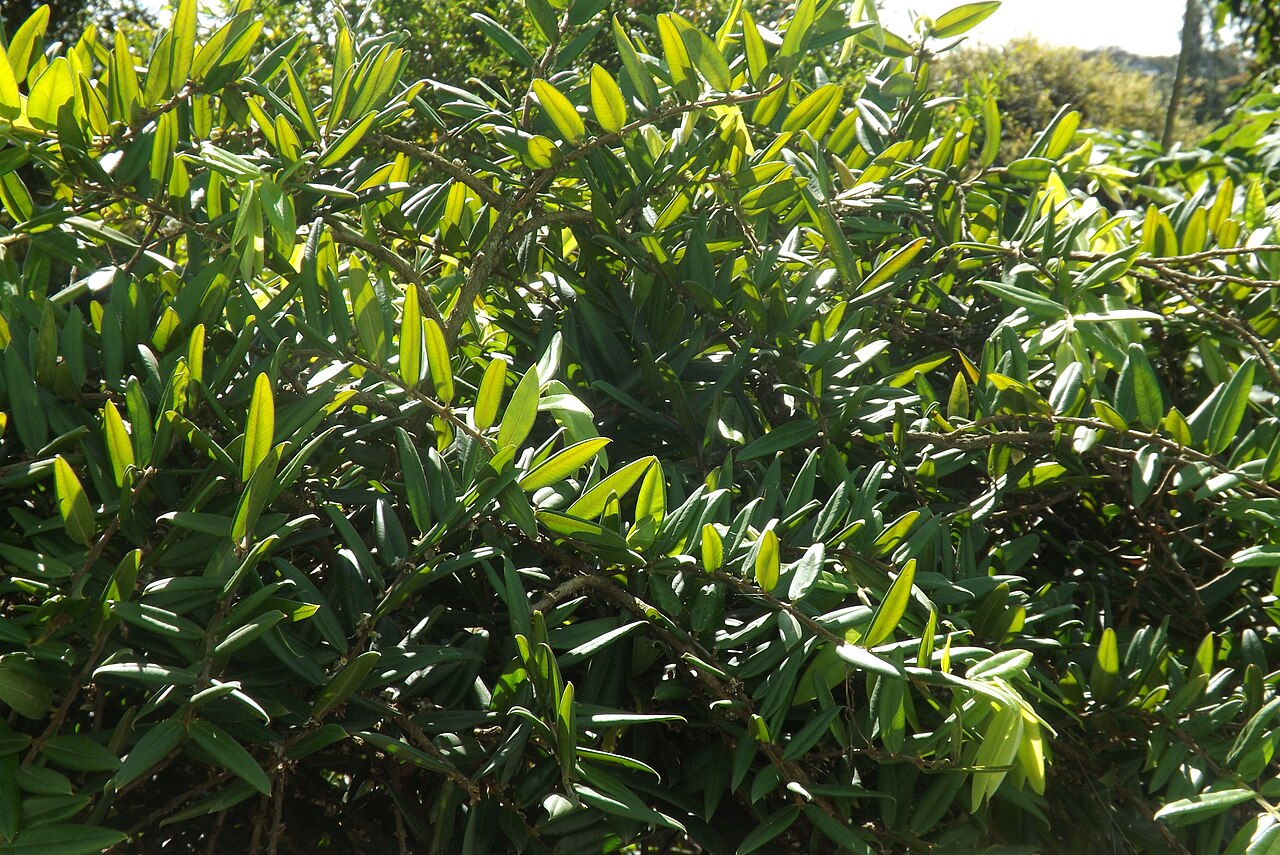
Atlantic Forest native, rarely seen outside collections. Pasini lists it in the medium stratum of Tabela 3. Yellow fruit covered in fine edible hairs. A priority for ex situ conservation.
Götsch succession
- Götsch stage
- Secondary II
- Ecological role
- Late secondary
- Primary stratum
- Medium
- Strata
- Medium
- Biomass class
- No biomass production
Environment
- Light requirement
- Partial sun
- Water requirement
- Moderate
- Drought tolerance
- Low
- Soil pH range
- 5.5–6.5
- Preferred soil texture
- Loamy
Morphology
- Mature height
- 3–6 m
- Growth rate
- Slow
Biomes & climate
- Atlantic Forest Native
Köppen classes
- Humid subtropical (Cfa) Native
- Tropical savanna with dry winter (Aw) Suitable
Where it fits in a guild
Yellow jaboticaba takes the Medium stratum in the Secondary II phase of succession — in a guild it shares the line with species from the other strata, each harvesting light at its own height, in its own time.
Free account — and the catalog stays open, no sign-up needed.
❓ Frequently asked questions
How tall does yellow jaboticaba grow?
At maturity, yellow jaboticaba reaches 3–6 m tall.
What stage and stratum does yellow jaboticaba occupy in a syntropic system?
In a syntropic system, yellow jaboticaba belongs to the secondary ii stage, occupying the medium stratum.
Functions
Propagation
Seed
Citations
- Pasini, F. & Guimarães, L. (2017) — Conceitos e princípios práticos da agrofloresta sucessional, Tabela 3 (Incaper) , p. 116 (primary_stratum)
- Flora e Funga do Brasil (Reflora) — Plinia glomerata (external_ids, biomes)
External references
Continue exploring
Related plants
-
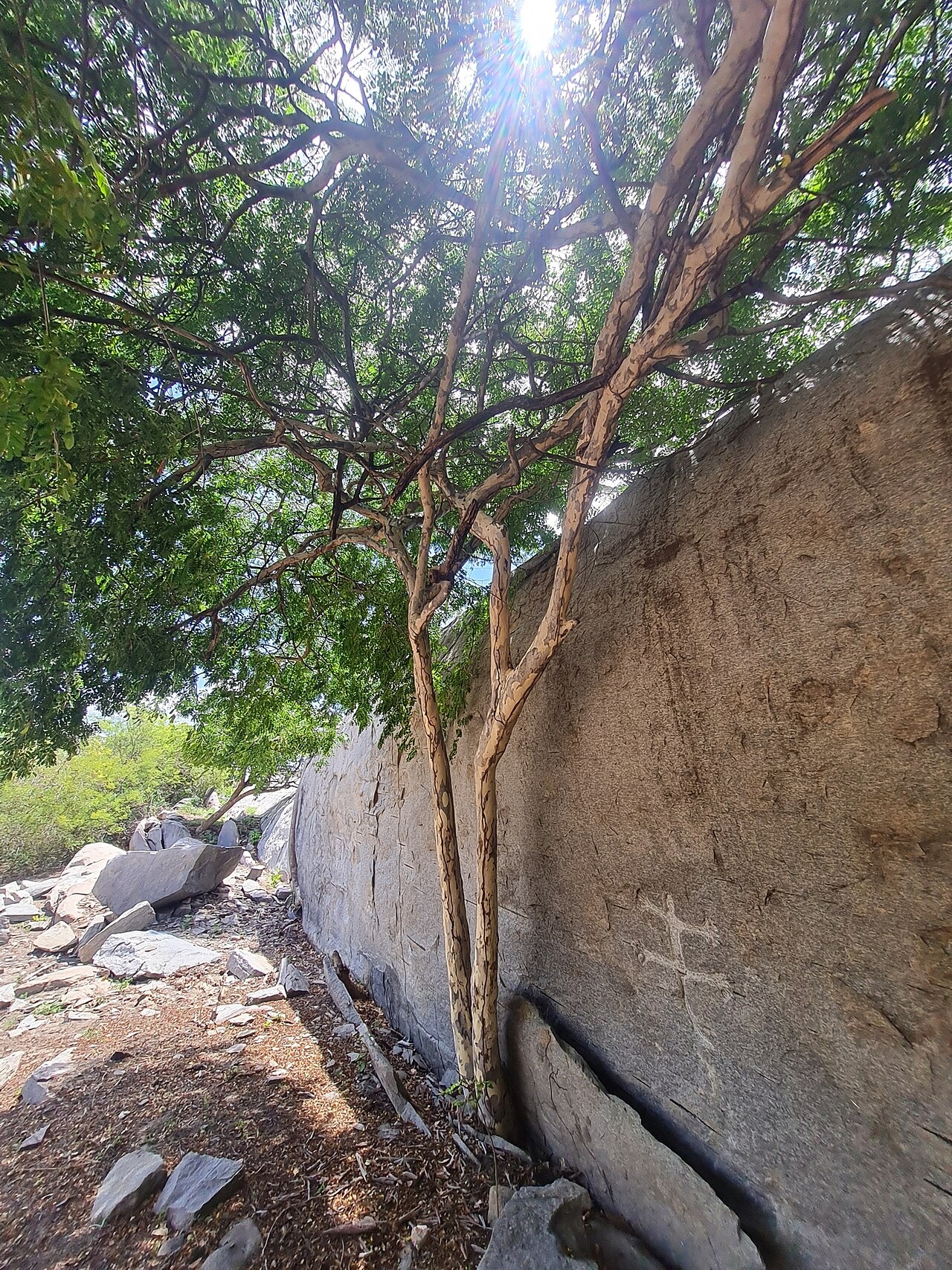
Brazilian ironwood
Libidibia ferrea
Secondary II High Fertilizer & mulchLeguminous tree occurring in Caatinga, Cerrado and Atlantic Forest. Sun-tolerant and melliferous.
-
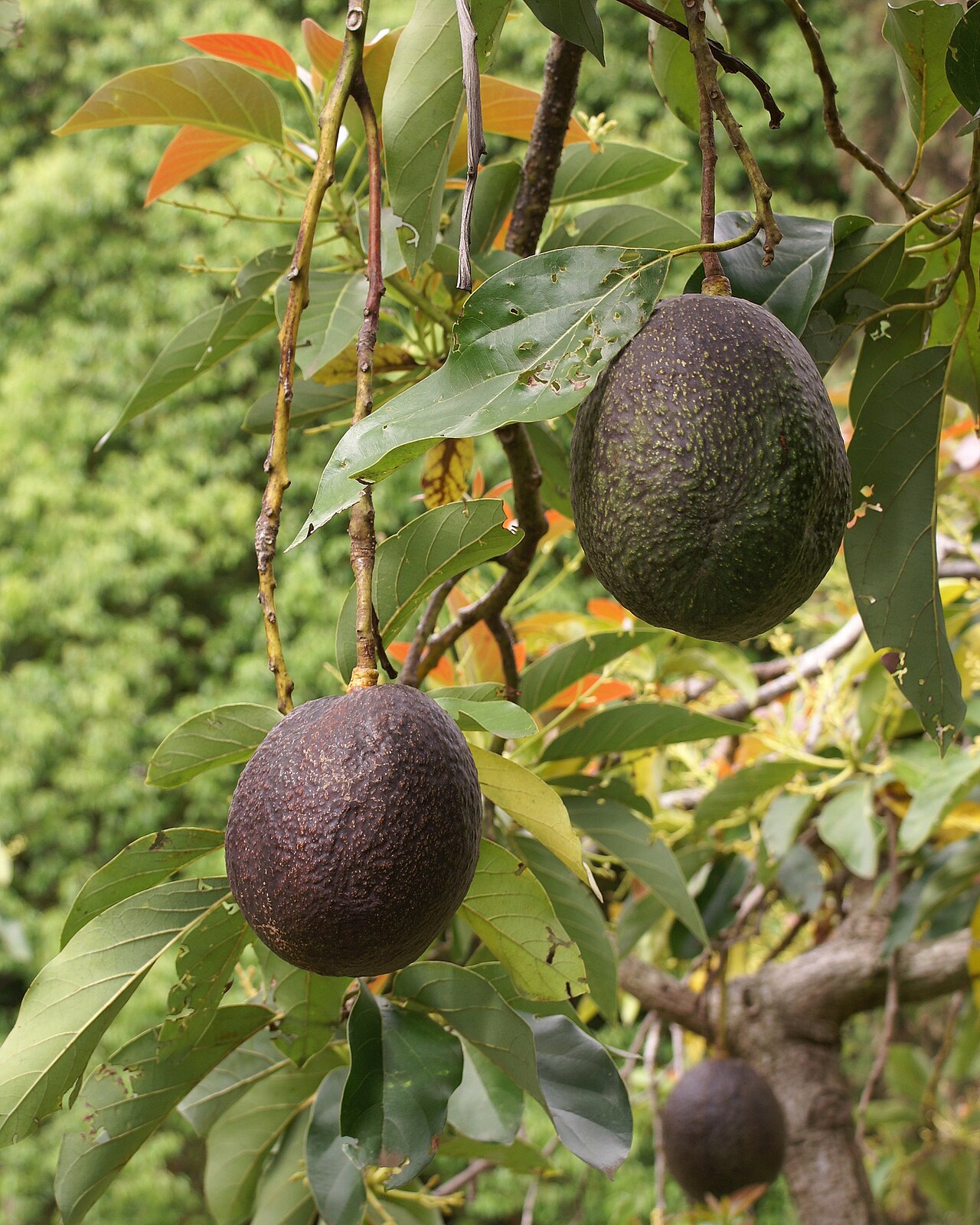
avocado
Persea americana
Secondary II High No biomass productionLong-lived perennial fruit tree. Pasini classifies it in the high stratum of Tabela 3 and explicitly cites it among Abundance-system species (high ...
-
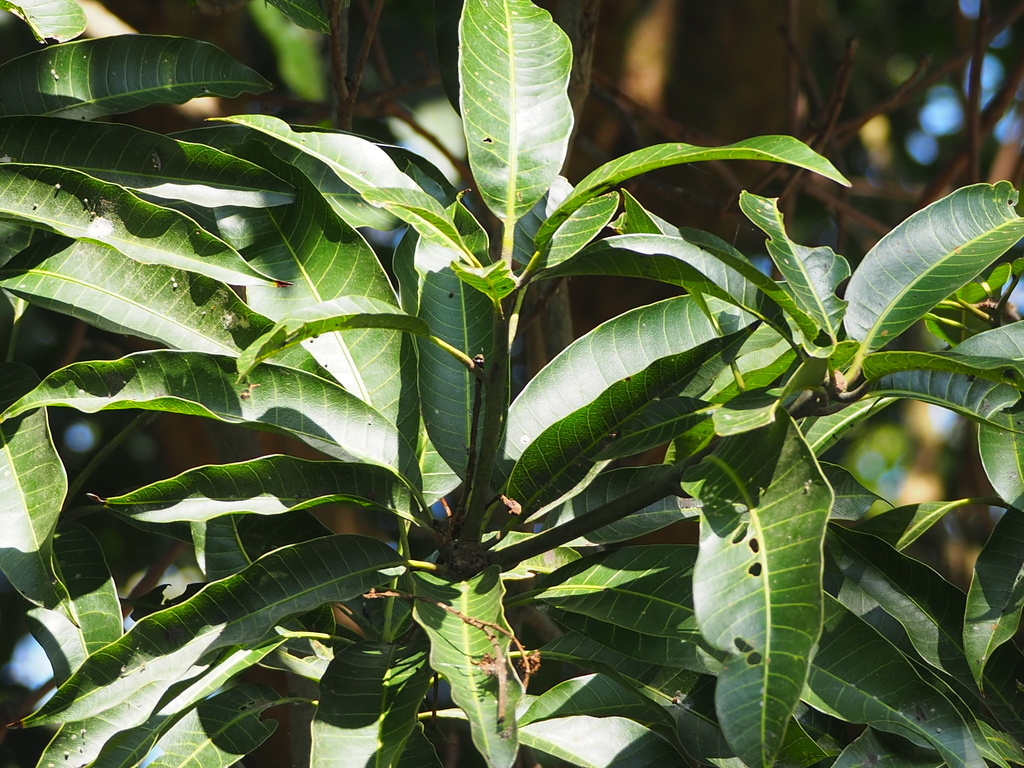
mango
Mangifera indica
Secondary II High No biomass productionLong-lived tropical fruit tree. Pasini lists it in the high stratum of Tabela 3 and in the '20 to 50 years' phase of Tabela 4 (high stratum). A key...
-
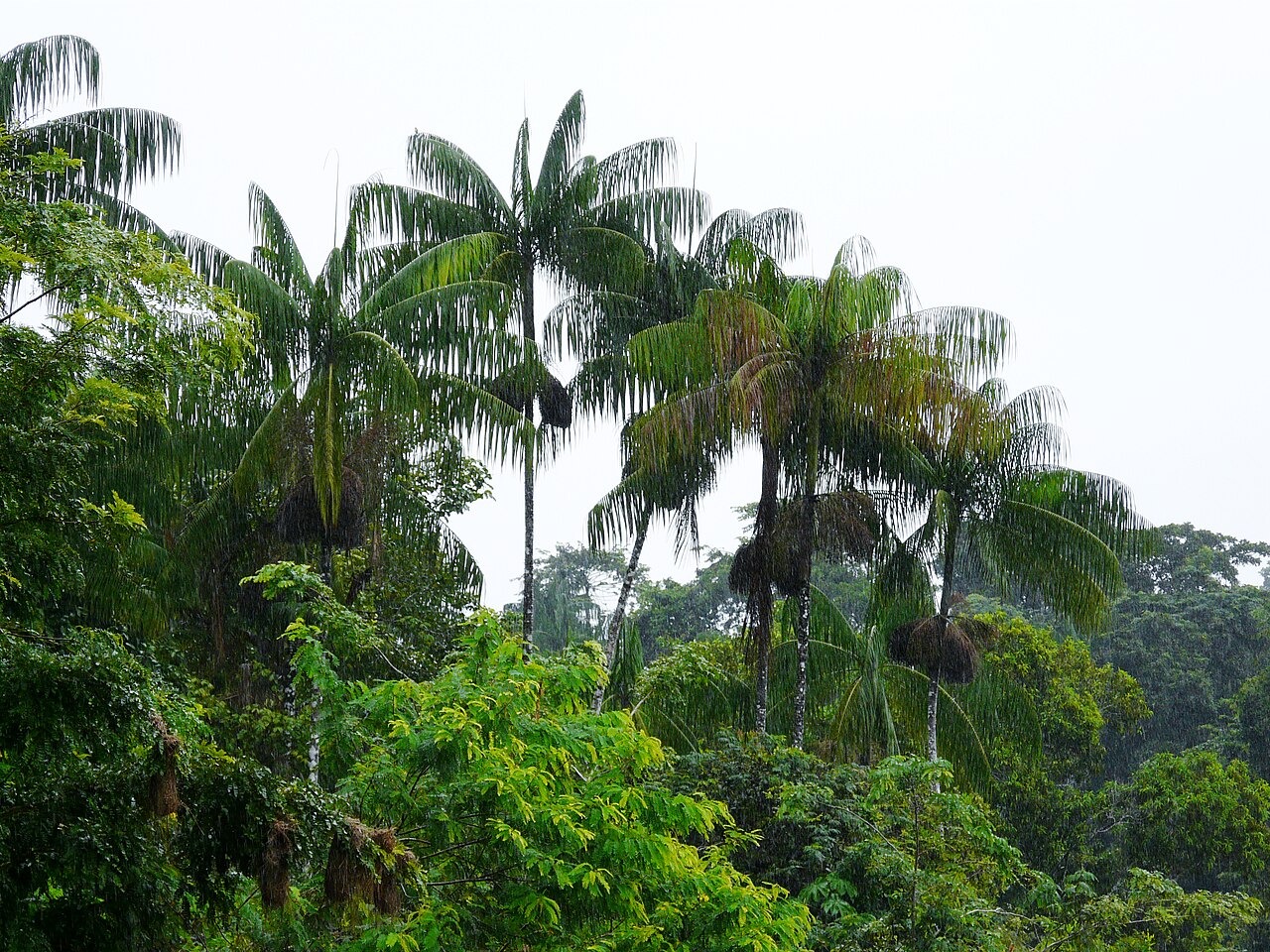
açaí palm
Euterpe oleracea
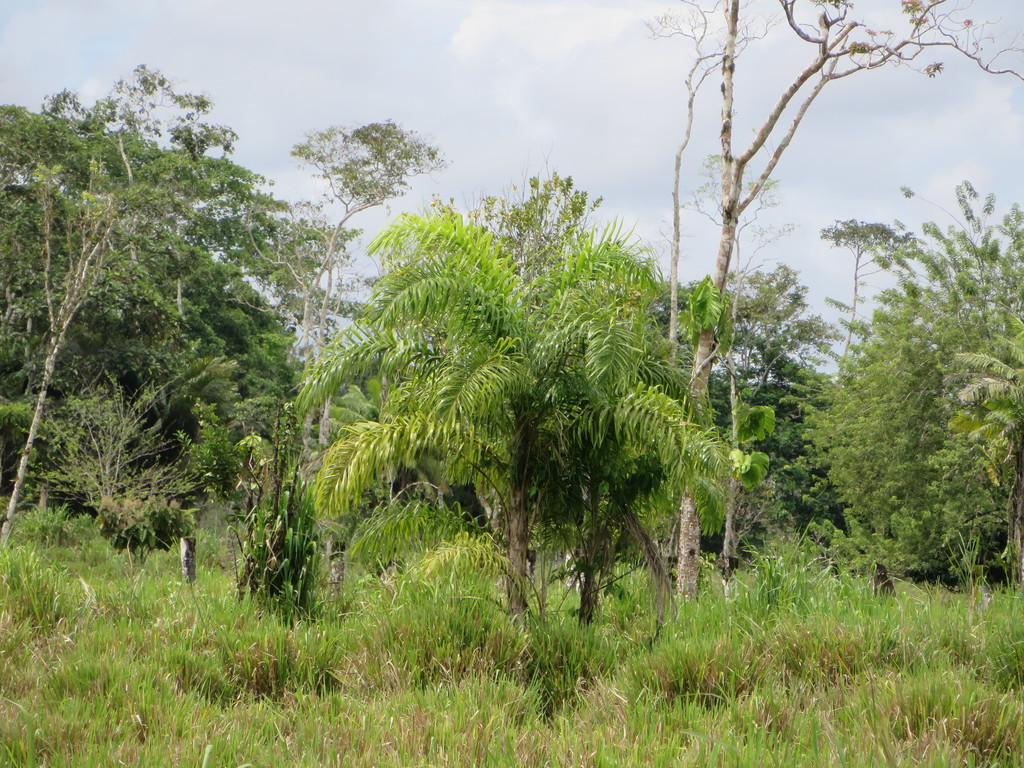
Secondary II High No biomass productionAmazonian native multi-stemmed palm. Pasini lists it in the high stratum of Tabela 3 and cites it explicitly among Abundance-system species. Fruit ...
-
peach palm
Bactris gasipaes
Secondary II Emergent No biomass productionAmazonian multi-stemmed palm; produces heart of palm in ~3 years and edible fruit in ~5 years. Pasini lists it in the emergent stratum of Tabela 3 ...
-
jackfruit
Artocarpus heterophyllus
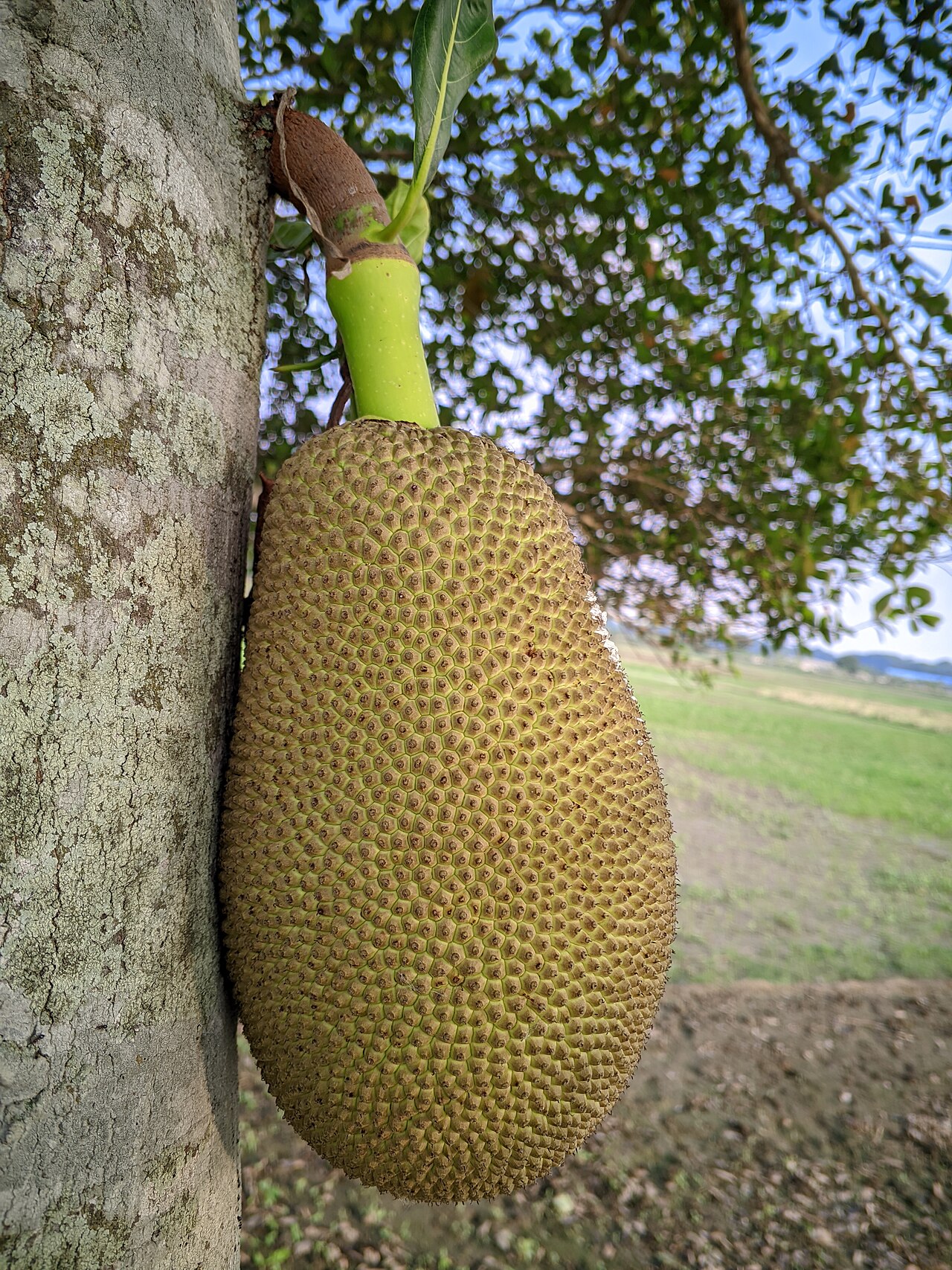
Secondary II High No biomass productionAsian fruit tree naturalized in the Brazilian Atlantic Forest. Pasini lists it in the high stratum of Tabela 3 and in the 5–18 year phase of the co...