Plants
cambucá
Plinia edulis (Vell.) Sobral
Family: Myrtaceae · Genus: Plinia
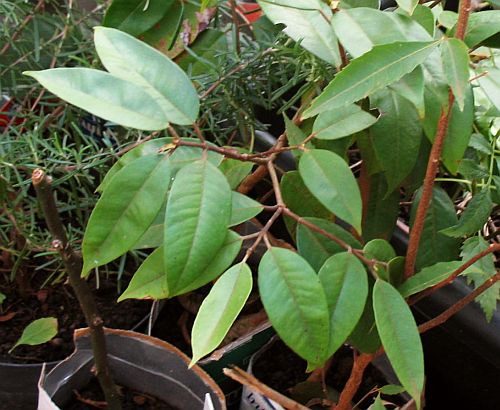
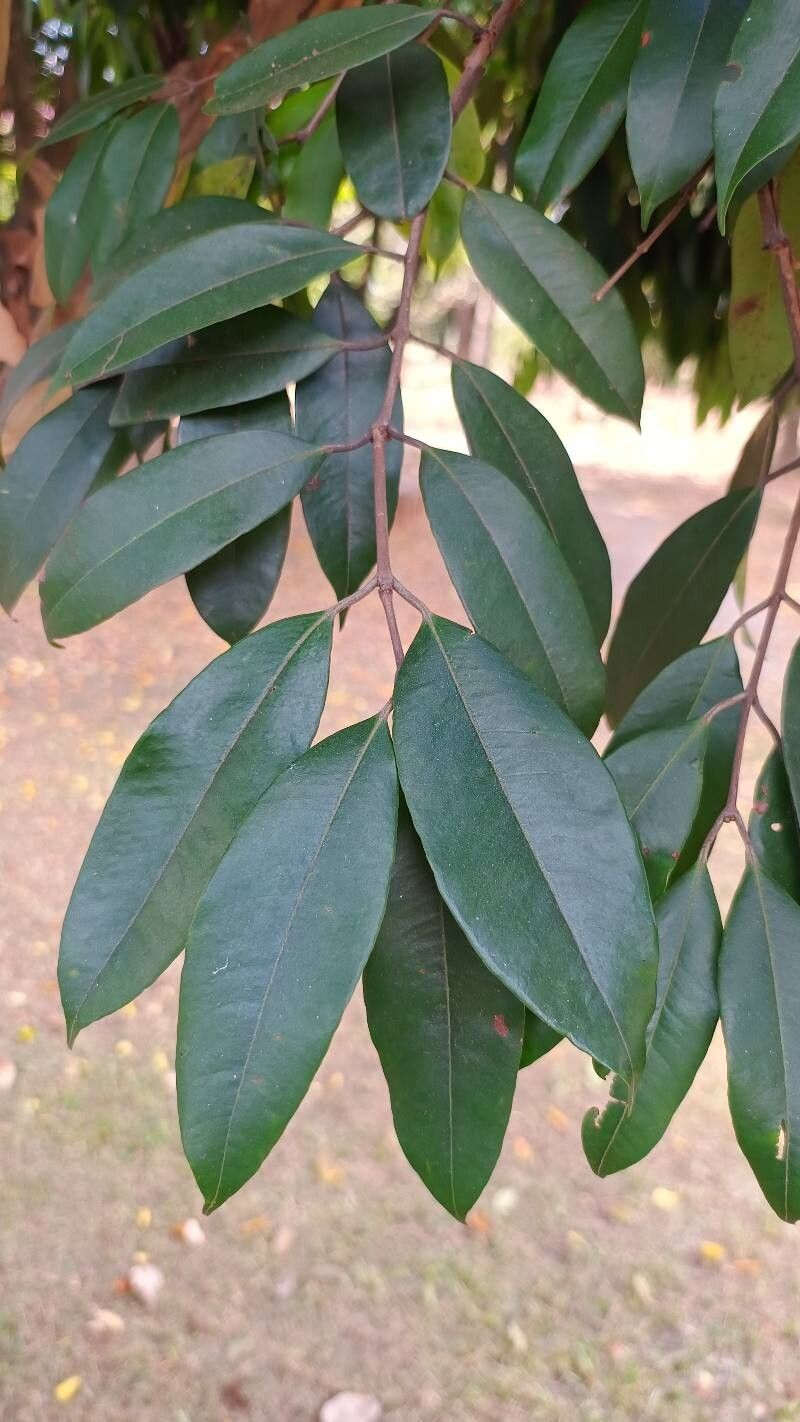
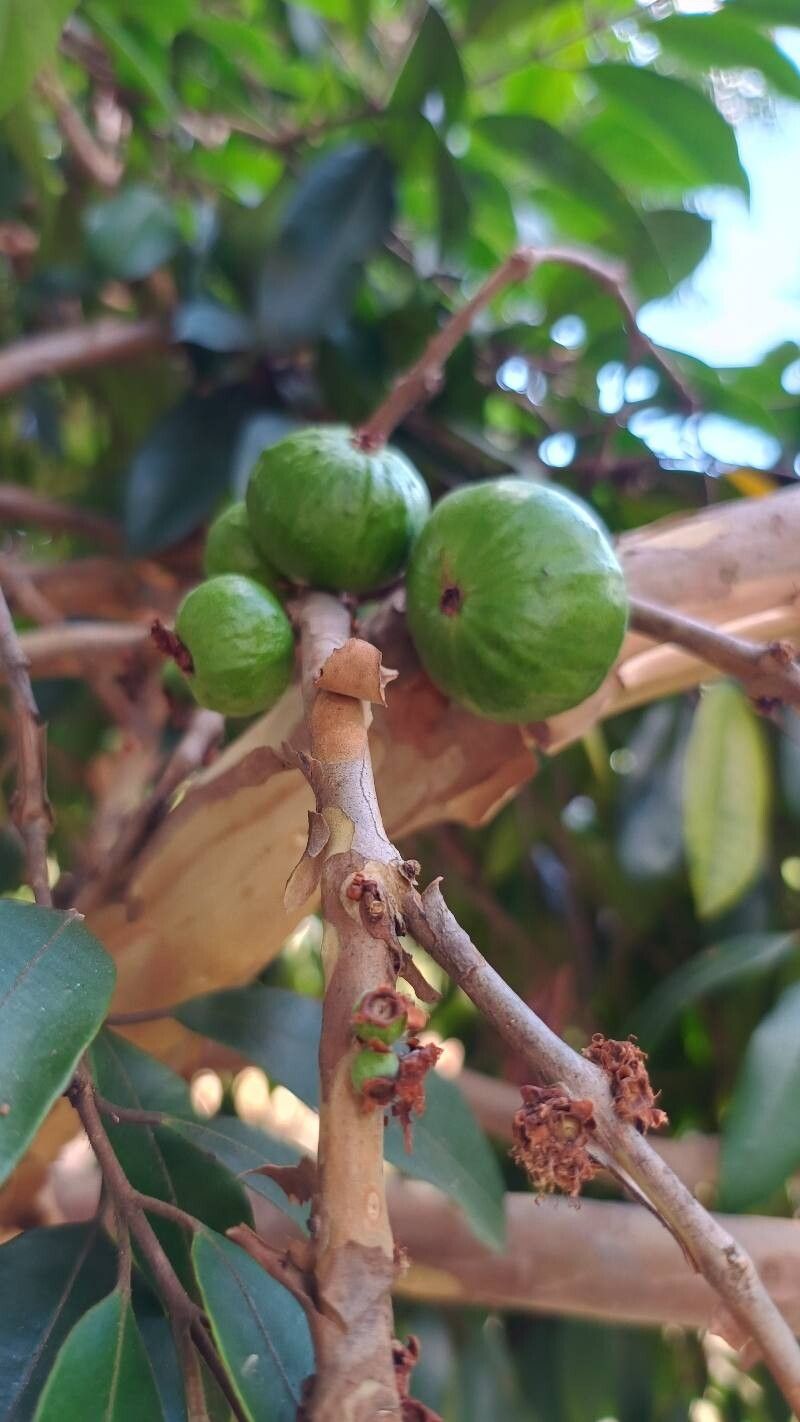
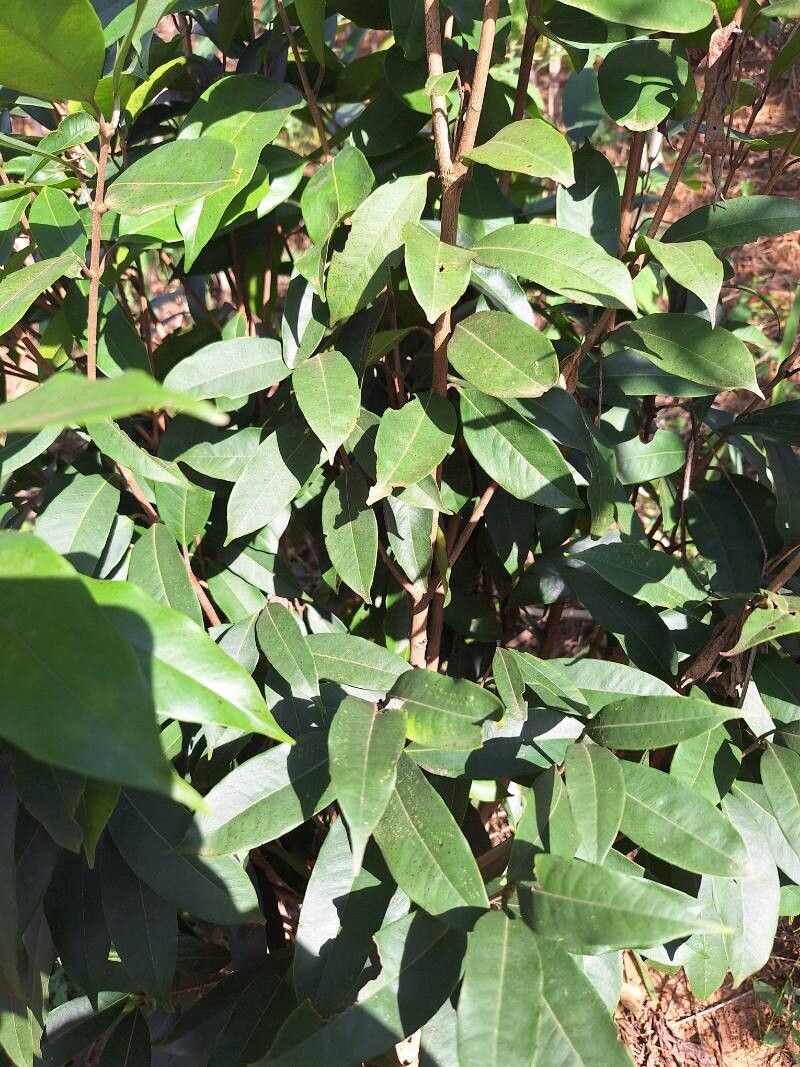
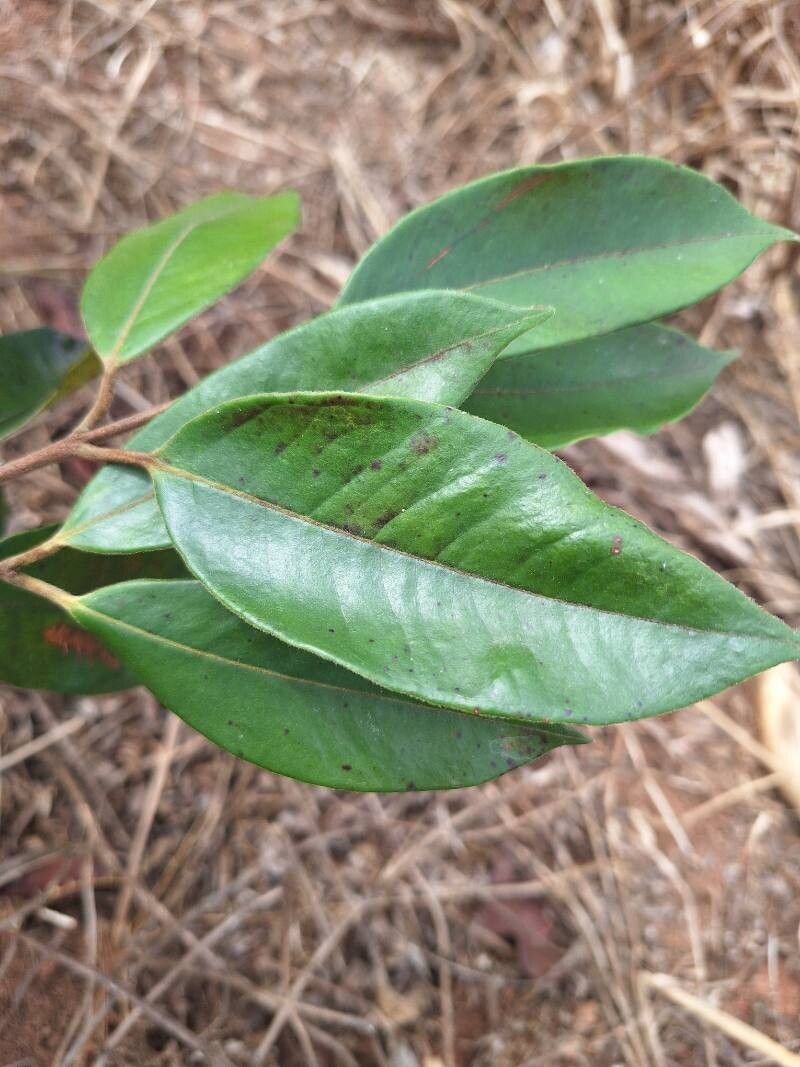
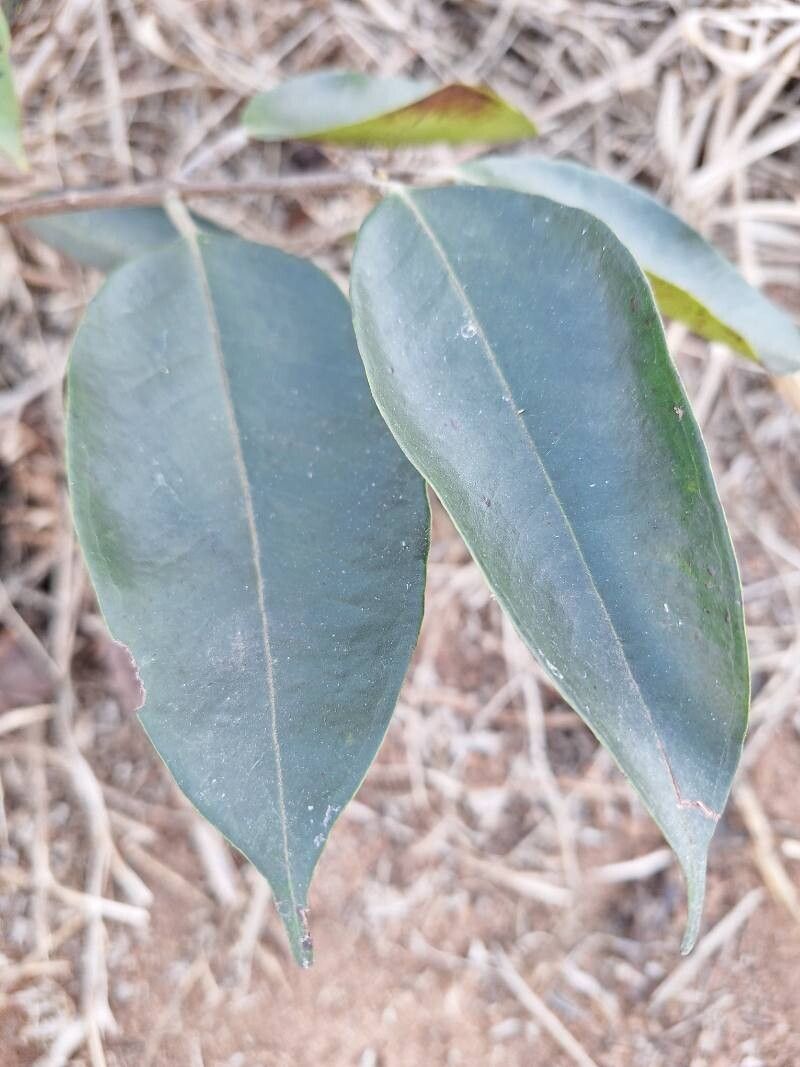
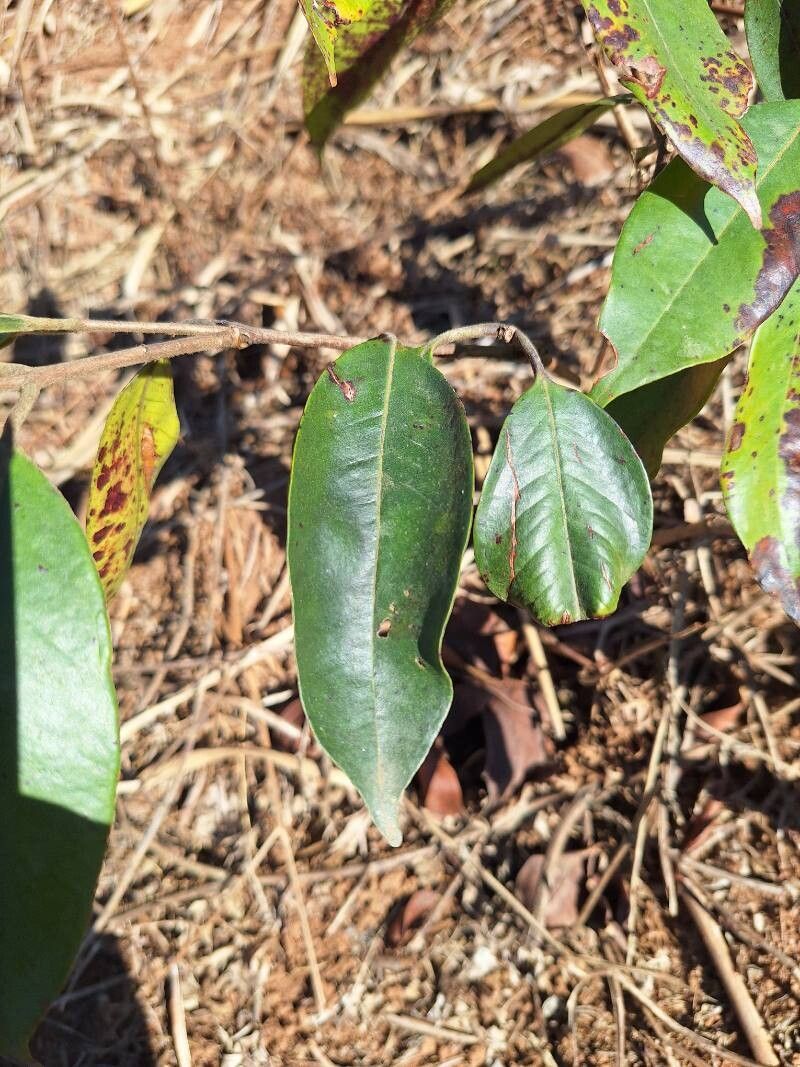
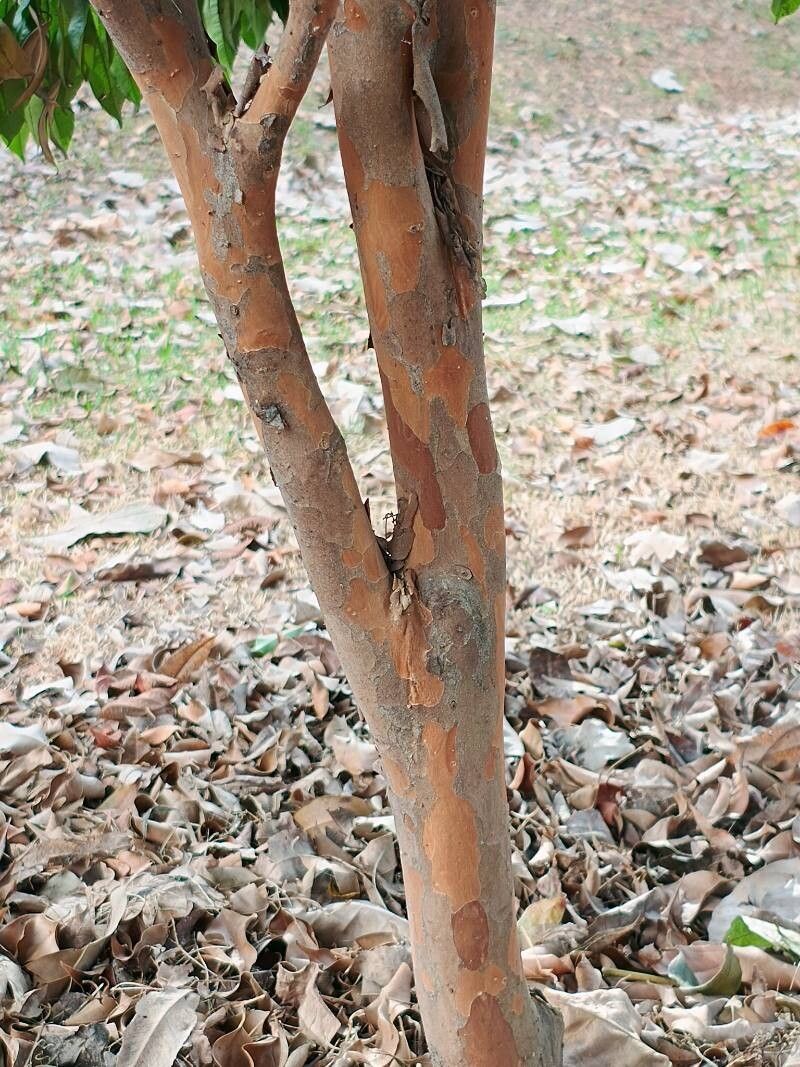
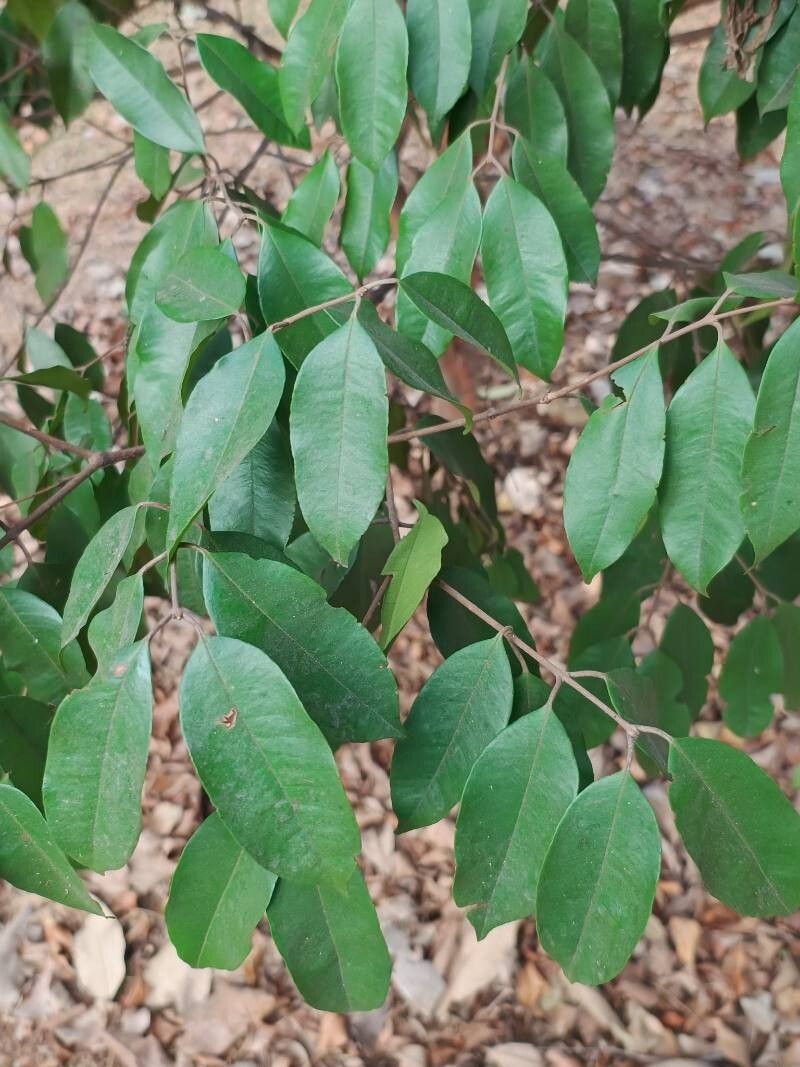
Atlantic-Forest-endemic myrtle of the medium stratum. Rebello cites cambucá as an example of syntropic coexistence with cupuaçu in Casimiro de Abreu (RJ): both share the stratum; cupuaçu (Amazonian) fruits at 6–7 years, cambucá at ~15. Yellow, juicy, sweet fruits prized in native fruticulture. Very slow growth.
Götsch succession
- Götsch stage
- Secondary II
- Ecological role
- Late secondary
- Primary stratum
- Medium
- Strata
- Medium
- Biomass class
- No biomass production
Environment
- Light requirement
- Partial shade
- Water requirement
- Moderate
- Drought tolerance
- Low
- Preferred soil texture
- Loamy, Clayey
Morphology
- Mature height
- 6–14 m
- Growth rate
- Slow
- Lifespan
- ≥ 60 years
- Time to first harvest
- 180 months
Biomes & climate
- Atlantic Forest Native
Köppen classes
- Tropical rainforest (Af) Suitable
- Tropical monsoon (Am) Suitable
- Humid subtropical (Cfa) Suitable
Where it fits in a guild
Cambucá takes the Medium stratum in the Secondary II phase of succession — in a guild it shares the line with species from the other strata, each harvesting light at its own height, in its own time.
Free account — and the catalog stays open, no sign-up needed.
❓ Frequently asked questions
How long until the first harvest of cambucá?
The first harvest of cambucá comes around 180 months after planting.
How tall does cambucá grow?
At maturity, cambucá reaches 6–14 m tall.
What stage and stratum does cambucá occupy in a syntropic system?
In a syntropic system, cambucá belongs to the secondary ii stage, occupying the medium stratum.
Functions
Propagation
Seed
Citations
- Rebello, J. F. S. (2018) — Princípios da Agricultura Sintrópica, EcoAgri , p. 40 (primary_stratum, time_to_first_harvest_months)
- Rebello, J. F. S. (2018) — Princípios da Agricultura Sintrópica, EcoAgri , p. 21 (biomes)
- Flora e Funga do Brasil (Reflora) — Plinia edulis (external_ids, biomes)
External references
Continue exploring
Related plants
-
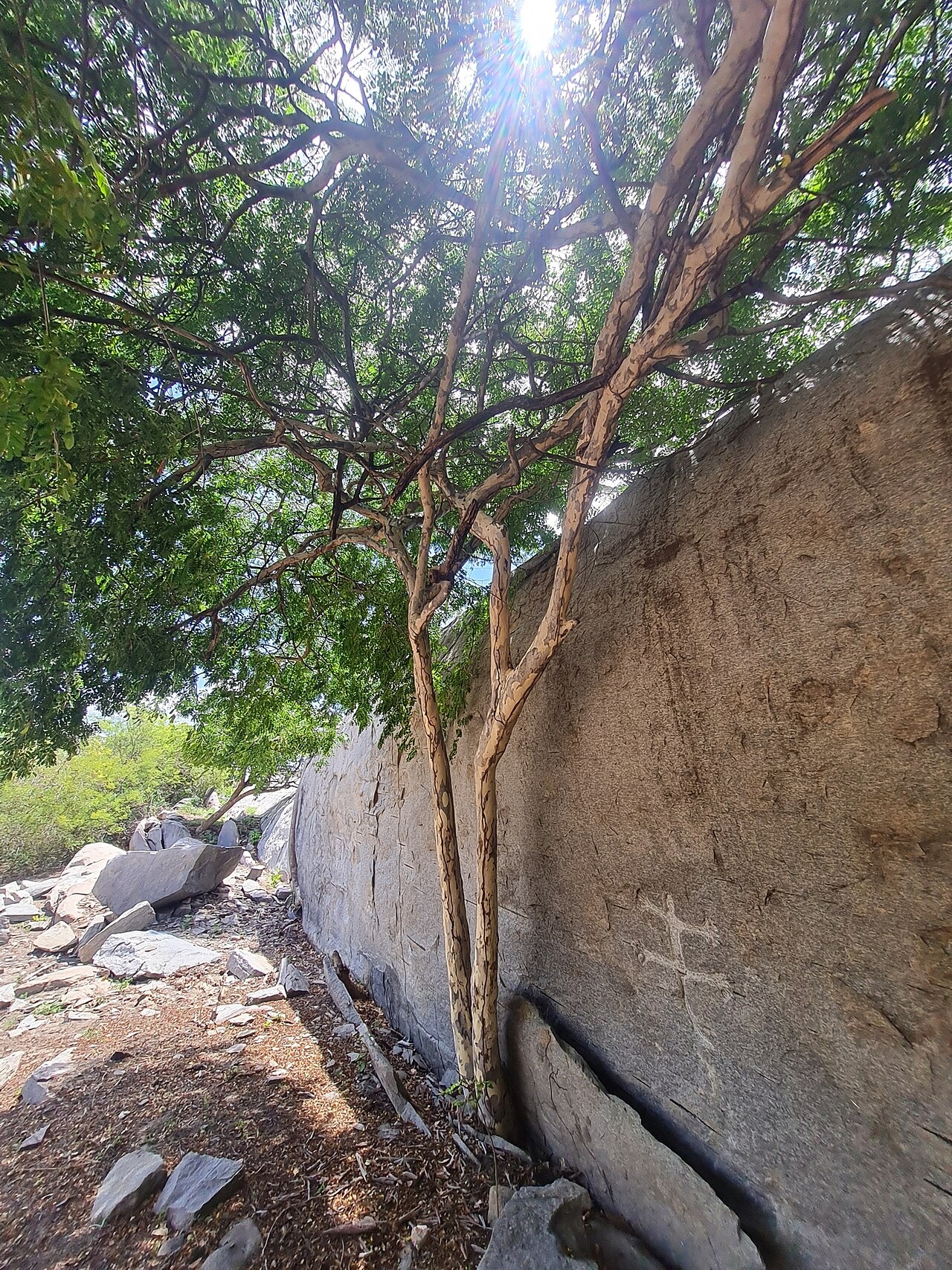
Brazilian ironwood
Libidibia ferrea
Secondary II High Fertilizer & mulchLeguminous tree occurring in Caatinga, Cerrado and Atlantic Forest. Sun-tolerant and melliferous.
-
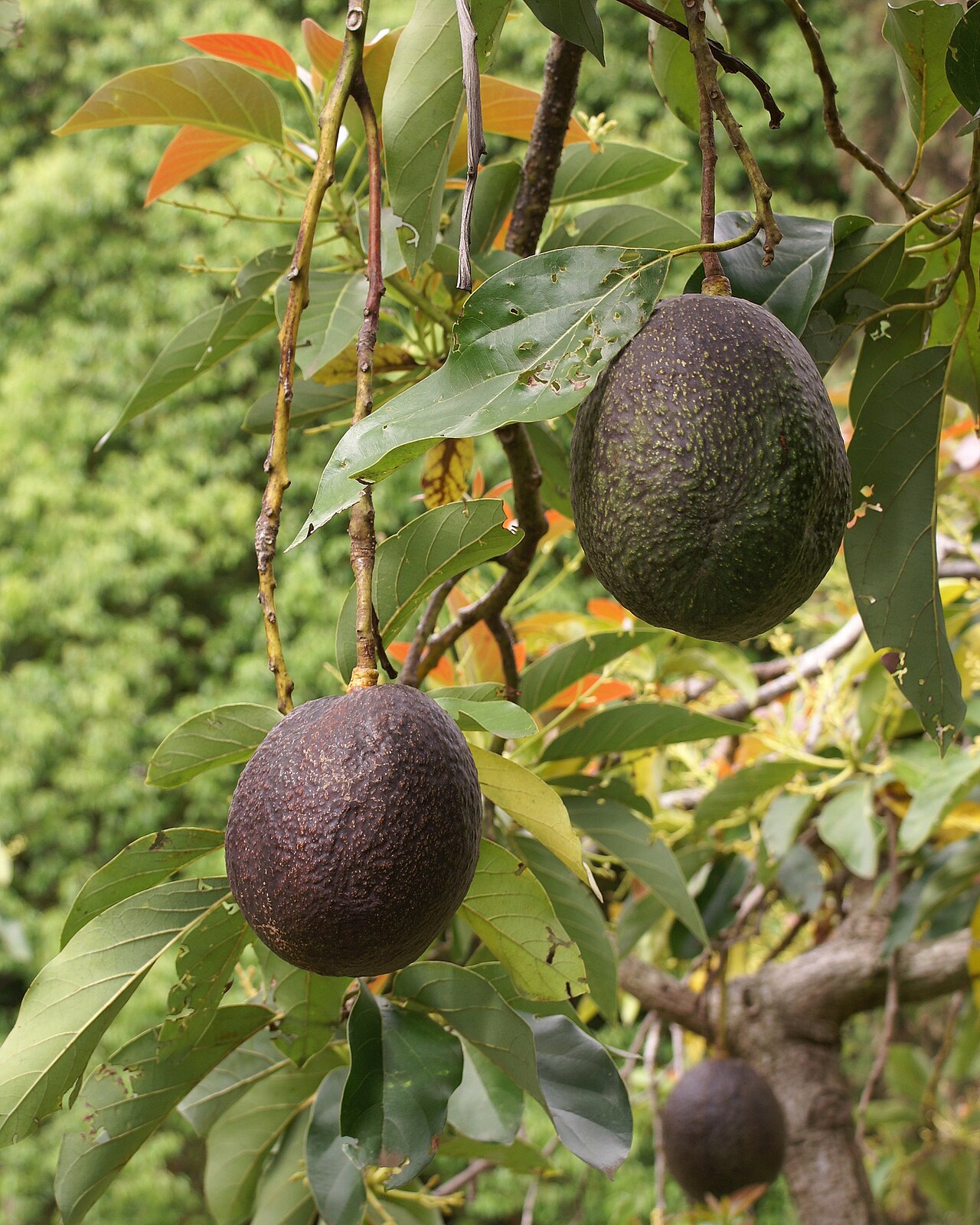
avocado
Persea americana
Secondary II High No biomass productionLong-lived perennial fruit tree. Pasini classifies it in the high stratum of Tabela 3 and explicitly cites it among Abundance-system species (high ...
-
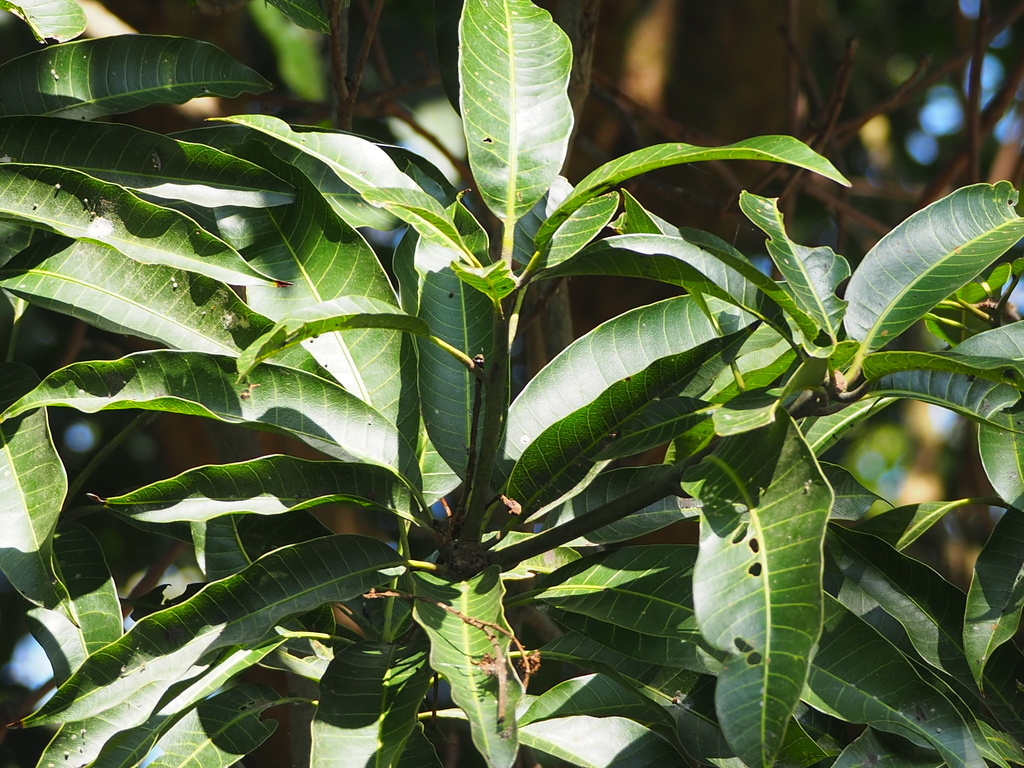
mango
Mangifera indica
Secondary II High No biomass productionLong-lived tropical fruit tree. Pasini lists it in the high stratum of Tabela 3 and in the '20 to 50 years' phase of Tabela 4 (high stratum). A key...
-
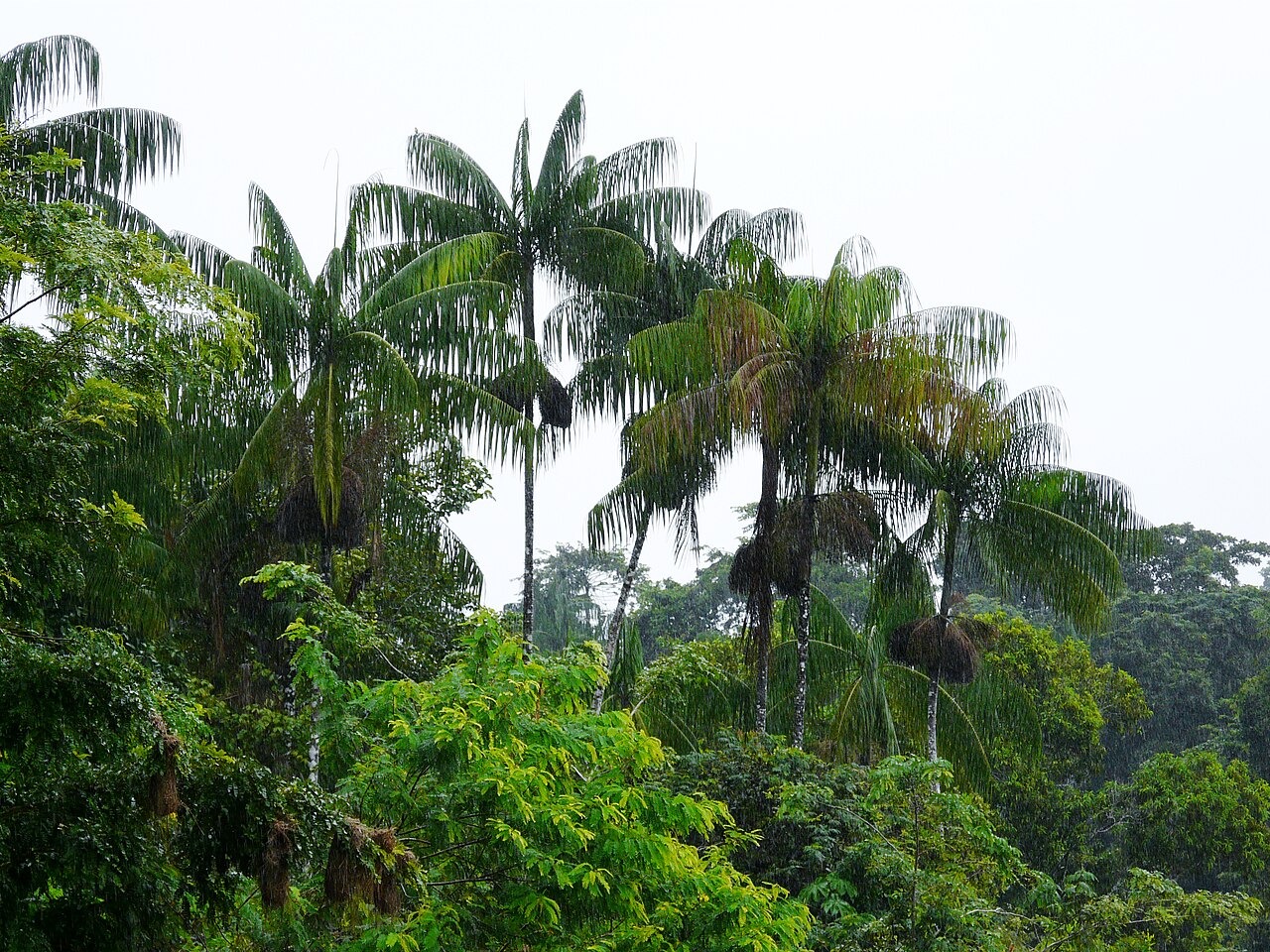
açaí palm
Euterpe oleracea
Secondary II High No biomass productionAmazonian native multi-stemmed palm. Pasini lists it in the high stratum of Tabela 3 and cites it explicitly among Abundance-system species. Fruit ...
-
peach palm
Bactris gasipaes
Secondary II Emergent No biomass productionAmazonian multi-stemmed palm; produces heart of palm in ~3 years and edible fruit in ~5 years. Pasini lists it in the emergent stratum of Tabela 3 ...
-
jackfruit
Artocarpus heterophyllus
Secondary II High No biomass productionAsian fruit tree naturalized in the Brazilian Atlantic Forest. Pasini lists it in the high stratum of Tabela 3 and in the 5–18 year phase of the co...