Plants
wolf apple
Solanum lycocarpum A.St.-Hil.
Family: Solanaceae · Genus: Solanum
wolf fruit
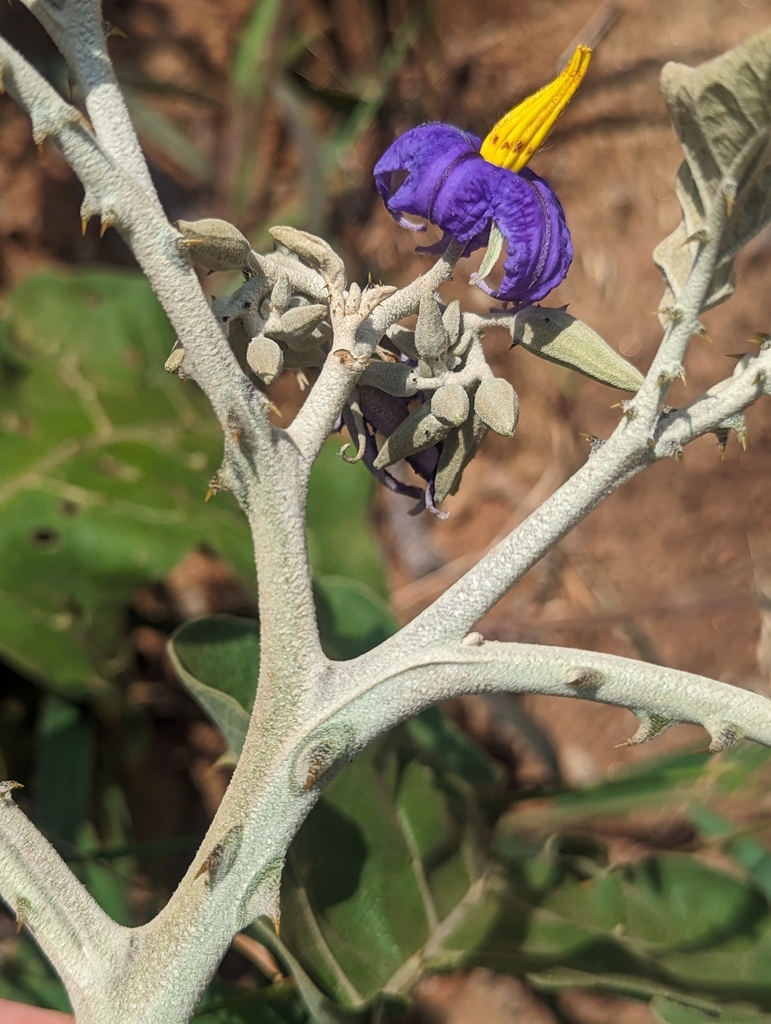
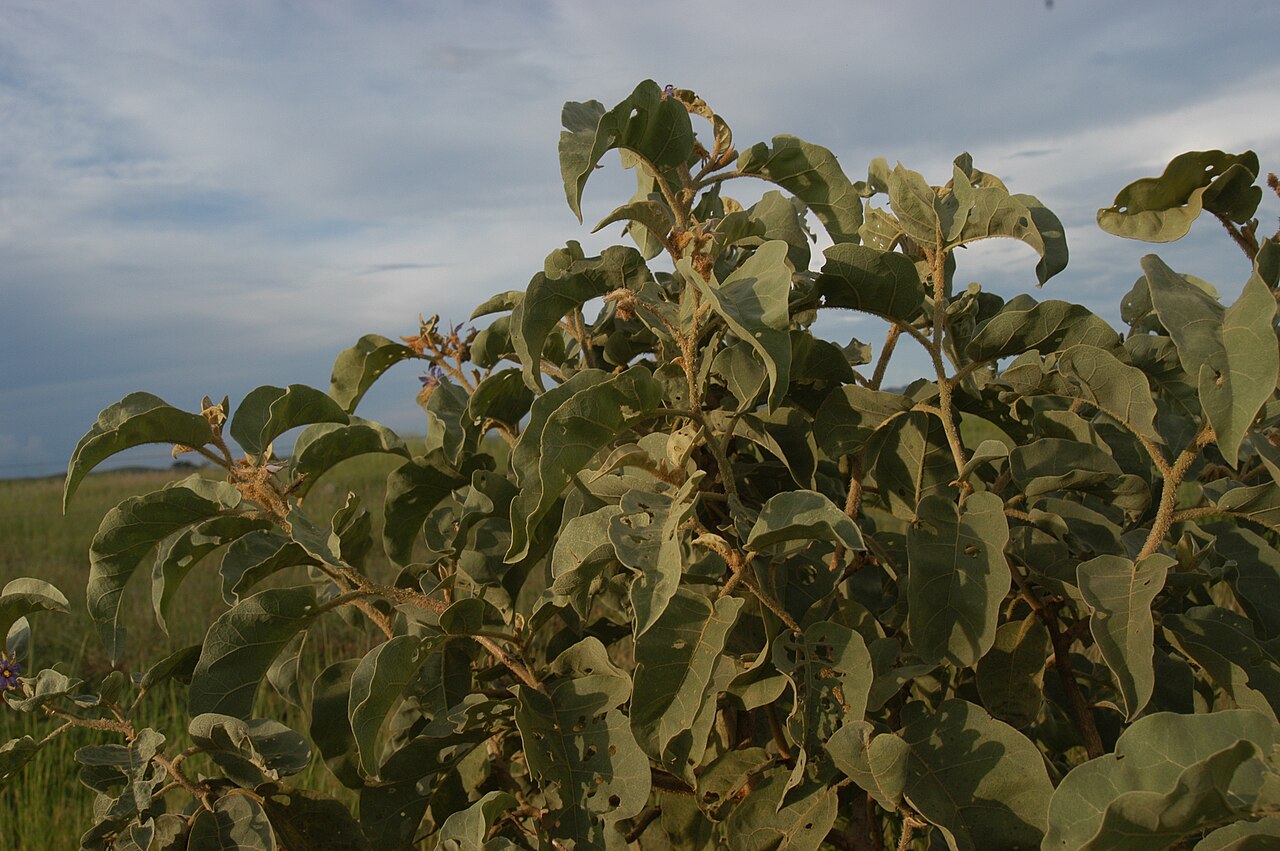
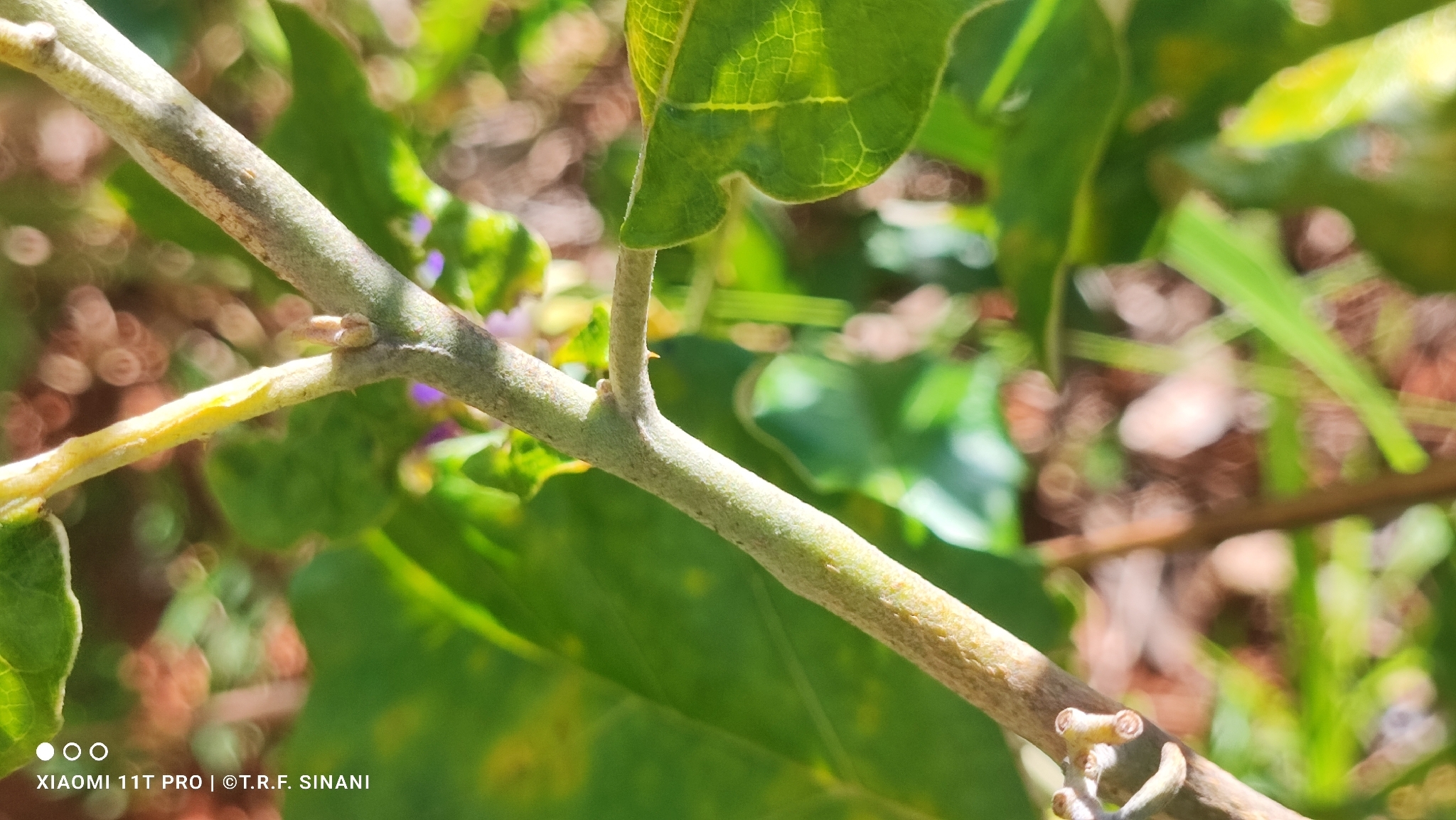
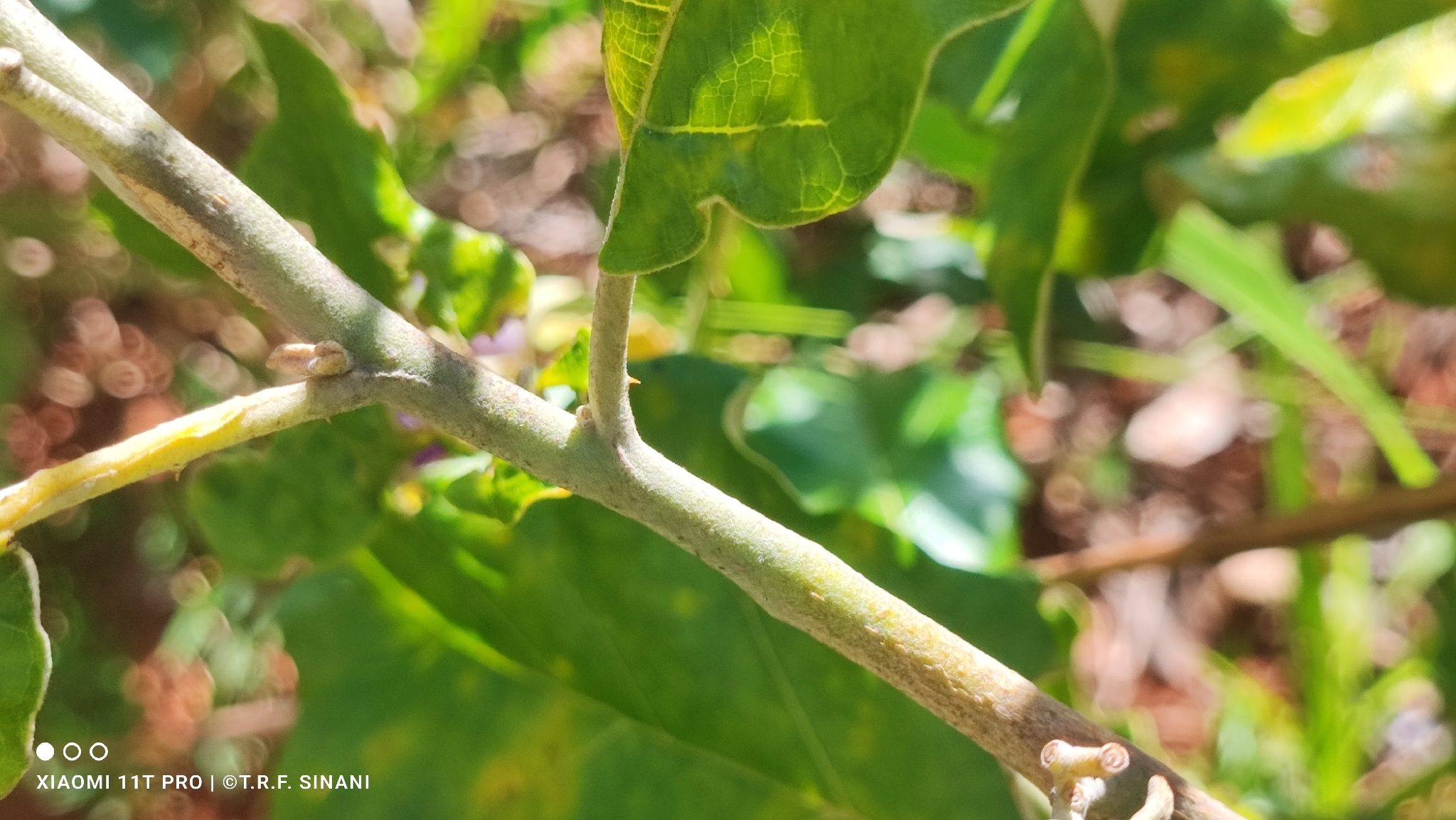
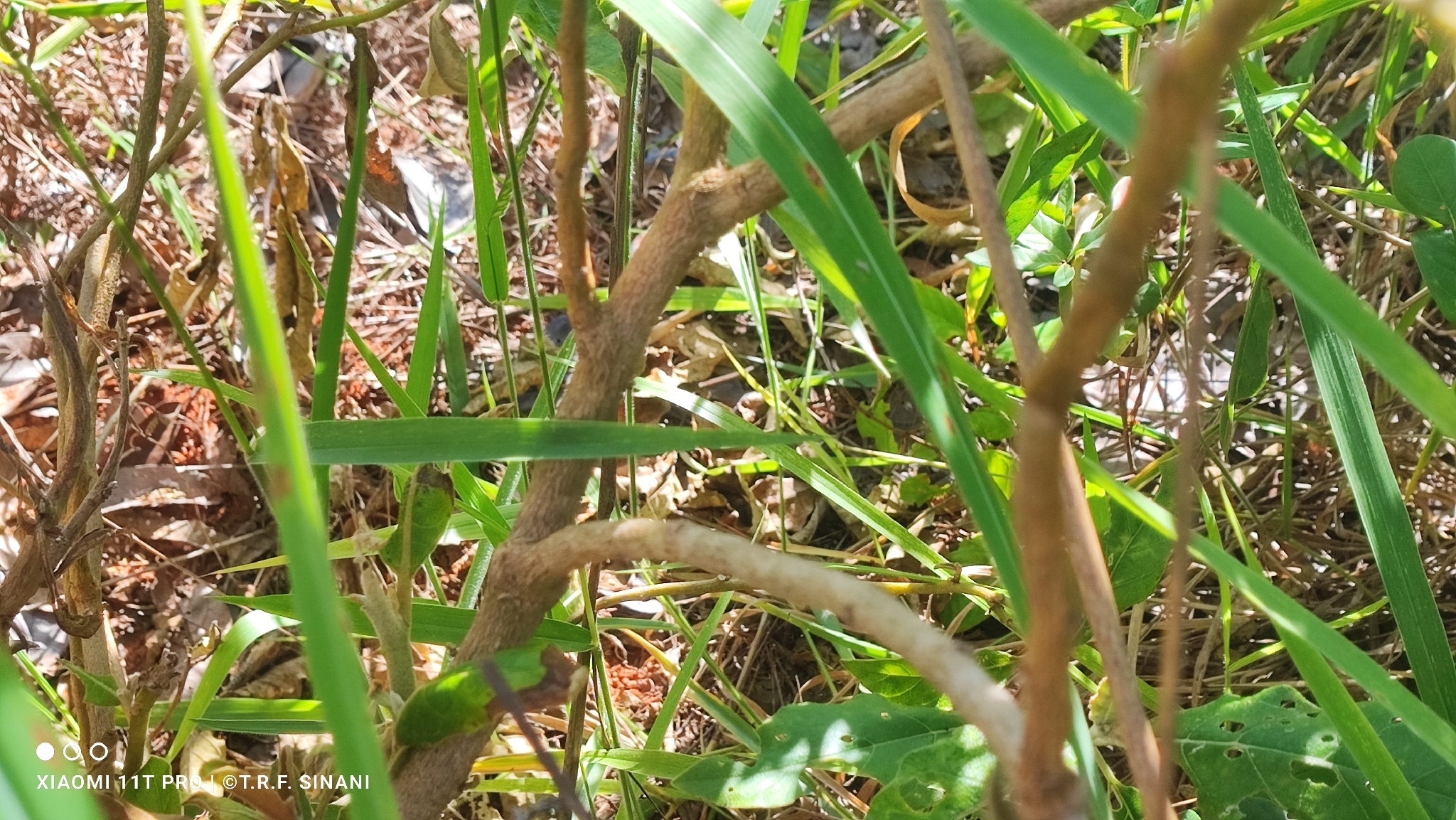
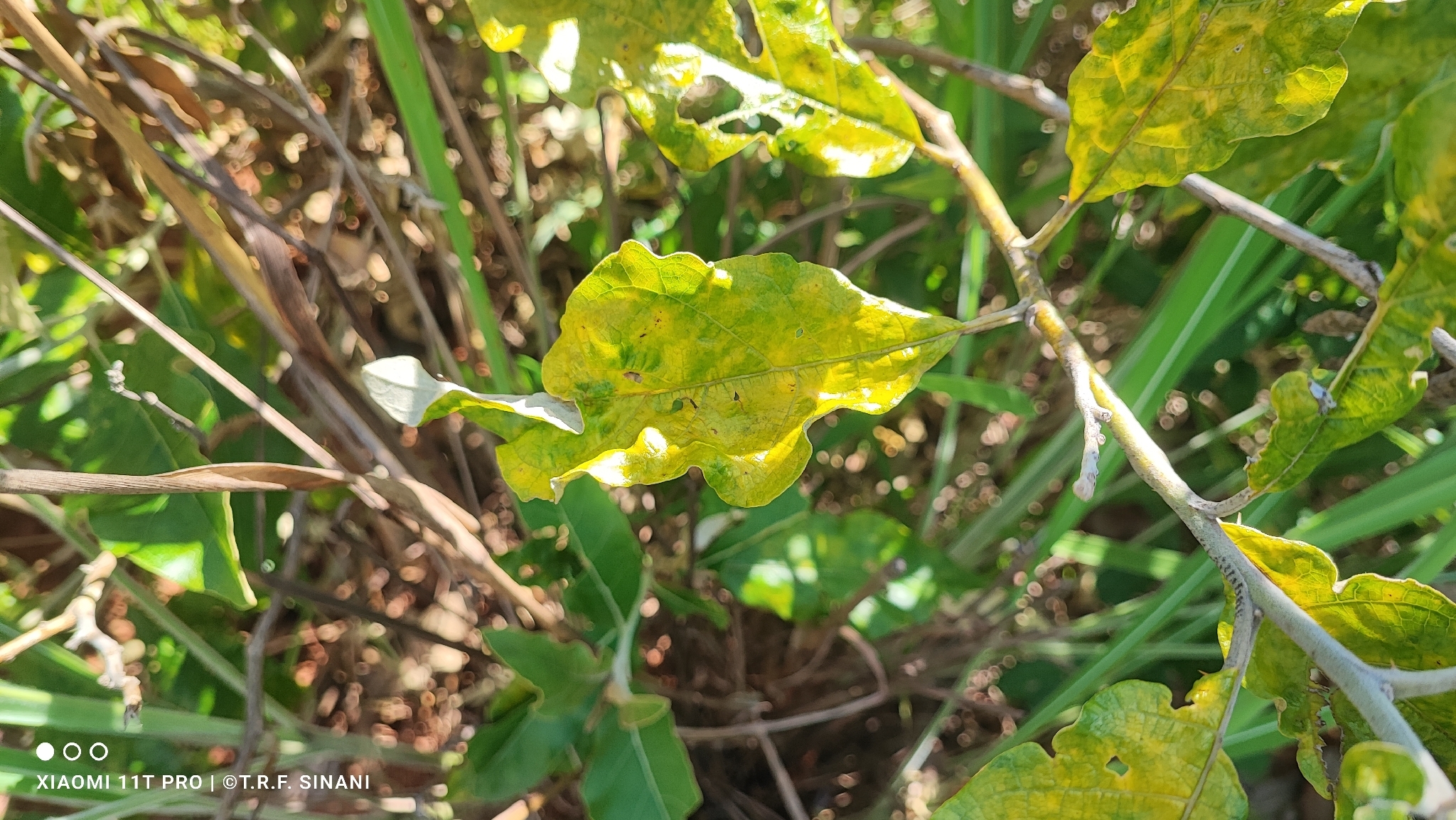
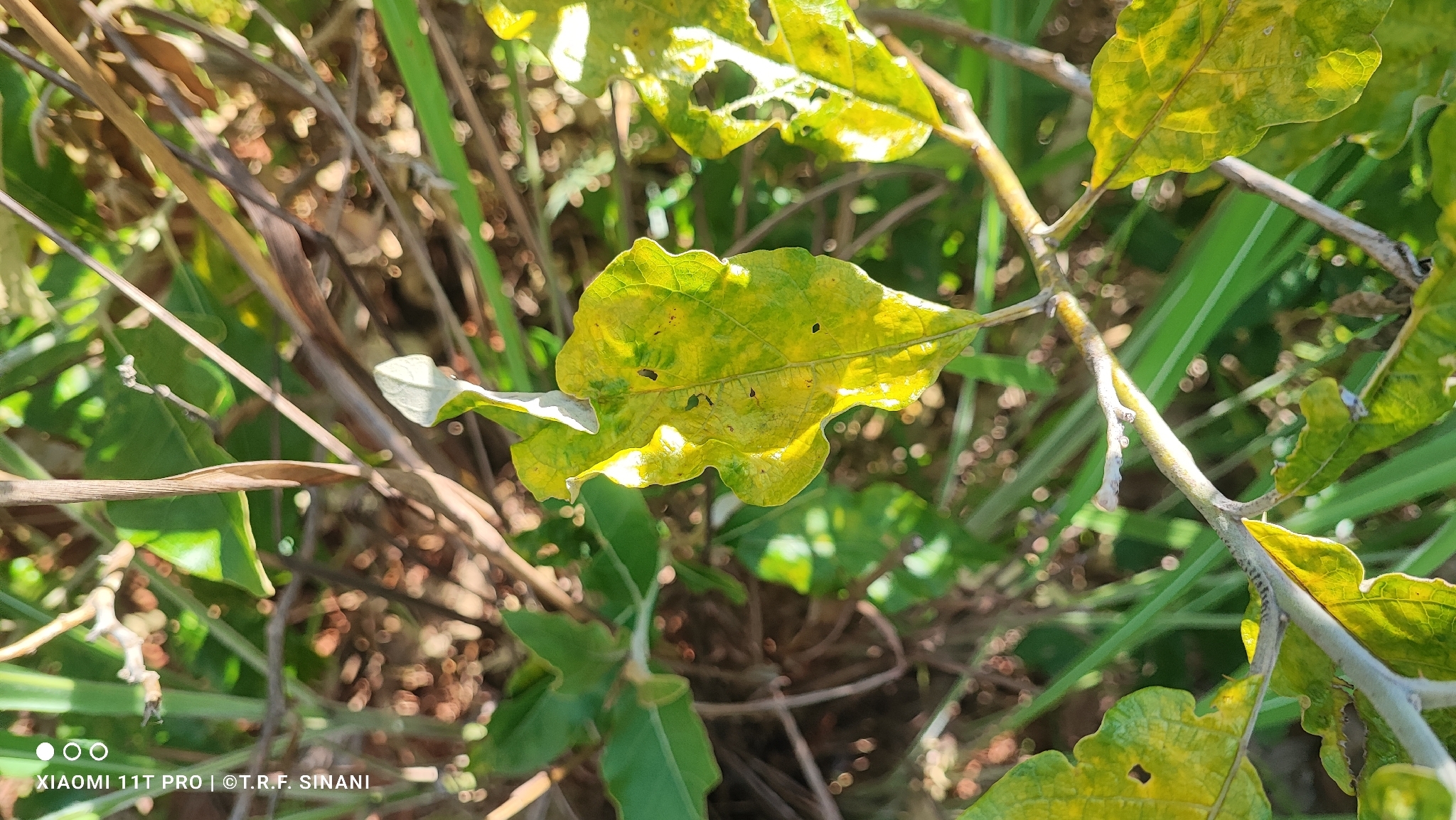
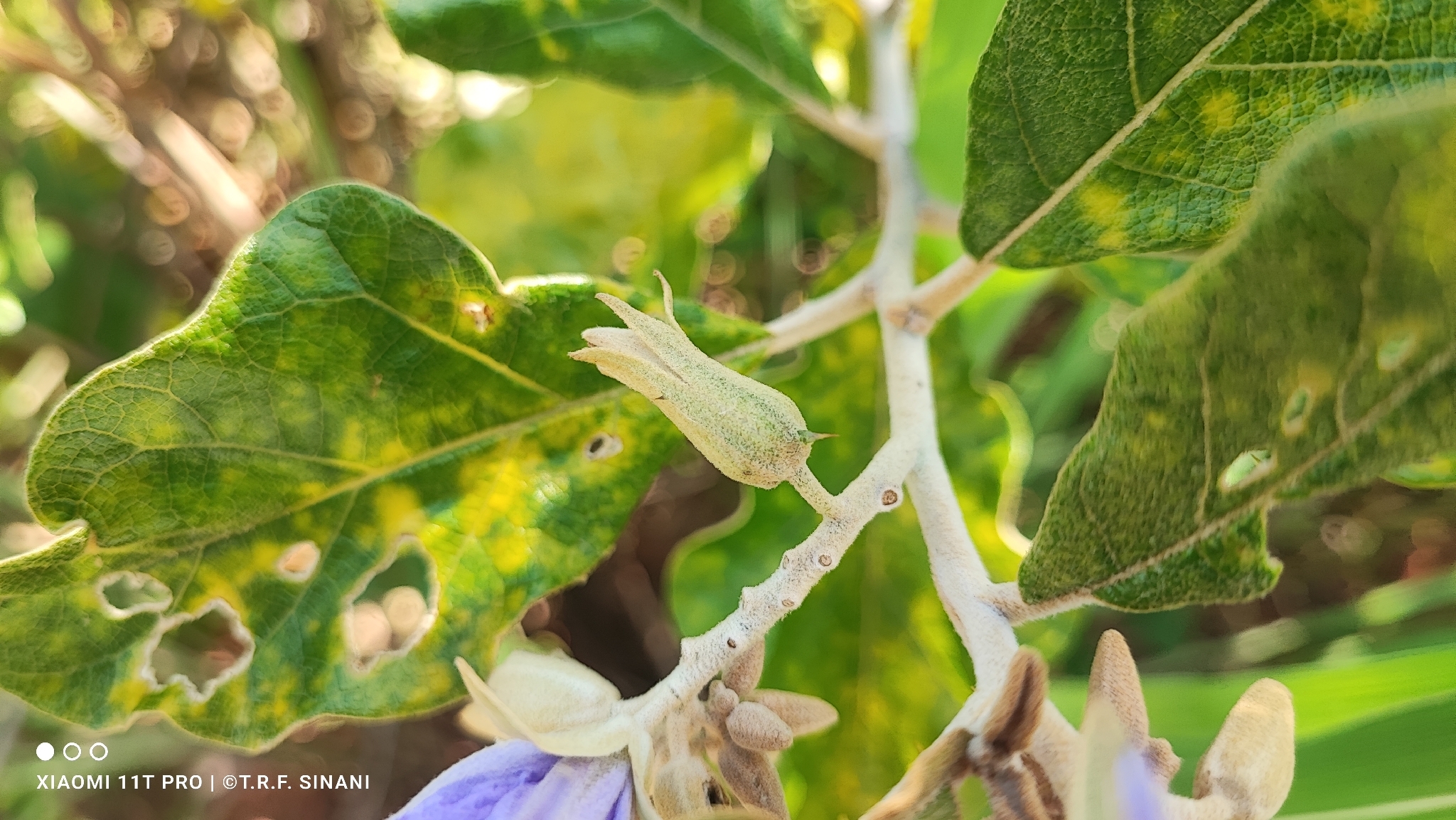
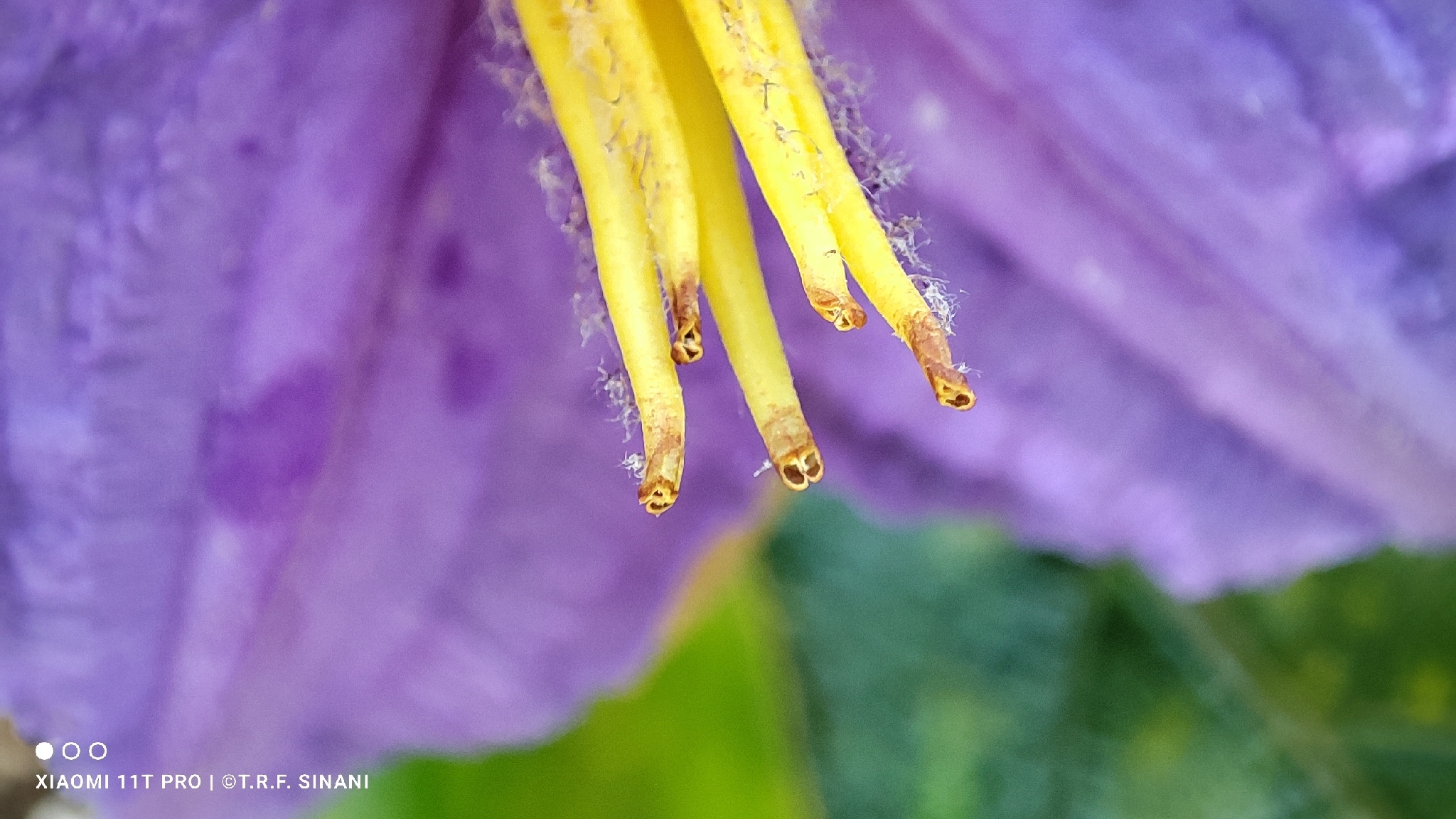
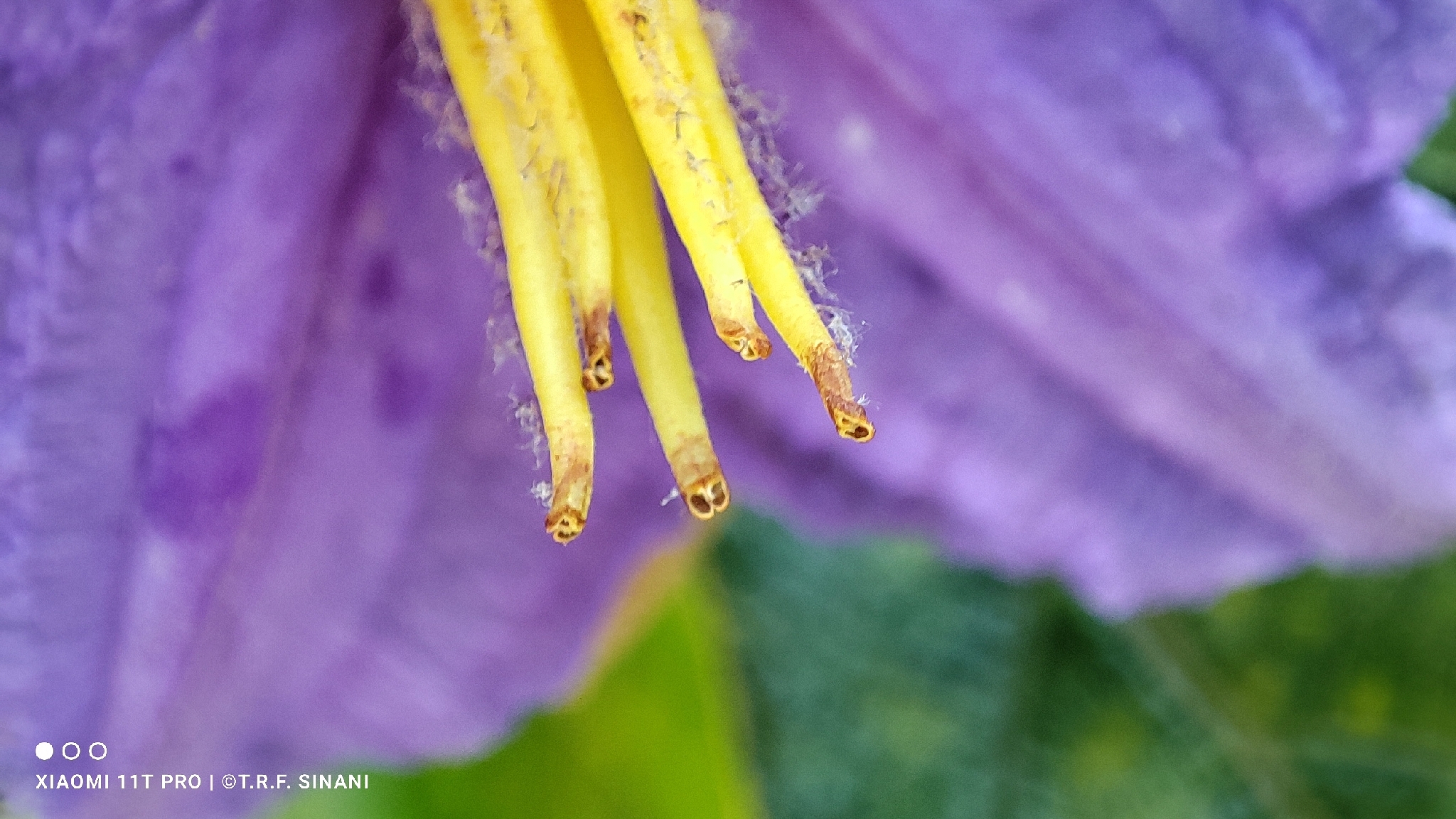
Small iconic Cerrado tree, listed by Rebello among accumulation-system species used on exhausted soils in Chapada dos Veadeiros. Large yellow fruits — staple food of the maned wolf (hence the name). Tolerates fire and drought; grows fast on degraded pastures. Fruit pulp used in folk medicine against diabetes.
📚 Synonyms
Scientific synonyms: Solanum lycocarpum var. lycocarpum, Solanum grandiflorum sensu auct. non Ruiz & Pav.
Götsch succession
- Götsch stage
- Placenta II
- Ecological role
- Pioneer
- Primary stratum
- Low
- Strata
- Low, Medium
- Biomass class
- Mulch biomass
Environment
- Light requirement
- Full sun
- Water requirement
- Low
- Drought tolerance
- High
- Waterlogging tolerance
- Low
- Soil pH range
- 4.5–6.5
- Preferred soil texture
- Sandy, Clayey, Loamy
Morphology
- Mature height
- 2–5 m
- Recommended spacing
- 3–5 m
- Root system
- Taproot
- Root depth
- Deep
- Growth rate
- Fast
- Lifespan
- 8–15 years
- Time to first harvest
- 24 months
Biomes & climate
- Cerrado Native
Köppen classes
- Tropical savanna with dry winter (Aw) Suitable
- Subtropical with dry winter (Cwa) Suitable
- Hot semi-arid (BSh) Suitable
Where it fits in a guild
Wolf apple takes the Low stratum in the Placenta II phase of succession — in a guild it shares the line with species from the other strata, each harvesting light at its own height, in its own time.
Free account — and the catalog stays open, no sign-up needed.
🪴 Cultivation
Deciduous open-crowned shrub or small tree, 1.2–5 m. Succeeds in a wide range of well-drained soils from sandy to heavy clay, and in the poor acid soils typical of the Cerrado, to 1,100 m elevation. A very drought- and fire-tolerant pioneer that colonises abandoned pasture. Seeds germinate readily in 3–4 weeks; seedlings ready 4–5 months later.
📅 Phenology
Flowering months: April, May, June, July, August, September
Fruiting months: July, August, September, October, November, December, January
❓ Frequently asked questions
How long until the first harvest of wolf apple?
The first harvest of wolf apple comes around 24 months after planting.
What spacing is recommended for wolf apple?
The recommended spacing for wolf apple is 3–5 m.
How tall does wolf apple grow?
At maturity, wolf apple reaches 2–5 m tall.
When does wolf apple fruit?
Fruiting of wolf apple occurs in July, August, September, October, November, December, January.
When does wolf apple flower?
Flowering of wolf apple occurs in April, May, June, July, August, September.
What stage and stratum does wolf apple occupy in a syntropic system?
In a syntropic system, wolf apple belongs to the placenta ii stage, occupying the low stratum.
Functions
Propagation
Seed
Citations
- Rebello, J. F. S. (2018) — Princípios da Agricultura Sintrópica, EcoAgri , p. 18 (gotsch_stage, ecological_role)
- Rebello, J. F. S. (2018) — Princípios da Agricultura Sintrópica, EcoAgri , p. 40 (biomes, drought_tolerance)
- Useful Tropical Plants — Solanum lycocarpum (height_min_m, height_max_m, ph_min, ph_max, soil_texture_preference, light_need, drought_tolerance, propagation, cultivation_notes)
- Wikipedia — Solanum lycocarpum (from Cerrado phenology literature) (height_max_m, phenology)
- Oliveira-Filho & Oliveira (1988) / Biosci. J. — floração e frutificação de Solanum lycocarpum no Cerrado (phenology, flowering_months, fruiting_months)
- GBIF — Solanum lycocarpum A.St.-Hil. (external_ids)
External references
Continue exploring
Related plants
-
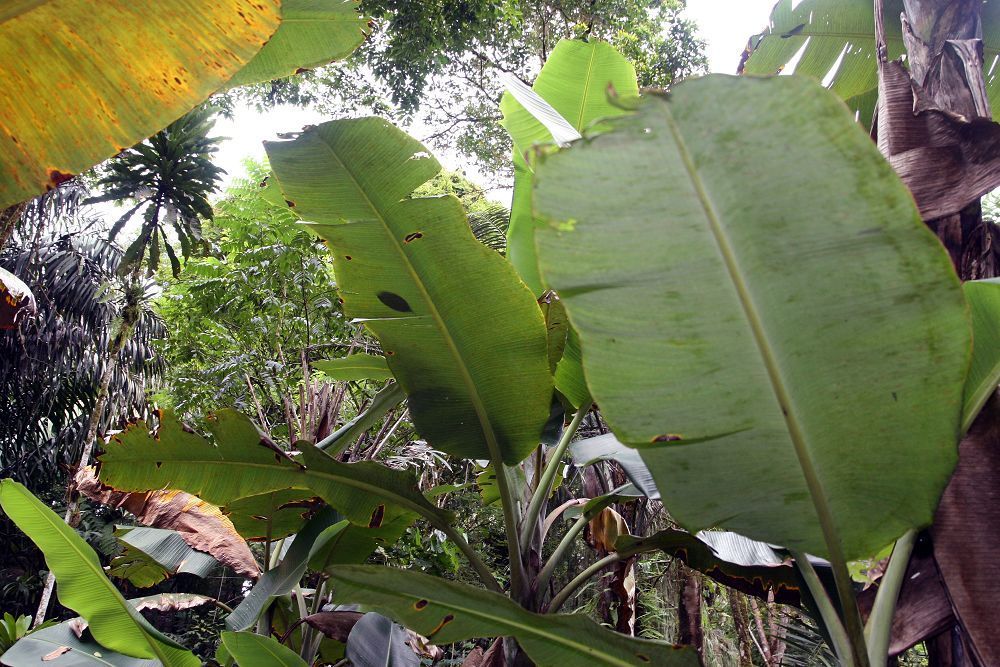
banana
Musa × paradisiaca
Placenta II High Mulch biomassBanana is a fast-growing pioneer species valued for cover biomass, edible fruit, and a structuring role in syntropic rows. Grows in any moist, well...
-
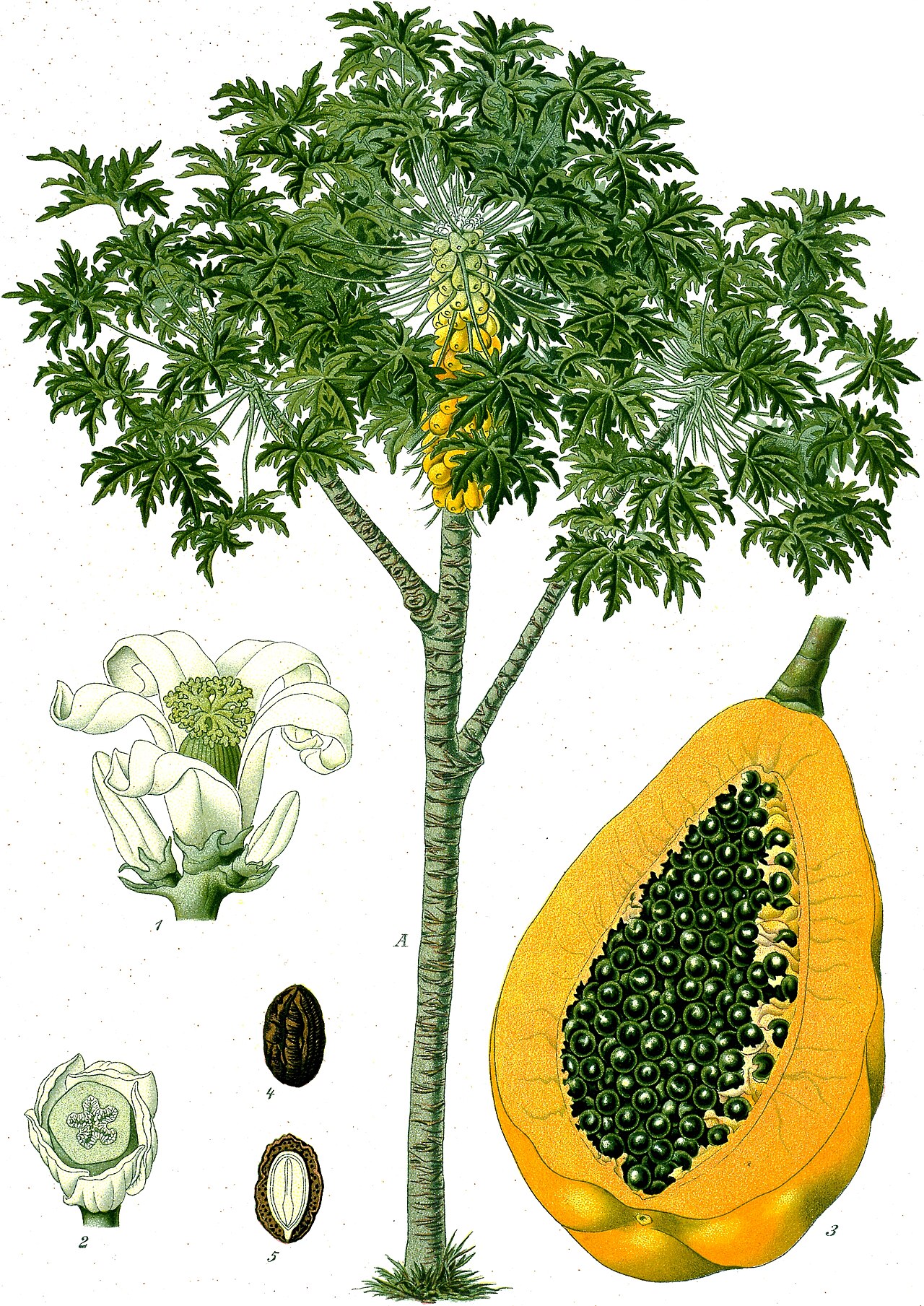
papaya
Carica papaya
Placenta II High Mulch biomassShort-cycle Placenta II species occupying the high stratum for 2–4 years. Fruits 9–12 months after planting.
-
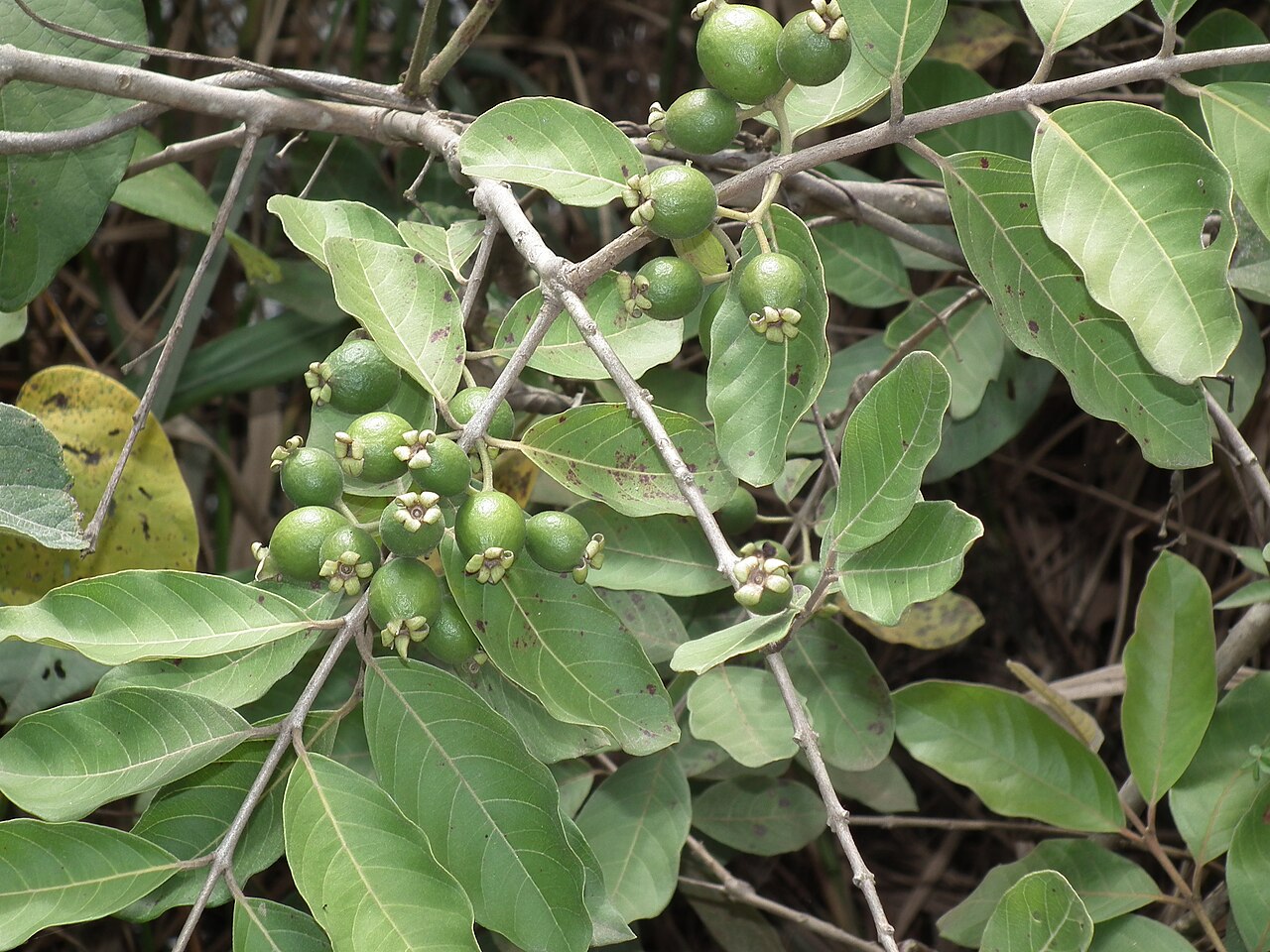
gabiroba
Campomanesia adamantium
Placenta II LowPioneer fruit shrub of the Cerrado that colonizes degraded areas. Deep roots stabilize soil and aid water retention. Edible fruits and medicinal le...
-
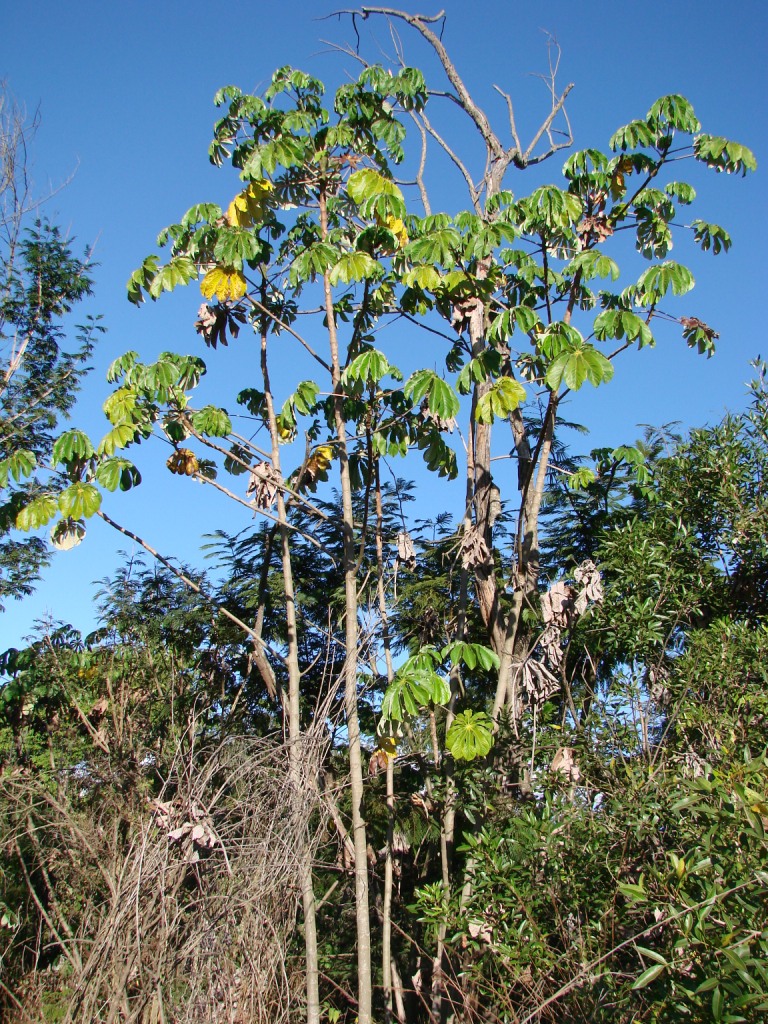
trumpet tree
Cecropia pachystachya
Placenta II Medium Mulch biomassFast-growing, short-lived (~20 years) pioneer tree that colonizes edges and gaps in all Brazilian biomes. Fruits eaten by birds and primates; symbi...
-
Mexican sunflower
Tithonia diversifolia
Placenta II High Fertilizer biomassFast-growing perennial shrub; propagated by stem cuttings; high biomass production rich in nitrogen, phosphorus, and potassium. Explicitly cited by...
-
Mombaça grass
Megathyrsus maximus
Placenta II Low Mulch biomassHighly productive forage grass producing large amounts of cover biomass. Central in large-scale syntropic experiments (Rebello & Sakamoto 2019) — c...