Plants
mangaba
Hancornia speciosa Gomes
Family: Apocynaceae · Genus: Hancornia
mangabeira rubber tree
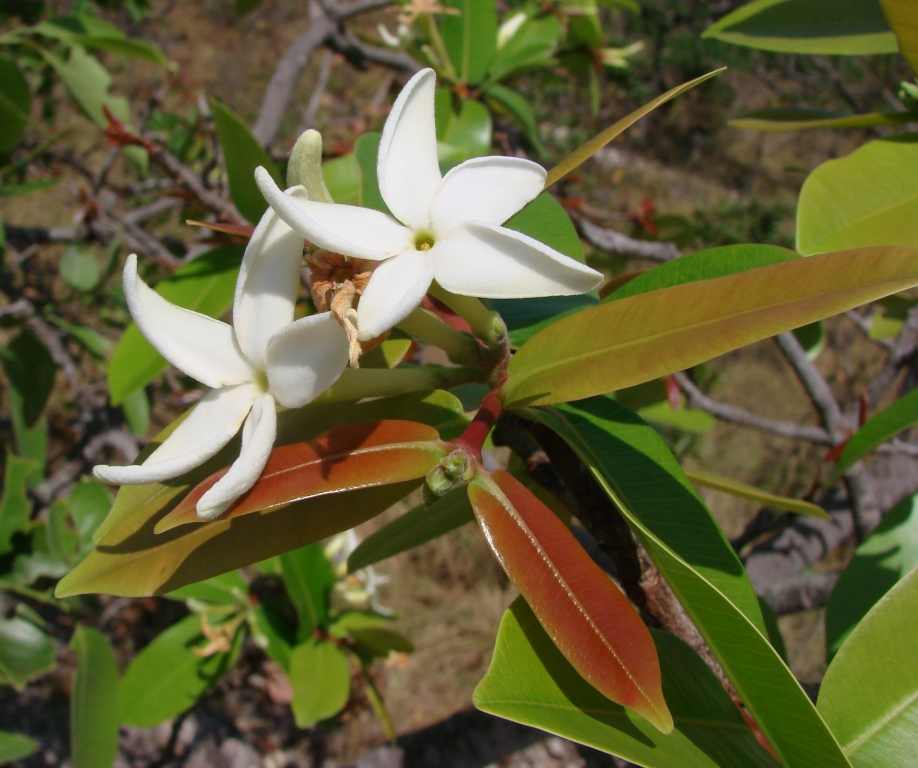
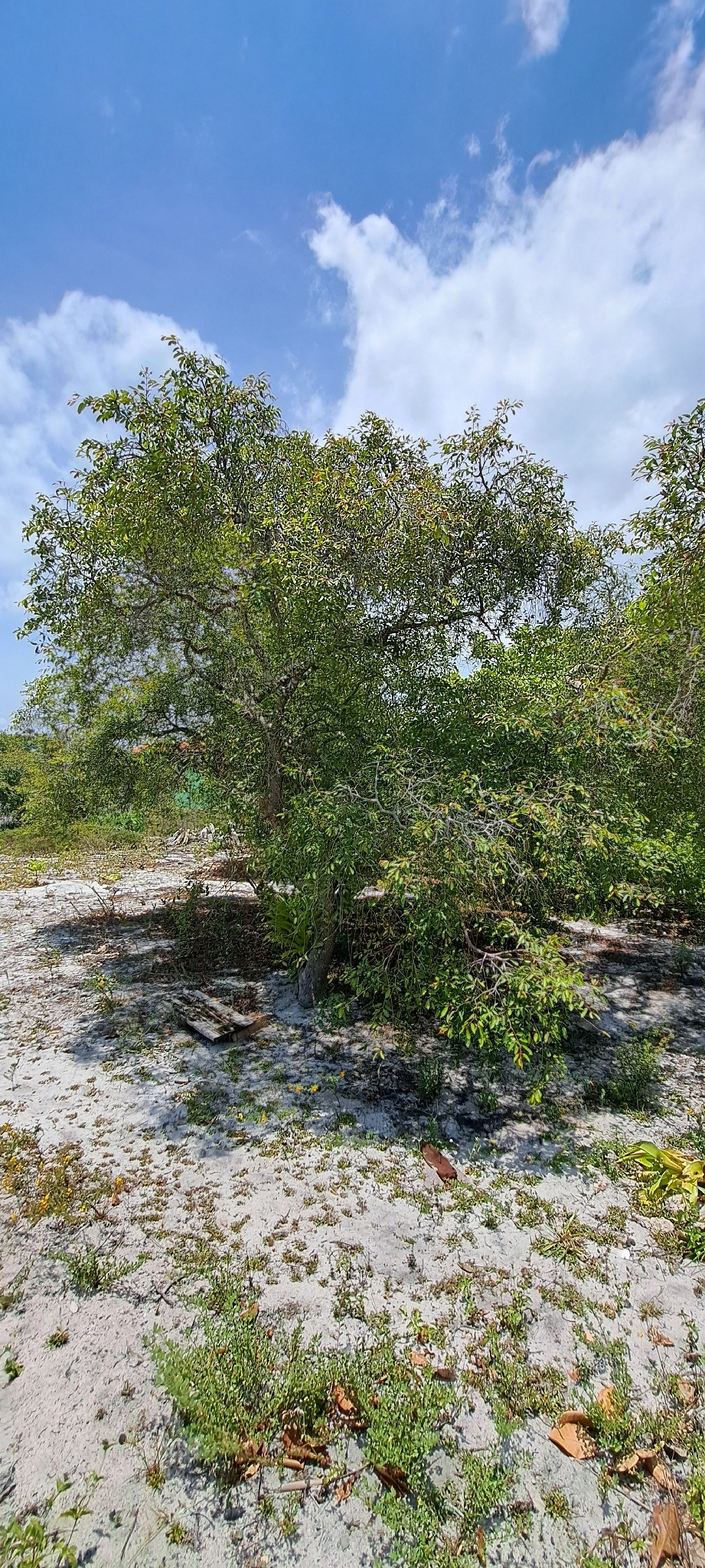
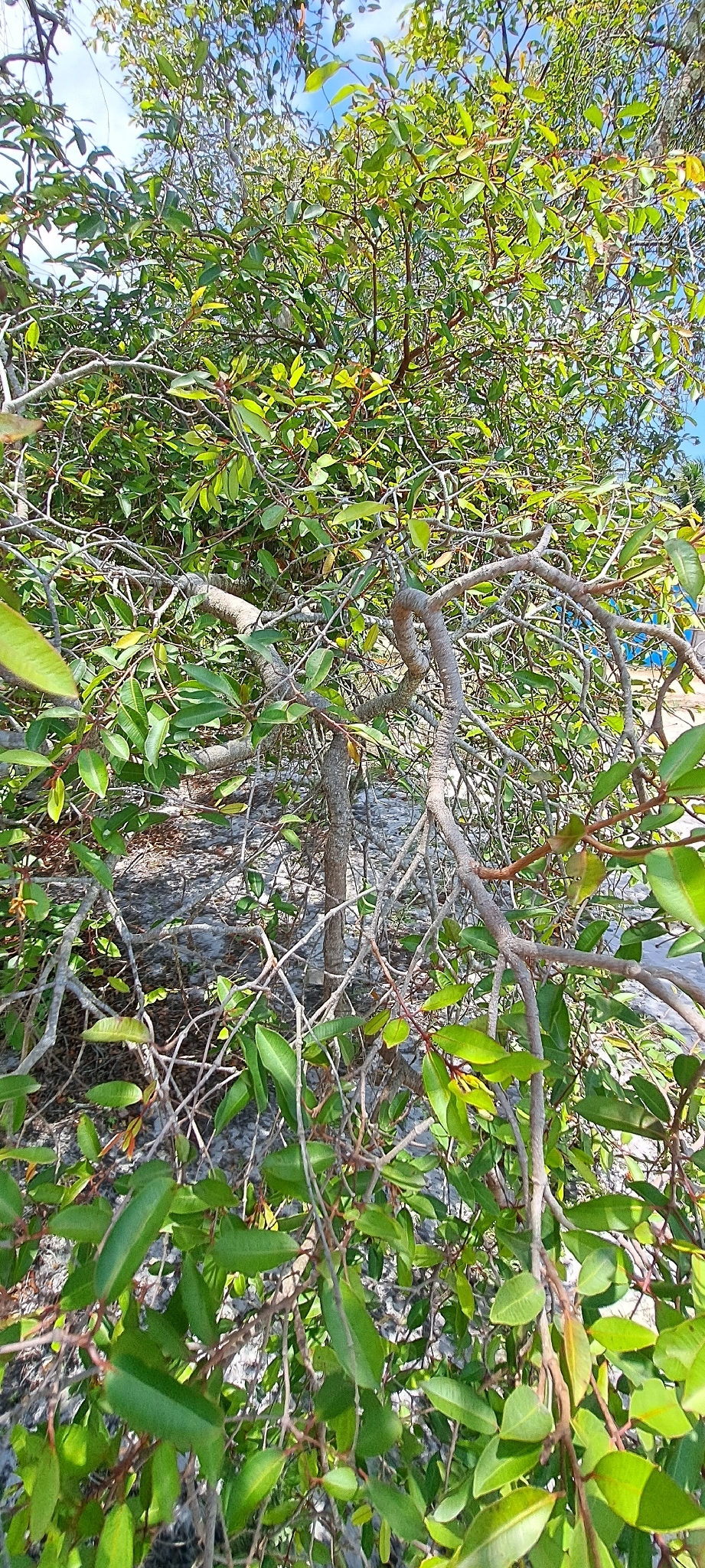
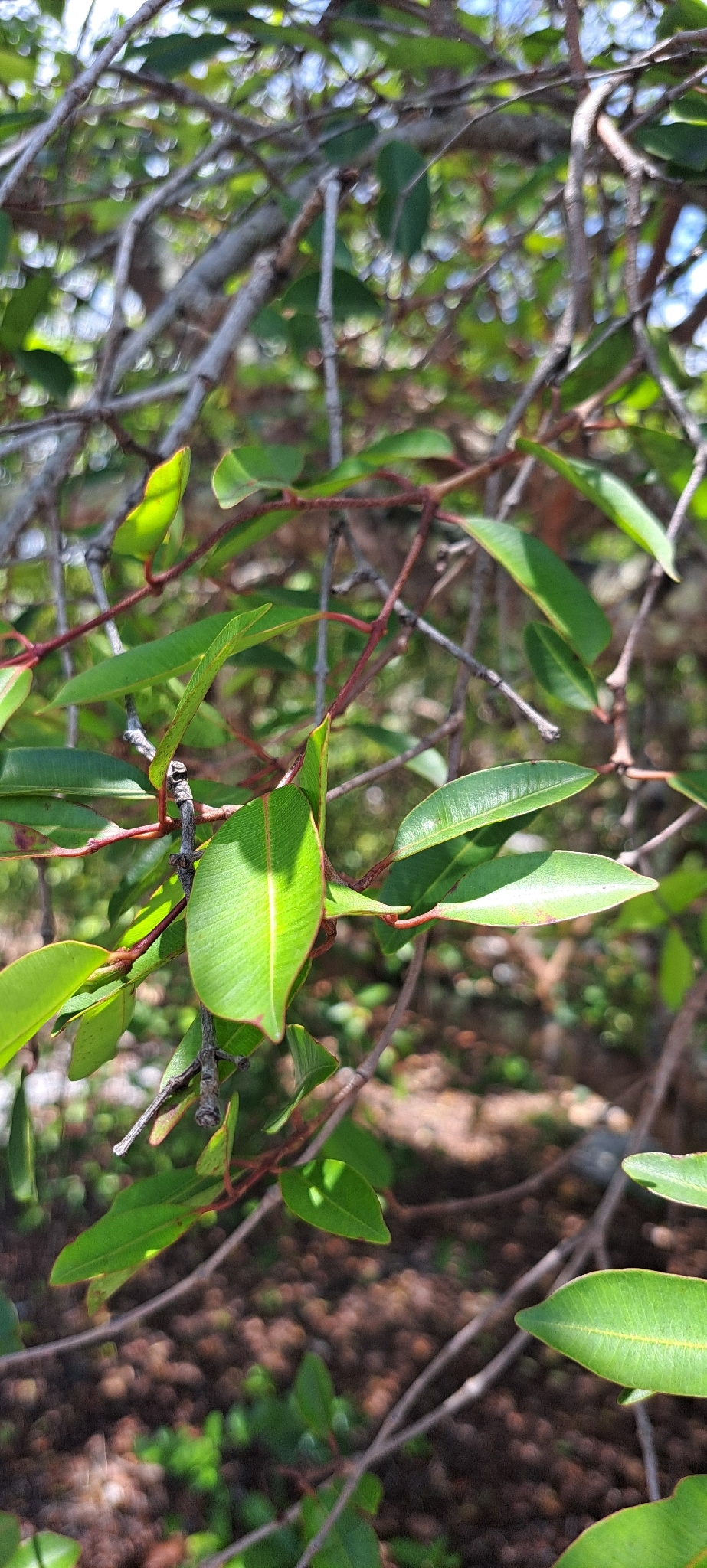
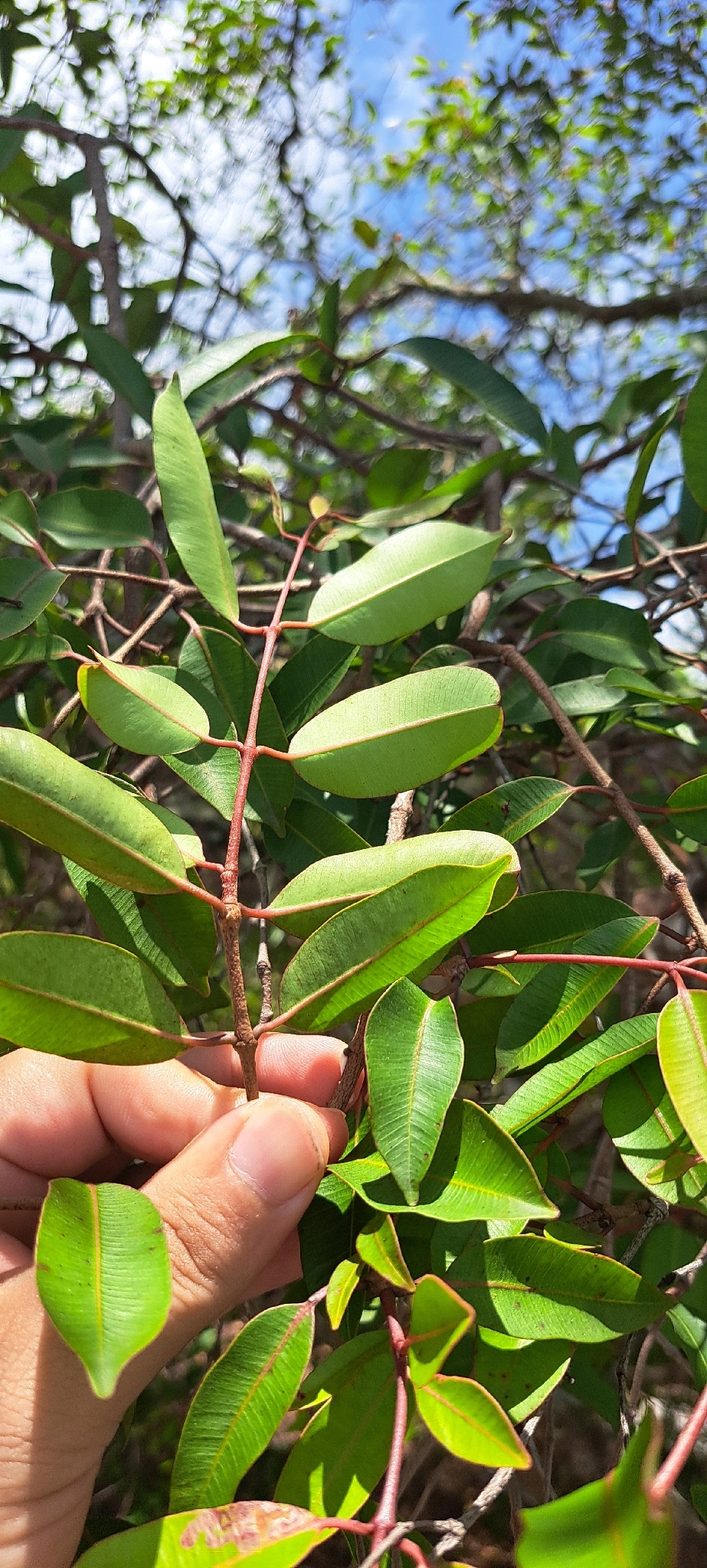
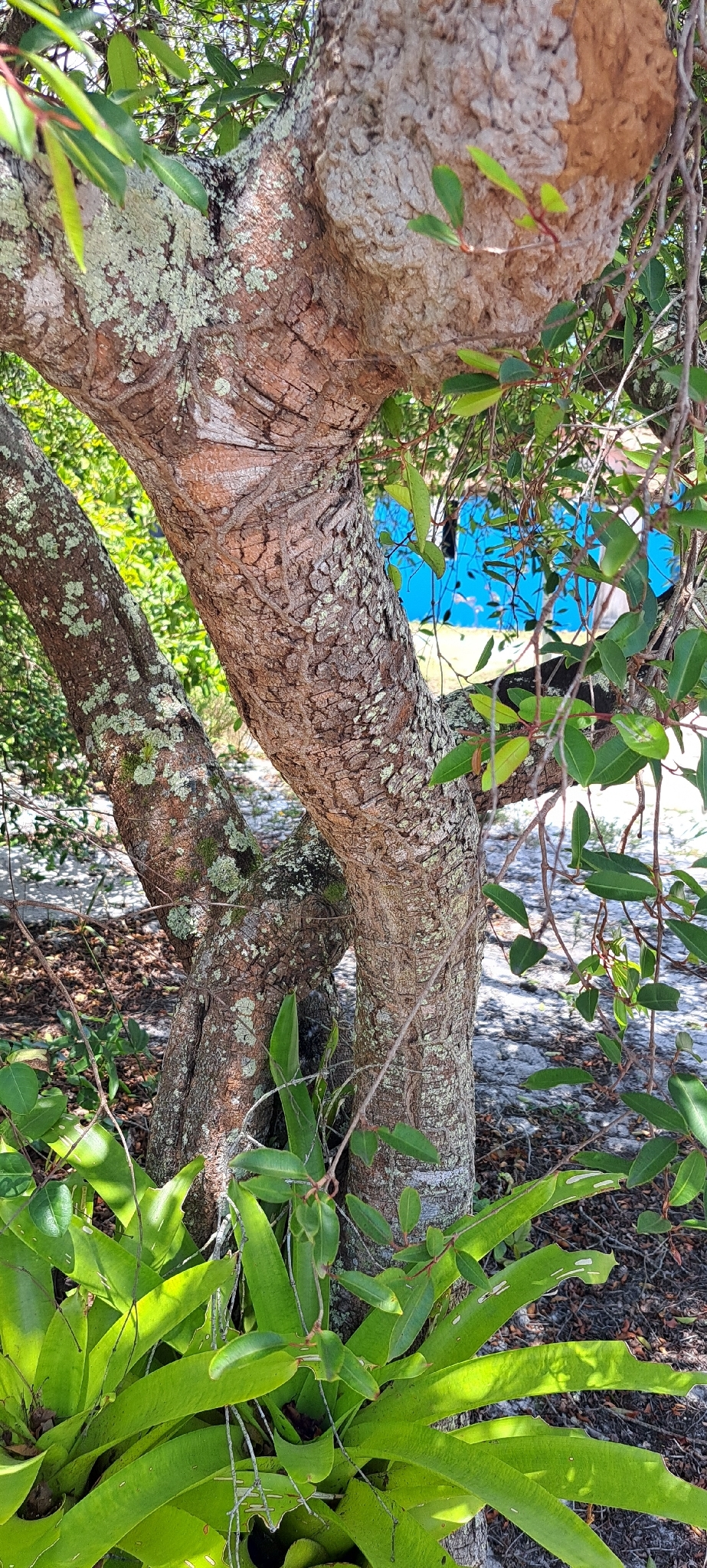
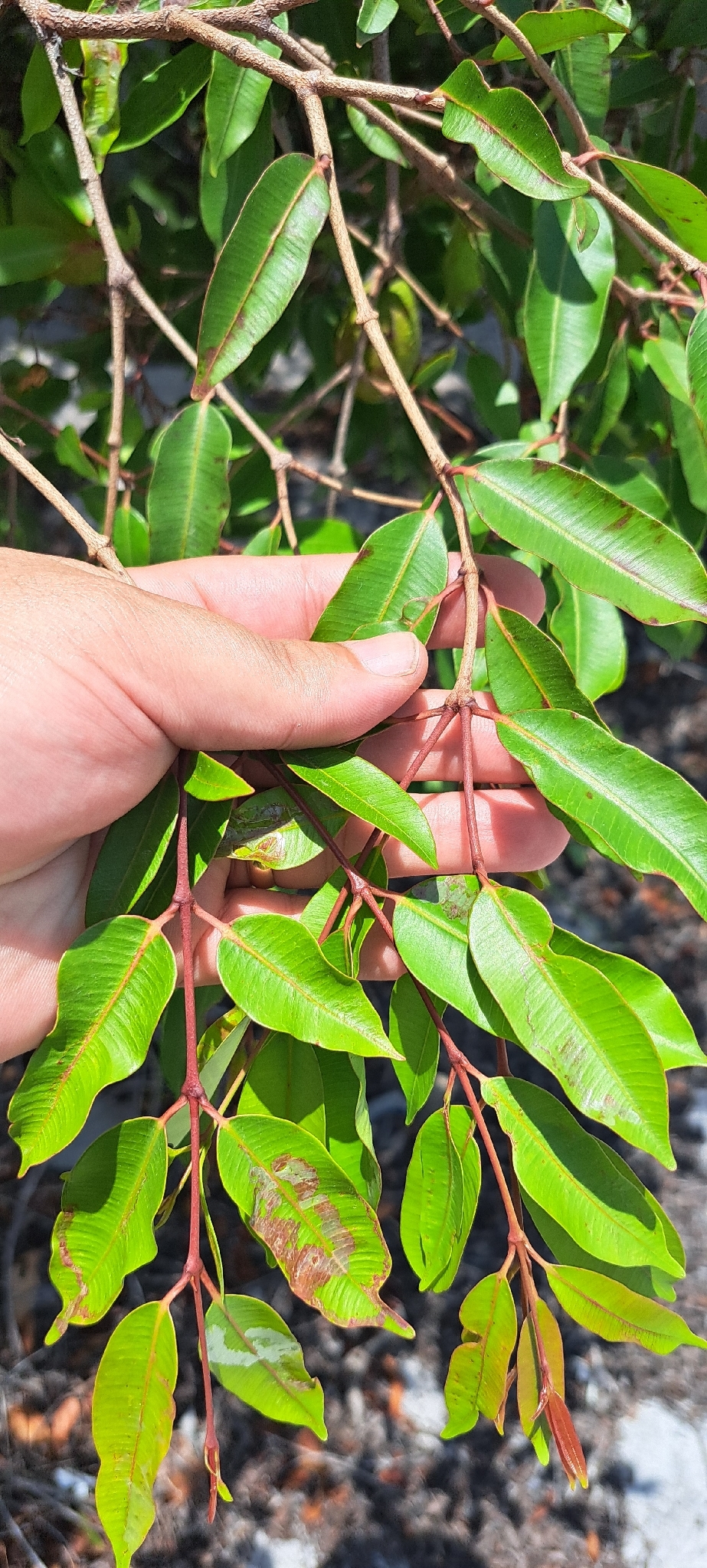
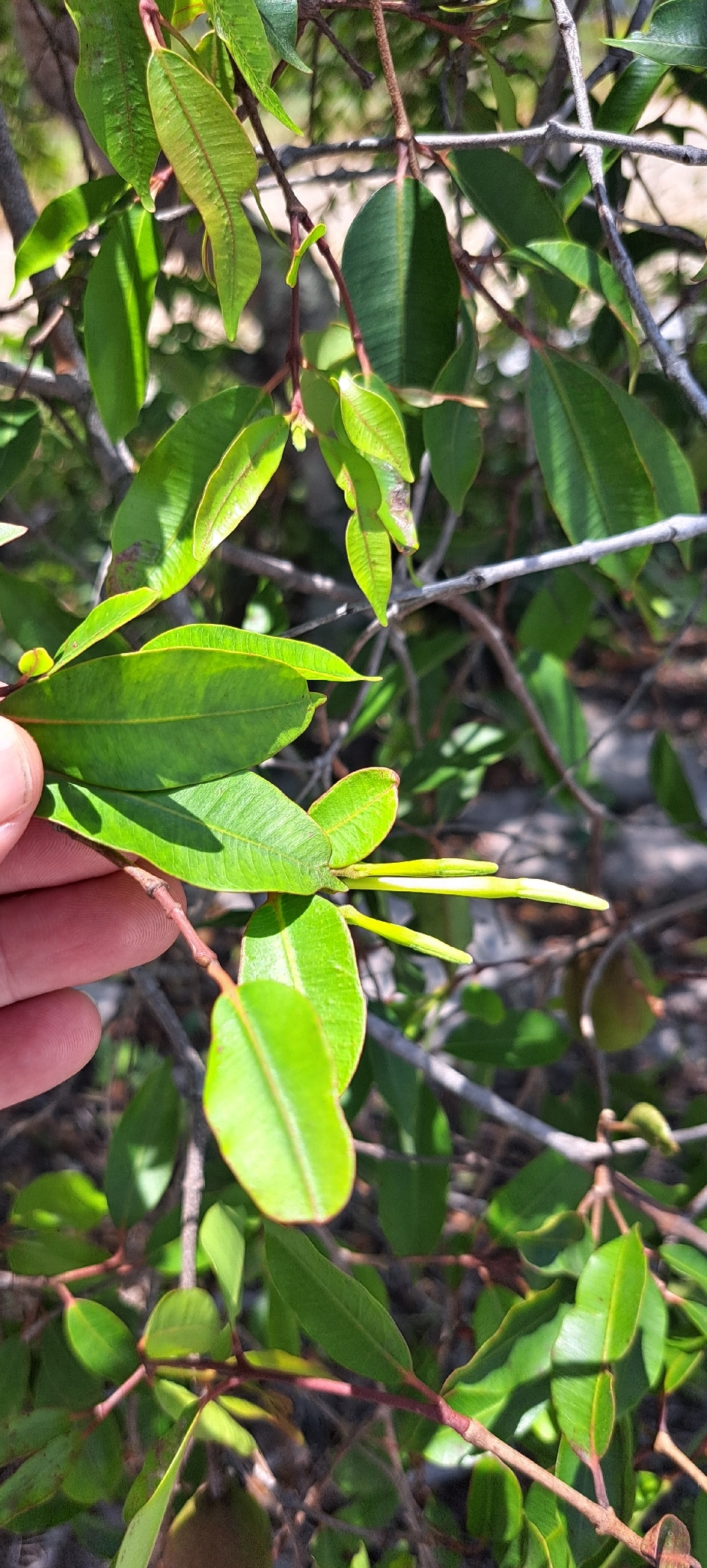
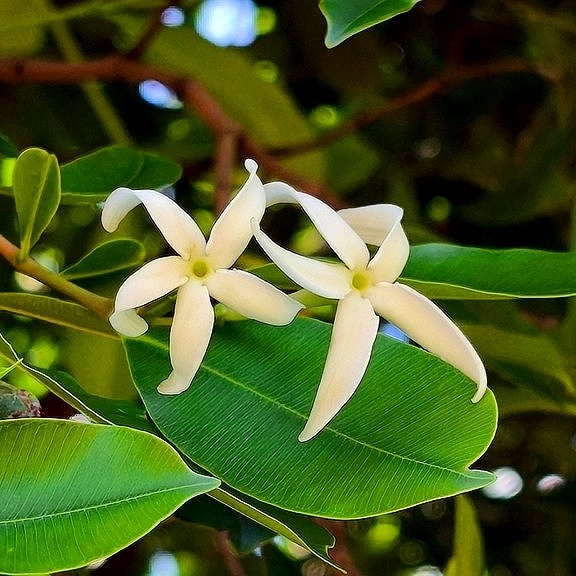
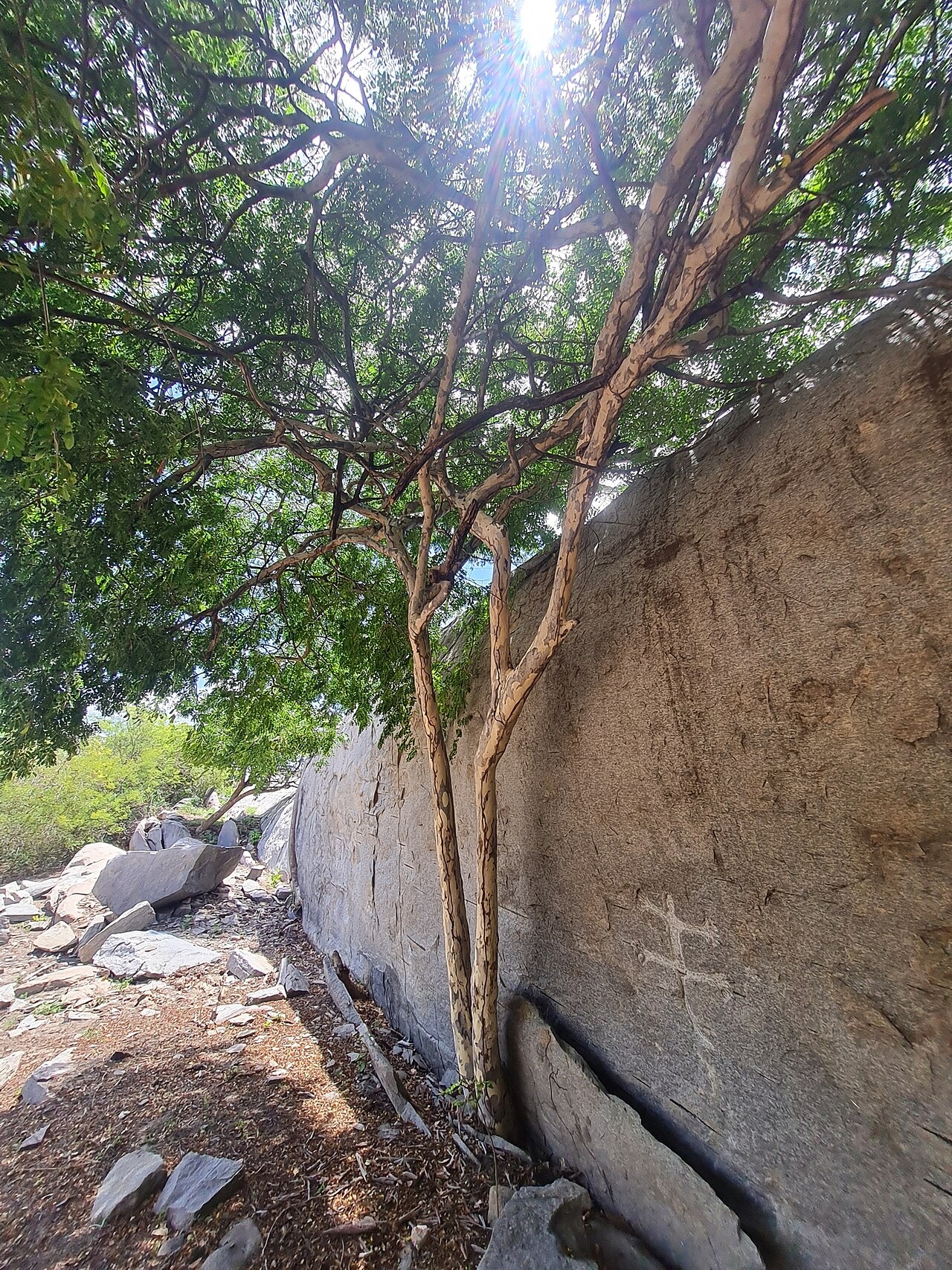
Evergreen to semi-deciduous tree 2–10 m tall, characteristic of Brazilian Cerrado and coastal tablelands. Considered one of Brazil's priority 'Plants for the Future'.
Götsch succession
- Götsch stage
- Secondary II
- Ecological role
- Late secondary
- Primary stratum
- Medium
- Strata
- Medium
Environment
- Light requirement
- Full sun
- Water requirement
- Low
- Drought tolerance
- High
- Waterlogging tolerance
- None
- Preferred soil texture
- Sandy
Morphology
- Mature height
- 2–10 m
- Root system
- Taproot
- Root depth
- Deep
- Growth rate
- Slow
Biomes & climate
Köppen classes
- Tropical savanna with dry winter (Aw) Suitable
- Hot semi-arid (BSh) Suitable
Where it fits in a guild
Mangaba takes the Medium stratum in the Secondary II phase of succession — in a guild it shares the line with species from the other strata, each harvesting light at its own height, in its own time.
Free account — and the catalog stays open, no sign-up needed.
🪴 Cultivation
Specialist of sandy, acidic, well-drained and nutrient-poor soils; full sun, no waterlogging. Rustic and drought-tolerant — a pioneer of open areas, sand dunes and degraded fields. Seedlings develop a vigorous taproot (larger than the shoot). Flowers August–November (sometimes twice a year).
📅 Phenology
Flowering months: August, September, October, November
Fruiting months: October, November, December, January, February
❓ Frequently asked questions
How tall does mangaba grow?
At maturity, mangaba reaches 2–10 m tall.
When does mangaba fruit?
Fruiting of mangaba occurs in October, November, December, January, February.
When does mangaba flower?
Flowering of mangaba occurs in August, September, October, November.
What stage and stratum does mangaba occupy in a syntropic system?
In a syntropic system, mangaba belongs to the secondary ii stage, occupying the medium stratum.
Functions
Propagation
Seed, Grafting
Citations
- Hancornia speciosa — Biodiversity for Food and Nutrition
- Hancornia — Wikipedia
- Cerratinga — Mangaba (Hancornia speciosa) (soil_texture_preference, light_need, drought_tolerance, phenology, cultivation_notes)
- Jardineiro.net — Mangaba (Hancornia speciosa) (waterlogging_tolerance, soil_texture_preference, cultivation_notes)
- Revista Pesquisa Agropecuária Tropical (UFG) — Produção e crescimento de mudas de mangabeira em diferentes substratos (root_system, root_depth)
External references
Continue exploring
Related plants
-
Brazilian ironwood
Libidibia ferrea
Secondary II High Fertilizer & mulchLeguminous tree occurring in Caatinga, Cerrado and Atlantic Forest. Sun-tolerant and melliferous.
-
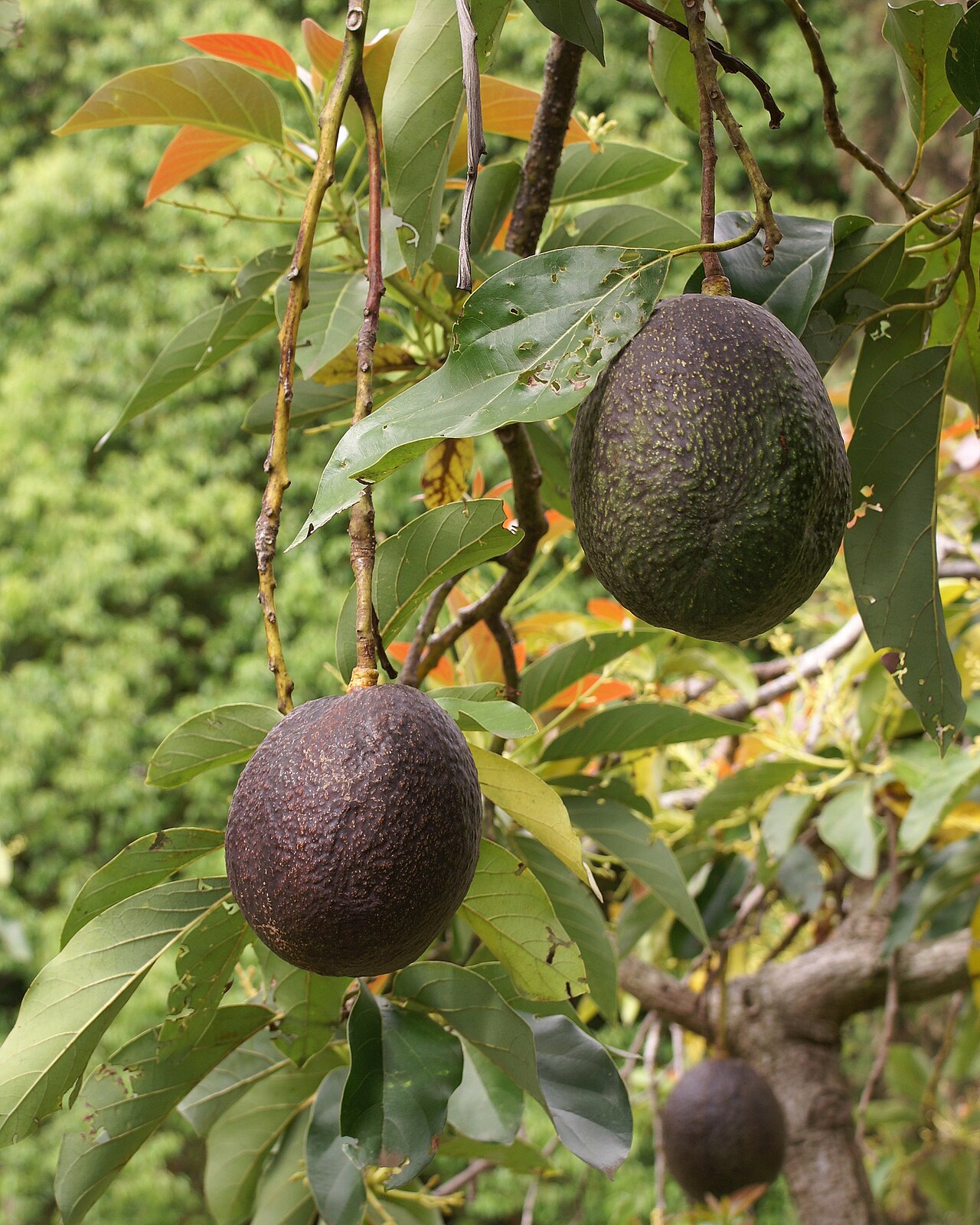
avocado
Persea americana
Secondary II High No biomass productionLong-lived perennial fruit tree. Pasini classifies it in the high stratum of Tabela 3 and explicitly cites it among Abundance-system species (high ...
-
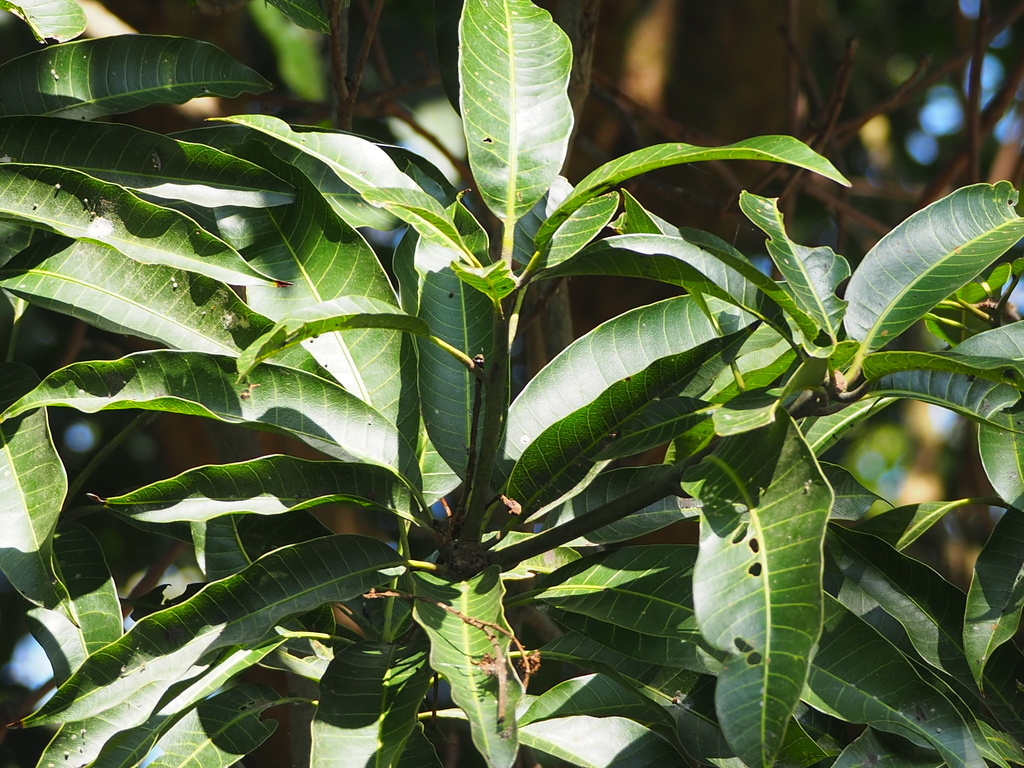
mango
Mangifera indica
Secondary II High No biomass productionLong-lived tropical fruit tree. Pasini lists it in the high stratum of Tabela 3 and in the '20 to 50 years' phase of Tabela 4 (high stratum). A key...
-
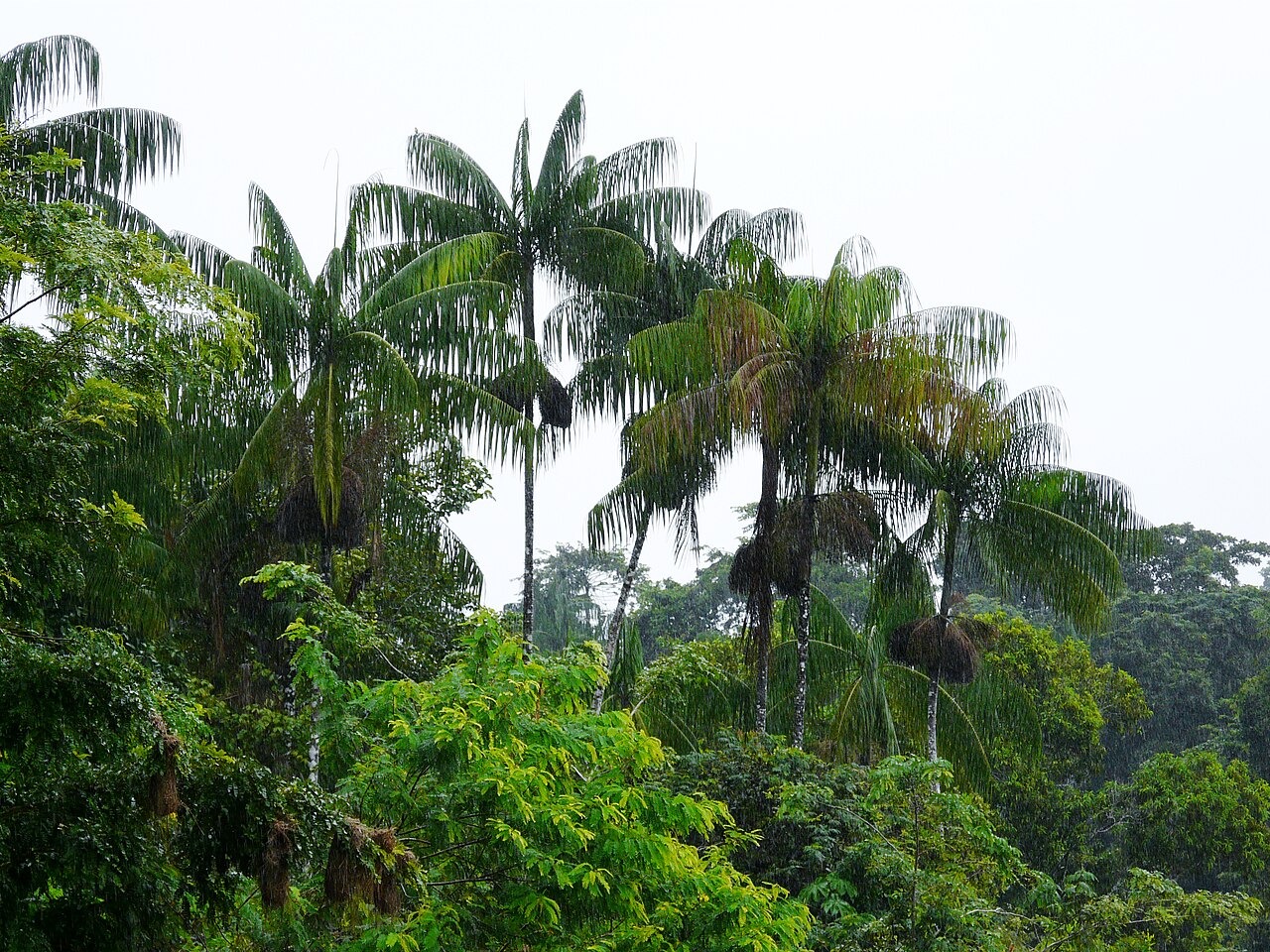
açaí palm
Euterpe oleracea
Secondary II High No biomass productionAmazonian native multi-stemmed palm. Pasini lists it in the high stratum of Tabela 3 and cites it explicitly among Abundance-system species. Fruit ...
-
peach palm
Bactris gasipaes
Secondary II Emergent No biomass productionAmazonian multi-stemmed palm; produces heart of palm in ~3 years and edible fruit in ~5 years. Pasini lists it in the emergent stratum of Tabela 3 ...
-
jackfruit
Artocarpus heterophyllus
Secondary II High No biomass productionAsian fruit tree naturalized in the Brazilian Atlantic Forest. Pasini lists it in the high stratum of Tabela 3 and in the 5–18 year phase of the co...