Plants
moringa
Moringa oleifera Lam.
Family: Moringaceae · Genus: Moringa
drumstick tree, horseradish tree, miracle tree
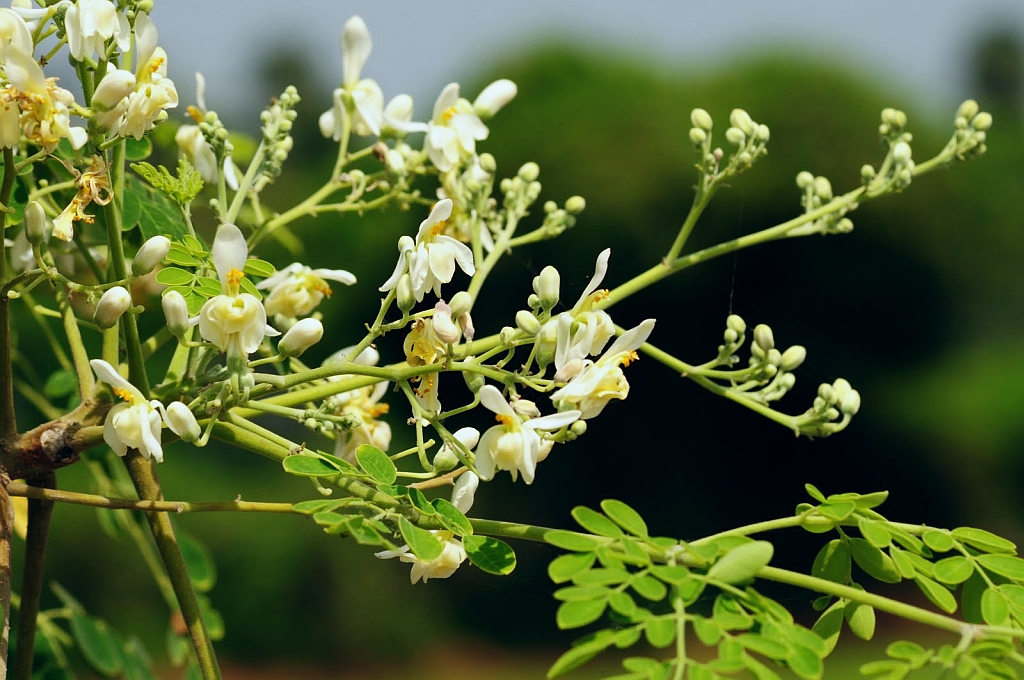
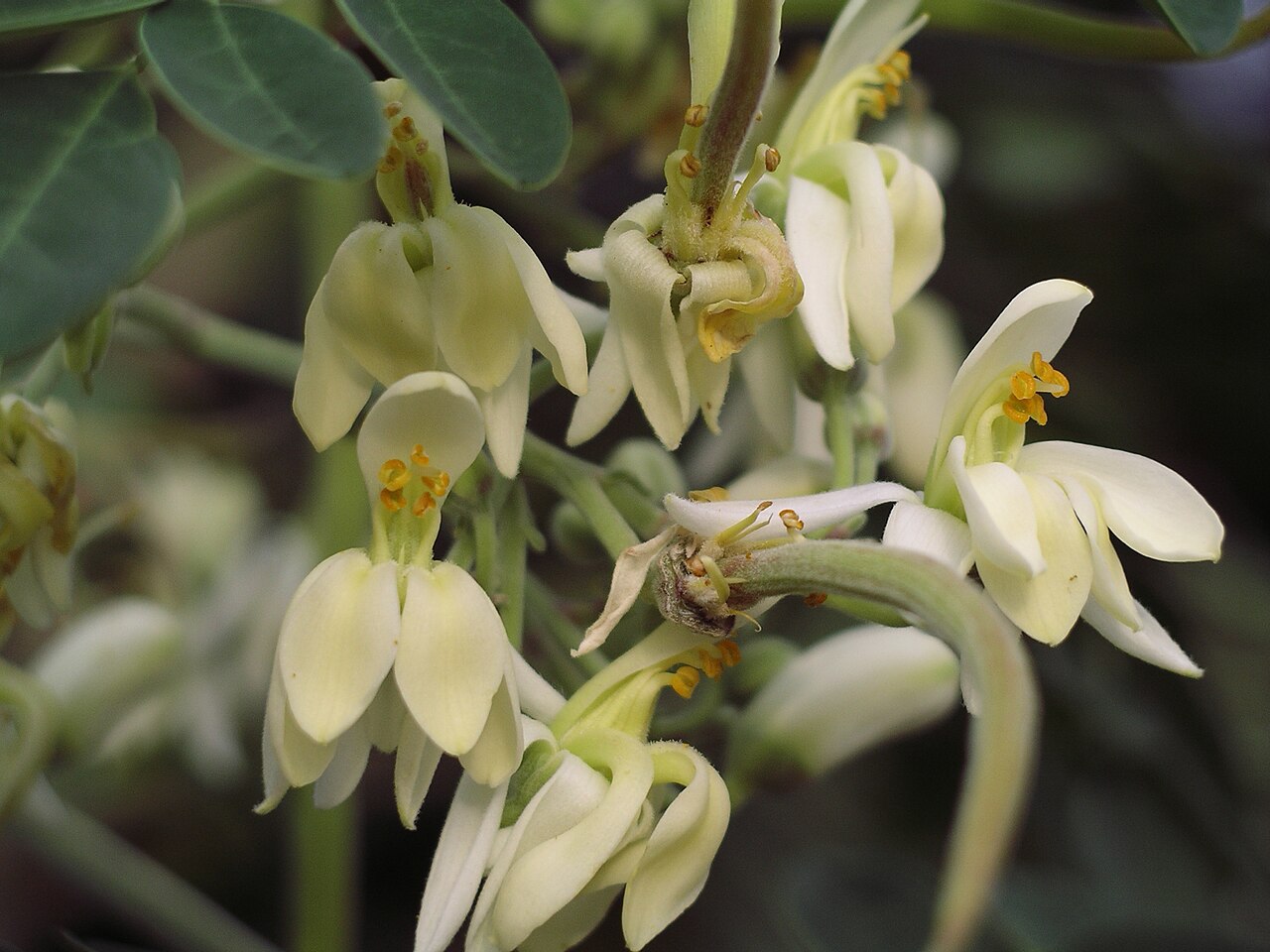
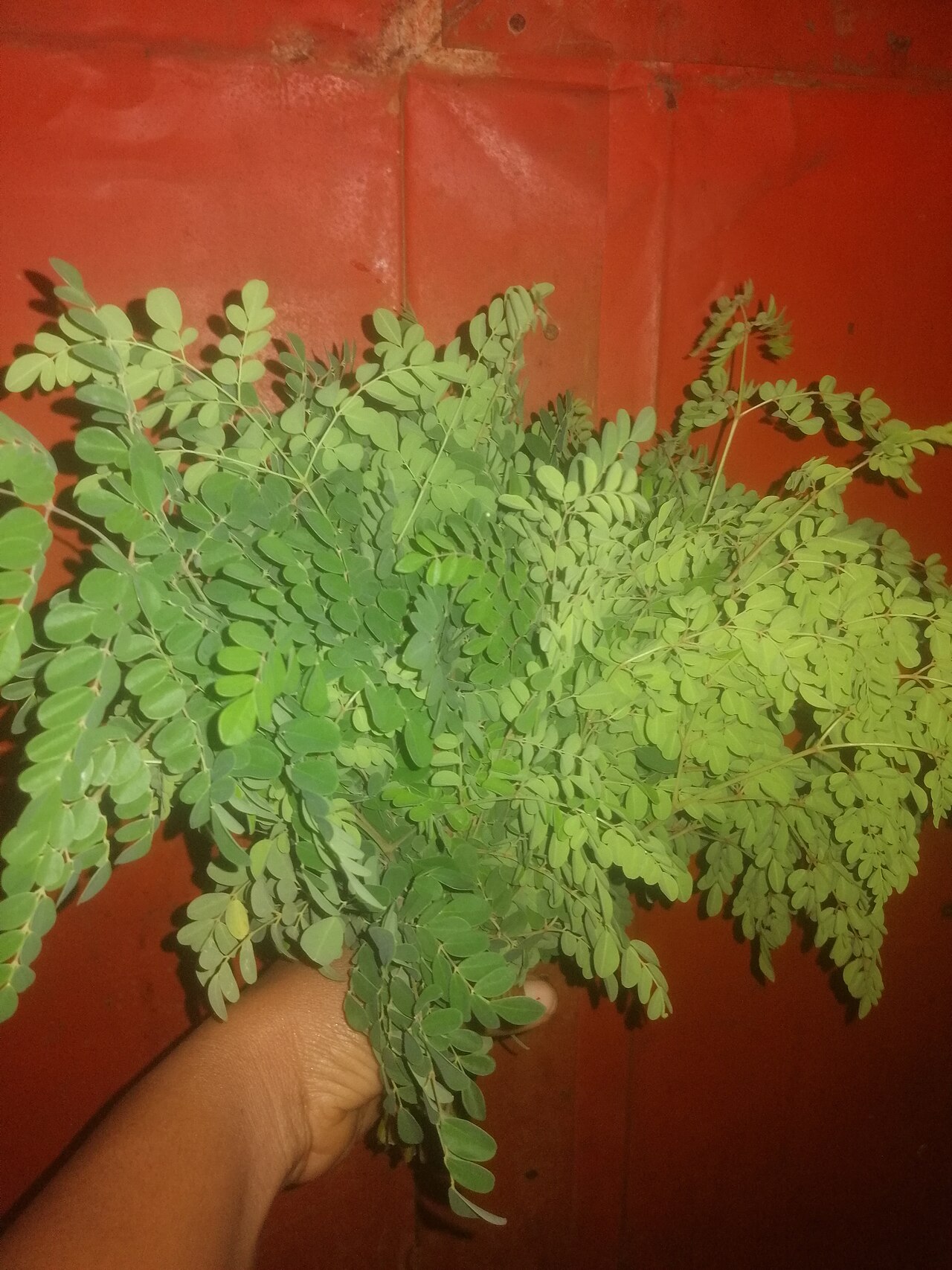
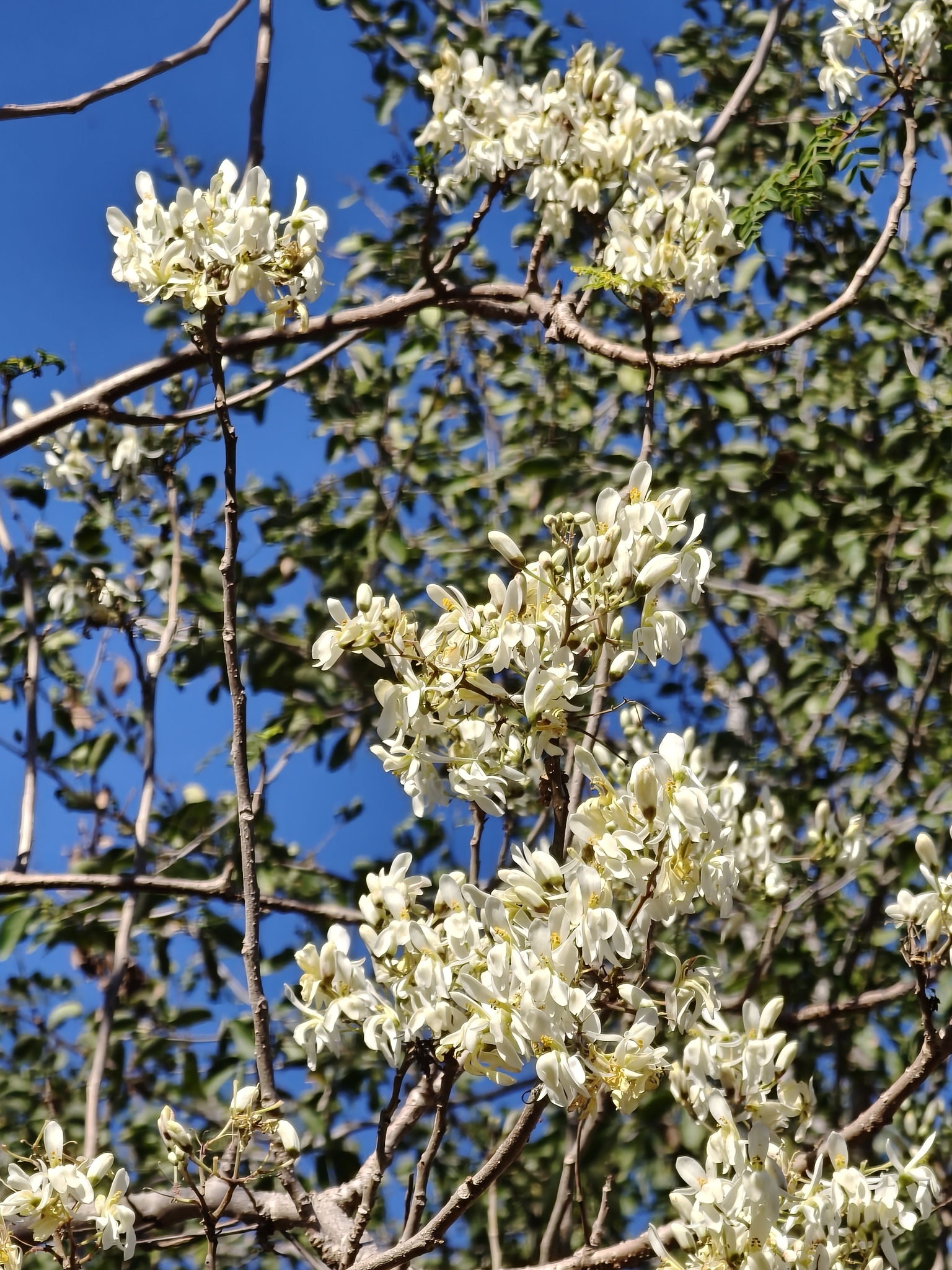
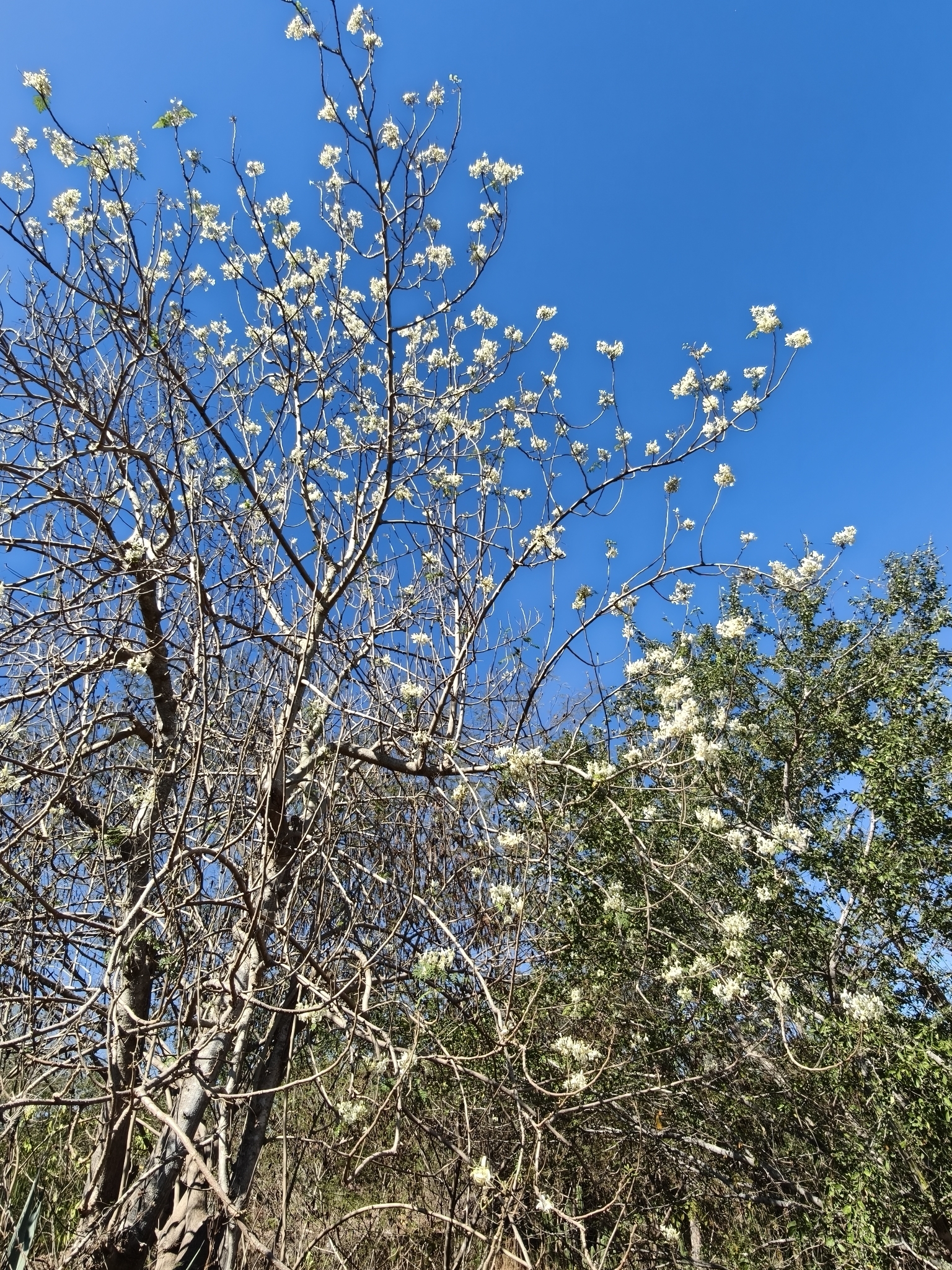
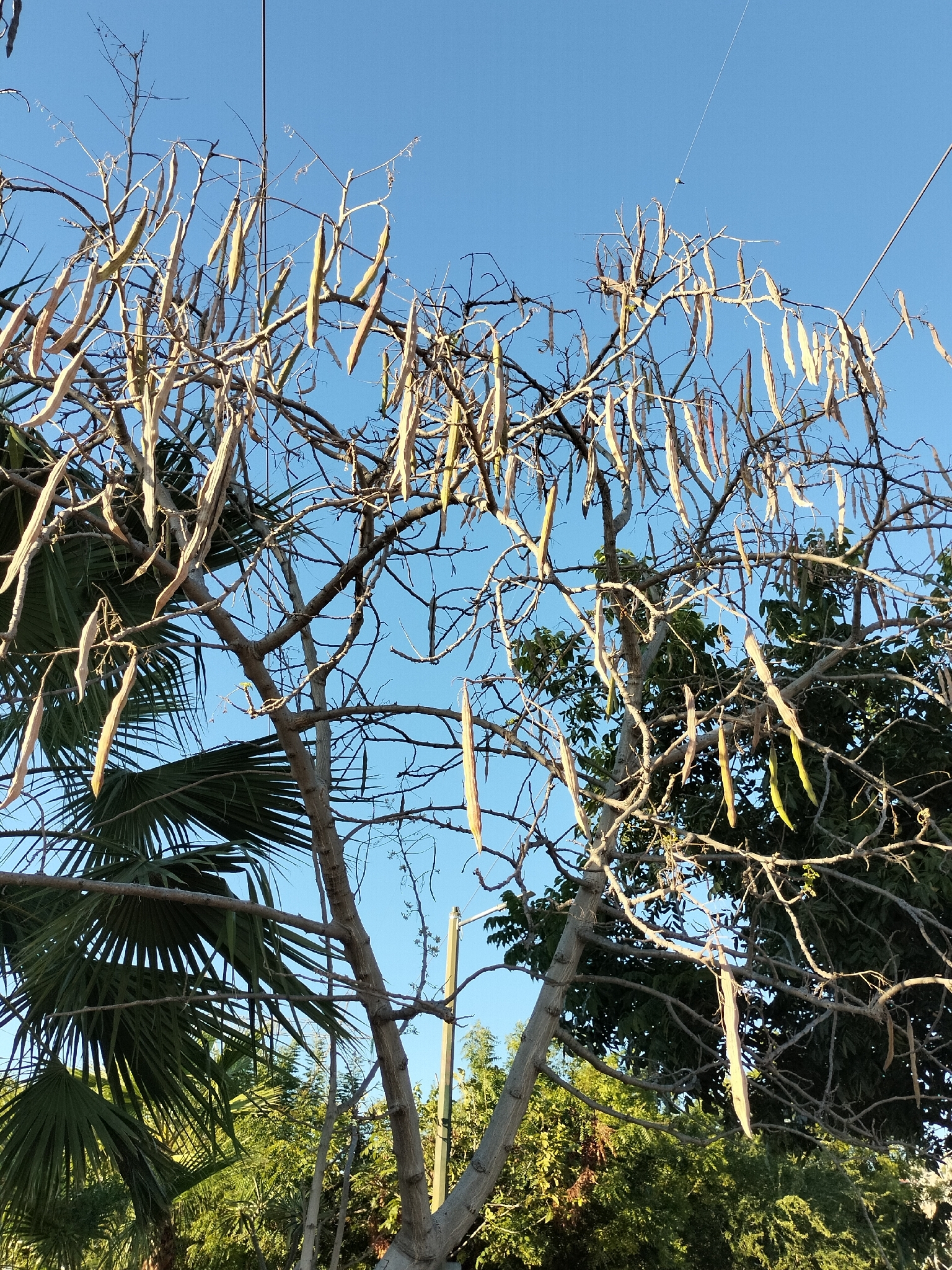
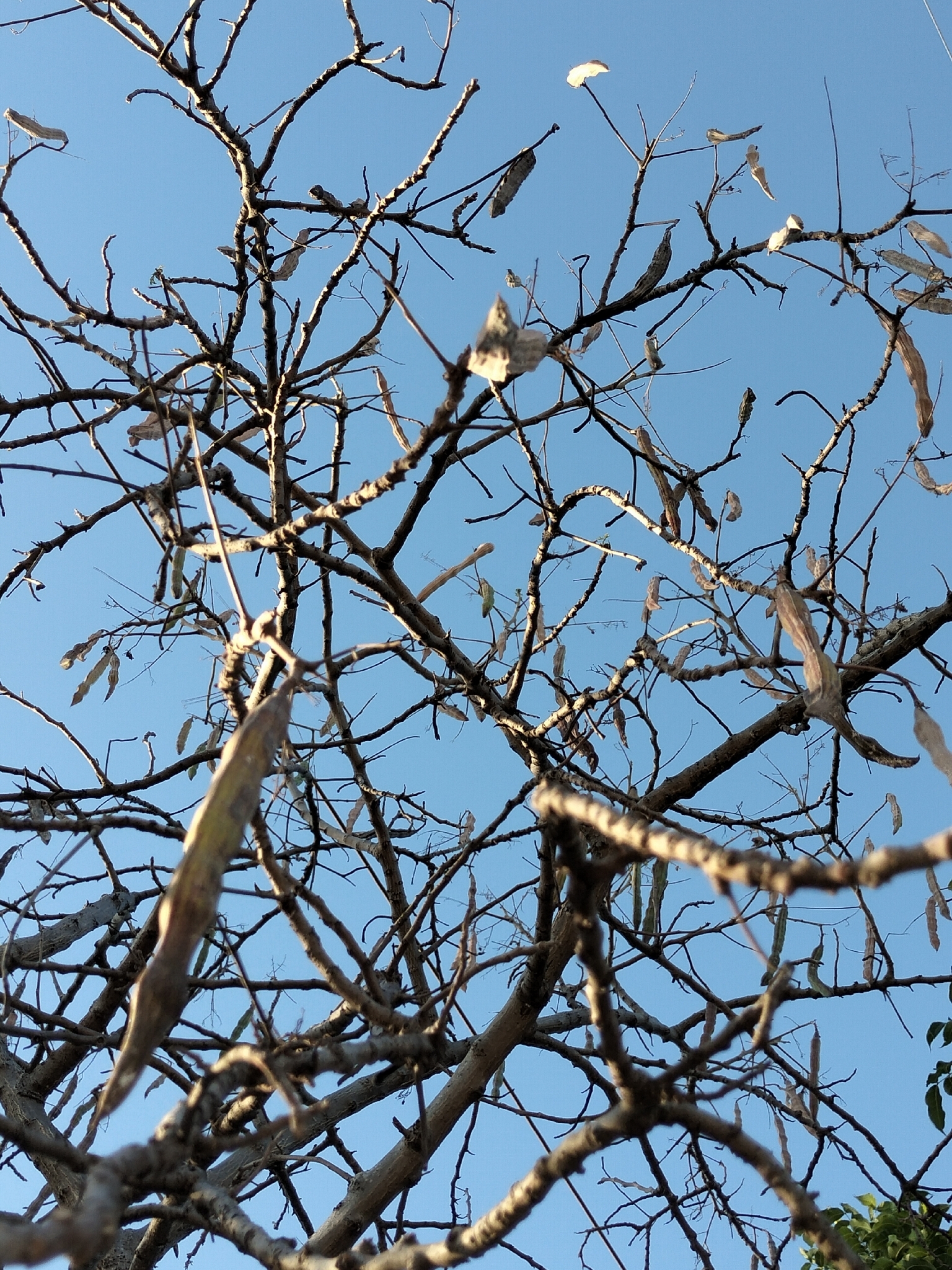
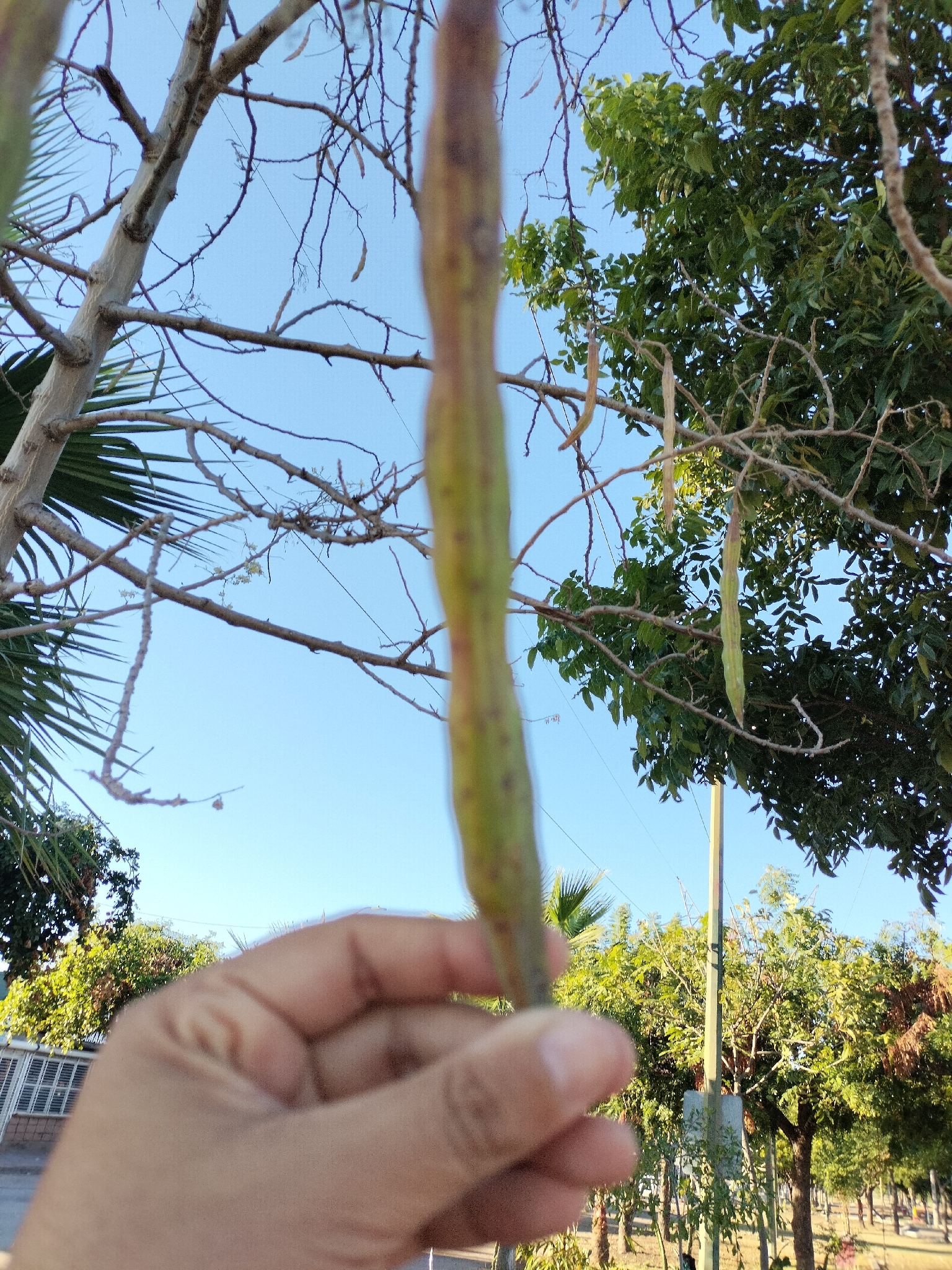
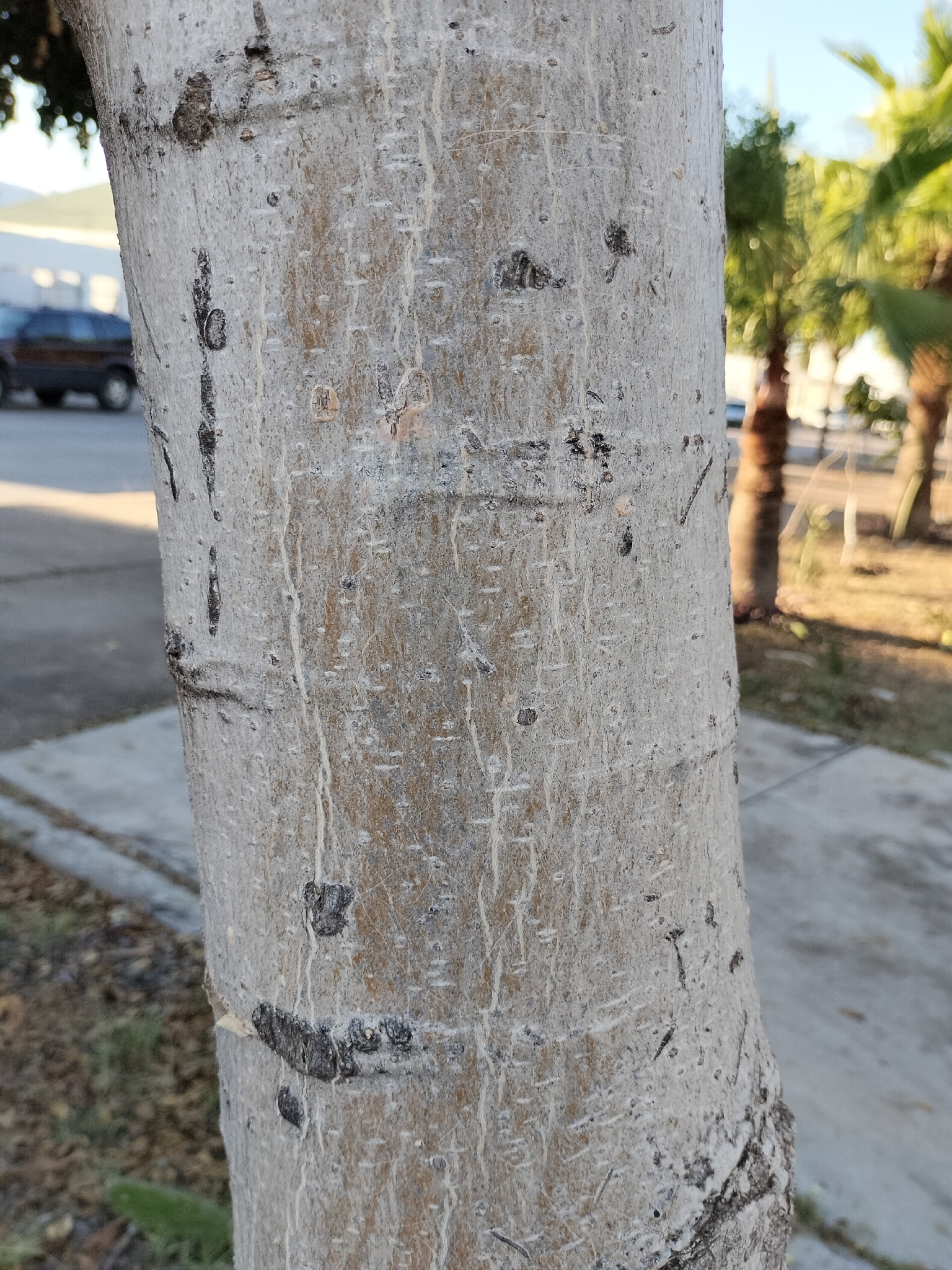
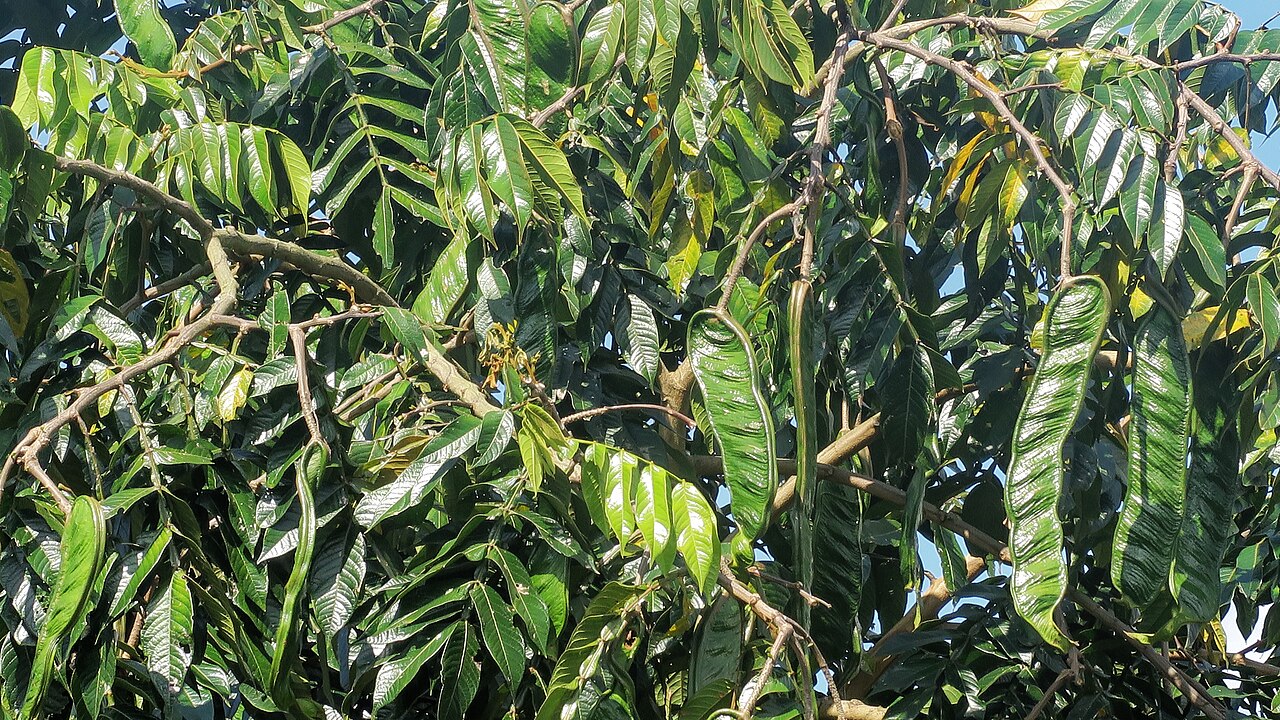
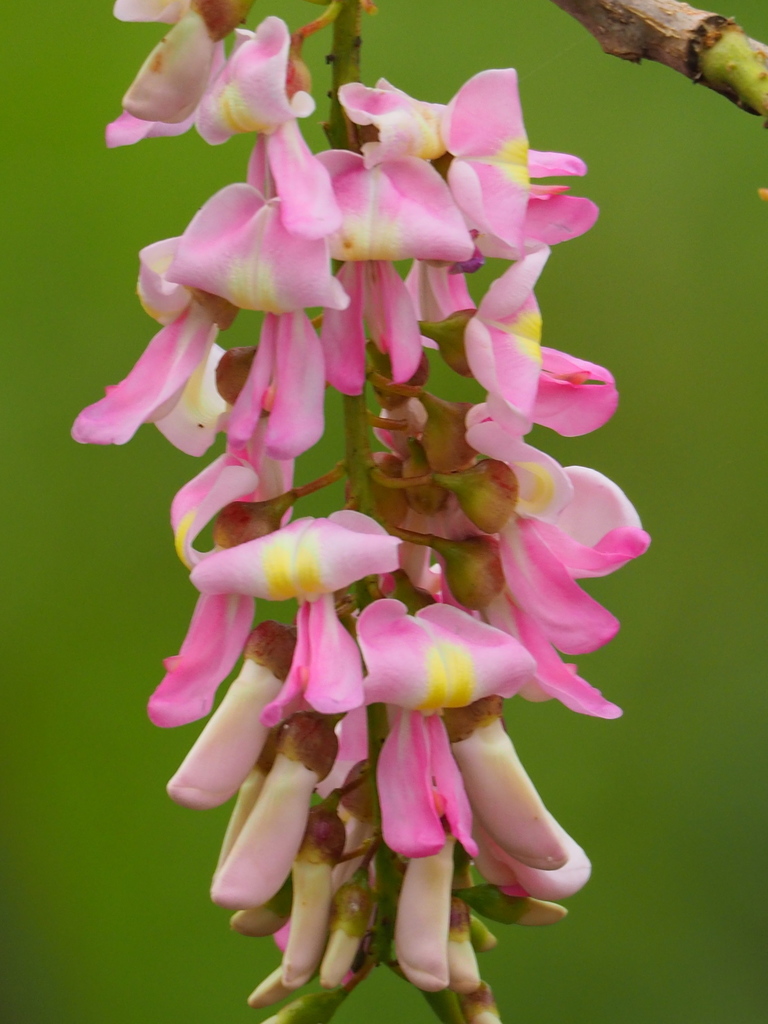
Multi-purpose, extremely fast-growing Indo-African tree. The Bosque de Niebla Guidebook lists moringa among anchor species of the high stratum / Secondary phase alongside ingá, gliricídia, and leucena. Leaves are exceptionally protein-rich; seeds purify water. Tolerates poor soils and drought well.
Götsch succession
- Götsch stage
- Secondary I
- Ecological role
- Early secondary
- Primary stratum
- High
- Strata
- High, Medium
- Biomass class
- Fertilizer biomass
Environment
- Light requirement
- Full sun
- Water requirement
- Low
- Drought tolerance
- High
- Soil pH range
- 5.5–8
- Preferred soil texture
- Sandy, Loamy, Clayey
- Hardiness zones
- 10–12
- Frost tolerance
- -1.0 °C
Morphology
- Mature height
- 5–12 m
- Root system
- Taproot
- Root depth
- Deep
- Growth rate
- Very fast
- Lifespan
- ≥ 20 years
- Time to first harvest
- 6 months
Biomes & climate
- Caatinga Naturalized
- Cerrado Naturalized
- Atlantic Forest Naturalized
Köppen classes
- Tropical savanna with dry winter (Aw) Suitable
- Hot semi-arid (BSh) Suitable
- Tropical monsoon (Am) Suitable
Where it fits in a guild
Moringa takes the High stratum in the Secondary I phase of succession — in a guild it shares the line with species from the other strata, each harvesting light at its own height, in its own time.
Free account — and the catalog stays open, no sign-up needed.
🪴 Cultivation
Prefers light, well-drained sandy-to-clay-loam soils with pH 5.5–7.0 (tolerates 5–8.5) — alkaline soils induce nutrient deficiencies. A deep tuberous taproot confers high drought tolerance. Very cold-sensitive: tolerates light frost but can be killed to ground level by a hard freeze (< −3 to −5 °C). Propagates readily from hardwood cuttings (fruit in 6–12 months) or seed (fruit in ~2 years).
❓ Frequently asked questions
How long until the first harvest of moringa?
The first harvest of moringa comes around 6 months after planting.
How tall does moringa grow?
At maturity, moringa reaches 5–12 m tall.
What stage and stratum does moringa occupy in a syntropic system?
In a syntropic system, moringa belongs to the secondary i stage, occupying the high stratum.
Functions
Propagation
Seed, Cutting
Citations
- Bosque de Niebla (2019) — Syntropic Farming Guidebook, Consortium Design 2019 , p. 40 (primary_stratum, gotsch_stage)
- PFAF Plant Database — Moringa oleifera (ph_min, ph_max, hardiness_zone_min, hardiness_zone_max, frost_tolerance_c, soil_texture_preference, height_max_m, drought_tolerance, propagation, cultivation_notes, time_to_first_harvest_months)
- GBIF Backbone Taxonomy — Moringa oleifera Lam. (gbif_taxon_key, family, genus)
External references
Continue exploring
Related plants
-
ice cream bean
Inga edulis
Secondary I High Fertilizer biomass 🌱 Nitrogen fixerEssential nitrogen fixer in syntropic systems. Coppices readily after drastic pruning and produces large volumes of fertilizer biomass.
-
gliricidia
Gliricidia sepium
Secondary I Medium Fertilizer biomass 🌱 Nitrogen fixerNitrogen-fixing legume that tolerates drastic pruning and produces fast-decomposing fertilizer biomass. Commonly used as shade for coffee and cocoa...
-
rose gum
Eucalyptus grandis
Secondary I Emergent Mulch biomassTypical accumulation species in syntropic systems: cover biomass, timber in 15 years. Non-native but widely used in Brazilian SAFs.
-
coffee
Coffea arabica
Secondary I Low No biomass productionShade-grown crop valuable in syntropic Atlantic Forest systems. Occupies the low stratum between bananas and ingás.
-
cocoa
Theobroma cacao
Secondary I Low No biomass productionLow-stratum fruit tree shaded by bananas, ingás and palms in the Bahia syntropic systems pioneered by Götsch.
-
cebil
Anadenanthera colubrina
Secondary I High Fertilizer biomass 🌱 Nitrogen fixerFast-growing pioneer legume, nitrogen fixer. Adapted to poor and degraded soils; widely used in restoration of degraded areas across Caatinga, Cerr...