Plants
paricá
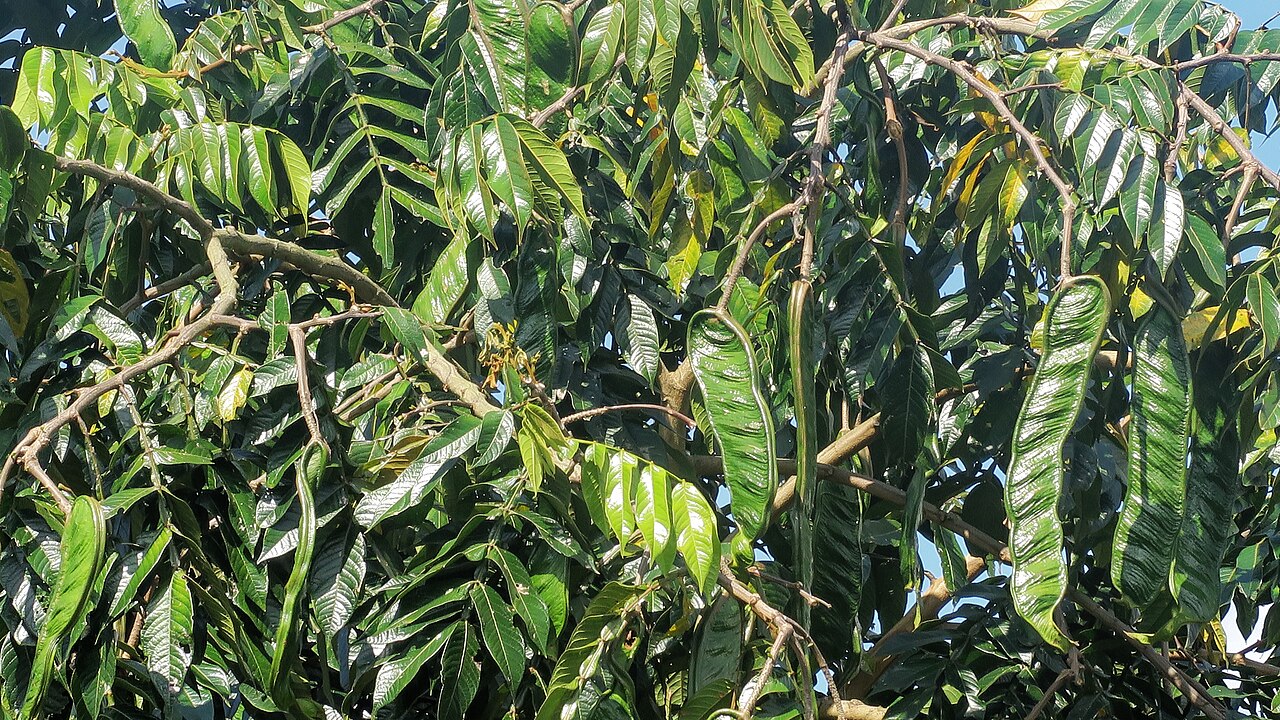
Schizolobium parahyba var. amazonicum (Huber ex Ducke) Barneby
Family: Fabaceae · Genus: Schizolobium
Brazilian fern tree
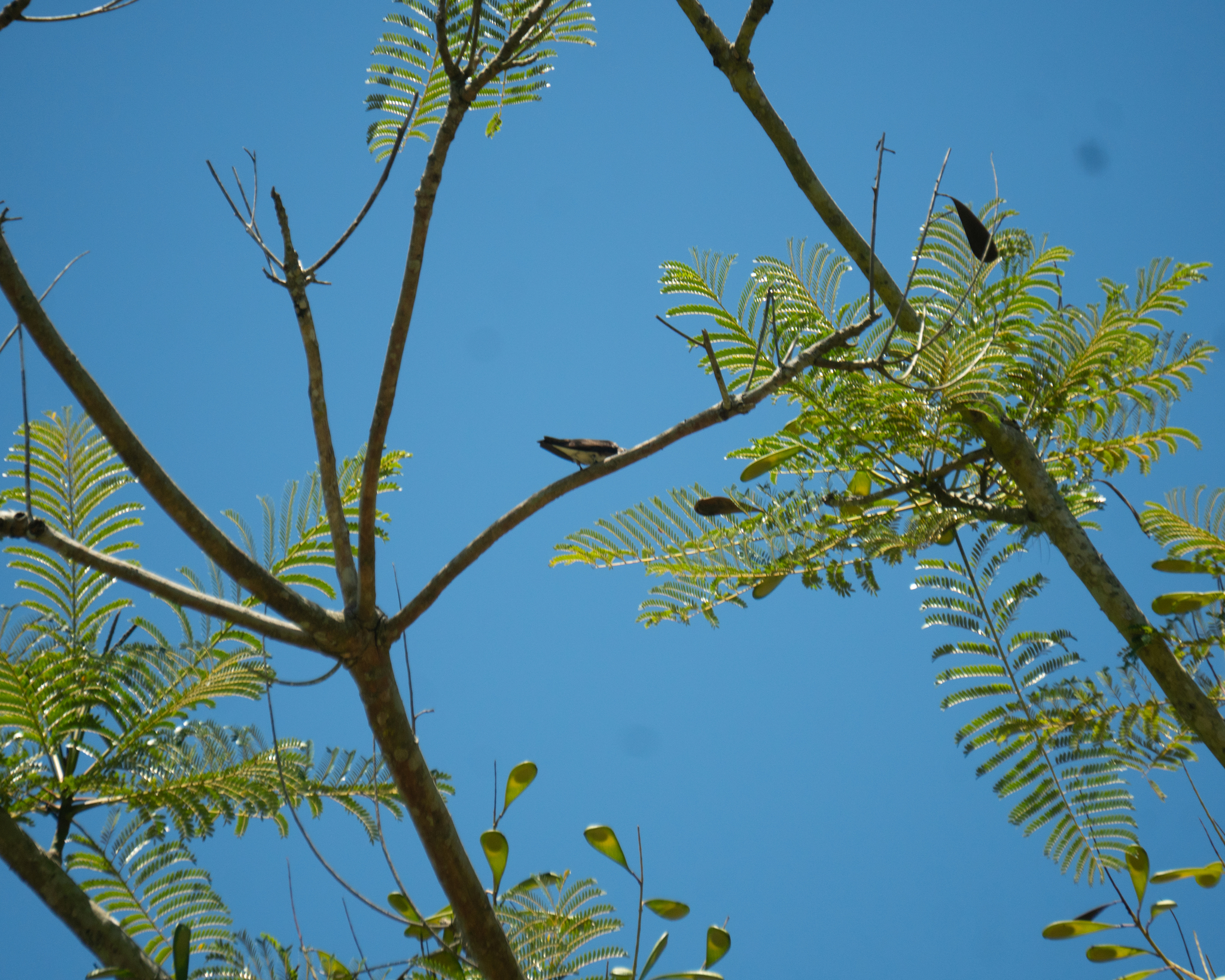
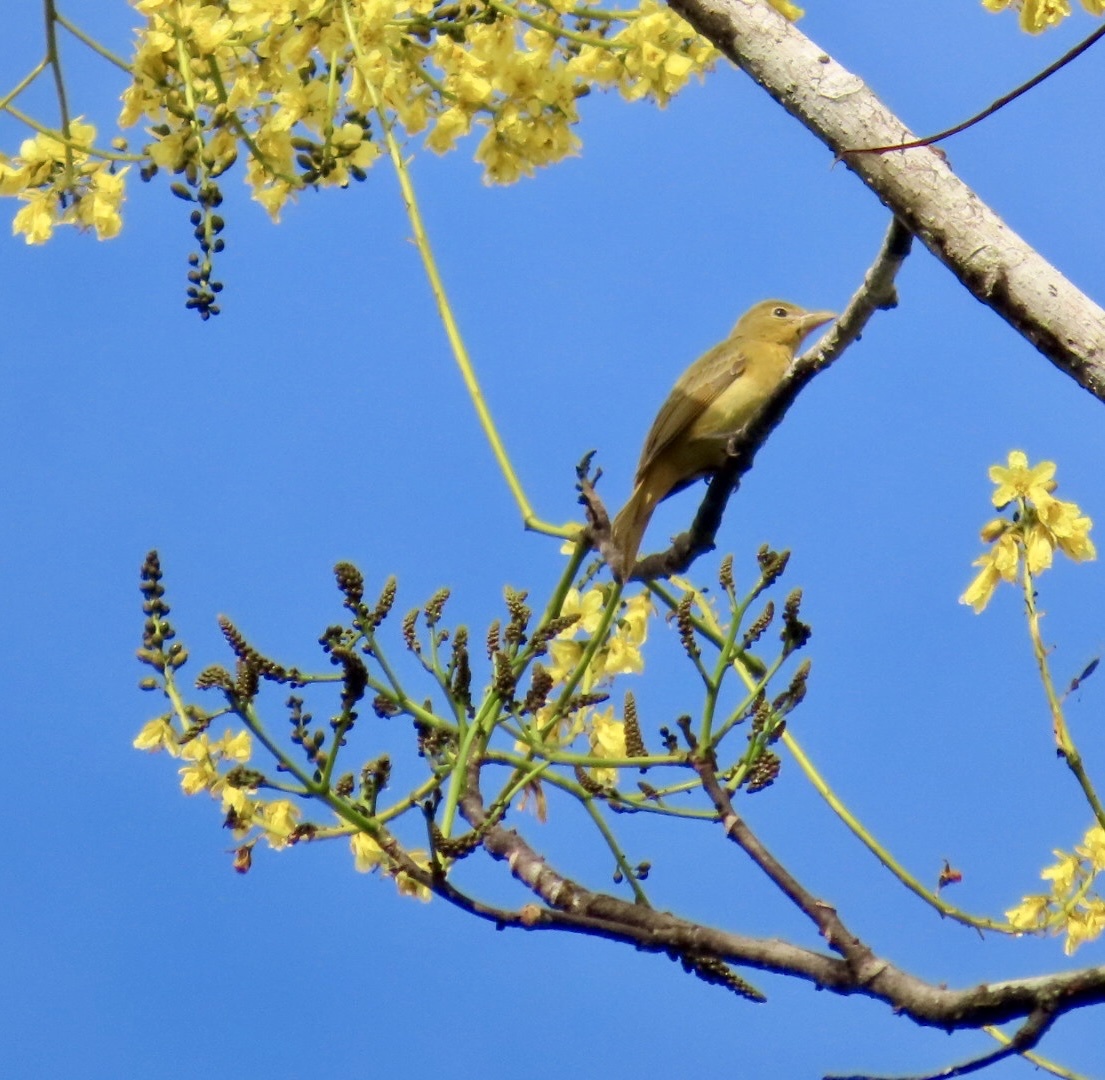
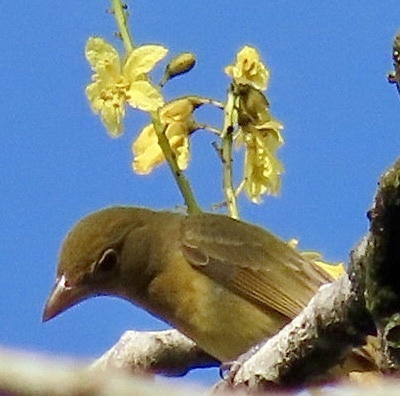
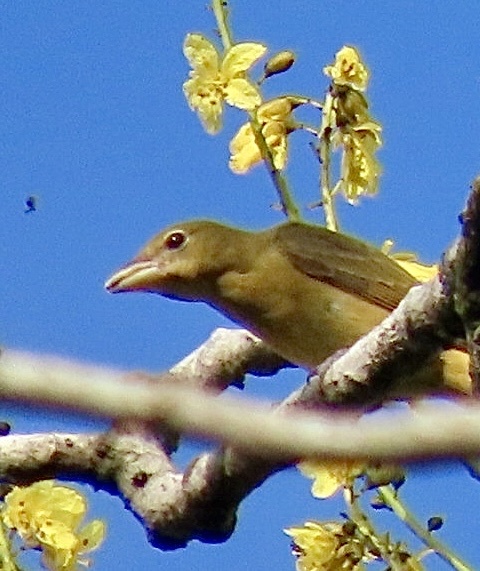
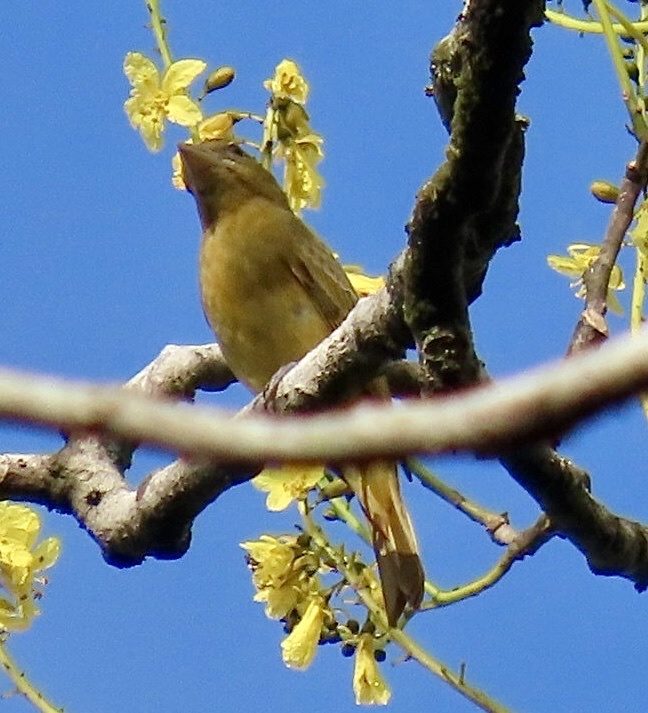
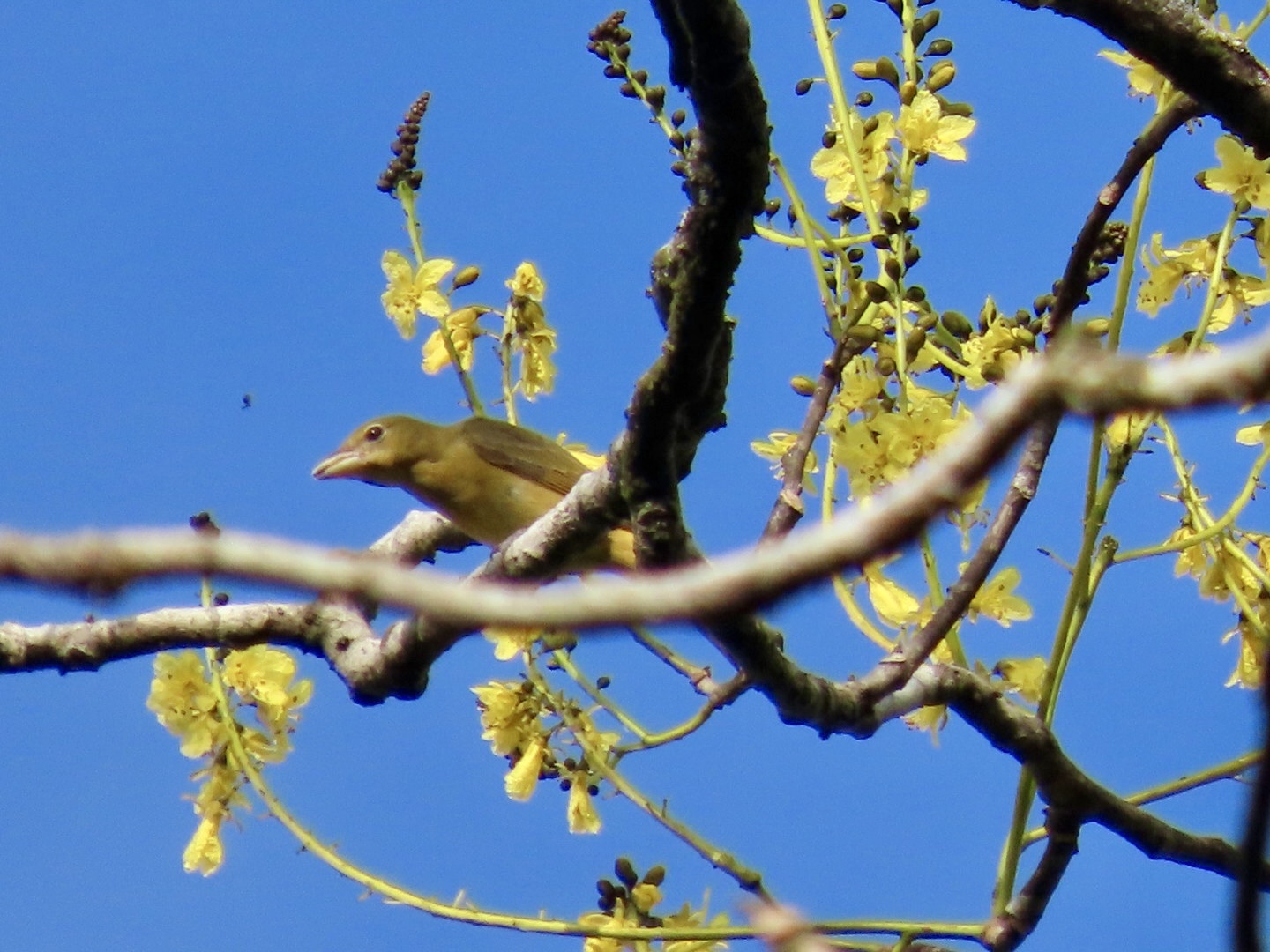
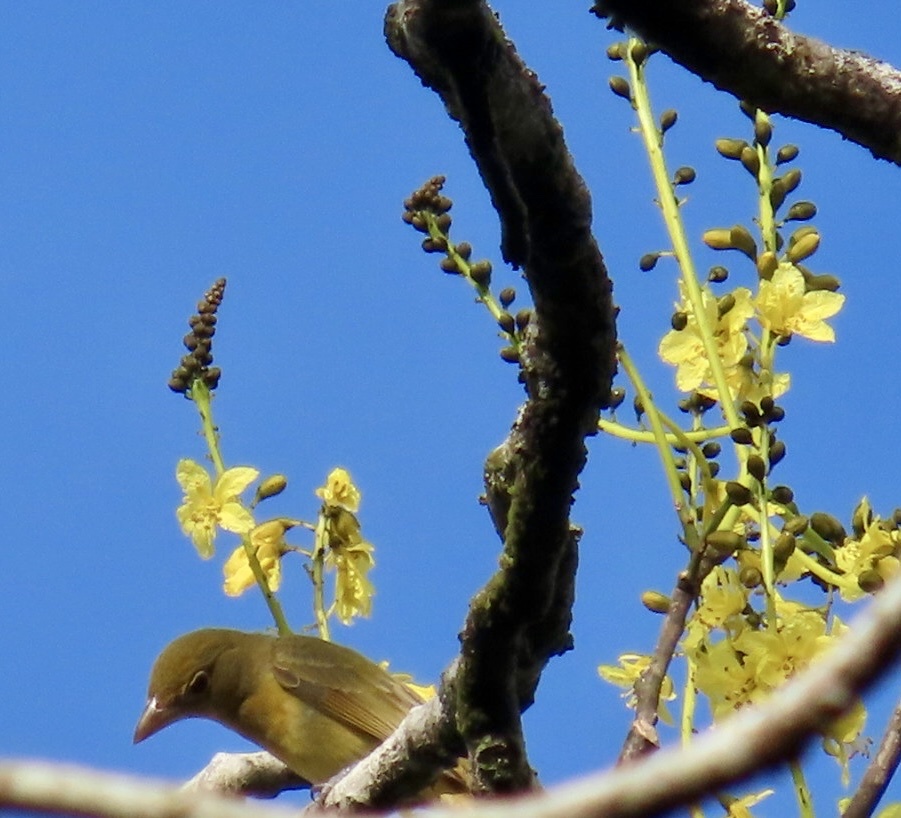
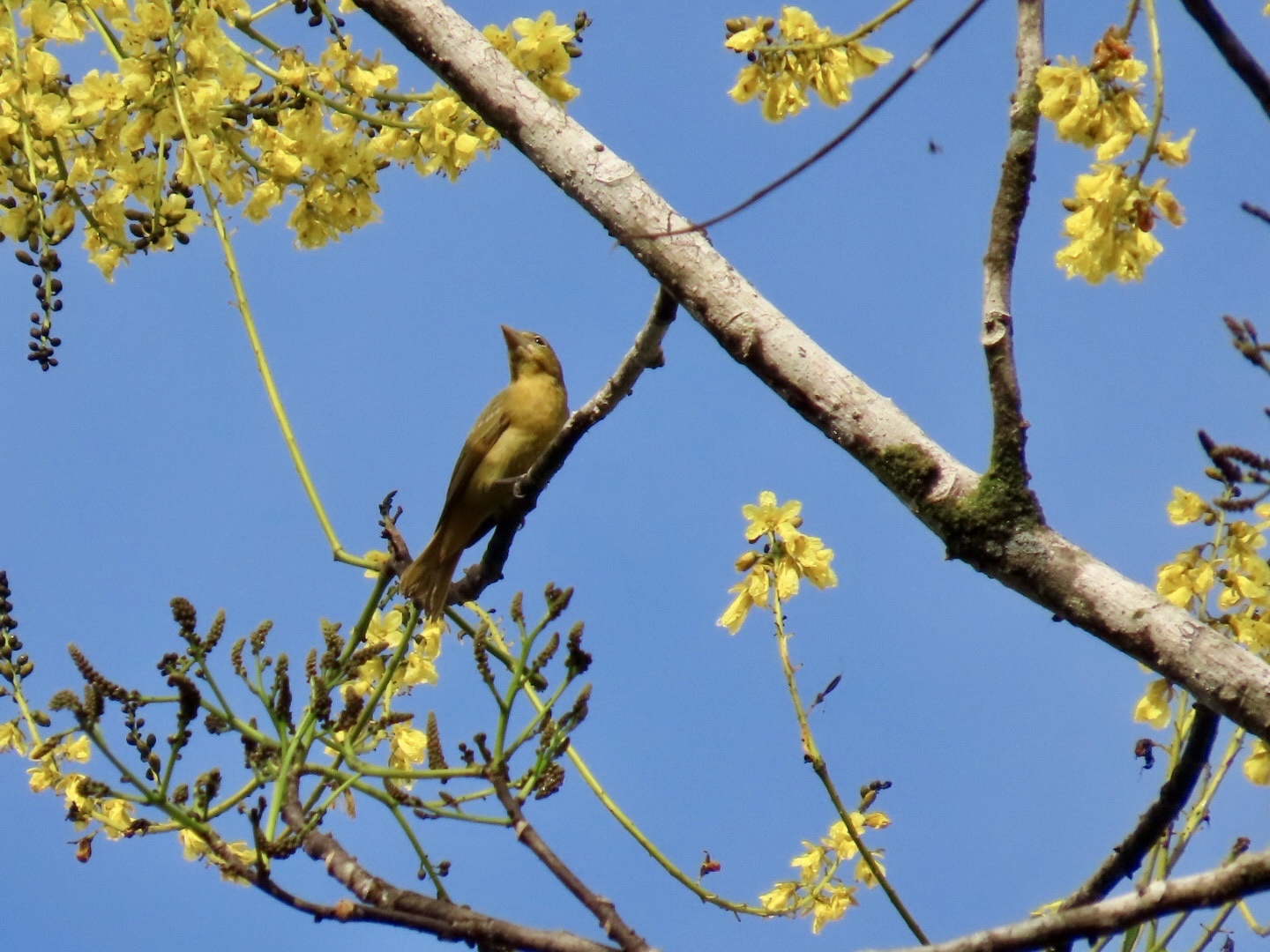
Amazonian emergent legume with extremely fast growth — reaches 20–30 m in 18 years. Embrapa lists paricá among key timber species for SAFs: straight cylindrical trunk ideal for plywood and crates. Dense monoculture plantings are common in Pará. In syntropic systems it acts as a short-to-medium-cycle pioneer emergent. Does not fix N despite being a legume.
Götsch succession
- Götsch stage
- Secondary I
- Ecological role
- Early secondary
- Primary stratum
- Emergent
- Strata
- Emergent
- Biomass class
- Mulch biomass
Environment
- Light requirement
- Full sun
- Water requirement
- High
- Drought tolerance
- Low
Morphology
- Mature height
- 20–30 m
- Recommended spacing
- 8–12 m
- Growth rate
- Very fast
- Lifespan
- 25–50 years
- Productive lifespan
- 18 years
Biomes & climate
- Amazon Native
Köppen classes
- Tropical rainforest (Af) Suitable
- Tropical monsoon (Am) Suitable
- Tropical savanna with dry winter (Aw) Suitable
Where it fits in a guild
Paricá takes the Emergent stratum in the Secondary I phase of succession — in a guild it shares the line with species from the other strata, each harvesting light at its own height, in its own time.
Free account — and the catalog stays open, no sign-up needed.
❓ Frequently asked questions
What spacing is recommended for paricá?
The recommended spacing for paricá is 8–12 m.
How tall does paricá grow?
At maturity, paricá reaches 20–30 m tall.
What stage and stratum does paricá occupy in a syntropic system?
In a syntropic system, paricá belongs to the secondary i stage, occupying the emergent stratum.
Functions
Propagation
Seed
Citations
- Marques, L. C. T. (2007) — Cultivo de Fruteiras em Sistemas Agroflorestais, Embrapa Amazônia Oriental , p. 28 (primary_stratum, height_max_m, growth_rate, productive_lifespan_years)
External references
Continue exploring
Related plants
-
ice cream bean
Inga edulis
Secondary I High Fertilizer biomass 🌱 Nitrogen fixerEssential nitrogen fixer in syntropic systems. Coppices readily after drastic pruning and produces large volumes of fertilizer biomass.
-
cocoa
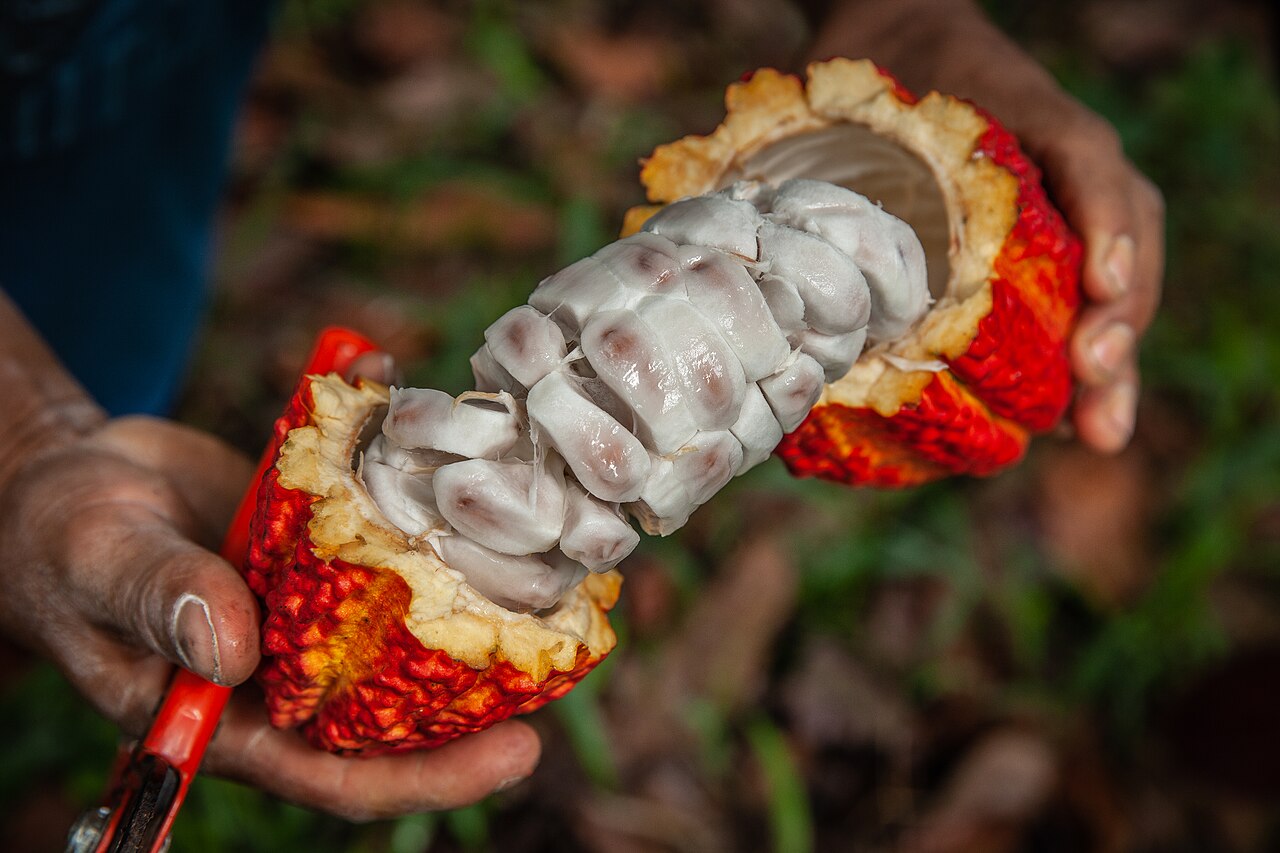
Theobroma cacao
Secondary I Low No biomass productionLow-stratum fruit tree shaded by bananas, ingás and palms in the Bahia syntropic systems pioneered by Götsch.
-
mangium
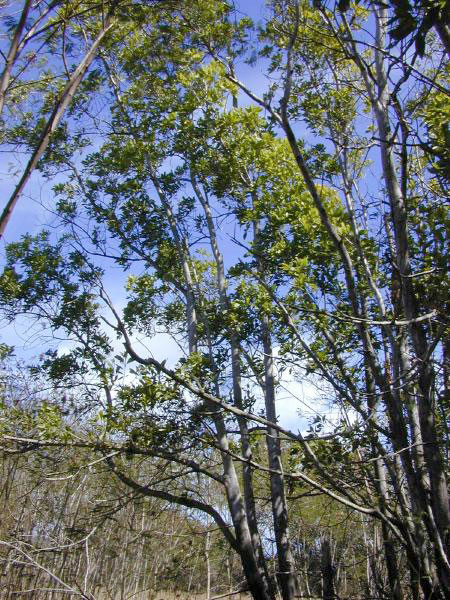
Acacia mangium
Secondary I Emergent Fertilizer & mulch 🌱 Nitrogen fixerExtremely fast-growing nitrogen-fixing legume, central in syntropic systems as a producer of both cover and fertilizer biomass. Pasini classifies i...
-
tannia
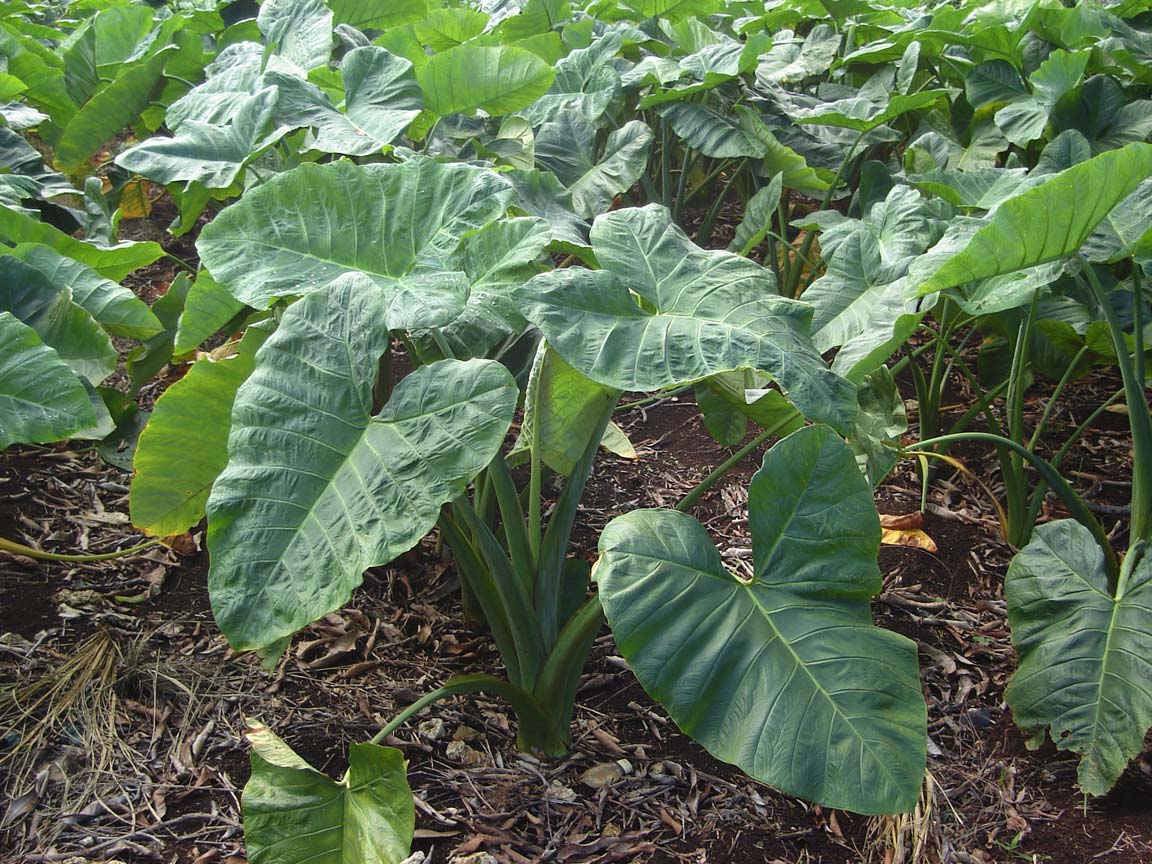
Xanthosoma sagittifolium
Secondary I Low No biomass productionPANC perennial leafy vegetable widely used in Brazilian syntropic systems. Pasini lists it in the low stratum of Tabela 3 and in the '3 to 10 years...
-
cupuaçu
Theobroma grandiflorum
Secondary I Medium No biomass productionAmazonian high-stratum fruit tree, cousin of cocoa. Pasini lists it in the high stratum of Tabela 3 and among Abundance-system species — middle pha...
-
guava
Psidium guajava
Secondary I High No biomass productionNative tropical American fruit tree, common in Brazilian syntropic agroforestry systems. Pasini lists it in the high stratum of Tabela 3. Tolerates...