Plants
açoita-cavalo
Luehea divaricata Mart. & Zucc.
Family: Malvaceae · Genus: Luehea
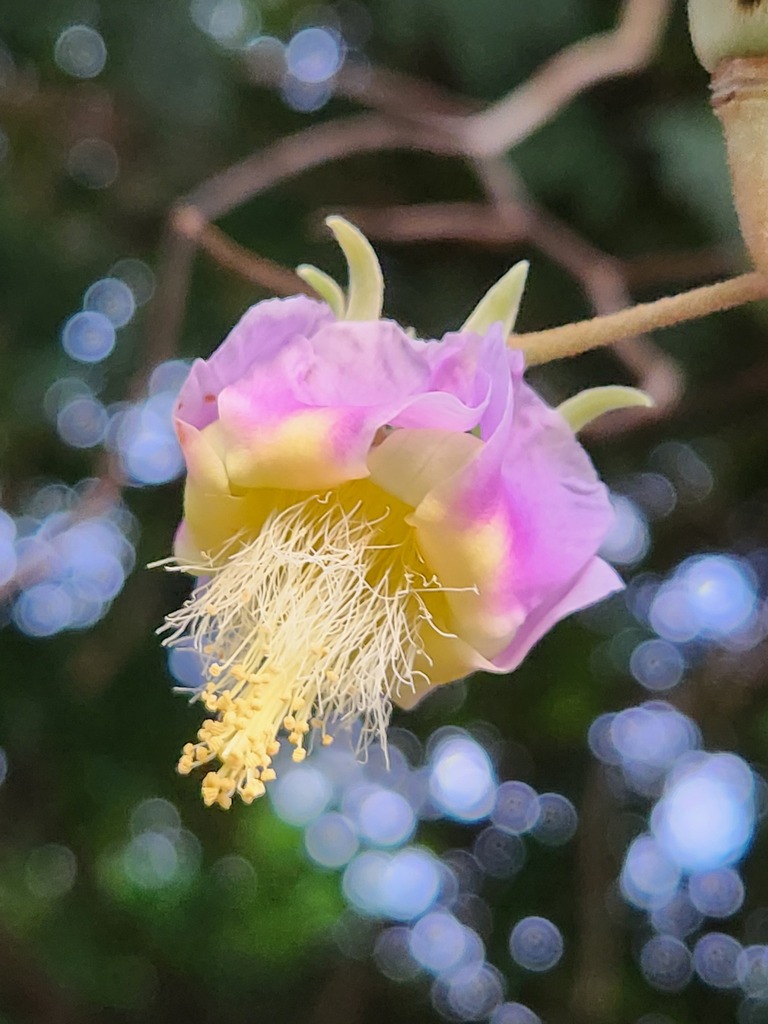
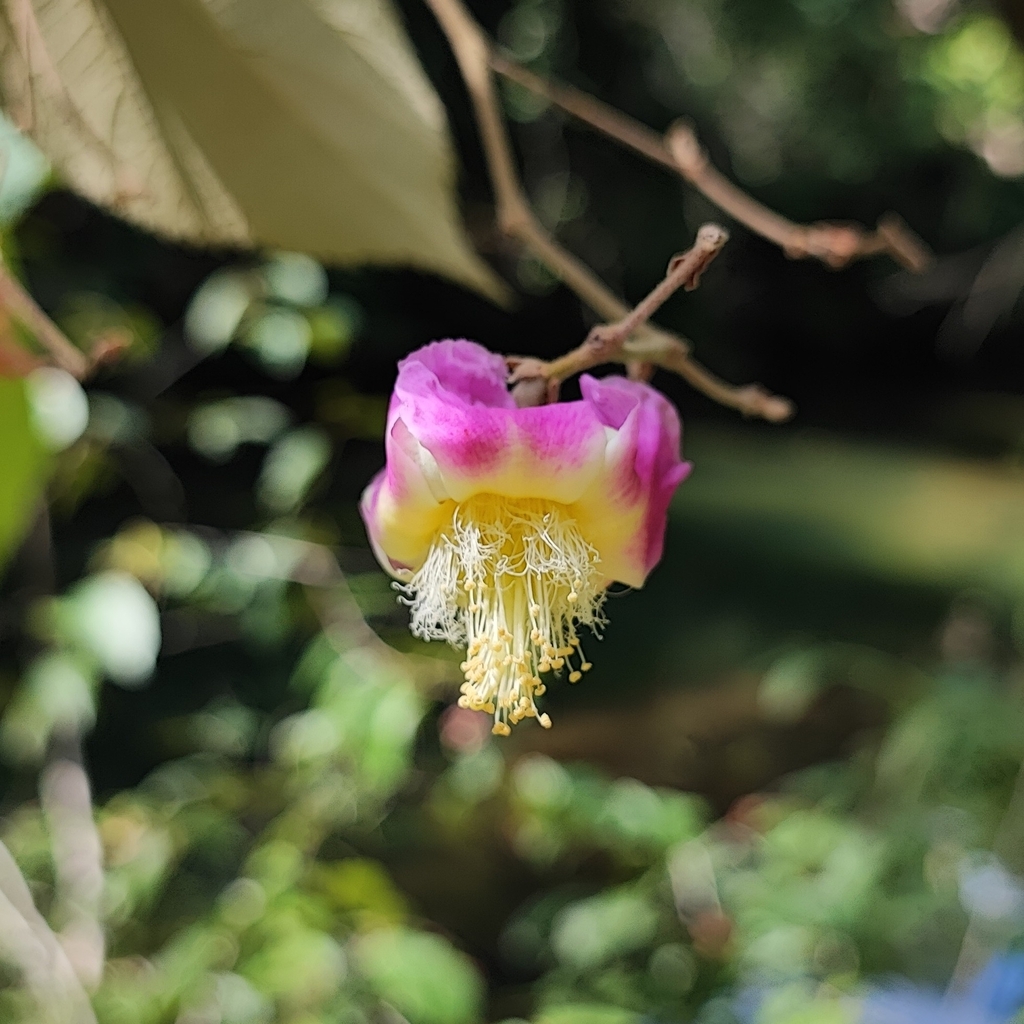
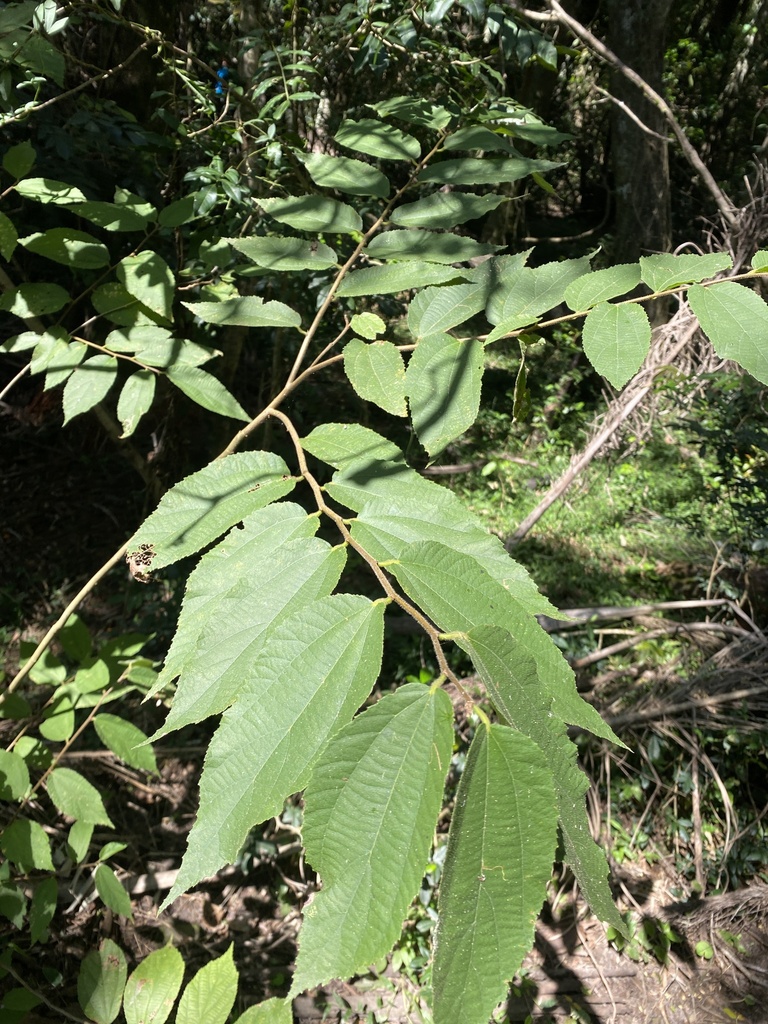
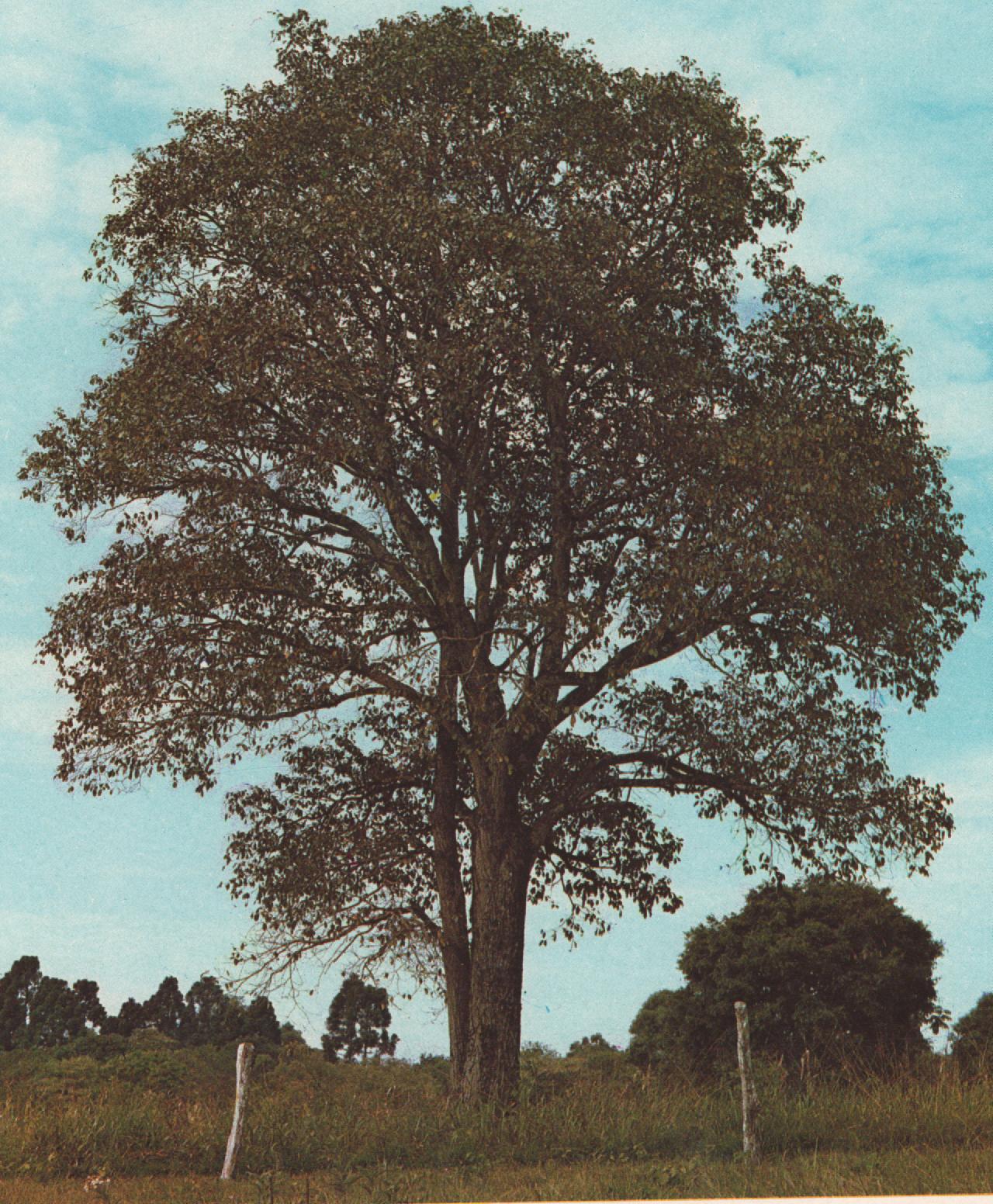
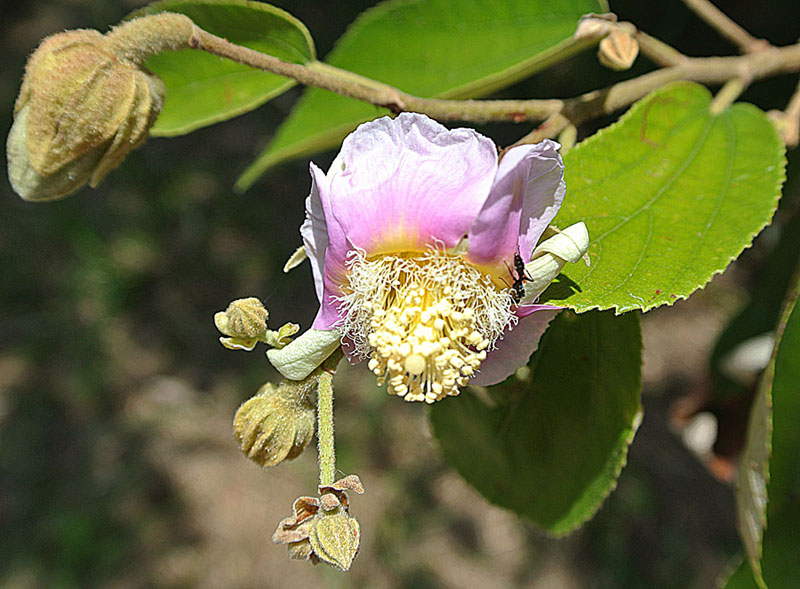
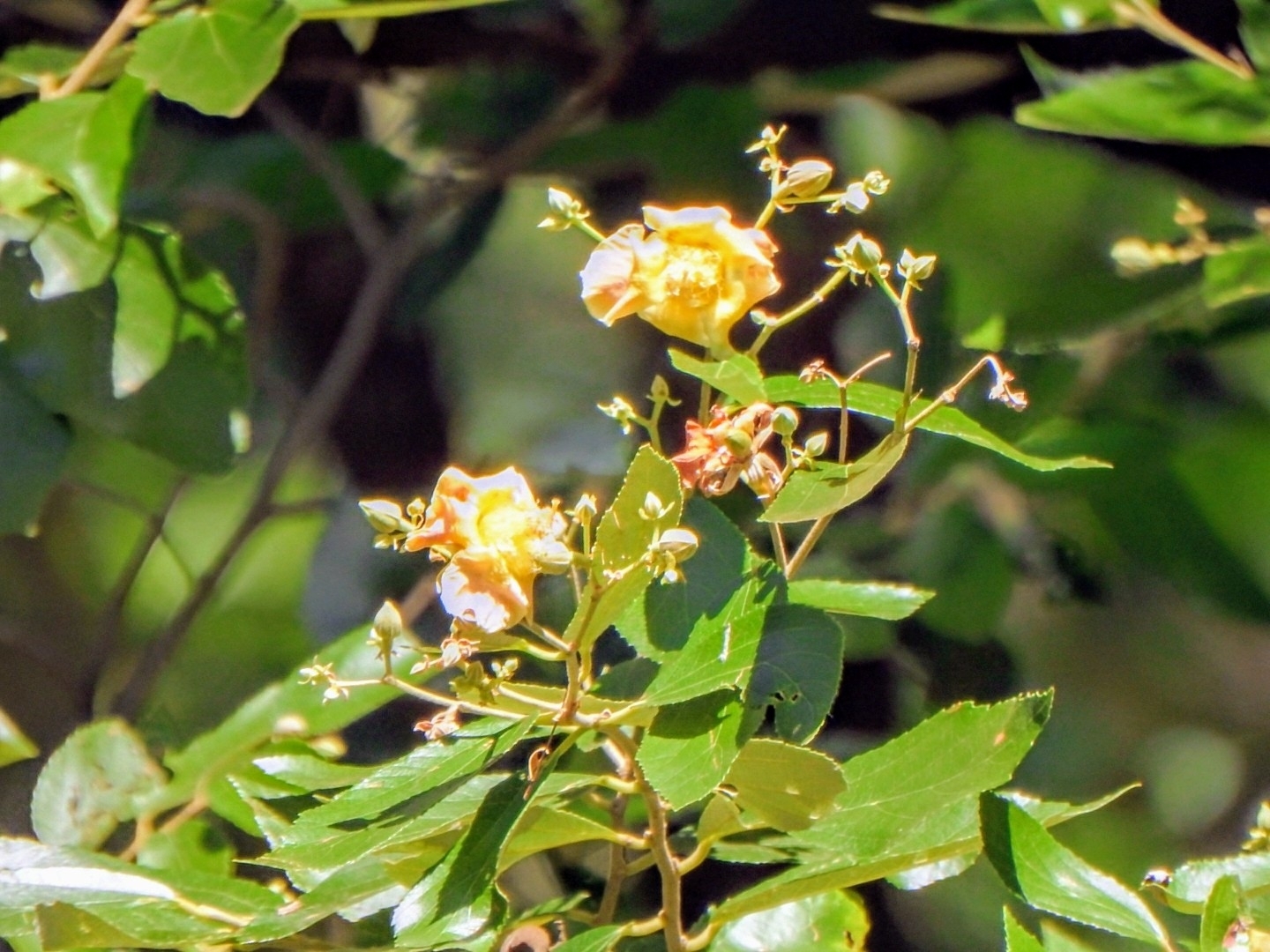
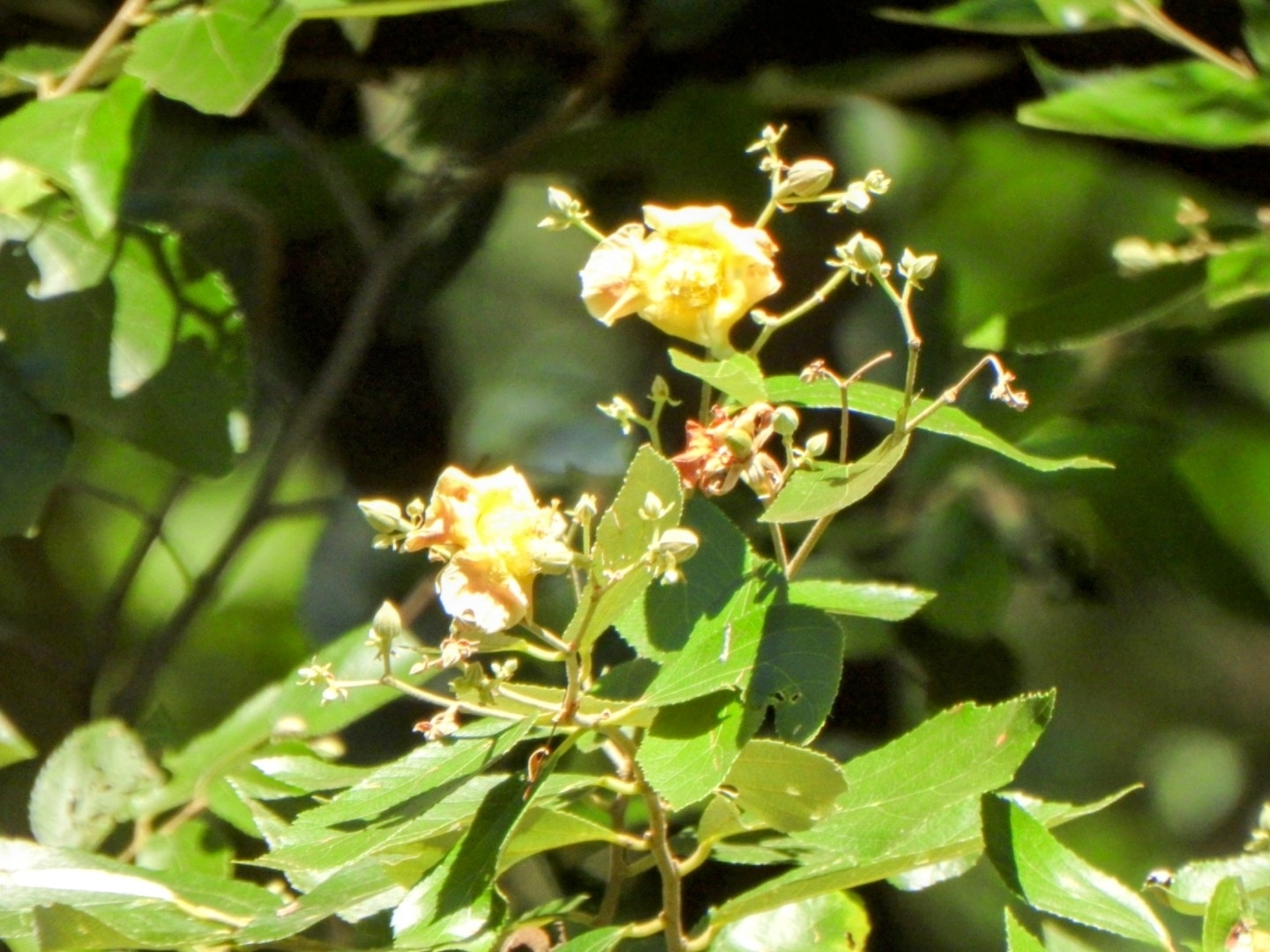
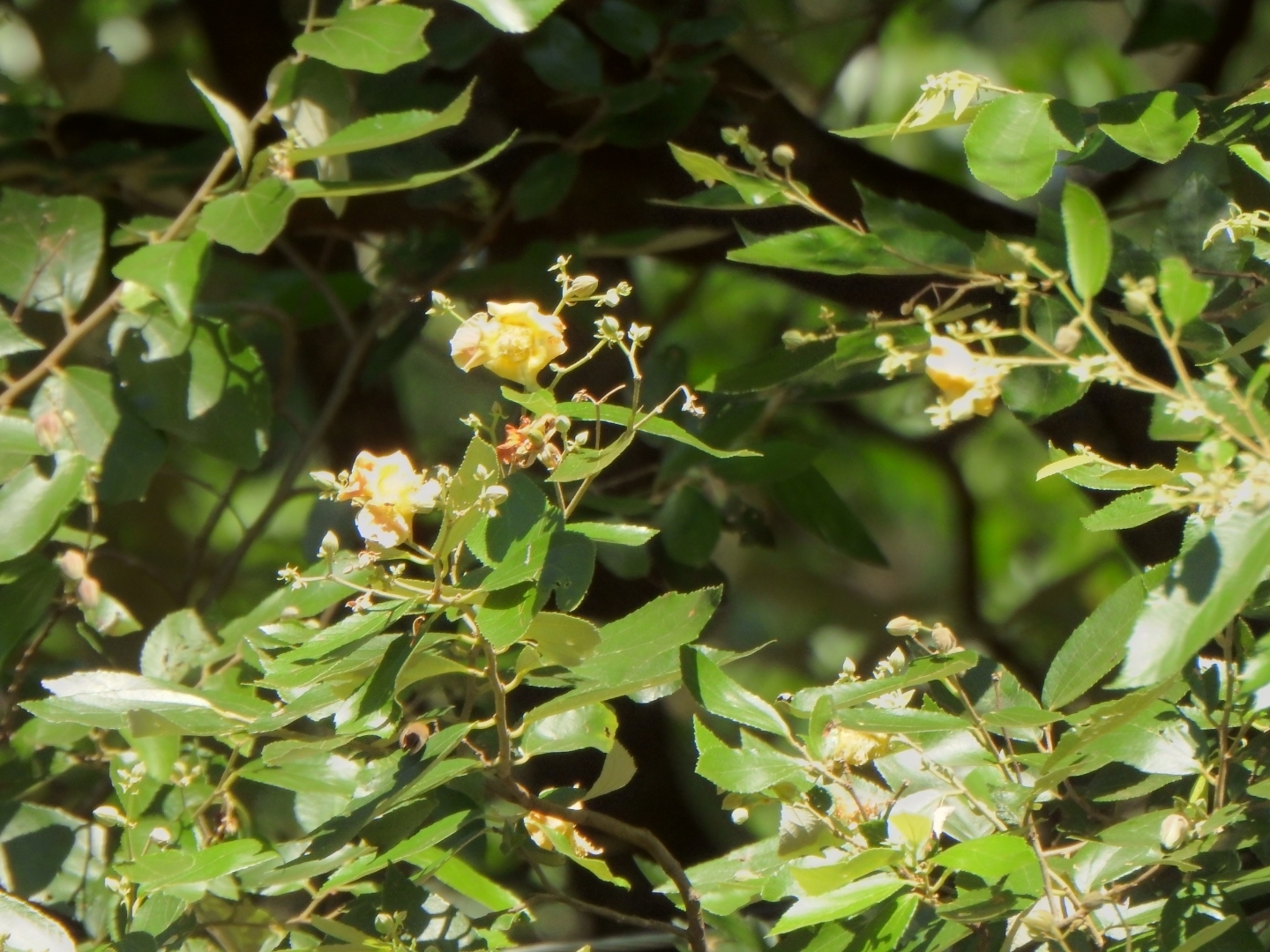
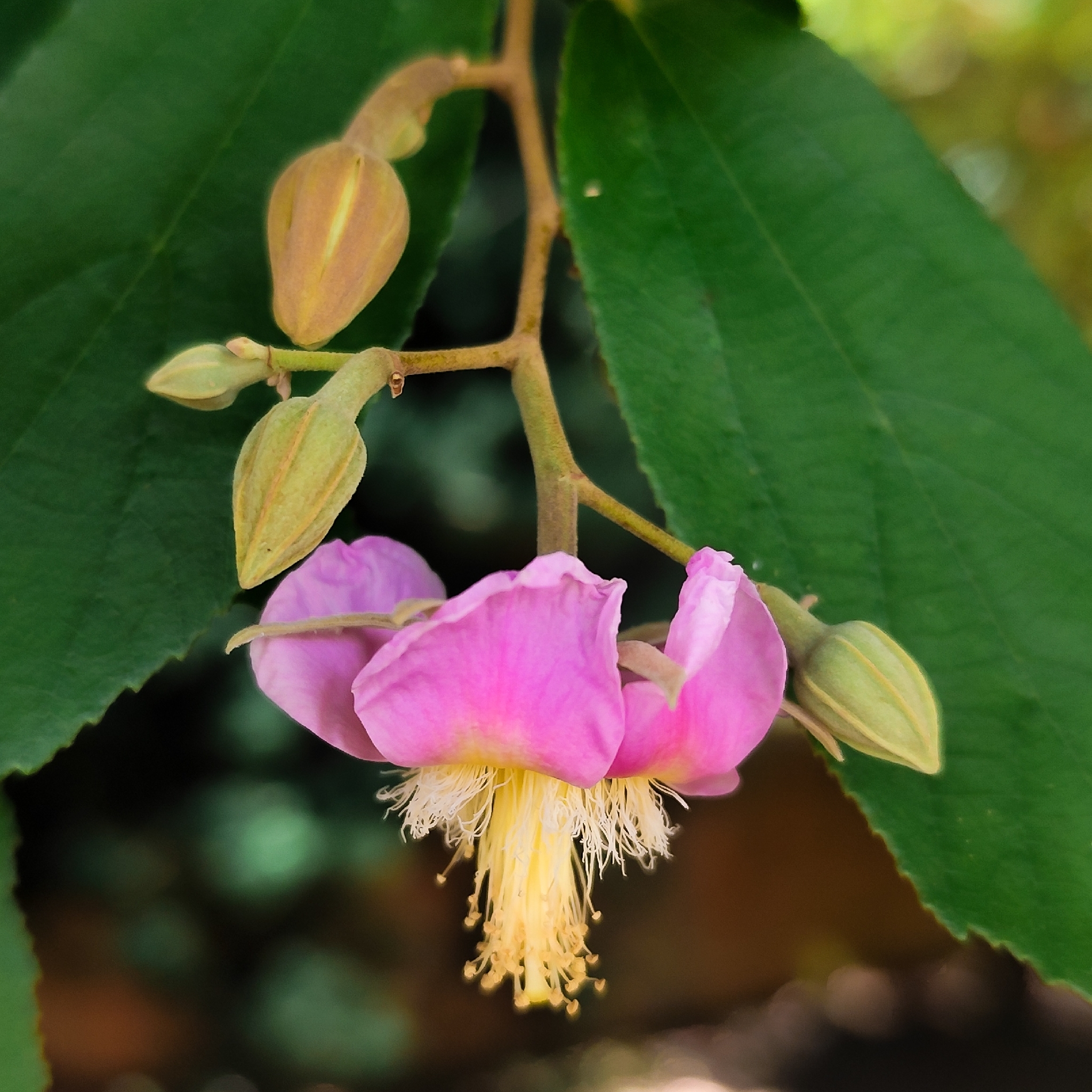
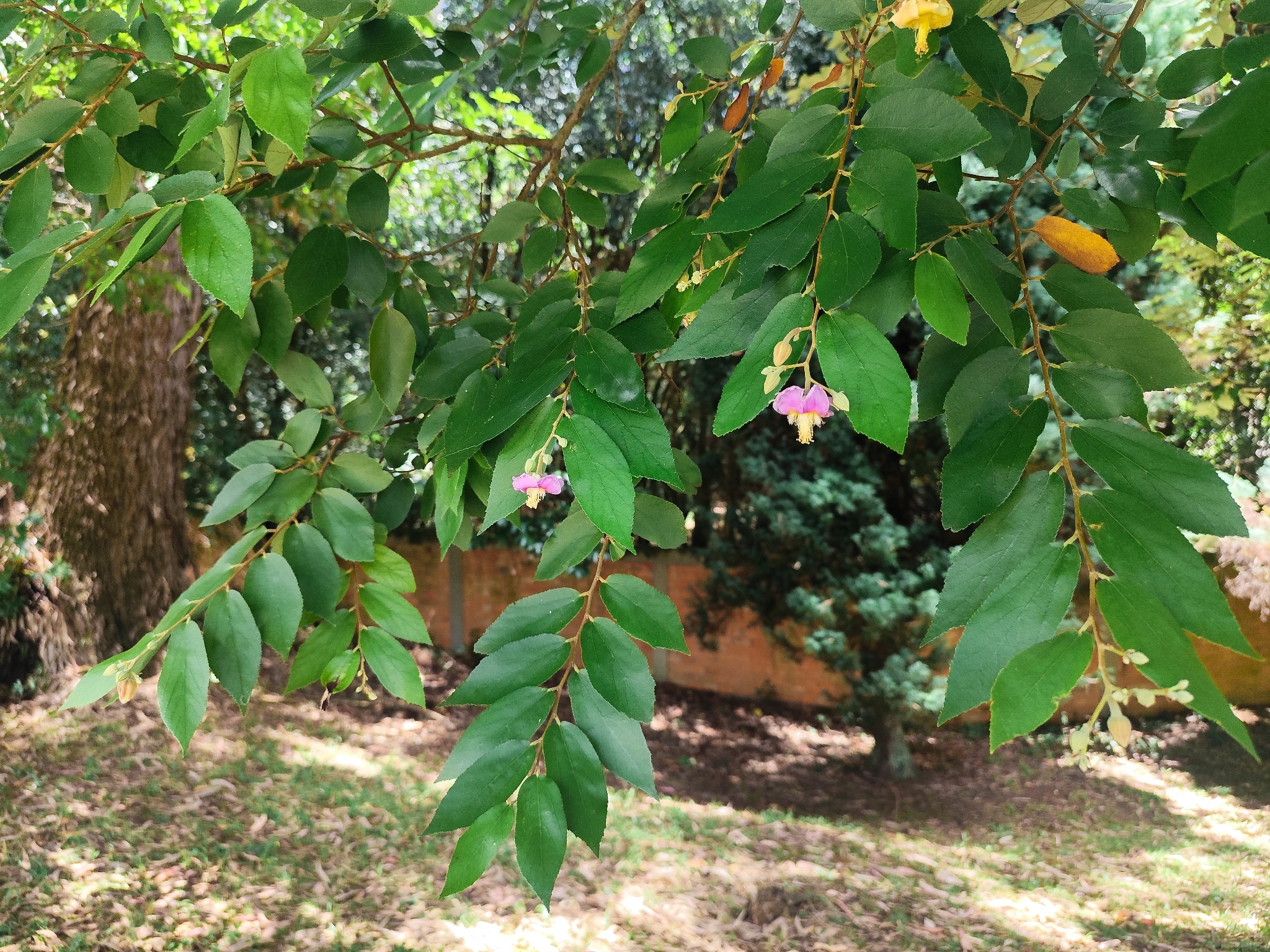
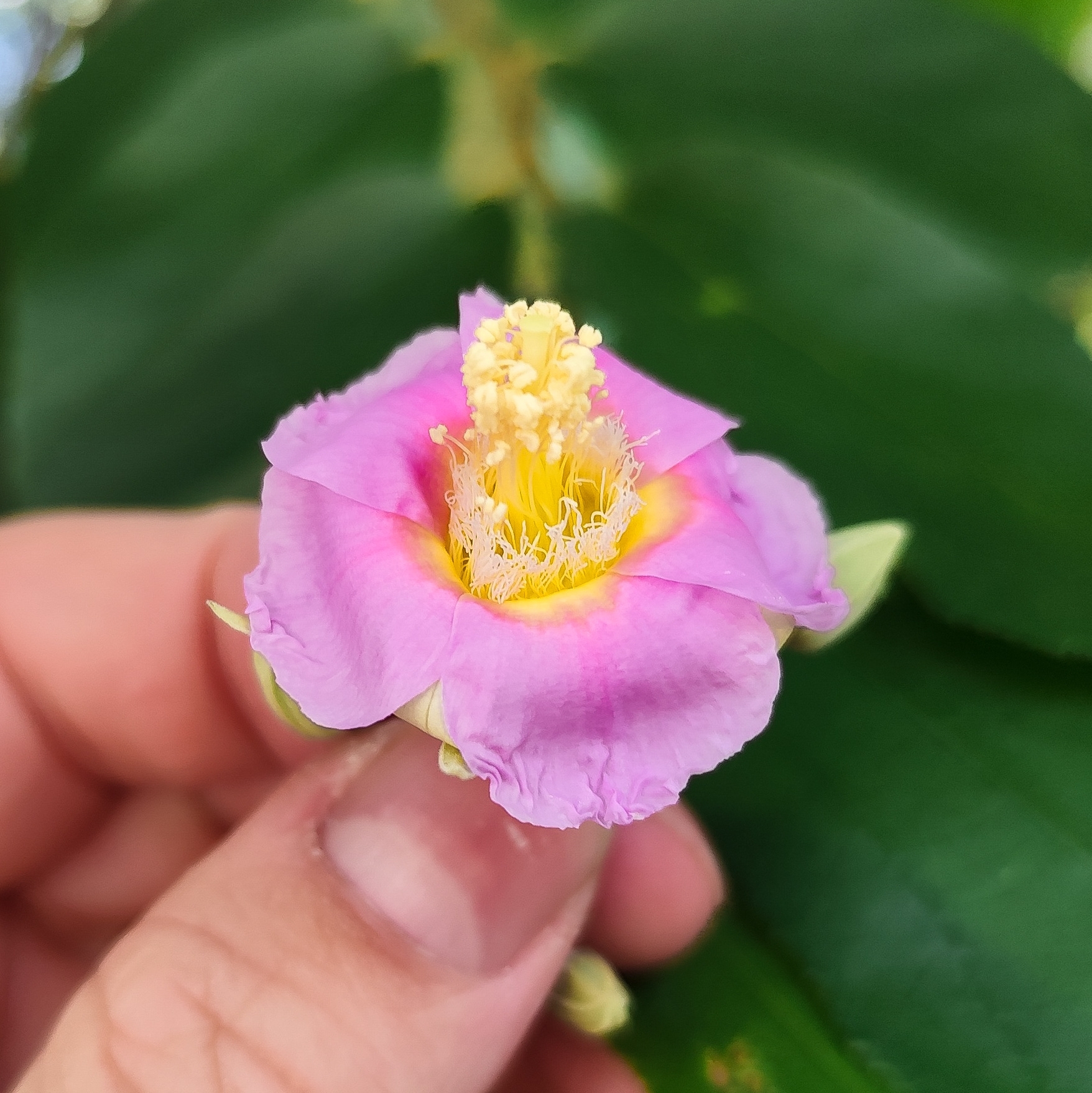
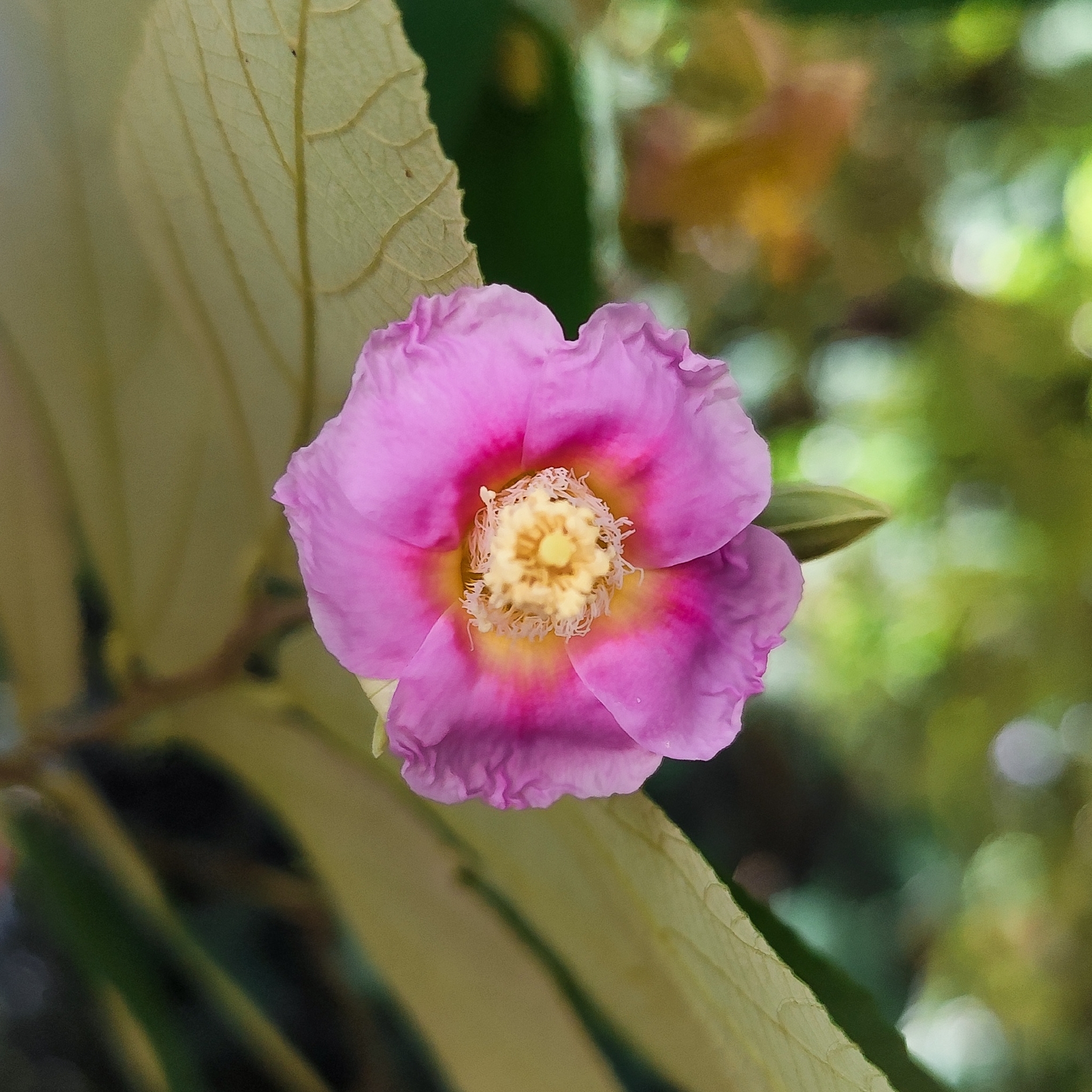
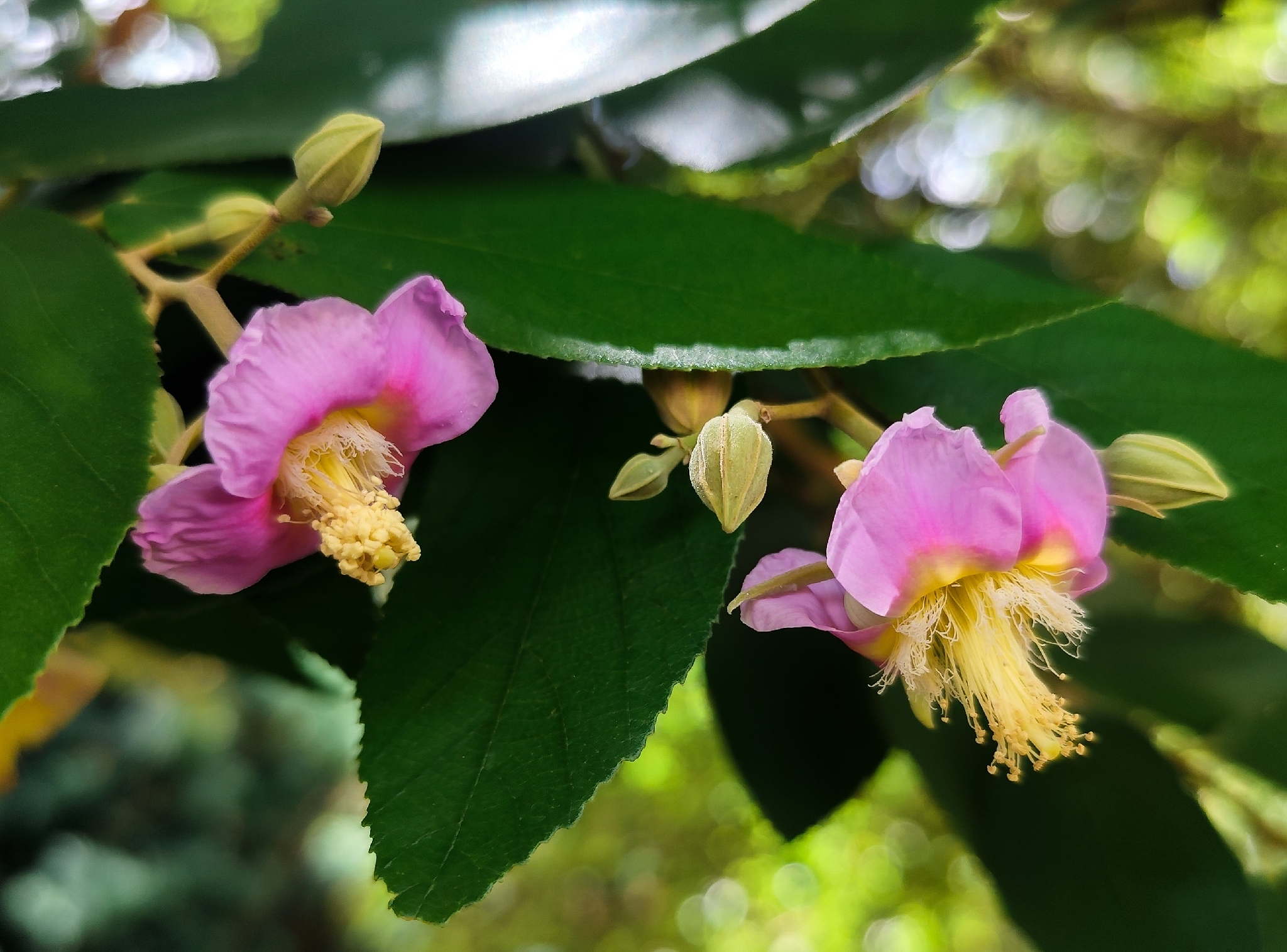
Semi-deciduous native tree of southern Brazil, typical of riparian forests and secondary growth. A forestry species of the Embrapa Vitrine SAF, planted after year 2 to fill gaps among the main forest species.
Götsch succession
- Götsch stage
- Secondary II
- Ecological role
- Late secondary
- Primary stratum
- High
- Strata
- High, Emergent
- Biomass class
- Mulch biomass
Environment
- Light requirement
- Full sun
- Water requirement
- Moderate
- Drought tolerance
- Moderate
- Waterlogging tolerance
- Moderate
Morphology
- Mature height
- 10–25 m
- Root system
- Taproot
- Growth rate
- Moderate
Biomes & climate
- Atlantic Forest Native
- Cerrado Native
- Pampa Native
Köppen classes
- Humid subtropical (Cfa) Native
- Subtropical with dry winter (Cwa) Native
- Oceanic (Cfb) Suitable
Where it fits in a guild
Açoita-cavalo takes the High stratum in the Secondary II phase of succession — in a guild it shares the line with species from the other strata, each harvesting light at its own height, in its own time.
Free account — and the catalog stays open, no sign-up needed.
🪴 Cultivation
A fast-growing deciduous pioneer typical of riparian and gallery forests — tolerant of moist and periodically waterlogged soils. Pink-and-yellow flowers pollinated by bees (Apis mellifera) and hummingbirds. Reproduction begins around age 2. Winged wind-dispersed seeds; recommended for restoring degraded and riparian areas.
📅 Phenology
Flowering months: December, January, February, March
Fruiting months: April, May, June, July, August
❓ Frequently asked questions
How tall does açoita-cavalo grow?
At maturity, açoita-cavalo reaches 10–25 m tall.
When does açoita-cavalo fruit?
Fruiting of açoita-cavalo occurs in April, May, June, July, August.
When does açoita-cavalo flower?
Flowering of açoita-cavalo occurs in December, January, February, March.
What stage and stratum does açoita-cavalo occupy in a syntropic system?
In a syntropic system, açoita-cavalo belongs to the secondary ii stage, occupying the high stratum.
Functions
Propagation
Seed
Citations
- Armando, Bueno, Alves & Cavalcante (2002) — Agrofloresta para Agricultura Familiar (Embrapa Circular Técnica 16), Tabela 1 , p. 3 (gotsch_stage, primary_stratum)
- Embrapa Florestas — Açoita-Cavalo (Luehea divaricata), Circular Técnica 147 (growth_rate, height_min_m, height_max_m, propagation, cultivation_notes)
- Biologia da Paisagem — Luehea divaricata (açoita-cavalo) (phenology, growth_rate, cultivation_notes, waterlogging_tolerance)
External references
Continue exploring
Related plants
-
Brazilian ironwood
Libidibia ferrea
Secondary II High Fertilizer & mulchLeguminous tree occurring in Caatinga, Cerrado and Atlantic Forest. Sun-tolerant and melliferous.
-
mangaba
Hancornia speciosa
Secondary II MediumEvergreen to semi-deciduous tree 2–10 m tall, characteristic of Brazilian Cerrado and coastal tablelands. Considered one of Brazil's priority 'Plan...
-
avocado
Persea americana
Secondary II High No biomass productionLong-lived perennial fruit tree. Pasini classifies it in the high stratum of Tabela 3 and explicitly cites it among Abundance-system species (high ...
-
mango
Mangifera indica
Secondary II High No biomass productionLong-lived tropical fruit tree. Pasini lists it in the high stratum of Tabela 3 and in the '20 to 50 years' phase of Tabela 4 (high stratum). A key...
-
açaí palm
Euterpe oleracea
Secondary II High No biomass productionAmazonian native multi-stemmed palm. Pasini lists it in the high stratum of Tabela 3 and cites it explicitly among Abundance-system species. Fruit ...
-
peach palm
Bactris gasipaes
Secondary II Emergent No biomass productionAmazonian multi-stemmed palm; produces heart of palm in ~3 years and edible fruit in ~5 years. Pasini lists it in the emergent stratum of Tabela 3 ...