Plants
cush-cush yam
Dioscorea trifida L.f.
Family: Dioscoreaceae · Genus: Dioscorea
yampi
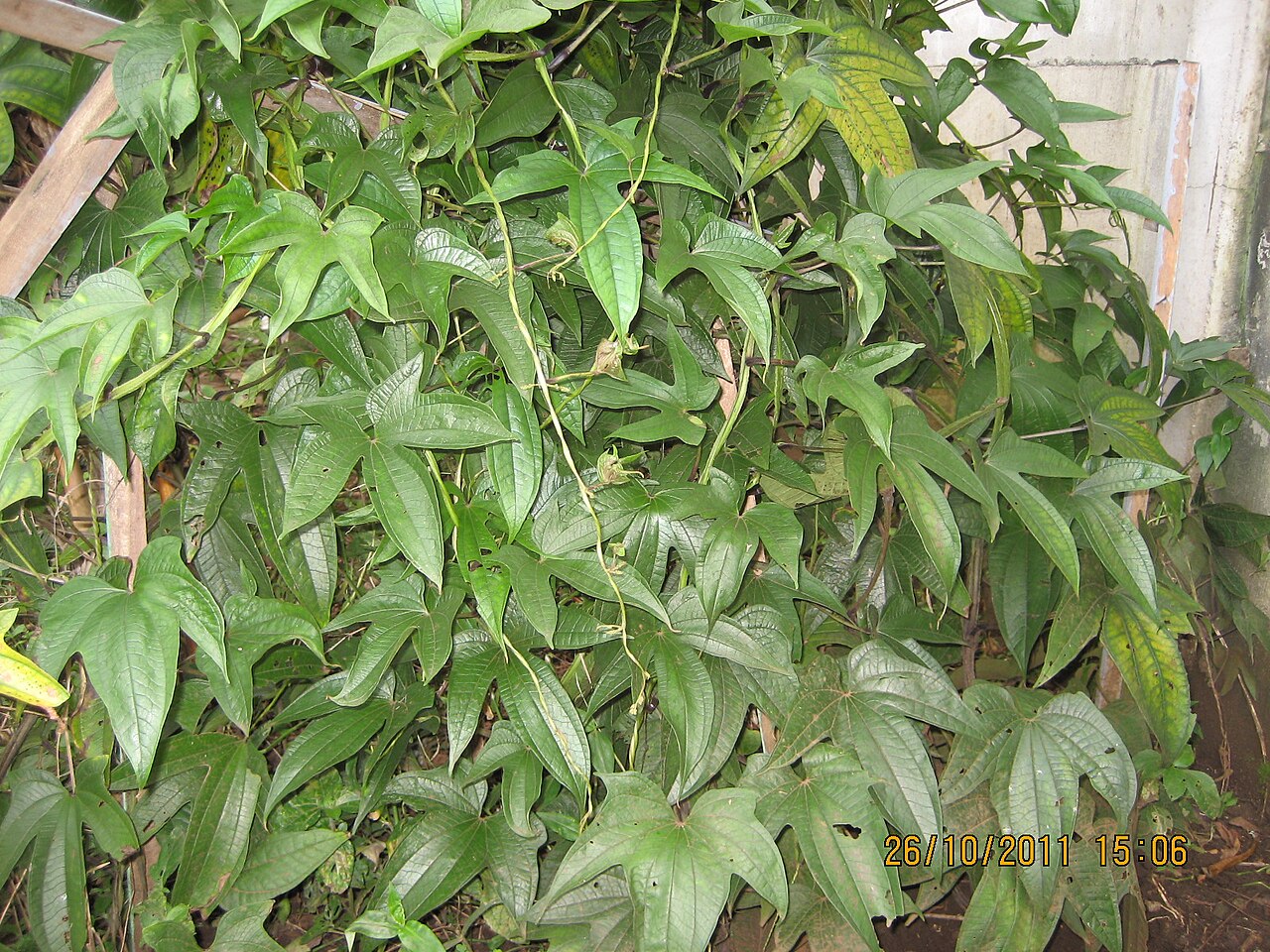
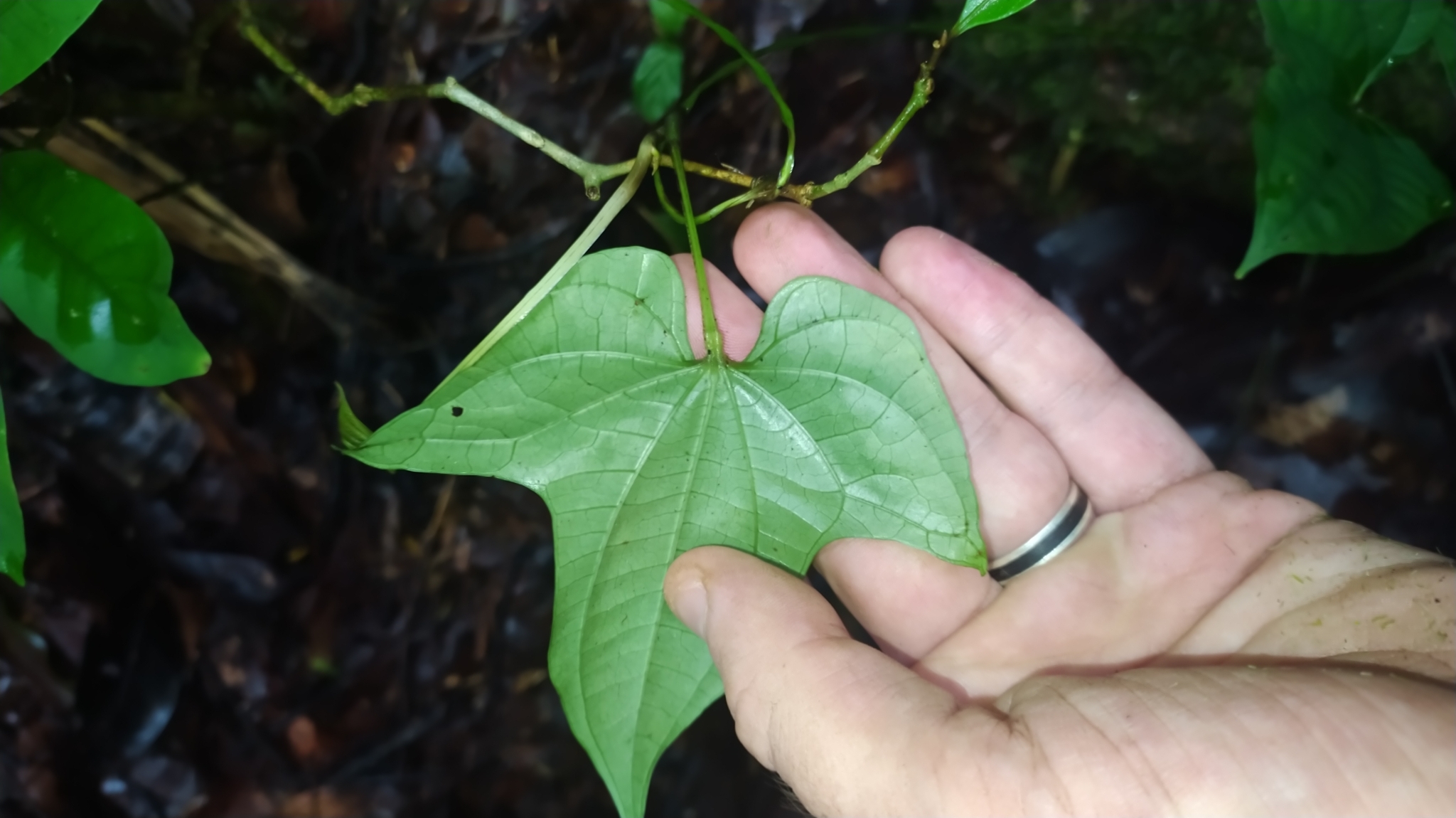
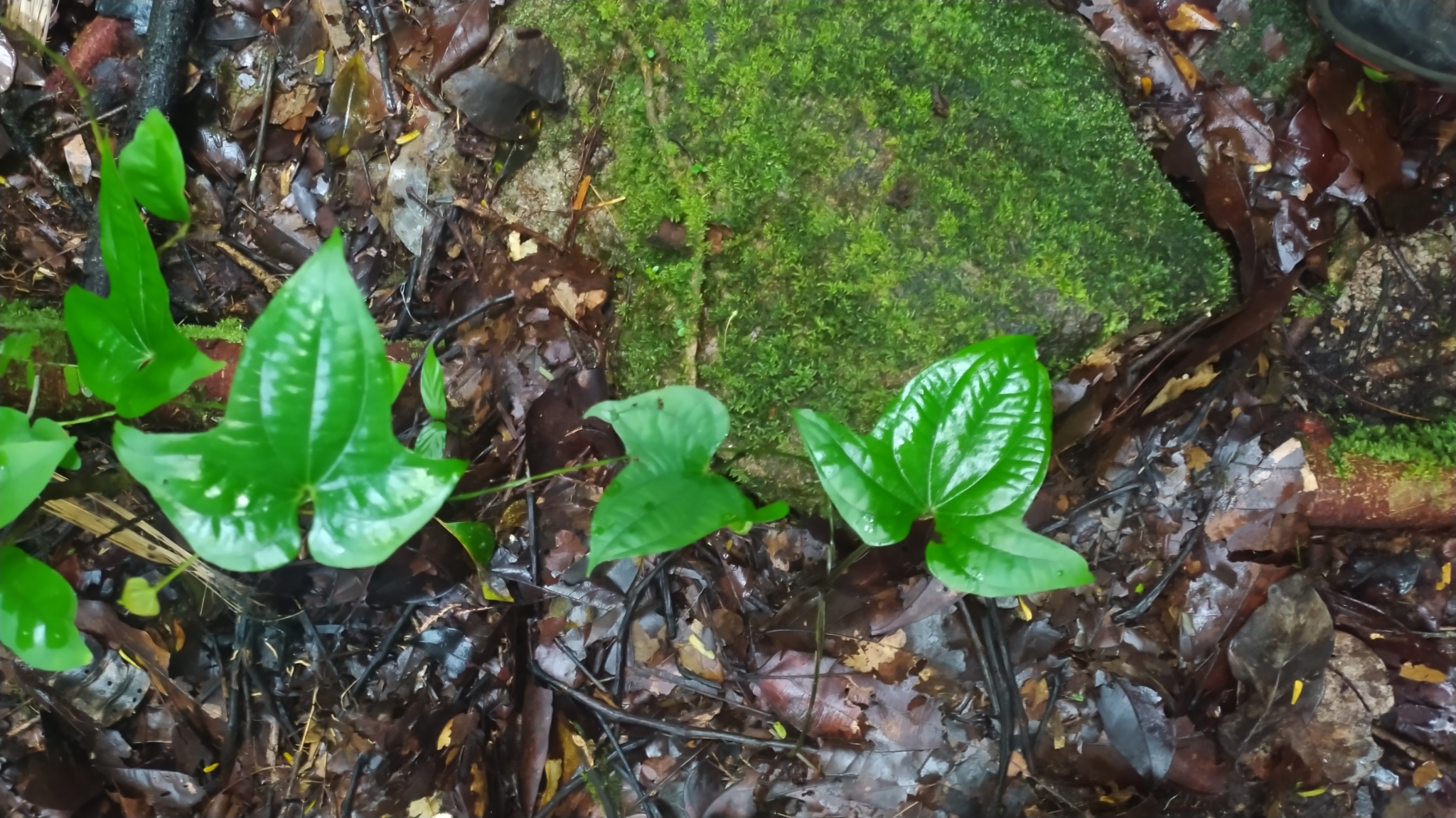
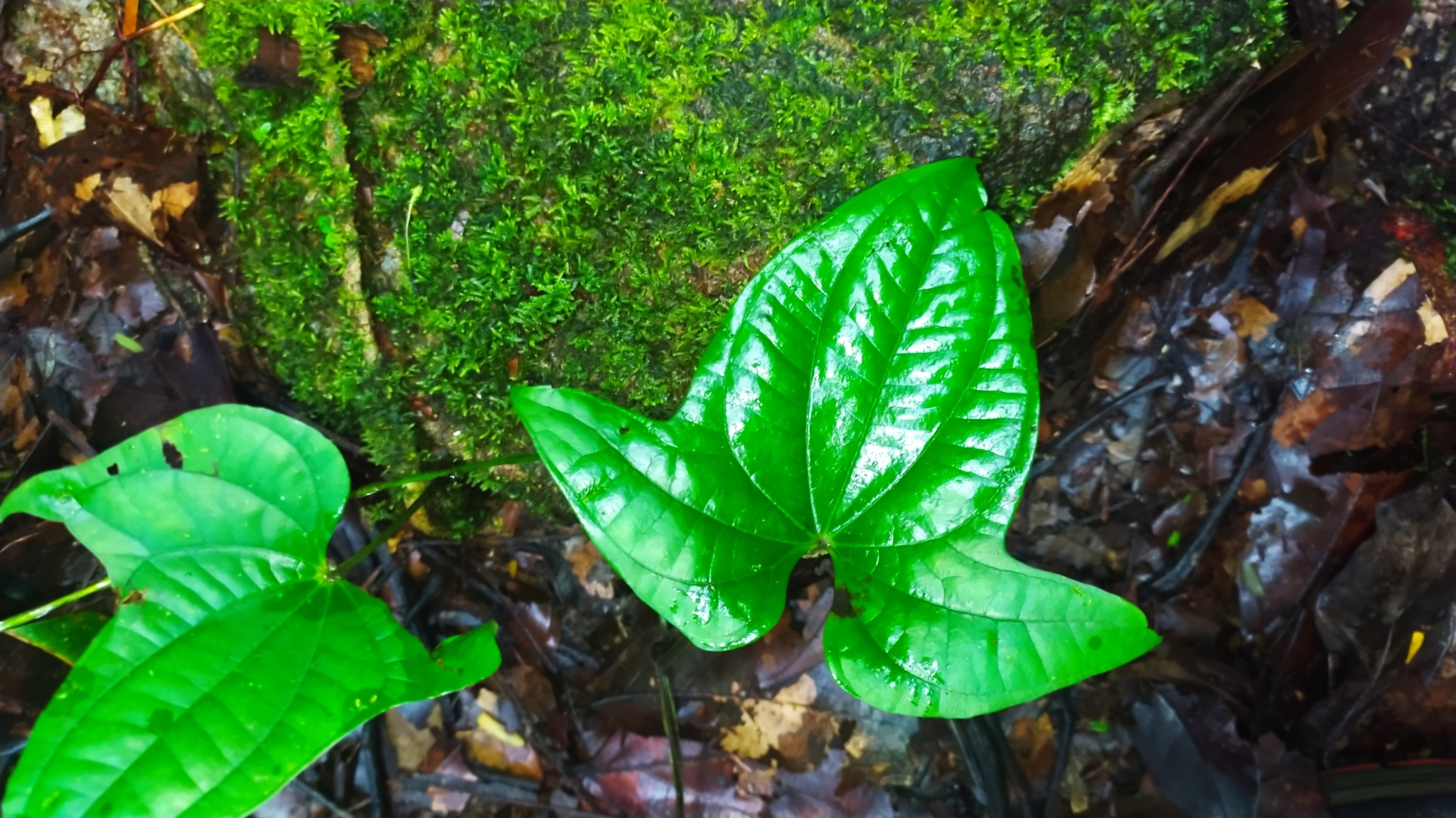
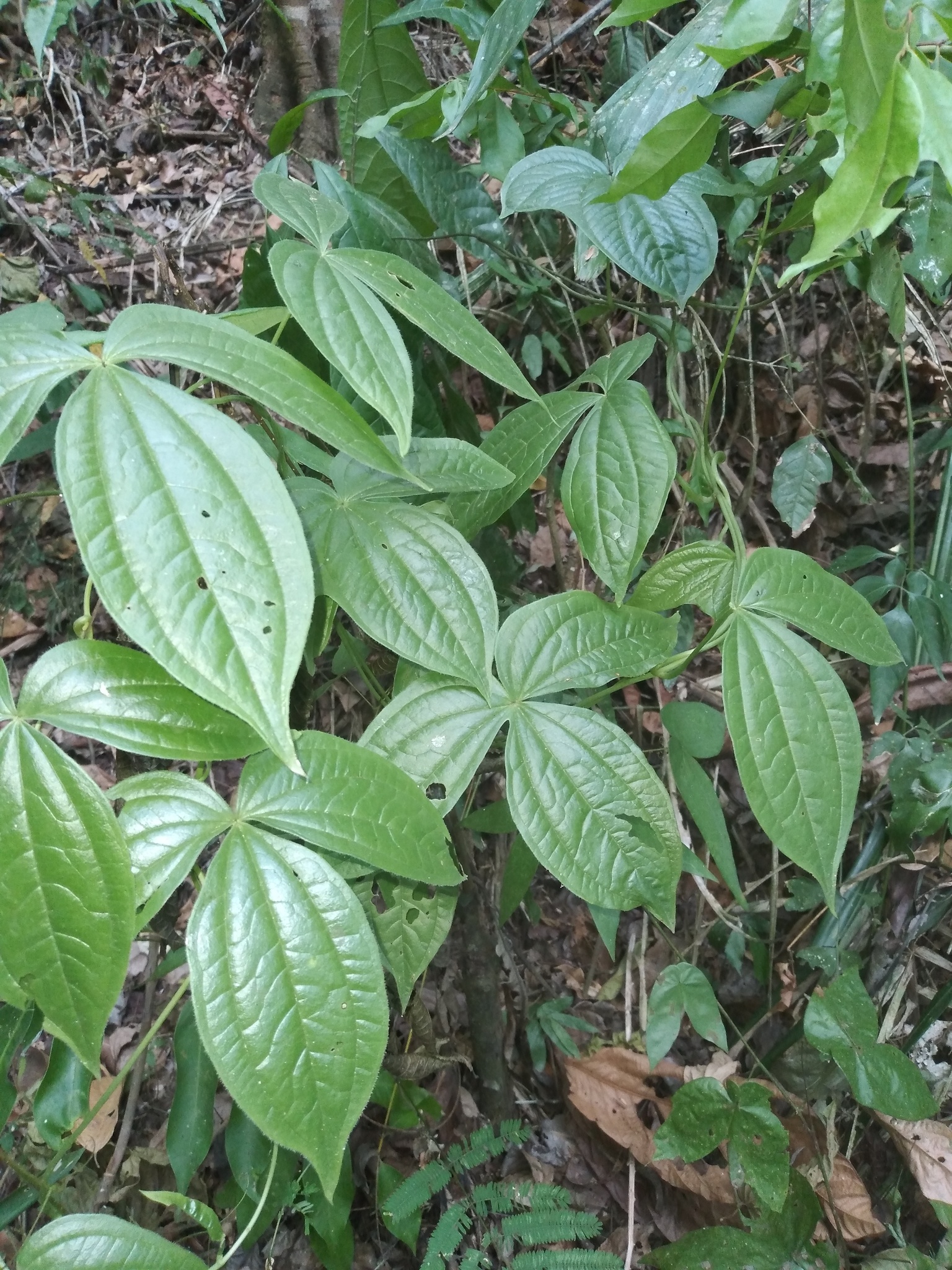
Native Amazonian yam, tuberous vine with purple-skinned tubers and colored flesh. Delicate flavor, prized in regional cuisine. Highly productive even in poor soils. In syntropic systems it grows as a low/ground-cover crop using trees as support.
Götsch succession
- Götsch stage
- Placenta II
- Ecological role
- Pioneer
- Primary stratum
- Low
- Strata
- Low, Ground cover
- Biomass class
- Fertilizer biomass
Environment
- Light requirement
- Partial sun
- Water requirement
- High
- Drought tolerance
- Low
- Soil pH range
- 5–7
- Preferred soil texture
- Loamy, Clayey, Sandy
- Hardiness zones
- 11–13
Morphology
- Mature height
- 2–5 m
- Recommended spacing
- 1–1.5 m
- Root system
- Taproot
- Root depth
- Medium
- Growth rate
- Fast
- Lifespan
- 1 year
- Time to first harvest
- 9 months
Biomes & climate
- Amazon Native
- Atlantic Forest Suitable
Köppen classes
- Tropical rainforest (Af) Suitable
- Tropical monsoon (Am) Suitable
- Tropical savanna with dry winter (Aw) Suitable
Where it fits in a guild
Cush-cush yam takes the Low stratum in the Placenta II phase of succession — in a guild it shares the line with species from the other strata, each harvesting light at its own height, in its own time.
Free account — and the catalog stays open, no sign-up needed.
🪴 Cultivation
Propagated by tuber. Spacing 1×1 m with living support. Cycle 8–10 months.
❓ Frequently asked questions
How long until the first harvest of cush-cush yam?
The first harvest of cush-cush yam comes around 9 months after planting.
What spacing is recommended for cush-cush yam?
The recommended spacing for cush-cush yam is 1–1.5 m.
How tall does cush-cush yam grow?
At maturity, cush-cush yam reaches 2–5 m tall.
What stage and stratum does cush-cush yam occupy in a syntropic system?
In a syntropic system, cush-cush yam belongs to the placenta ii stage, occupying the low stratum.
Functions
Propagation
Seed, Division
Citations
- GBIF Backbone Taxonomy — Dioscorea trifida L.f. (scientific_author, family, genus)
External references
Continue exploring
Related plants
-
banana
Musa × paradisiaca
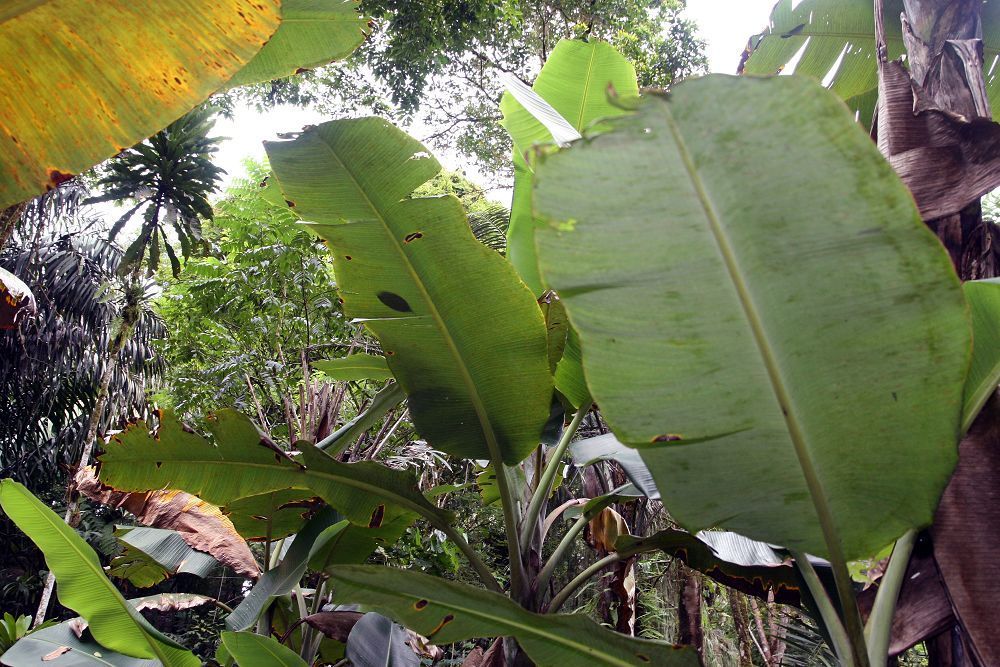
Placenta II High Mulch biomassBanana is a fast-growing pioneer species valued for cover biomass, edible fruit, and a structuring role in syntropic rows. Grows in any moist, well...
-
papaya
Carica papaya
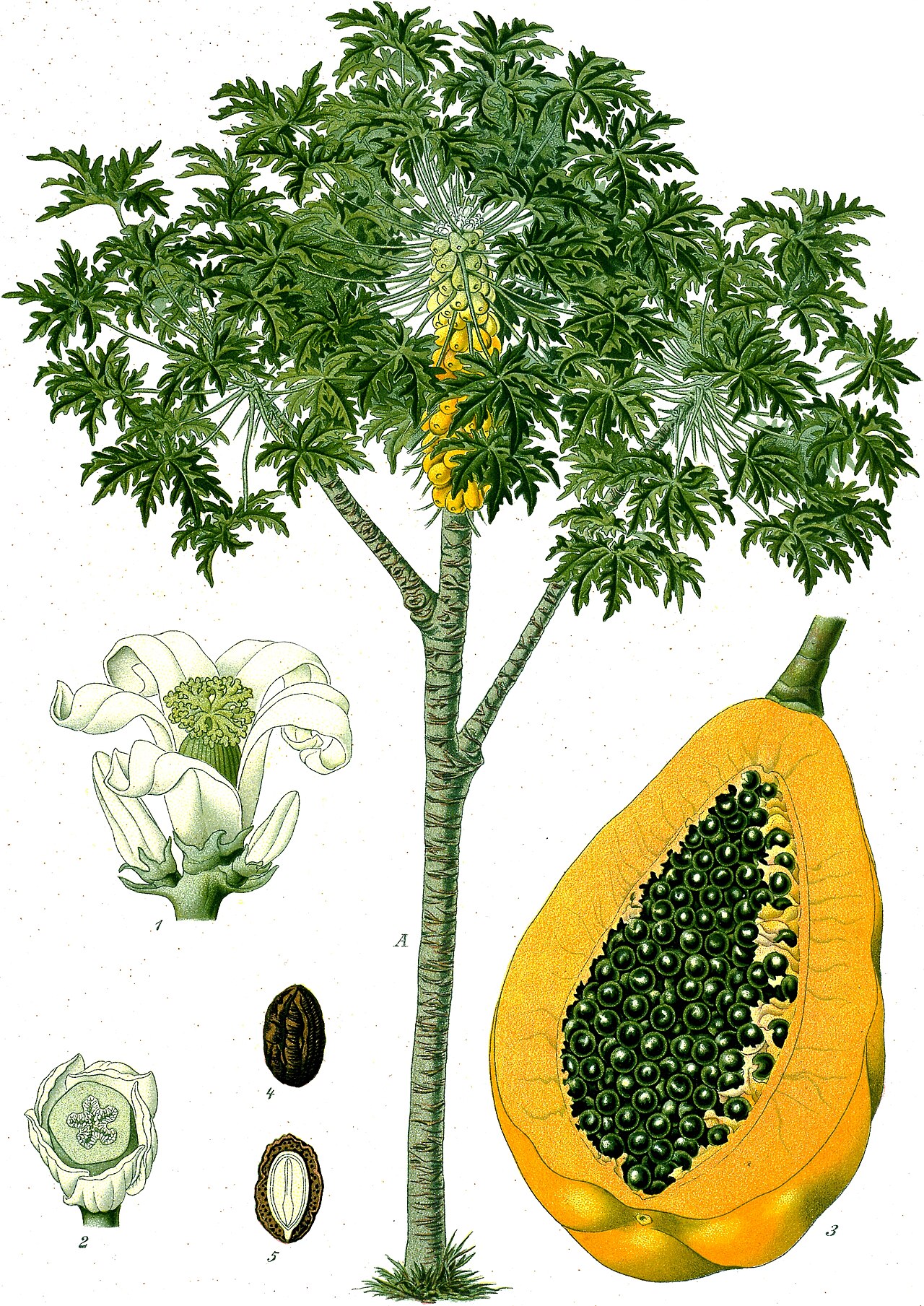
Placenta II High Mulch biomassShort-cycle Placenta II species occupying the high stratum for 2–4 years. Fruits 9–12 months after planting.
-
Brazilian fern tree
Schizolobium parahyba
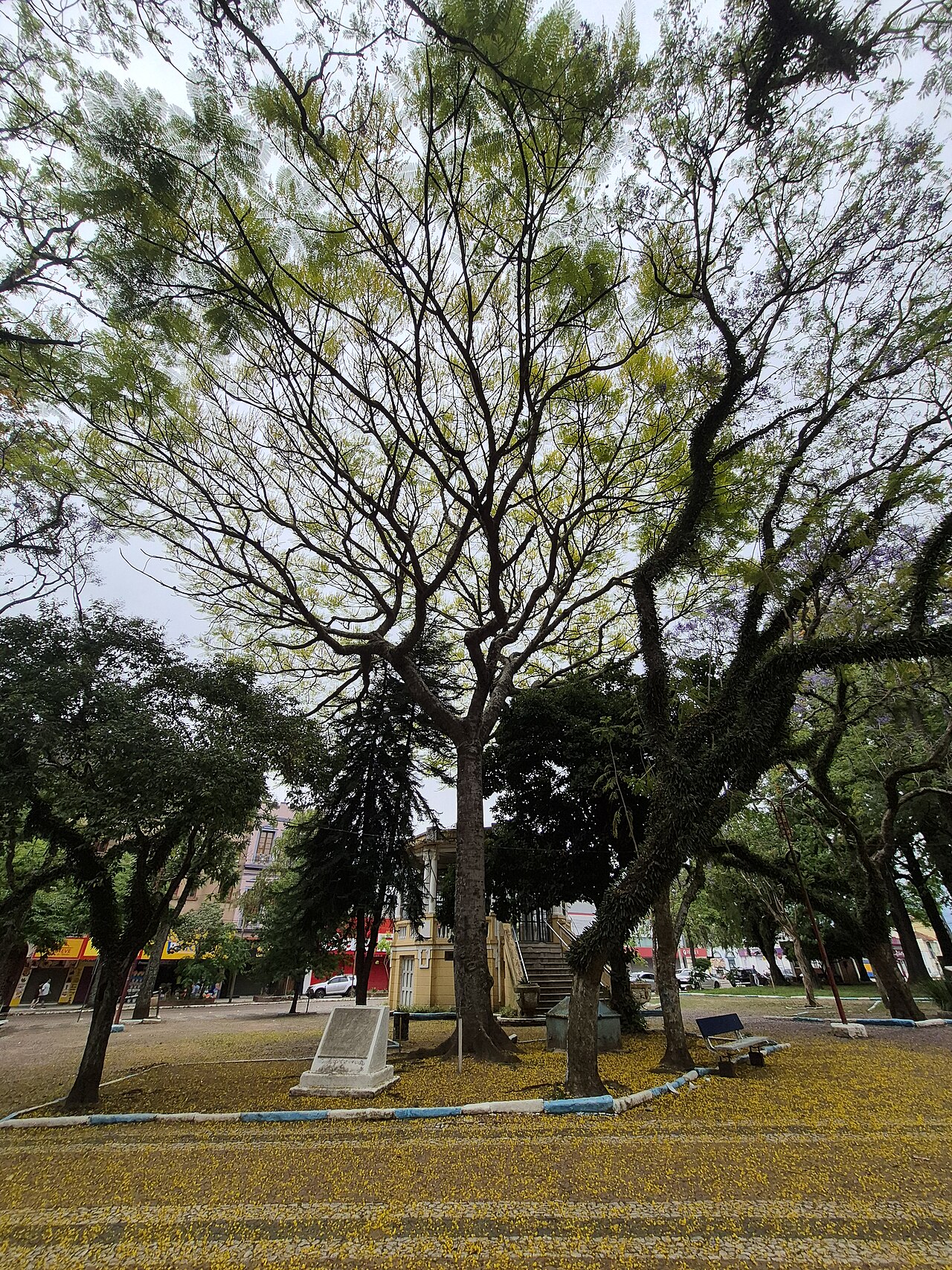
Placenta II Emergent Fertilizer & mulchPioneer Atlantic Forest species with extremely fast growth (up to 6 m per year in early years), reaching 20–30 m. Excellent for early shade and bio...
-
trumpet tree
Cecropia pachystachya
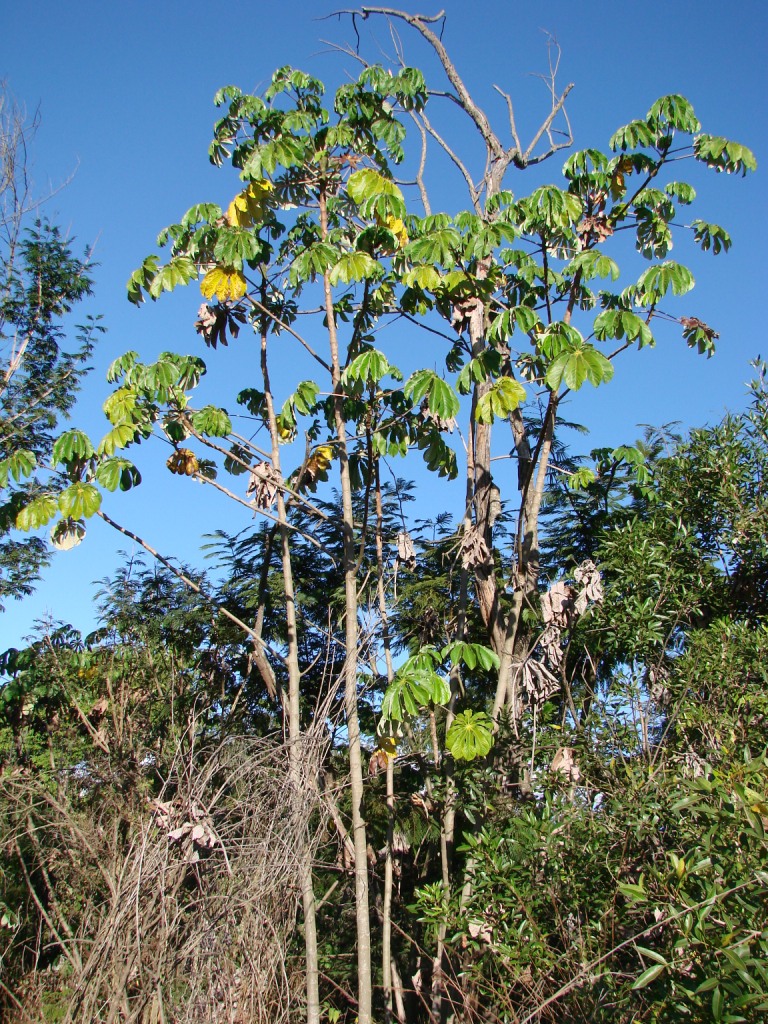
Placenta II Medium Mulch biomassFast-growing, short-lived (~20 years) pioneer tree that colonizes edges and gaps in all Brazilian biomes. Fruits eaten by birds and primates; symbi...
-
Mexican sunflower
Tithonia diversifolia
Placenta II High Fertilizer biomassFast-growing perennial shrub; propagated by stem cuttings; high biomass production rich in nitrogen, phosphorus, and potassium. Explicitly cited by...
-
Mombaça grass
Megathyrsus maximus
Placenta II Low Mulch biomassHighly productive forage grass producing large amounts of cover biomass. Central in large-scale syntropic experiments (Rebello & Sakamoto 2019) — c...