Plants
Brazilian fern tree
Schizolobium parahyba (Vell.) S.F.Blake
Family: Fabaceae · Genus: Schizolobium
guapuruvu
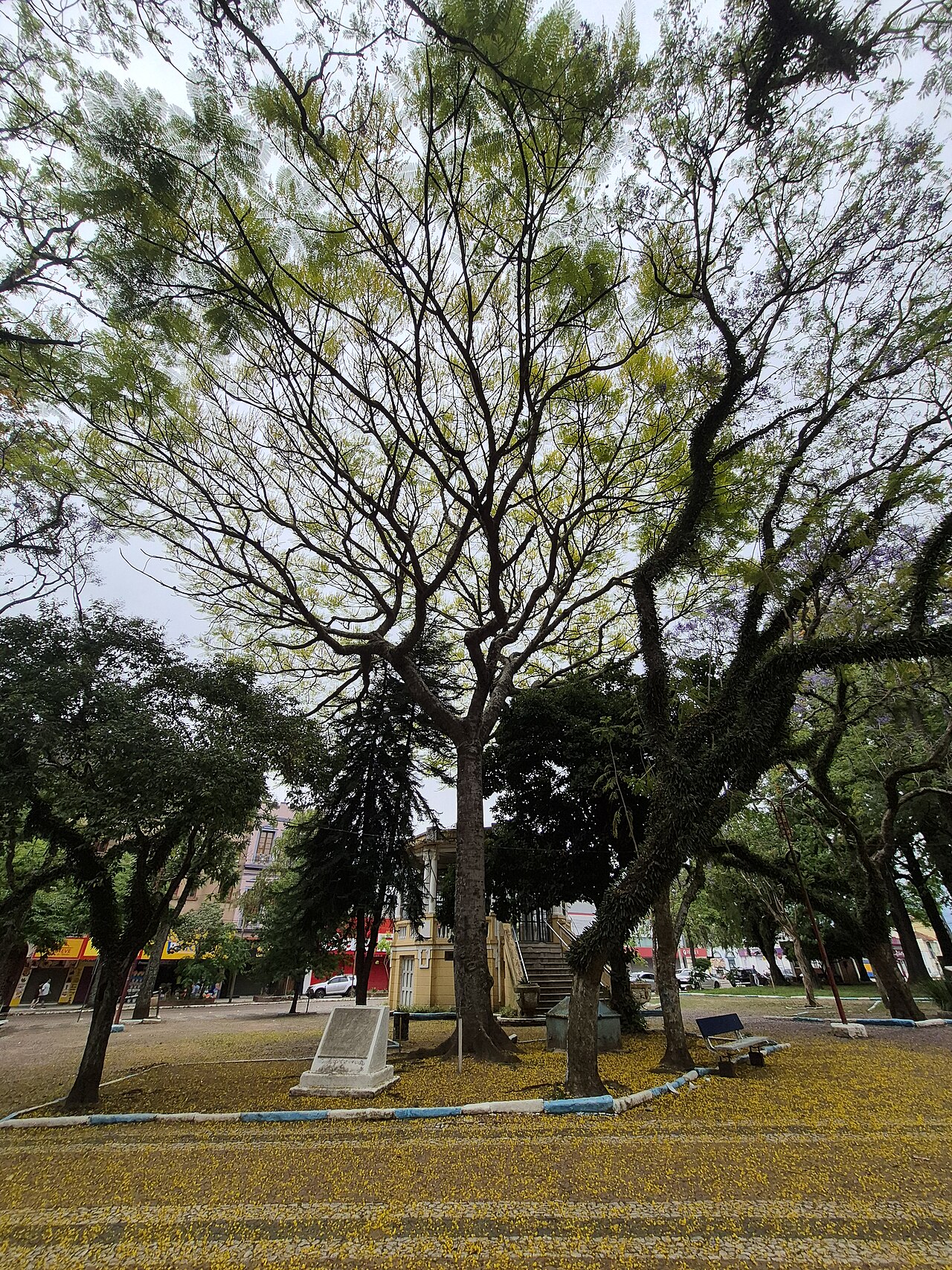
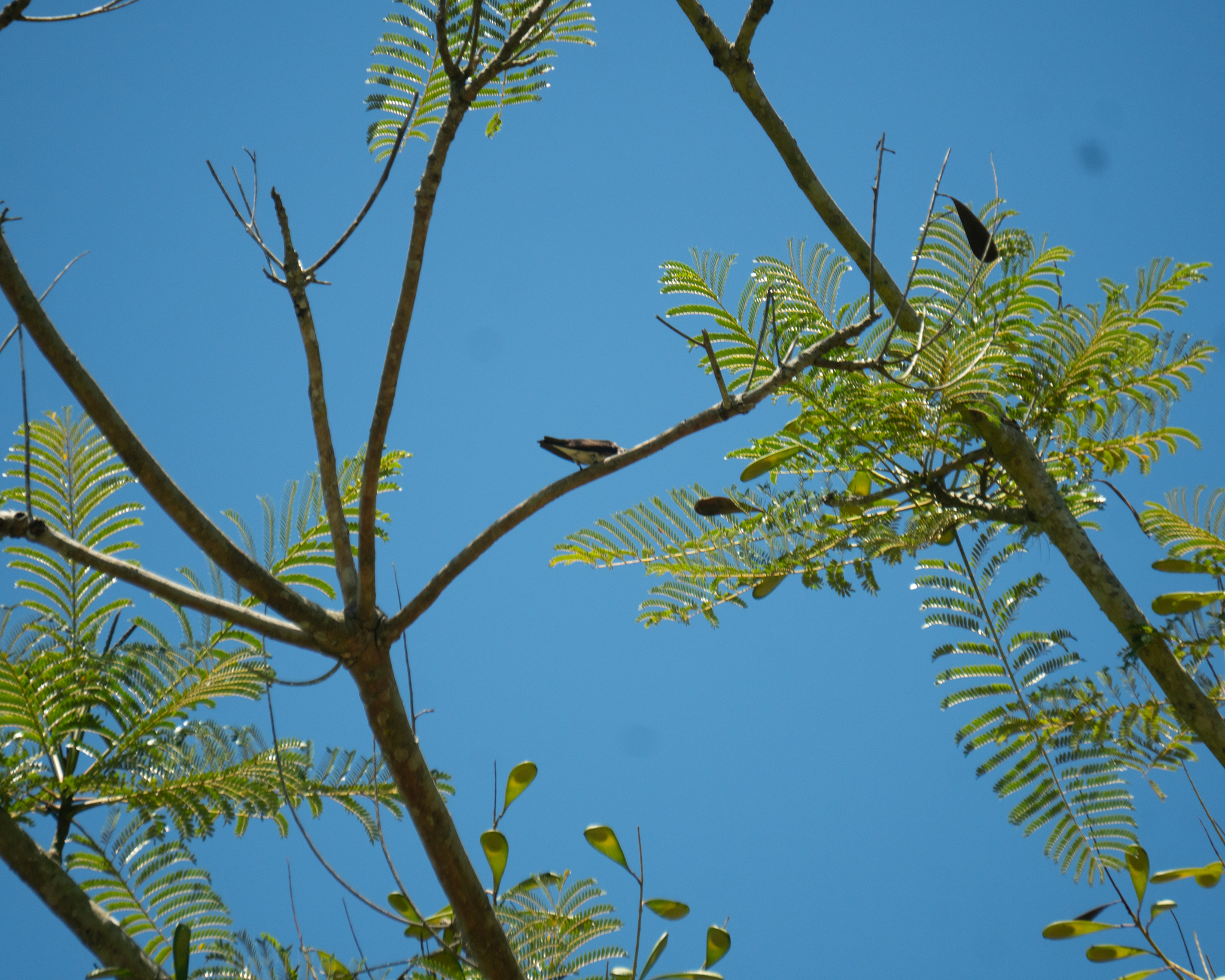
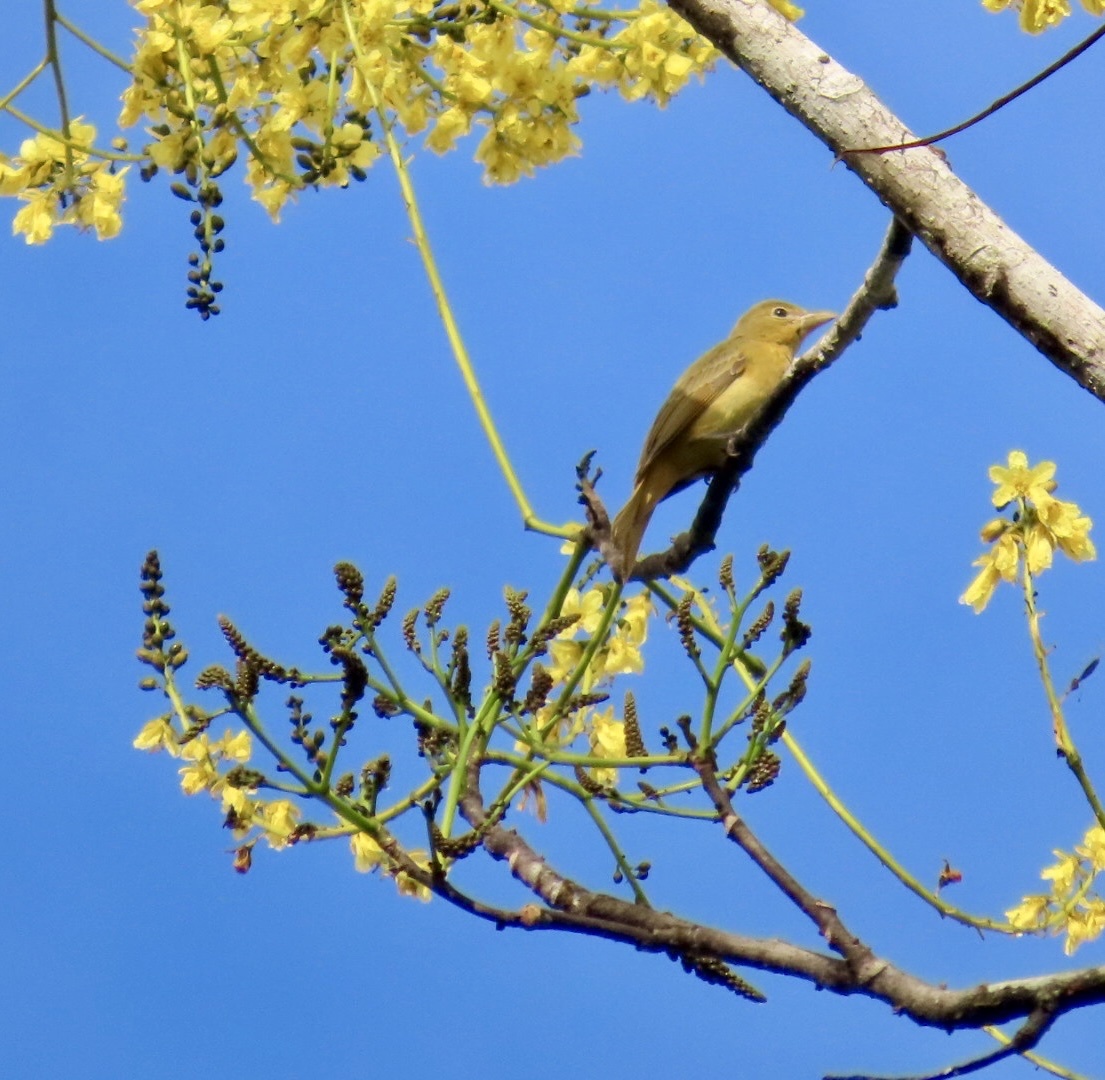
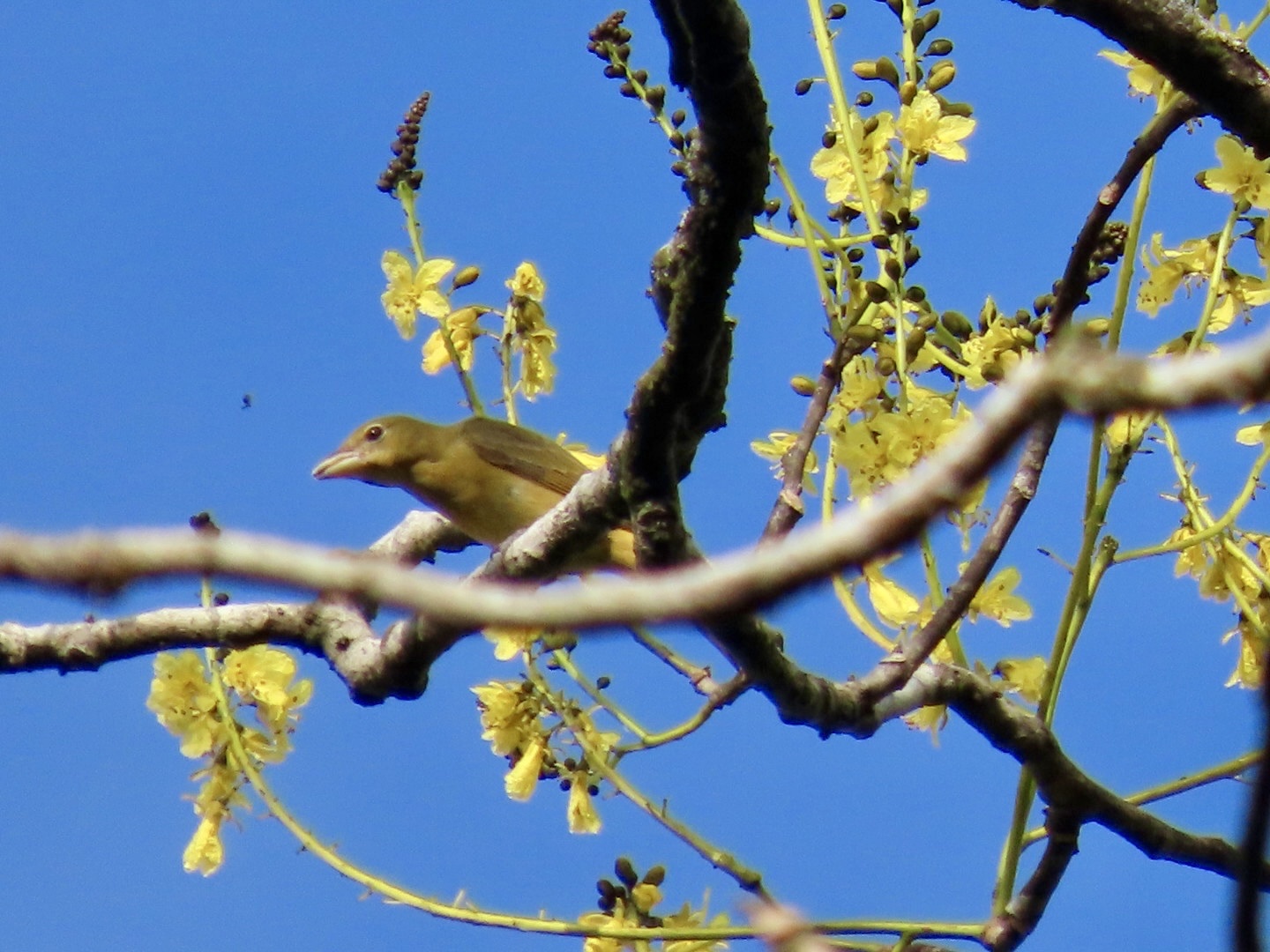
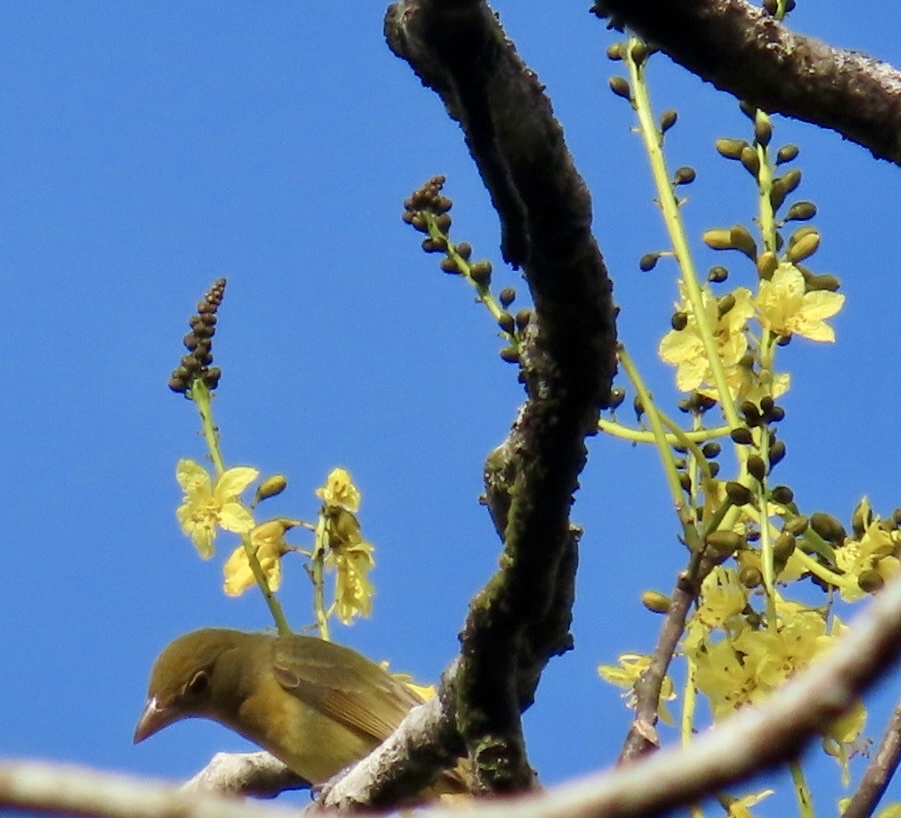
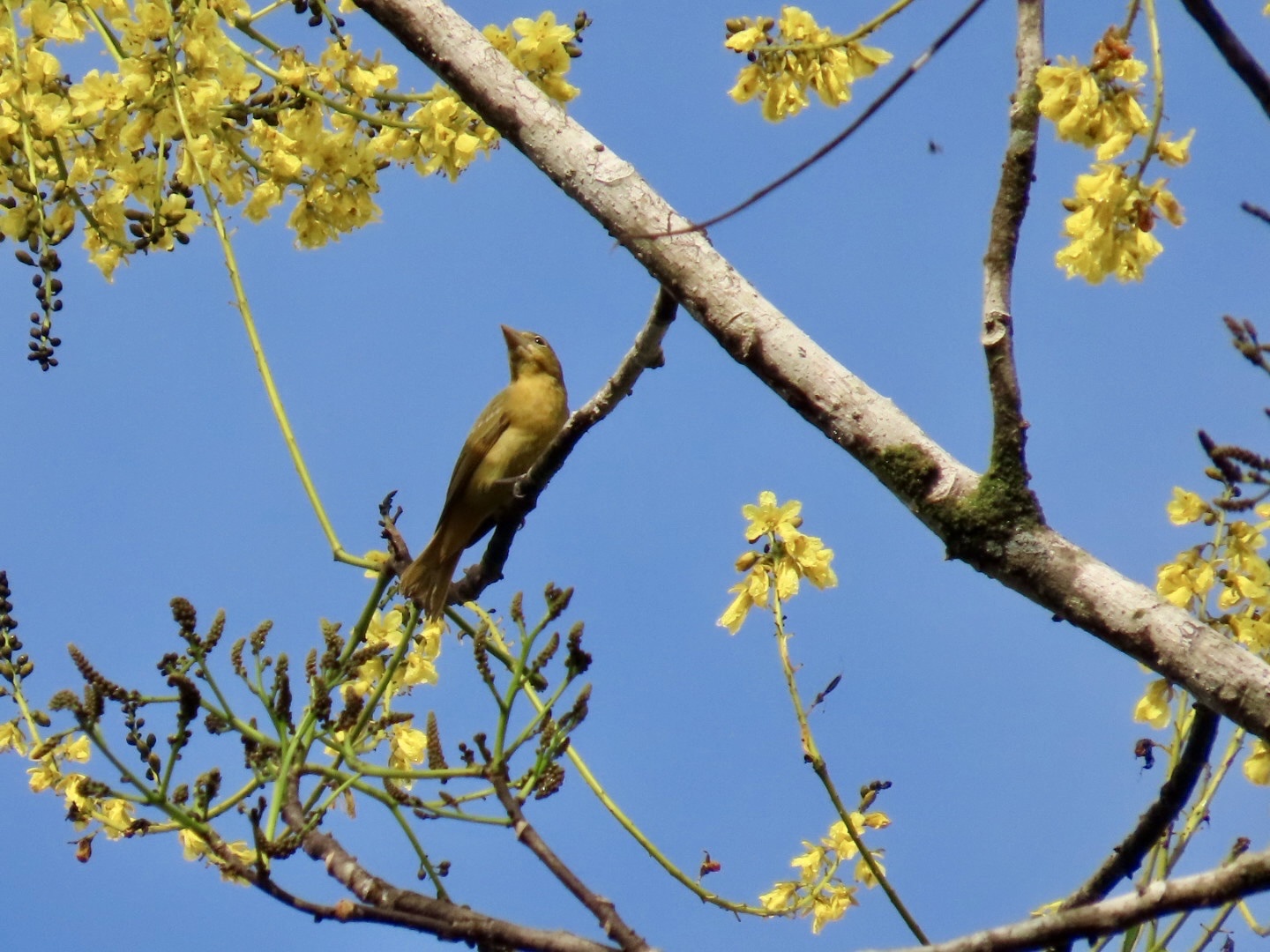
Pioneer Atlantic Forest species with extremely fast growth (up to 6 m per year in early years), reaching 20–30 m. Excellent for early shade and biomass production in degraded areas.
📚 Synonyms
Scientific synonyms: Schizolobium amazonicum Huber ex Ducke, Schizolobium excelsum Vogel, Cassia parahyba Vell., Schizolobium glutinosum Tul.
Götsch succession
- Götsch stage
- Placenta II
- Ecological role
- Pioneer
- Primary stratum
- Emergent
- Strata
- High, Emergent
- Biomass class
- Fertilizer & mulch
Environment
- Light requirement
- Full sun
- Water requirement
- Moderate
- Drought tolerance
- Moderate
- Soil pH range
- 4.5–7.5
- Preferred soil texture
- Loamy, Clayey
- Hardiness zones
- 10–12
Morphology
- Mature height
- 15–30 m
- Recommended spacing
- 3–6 m
- Growth rate
- Very fast
- Lifespan
- ≤ 40 years
Biomes & climate
- Atlantic Forest Native
- Amazon Native
Köppen classes
- Tropical rainforest (Af) Suitable
- Tropical monsoon (Am) Suitable
- Humid subtropical (Cfa) Suitable
Where it fits in a guild
Brazilian fern tree takes the Emergent stratum in the Placenta II phase of succession — in a guild it shares the line with species from the other strata, each harvesting light at its own height, in its own time.
Free account — and the catalog stays open, no sign-up needed.
🪴 Cultivation
Extremely fast-growing deciduous pioneer for full sun; scarify the hard-coated seed (boiling-water soak) for ~85–90% germination. Prefers moist, well-drained loam-to-clay (pH 5.5–6.5) but tolerates low fertility and acidic degraded soils; golden flowers on bare branches at the end of the dry season. Brittle branches prone to wind breakage — site away from structures. Despite being a legume it does NOT fix nitrogen.
📅 Phenology
Flowering months: September, October, November, December
Fruiting months: March, April, May, June, July
❓ Frequently asked questions
What spacing is recommended for Brazilian fern tree?
The recommended spacing for Brazilian fern tree is 3–6 m.
How tall does Brazilian fern tree grow?
At maturity, Brazilian fern tree reaches 15–30 m tall.
When does Brazilian fern tree fruit?
Fruiting of Brazilian fern tree occurs in March, April, May, June, July.
When does Brazilian fern tree flower?
Flowering of Brazilian fern tree occurs in September, October, November, December.
What stage and stratum does Brazilian fern tree occupy in a syntropic system?
In a syntropic system, Brazilian fern tree belongs to the placenta ii stage, occupying the emergent stratum.
Functions
Propagation
Seed, Cutting
Citations
- Schizolobium — Wikipedia
- Properties of Young Guapuruvu Wood from a Forest Recovery Area — SciELO
- Useful Tropical Plants — Schizolobium parahyba (ph_min, ph_max, propagation, soil_texture_preference, cultivation_notes)
- PFAF — Schizolobium parahyba (hardiness_zone_min, hardiness_zone_max, ph_min, ph_max)
- Rewilding Brazil — Schizolobium parahyba (fenologia) (phenology, spacing_min_m, spacing_max_m)
- da Silva et al. 2016, Frontiers in Plant Science — S. parahyba var. amazonicum non-nodulating (cf. Faria et al. 2010) (nitrogen_fixer)
- IPNI / Flora do Brasil — Schizolobium parahyba (Vell.) S.F.Blake (external_ids, synonyms)
External references
Continue exploring
Related plants
-
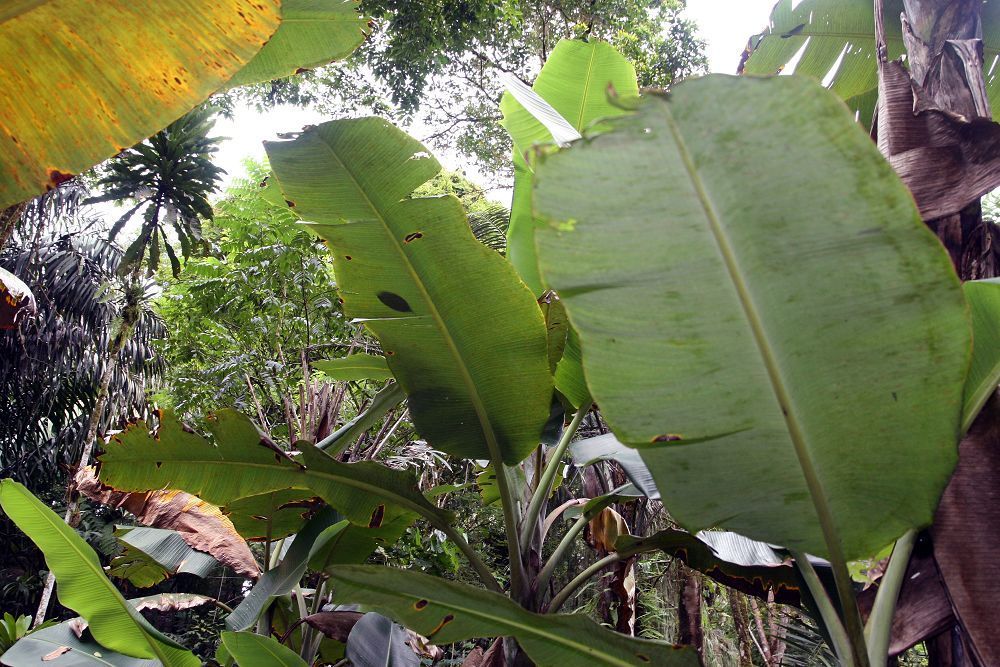
banana
Musa × paradisiaca
Placenta II High Mulch biomassBanana is a fast-growing pioneer species valued for cover biomass, edible fruit, and a structuring role in syntropic rows. Grows in any moist, well...
-
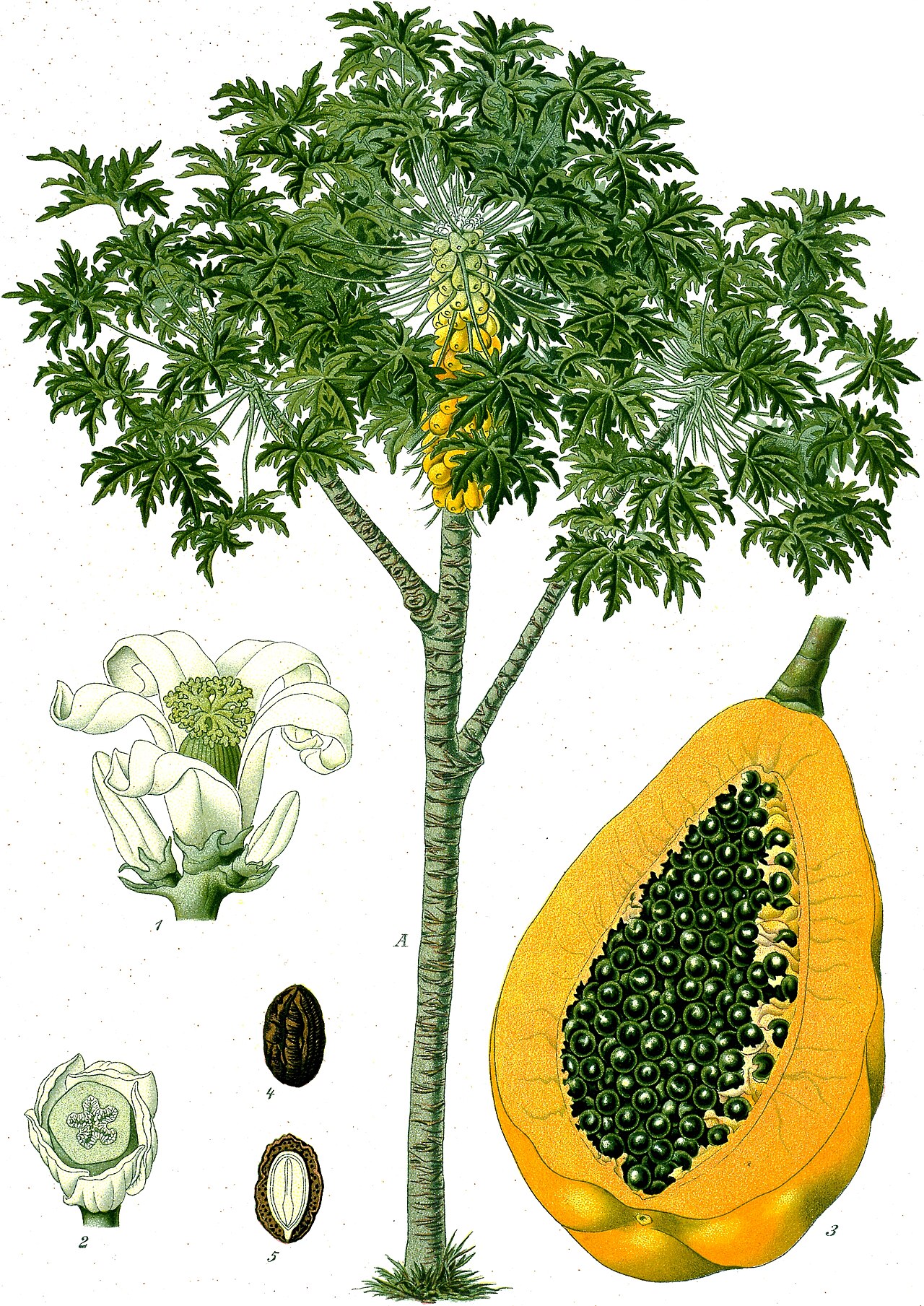
papaya
Carica papaya
Placenta II High Mulch biomassShort-cycle Placenta II species occupying the high stratum for 2–4 years. Fruits 9–12 months after planting.
-
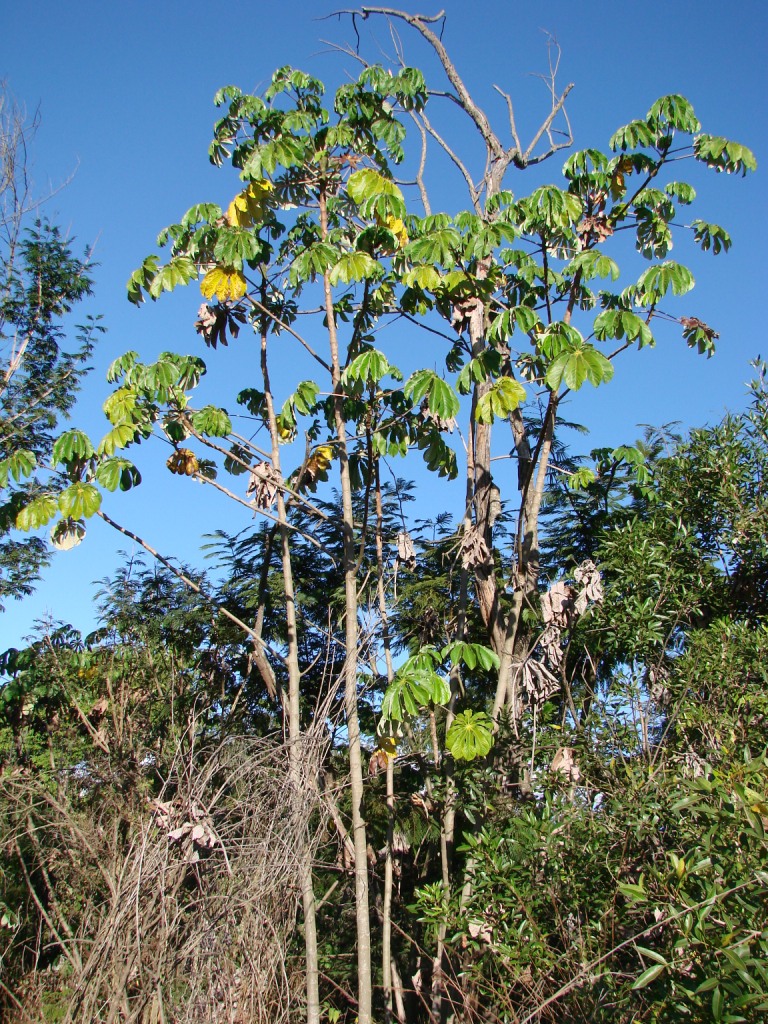
trumpet tree
Cecropia pachystachya
Placenta II Medium Mulch biomassFast-growing, short-lived (~20 years) pioneer tree that colonizes edges and gaps in all Brazilian biomes. Fruits eaten by birds and primates; symbi...
-
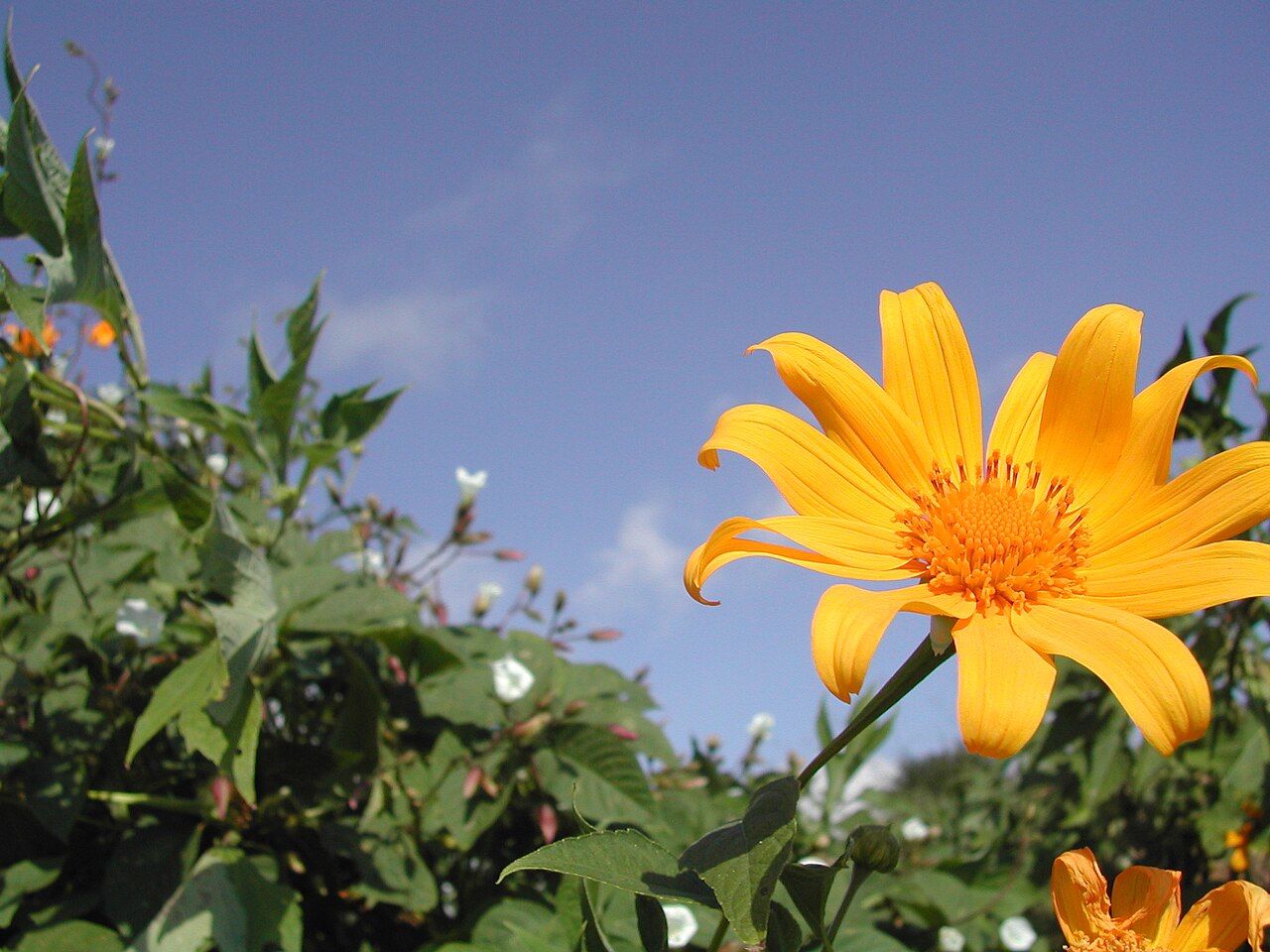
Mexican sunflower
Tithonia diversifolia
Placenta II High Fertilizer biomassFast-growing perennial shrub; propagated by stem cuttings; high biomass production rich in nitrogen, phosphorus, and potassium. Explicitly cited by...
-
Mombaça grass
Megathyrsus maximus
Placenta II Low Mulch biomassHighly productive forage grass producing large amounts of cover biomass. Central in large-scale syntropic experiments (Rebello & Sakamoto 2019) — c...
-
sugar cane
Saccharum officinarum
Placenta II Emergent Mulch biomassPerennial grass with very high production of cover biomass. Pasini lists it in the emergent stratum (Tabela 3). Cut periodically in syntropic agrof...