Plants
guaco
Mikania glomerata
Family: Asteraceae · Genus: Mikania
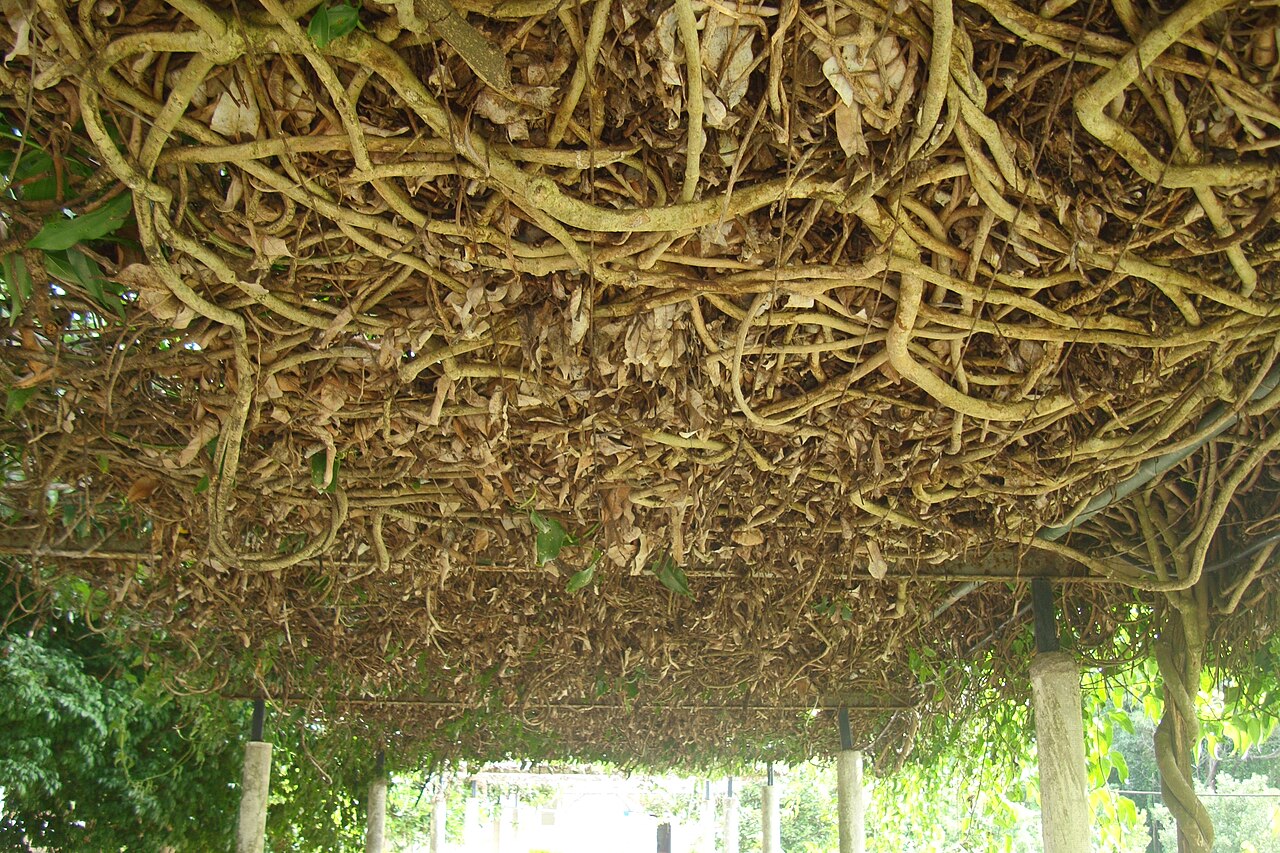
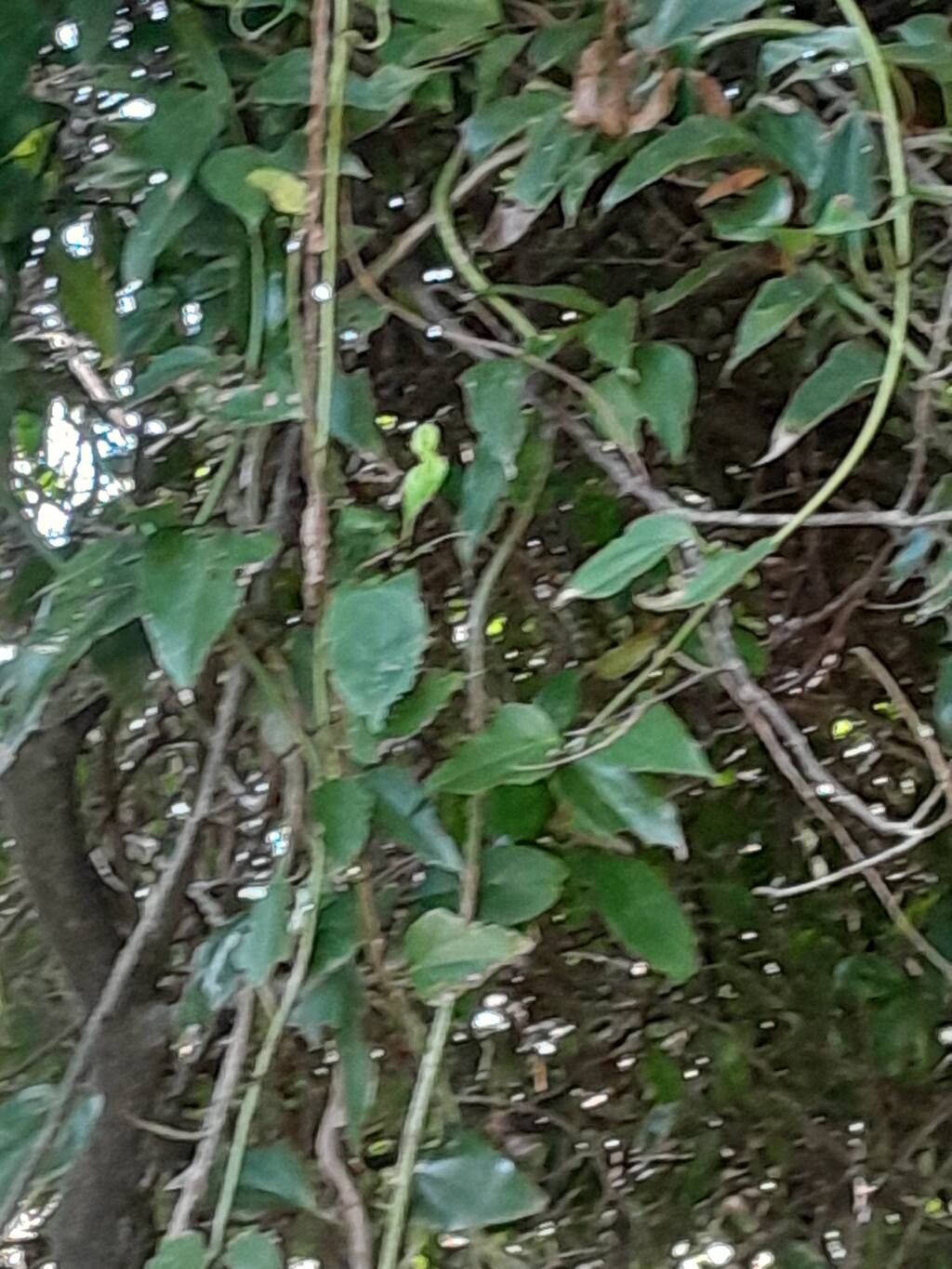
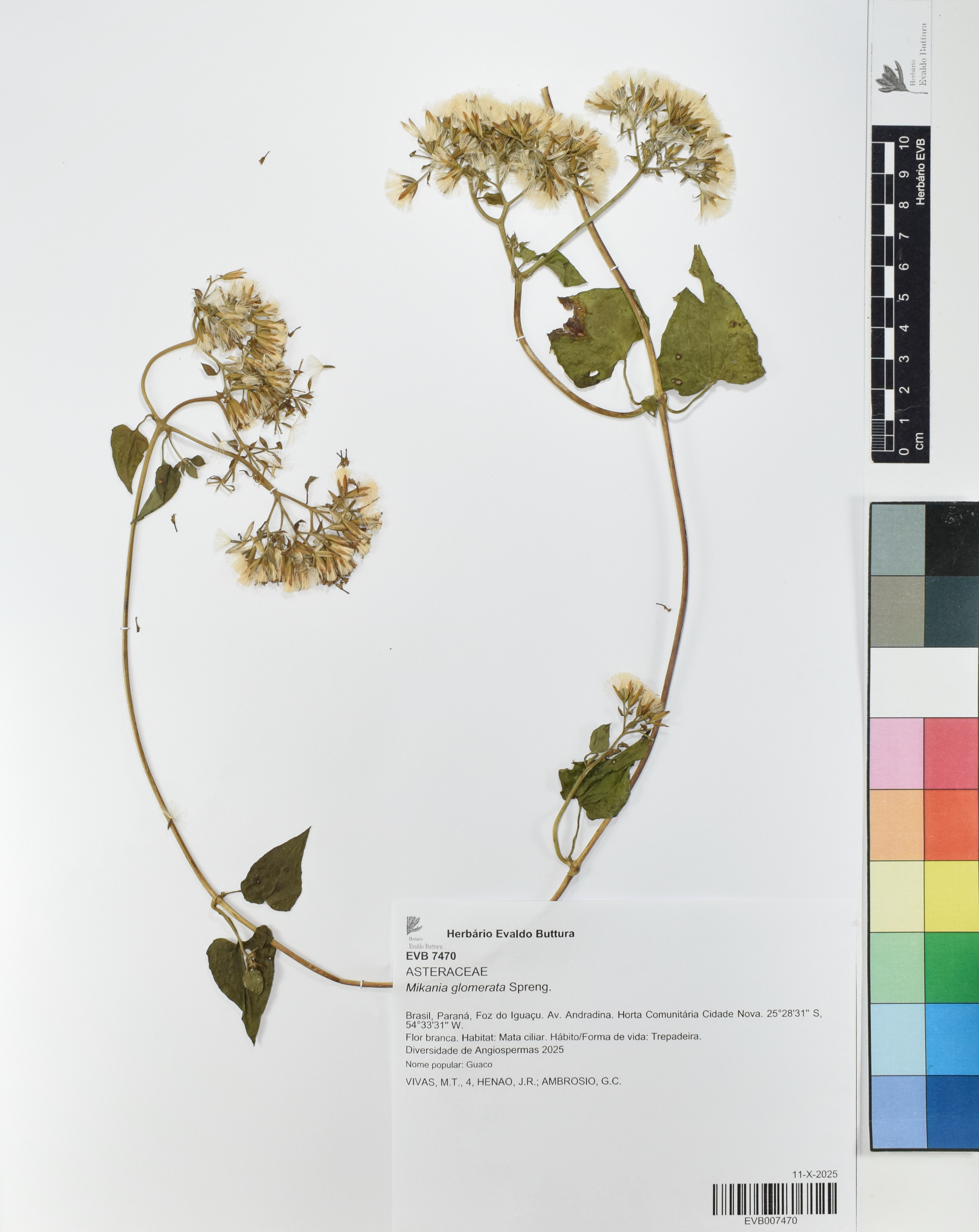
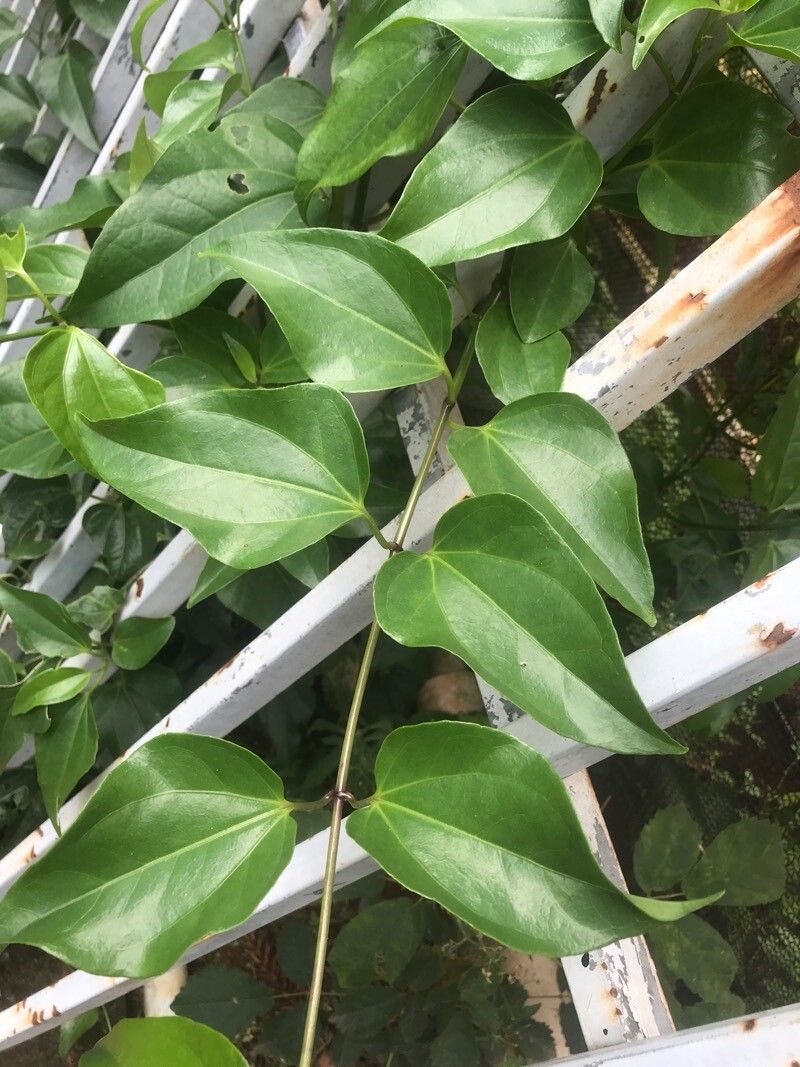
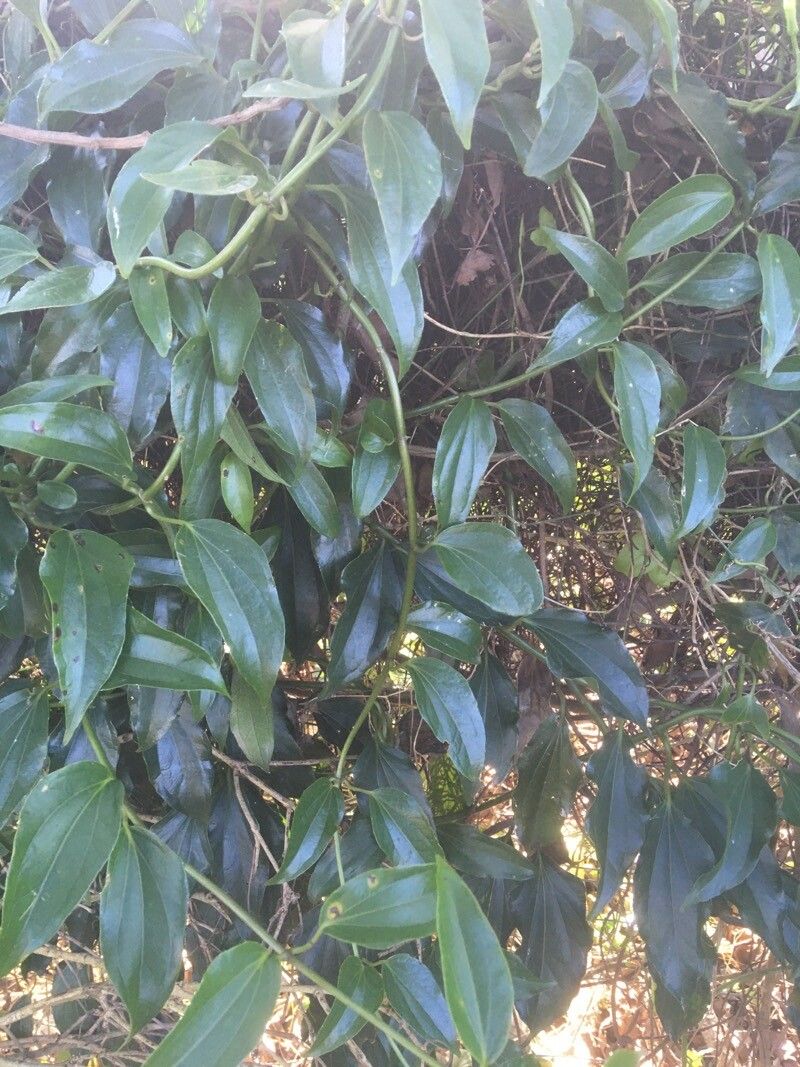
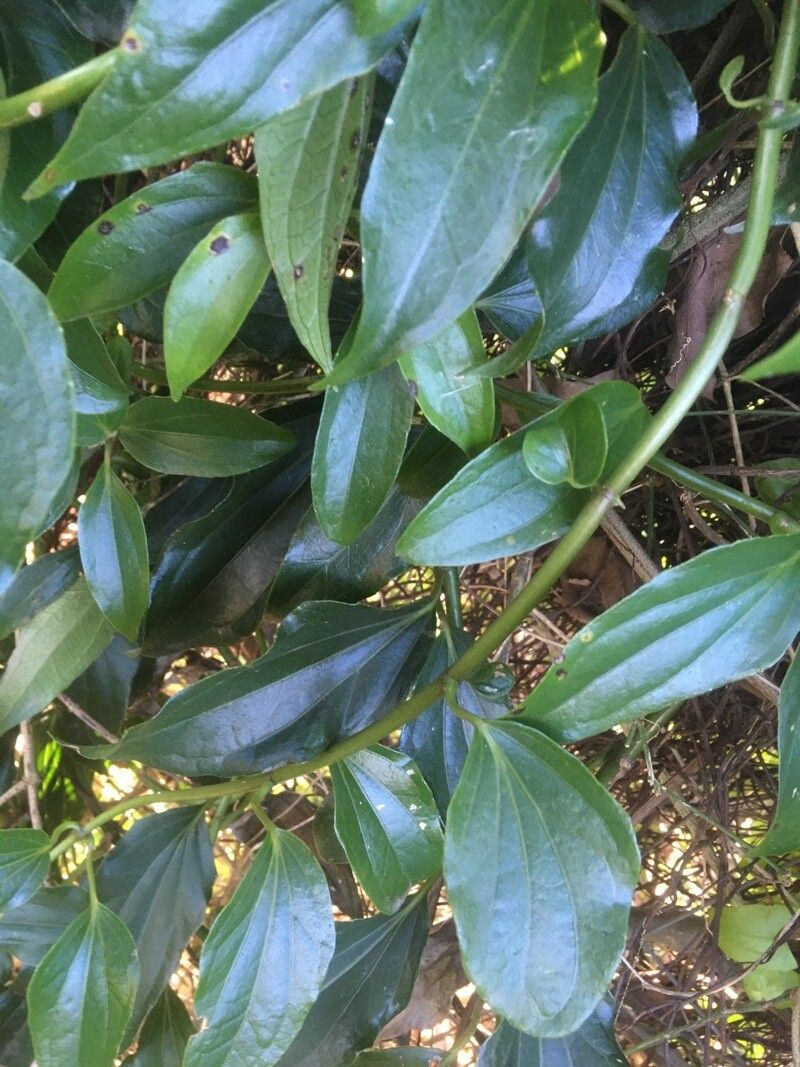
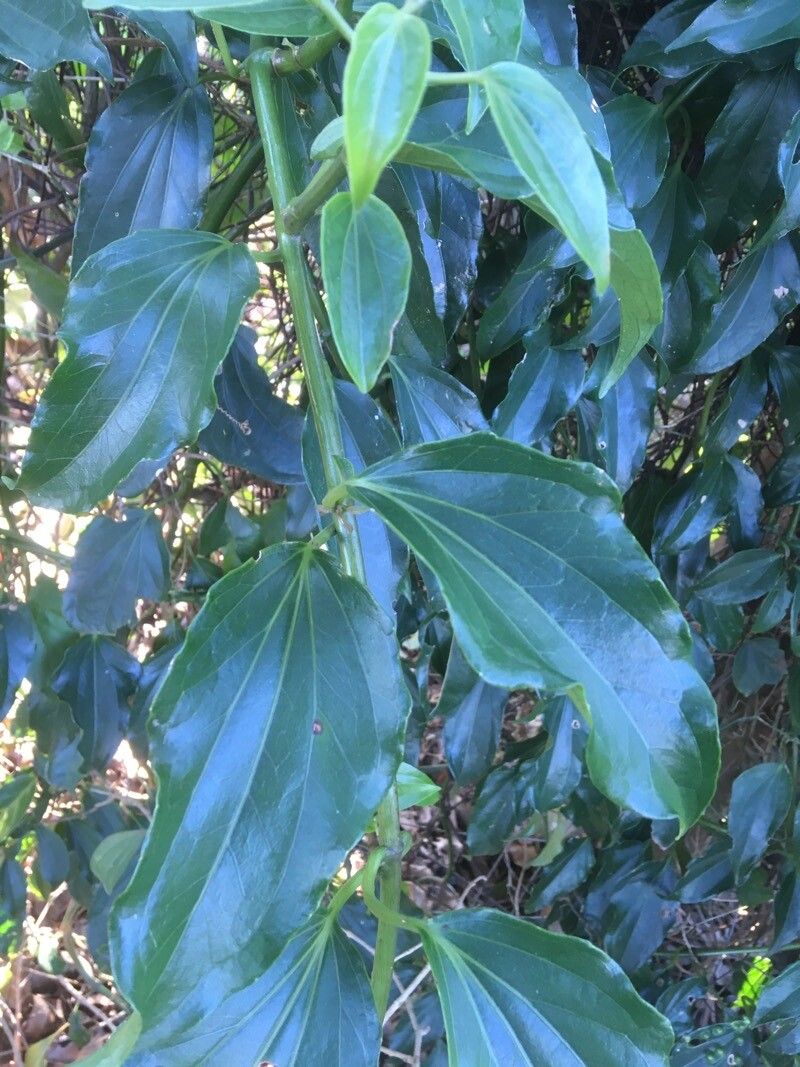
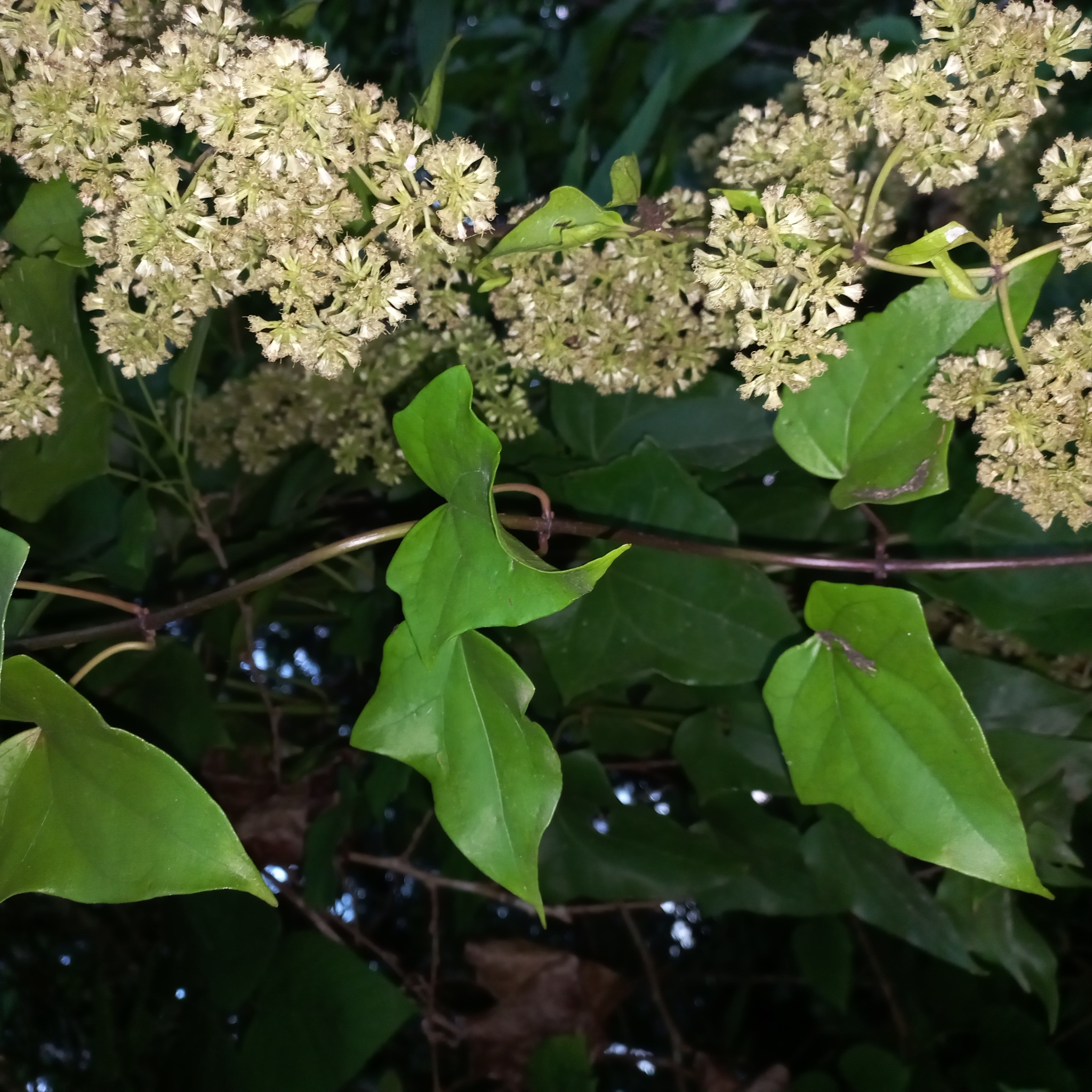
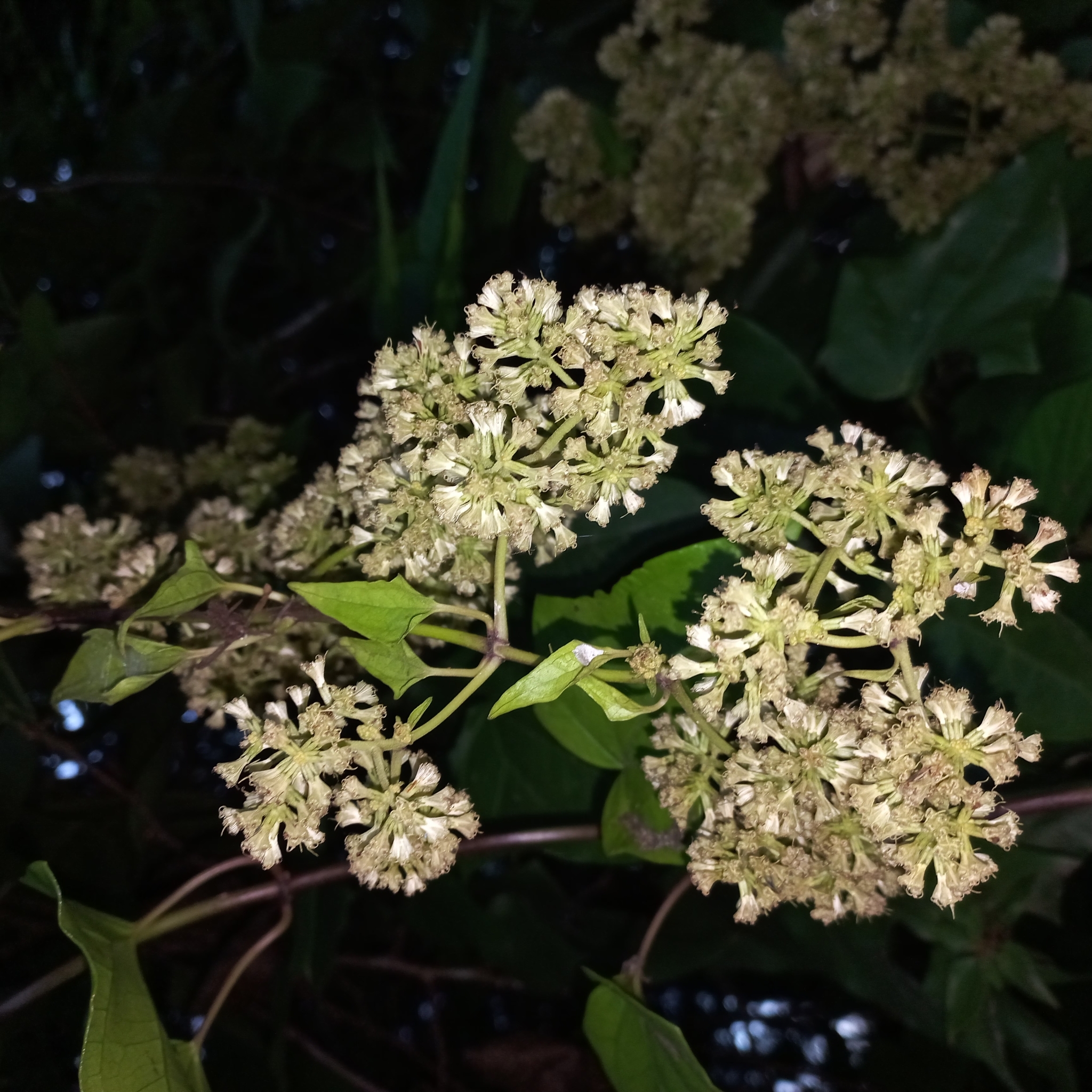
A perennial woody climber (liana) of the Asteraceae family, native to the Atlantic Forest of southeastern and southern Brazil, occurring along riverbanks, in forests and on floodplains. It has aromatic coumarin-scented leaves and climbs over trees and supports. Traditionally used in folk medicine for the respiratory system. It propagates readily from cuttings and is a hardy plant.
Götsch succession
- Götsch stage
- Secondary I
- Ecological role
- Early secondary
- Primary stratum
- Medium
- Strata
- Low, Medium, High
- Biomass class
- Mulch biomass
Environment
- Light requirement
- Partial sun
- Water requirement
- High
- Drought tolerance
- Low
- Waterlogging tolerance
- Moderate
- Preferred soil texture
- Sandy, Loamy
- Hardiness zones
- 9–11
- Frost tolerance
- -2.0 °C
Morphology
- Mature height
- 3–6 m
- Root system
- Fibrous
- Root depth
- Shallow
- Growth rate
- Fast
- Lifespan
- 8–20 years
- Time to first harvest
- 6 months
- Productive lifespan
- 12 years
Biomes & climate
- Atlantic Forest Native
Köppen classes
- Humid subtropical (Cfa) Suitable
- Oceanic (Cfb) Suitable
- Tropical rainforest (Af) Suitable
Where it fits in a guild
Guaco takes the Medium stratum in the Secondary I phase of succession — in a guild it shares the line with species from the other strata, each harvesting light at its own height, in its own time.
Free account — and the catalog stays open, no sign-up needed.
✂️ Management & Pruning
Train the liana over a support, pergola or stake and harvest leaves and young shoots in stages; it tolerates heavy pruning and resprouts vigorously. Cut back long runners to keep it within reach and to encourage new leaves, using the prunings as cuttings.
❓ Frequently asked questions
How long until the first harvest of guaco?
The first harvest of guaco comes around 6 months after planting.
How tall does guaco grow?
At maturity, guaco reaches 3–6 m tall.
What stage and stratum does guaco occupy in a syntropic system?
In a syntropic system, guaco belongs to the secondary i stage, occupying the medium stratum.
Functions
Propagation
Cutting, Seed
Citations
- GBIF Backbone Taxonomy (scientific_name, gbif_taxon_key, family, genus)
- Wikipedia (pt) — Mikania glomerata (description, common_names, propagation, soil_texture_preference, time_to_first_harvest_months)
- SciELO — Farmacobotânica, fitoquímica e farmacologia do Guaco (functions, biomes)
- Lorenzi & Matos, Plantas Medicinais no Brasil: Nativas e Exóticas (pruning_notes, lifespan_years_min, lifespan_years_max, productive_lifespan_years, frost_tolerance_c)
- Wikidata (wikidata_qid)
External references
Continue exploring
Related plants
-
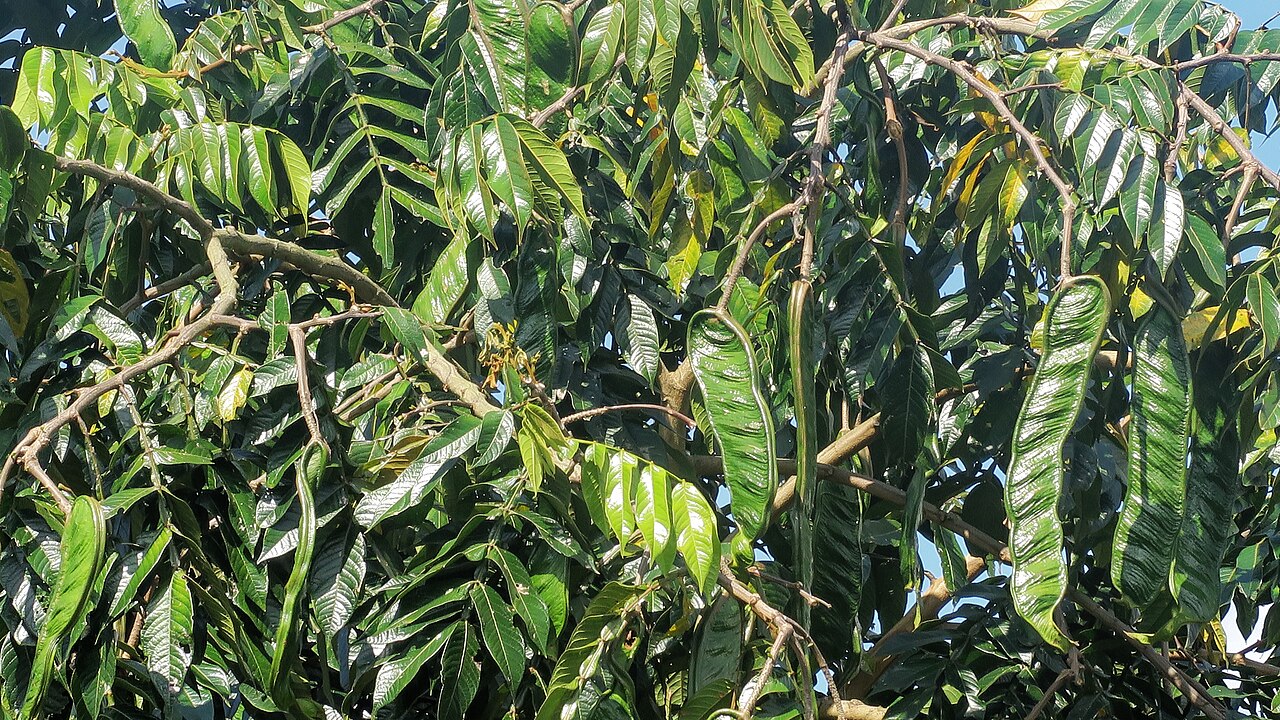
ice cream bean
Inga edulis
Secondary I High Fertilizer biomass 🌱 Nitrogen fixerEssential nitrogen fixer in syntropic systems. Coppices readily after drastic pruning and produces large volumes of fertilizer biomass.
-
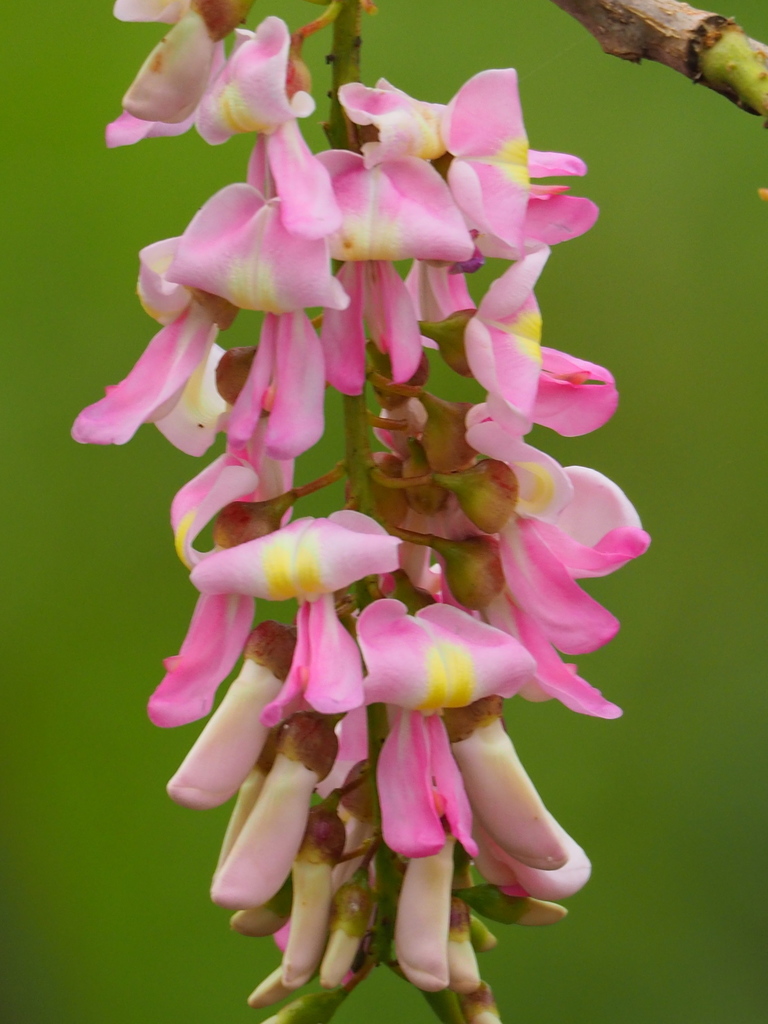
gliricidia
Gliricidia sepium
Secondary I Medium Fertilizer biomass 🌱 Nitrogen fixerNitrogen-fixing legume that tolerates drastic pruning and produces fast-decomposing fertilizer biomass. Commonly used as shade for coffee and cocoa...
-
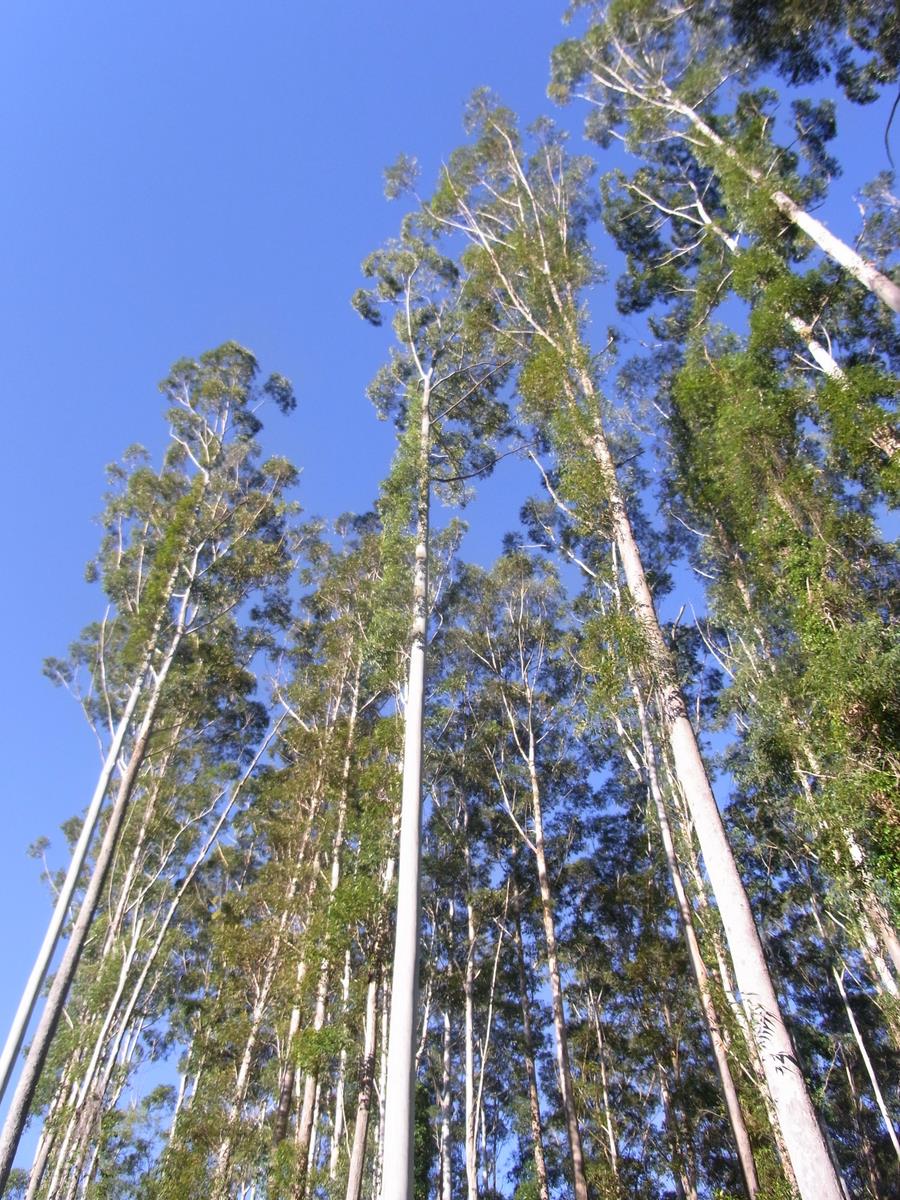
rose gum
Eucalyptus grandis
Secondary I Emergent Mulch biomassTypical accumulation species in syntropic systems: cover biomass, timber in 15 years. Non-native but widely used in Brazilian SAFs.
-
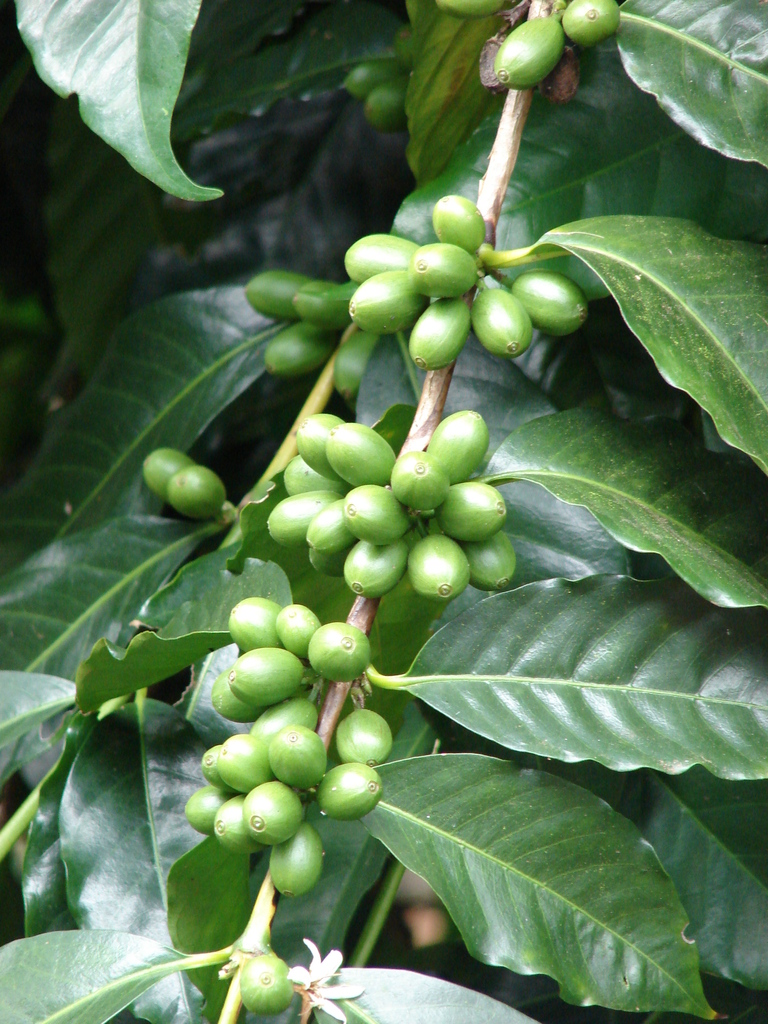
coffee
Coffea arabica
Secondary I Low No biomass productionShade-grown crop valuable in syntropic Atlantic Forest systems. Occupies the low stratum between bananas and ingás.
-
cocoa
Theobroma cacao
Secondary I Low No biomass productionLow-stratum fruit tree shaded by bananas, ingás and palms in the Bahia syntropic systems pioneered by Götsch.
-
cebil
Anadenanthera colubrina
Secondary I High Fertilizer biomass 🌱 Nitrogen fixerFast-growing pioneer legume, nitrogen fixer. Adapted to poor and degraded soils; widely used in restoration of degraded areas across Caatinga, Cerr...