
Function
Aromatic — species for syntropic systems
Aromatics season the kitchen and work in the system: their oils confuse pests and their flowers draw pollinators. They do well on edges and access beds.
28 species in the catalog · Refine this list in the catalog
-
amburana
Amburana cearensis
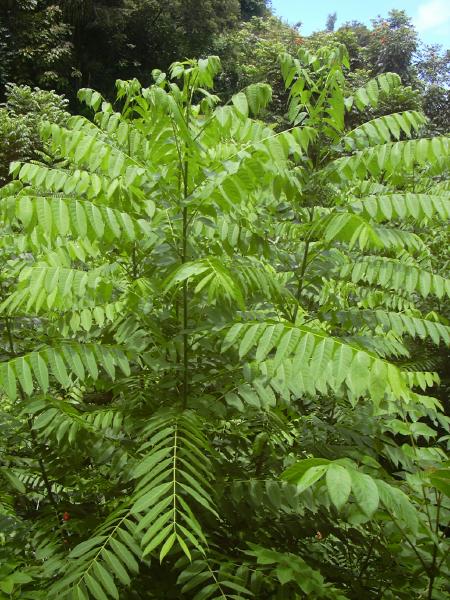
Climax High Mulch biomassPremium-timber leguminous tree native to Caatinga, Cerrado, and dry Atlantic Forest. EcoAgri lists it in the high stratum of the '> 50 years' bin. ...
-
cumari pepper
Capsicum baccatum
Placenta II Low No biomass productionNative Brazilian forest pepper, small (~1 cm) very pungent fruits (30,000–100,000 SHU). Tolerates partial shade — riparian forest understory and ho...
-
dedo-de-moça pepper
Capsicum baccatum
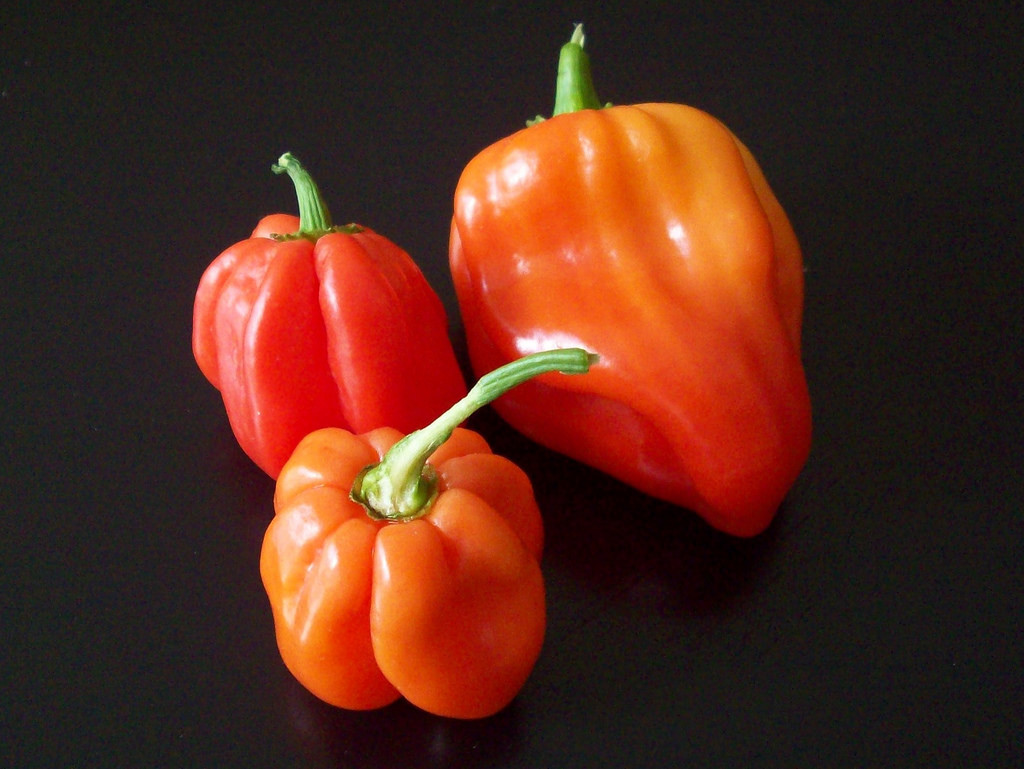
Placenta II Low No biomass productionBrazil's most-consumed fresh chili (5,000–30,000 SHU). Elongated red fruits (~6 cm). 1–1.5 m plant, open canopy. Backbone of the sauce and pickle i...
-
pimenta de cheiro
Capsicum chinense
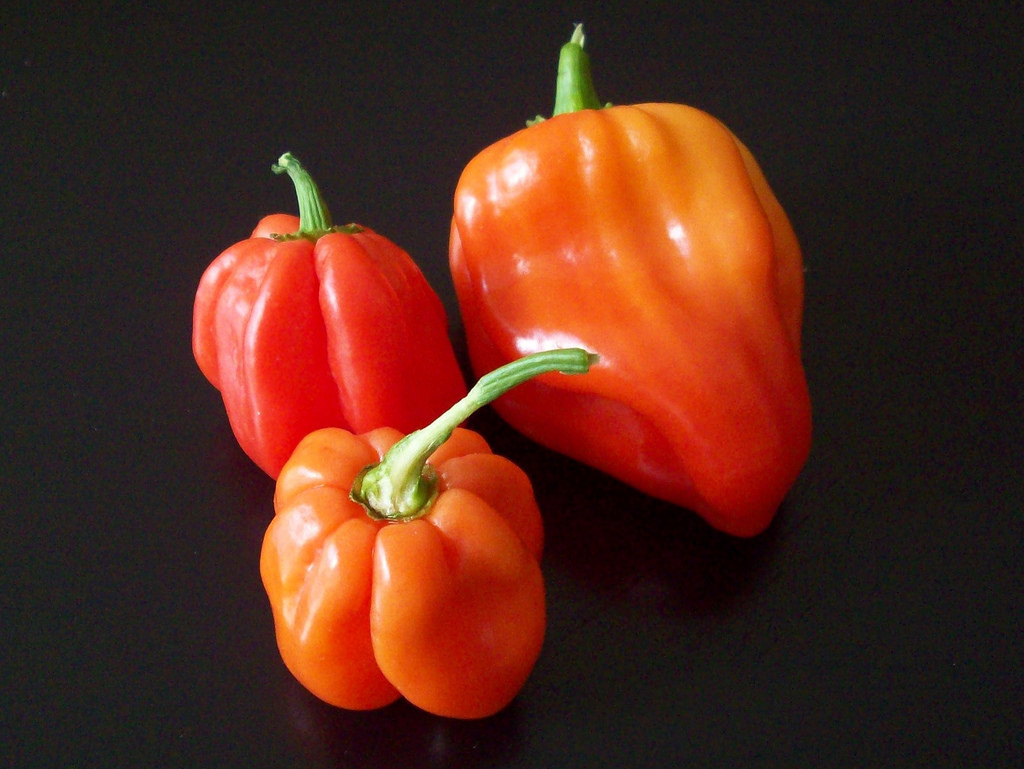
Placenta II Low No biomass productionBrazilian C. chinense pepper with low pungency (0–500 SHU) and very intense aroma. Round yellow/green/red fruits. Foundation of Pará and Amazon cui...
-
biquinho pepper
Capsicum chinense
Placenta II Low No biomass productionBrazilian C. chinense cultivar with low pungency (0–200 SHU) and intense aroma, teardrop shape. Origin in southern Minas Gerais. 60–90 cm plant, de...
-
malagueta pepper
Capsicum frutescens
Placenta II Low No biomass productionVery pungent Brazilian pepper (60,000–100,000 SHU), small upright red fruits. Perennial in tropical zones (3–5 years). Tolerates light shade. Widel...
-
Spanish cedar
Cedrela odorata
Climax Emergent Mulch biomassPremium tropical timber of Mesoamerica and northern South America, distinct from Brazilian cedro-rosa (Cedrela fissilis). The Bosque de Niebla Guid...
-
vetiver
Chrysopogon zizanioides
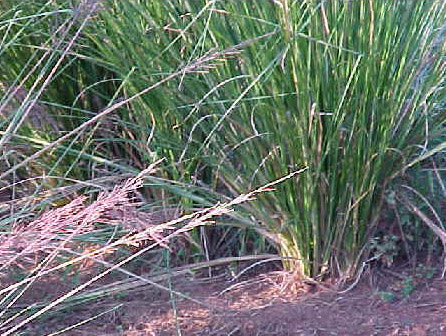
Placenta II Low Mulch biomassPerennial grass with deep vertical roots (up to 4 m), originally from India. The Bosque de Niebla Guidebook recommends vetiver as a hedgerow specie...
-
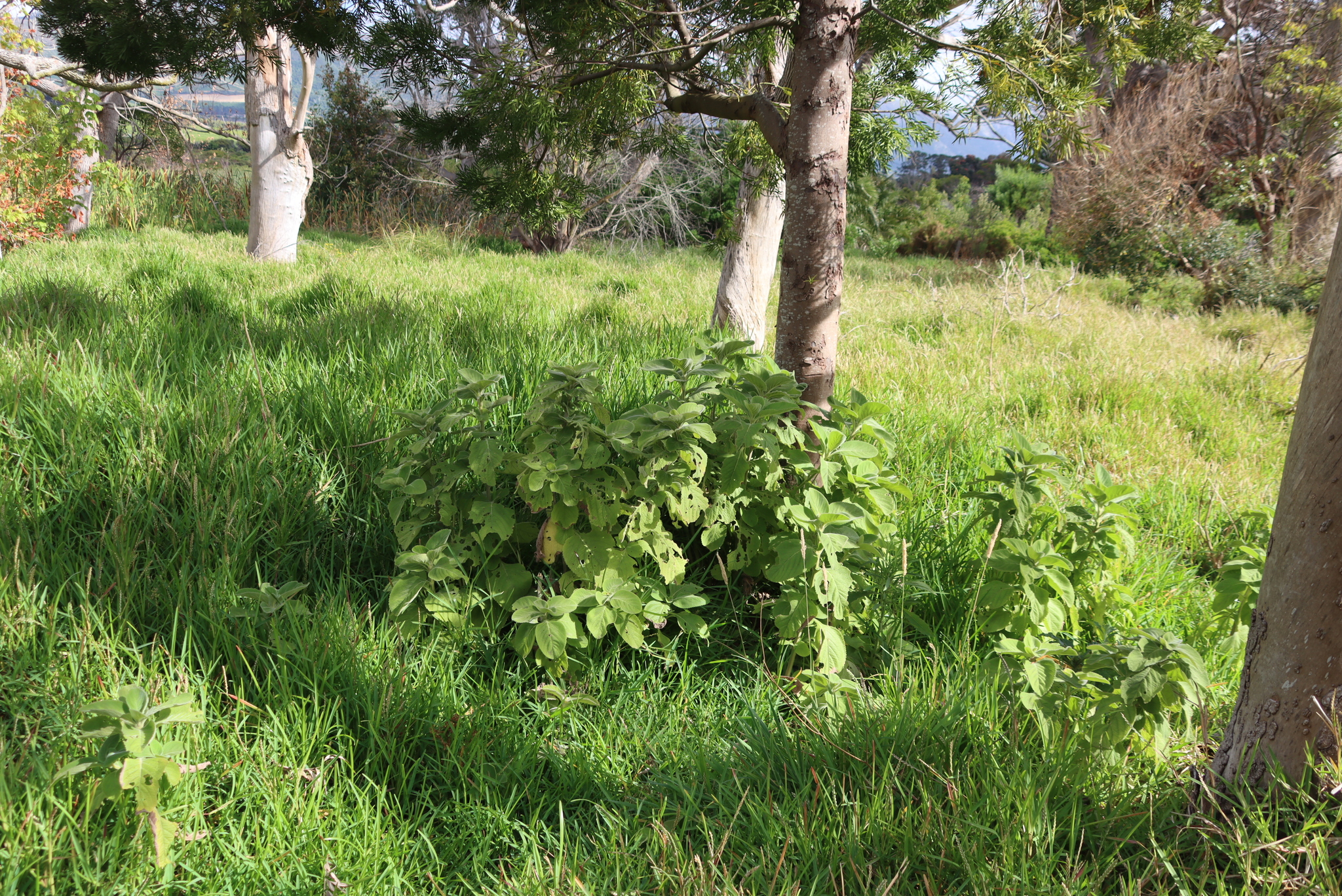
woolly plectranthus
Coleus barbatus
Secondary I Medium No biomass productionA perennial semi-succulent subshrub of the Lamiaceae family, native to tropical Africa, the Arabian Peninsula and Asia, widely grown in Brazil as b...
-
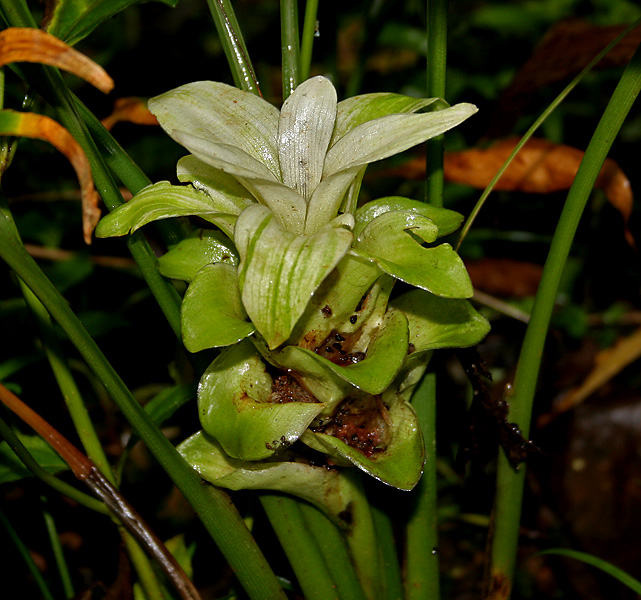
turmeric
Curcuma longa
Placenta I Low No biomass productionAromatic tropical orange-yellow rhizome. Pasini lists it in the low stratum of Tabela 3 and in the '3 to 10 years' phase of Tabela 4 (low stratum)....
-
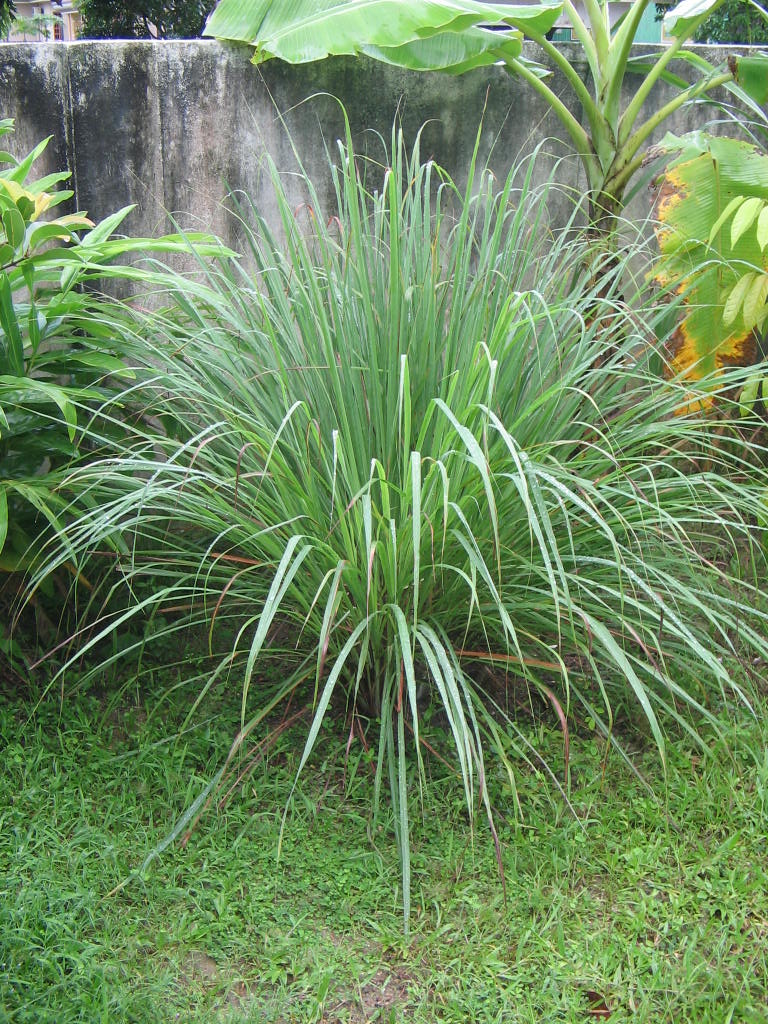
lemongrass
Cymbopogon citratus
Placenta I Low Mulch biomassPerennial aromatic grass (1–1.5 m) forming dense clumps. Lemon-scented leaves (citral). Permanent cover between tree rows in syntropic systems, mos...
-
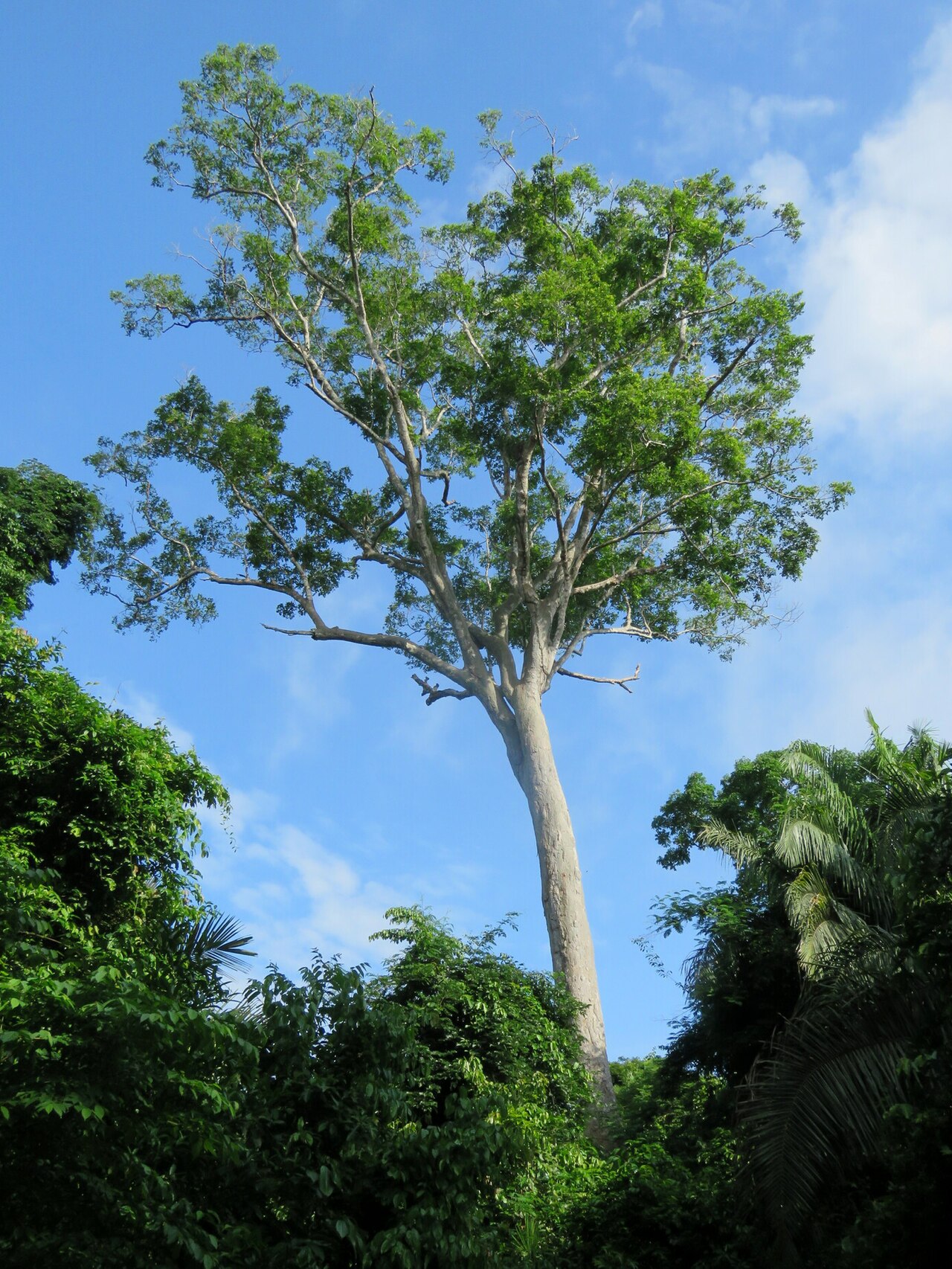
tonka bean
Dipteryx odorata
Climax Emergent Mulch biomass 🌱 Nitrogen fixerEmergent Amazonian tree (15–30 m), relative of baru (Dipteryx alata, already in canon but Cerrado). Seeds (beans) with intense vanilla-coumarin aro...
-
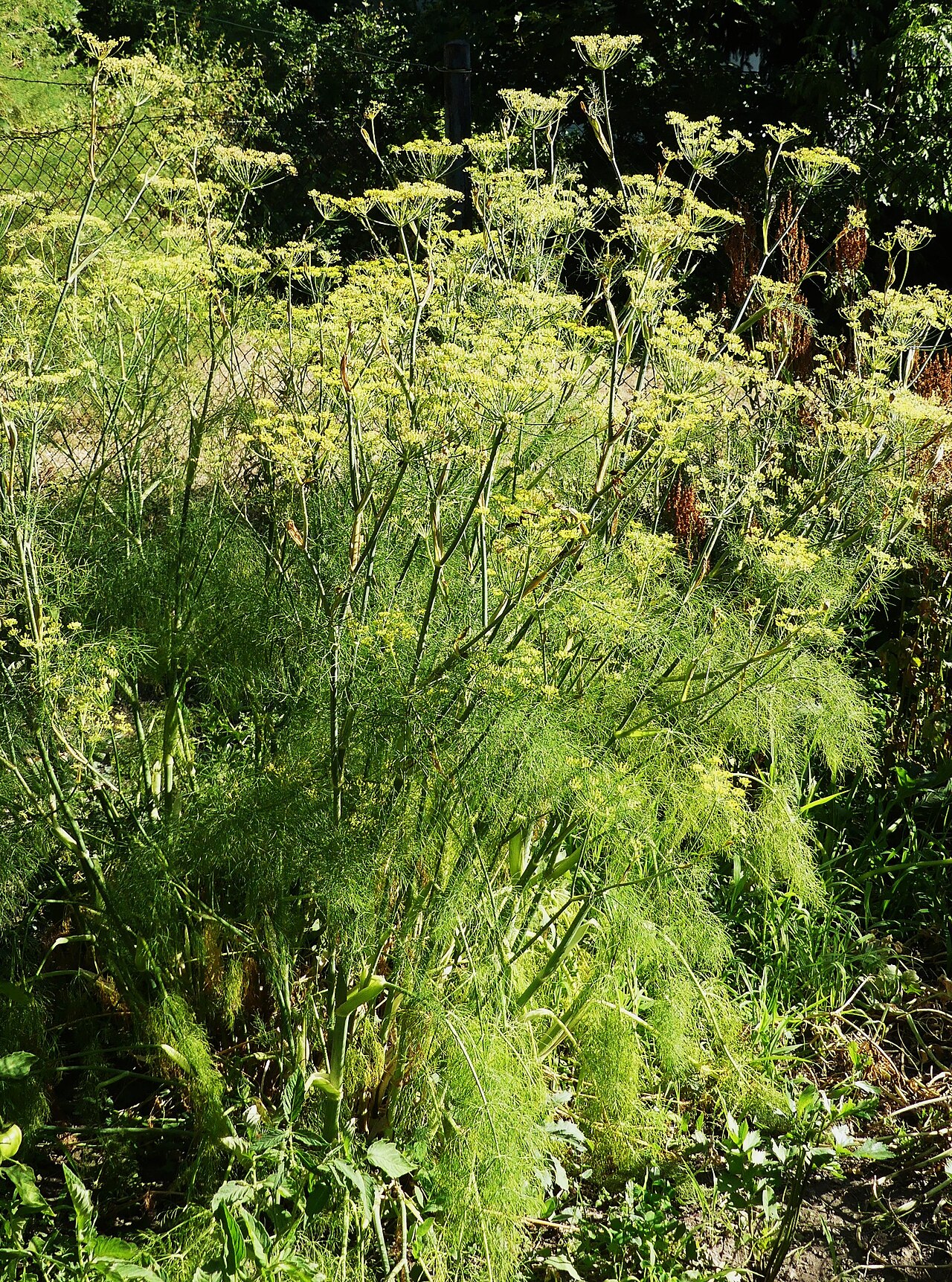
fennel
Foeniculum vulgare
Placenta I Low No biomass productionPerennial Mediterranean herb (1–2 m), feathery anise-scented leaves. Seeds used as seasoning and medicinal. Bulb of the sweet variety is a vegetabl...
-
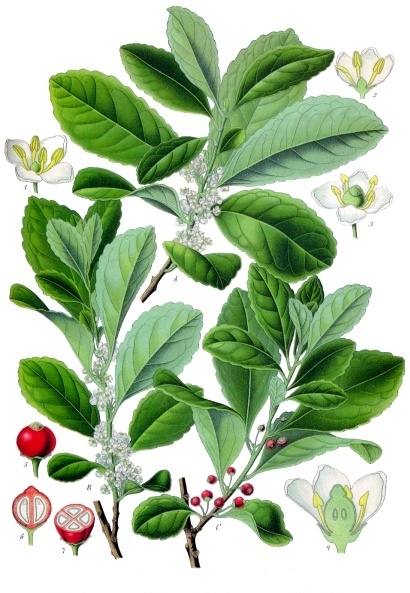
yerba mate
Ilex paraguariensis
Secondary II Medium No biomass productionTree native to highland Atlantic Forest and southern Brazilian grasslands, listed by IPOEMA among major Brazilian perennial crops in agroforestry c...
-
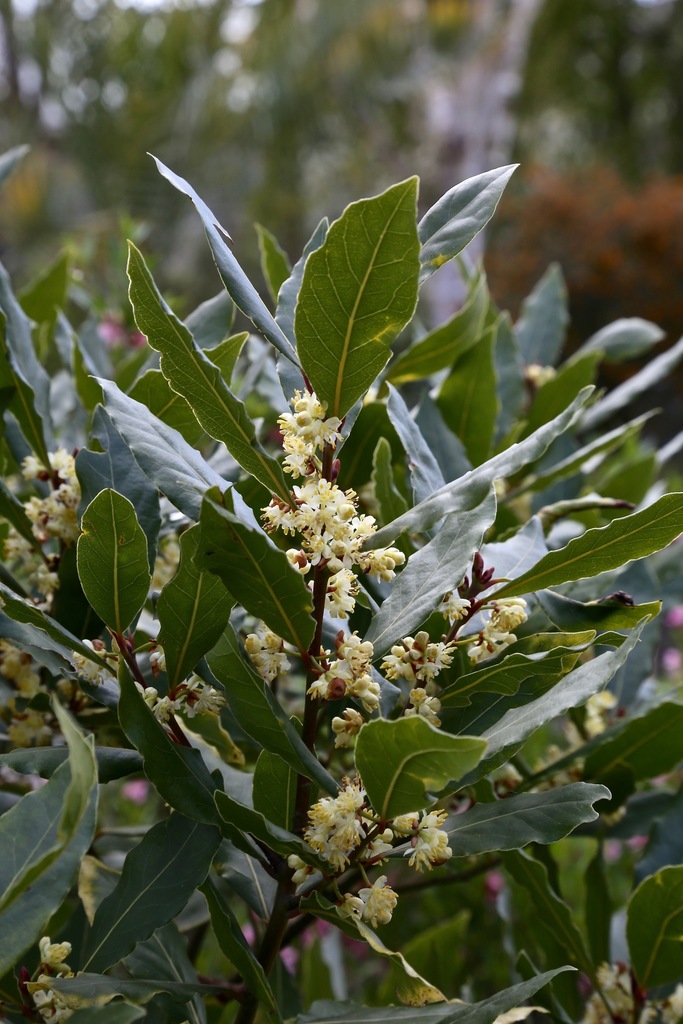
bay laurel
Laurus nobilis
Secondary II Medium No biomass productionMediterranean medium tree (4–10 m), evergreen leathery leaves — basis of tea, seasoning, and ornamental use. Occupies low/medium stratum in souther...
-
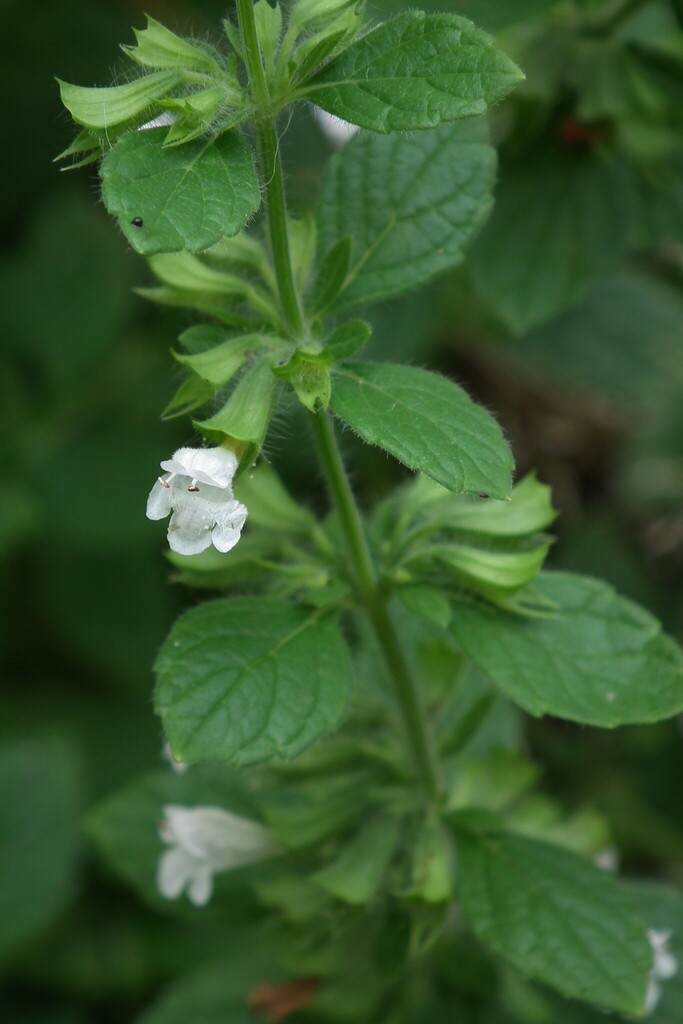
lemon balm
Melissa officinalis
Placenta I Low No biomass productionPerennial herb (40–80 cm), light-green strongly lemon-scented leaves. Tolerates partial shade — fills shaded niches where rosemary and thyme don't ...
-
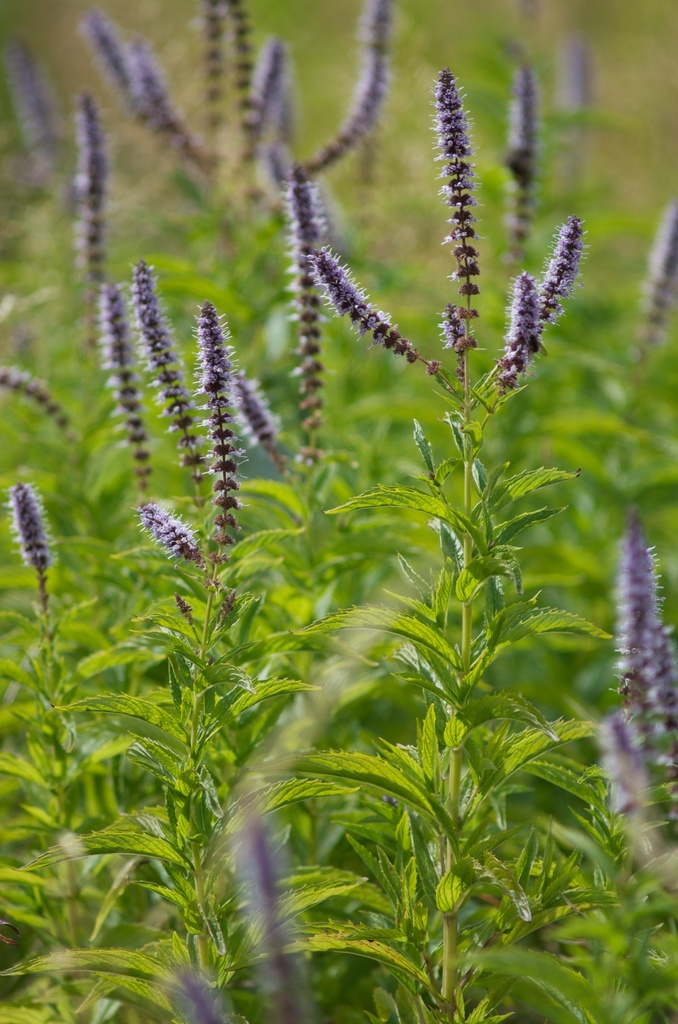
spearmint
Mentha spicata
Placenta I Ground cover No biomass productionStrongly aromatic perennial Lamiaceae that spreads vigorously by stolons. Pasini lists it in the low stratum of Tabela 3. Tolerates partial shade; ...
-
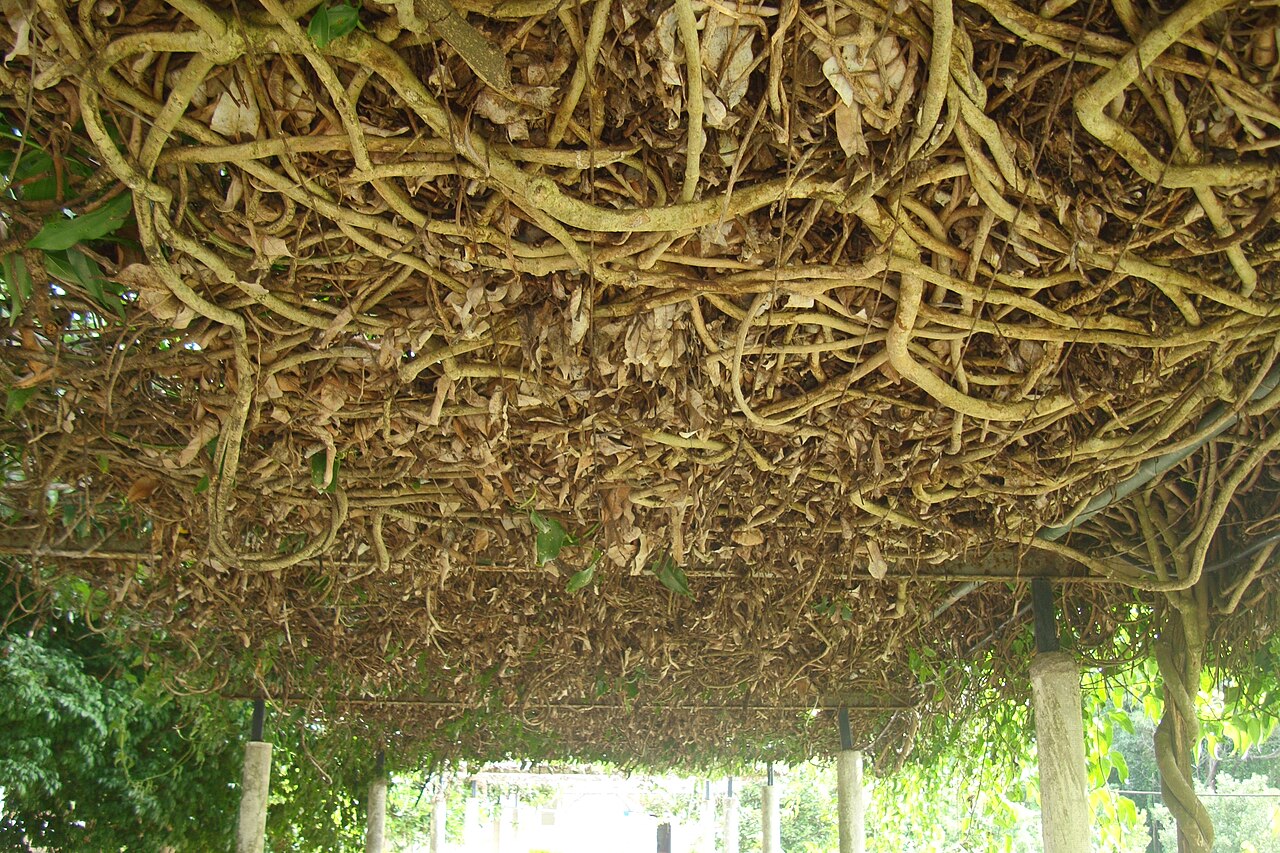
guaco
Mikania glomerata
Secondary I Medium Mulch biomassA perennial woody climber (liana) of the Asteraceae family, native to the Atlantic Forest of southeastern and southern Brazil, occurring along rive...
-
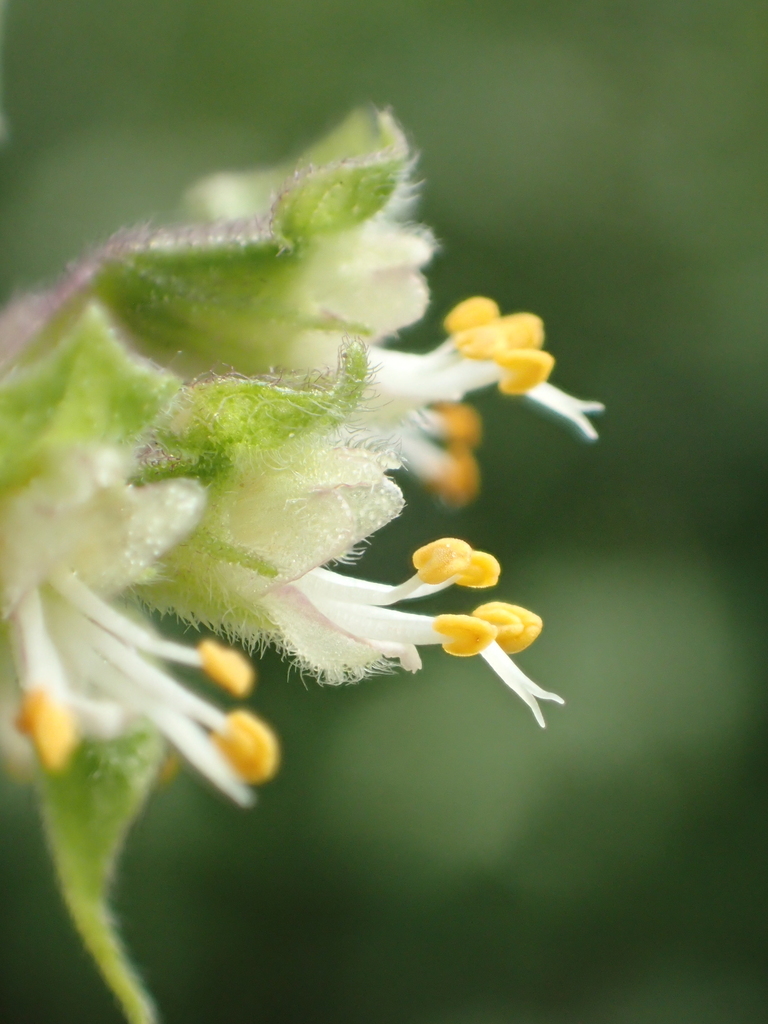
basil
Ocimum basilicum
Placenta I Low No biomass productionAromatic annual or short-lived perennial Lamiaceae. Pasini lists it in the high stratum of Tabela 3 (grown as a low-stratum species in beds). Attra...
-
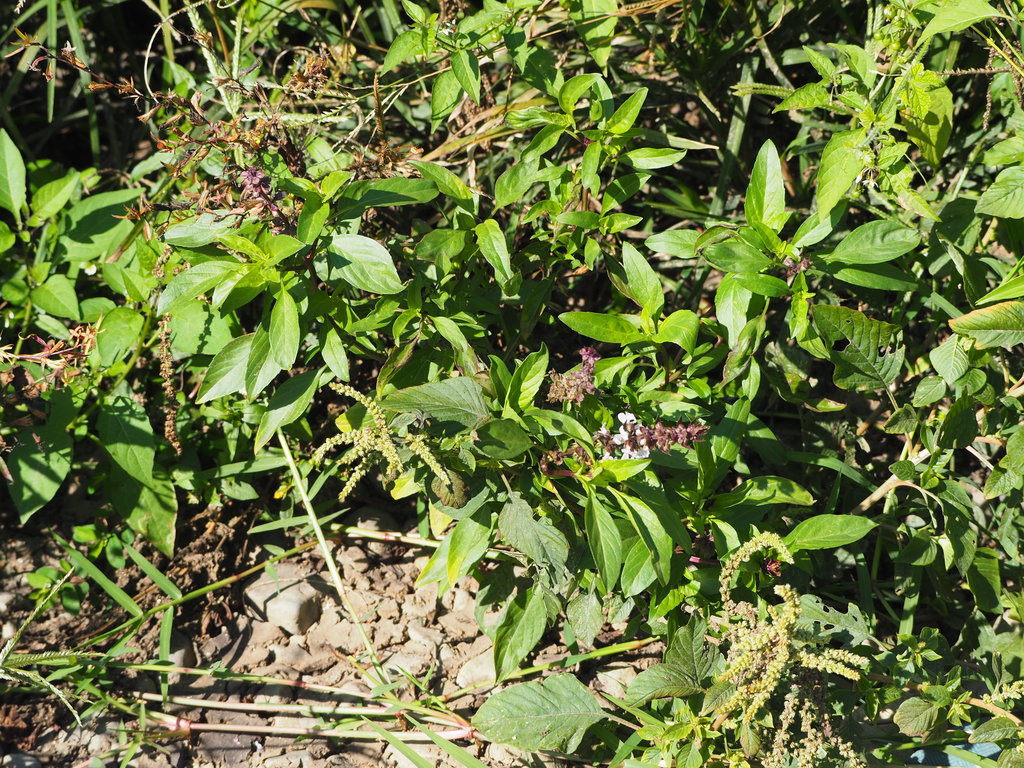
African basil
Ocimum gratissimum
Placenta II Medium No biomass productionShort-lived perennial Lamiaceae, cousin of common basil (distinct species). EcoAgri lists it in the medium stratum of the 'up to 3 years' bin. Arom...
-
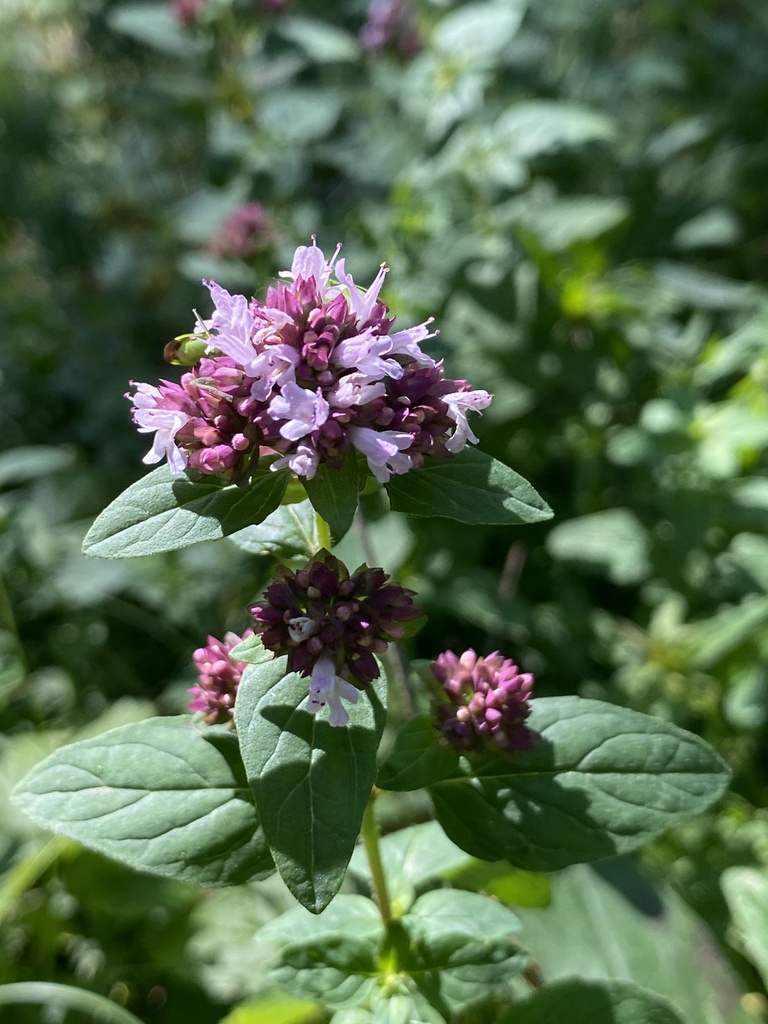
oregano
Origanum vulgare
Placenta I Ground cover No biomass productionPerennial Mediterranean herb (20–60 cm), small aromatic leaves. In southeastern and southern Brazilian syntropic systems used as permanent cover be...
-
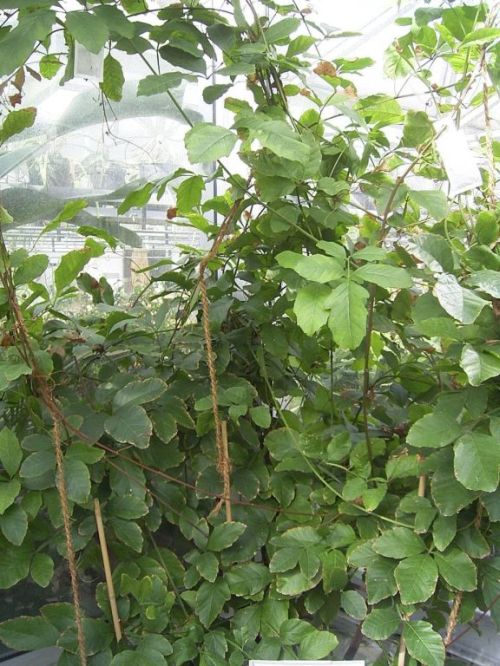
guaraná
Paullinia cupana
Secondary I Low No biomass productionAmazonian shrubby climber, today managed as a shrub in monoculture. Embrapa lists guaraná among perennial crops in SAFs with mean yield of 100 kg/h...
-
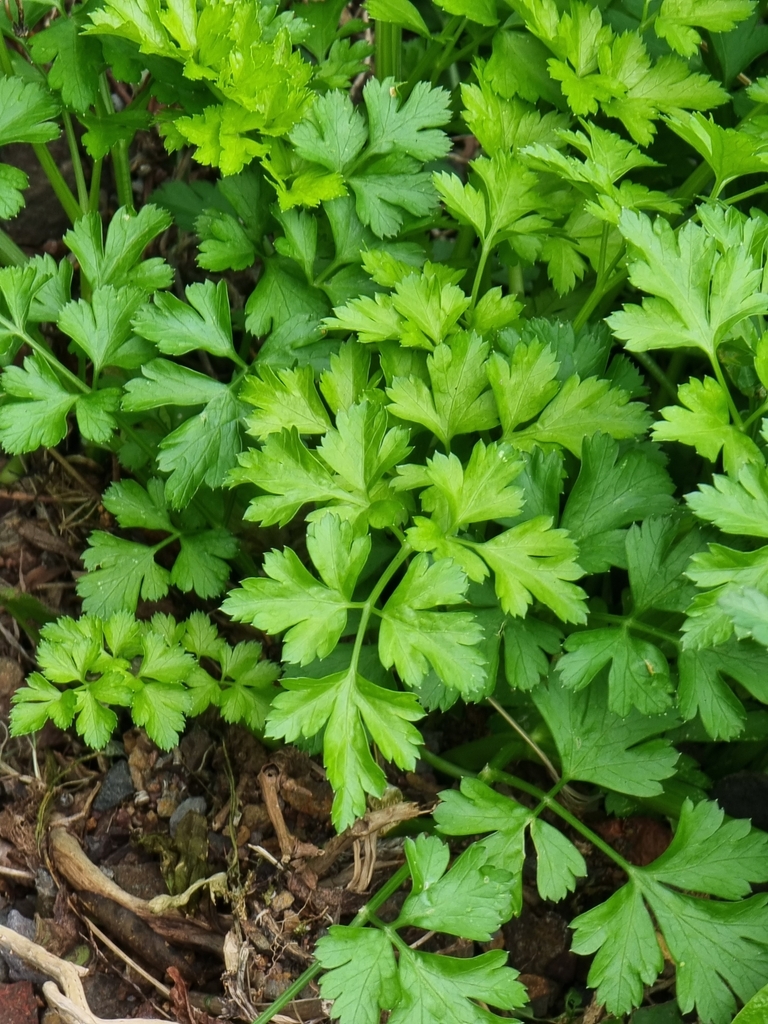
parsley
Petroselinum crispum
Placenta I Ground cover No biomass productionBiennial Apiaceae grown as an annual for its aromatic leaves. Pasini lists it in the low stratum of Tabela 3. Tolerates partial shade; consorts wel...
-
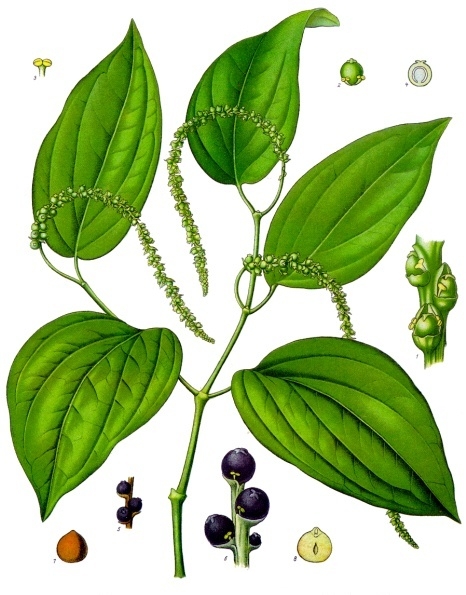
black pepper
Piper nigrum
Secondary I Low No biomass productionWoody climber native to SW India, naturalized in the Brazilian Amazon. Embrapa records it among perennial crops in Amazonian SAFs: trained on live ...
❓ Frequently asked questions
What does "Aromatic" mean in syntropic agriculture?
Species whose leaves, flowers, or fruits provide essential oils or culinary seasonings (basil, rosemary, lemongrass, cinnamon).
Which catalog species are tagged Aromatic?
The catalog holds 28 species, among them amburana, cumari pepper, dedo-de-moça pepper. Each profile shows stratum, succession stage, and the management data, with sources cited.