Plants
blueberry
Vaccinium corymbosum
Family: Ericaceae · Genus: Vaccinium
northern highbush blueberry
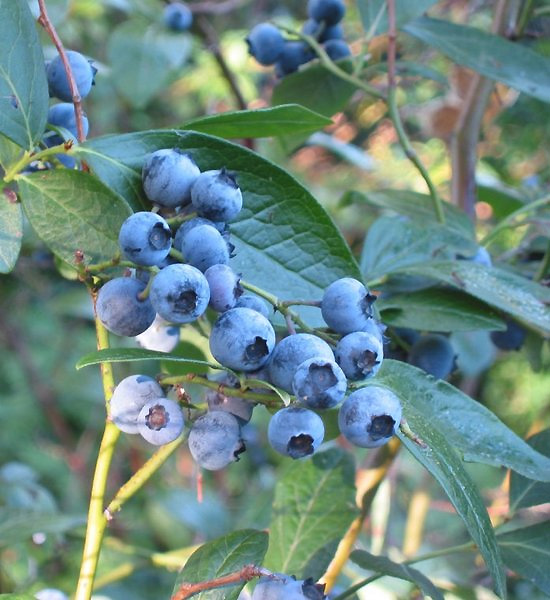
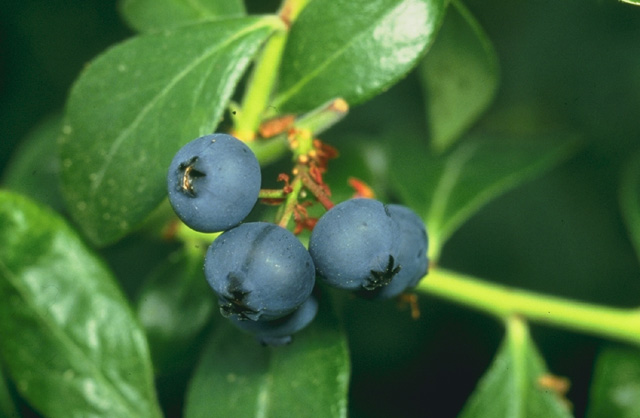
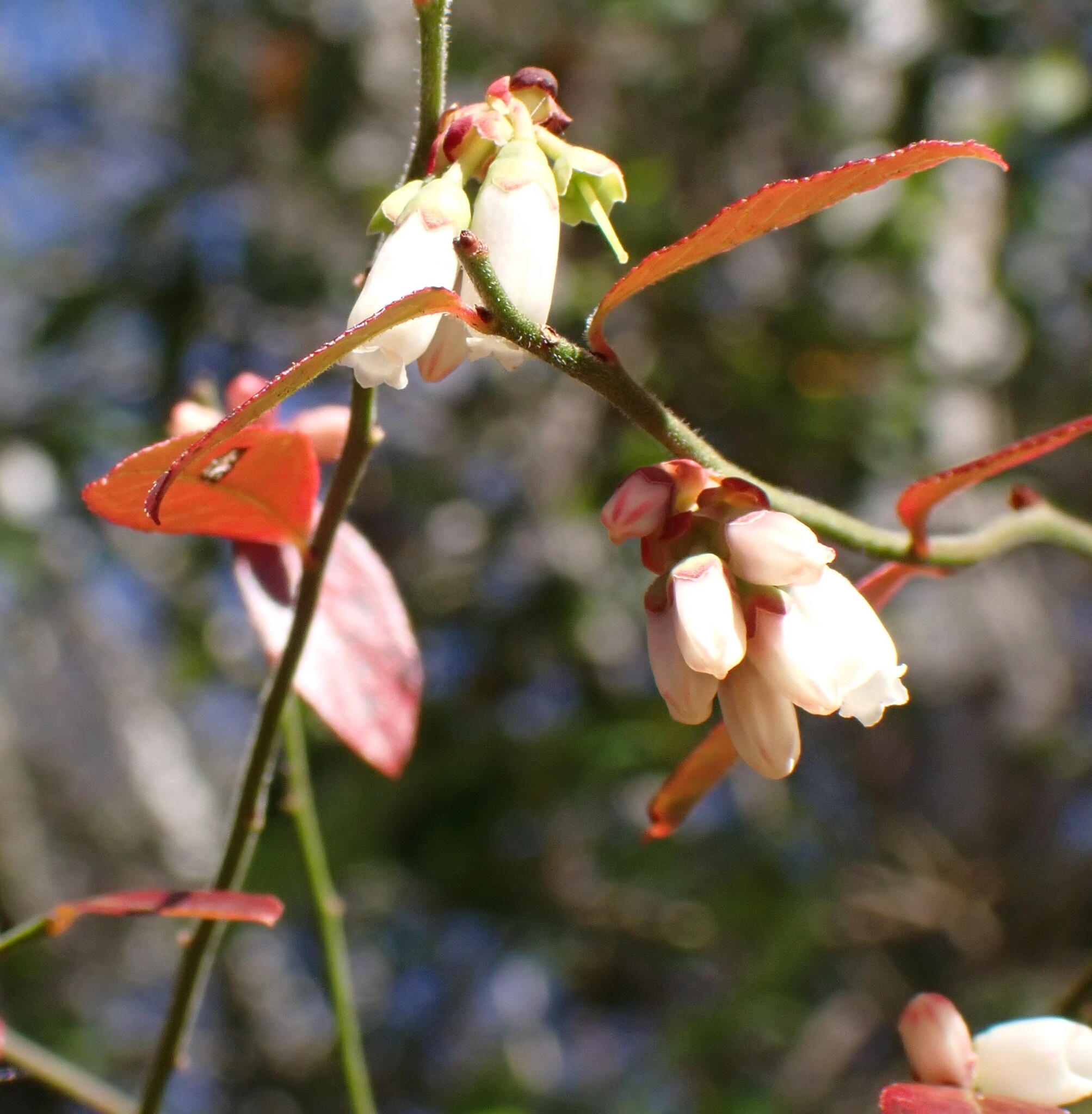
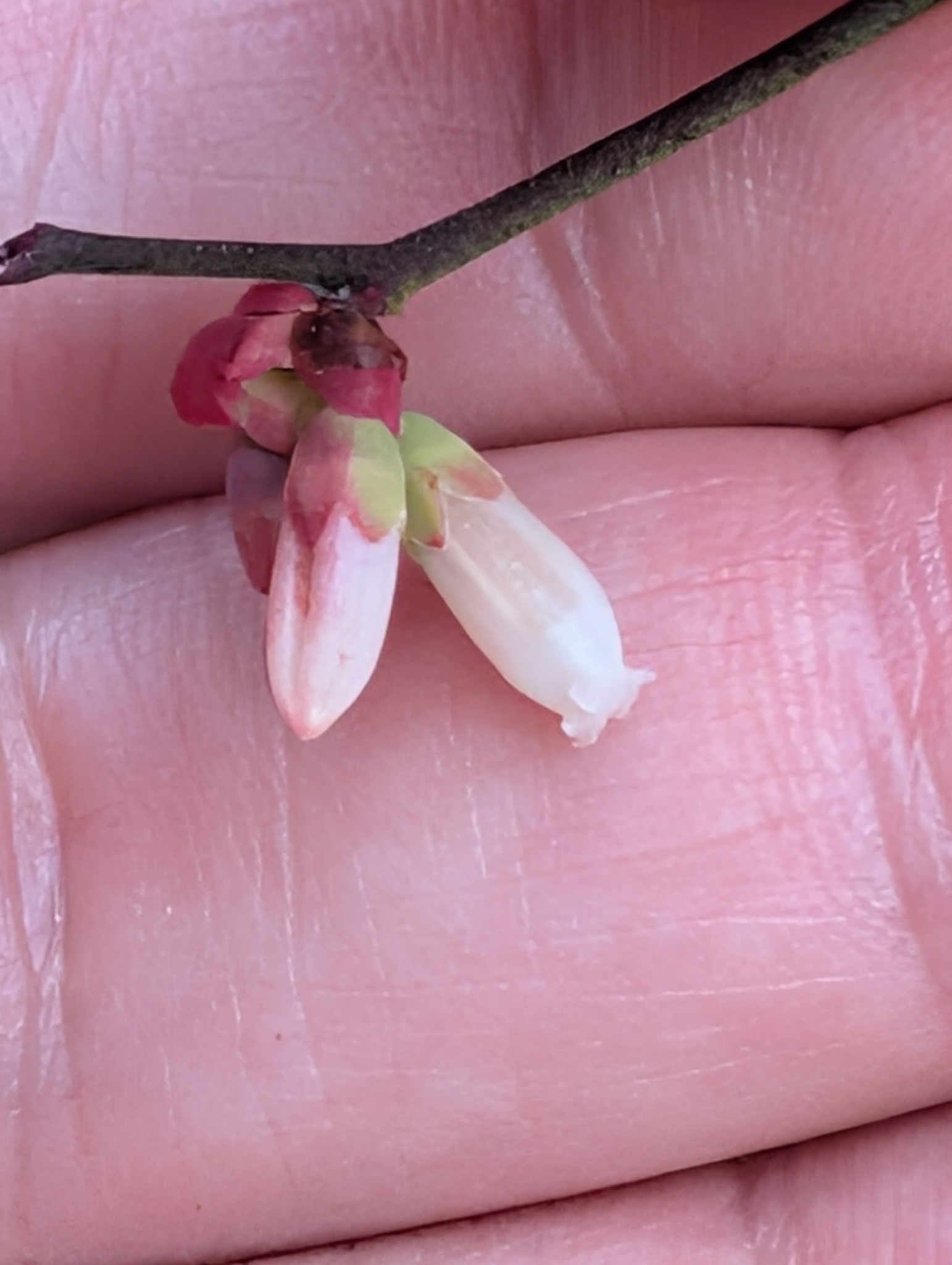
Northern highbush blueberry, a deciduous shrub of the Ericaceae family, exotic to Brazil and grown in cold regions of the south, notably Rio Grande do Sul. It requires very acidic soil (pH 4.5–5.5) and winter chill (most cultivars need more than 800 hours, though low-chill cultivars exist). It flowers in spring and fruits from late spring into summer.
📚 Synonyms
Scientific synonyms: Cyanococcus corymbosus (L.) Rydb., Vaccinium albiflorum Hook.
Götsch succession
- Götsch stage
- Secondary I
- Ecological role
- Early secondary
- Primary stratum
- Low
- Strata
- Low
- Biomass class
- No biomass production
Environment
- Light requirement
- Full sun
- Water requirement
- Moderate
- Drought tolerance
- Low
- Waterlogging tolerance
- Low
- Soil pH range
- 4.5–5.5
- Preferred soil texture
- Sandy, Loamy
- Hardiness zones
- 3–7
- Frost tolerance
- -28.0 °C
Morphology
- Mature height
- 1.5–3.5 m
- Recommended spacing
- 1–1.5 m
- Root system
- Fibrous
- Root depth
- Shallow
- Growth rate
- Moderate
- Lifespan
- 20–50 years
- Time to first harvest
- 24 months
- Productive lifespan
- 25 years
Biomes & climate
- Pampa Suitable
- Atlantic Forest Suitable
Köppen classes
- Oceanic (Cfb) Suitable
- Subtropical highland (Cwb) Suitable
- Humid subtropical (Cfa) Suitable
Where it fits in a guild
Blueberry takes the Low stratum in the Secondary I phase of succession — in a guild it shares the line with species from the other strata, each harvesting light at its own height, in its own time.
Free account — and the catalog stays open, no sign-up needed.
🪴 Cultivation
Needs acidic, well-drained, organic-rich soil; roots are fibrous and shallow. A species that self-pollinates poorly — more than one cultivar is recommended. Rabbiteye and low-chill cultivars adapt better to the milder-winter areas of southern Brazil.
✂️ Management & Pruning
Light annual pruning in winter (Jun–Aug) while dormant: in the first 2–3 years remove the flowers to favor establishment. Once mature, each year cut out the oldest canes (over 5–6 years) and the thin, low twiggy growth, keeping 8–12 vigorous canes per bush to renew productive wood. Fruit is borne on buds set on the previous year's wood.
📅 Phenology
Flowering months: September, October
Fruiting months: November, December, January
❓ Frequently asked questions
How long until the first harvest of blueberry?
The first harvest of blueberry comes around 24 months after planting.
What spacing is recommended for blueberry?
The recommended spacing for blueberry is 1–1.5 m.
How tall does blueberry grow?
At maturity, blueberry reaches 1.5–3.5 m tall.
When does blueberry fruit?
Fruiting of blueberry occurs in November, December, January.
When does blueberry flower?
Flowering of blueberry occurs in September, October.
What stage and stratum does blueberry occupy in a syntropic system?
In a syntropic system, blueberry belongs to the secondary i stage, occupying the low stratum.
Functions
Propagation
Cutting, Tissue culture
Citations
- Wikipedia (scientific_name, synonyms, height_min_m, height_max_m, ph_min, ph_max, wikidata_qid, gbif_taxon_key)
- Plants For A Future (ph_min, ph_max, soil_texture_preference, cultivation_notes)
- Oregon State University Extension (pruning_notes, time_to_first_harvest_months)
- POWO (powo_id, scientific_name)
External references
Continue exploring
Related plants
-
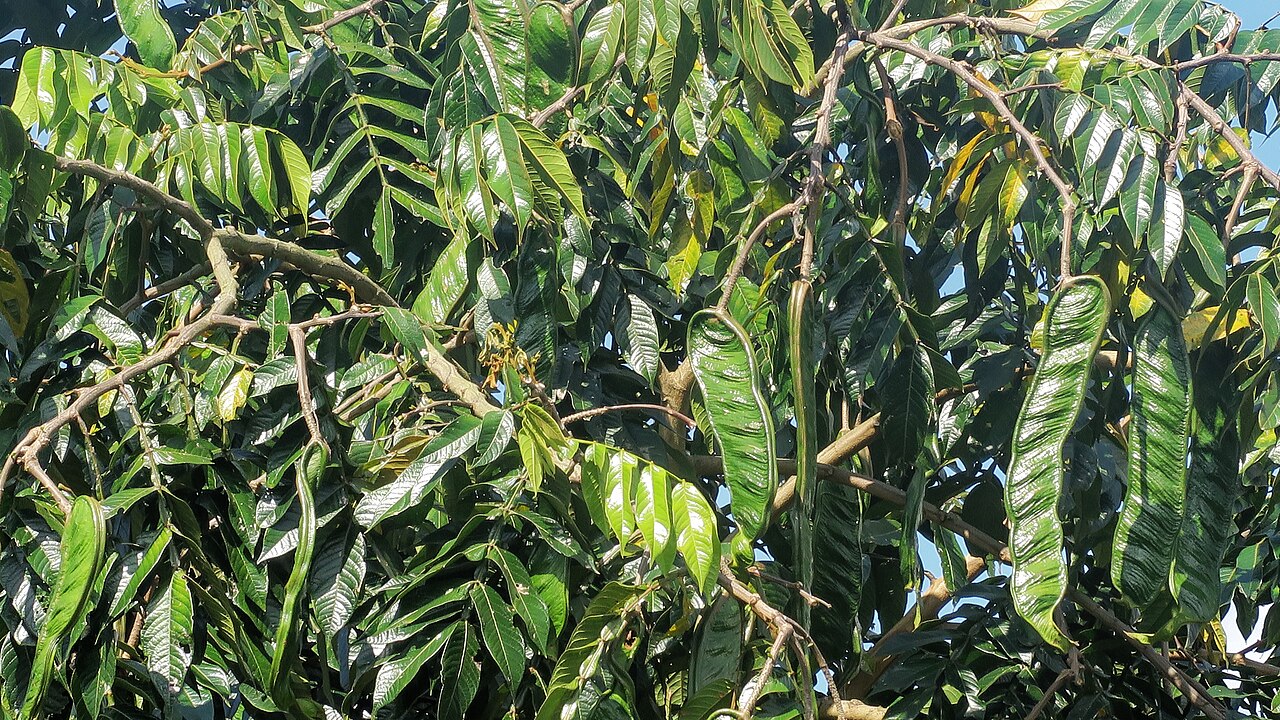
ice cream bean
Inga edulis
Secondary I High Fertilizer biomass 🌱 Nitrogen fixerEssential nitrogen fixer in syntropic systems. Coppices readily after drastic pruning and produces large volumes of fertilizer biomass.
-
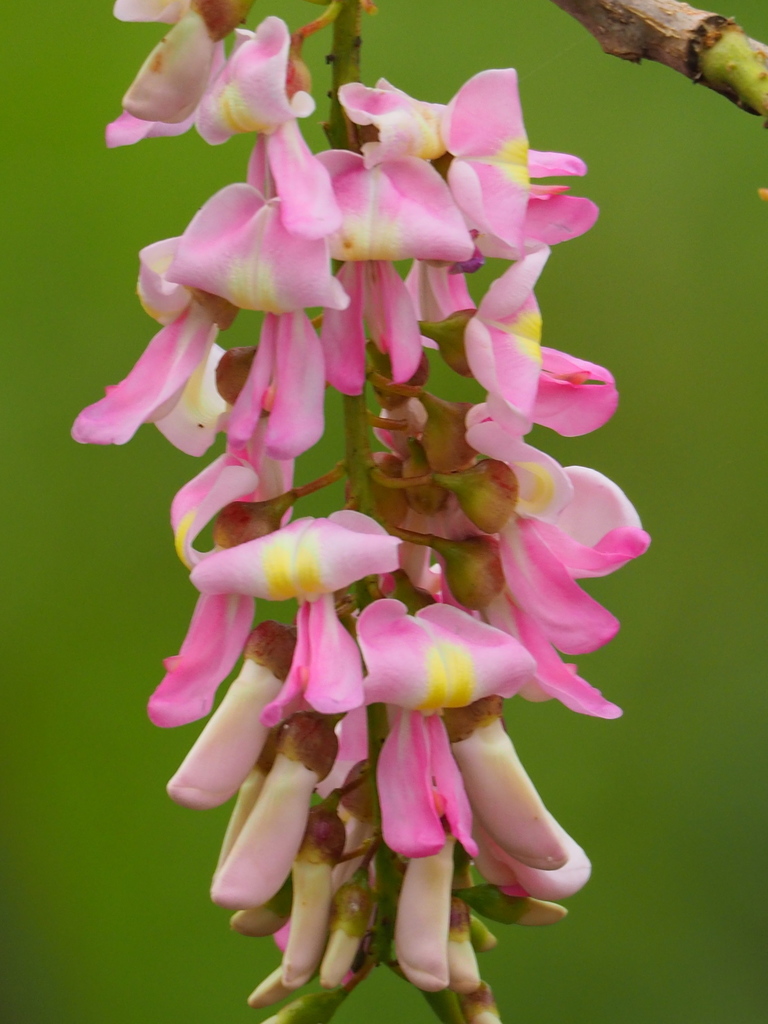
gliricidia
Gliricidia sepium
Secondary I Medium Fertilizer biomass 🌱 Nitrogen fixerNitrogen-fixing legume that tolerates drastic pruning and produces fast-decomposing fertilizer biomass. Commonly used as shade for coffee and cocoa...
-
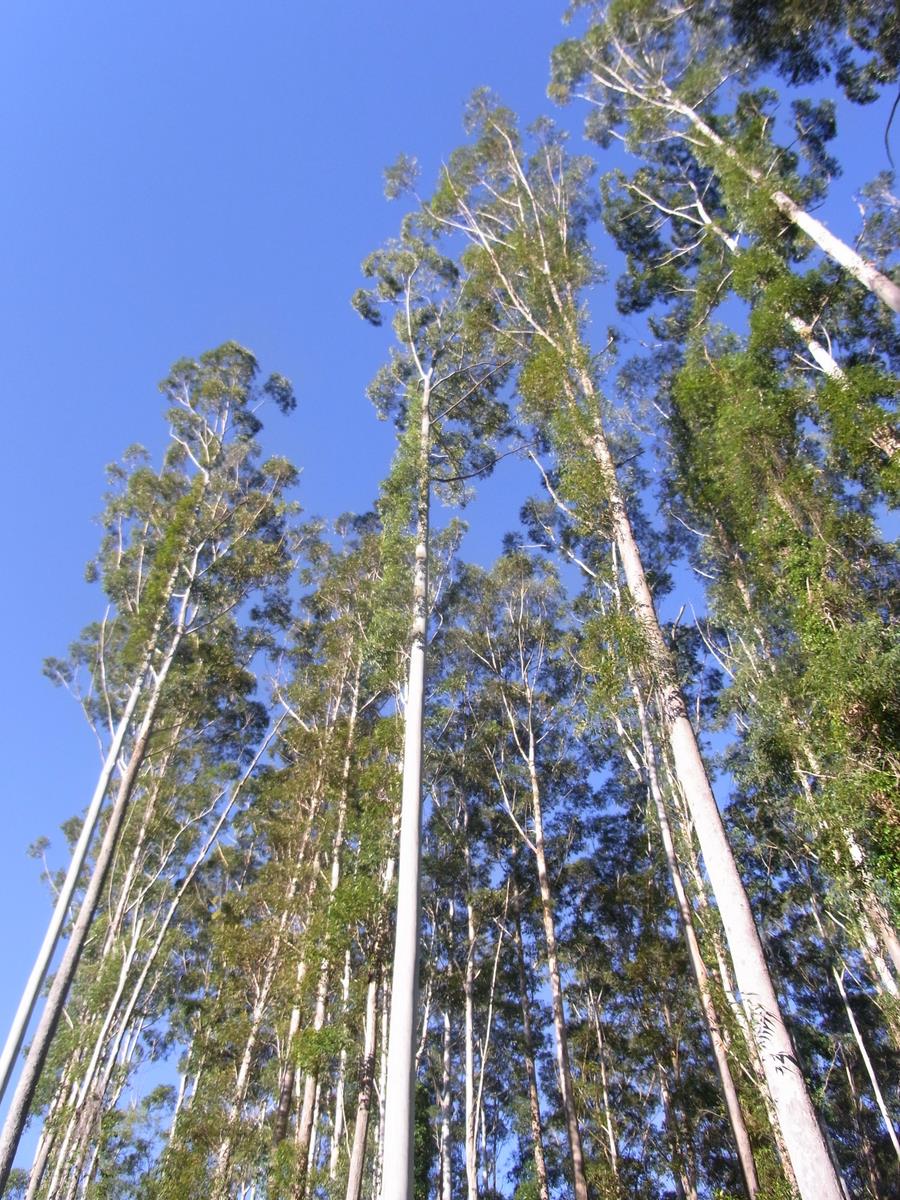
rose gum
Eucalyptus grandis
Secondary I Emergent Mulch biomassTypical accumulation species in syntropic systems: cover biomass, timber in 15 years. Non-native but widely used in Brazilian SAFs.
-
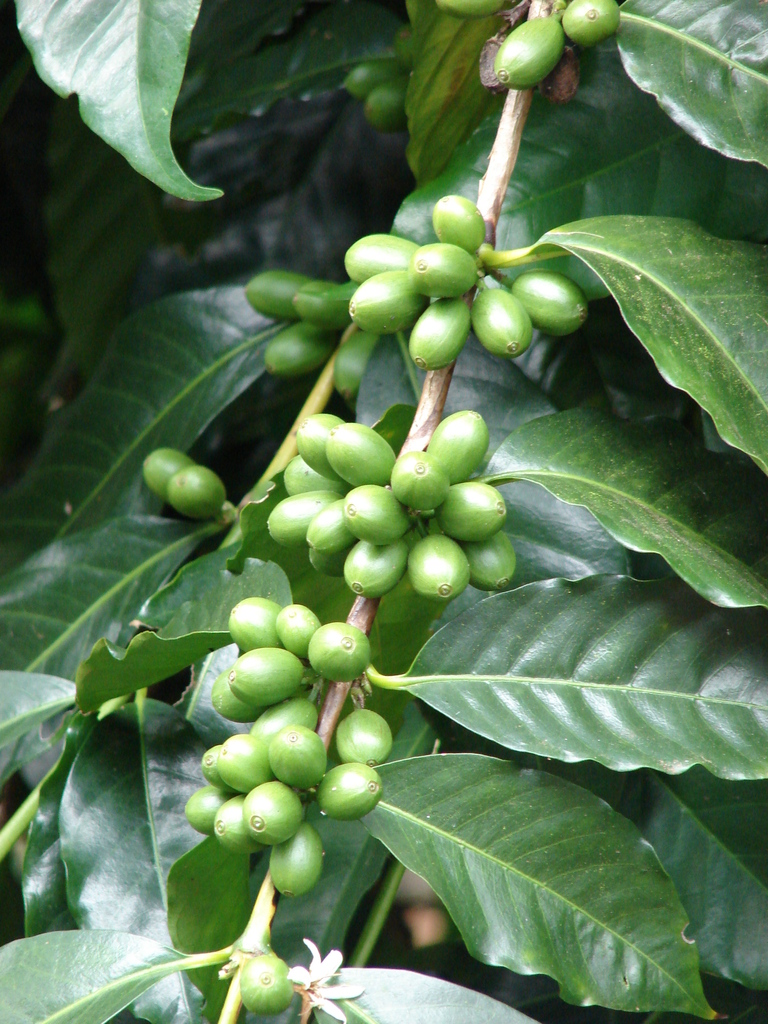
coffee
Coffea arabica
Secondary I Low No biomass productionShade-grown crop valuable in syntropic Atlantic Forest systems. Occupies the low stratum between bananas and ingás.
-
cocoa
Theobroma cacao
Secondary I Low No biomass productionLow-stratum fruit tree shaded by bananas, ingás and palms in the Bahia syntropic systems pioneered by Götsch.
-
cebil
Anadenanthera colubrina
Secondary I High Fertilizer biomass 🌱 Nitrogen fixerFast-growing pioneer legume, nitrogen fixer. Adapted to poor and degraded soils; widely used in restoration of degraded areas across Caatinga, Cerr...