
Climate
Plants for the Subtropical highland (Cwb) climate
Subtropical highland: rainy, mild summers and dry, cold winters. Classic highland farming — coffee and highland fruit do well; watch frost tolerance on each profile.
45 species in the catalog · Refine this list in the catalog
-
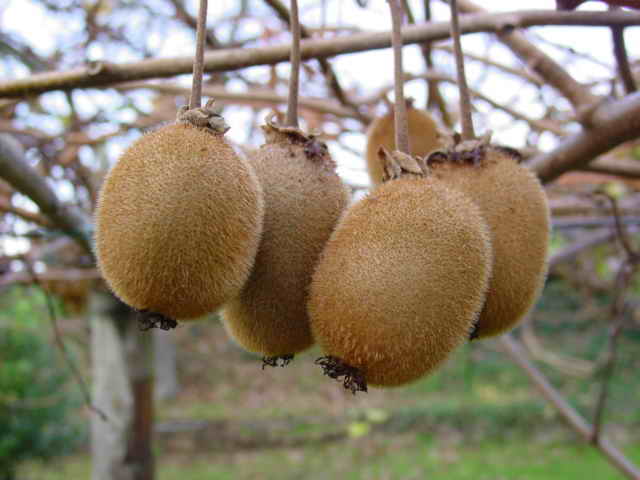
kiwifruit
Actinidia deliciosa
Secondary II Medium No biomass productionWoody vine native to southern China. Cultivated above 600 m altitude in southern and southeastern Brazil (RS, SC, PR, MG, SP). Requires chill hours...
-
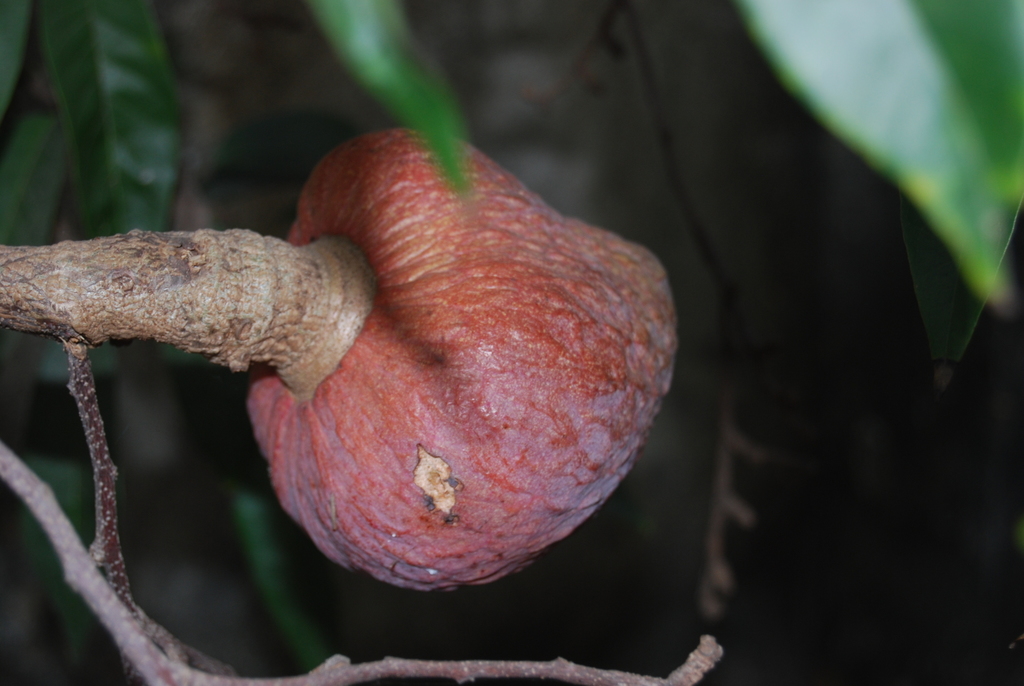
atemoya
Annona × atemoya
Secondary I Medium No biomass productionHybrid of sugar apple (A. squamosa) and cherimoya (A. cherimola), created in the US in the early 1900s and introduced to Brazil in the 1960s. Combi...
-
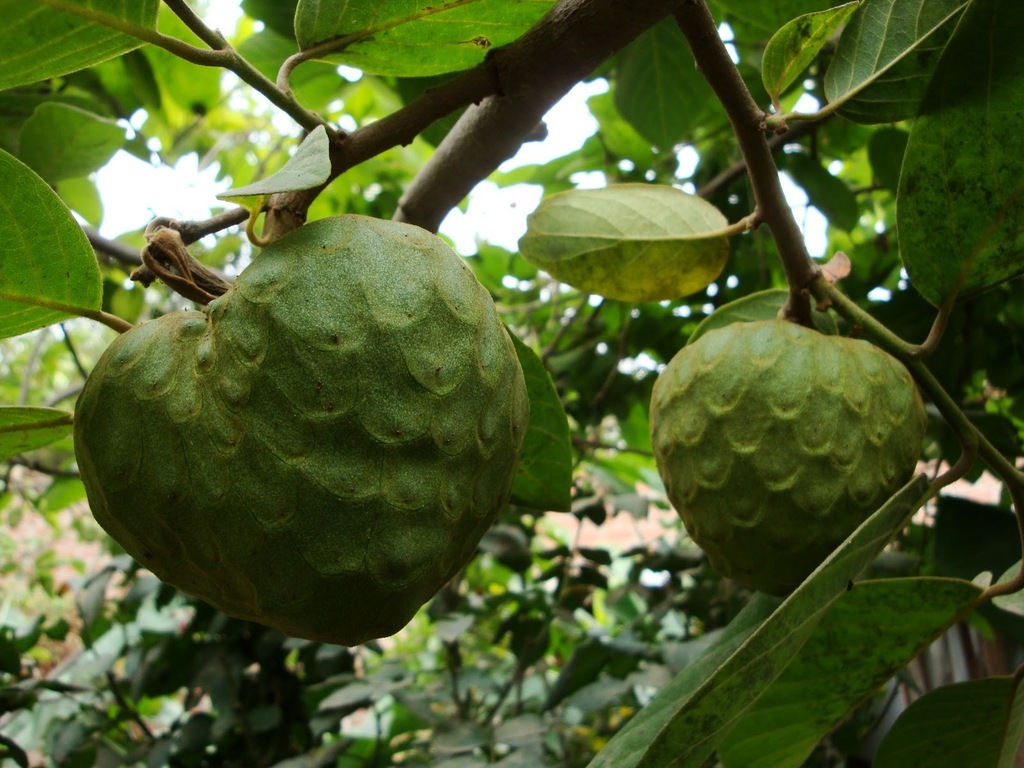
cherimoya
Annona cherimola
Secondary I Medium No biomass productionAndean native (Ecuador, Peru, Bolivia). Small tree (5–8 m), deciduous leaves. Light-green reticulated fruit with creamy white flesh of delicate fla...
-
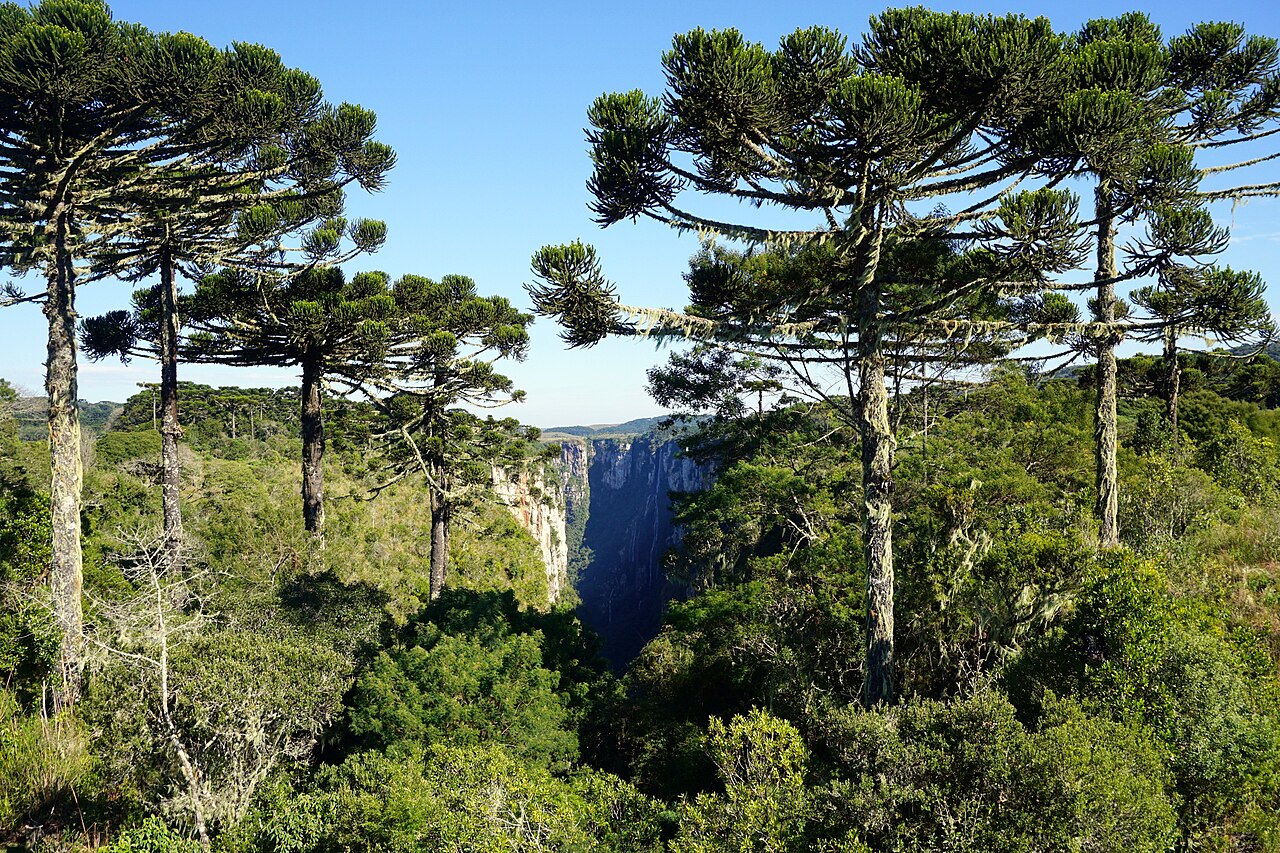
paraná pine
Araucaria angustifolia
Climax Emergent Mulch biomassConifer native to southern Brazil, an iconic emergent of highland Atlantic Forest. Rebello cites it among emergent-stratum representatives in clima...
-
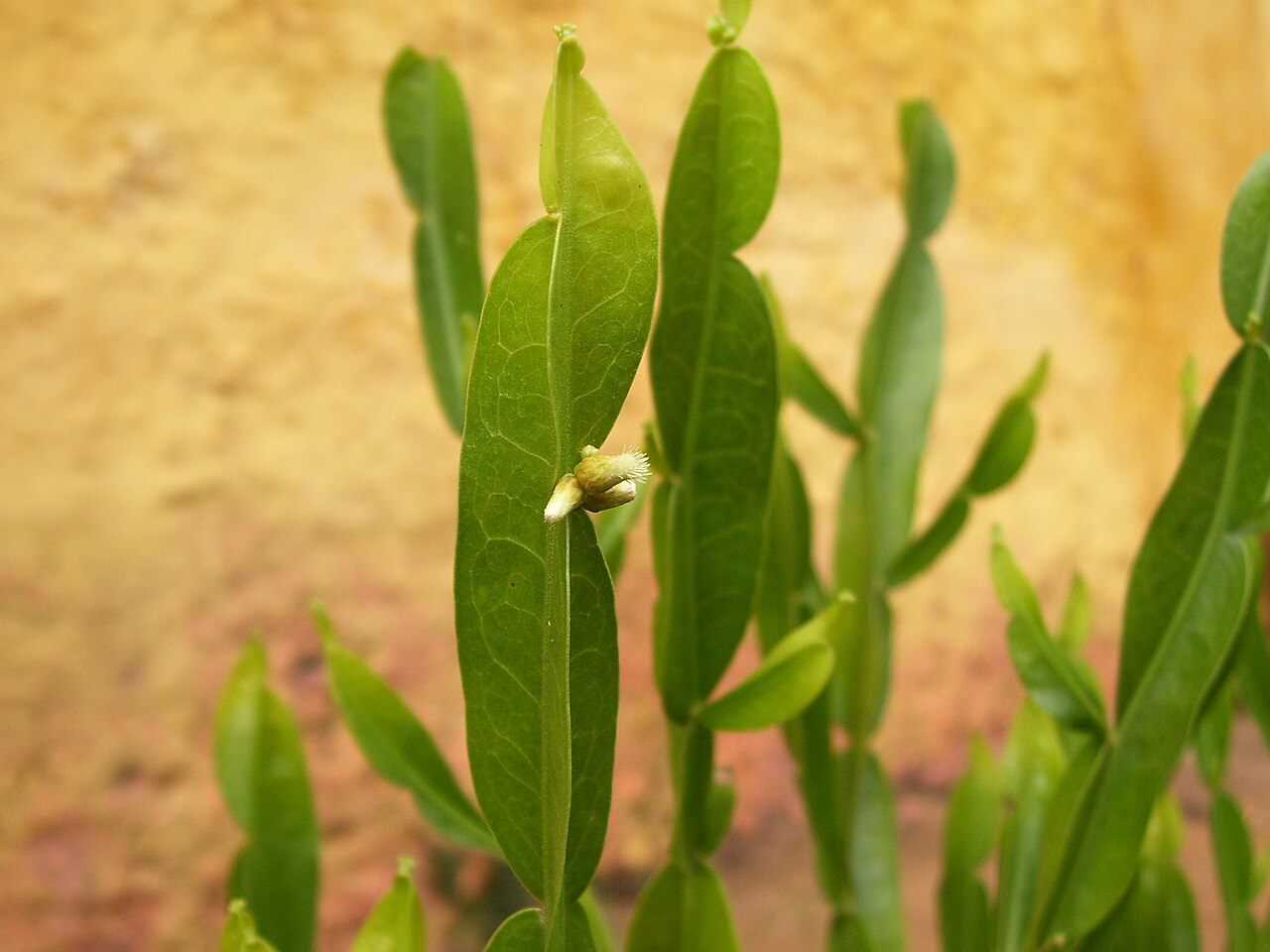
carqueja
Baccharis trimera
Placenta II Low No biomass productionA perennial subshrub of the Asteraceae family, native to southern, southeastern and central-western Brazil and neighboring parts of South America, ...
-
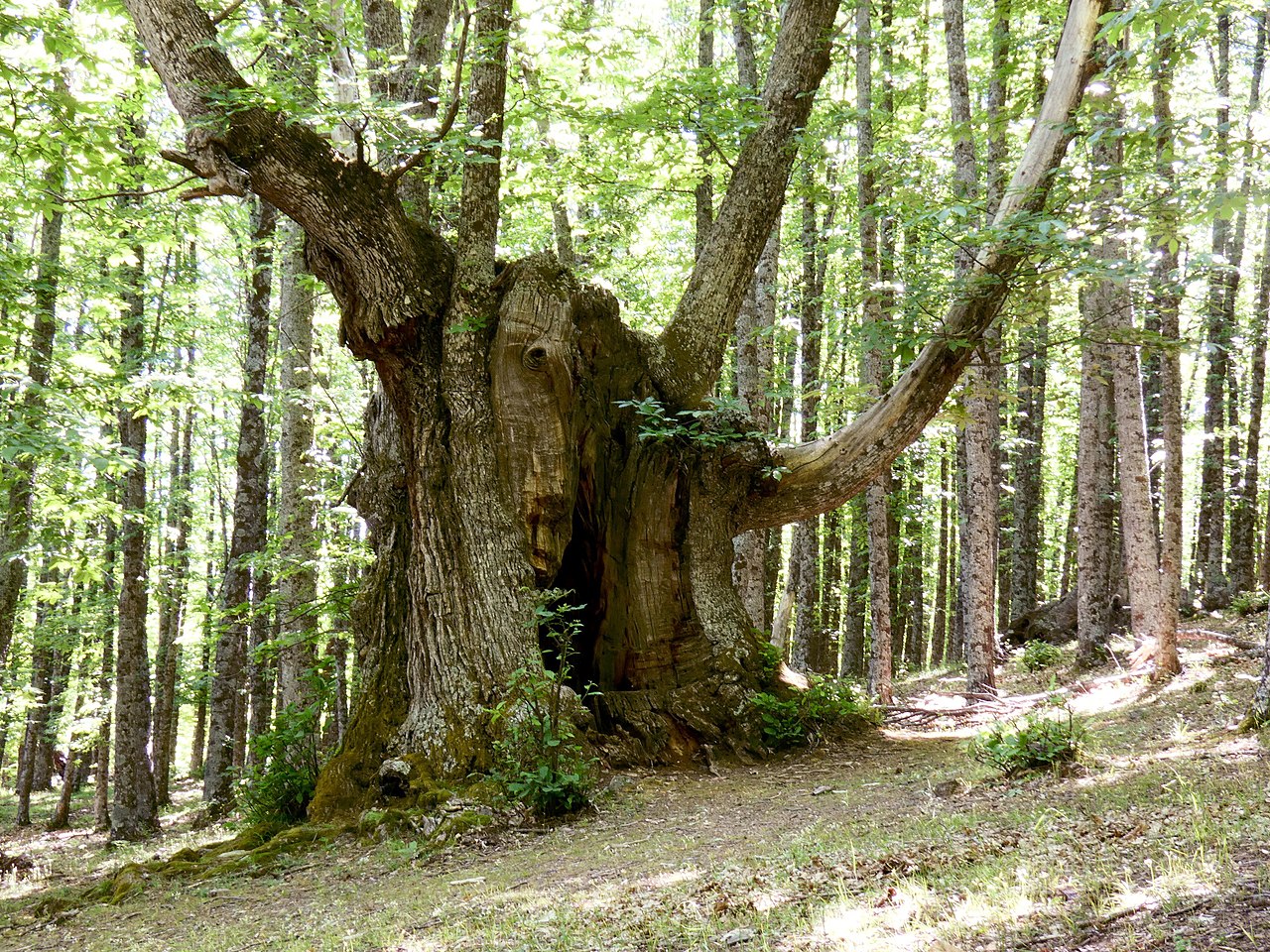
sweet chestnut
Castanea sativa
Secondary II High No biomass productionEuropean sweet chestnut, a large deciduous tree of the Fagaceae family, exotic to Brazil and suited to cold temperate regions of the south. It tole...
-
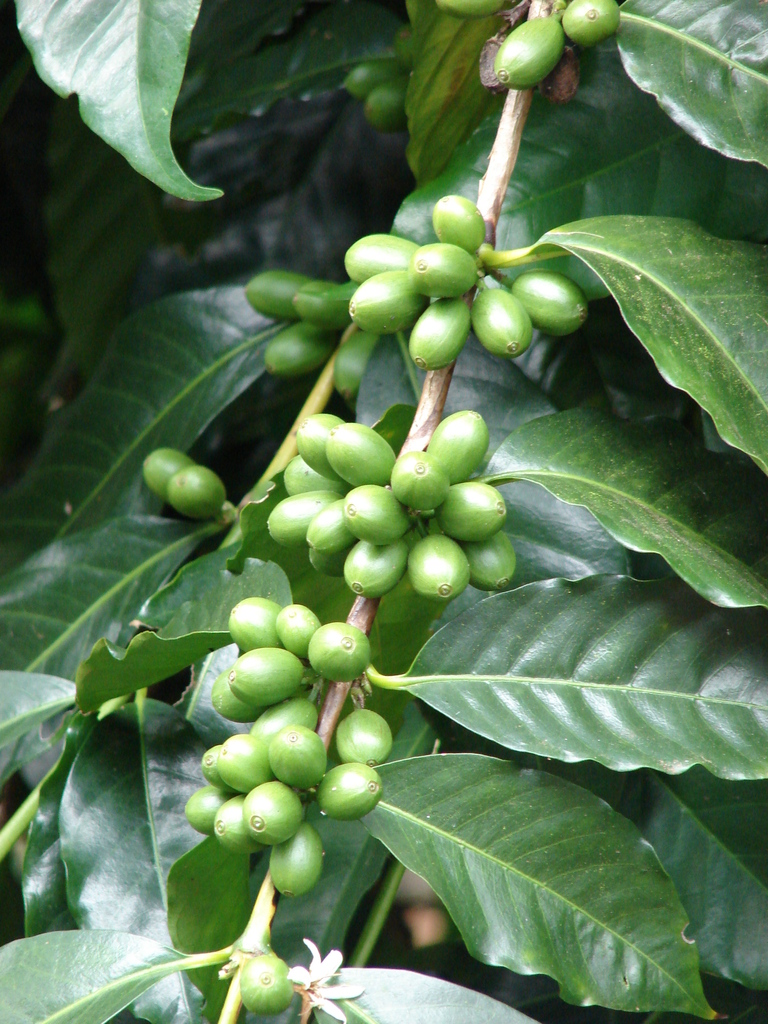
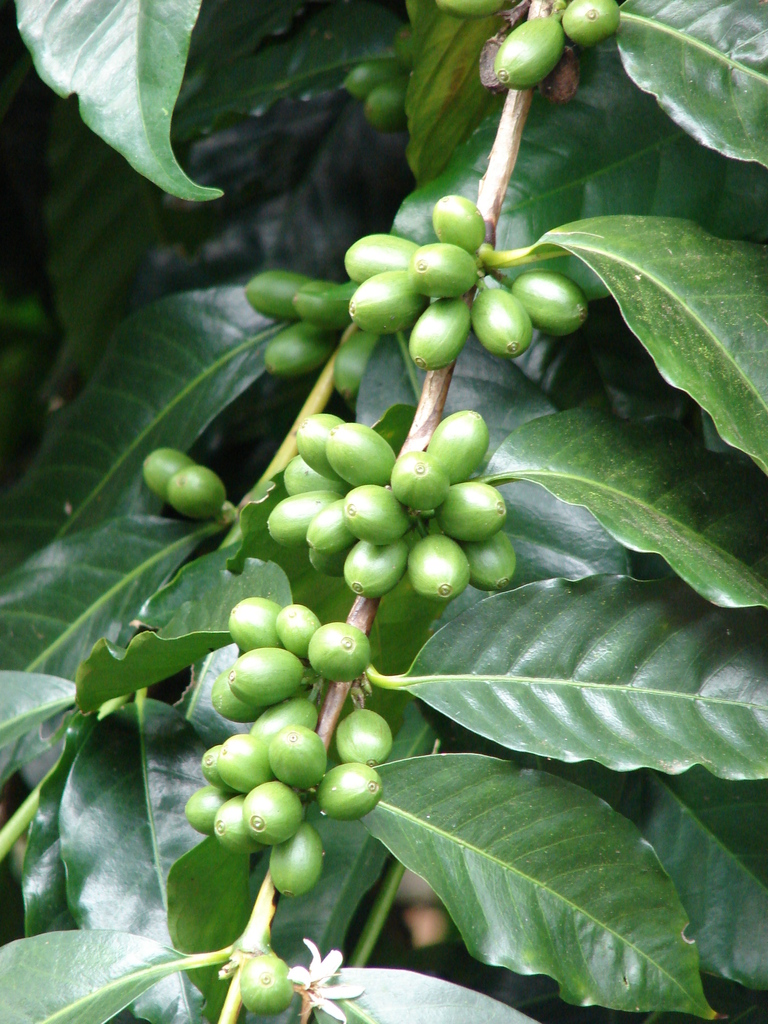
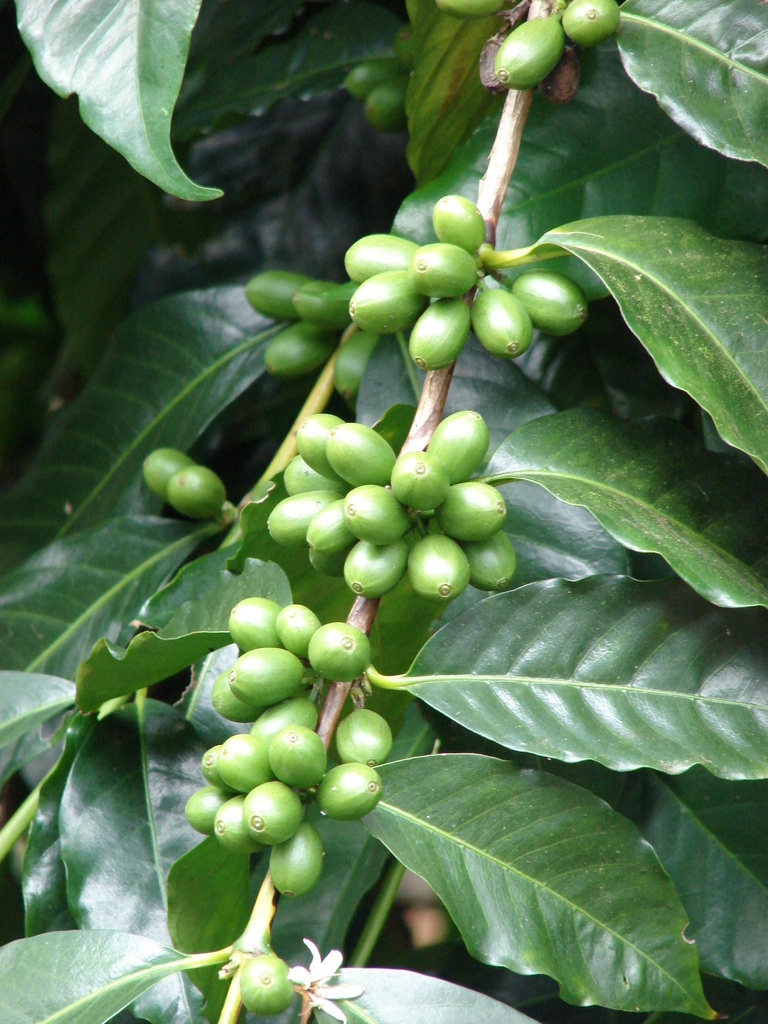
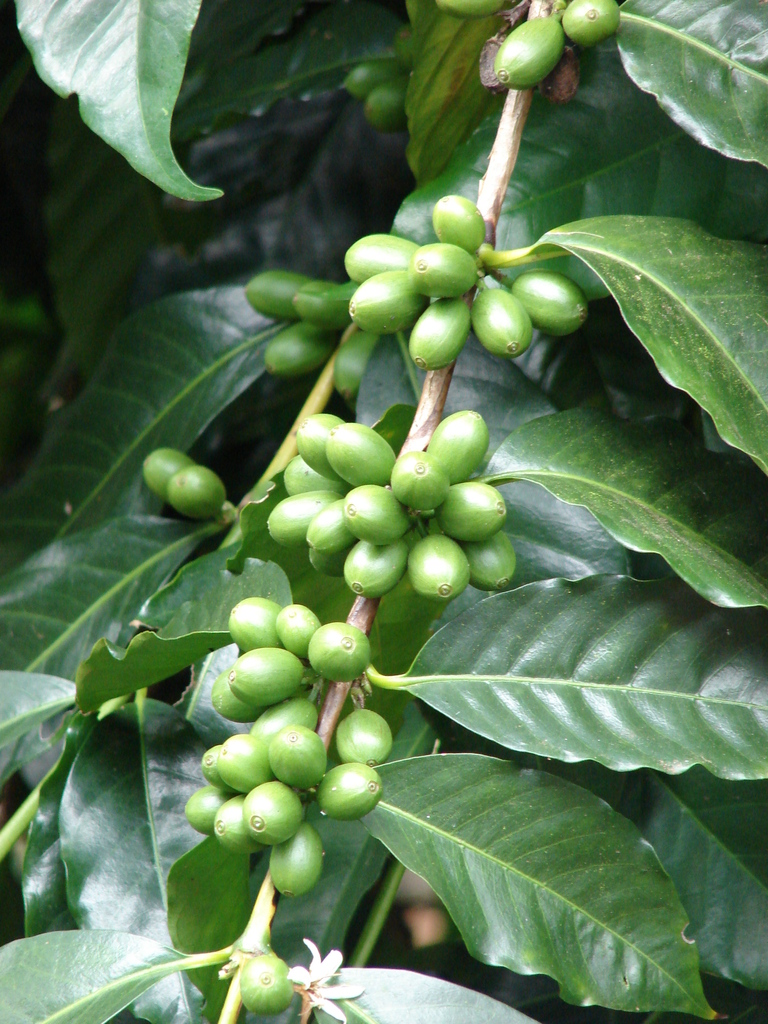
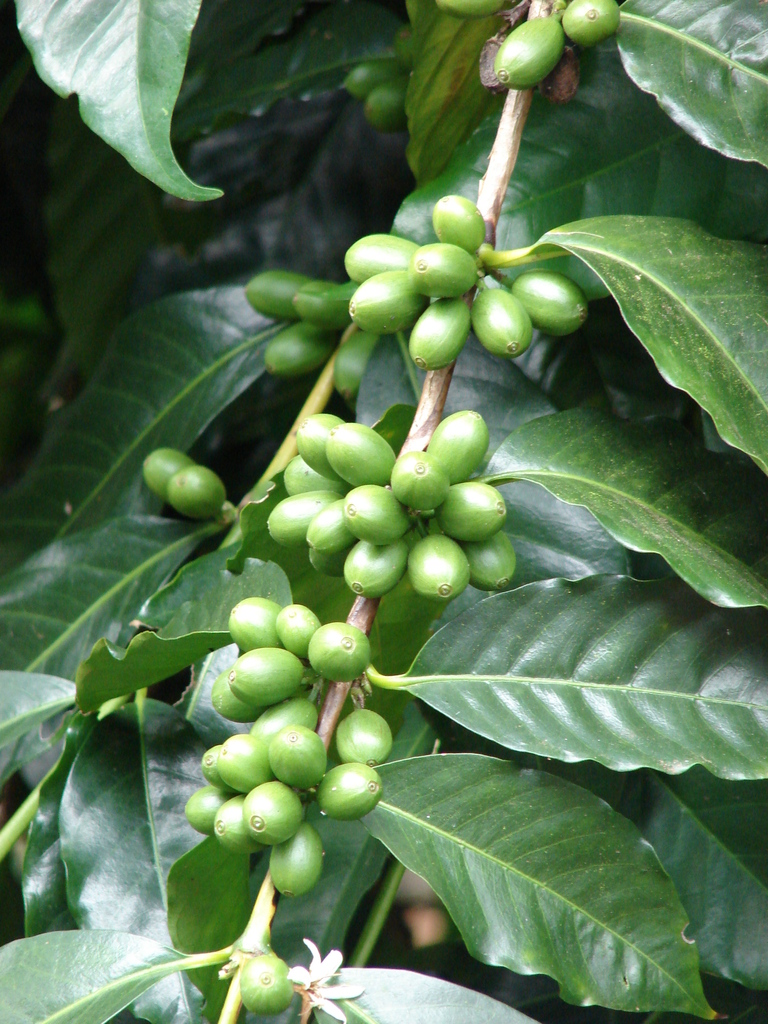
coffee
Coffea arabica
Secondary I Low No biomass productionShade-grown crop valuable in syntropic Atlantic Forest systems. Occupies the low stratum between bananas and ingás.
-
bourbon coffee
Coffea arabica
Secondary I Medium No biomass productionHeirloom arabica cultivar — originated on Bourbon Island (modern Réunion) in the 18th century. Tall (3–4 m), open canopy. Susceptible to coffee lea...
-
catuaí coffee
Coffea arabica
Secondary I Low No biomass productionCaturra × Mundo Novo hybrid developed by IAC. Compact dwarf architecture (1.8–2.5 m) — eases harvest and dense planting. Dominant cultivar in Brazi...
-
mundo novo coffee
Coffea arabica
Secondary I Medium No biomass productionNatural Sumatra × Red Bourbon hybrid selected by IAC. Tall (2.5–4 m), thin trunk that arches and requires sucker thinning. Excellent vigor, rustici...
-
geisha coffee
Coffea arabica
Secondary I Medium No biomass productionHeirloom arabica from the Gesha valley in Ethiopia, rediscovered in Panama in the 2000s. Tall, open canopy, low yield but exceptional floral cup pr...
-
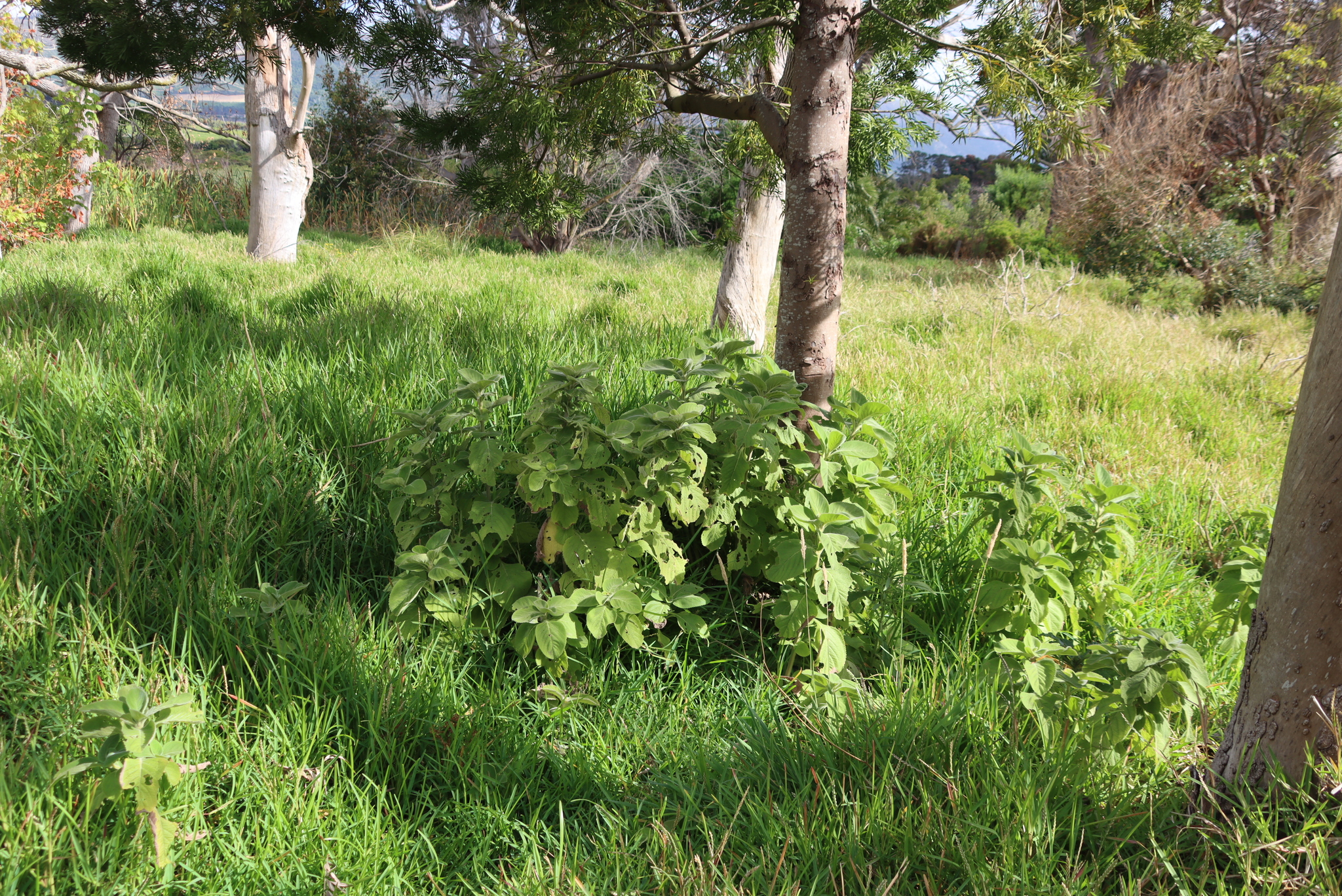
woolly plectranthus
Coleus barbatus
Secondary I Medium No biomass productionA perennial semi-succulent subshrub of the Lamiaceae family, native to tropical Africa, the Arabian Peninsula and Asia, widely grown in Brazil as b...
-
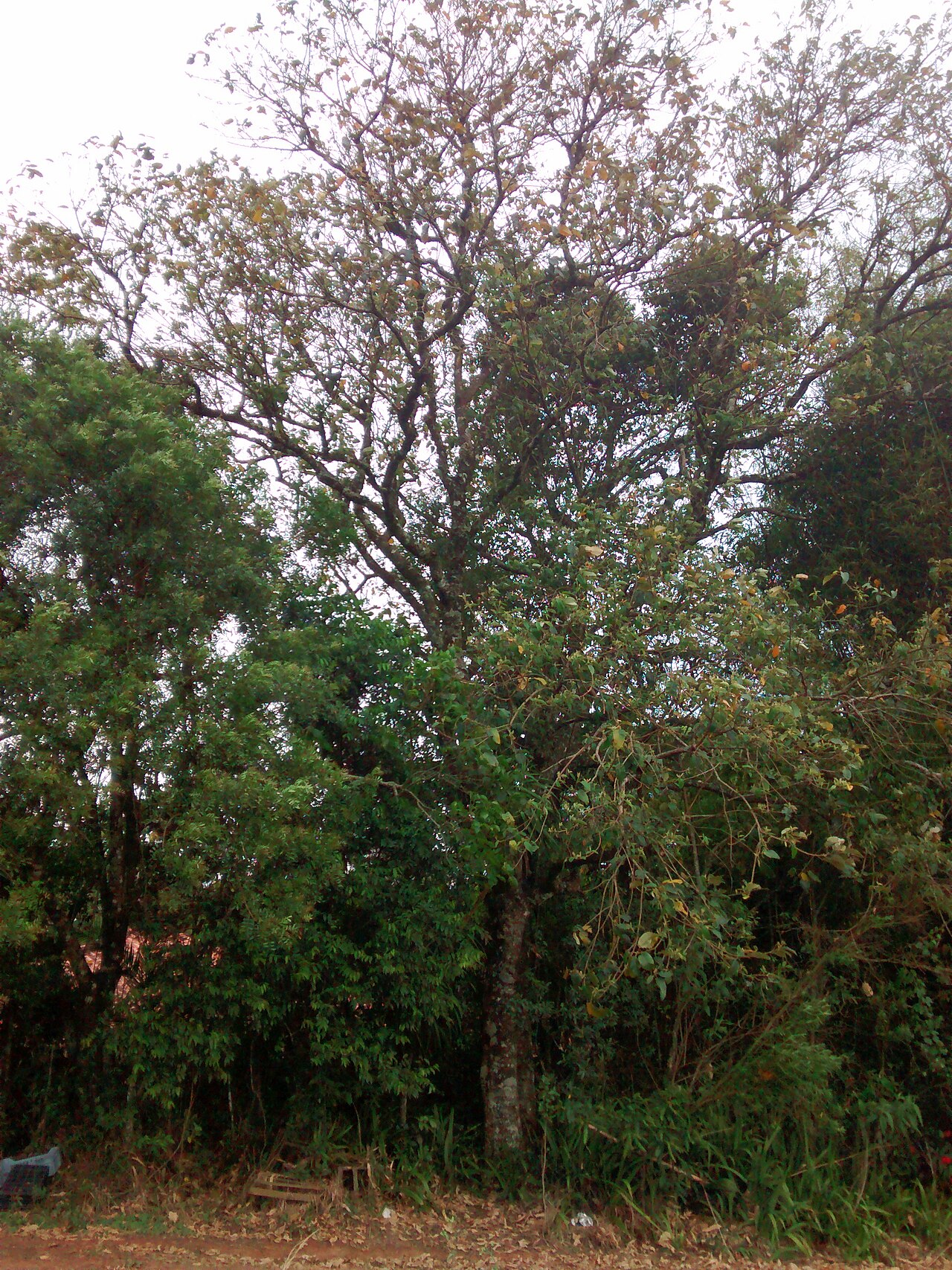
capixingui
Croton floribundus
Secondary I High Mulch biomassNative pioneer tree of the Atlantic Forest and Cerrado, common in edges and clearings of semi-deciduous forests. Reaches 8–15 m on a roughly 30-yea...
-
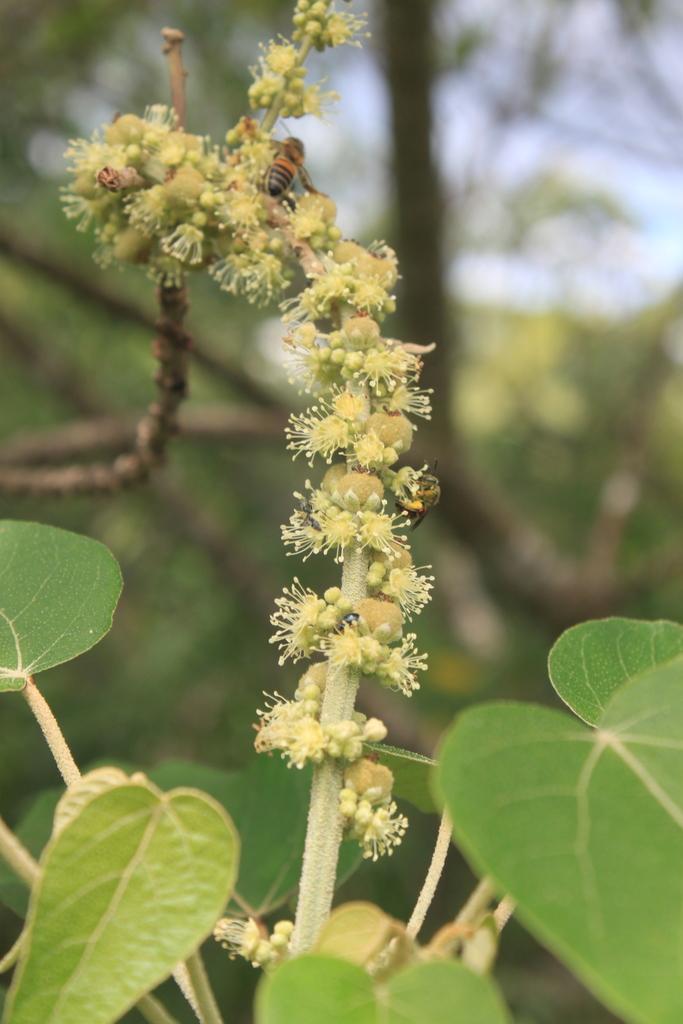
dragon's blood tree
Croton urucurana
Secondary I Medium Mulch biomassHeliophyte pioneer tree typical of riparian forests and humid terrain across the Amazon, Cerrado, and Atlantic Forest. Reaches 7–14 m and produces ...
-
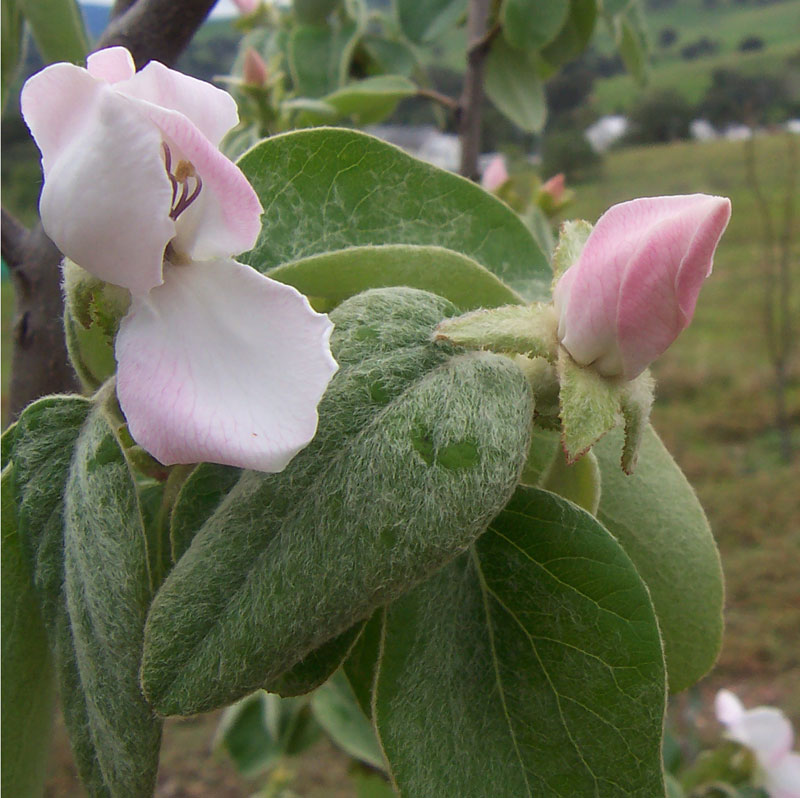
quince
Cydonia oblonga
Secondary I Medium No biomass productionQuince, a small deciduous fruit tree of the Rosaceae family, exotic to Brazil and suited to temperate-climate regions. It needs a cool period (temp...
-
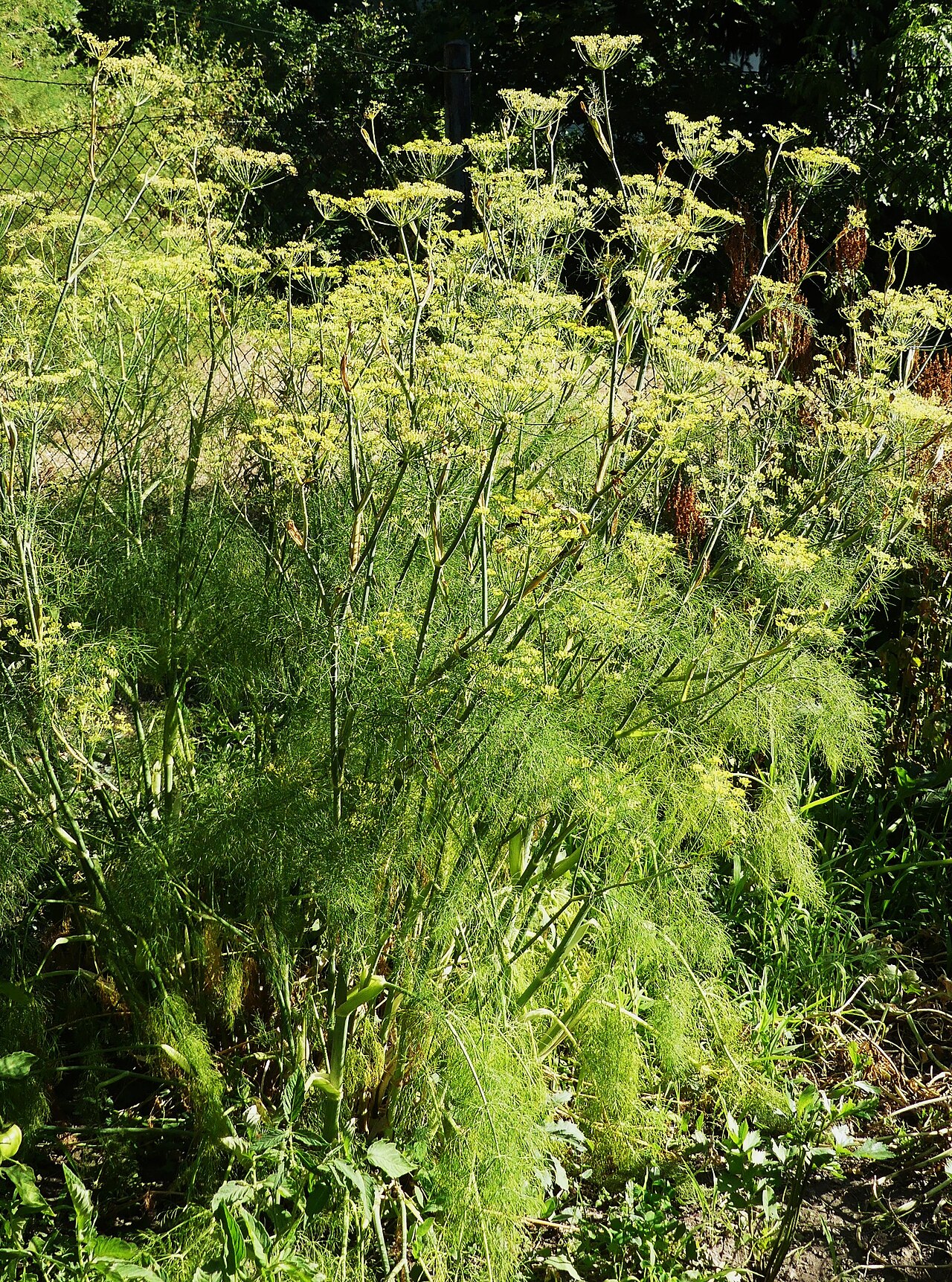
fennel
Foeniculum vulgare
Placenta I Low No biomass productionPerennial Mediterranean herb (1–2 m), feathery anise-scented leaves. Seeds used as seasoning and medicinal. Bulb of the sweet variety is a vegetabl...
-
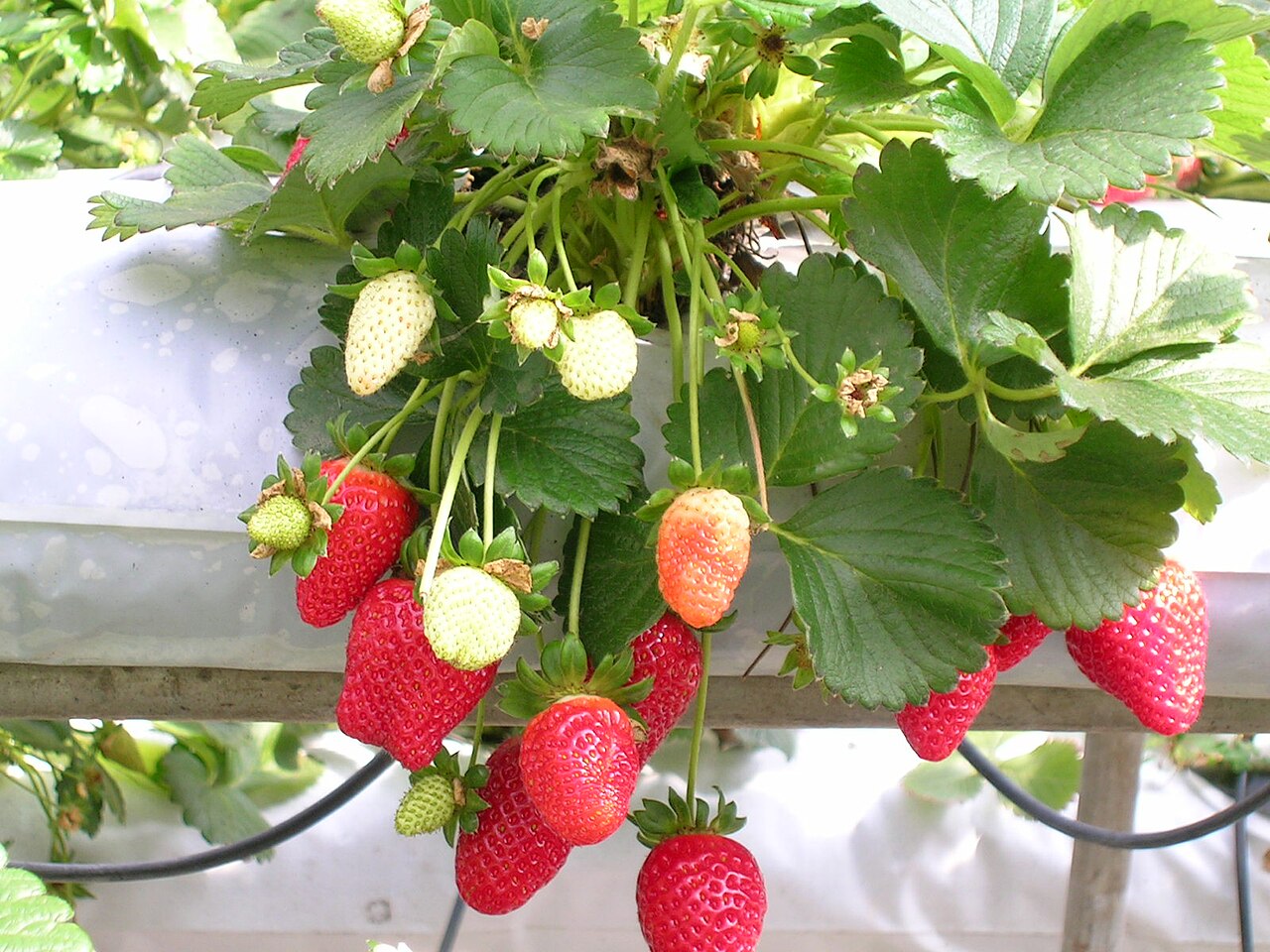
strawberry
Fragaria × ananassa
Placenta I Ground cover No biomass productionPerennial herbaceous ground-runner cultivated as annual or biennial. Productive ground cover in vegetable gardens and syntropic systems. Mild cold ...
-
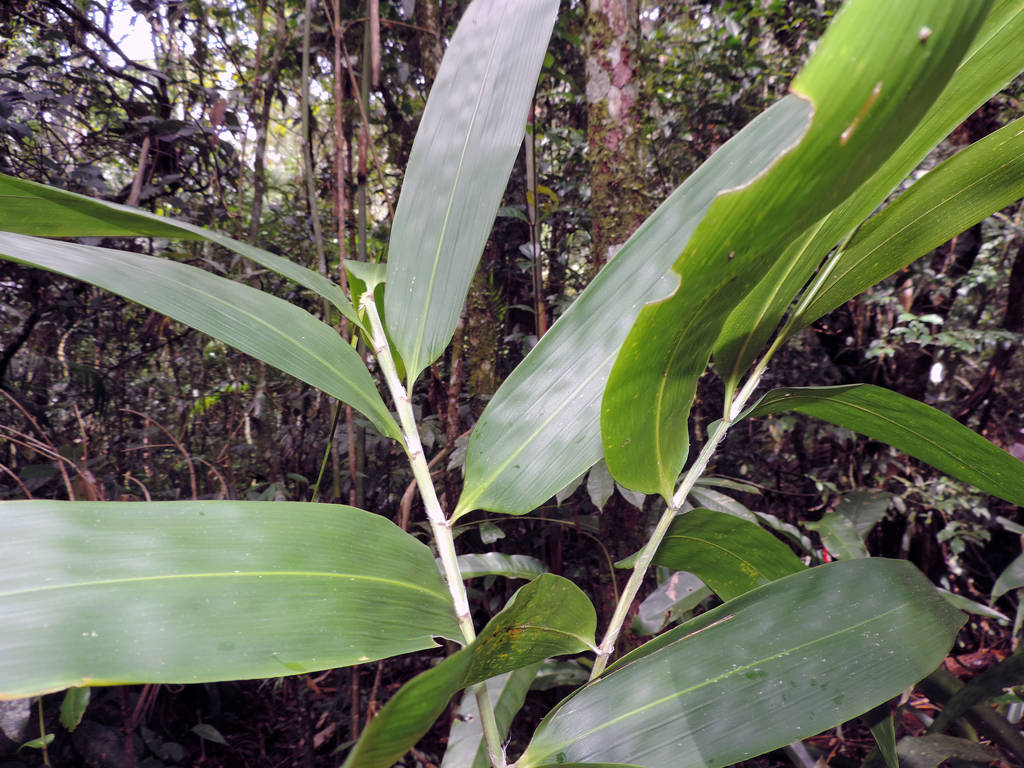
taquarucu bamboo
Guadua tagoara
Secondary I High Mulch biomassA bamboo native to the Atlantic Forest, distributed from Santa Catarina to Bahia, where it forms the characteristic bamboo thickets. It can reach a...
-
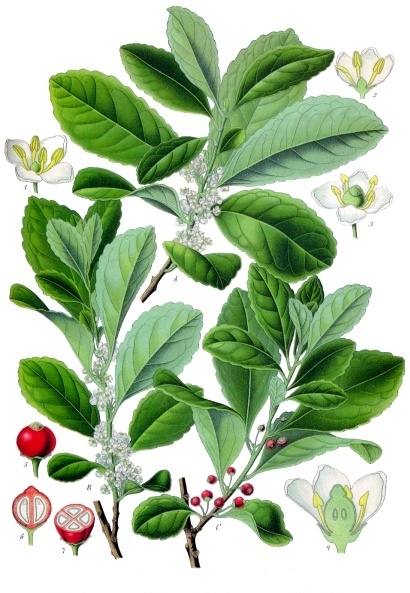
yerba mate
Ilex paraguariensis
Secondary II Medium No biomass productionTree native to highland Atlantic Forest and southern Brazilian grasslands, listed by IPOEMA among major Brazilian perennial crops in agroforestry c...
-
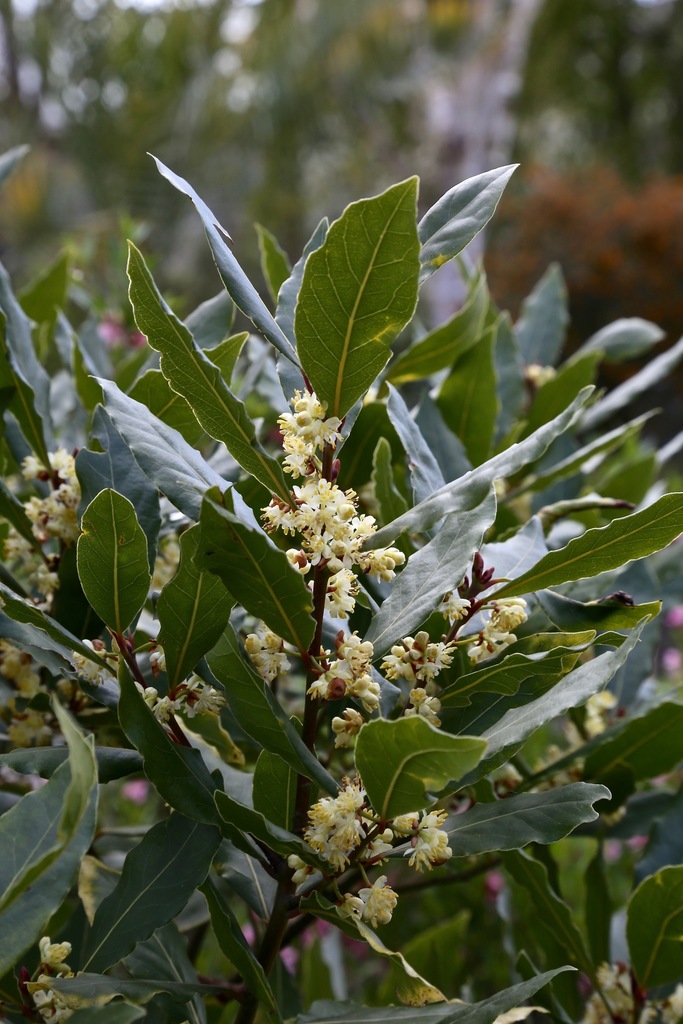
bay laurel
Laurus nobilis
Secondary II Medium No biomass productionMediterranean medium tree (4–10 m), evergreen leathery leaves — basis of tea, seasoning, and ornamental use. Occupies low/medium stratum in souther...
-
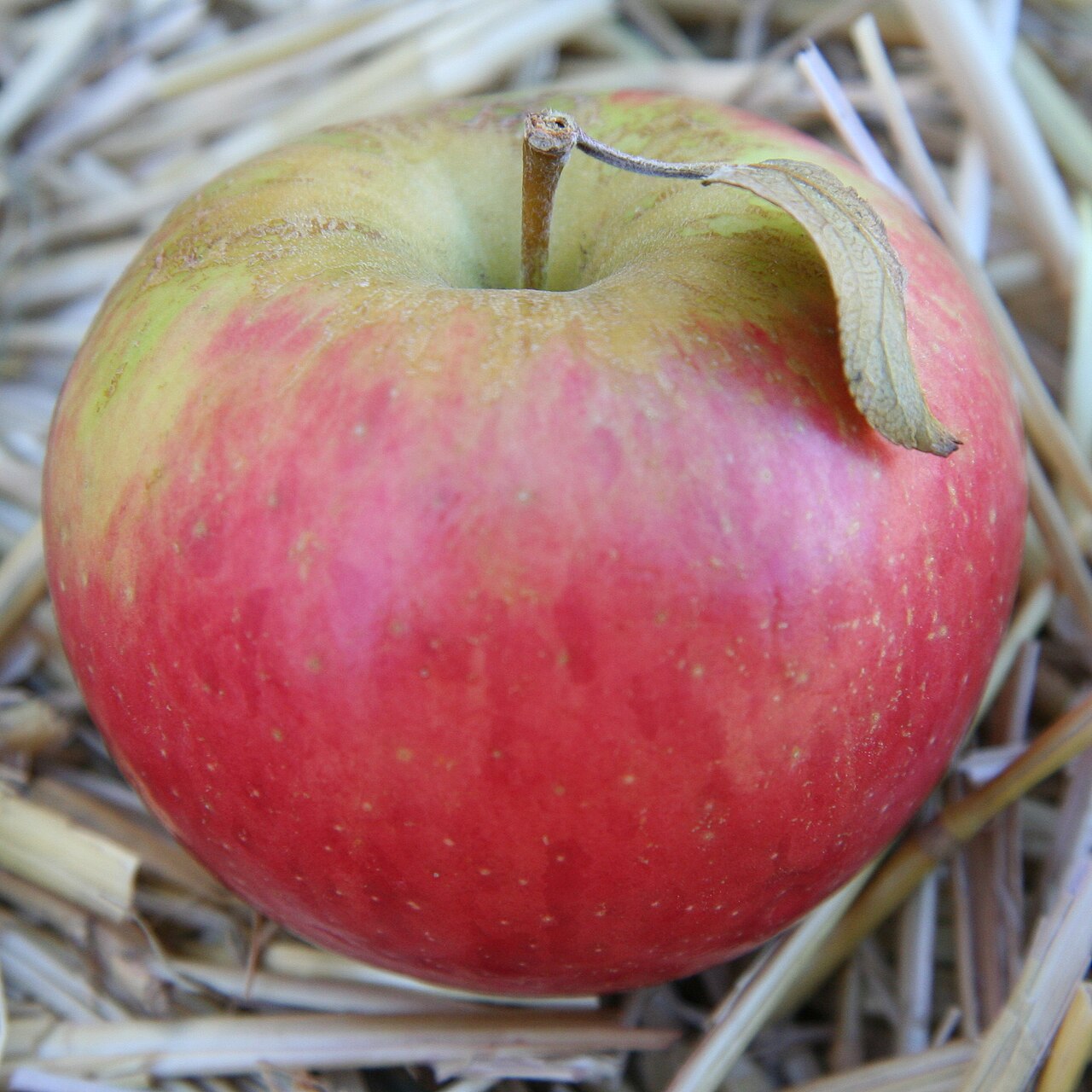
apple
Malus domestica
Secondary II Medium No biomass productionThe apple, a deciduous temperate fruit tree and the leading commercial orchard fruit of southern Brazil, concentrated around São Joaquim (SC) and V...
-
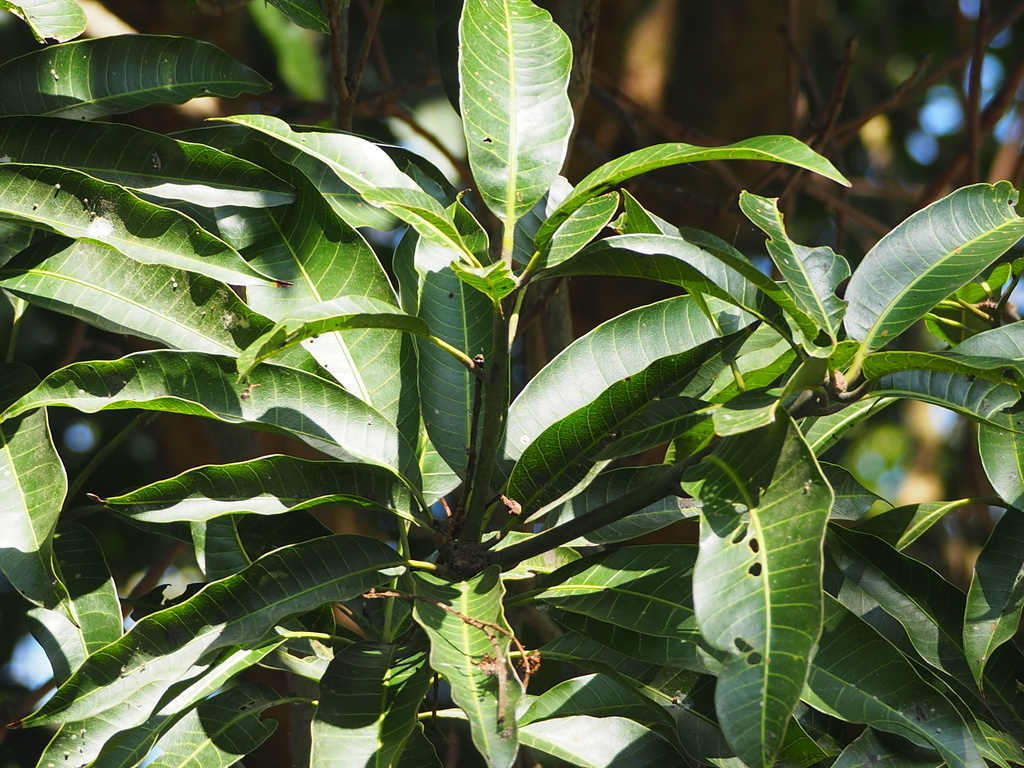
uba mango
Mangifera indica
Secondary II High Mulch biomassBrazilian cultivar originating in Ubá (Minas Gerais). Vigorous tree with dense rounded canopy (10–14 m). Small fruit (50–80 g), late ripening, inte...
-
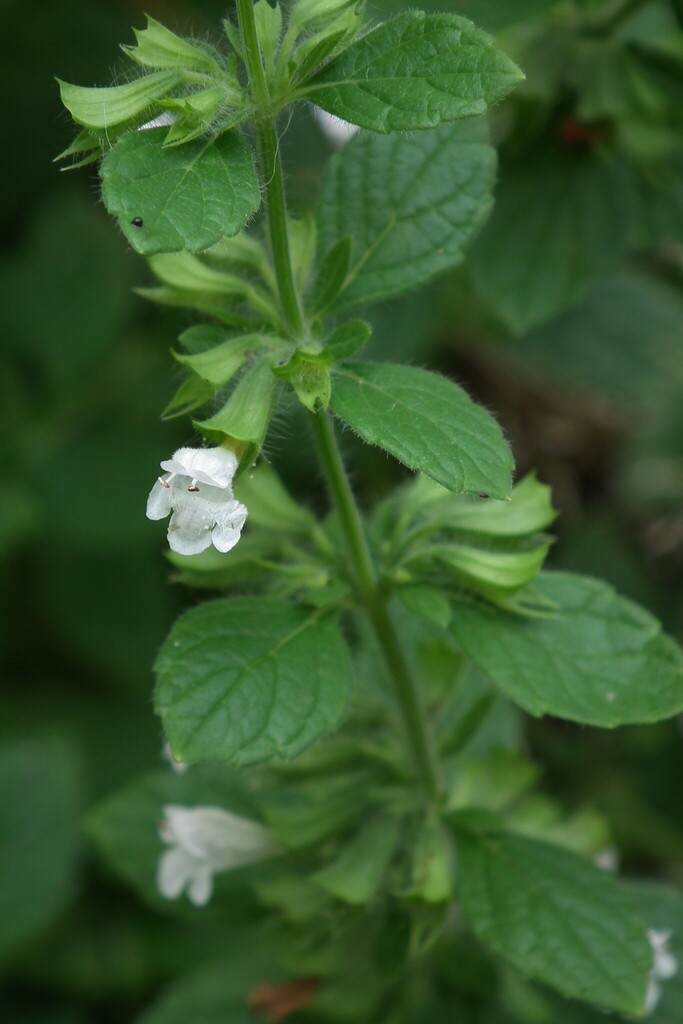
lemon balm
Melissa officinalis
Placenta I Low No biomass productionPerennial herb (40–80 cm), light-green strongly lemon-scented leaves. Tolerates partial shade — fills shaded niches where rosemary and thyme don't ...
-
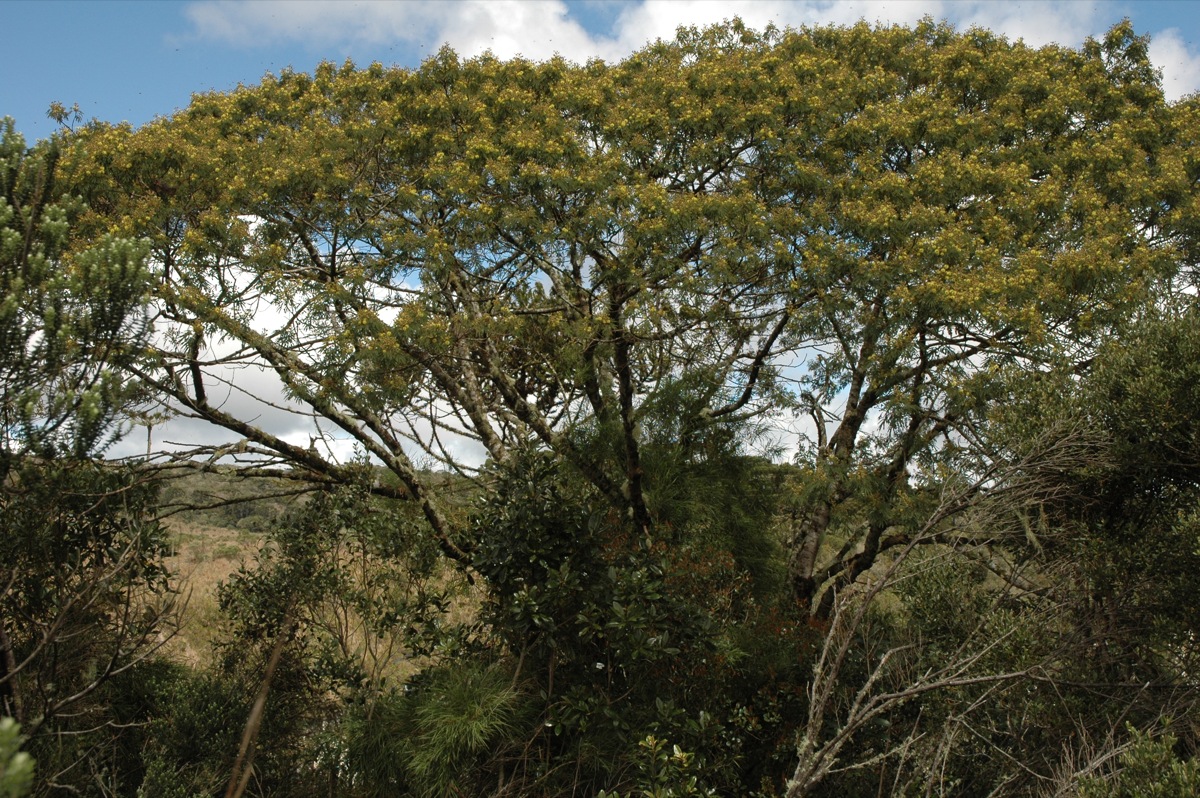
bracatinga
Mimosa scabrella
Secondary I High Fertilizer biomass 🌱 Nitrogen fixerPioneer legume native to southern Brazil and highland Atlantic Forest, listed by IPOEMA among anchor Brazilian species for SAFs (alongside cacao, y...
❓ Frequently asked questions
What is the Subtropical highland (Cwb) climate?
Mild wet summers and dry winters. Highland areas of southeastern Brazil above ~800 m. Allows rare combinations: high-altitude coffee alongside temperate fruit species.
Which plants does the catalog suggest for the Subtropical highland (Cwb) climate?
The catalog holds 45 species, among them kiwifruit, atemoya, cherimoya. Each profile shows stratum, succession stage, and the management data, with sources cited.