Plants
peroba-poca
Aspidosperma cylindrocarpon Müll.Arg.
Family: Apocynaceae · Genus: Aspidosperma
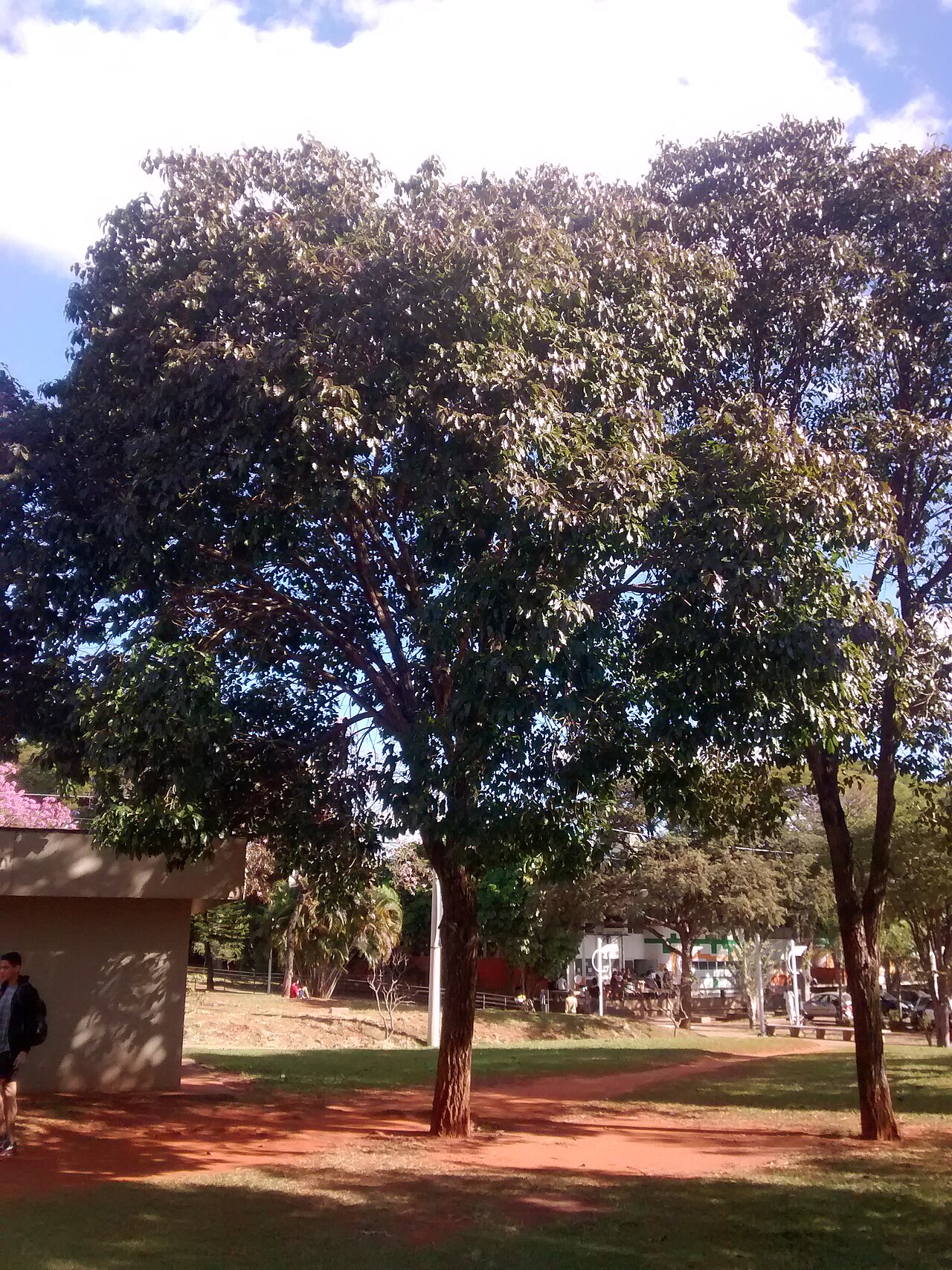
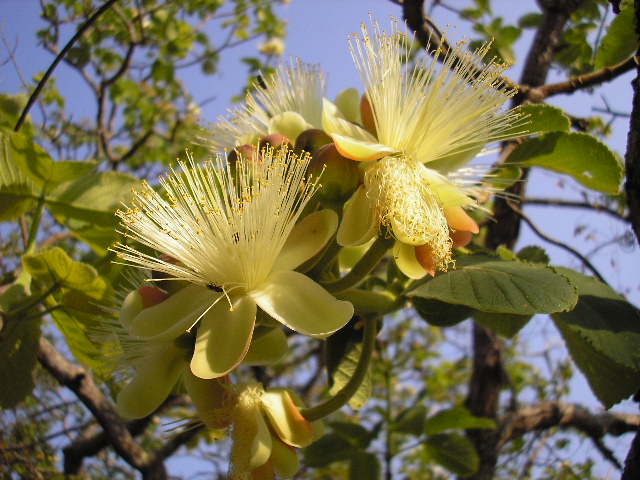
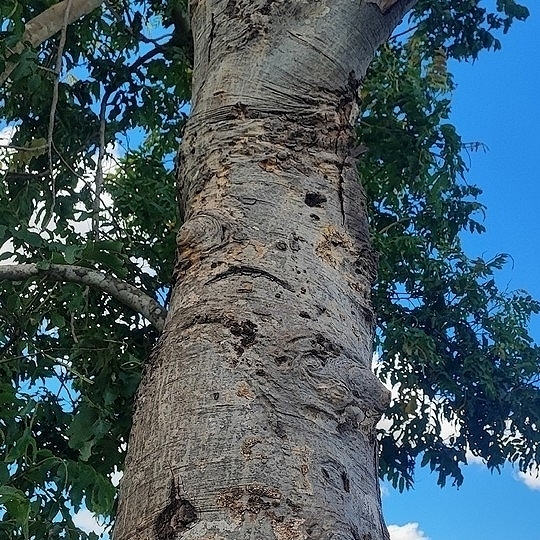
Premium-timber tree native to the Atlantic Forest and Cerrado, distinct from peroba-rosa (Aspidosperma polyneuron). Rebello & Sakamoto (2019) planted peroba-poca alongside jequitibá, ingá-de-conta, and silver banana in tree lines of the corn syntropic experiment.
Götsch succession
- Götsch stage
- Climax
- Ecological role
- Climax
- Primary stratum
- High
- Strata
- High, Emergent
- Biomass class
- Mulch biomass
Environment
- Light requirement
- Partial sun
- Water requirement
- Moderate
- Drought tolerance
- Moderate
- Preferred soil texture
- Clayey, Loamy
- Hardiness zones
- 9–11
Morphology
- Mature height
- 15–25 m
- Root system
- Taproot
- Root depth
- Deep
- Growth rate
- Slow
- Lifespan
- ≥ 100 years
Biomes & climate
- Atlantic Forest Native
- Cerrado Native
Köppen classes
- Humid subtropical (Cfa) Native
- Subtropical with dry winter (Cwa) Native
- Tropical savanna with dry winter (Aw) Suitable
Where it fits in a guild
Peroba-poca takes the High stratum in the Climax phase of succession — in a guild it shares the line with species from the other strata, each harvesting light at its own height, in its own time.
Free account — and the catalog stays open, no sign-up needed.
🪴 Cultivation
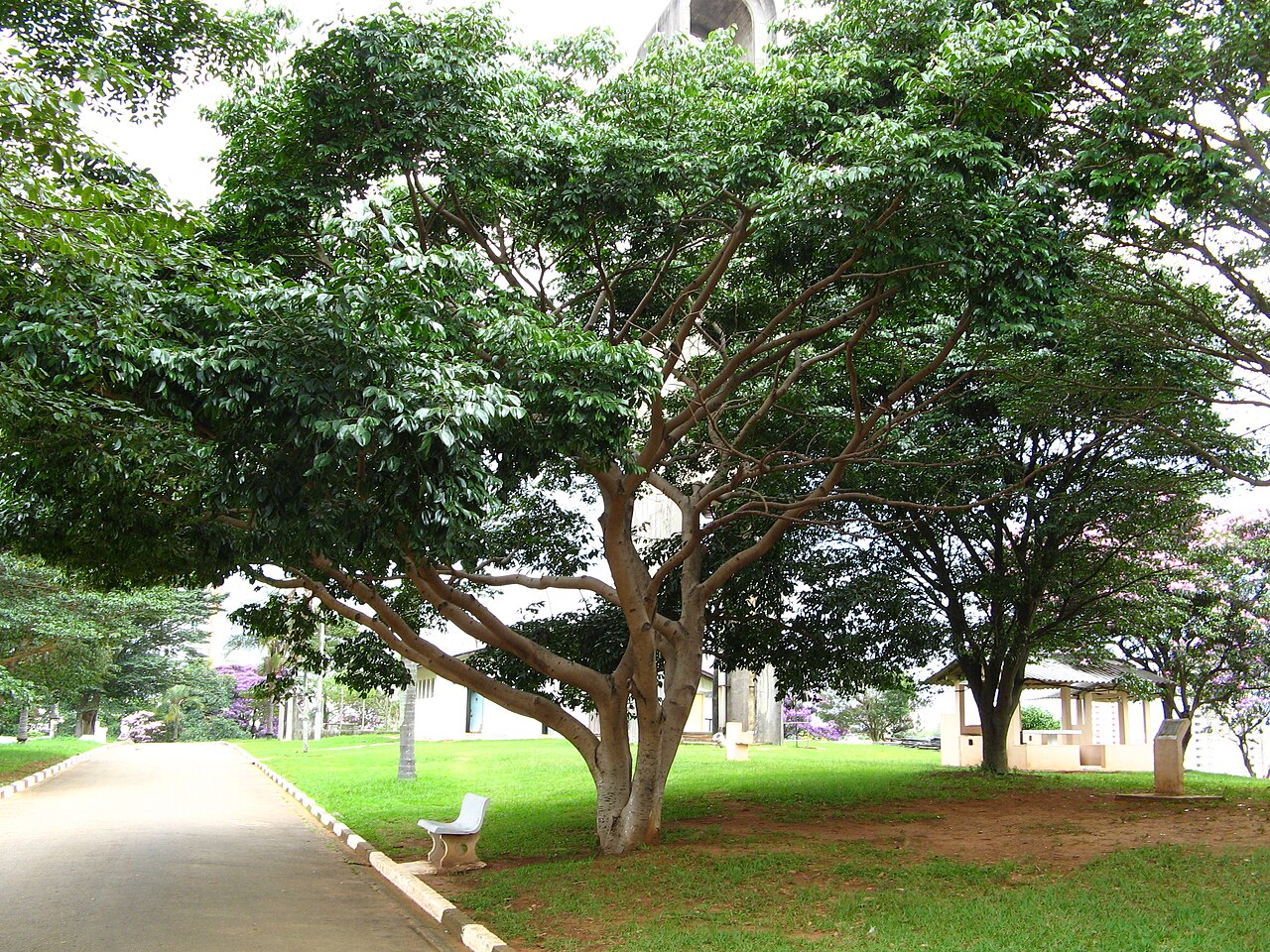
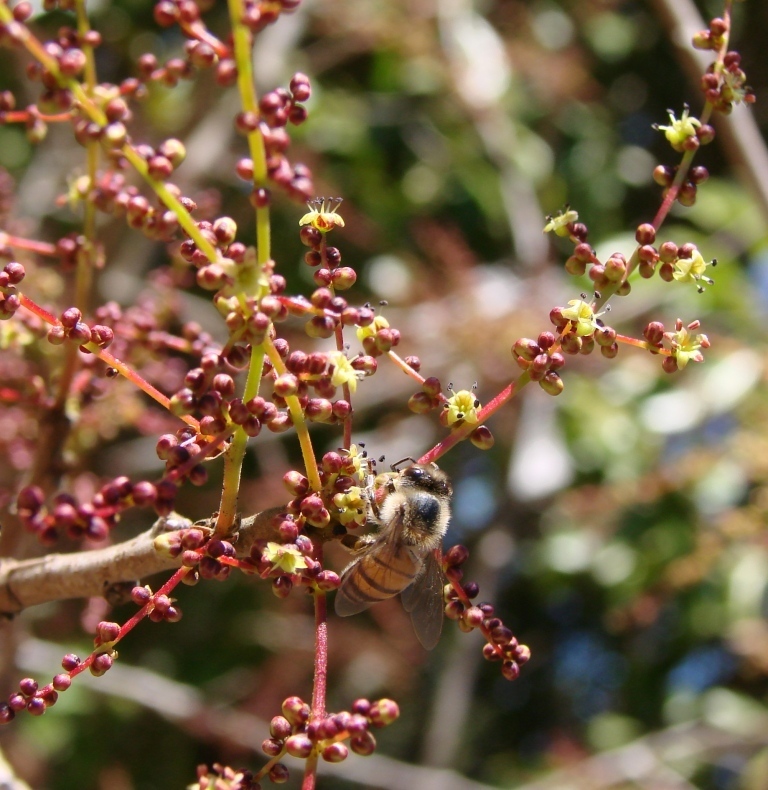
Heliophile and deciduous, restricted to semi-deciduous seasonal forest on fertile clayey soils. Occurs in the Atlantic Forest, Cerrado and Amazon. Slow-growing; flowers September–November with the flush of new leaves, fruit maturation August–September.
📅 Phenology
Flowering months: September, October, November
Fruiting months: August, September
❓ Frequently asked questions
How tall does peroba-poca grow?
At maturity, peroba-poca reaches 15–25 m tall.
When does peroba-poca fruit?
Fruiting of peroba-poca occurs in August, September.
When does peroba-poca flower?
Flowering of peroba-poca occurs in September, October, November.
What stage and stratum does peroba-poca occupy in a syntropic system?
In a syntropic system, peroba-poca belongs to the climax stage, occupying the high stratum.
Functions
Propagation
Seed
Citations
- Rebello, J.F.S. & Sakamoto, D.G. (2019) — Agricultura Sintrópica em Larga Escala, Experimento III (preparo do terreno: árvores nativas) (CEPEAS / Agenda Götsch) (primary_stratum)
- Árvores do Bioma Cerrado — Aspidosperma cylindrocarpon Muell.Arg. (phenology, growth_rate, soil_texture_preference, light_need, height_min_m, height_max_m)
- Programa Arboretum — Aspidosperma cylindrocarpon (peroba-poca) (root_system, root_depth, cultivation_notes)
External references
Continue exploring
Related plants
-
yellow trumpet tree
Handroanthus albus
Climax Emergent Mulch biomassLong-cycle climax with premium timber. Characteristic of Cerrado and Atlantic Forest. Spectacular winter bloom.
-
jatoba
Hymenaea courbaril
Climax Emergent Mulch biomassTropical climax with extremely dense timber; fruit pulp is edible. Common in syntropic abundance systems.
-
juçara palm
Euterpe edulis
Climax High No biomass productionAtlantic Forest native palm with long-cycle climax behavior; high-quality palm heart. Endangered under extractivism, abundant in well-managed syntr...
-
urundeuva
Myracrodruon urundeuva
Climax HighTree with extremely dense, durable hardwood; once dominant in the Caatinga but now threatened by overexploitation. Occurs in Caatinga, Cerrado and ...
-
souari nut
Caryocar brasiliense
Climax HighIconic fruit tree of the Brazilian Cerrado, up to ~10 m tall with a broad crown. Very slow growth; first fruits not until ~30 years in smaller indi...
-
baru nut
Dipteryx alata
Climax EmergentNative Cerrado leguminous tree reaching over 25 m. Although a legume, it does not form root nodules with N-fixing bacteria — relies on N from groun...