Plants
Plant Catalog
99 plants found
-
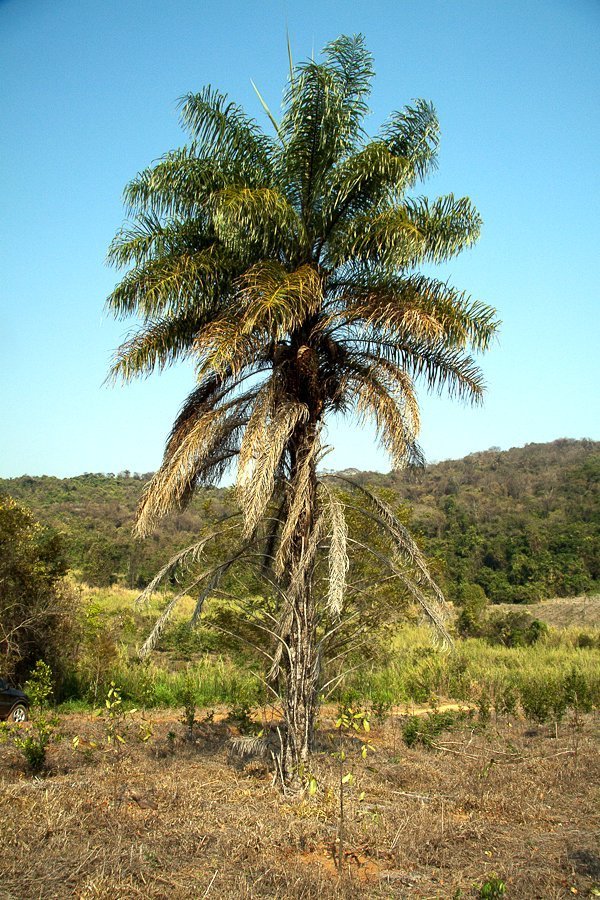
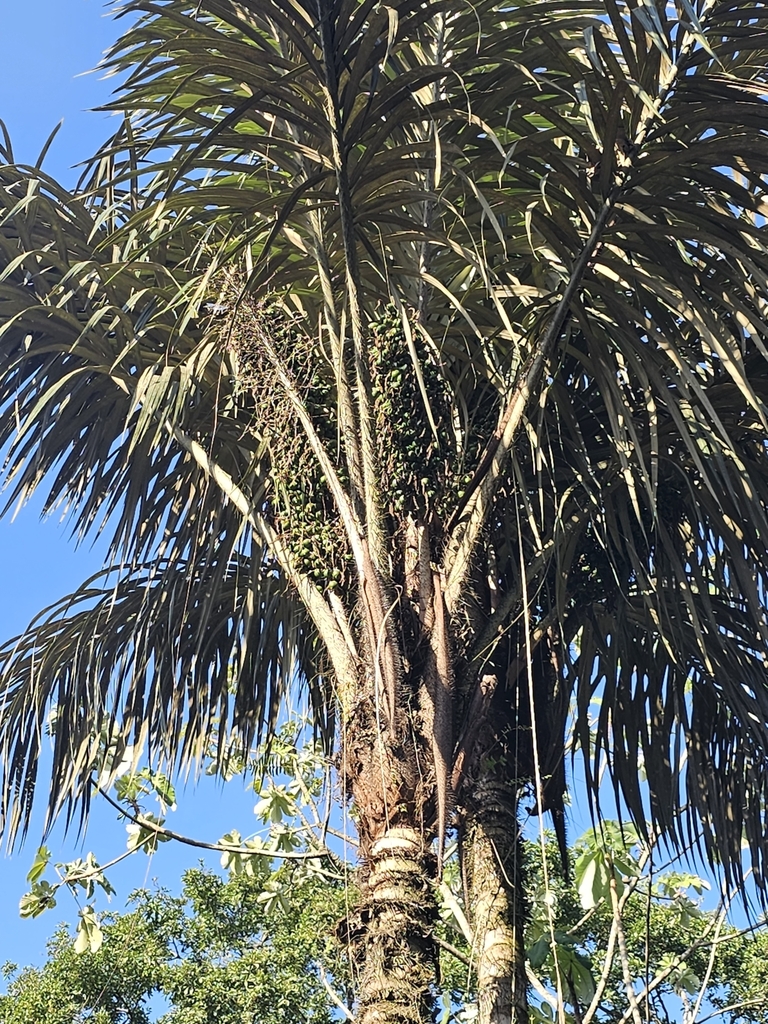
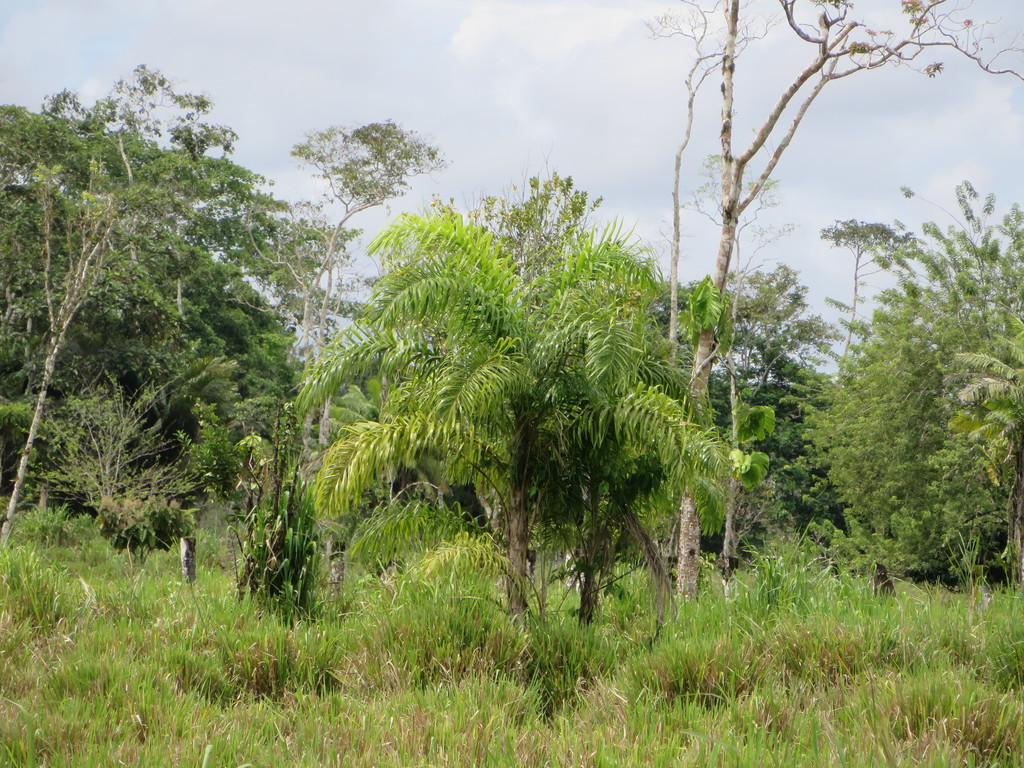
macauba palm
Acrocomia aculeata
Secondary II Emergent Mulch biomassNative palm of the Cerrado and Atlantic Forest, distributed from Bahia to Paraná. Spiny stipe 10–20 m. Orange-yellow fruits with yellow pulp and an...
-
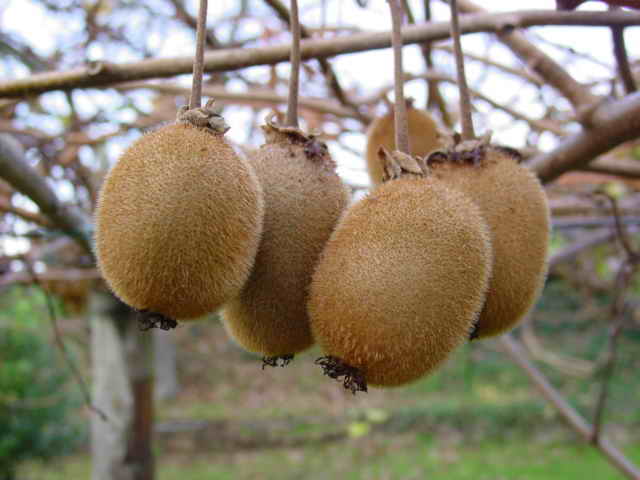
kiwifruit
Actinidia deliciosa
Secondary II Medium No biomass productionWoody vine native to southern China. Cultivated above 600 m altitude in southern and southeastern Brazil (RS, SC, PR, MG, SP). Requires chill hours...
-
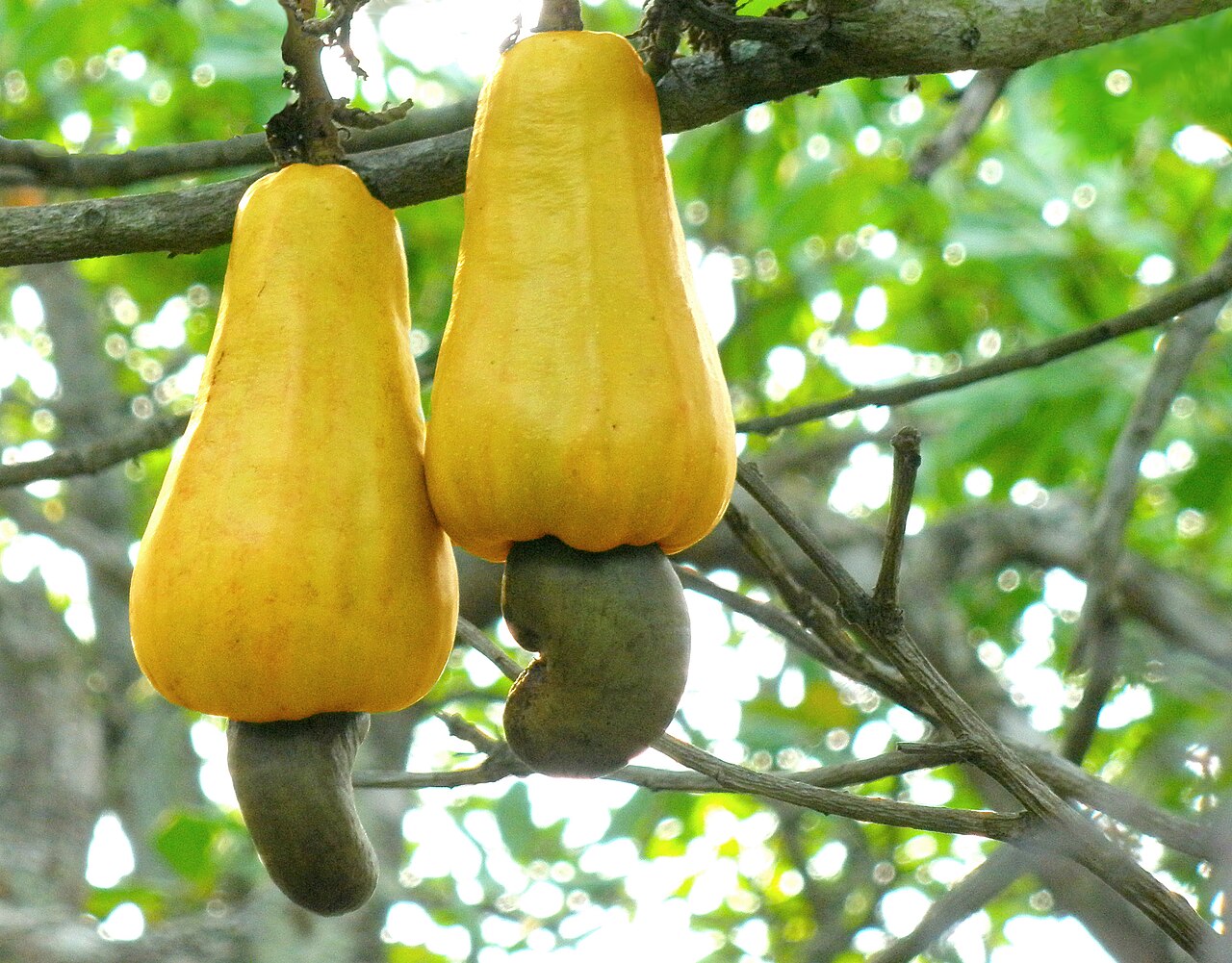
dwarf early-bearing cashew
Anacardium occidentale
Secondary II High No biomass productionEmbrapa dwarf early-bearing cashew clones — 4–6 m height vs. 8–15 m of common cashew. First fruits at 18–24 months (vs. 4 years for the common cash...
-
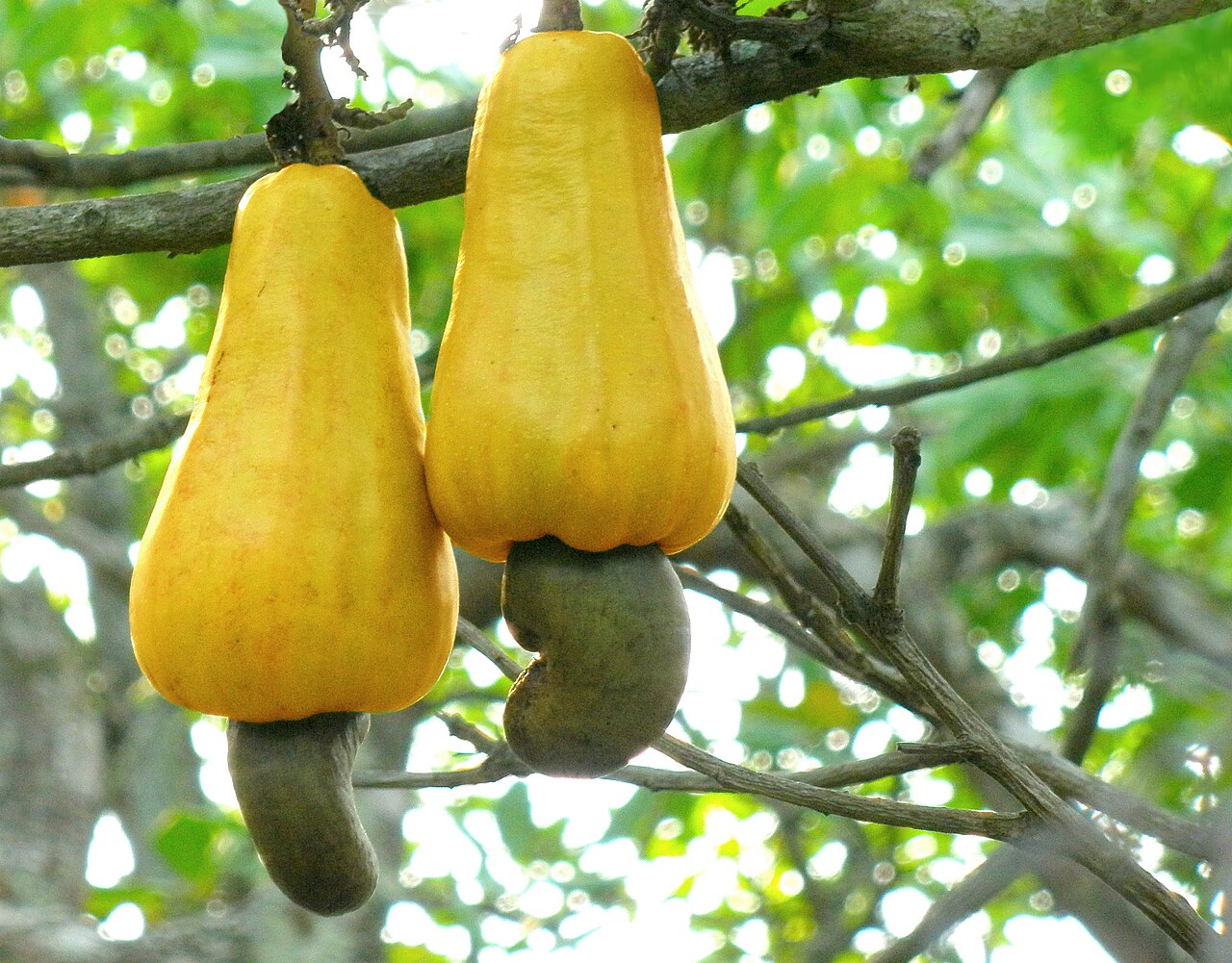
cashew
Anacardium occidentale
Secondary II High No biomass productionNative fruit tree of the Cerrado and Caatinga; produces a pseudofruit (the cashew apple) and the true cashew nut. Pasini lists it in the emergent s...
-
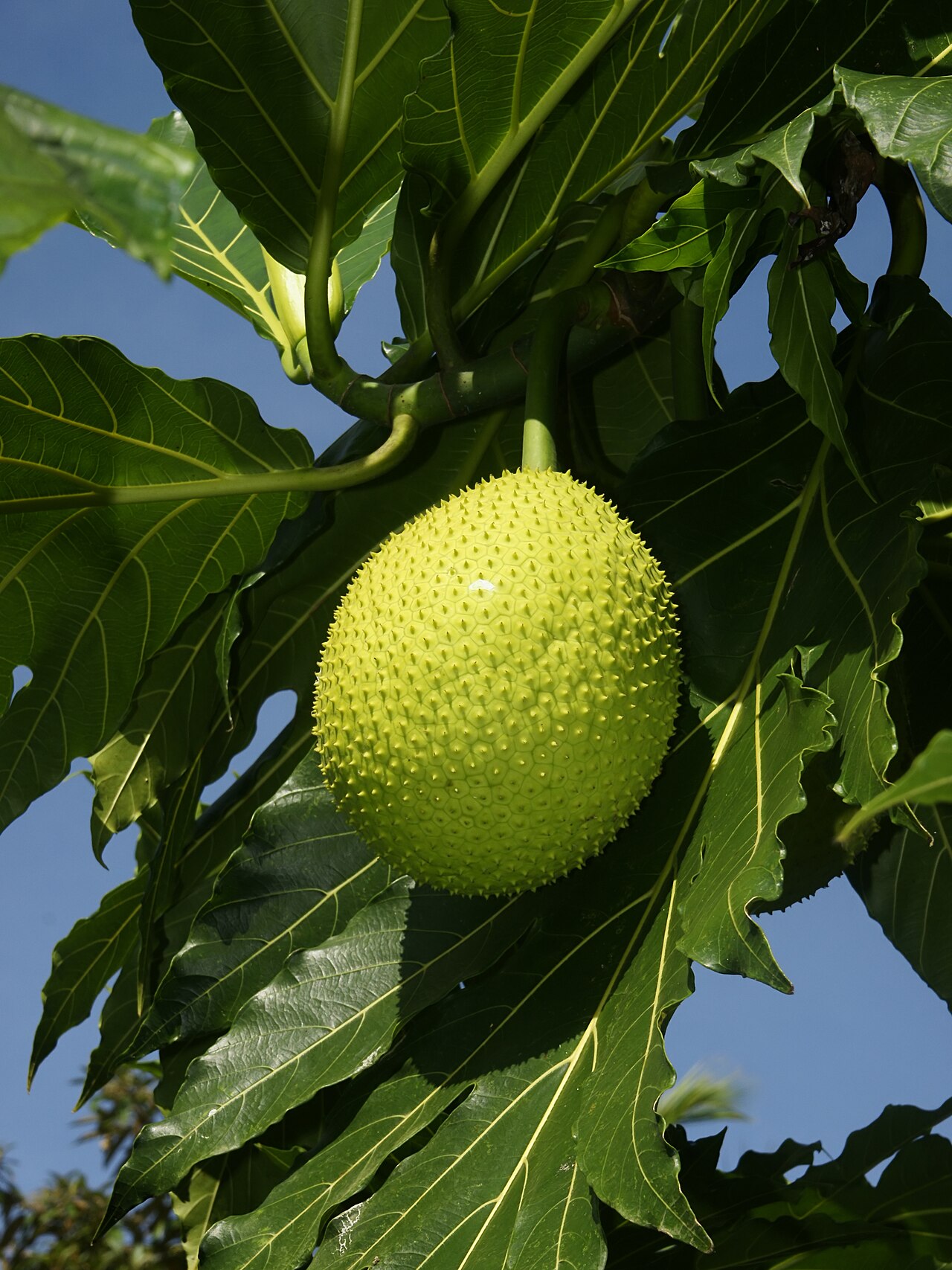
breadfruit
Artocarpus altilis
Climax High No biomass productionPacific fruit tree naturalized in Brazilian coastal and Amazonian regions. EcoAgri lists it in the high stratum of the '> 50 years' bin. Starchy fr...
-
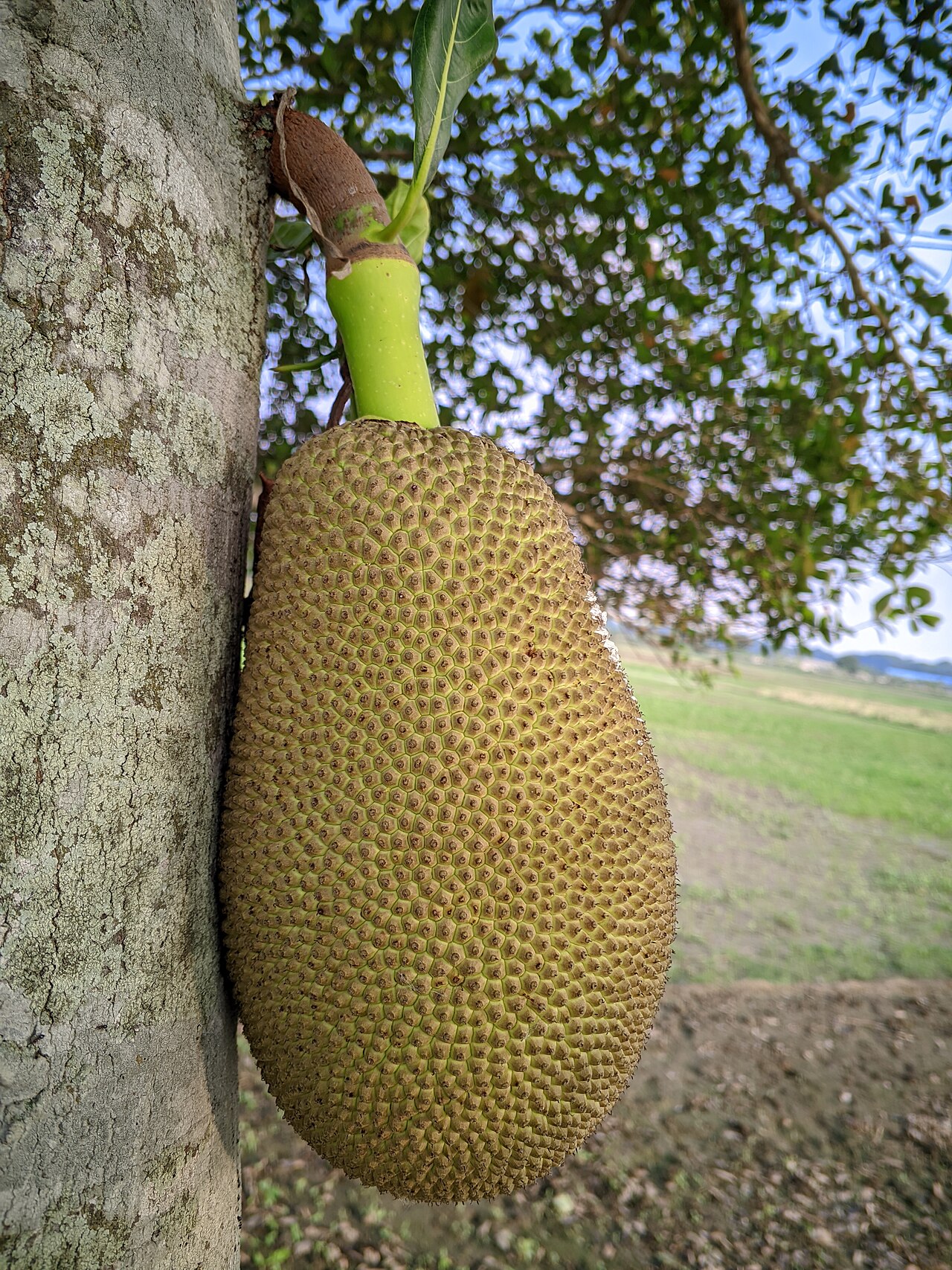
jackfruit
Artocarpus heterophyllus
Secondary II High No biomass productionAsian fruit tree naturalized in the Brazilian Atlantic Forest. Pasini lists it in the high stratum of Tabela 3 and in the 5–18 year phase of the co...
-
tucumã palm
Astrocaryum vulgare
Secondary II High No biomass productionAmazonian high-stratum spiny palm, listed by Embrapa among native fruit species for Amazonian SAFs. Orange fruits very rich in beta-carotene and oi...
-
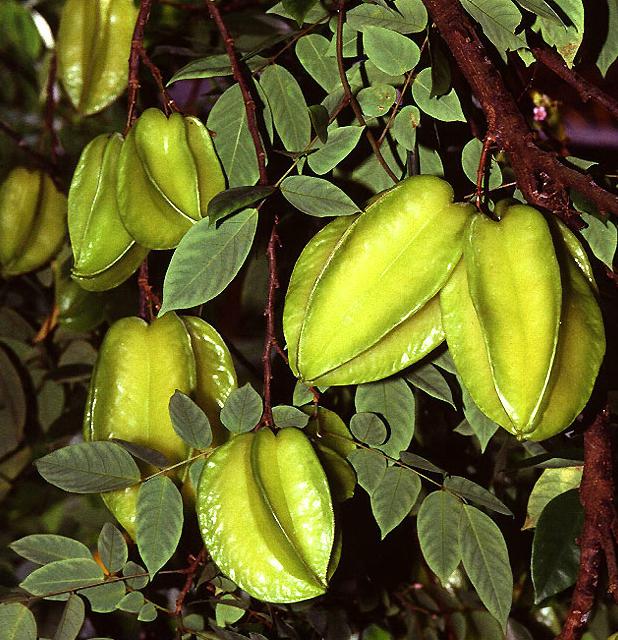
starfruit
Averrhoa carambola
Secondary II Medium No biomass productionAsian fruit tree naturalized in Brazil, with the characteristic star-shape when sliced. EcoAgri lists it in the medium stratum of the 'up to 50 yea...
-
peach palm
Bactris gasipaes
Secondary II Emergent No biomass productionAmazonian multi-stemmed palm; produces heart of palm in ~3 years and edible fruit in ~5 years. Pasini lists it in the emergent stratum of Tabela 3 ...
-
mama-cadela
Brosimum gaudichaudii
Secondary II Medium No biomass productionNative Cerrado small tree (3–8 m), exudes white latex. Small orange-yellow edible fruits with sweet taste. Medicinal root — psoralen traditionally ...
-
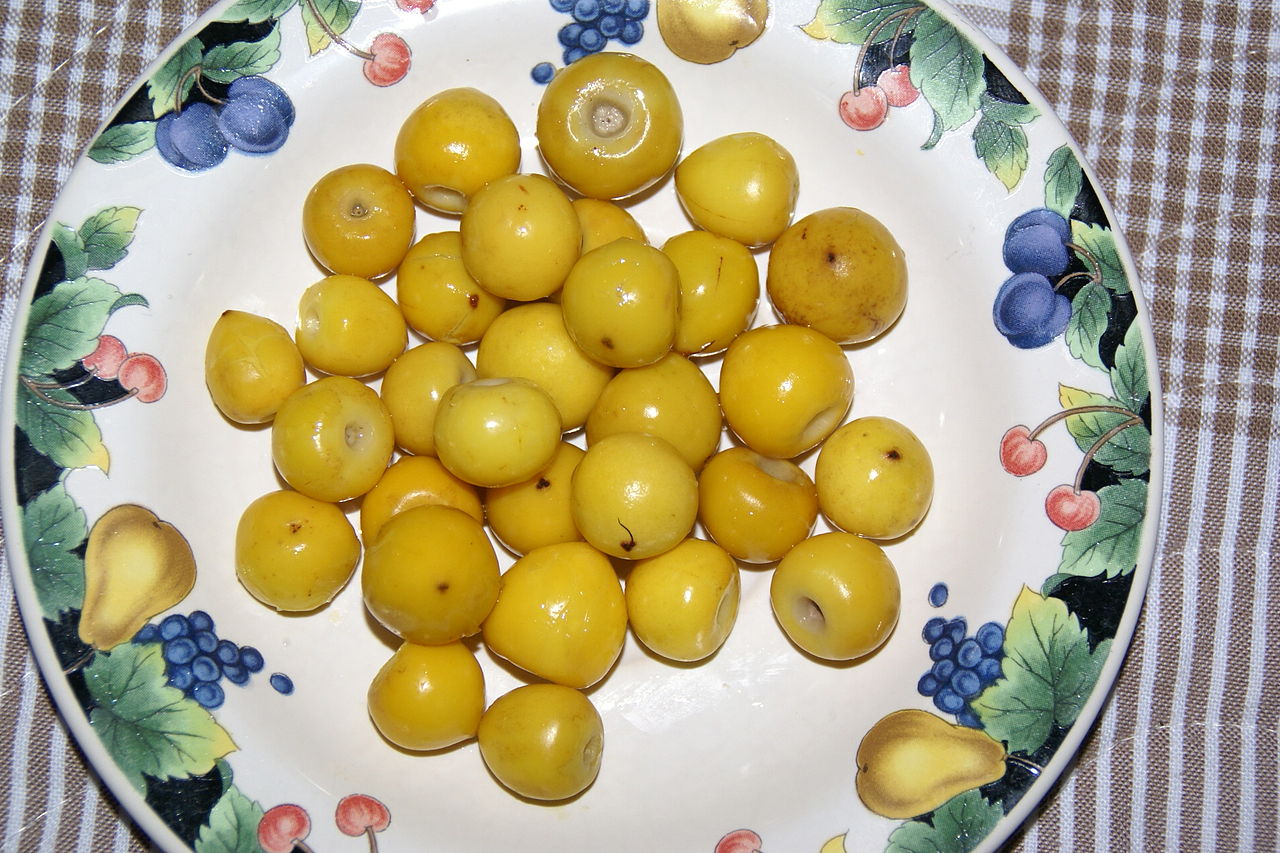
nance
Byrsonima crassifolia
Secondary II High No biomass productionNative Cerrado and Caatinga fruit tree with a wide, low crown. EcoAgri lists it in the high stratum of the 'up to 50 years' extras. Small yellow fr...
-
cambuci
Campomanesia phaea
Secondary II Medium No biomass productionNative fruit endemic to the São Paulo Atlantic Forest, threatened with extinction. Pasini lists it in the medium stratum of Tabela 3. Aromatic gree...
-
pecan
Carya illinoinensis
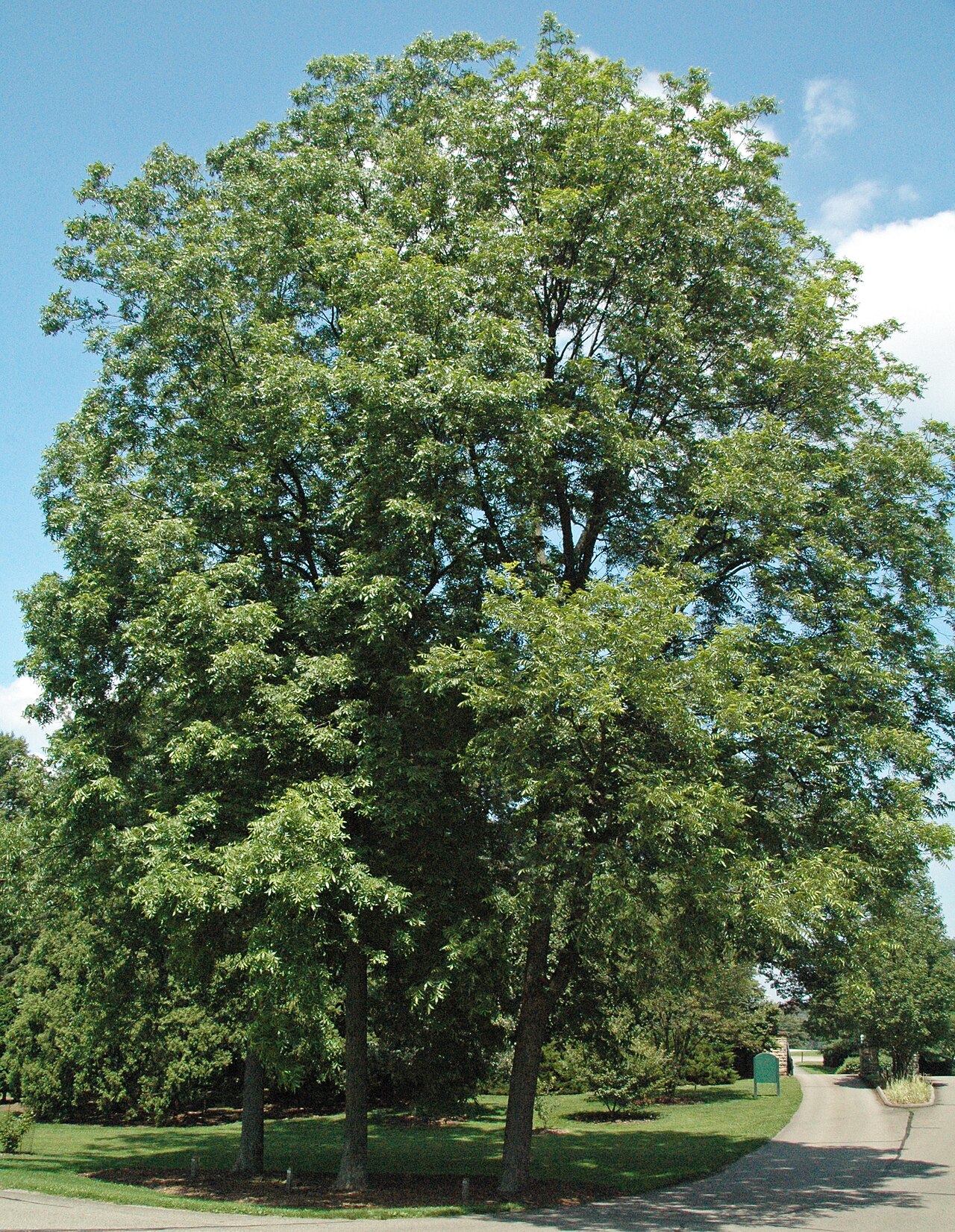
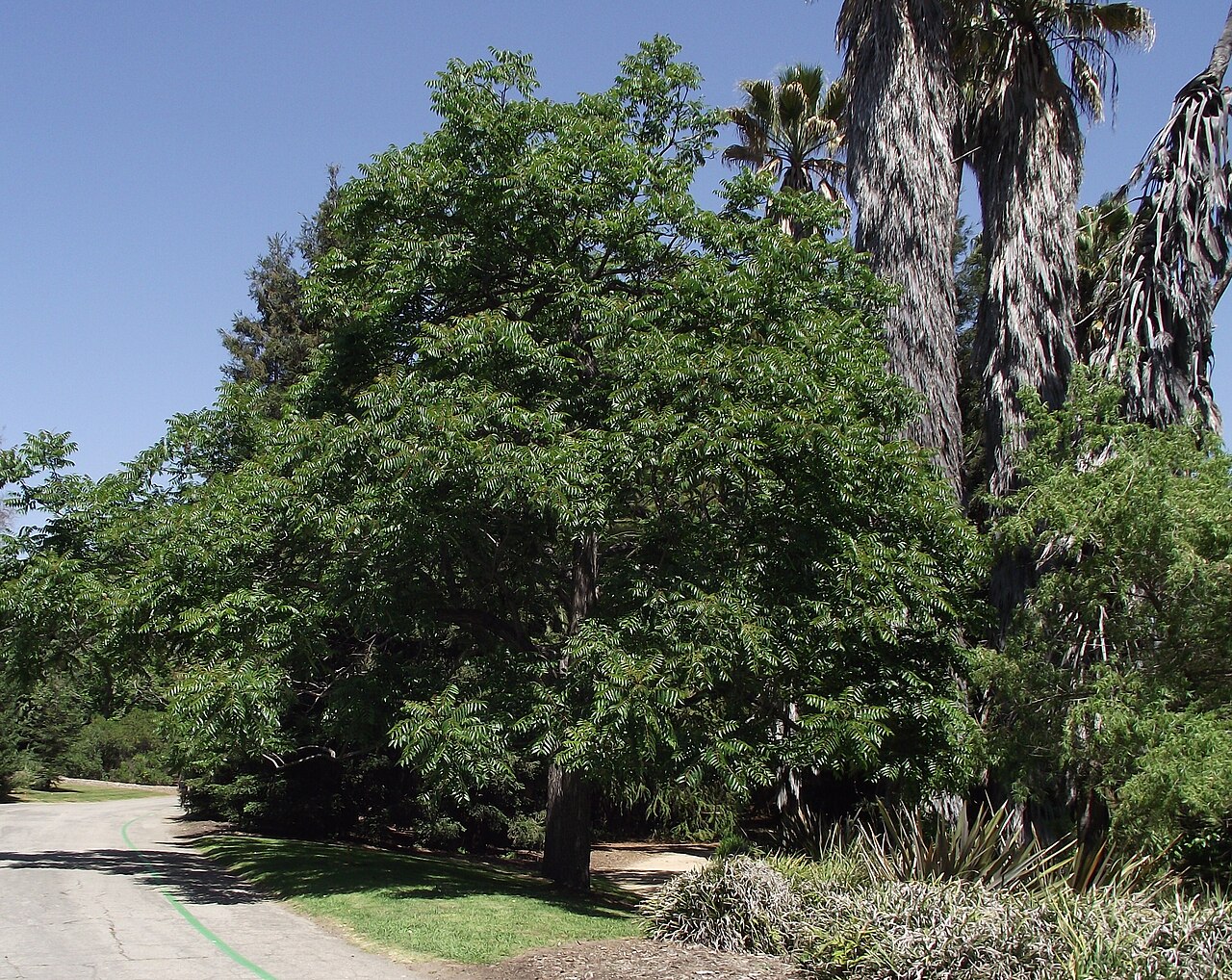
Secondary II High No biomass productionPecan, a large deciduous tree of the Juglandaceae family, native to North America and successfully grown in southern Brazil, especially Rio Grande ...
-
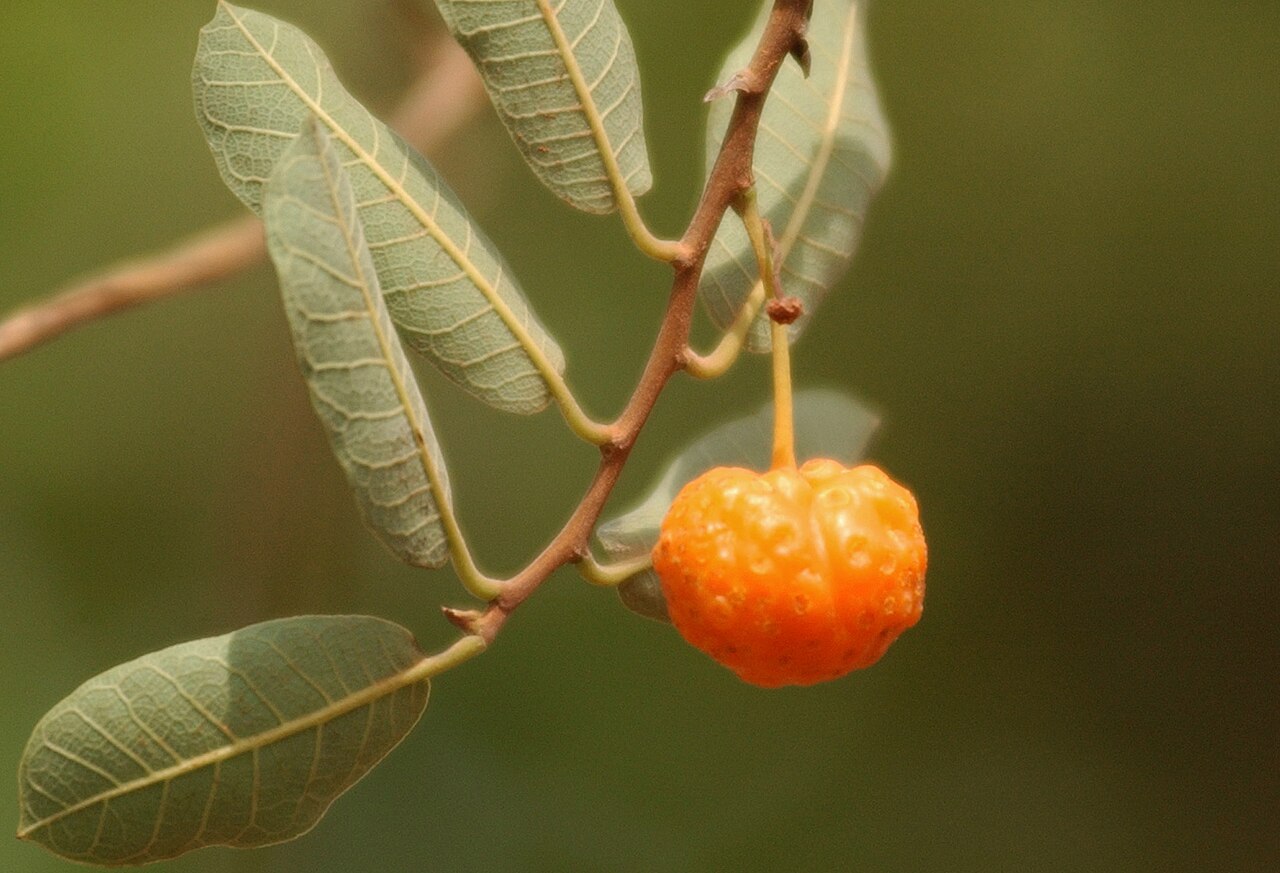
souari nut
Caryocar brasiliense
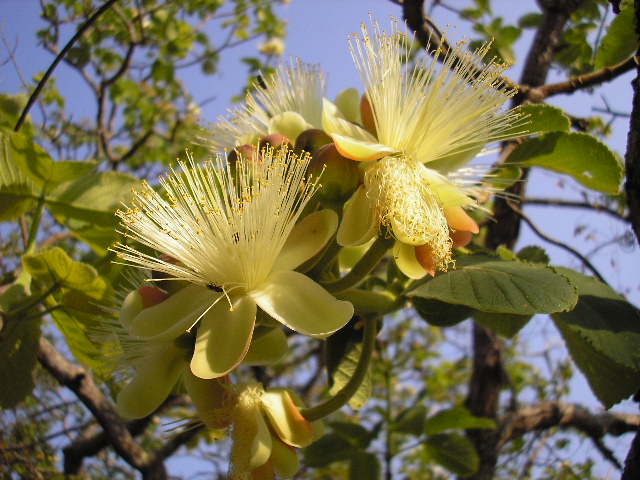
Climax HighIconic fruit tree of the Brazilian Cerrado, up to ~10 m tall with a broad crown. Very slow growth; first fruits not until ~30 years in smaller indi...
-
sweet chestnut
Castanea sativa
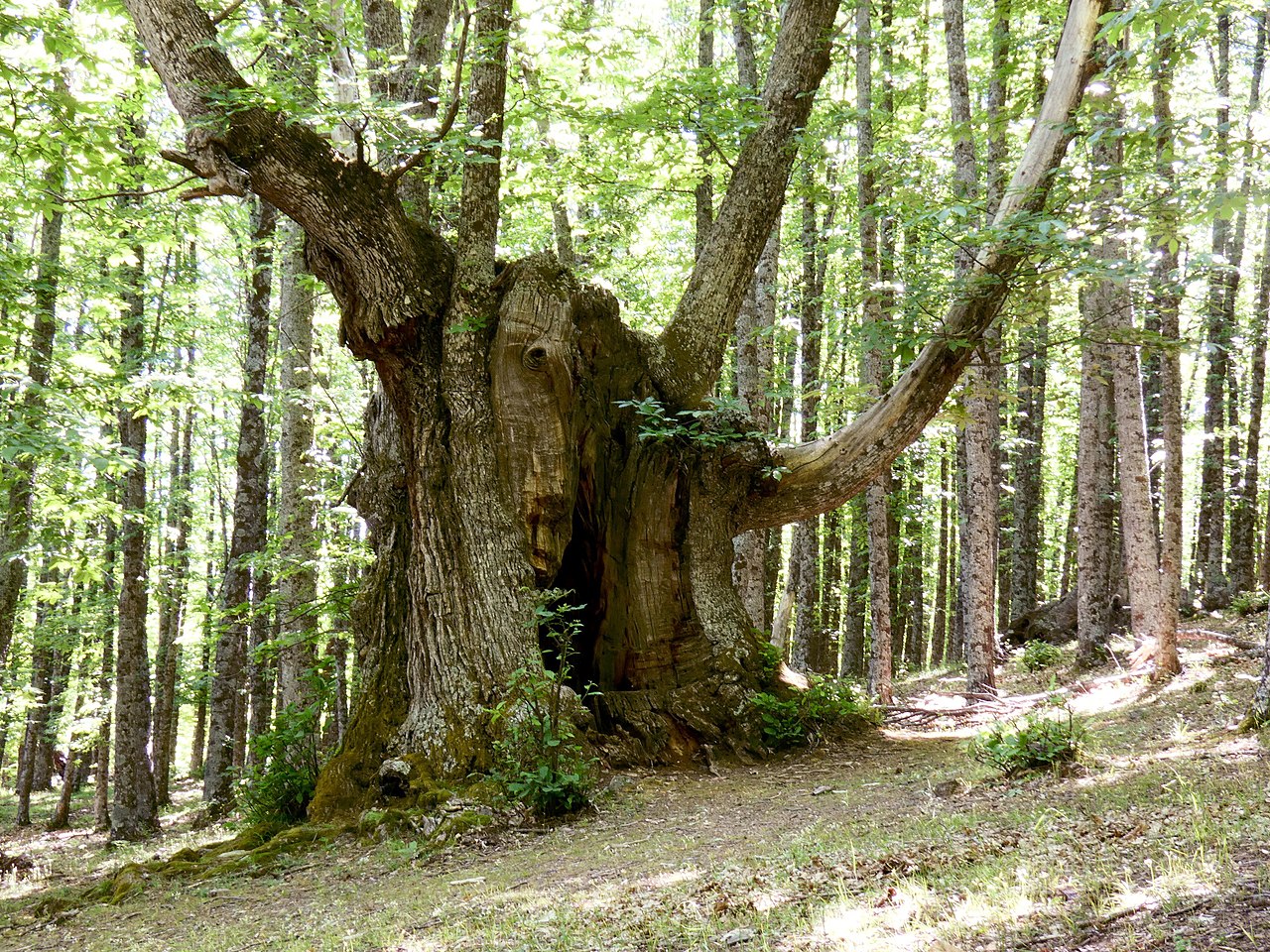
Secondary II High No biomass productionEuropean sweet chestnut, a large deciduous tree of the Fagaceae family, exotic to Brazil and suited to cold temperate regions of the south. It tole...
-
Spanish cedar
Cedrela fissilis
Secondary II High Mulch biomassPremium native timber of the Atlantic Forest, Cerrado, and Amazonia. Pasini lists it in the high stratum of Tabela 3 and cites it as a premium timb...
-
grapefruit
Citrus × paradisi
Secondary I Medium No biomass productionMedium-stratum citrus in syntropic systems. The Bosque de Niebla Guidebook lists grapefruit in the Secondary phase of the medium stratum, alongside...
-
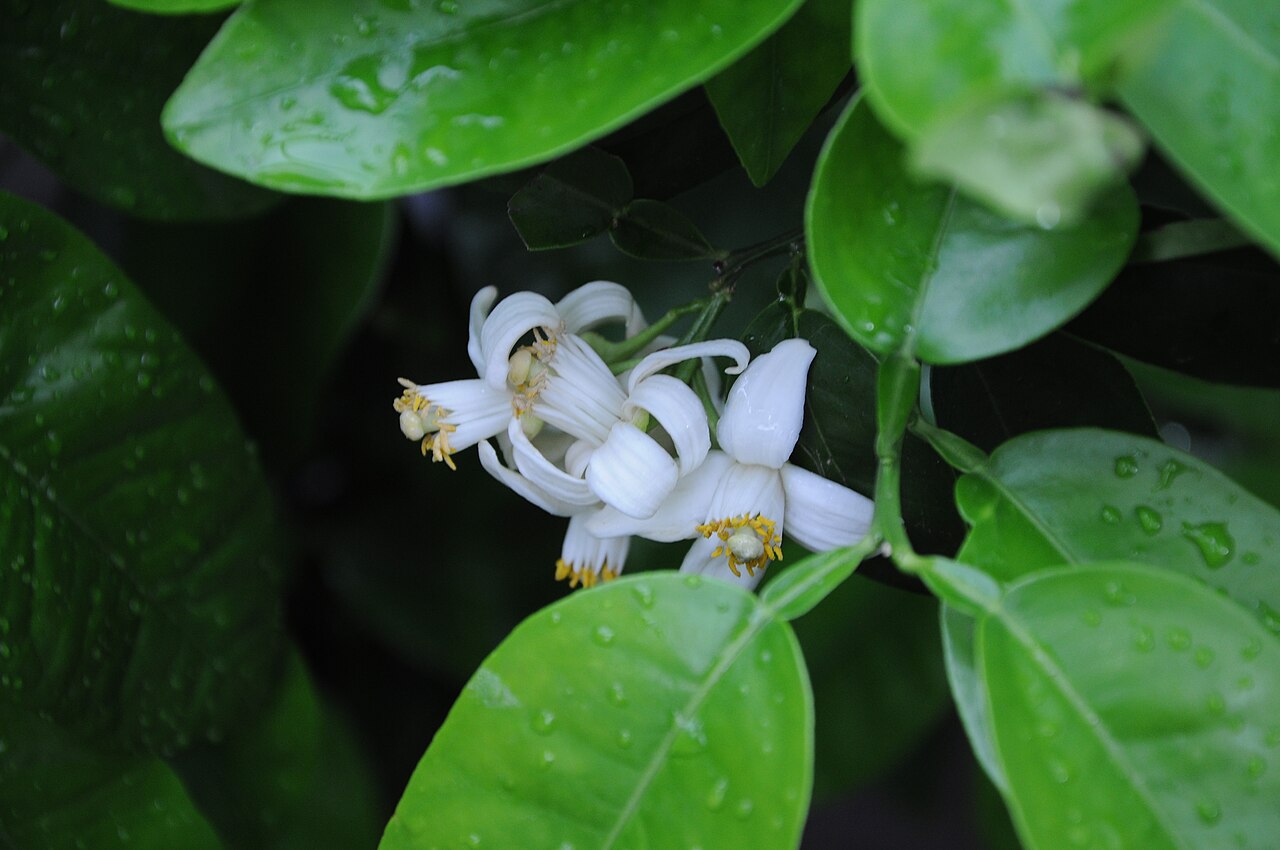
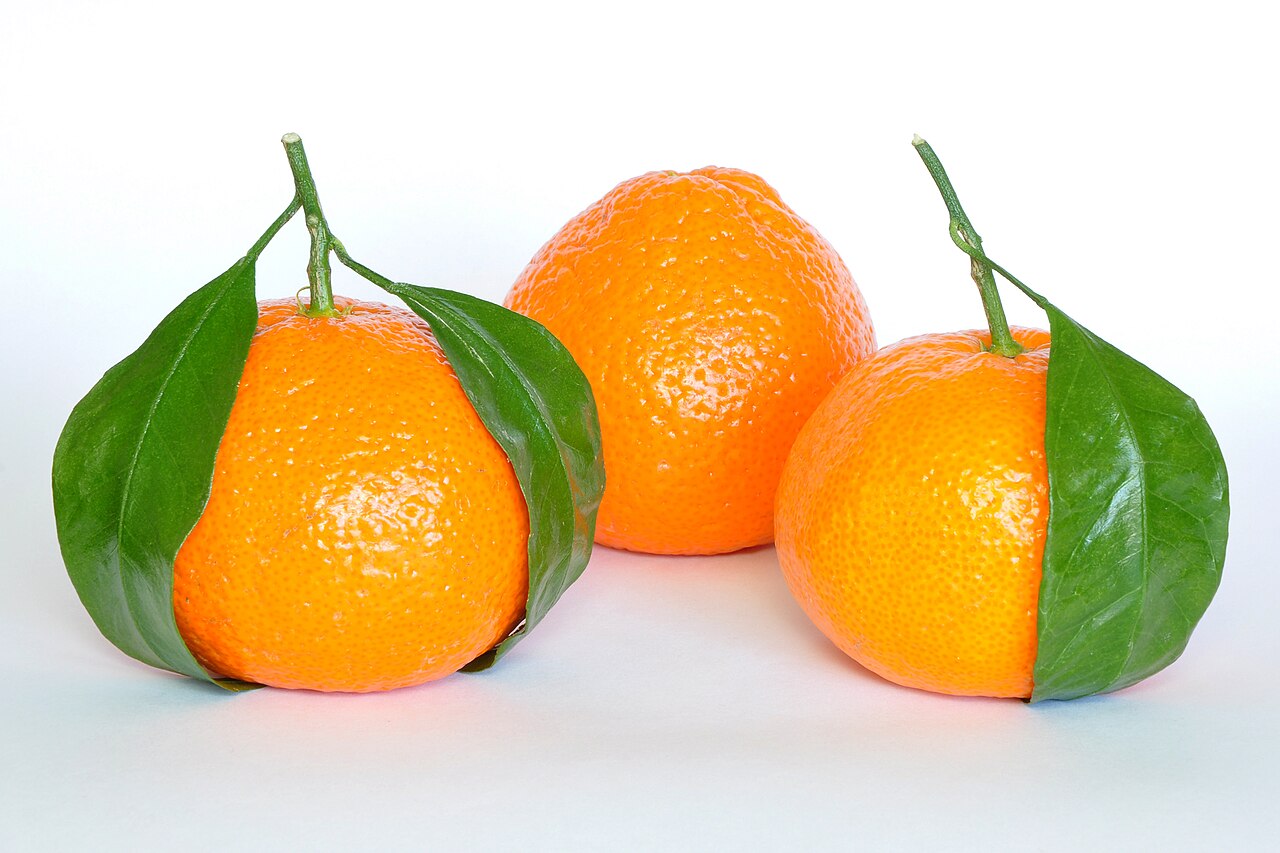
mandarin
Citrus reticulata
Secondary II Medium No biomass productionMedium-stratum citrus in syntropic systems. Pasini lists ponkan in the high stratum of Tabela 3; the Bosque de Niebla Guidebook places the mandarin...
-
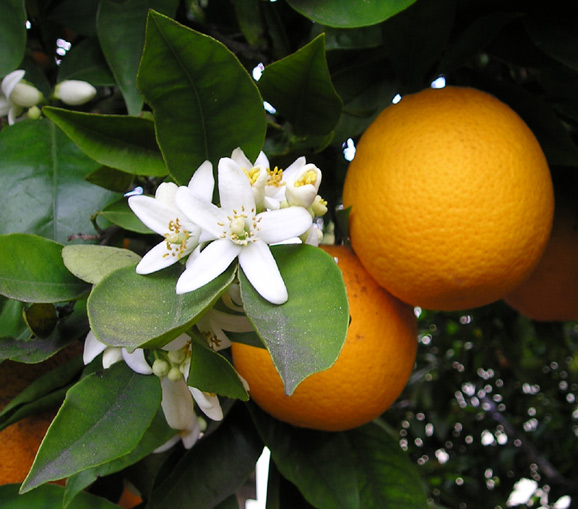
orange
Citrus × sinensis
Secondary I High No biomass productionCitrus fruit tree widely used in Brazilian agroforestry systems. Pasini lists it in the high stratum of Tabela 3 and cites it among Abundance-syste...
-
tall coconut
Cocos nucifera
Secondary II Emergent No biomass productionTall variety — emergent (20–30 m), 60–70 year lifespan, first flowering at 5–7 years. 60–80 large fruits per plant per year for copra, oil, and fib...
-
yellow dwarf coconut
Cocos nucifera
Secondary II High No biomass productionYellow Dwarf cultivar. Height and cycle similar to Green Dwarf (8–12 m, first harvest at 2–3 years). Slightly larger yellow fruits. Better toleranc...
-
green dwarf coconut
Cocos nucifera
Secondary II High No biomass productionGreen Dwarf cultivar — Brazil's commercial mainstay for coconut water. 8–12 m tall, 30–40 year economic life, first harvest at 2–3 years. Yields 15...
-
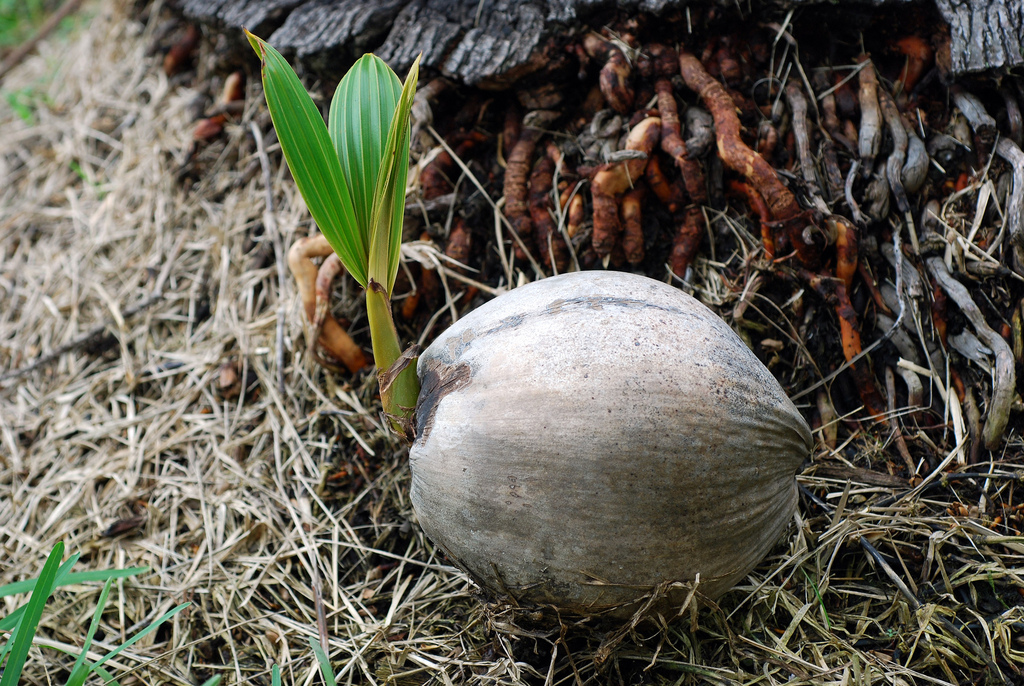
coconut palm
Cocos nucifera
Secondary II Emergent No biomass productionHigh-value palm naturalized along Brazilian coastlines. Pasini lists it in the emergent stratum of Tabela 3. Tolerates salinity and coastal winds; ...
-
hybrid coconut
Cocos nucifera
Secondary II High No biomass productionDwarf × Tall hybrids registered by Embrapa (BRS 001, 002, 003). Intermediate height (15–20 m), early bearing (4 years), medium fruits. Combine Tall...