Plants
Plant Catalog
74 plants found
-
mangium
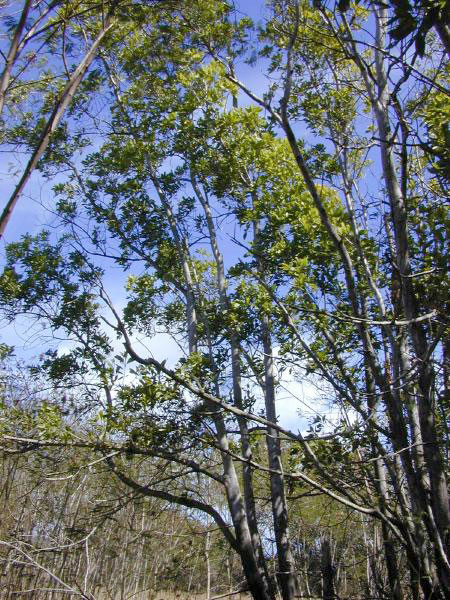
Acacia mangium
Secondary I Emergent Fertilizer & mulch 🌱 Nitrogen fixerExtremely fast-growing nitrogen-fixing legume, central in syntropic systems as a producer of both cover and fertilizer biomass. Pasini classifies i...
-
century plant
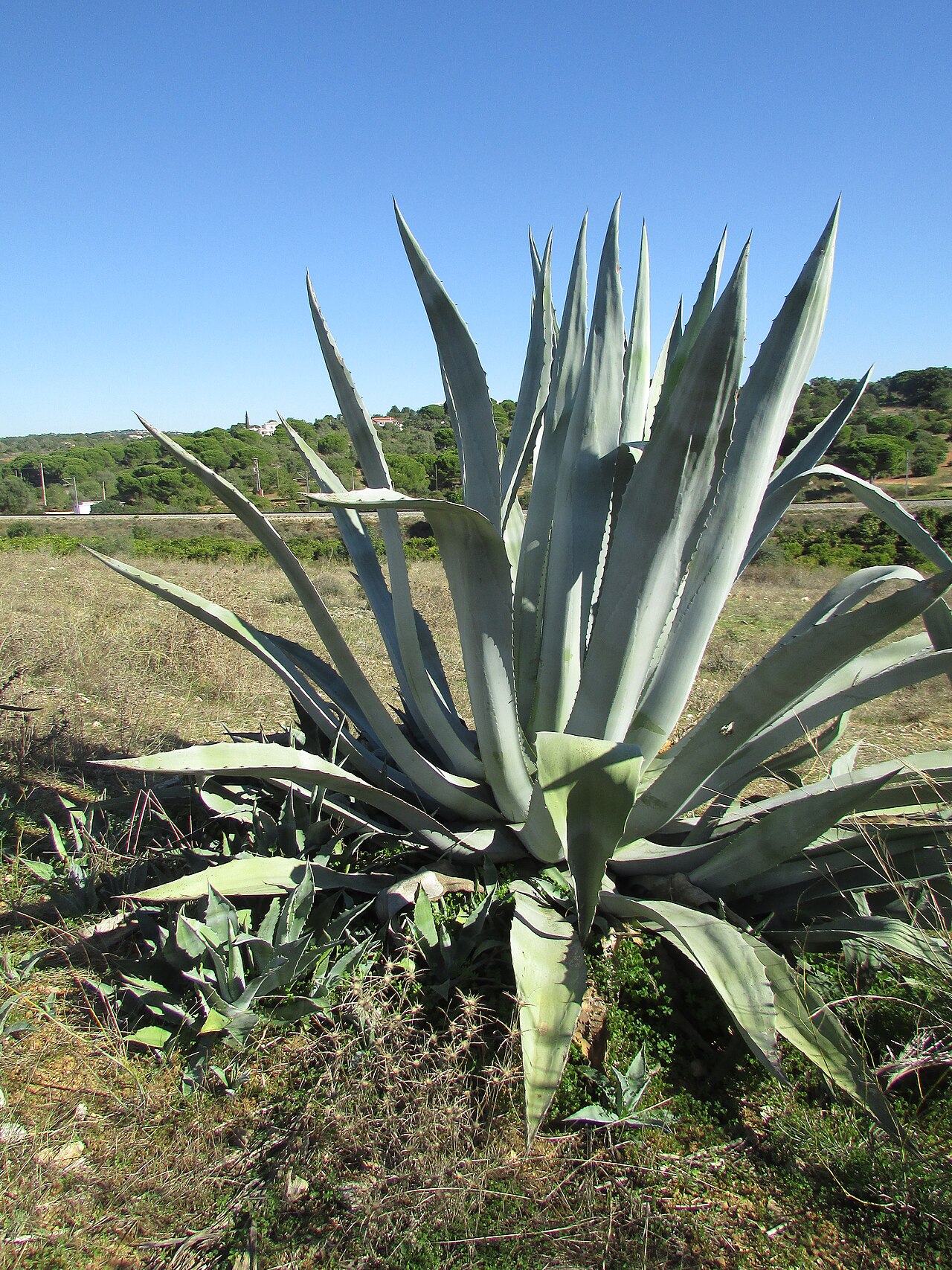
Agave americana
Placenta I Ground cover Mulch biomassPivotal species of the accumulation phase on exhausted soils. Rebello describes its use in Chapada dos Veadeiros: planted at 20 cm spacing on near-...
-
sisal
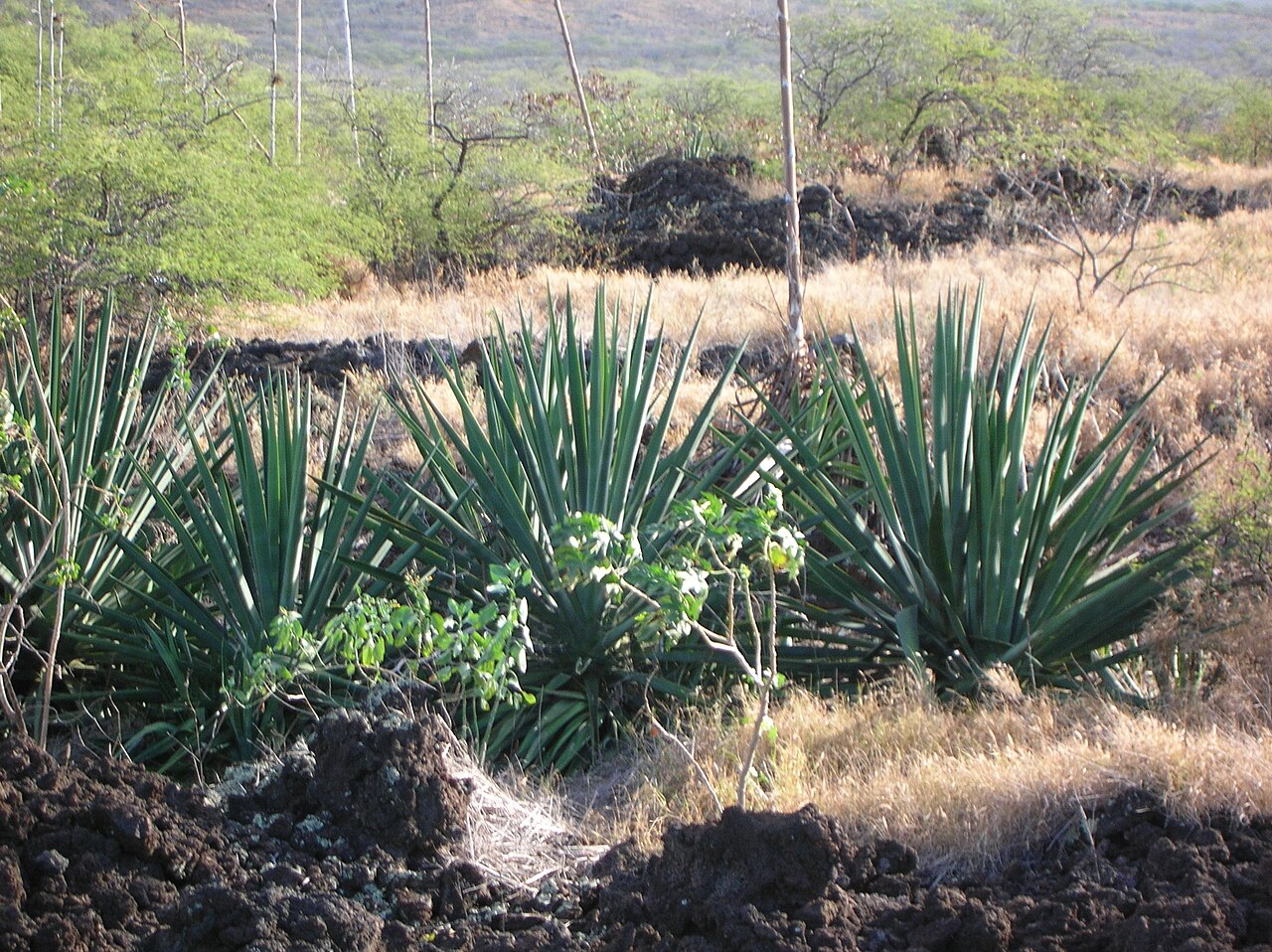
Agave sisalana
Placenta II Low Mulch biomassXerophytic agave domesticated in Mesoamerica and produced at scale in Bahia. Rebello lists it among species adapted to very dry Caatinga environmen...
-
siris tree
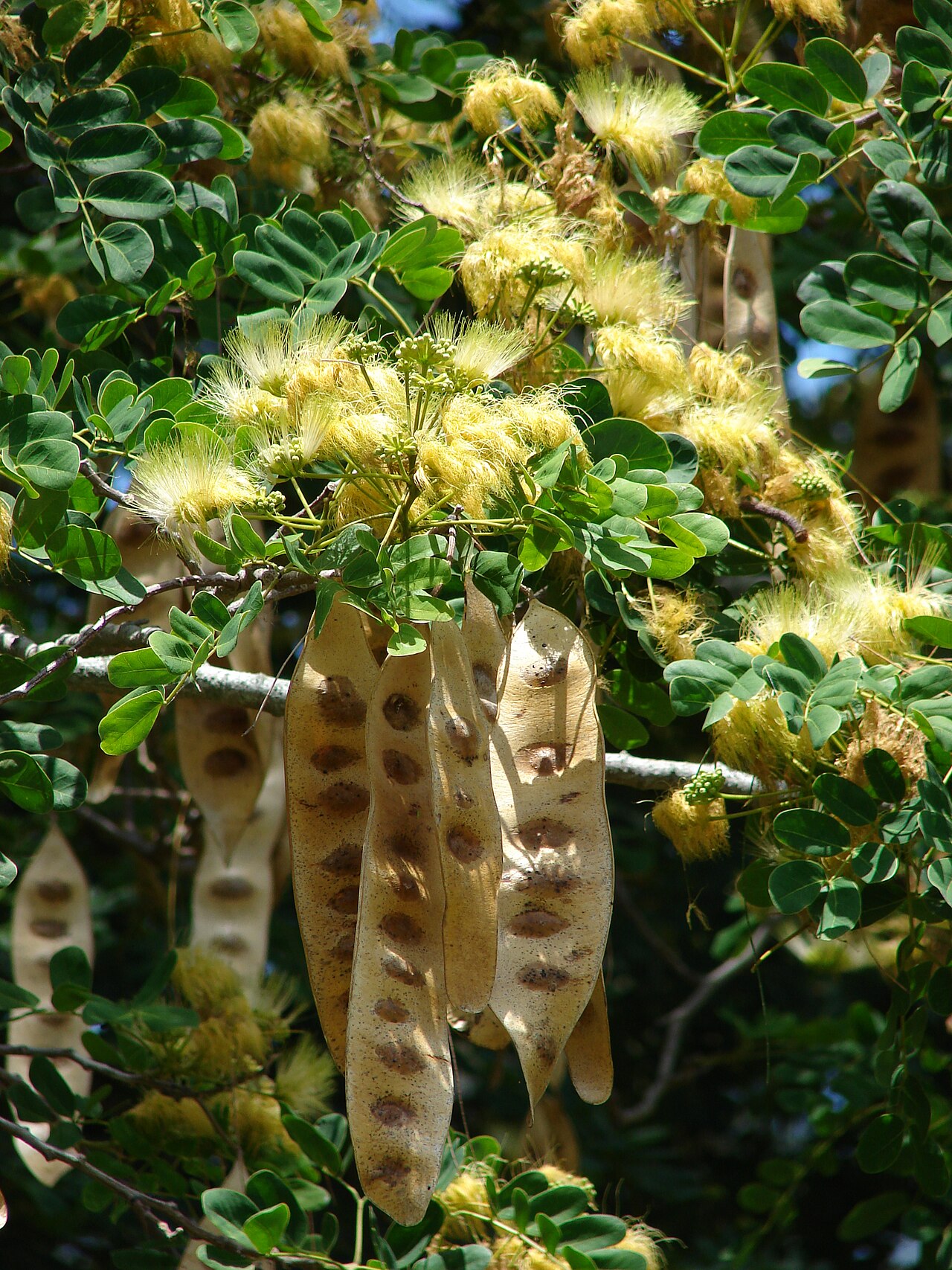
Albizia lebbeck
Secondary II High Fertilizer biomass 🌱 Nitrogen fixerA fast-growing, drought-tolerant leguminous tree of 18-30 m, native to tropical Asia and now pantropical. It fixes nitrogen readily and coppices ex...
-
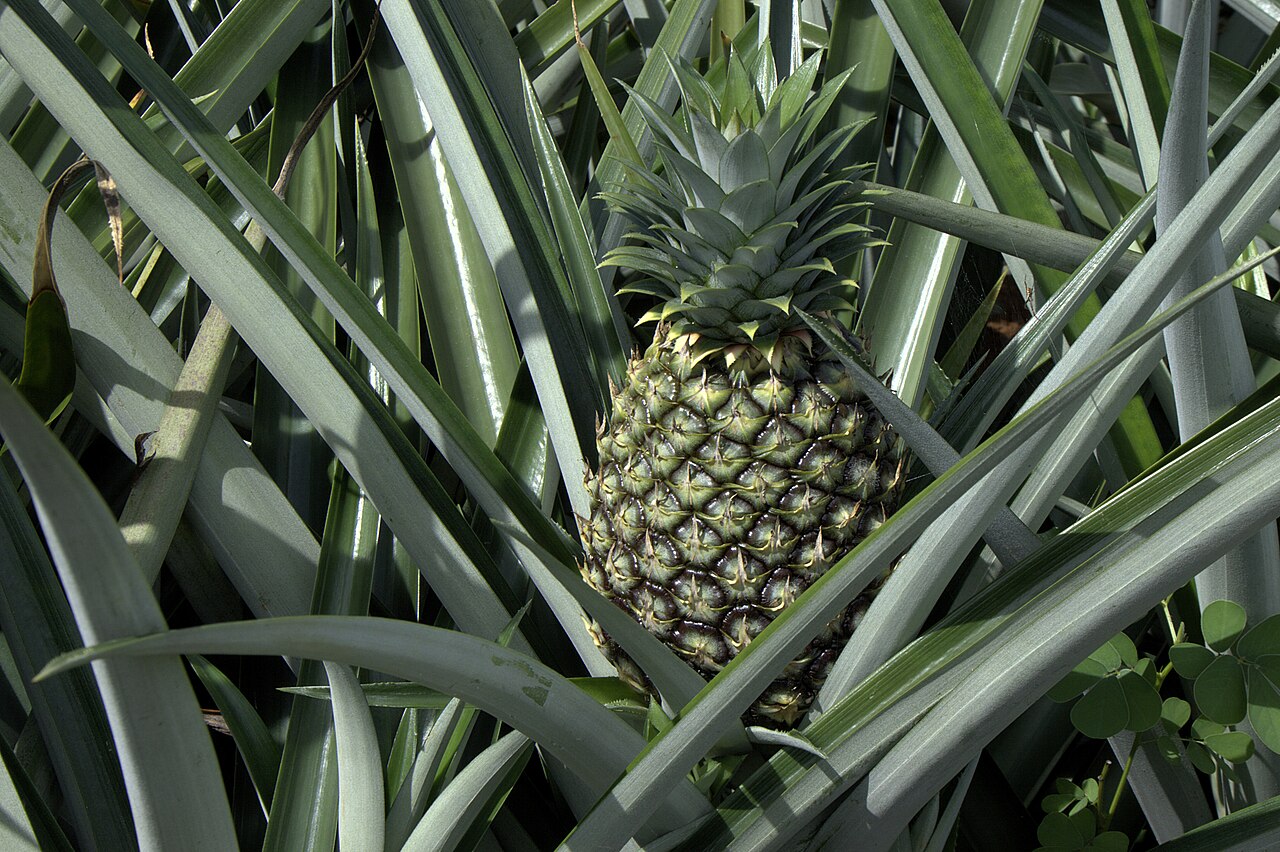
pineapple
Ananas comosus
Placenta II Low No biomass productionPerennial bromeliad cultivated in the low stratum of syntropic systems. Pasini lists it in the low stratum of Tabela 3. Fruits in ~22–24 months; re...
-
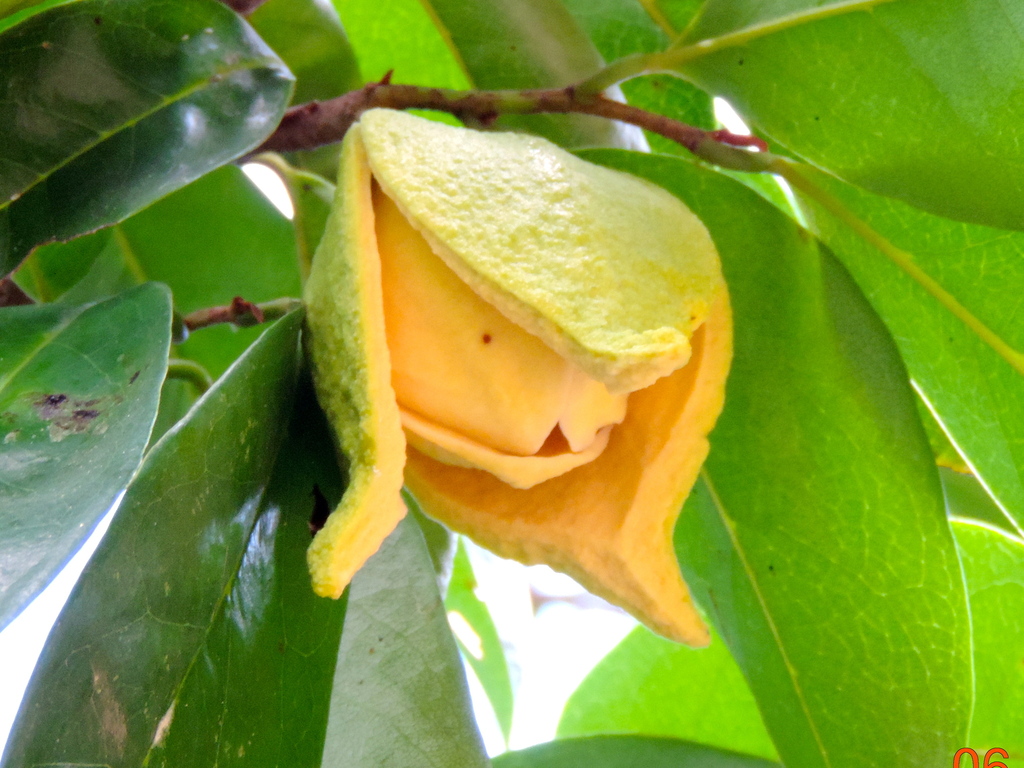
soursop
Annona muricata
Secondary I High No biomass productionTropical fruit with sweet-tart white pulp and well-documented medicinal properties. Pasini lists it in the high stratum of Tabela 3. Native to Amaz...
-
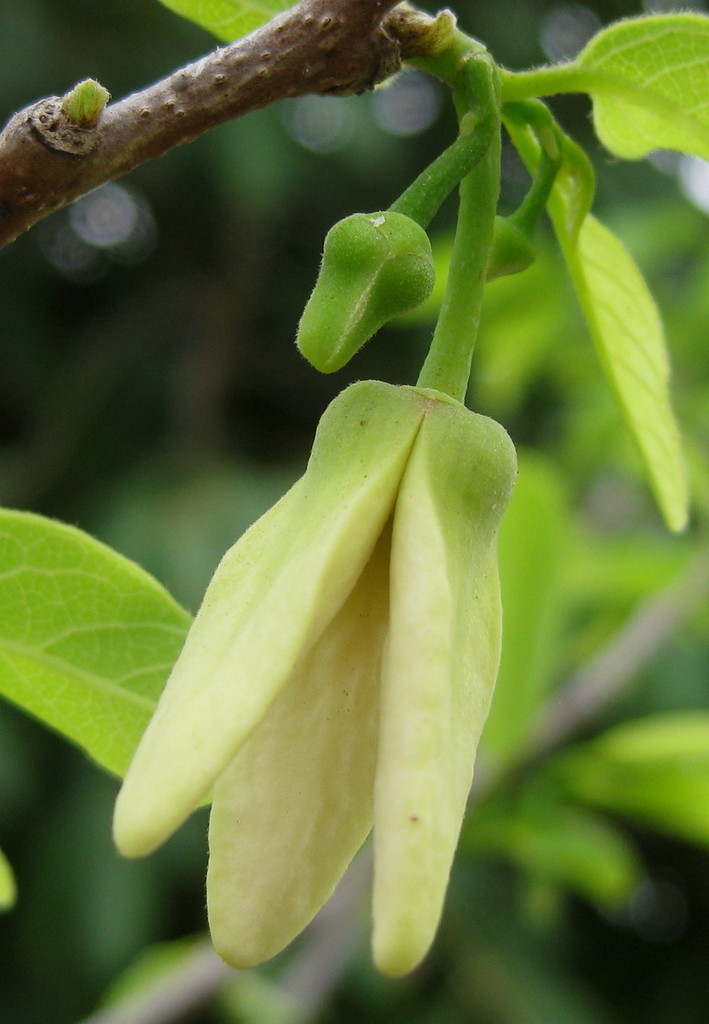
sugar apple
Annona squamosa
Secondary I High No biomass productionSmall tropical fruit tree, same family as graviola. Pasini lists it in the high stratum of Tabela 3. Tolerates poor soils and drought; traditional ...
-
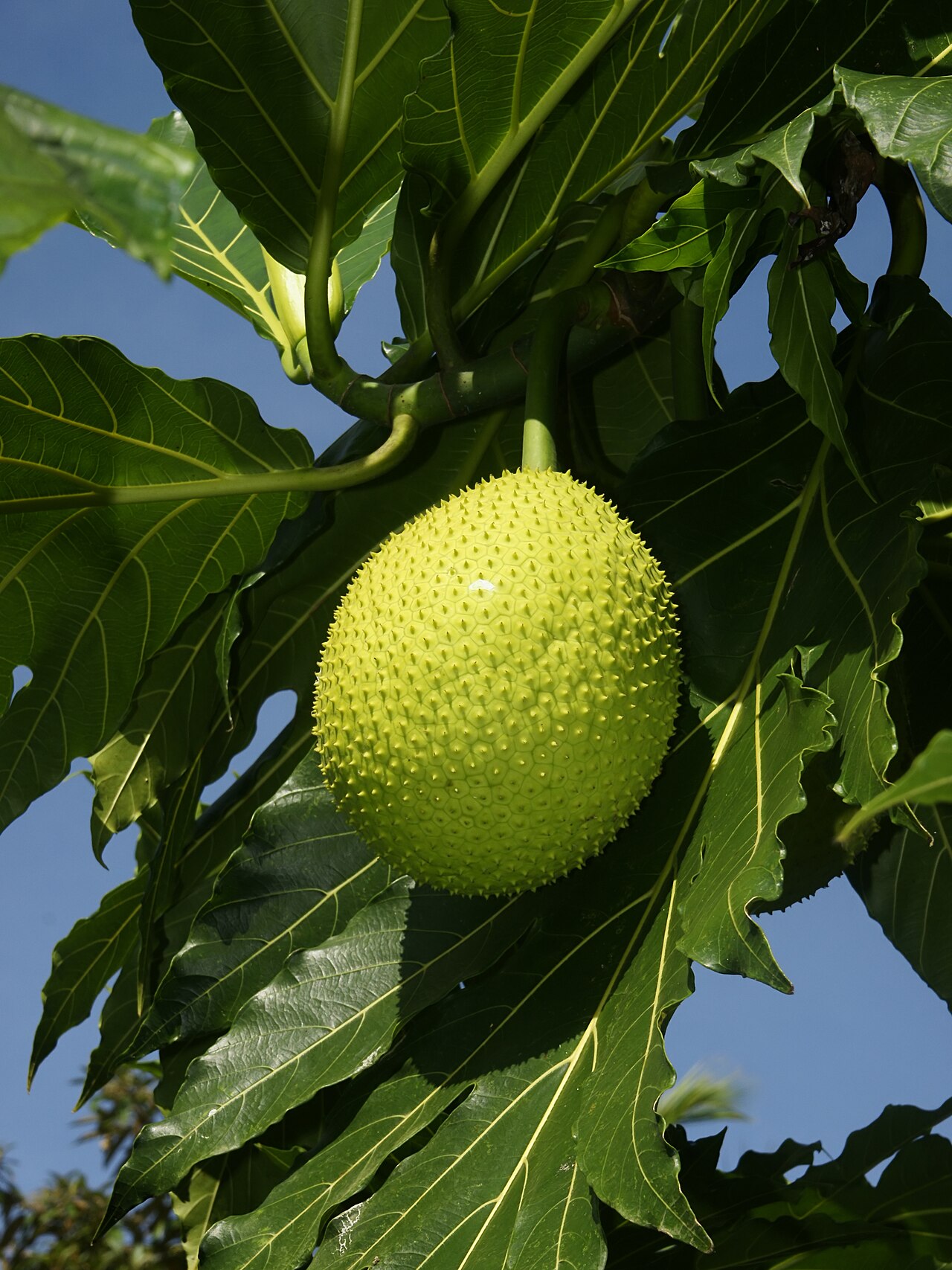
breadfruit
Artocarpus altilis
Climax High No biomass productionPacific fruit tree naturalized in Brazilian coastal and Amazonian regions. EcoAgri lists it in the high stratum of the '> 50 years' bin. Starchy fr...
-
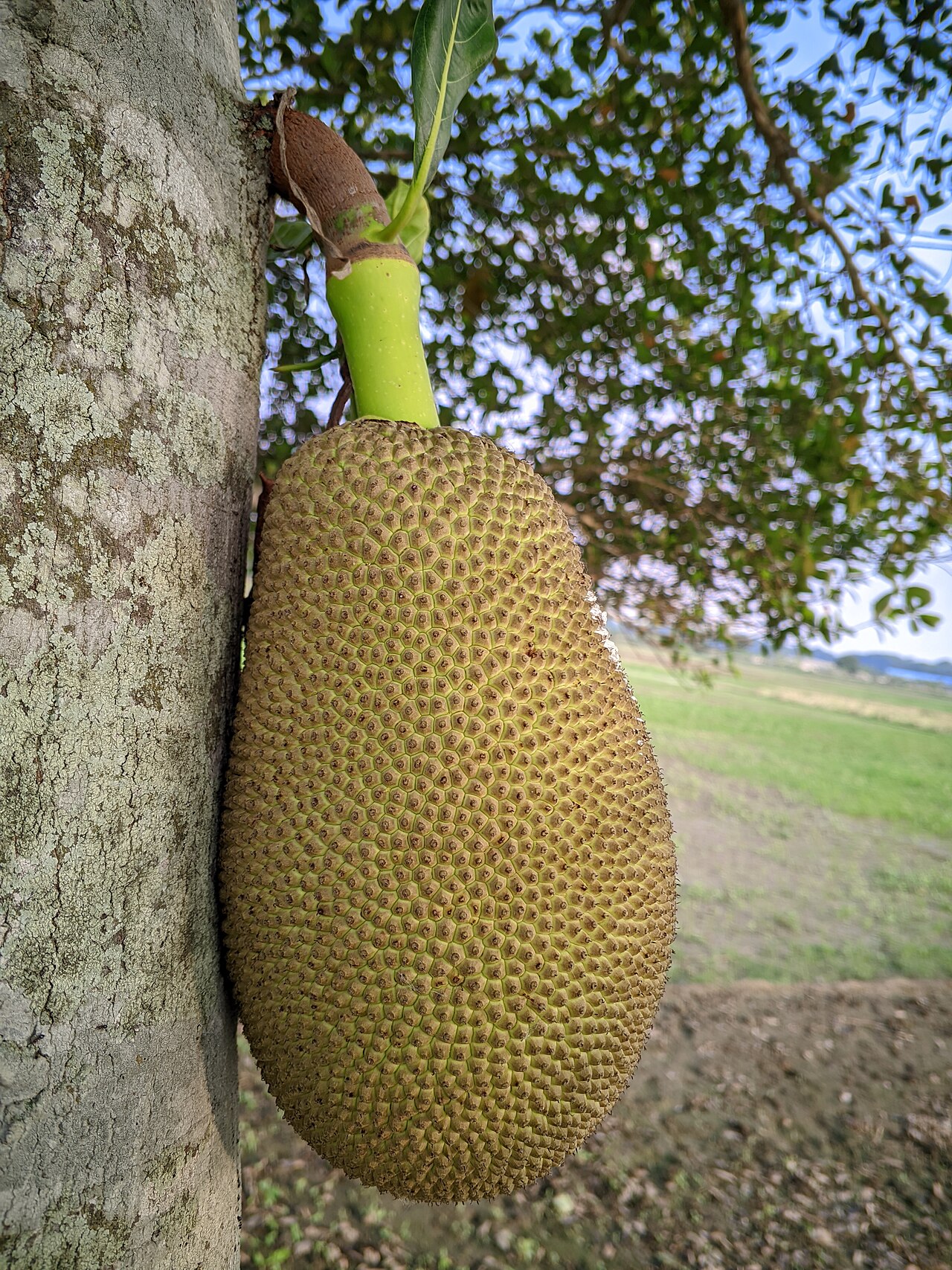
jackfruit
Artocarpus heterophyllus
Secondary II High No biomass productionAsian fruit tree naturalized in the Brazilian Atlantic Forest. Pasini lists it in the high stratum of Tabela 3 and in the 5–18 year phase of the co...
-
bilimbi
Averrhoa bilimbi
Secondary I Medium No biomass productionSmall tropical tree (5–10 m), close relative of carambola (Averrhoa carambola, already in canon). Small green cylindrical very acidic fruits — used...
-
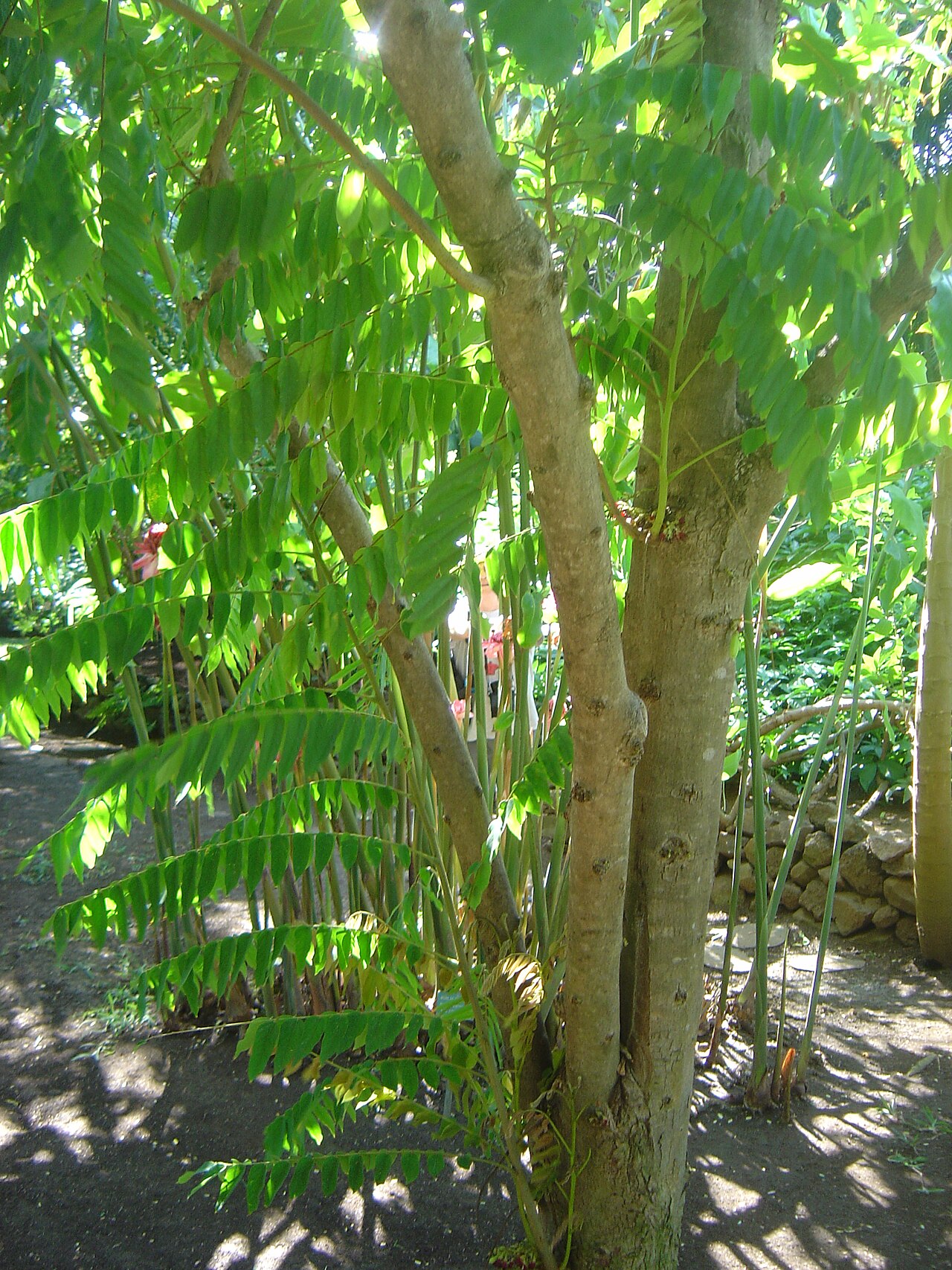
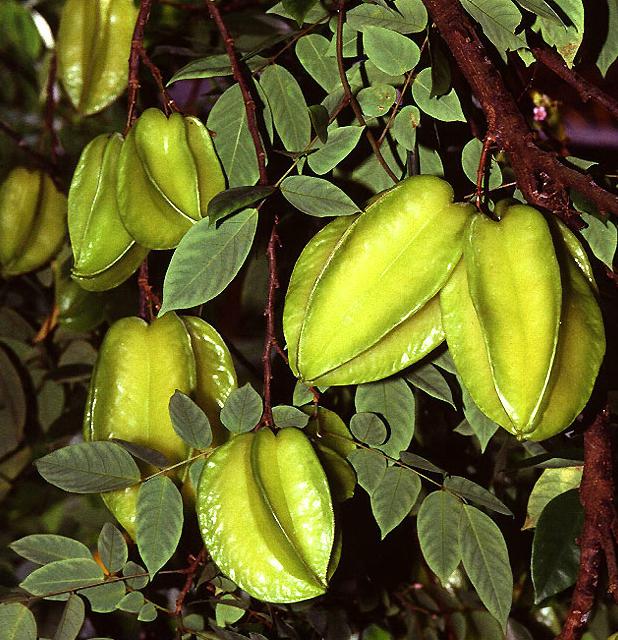
starfruit
Averrhoa carambola
Secondary II Medium No biomass productionAsian fruit tree naturalized in Brazil, with the characteristic star-shape when sliced. EcoAgri lists it in the medium stratum of the 'up to 50 yea...
-
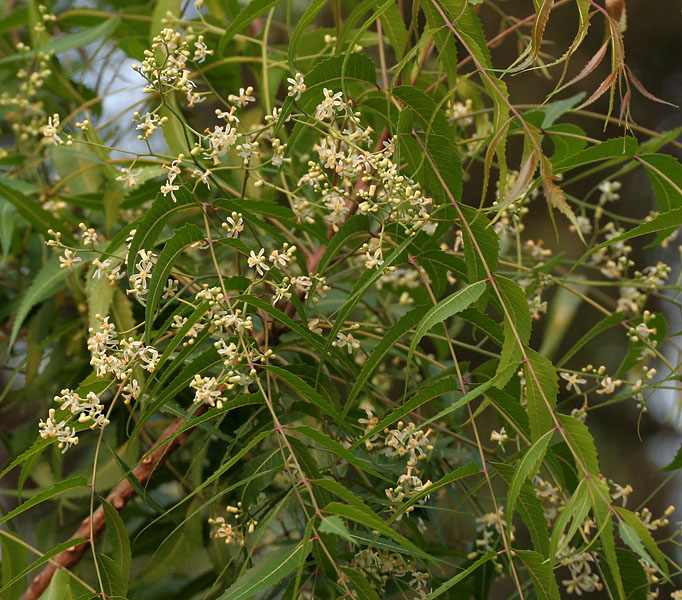
neem
Azadirachta indica
Secondary I High Mulch biomassIndian-origin tree adapted to Brazil, the biopesticide species of the Embrapa Vitrine SAF. Leaves and seed oil (azadirachtin) repel more than 200 i...
-
malagueta pepper
Capsicum frutescens
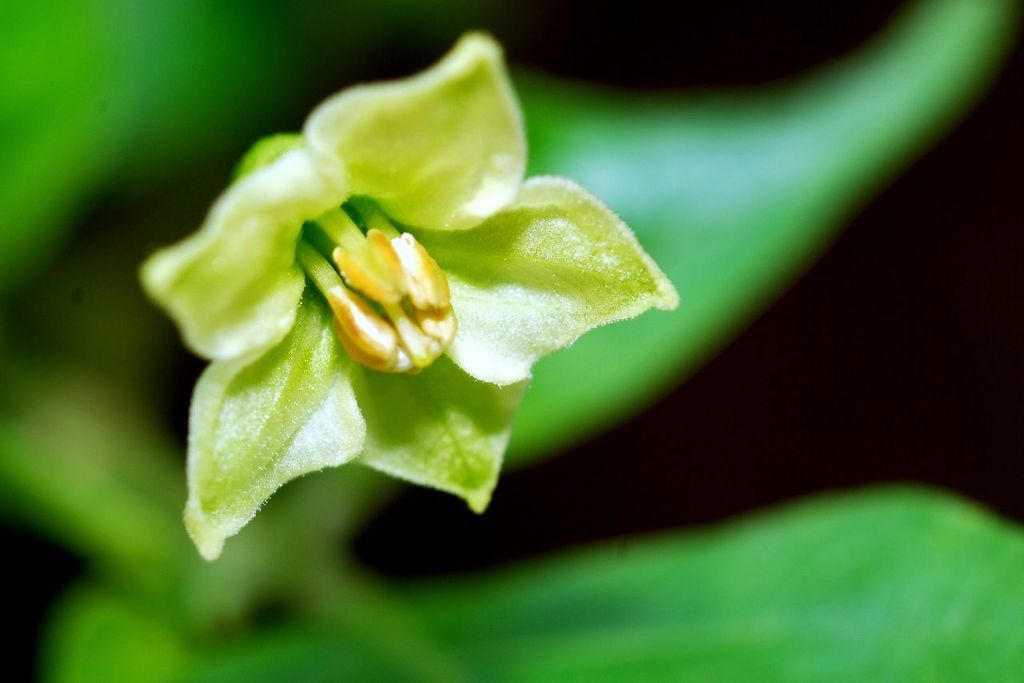
Placenta II Low No biomass productionVery pungent Brazilian pepper (60,000–100,000 SHU), small upright red fruits. Perennial in tropical zones (3–5 years). Tolerates light shade. Widel...
-
papaya
Carica papaya
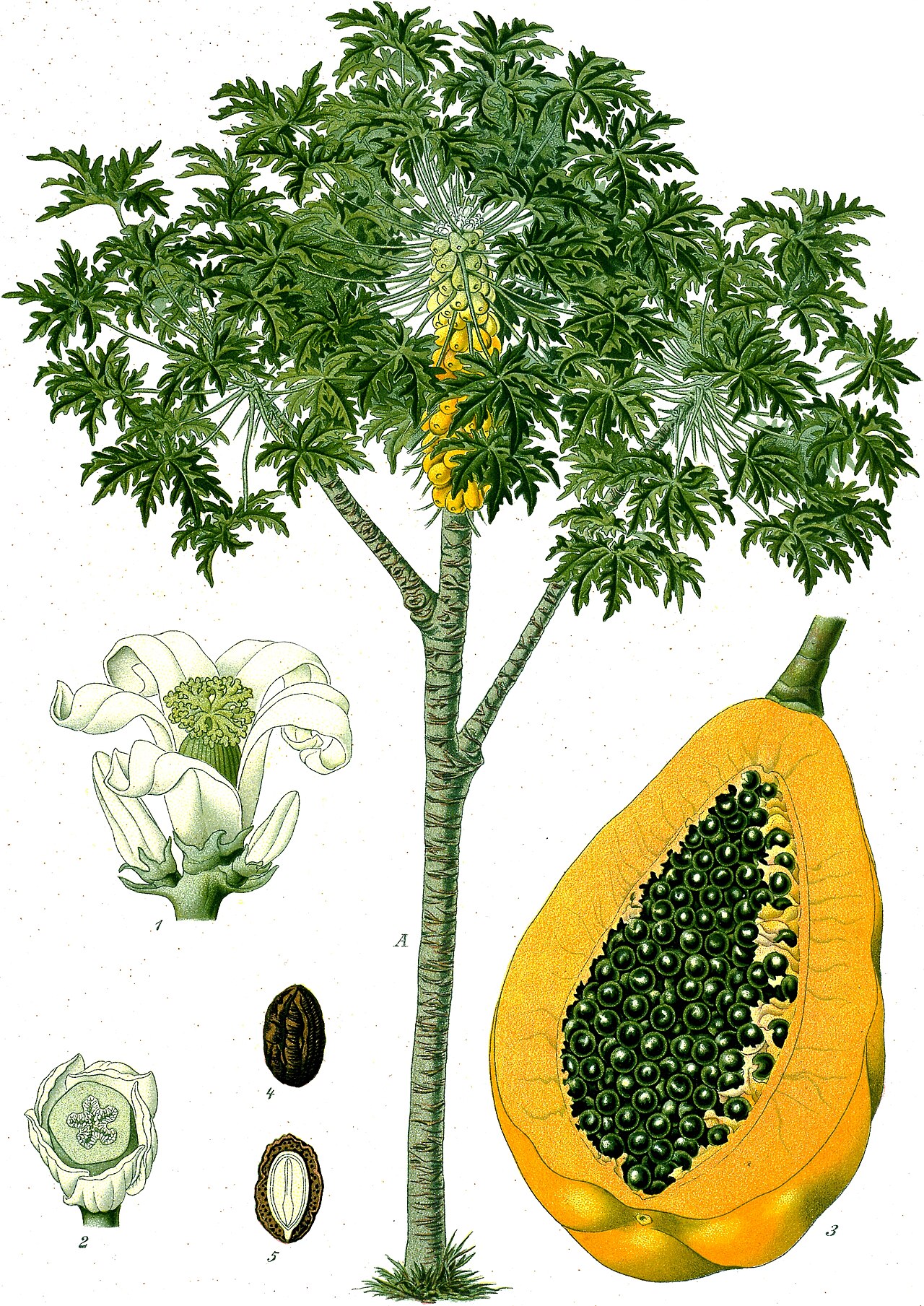
Placenta II High Mulch biomassShort-cycle Placenta II species occupying the high stratum for 2–4 years. Fruits 9–12 months after planting.
-
Persian lime
Citrus × latifolia
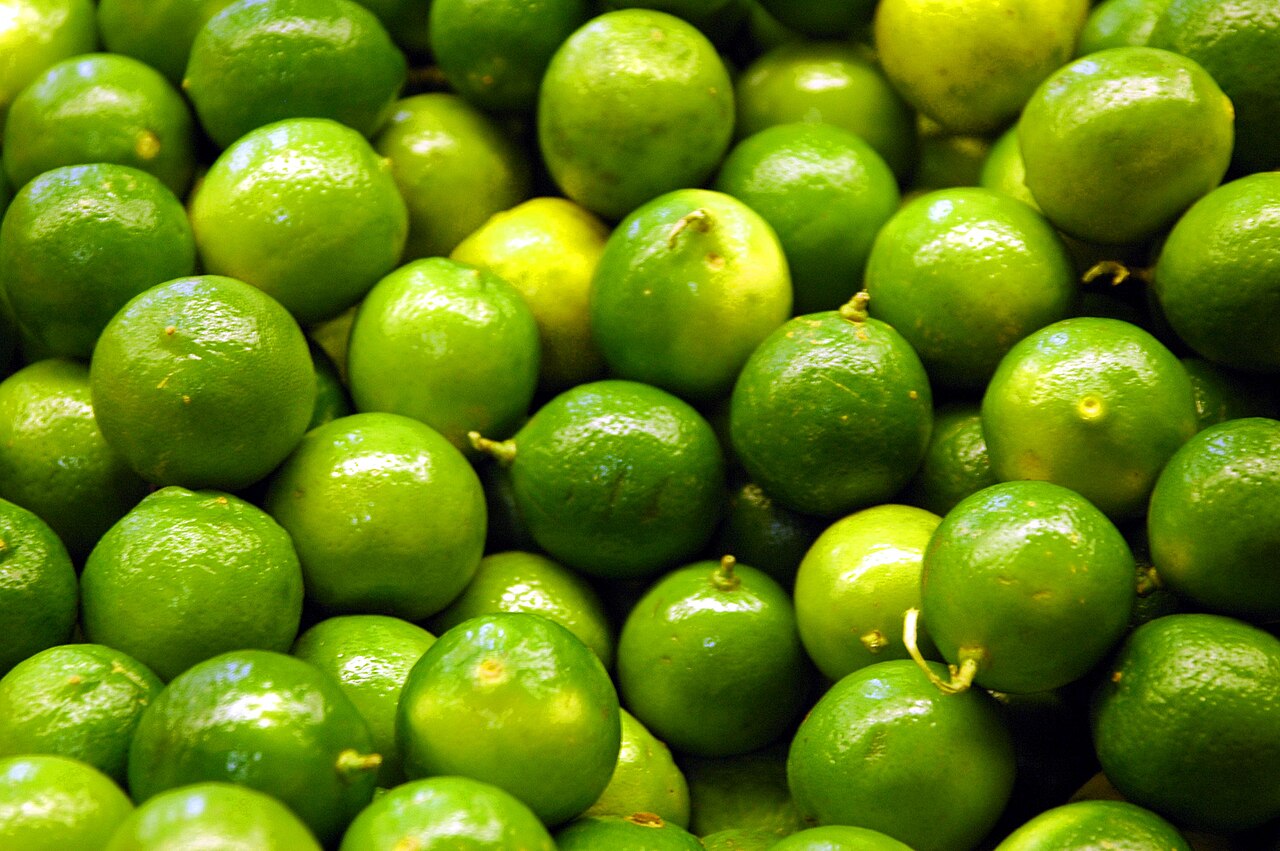
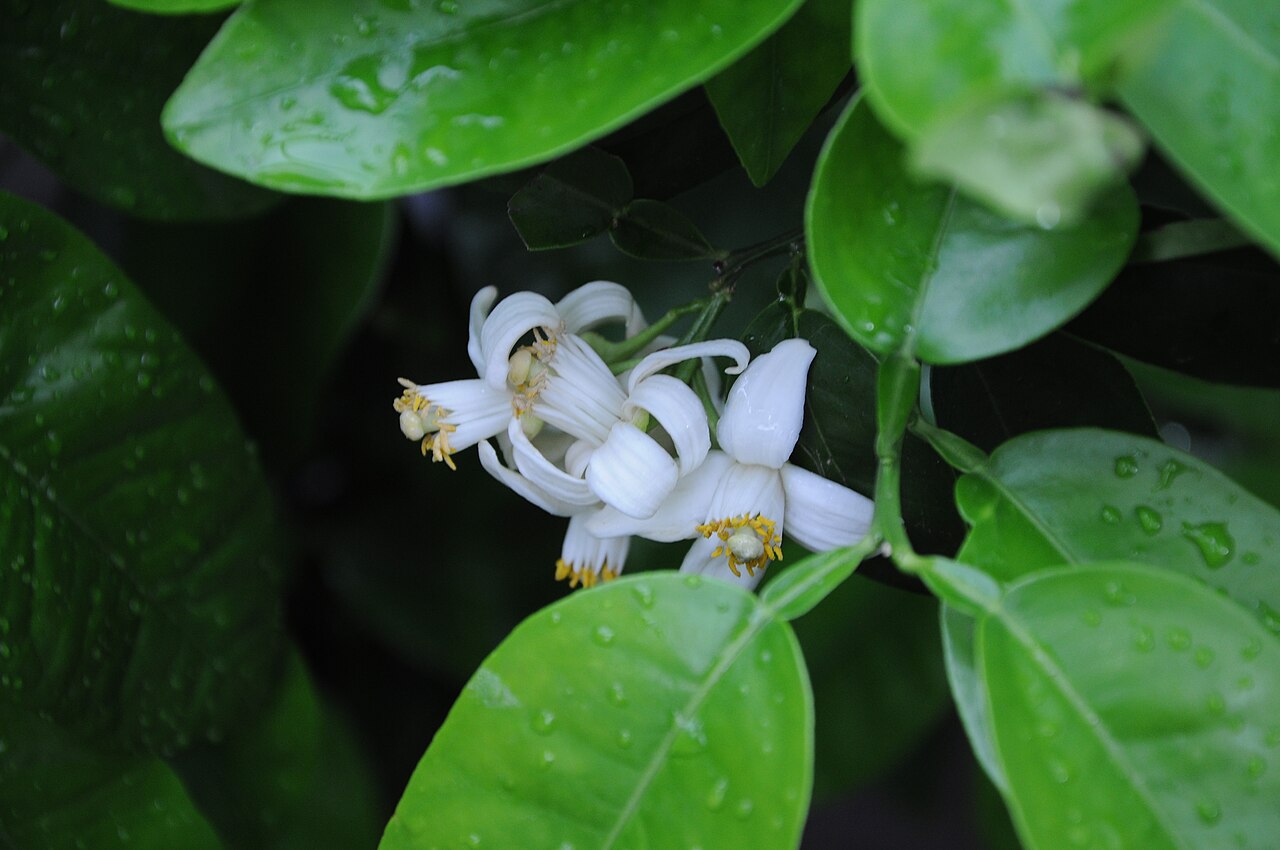
Secondary I Medium No biomass productionMedium-stratum citrus in syntropic systems. Pasini cites 'lemon' as a stratification example next to coffee (low), avocado (high), and eucalyptus (...
-
grapefruit
Citrus × paradisi
Secondary I Medium No biomass productionMedium-stratum citrus in syntropic systems. The Bosque de Niebla Guidebook lists grapefruit in the Secondary phase of the medium stratum, alongside...
-
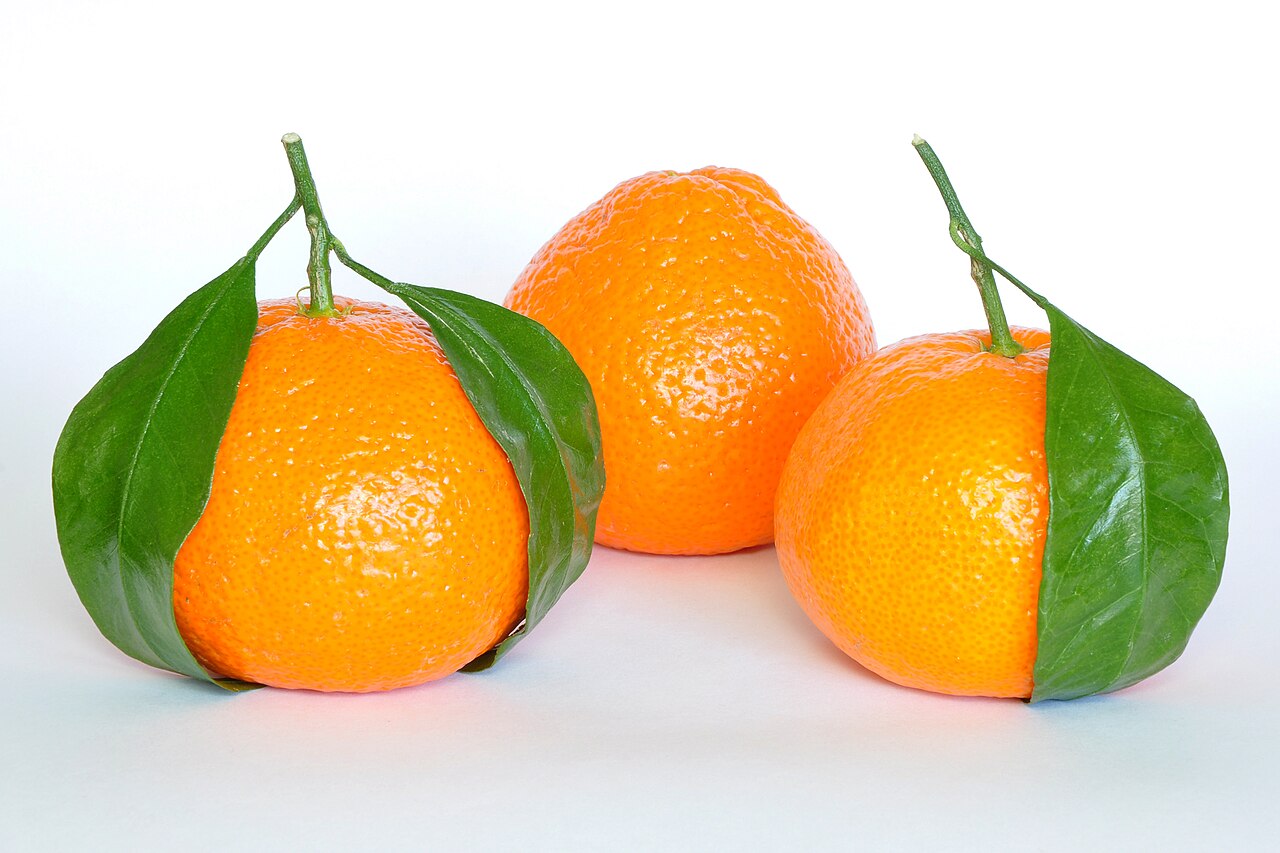
mandarin
Citrus reticulata
Secondary II Medium No biomass productionMedium-stratum citrus in syntropic systems. Pasini lists ponkan in the high stratum of Tabela 3; the Bosque de Niebla Guidebook places the mandarin...
-
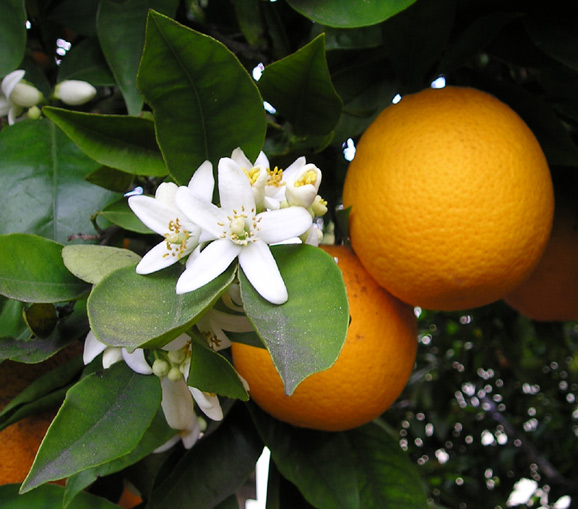
orange
Citrus × sinensis
Secondary I High No biomass productionCitrus fruit tree widely used in Brazilian agroforestry systems. Pasini lists it in the high stratum of Tabela 3 and cites it among Abundance-syste...
-
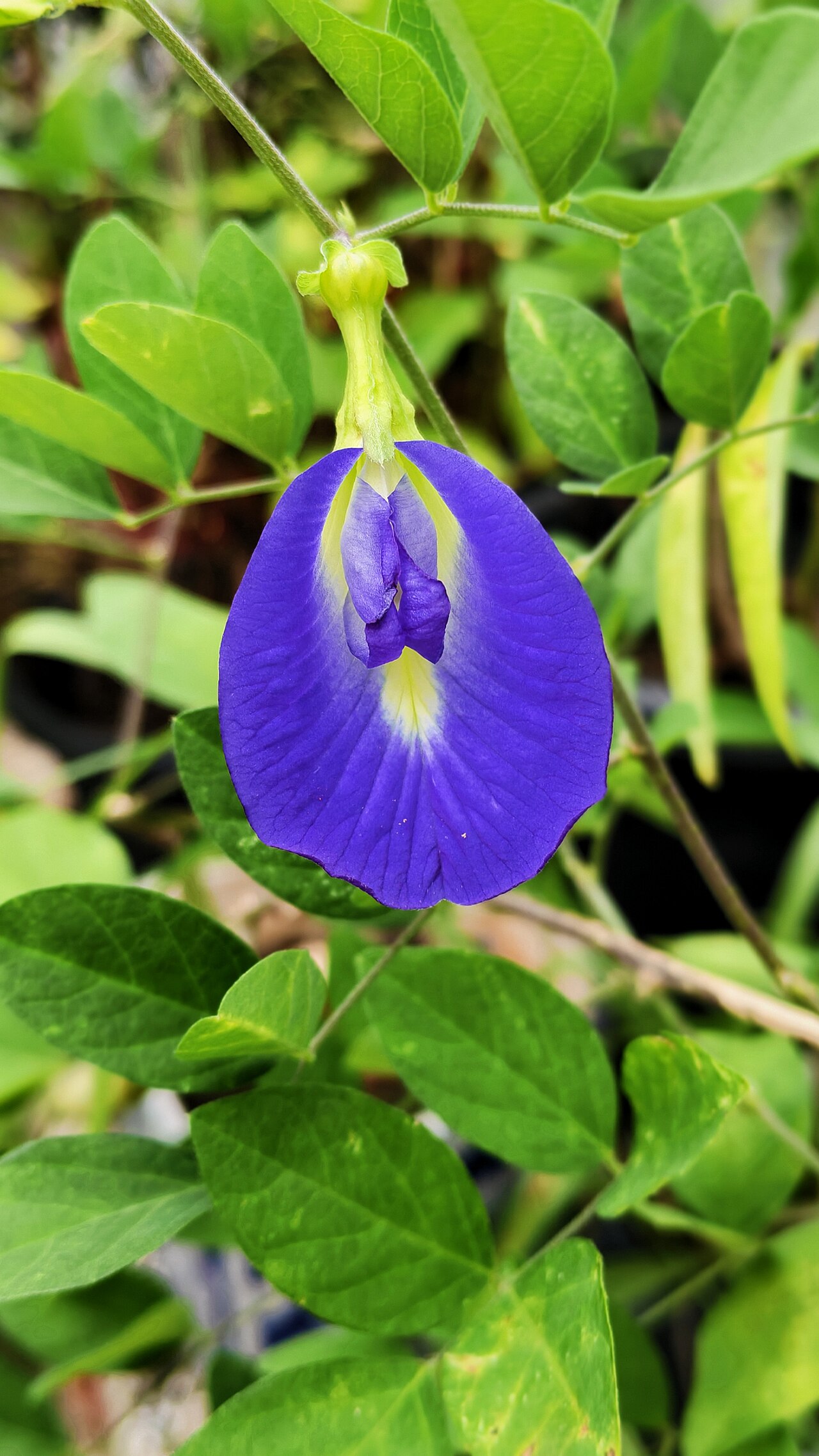
butterfly pea
Clitoria ternatea
Placenta I Ground cover Fertilizer biomass 🌱 Nitrogen fixerA perennial herbaceous climbing legume able to fix up to 100 kg N per hectare per year in symbiosis with Rhizobium. Used as a high-value forage (pr...
-
green dwarf coconut
Cocos nucifera
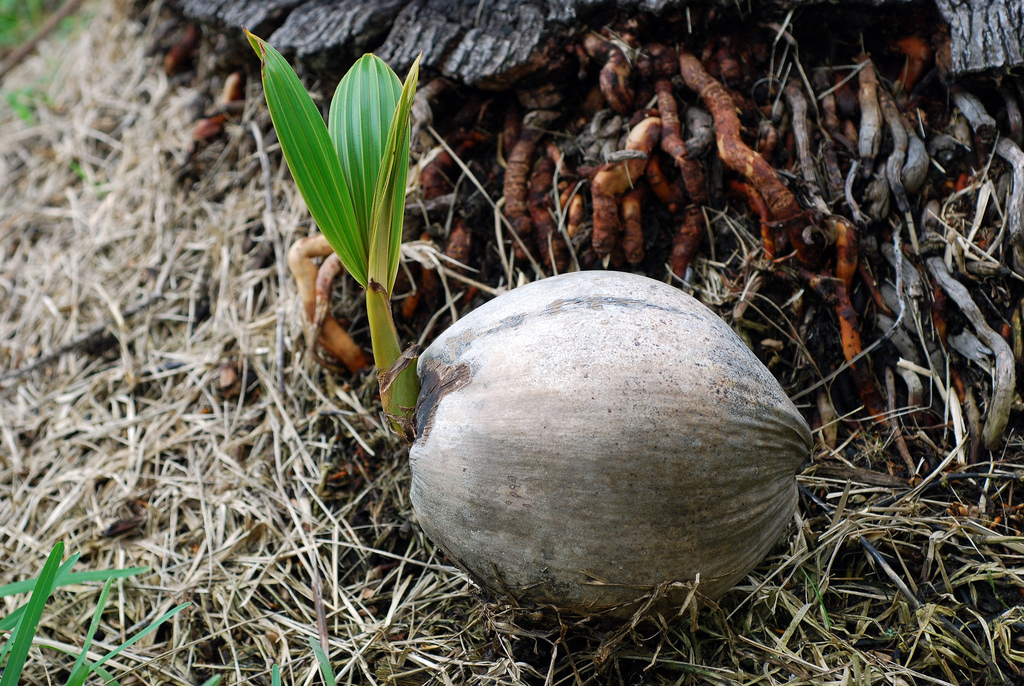
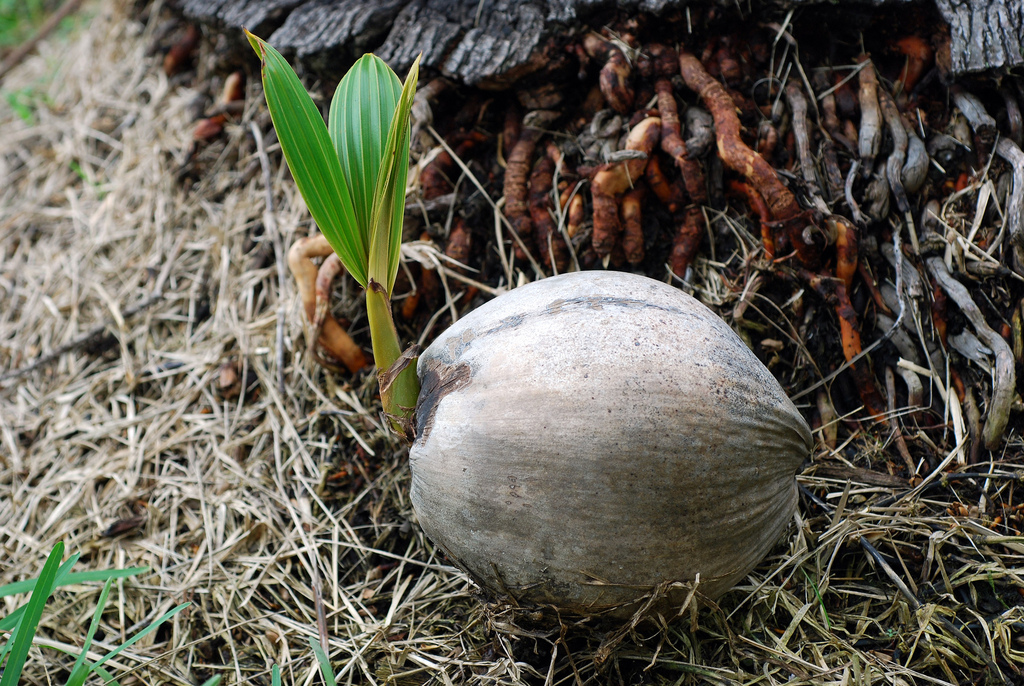
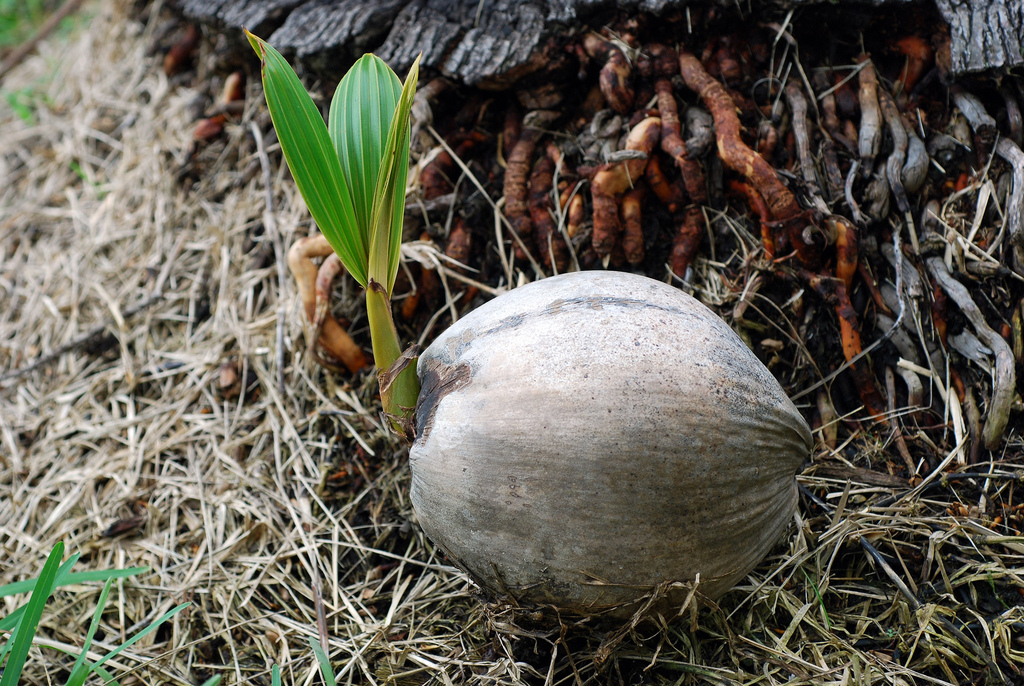
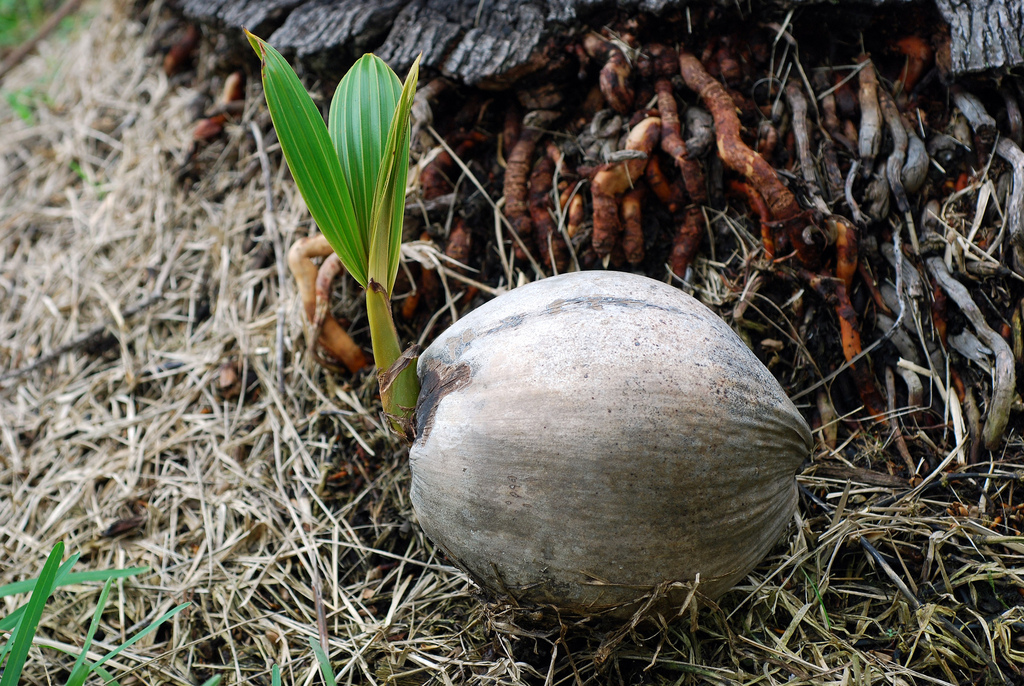
Secondary II High No biomass productionGreen Dwarf cultivar — Brazil's commercial mainstay for coconut water. 8–12 m tall, 30–40 year economic life, first harvest at 2–3 years. Yields 15...
-
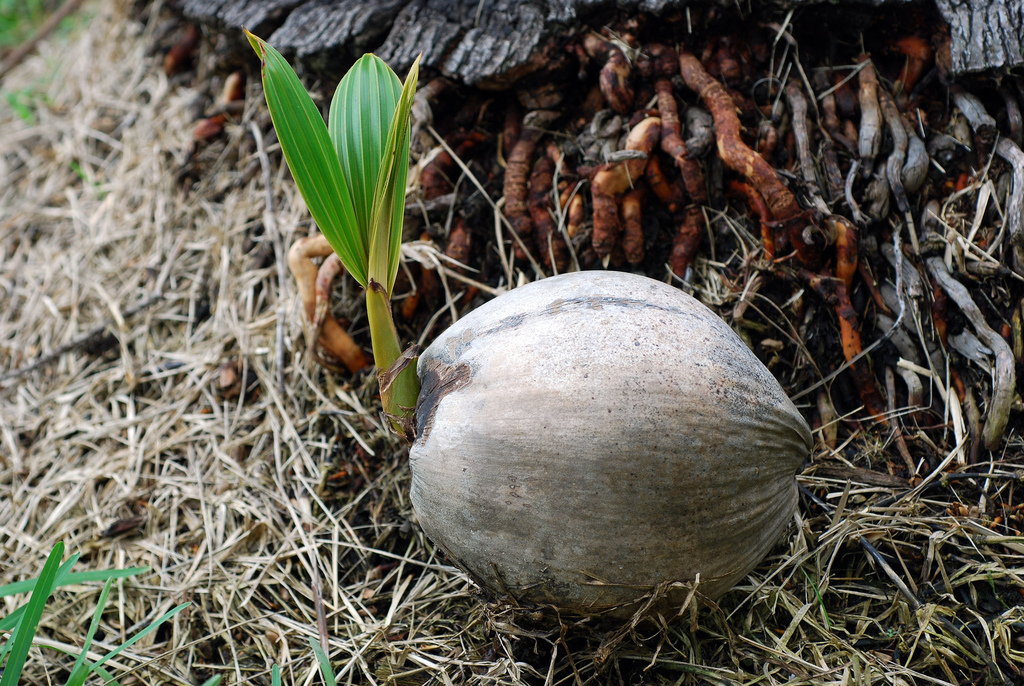
coconut palm
Cocos nucifera
Secondary II Emergent No biomass productionHigh-value palm naturalized along Brazilian coastlines. Pasini lists it in the emergent stratum of Tabela 3. Tolerates salinity and coastal winds; ...
-
tall coconut
Cocos nucifera
Secondary II Emergent No biomass productionTall variety — emergent (20–30 m), 60–70 year lifespan, first flowering at 5–7 years. 60–80 large fruits per plant per year for copra, oil, and fib...
-
yellow dwarf coconut
Cocos nucifera
Secondary II High No biomass productionYellow Dwarf cultivar. Height and cycle similar to Green Dwarf (8–12 m, first harvest at 2–3 years). Slightly larger yellow fruits. Better toleranc...
-
hybrid coconut
Cocos nucifera
Secondary II High No biomass productionDwarf × Tall hybrids registered by Embrapa (BRS 001, 002, 003). Intermediate height (15–20 m), early bearing (4 years), medium fruits. Combine Tall...