Plants
chayote
Sechium edule (Jacq.) Sw.
Family: Cucurbitaceae · Genus: Sechium
vegetable pear, mirliton
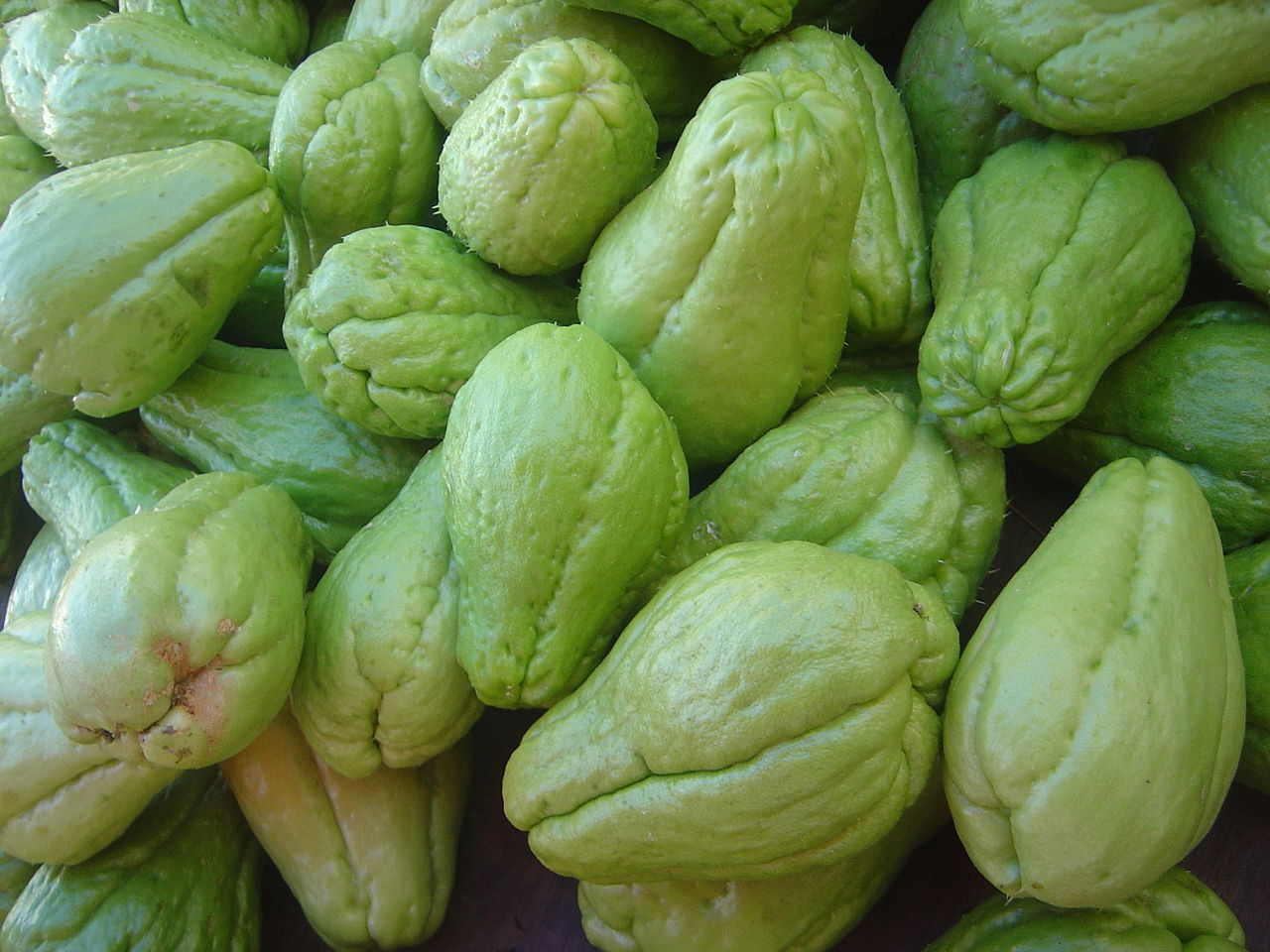
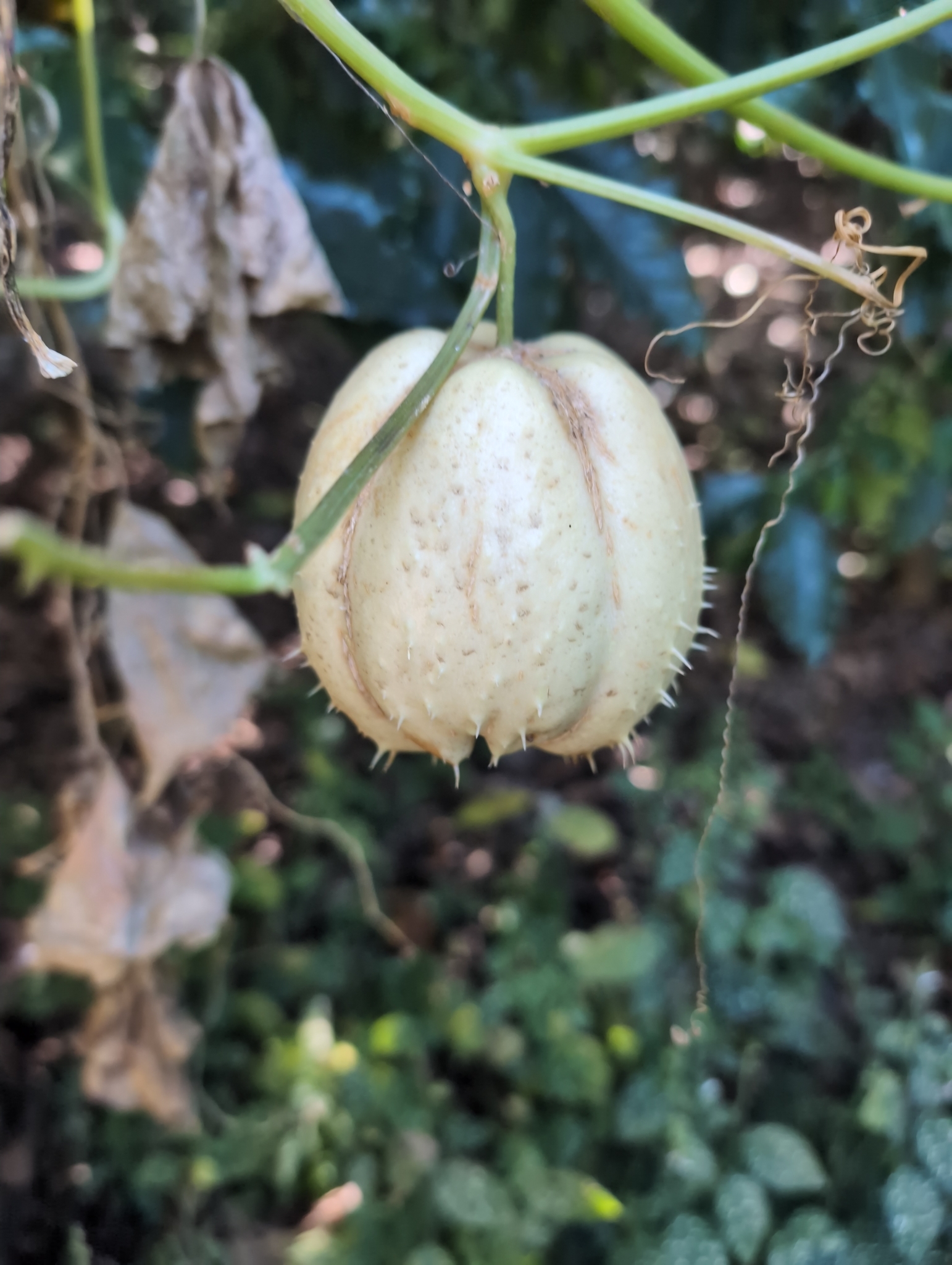
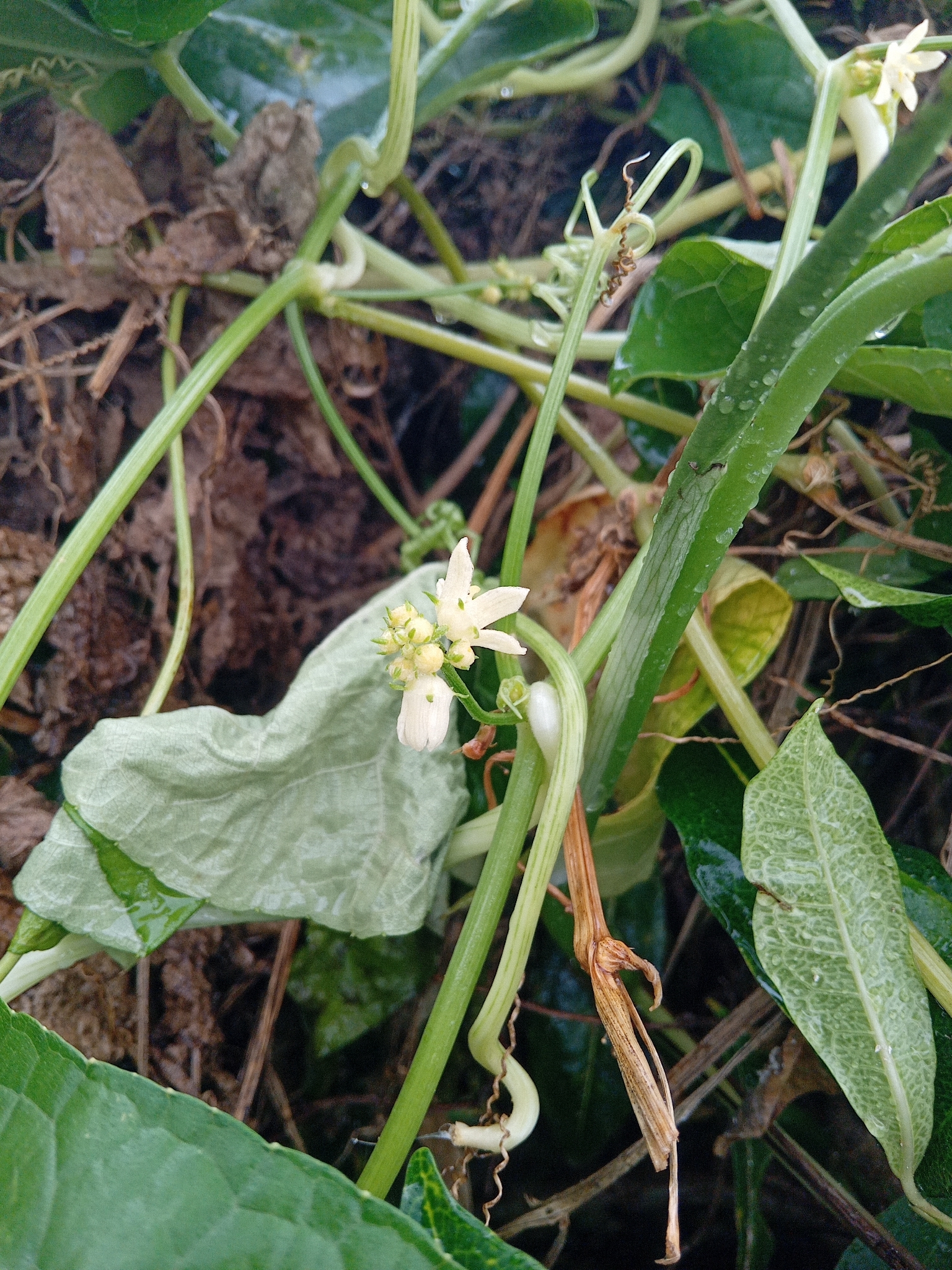
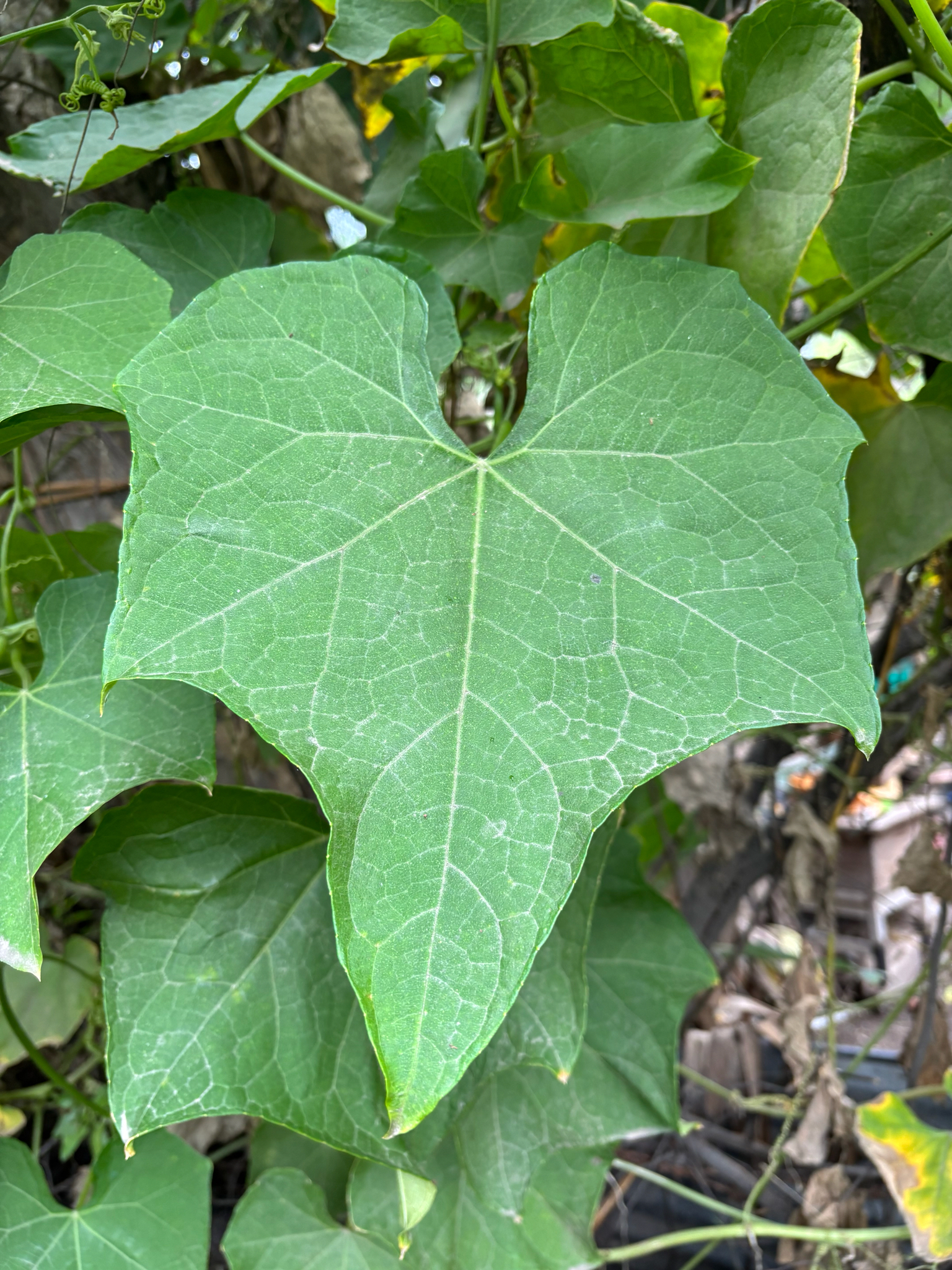
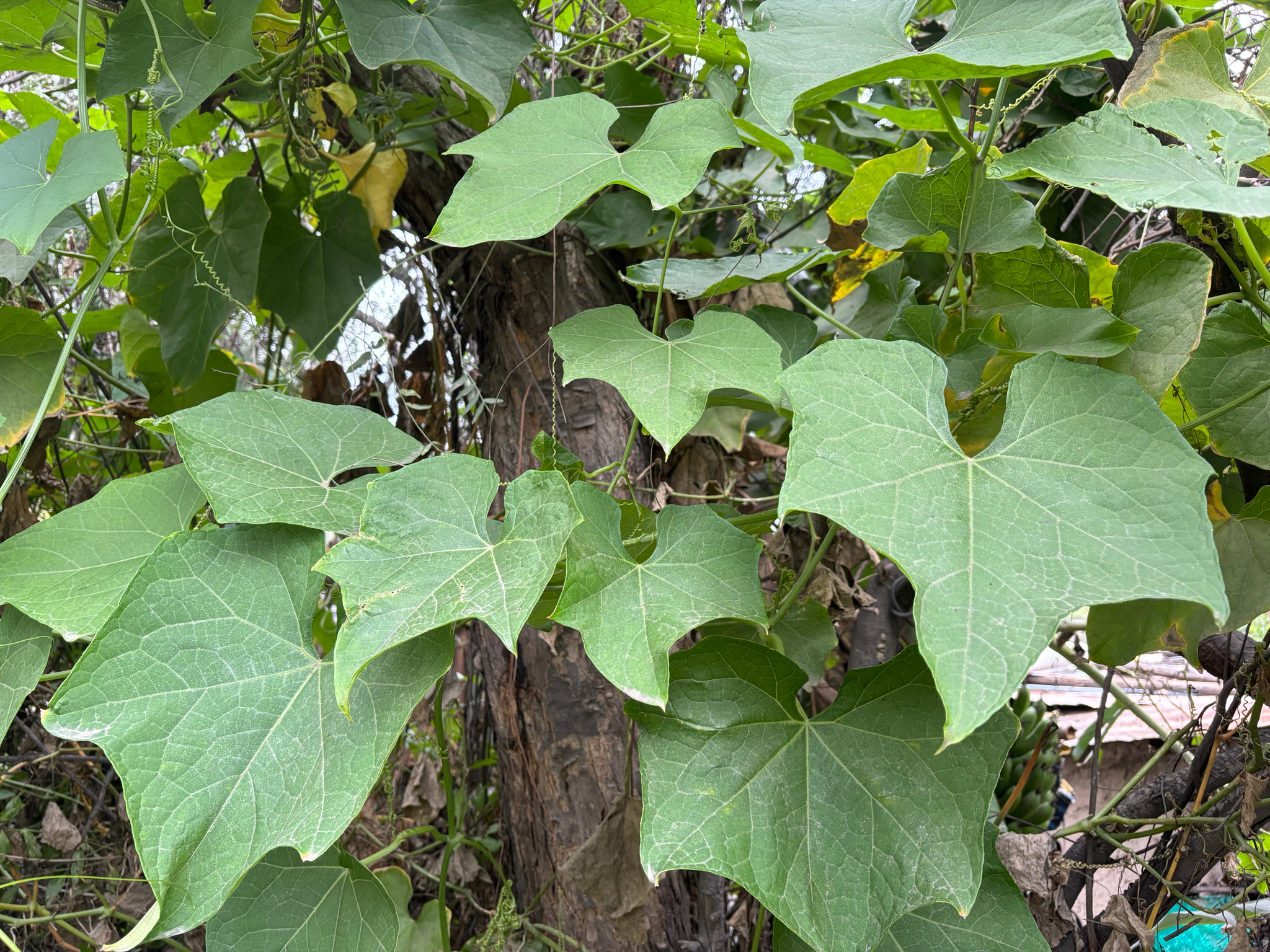
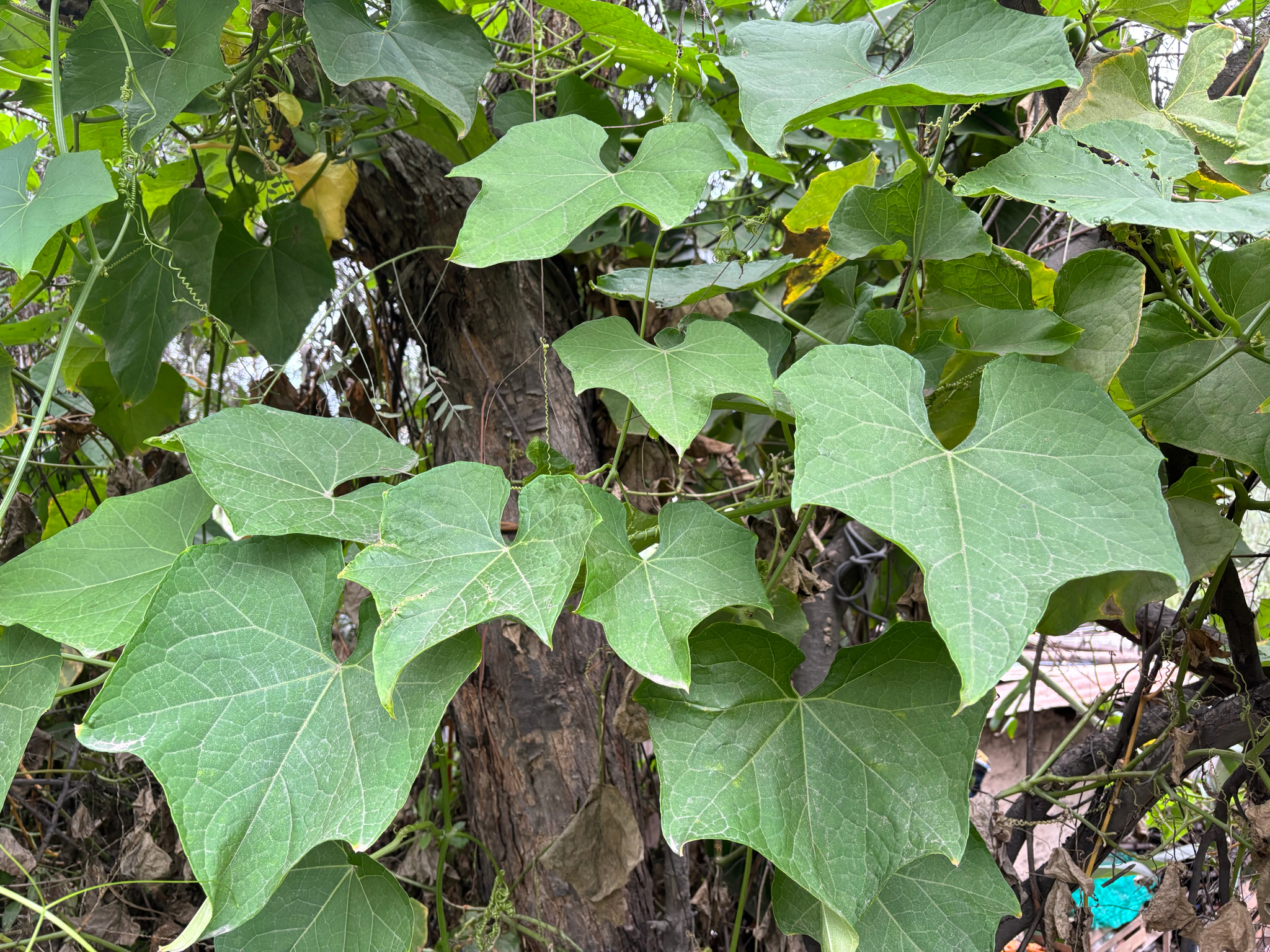
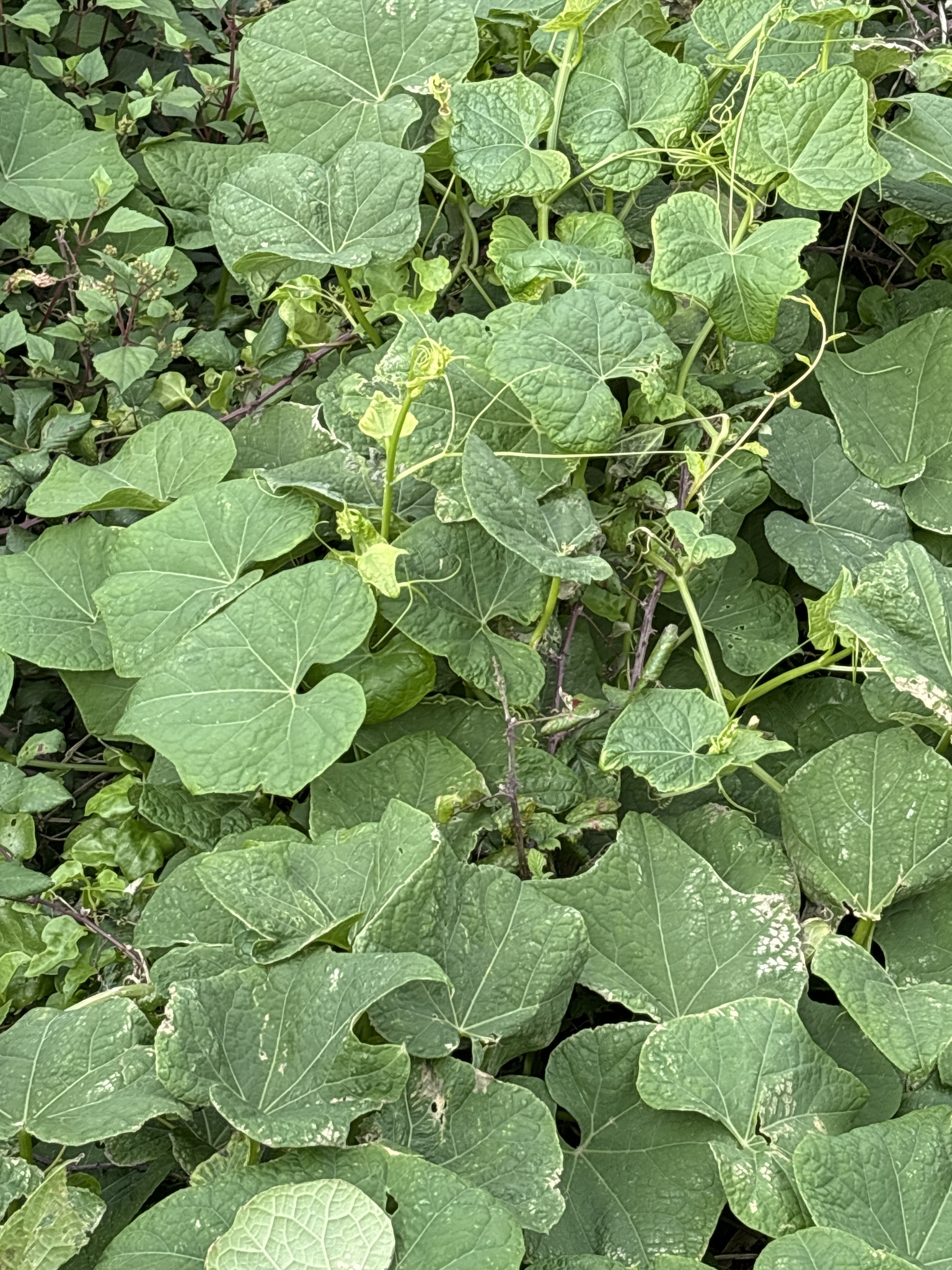
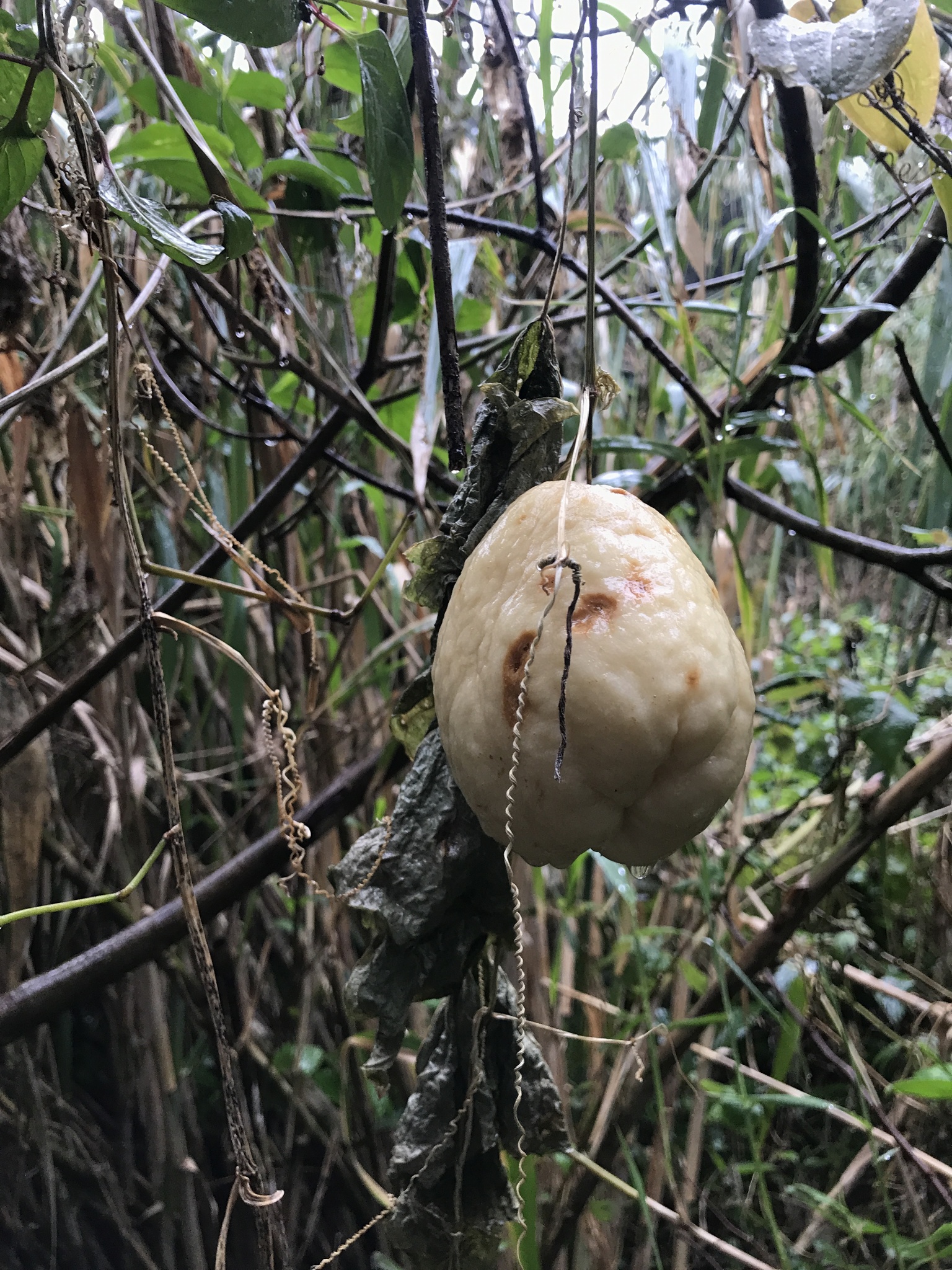
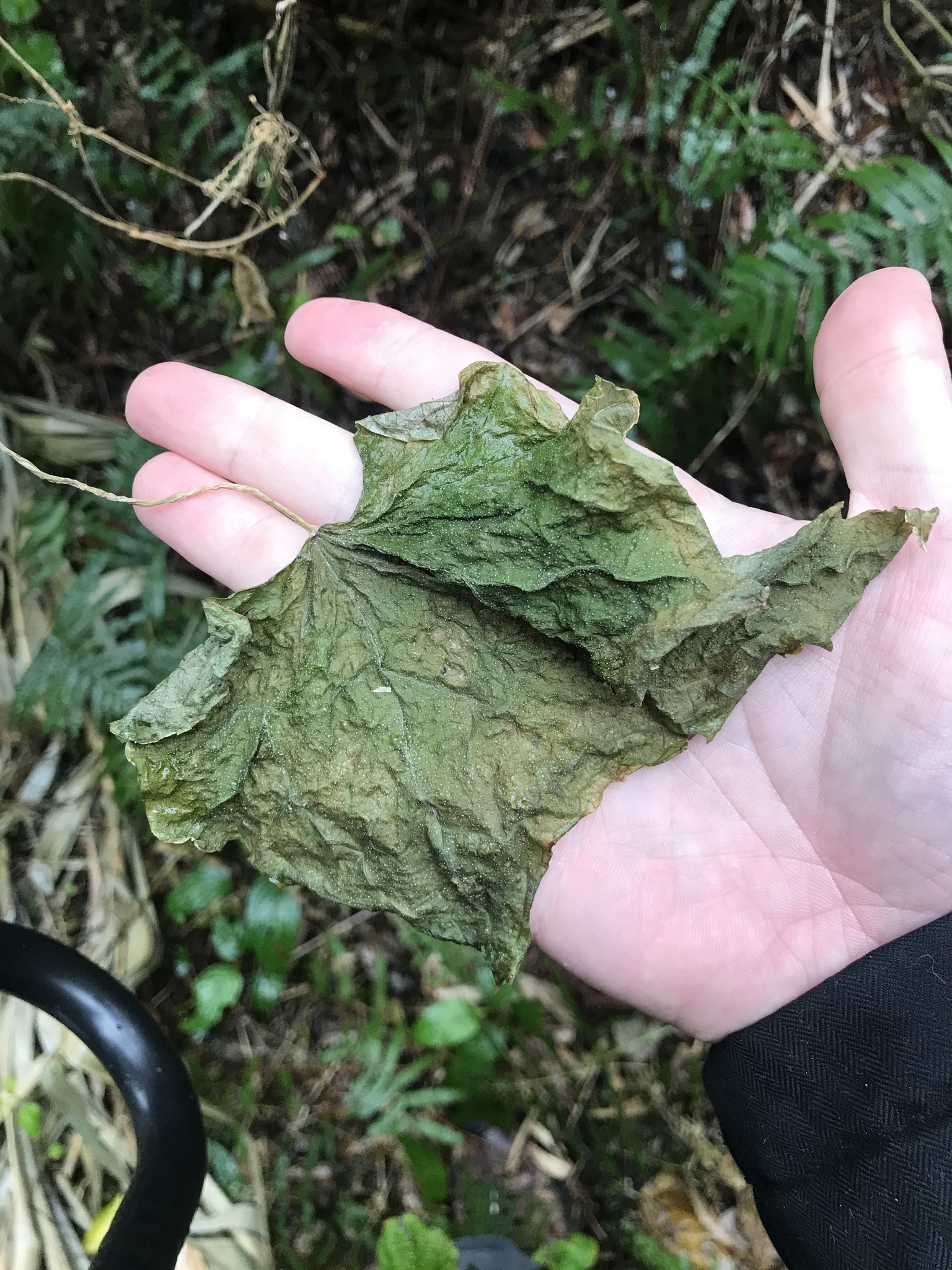
Perennial climbing cucurbit of Mesoamerican origin, naturalized in Brazil. EcoAgri lists it in the high stratum of the 'up to 3 years' bin (the plant grows over supports or trees). Green fruit eaten cooked; the tuberous root is also edible.
📚 Synonyms
Scientific synonyms: Sicyos edulis
Götsch succession
- Götsch stage
- Placenta II
- Ecological role
- Pioneer
- Primary stratum
- High
- Strata
- High, Medium
- Biomass class
- No biomass production
Environment
- Light requirement
- Partial sun
- Water requirement
- High
- Drought tolerance
- Low
- Waterlogging tolerance
- Low
- Soil pH range
- 5.5–7
- Preferred soil texture
- Sandy, Loamy
- Hardiness zones
- 9–12
- Frost tolerance
- 0.0 °C
Morphology
- Mature height
- 3–12 m
- Recommended spacing
- 2–3.5 m
- Root system
- Fibrous
- Root depth
- Medium
- Growth rate
- Very fast
- Lifespan
- ≤ 3 years
- Time to first harvest
- 4 months
Biomes & climate
- Atlantic Forest Naturalized
- Cerrado Naturalized
Köppen classes
- Humid subtropical (Cfa) Suitable
- Subtropical with dry winter (Cwa) Suitable
- Tropical savanna with dry winter (Aw) Suitable
Where it fits in a guild
Chayote takes the High stratum in the Placenta II phase of succession — in a guild it shares the line with species from the other strata, each harvesting light at its own height, in its own time.
Free account — and the catalog stays open, no sign-up needed.
🪴 Cultivation
Vigorous perennial climber reaching 12 m or more, trained on a fence, arbour or tree to keep the heavy fruit off the ground. Grows best in full sun (some cultivars yield more in light shade) and well-drained sandy, organic-rich soil; prefers pH 5.5–7. Propagated by planting the whole fruit (which sprouts while still intact) at an angle, broad end down and narrow end protruding — deep planting rots the fruit; also from 15–20 cm stem cuttings. Cold-sensitive: damaged below 13 °C and killed by frost.
❓ Frequently asked questions
How long until the first harvest of chayote?
The first harvest of chayote comes around 4 months after planting.
What spacing is recommended for chayote?
The recommended spacing for chayote is 2–3.5 m.
How tall does chayote grow?
At maturity, chayote reaches 3–12 m tall.
What stage and stratum does chayote occupy in a syntropic system?
In a syntropic system, chayote belongs to the placenta ii stage, occupying the high stratum.
Functions
Propagation
Seed, Cutting
Citations
- EcoAgri — Organização de algumas espécies vegetais por tempo de vida (placentas) e estrato (Cartilha 'Liberdade e Vida com Agrofloresta') , p. 2 (primary_stratum, gotsch_stage)
- Plants For A Future (PFAF) — Sechium edule (ph_min, ph_max, hardiness_zone_min, hardiness_zone_max, frost_tolerance_c, height_min_m, height_max_m, light_need, soil_texture_preference, propagation, cultivation_notes)
- Harvest to Table — How to Plant, Grow, Prune, and Harvest Chayote (spacing_min_m, spacing_max_m, propagation, cultivation_notes)
- GBIF Backbone Taxonomy — Sechium edule (Jacq.) Sw. (basionym Sicyos edulis Jacq.) (synonyms, scientific_author)
External references
Continue exploring
Related plants
-
banana
Musa × paradisiaca
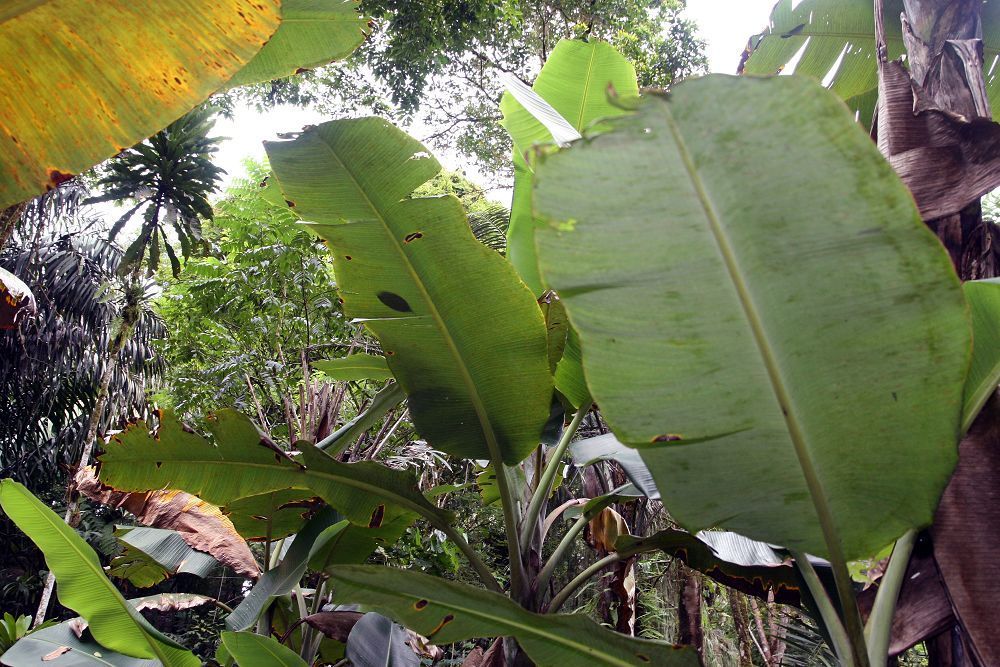
Placenta II High Mulch biomassBanana is a fast-growing pioneer species valued for cover biomass, edible fruit, and a structuring role in syntropic rows. Grows in any moist, well...
-
papaya
Carica papaya
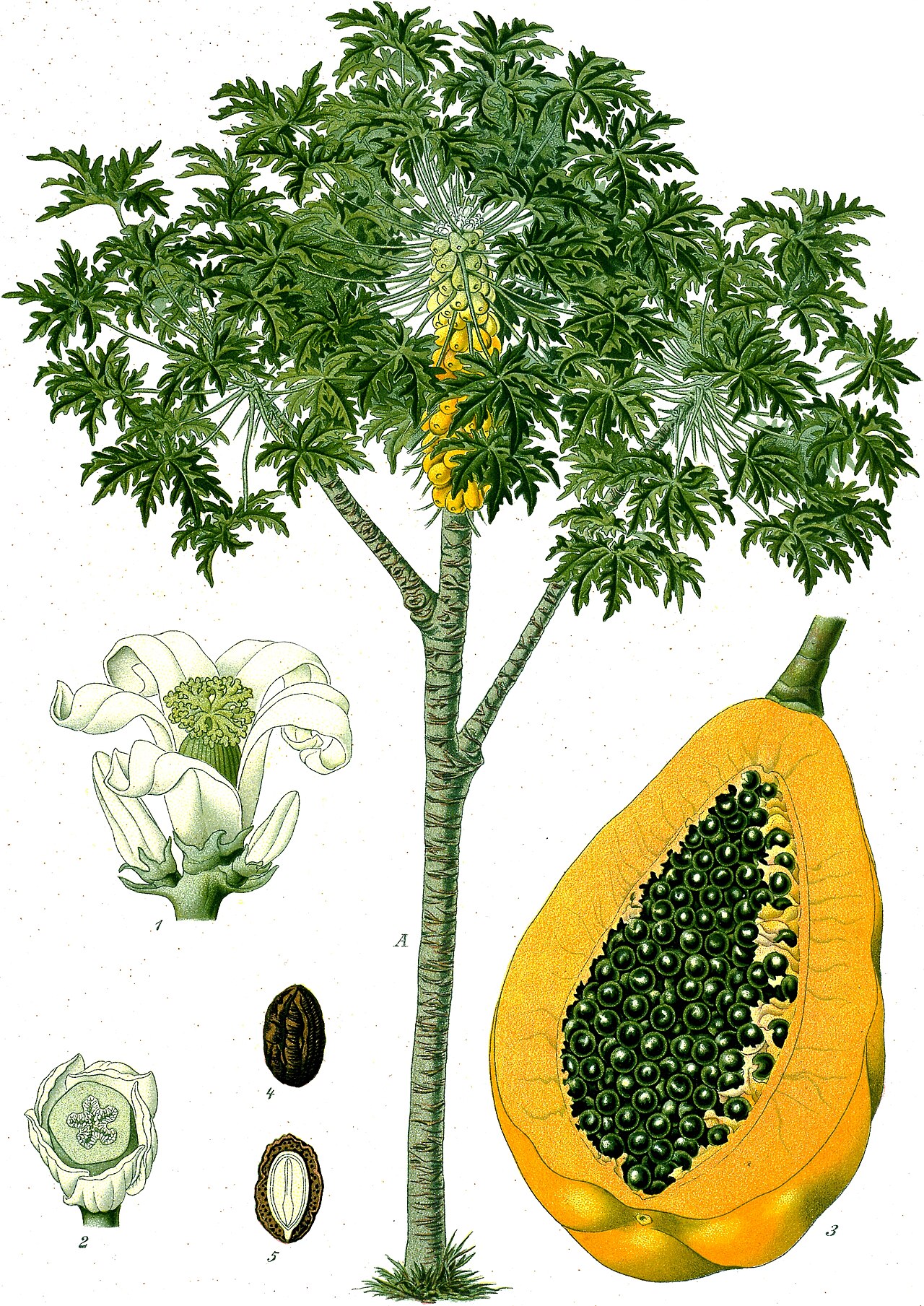
Placenta II High Mulch biomassShort-cycle Placenta II species occupying the high stratum for 2–4 years. Fruits 9–12 months after planting.
-
gabiroba
Campomanesia adamantium
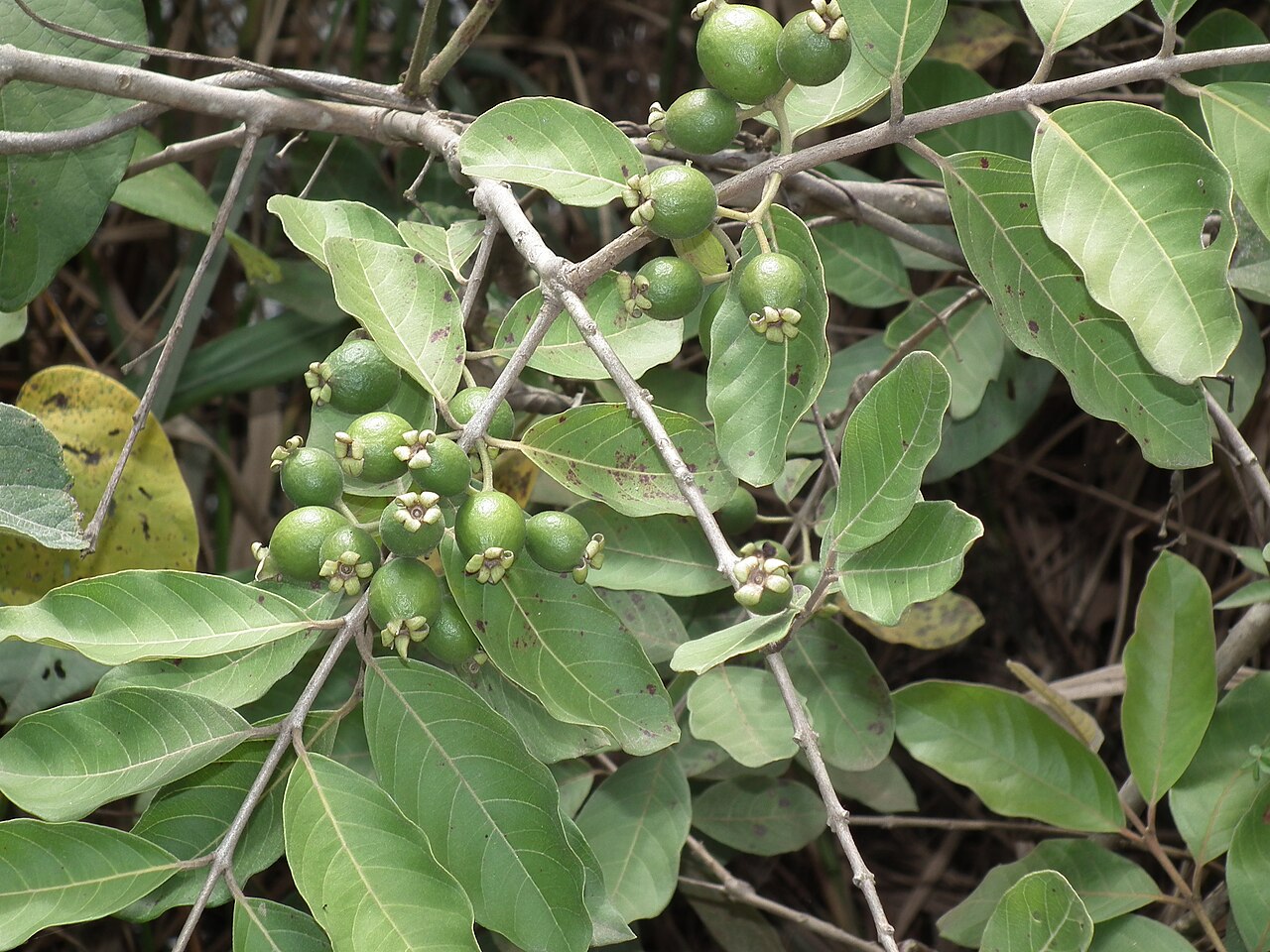
Placenta II LowPioneer fruit shrub of the Cerrado that colonizes degraded areas. Deep roots stabilize soil and aid water retention. Edible fruits and medicinal le...
-
Brazilian fern tree
Schizolobium parahyba
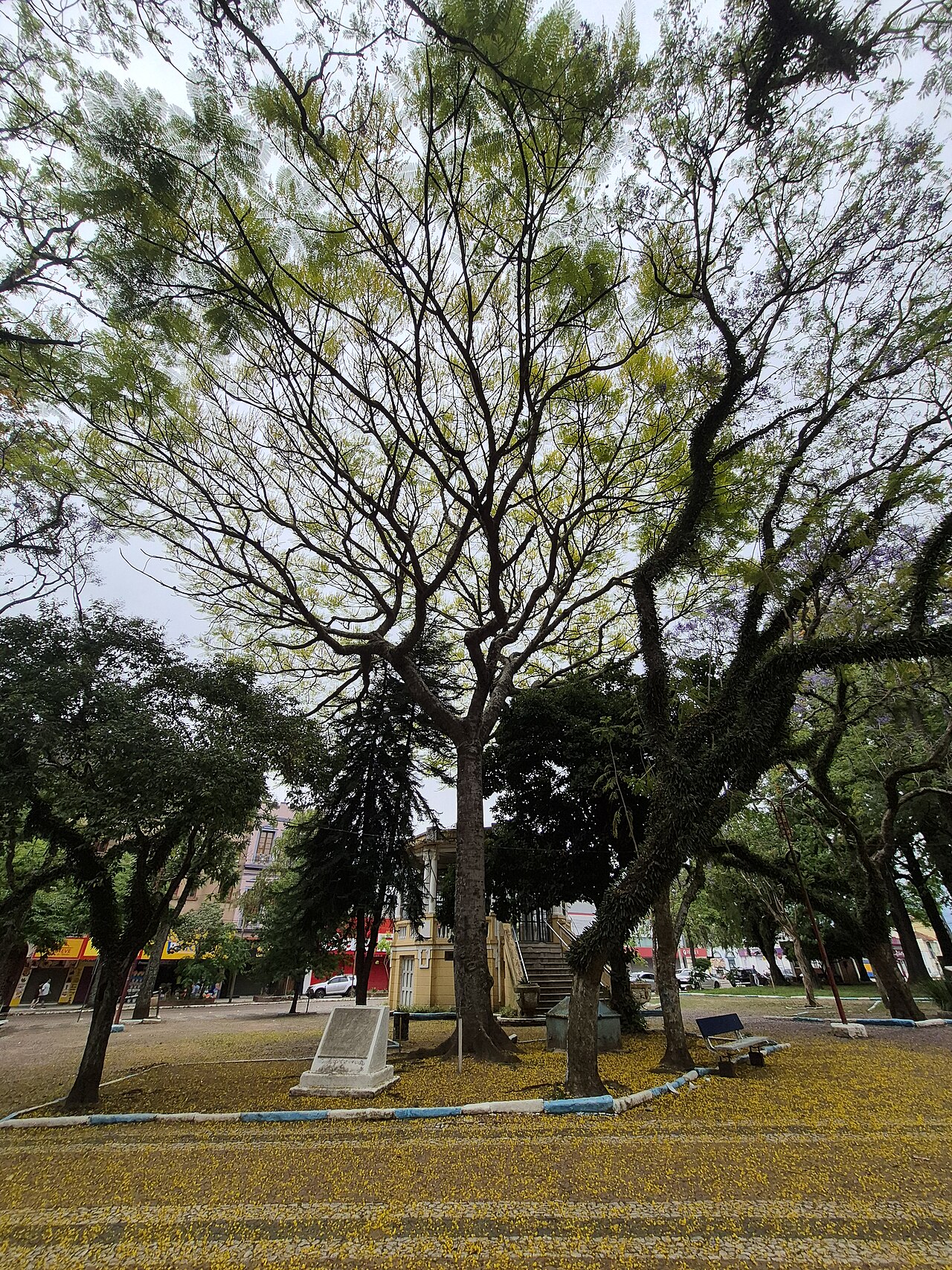
Placenta II Emergent Fertilizer & mulchPioneer Atlantic Forest species with extremely fast growth (up to 6 m per year in early years), reaching 20–30 m. Excellent for early shade and bio...
-
trumpet tree
Cecropia pachystachya
Placenta II Medium Mulch biomassFast-growing, short-lived (~20 years) pioneer tree that colonizes edges and gaps in all Brazilian biomes. Fruits eaten by birds and primates; symbi...
-
Mexican sunflower
Tithonia diversifolia
Placenta II High Fertilizer biomassFast-growing perennial shrub; propagated by stem cuttings; high biomass production rich in nitrogen, phosphorus, and potassium. Explicitly cited by...