
Climate
Plants for the Tropical rainforest (Af) climate
Equatorial: hot all year, no dry season. The most open planting window of all — constant moisture sustains dense successions and short pruning-and-mulching cycles.
109 species in the catalog · Refine this list in the catalog
-
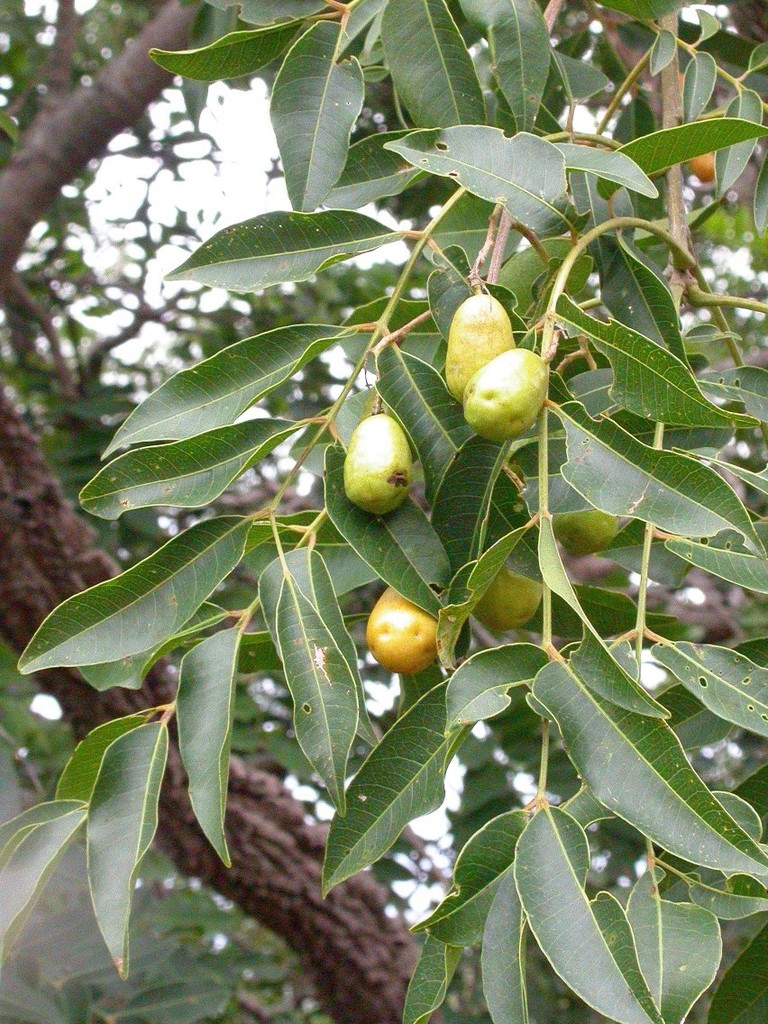
yellow mombin
Spondias mombin
Secondary I Emergent No biomass productionFast-growing pioneer fruit tree; Pasini lists it in the emergent/high stratum of Tabela 3 and among Abundance-system species (emergent stratum, 10–...
-
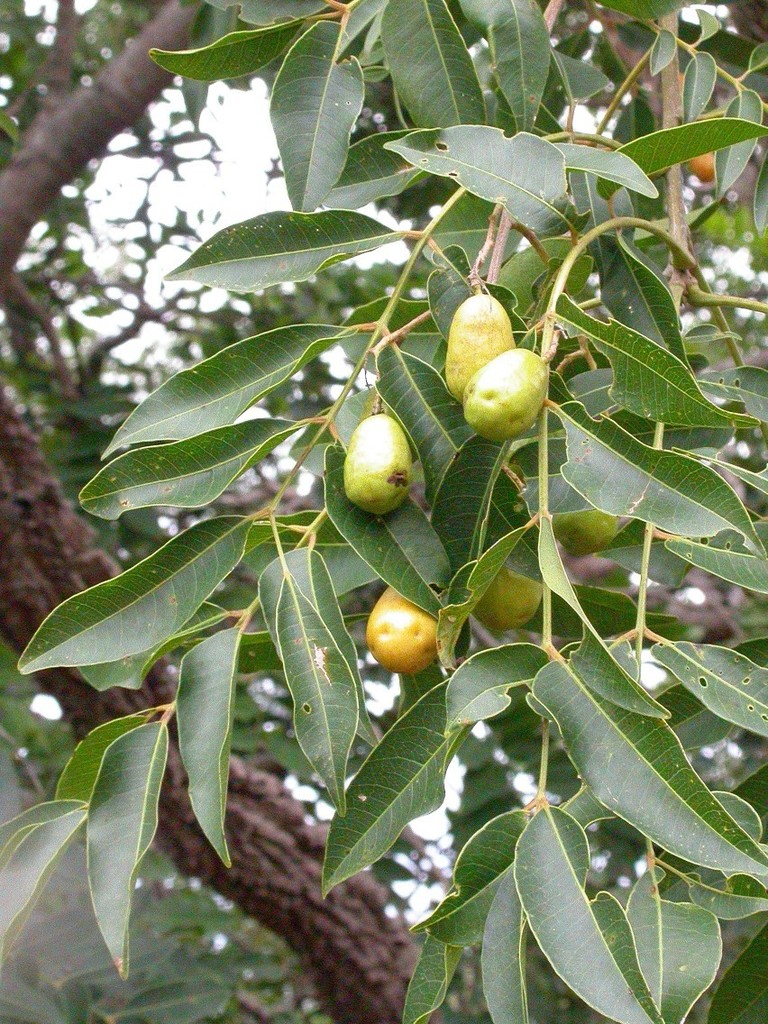
yellow mombin
Spondias mombin
Secondary II High Mulch biomassAmazonian and neotropical tree of high-to-emergent stratum, cited by Embrapa among key fruit species for Amazonian SAFs. Productive lifespan 40 yea...
-
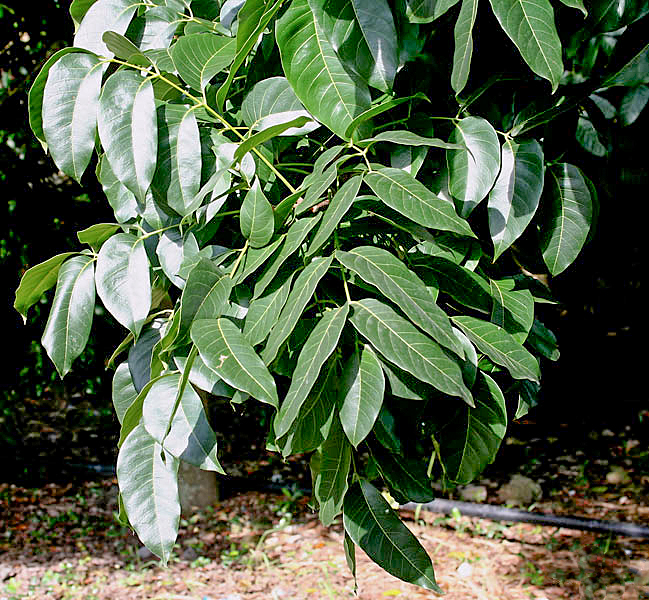
big-leaf mahogany
Swietenia macrophylla
Climax Emergent Mulch biomassClimax Amazonian premium timber, CITES Appendix II. Pasini lists it in the emergent/high stratum of Tabela 3 and cites it explicitly as a premium t...
-
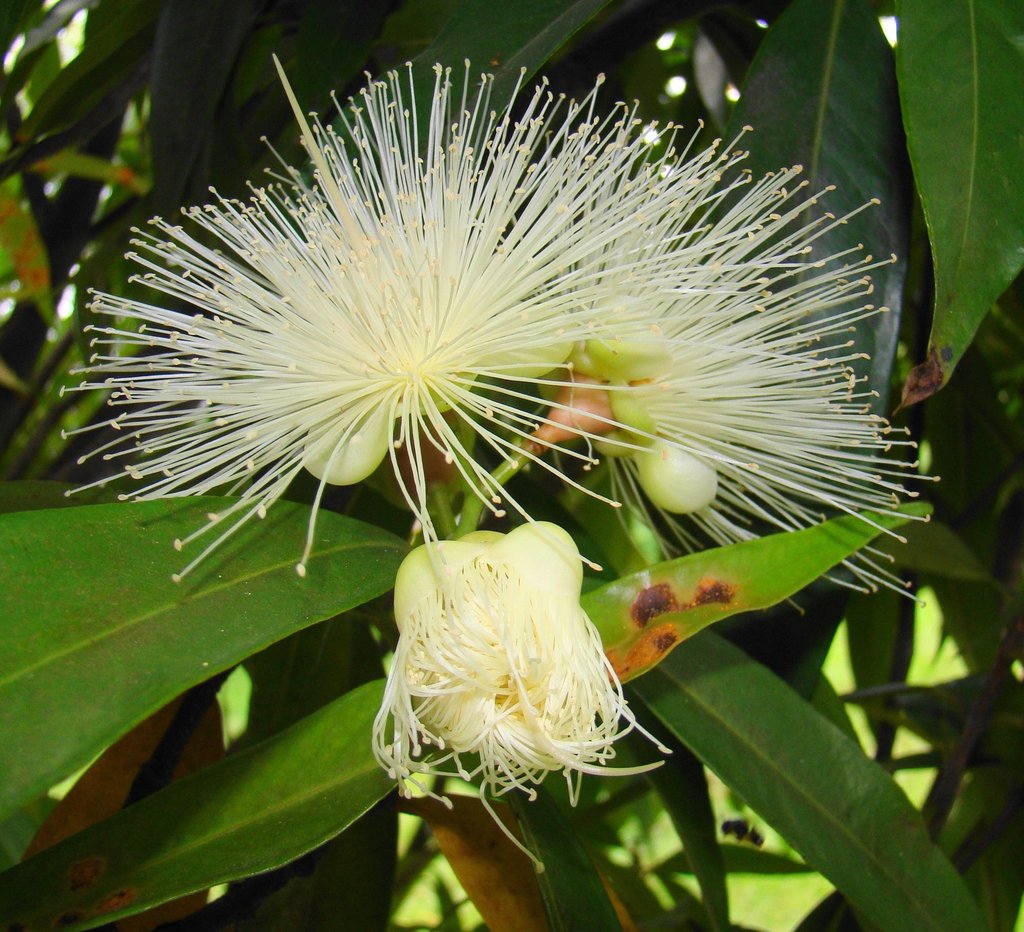
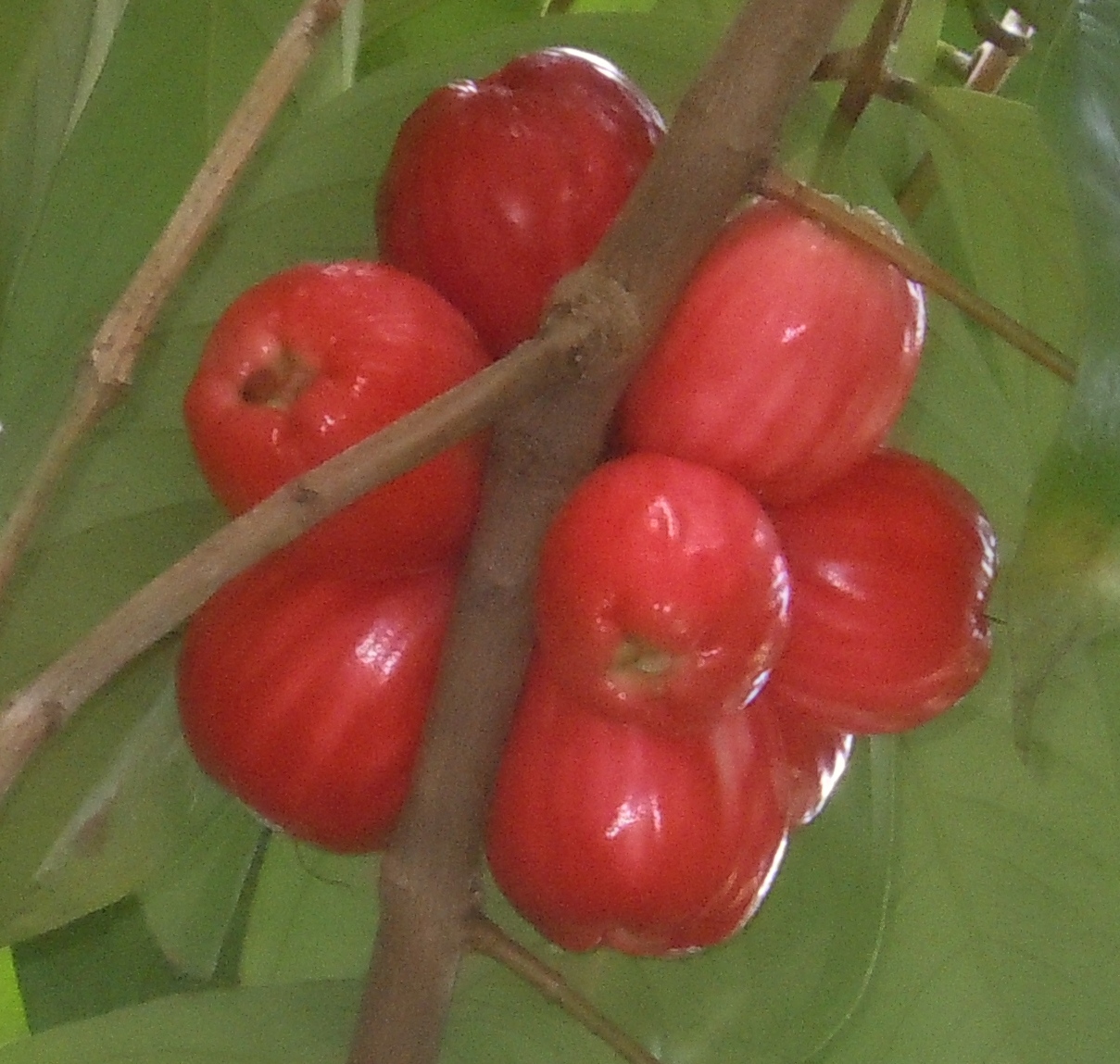
rose apple
Syzygium jambos
Climax High No biomass productionAsian fruit tree naturalized in Brazil, distinct from the Malay apple (S. malaccense). EcoAgri lists it in the high stratum of the '> 50 years' bin...
-
Malay apple
Syzygium malaccense
Secondary II High No biomass productionAsian tropical fruit listed by Pasini in the high stratum of Tabela 3. Pink-red mildly sweet fruit with crisp pulp. Tolerates wet soils; grows well...
-
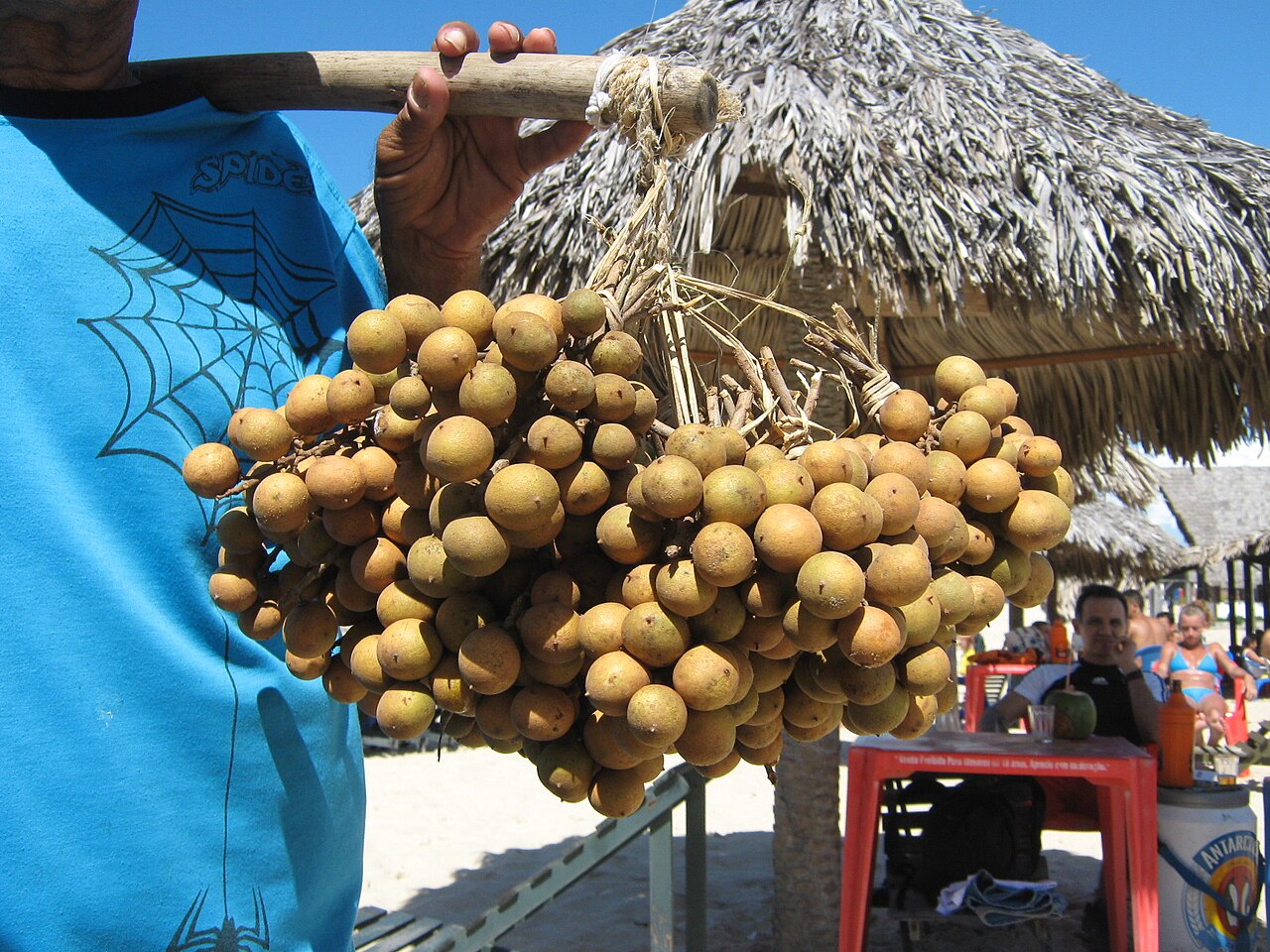
pitomba
Talisia esculenta
Secondary II Medium No biomass productionNative tree of the Amazon and Atlantic Forest, from Northeastern Brazil to Rio de Janeiro. 6–12 m tall, evergreen leafy canopy, trunk 30–40 cm. Ova...
-
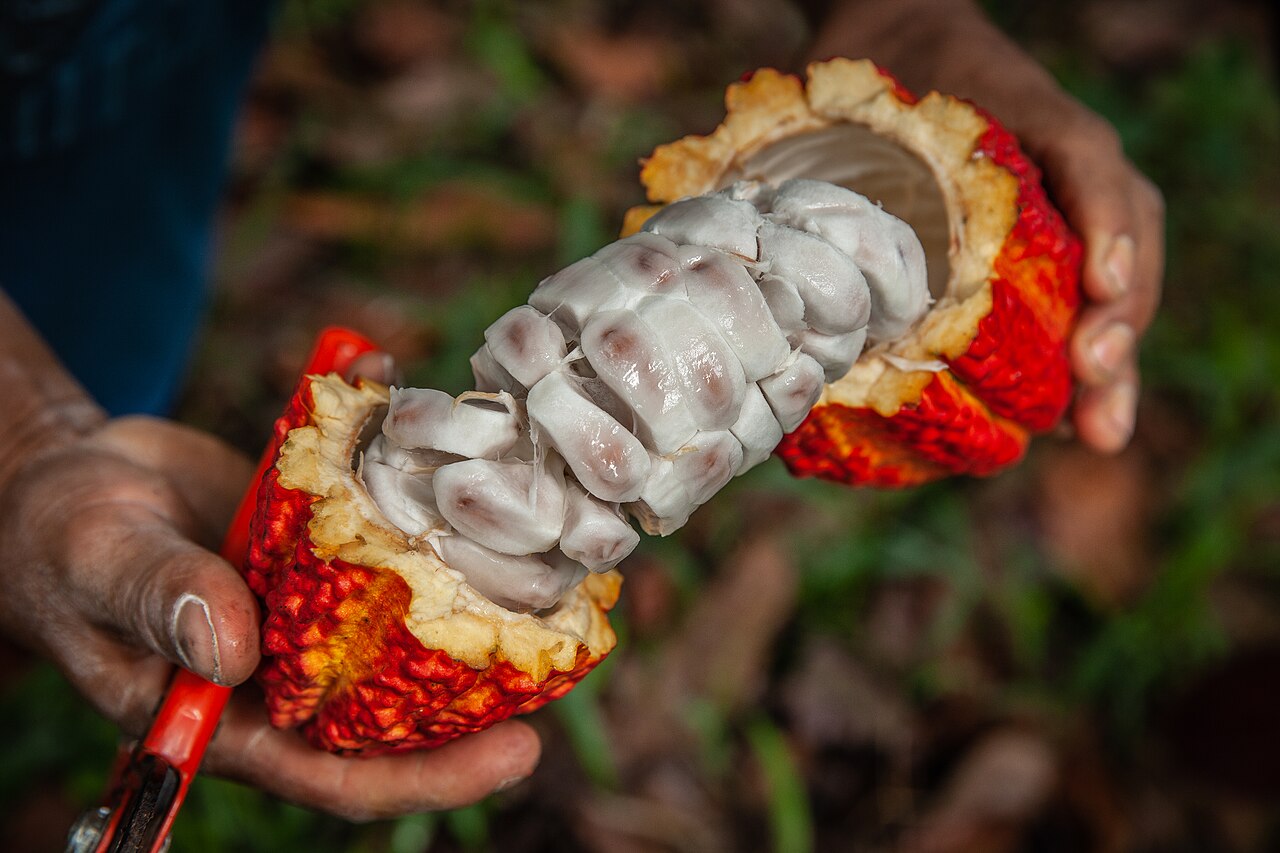
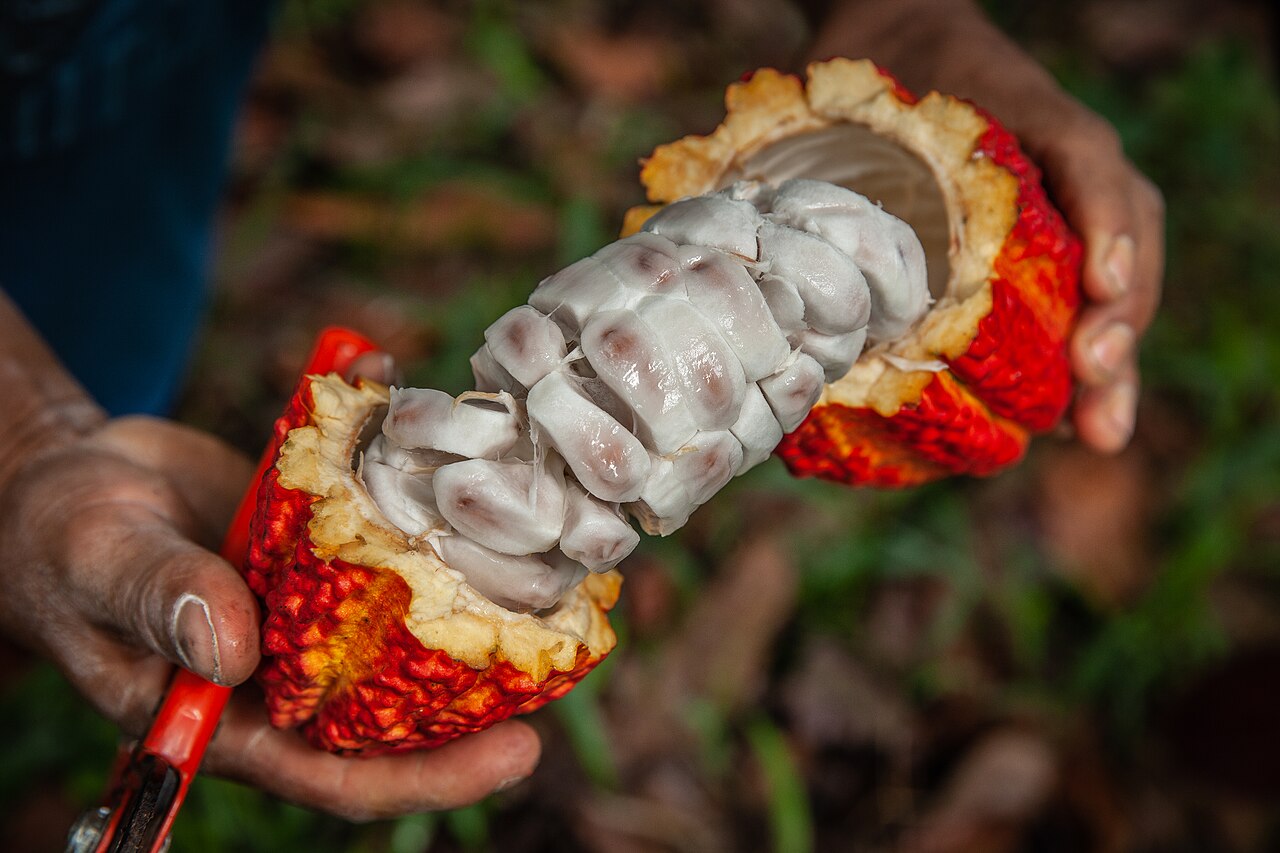
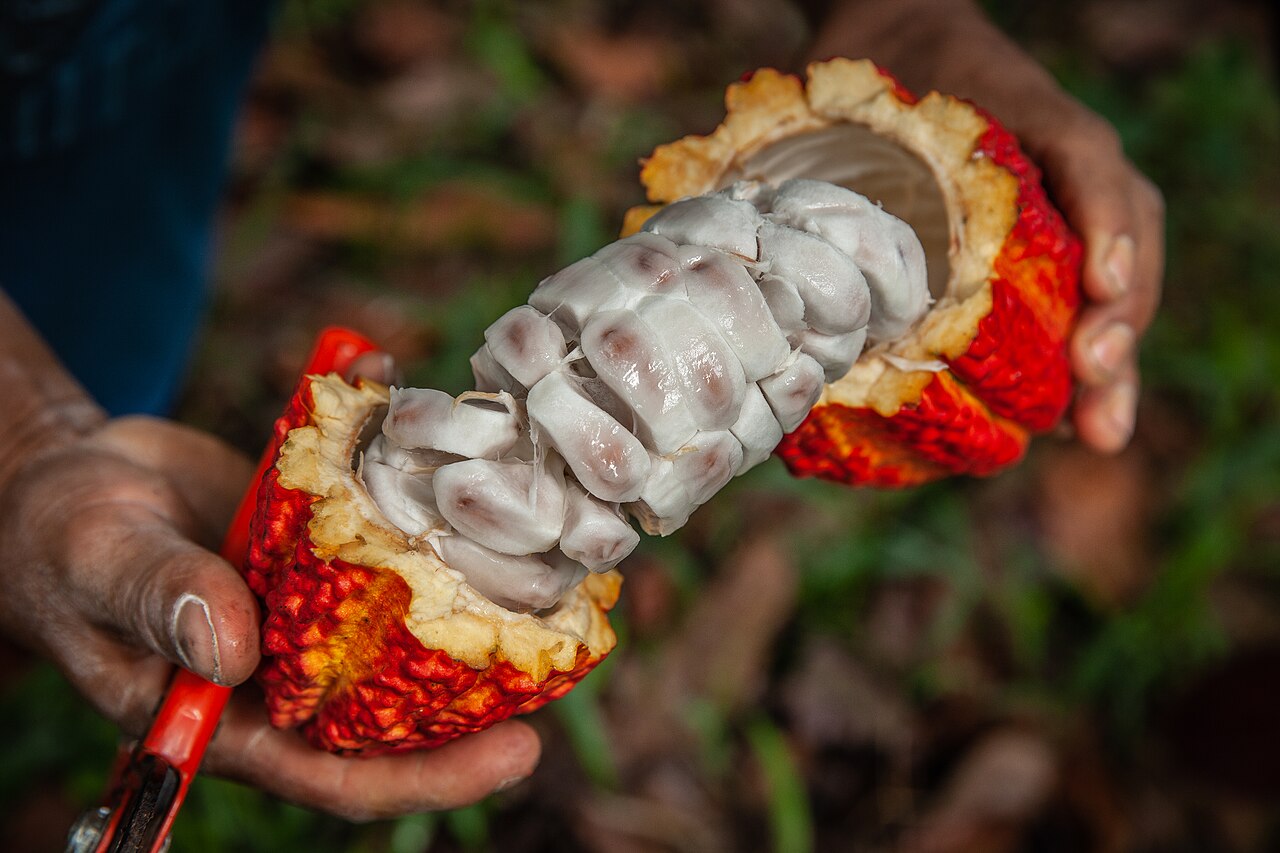
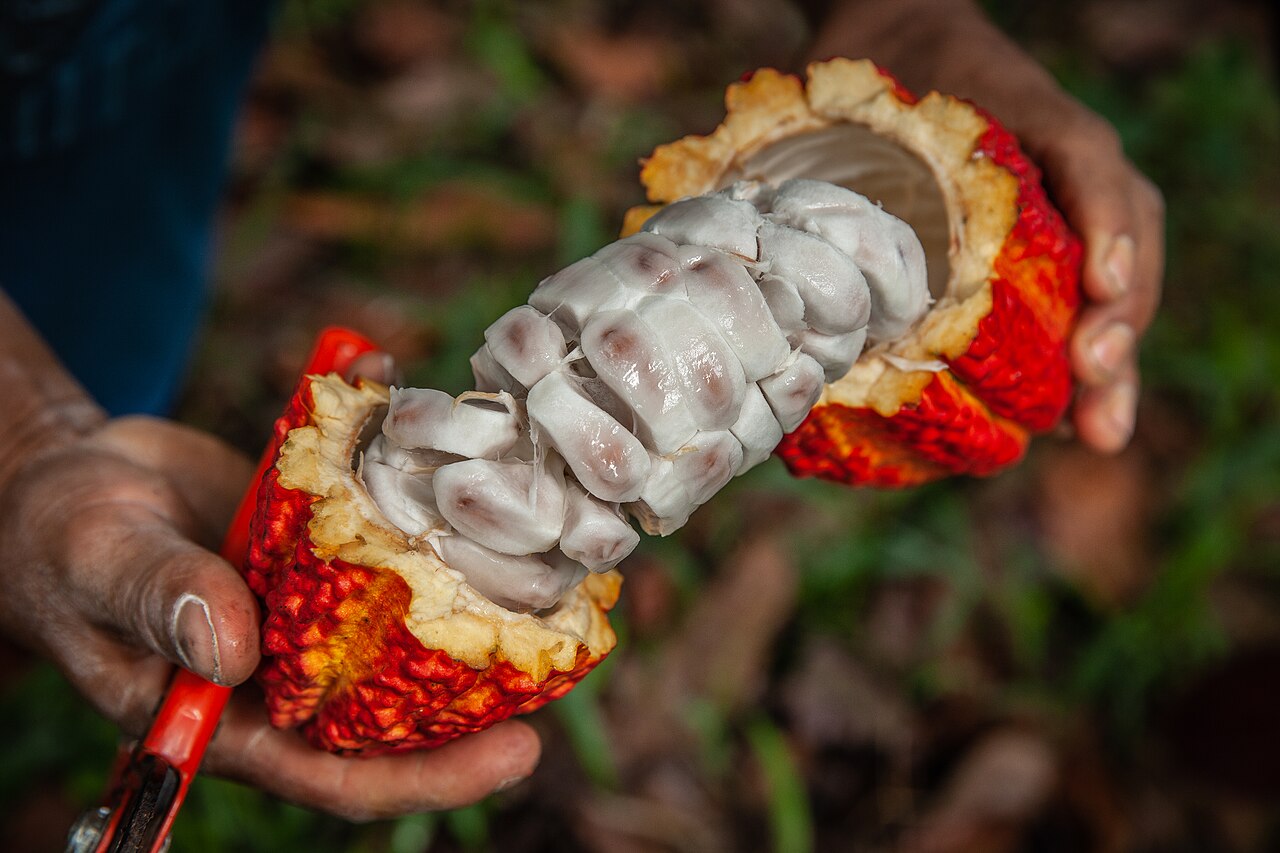
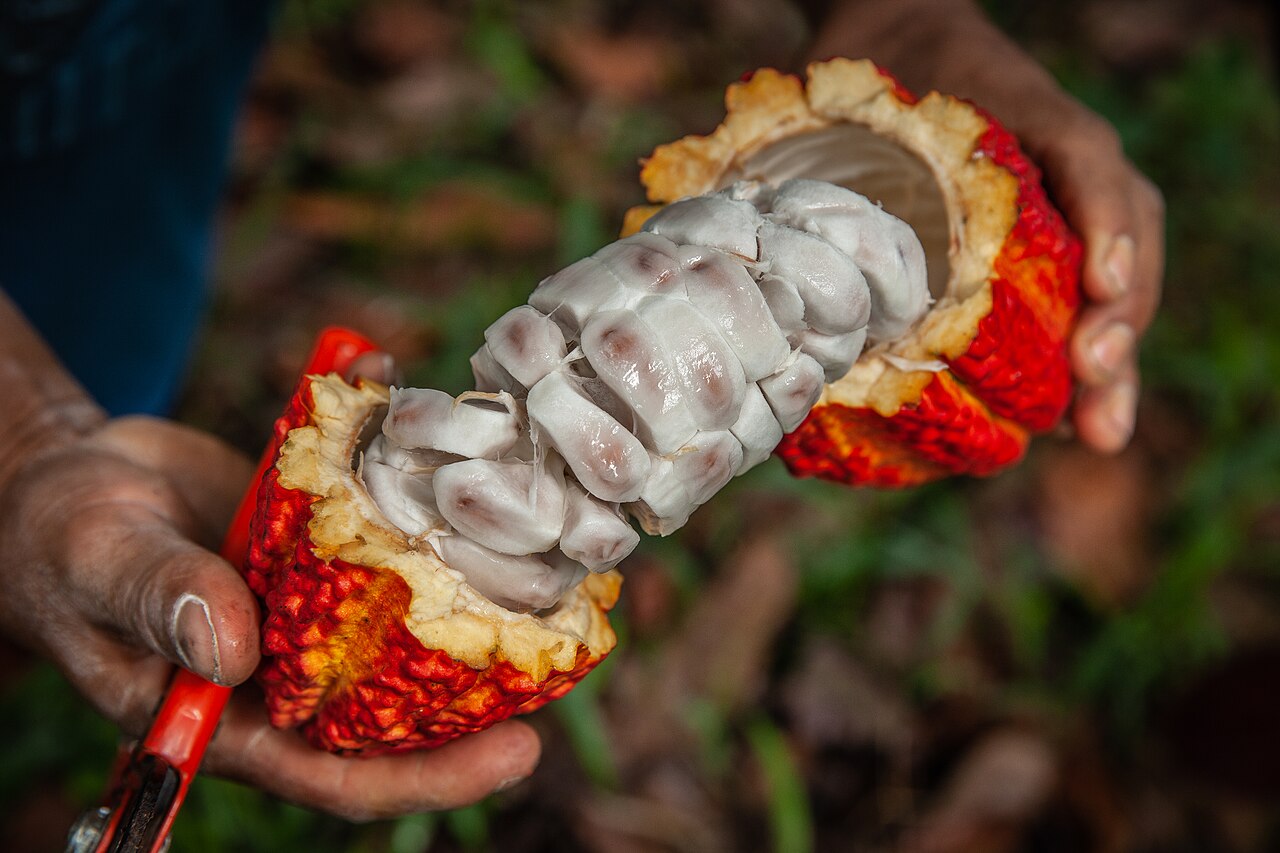
criollo cacao
Theobroma cacao
Secondary II Medium No biomass productionHeirloom varietal group — Mesoamerican origin, red or yellow pods with white-to-pale-purple seeds. Delicate, low-bitterness flavor — the basis of t...
-
cocoa
Theobroma cacao
Secondary I Low No biomass productionLow-stratum fruit tree shaded by bananas, ingás and palms in the Bahia syntropic systems pioneered by Götsch.
-
forastero cacao
Theobroma cacao
Secondary II Medium No biomass productionBrazil's dominant cacao varietal group — yellow-green pods, purple-cotyledon seeds, robust but less aromatic flavor. Tall (6–12 m unpruned), vigoro...
-
trinitario cacao
Theobroma cacao
Secondary II Medium No biomass productionHybrid group (Forastero × Criollo) originating in Trinidad. Combines Forastero's vigor with Criollo's cup quality. Medium height (5–8 m), intermedi...
-
ccn-51 cacao
Theobroma cacao
Secondary II Medium No biomass productionEcuadorian hybrid clone (IMC-67 × ICS-95) selected by Homero Castro in the 1960s. Compact (4–5 m), self-compatible, high yield (up to 4 t/ha), and ...
-
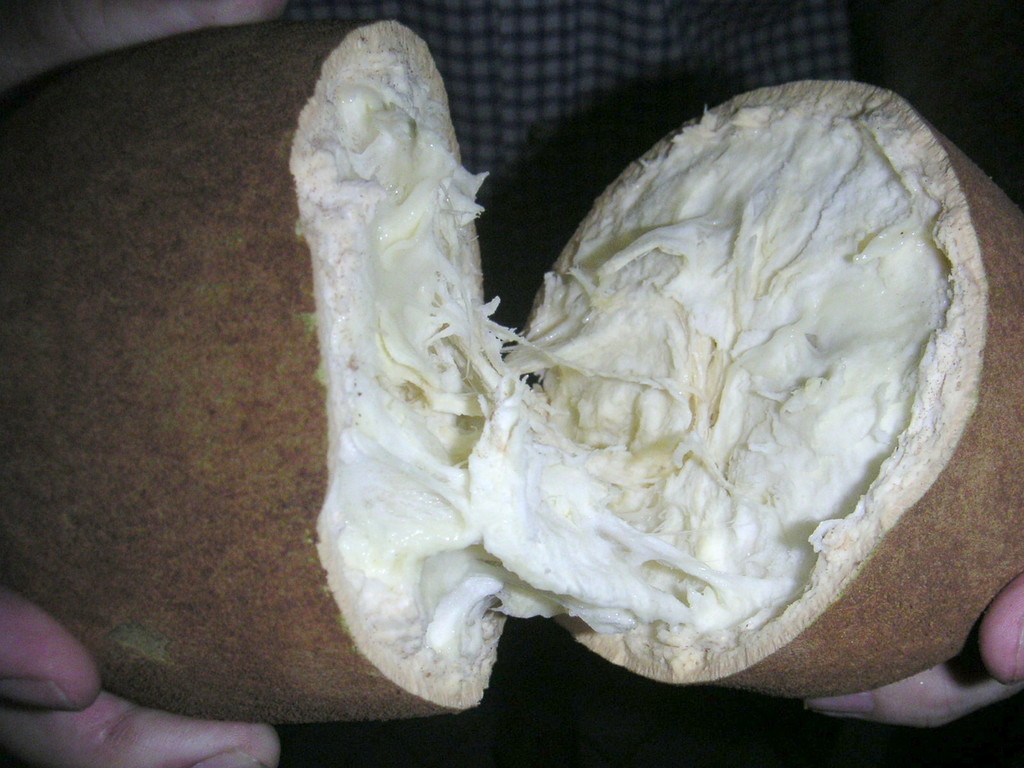
cupuaçu
Theobroma grandiflorum
Secondary I Medium No biomass productionAmazonian high-stratum fruit tree, cousin of cocoa. Pasini lists it in the high stratum of Tabela 3 and among Abundance-system species — middle pha...
-
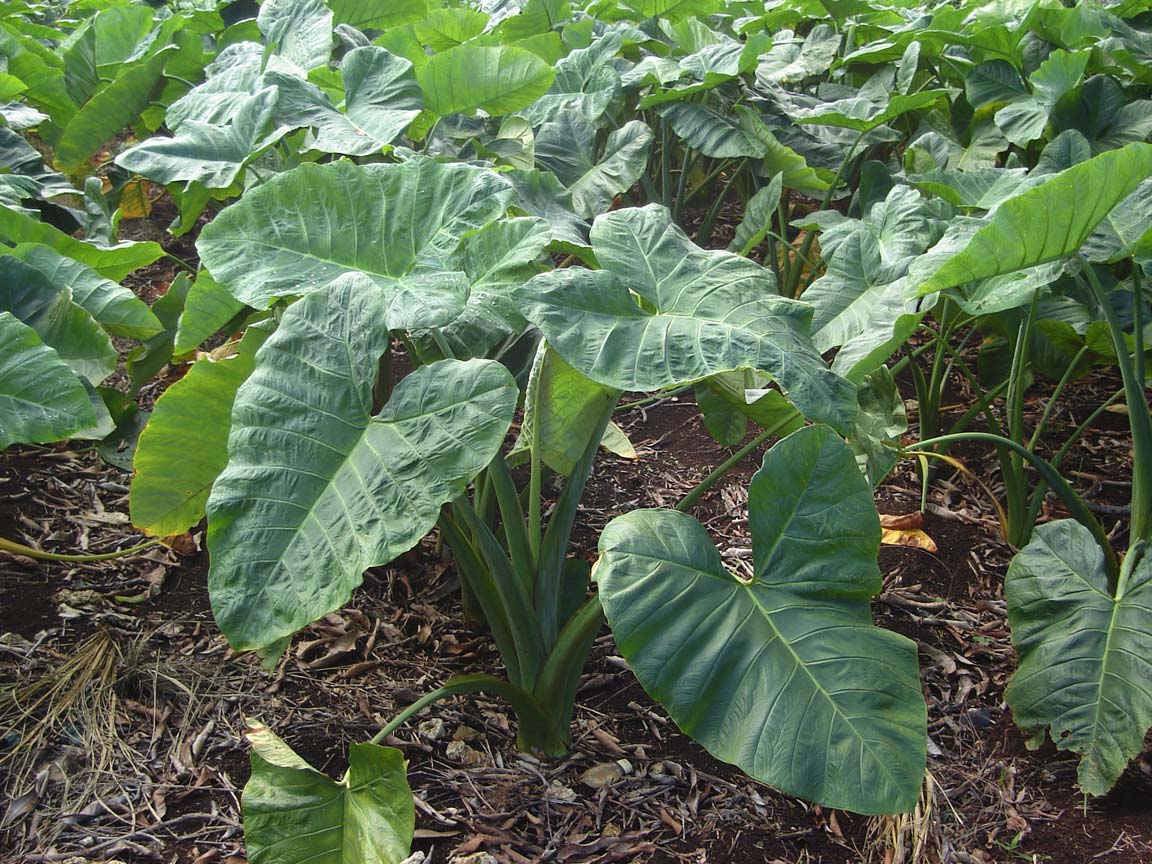
tannia
Xanthosoma sagittifolium
Secondary I Low No biomass productionPANC perennial leafy vegetable widely used in Brazilian syntropic systems. Pasini lists it in the low stratum of Tabela 3 and in the '3 to 10 years...
❓ Frequently asked questions
What is the Tropical rainforest (Af) climate?
Hot and humid year-round, with no marked dry season. Monthly rainfall above 60 mm. Typical of the Amazon and northern coast. Syntropic systems thrive here — the limiting factor is light, not water.
Which plants does the catalog suggest for the Tropical rainforest (Af) climate?
The catalog holds 109 species, among them yellow mombin, yellow mombin, big-leaf mahogany. Each profile shows stratum, succession stage, and the management data, with sources cited.