
Climate
Plants for the Tropical rainforest (Af) climate
Equatorial: hot all year, no dry season. The most open planting window of all — constant moisture sustains dense successions and short pruning-and-mulching cycles.
109 species in the catalog · Refine this list in the catalog
-
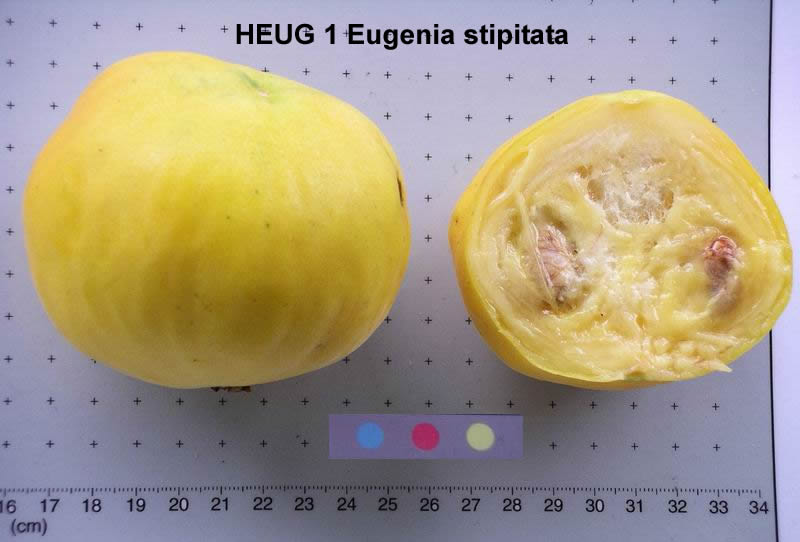
araza
Eugenia stipitata
Secondary II Medium No biomass productionAmazonian native fruit with very acidic, aromatic orange-yellow pulp (high vitamin C), excellent for juices, ice creams, and jams. EcoAgri lists it...
-
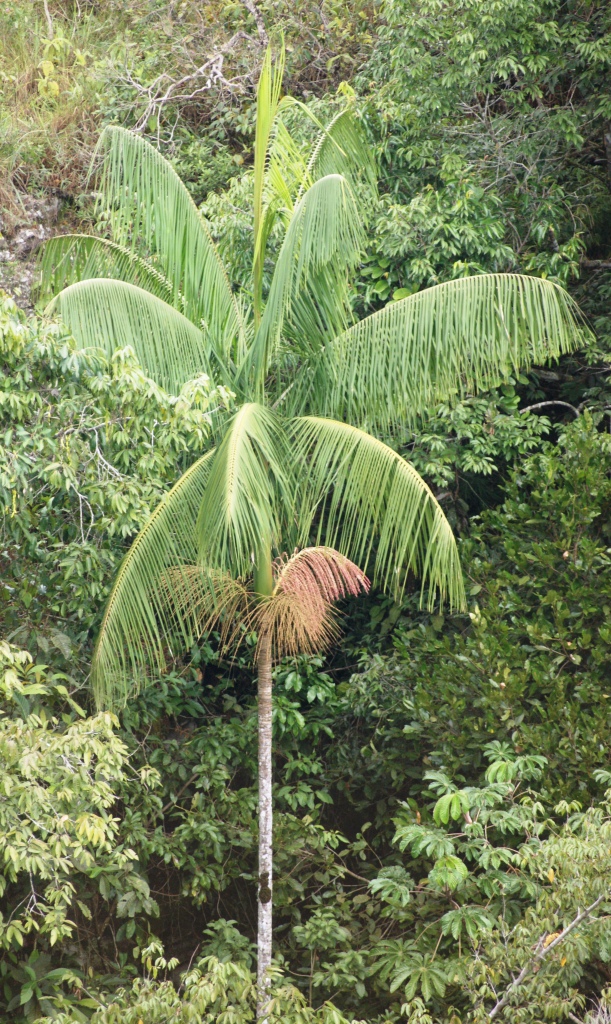
juçara palm
Euterpe edulis
Climax High No biomass productionAtlantic Forest native palm with long-cycle climax behavior; high-quality palm heart. Endangered under extractivism, abundant in well-managed syntr...
-
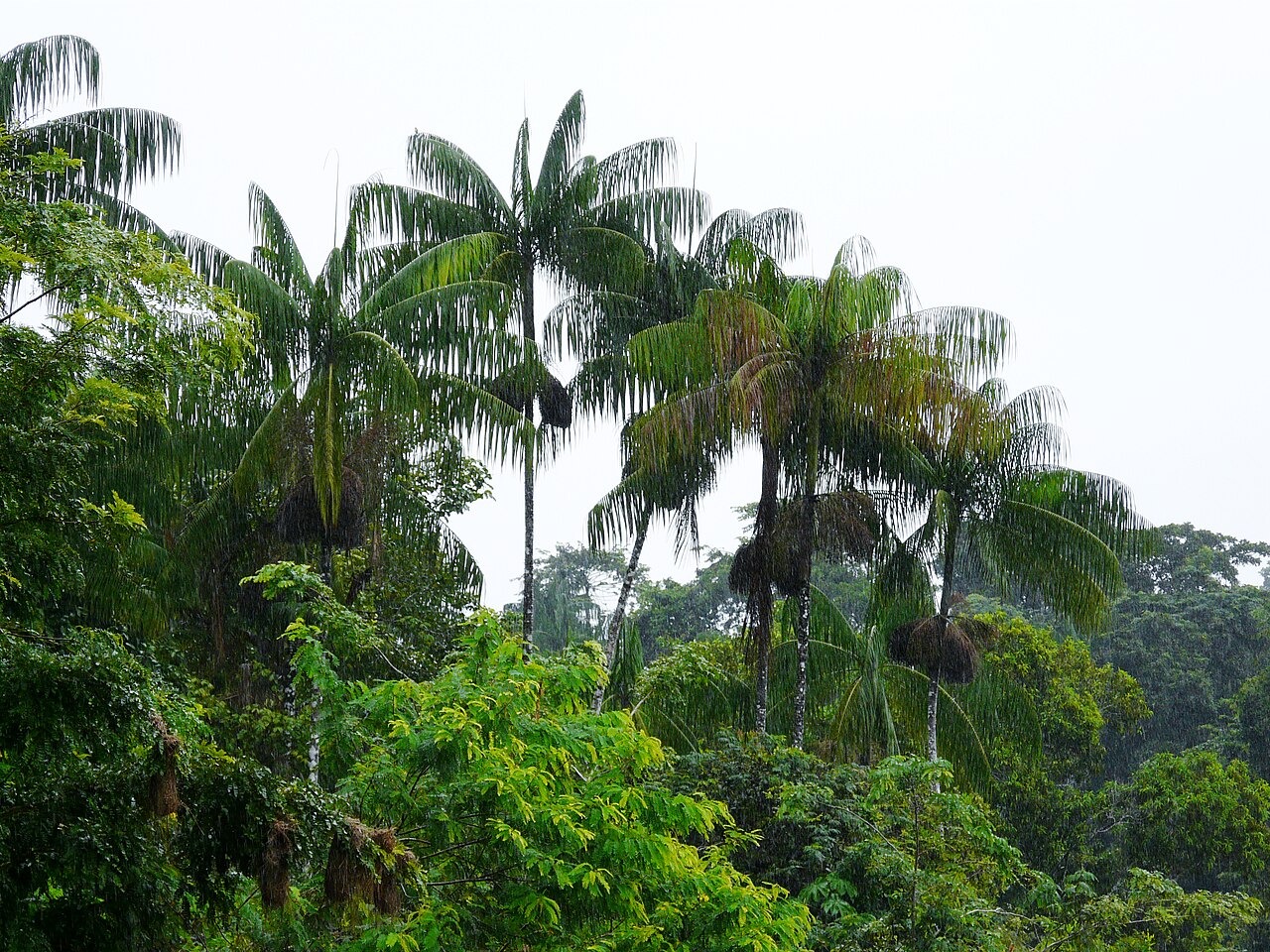
açaí palm
Euterpe oleracea
Secondary II High No biomass productionAmazonian native multi-stemmed palm. Pasini lists it in the high stratum of Tabela 3 and cites it explicitly among Abundance-system species. Fruit ...
-
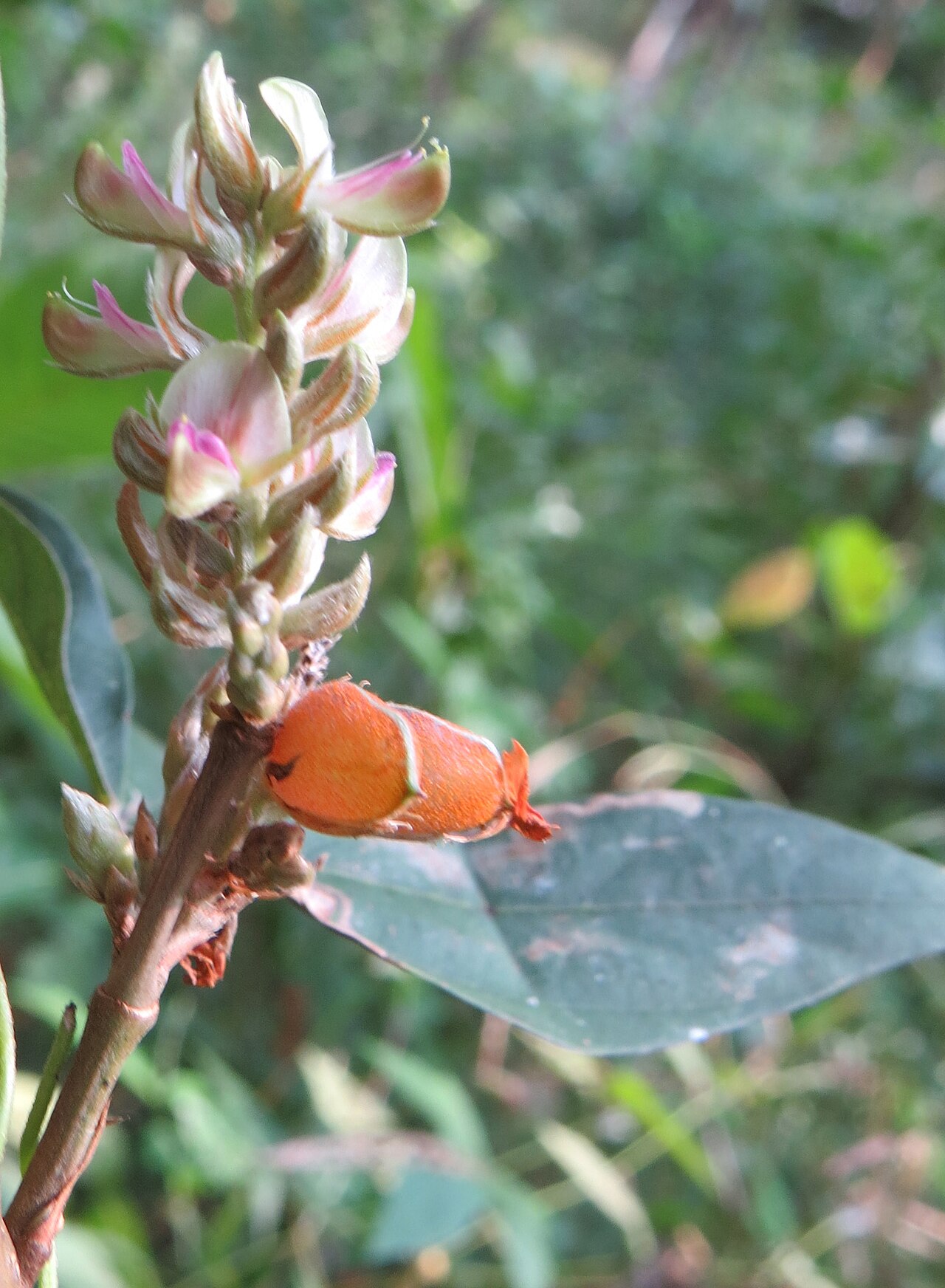
flemingia
Flemingia macrophylla
Placenta II Low Mulch biomass 🌱 Nitrogen fixerA perennial, woody, deep-rooted leguminous shrub up to 2.5 m tall, native to the humid tropics of Asia. It fixes nitrogen and is widely used in con...
-
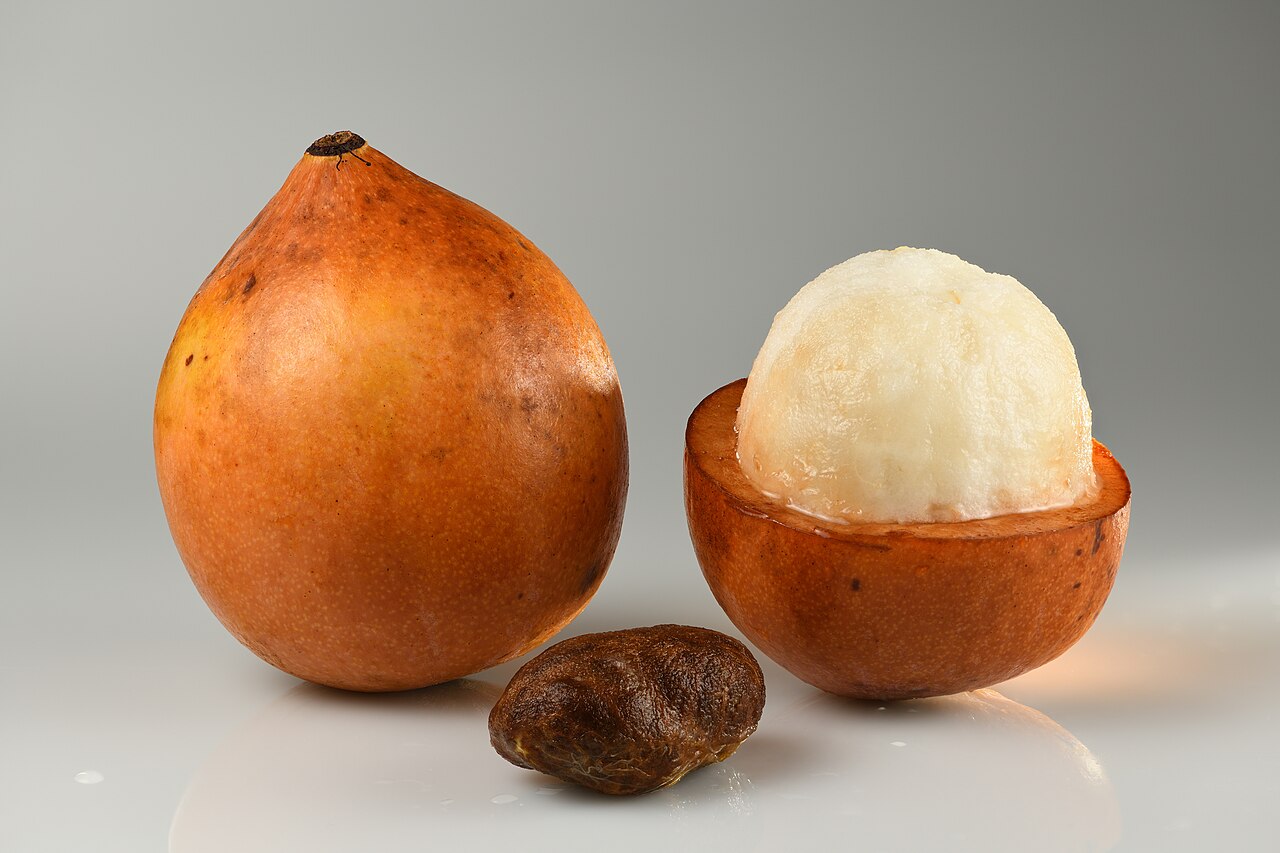
achacha
Garcinia humilis
Secondary II Medium No biomass productionAmazonian fruit tree of Bolivian origin, related to bacuri and mangosteen. Medium small tree (4–8 m), dense columnar canopy, glossy leaves. Orange ...
-
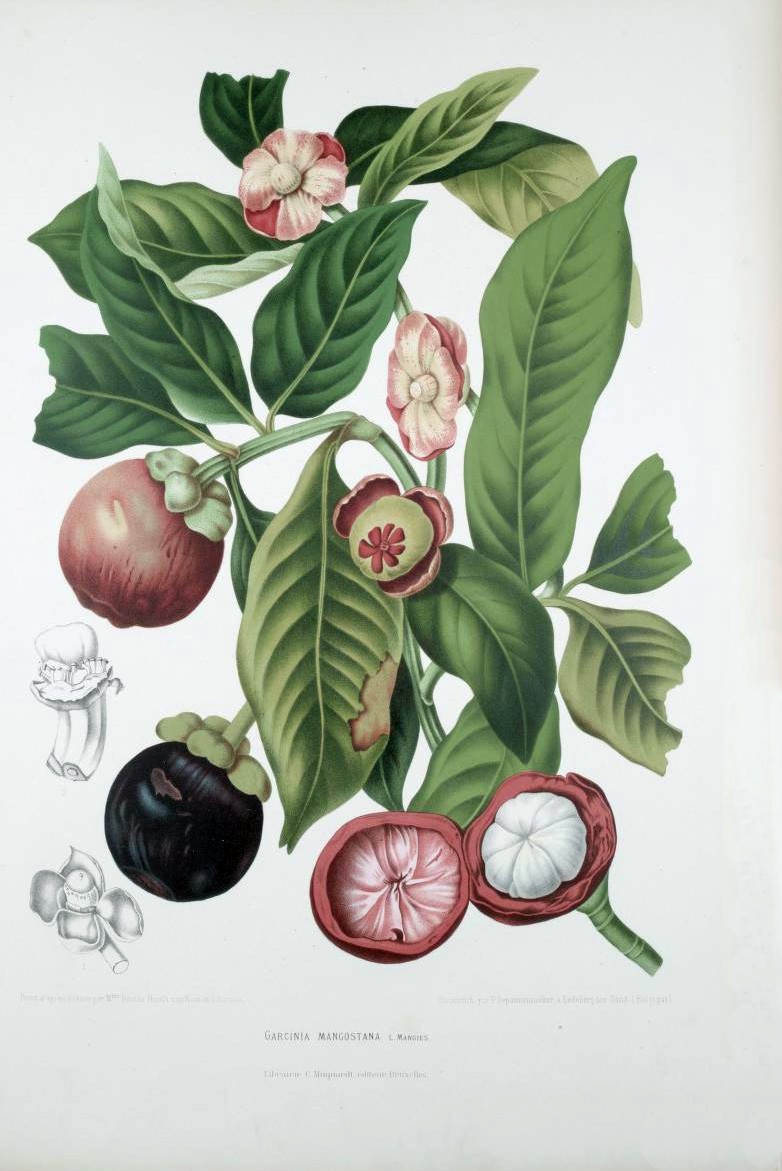
mangosteen
Garcinia mangostana
Secondary II Medium No biomass productionAsian tropical fruit introduced to Brazil, known as the 'queen of fruits' for the flavor of its white pulp. Pasini lists it in the medium stratum o...
-
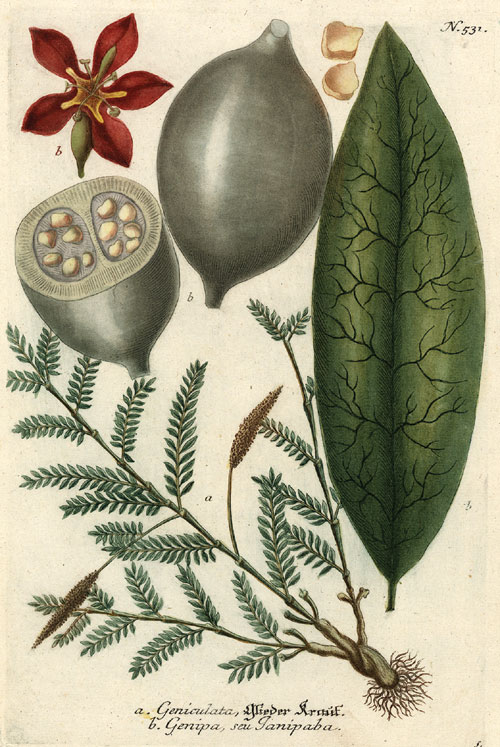
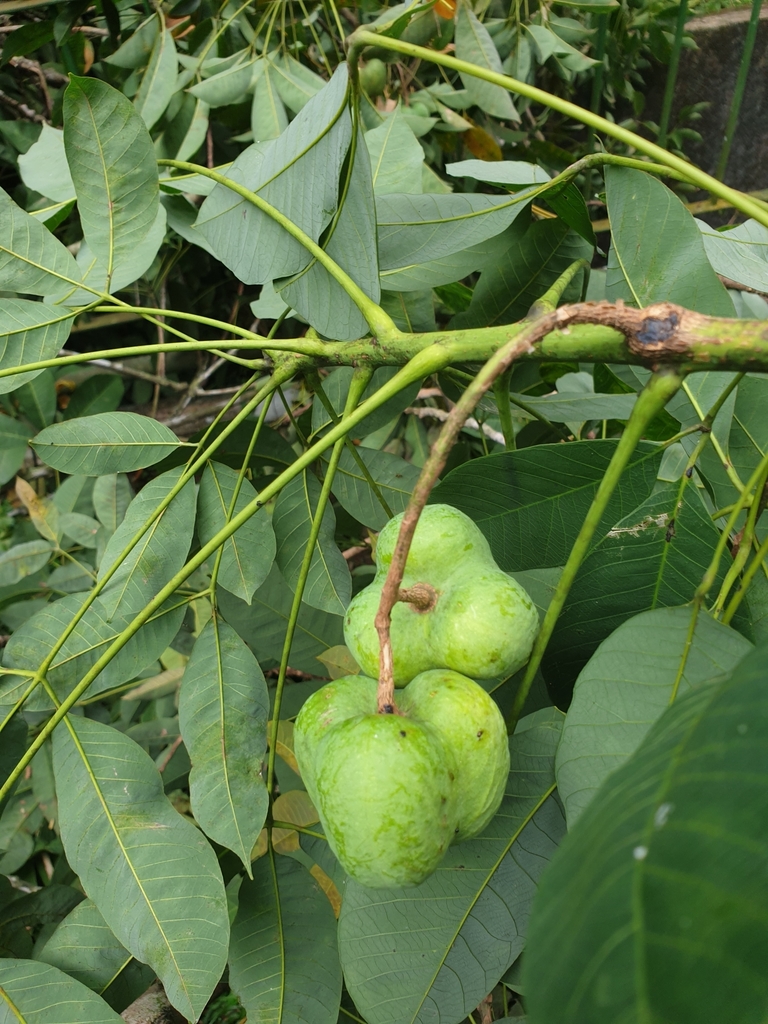
genipa
Genipa americana
Climax High No biomass productionPan-Brazilian native fruit (Cerrado, MA, Amazonia, Pantanal). EcoAgri lists it in the high stratum of the '> 50 years' bin. Edible fruit and source...
-
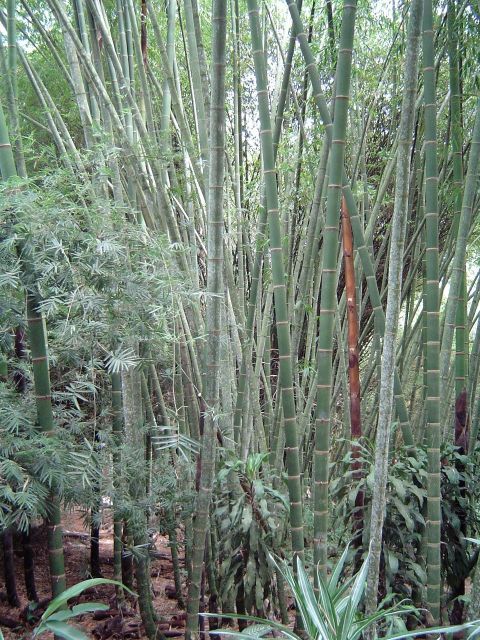
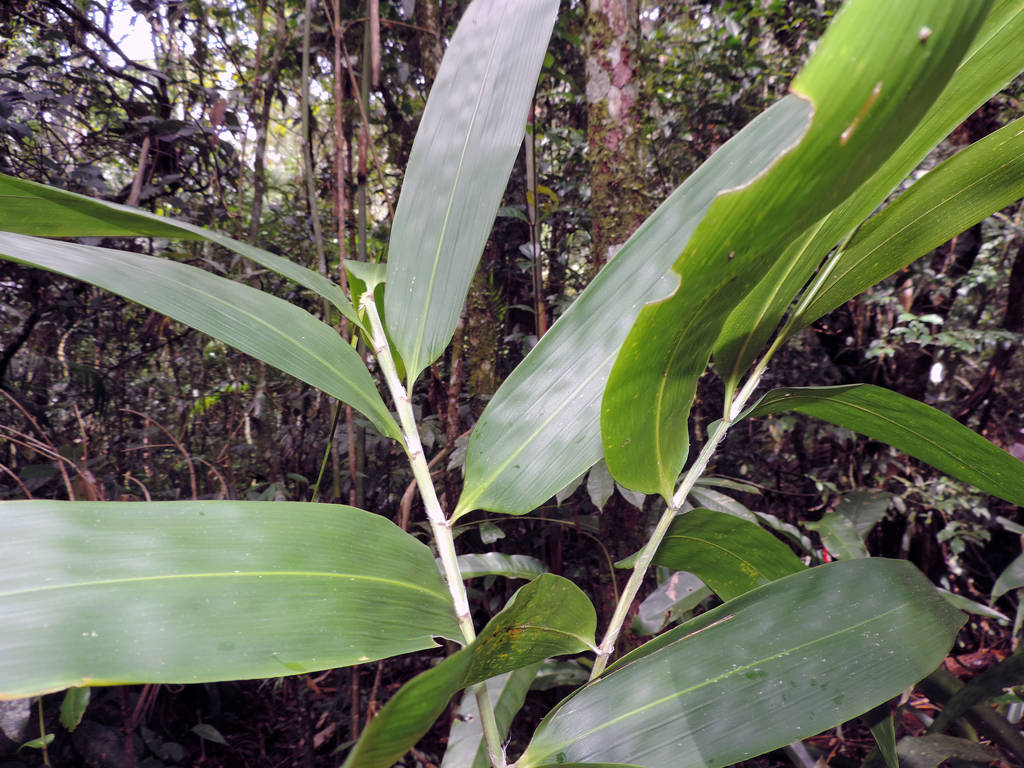
guadua
Guadua angustifolia
Secondary I Emergent Mulch biomassA woody clumping bamboo native to Central and South America, regarded as the finest structural bamboo of the Americas. It forms straight, strong cu...
-
taquarucu bamboo
Guadua tagoara
Secondary I High Mulch biomassA bamboo native to the Atlantic Forest, distributed from Santa Catarina to Bahia, where it forms the characteristic bamboo thickets. It can reach a...
-
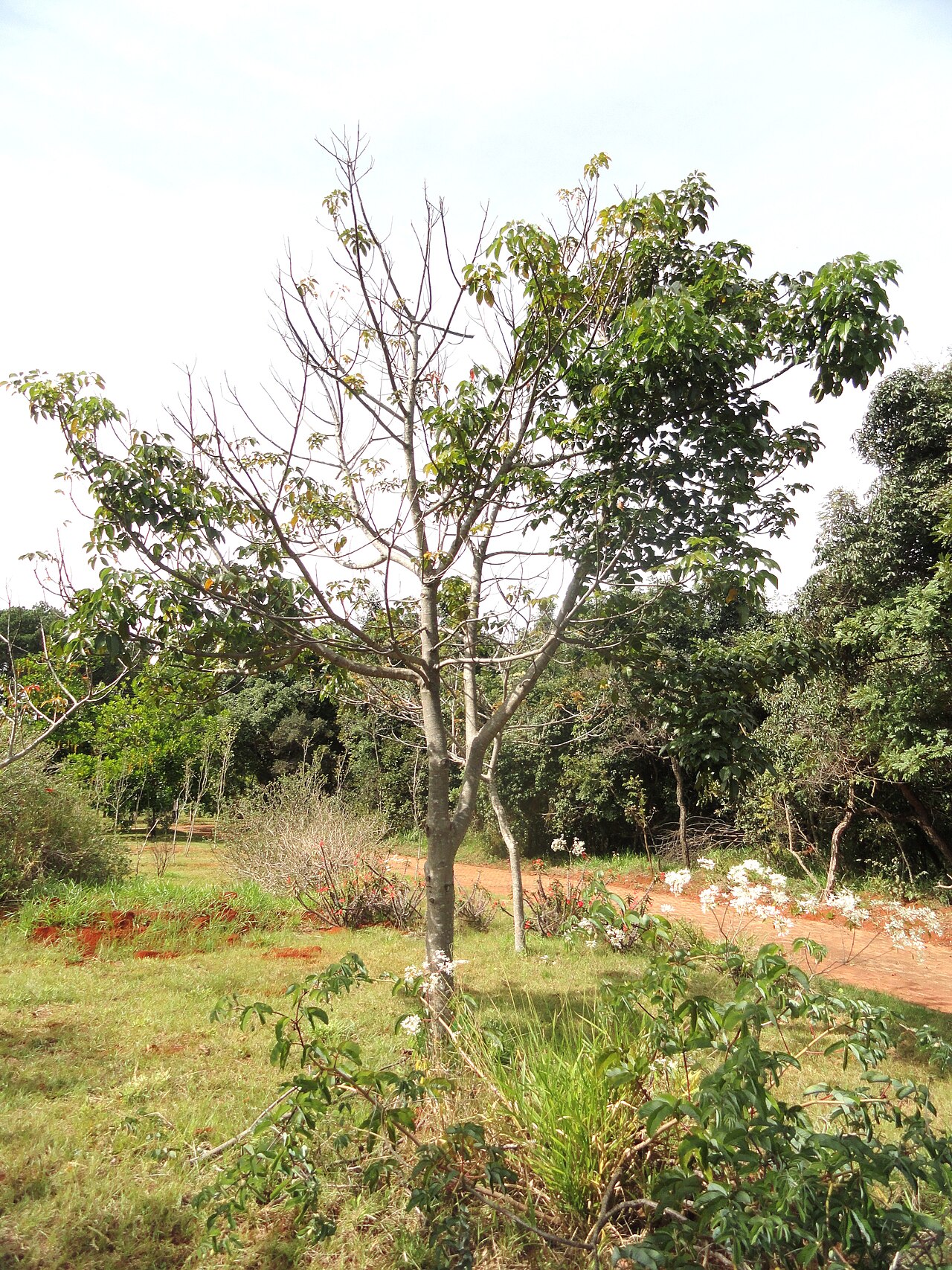
rubber tree
Hevea brasiliensis
Secondary II High Mulch biomassAmazonian latex (natural rubber) tree. Pasini lists it in the high stratum of Tabela 3 and cites it explicitly among the 40-year phase species of t...
-
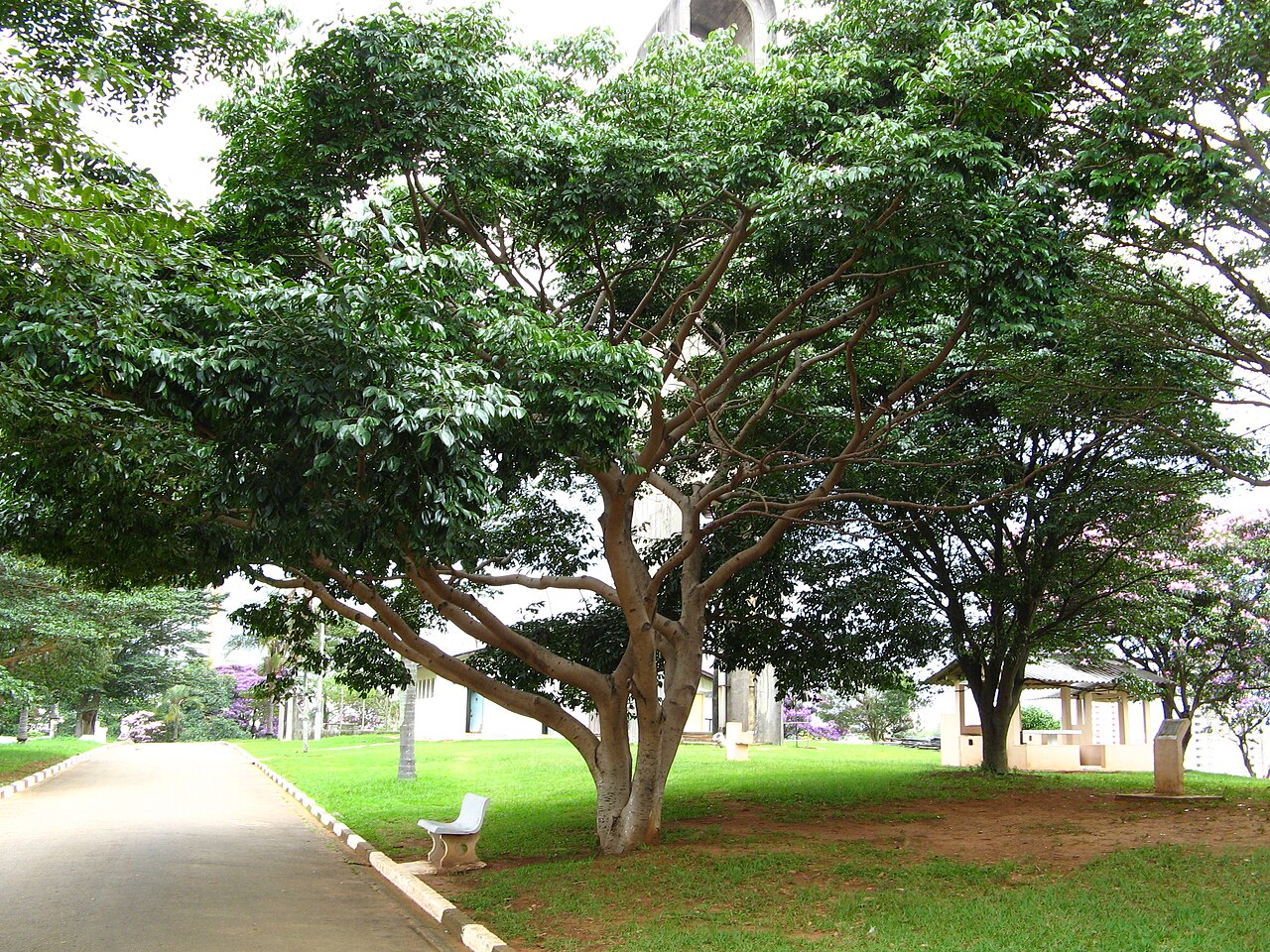
jatoba
Hymenaea courbaril
Climax Emergent Mulch biomassTropical climax with extremely dense timber; fruit pulp is edible. Common in syntropic abundance systems.
-
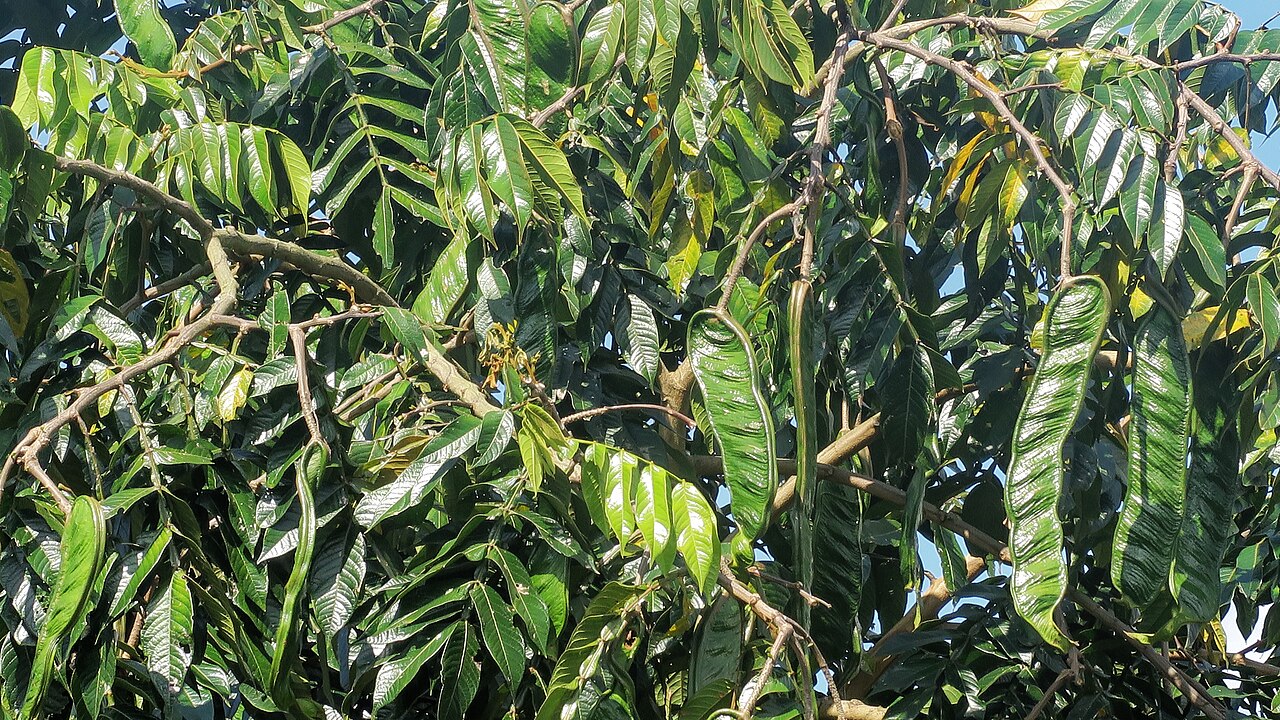
ice cream bean
Inga edulis
Secondary I High Fertilizer biomass 🌱 Nitrogen fixerEssential nitrogen fixer in syntropic systems. Coppices readily after drastic pruning and produces large volumes of fertilizer biomass.
-
river inga
Inga vera
Secondary I Medium Fertilizer biomass 🌱 Nitrogen fixerA pioneer leguminous tree native to the Neotropics, 5-10 m tall, with a broad low crown, frequent in secondary formations of humid or swampy soil, ...
-
arara nut tree
Joannesia princeps
Climax Emergent Mulch biomassAtlantic Forest emergent surviving 80+ years. Rebello highlights its key successional role: planted with embaúba (secondary I, 10–20 yr) and guapur...
-
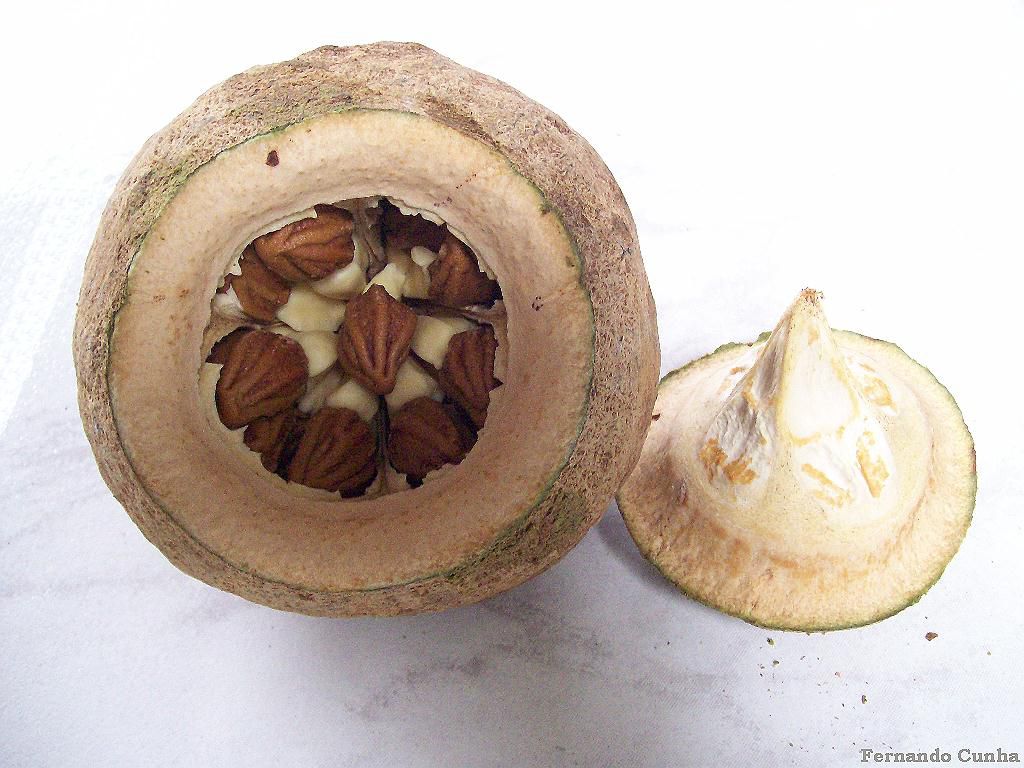
sapucaia nut
Lecythis pisonis
Climax Emergent Mulch biomassAmazonian and coastal Atlantic Forest tree, cousin of Brazil nut. EcoAgri lists it in the high stratum of the '> 50 years' bin. Huge woody fruits (...
-
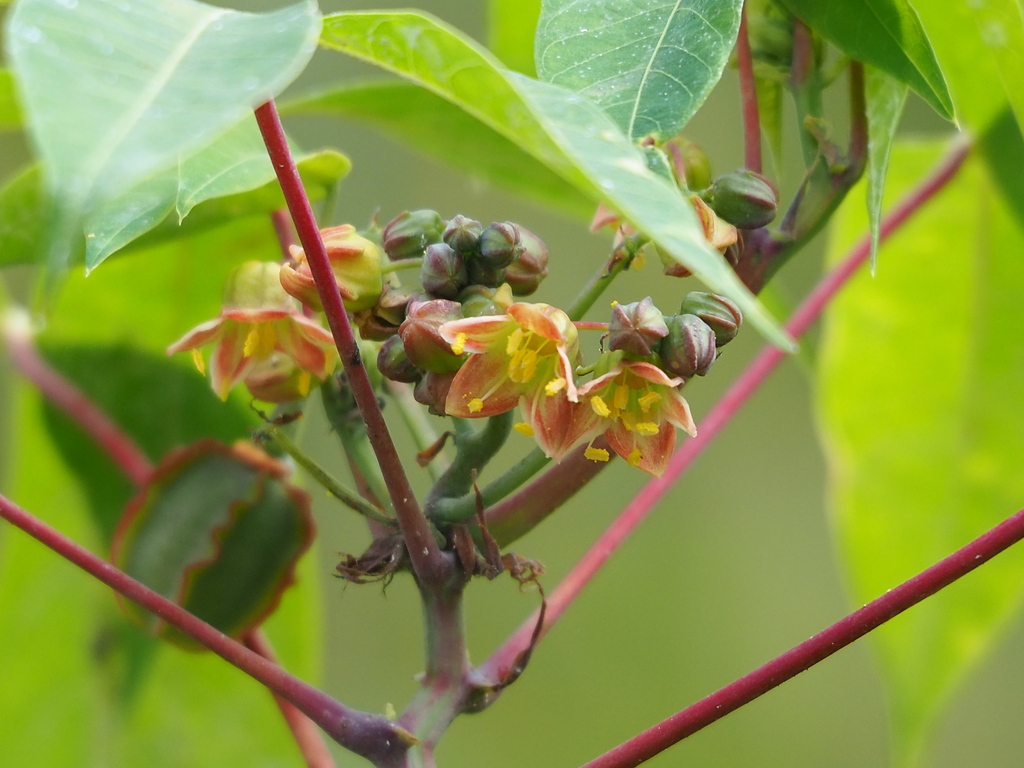
cassava
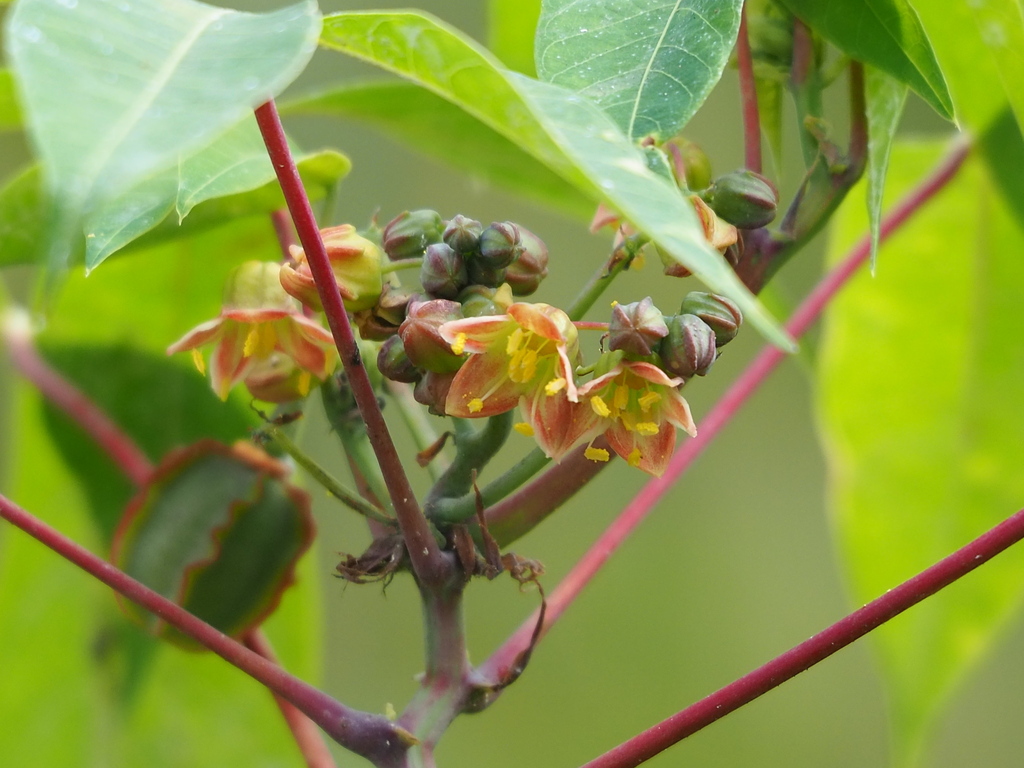
Manihot esculenta
Placenta II High Mulch biomassPlacenta II tuber crop widely cultivated across Amazonia and Brazil. Pasini lists it in the high stratum of Tabela 3 and as a species of the '1 to ...
-
bitter cassava
Manihot esculenta
Placenta II Low Fertilizer biomassCultivar group of Manihot esculenta with high cyanogenic glycoside content (>100 mg HCN/kg fresh root). Unsafe for direct consumption — requires ro...
-
arrowroot
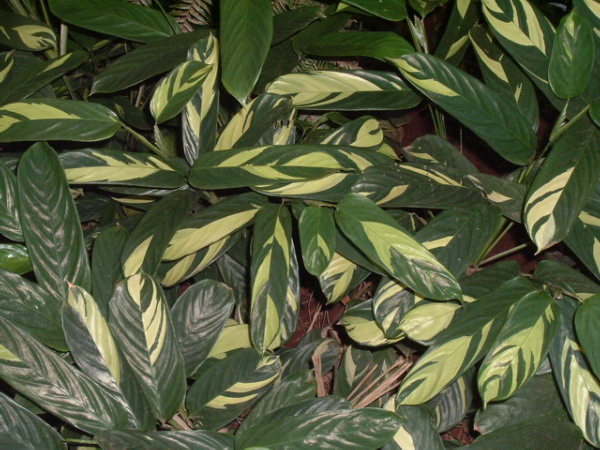
Maranta arundinacea
Placenta II Low No biomass productionPerennial tropical tuber crop whose starch is traditionally used in porridges and biscuits. EcoAgri lists it in the low stratum of the 'up to 3 yea...
-
moriche palm
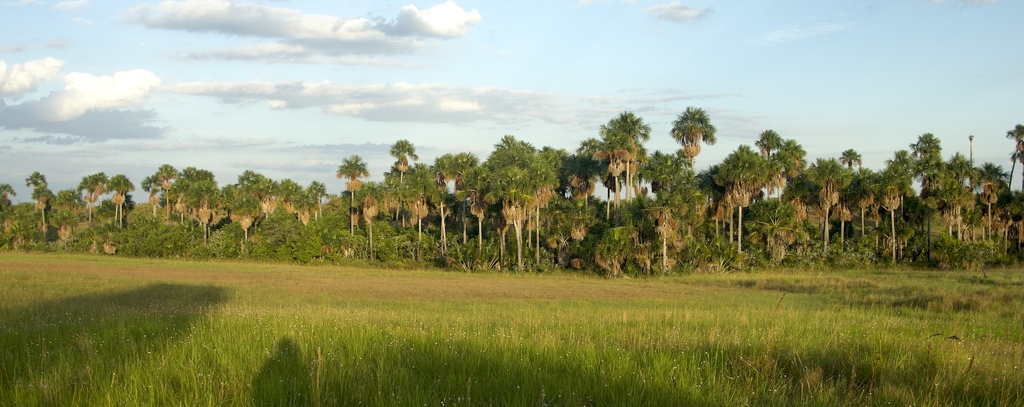
Mauritia flexuosa
Climax Emergent No biomass productionGiant palm of Cerrado wetlands (veredas) and Amazonian floodplains. Pasini lists it in the emergent stratum of Tabela 3. A water indicator: forms p...
-
Mombaça grass
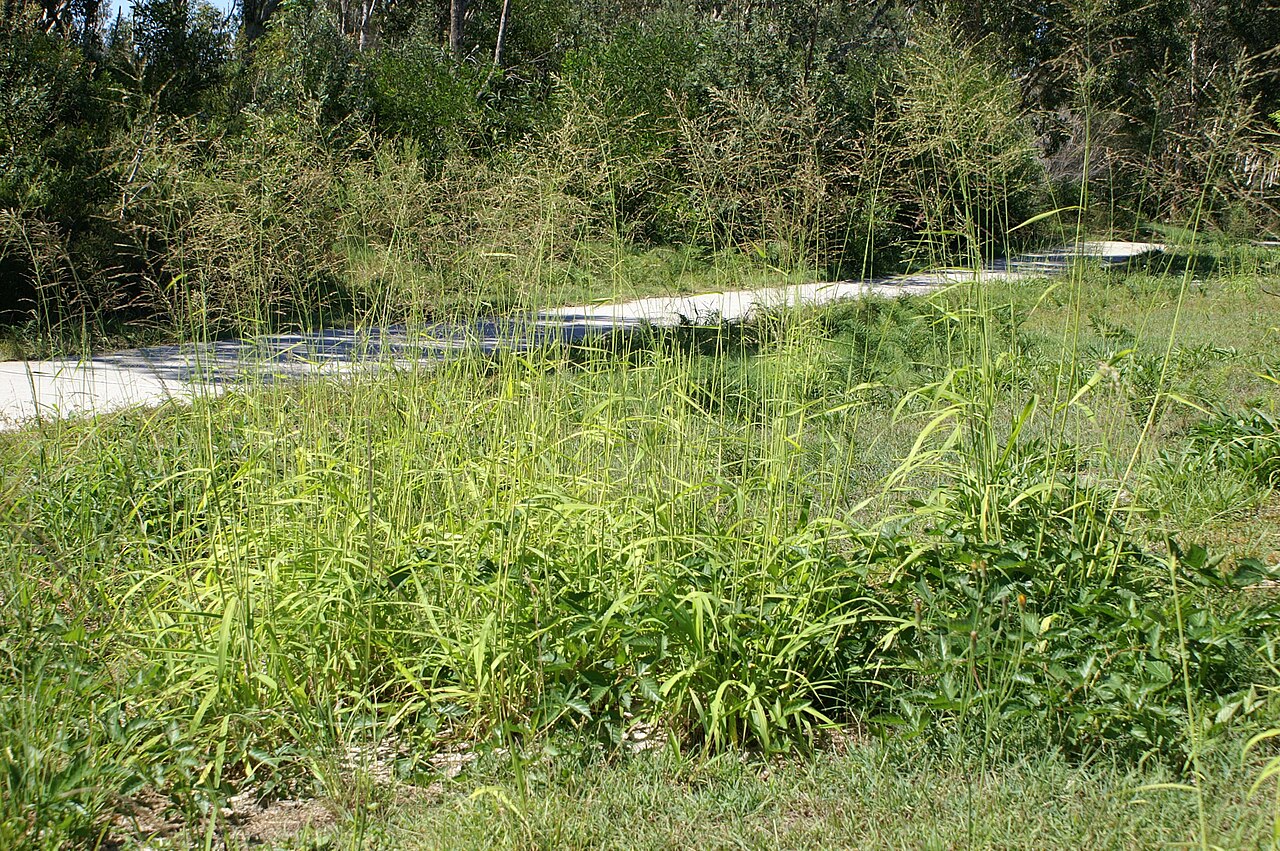
Megathyrsus maximus
Placenta II Low Mulch biomassHighly productive forage grass producing large amounts of cover biomass. Central in large-scale syntropic experiments (Rebello & Sakamoto 2019) — c...
-
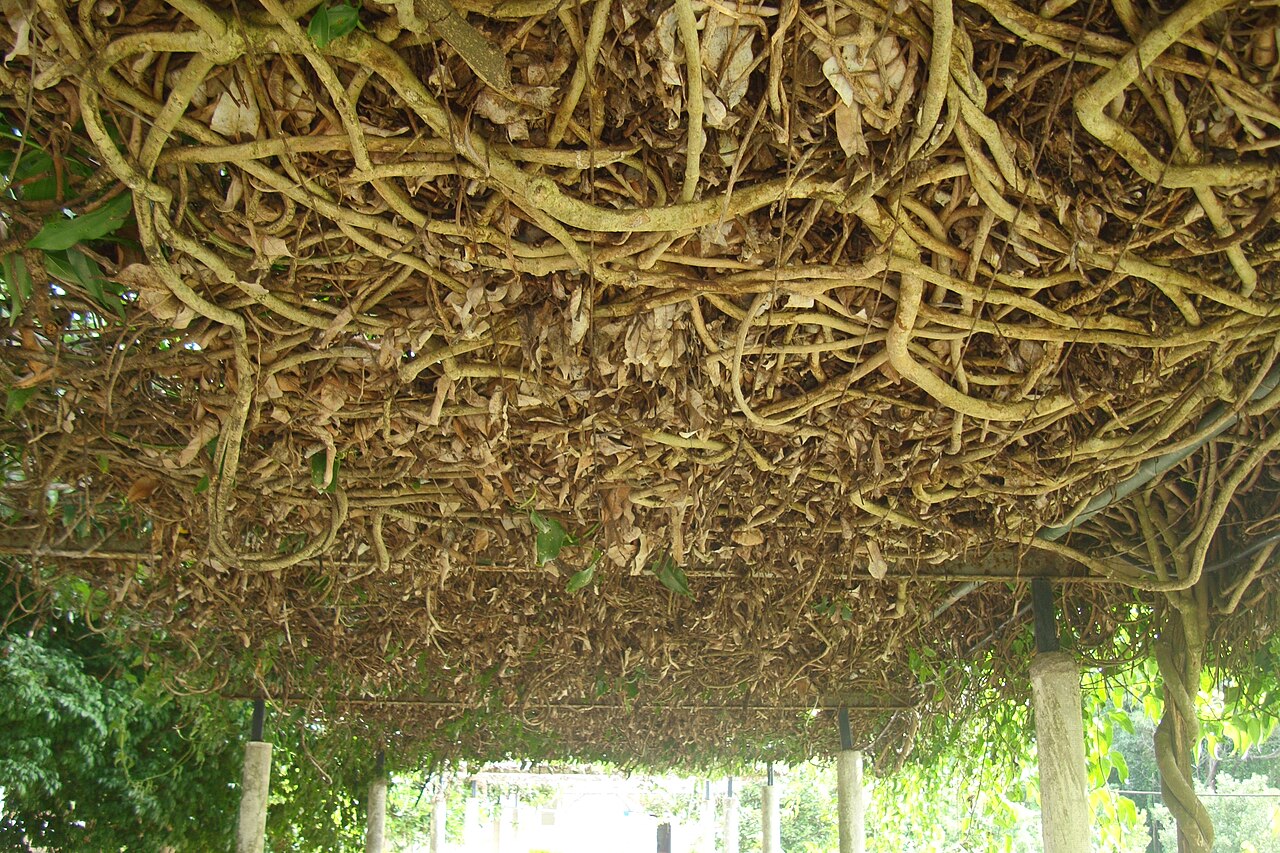
guaco
Mikania glomerata
Secondary I Medium Mulch biomassA perennial woody climber (liana) of the Asteraceae family, native to the Atlantic Forest of southeastern and southern Brazil, occurring along rive...
-
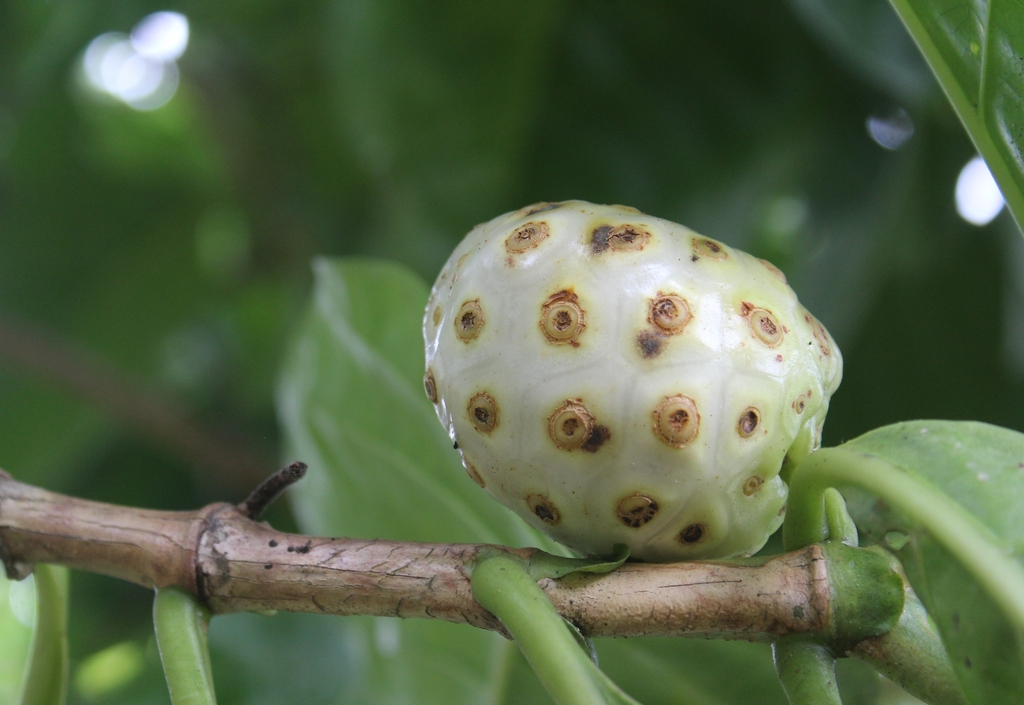
noni
Morinda citrifolia
Secondary I Medium No biomass productionTropical small tree (3–6 m) introduced in Brazil. Large dark-green leaves, ovoid yellowish-white strong-smelling ripe fruits. Medicinal pulp — supp...
-
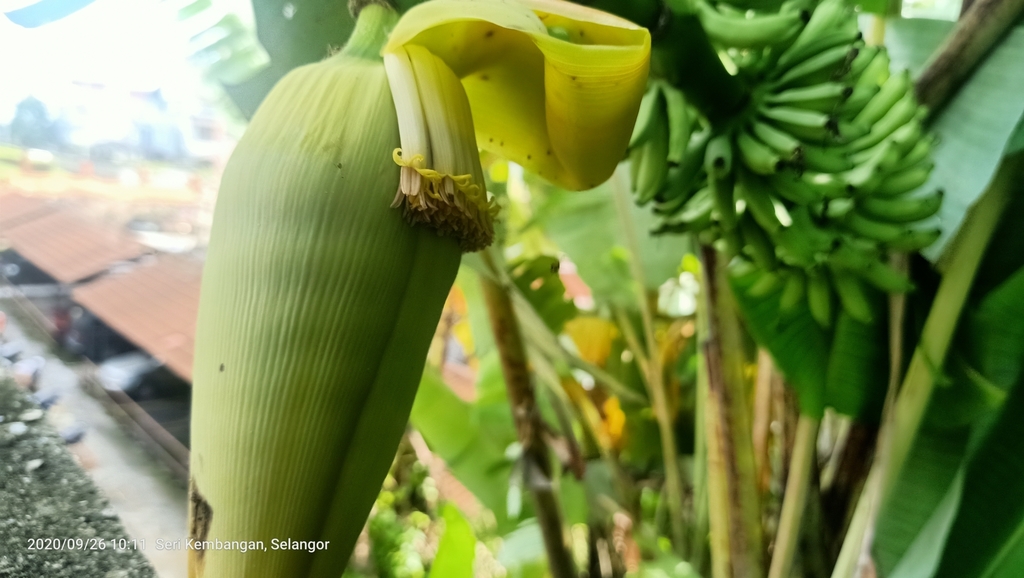
dwarf cavendish banana
Musa acuminata
Placenta II Medium Mulch biomassCavendish AAA dwarf cultivar (1.8–2.5 m). Dessert-banana market staple. Resistant to Panama disease race 1 but susceptible to Yellow Sigatoka. In s...
-
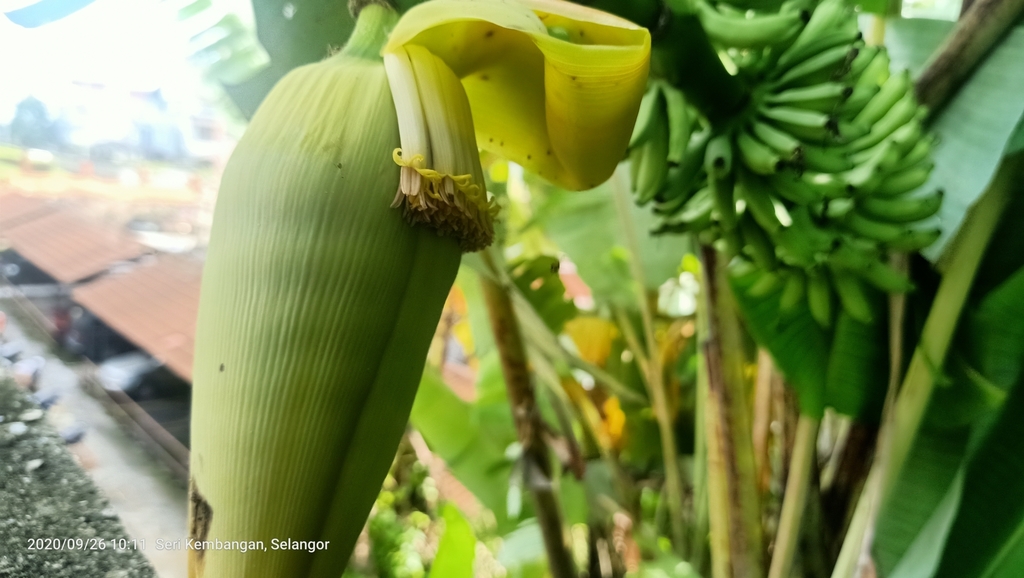
sucrier banana
Musa acuminata
Placenta II High Mulch biomassAA diploid cultivar, small sweet fruits (8–12 kg per bunch), medium plant (3–4 m). Niche production, premium price. More common in coastal São Paul...
❓ Frequently asked questions
What is the Tropical rainforest (Af) climate?
Hot and humid year-round, with no marked dry season. Monthly rainfall above 60 mm. Typical of the Amazon and northern coast. Syntropic systems thrive here — the limiting factor is light, not water.
Which plants does the catalog suggest for the Tropical rainforest (Af) climate?
The catalog holds 109 species, among them araza, juçara palm, açaí palm. Each profile shows stratum, succession stage, and the management data, with sources cited.