Plants
tonka bean
Dipteryx odorata (Aubl.) Willd.
Family: Fabaceae · Genus: Dipteryx
cumaru
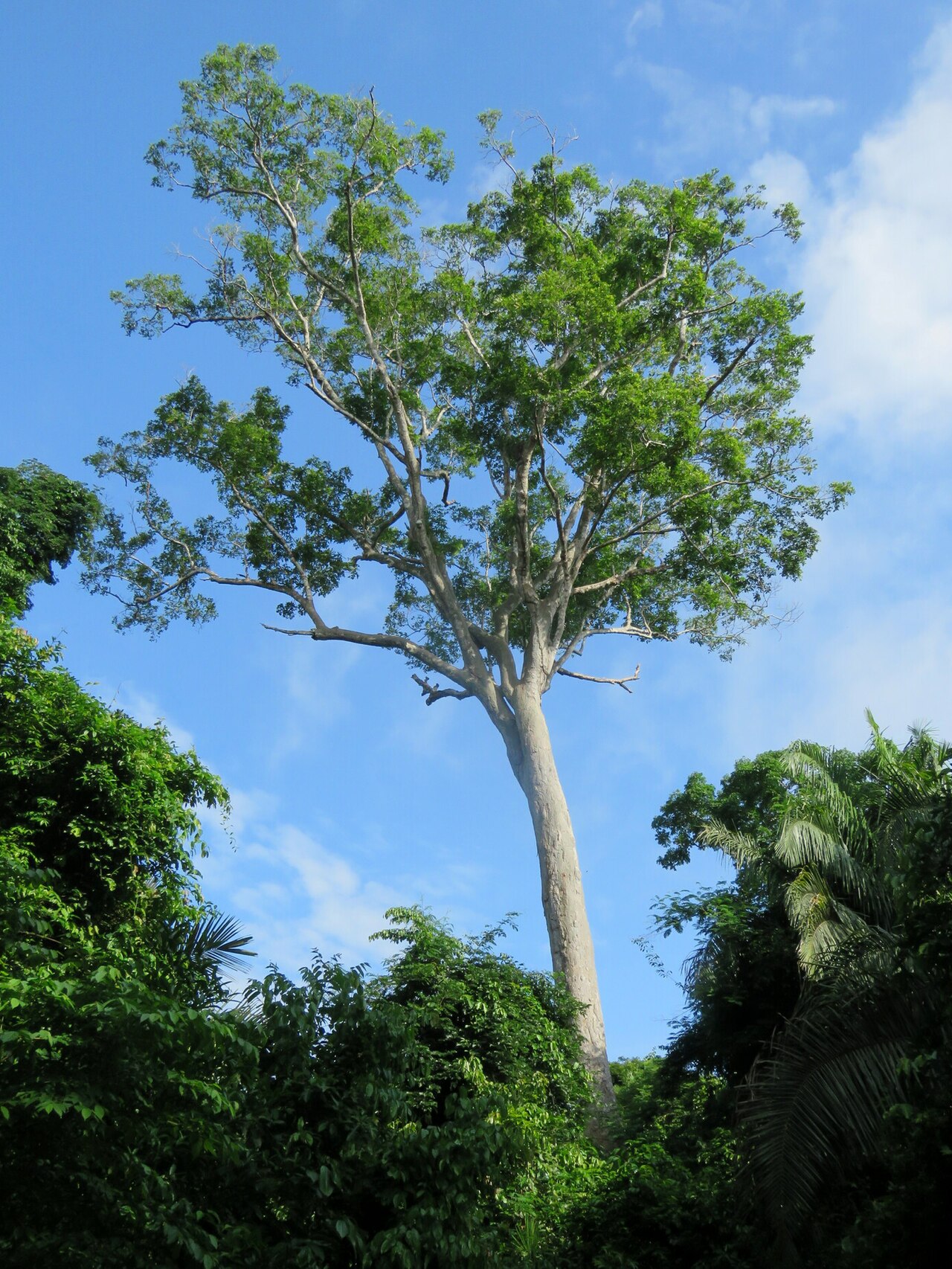
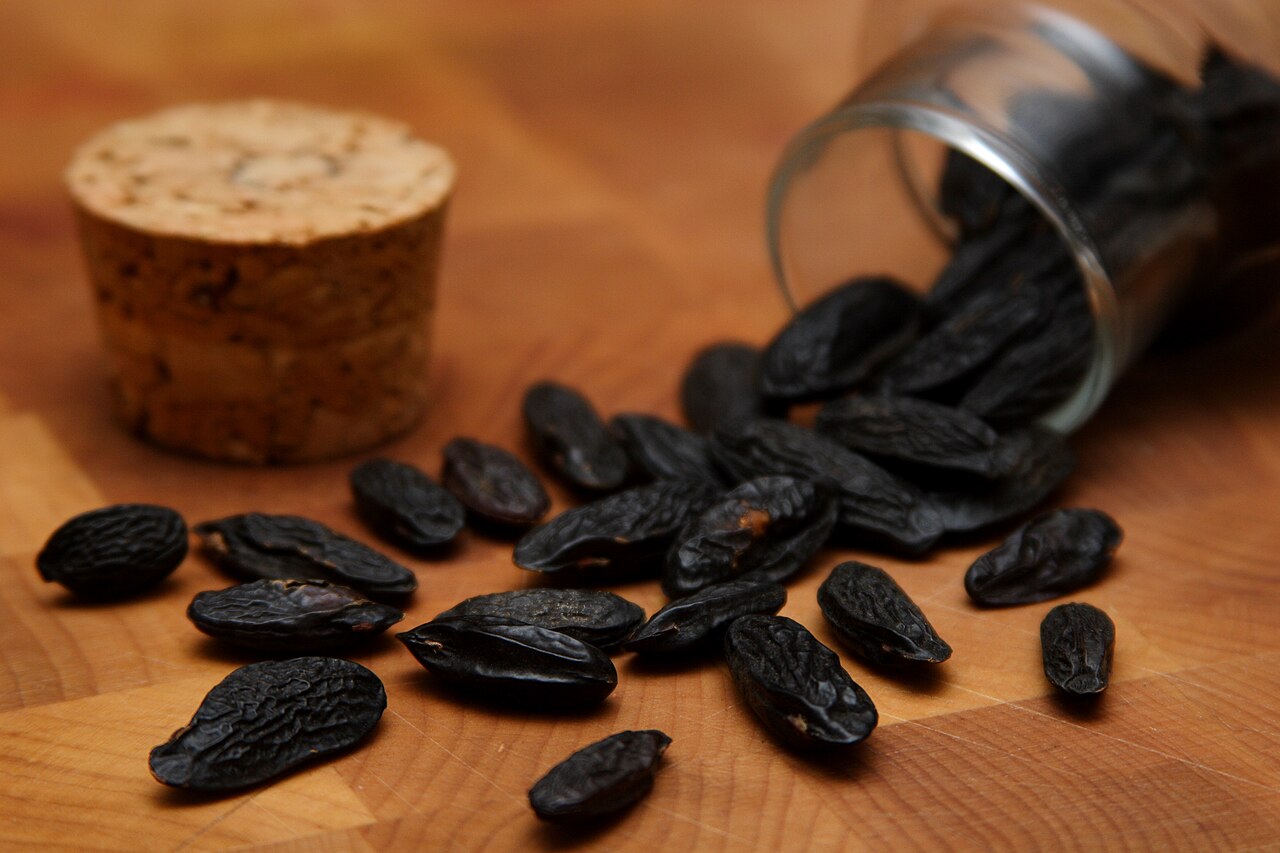
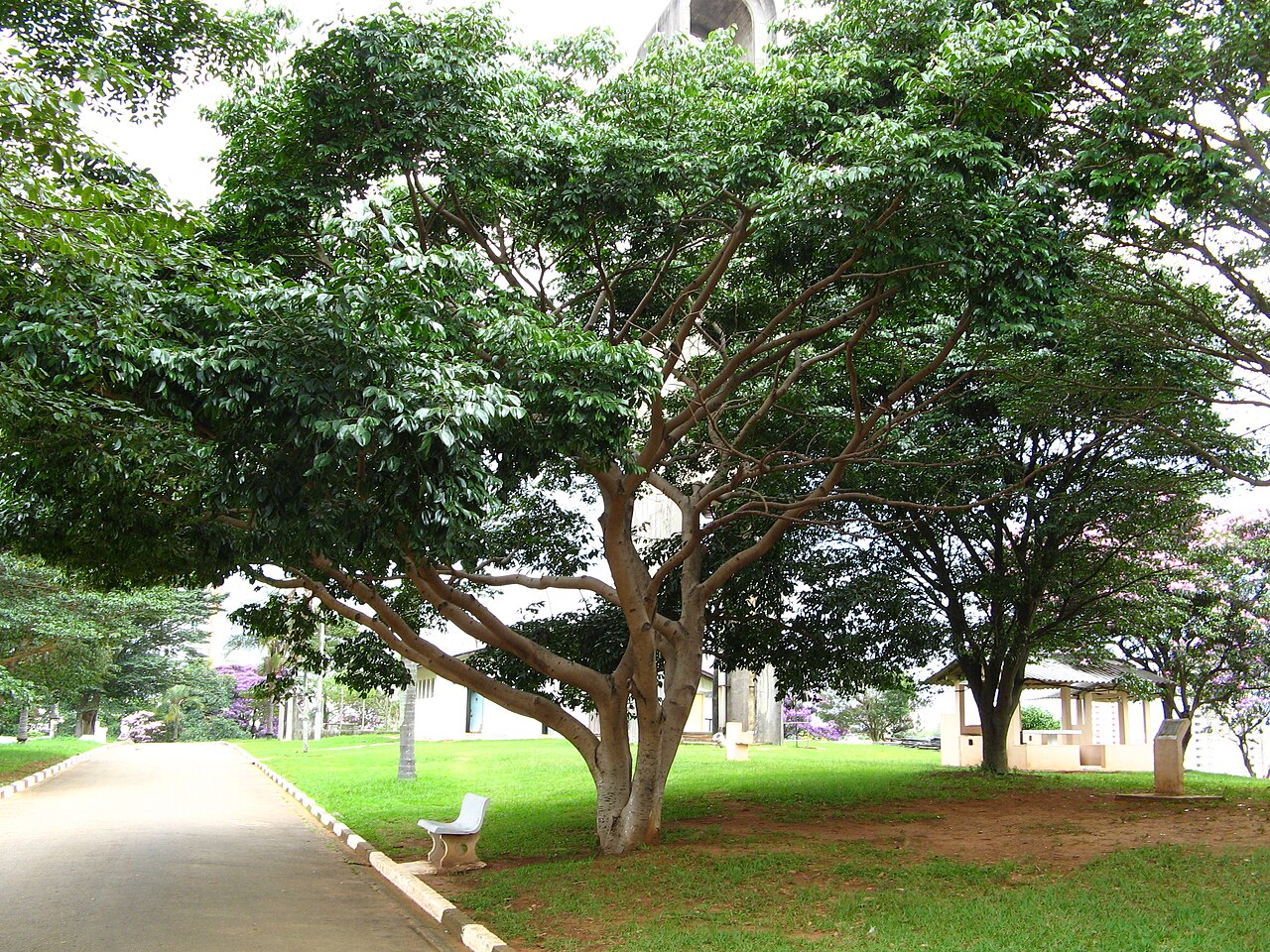
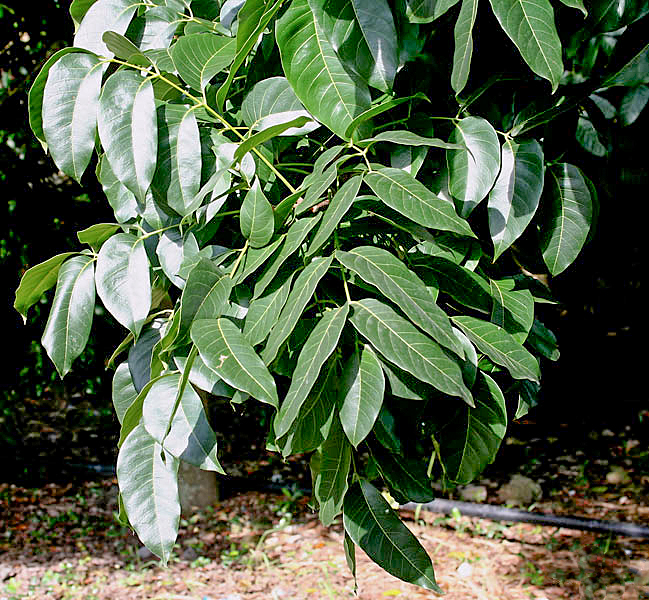
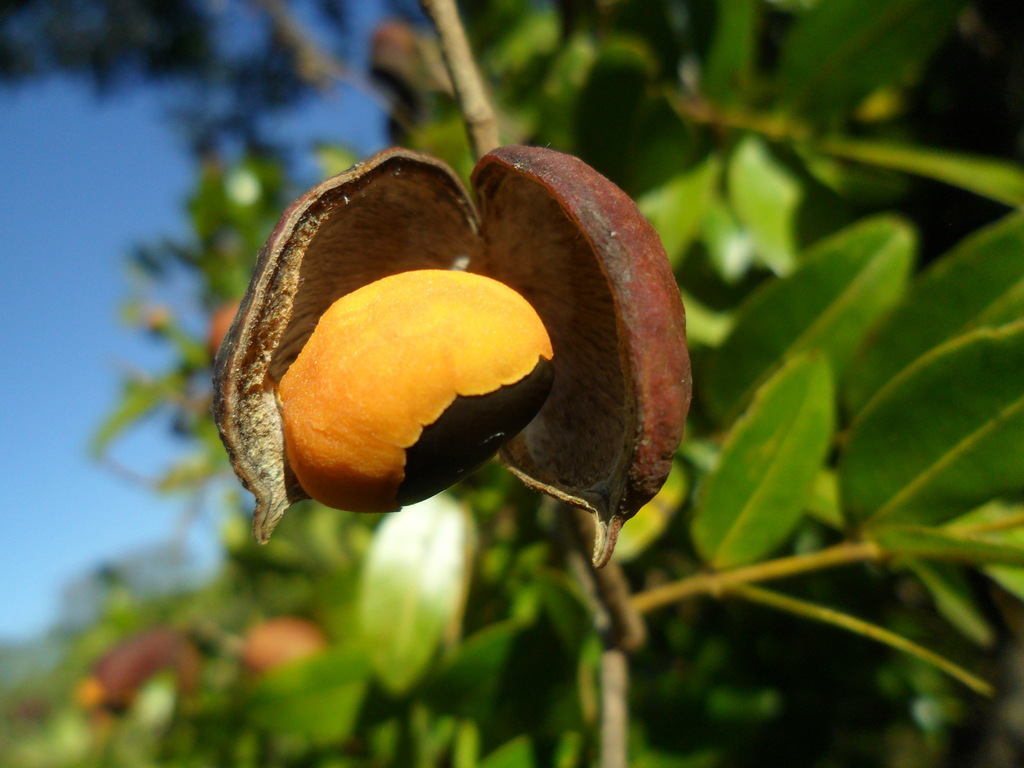
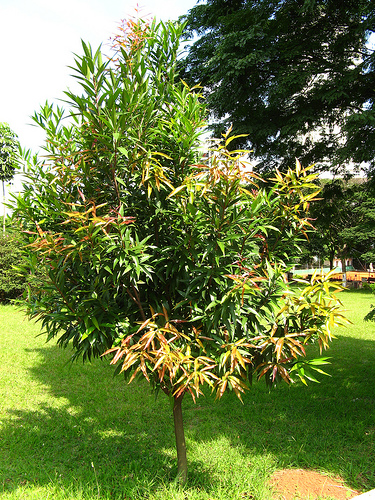
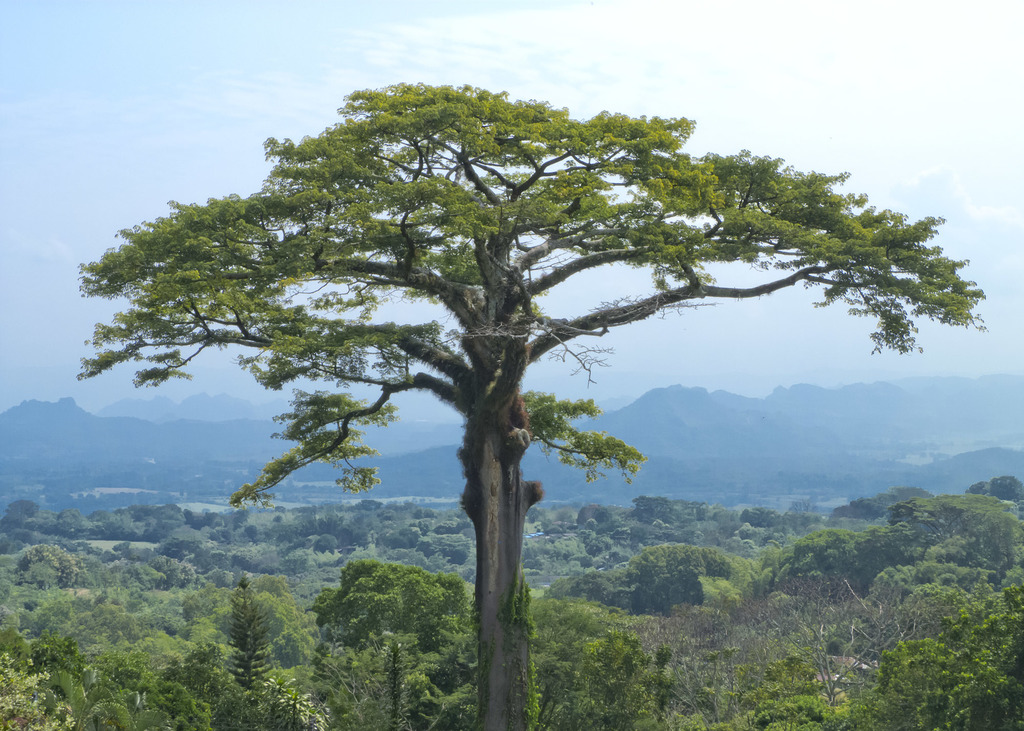
Emergent Amazonian tree (15–30 m), relative of baru (Dipteryx alata, already in canon but Cerrado). Seeds (beans) with intense vanilla-coumarin aroma, base of perfumery and flavorings. Extremely dense valuable timber. Traditionally extractive — threatened by overharvesting.
Götsch succession
- Götsch stage
- Climax
- Ecological role
- Climax
- Primary stratum
- Emergent
- Strata
- Emergent, High
- Biomass class
- Mulch biomass
Environment
- Light requirement
- Full sun
- Water requirement
- High
- Drought tolerance
- Moderate
- Soil pH range
- 4.5–6.5
- Preferred soil texture
- Loamy, Clayey
- Hardiness zones
- 11–13
Morphology
- Mature height
- 15–30 m
- Recommended spacing
- 8–12 m
- Root system
- Taproot
- Root depth
- Deep
- Growth rate
- Slow
- Lifespan
- 80–300 years
- Time to first harvest
- 120 months
Biomes & climate
- Amazon Native
Köppen classes
- Tropical rainforest (Af) Suitable
- Tropical monsoon (Am) Suitable
Where it fits in a guild
Tonka bean takes the Emergent stratum in the Climax phase of succession — in a guild it shares the line with species from the other strata, each harvesting light at its own height, in its own time. It also fixes nitrogen, feeding the soil for its line neighbors.
Free account — and the catalog stays open, no sign-up needed.
📅 Phenology
Flowering months: August, September, October, November
Fruiting months: May, June, July, August
❓ Frequently asked questions
How long until the first harvest of tonka bean?
The first harvest of tonka bean comes around 120 months after planting.
What spacing is recommended for tonka bean?
The recommended spacing for tonka bean is 8–12 m.
How tall does tonka bean grow?
At maturity, tonka bean reaches 15–30 m tall.
When does tonka bean fruit?
Fruiting of tonka bean occurs in May, June, July, August.
When does tonka bean flower?
Flowering of tonka bean occurs in August, September, October, November.
What stage and stratum does tonka bean occupy in a syntropic system?
In a syntropic system, tonka bean belongs to the climax stage, occupying the emergent stratum.
Does tonka bean fix nitrogen?
Yes — tonka bean is a nitrogen-fixing species that helps fertilize the system's soil.
Functions
Propagation
Seed
Citations
- Useful Tropical Plants — Dipteryx odorata (ph_min, ph_max, light_need, root_system, root_depth, nitrogen_fixer, soil_texture_preference, height_max_m)
- PFAF Plant Database — Dipteryx odorata (Tonka Bean) (ph_min, ph_max, light_need, drought_tolerance)
- GBIF — Dipteryx odorata (Aubl.) Willd. (accepted, key 2947137); POWO / Kew (external_ids)
External references
Continue exploring
Related plants
-
jatoba
Hymenaea courbaril
Climax Emergent Mulch biomassTropical climax with extremely dense timber; fruit pulp is edible. Common in syntropic abundance systems.
-
big-leaf mahogany
Swietenia macrophylla
Climax Emergent Mulch biomassClimax Amazonian premium timber, CITES Appendix II. Pasini lists it in the emergent/high stratum of Tabela 3 and cites it explicitly as a premium t...
-
diesel tree
Copaifera langsdorffii
Climax High Mulch biomassClimax Cerrado and Atlantic Forest legume; produces medicinal oil from trunk exudates. Pasini lists it in the high stratum of Tabela 3 and in the '...
-
Brazil nut
Bertholletia excelsa
Climax Emergent Mulch biomassAmazonian emergent giant reaching 50 m. Pasini lists it in the emergent stratum of Tabela 3 and cites 'castanheiras' among Abundance-system species...
-
andiroba
Carapa guianensis
Climax Emergent Mulch biomassAmazonian premium-timber tree (luxury furniture) producing medicinal seed oil that repels insects. Pasini lists it in the emergent stratum of Tabel...
-
kapok tree
Ceiba pentandra
Climax Emergent Mulch biomassAmazonian emergent giant reaching 70 m — one of the tallest trees of the American tropics. Pasini lists it in the emergent stratum of Tabela 3. Sac...