
Function
Windbreak — species for syntropic systems
Windbreaks shield the system from the wind that dries leaves and soil and knocks down yield. Plant them in lines across the dominant wind, mixing heights into a permeable barrier — filtering wind works better than blocking it.
16 species in the catalog · Refine this list in the catalog
-
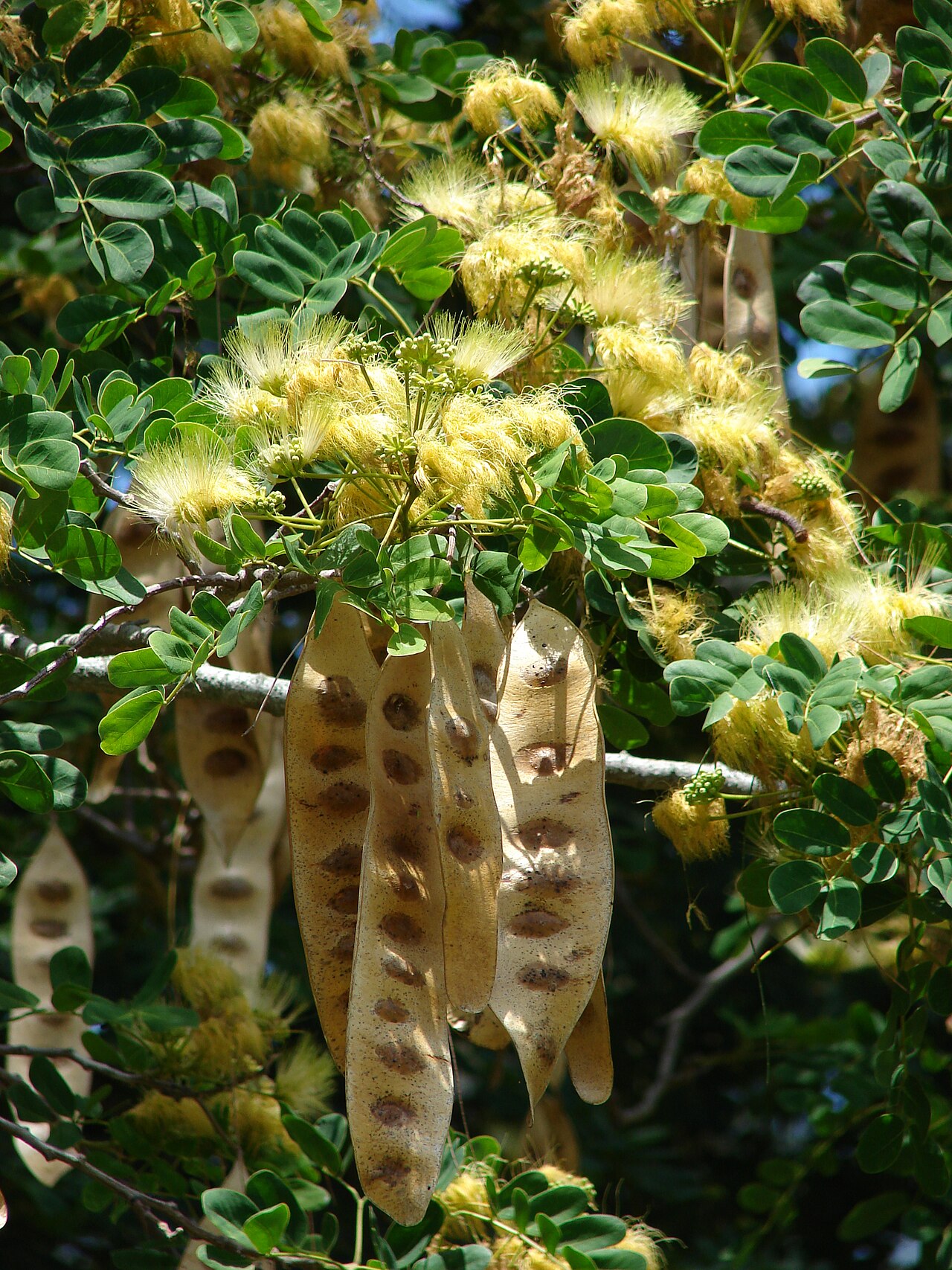
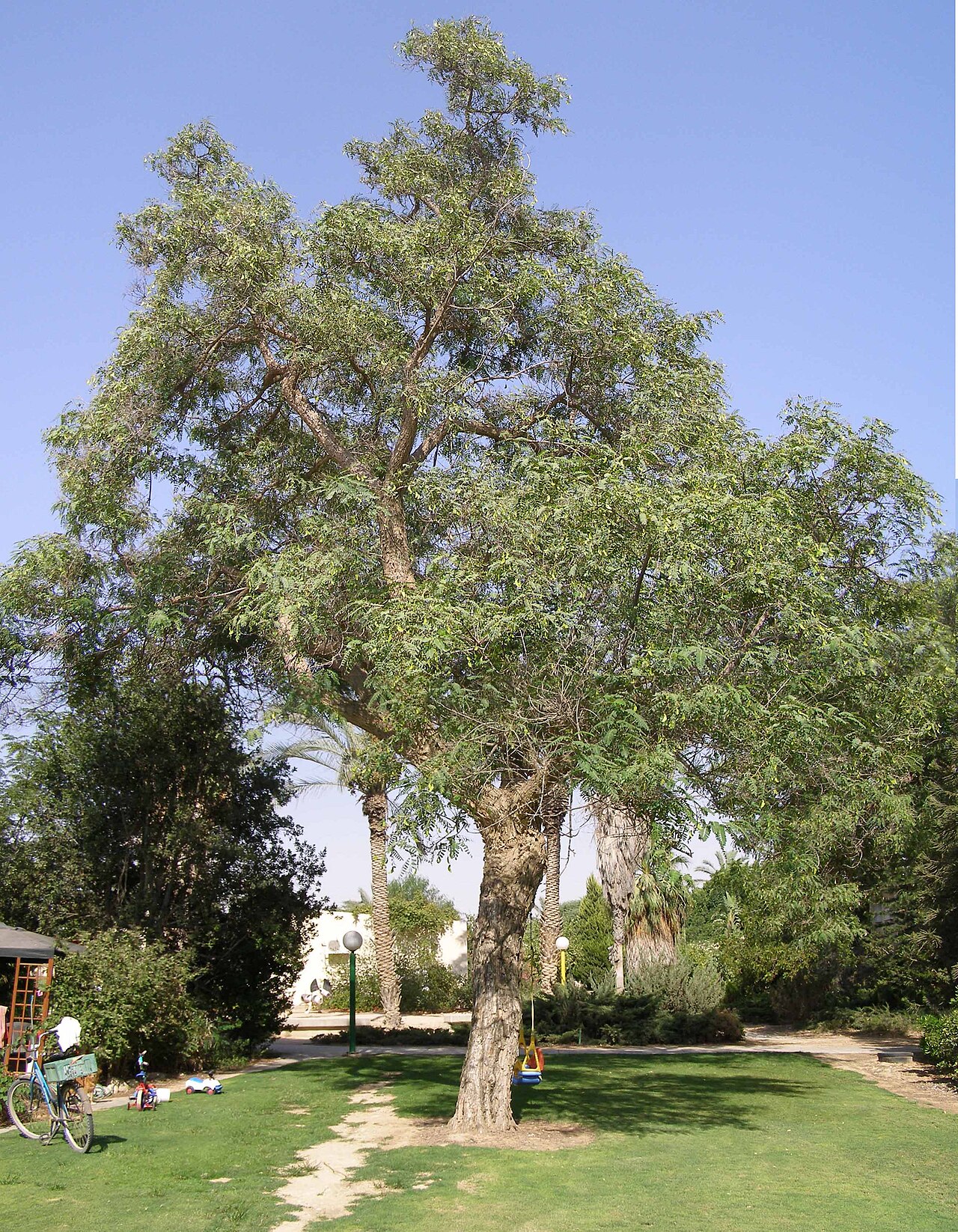
siris tree
Albizia lebbeck
Secondary II High Fertilizer biomass 🌱 Nitrogen fixerA fast-growing, drought-tolerant leguminous tree of 18-30 m, native to tropical Asia and now pantropical. It fixes nitrogen readily and coppices ex...
-
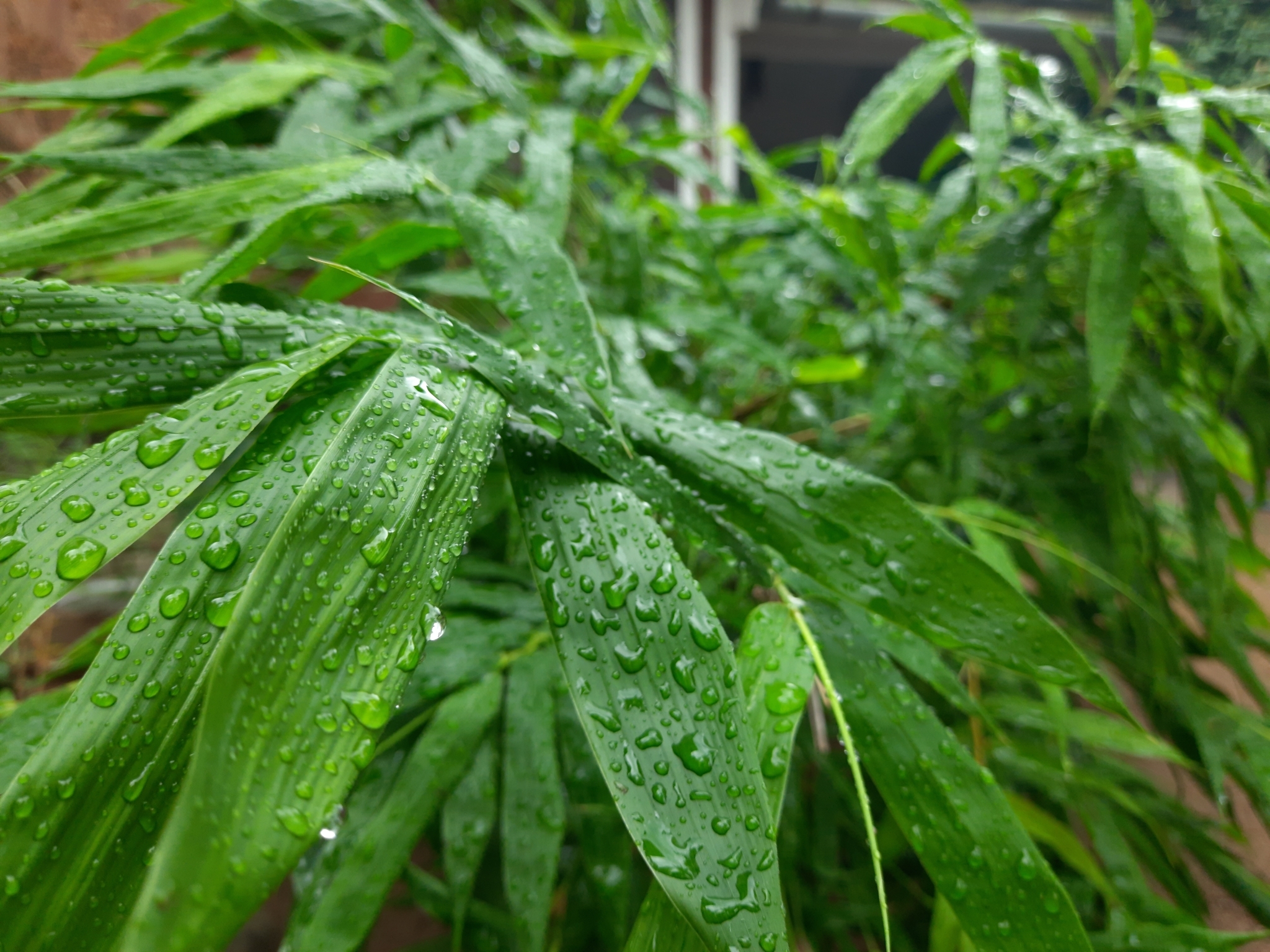
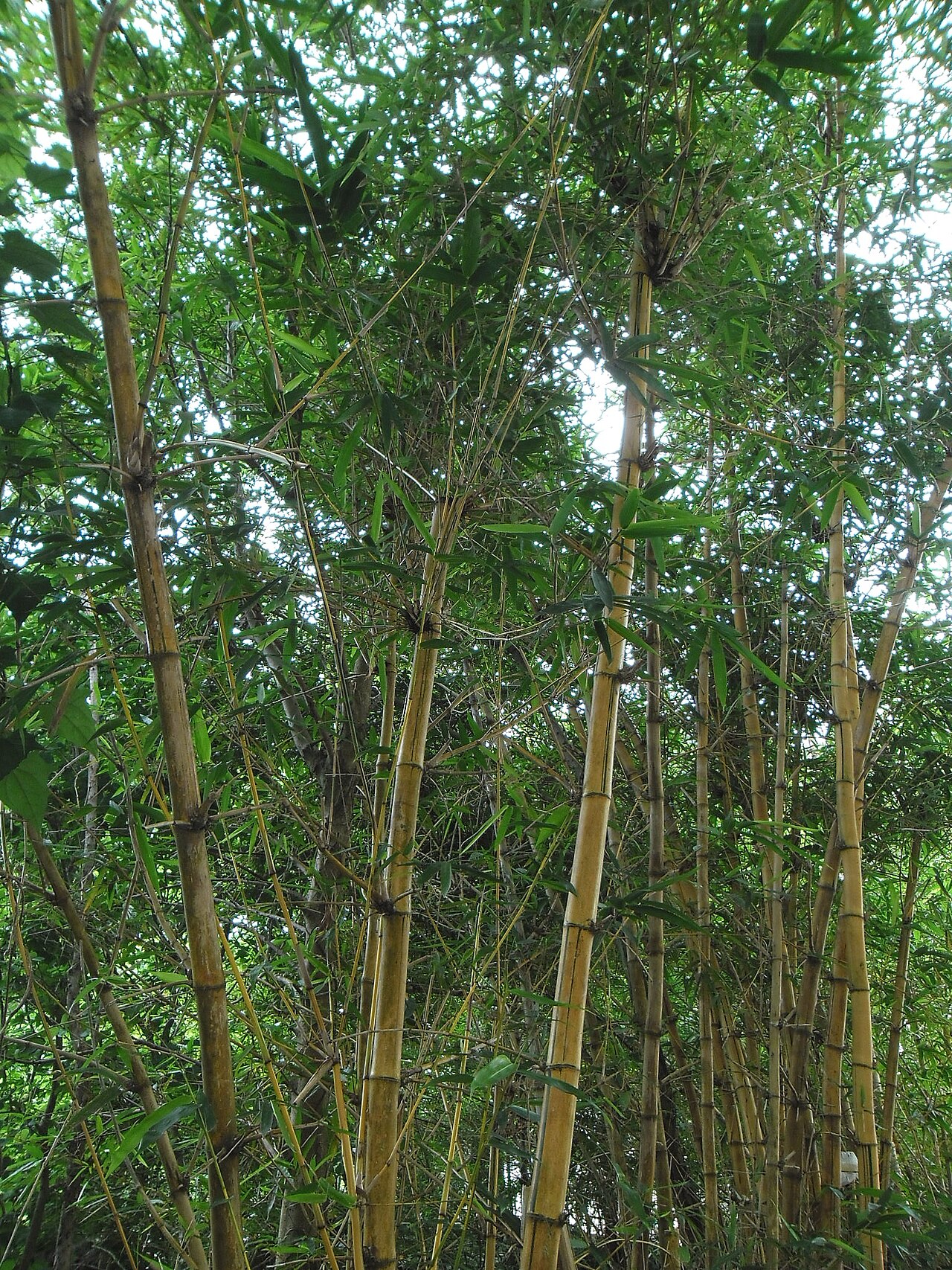
balcooa bamboo
Bambusa balcooa
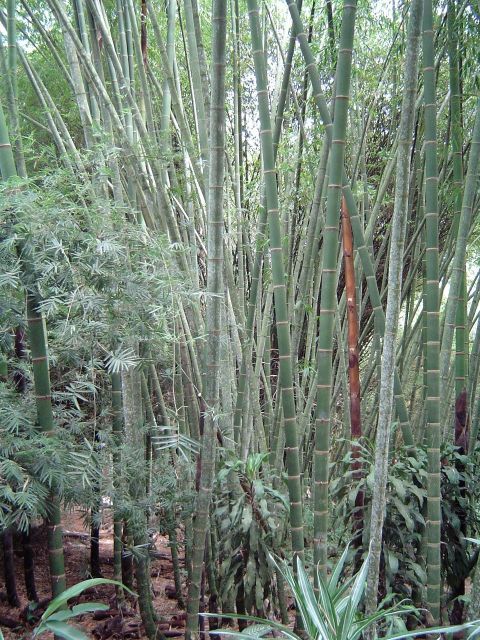
Secondary I Emergent Mulch biomassA large clumping bamboo native to the Indian subcontinent and Indochina, with thick culms up to 25 m and thick walls. It is highly valued for const...
-
punting pole bamboo
Bambusa tuldoides
Secondary I High Mulch biomassA clumping bamboo native to southern China, with straight, relatively slender culms 6–12 m tall, widely used as poles, in light construction and cr...
-
common bamboo
Bambusa vulgaris
Secondary I High Mulch biomassA clumping (non-running) bamboo native to Southeast Asia and one of the most widely cultivated bamboos in the tropics. It forms dense clumps with c...
-
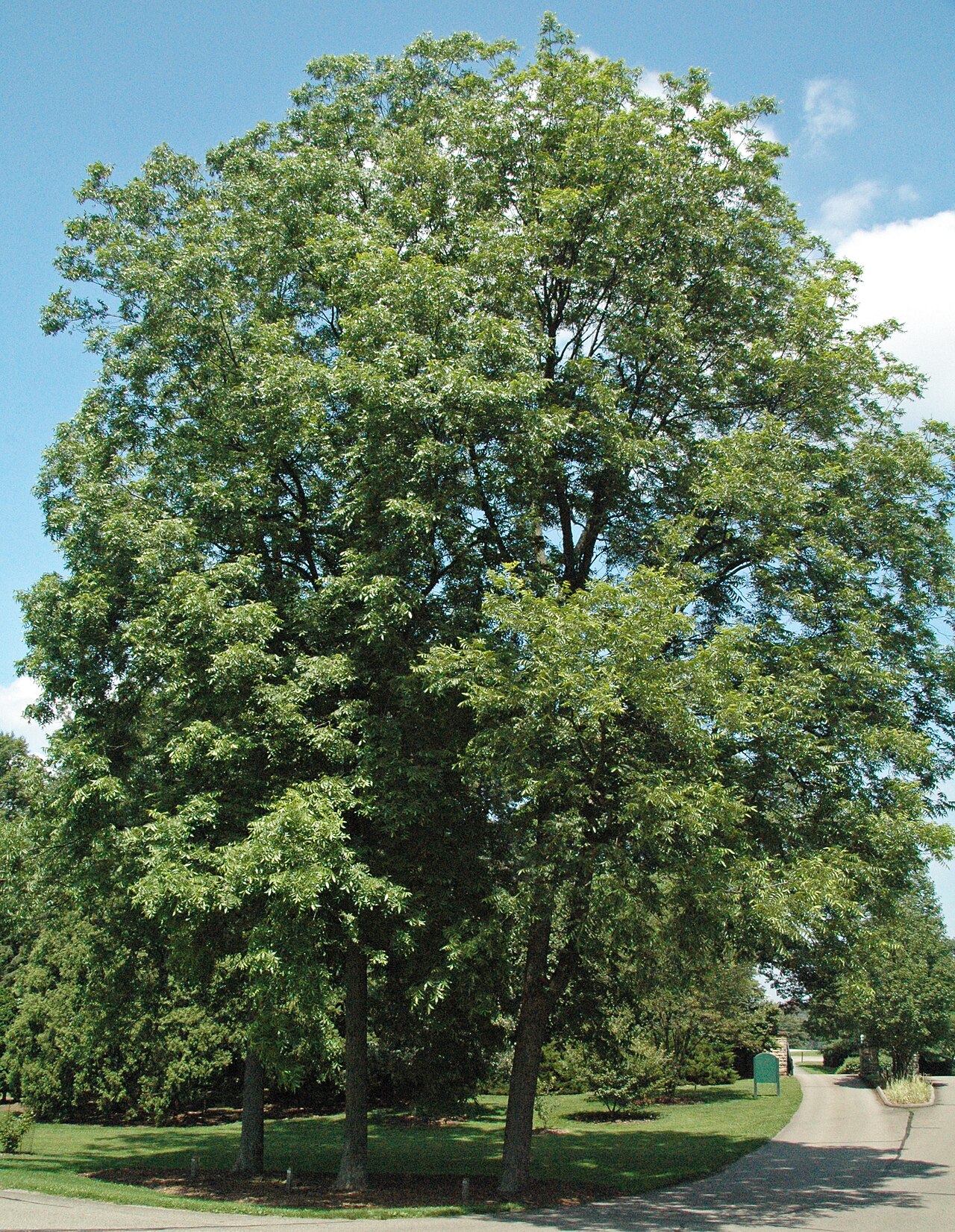
pecan
Carya illinoinensis
Secondary II High No biomass productionPecan, a large deciduous tree of the Juglandaceae family, native to North America and successfully grown in southern Brazil, especially Rio Grande ...
-
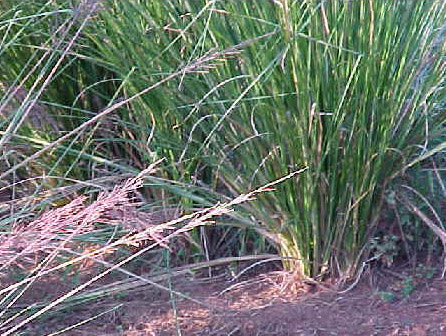
vetiver
Chrysopogon zizanioides
Placenta II Low Mulch biomassPerennial grass with deep vertical roots (up to 4 m), originally from India. The Bosque de Niebla Guidebook recommends vetiver as a hedgerow specie...
-
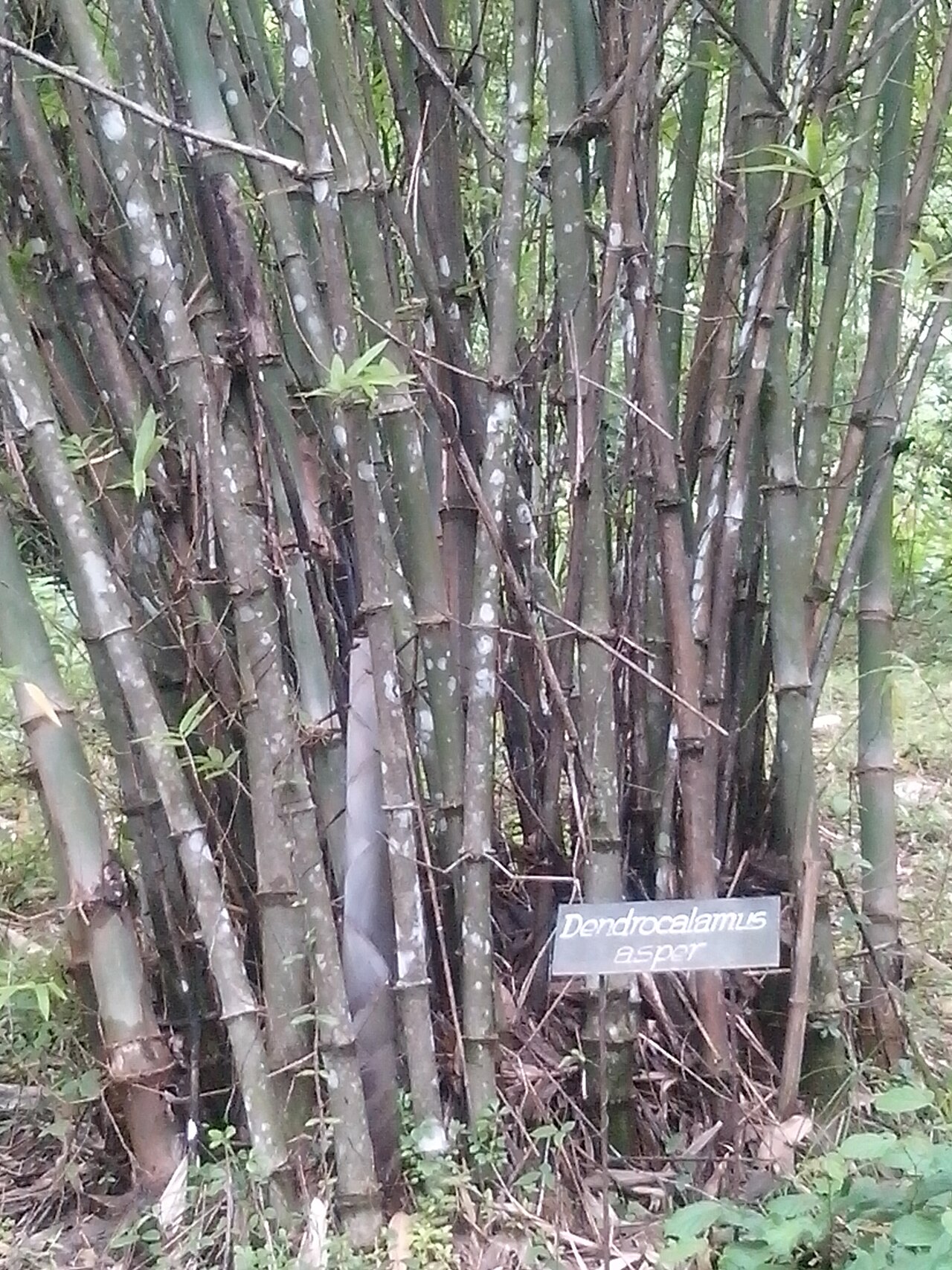
giant bamboo
Dendrocalamus asper
Secondary I Emergent Mulch biomassOne of the most economically important giant bamboos, a clumping species native to Southeast Asia, with culms 15–20 m tall and up to 20 cm in diame...
-
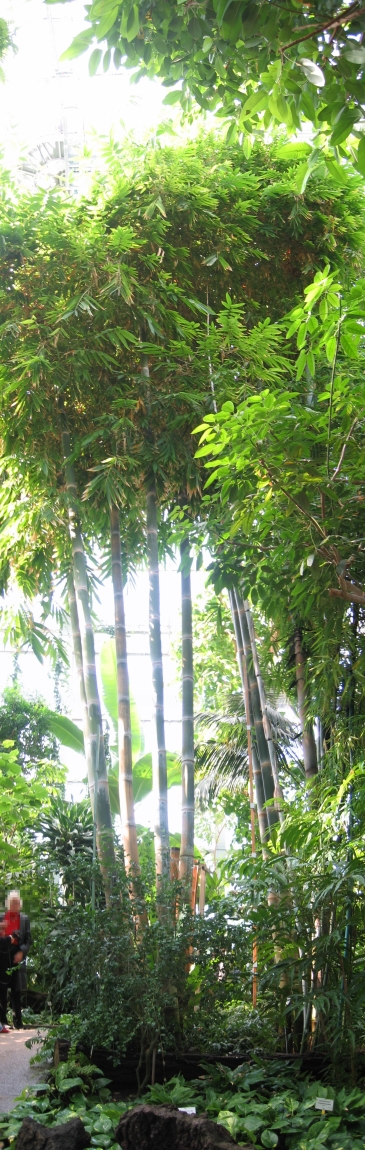
giant bamboo
Dendrocalamus giganteus
Secondary I Emergent Mulch biomassOne of the largest bamboos in the world, a clumping species native to India, Myanmar, Thailand and southern China, with culms commonly reaching 30 ...
-
gliricidia
Gliricidia sepium
Secondary I Medium Fertilizer biomass 🌱 Nitrogen fixerNitrogen-fixing legume that tolerates drastic pruning and produces fast-decomposing fertilizer biomass. Commonly used as shade for coffee and cocoa...
-
guadua
Guadua angustifolia
Secondary I Emergent Mulch biomassA woody clumping bamboo native to Central and South America, regarded as the finest structural bamboo of the Americas. It forms straight, strong cu...
-
leucaena
Leucaena leucocephala
Secondary I High Fertilizer biomass 🌱 Nitrogen fixerFast-growing nitrogen-fixing tree legume with strong coppicing ability. Cited by Pasini as a tree-form fertilizer biomass species — sources fertili...
-
maricá
Mimosa bimucronata
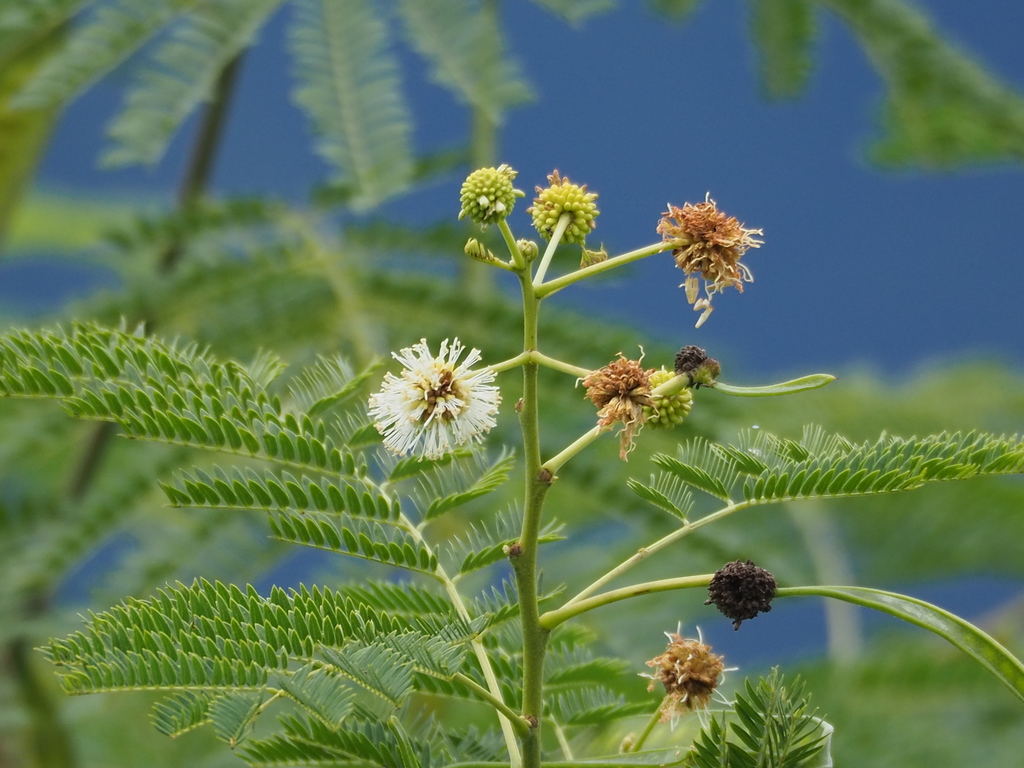
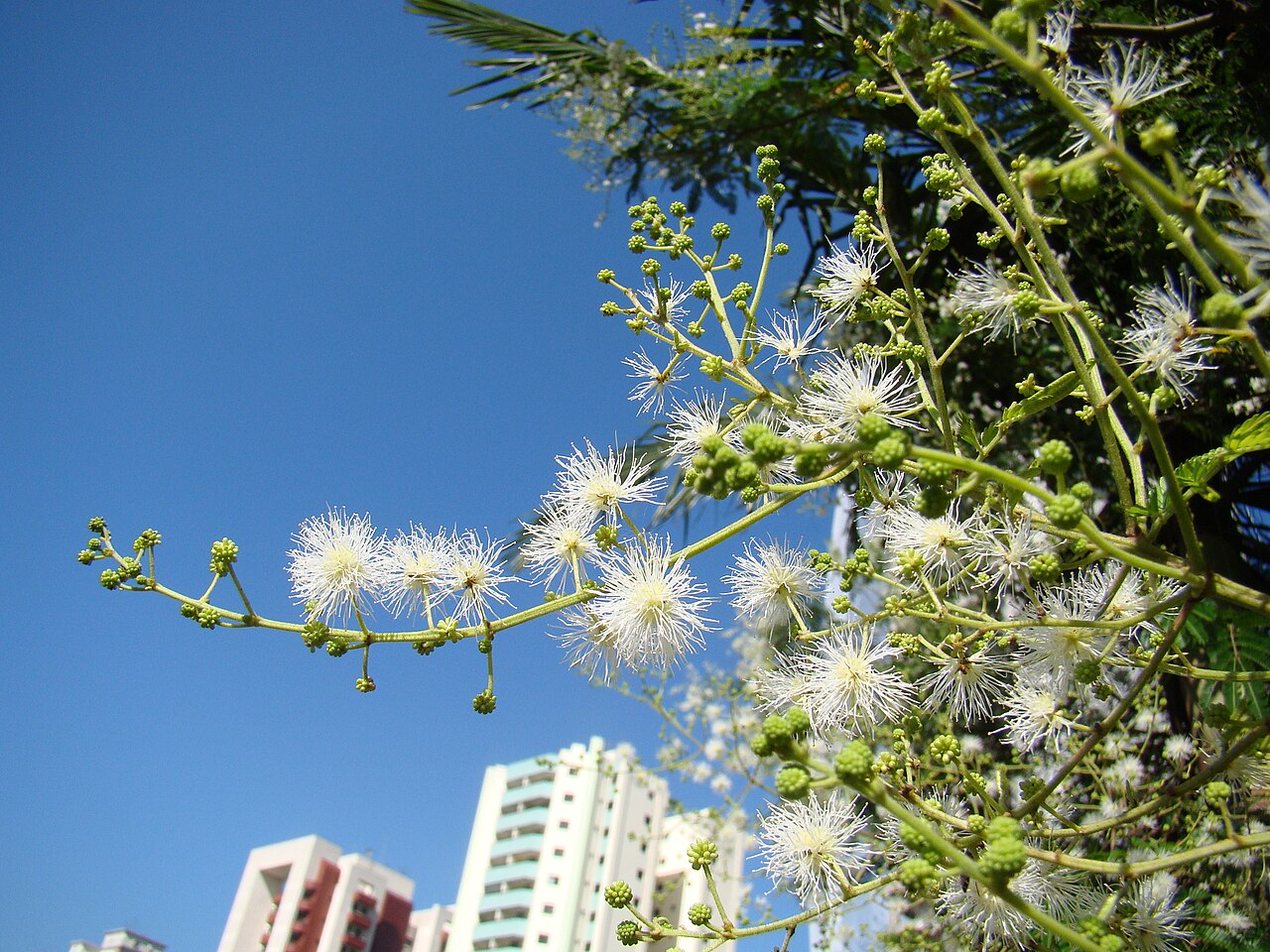
Placenta II Medium Fertilizer biomass 🌱 Nitrogen fixerA pioneer leguminous tree or small tree, spiny and much-branched, 4-8 m tall (occasionally to 15 m), native to eastern and southern Brazil. It fixe...
-
moso bamboo
Phyllostachys edulis
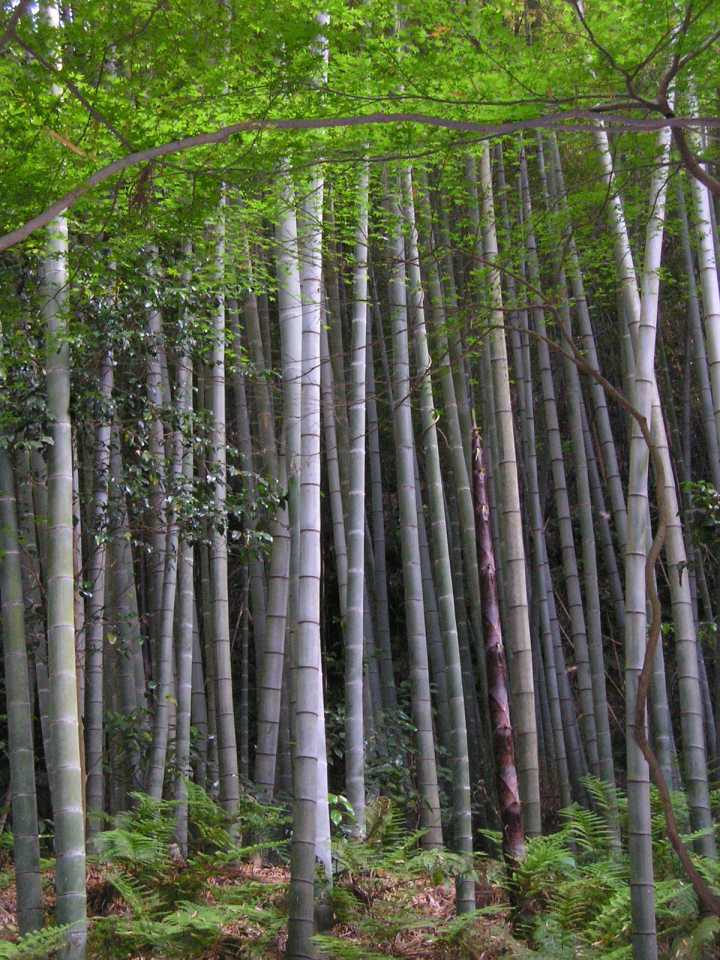
Secondary I Emergent Mulch biomassA running (spreading) bamboo native to China and Taiwan, the most cultivated species for timber and fiber in East Asia. It reaches up to 28 m tall ...
-
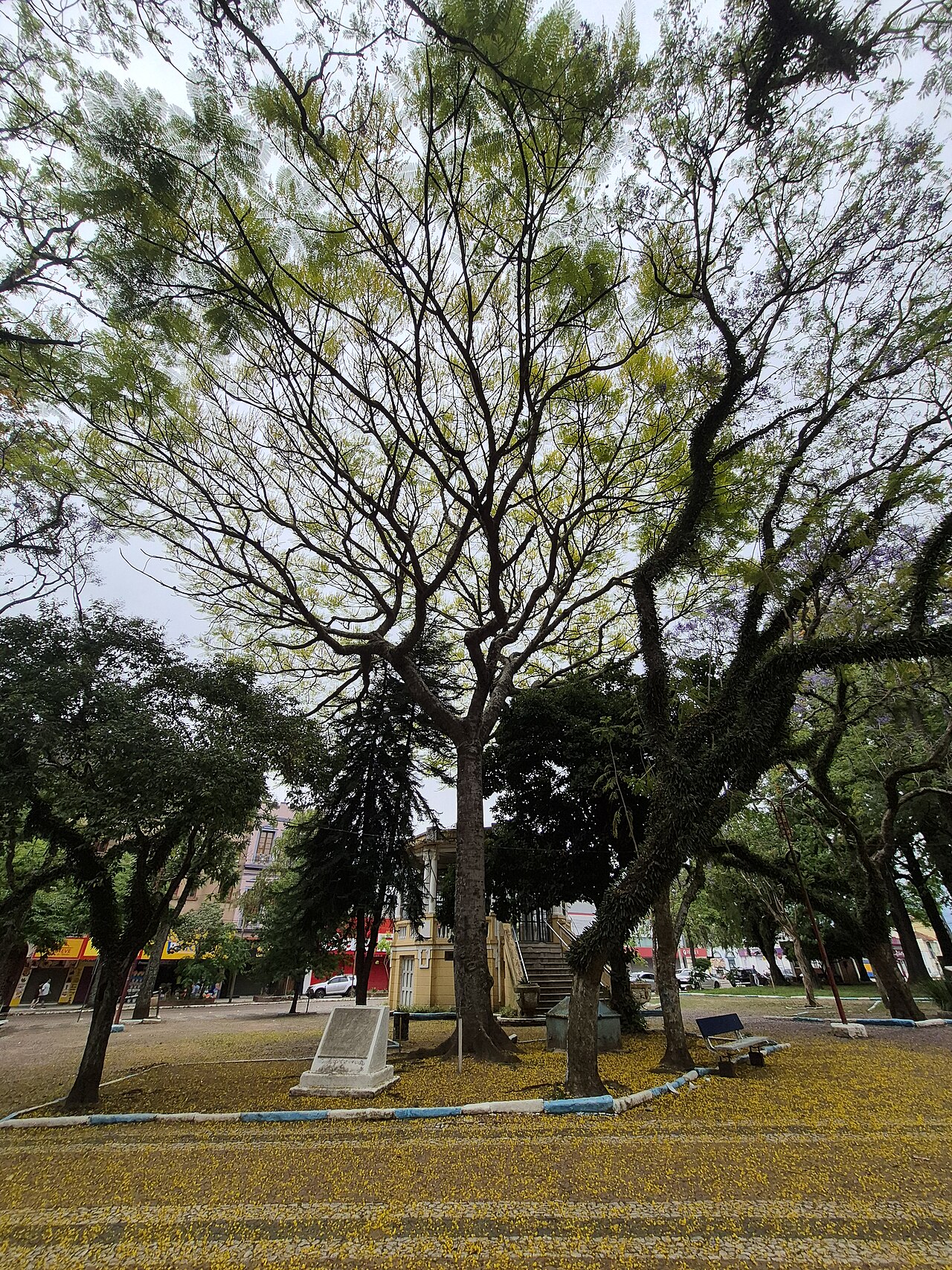
Brazilian fern tree
Schizolobium parahyba
Placenta II Emergent Fertilizer & mulchPioneer Atlantic Forest species with extremely fast growth (up to 6 m per year in early years), reaching 20–30 m. Excellent for early shade and bio...
-
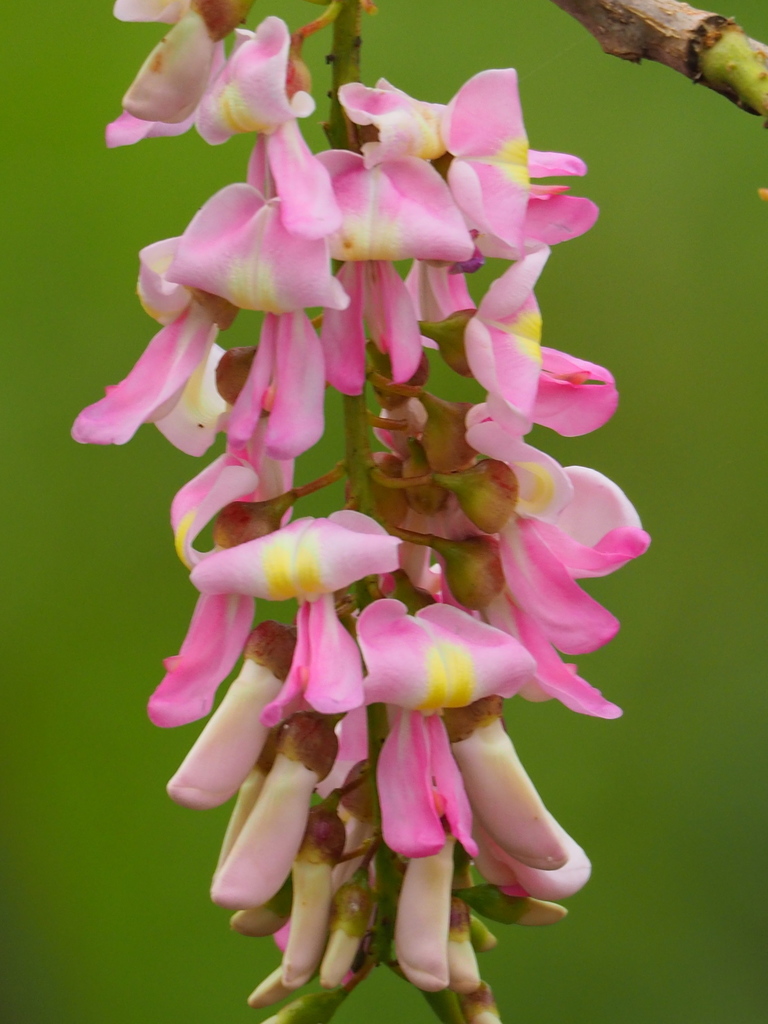
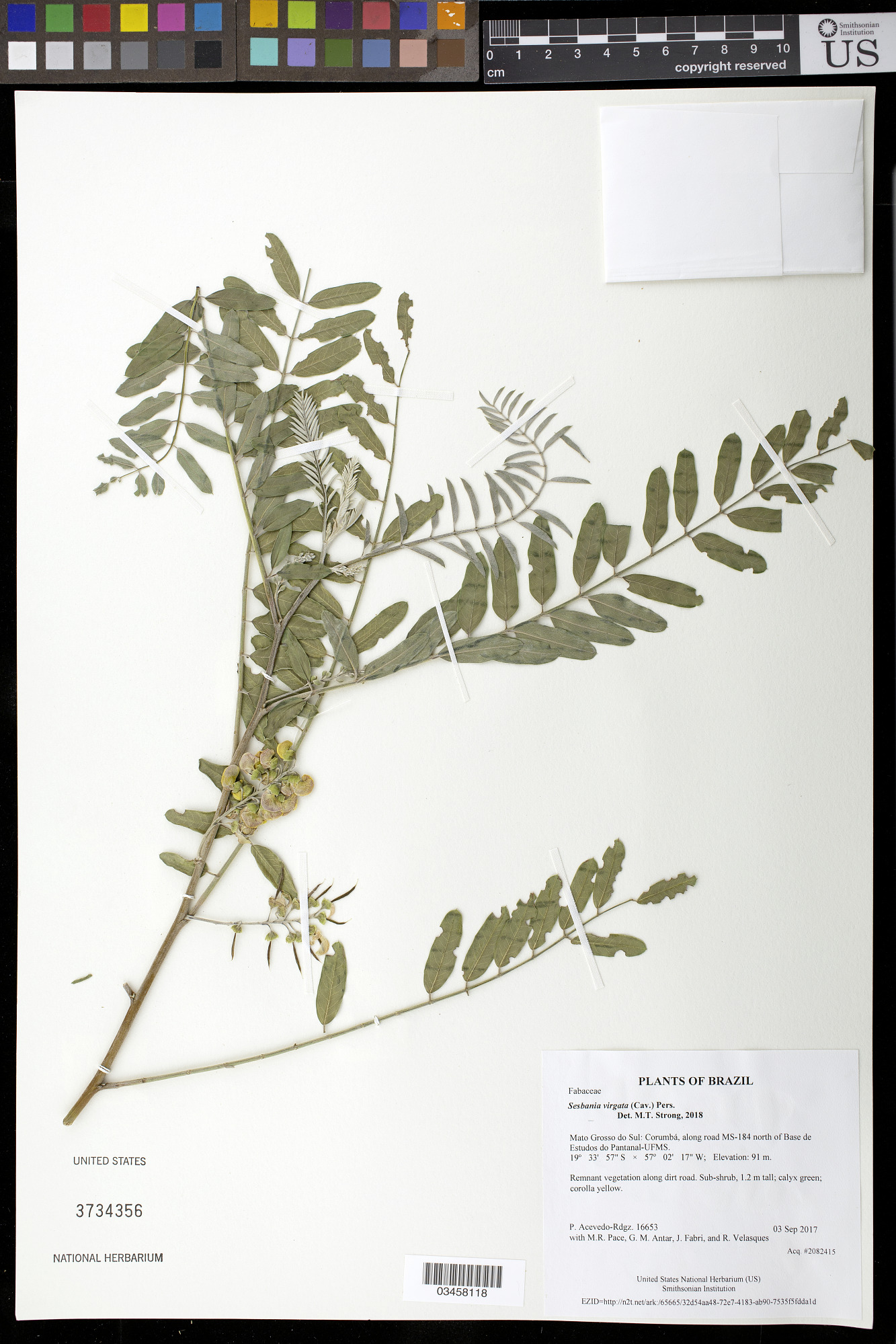
wand riverhemp
Sesbania virgata
Placenta I Low Fertilizer biomass 🌱 Nitrogen fixerA pioneer leguminous shrub native to riparian environments of southern Brazil, Uruguay and northeastern Argentina. It fixes nitrogen by nodulating ...
-
tipu tree
Tipuana tipu
Secondary II Emergent Fertilizer biomass 🌱 Nitrogen fixerA very fast-growing leguminous tree of 10-30 m, with a broad spreading crown, native to southern Bolivia, northern Argentina, Paraguay, Uruguay and...
❓ Frequently asked questions
What does "Windbreak" mean in syntropic agriculture?
Species planted in lines to reduce wind speed, protecting the system from desiccation, mechanical breakage, and pollinator loss. They work best as semi-permeable barriers (~50% porosity) rather than solid walls.
Which catalog species are tagged Windbreak?
The catalog holds 16 species, among them siris tree, balcooa bamboo, punting pole bamboo. Each profile shows stratum, succession stage, and the management data, with sources cited.