
Function
Nurse plant — species for syntropic systems
Nurse plants create the microclimate demanding species need to start: partial shade, broken wind, protected soil. They go in before or alongside the seedlings they will shelter, and progressive pruning opens light as the protected ones grow.
26 species in the catalog · Refine this list in the catalog
-
mangium
Acacia mangium
Secondary I Emergent Fertilizer & mulch 🌱 Nitrogen fixerExtremely fast-growing nitrogen-fixing legume, central in syntropic systems as a producer of both cover and fertilizer biomass. Pasini classifies i...
-
monjoleiro
Acacia polyphylla
Secondary I High Fertilizer biomass 🌱 Nitrogen fixerPioneer legume native to the Atlantic Forest and Cerrado. Medium-to-tall tree (10–20 m), fine compound leaves. Very rapid growth — structural speci...
-
siris tree
Albizia lebbeck
Secondary II High Fertilizer biomass 🌱 Nitrogen fixerA fast-growing, drought-tolerant leguminous tree of 18-30 m, native to tropical Asia and now pantropical. It fixes nitrogen readily and coppices ex...
-
pigeon pea
Cajanus cajan
Placenta I Low Fertilizer biomass 🌱 Nitrogen fixerShort-cycle shrubby legume that fixes nitrogen, widely used in Brazilian agroforestry as green manure, early shade and food. Vigorous on poor soils.
-
calliandra
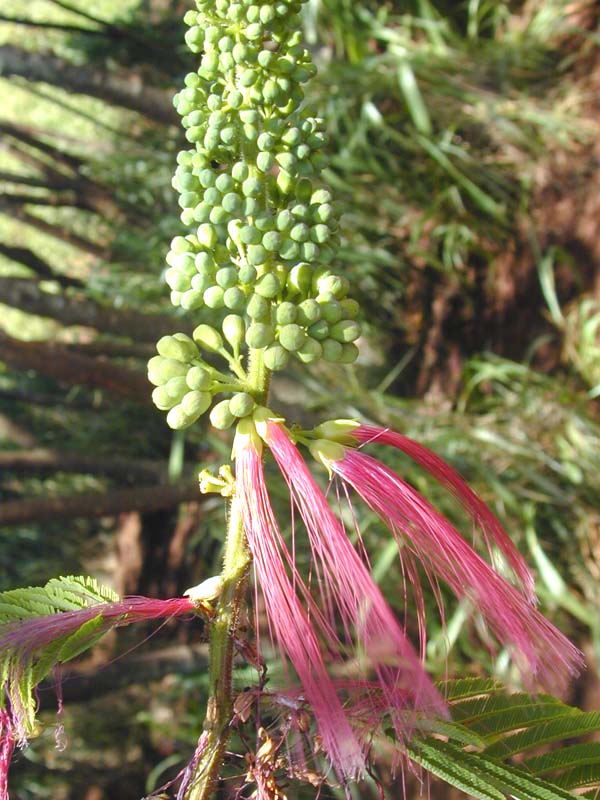
Calliandra calothyrsus
Placenta II Medium Fertilizer biomass 🌱 Nitrogen fixerA very fast-growing leguminous shrub or small tree, usually 4-6 m tall, native to Central America. A nitrogen fixer that coppices vigorously after ...
-
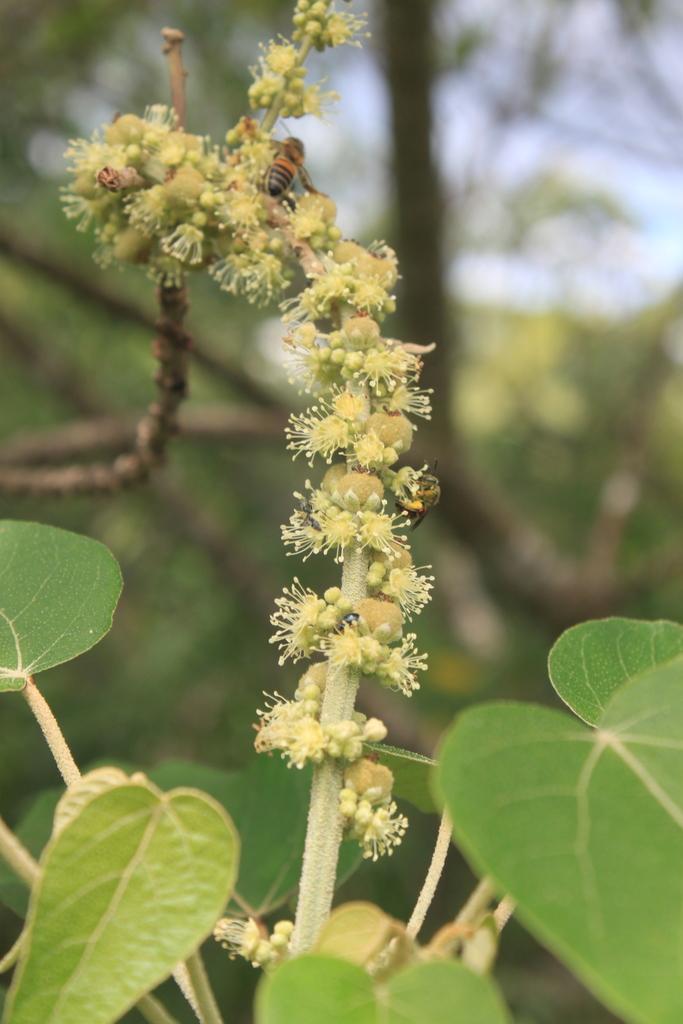
trumpet tree
Cecropia pachystachya
Placenta II Medium Mulch biomassFast-growing, short-lived (~20 years) pioneer tree that colonizes edges and gaps in all Brazilian biomes. Fruits eaten by birds and primates; symbi...
-
fairchild's clitoria
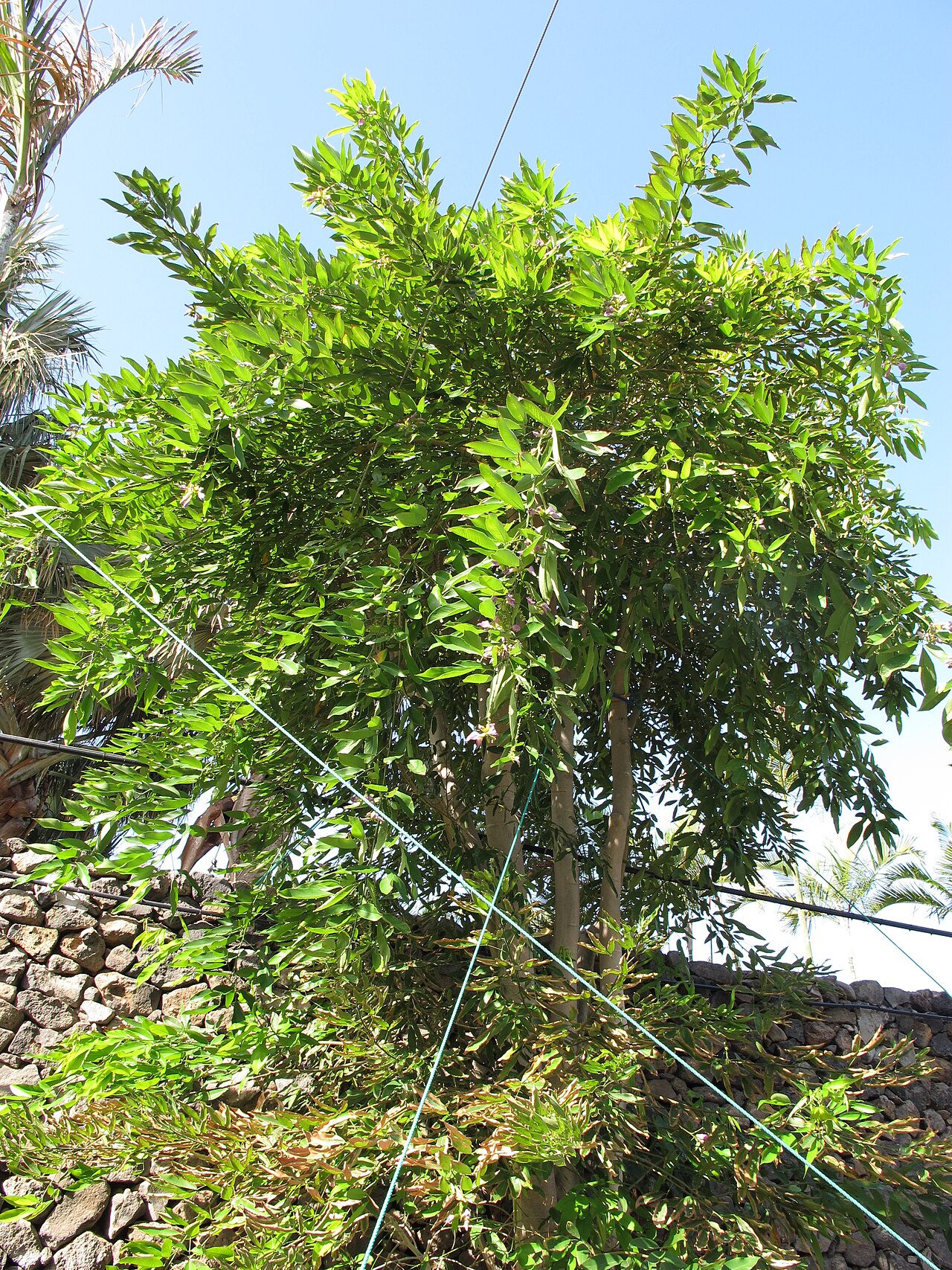
Clitoria fairchildiana
Secondary I High Fertilizer biomass 🌱 Nitrogen fixerA leguminous tree native to Brazil (Amazonian domain), 6-12 m tall, with a broad crown and violet flowers in pendulous inflorescences. It nodulates...
-
capixingui
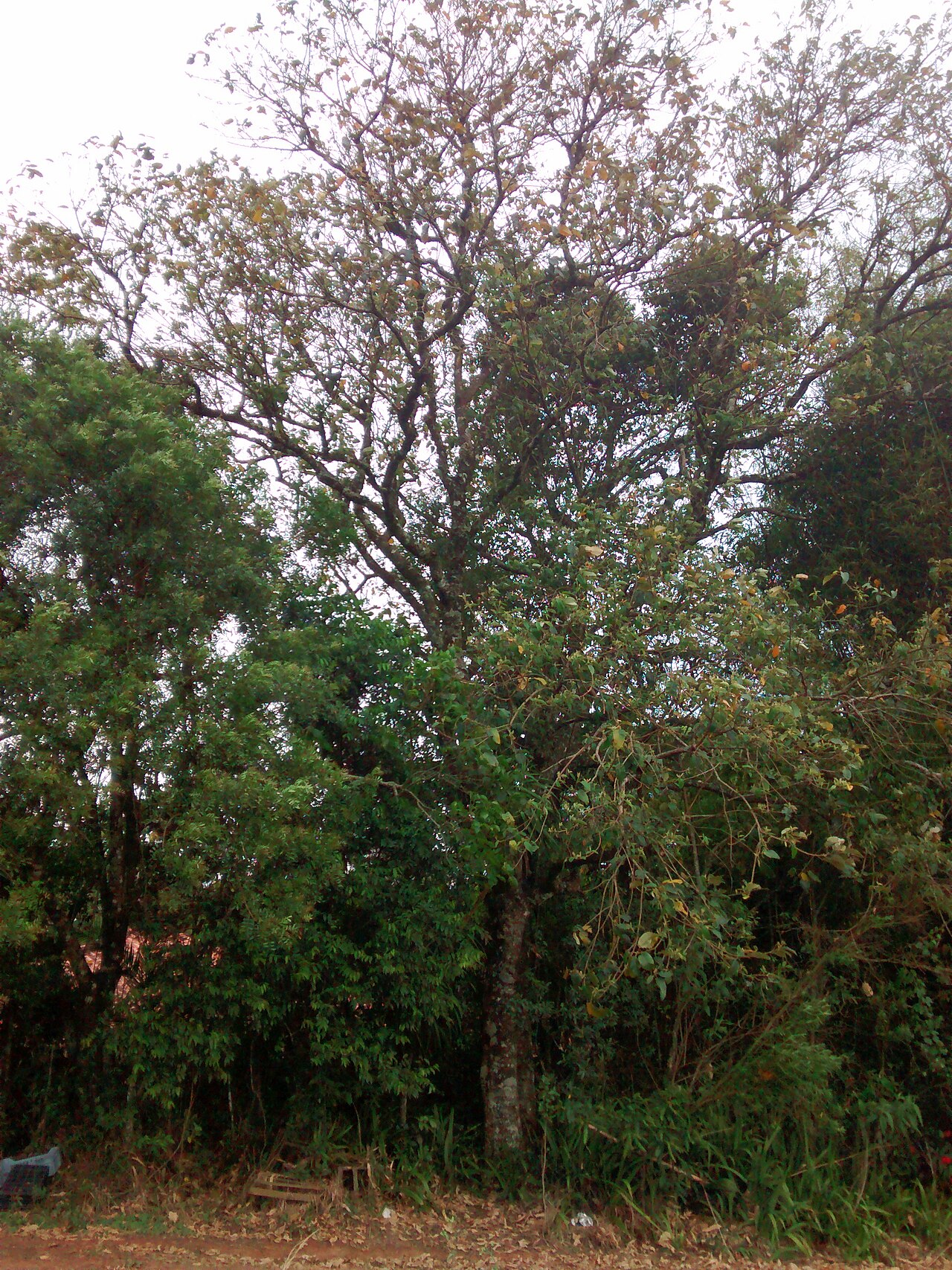
Croton floribundus
Secondary I High Mulch biomassNative pioneer tree of the Atlantic Forest and Cerrado, common in edges and clearings of semi-deciduous forests. Reaches 8–15 m on a roughly 30-yea...
-
dragon's blood tree
Croton urucurana
Secondary I Medium Mulch biomassHeliophyte pioneer tree typical of riparian forests and humid terrain across the Amazon, Cerrado, and Atlantic Forest. Reaches 7–14 m and produces ...
-
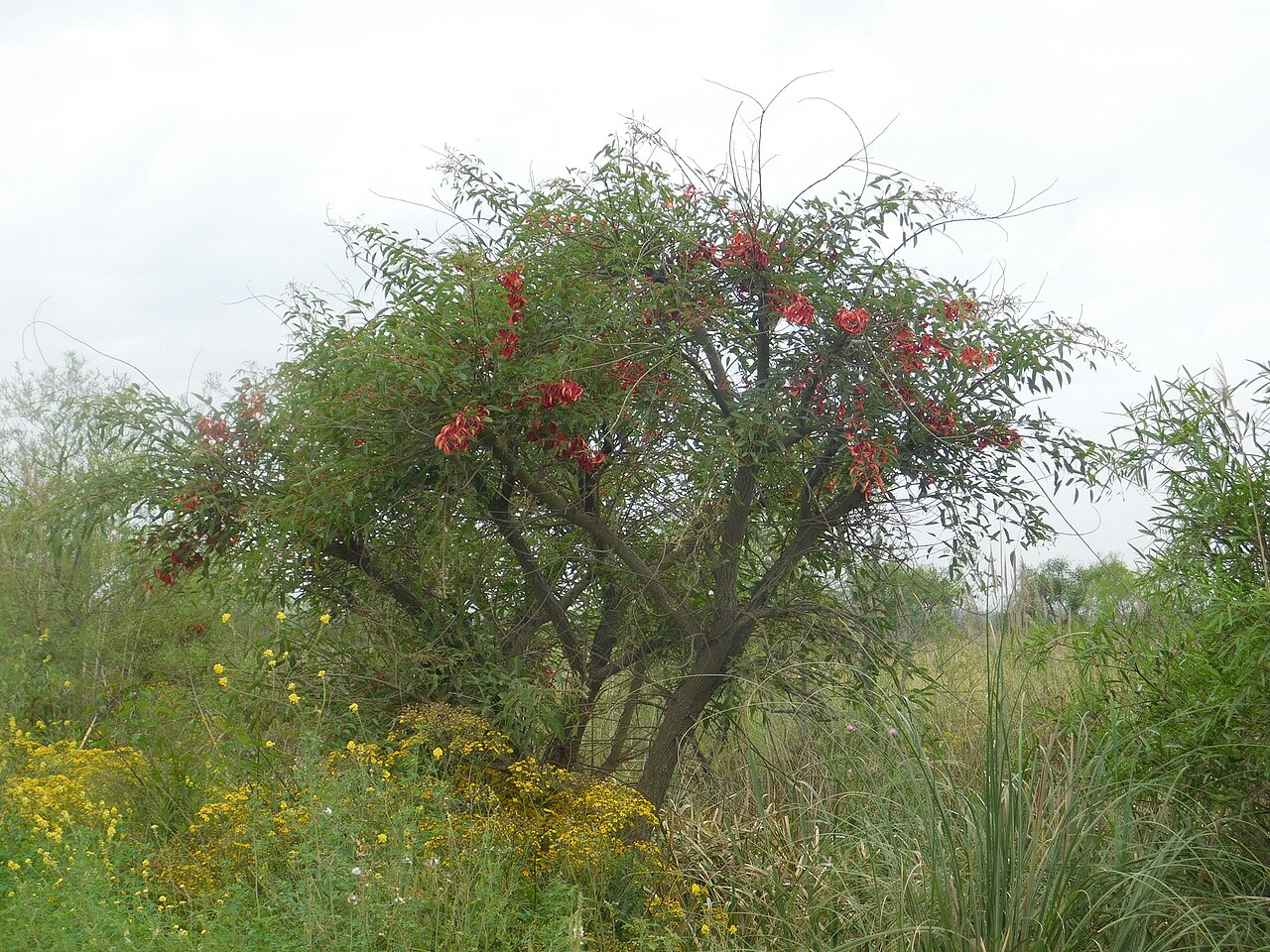
cockspur coral tree
Erythrina crista-galli
Secondary I Medium Fertilizer biomass 🌱 Nitrogen fixerA deciduous, sun-loving leguminous small tree or tree up to 10-15 m, native to southern Brazil and the rest of southern South America. It inhabits ...
-
ice cream bean
Inga edulis
Secondary I High Fertilizer biomass 🌱 Nitrogen fixerEssential nitrogen fixer in syntropic systems. Coppices readily after drastic pruning and produces large volumes of fertilizer biomass.
-
river inga
Inga vera
Secondary I Medium Fertilizer biomass 🌱 Nitrogen fixerA pioneer leguminous tree native to the Neotropics, 5-10 m tall, with a broad low crown, frequent in secondary formations of humid or swampy soil, ...
-
maricá
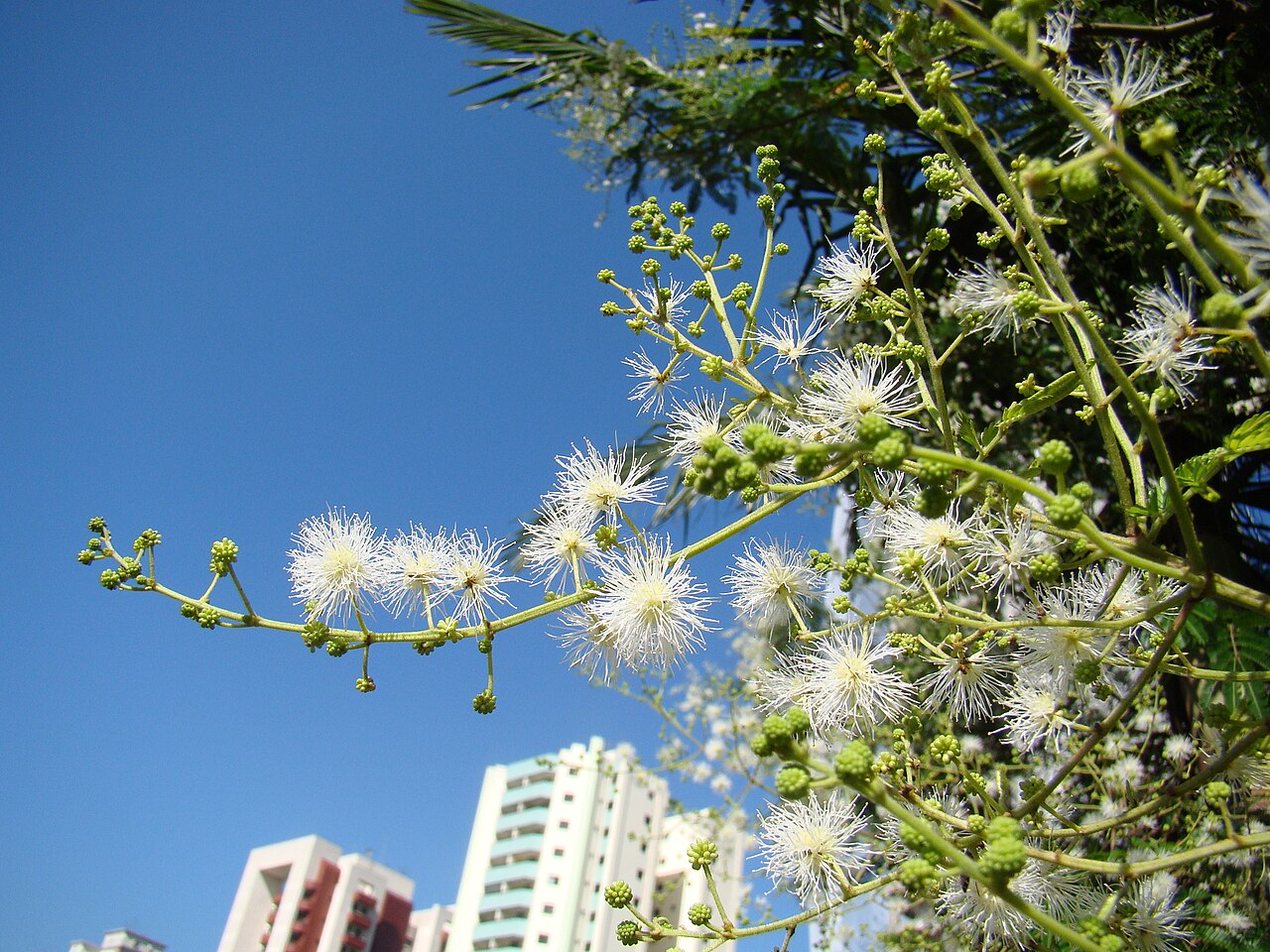
Mimosa bimucronata
Placenta II Medium Fertilizer biomass 🌱 Nitrogen fixerA pioneer leguminous tree or small tree, spiny and much-branched, 4-8 m tall (occasionally to 15 m), native to eastern and southern Brazil. It fixe...
-
black mulberry
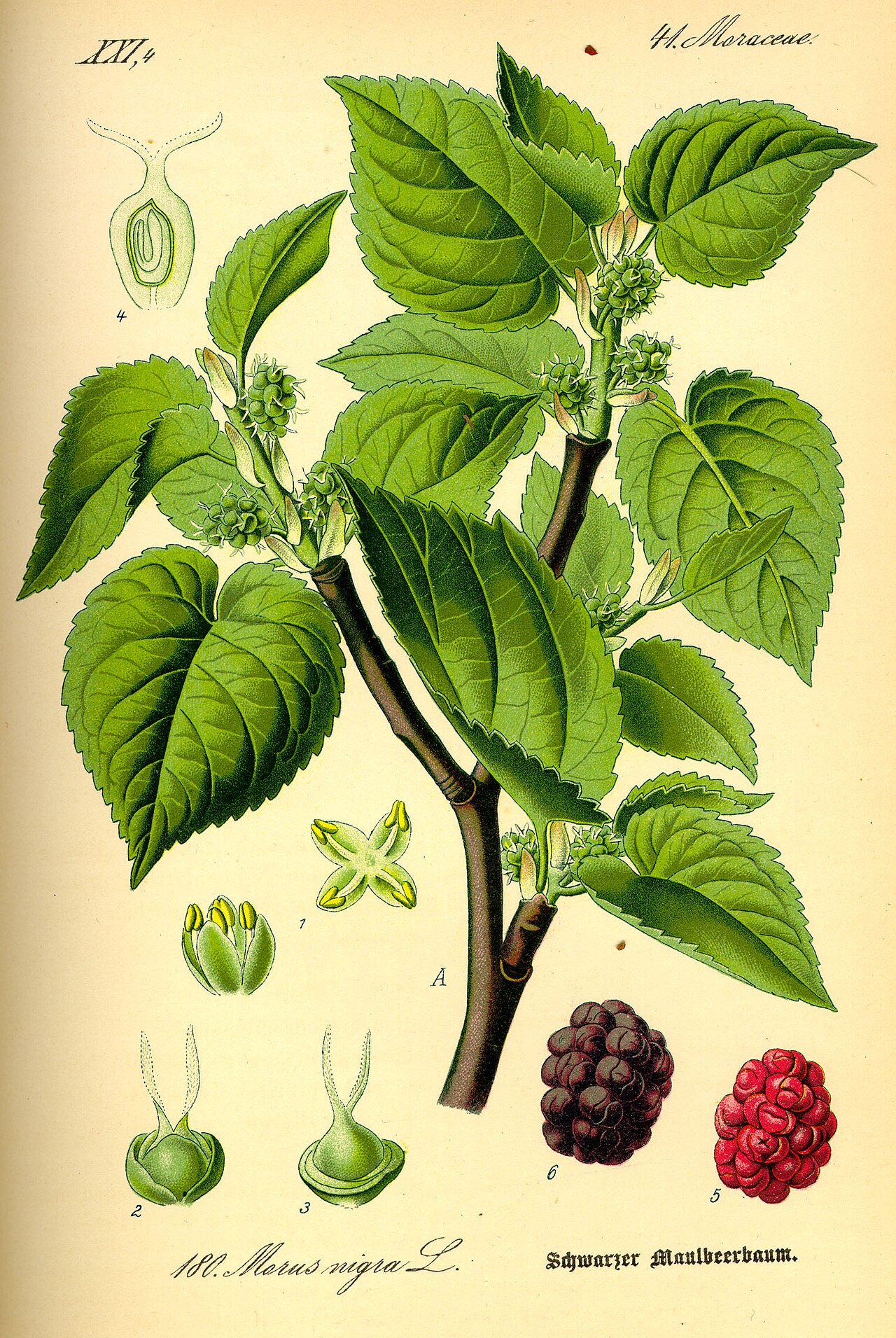
Morus nigra
Secondary I High Fertilizer biomassFast-growing fruit tree, tolerates drastic pruning well and coppices readily — ideal as a nurse plant in syntropic systems. Pasini lists it in the ...
-
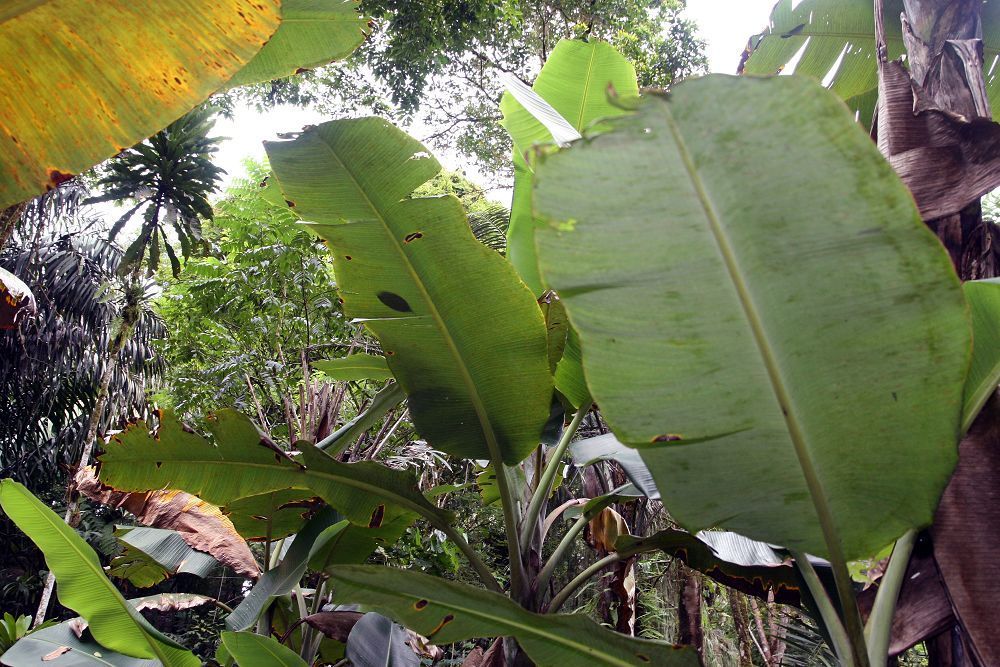
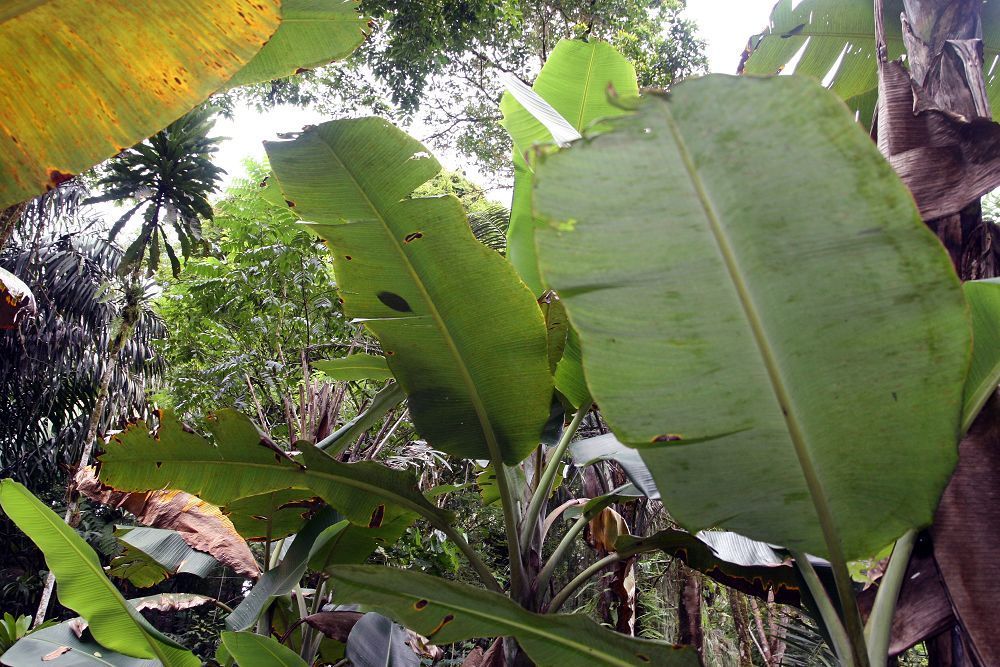
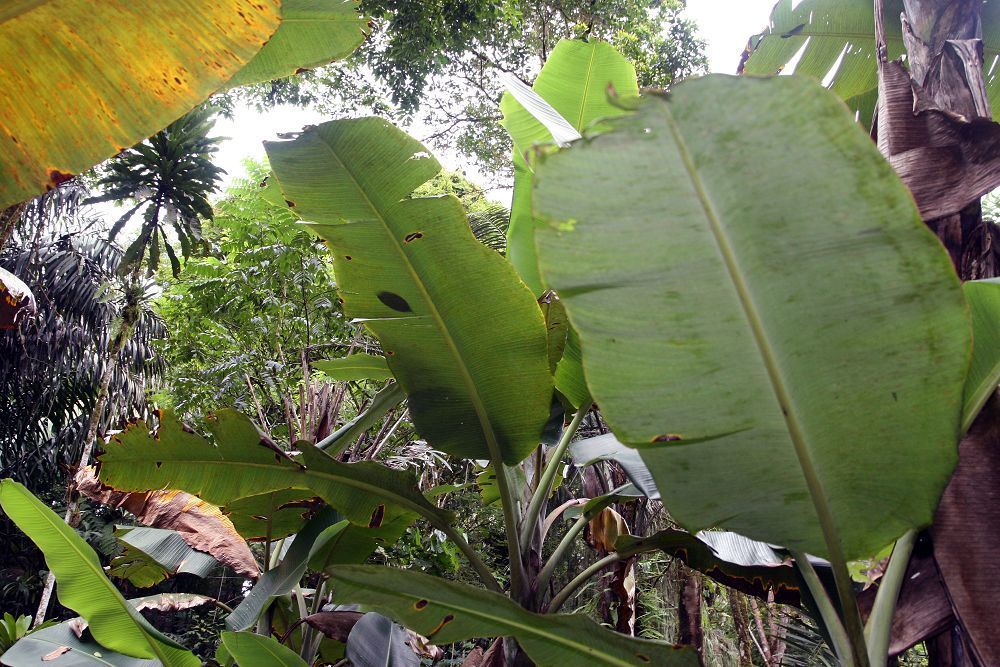
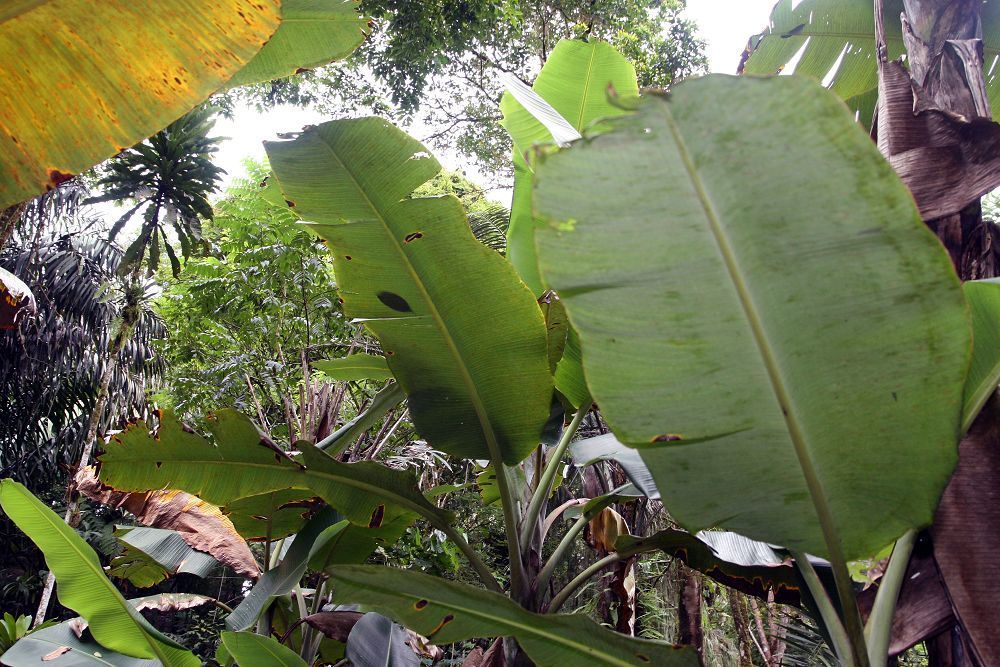
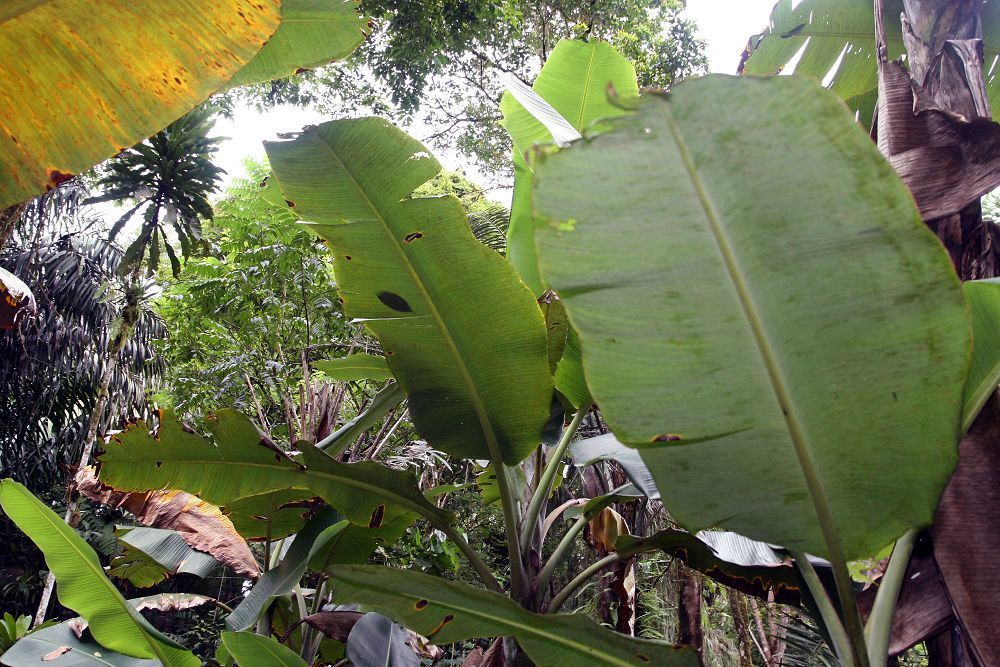
dwarf cavendish banana
Musa acuminata
Placenta II Medium Mulch biomassCavendish AAA dwarf cultivar (1.8–2.5 m). Dessert-banana market staple. Resistant to Panama disease race 1 but susceptible to Yellow Sigatoka. In s...
-
giant cavendish banana
Musa acuminata
Placenta II High Mulch biomassCavendish AAA tall cultivar (3–4 m); the dominant Brazilian export variety. Heavier bunch than Nanica (30–40 kg).
-
banana
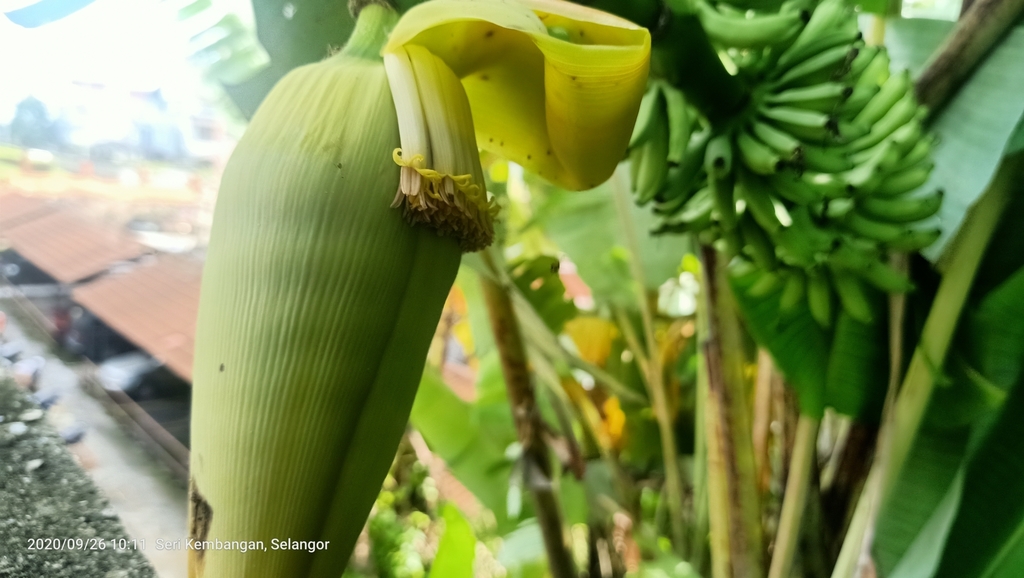
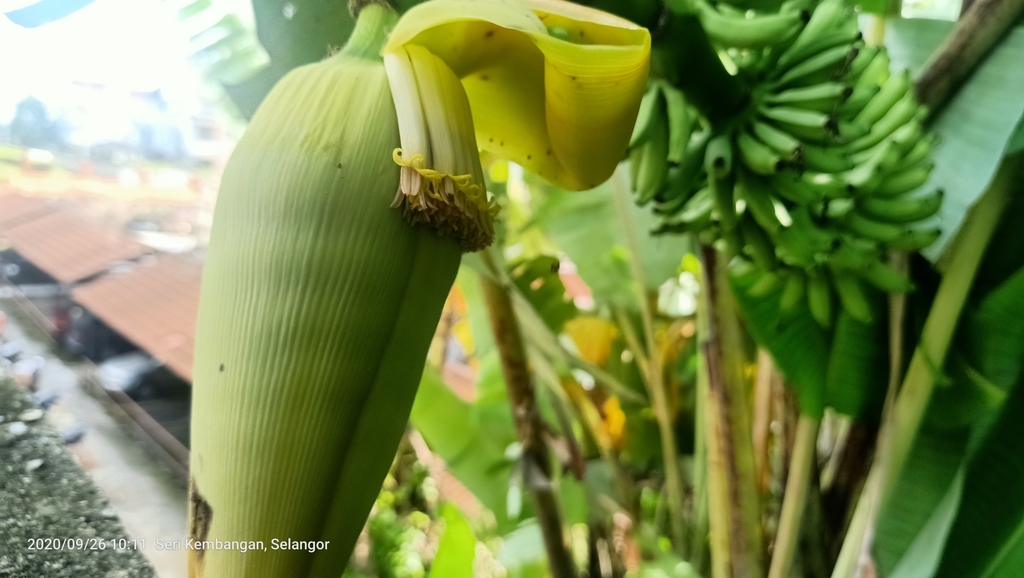
Musa × paradisiaca
Placenta II High Mulch biomassBanana is a fast-growing pioneer species valued for cover biomass, edible fruit, and a structuring role in syntropic rows. Grows in any moist, well...
-
pome banana
Musa × paradisiaca
Placenta II High Mulch biomassAAB Pome subgroup, tall (5–7 m), bunch 12–18 kg. Slightly tart flavor prized in the Brazilian domestic market. Before Prata-Anã it dominated the so...
-
dwarf pome banana
Musa × paradisiaca
Placenta II High Mulch biomassDwarf mutation of Prata (AAB), 2.5–3.5 m. Together with Prata and Pacovan accounts for ~60% of Brazilian banana area. Per Embrapa, a 'watershed' cu...
-
pacovan banana
Musa × paradisiaca
Placenta II High Mulch biomassAAB tall cultivar (5–6 m), large bunch (20–30 kg). Major Northeastern variety with better Yellow Sigatoka tolerance than Prata. Together with Prata...
-
plantain
Musa × paradisiaca
Placenta II High Mulch biomassAAB Plantain subgroup — cooking banana, tall to emergent (5–7 m), bunch 15–25 kg with few large starchy fingers. Staple food across Northern and No...
-
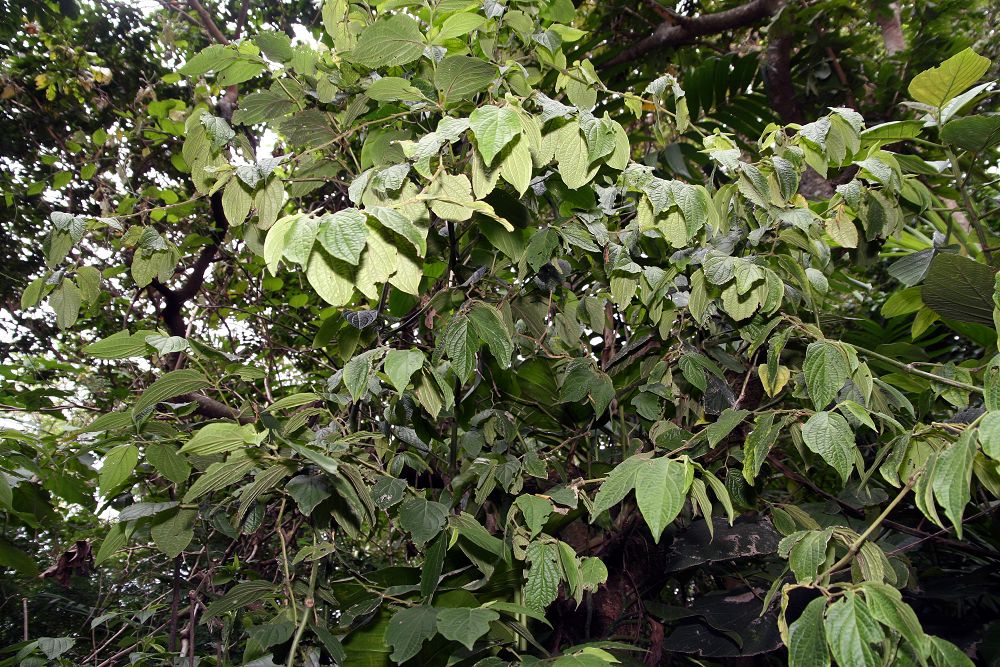
morototó
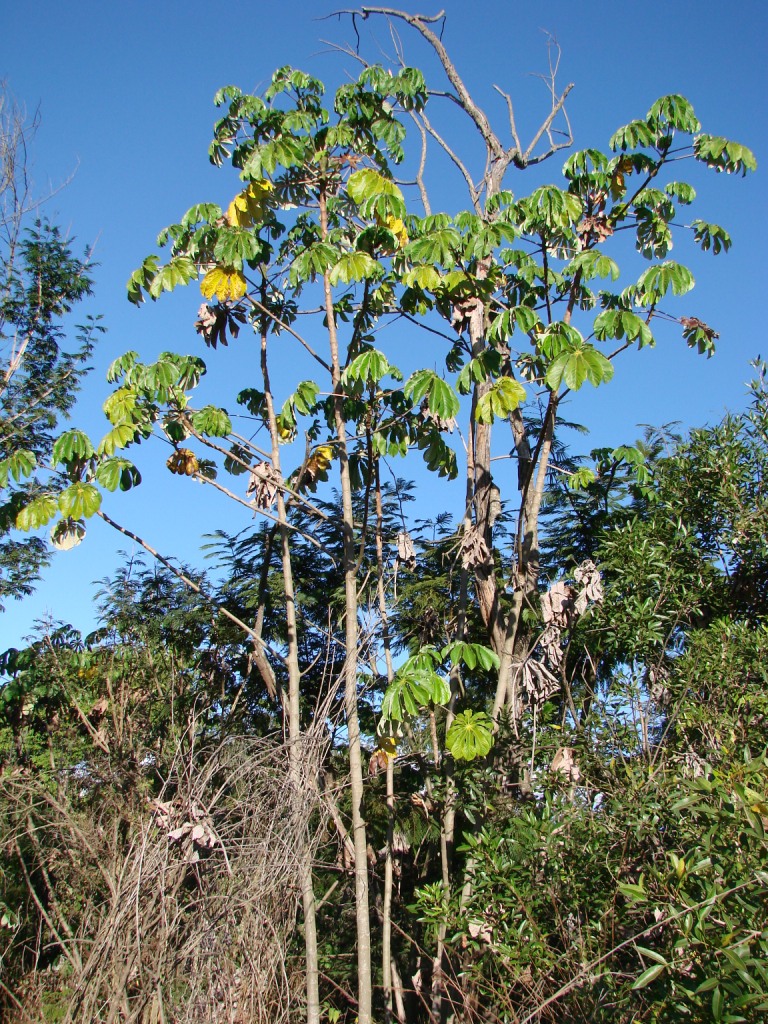
Schefflera morototoni
Secondary I Emergent Mulch biomassFast-growing pioneer tree common in Atlantic Forest and Amazon clearings. EcoAgri lists it in the emergent stratum of the 'up to 50 years' extras. ...
-
Brazilian fern tree
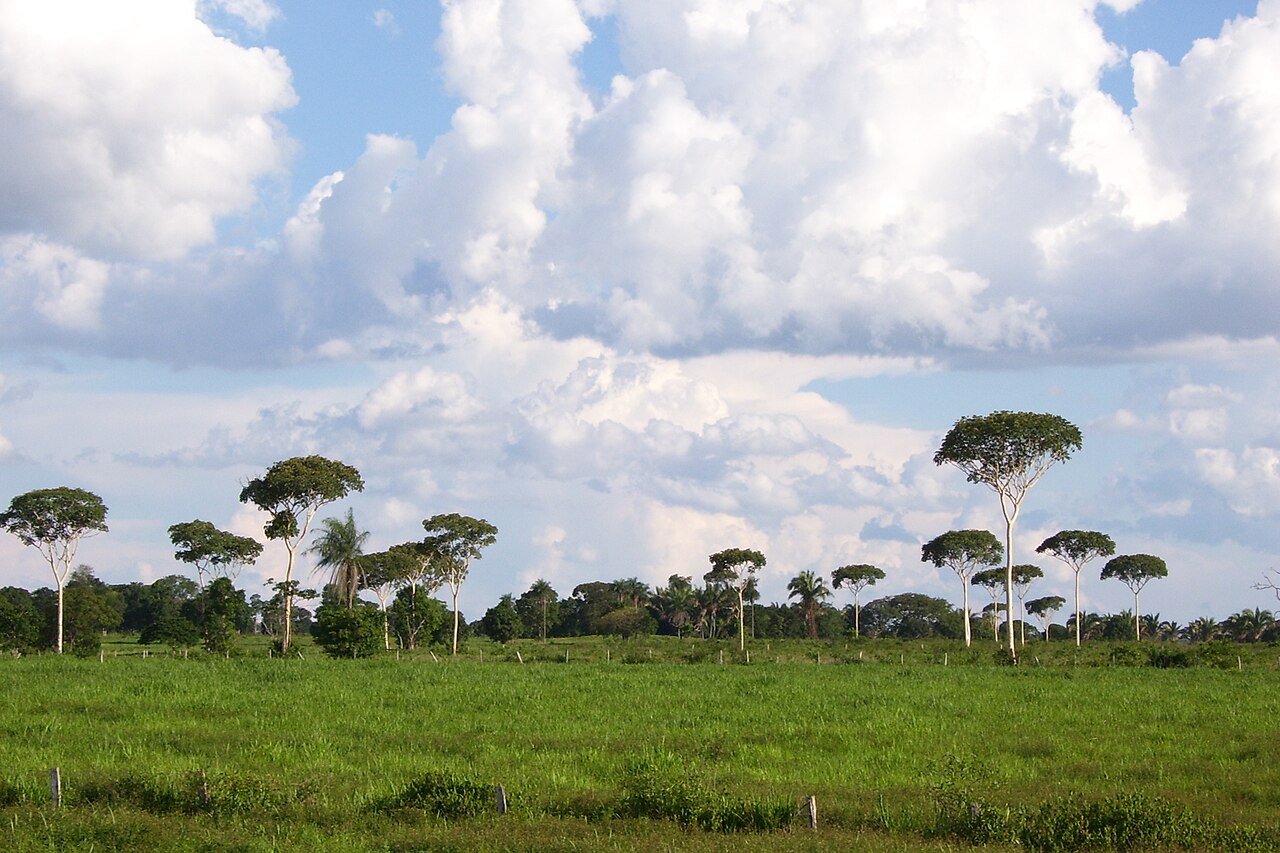
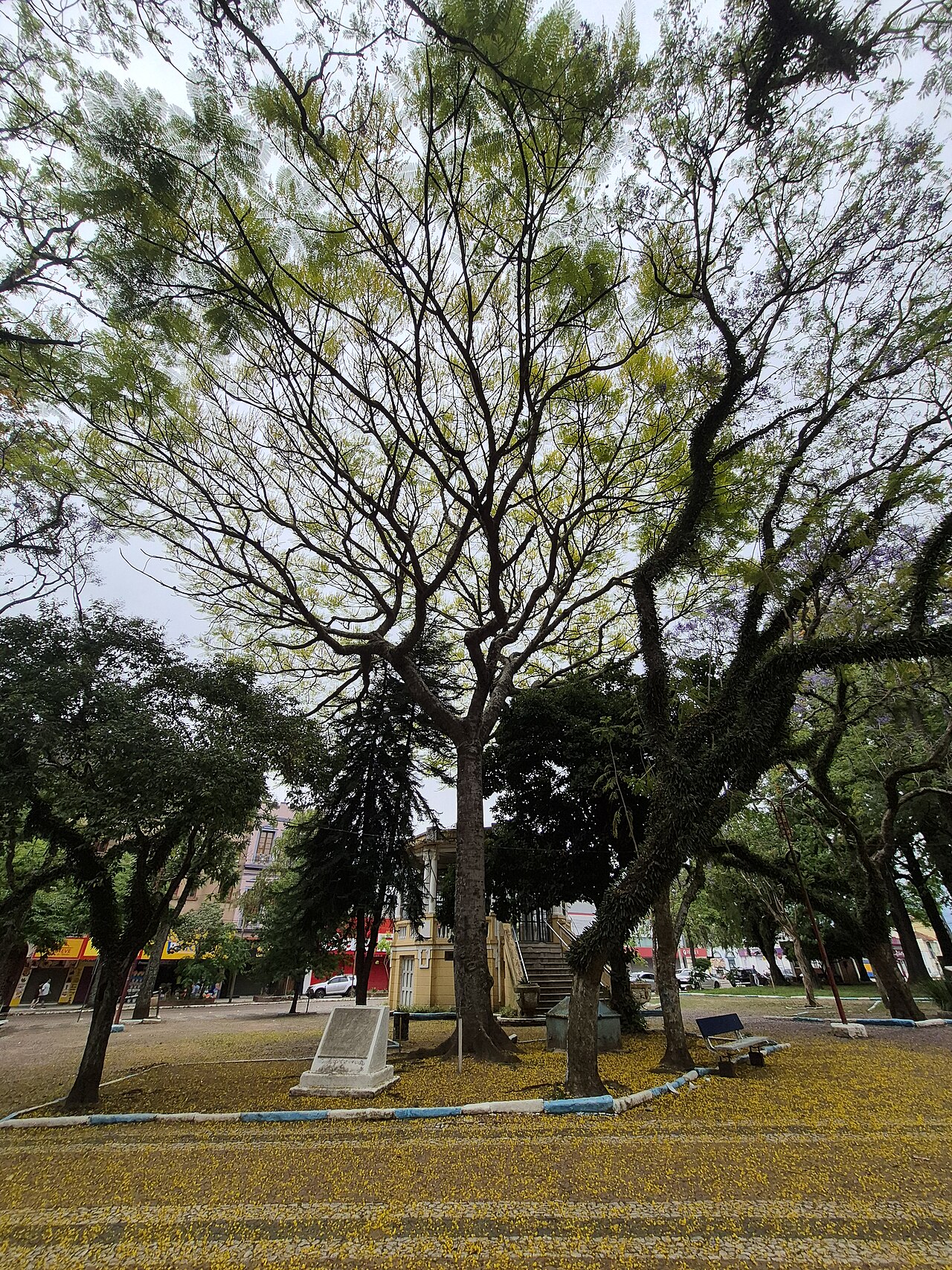
Schizolobium parahyba
Placenta II Emergent Fertilizer & mulchPioneer Atlantic Forest species with extremely fast growth (up to 6 m per year in early years), reaching 20–30 m. Excellent for early shade and bio...
-
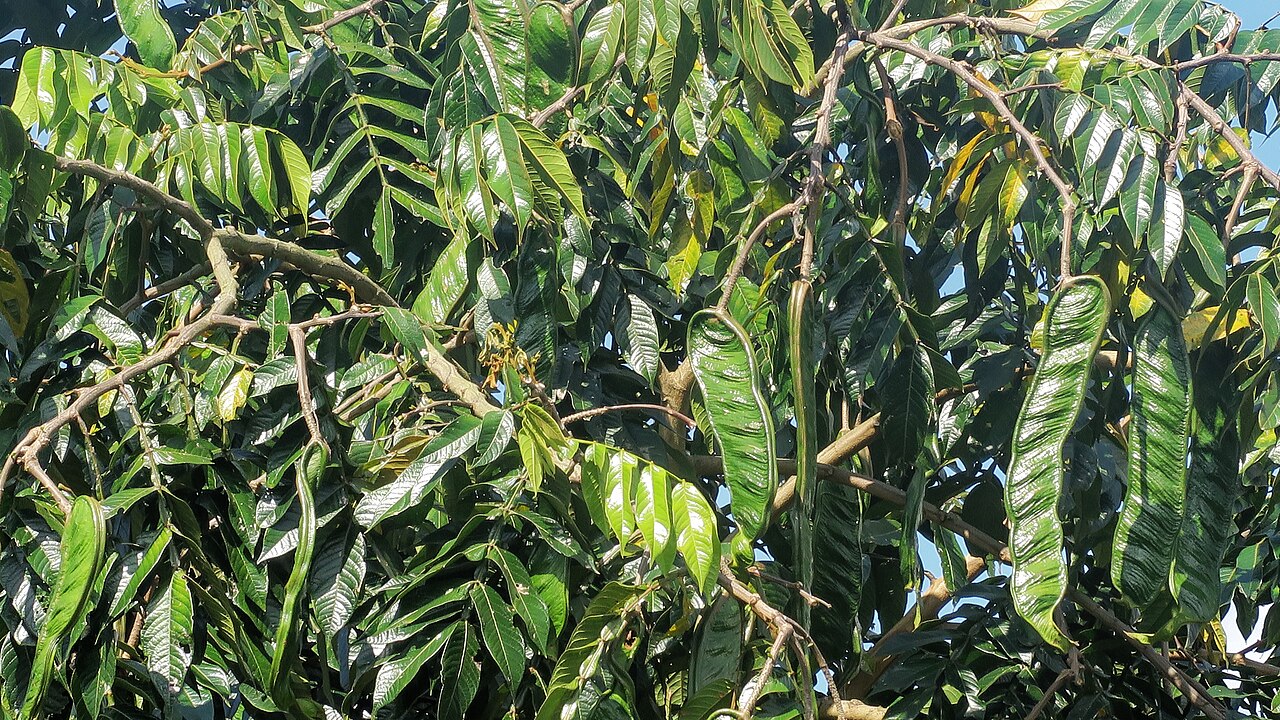
senna macranthera
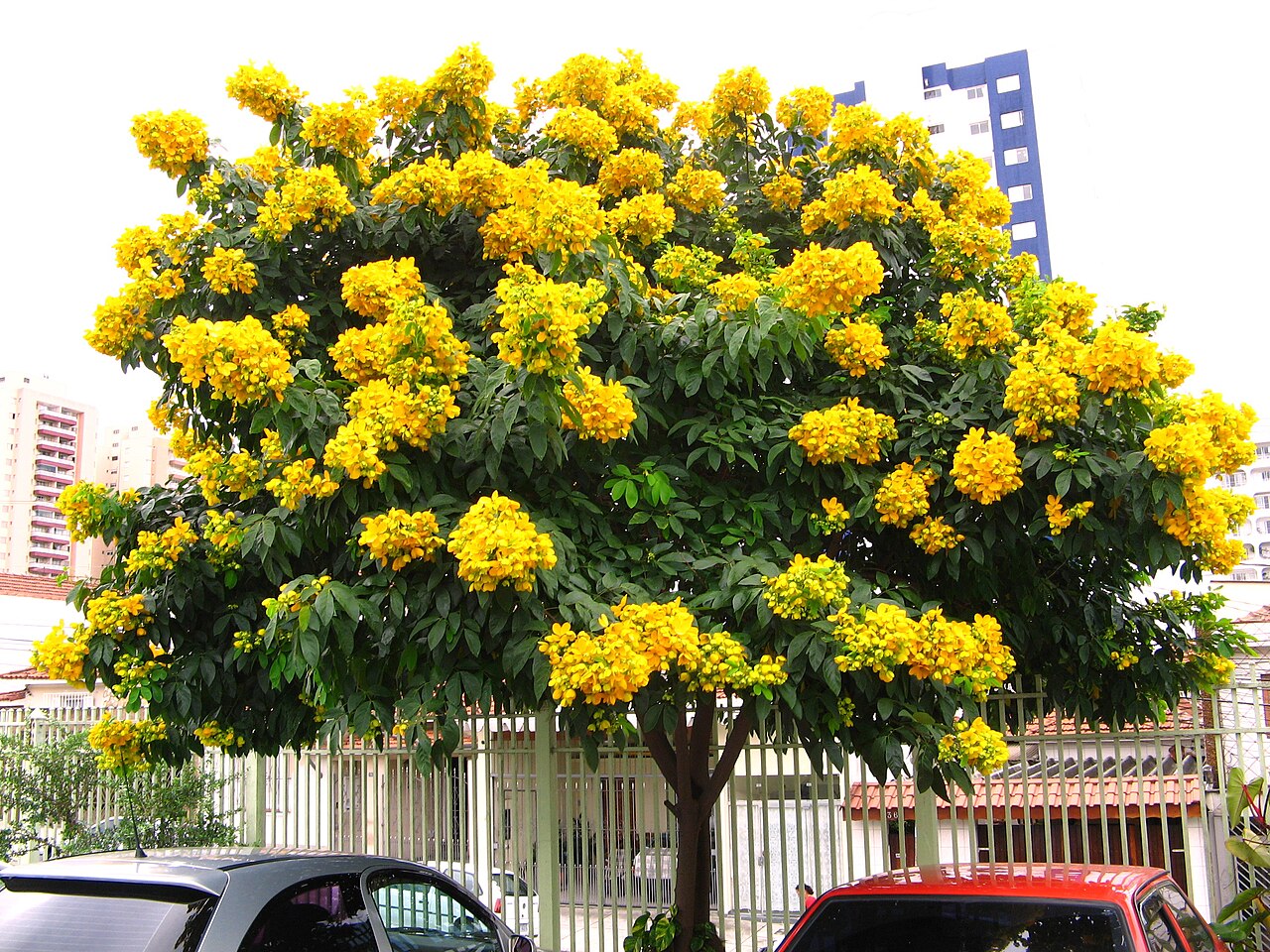
Senna macranthera
Secondary I Medium Fertilizer biomassA nitrogen-associated leguminous tree native to Brazil, small to medium-sized (6-8 m), fast-growing and semi-deciduous. It bears showy yellow flowe...
❓ Frequently asked questions
What does "Nurse plant" mean in syntropic agriculture?
Species that create a sheltered microclimate (partial shade, humidity, wind protection) under which more sensitive plants can establish. They are removed or heavily pruned once their protégés are ready for direct sunlight.
Which catalog species are tagged Nurse plant?
The catalog holds 26 species, among them mangium, monjoleiro, siris tree. Each profile shows stratum, succession stage, and the management data, with sources cited.