Plants
olive
Olea europaea
Family: Oleaceae · Genus: Olea
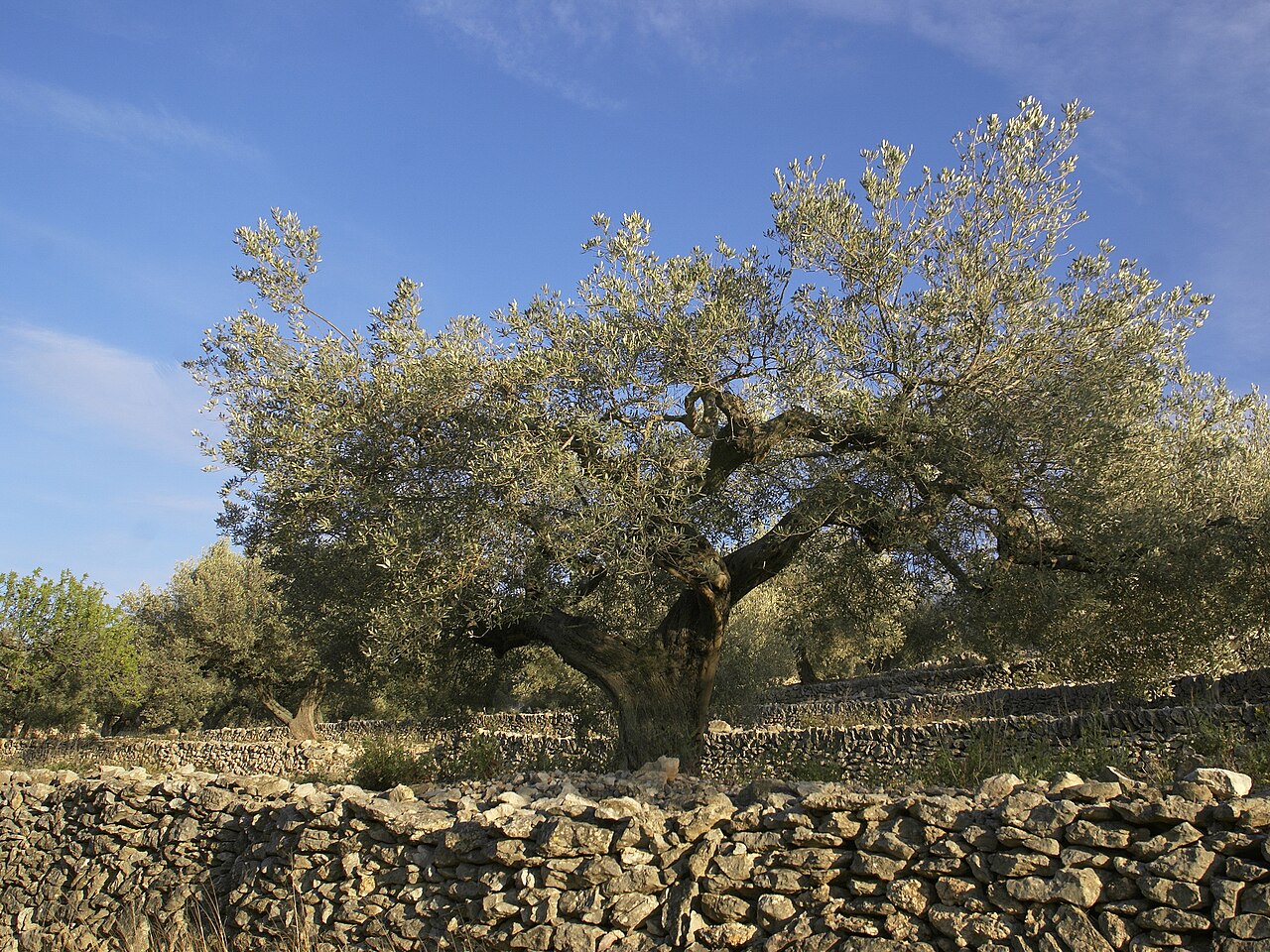
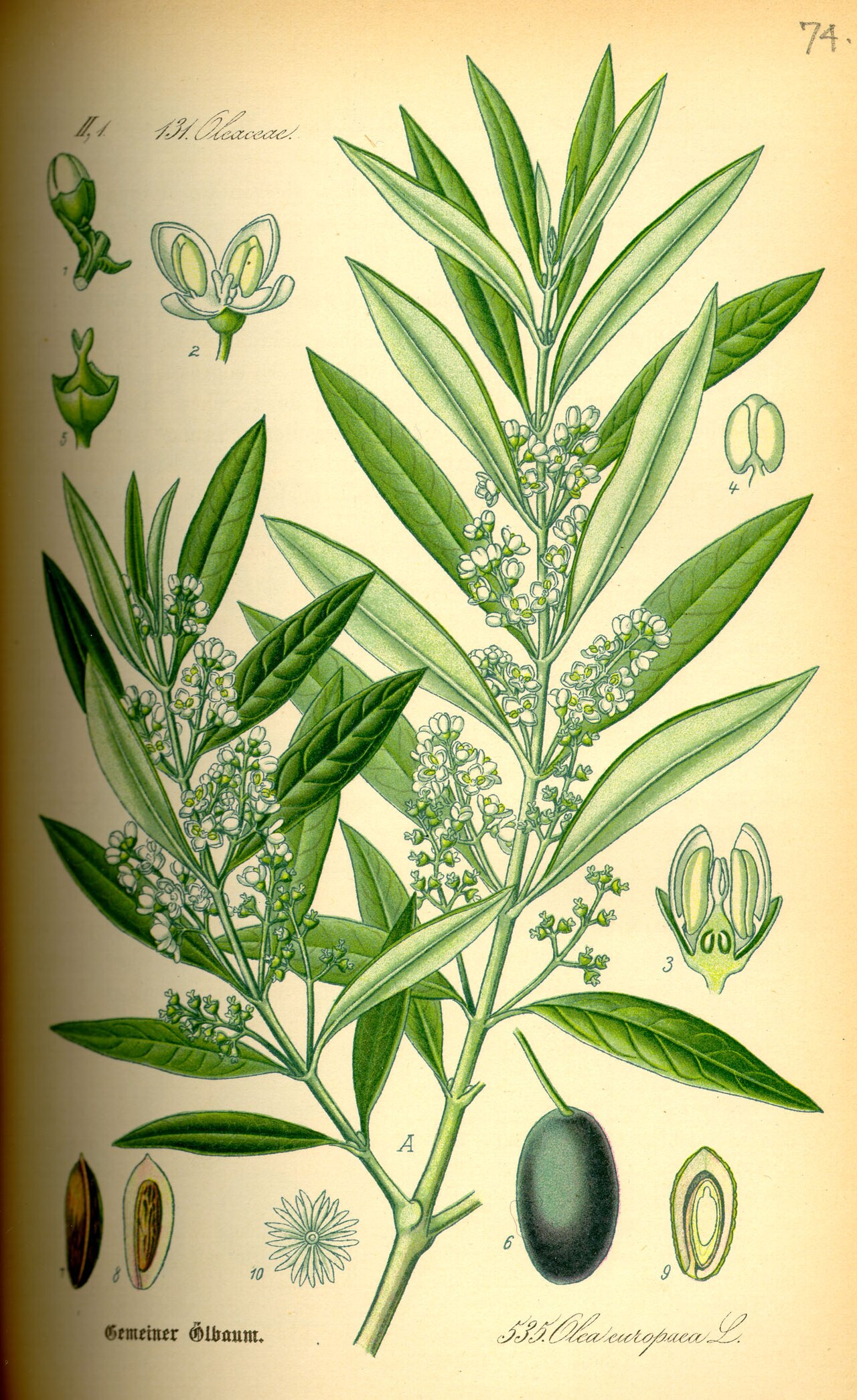
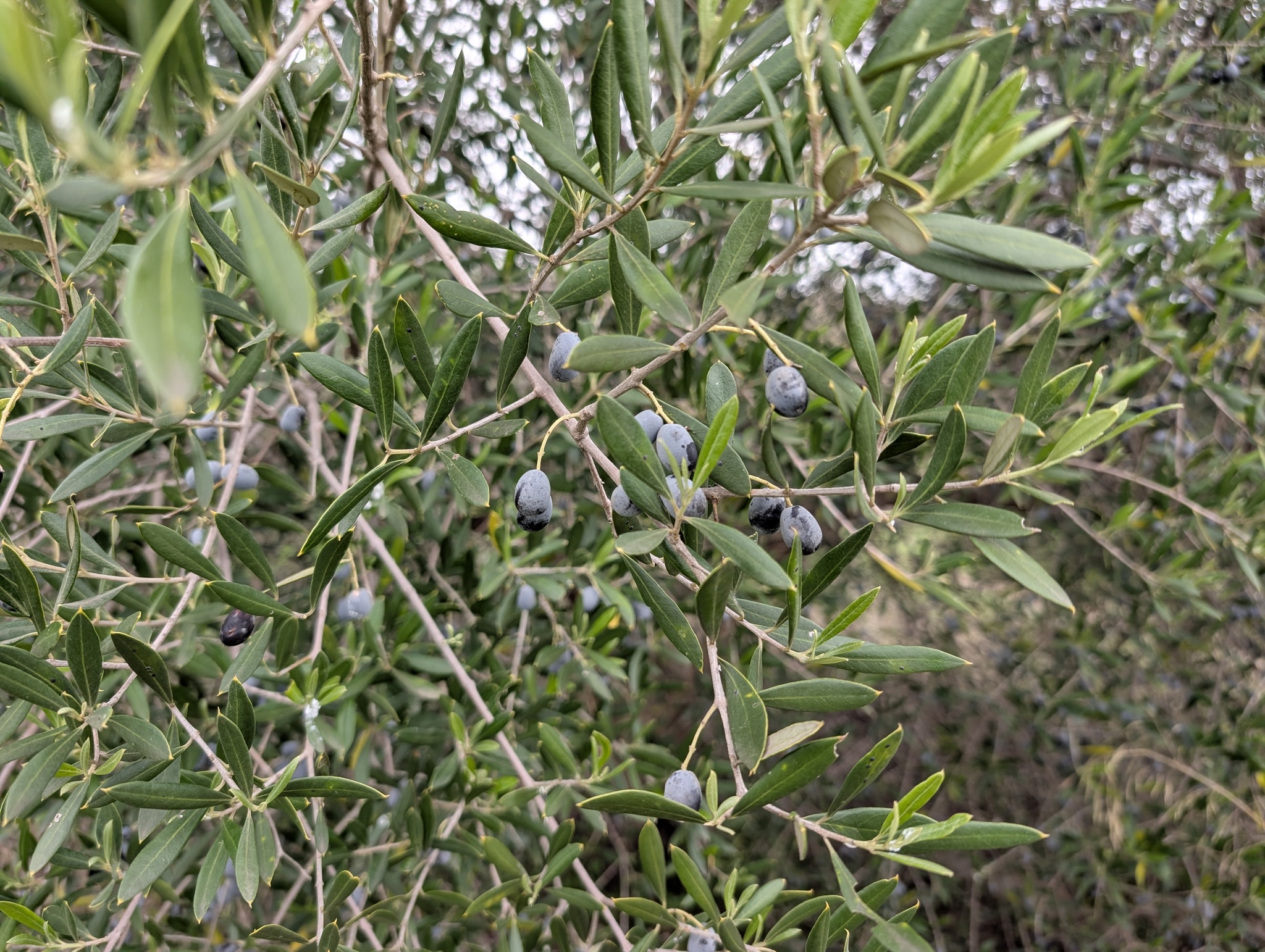
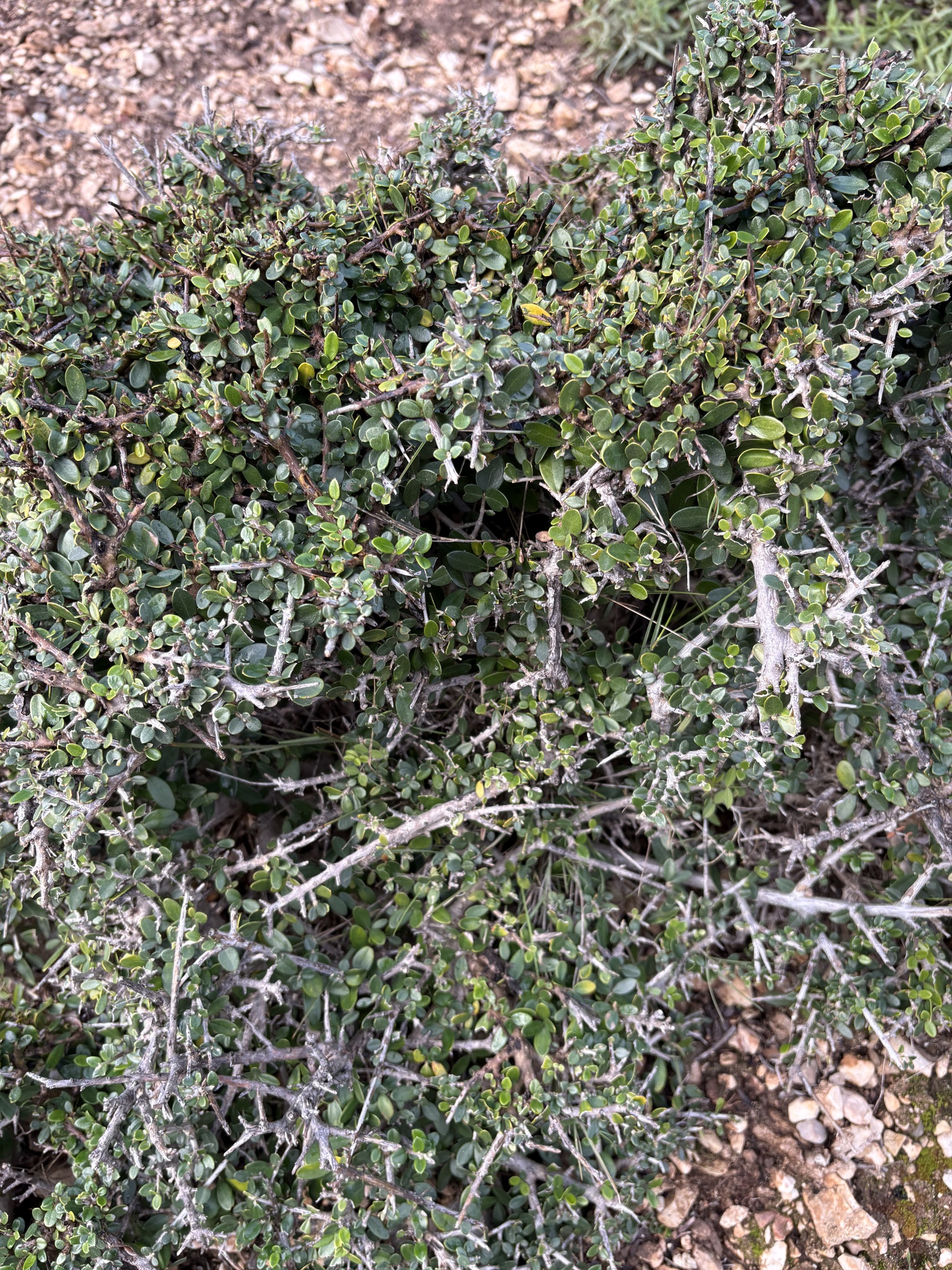
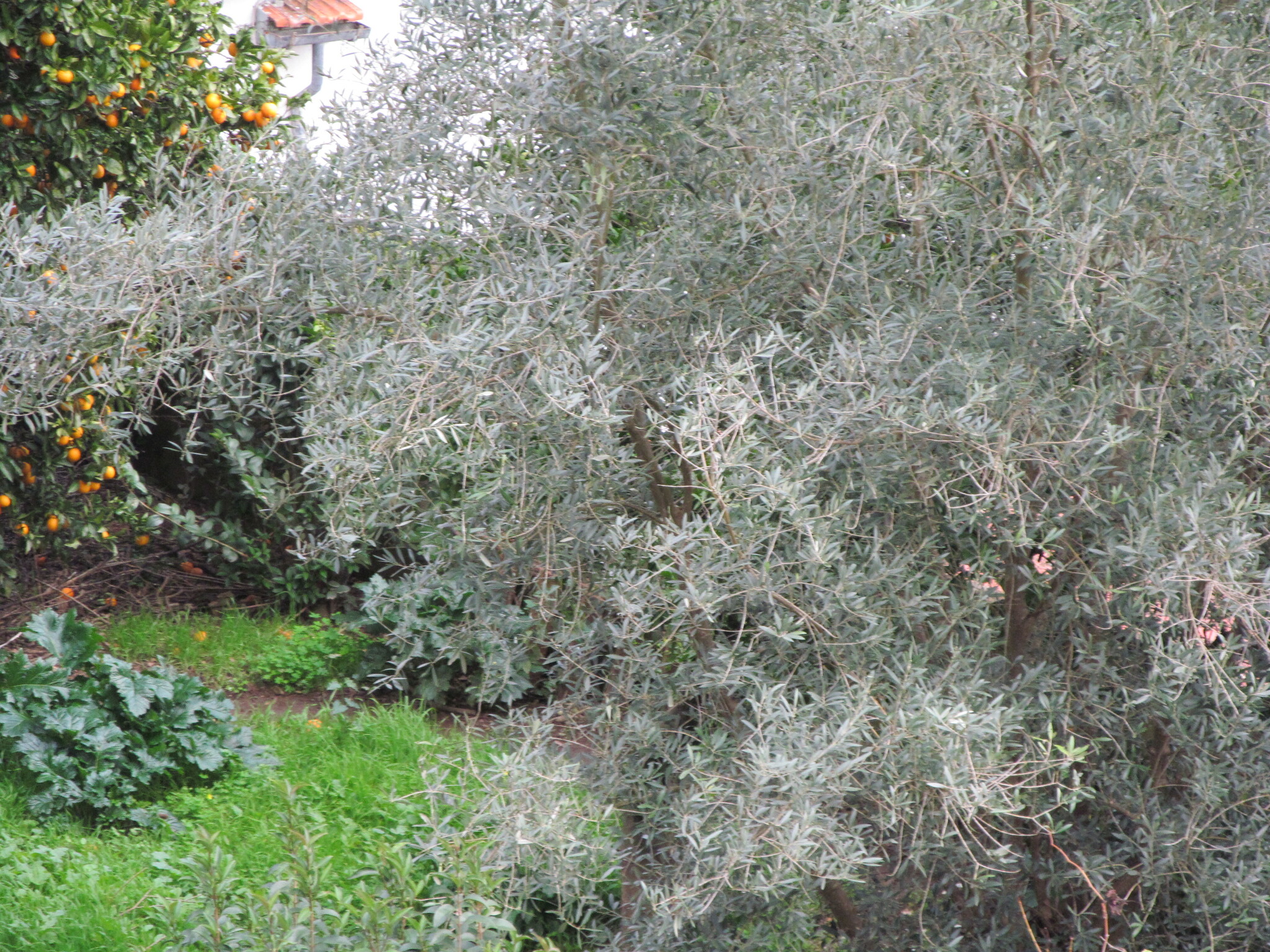
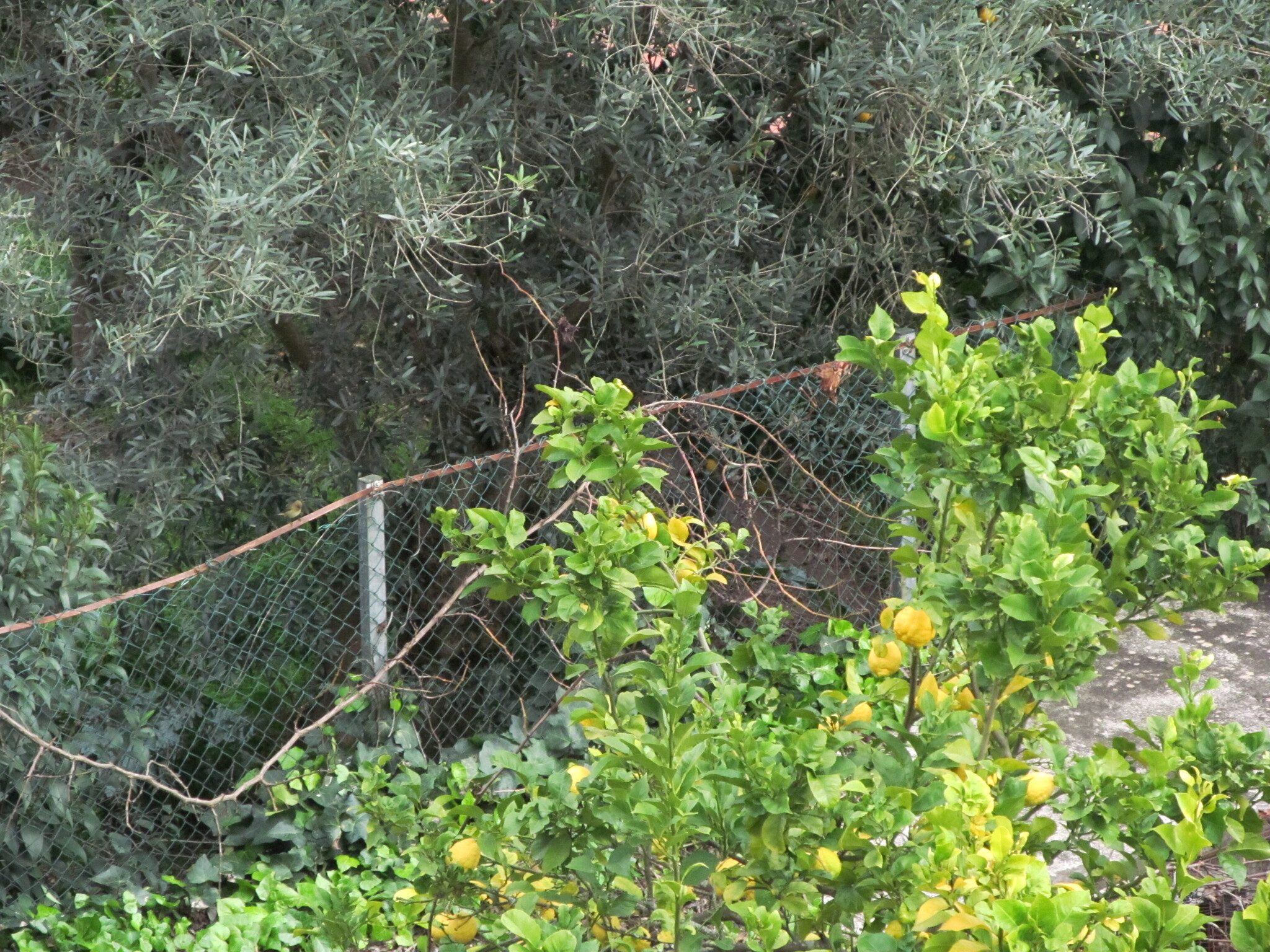
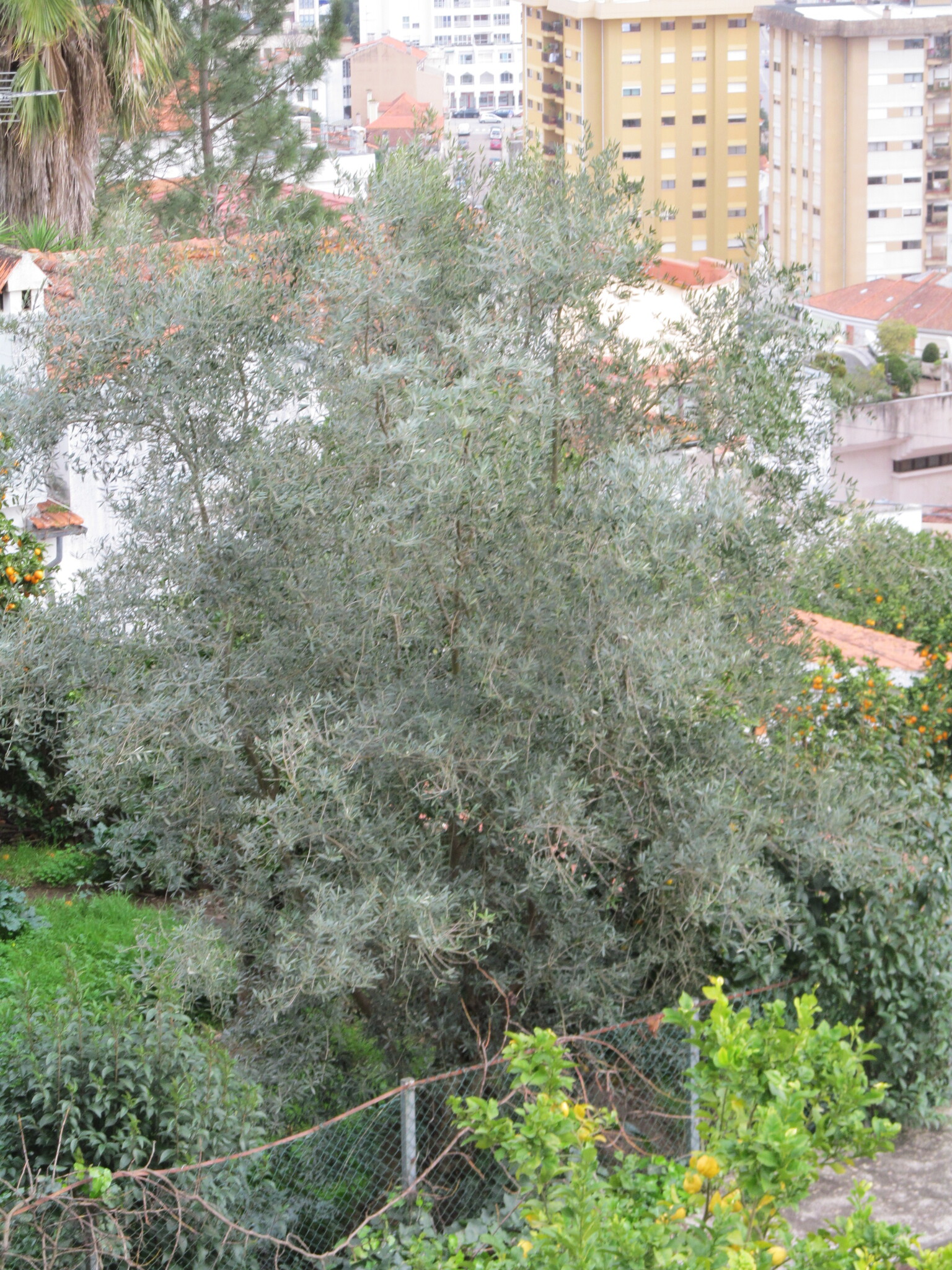
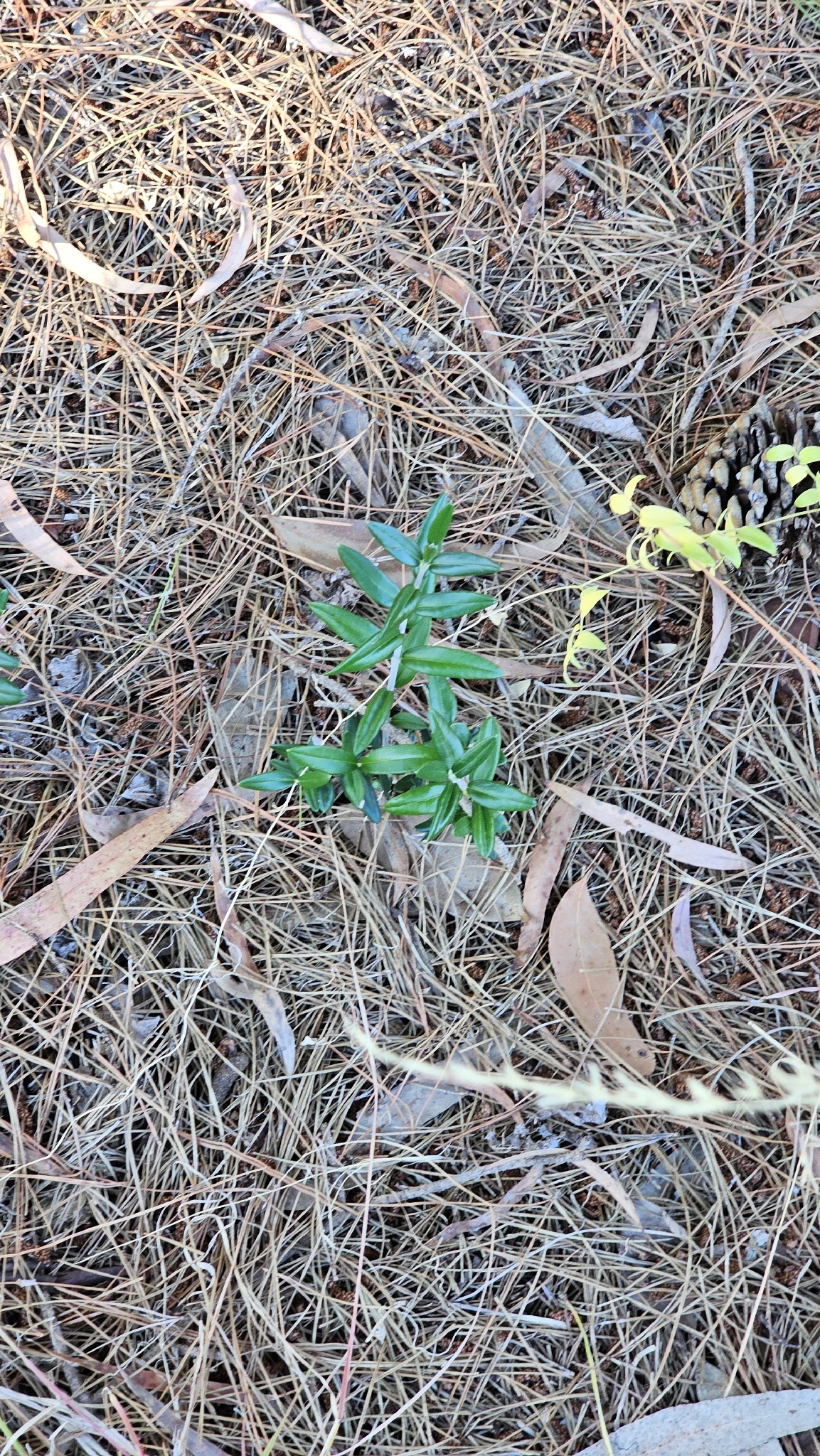
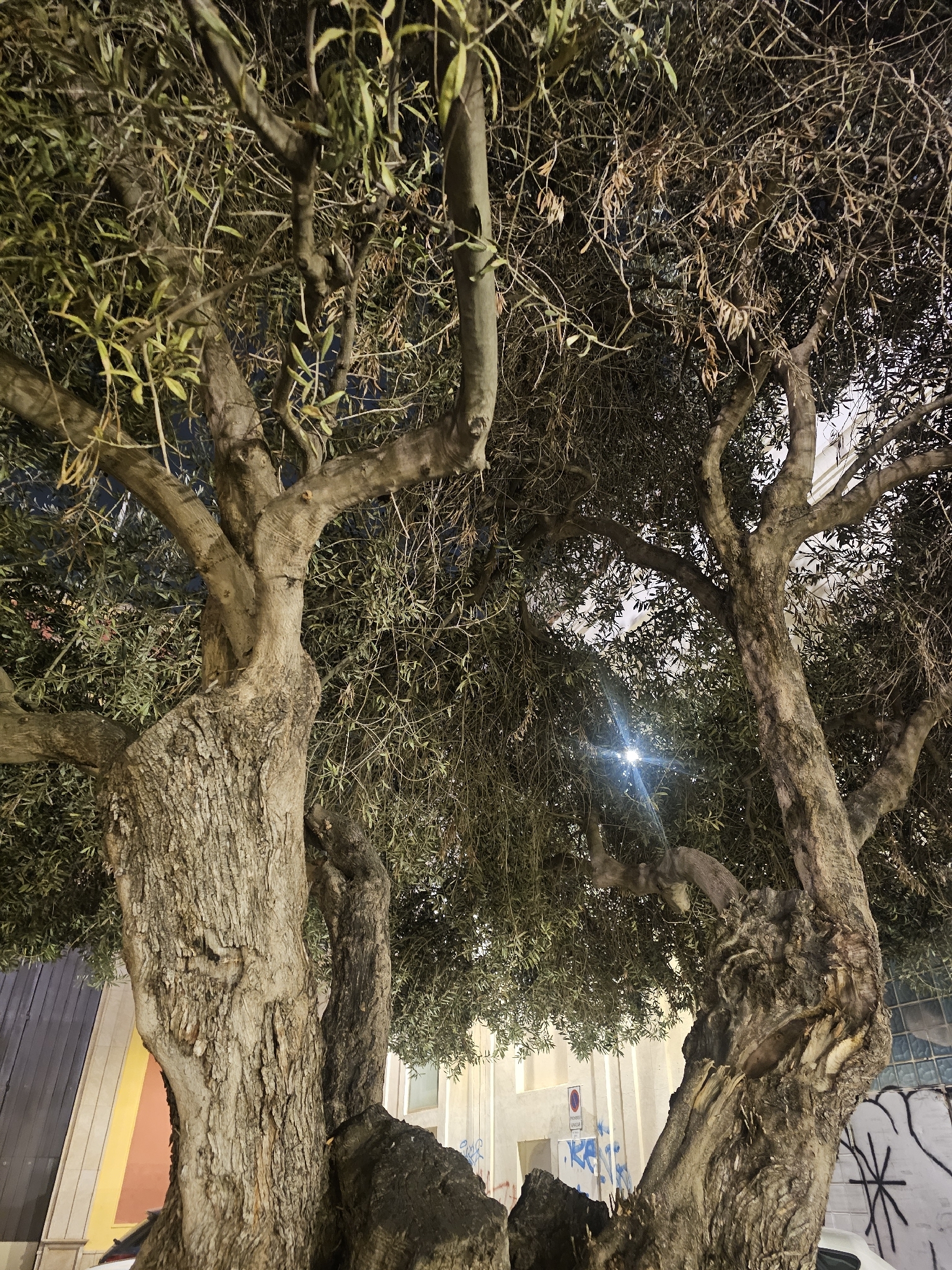
Olive, a long-lived evergreen tree of the Oleaceae family, exotic to Brazil and grown in temperate and subtropical regions, notably the Mantiqueira highlands (MG/SP) and the highlands of Rio Grande do Sul. It tolerates drought well and withstands moderate frost (to about -10 °C); a cool winter is needed to induce flowering. It flowers in spring and the olive ripens in autumn/winter.
📚 Synonyms
Scientific synonyms: Olea sativa Hoffmanns. & Link, Olea europaea var. sativa
Götsch succession
- Götsch stage
- Secondary II
- Ecological role
- Late secondary
- Primary stratum
- Medium
- Strata
- Medium
- Biomass class
- No biomass production
Environment
- Light requirement
- Full sun
- Water requirement
- Low
- Drought tolerance
- High
- Waterlogging tolerance
- None
- Soil pH range
- 6–8
- Preferred soil texture
- Loamy, Sandy, Clayey
- Hardiness zones
- 8–11
- Frost tolerance
- -10.0 °C
Morphology
- Mature height
- 4–12 m
- Recommended spacing
- 5–8 m
- Root system
- Lateral
- Root depth
- Deep
- Growth rate
- Slow
- Lifespan
- 100–500 years
- Time to first harvest
- 60 months
- Productive lifespan
- 100 years
Biomes & climate
- Pampa Suitable
- Atlantic Forest Suitable
Köppen classes
- Hot-summer Mediterranean (Csa) Suitable
- Warm-summer Mediterranean (Csb) Suitable
- Oceanic (Cfb) Suitable
- Subtropical highland (Cwb) Suitable
Where it fits in a guild
Olive takes the Medium stratum in the Secondary II phase of succession — in a guild it shares the line with species from the other strata, each harvesting light at its own height, in its own time.
Free account — and the catalog stays open, no sign-up needed.
🪴 Cultivation
Propagated by cuttings or grafting. Grown for oil and table olives; extensive roots give high drought tolerance. Needs good drainage. It requires a cool winter (chill accumulation) for good floral induction, a limiting factor in warm regions of Brazil.
✂️ Management & Pruning
Train to an open-center (vase) form with 3–4 main branches that keep the canopy airy and lit — essential for fruiting, which occurs on one-year-old wood. Maintenance pruning is light and done in late winter/early spring (Aug–Sep), removing vertical water sprouts, shaded interior shoots and basal suckers. Avoid heavy pruning, which spurs unproductive vegetative growth.
📅 Phenology
Flowering months: October, November
Fruiting months: April, May, June
❓ Frequently asked questions
How long until the first harvest of olive?
The first harvest of olive comes around 60 months after planting.
What spacing is recommended for olive?
The recommended spacing for olive is 5–8 m.
How tall does olive grow?
At maturity, olive reaches 4–12 m tall.
When does olive fruit?
Fruiting of olive occurs in April, May, June.
When does olive flower?
Flowering of olive occurs in October, November.
What stage and stratum does olive occupy in a syntropic system?
In a syntropic system, olive belongs to the secondary ii stage, occupying the medium stratum.
Functions
Propagation
Cutting, Grafting
Citations
- Wikipedia (scientific_name, family, height_min_m, height_max_m, frost_tolerance_c, drought_tolerance, propagation, gbif_taxon_key)
- Plants For A Future (pruning_notes, time_to_first_harvest_months, productive_lifespan_years, ph_min, ph_max)
- POWO (powo_id, scientific_name)
External references
Continue exploring
Related plants
-
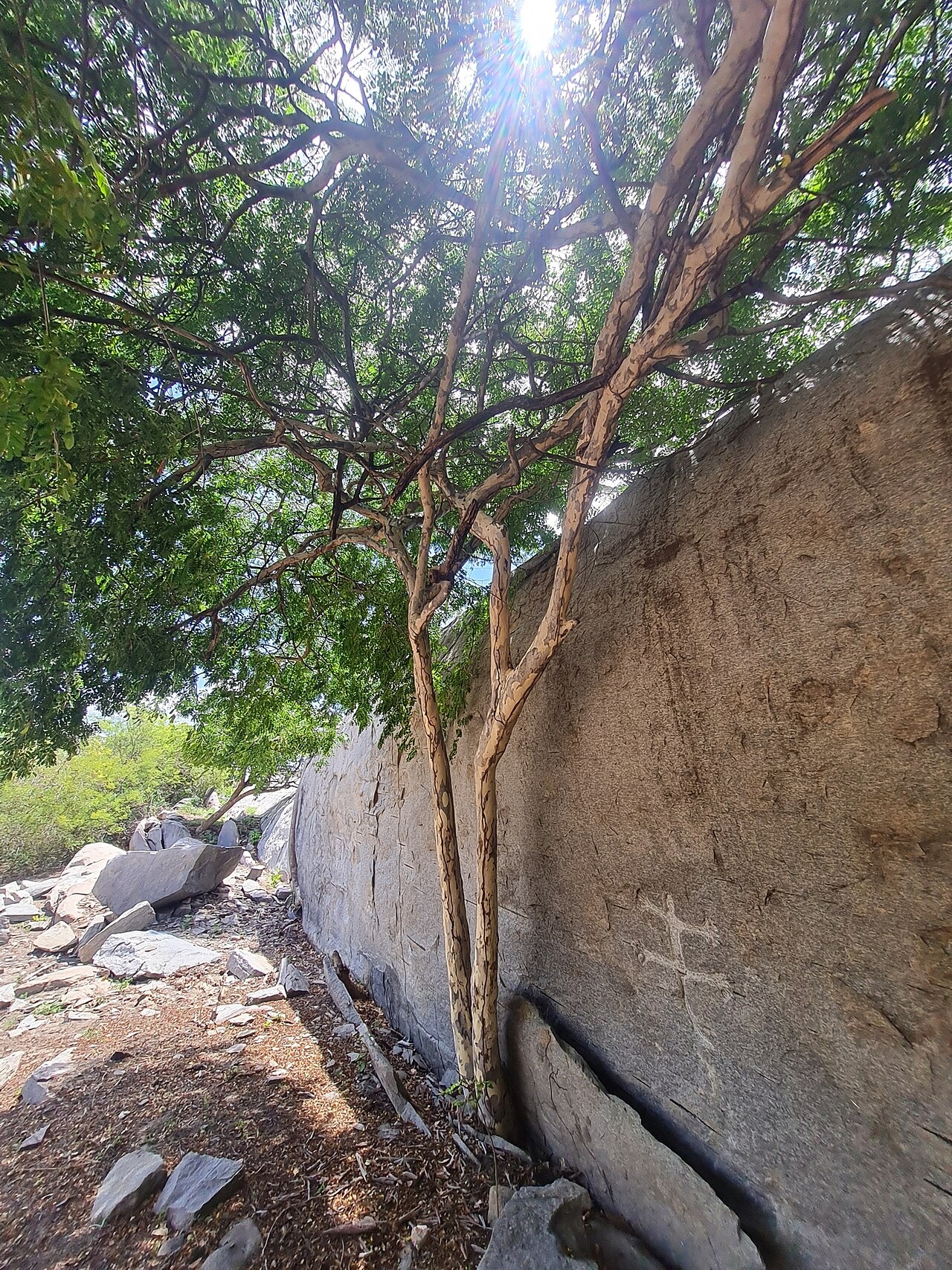
Brazilian ironwood
Libidibia ferrea
Secondary II High Fertilizer & mulchLeguminous tree occurring in Caatinga, Cerrado and Atlantic Forest. Sun-tolerant and melliferous.
-
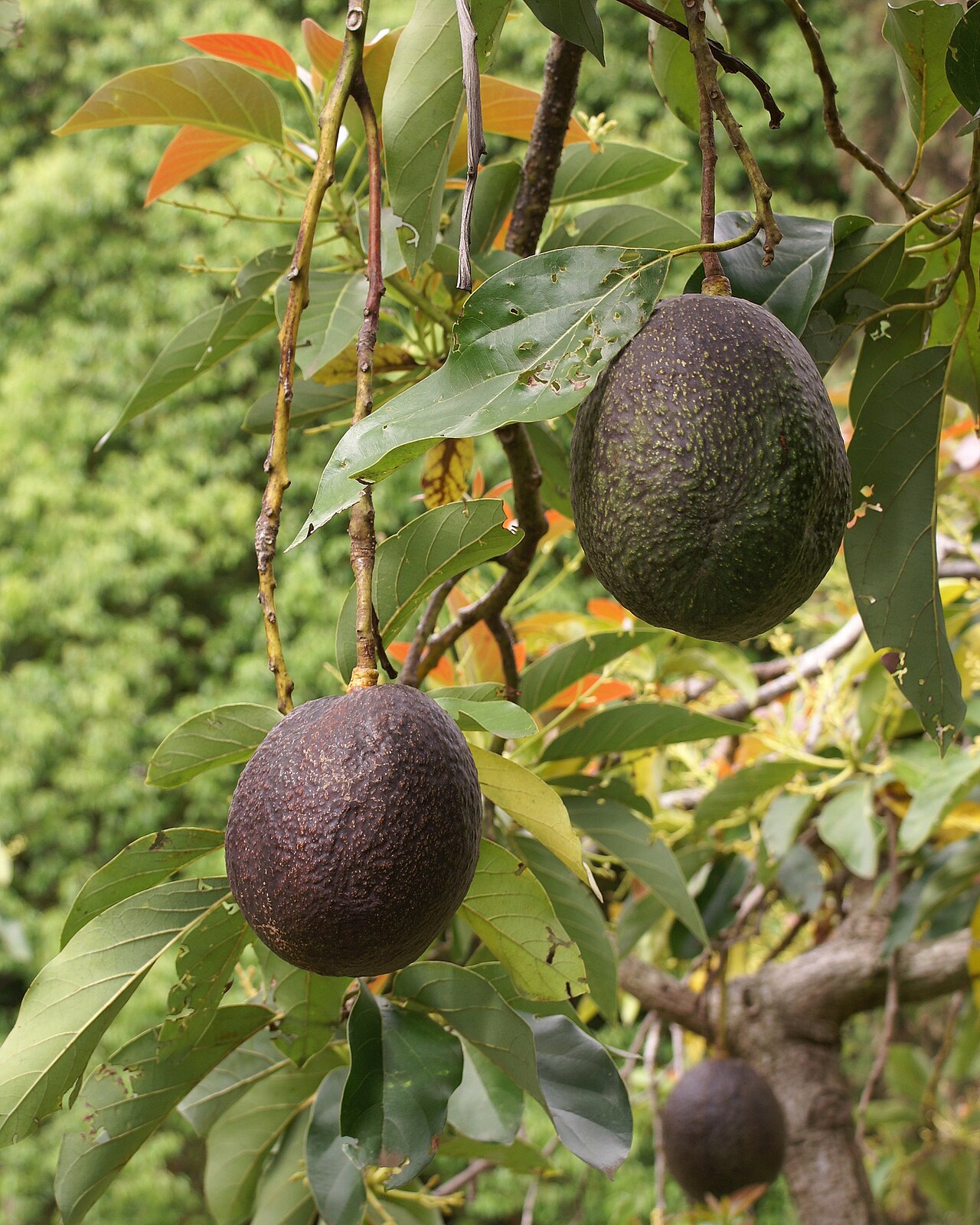
avocado
Persea americana
Secondary II High No biomass productionLong-lived perennial fruit tree. Pasini classifies it in the high stratum of Tabela 3 and explicitly cites it among Abundance-system species (high ...
-
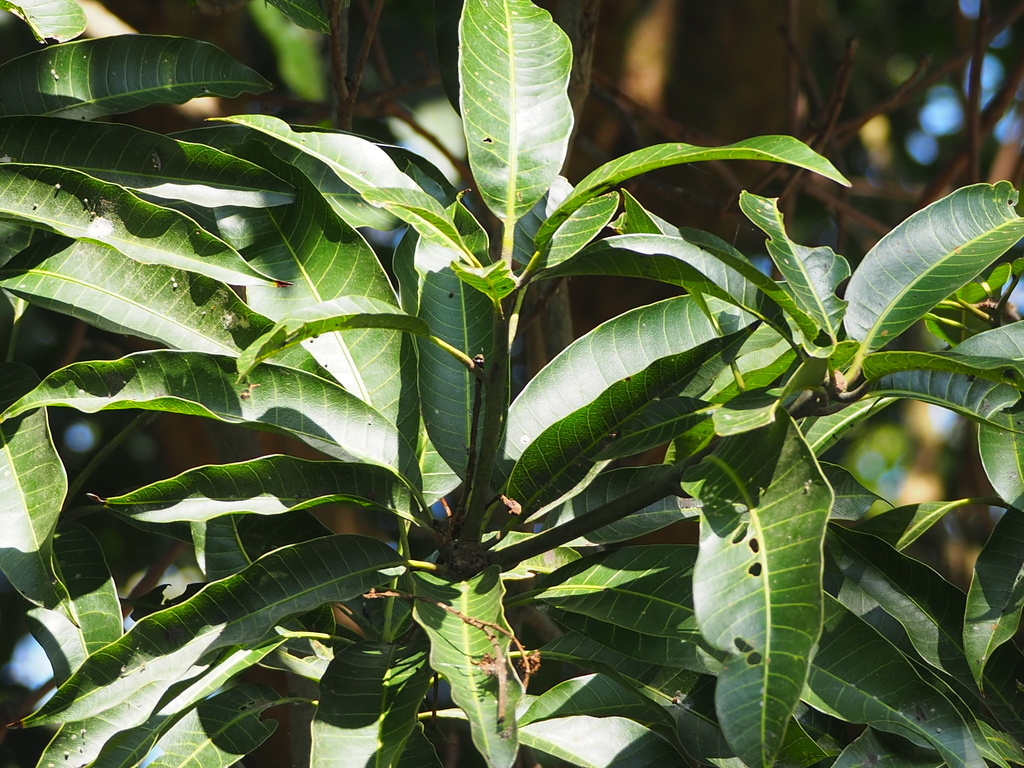
mango
Mangifera indica
Secondary II High No biomass productionLong-lived tropical fruit tree. Pasini lists it in the high stratum of Tabela 3 and in the '20 to 50 years' phase of Tabela 4 (high stratum). A key...
-
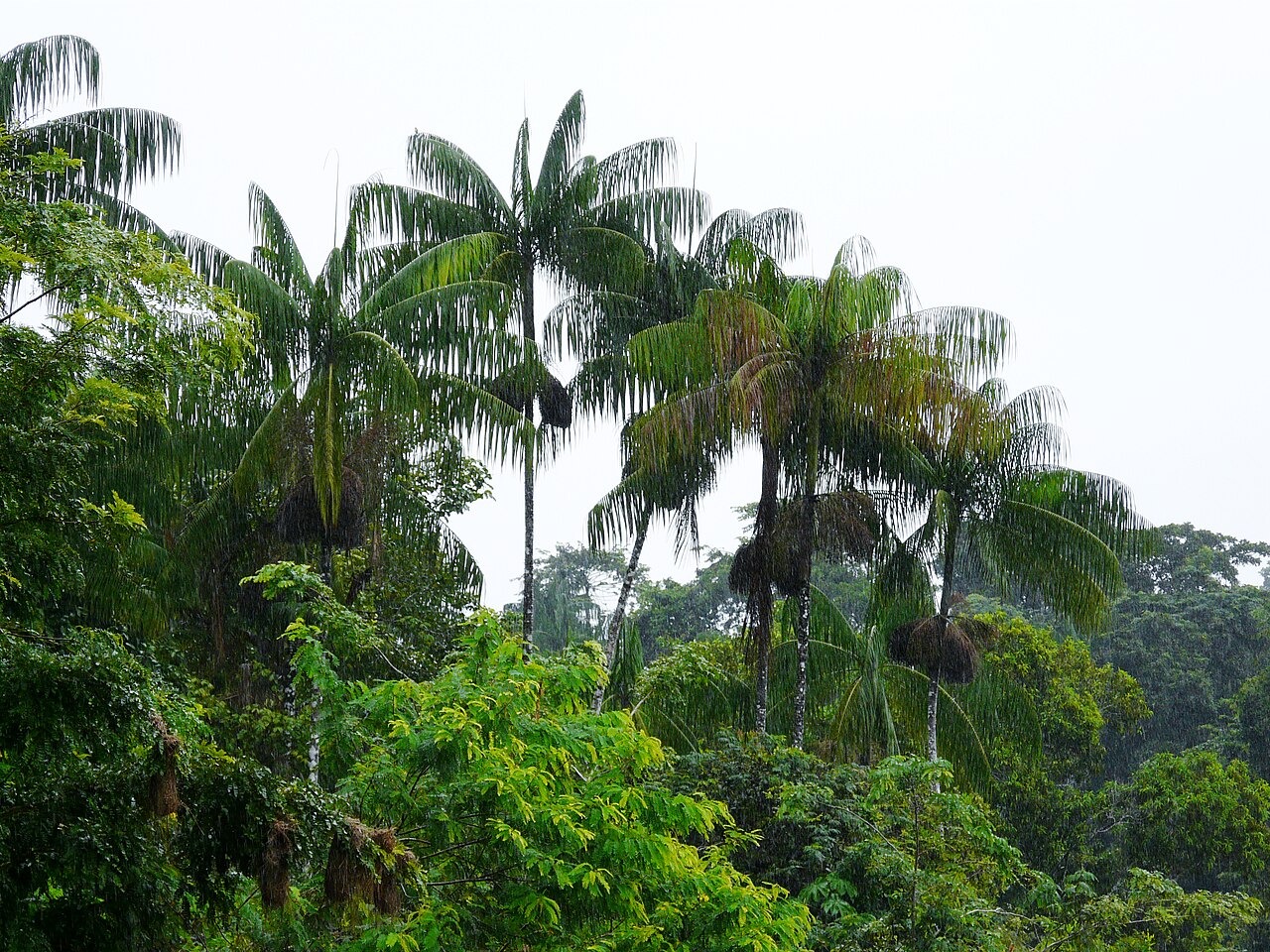
açaí palm
Euterpe oleracea
Secondary II High No biomass productionAmazonian native multi-stemmed palm. Pasini lists it in the high stratum of Tabela 3 and cites it explicitly among Abundance-system species. Fruit ...
-
peach palm
Bactris gasipaes
Secondary II Emergent No biomass productionAmazonian multi-stemmed palm; produces heart of palm in ~3 years and edible fruit in ~5 years. Pasini lists it in the emergent stratum of Tabela 3 ...
-
jackfruit
Artocarpus heterophyllus
Secondary II High No biomass productionAsian fruit tree naturalized in the Brazilian Atlantic Forest. Pasini lists it in the high stratum of Tabela 3 and in the 5–18 year phase of the co...