Plants
peroba rosa
Aspidosperma polyneuron Müll.Arg.
Family: Apocynaceae · Genus: Aspidosperma
Brazilian peroba
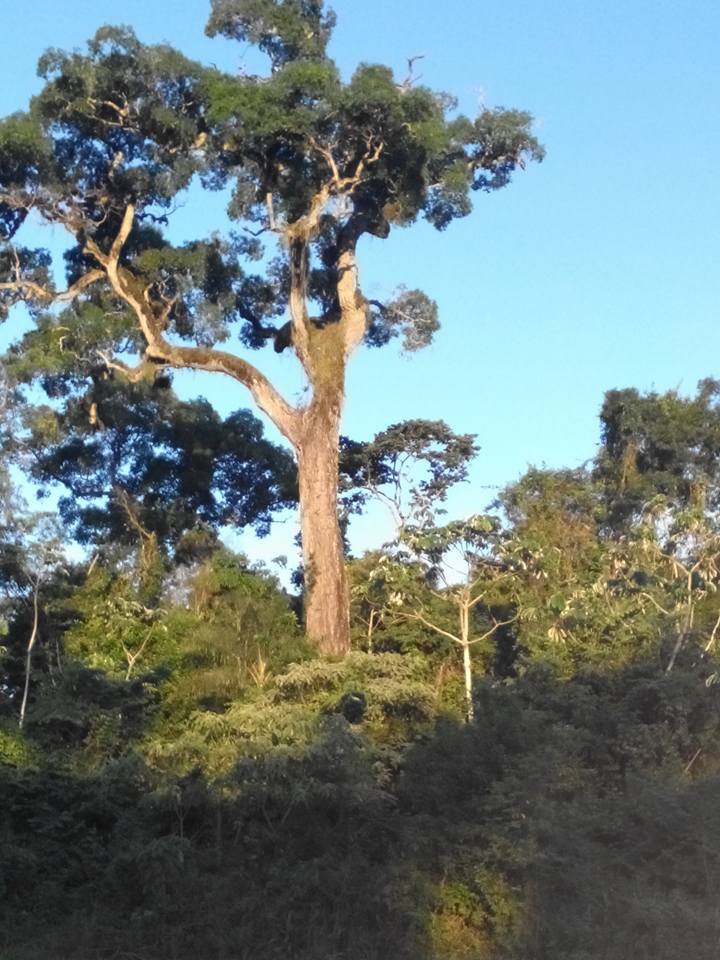
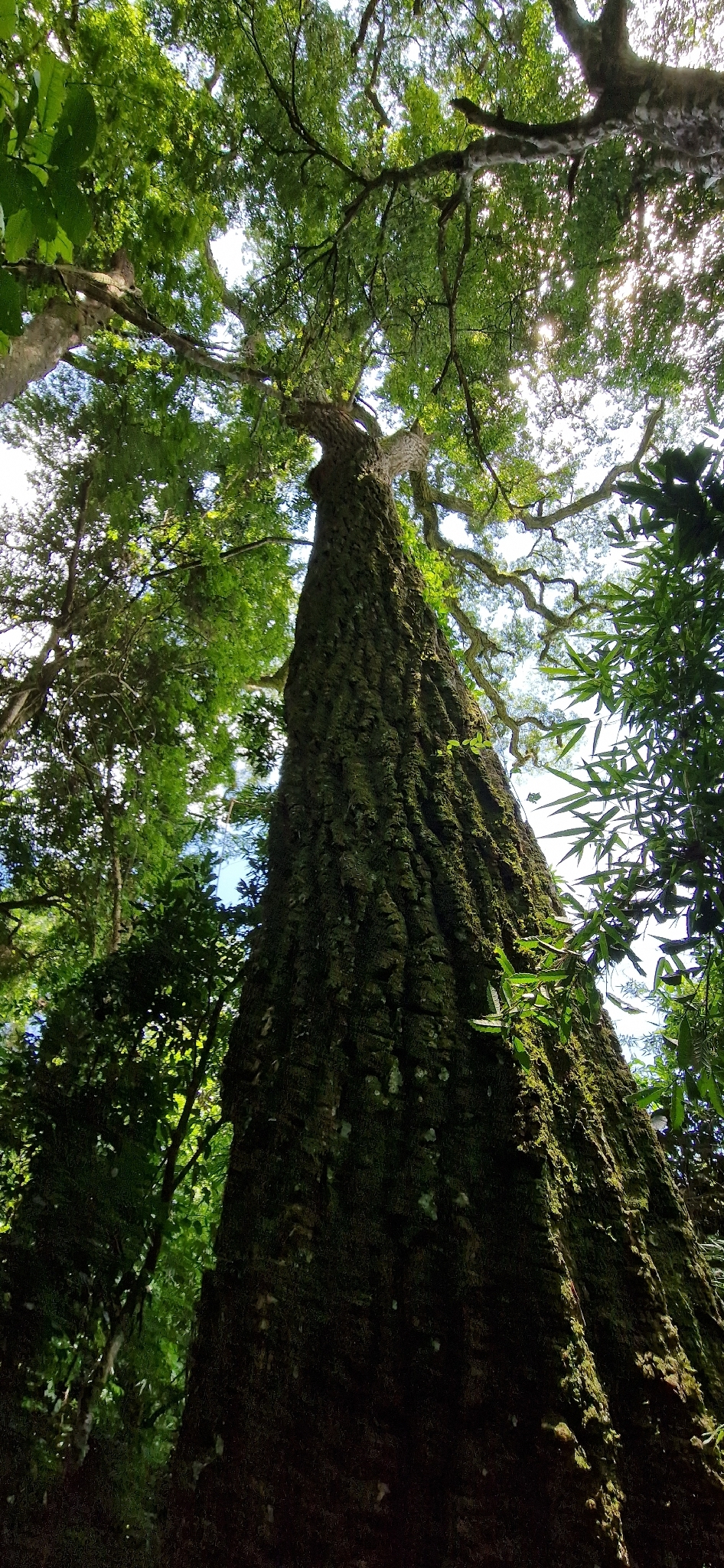
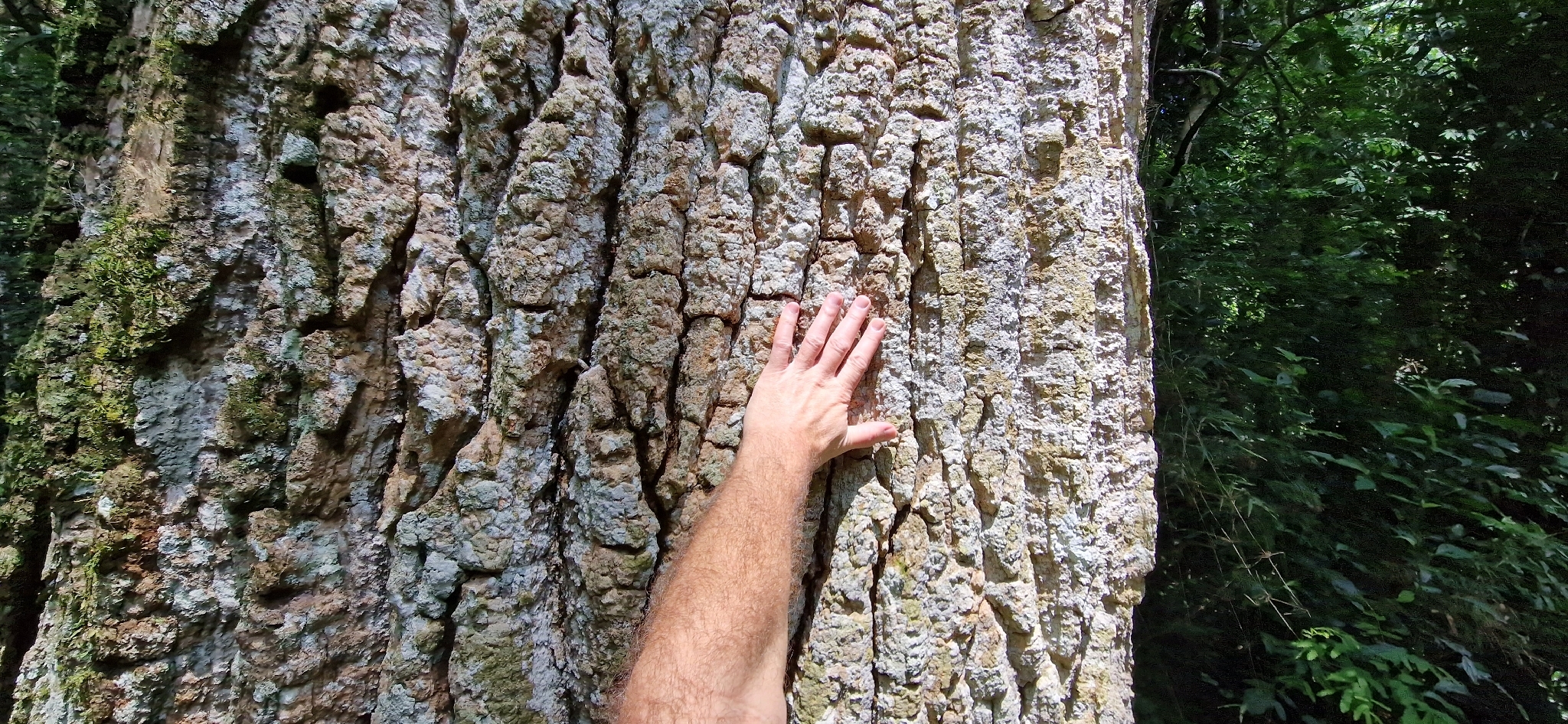
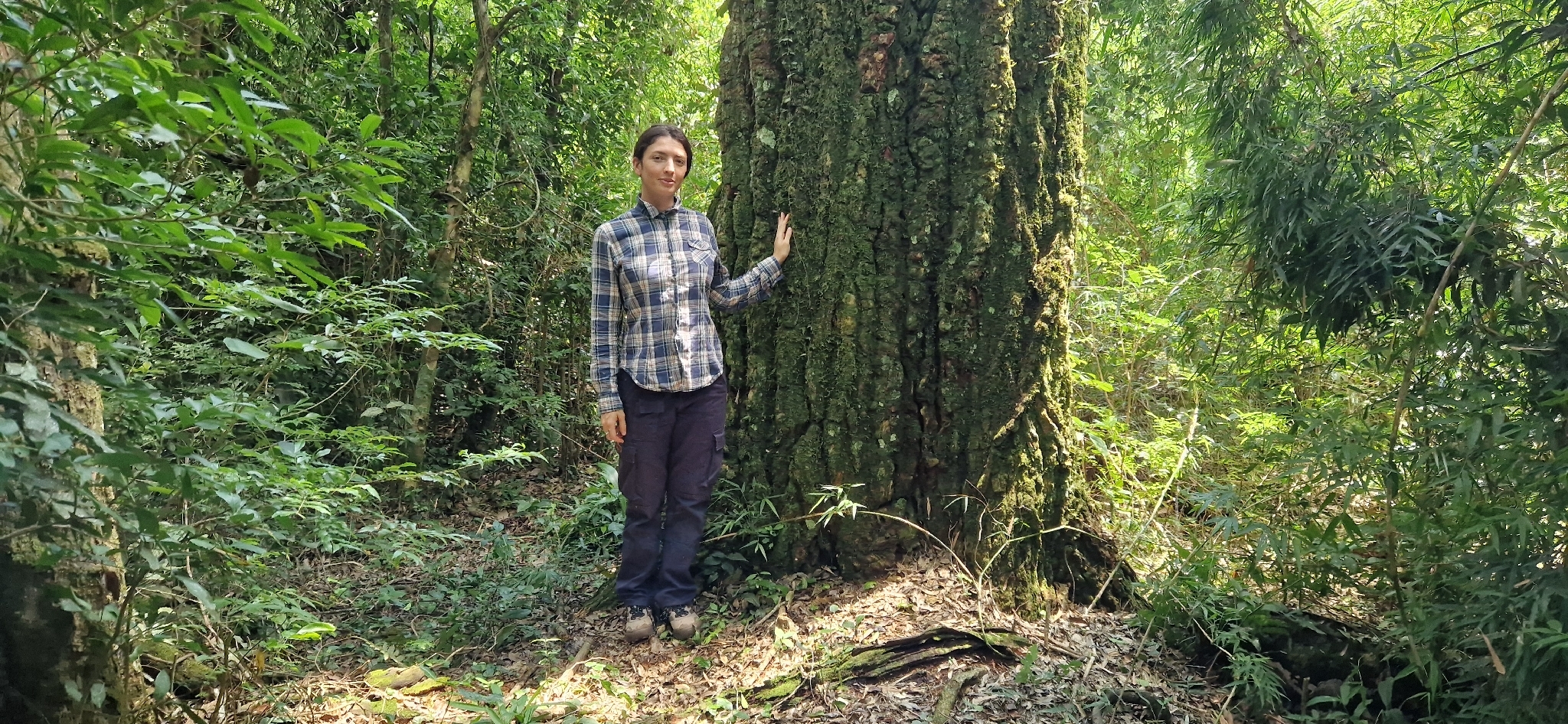
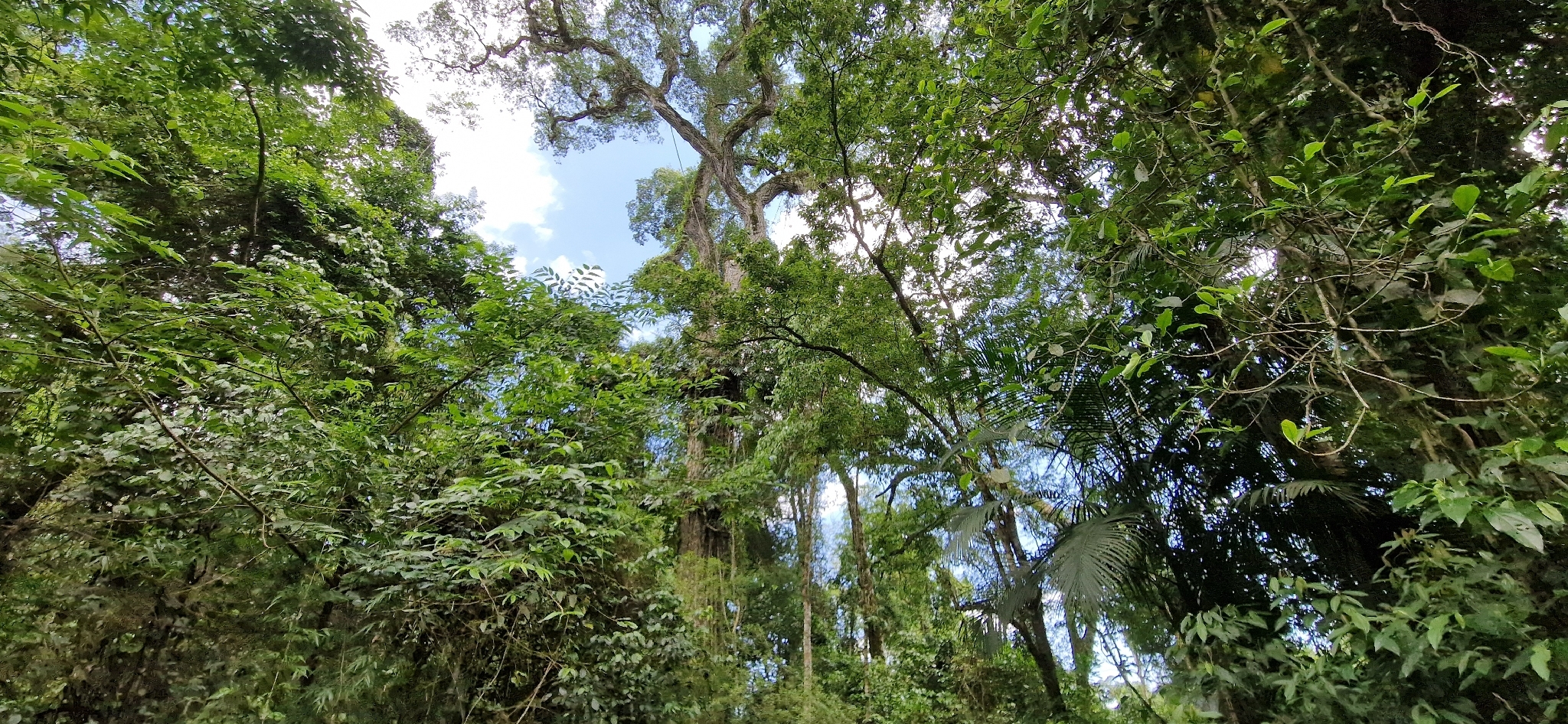
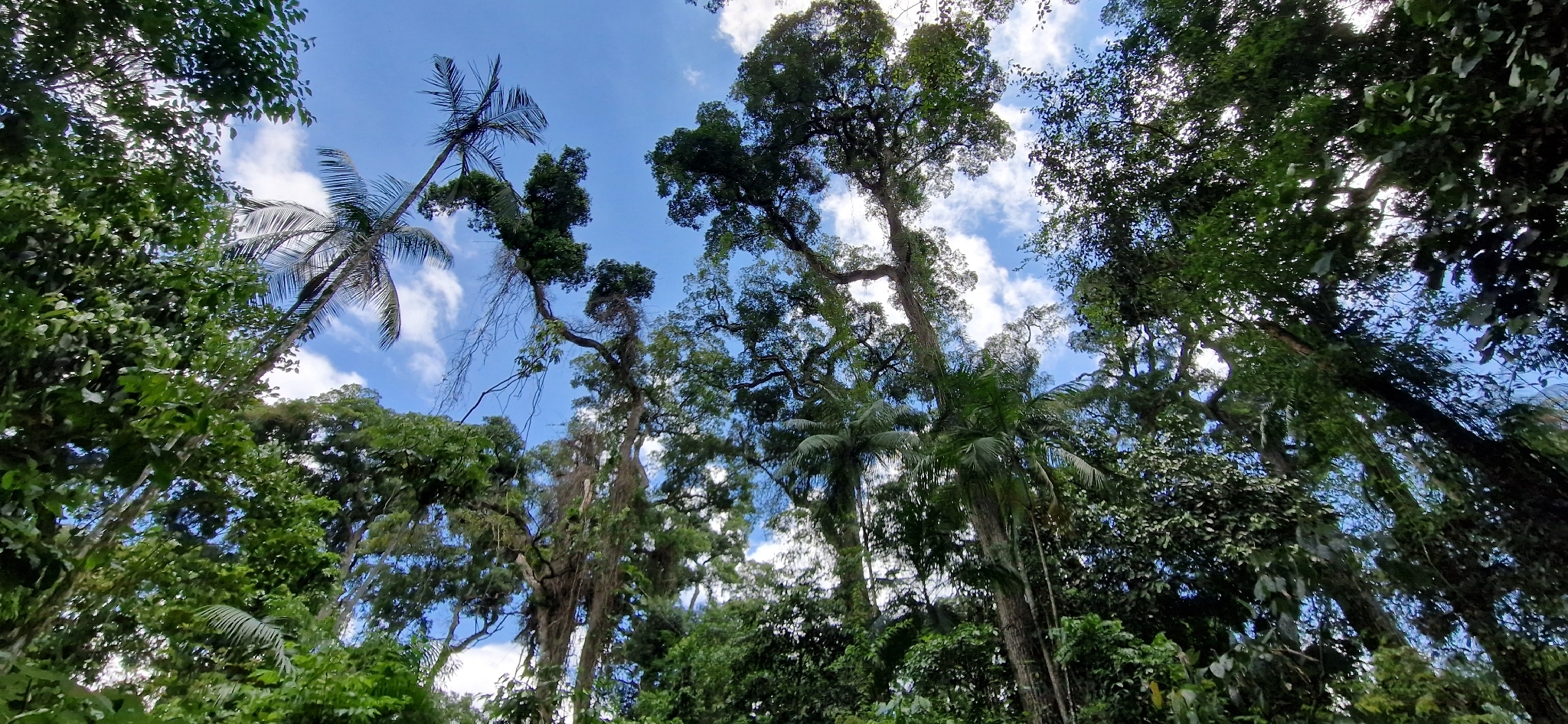
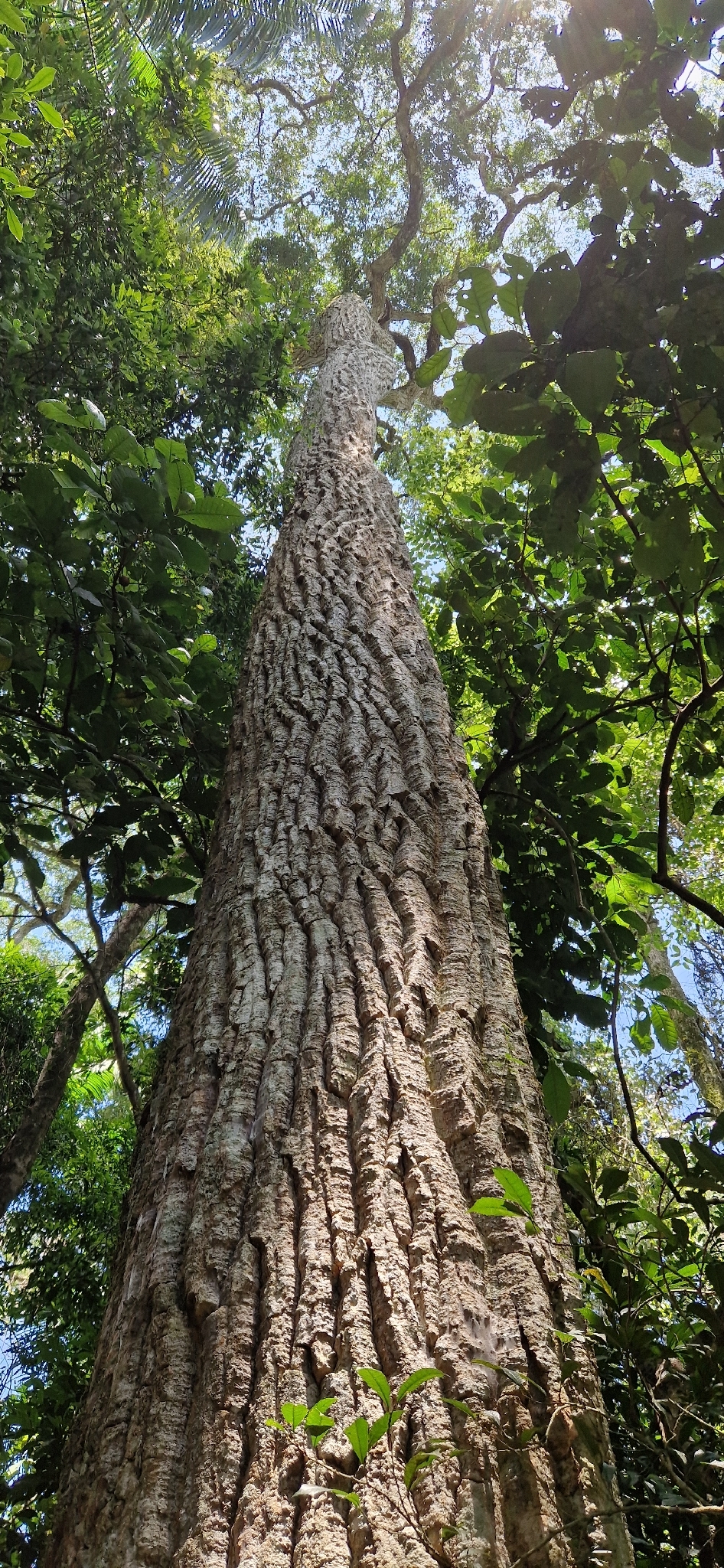
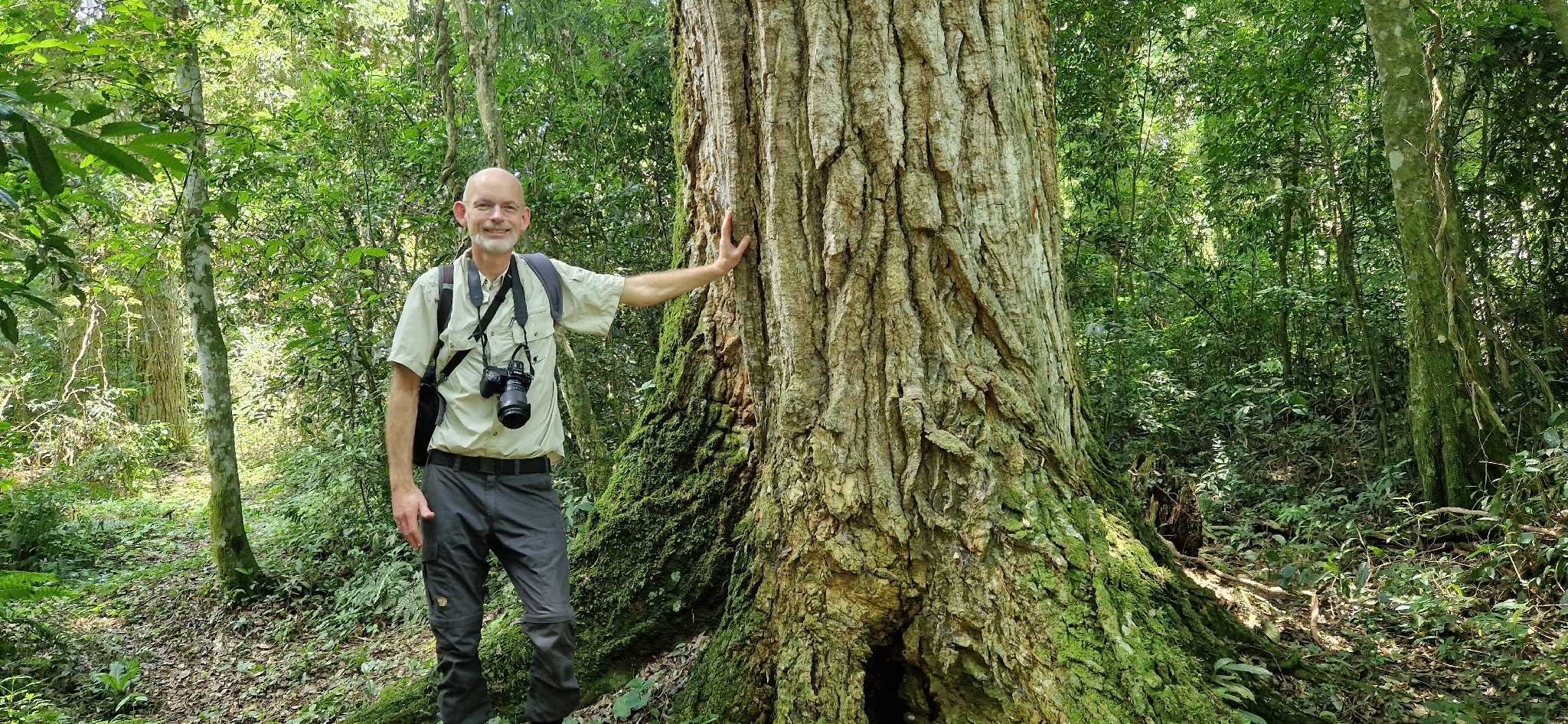
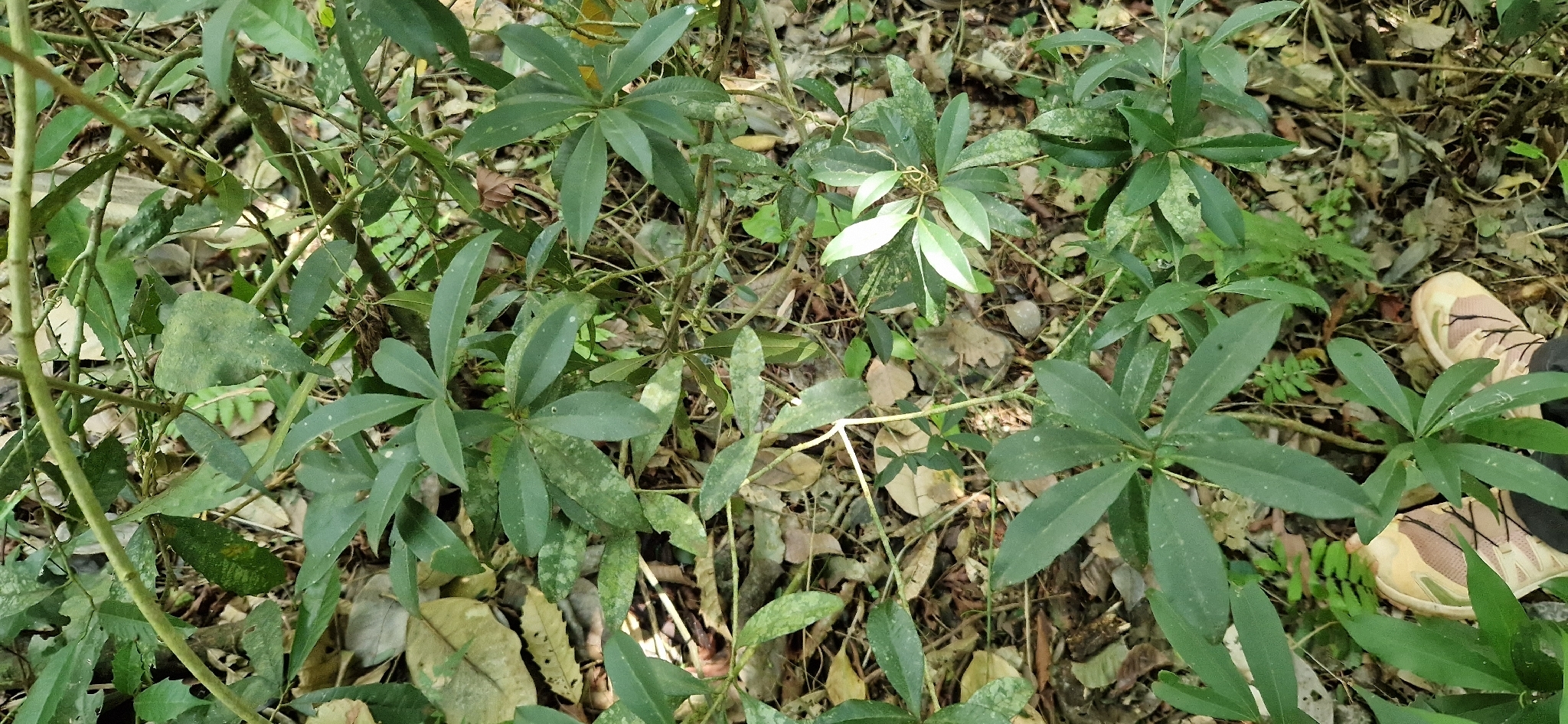
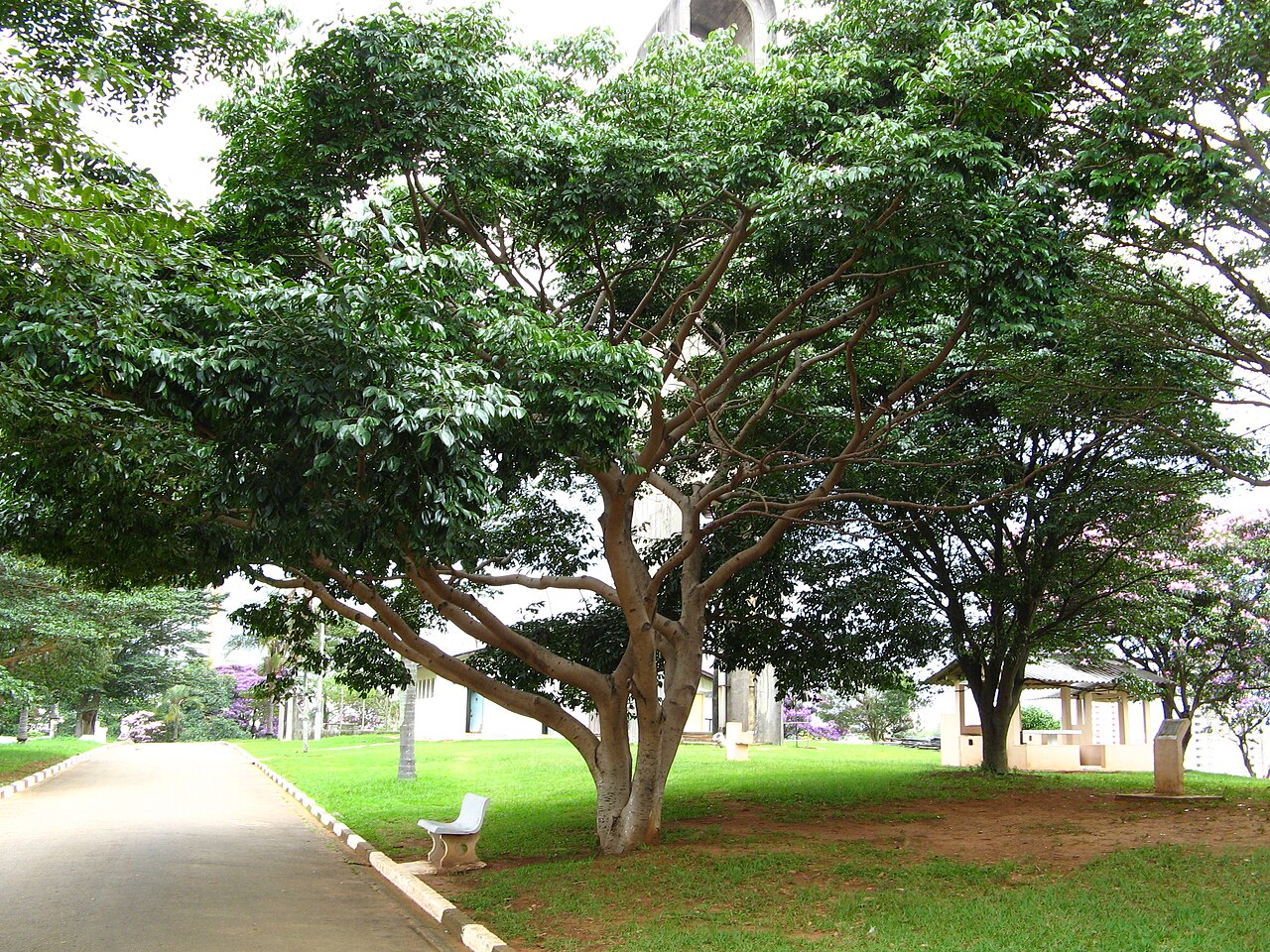
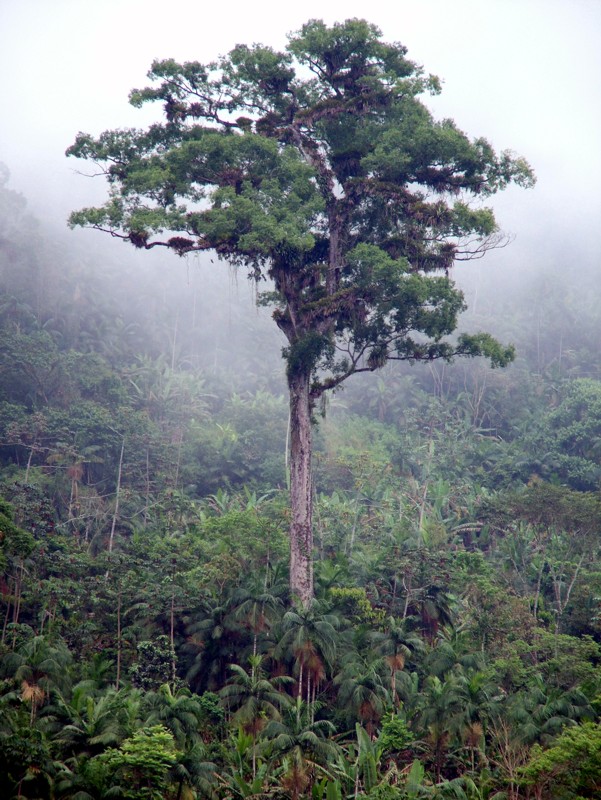
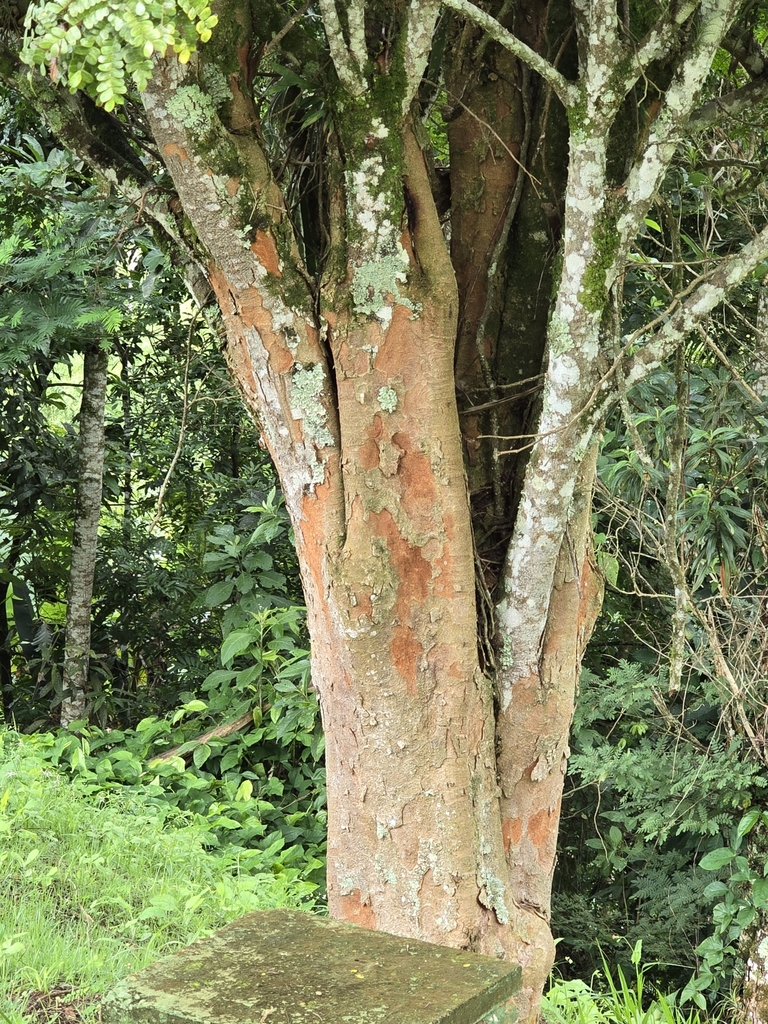
Atlantic Forest climax tree with very slow growth and dense, prized timber. Reaches 20–30 m. IUCN-listed as threatened due to logging.
Götsch succession
- Götsch stage
- Climax
- Ecological role
- Climax
- Primary stratum
- High
- Strata
- High, Emergent
Environment
- Light requirement
- Partial shade
- Water requirement
- Moderate
- Hardiness zones
- 9–11
- Frost tolerance
- -6.0 °C
Morphology
- Mature height
- 20–30 m
- Root system
- Taproot
- Root depth
- Deep
- Growth rate
- Slow
- Lifespan
- ≥ 200 years
Biomes & climate
- Atlantic Forest Native
Köppen classes
- Humid subtropical (Cfa) Suitable
- Oceanic (Cfb) Suitable
- Subtropical with dry winter (Cwa) Suitable
Where it fits in a guild
Peroba rosa takes the High stratum in the Climax phase of succession — in a guild it shares the line with species from the other strata, each harvesting light at its own height, in its own time.
Free account — and the catalog stays open, no sign-up needed.
📅 Phenology
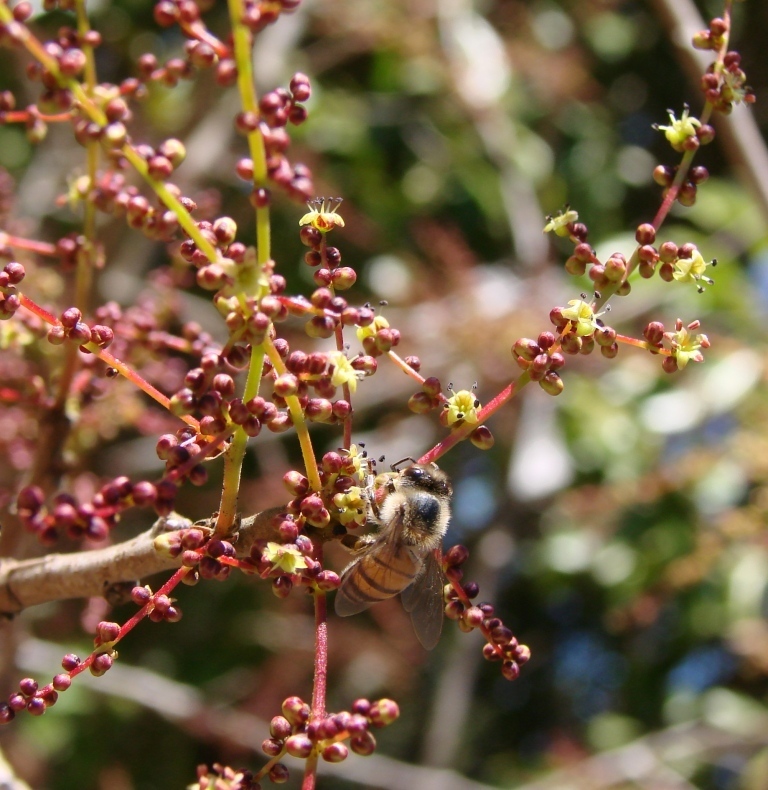
Flowering months: October, November
❓ Frequently asked questions
How tall does peroba rosa grow?
At maturity, peroba rosa reaches 20–30 m tall.
When does peroba rosa flower?
Flowering of peroba rosa occurs in October, November.
What stage and stratum does peroba rosa occupy in a syntropic system?
In a syntropic system, peroba rosa belongs to the climax stage, occupying the high stratum.
Functions
Propagation
Seed
Citations
- Aspidosperma polyneuron — Wikipedia
- Peroba-rosa — IPT Madeiras
- Useful Tropical Plants — Aspidosperma polyneuron (frost_tolerance_c, hardiness_zone_min, height_min_m, height_max_m, phenology)
- Embrapa Florestas — Peroba-Rosa (Aspidosperma polyneuron), Circular Técnica 96 (phenology, growth_rate, root_system, root_depth)
External references
Continue exploring
Related plants
-
yellow trumpet tree
Handroanthus albus
Climax Emergent Mulch biomassLong-cycle climax with premium timber. Characteristic of Cerrado and Atlantic Forest. Spectacular winter bloom.
-
jatoba
Hymenaea courbaril
Climax Emergent Mulch biomassTropical climax with extremely dense timber; fruit pulp is edible. Common in syntropic abundance systems.
-
juçara palm
Euterpe edulis
Climax High No biomass productionAtlantic Forest native palm with long-cycle climax behavior; high-quality palm heart. Endangered under extractivism, abundant in well-managed syntr...
-
urundeuva
Myracrodruon urundeuva
Climax HighTree with extremely dense, durable hardwood; once dominant in the Caatinga but now threatened by overexploitation. Occurs in Caatinga, Cerrado and ...
-
jequitibá
Cariniana legalis
Climax EmergentEmergent giant of the Atlantic Forest; climax species forming the uppermost canopy stratum of dense ombrophilous forest. Can exceed 60 m at maturit...
-
brazilwood
Paubrasilia echinata
Climax MediumNational tree of Brazil, endemic to the coastal Atlantic Forest. Slow-growing; climax-community species that develops best when planted under secon...