Plants
sapucaia nut
Lecythis pisonis Cambess.
Family: Lecythidaceae · Genus: Lecythis
monkey pot tree, paradise nut
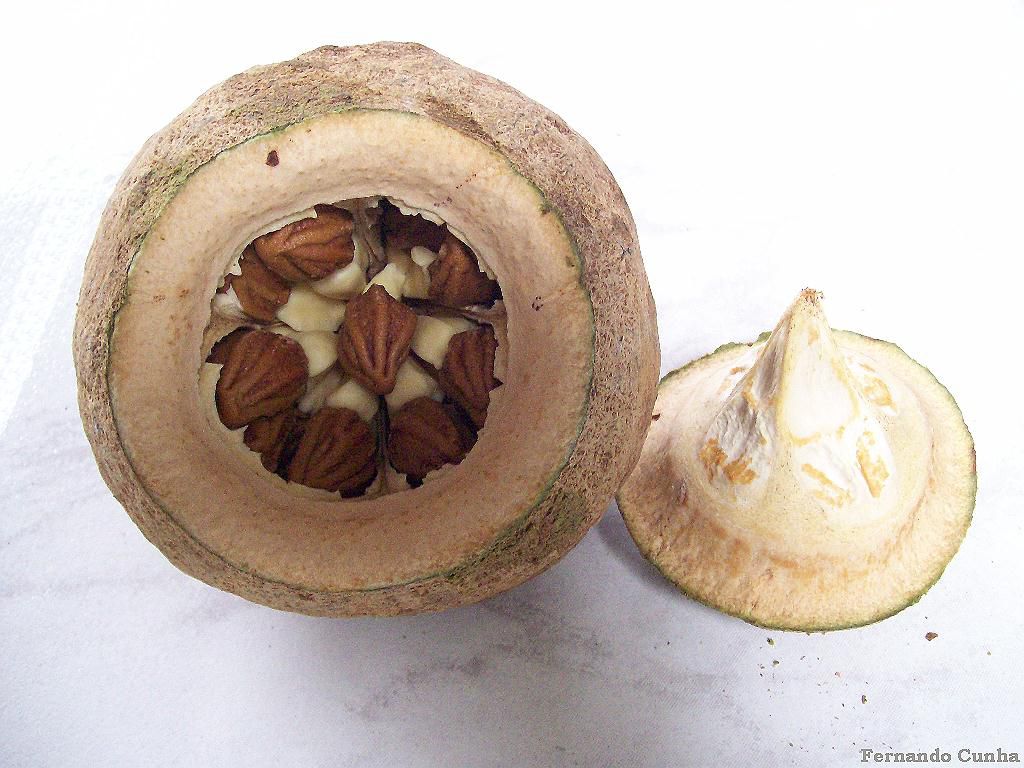
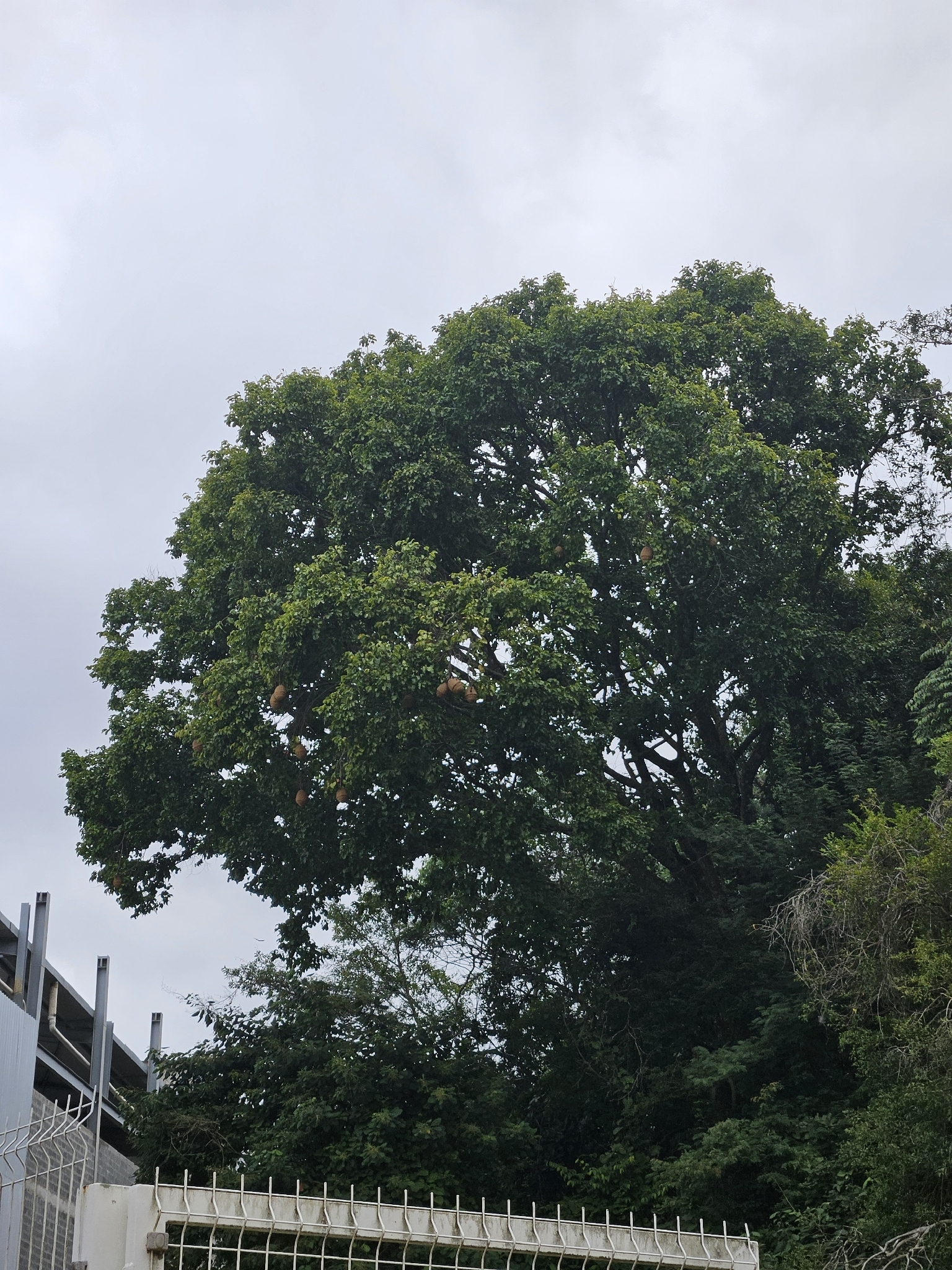
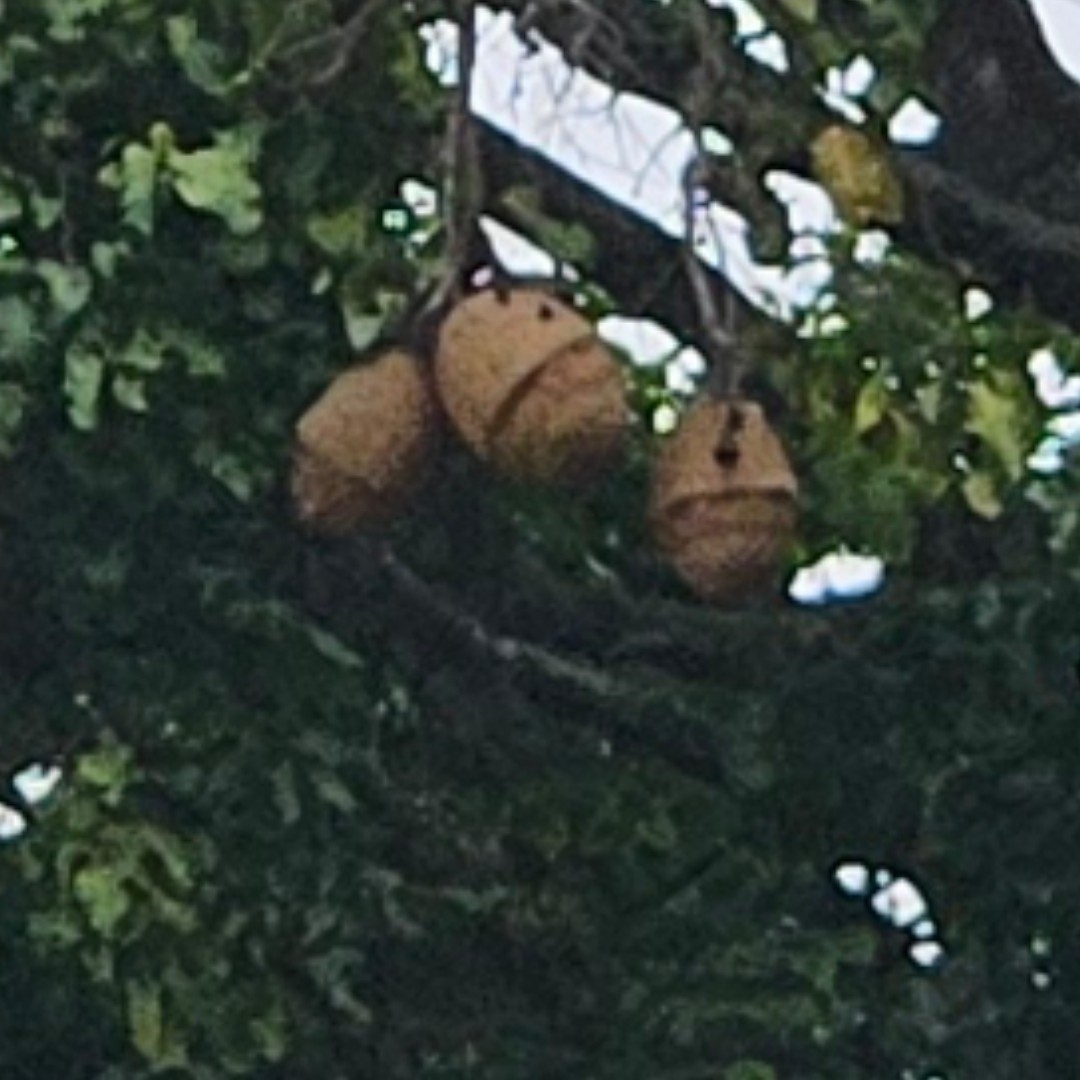
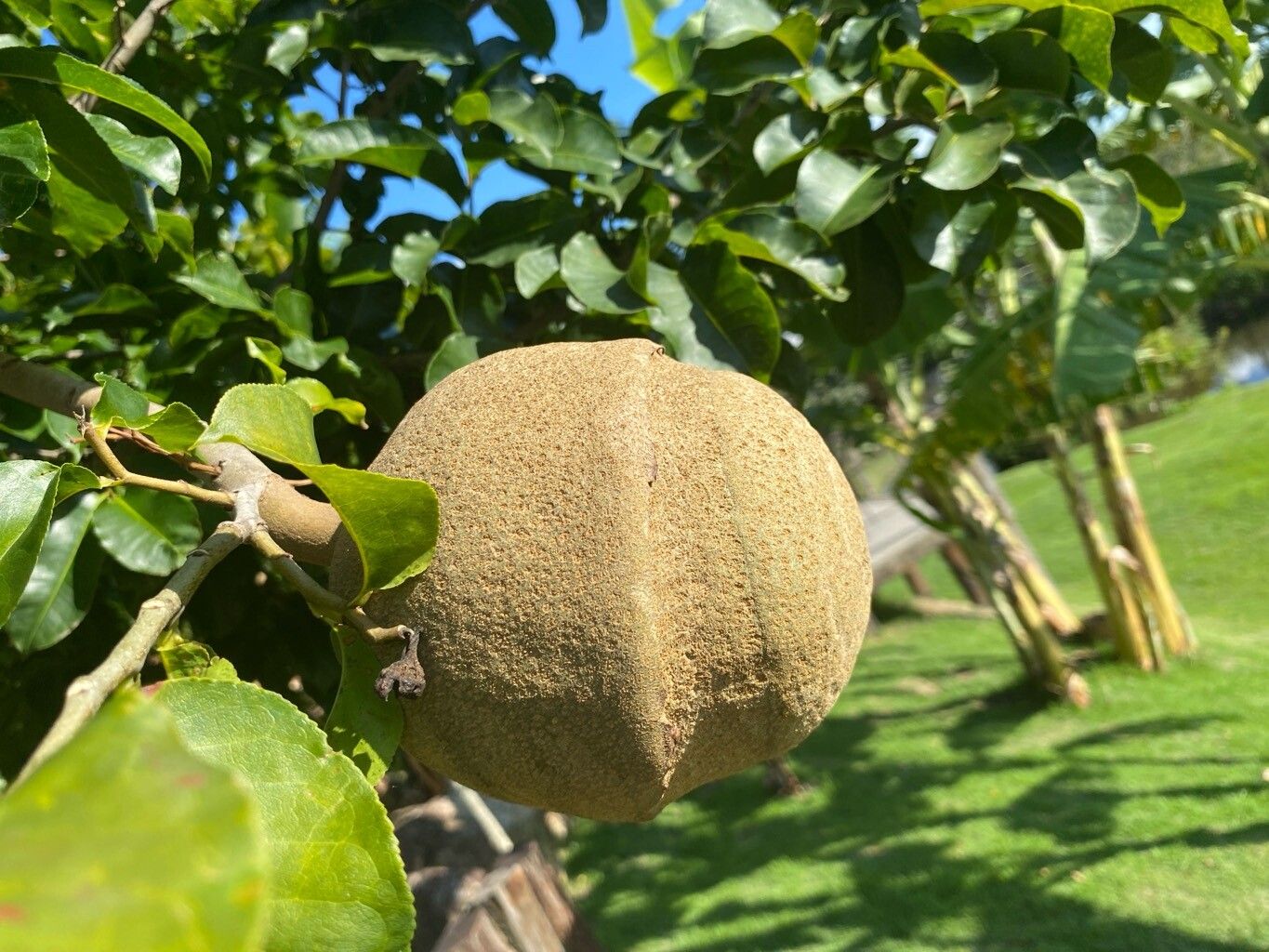
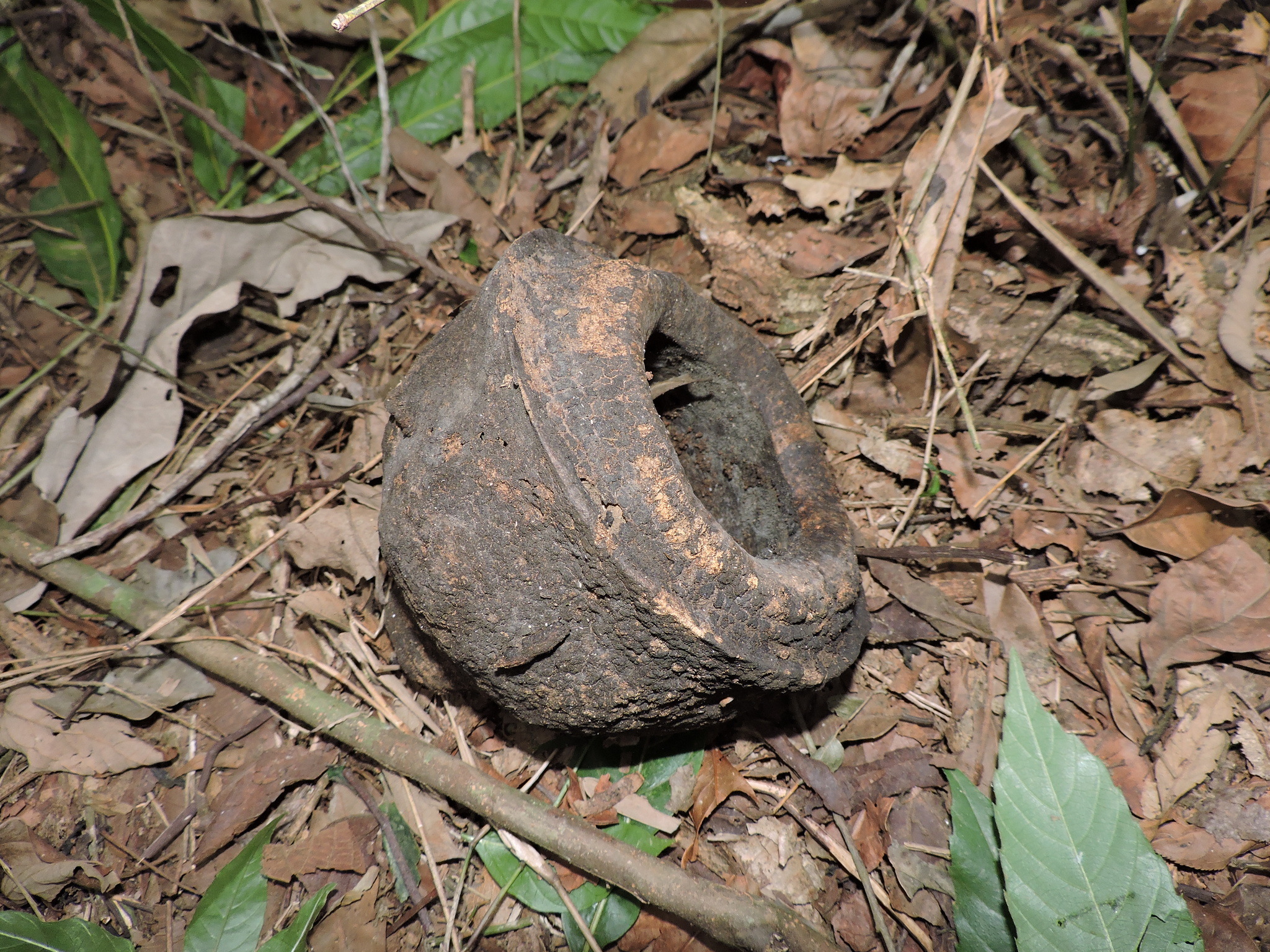
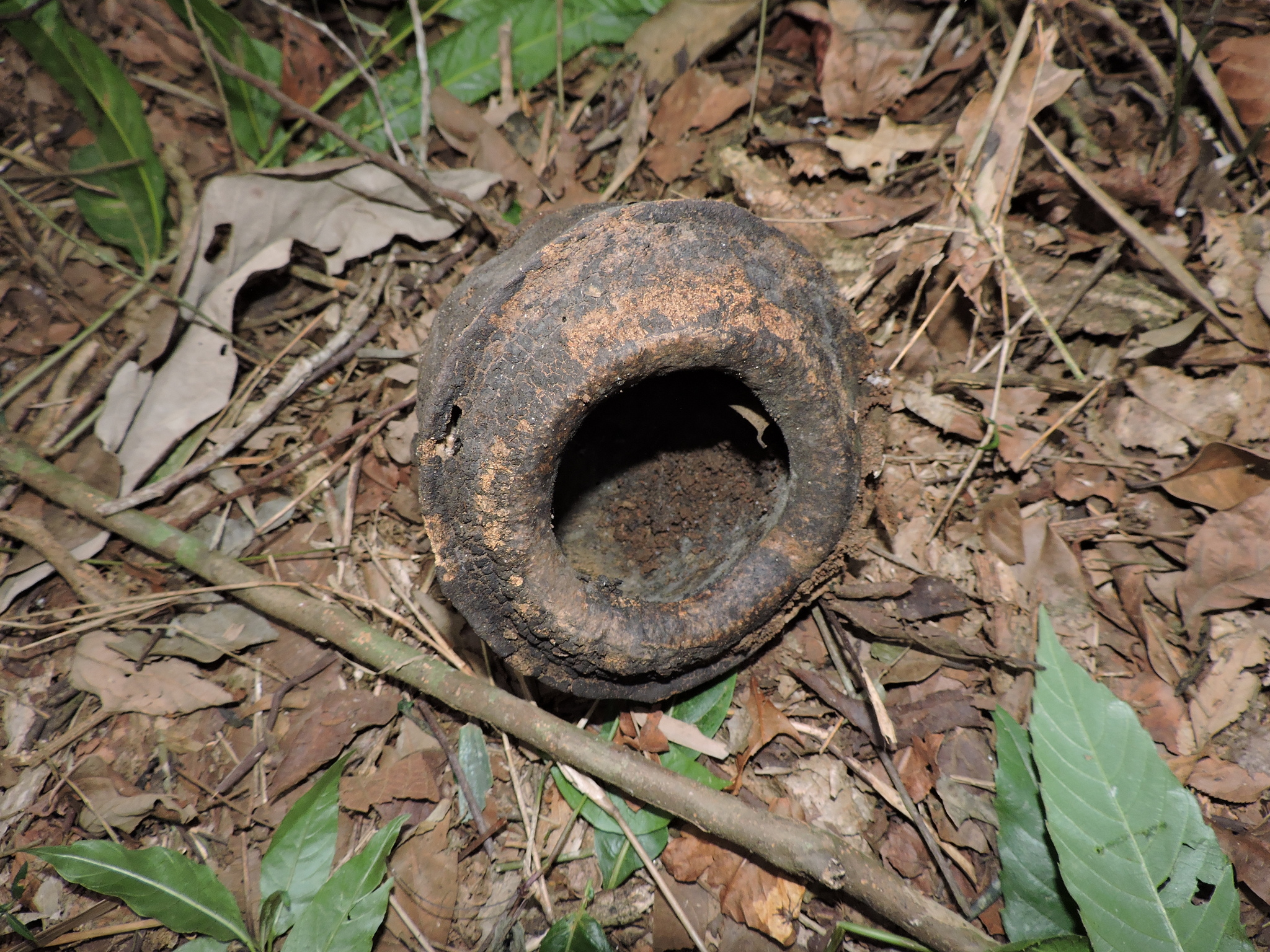
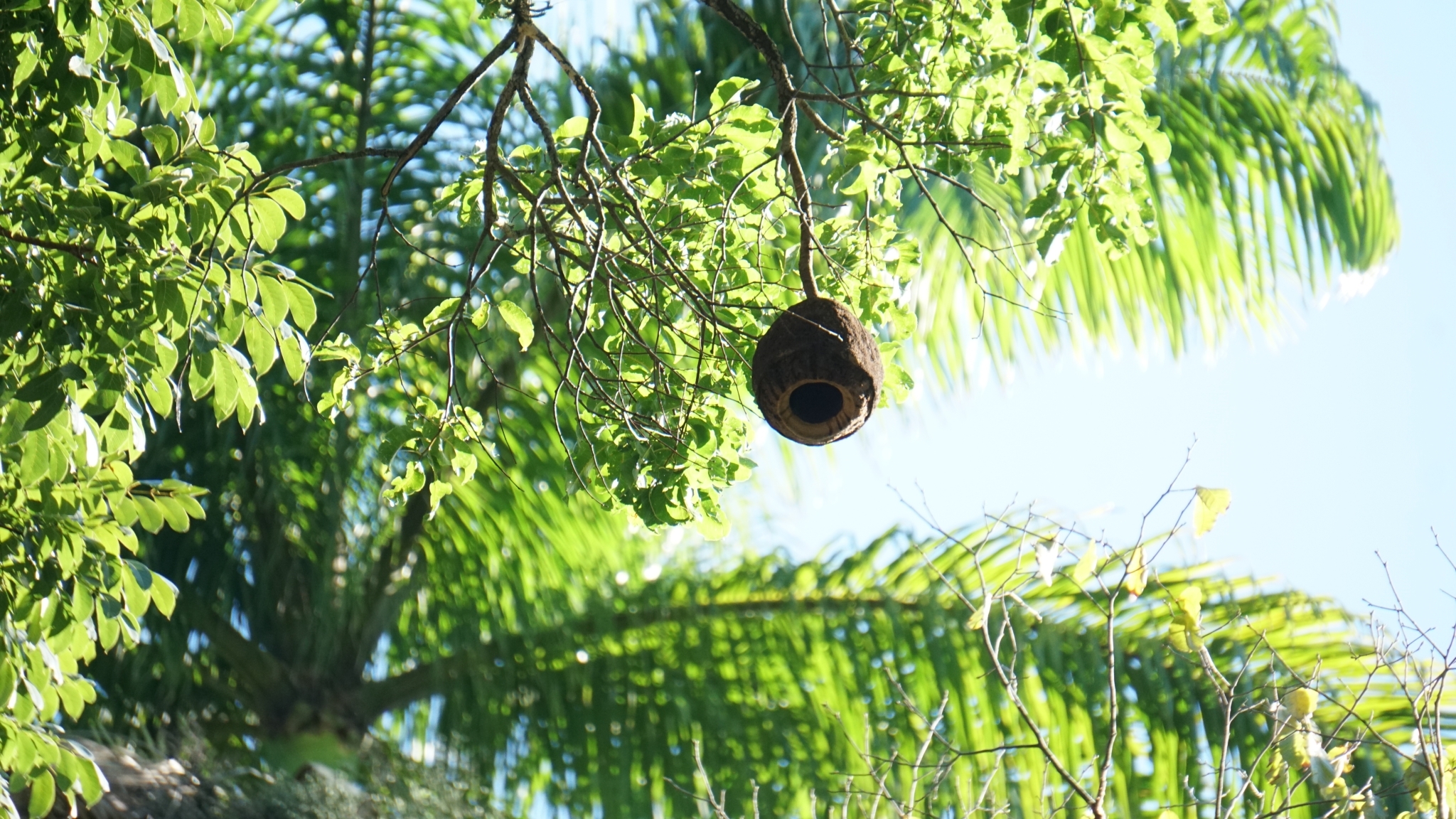
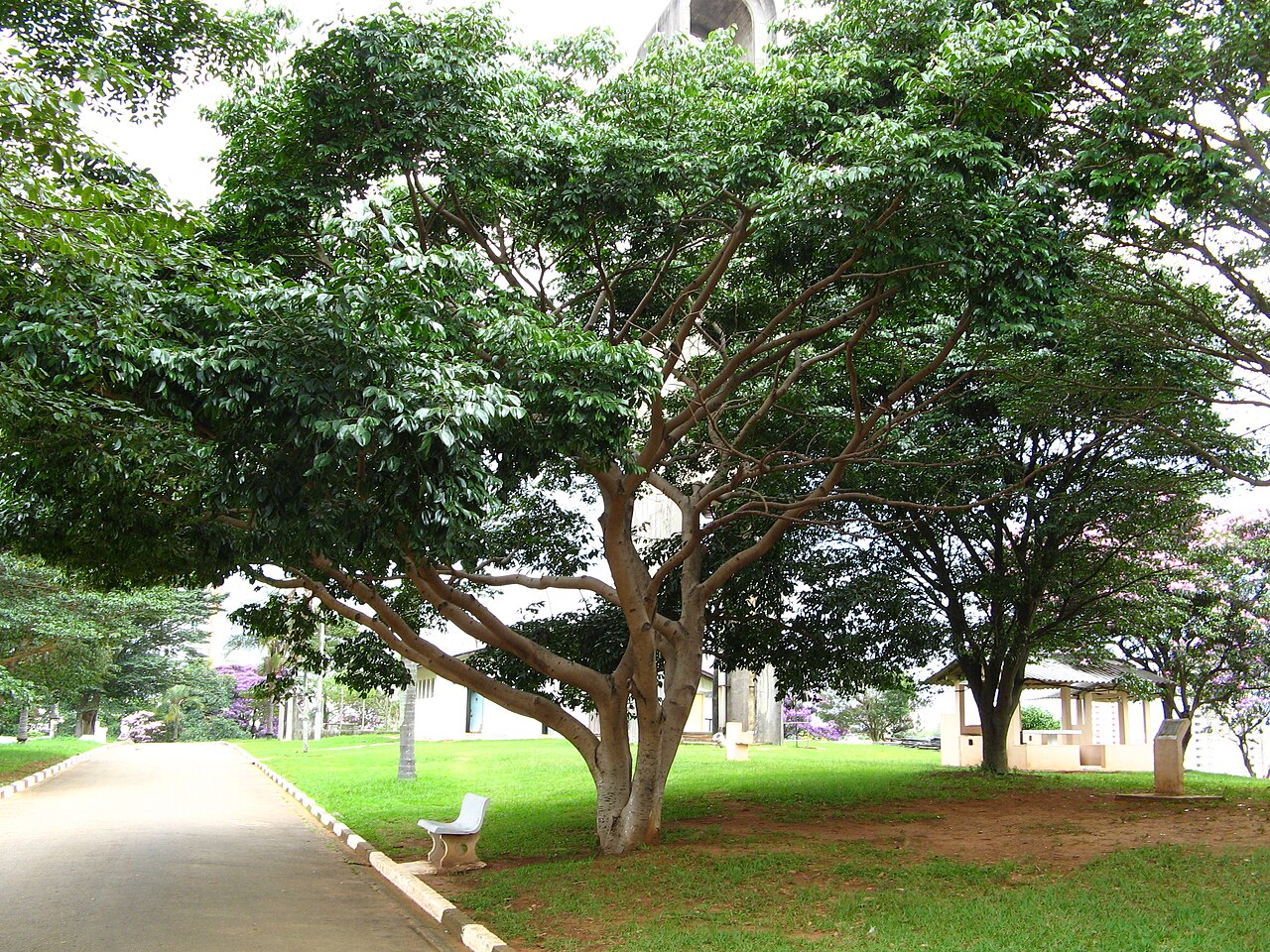
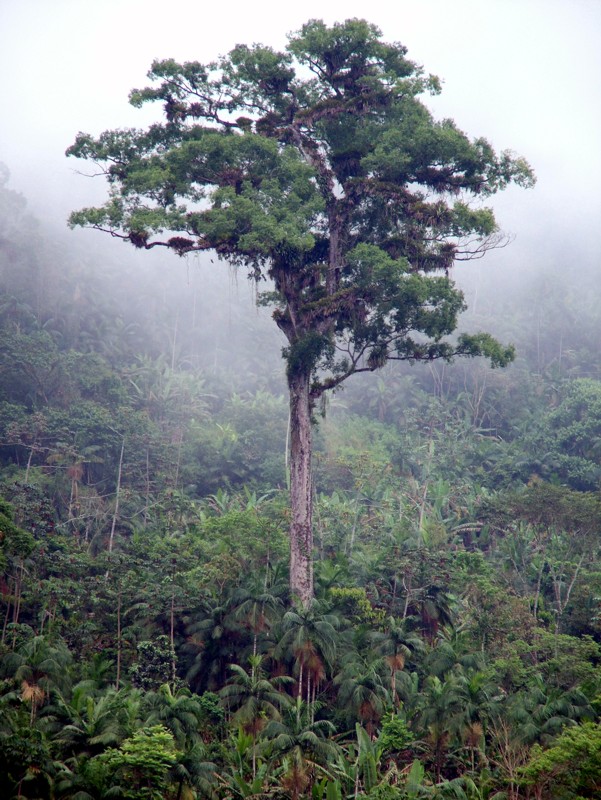
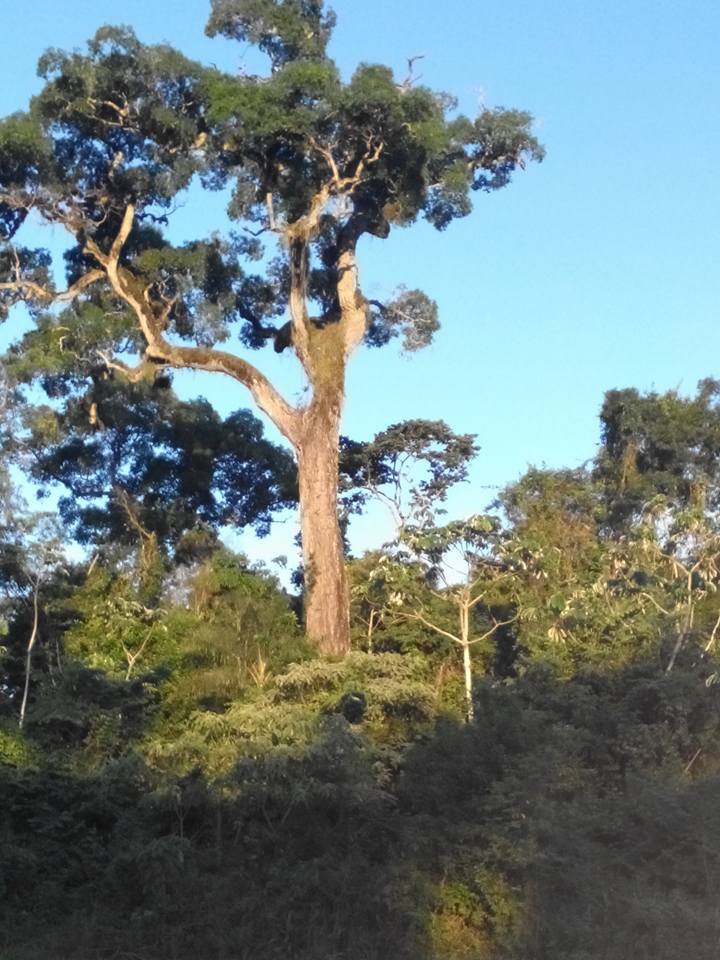
Amazonian and coastal Atlantic Forest tree, cousin of Brazil nut. EcoAgri lists it in the high stratum of the '> 50 years' bin. Huge woody fruits (pots) hold edible oil-rich seeds; one of the tallest trees in Brazil.
Götsch succession
- Götsch stage
- Climax
- Ecological role
- Climax
- Primary stratum
- Emergent
- Strata
- Emergent, High
- Biomass class
- Mulch biomass
Environment
- Light requirement
- Full sun
- Water requirement
- High
- Drought tolerance
- Moderate
- Preferred soil texture
- Clayey, Loamy
- Hardiness zones
- 10–12
Morphology
- Mature height
- 25–45 m
- Root system
- Taproot
- Root depth
- Deep
- Growth rate
- Slow
- Lifespan
- ≥ 200 years
- Time to first harvest
- 120 months
Biomes & climate
- Amazon Native
- Atlantic Forest Native
Köppen classes
- Tropical rainforest (Af) Native
- Tropical monsoon (Am) Native
- Tropical savanna with dry winter (Aw) Native
Where it fits in a guild
Sapucaia nut takes the Emergent stratum in the Climax phase of succession — in a guild it shares the line with species from the other strata, each harvesting light at its own height, in its own time.
Free account — and the catalog stays open, no sign-up needed.
🪴 Cultivation
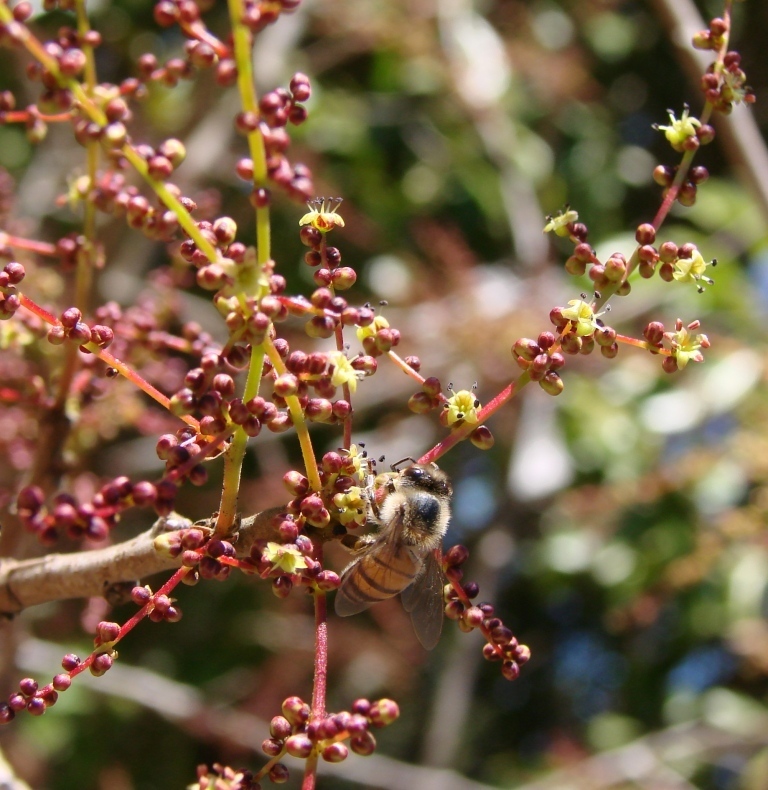
Deciduous species typical of the coastal Atlantic Forest; flowering coincides with the flush of red new leaves. Fruit ripens about 7 months after fertilization; in SP/RJ it flowers October–December with fruit maturing December–April. Its semi-deciduous habit and emergent stature require full-sun planting at maturity.
📅 Phenology
Flowering months: October, November, December
Fruiting months: December, January, February, March, April
❓ Frequently asked questions
How long until the first harvest of sapucaia nut?
The first harvest of sapucaia nut comes around 120 months after planting.
How tall does sapucaia nut grow?
At maturity, sapucaia nut reaches 25–45 m tall.
When does sapucaia nut fruit?
Fruiting of sapucaia nut occurs in December, January, February, March, April.
When does sapucaia nut flower?
Flowering of sapucaia nut occurs in October, November, December.
What stage and stratum does sapucaia nut occupy in a syntropic system?
In a syntropic system, sapucaia nut belongs to the climax stage, occupying the emergent stratum.
Functions
Propagation
Seed
Citations
- EcoAgri — Organização de algumas espécies vegetais por tempo de vida (placentas) e estrato (Cartilha 'Liberdade e Vida com Agrofloresta') , p. 6 (primary_stratum, gotsch_stage)
- Embrapa — Espécies Arbóreas Brasileiras vol. 2: Sapucaia (Lecythis pisonis) (phenology, height_min_m, height_max_m, cultivation_notes, root_system)
- Biologia da Paisagem — Lecythis pisonis (sapucaia) (phenology, cultivation_notes)
External references
Continue exploring
Related plants
-
yellow trumpet tree
Handroanthus albus
Climax Emergent Mulch biomassLong-cycle climax with premium timber. Characteristic of Cerrado and Atlantic Forest. Spectacular winter bloom.
-
jatoba
Hymenaea courbaril
Climax Emergent Mulch biomassTropical climax with extremely dense timber; fruit pulp is edible. Common in syntropic abundance systems.
-
juçara palm
Euterpe edulis
Climax High No biomass productionAtlantic Forest native palm with long-cycle climax behavior; high-quality palm heart. Endangered under extractivism, abundant in well-managed syntr...
-
urundeuva
Myracrodruon urundeuva
Climax HighTree with extremely dense, durable hardwood; once dominant in the Caatinga but now threatened by overexploitation. Occurs in Caatinga, Cerrado and ...
-
jequitibá
Cariniana legalis
Climax EmergentEmergent giant of the Atlantic Forest; climax species forming the uppermost canopy stratum of dense ombrophilous forest. Can exceed 60 m at maturit...
-
peroba rosa
Aspidosperma polyneuron
Climax HighAtlantic Forest climax tree with very slow growth and dense, prized timber. Reaches 20–30 m. IUCN-listed as threatened due to logging.