Plants
white tephrosia
Tephrosia candida
Family: Fabaceae · Genus: Tephrosia
white hoarypea
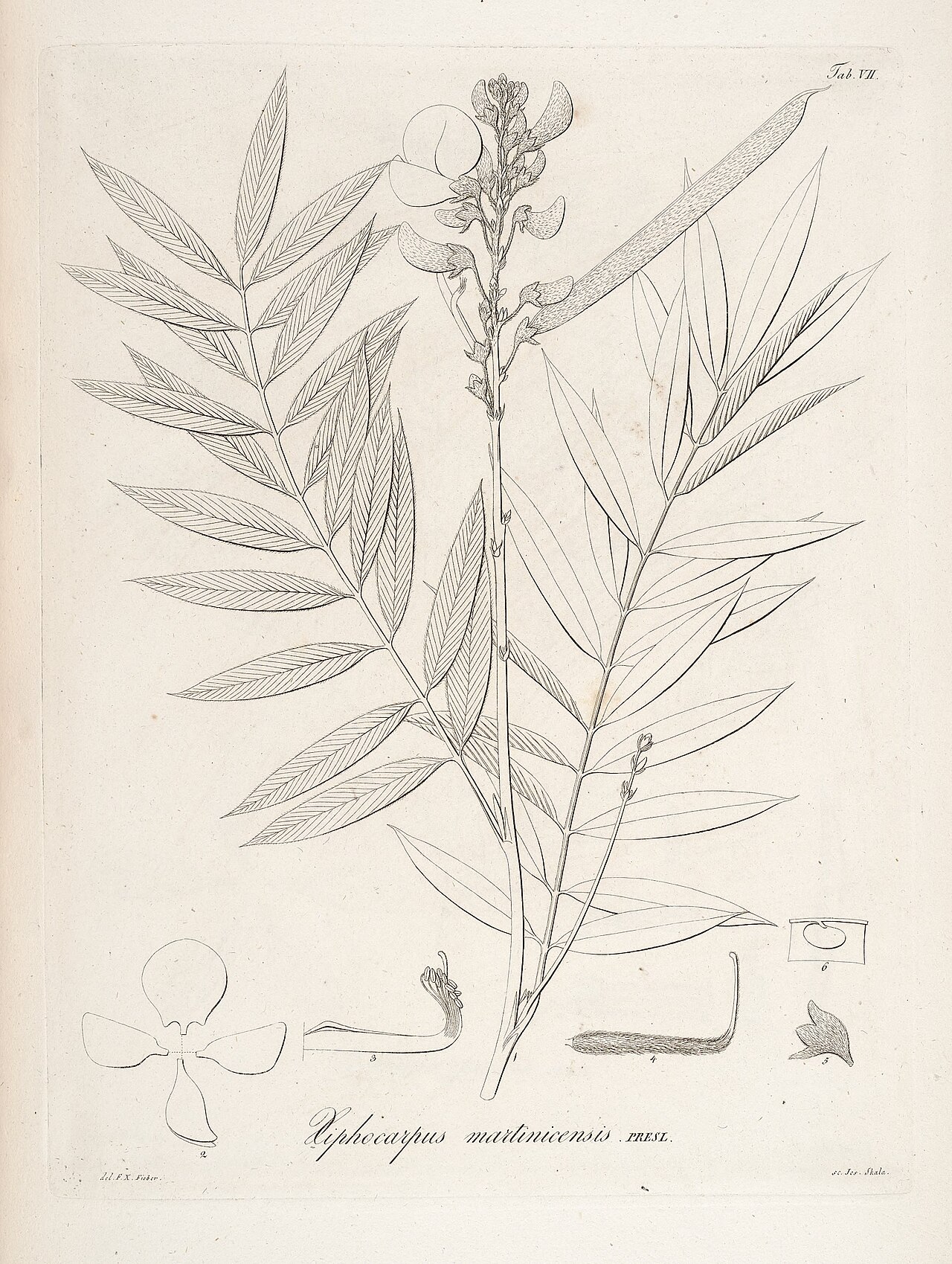
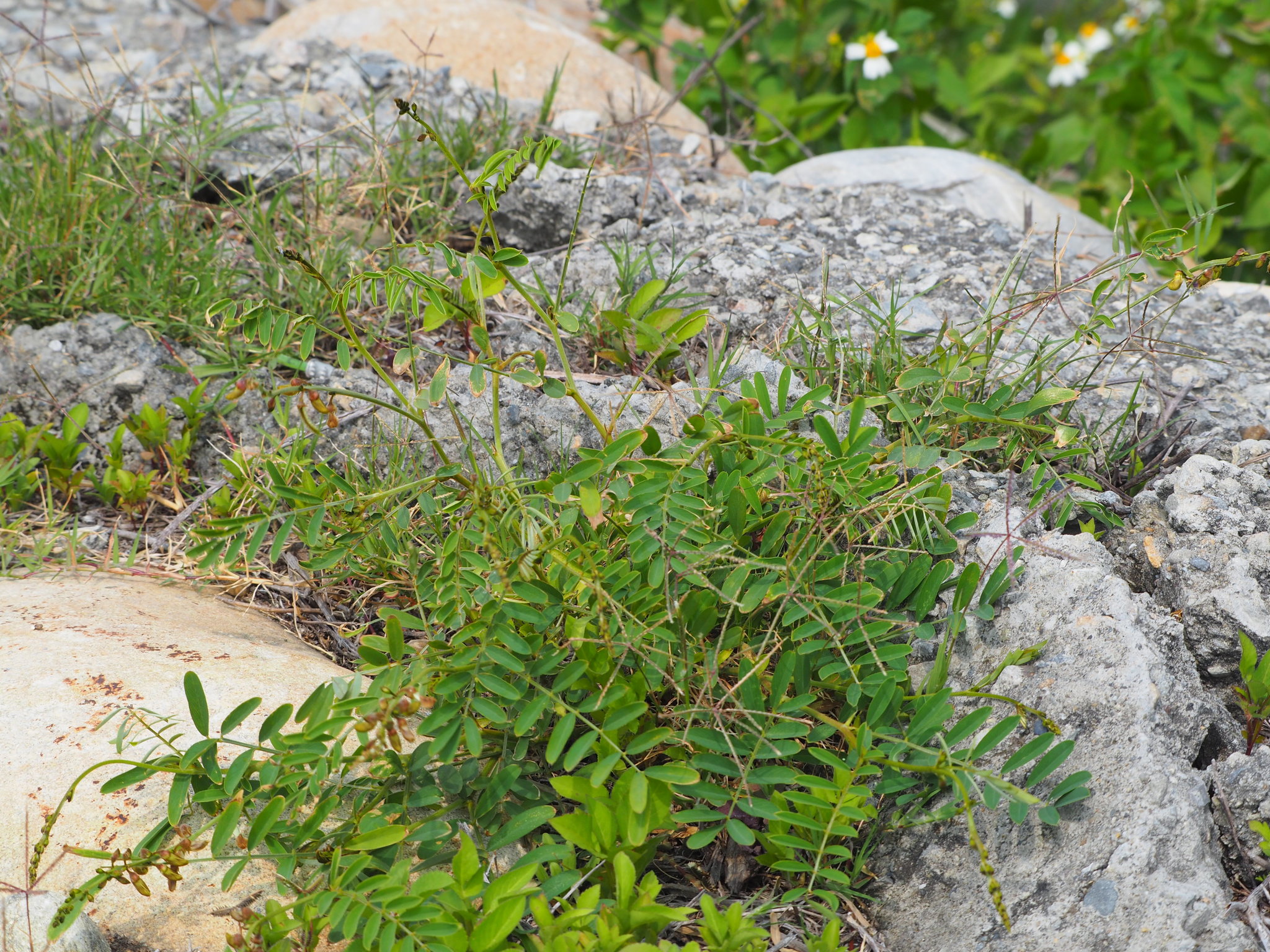
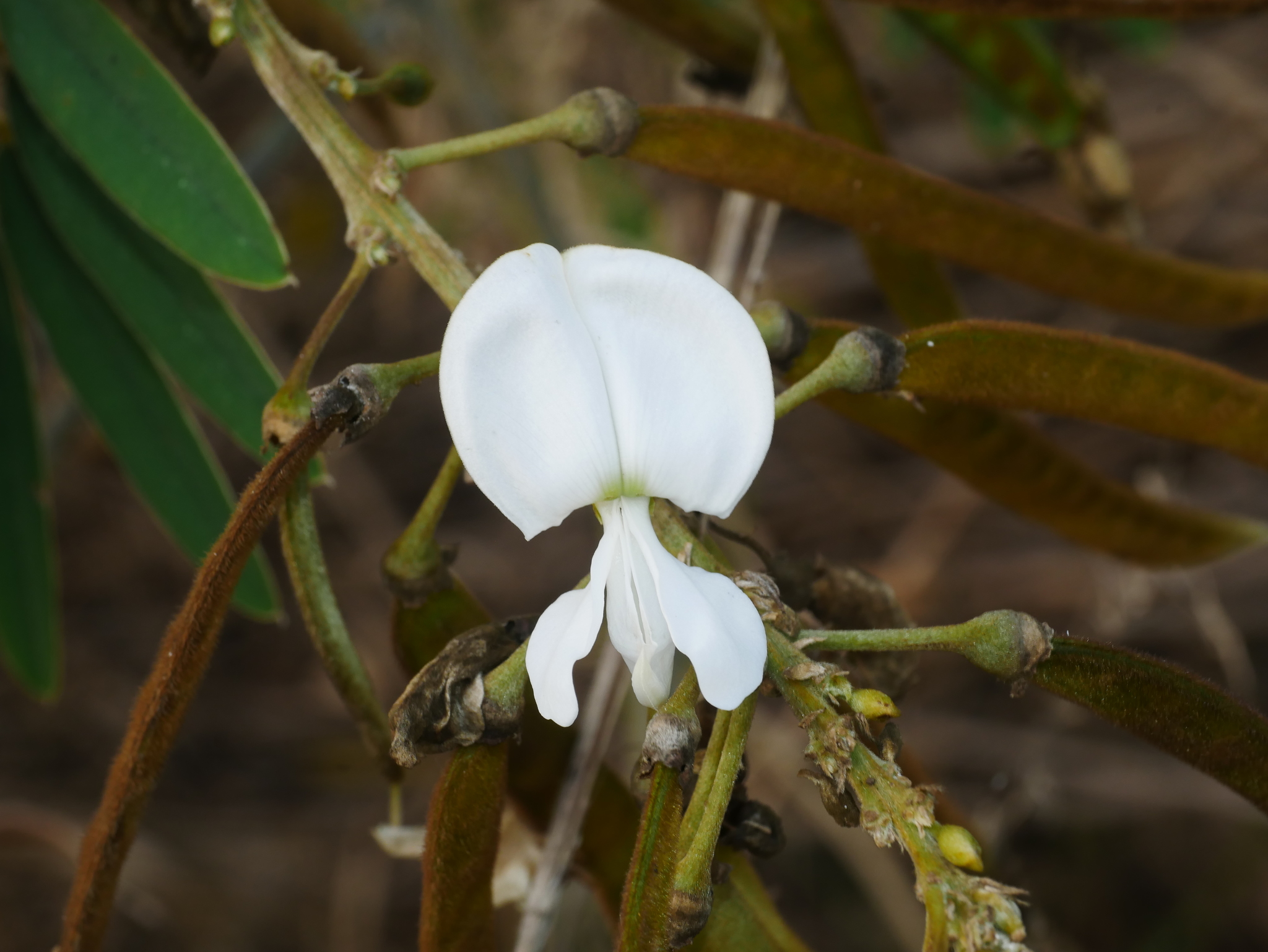
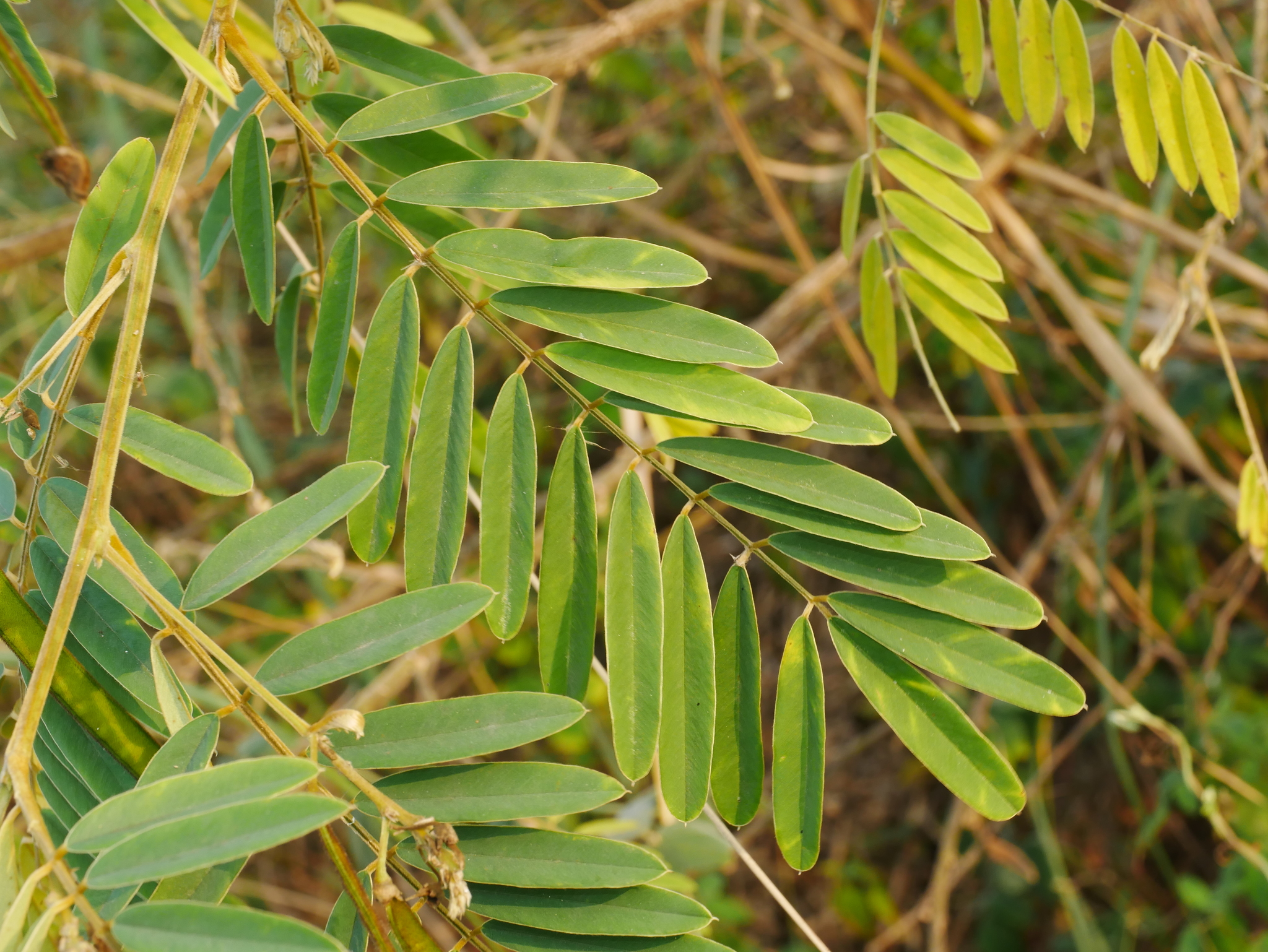
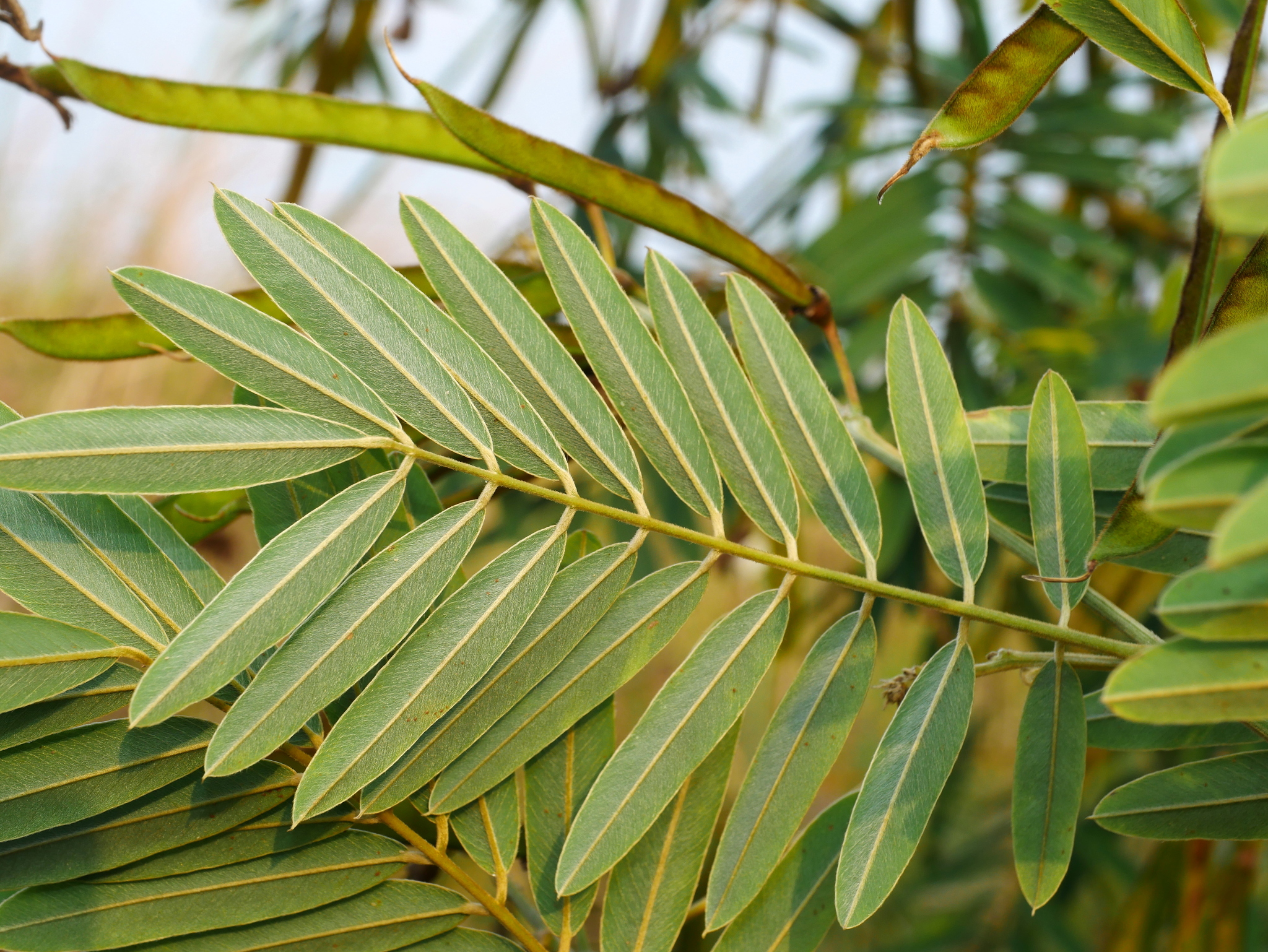
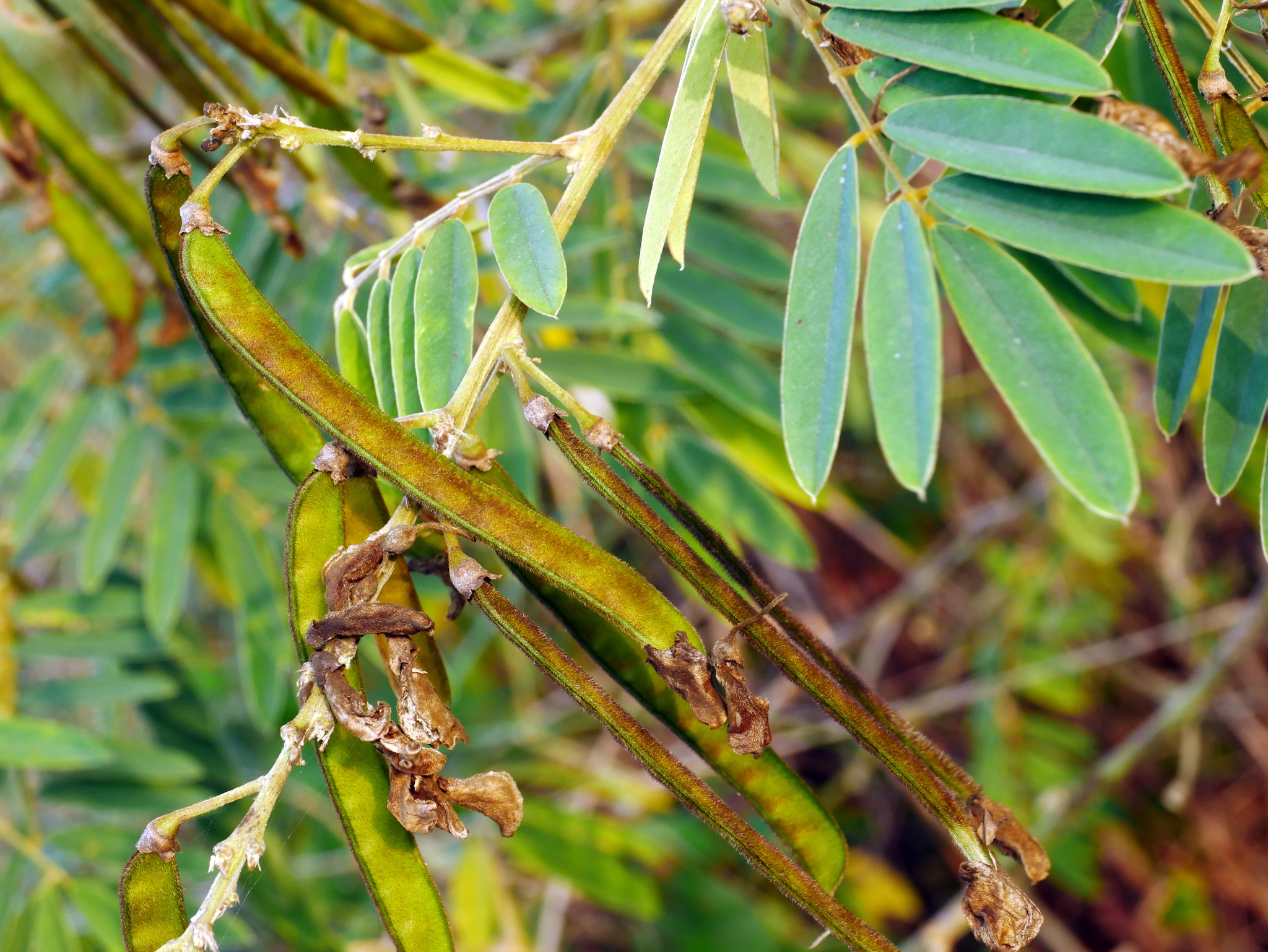
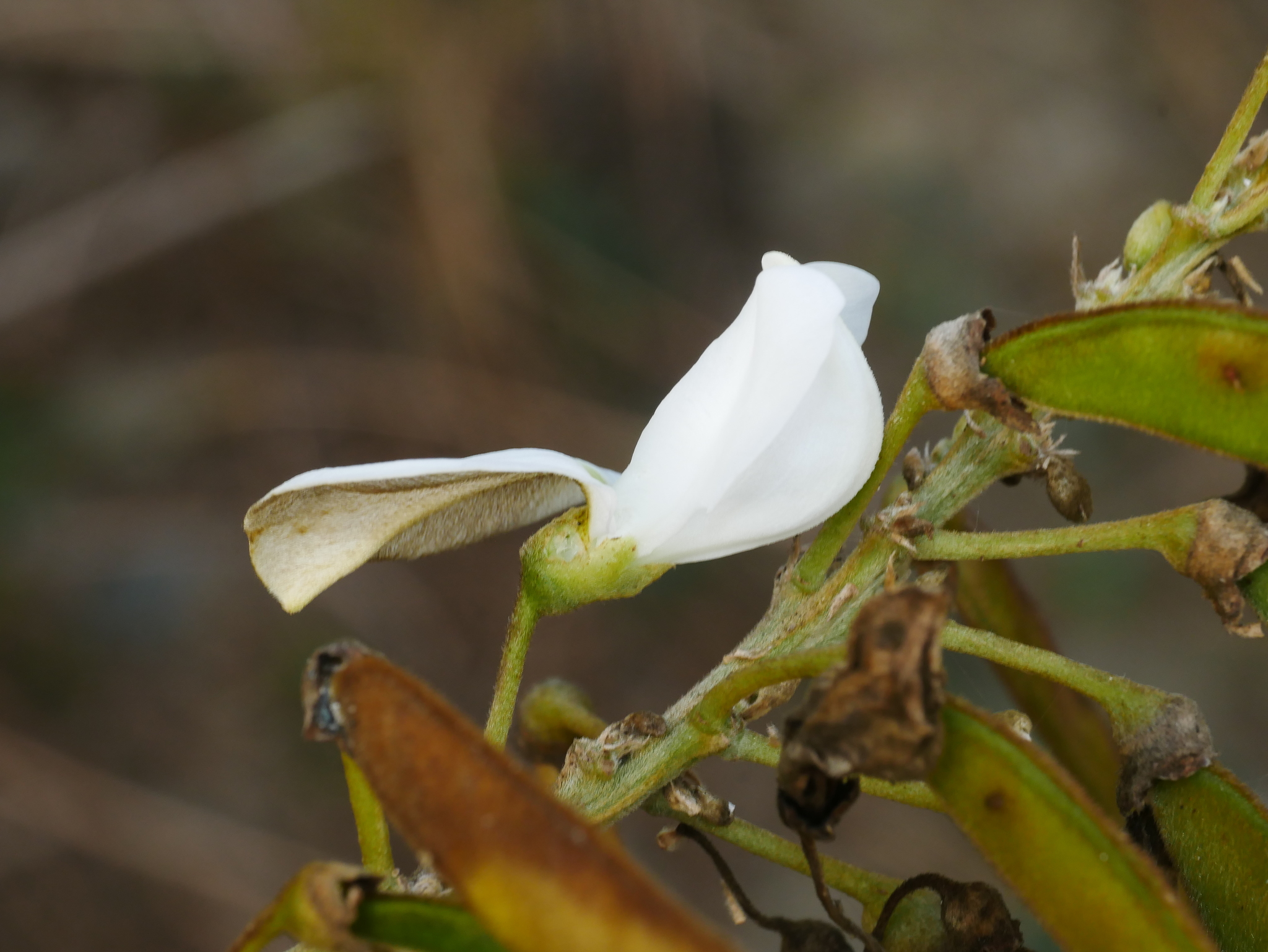
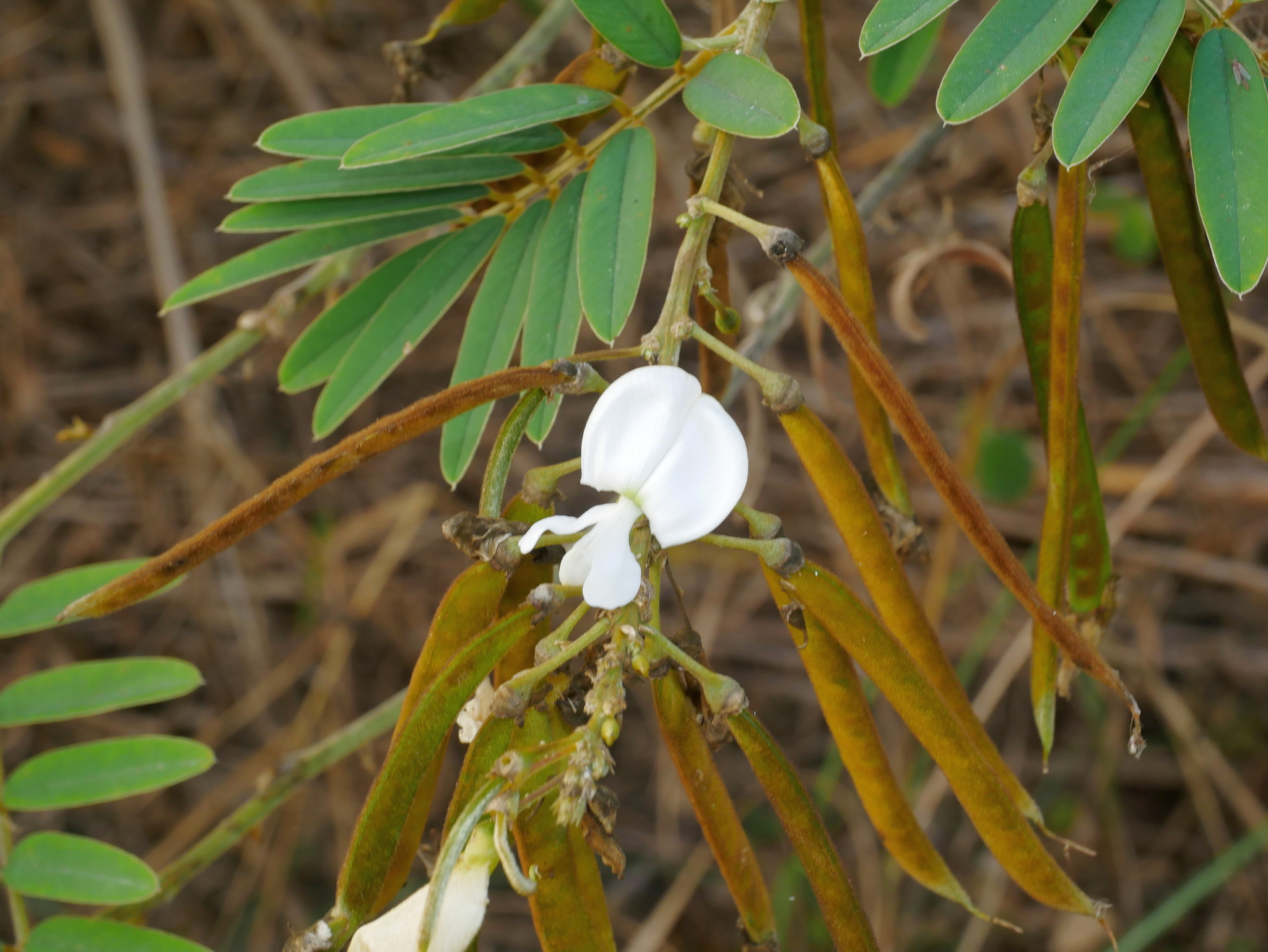
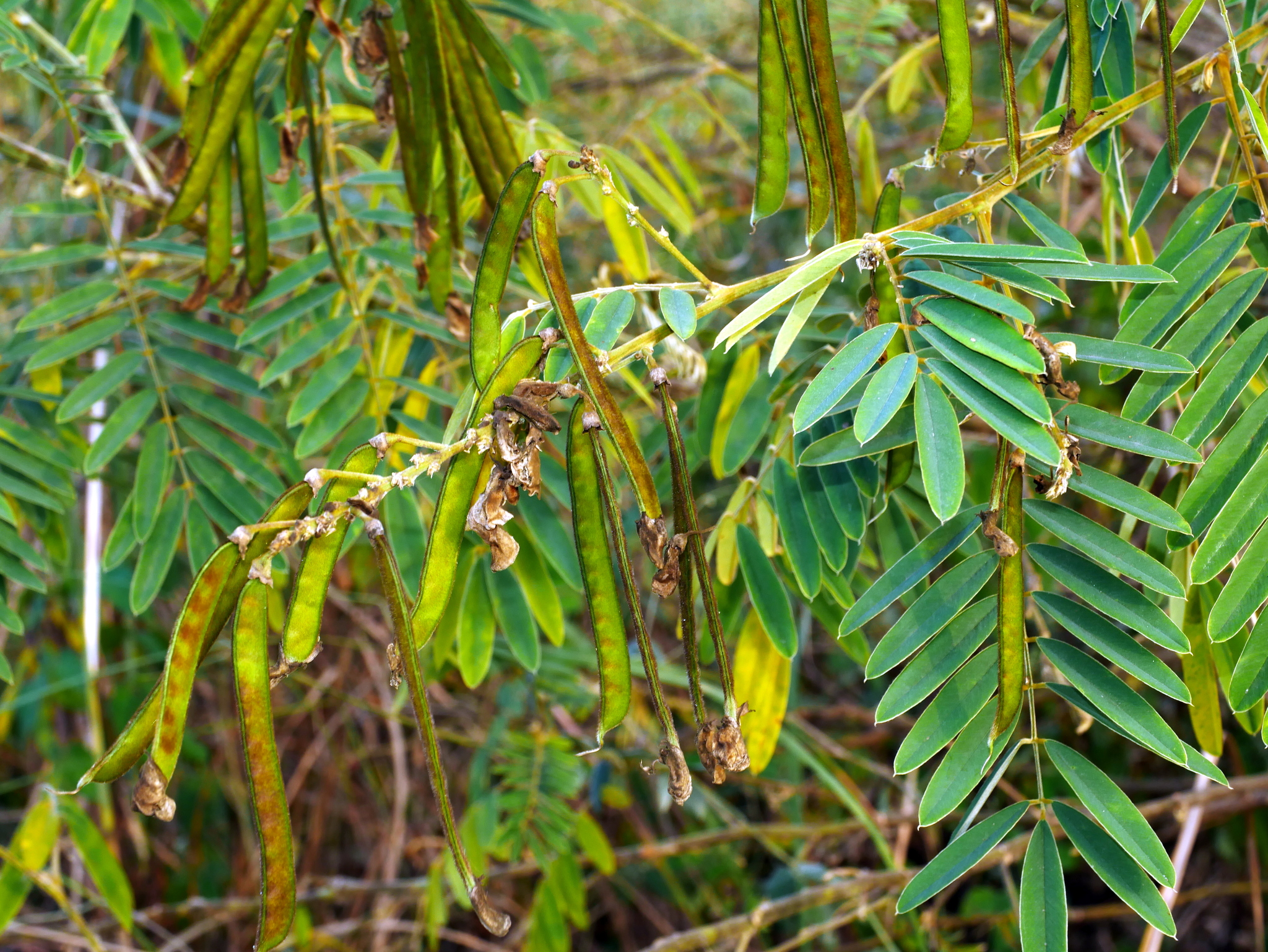
A short-lived (3-4 years) perennial leguminous shrub of 1-3 m, native to India and widely introduced across the tropics. It fixes nitrogen and is grown as green manure and cover, in improved fallows and intercropped with maize. It releases nitrogen slowly because it binds to polyphenols, prolonging the effect on the following crop — a good cover-biomass species.
Götsch succession
- Götsch stage
- Placenta II
- Ecological role
- Pioneer
- Primary stratum
- Low
- Strata
- Low, Medium
- Biomass class
- Mulch biomass
Environment
- Light requirement
- Full sun
- Water requirement
- Moderate
- Drought tolerance
- Moderate
- Waterlogging tolerance
- None
- Soil pH range
- 3.5–7.5
- Preferred soil texture
- Loamy, Sandy, Clayey
- Hardiness zones
- 10–12
Morphology
- Mature height
- 1–3 m
- Recommended spacing
- 0.4–0.9 m
- Root system
- Taproot
- Root depth
- Deep
- Growth rate
- Fast
- Lifespan
- 3–6 years
- Productive lifespan
- 4 years
Biomes & climate
- Atlantic Forest Suitable
- Cerrado Suitable
Köppen classes
- Tropical savanna with dry winter (Aw) Suitable
- Tropical monsoon (Am) Suitable
- Subtropical with dry winter (Cwa) Suitable
Where it fits in a guild
White tephrosia takes the Low stratum in the Placenta II phase of succession — in a guild it shares the line with species from the other strata, each harvesting light at its own height, in its own time. It also fixes nitrogen, feeding the soil for its line neighbors.
Free account — and the catalog stays open, no sign-up needed.
🪴 Cultivation
Requires 700-2500 mm annual rainfall and temperatures of 18-28 C; tolerates a wide range of soils (pH 5.0-8.0). Seeds and leaves contain rotenone — not for forage.
✂️ Management & Pruning
A vigorously resprouting nitrogen-fixing shrub for chop-and-drop and contour hedgerows. Slow to establish (deep-rooting), with maximum growth in the 2nd year. For green manure/cover, cut back before flowering and surface-mulch or incorporate (~25–30 t/ha green matter/yr in 3 cuttings). It withstands 3–4 years of repeated cutting as a lopped hedgerow that releases light to shade-sensitive crops. Cut at the onset of the rainy season; with age it turns woody and fungus-prone — plan replacement rather than indefinite coppicing.
📅 Phenology
Flowering months: April, May, June, July
Fruiting months: July, August, September
❓ Frequently asked questions
What spacing is recommended for white tephrosia?
The recommended spacing for white tephrosia is 0.4–0.9 m.
How tall does white tephrosia grow?
At maturity, white tephrosia reaches 1–3 m tall.
When does white tephrosia fruit?
Fruiting of white tephrosia occurs in July, August, September.
When does white tephrosia flower?
Flowering of white tephrosia occurs in April, May, June, July.
What stage and stratum does white tephrosia occupy in a syntropic system?
In a syntropic system, white tephrosia belongs to the placenta ii stage, occupying the low stratum.
Does white tephrosia fix nitrogen?
Yes — white tephrosia is a nitrogen-fixing species that helps fertilize the system's soil.
Functions
Propagation
Seed
Citations
- Garden Organic / HDRA No. TGM16 — White tephrosia (nitrogen_fixer, biomass_class, ph_min, ph_max, lifespan_years_min, lifespan_years_max, water_need, productive_lifespan_years, pruning_notes)
- Wikipedia: Tephrosia candida (scientific_name, height_min_m, height_max_m, gotsch_stage, functions)
- World Agroforestry (ICRAF) / Orwa AgroforesTree Database — Tephrosia candida (pruning_notes, root_depth, ph_min, ph_max, waterlogging_tolerance, spacing_min_m, spacing_max_m)
- PFAF Plant Database — Tephrosia candida (hardiness_zone_min, hardiness_zone_max, ph_min, ph_max, waterlogging_tolerance)
- Plants of the World Online (POWO), Kew (scientific_name, powo_id)
External references
Continue exploring
Related plants
-
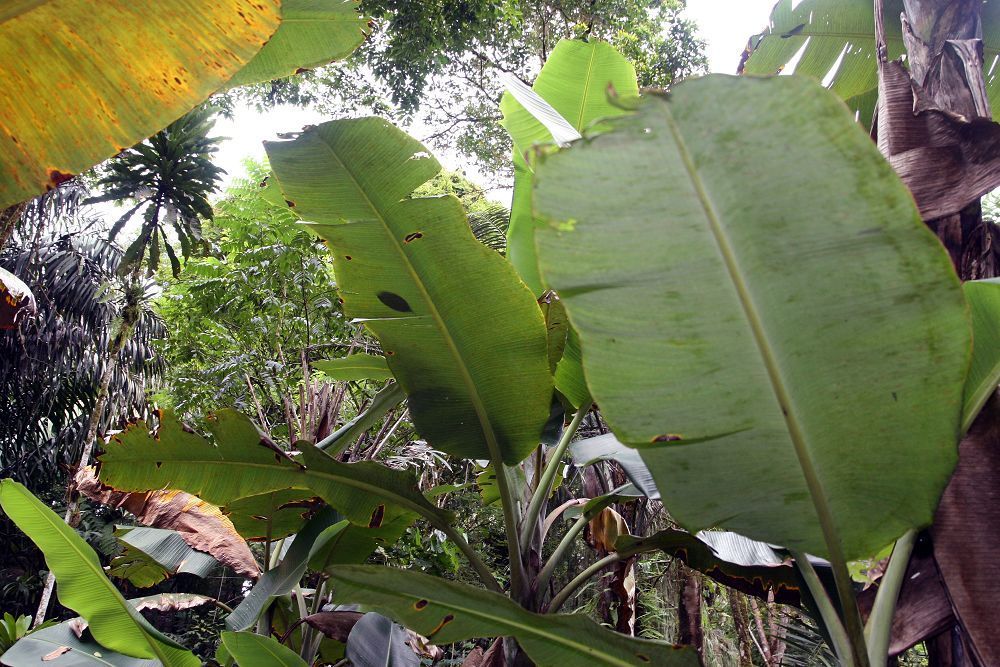
banana
Musa × paradisiaca
Placenta II High Mulch biomassBanana is a fast-growing pioneer species valued for cover biomass, edible fruit, and a structuring role in syntropic rows. Grows in any moist, well...
-
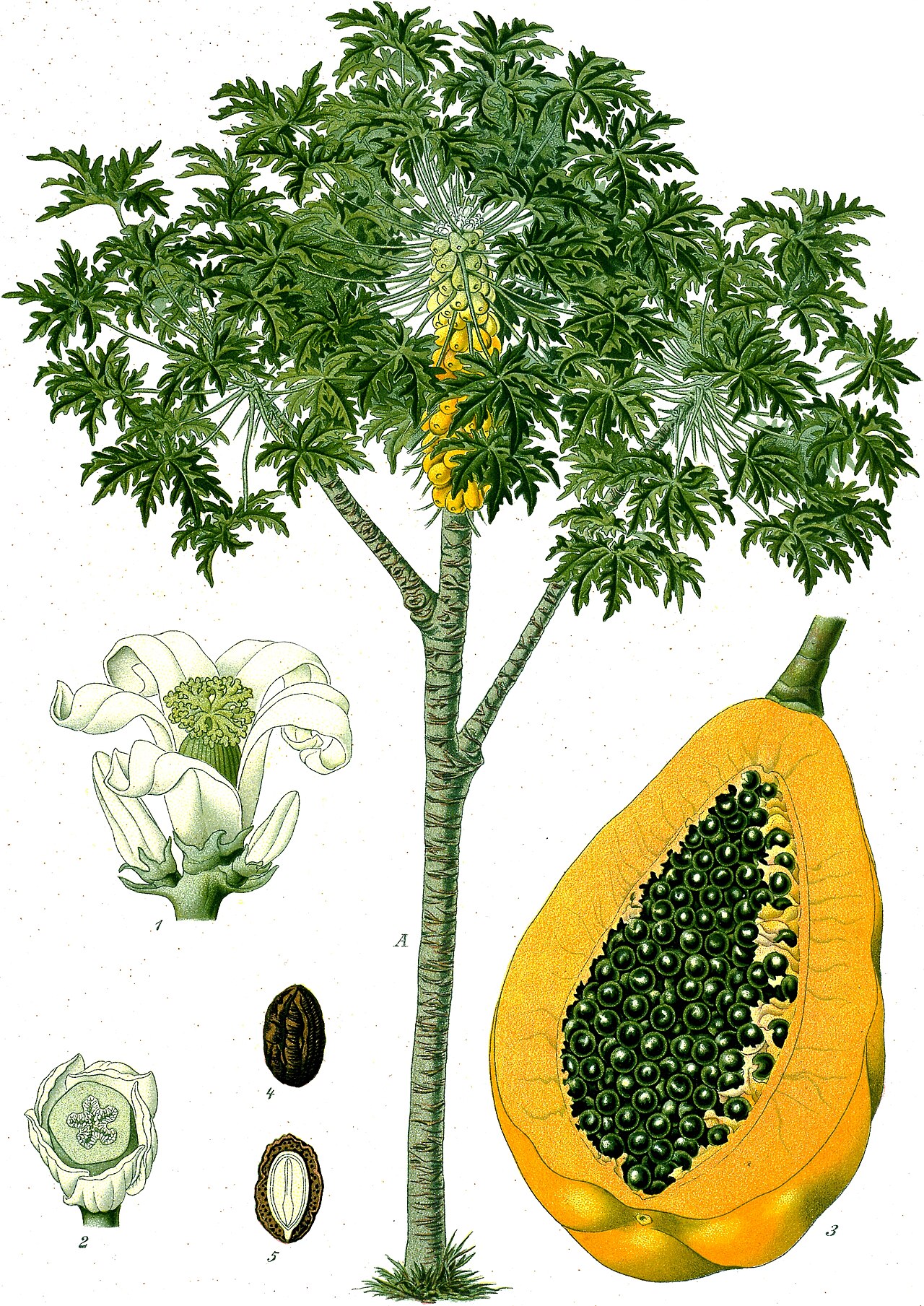
papaya
Carica papaya
Placenta II High Mulch biomassShort-cycle Placenta II species occupying the high stratum for 2–4 years. Fruits 9–12 months after planting.
-
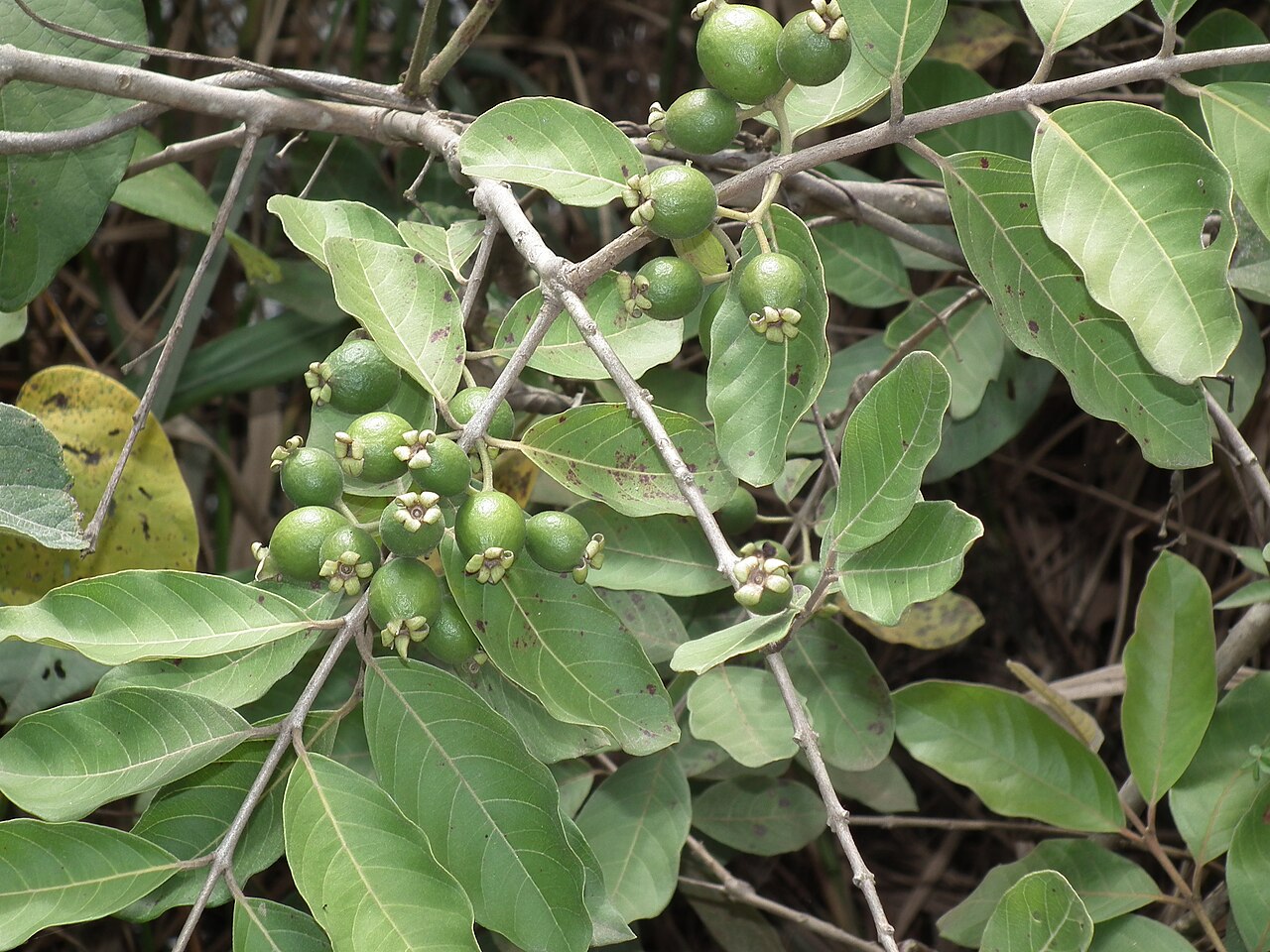
gabiroba
Campomanesia adamantium
Placenta II LowPioneer fruit shrub of the Cerrado that colonizes degraded areas. Deep roots stabilize soil and aid water retention. Edible fruits and medicinal le...
-
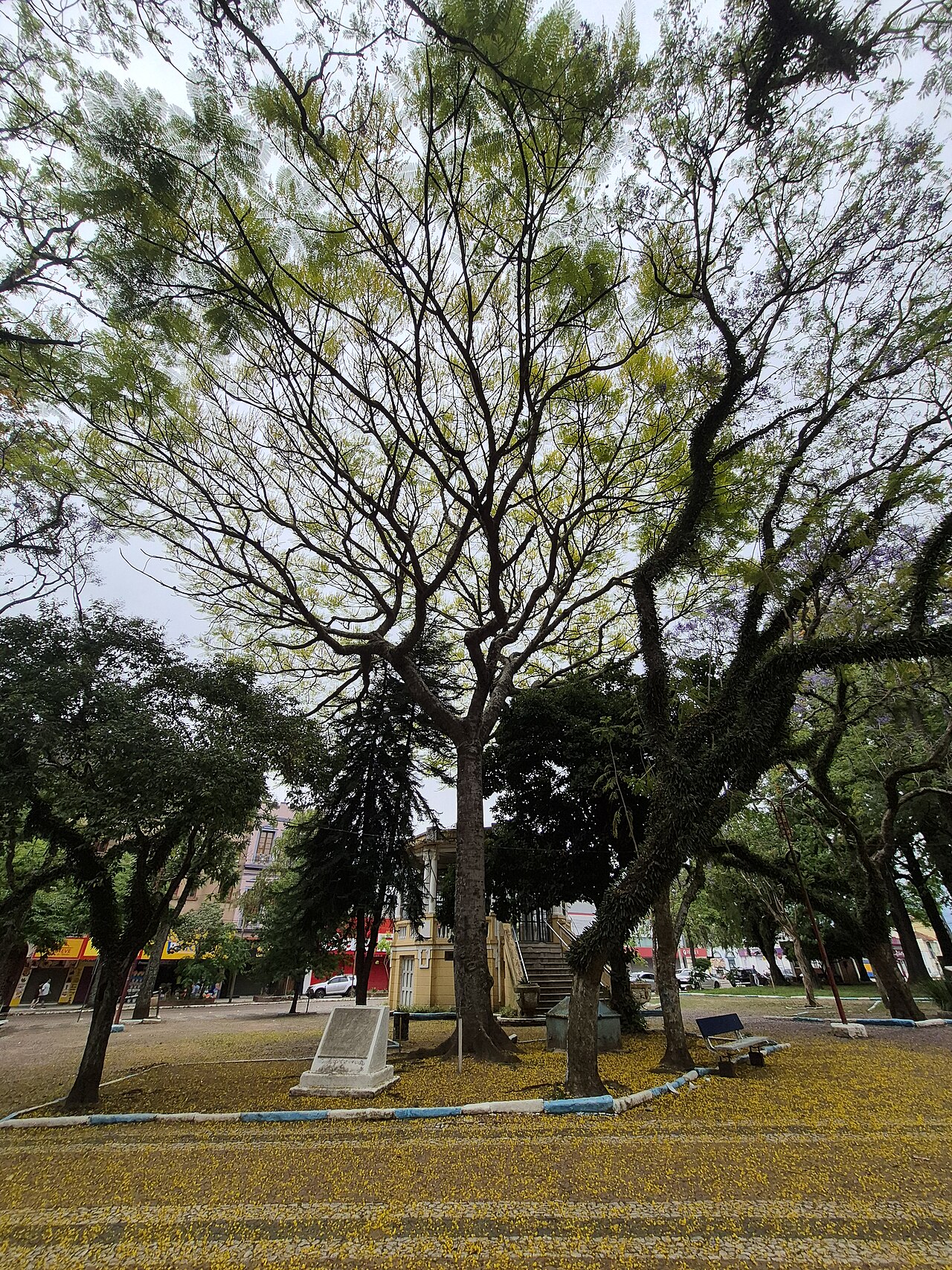
Brazilian fern tree
Schizolobium parahyba
Placenta II Emergent Fertilizer & mulchPioneer Atlantic Forest species with extremely fast growth (up to 6 m per year in early years), reaching 20–30 m. Excellent for early shade and bio...
-
trumpet tree
Cecropia pachystachya
Placenta II Medium Mulch biomassFast-growing, short-lived (~20 years) pioneer tree that colonizes edges and gaps in all Brazilian biomes. Fruits eaten by birds and primates; symbi...
-
Mexican sunflower
Tithonia diversifolia
Placenta II High Fertilizer biomassFast-growing perennial shrub; propagated by stem cuttings; high biomass production rich in nitrogen, phosphorus, and potassium. Explicitly cited by...