
Function
Ground cover — species for syntropic systems
Cover species dress the soil: less evaporation, less grass, more life in the profile. In syntropy, bare soil is an open vacancy — these fill the niche in the system's favor.
37 species in the catalog · Refine this list in the catalog
-
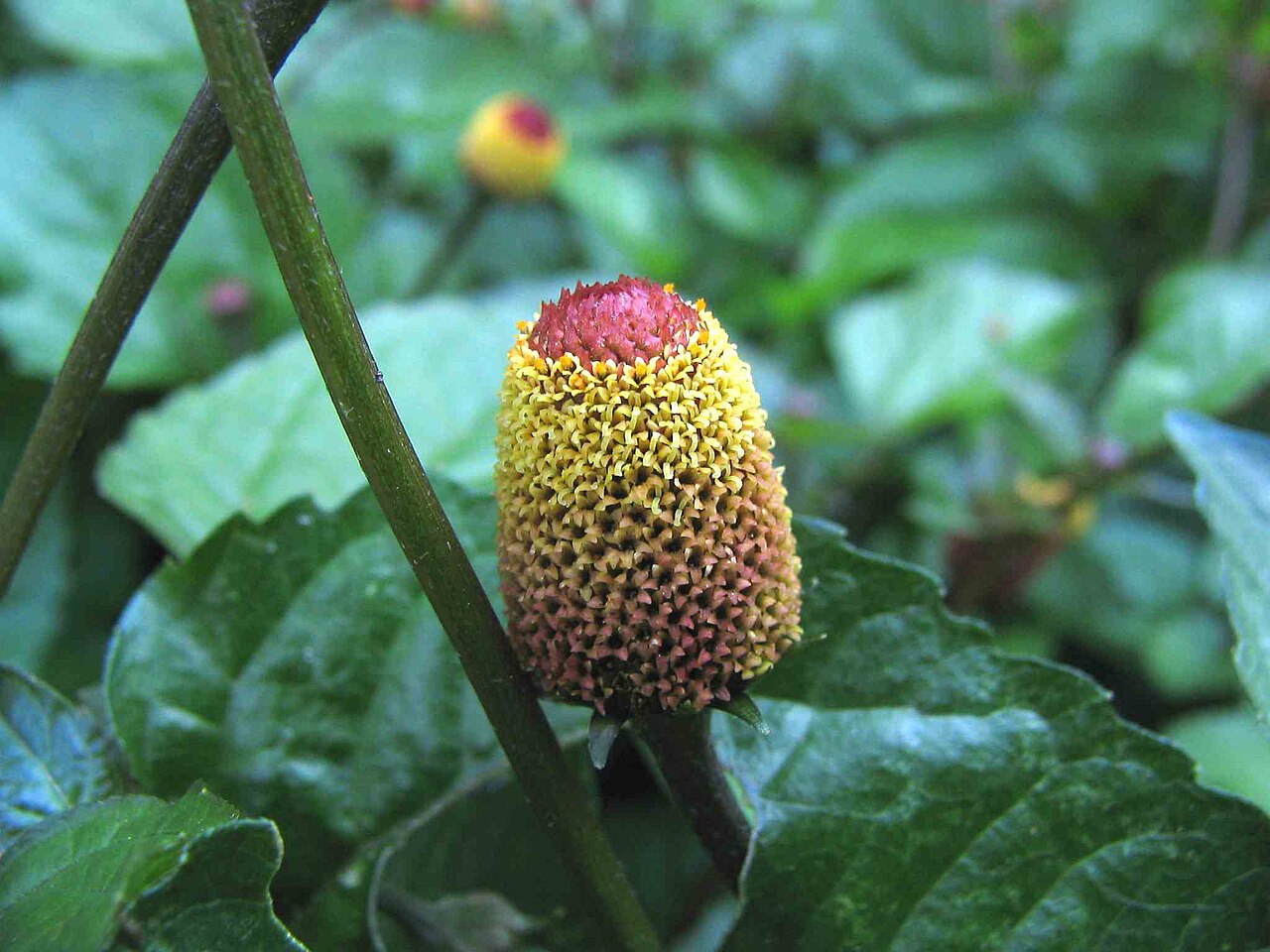
toothache plant
Acmella oleracea
Placenta I Ground cover No biomass productionA low-growing annual or short-lived perennial herb of Amazonian origin, with edible leaves and yellow inflorescences that produce a characteristic ...
-
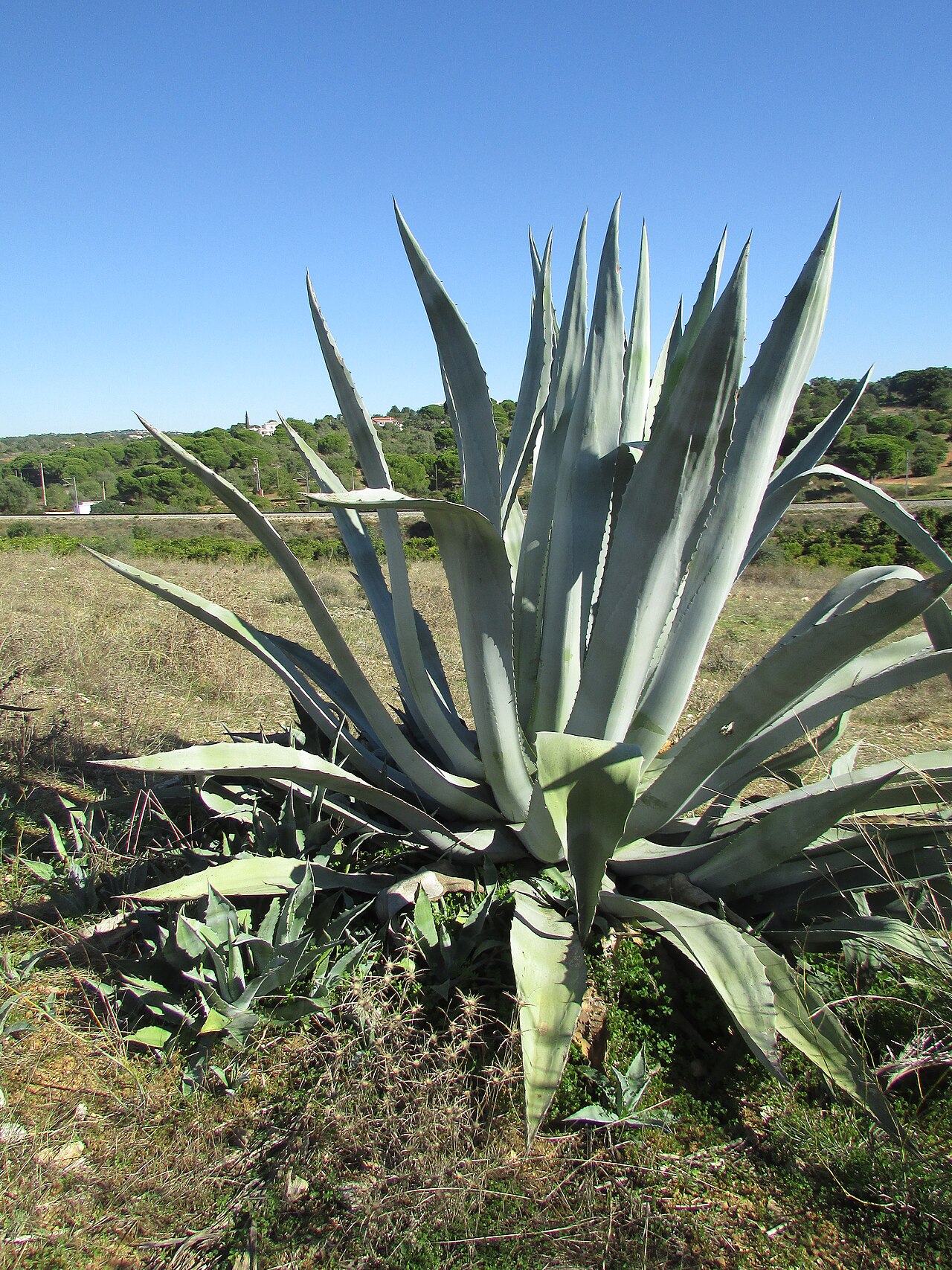
century plant
Agave americana
Placenta I Ground cover Mulch biomassPivotal species of the accumulation phase on exhausted soils. Rebello describes its use in Chapada dos Veadeiros: planted at 20 cm spacing on near-...
-
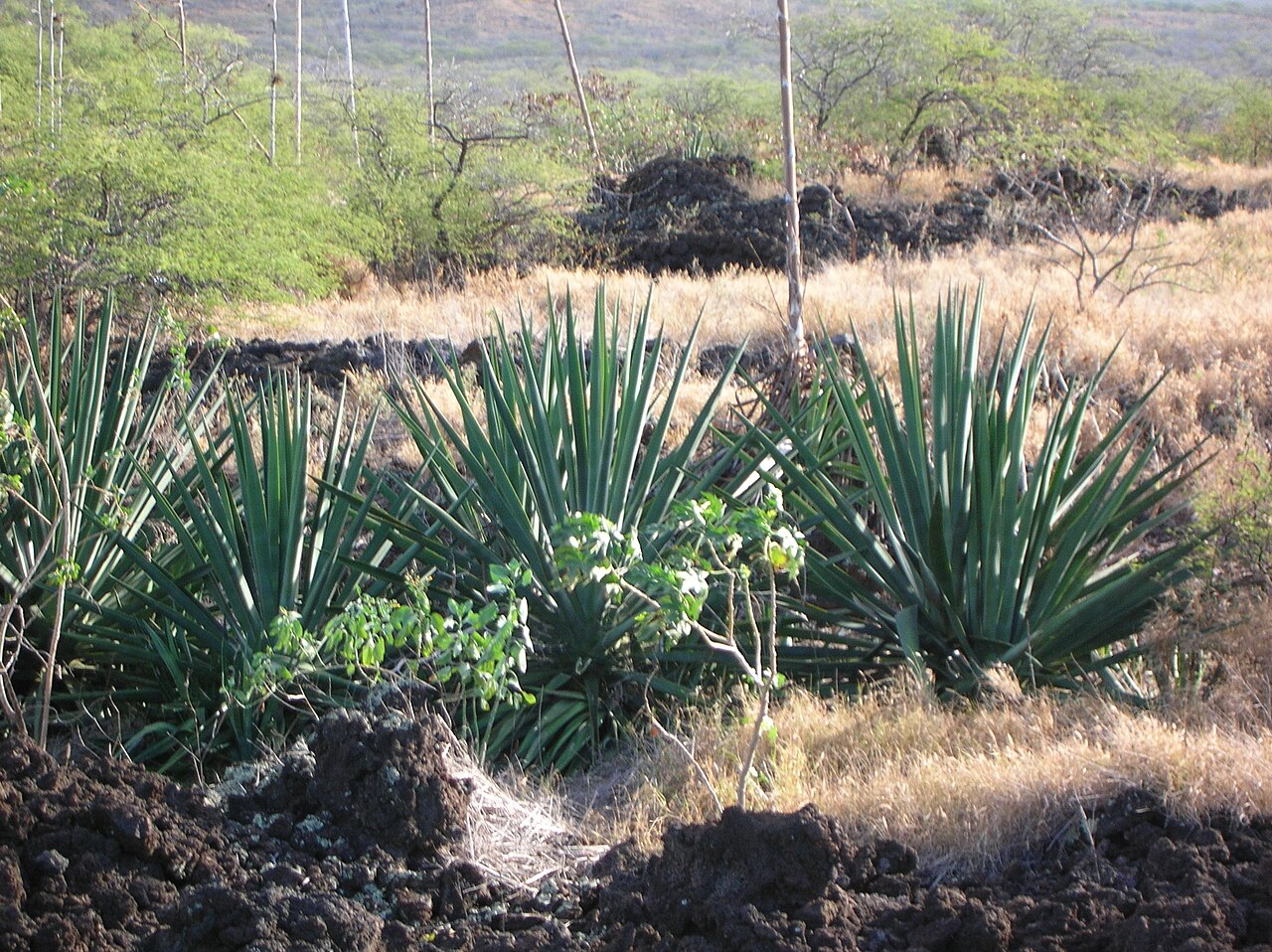
sisal
Agave sisalana
Placenta II Low Mulch biomassXerophytic agave domesticated in Mesoamerica and produced at scale in Bahia. Rebello lists it among species adapted to very dry Caatinga environmen...
-
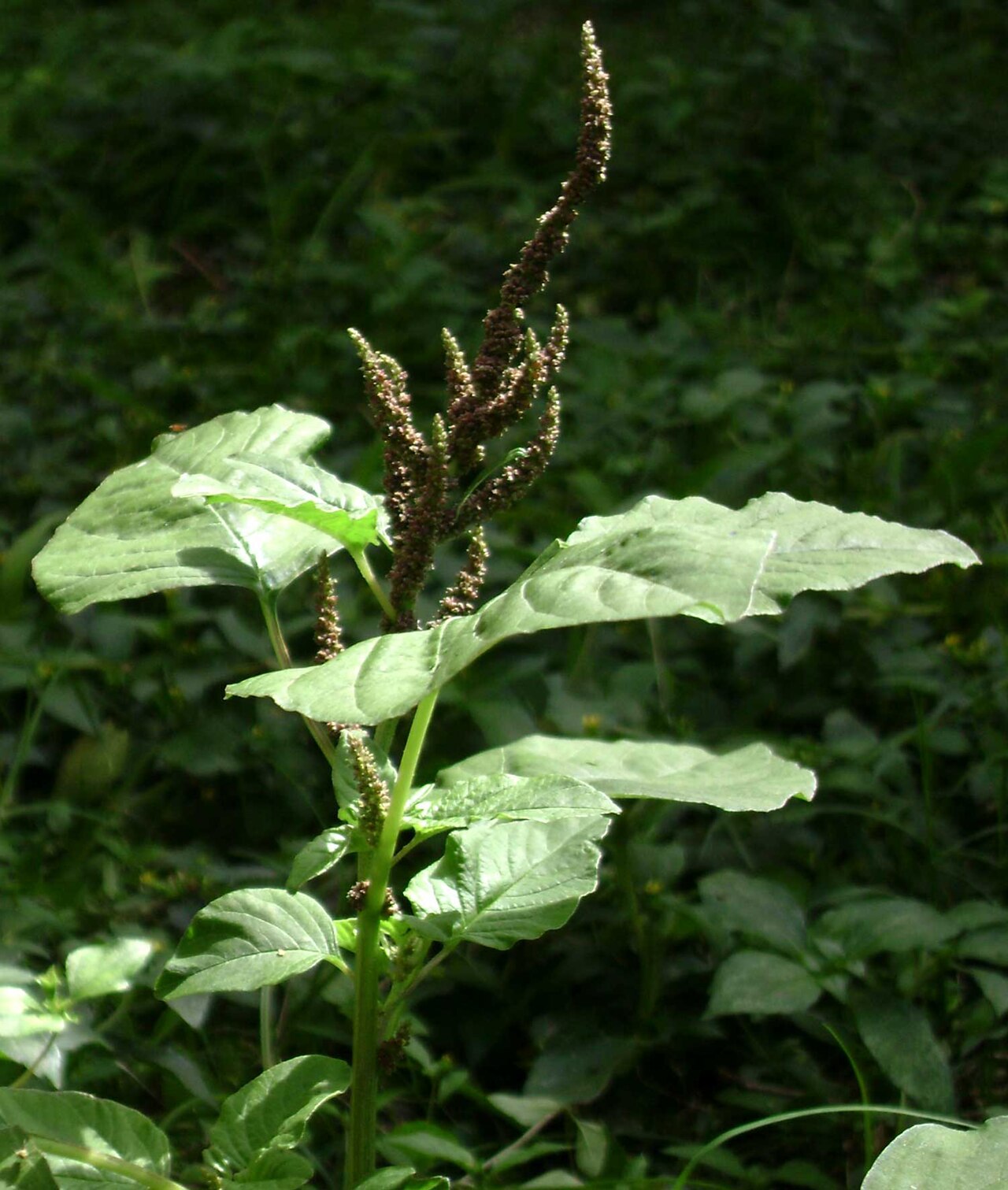
slender amaranth
Amaranthus viridis
Placenta I Low Mulch biomassAn erect annual herb in the Amaranthaceae, widely distributed in the American tropics and cosmopolitan as a volunteer. It grows about 0.3–0.8 m tal...
-
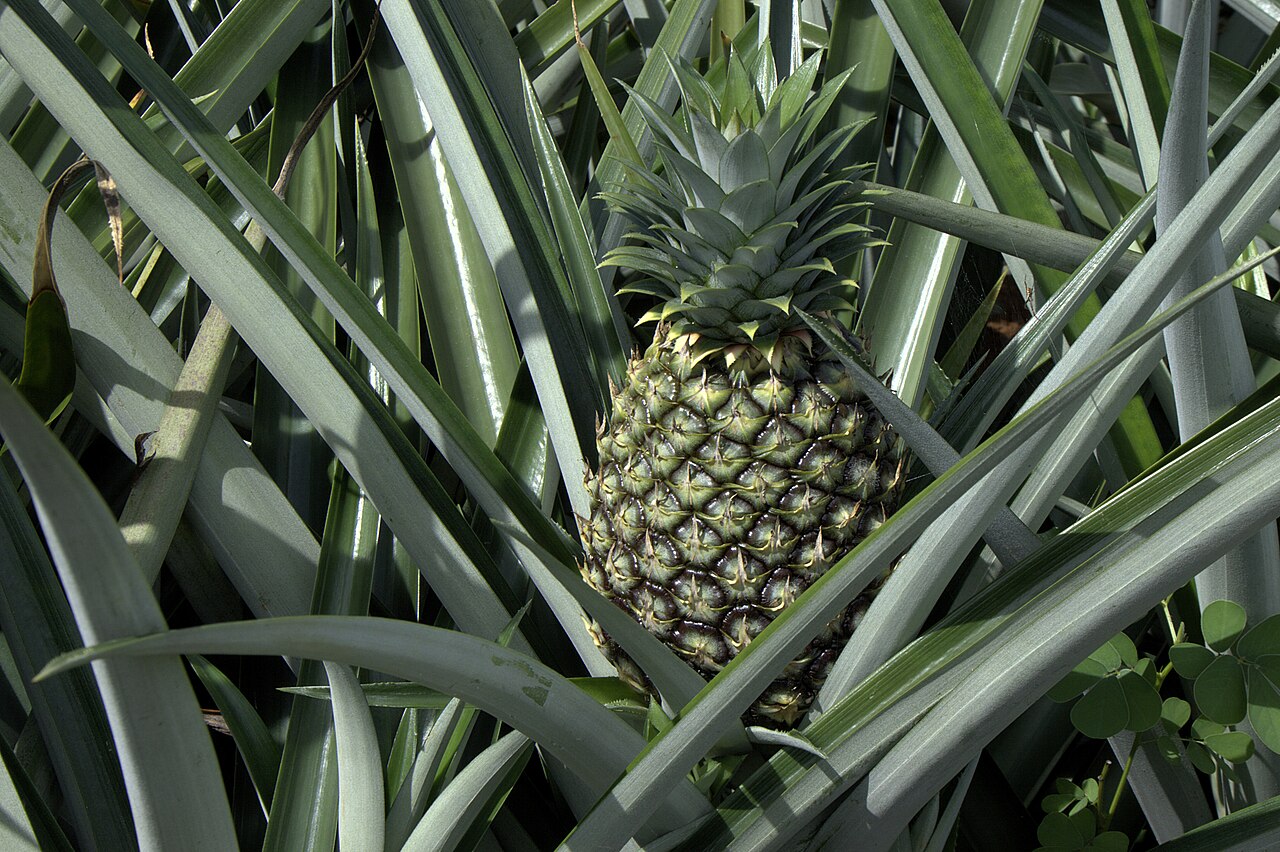
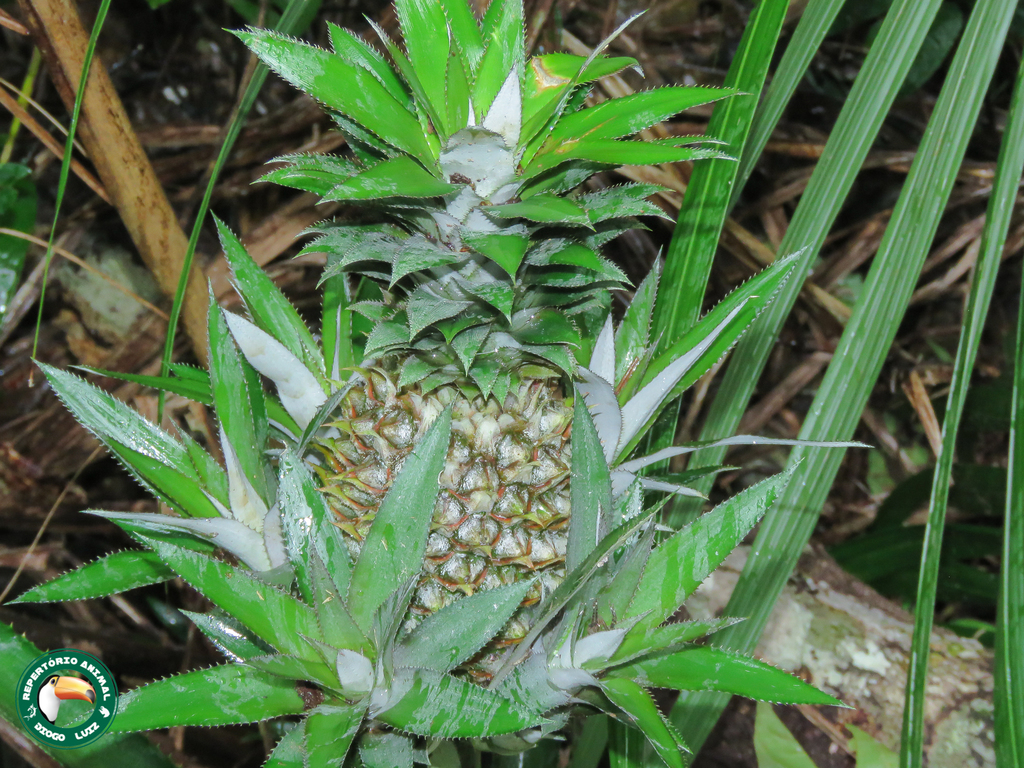
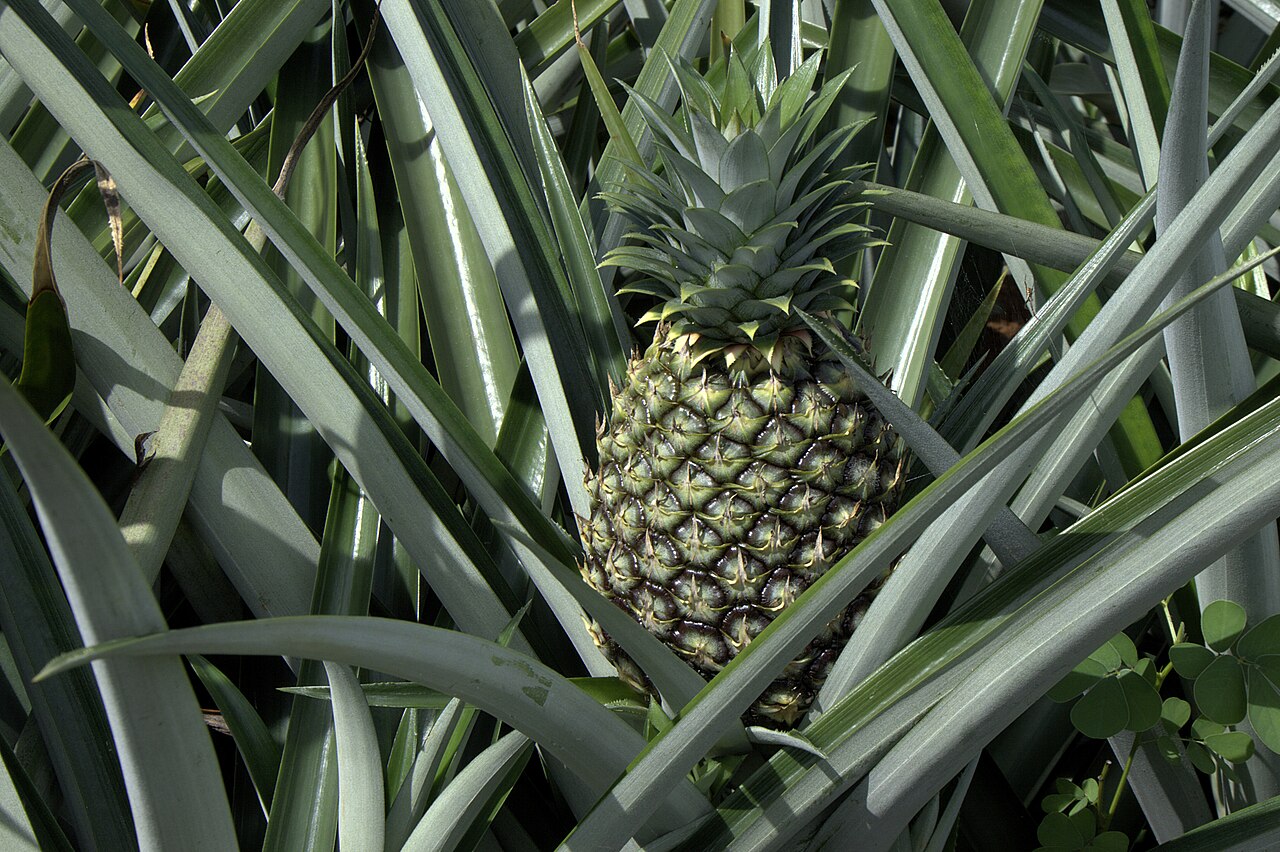
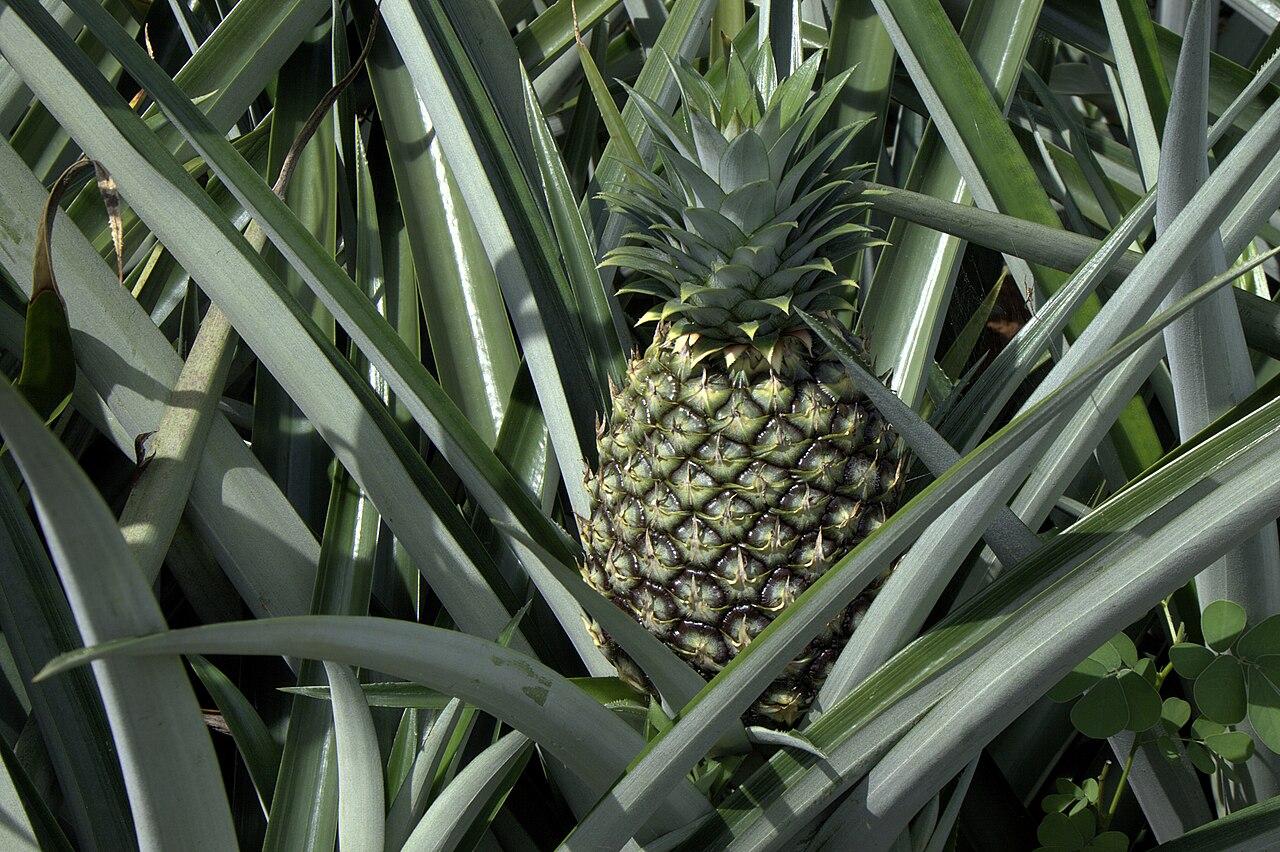
pineapple
Ananas comosus
Placenta II Low No biomass productionPerennial bromeliad cultivated in the low stratum of syntropic systems. Pasini lists it in the low stratum of Tabela 3. Fruits in ~22–24 months; re...
-
brs imperial pineapple
Ananas comosus
Placenta II Ground cover No biomass productionEmbrapa hybrid cultivar ('Perolera' × 'Smooth Cayenne'). Spineless dark-green leaves. Crowned fruit ~1.2 kg (up to 1.5 kg). Resistant to fusariosis...
-
smooth cayenne pineapple
Ananas comosus
Placenta II Ground cover No biomass productionWorld's export leader until MD-2 arrived. Leaves nearly spineless. Cylindrical fruits 1.5–2.0 kg, yellow-orange skin, firm yellow flesh rich in sug...
-
pérola pineapple
Ananas comosus
Placenta II Ground cover No biomass productionDominant cultivar in Brazil's domestic market. Erect plants with long spiny leaves, long peduncle, conical fruits weighing 1.0–1.5 kg, aromatic whi...
-
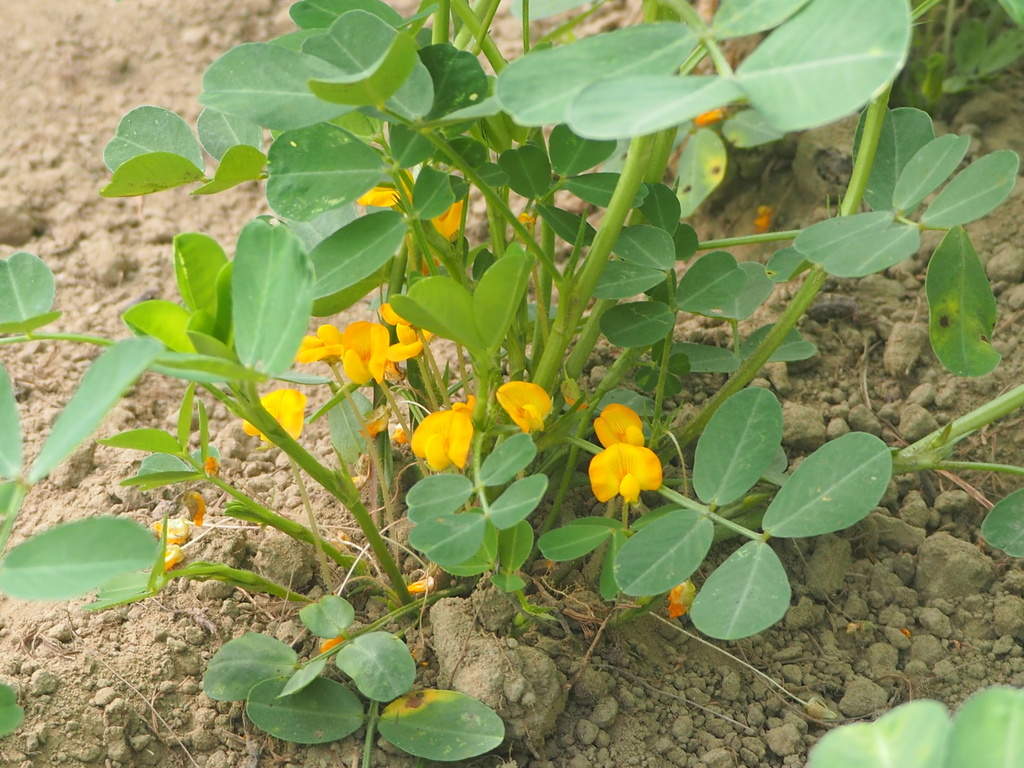
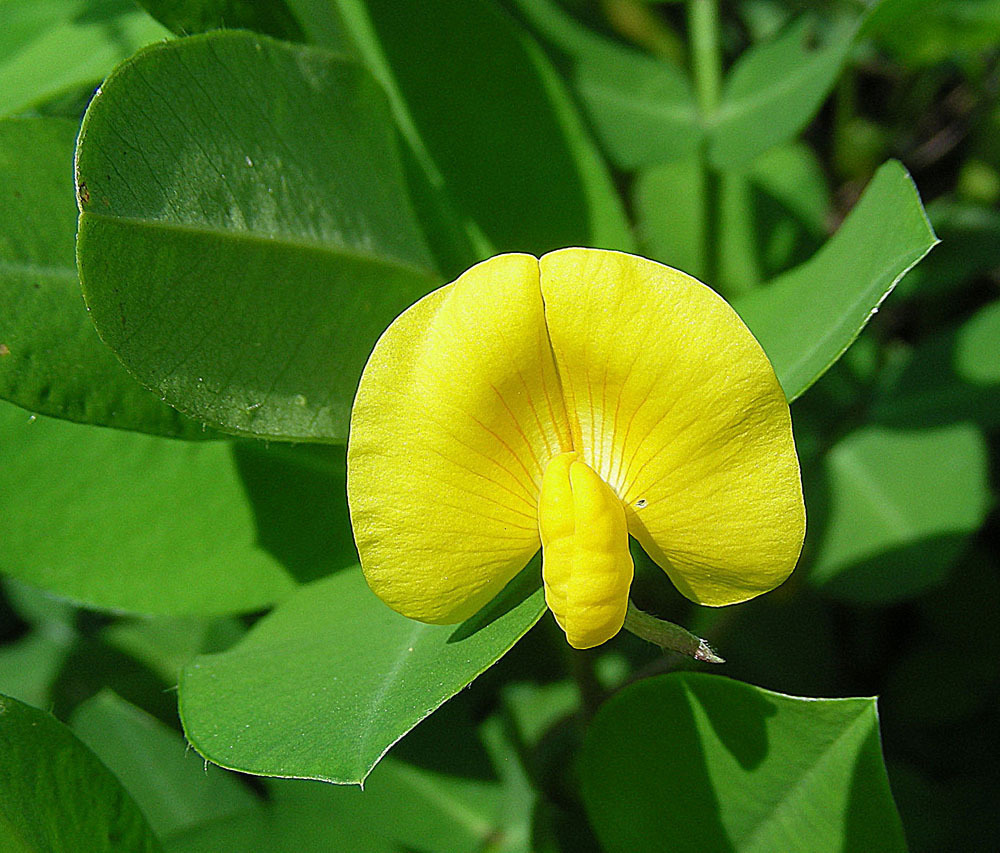
peanut
Arachis hypogaea
Placenta I Ground cover Fertilizer biomass 🌱 Nitrogen fixerAnnual nitrogen-fixing legume that produces its pod underground (geocarpic). Pasini lists it in the low stratum of Tabela 3. Excellent ground cover...
-
pinto peanut
Arachis pintoi
Placenta I Ground cover Fertilizer biomass 🌱 Nitrogen fixerPerennial creeping legume with stolons, 20–40 cm tall. Permanent living mulch, persists under 70% shade. Fixes nitrogen, produces 5–13 t/ha/year of...
-
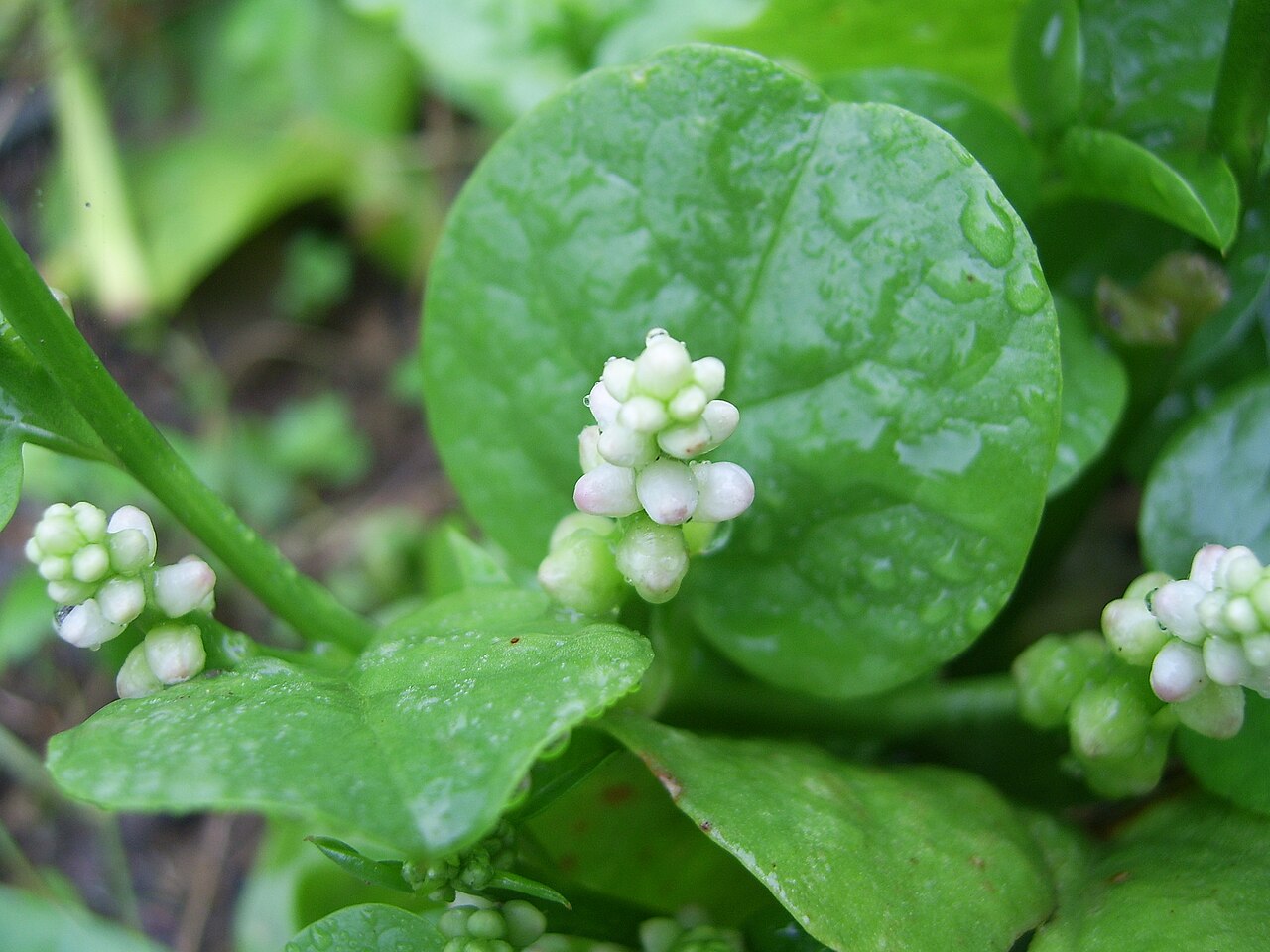
Malabar spinach
Basella alba
Placenta I Low No biomass productionA vigorous perennial soft-stemmed climbing vine grown as an annual, native to tropical Asia and widely naturalized in Brazil. Its thick, mucilagino...
-
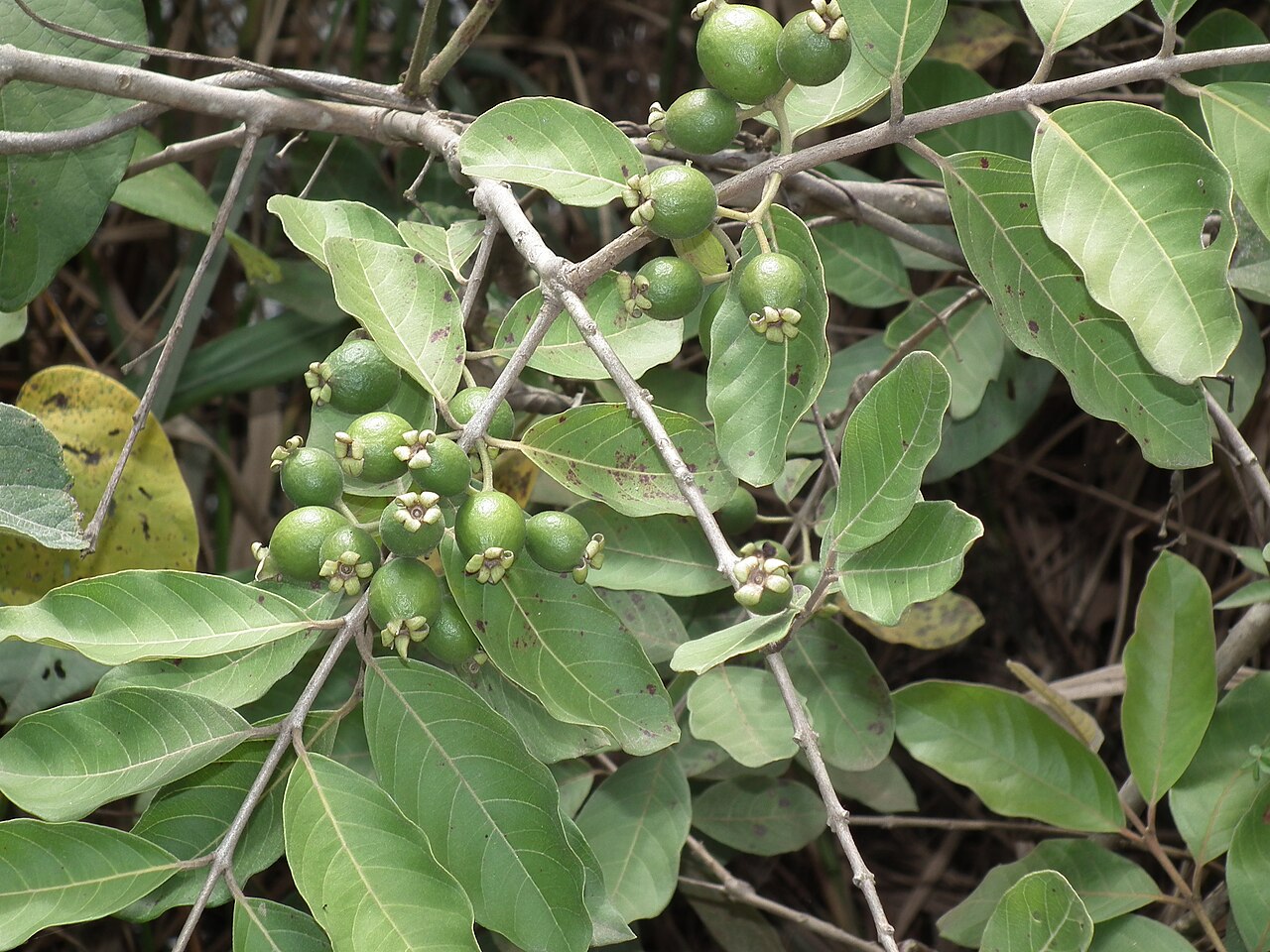
gabiroba
Campomanesia adamantium
Placenta II LowPioneer fruit shrub of the Cerrado that colonizes degraded areas. Deep roots stabilize soil and aid water retention. Edible fruits and medicinal le...
-
Brazilian jack bean
Canavalia brasiliensis
Placenta I Low Fertilizer biomass 🌱 Nitrogen fixerAnnual nitrogen-fixing legume native to Brazil, cousin of feijão-de-porco. Listed in Embrapa CT-16 Tabela 1 as a cover crop alongside crotalarias a...
-
jack bean
Canavalia ensiformis
Placenta I Low Fertilizer biomass 🌱 Nitrogen fixerAnnual nitrogen-fixing legume with strong soil-decompacting and weed-suppressing ability. Explicitly cited by Pasini among Accumulation-system spec...
-
butterfly pea
Clitoria ternatea
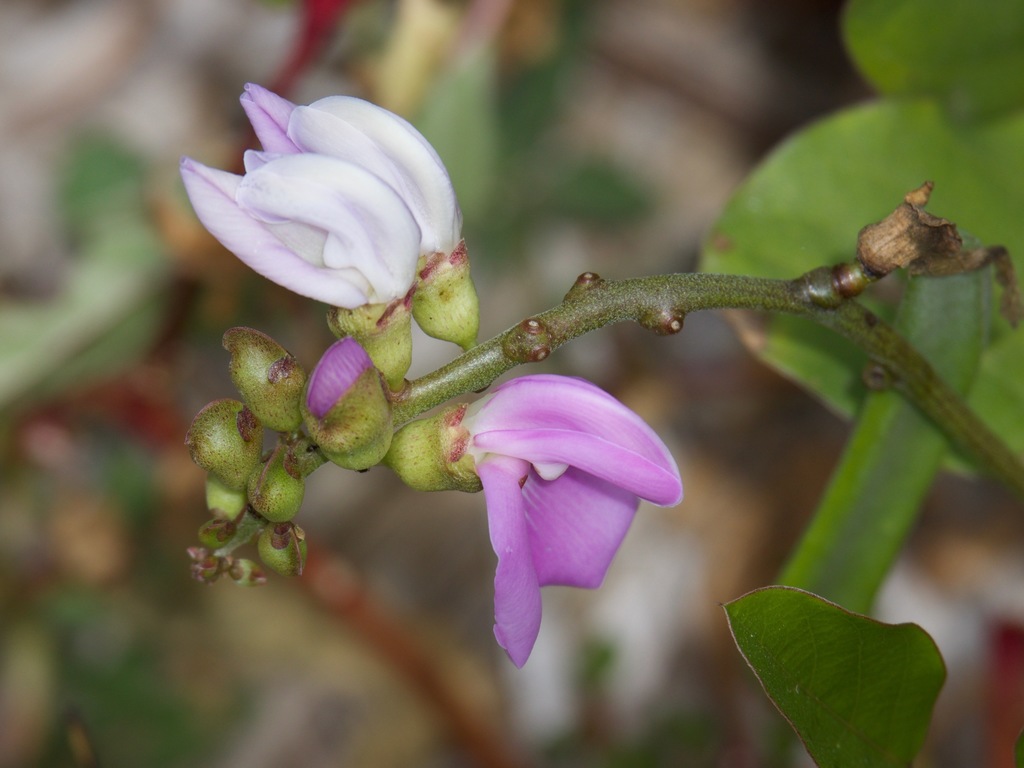
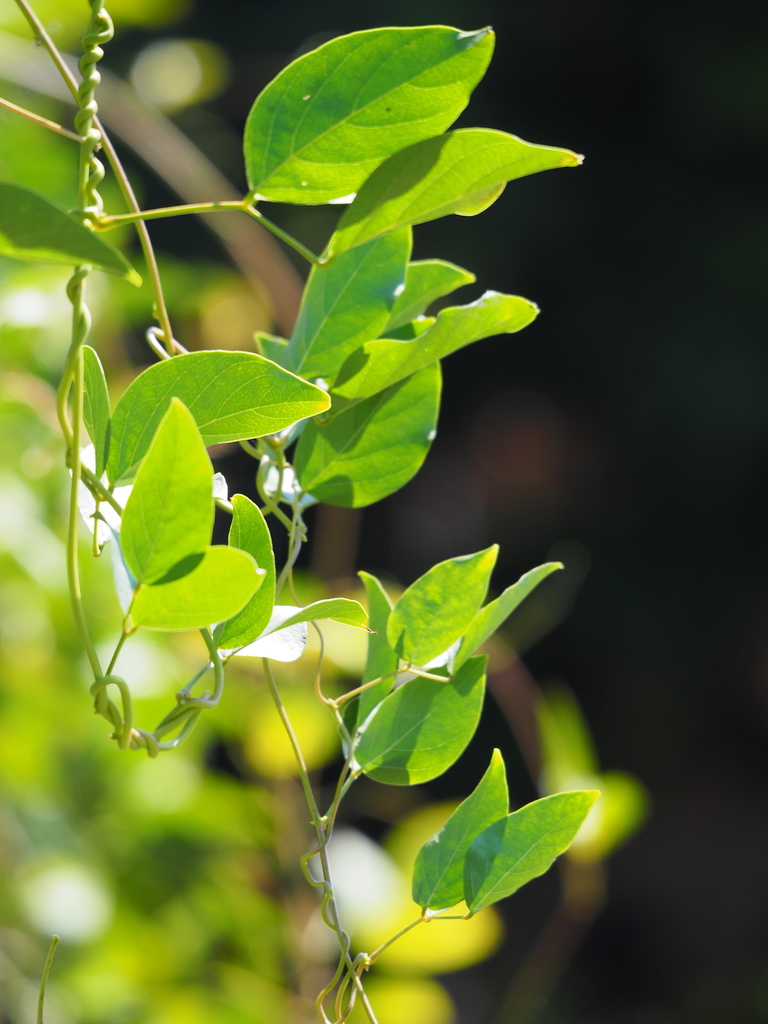
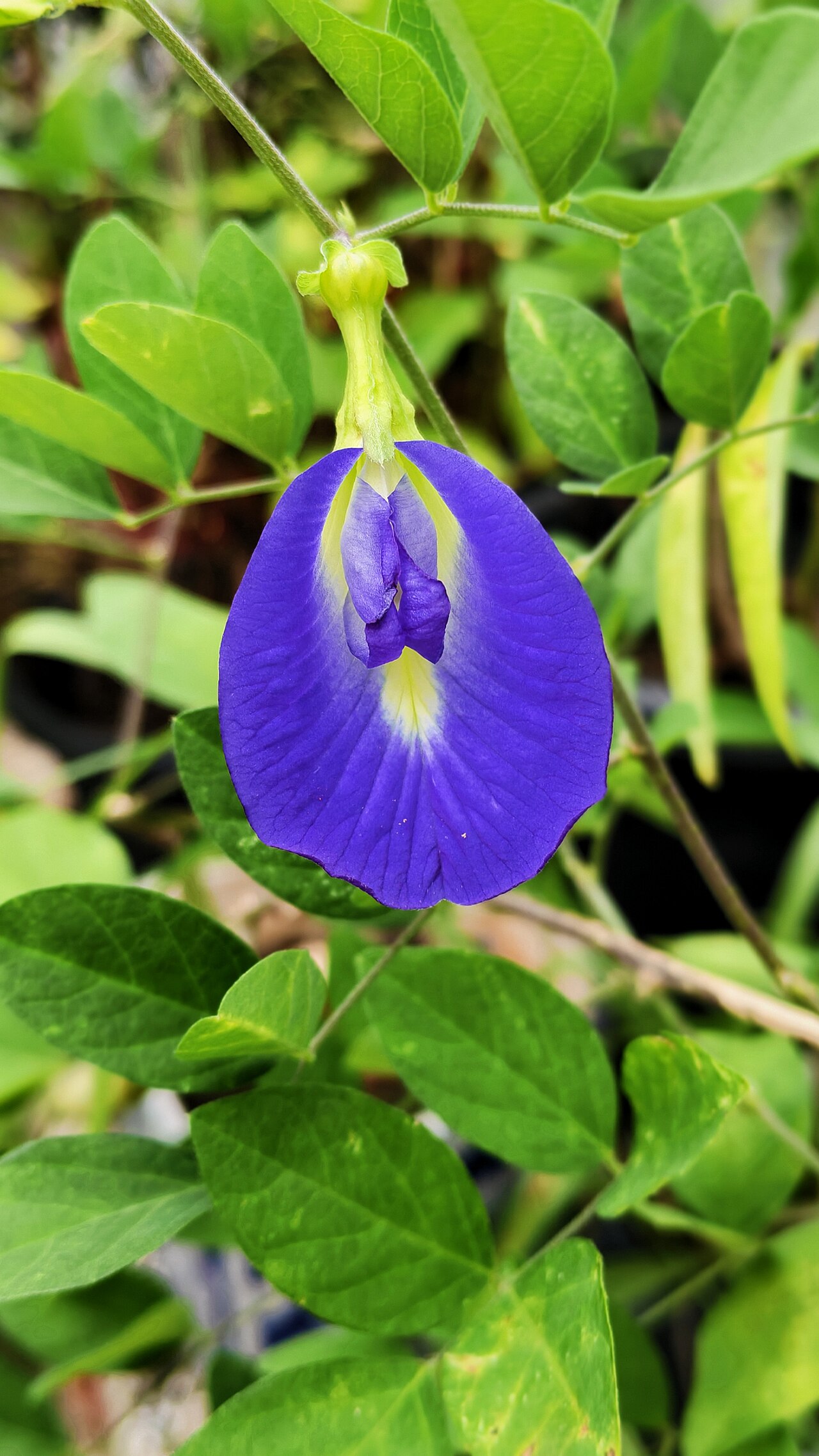
Placenta I Ground cover Fertilizer biomass 🌱 Nitrogen fixerA perennial herbaceous climbing legume able to fix up to 100 kg N per hectare per year in symbiosis with Rhizobium. Used as a high-value forage (pr...
-
taro
Colocasia esculenta
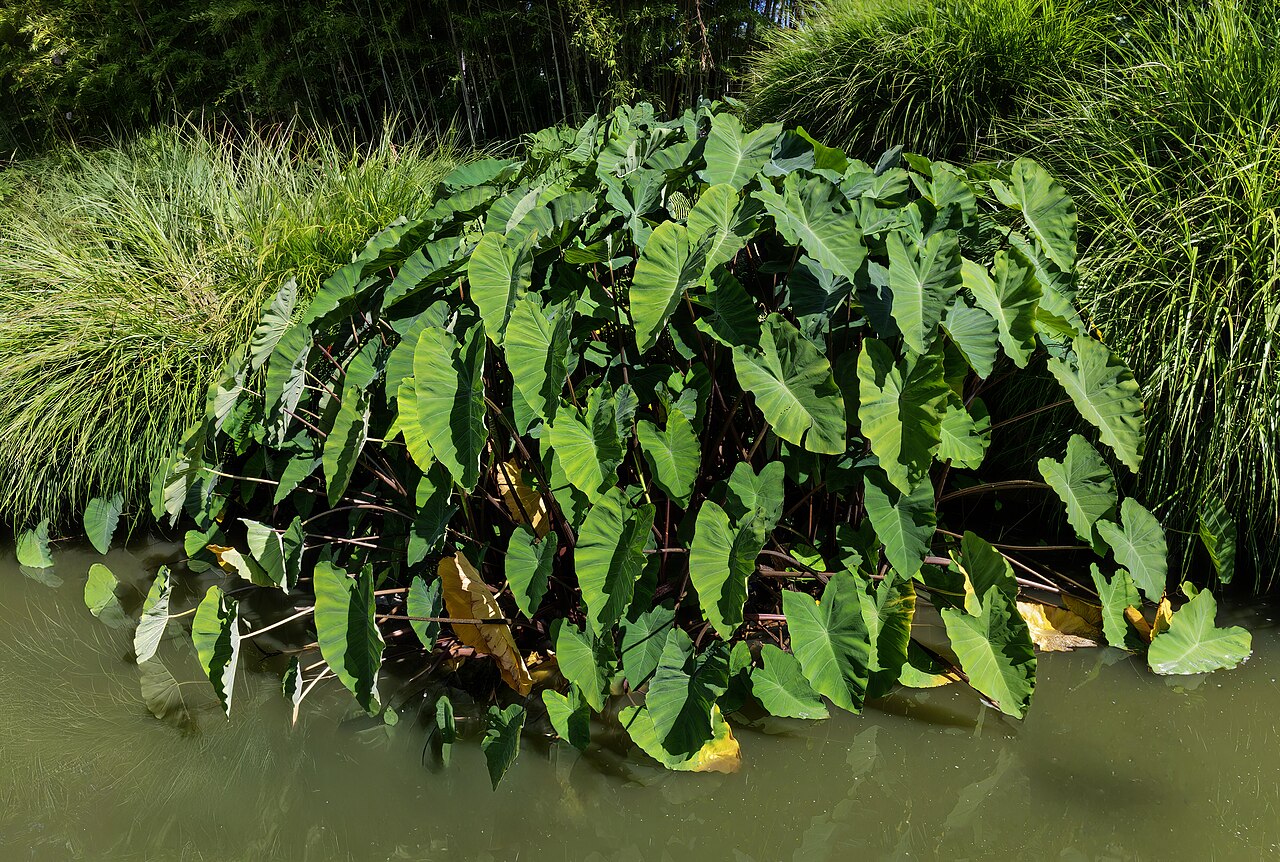
Placenta I Low Fertilizer biomassDistinct from taioba (Xanthosoma sagittifolium, already in canon, native species) and from yam (Dioscorea spp.). Introduced Asian species cultivate...
-
melon
Cucumis melo
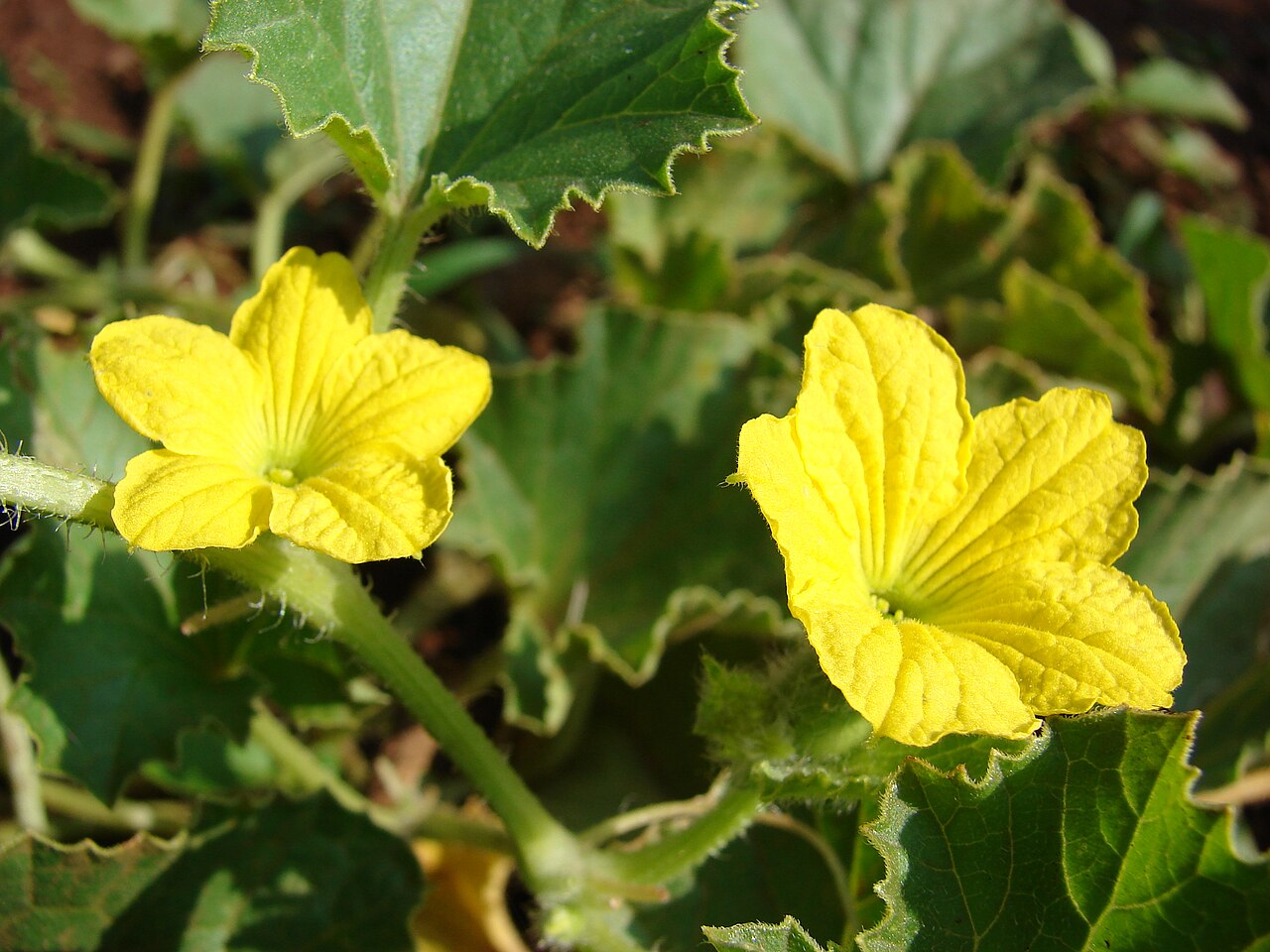
Placenta I Ground cover No biomass productionAnnual creeping cucurbit. EcoAgri lists it in the ground-cover stratum of the 'up to 6 months' bin. Cultivated in hot, dry climates; very popular i...
-
pumpkin
Cucurbita moschata
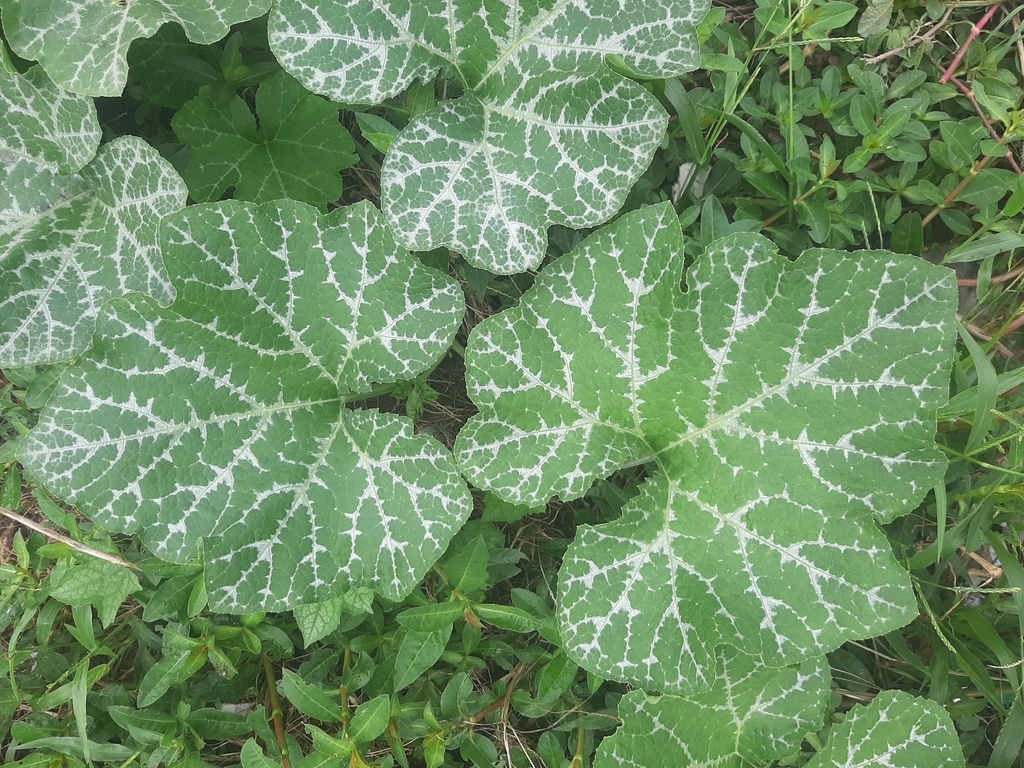
Placenta I Ground cover No biomass productionAnnual creeping cucurbit. Pasini lists it in the medium stratum of Tabela 3 and in the 'up to 6 months' phase of Tabela 4 (low stratum). The Bosque...
-
lemongrass
Cymbopogon citratus
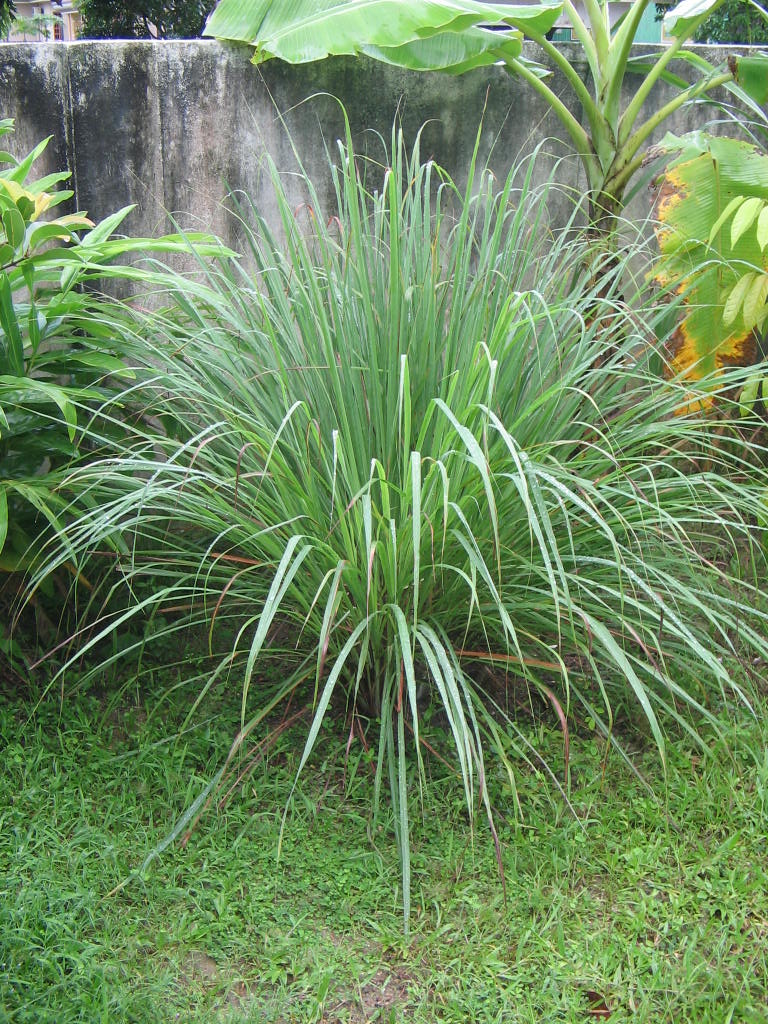
Placenta I Low Mulch biomassPerennial aromatic grass (1–1.5 m) forming dense clumps. Lemon-scented leaves (citral). Permanent cover between tree rows in syntropic systems, mos...
-
creeping beggarweed
Desmodium incanum
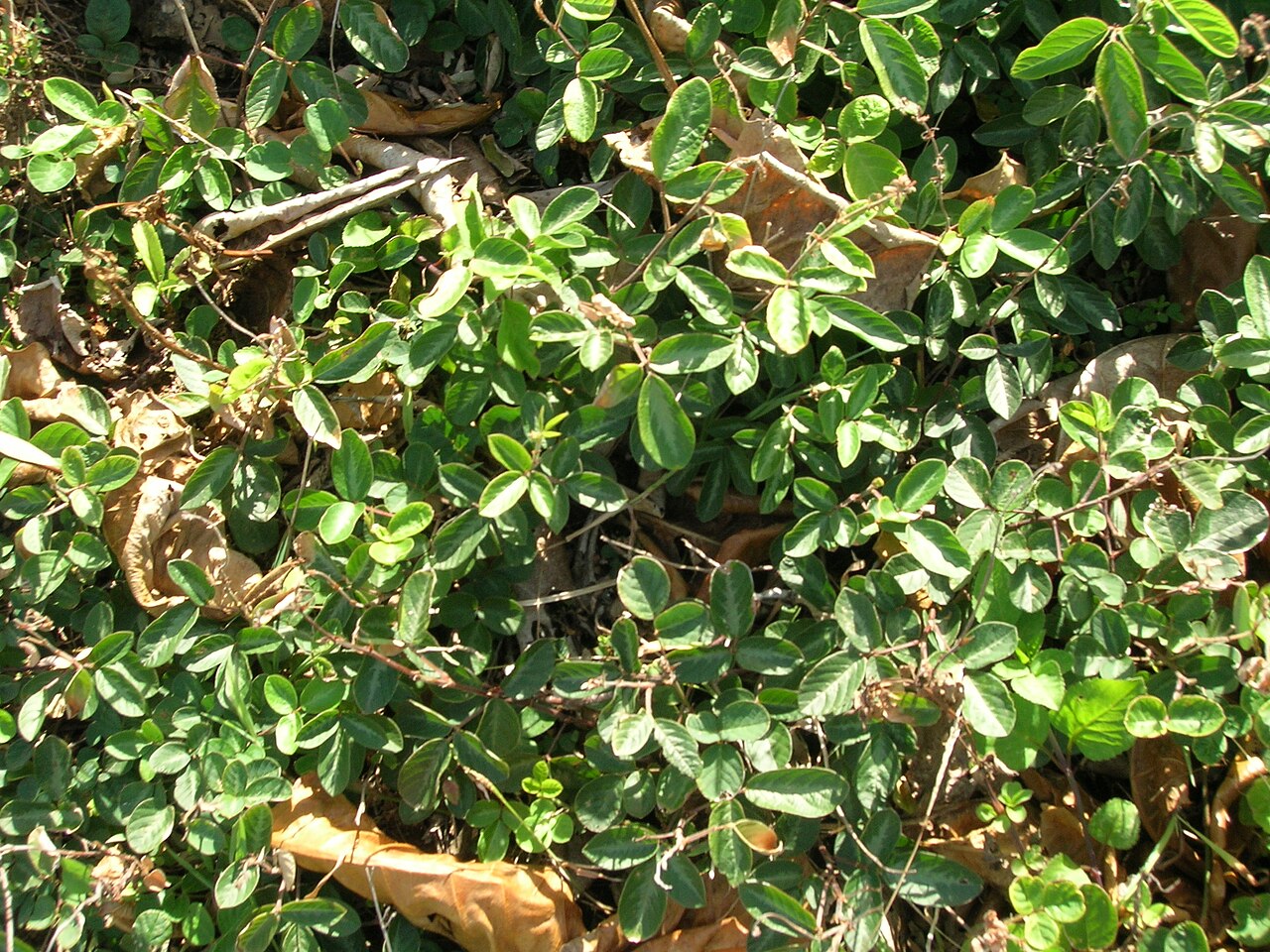
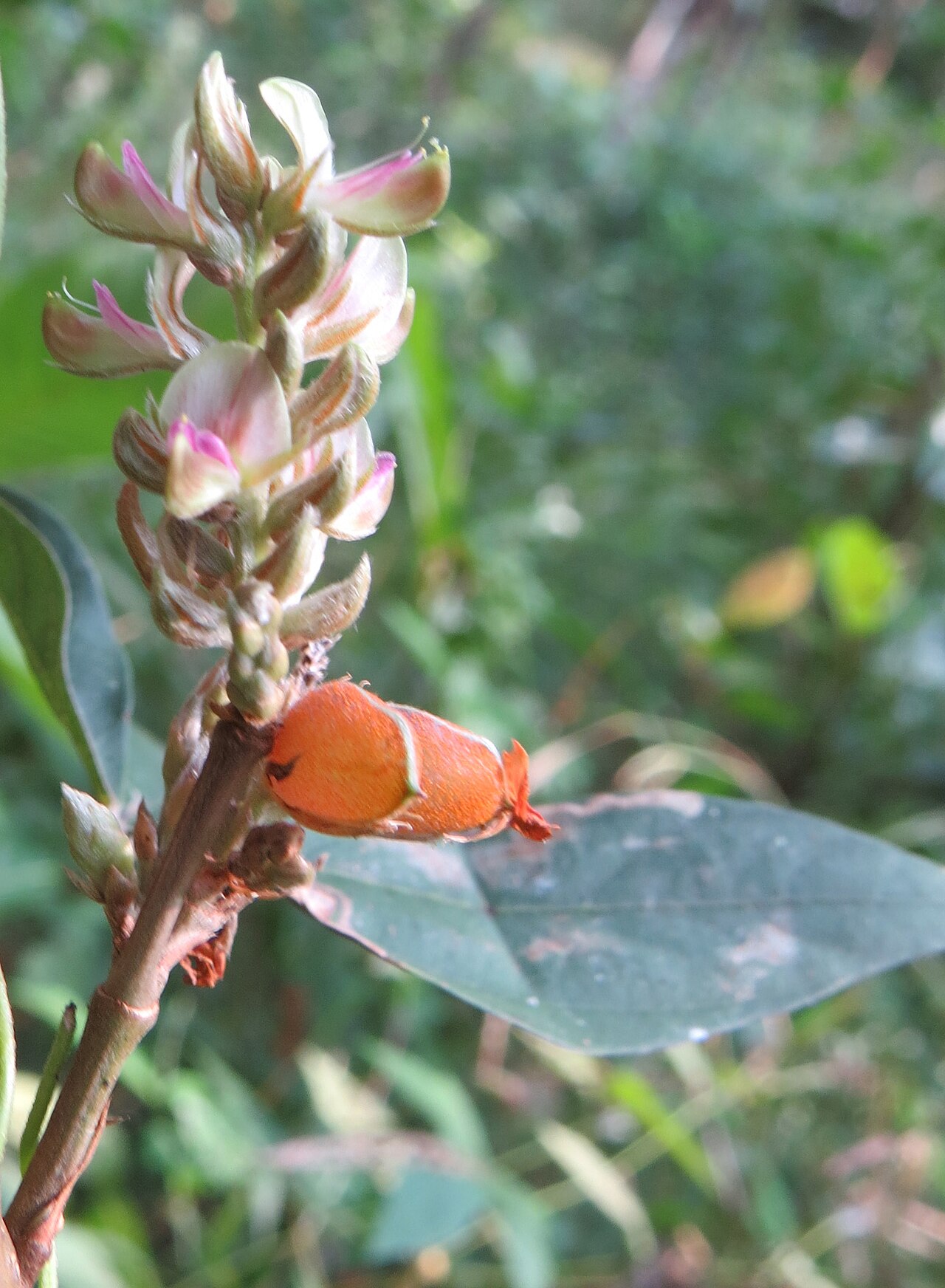
Placenta I Ground cover Fertilizer biomass 🌱 Nitrogen fixerA perennial creeping herbaceous legume native to tropical and subtropical America (including the grasslands of southern Brazil), with an aggressive...
-
flemingia
Flemingia macrophylla
Placenta II Low Mulch biomass 🌱 Nitrogen fixerA perennial, woody, deep-rooted leguminous shrub up to 2.5 m tall, native to the humid tropics of Asia. It fixes nitrogen and is widely used in con...
-
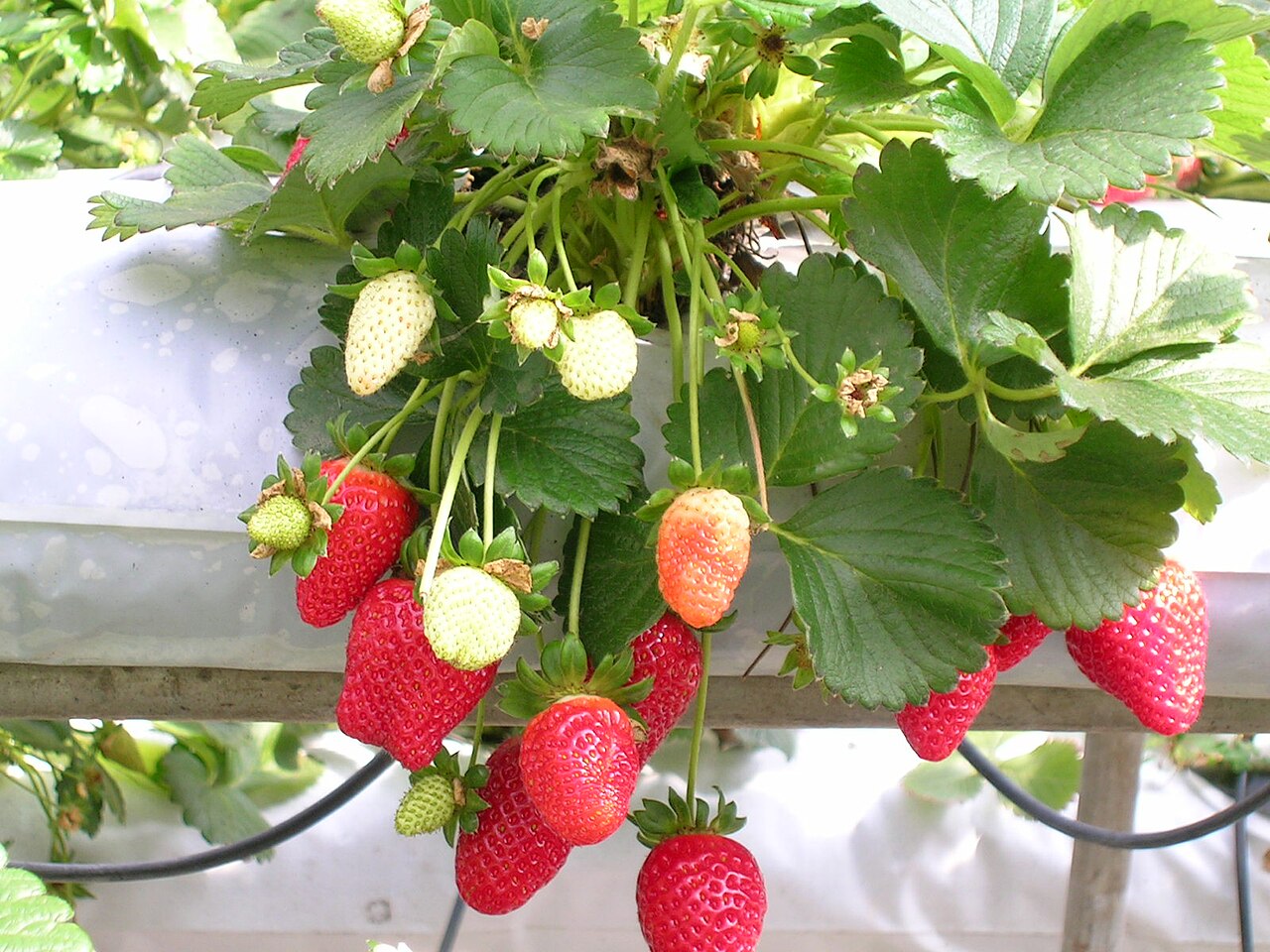
strawberry
Fragaria × ananassa
Placenta I Ground cover No biomass productionPerennial herbaceous ground-runner cultivated as annual or biennial. Productive ground cover in vegetable gardens and syntropic systems. Mild cold ...
-
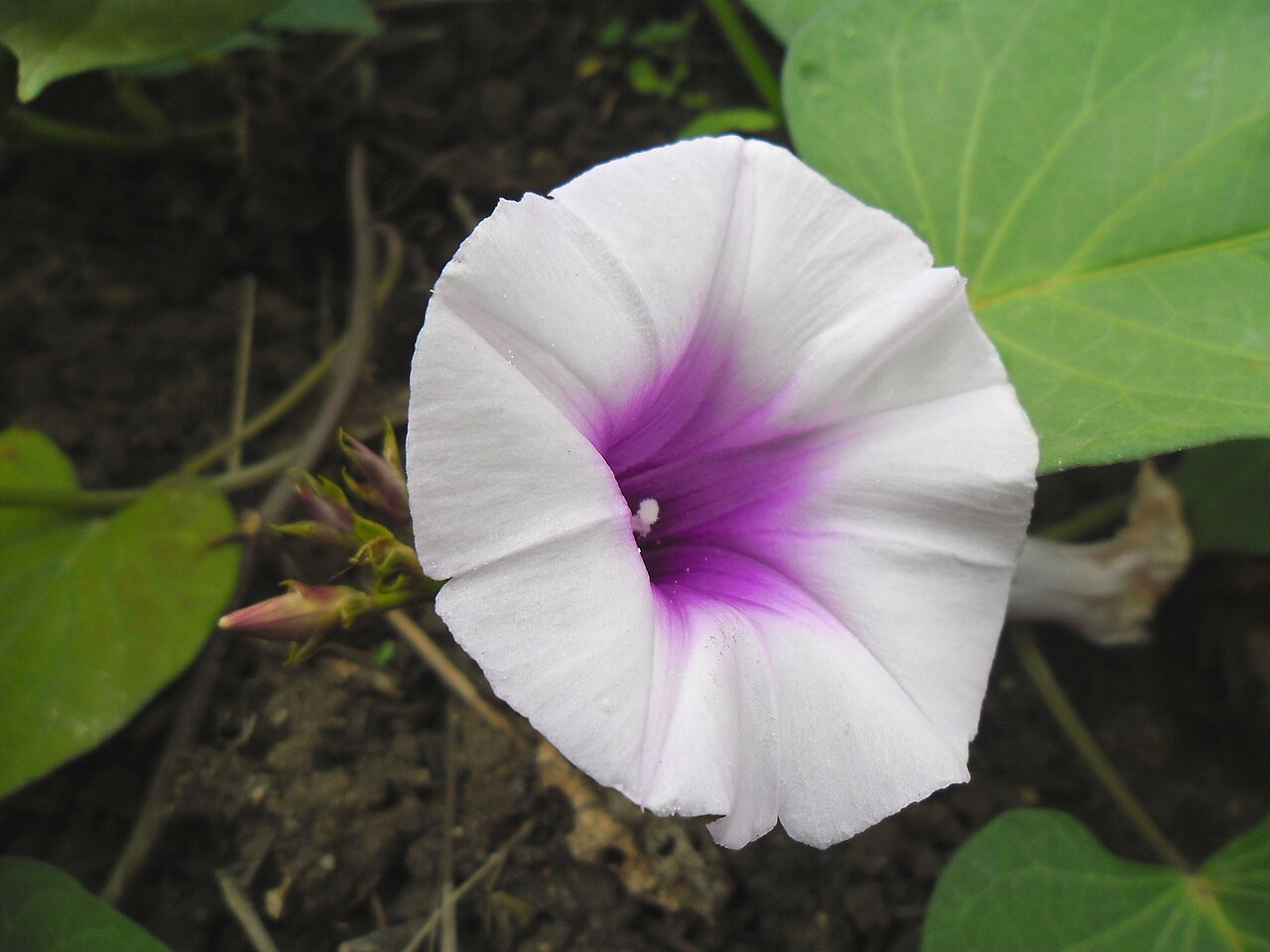
sweet potato
Ipomoea batatas
Placenta I Ground cover No biomass productionShort-cycle creeping tuber crop. Pasini lists it in the low stratum of Tabela 3. Excellent living ground cover early in the agroforestry cycle, edi...
-
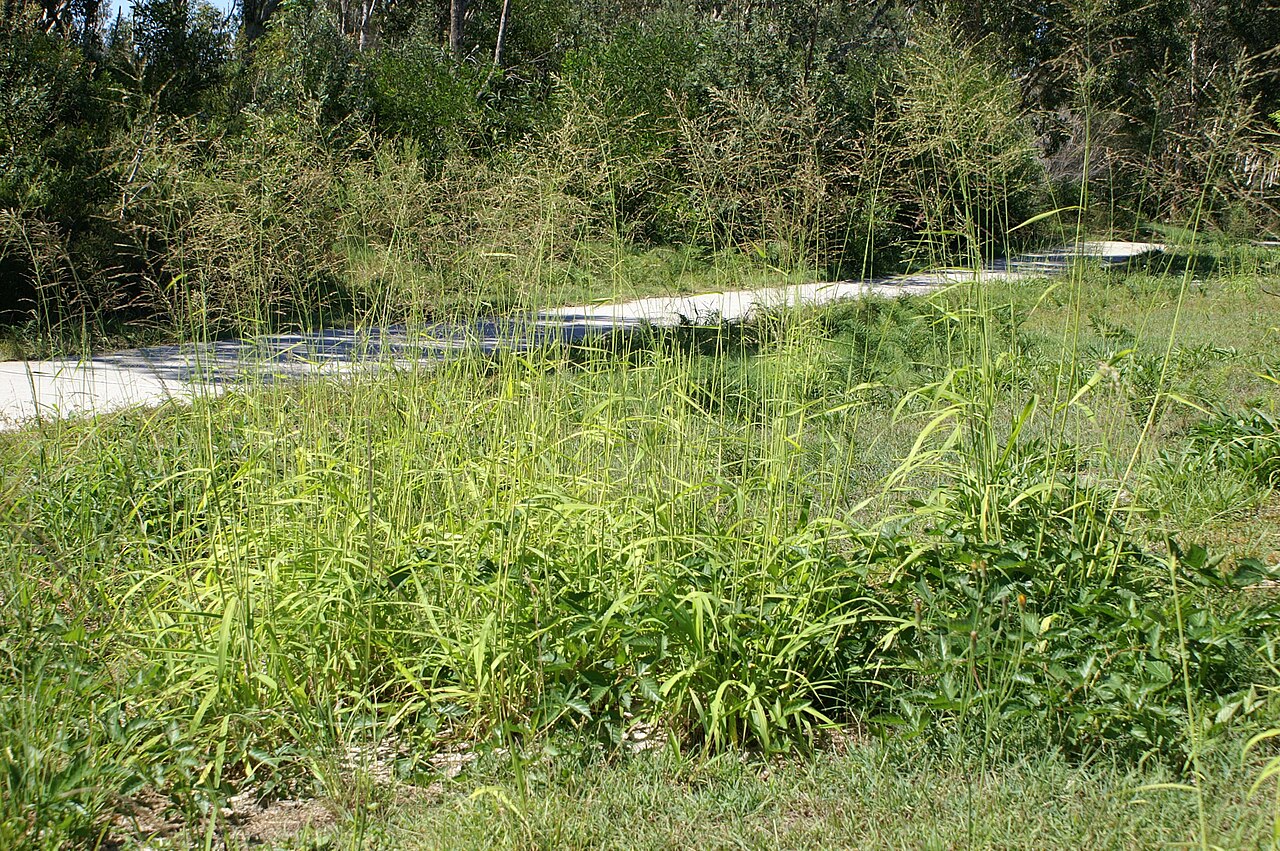
Mombaça grass
Megathyrsus maximus
Placenta II Low Mulch biomassHighly productive forage grass producing large amounts of cover biomass. Central in large-scale syntropic experiments (Rebello & Sakamoto 2019) — c...
❓ Frequently asked questions
What does "Ground cover" mean in syntropic agriculture?
Low-growing or horizontally spreading species that cover the soil, reducing evaporation, suppressing competing plants, and protecting the soil from direct rain and sun. Indispensable in hot climates.
Which catalog species are tagged Ground cover?
The catalog holds 37 species, among them toothache plant, century plant, sisal. Each profile shows stratum, succession stage, and the management data, with sources cited.