Plants
Plant Catalog
321 plants found
-
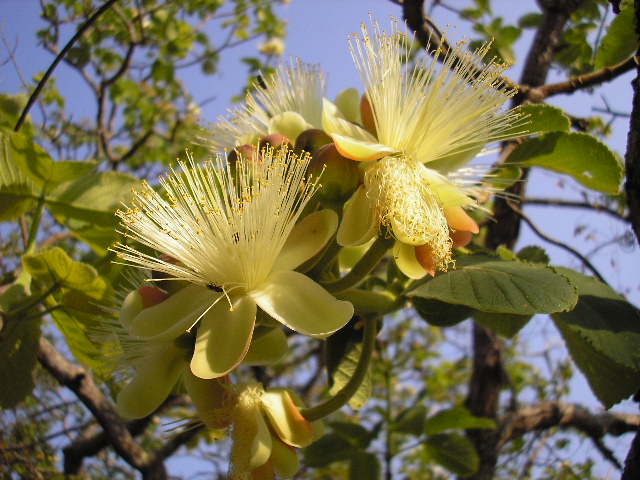
souari nut
Caryocar brasiliense
Climax HighIconic fruit tree of the Brazilian Cerrado, up to ~10 m tall with a broad crown. Very slow growth; first fruits not until ~30 years in smaller indi...
-
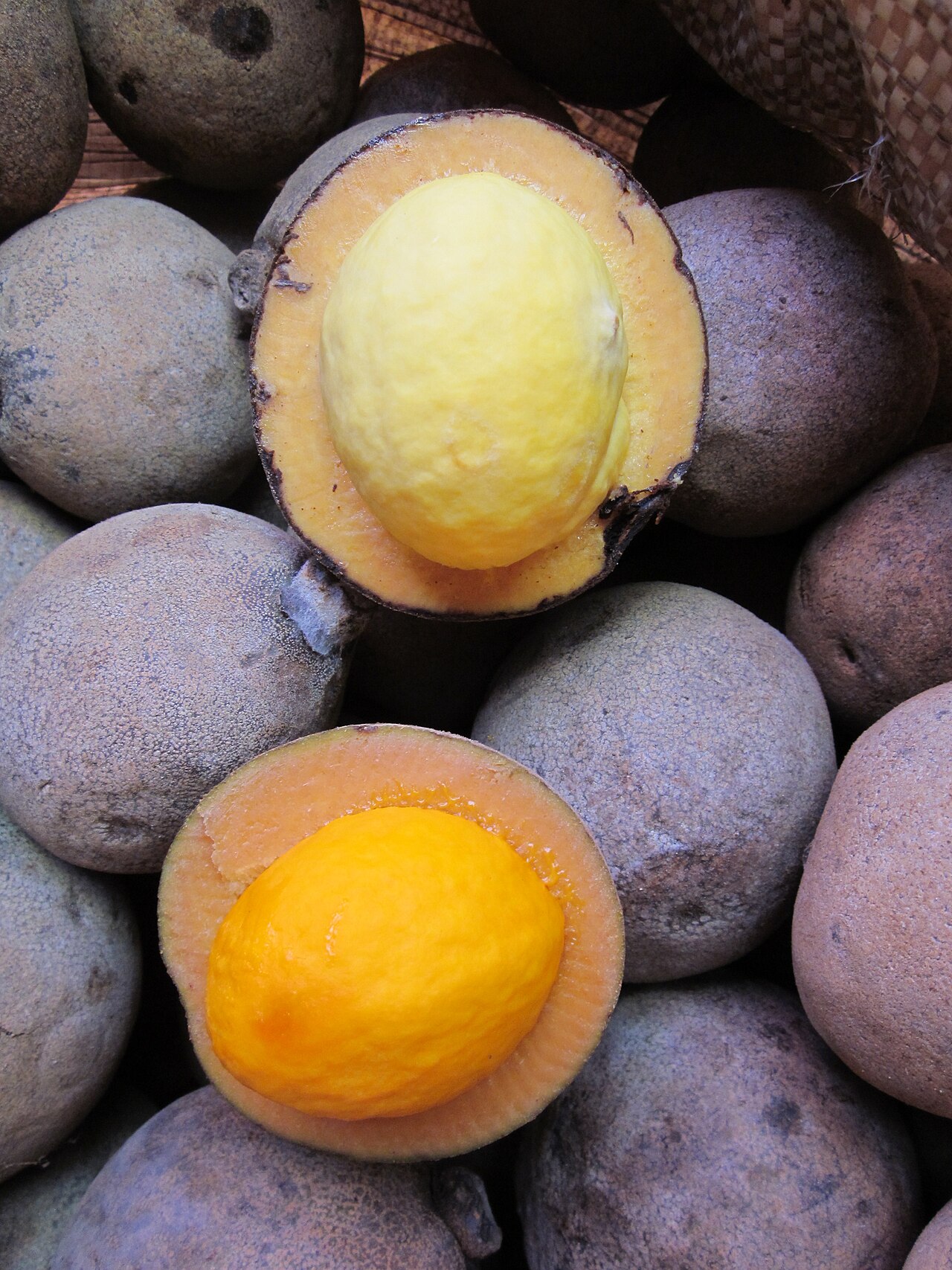
pequiá
Caryocar villosum
Climax Emergent Mulch biomassGiant Amazonian emergent tree, cited by Rebello (EcoAgri) alongside Brazil-nut, kapok, dandá, jequitibá, sea-coconut and araucária as representativ...
-
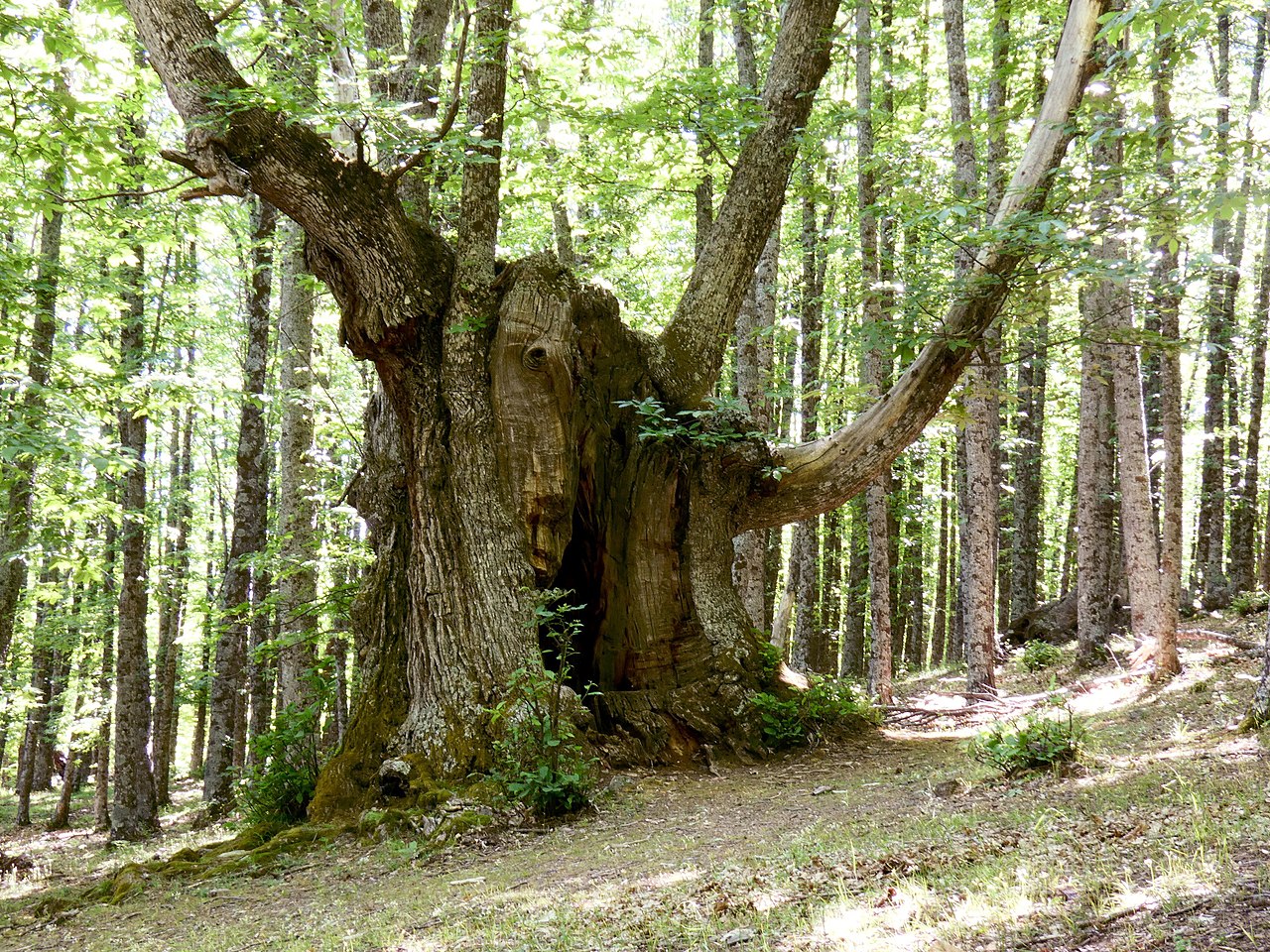
sweet chestnut
Castanea sativa
Secondary II High No biomass productionEuropean sweet chestnut, a large deciduous tree of the Fagaceae family, exotic to Brazil and suited to cold temperate regions of the south. It tole...
-
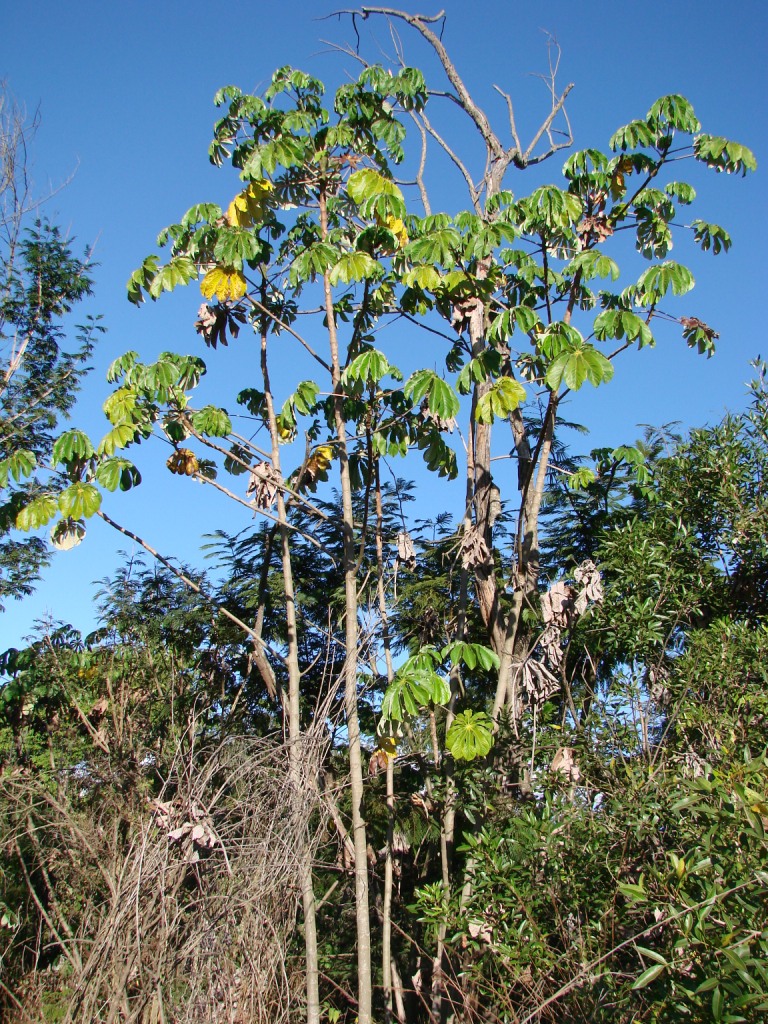
trumpet tree
Cecropia pachystachya
Placenta II Medium Mulch biomassFast-growing, short-lived (~20 years) pioneer tree that colonizes edges and gaps in all Brazilian biomes. Fruits eaten by birds and primates; symbi...
-
Spanish cedar
Cedrela fissilis
Secondary II High Mulch biomassPremium native timber of the Atlantic Forest, Cerrado, and Amazonia. Pasini lists it in the high stratum of Tabela 3 and cites it as a premium timb...
-
Spanish cedar
Cedrela odorata
Climax Emergent Mulch biomassPremium tropical timber of Mesoamerica and northern South America, distinct from Brazilian cedro-rosa (Cedrela fissilis). The Bosque de Niebla Guid...
-
kapok tree
Ceiba pentandra
Climax Emergent Mulch biomassAmazonian emergent giant reaching 70 m — one of the tallest trees of the American tropics. Pasini lists it in the emergent stratum of Tabela 3. Sac...
-
silk floss tree
Ceiba speciosa
Secondary I EmergentDeciduous Atlantic Forest tree reaching 15–30 m with a crown up to 20 m wide. Fast growth (~6 m in 2–3 years). Trunk often armed with conical spines.
-
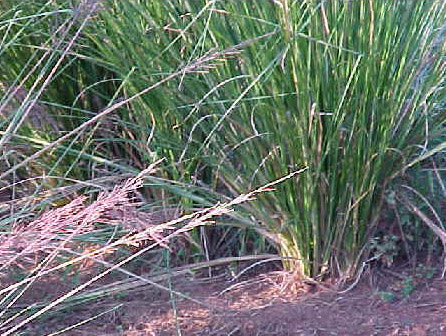
vetiver
Chrysopogon zizanioides
Placenta II Low Mulch biomassPerennial grass with deep vertical roots (up to 4 m), originally from India. The Bosque de Niebla Guidebook recommends vetiver as a hedgerow specie...
-
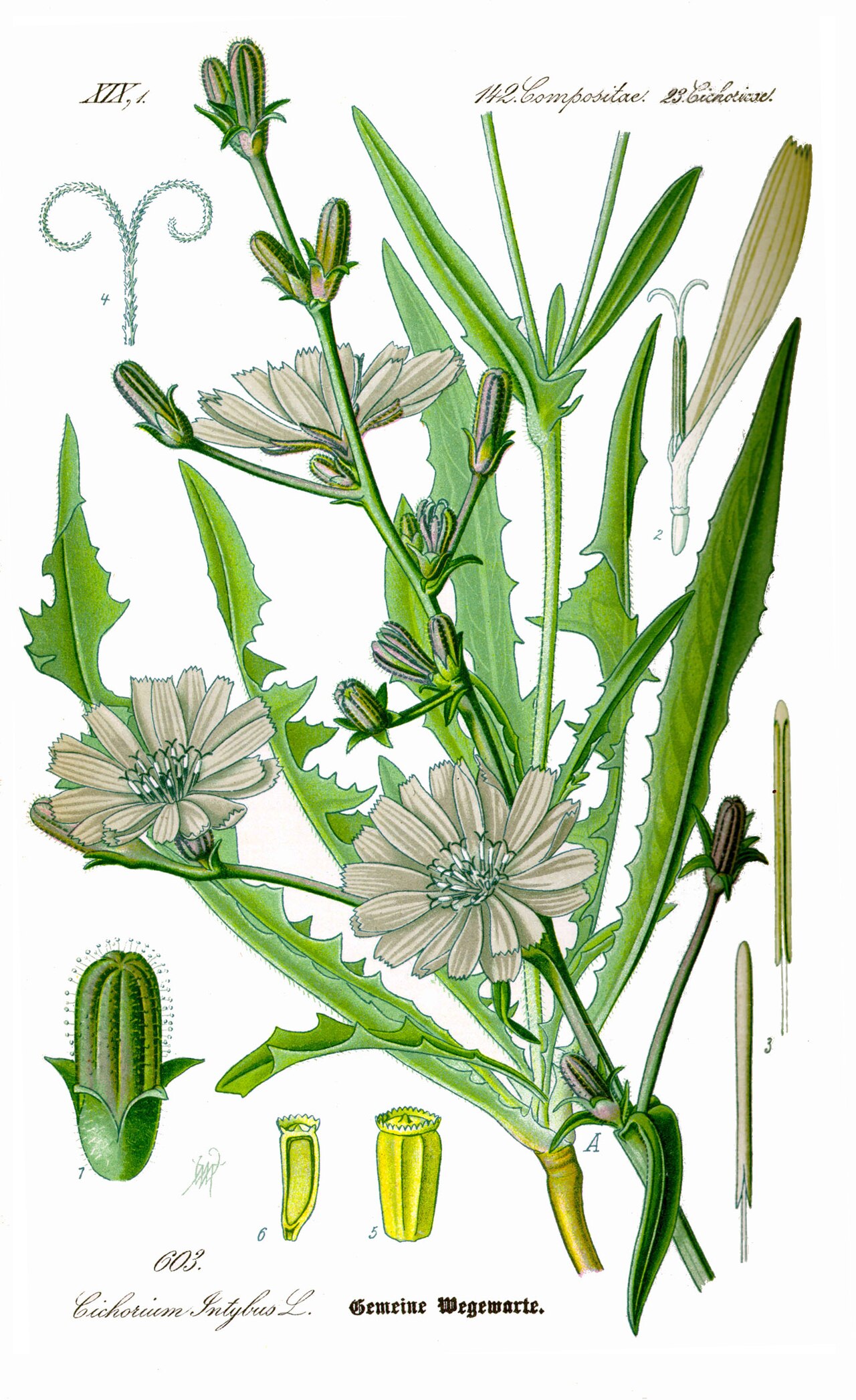
common chicory
Cichorium intybus
Placenta I Medium No biomass productionBitter perennial leafy green with deep taproots — an excellent soil decompactor. Pasini lists it in the medium stratum of Tabela 3. Leaves used in ...
-
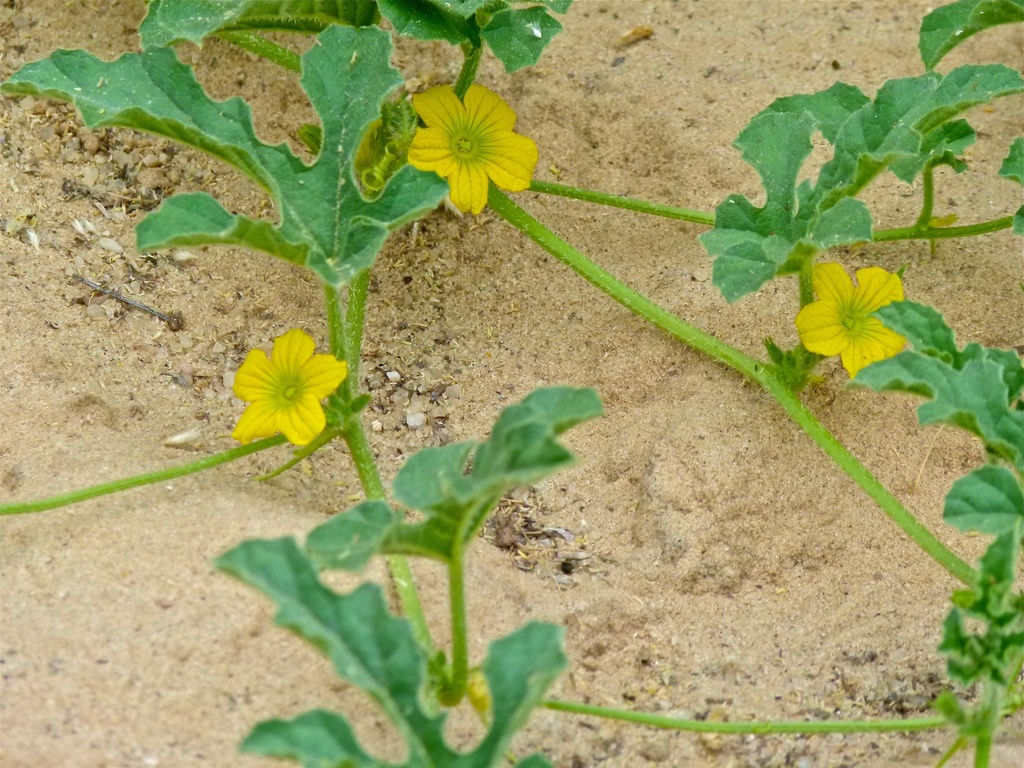
watermelon
Citrullus lanatus
Placenta I Ground cover No biomass productionAnnual creeping cucurbit with large fruit. Embrapa CT-16 plants it in the planting holes of forest and fruit species during the initial agroforestr...
-
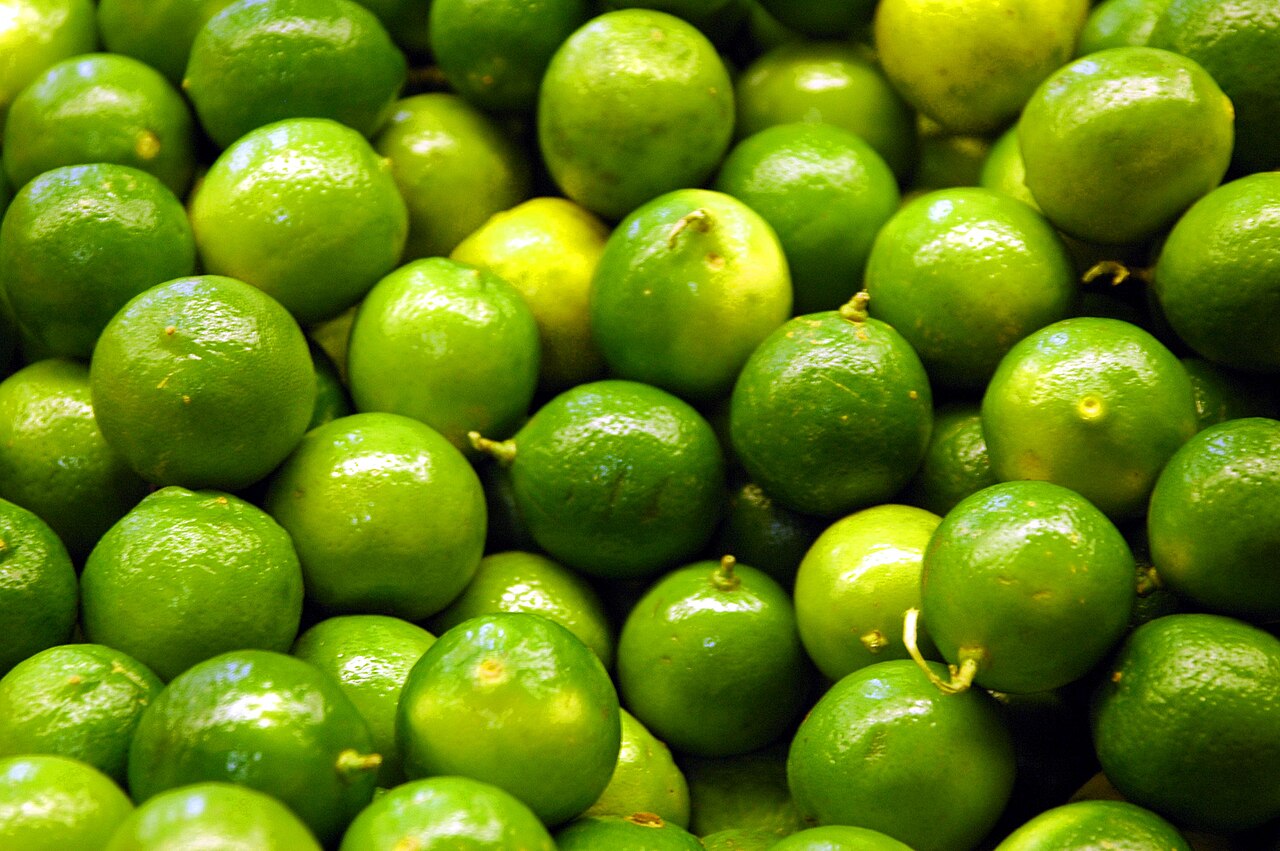
Persian lime
Citrus × latifolia
Secondary I Medium No biomass productionMedium-stratum citrus in syntropic systems. Pasini cites 'lemon' as a stratification example next to coffee (low), avocado (high), and eucalyptus (...
-
grapefruit
Citrus × paradisi
Secondary I Medium No biomass productionMedium-stratum citrus in syntropic systems. The Bosque de Niebla Guidebook lists grapefruit in the Secondary phase of the medium stratum, alongside...
-
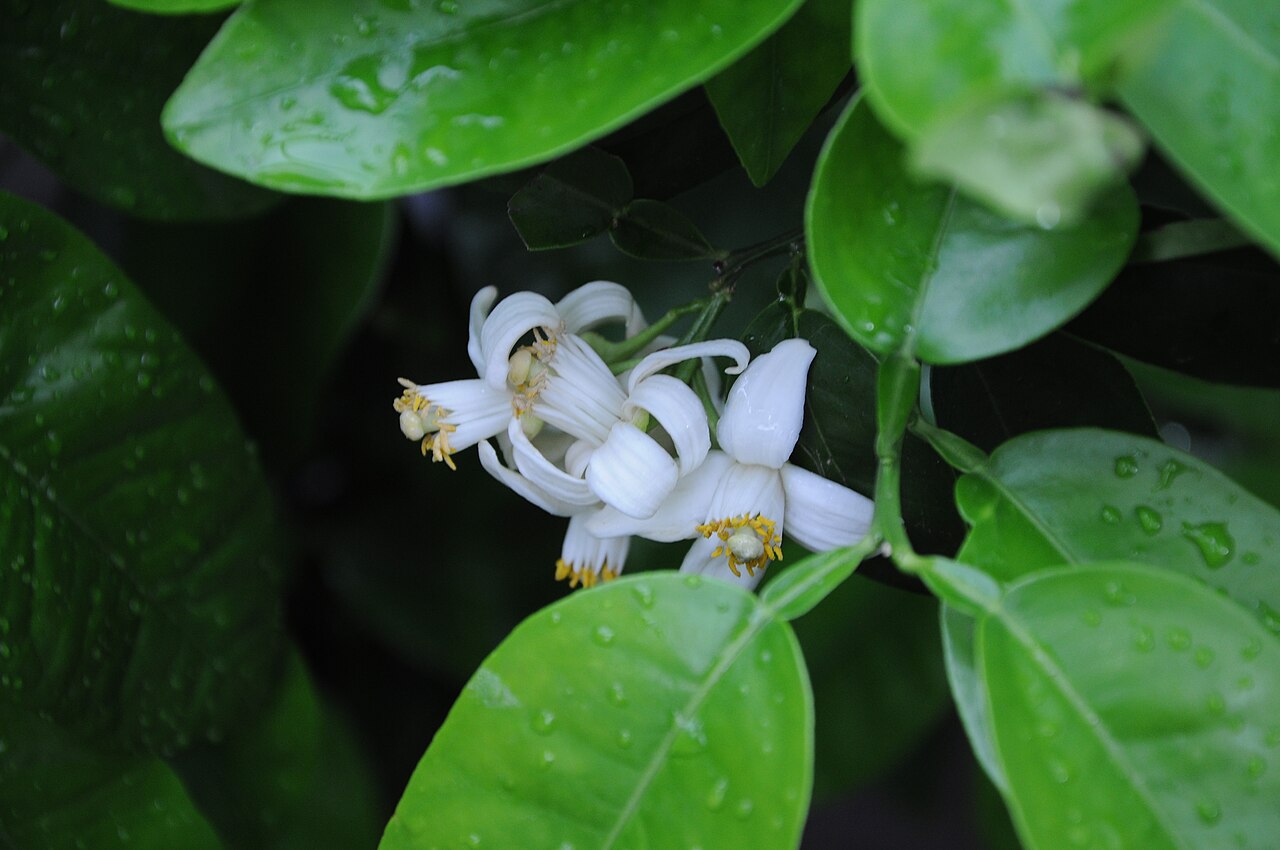
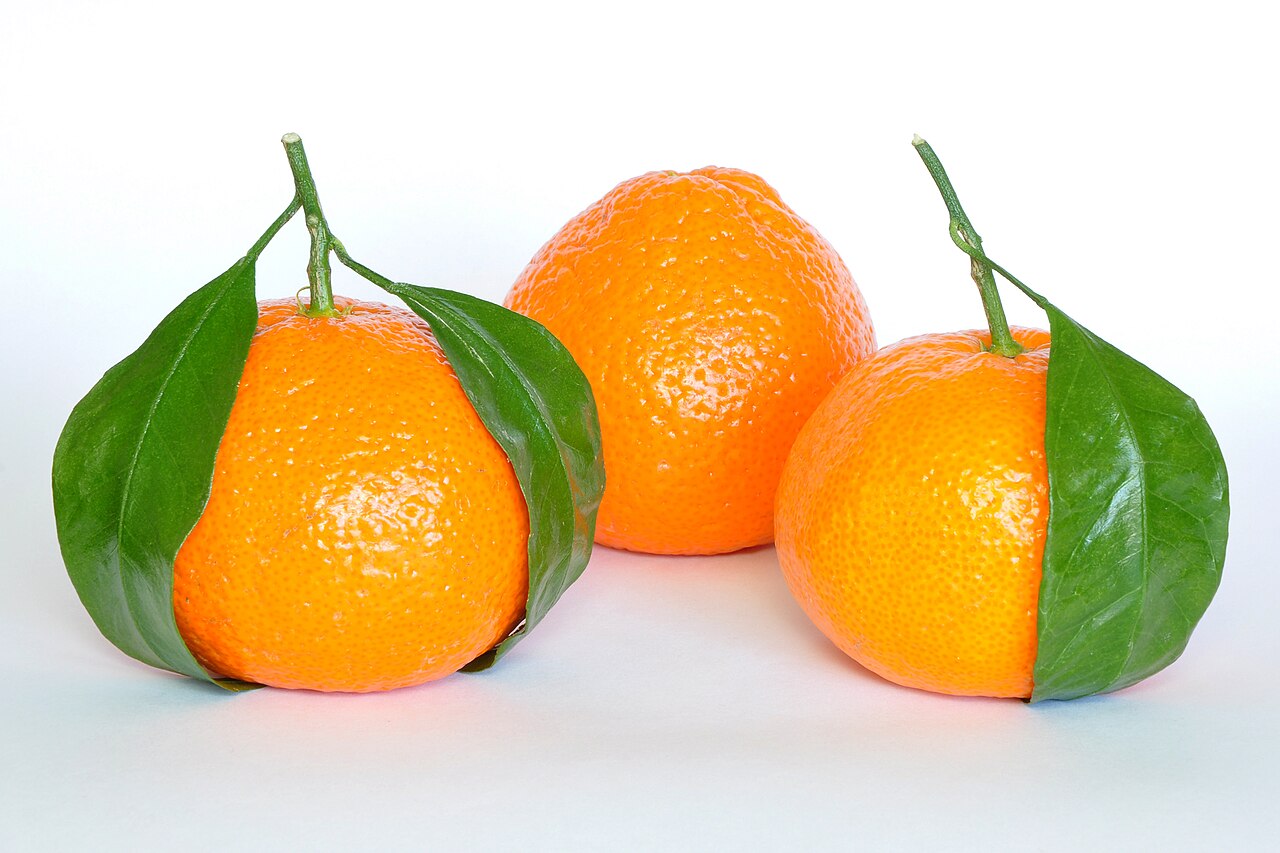
mandarin
Citrus reticulata
Secondary II Medium No biomass productionMedium-stratum citrus in syntropic systems. Pasini lists ponkan in the high stratum of Tabela 3; the Bosque de Niebla Guidebook places the mandarin...
-
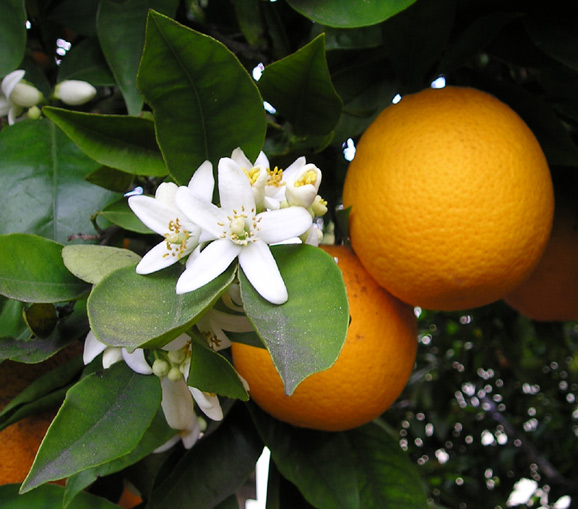
orange
Citrus × sinensis
Secondary I High No biomass productionCitrus fruit tree widely used in Brazilian agroforestry systems. Pasini lists it in the high stratum of Tabela 3 and cites it among Abundance-syste...
-
fairchild's clitoria
Clitoria fairchildiana
Secondary I High Fertilizer biomass 🌱 Nitrogen fixerA leguminous tree native to Brazil (Amazonian domain), 6-12 m tall, with a broad crown and violet flowers in pendulous inflorescences. It nodulates...
-
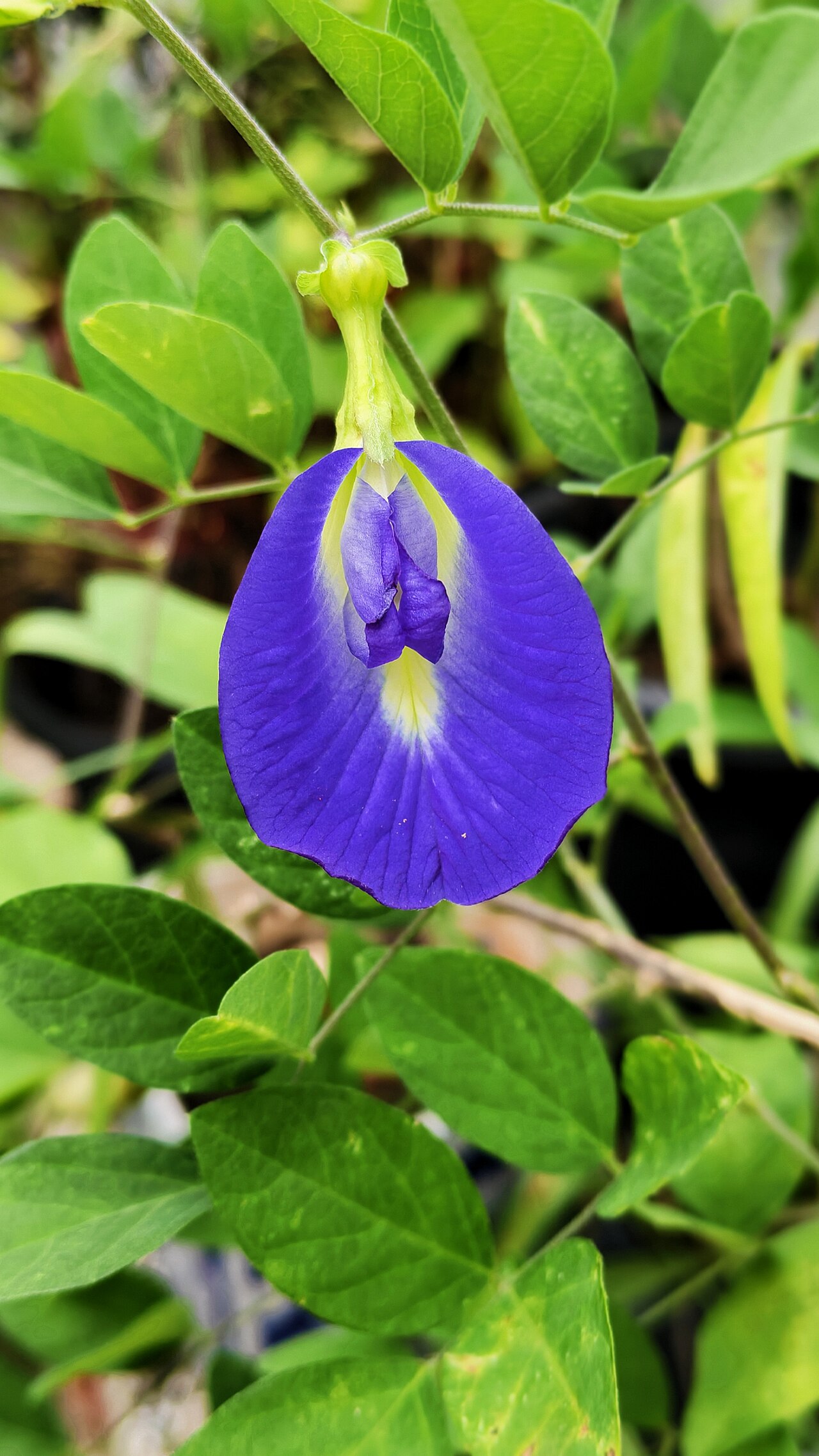
butterfly pea
Clitoria ternatea
Placenta I Ground cover Fertilizer biomass 🌱 Nitrogen fixerA perennial herbaceous climbing legume able to fix up to 100 kg N per hectare per year in symbiosis with Rhizobium. Used as a high-value forage (pr...
-
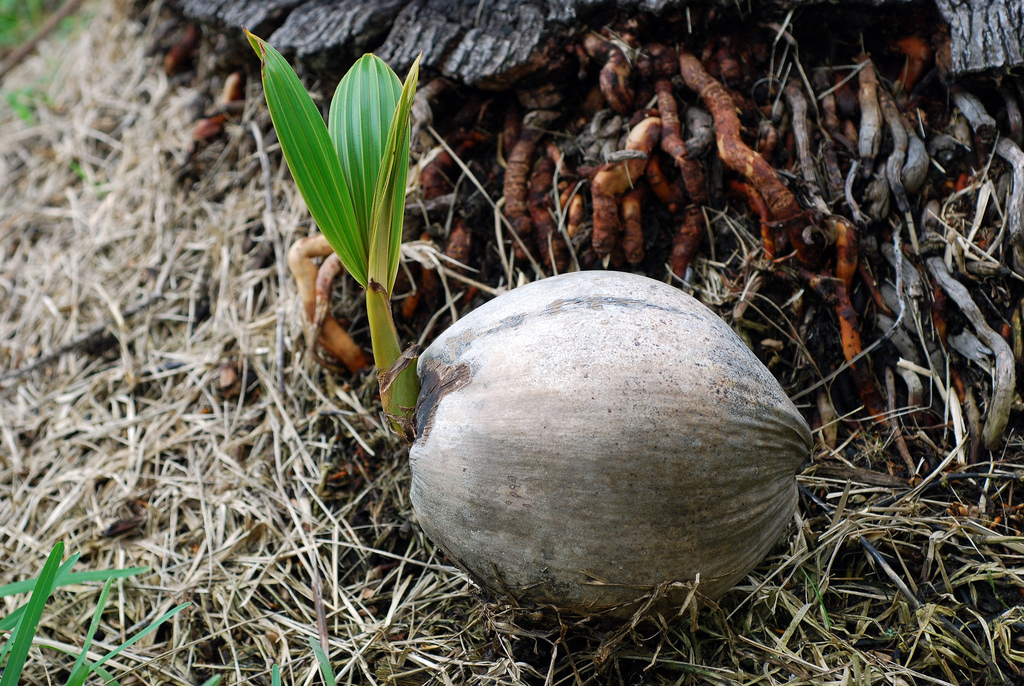
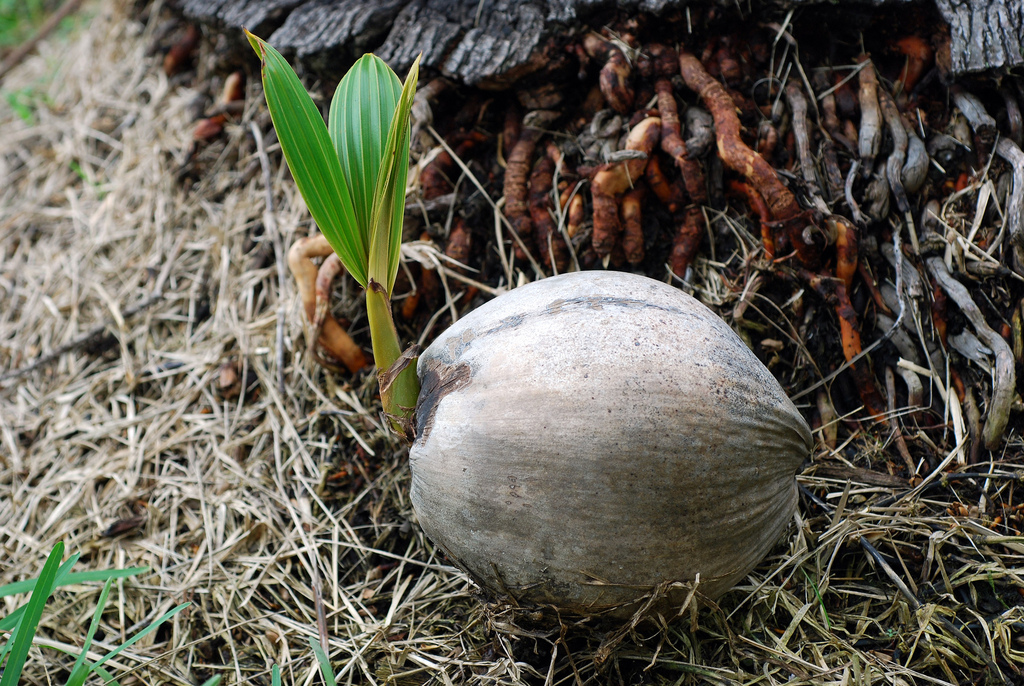
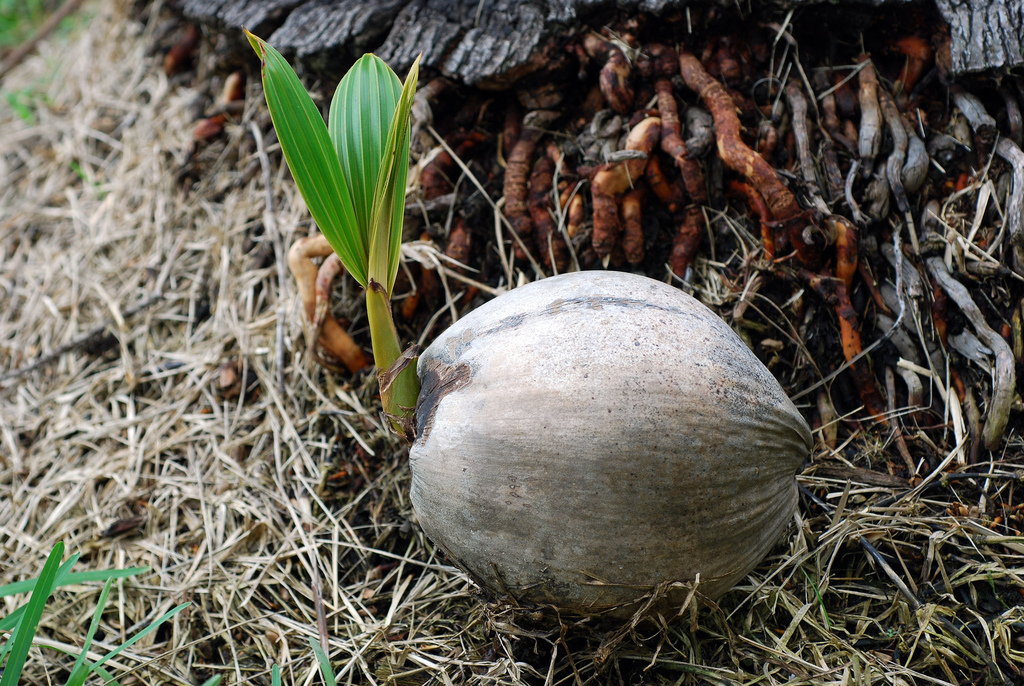
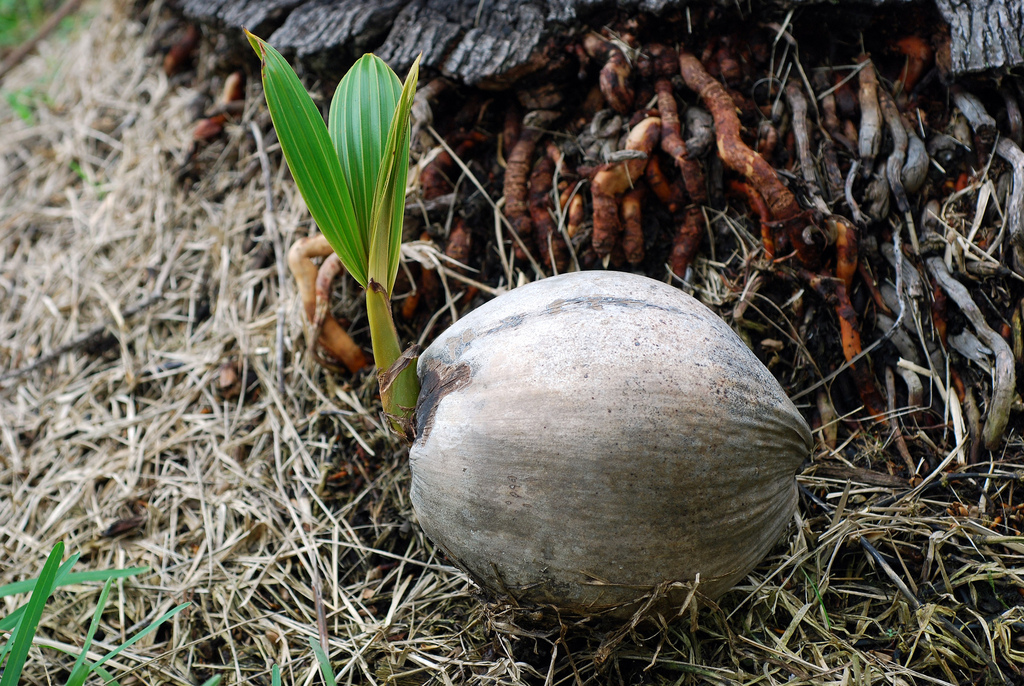
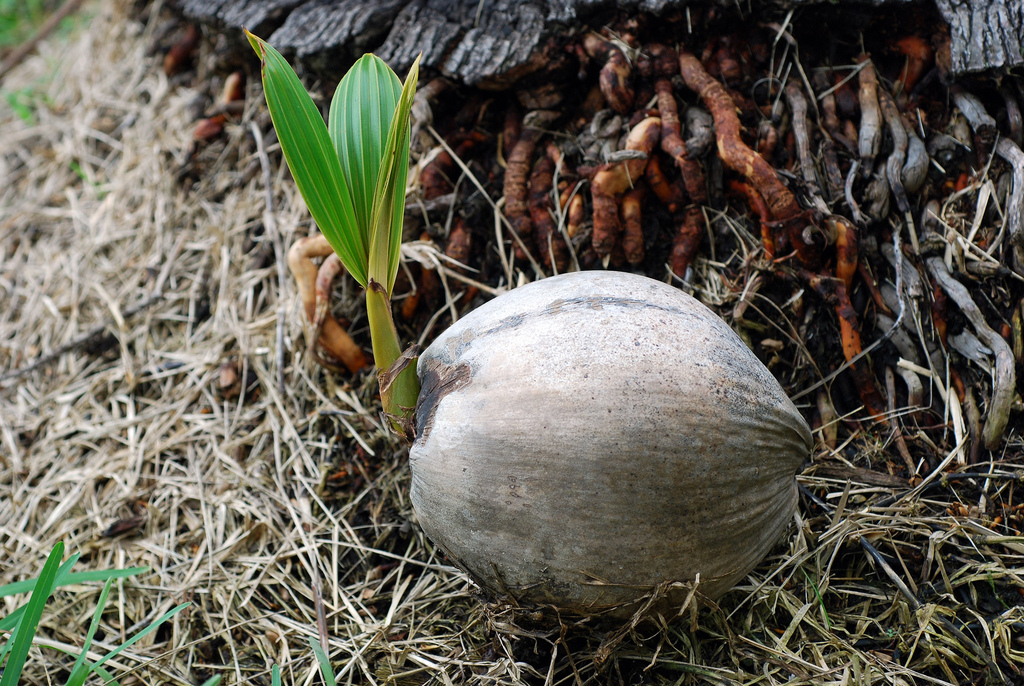
coconut palm
Cocos nucifera
Secondary II Emergent No biomass productionHigh-value palm naturalized along Brazilian coastlines. Pasini lists it in the emergent stratum of Tabela 3. Tolerates salinity and coastal winds; ...
-
tall coconut
Cocos nucifera
Secondary II Emergent No biomass productionTall variety — emergent (20–30 m), 60–70 year lifespan, first flowering at 5–7 years. 60–80 large fruits per plant per year for copra, oil, and fib...
-
green dwarf coconut
Cocos nucifera
Secondary II High No biomass productionGreen Dwarf cultivar — Brazil's commercial mainstay for coconut water. 8–12 m tall, 30–40 year economic life, first harvest at 2–3 years. Yields 15...
-
hybrid coconut
Cocos nucifera
Secondary II High No biomass productionDwarf × Tall hybrids registered by Embrapa (BRS 001, 002, 003). Intermediate height (15–20 m), early bearing (4 years), medium fruits. Combine Tall...
-
yellow dwarf coconut
Cocos nucifera
Secondary II High No biomass productionYellow Dwarf cultivar. Height and cycle similar to Green Dwarf (8–12 m, first harvest at 2–3 years). Slightly larger yellow fruits. Better toleranc...
-
mundo novo coffee
Coffea arabica
Secondary I Medium No biomass productionNatural Sumatra × Red Bourbon hybrid selected by IAC. Tall (2.5–4 m), thin trunk that arches and requires sucker thinning. Excellent vigor, rustici...
-
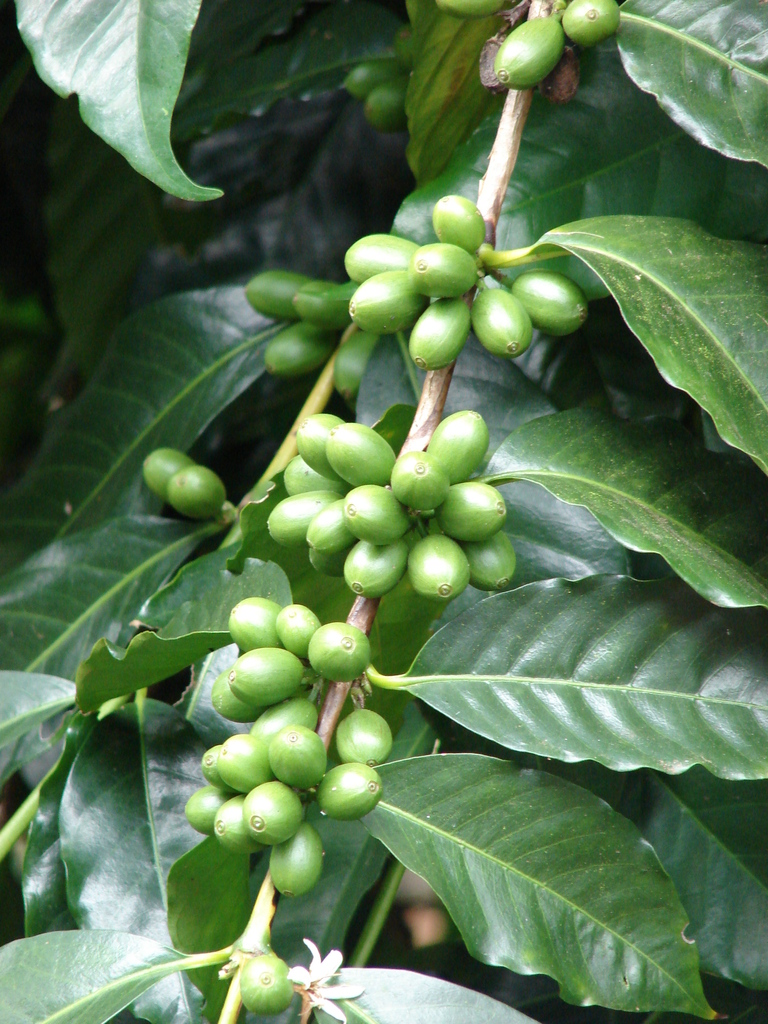
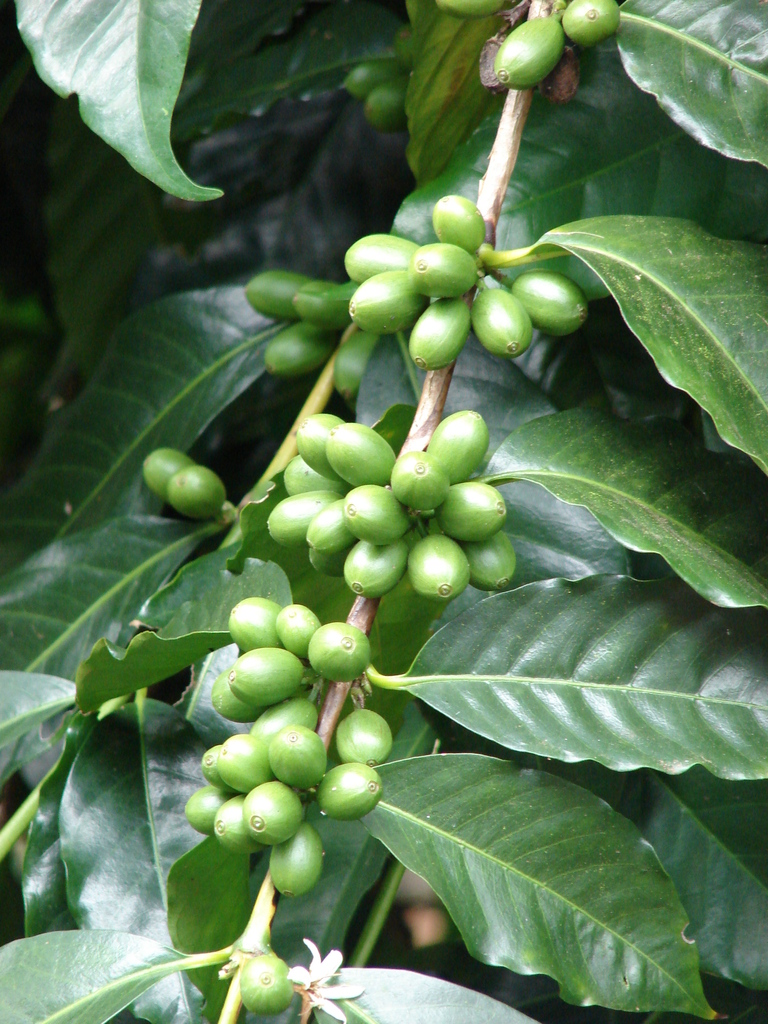
coffee
Coffea arabica
Secondary I Low No biomass productionShade-grown crop valuable in syntropic Atlantic Forest systems. Occupies the low stratum between bananas and ingás.