Plants
vetiver
Chrysopogon zizanioides (L.) Roberty
Family: Poaceae · Genus: Chrysopogon
khus
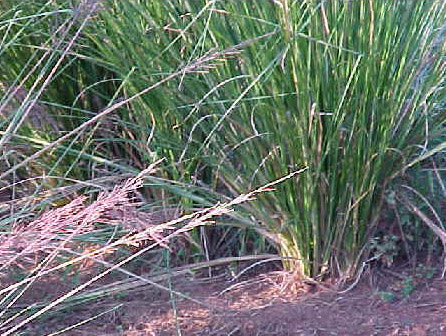
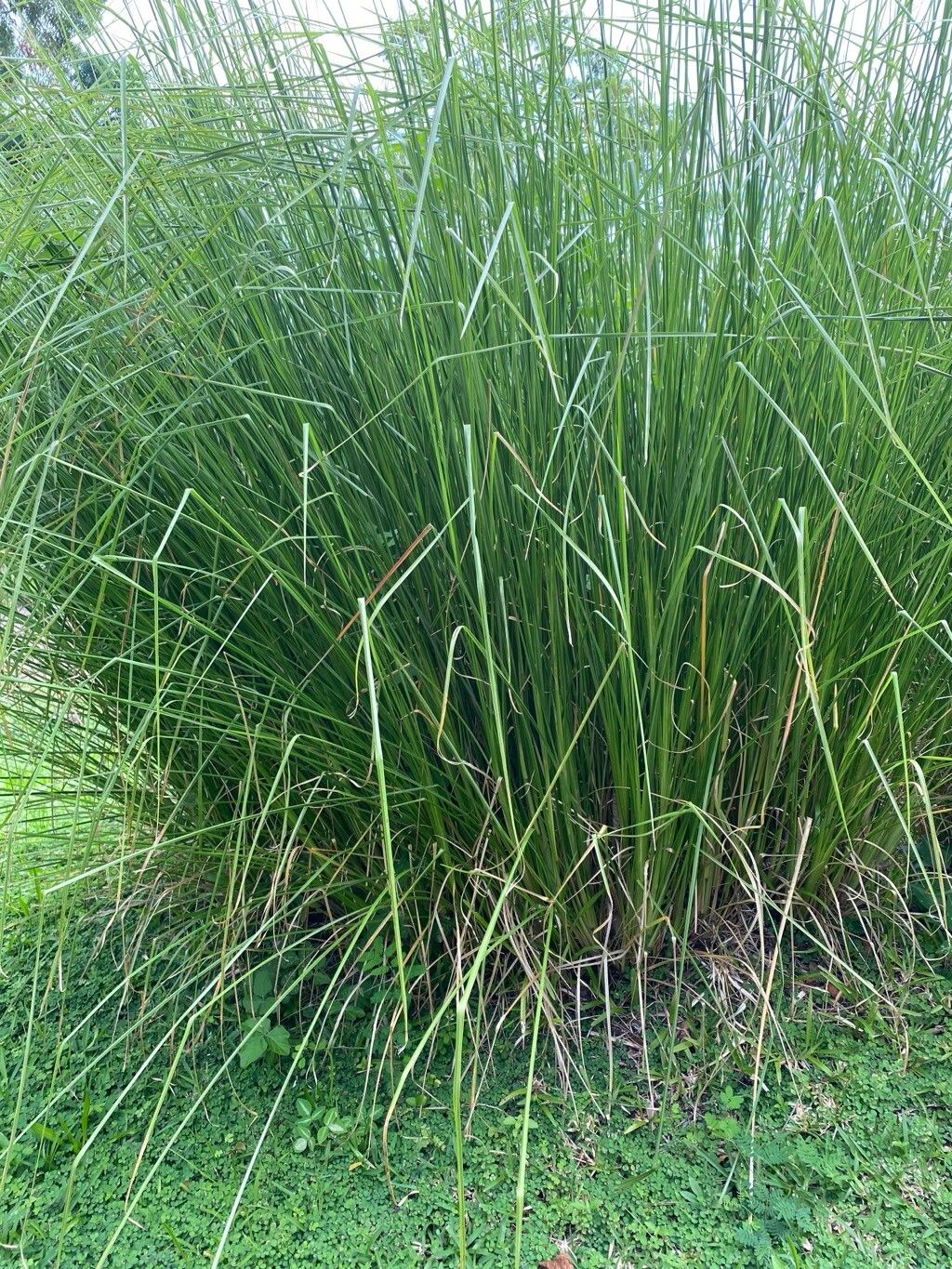
Perennial grass with deep vertical roots (up to 4 m), originally from India. The Bosque de Niebla Guidebook recommends vetiver as a hedgerow species on steep terrain — forms terraces in just 8 months by holding back soil and water. Non-invasive (no stolons), excellent for erosion control on sloped agroforestry plots.
📚 Synonyms
Scientific synonyms: Vetiveria zizanioides (L.) Nash, Andropogon zizanioides (L.) Urb.
Götsch succession
- Götsch stage
- Placenta II
- Ecological role
- Pioneer
- Primary stratum
- Low
- Strata
- Low
- Biomass class
- Mulch biomass
Environment
- Light requirement
- Full sun
- Water requirement
- Moderate
- Drought tolerance
- High
- Waterlogging tolerance
- High
- Soil pH range
- 4.5–8
- Preferred soil texture
- Loamy, Sandy, Clayey
- Hardiness zones
- 7–11
Morphology
- Mature height
- 1–2 m
- Recommended spacing
- 0.1–0.2 m
- Root system
- Fibrous
- Root depth
- Deep
- Growth rate
- Fast
- Lifespan
- ≥ 30 years
Biomes & climate
- Atlantic Forest Suitable
- Cerrado Suitable
- Caatinga Suitable
Köppen classes
- Tropical savanna with dry winter (Aw) Suitable
- Hot semi-arid (BSh) Suitable
- Humid subtropical (Cfa) Suitable
Where it fits in a guild
Vetiver takes the Low stratum in the Placenta II phase of succession — in a guild it shares the line with species from the other strata, each harvesting light at its own height, in its own time.
Free account — and the catalog stays open, no sign-up needed.
🪴 Cultivation
Dense, massively vertical root system growing downward to 4 m or more — it does not compete laterally with neighbouring crops, which makes it ideal as a contour hedgerow to check erosion. Tolerates a wide pH range (4.5–8, enduring 3–9.9), prolonged drought, occasional waterlogging and submergence. Prefers full sun; plant slips close together (10–20 cm) in the row to form a continuous barrier.
❓ Frequently asked questions
What spacing is recommended for vetiver?
The recommended spacing for vetiver is 0.1–0.2 m.
How tall does vetiver grow?
At maturity, vetiver reaches 1–2 m tall.
What stage and stratum does vetiver occupy in a syntropic system?
In a syntropic system, vetiver belongs to the placenta ii stage, occupying the low stratum.
Functions
Propagation
Division
Citations
- Bosque de Niebla (2019) — Syntropic Farming Guidebook, Vetiver System , p. 39 (primary_stratum, functions)
- PFAF Plant Database — Chrysopogon zizanioides (ph_min, ph_max, hardiness_zone_min, hardiness_zone_max, drought_tolerance, waterlogging_tolerance, root_depth, soil_texture_preference, cultivation_notes)
- POWO / Kew — Chrysopogon zizanioides (L.) Roberty (powo_id, synonyms, genus)
- GBIF Backbone Taxonomy — Chrysopogon zizanioides (gbif_taxon_key)
External references
Continue exploring
Related plants
-
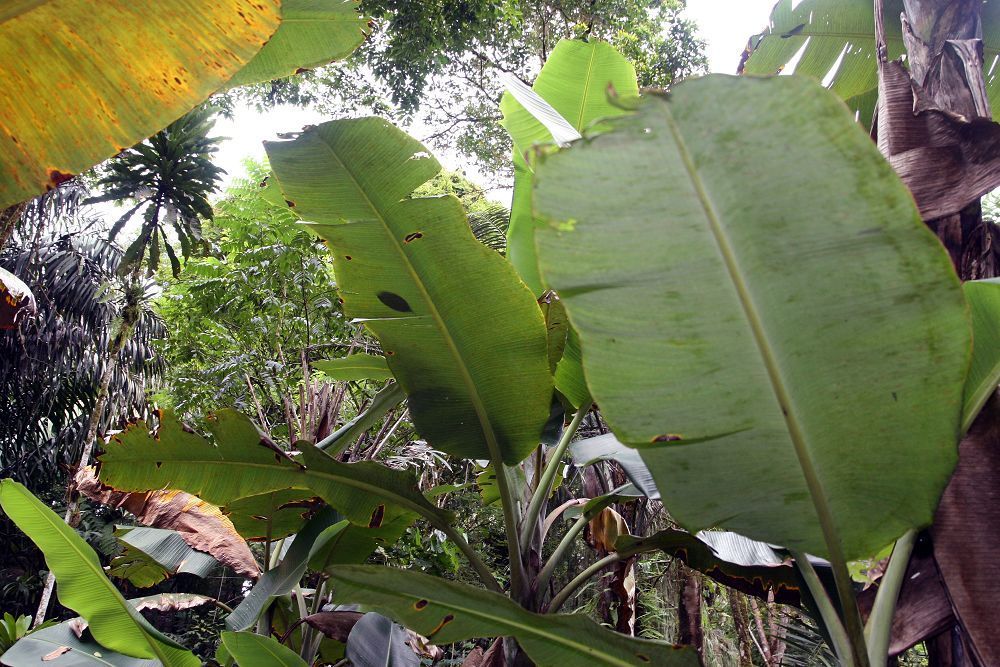
banana
Musa × paradisiaca
Placenta II High Mulch biomassBanana is a fast-growing pioneer species valued for cover biomass, edible fruit, and a structuring role in syntropic rows. Grows in any moist, well...
-
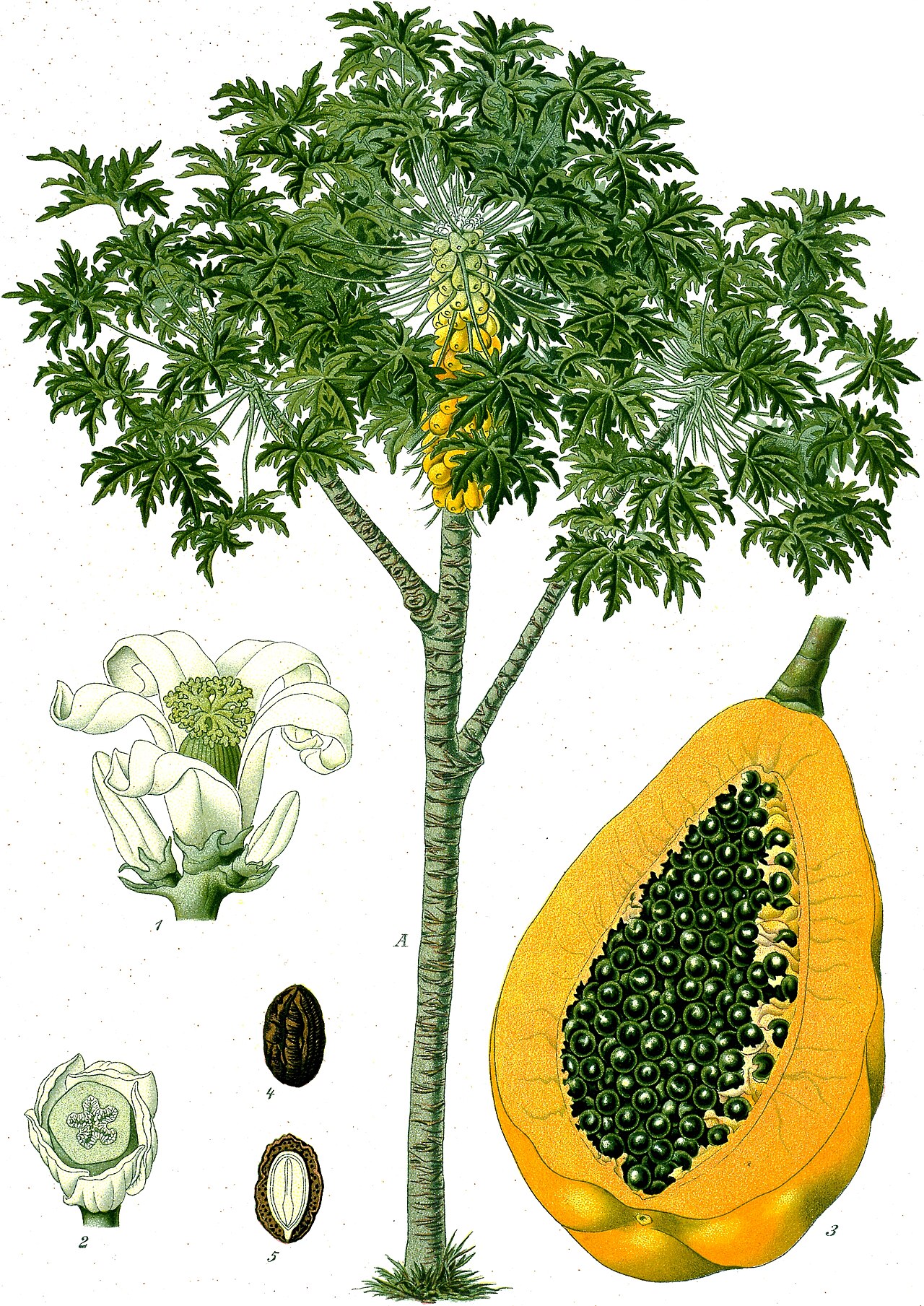
papaya
Carica papaya
Placenta II High Mulch biomassShort-cycle Placenta II species occupying the high stratum for 2–4 years. Fruits 9–12 months after planting.
-
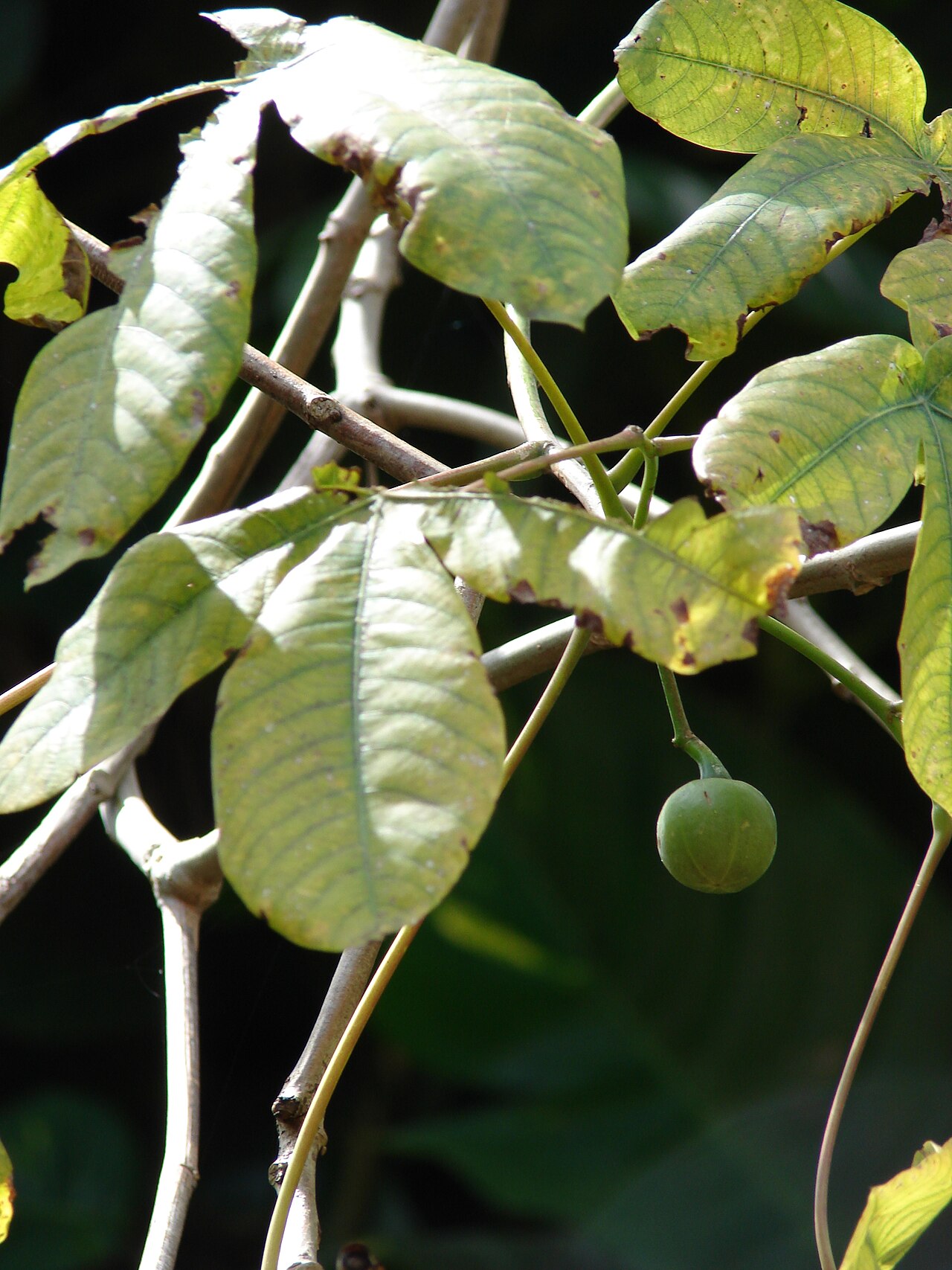
Ceará rubber tree
Manihot glaziovii
Placenta II MediumShrub/small tree native to the Caatinga; one of the first species to flush leaves at the start of the rainy season. Leaves and twigs are used as ru...
-
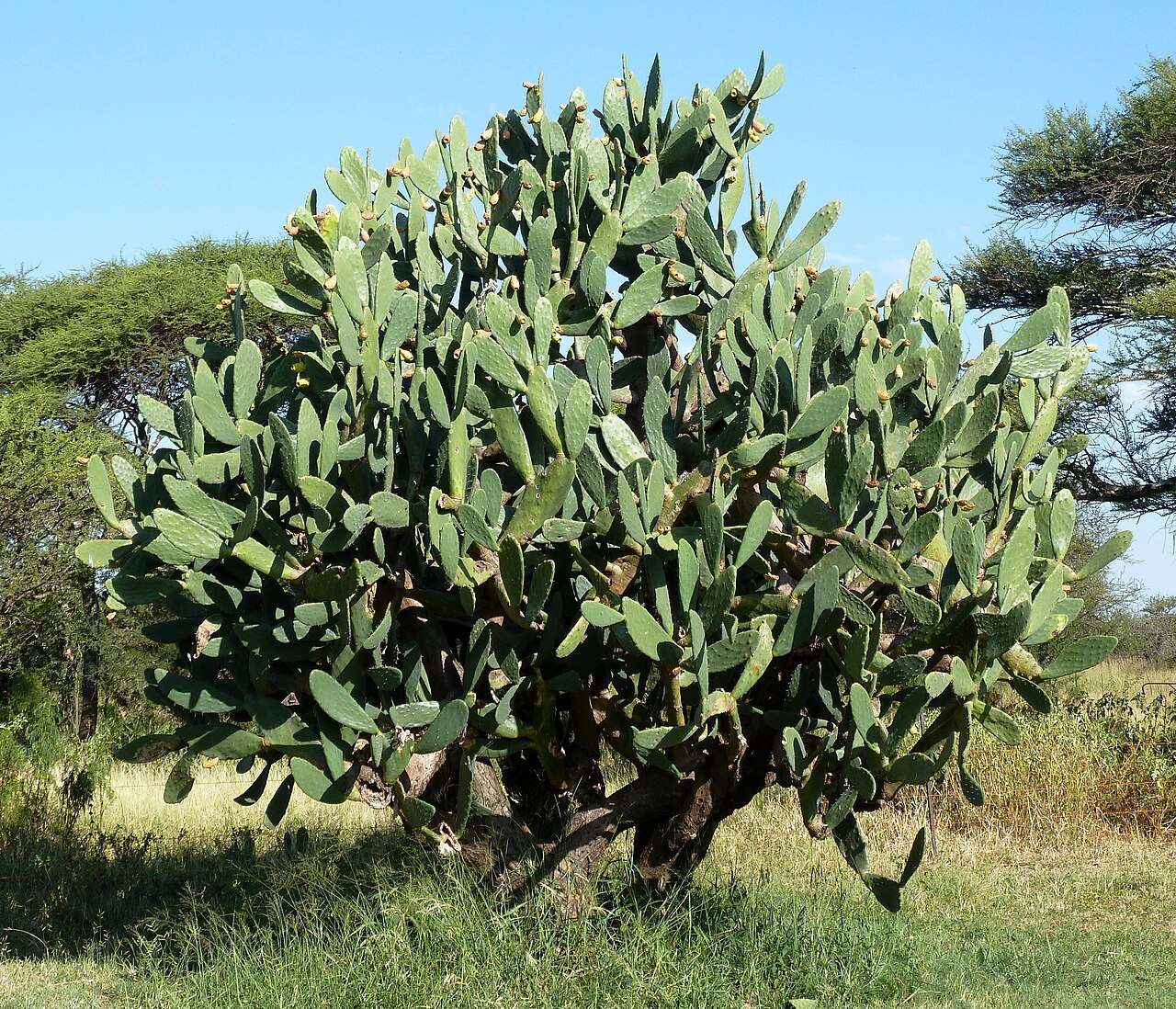
spineless cactus
Opuntia ficus-indica
Placenta II LowIntroduced cactus widely cultivated in the Brazilian semiarid as strategic fodder reserve. CAM metabolism gives extremely high water-use efficiency...
-
camaratuba
Cratylia mollis
Placenta II Low Fertilizer biomass 🌱 Nitrogen fixerNative shrubby legume of the Caatinga; one of the most important fodder species of the northeastern semiarid, with strong drought resistance and hi...
-
gabiroba
Campomanesia adamantium
Placenta II LowPioneer fruit shrub of the Cerrado that colonizes degraded areas. Deep roots stabilize soil and aid water retention. Edible fruits and medicinal le...