
Biome
Plants of the Caatinga biome
Semi-arid, with concentrated, irregular rains: in the Caatinga the priority is building shade and biomass fast to protect the soil, with species that hold through the dry spells. Check each profile for drought tolerance and the species' relation to the biome.
95 species in the catalog · Refine this list in the catalog
-
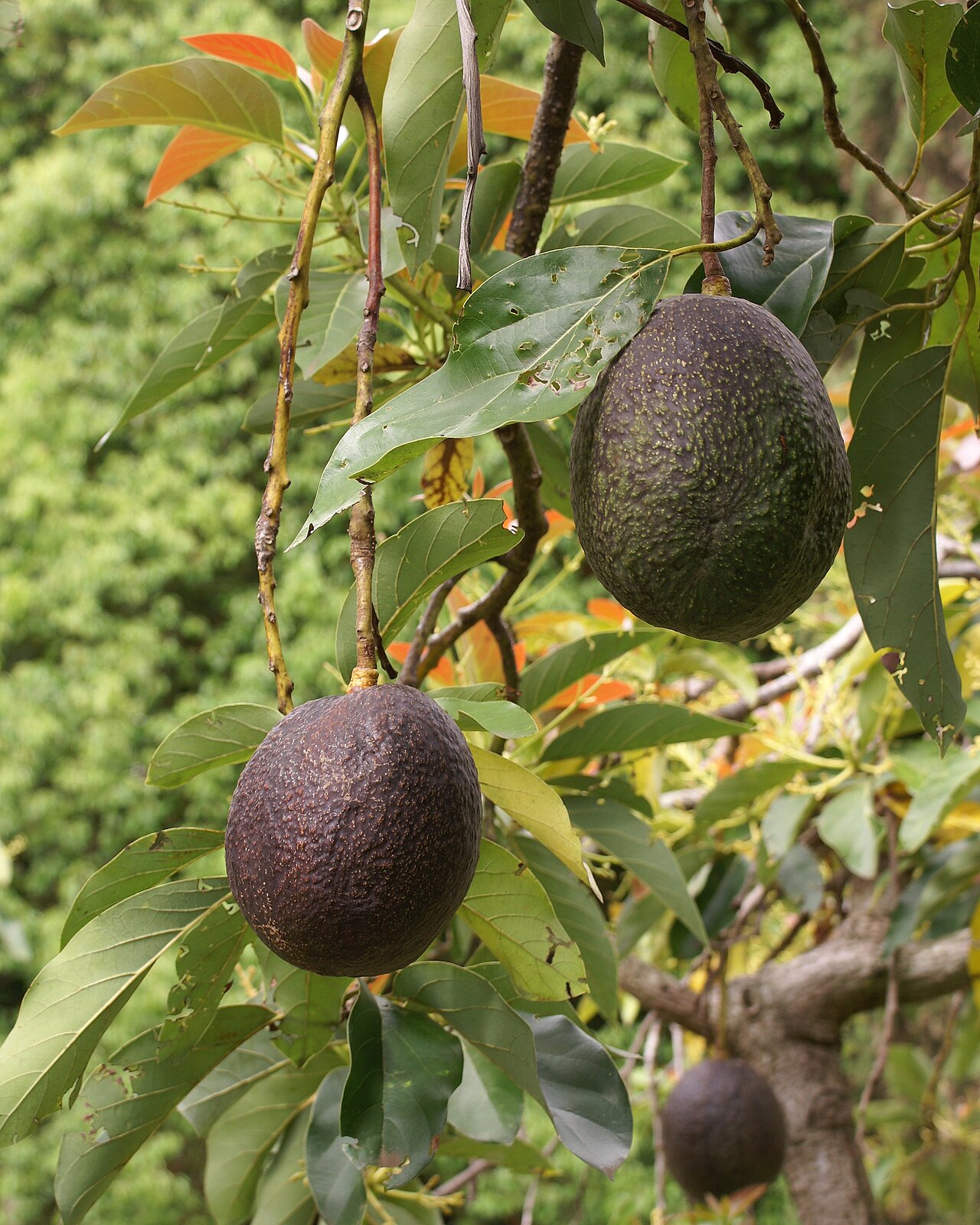
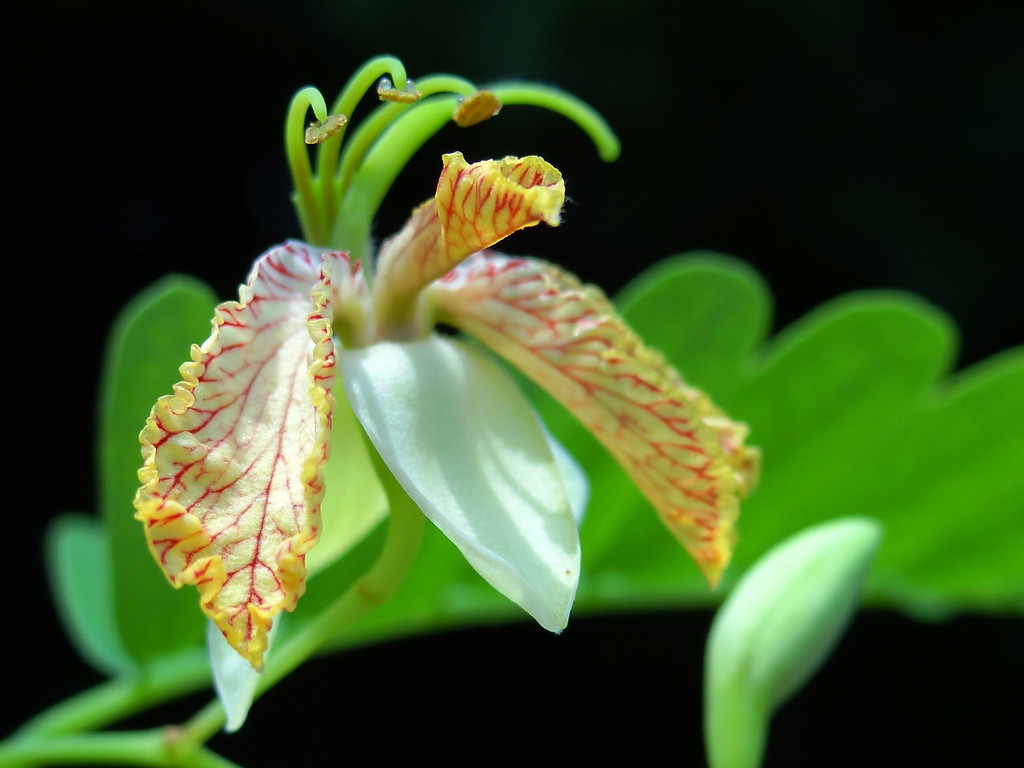
quintal avocado
Persea americana
Secondary II Emergent No biomass productionWest Indian Brazilian cultivar, mid-season ripening. Large fruit (>600 g, up to 1.2 kg), pyriform, with prized 'butter' flesh in the domestic marke...
-
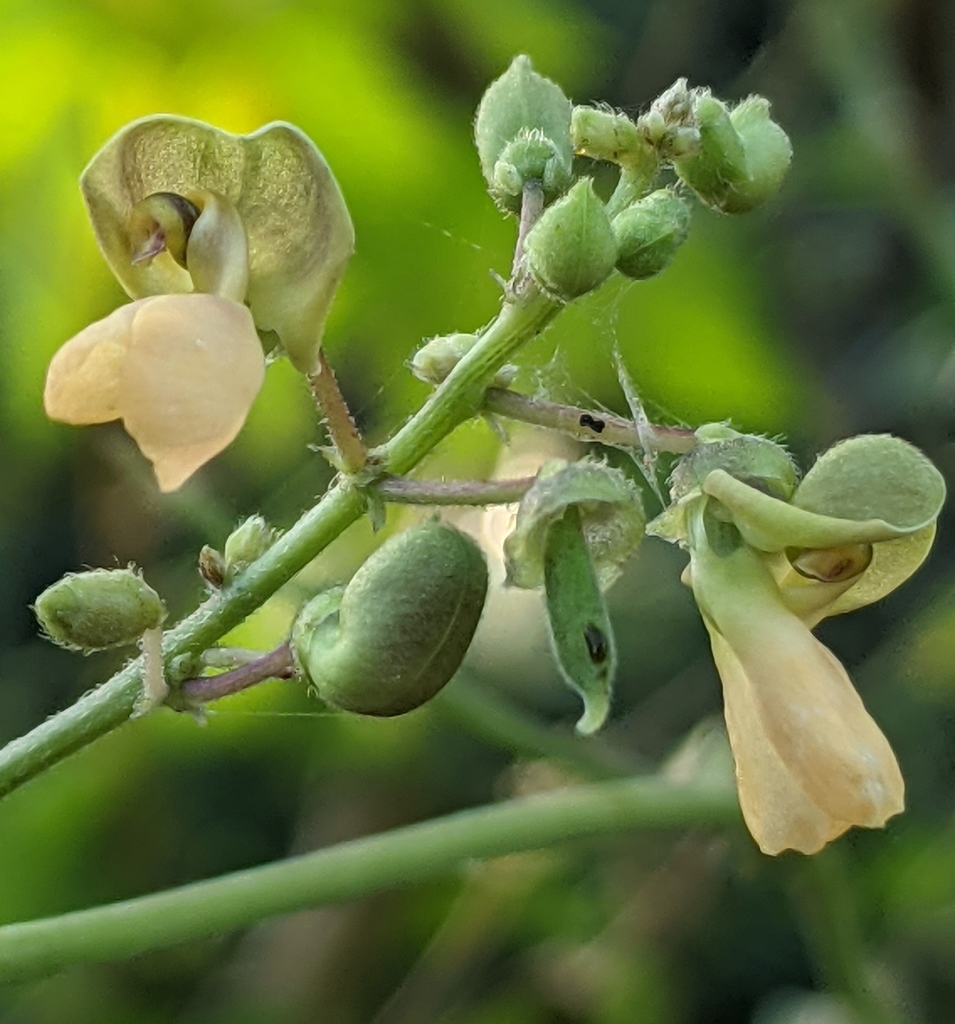
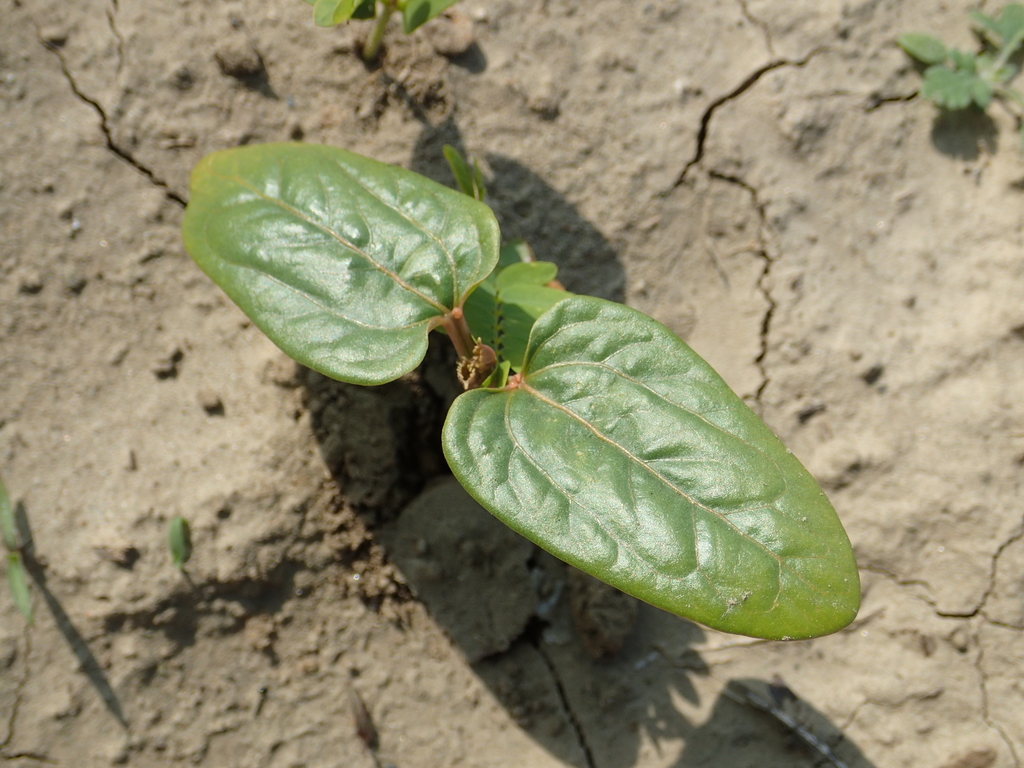
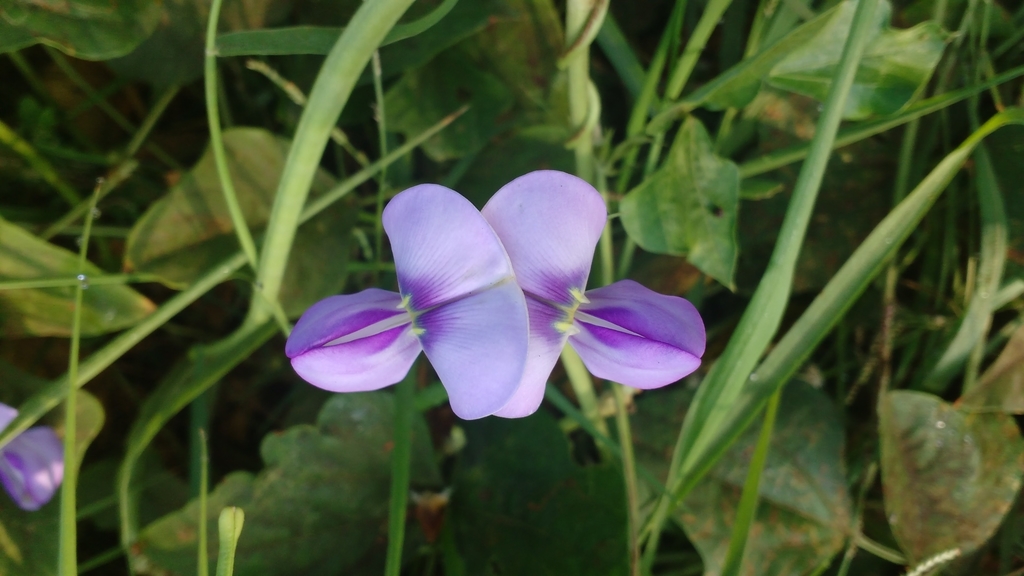
lima bean
Phaseolus lunatus
Placenta I High Fertilizer biomass 🌱 Nitrogen fixerAnnual or short-lived perennial nitrogen-fixing legume, native to the Americas. EcoAgri lists it in the high stratum of the 'up to 6 months' bin. C...
-
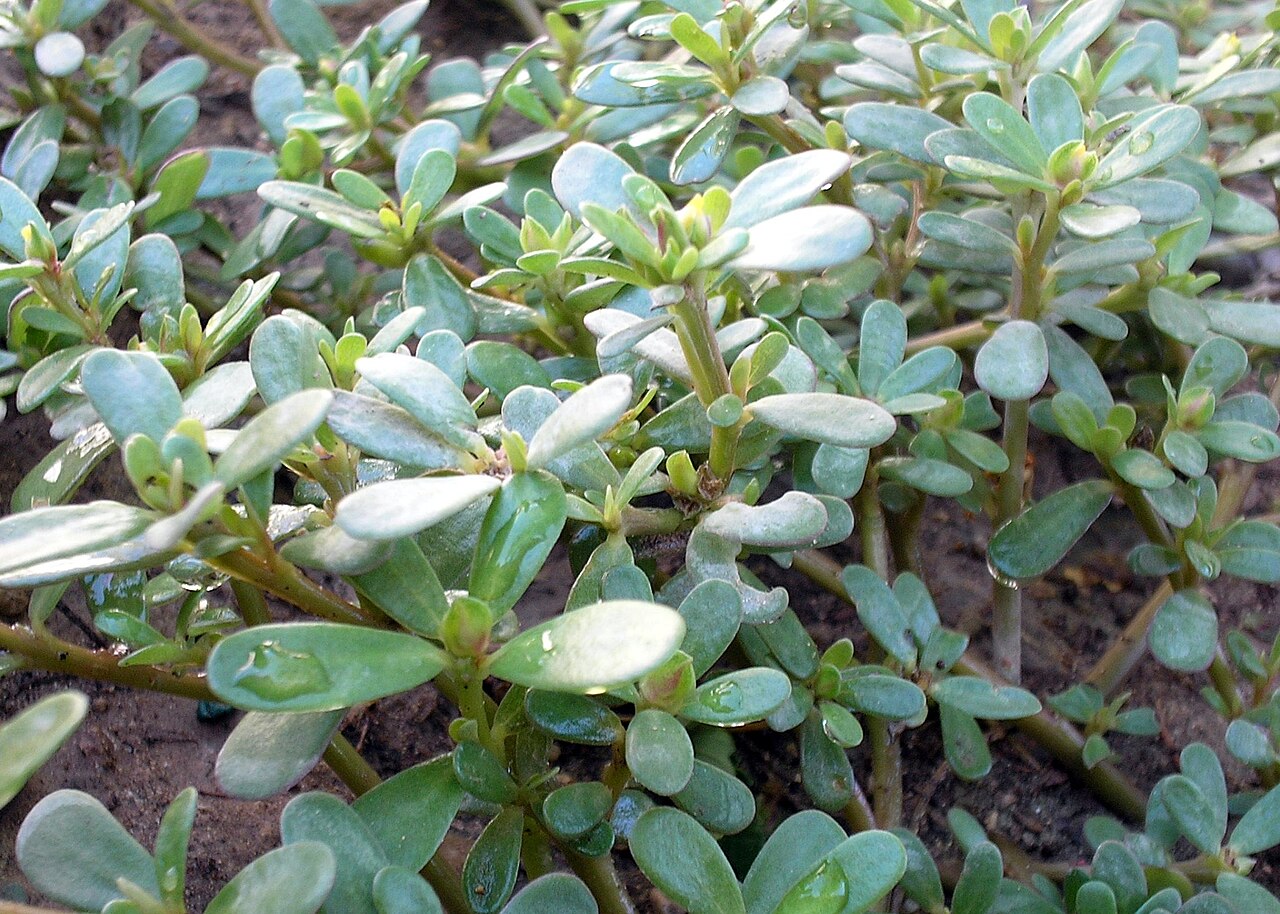
common purslane
Portulaca oleracea
Placenta I Ground cover Mulch biomassA prostrate annual succulent herb in the Portulacaceae, with a cosmopolitan distribution and very common as a volunteer in gardens and pavements. I...
-
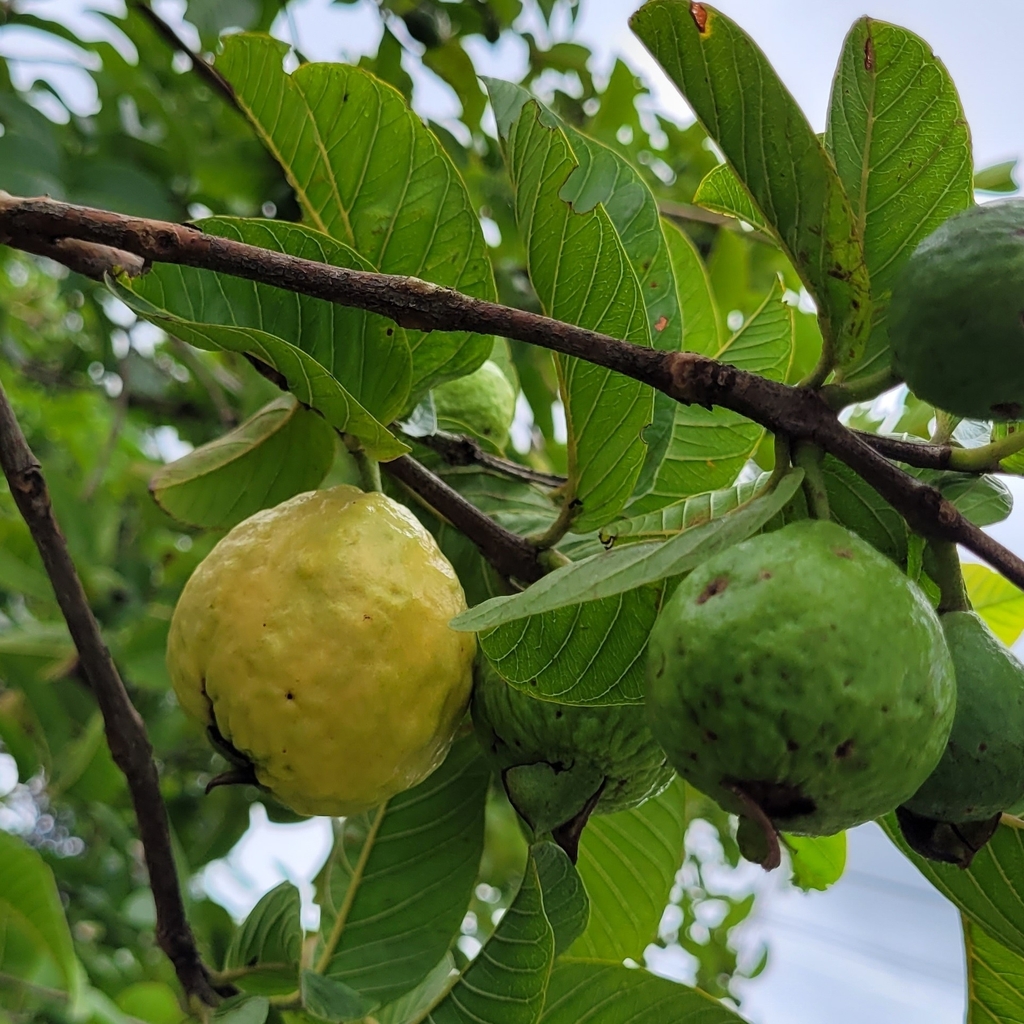
guava
Psidium guajava
Secondary I High No biomass productionNative tropical American fruit tree, common in Brazilian syntropic agroforestry systems. Pasini lists it in the high stratum of Tabela 3. Tolerates...
-
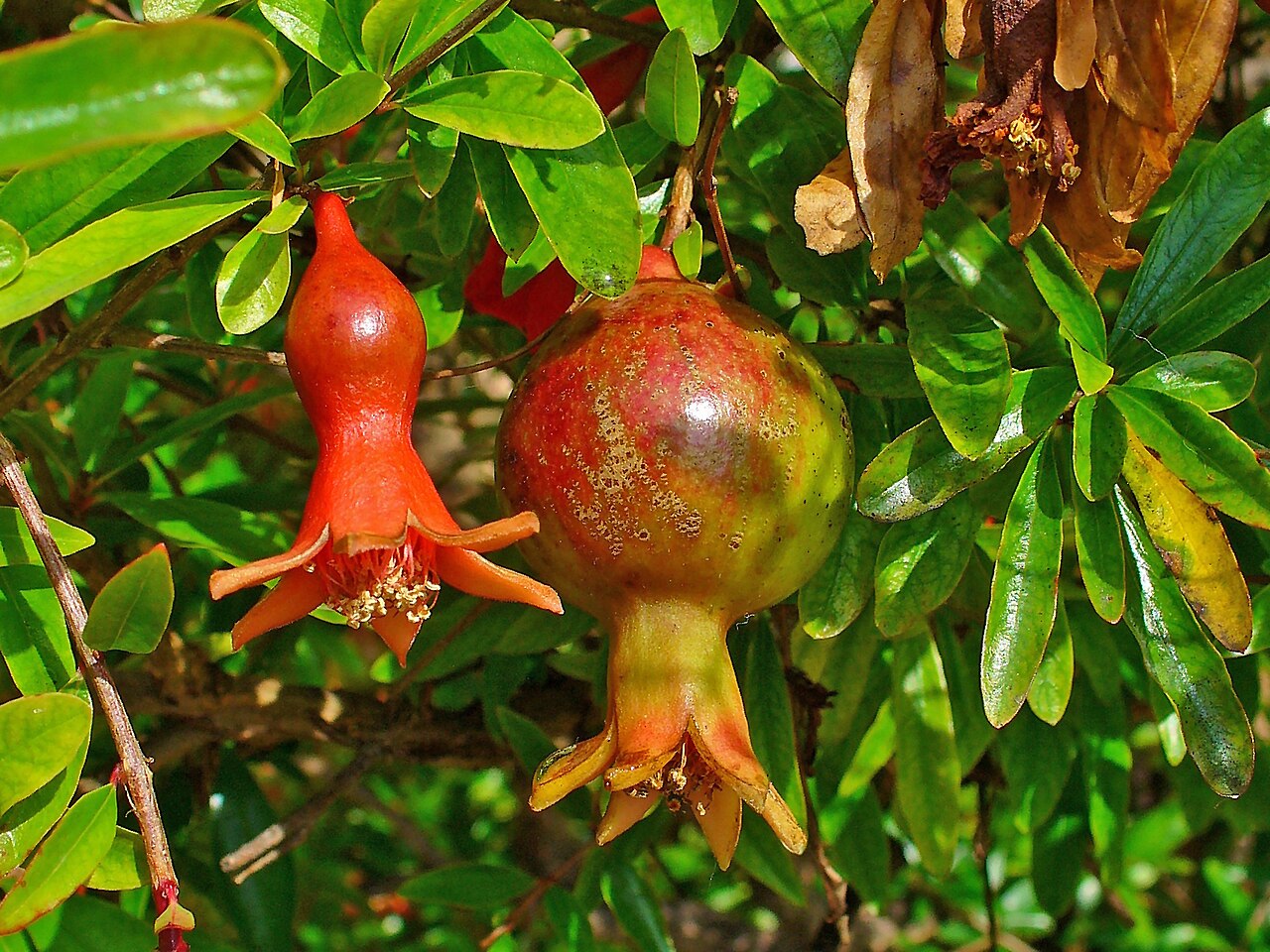
pomegranate
Punica granatum
Secondary I Low No biomass productionPomegranate, a deciduous shrub or small tree of the Lythraceae family, exotic to Brazil and cultivated across a wide range of the country. Drought-...
-
castor bean
Ricinus communis
Placenta II Emergent Mulch biomassAnnual or short-lived perennial shrub/small tree, a high-yielding oilseed crop. EcoAgri lists it in the emergent stratum of the 'up to 3 years' bin...
-
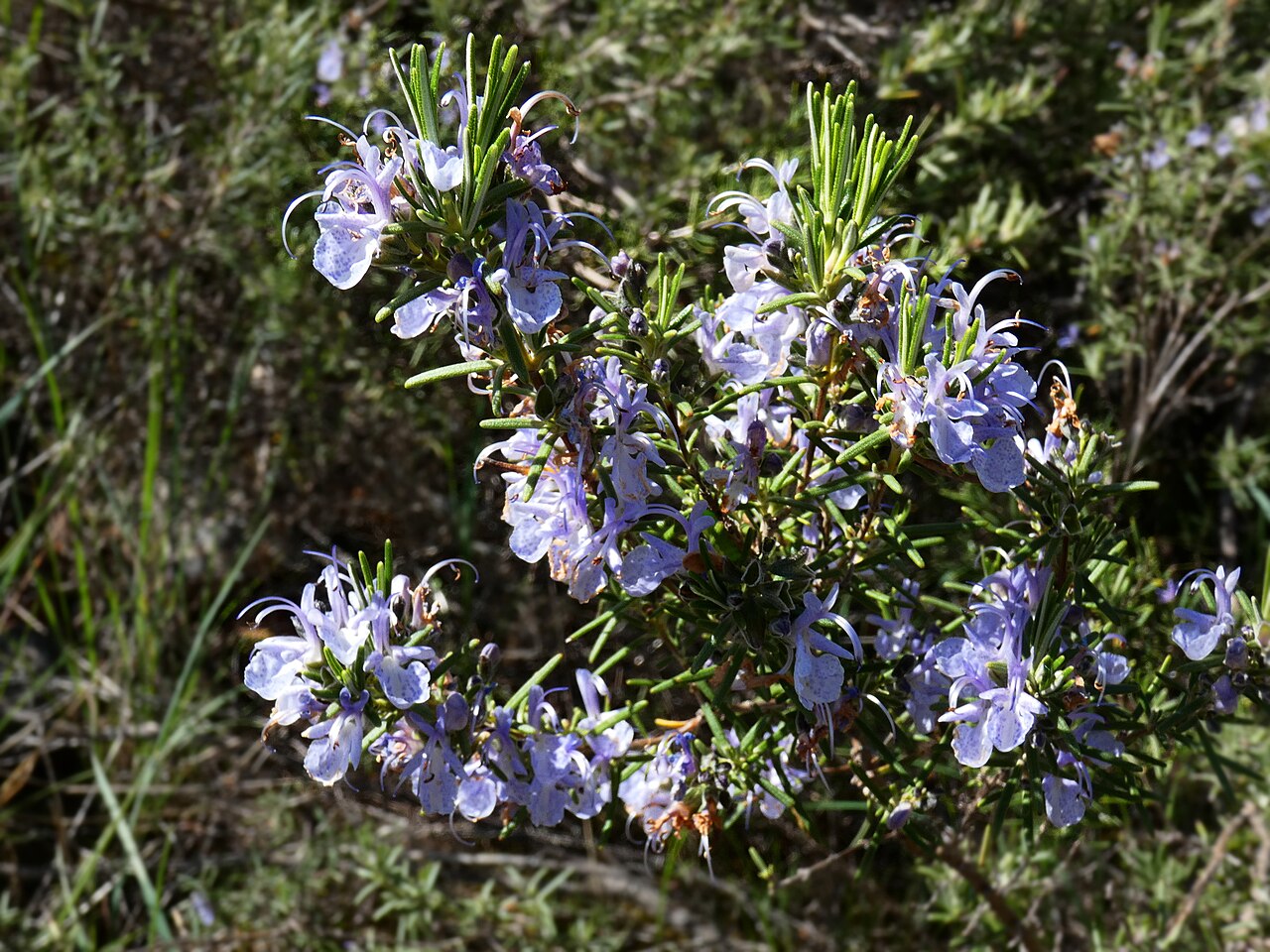
rosemary
Salvia rosmarinus
Placenta II Low No biomass productionPerennial Mediterranean shrub (0.8–1.5 m), aromatic, narrow resinous leaves. Extreme drought tolerance; prefers well-drained slightly alkaline soil...
-
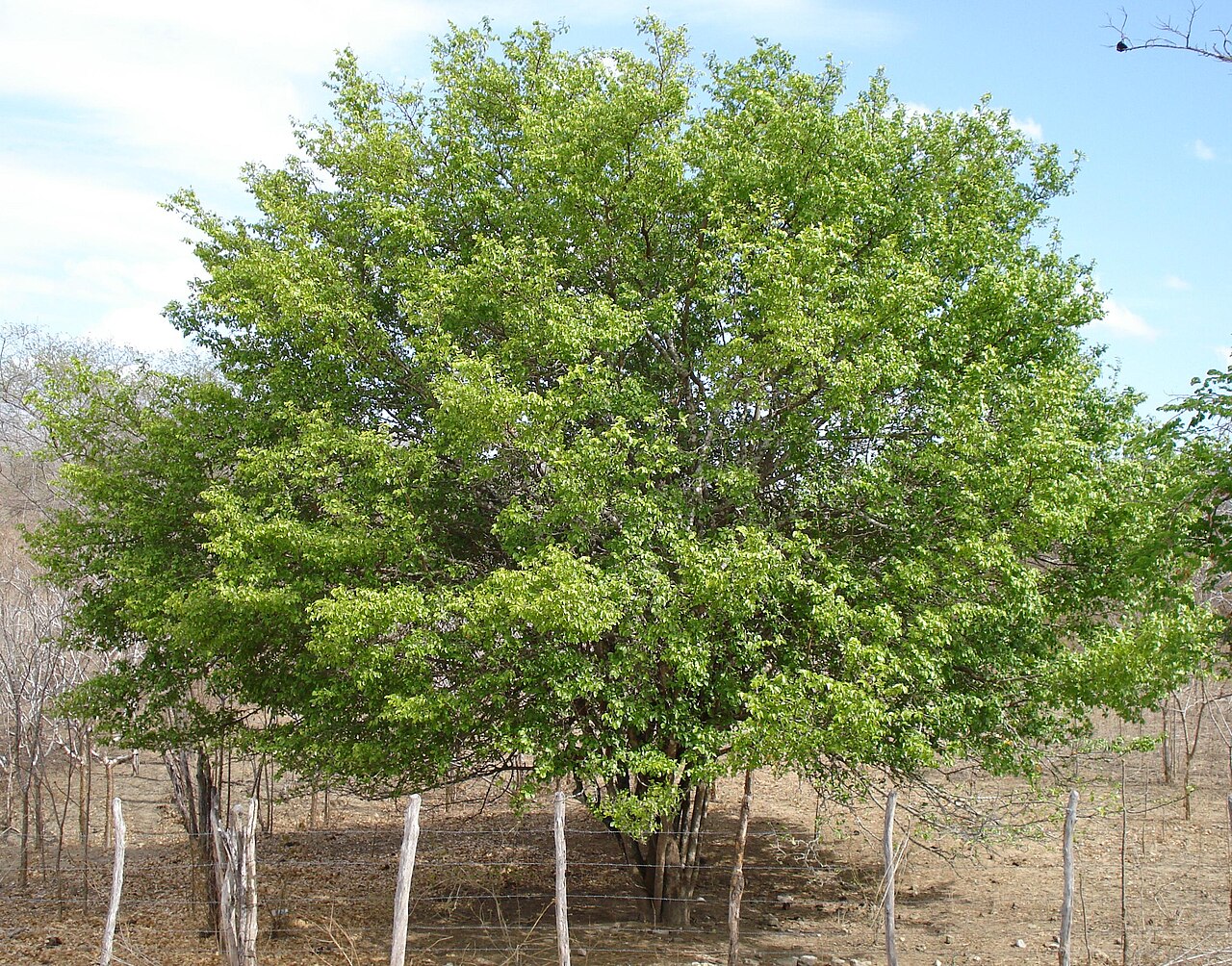
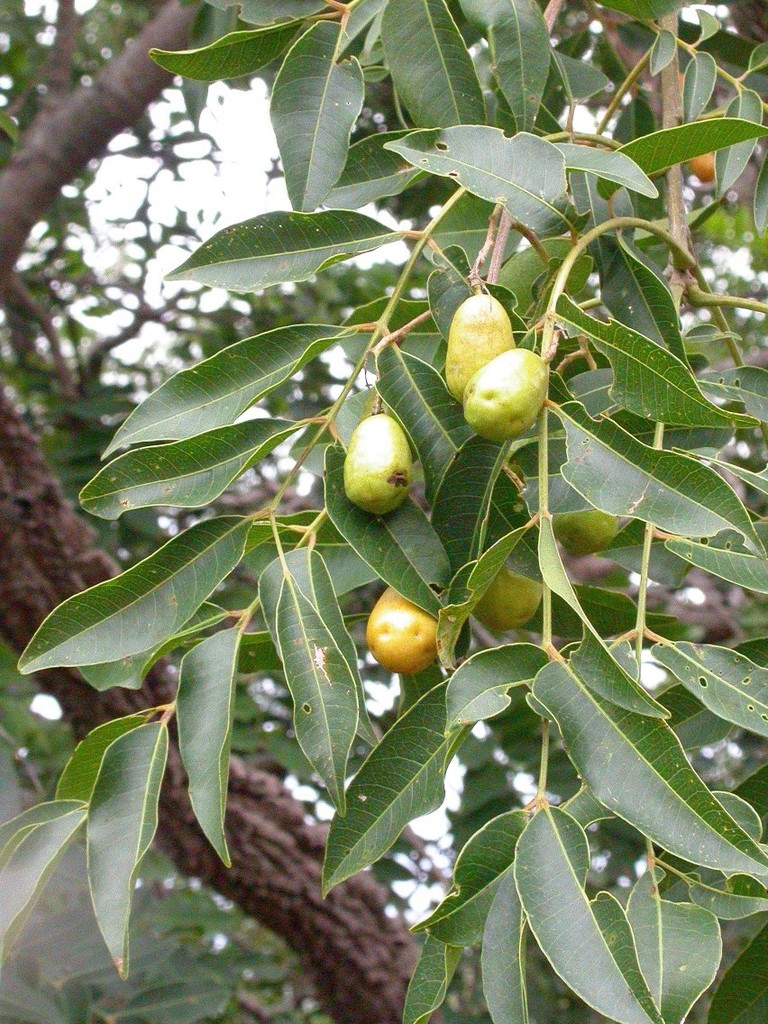
Brazilian jujube
Sarcomphalus joazeiro
Climax HighEvergreen Caatinga tree known for remaining green throughout the dry season thanks to deep taproots that reach groundwater.
-
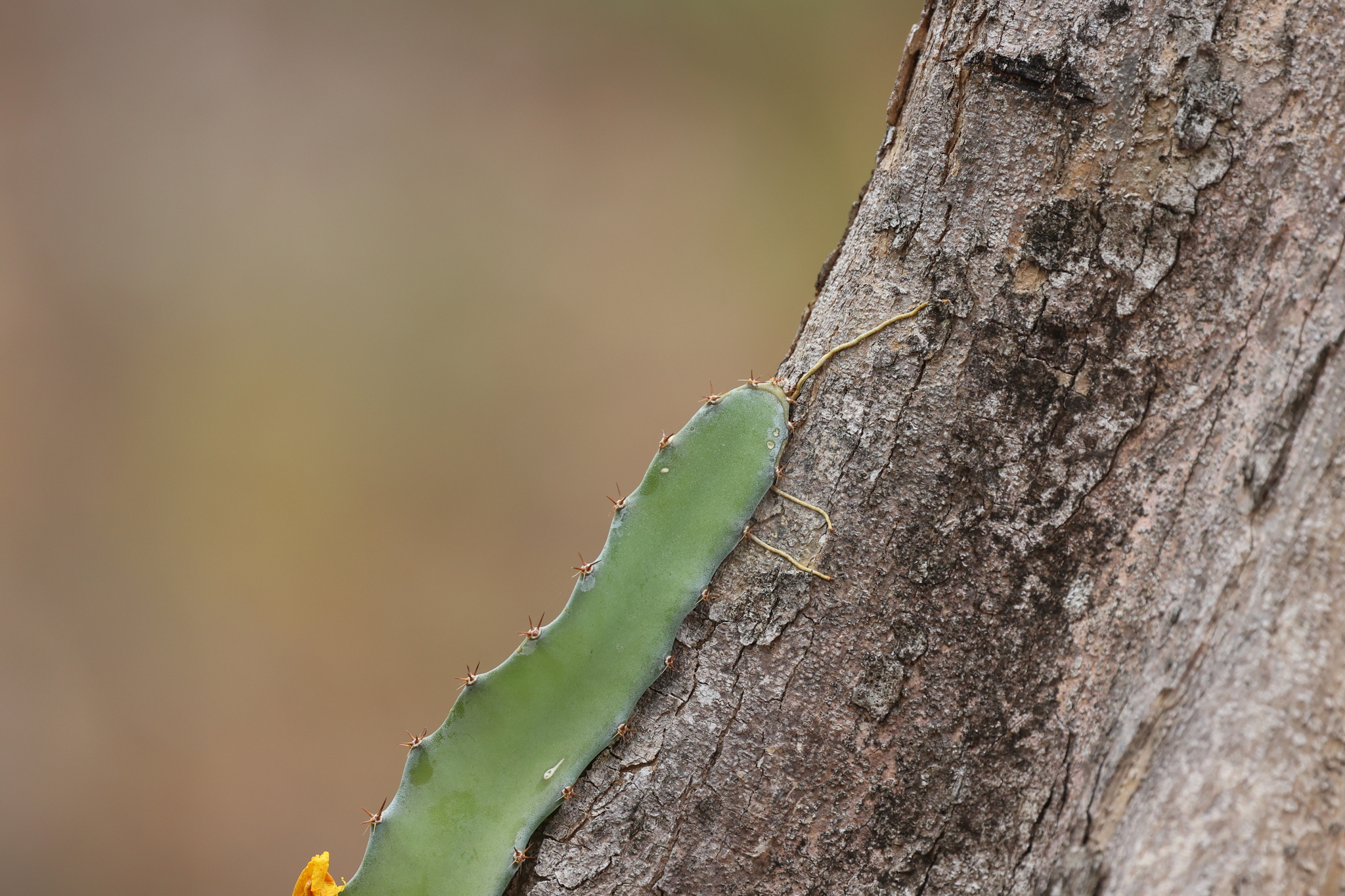
red-fleshed dragon fruit
Selenicereus costaricensis
Placenta II Low No biomass productionAn epiphytic, climbing cactus native to Central America and northwestern South America (from Nicaragua to northern Peru), grown for its deep red-fl...
-
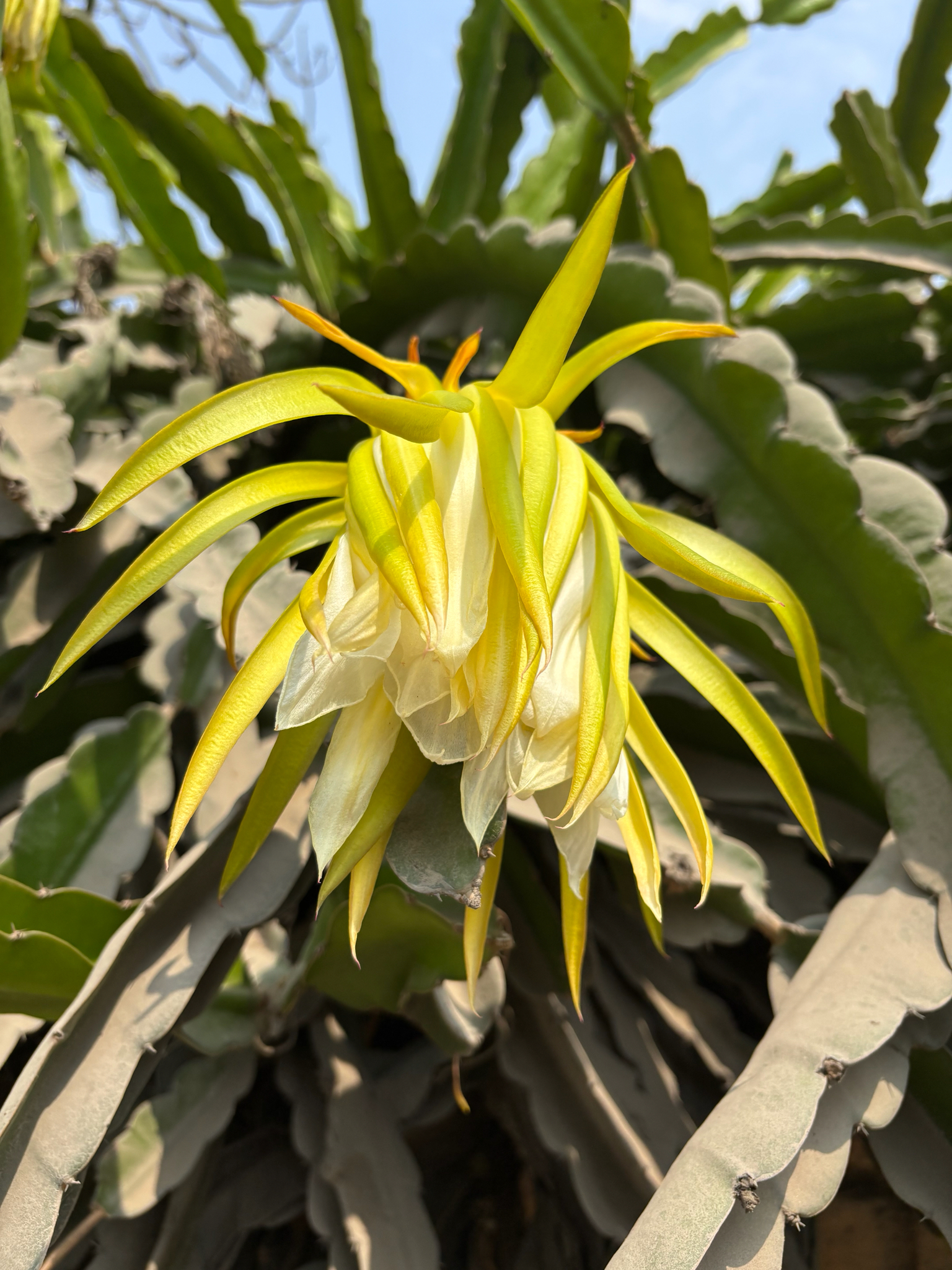
white-fleshed dragon fruit
Selenicereus undatus
Placenta II Low No biomass productionAn epiphytic, climbing cactus (originating between Mexico and Honduras) grown for its white-fleshed, pink-skinned dragon fruit. It grows on support...
-
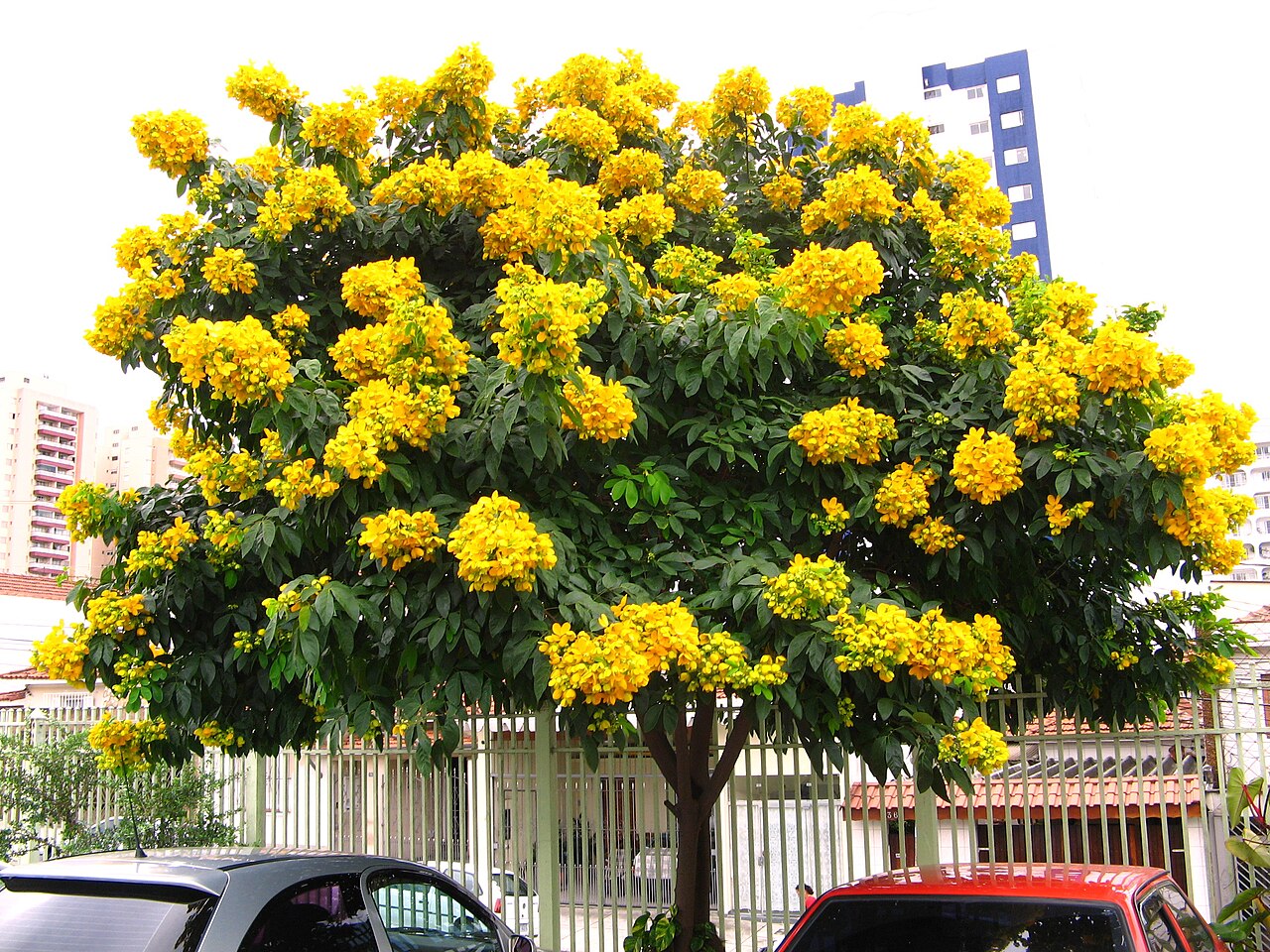
senna macranthera
Senna macranthera
Secondary I Medium Fertilizer biomassA nitrogen-associated leguminous tree native to Brazil, small to medium-sized (6-8 m), fast-growing and semi-deciduous. It bears showy yellow flowe...
-
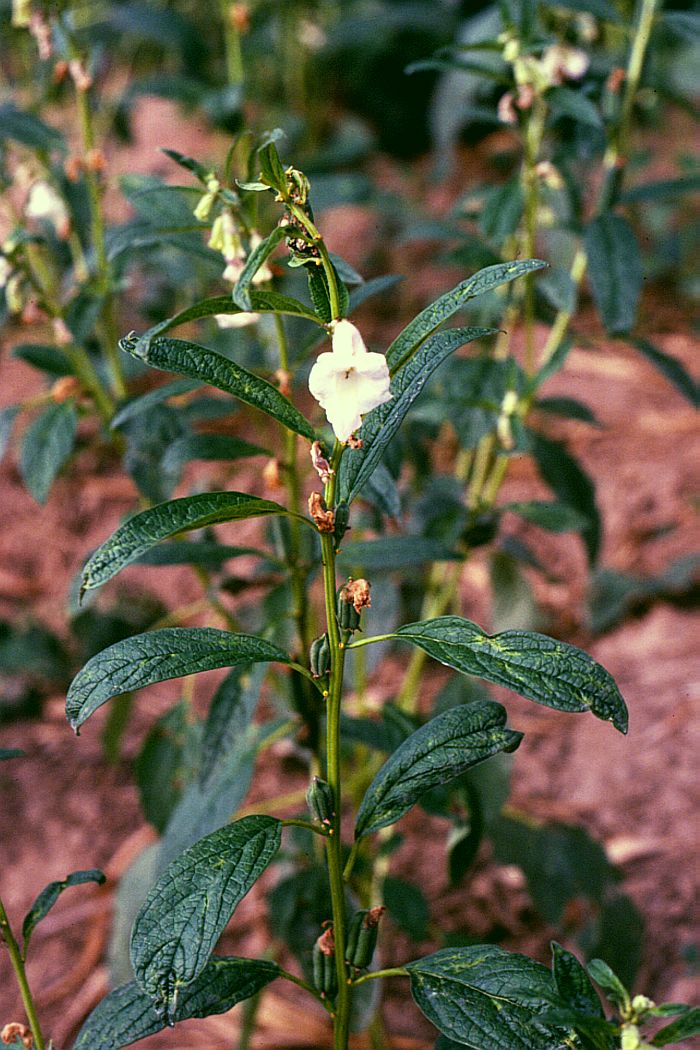
sesame
Sesamum indicum
Placenta I High No biomass productionIndo-African annual oilseed. EcoAgri lists it in the high stratum of the 'up to 6 months' bin. Tolerates sandy soils and drought well; seeds are hi...
-
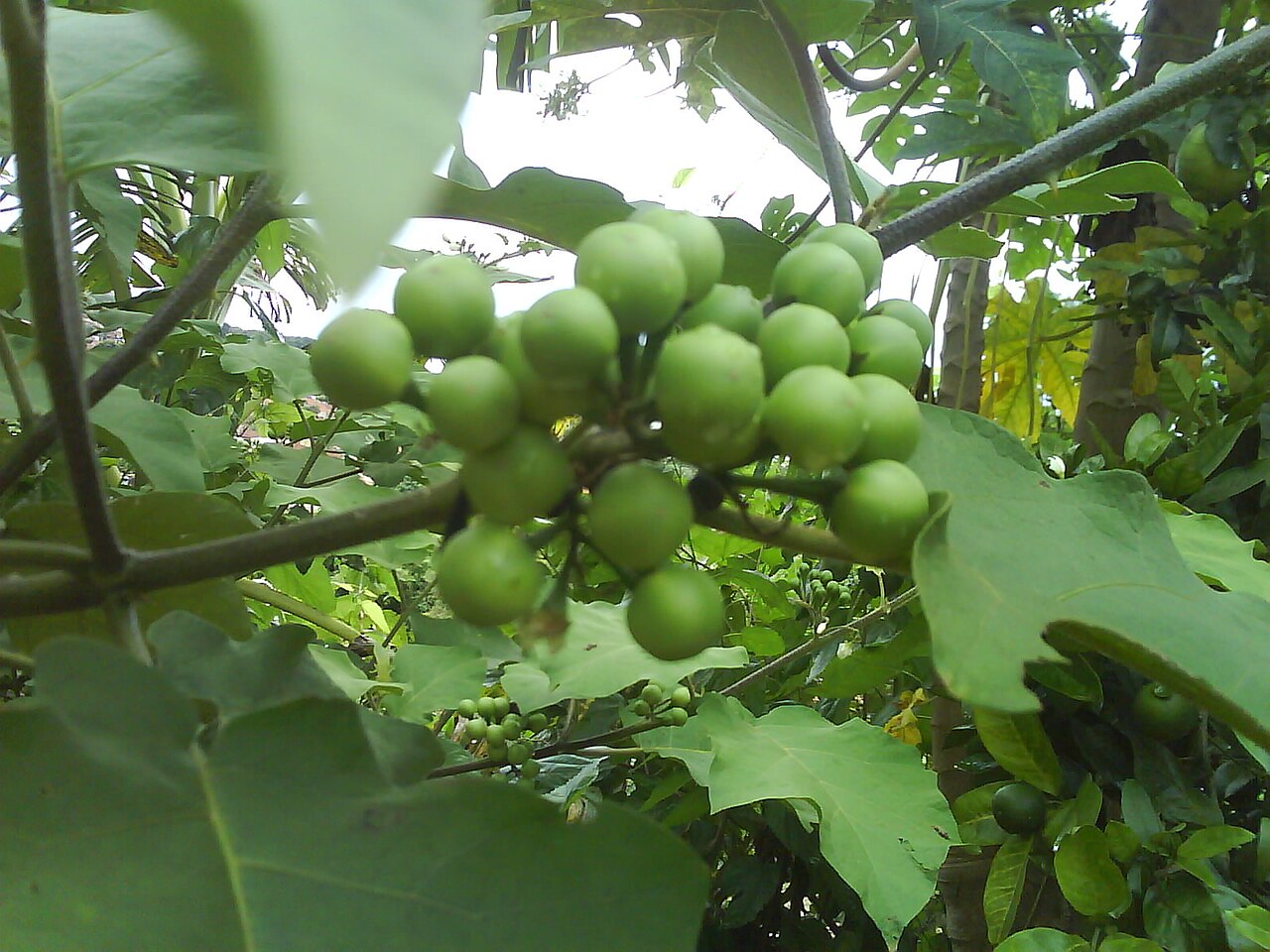
jurubeba
Solanum paniculatum
Placenta II Medium No biomass productionA pioneer shrub native to Brazil, in the Solanaceae, common in disturbed areas, roadsides and pastures across most of the country. It reaches about...
-
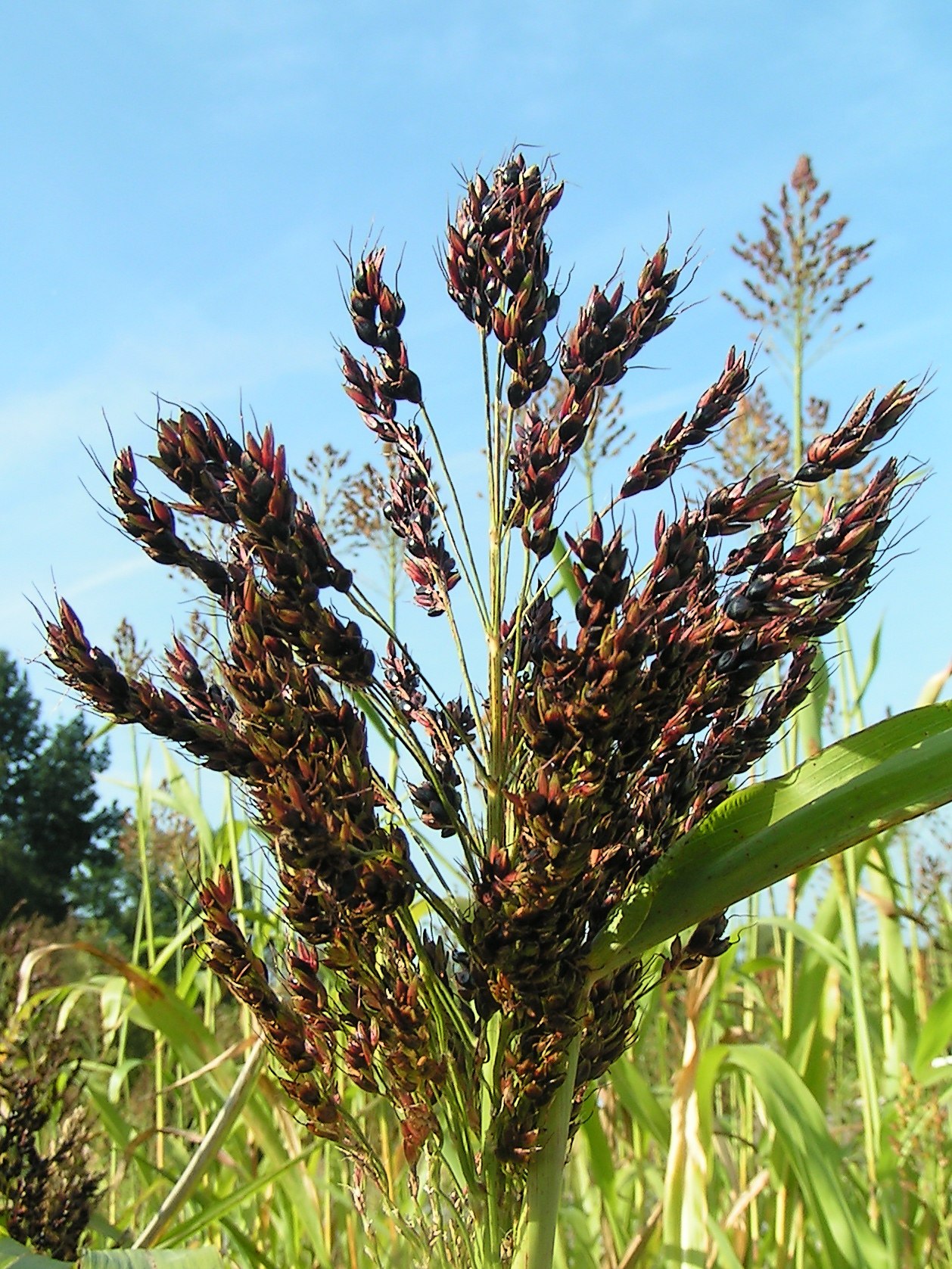
sorghum
Sorghum bicolor
Placenta I Emergent Mulch biomassAfrican annual cereal highly tolerant of drought. Rebello & Sakamoto (2019) list sorghum among grain crops (alongside soybean, corn, and cotton) pr...
-
yellow mombin
Spondias mombin
Secondary I Emergent No biomass productionFast-growing pioneer fruit tree; Pasini lists it in the emergent/high stratum of Tabela 3 and among Abundance-system species (emergent stratum, 10–...
-
red mombin
Spondias purpurea
Secondary I High No biomass productionNortheastern Brazilian native fruit tree; propagated by cuttings. Pasini lists it in the high stratum of Tabela 3. Drought-tolerant, short cycle to...
-
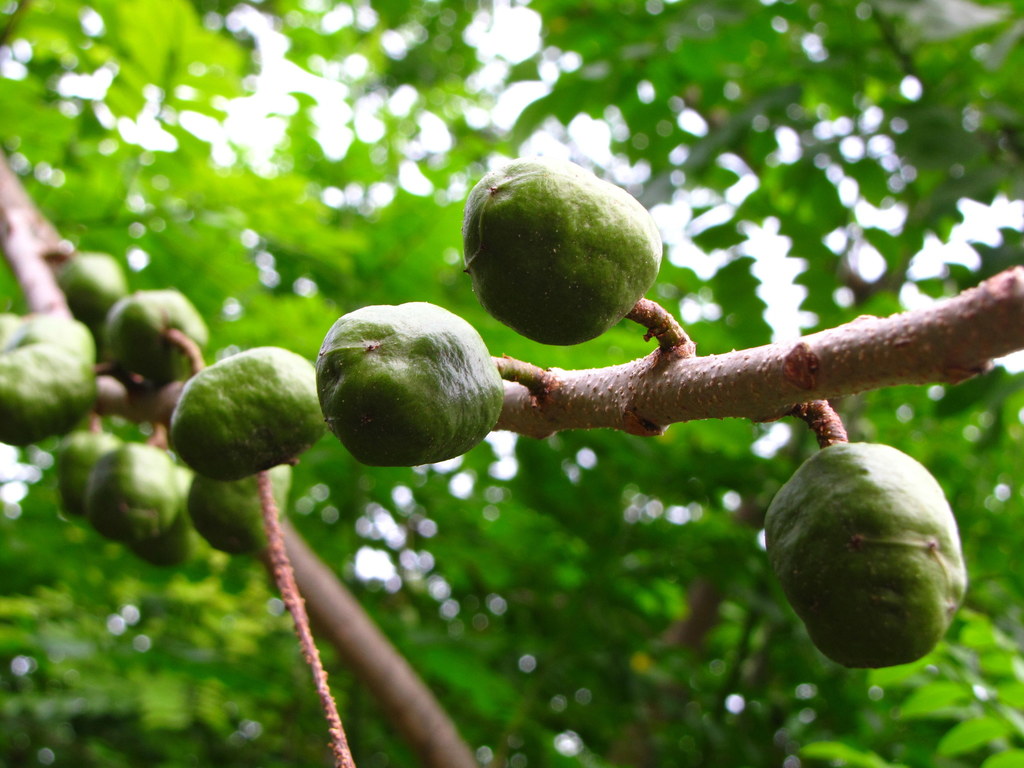
Brazil plum
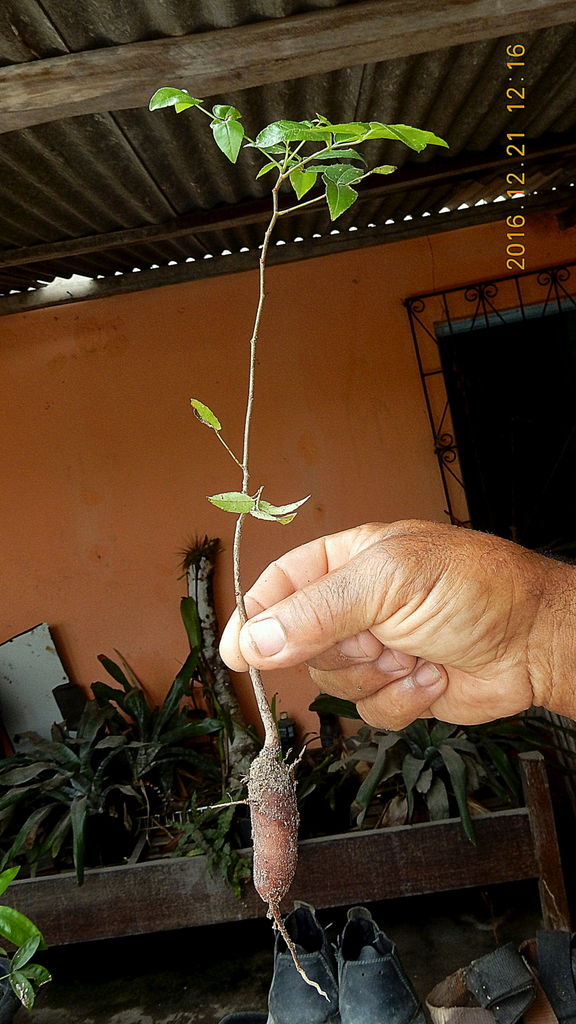
Spondias tuberosa
Climax MediumEndemic fruit tree of the Caatinga semiarid biome, with underground tuberous roots (xylopodia) that store water and allow it to survive long drough...
-
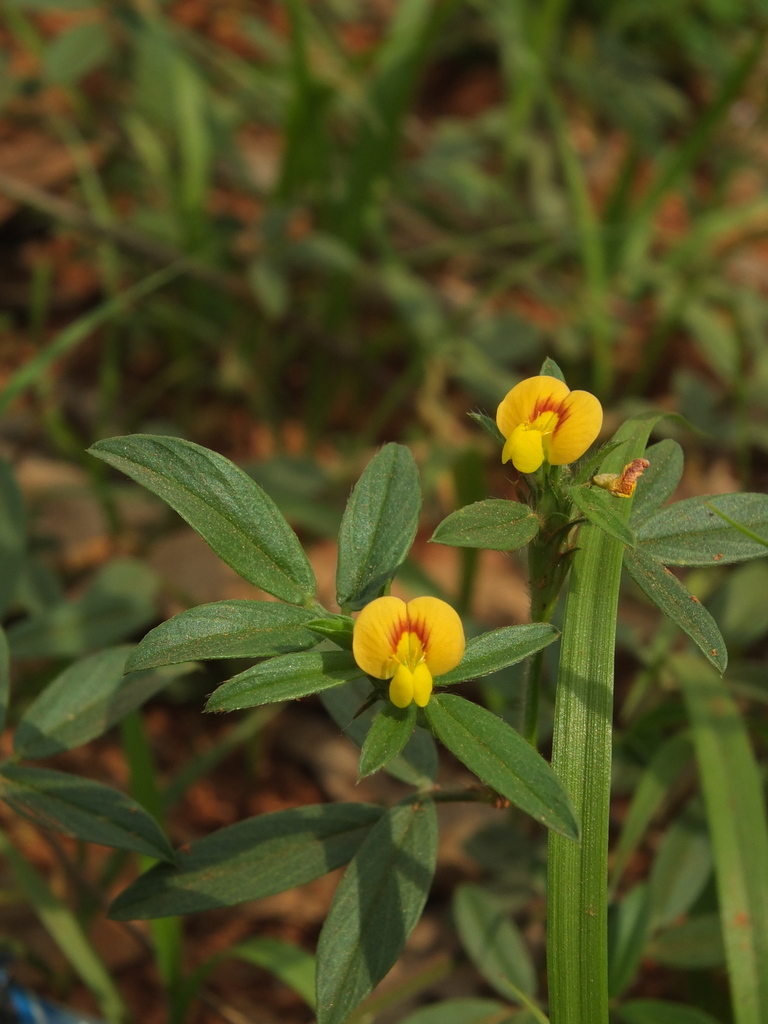
stylo
Stylosanthes guianensis
Placenta I Ground cover Fertilizer biomass 🌱 Nitrogen fixerHerbaceous forage legume, nitrogen-fixer. Rebello includes stylosanthes among key accumulation-phase species in Cerrado and Caatinga, alongside pig...
-
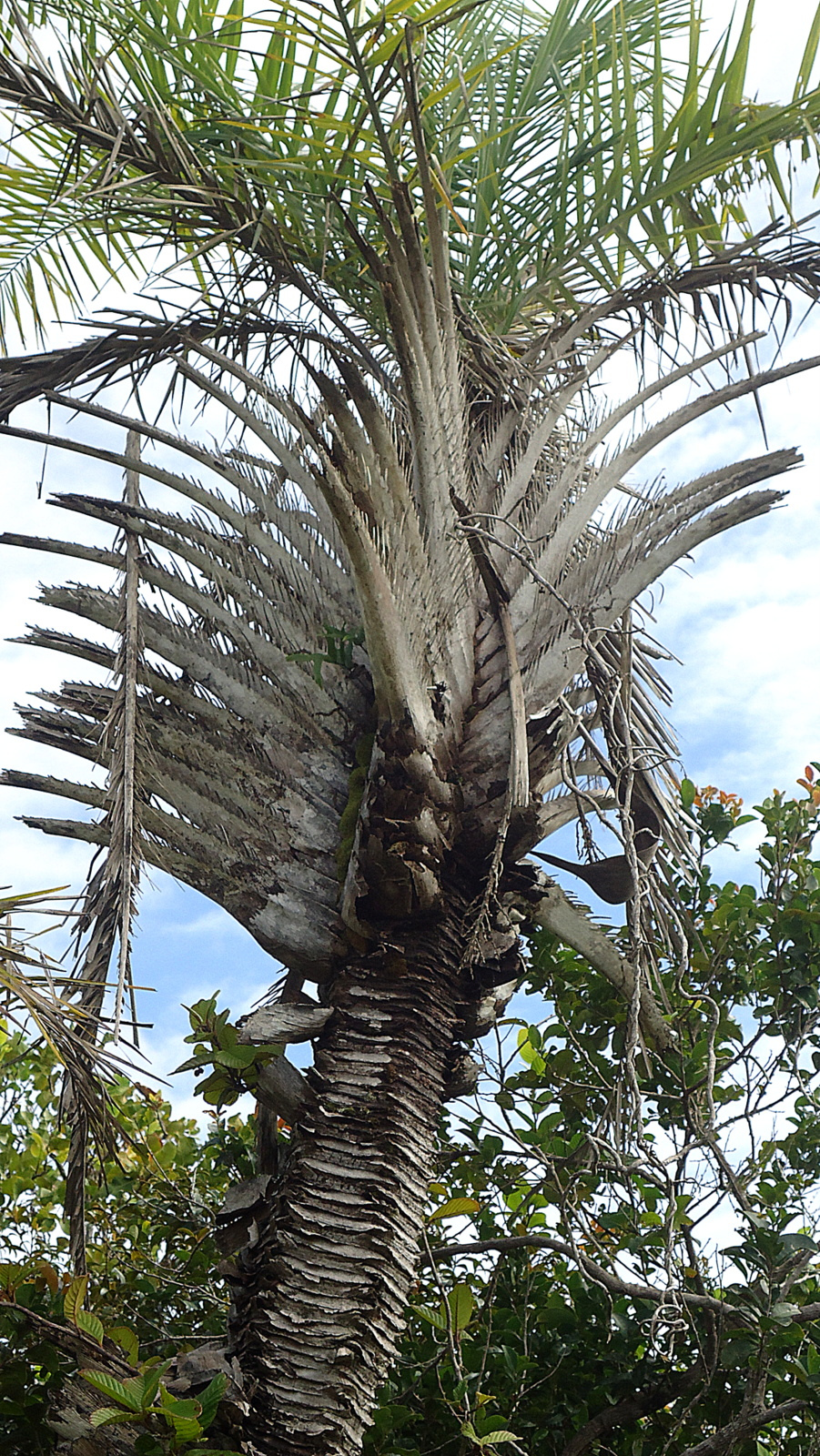
licuri palm
Syagrus coronata
Climax High Mulch biomassNative palm of the Caatinga and Northeastern Atlantic Forest, from northern Minas Gerais to Maranhão. Medium height (8–12 m), trunk covered by pers...
-
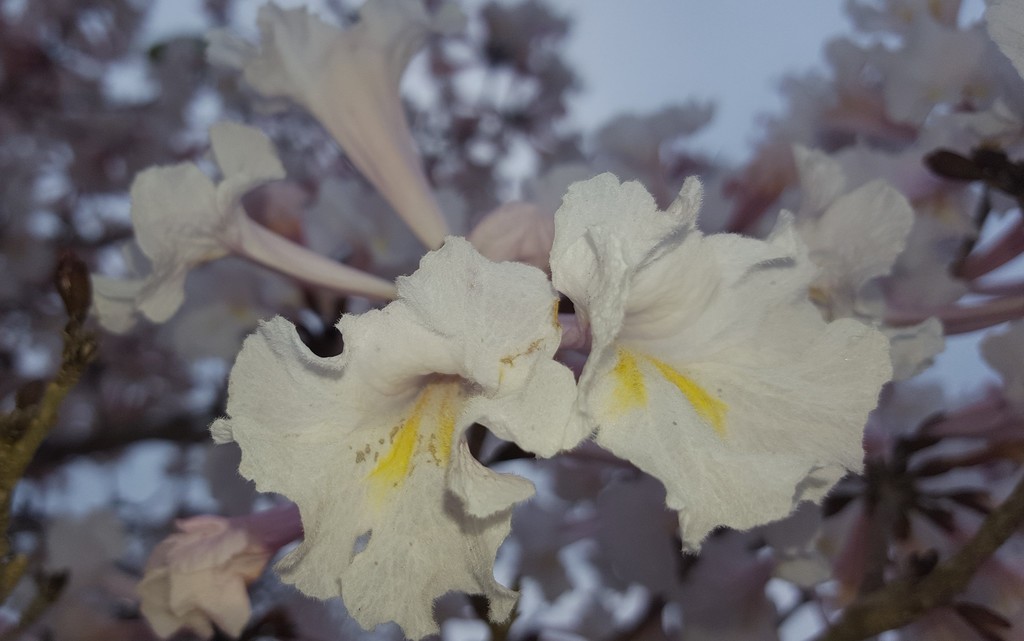
white ipê
Tabebuia roseoalba
Climax High No biomass productionMedium tree of the Cerrado, Atlantic Forest, and Caatinga (10–18 m). White-to-pale-pink flowering in July–August. Drought-tolerant. Medium-density ...
-
tamarind
Tamarindus indica
Climax High No biomass production 🌱 Nitrogen fixerAfrican leguminous fruit tree naturalized in the Brazilian semi-arid. EcoAgri lists it in the high stratum of the '> 50 years' bin. Tolerates sandy...
-
cowpea
Vigna unguiculata
Placenta I Ground cover Fertilizer biomass 🌱 Nitrogen fixerAnnual nitrogen-fixing legume, prostrate or semi-climbing. Adapted to NE Brazil — protein staple of regional cuisine. Short cycle (60–90 days). Mor...
-
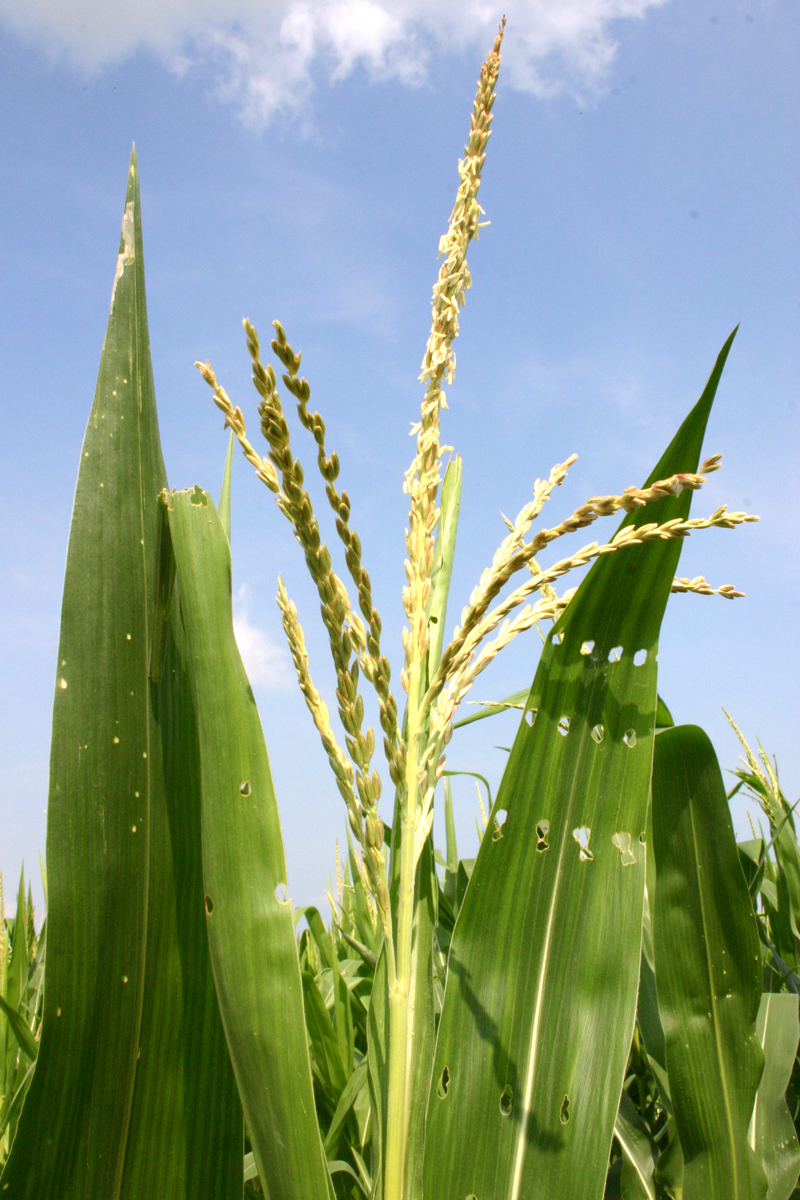
maize
Zea mays
Placenta I Emergent Mulch biomassAnnual C4 cereal — placed by Pasini in the emergent stratum of Tabela 3 and recommended for the 'up to 6 months' phase of Tabela 4. Short-cycle cov...
❓ Frequently asked questions
What characterizes the Caatinga biome?
A uniquely Brazilian semi-arid biome. Deciduous vegetation adapted to prolonged drought (8–10 months): cacti, deep-rooted trees, species whose phenology is rain-driven. For agroforestry systems in semi-arid zones, Caatinga offers the richest pool of xerophytic species in the hemisphere.
Which plants does the catalog suggest for the Caatinga biome?
The catalog holds 95 species, among them quintal avocado, lima bean, common purslane. Each profile shows stratum, succession stage, and the management data, with sources cited.