
Biome
Plants of the Pantanal biome
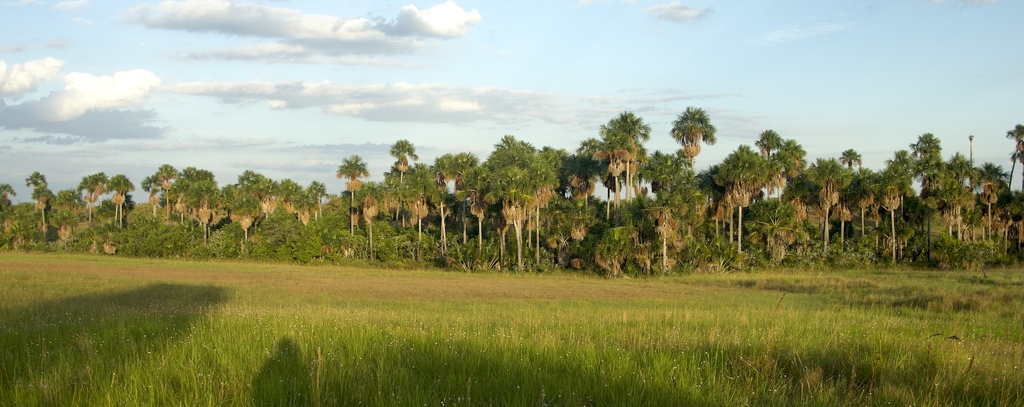
A seasonal floodplain: in the Pantanal, the water pulse rules the design. Flood-prone ground asks for waterlogging-tolerant species; the higher patches take the orchard and the timber. Waterlogging tolerance is on each profile.
14 species in the catalog · Refine this list in the catalog
-
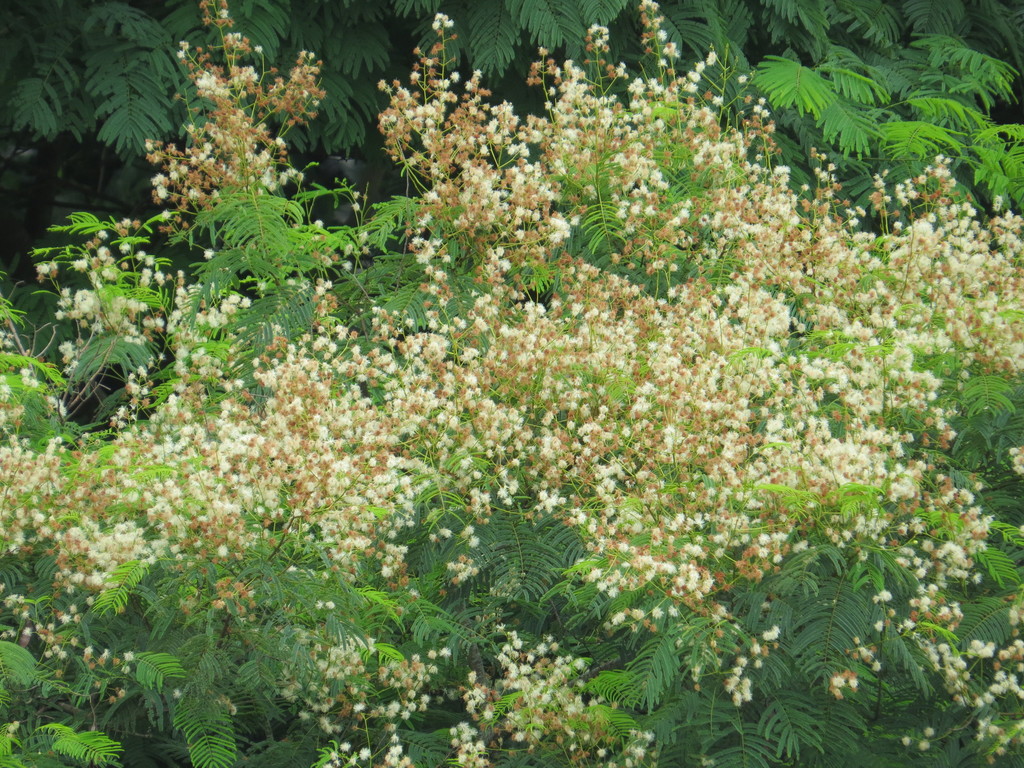
cebil
Anadenanthera colubrina
Secondary I High Fertilizer biomass 🌱 Nitrogen fixerFast-growing pioneer legume, nitrogen fixer. Adapted to poor and degraded soils; widely used in restoration of degraded areas across Caatinga, Cerr...
-
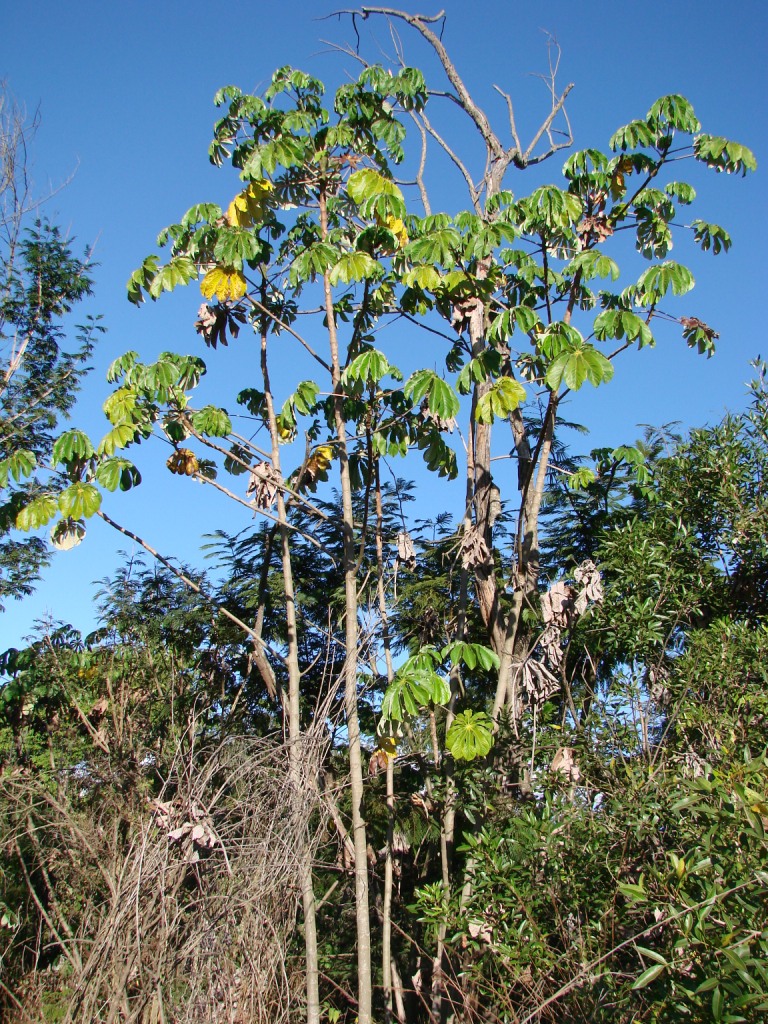
trumpet tree
Cecropia pachystachya
Placenta II Medium Mulch biomassFast-growing, short-lived (~20 years) pioneer tree that colonizes edges and gaps in all Brazilian biomes. Fruits eaten by birds and primates; symbi...
-
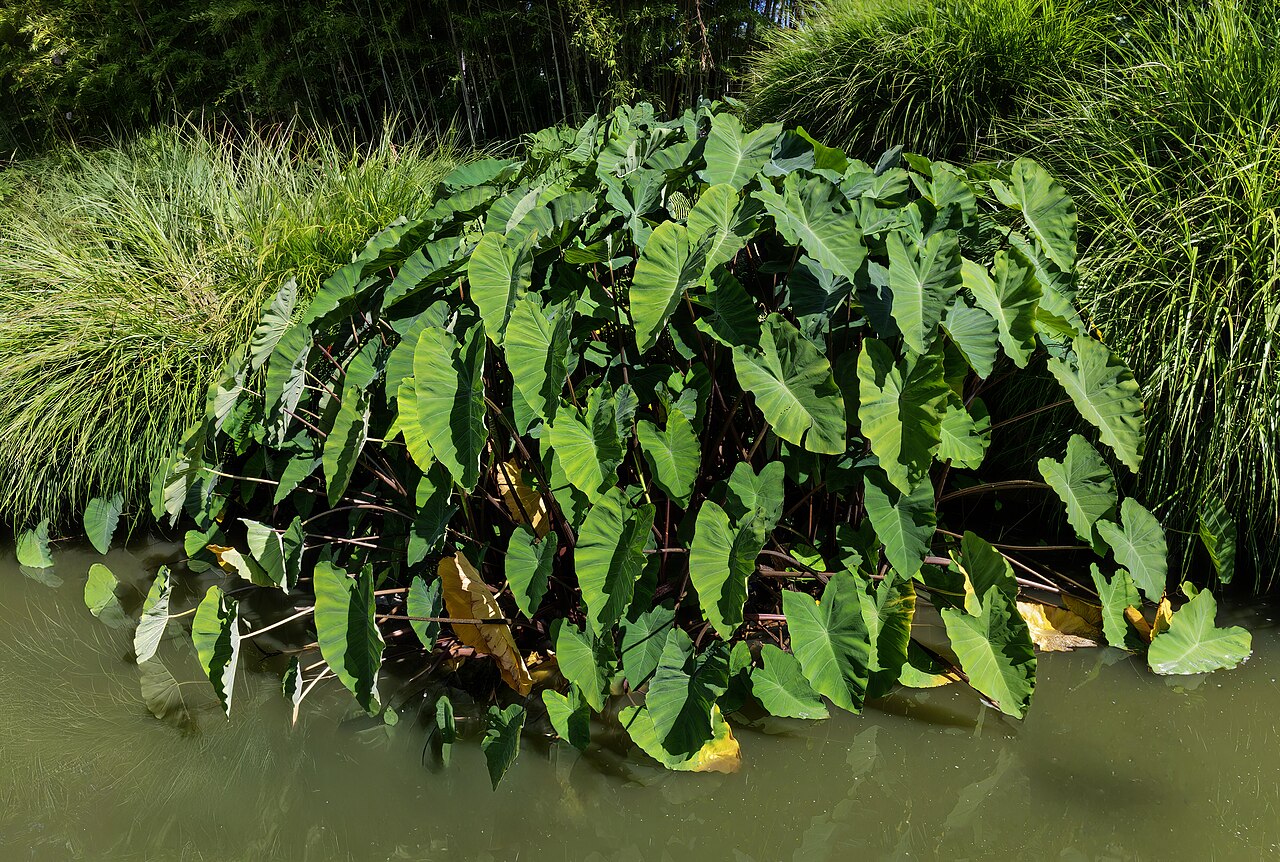
taro
Colocasia esculenta
Placenta I Low Fertilizer biomassDistinct from taioba (Xanthosoma sagittifolium, already in canon, native species) and from yam (Dioscorea spp.). Introduced Asian species cultivate...
-
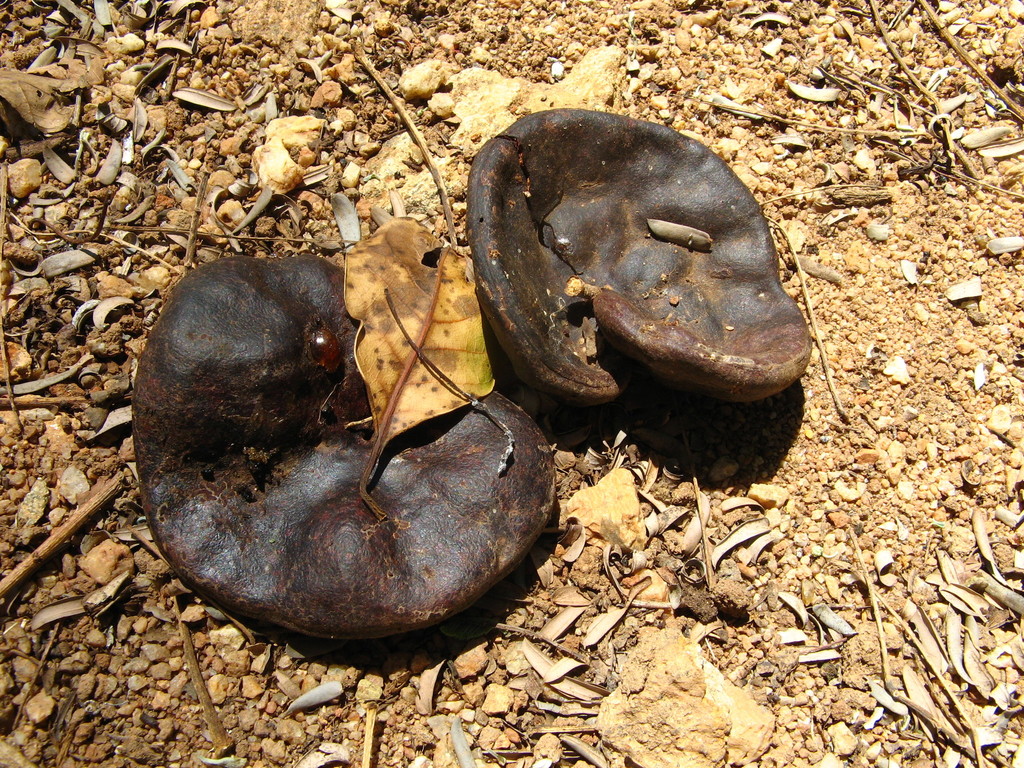
earpod tree
Enterolobium contortisiliquum
Climax Emergent Fertilizer biomass 🌱 Nitrogen fixerLarge nitrogen-fixing leguminous tree native to the Atlantic Forest and Cerrado. EcoAgri lists it in the emergent stratum of the '> 50 years' bin. ...
-
cockspur coral tree
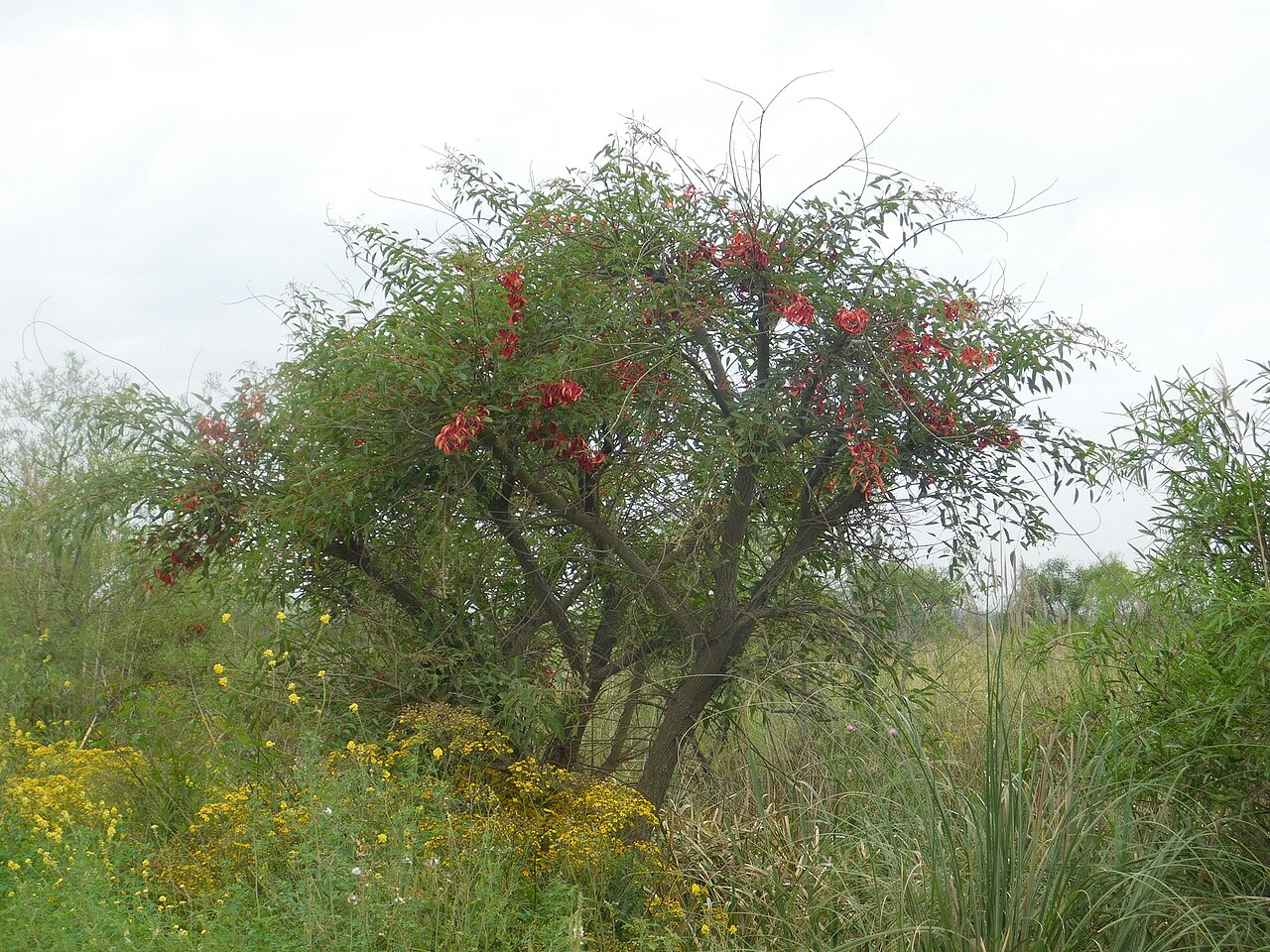
Erythrina crista-galli
Secondary I Medium Fertilizer biomass 🌱 Nitrogen fixerA deciduous, sun-loving leguminous small tree or tree up to 10-15 m, native to southern Brazil and the rest of southern South America. It inhabits ...
-
genipa
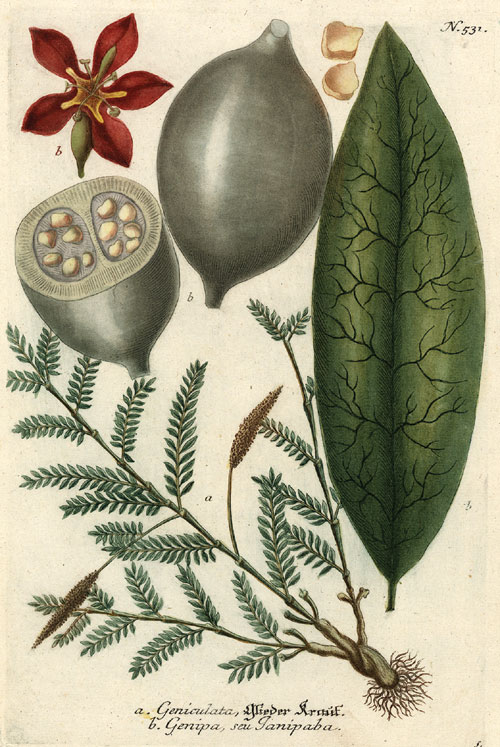
Genipa americana
Climax High No biomass productionPan-Brazilian native fruit (Cerrado, MA, Amazonia, Pantanal). EcoAgri lists it in the high stratum of the '> 50 years' bin. Edible fruit and source...
-
guadua
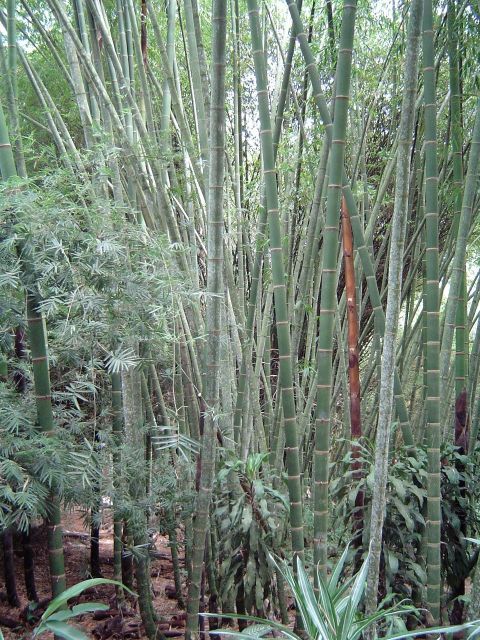
Guadua angustifolia
Secondary I Emergent Mulch biomassA woody clumping bamboo native to Central and South America, regarded as the finest structural bamboo of the Americas. It forms straight, strong cu...
-
West Indian elm
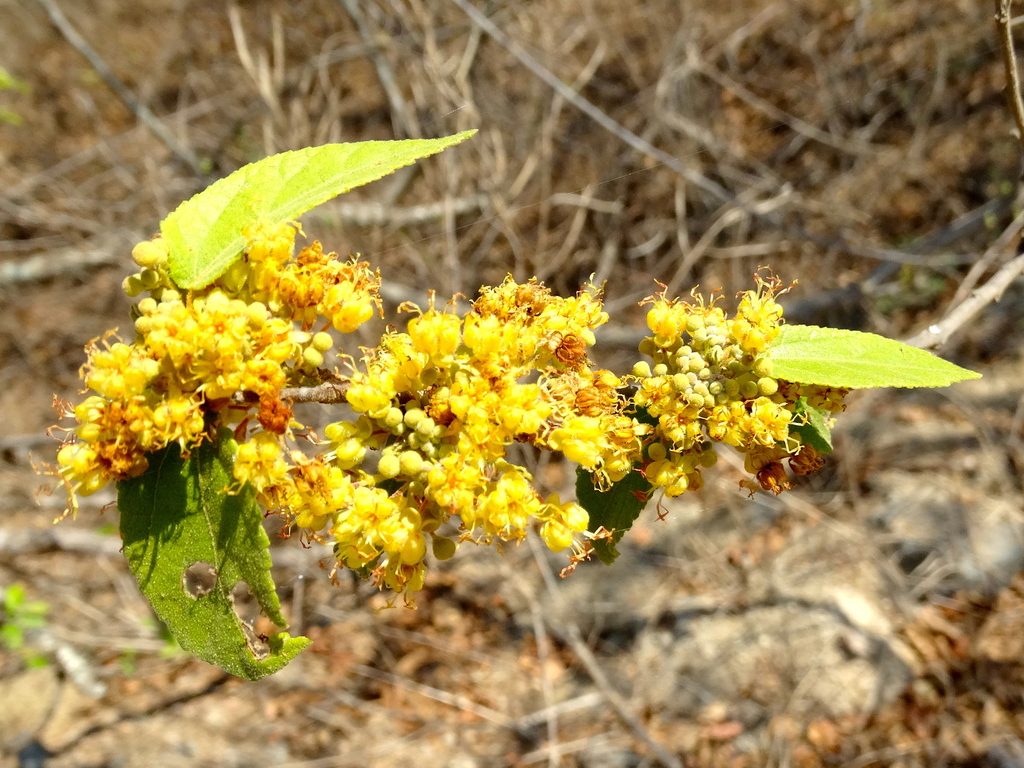
Guazuma ulmifolia
Secondary I High Mulch biomassFast-growing pioneer tree native to the Cerrado, Pantanal, and Atlantic Forest. Pasini lists it in the high stratum of Tabela 3 and in the 10–20 ye...
-
pink lapacho
Handroanthus impetiginosus
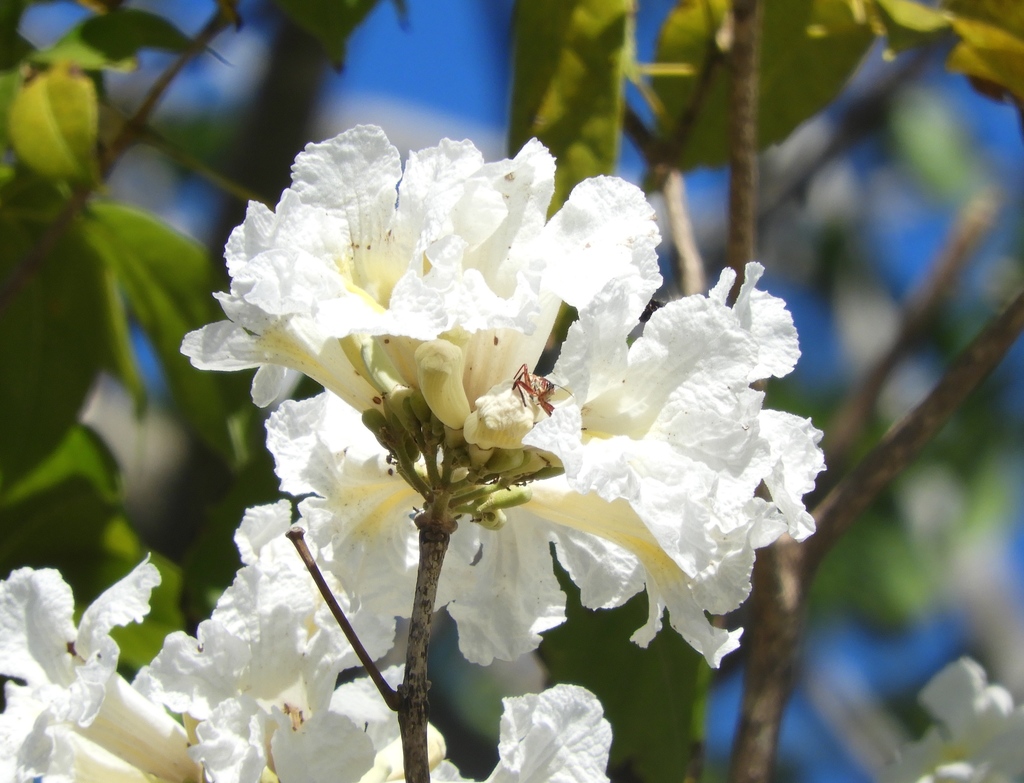
Climax Emergent Mulch biomassEmergent tree native to Cerrado, Atlantic Forest, Caatinga, Amazon, and Pantanal. Reaches 20–35 m in the wild, 8–12 m in cultivation. Vivid magenta...
-
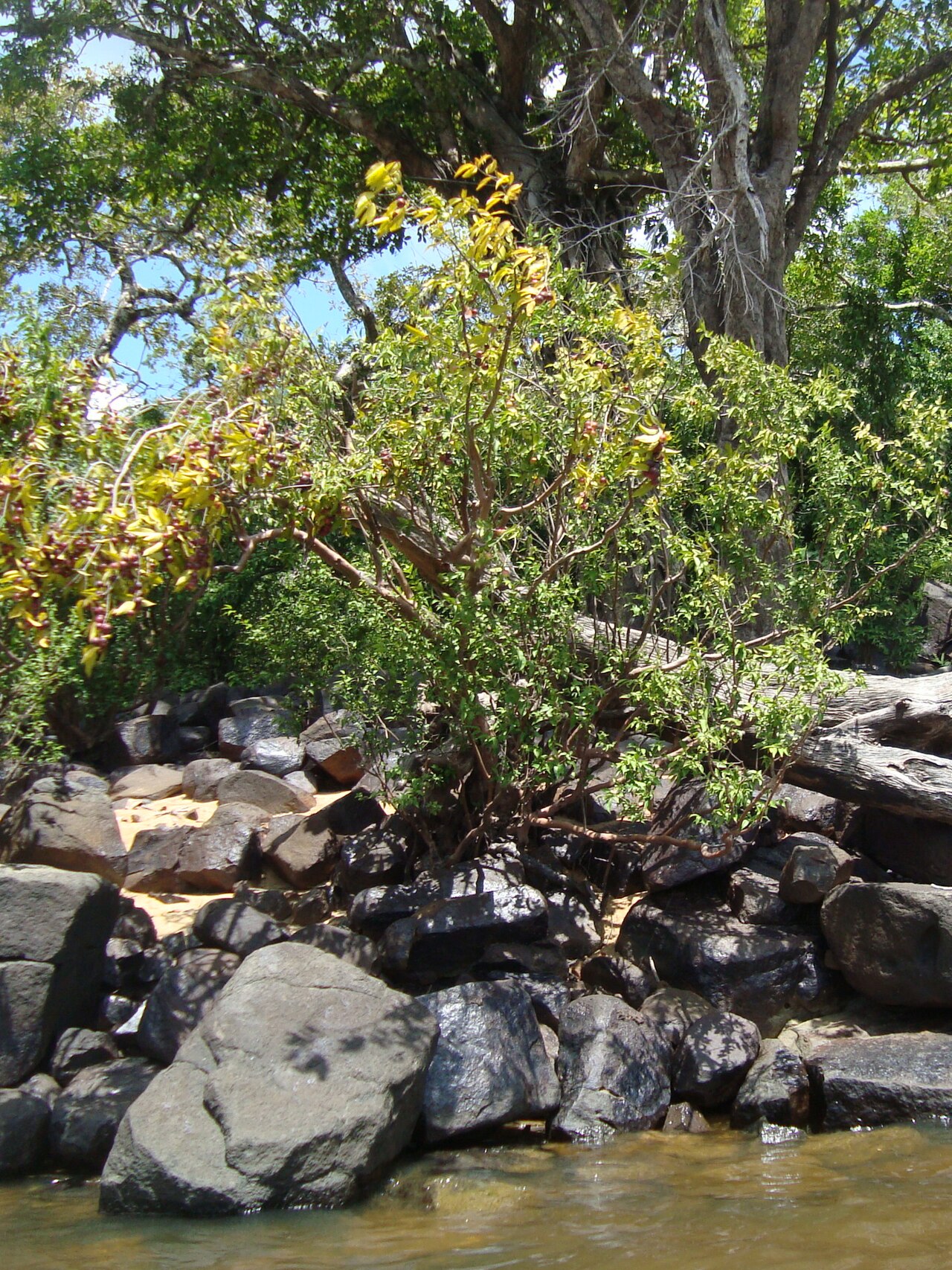
pacari
Lafoensia pacari
Climax Medium No biomass productionCerrado and Pantanal native tree, listed by EcoAgri in the medium stratum of the '> 50 years' bin. Bark traditionally used as a wound-healing and a...
-
moriche palm
Mauritia flexuosa
Climax Emergent No biomass productionGiant palm of Cerrado wetlands (veredas) and Amazonian floodplains. Pasini lists it in the emergent stratum of Tabela 3. A water indicator: forms p...
-
urundeuva
Myracrodruon urundeuva
Climax HighTree with extremely dense, durable hardwood; once dominant in the Caatinga but now threatened by overexploitation. Occurs in Caatinga, Cerrado and ...
-
camu camu
Myrciaria dubia
Placenta II Low No biomass productionAmazonian small tree (2–6 m) of floodable areas — in native habitat survives 4–5 months submerged. Small dark-red fruits with the highest known nat...
-
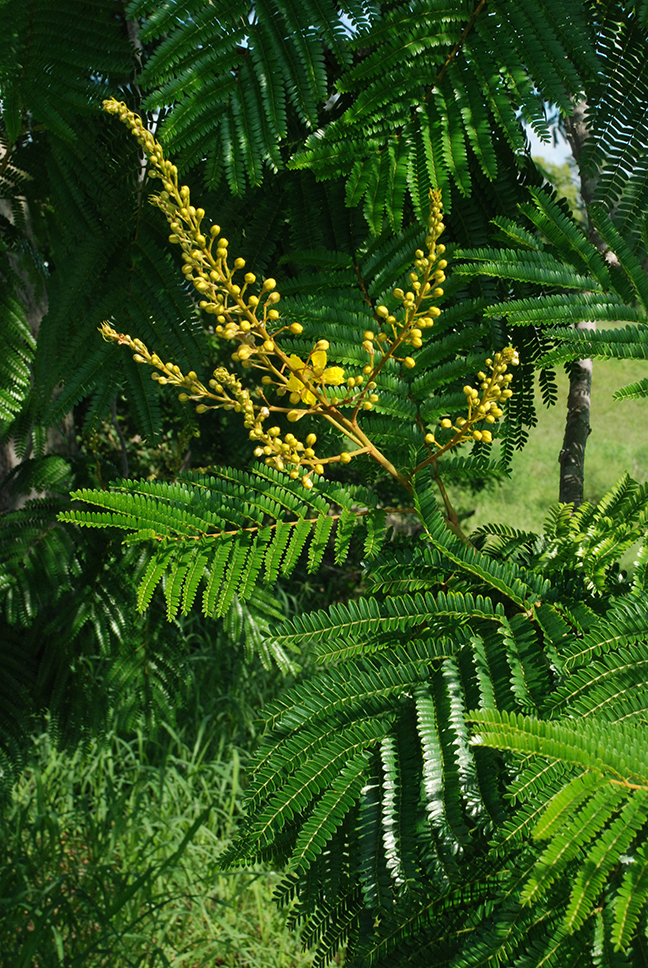
yellow poinciana
Peltophorum dubium
Secondary I High Fertilizer biomassPioneer heliophyte legume with fast growth. 10–20 m, occasionally 40 m at maturity. Occurs in Cerrado and Atlantic Forest, transition zones and rip...
❓ Frequently asked questions
What characterizes the Pantanal biome?
The world's largest seasonal floodplain. An annual flood-and-dry cycle governs vegetation: floodable grasslands, forest islands, and elevated ridges. Syntropic design here demands flood-tolerant species and planting strategies that follow microtopography.
Which plants does the catalog suggest for the Pantanal biome?
The catalog holds 14 species, among them cebil, trumpet tree, taro. Each profile shows stratum, succession stage, and the management data, with sources cited.