
Biome
Plants of the Caatinga biome
Semi-arid, with concentrated, irregular rains: in the Caatinga the priority is building shade and biomass fast to protect the soil, with species that hold through the dry spells. Check each profile for drought tolerance and the species' relation to the biome.
95 species in the catalog · Refine this list in the catalog
-
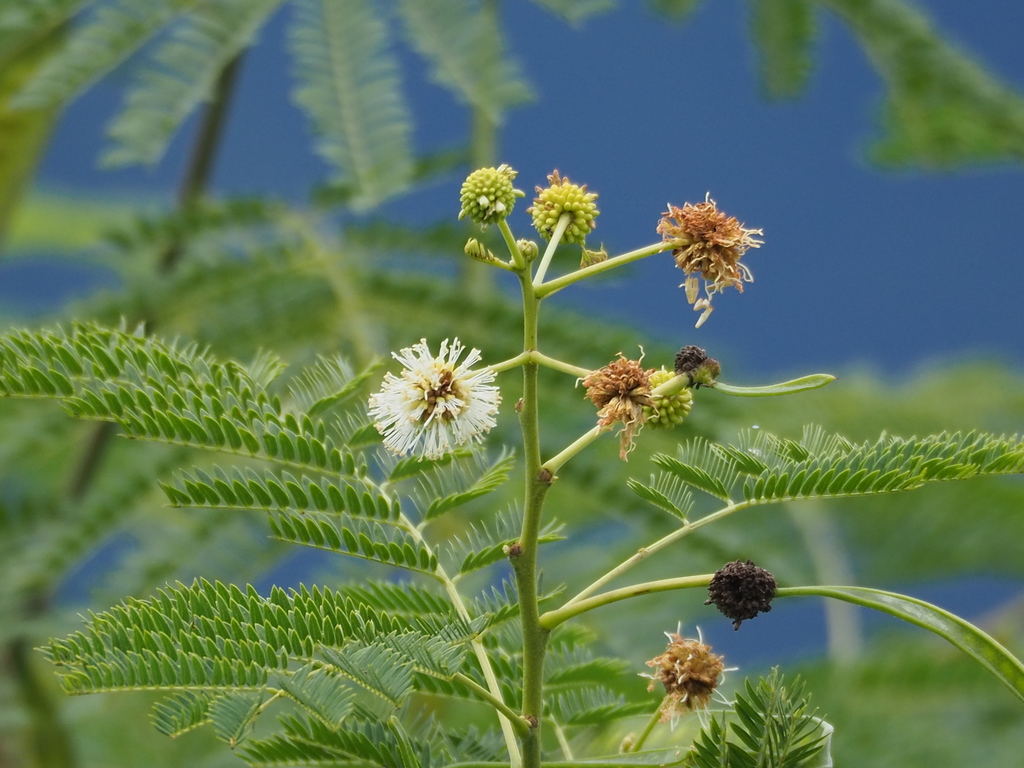
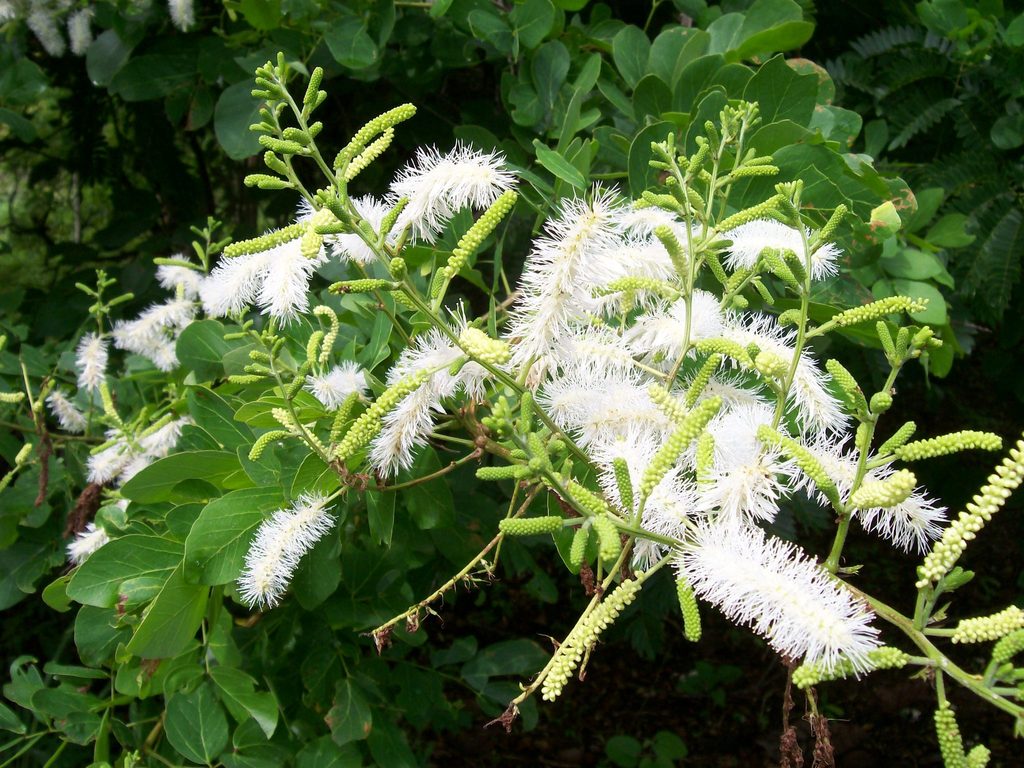
leucaena
Leucaena leucocephala
Secondary I High Fertilizer biomass 🌱 Nitrogen fixerFast-growing nitrogen-fixing tree legume with strong coppicing ability. Cited by Pasini as a tree-form fertilizer biomass species — sources fertili...
-
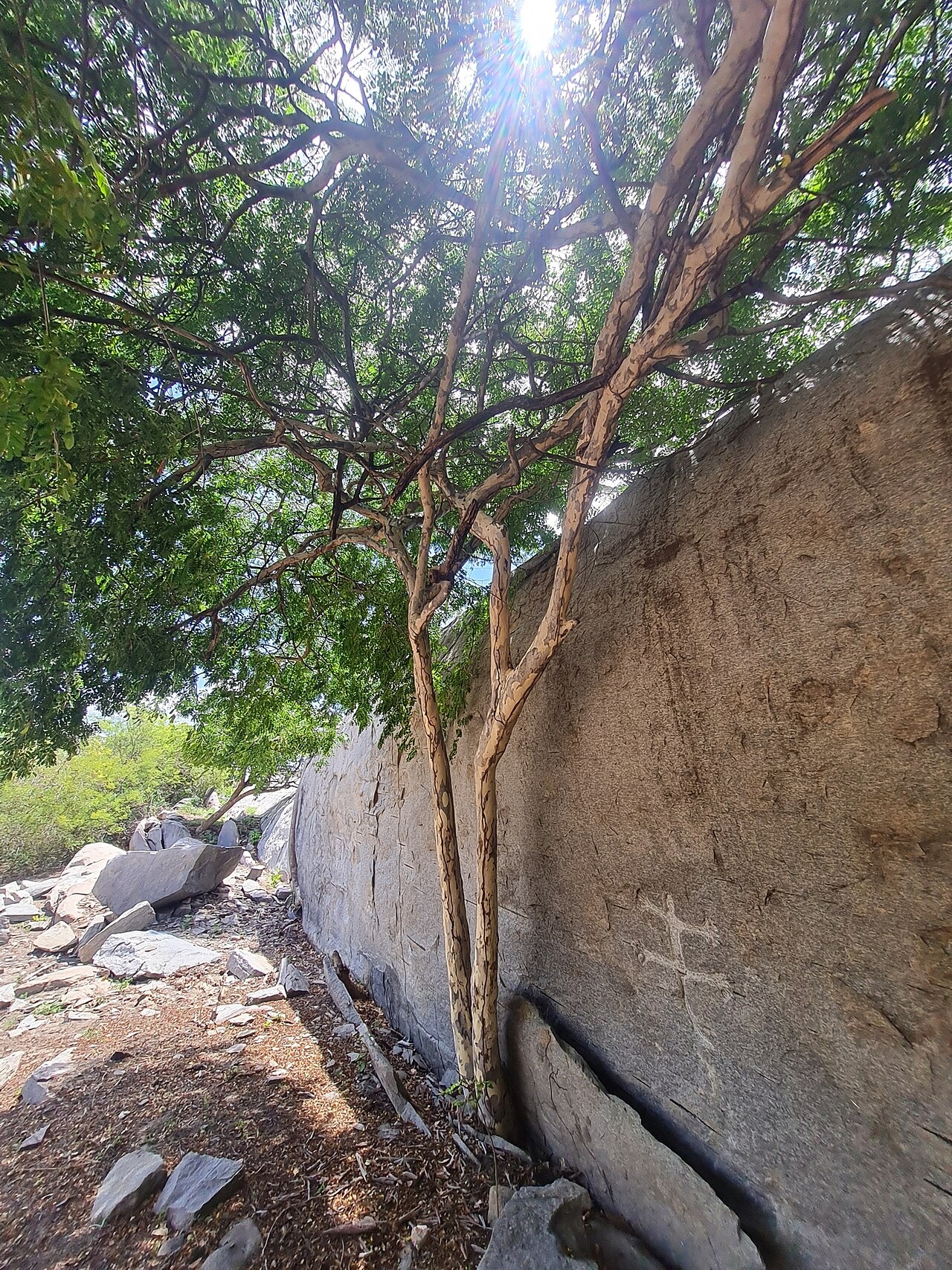
Brazilian ironwood
Libidibia ferrea
Secondary II High Fertilizer & mulchLeguminous tree occurring in Caatinga, Cerrado and Atlantic Forest. Sun-tolerant and melliferous.
-
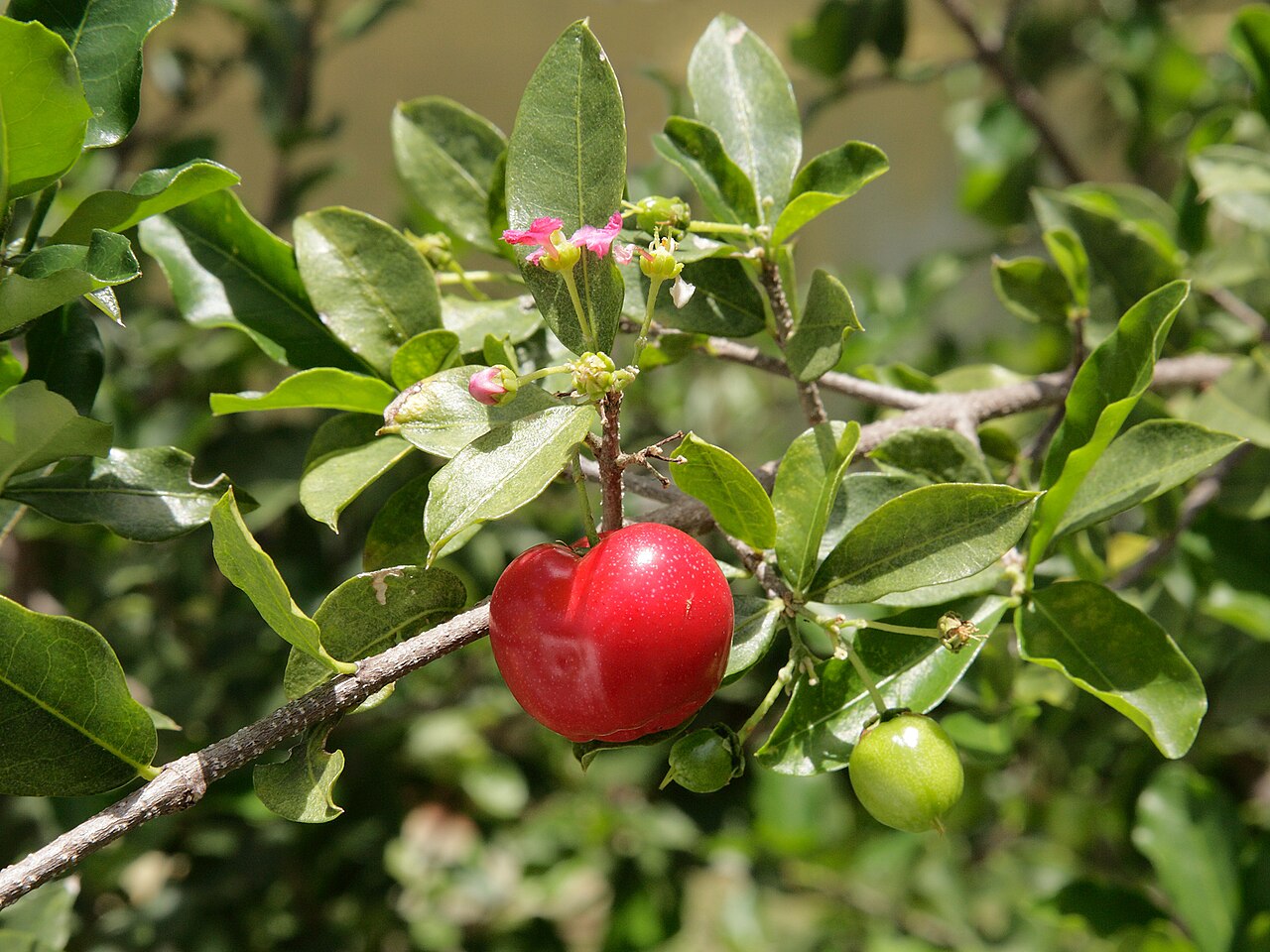
acerola
Malpighia emarginata
Secondary I High No biomass productionSmall fruit shrub; fruits exceptionally rich in vitamin C. Pasini lists it in the high stratum of Tabela 3 and cites it among Abundance-system spec...
-
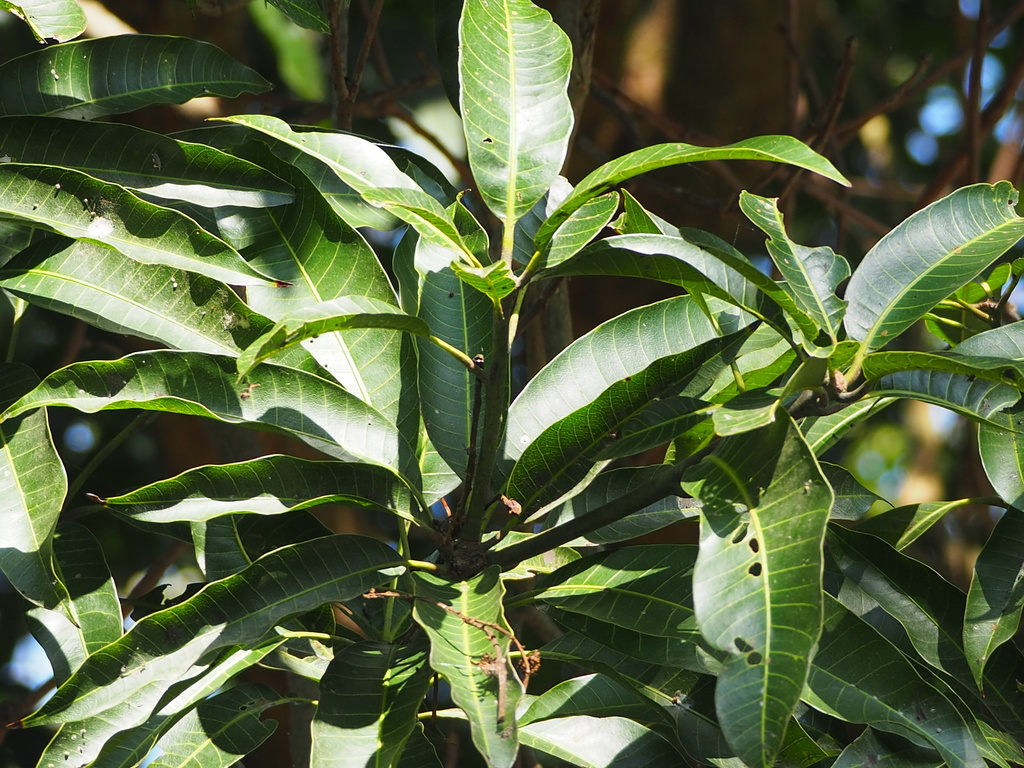
haden mango
Mangifera indica
Secondary II High No biomass productionFlorida heirloom (1910), pioneer of the modern mango era. Large tree (10–12 m), predominantly yellow oval fruit with pink blush, 350–680 g, low fib...
-
tommy atkins mango
Mangifera indica
Secondary II High No biomass productionDominant cultivar in Brazil's mango export trade (~90% of volume). Origin: Florida (1922). Vigorous tree (10–14 m unpruned), dense rounded canopy. ...
-
coquinho mango
Mangifera indica
Secondary II High No biomass productionMedium-sized cultivar (6–9 m), branched canopy. Small round fruit (120–150 g), light yellow-green skin, fibrous flesh with good flavor. Highly prod...
-
palmer mango
Mangifera indica
Secondary II High No biomass productionSemi-dwarf cultivar from Florida (1945). Open canopy, 6–8 m. Elongated fruit, 600–800 g, firm yellow flesh, 21.6° Brix, almost fiber-free. Late rip...
-
rosa mango
Mangifera indica
Secondary II High No biomass productionTraditional Brazilian cultivar with medium tree (8–10 m). Yellow-to-pink fruit (350 g), golden-yellow flesh of excellent flavor (21.8° Brix), low f...
-
espada mango
Mangifera indica
Secondary II Emergent Mulch biomassBrazil's oldest mango cultivar. Vigorous tall tree (12–15 m), green-to-yellow fruit with fibrous flesh (300 g, 18° Brix). Today used more as rootst...
-
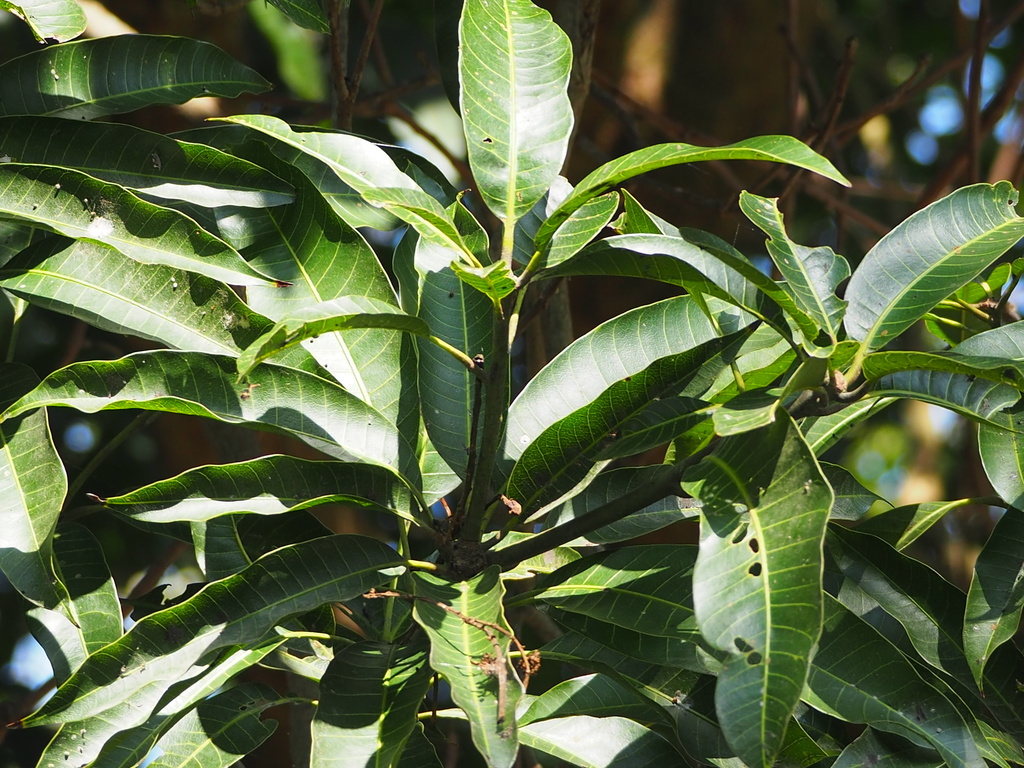
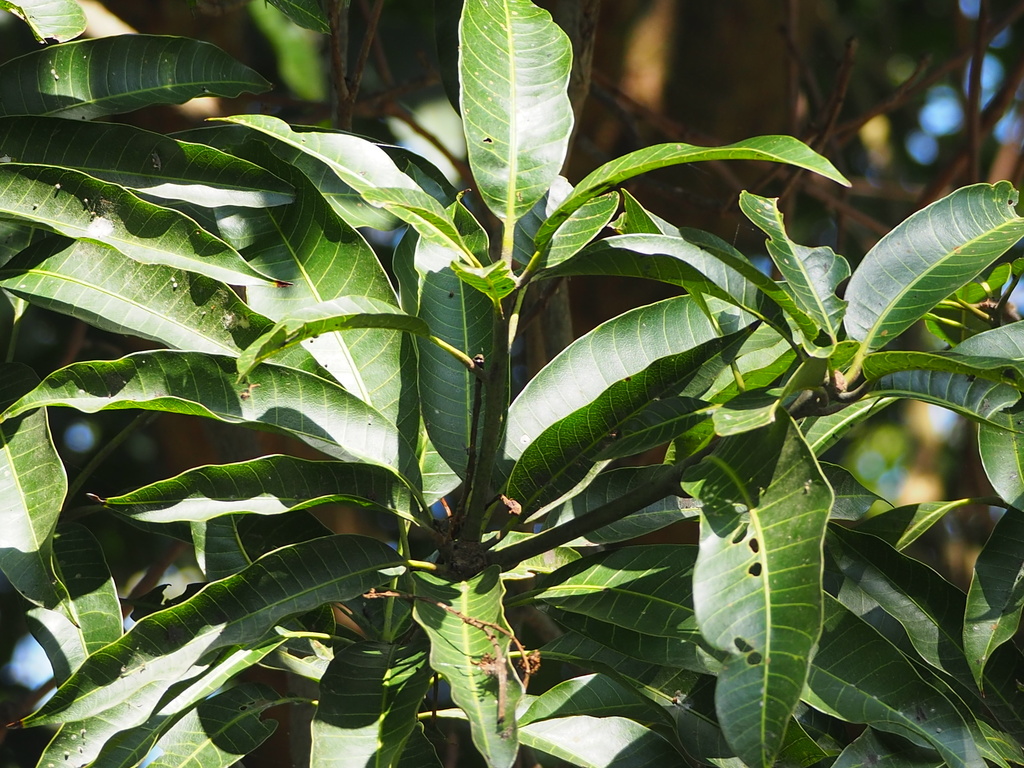
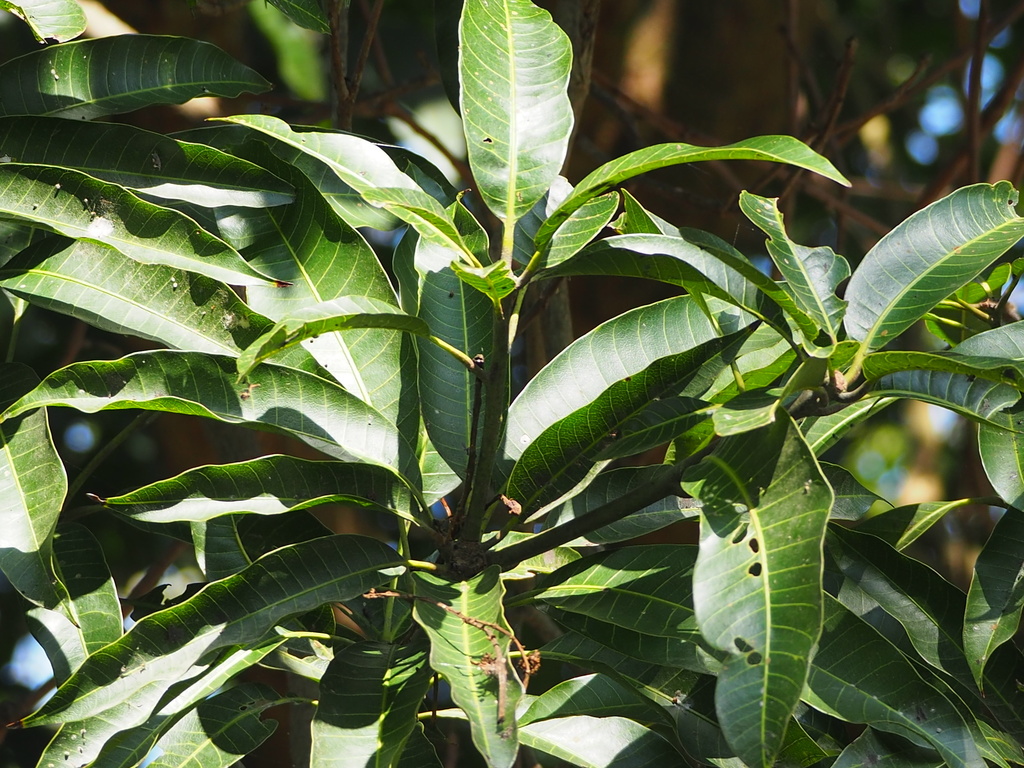
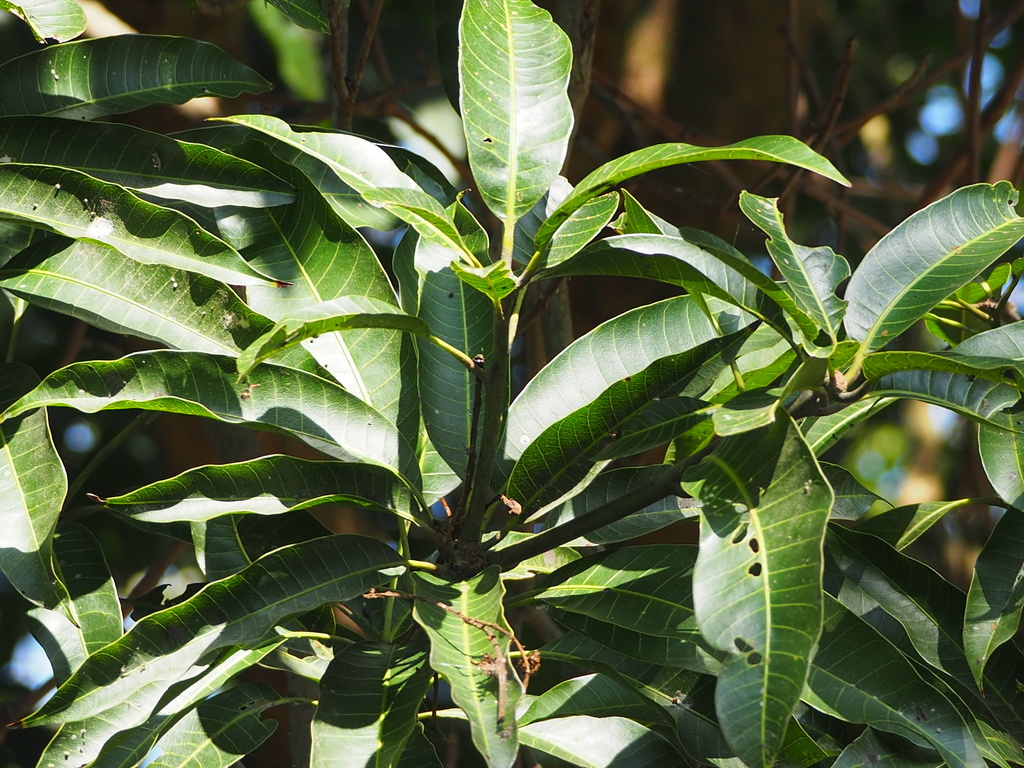
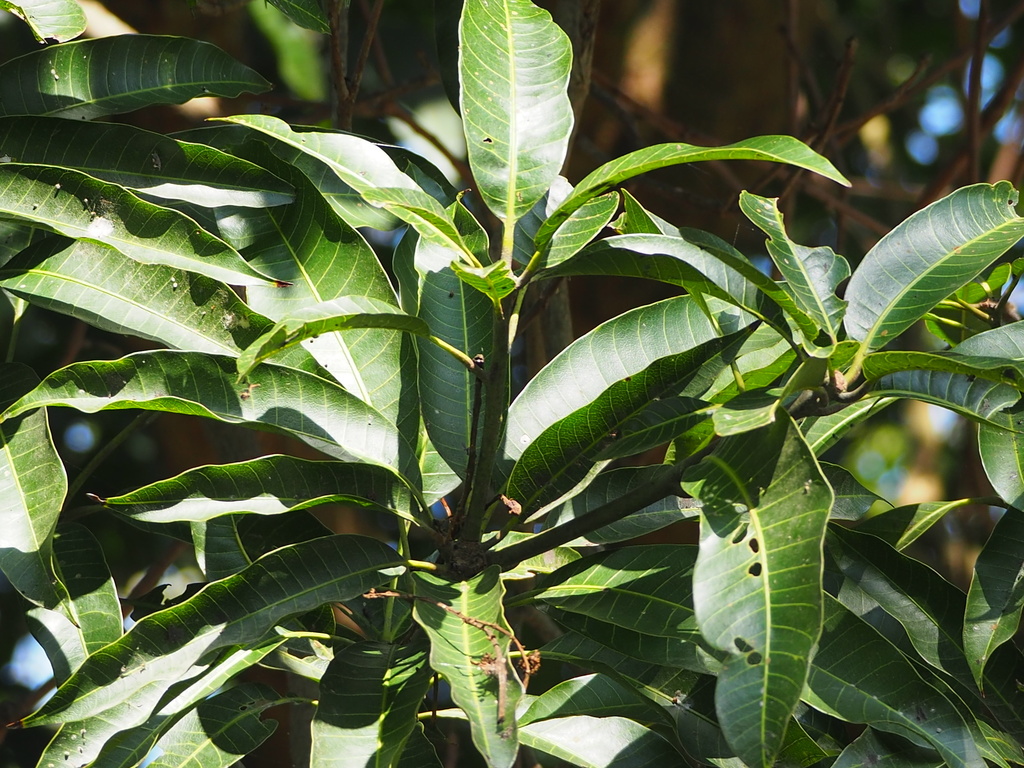
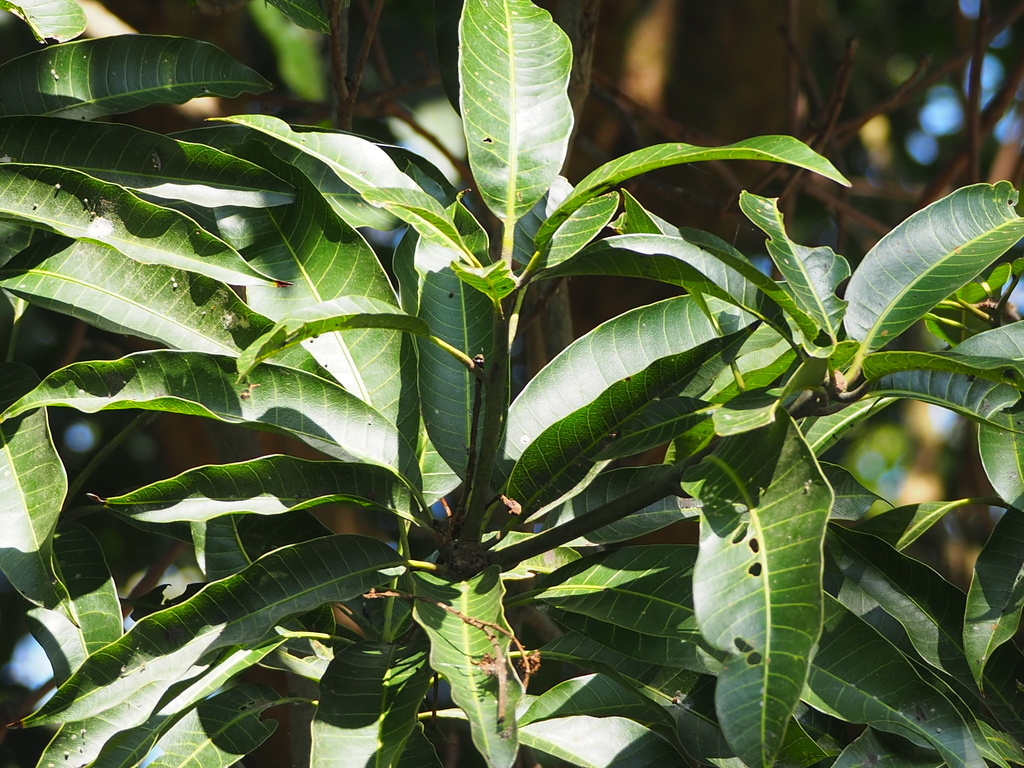
mango
Mangifera indica
Secondary II High No biomass productionLong-lived tropical fruit tree. Pasini lists it in the high stratum of Tabela 3 and in the '20 to 50 years' phase of Tabela 4 (high stratum). A key...
-
cassava
Manihot esculenta
Placenta II High Mulch biomassPlacenta II tuber crop widely cultivated across Amazonia and Brazil. Pasini lists it in the high stratum of Tabela 3 and as a species of the '1 to ...
-
bitter cassava
Manihot esculenta
Placenta II Low Fertilizer biomassCultivar group of Manihot esculenta with high cyanogenic glycoside content (>100 mg HCN/kg fresh root). Unsafe for direct consumption — requires ro...
-
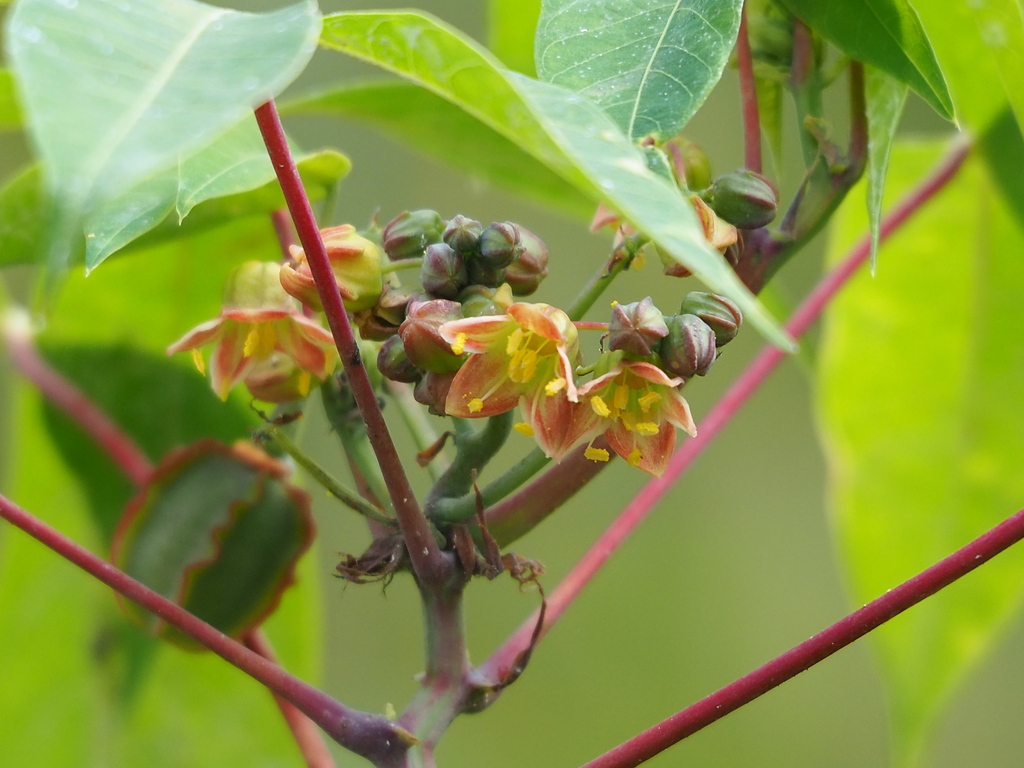
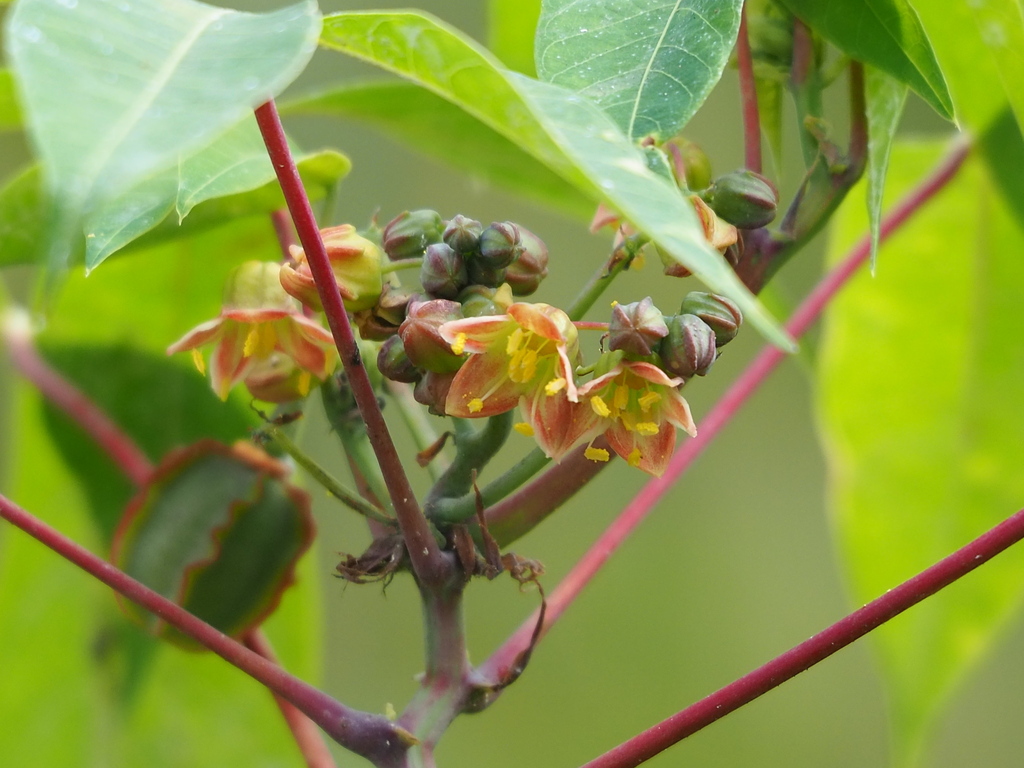
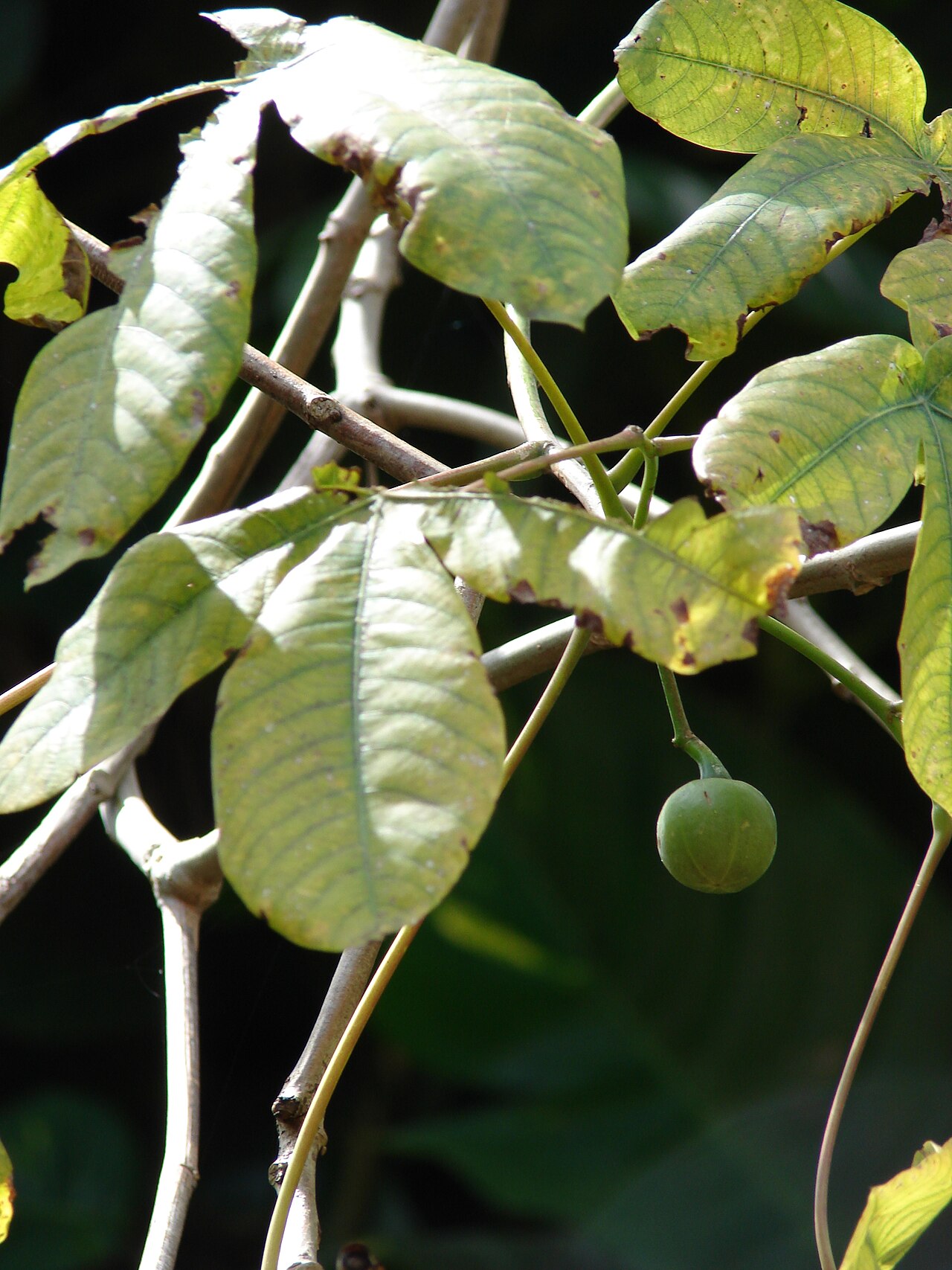
Ceará rubber tree
Manihot glaziovii
Placenta II MediumShrub/small tree native to the Caatinga; one of the first species to flush leaves at the start of the rainy season. Leaves and twigs are used as ru...
-
sabia tree
Mimosa caesalpiniifolia
Secondary I Medium Fertilizer biomass 🌱 Nitrogen fixerNative legume of the Caatinga and northeastern Atlantic Forest. Medium tree (4–10 m), sparse spiny canopy. Nitrogen-fixer — central in degraded-soi...
-
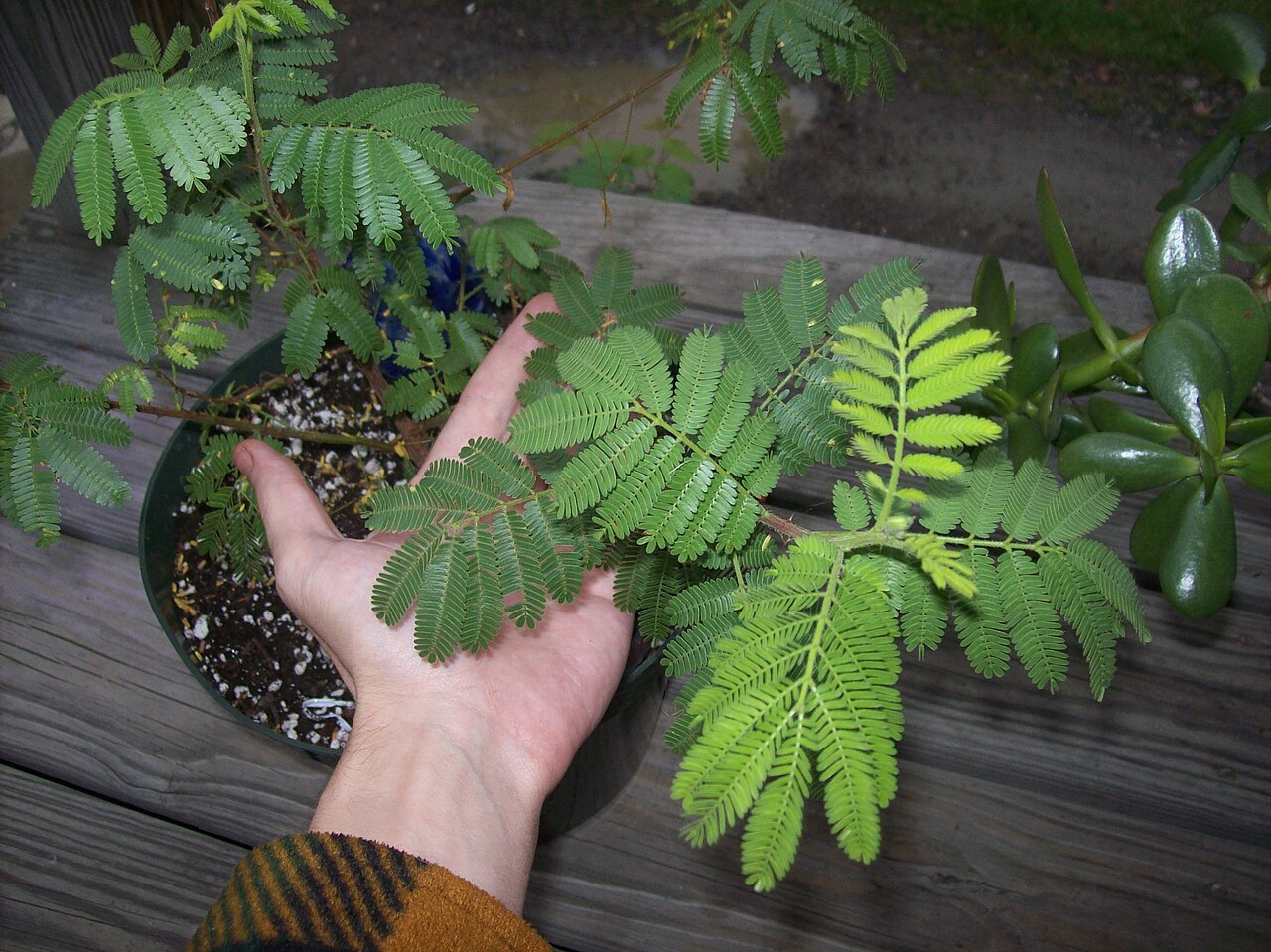
jurema preta
Mimosa tenuiflora
Secondary I Medium Fertilizer biomass 🌱 Nitrogen fixerNative legume of the Caatinga and Atlantic Forest. Small-to-medium tree (4–8 m), fine leaves, fissured grey bark. Nitrogen-fixer, rapid recolonizer...
-
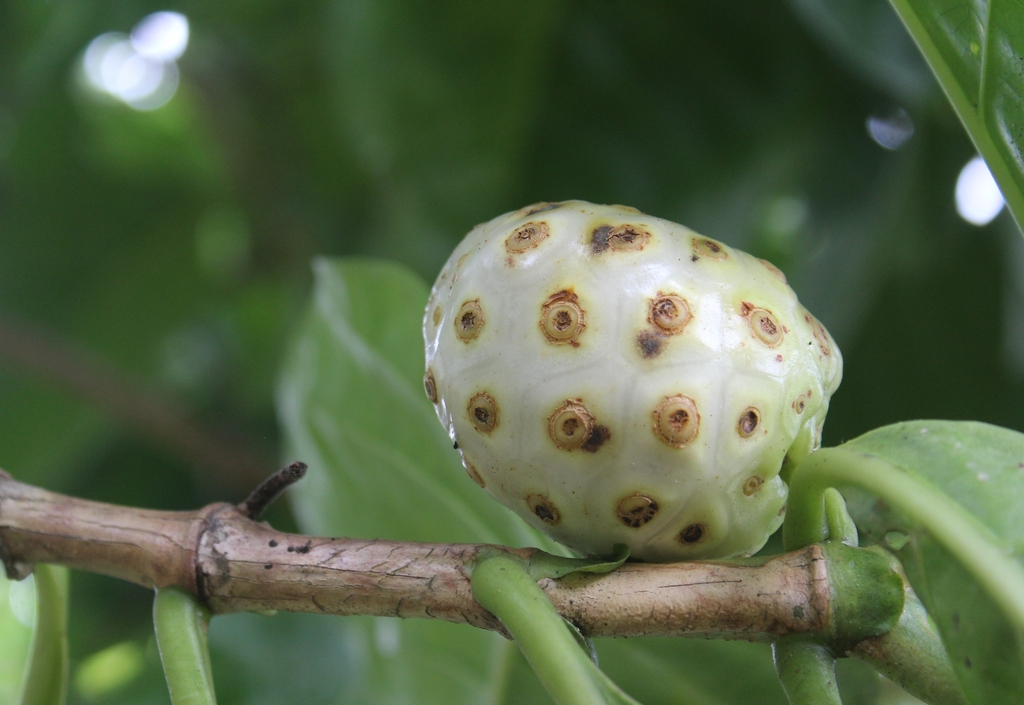
noni
Morinda citrifolia
Secondary I Medium No biomass productionTropical small tree (3–6 m) introduced in Brazil. Large dark-green leaves, ovoid yellowish-white strong-smelling ripe fruits. Medicinal pulp — supp...
-
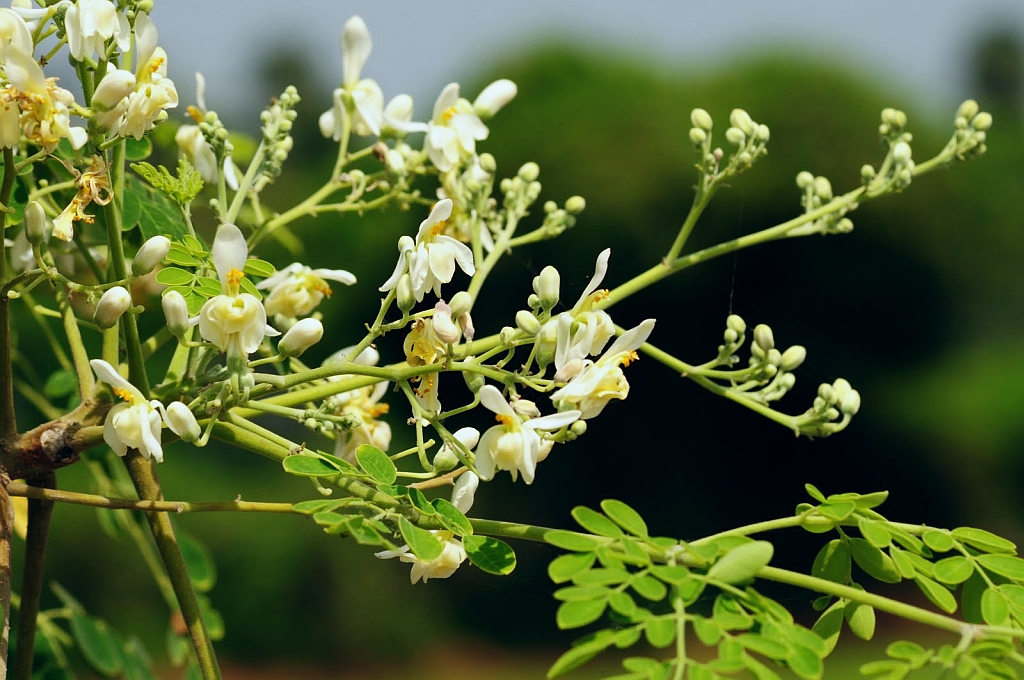
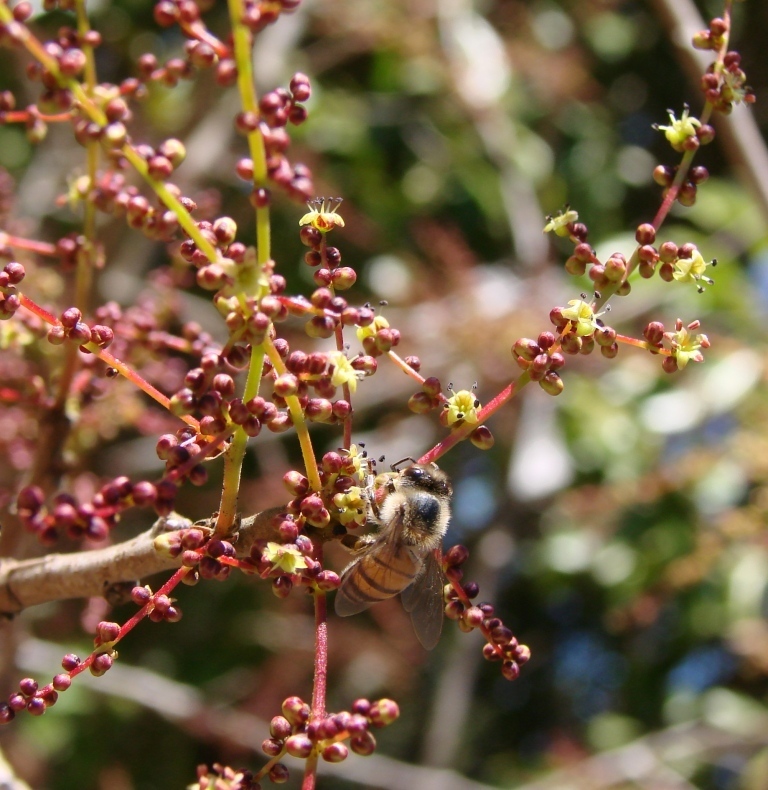
moringa
Moringa oleifera
Secondary I High Fertilizer biomassMulti-purpose, extremely fast-growing Indo-African tree. The Bosque de Niebla Guidebook lists moringa among anchor species of the high stratum / Se...
-
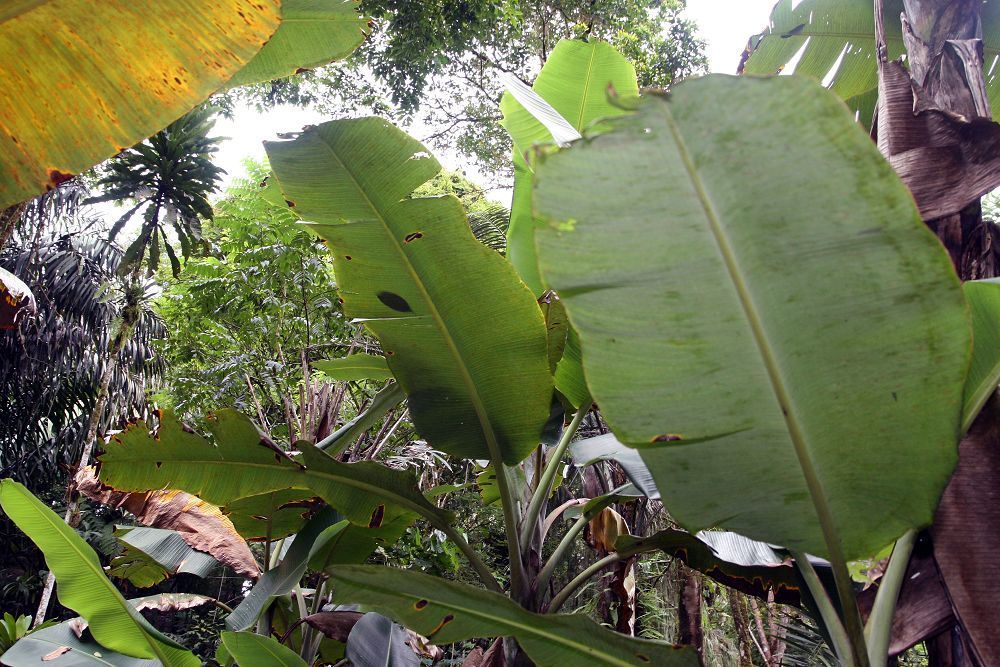
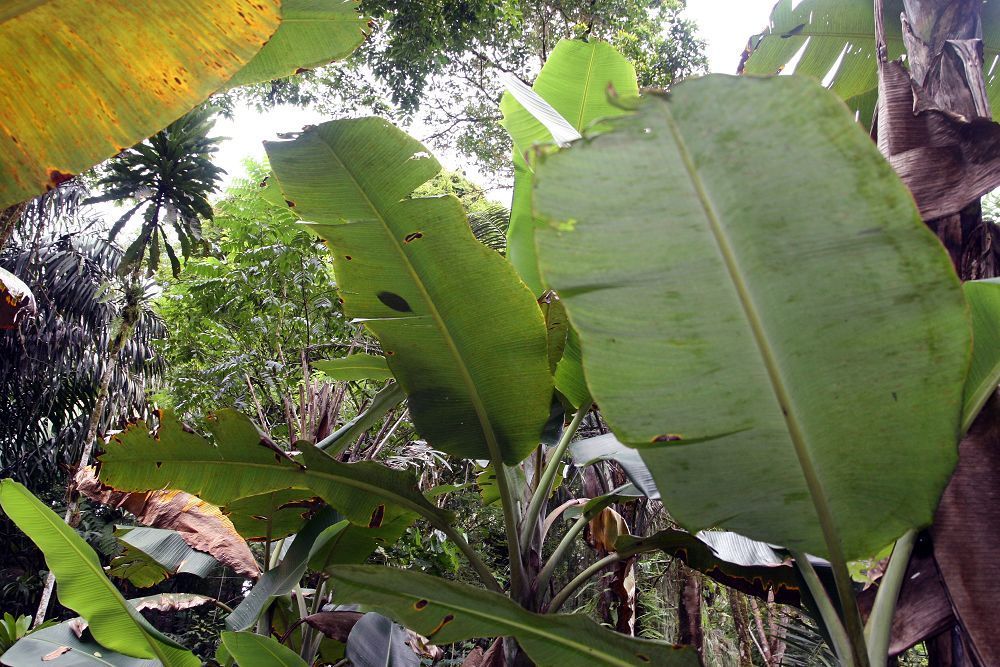
pacovan banana
Musa × paradisiaca
Placenta II High Mulch biomassAAB tall cultivar (5–6 m), large bunch (20–30 kg). Major Northeastern variety with better Yellow Sigatoka tolerance than Prata. Together with Prata...
-
plantain
Musa × paradisiaca
Placenta II High Mulch biomassAAB Plantain subgroup — cooking banana, tall to emergent (5–7 m), bunch 15–25 kg with few large starchy fingers. Staple food across Northern and No...
-
dwarf pome banana
Musa × paradisiaca
Placenta II High Mulch biomassDwarf mutation of Prata (AAB), 2.5–3.5 m. Together with Prata and Pacovan accounts for ~60% of Brazilian banana area. Per Embrapa, a 'watershed' cu...
-
pome banana
Musa × paradisiaca
Placenta II High Mulch biomassAAB Pome subgroup, tall (5–7 m), bunch 12–18 kg. Slightly tart flavor prized in the Brazilian domestic market. Before Prata-Anã it dominated the so...
-
urundeuva
Myracrodruon urundeuva
Climax HighTree with extremely dense, durable hardwood; once dominant in the Caatinga but now threatened by overexploitation. Occurs in Caatinga, Cerrado and ...
-
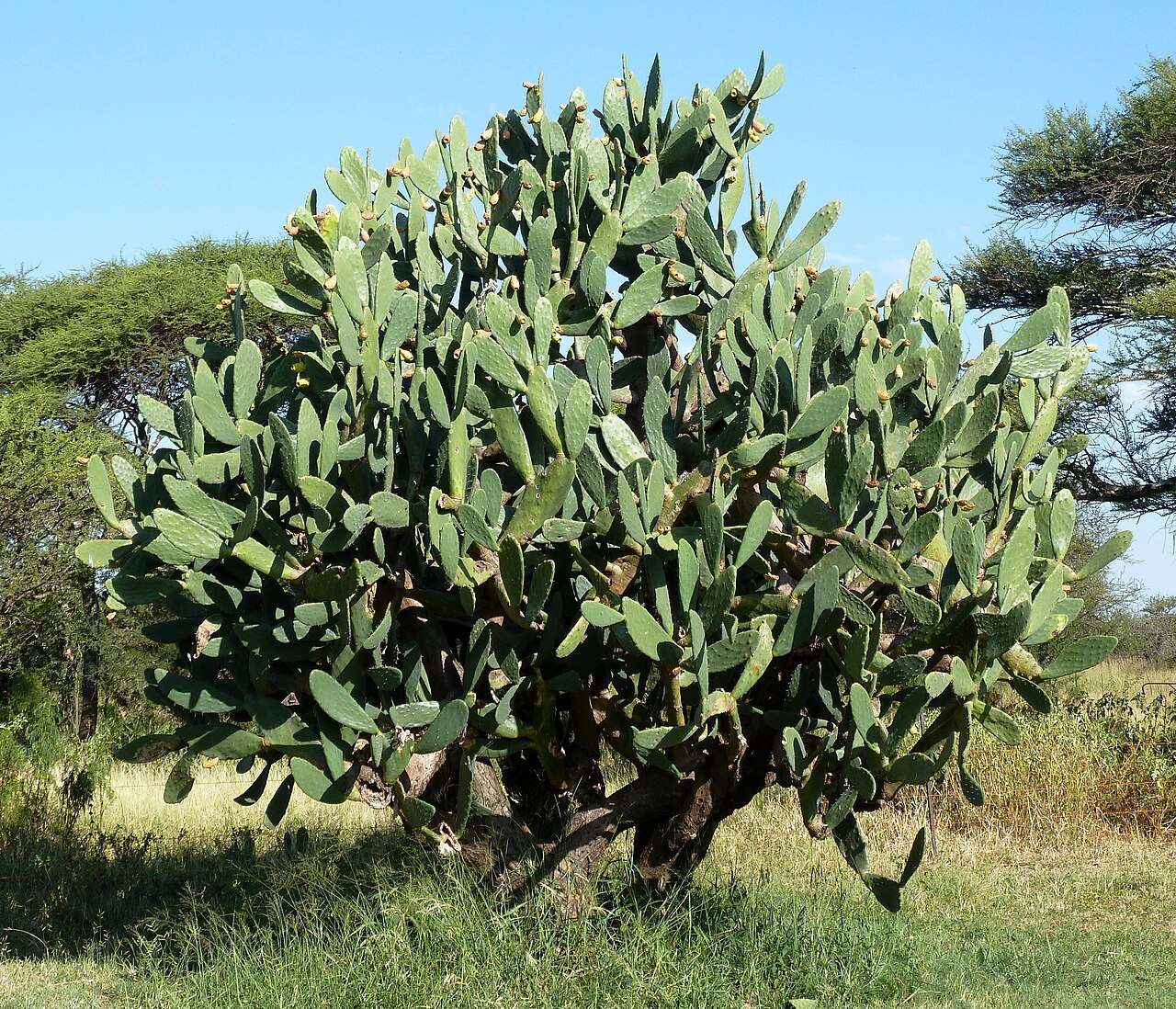
spineless cactus
Opuntia ficus-indica
Placenta II LowIntroduced cactus widely cultivated in the Brazilian semiarid as strategic fodder reserve. CAM metabolism gives extremely high water-use efficiency...
-
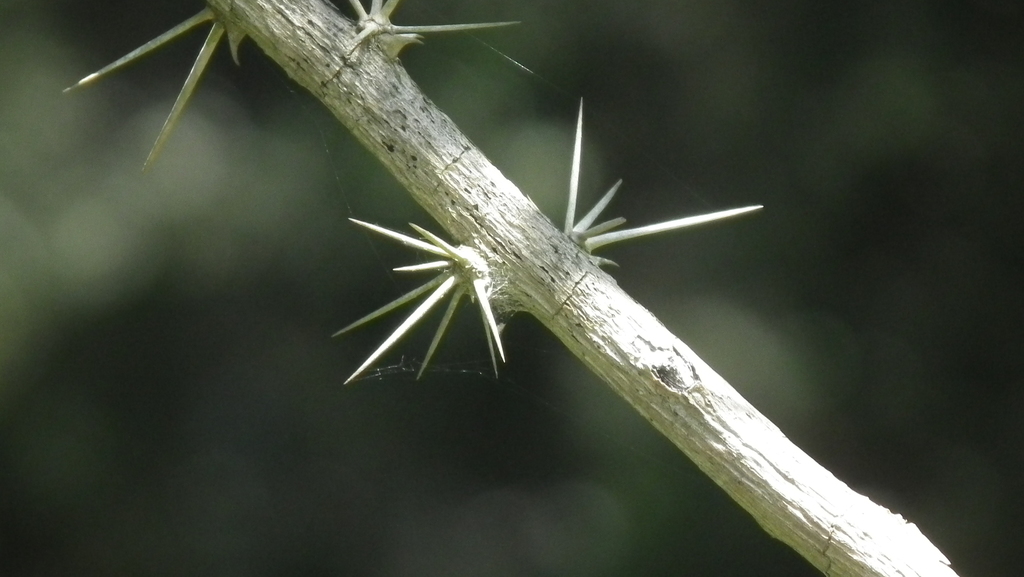
Barbados gooseberry
Pereskia aculeata
Placenta II Medium No biomass productionAn atypical cactus with broad, non-succulent leaves and a spiny scrambling, shrubby habit, native to the Americas and common in southeastern and no...
❓ Frequently asked questions
What characterizes the Caatinga biome?
A uniquely Brazilian semi-arid biome. Deciduous vegetation adapted to prolonged drought (8–10 months): cacti, deep-rooted trees, species whose phenology is rain-driven. For agroforestry systems in semi-arid zones, Caatinga offers the richest pool of xerophytic species in the hemisphere.
Which plants does the catalog suggest for the Caatinga biome?
The catalog holds 95 species, among them leucaena, Brazilian ironwood, acerola. Each profile shows stratum, succession stage, and the management data, with sources cited.