
Biome
Plants of the Cerrado biome
A marked dry season over deep, acidic soils: in the Cerrado, guild design starts with water — plant at the onset of the rains, mulch generously, and pick species that cross the dry winter without irrigation. Many biome natives produce well in syntropic systems, alongside well-established suitable species.
204 species in the catalog · Refine this list in the catalog
-
tamarind
Tamarindus indica
Climax High No biomass production 🌱 Nitrogen fixerAfrican leguminous fruit tree naturalized in the Brazilian semi-arid. EcoAgri lists it in the high stratum of the '> 50 years' bin. Tolerates sandy...
-
white tephrosia
Tephrosia candida
Placenta II Low Mulch biomass 🌱 Nitrogen fixerA short-lived (3-4 years) perennial leguminous shrub of 1-3 m, native to India and widely introduced across the tropics. It fixes nitrogen and is g...
-
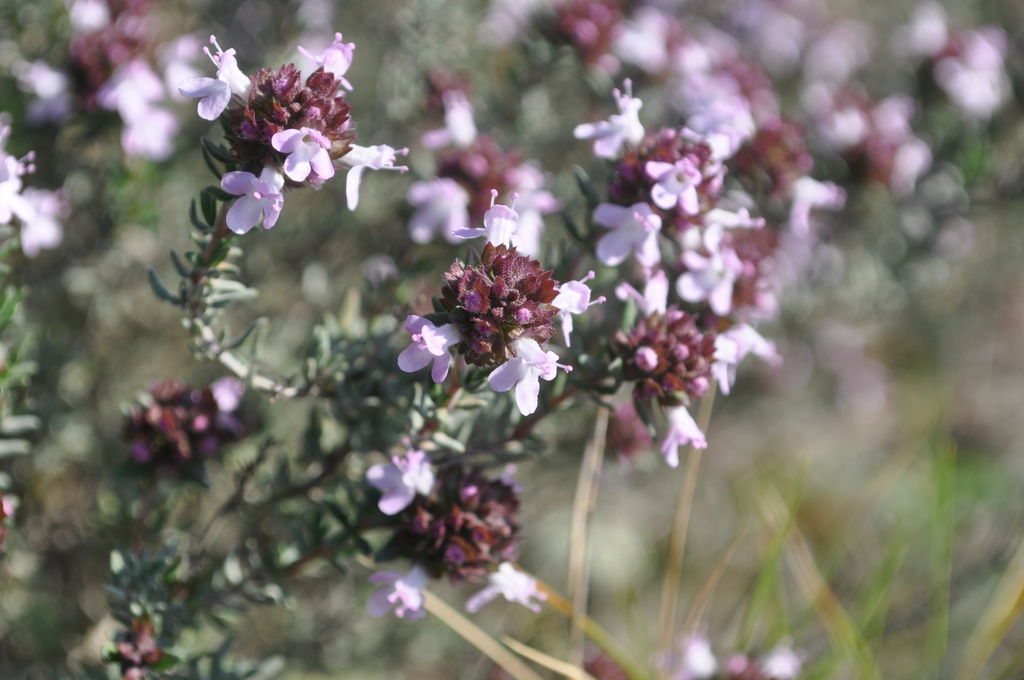
thyme
Thymus vulgaris
Placenta I Ground cover No biomass productionCreeping Mediterranean subshrub (15–30 cm), tiny leaves. Permanent ground cover in full sun on dry well-drained soil. Bee-attracting. Tolerates lig...
-
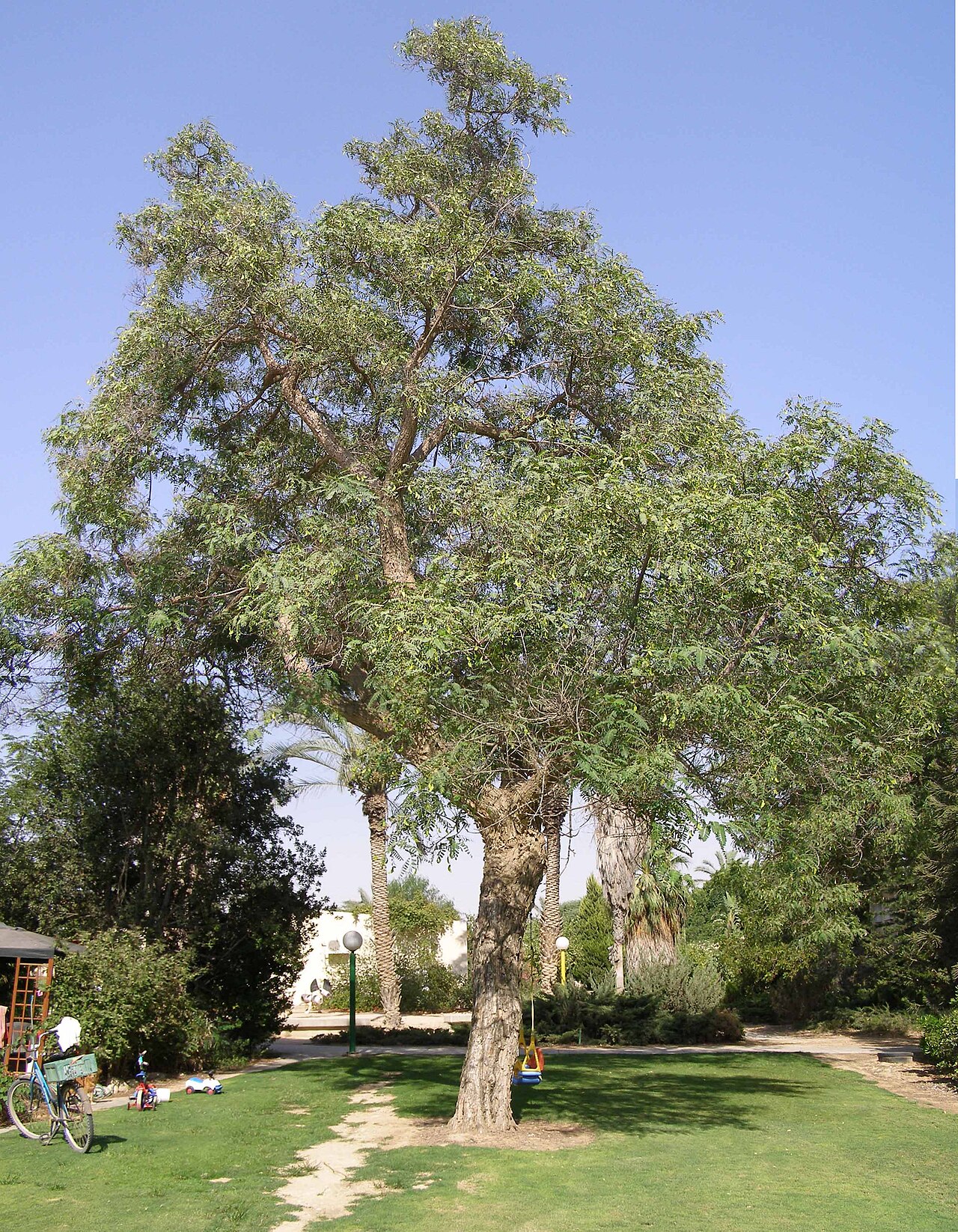
tipu tree
Tipuana tipu
Secondary II Emergent Fertilizer biomass 🌱 Nitrogen fixerA very fast-growing leguminous tree of 10-30 m, with a broad spreading crown, native to southern Bolivia, northern Argentina, Paraguay, Uruguay and...
-
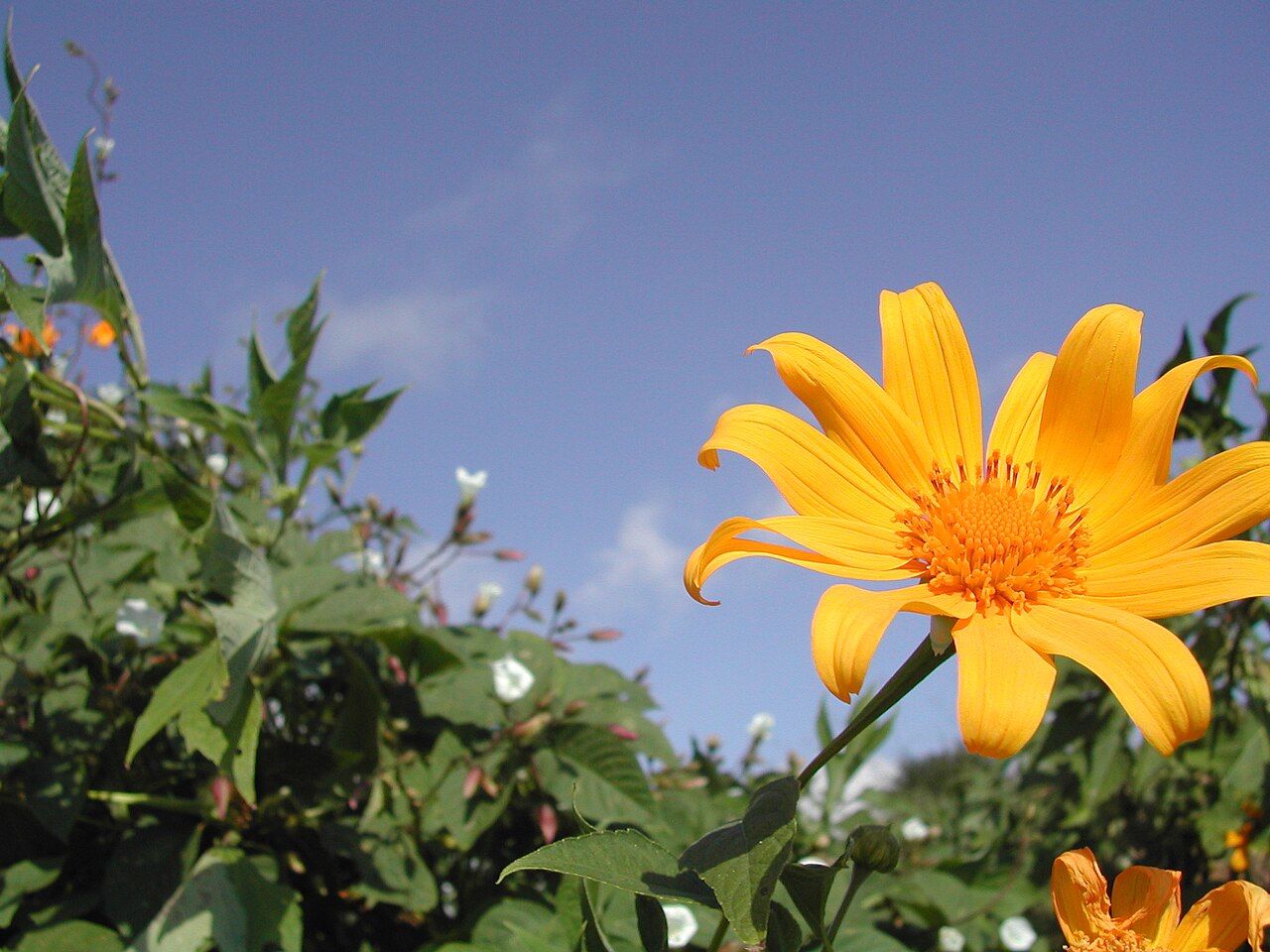
Mexican sunflower
Tithonia diversifolia
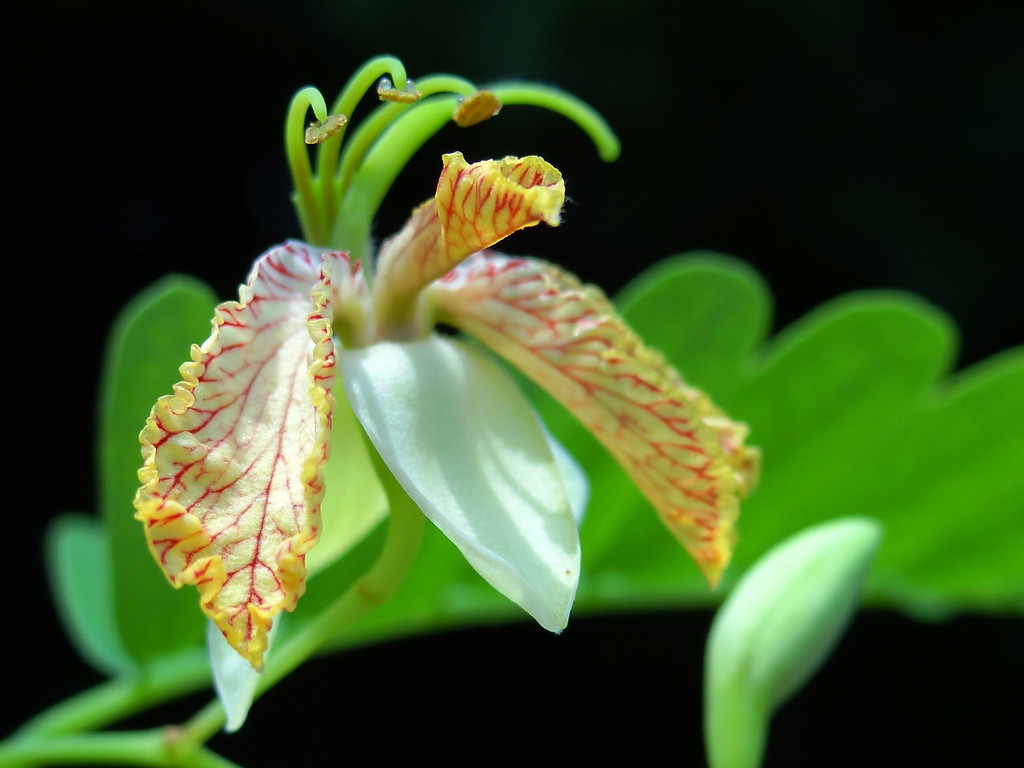
Placenta II High Fertilizer biomassFast-growing perennial shrub; propagated by stem cuttings; high biomass production rich in nitrogen, phosphorus, and potassium. Explicitly cited by...
-
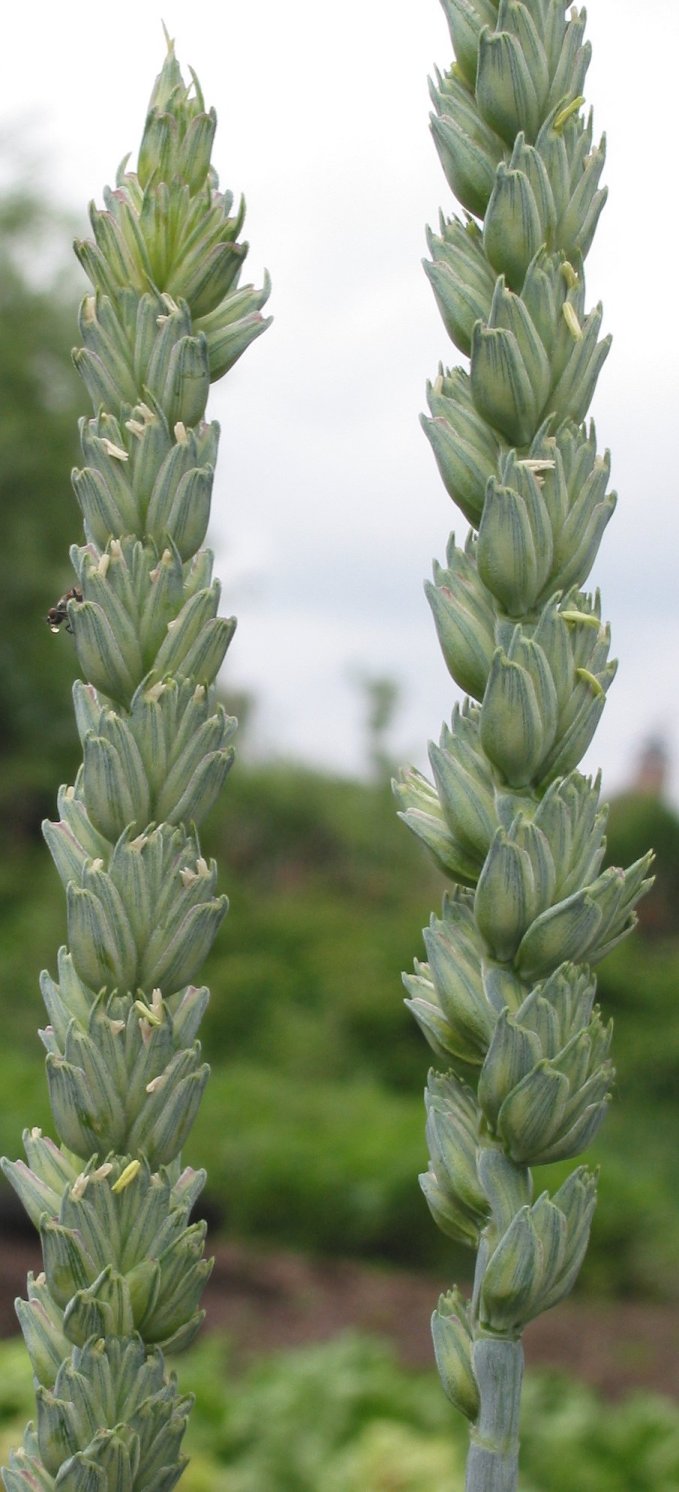
wheat
Triticum aestivum
Placenta I High Mulch biomassAnnual cereal originating in the Fertile Crescent. Rebello & Sakamoto (2019) tested wheat in a syntropic system in the Cerrado (Chapada dos Veadeir...
-
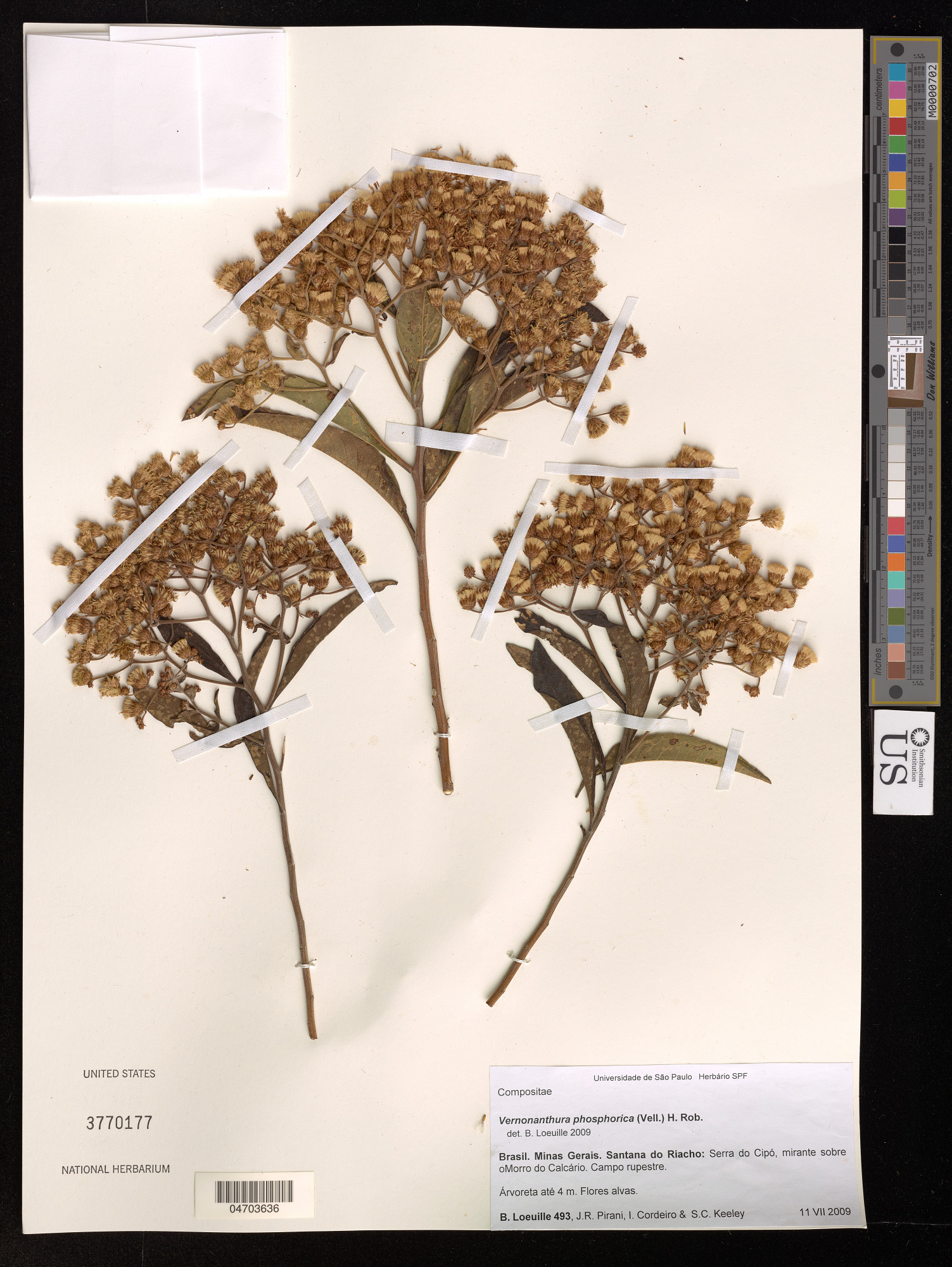
assa-peixe
Vernonanthura phosphorica
Placenta II Low Mulch biomassPioneer shrub-tree of Cerrado and Atlantic Forest, listed by Rebello among anchor species of the accumulation system. Indicator of shallow, dry soi...
-
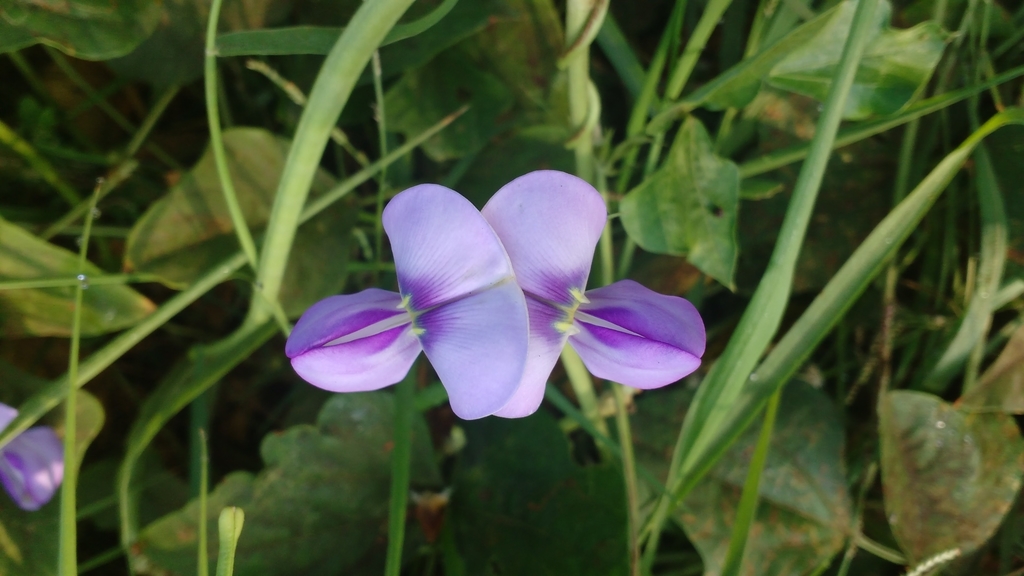
cowpea
Vigna unguiculata
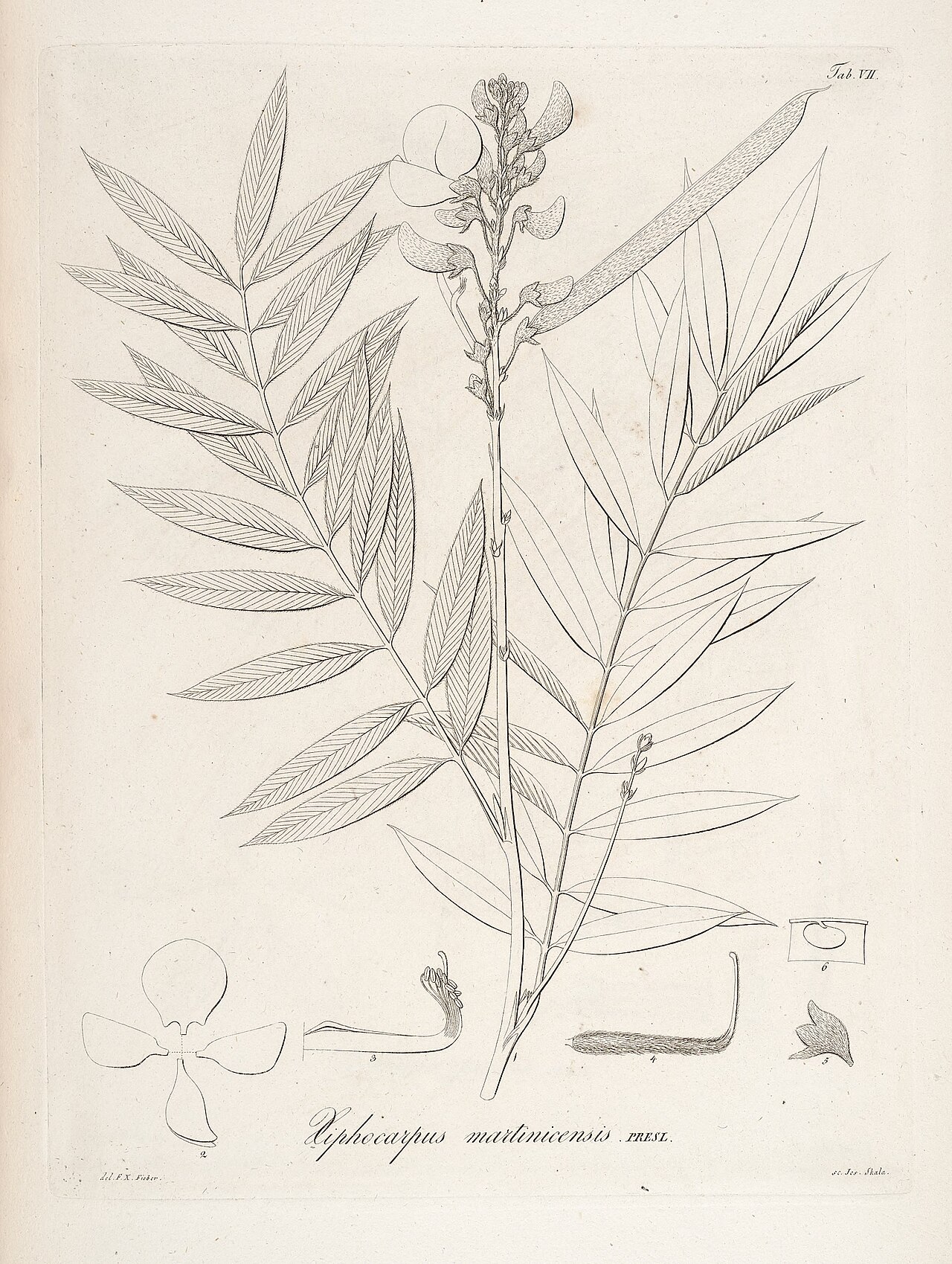
Placenta I Ground cover Fertilizer biomass 🌱 Nitrogen fixerAnnual nitrogen-fixing legume, prostrate or semi-climbing. Adapted to NE Brazil — protein staple of regional cuisine. Short cycle (60–90 days). Mor...
-
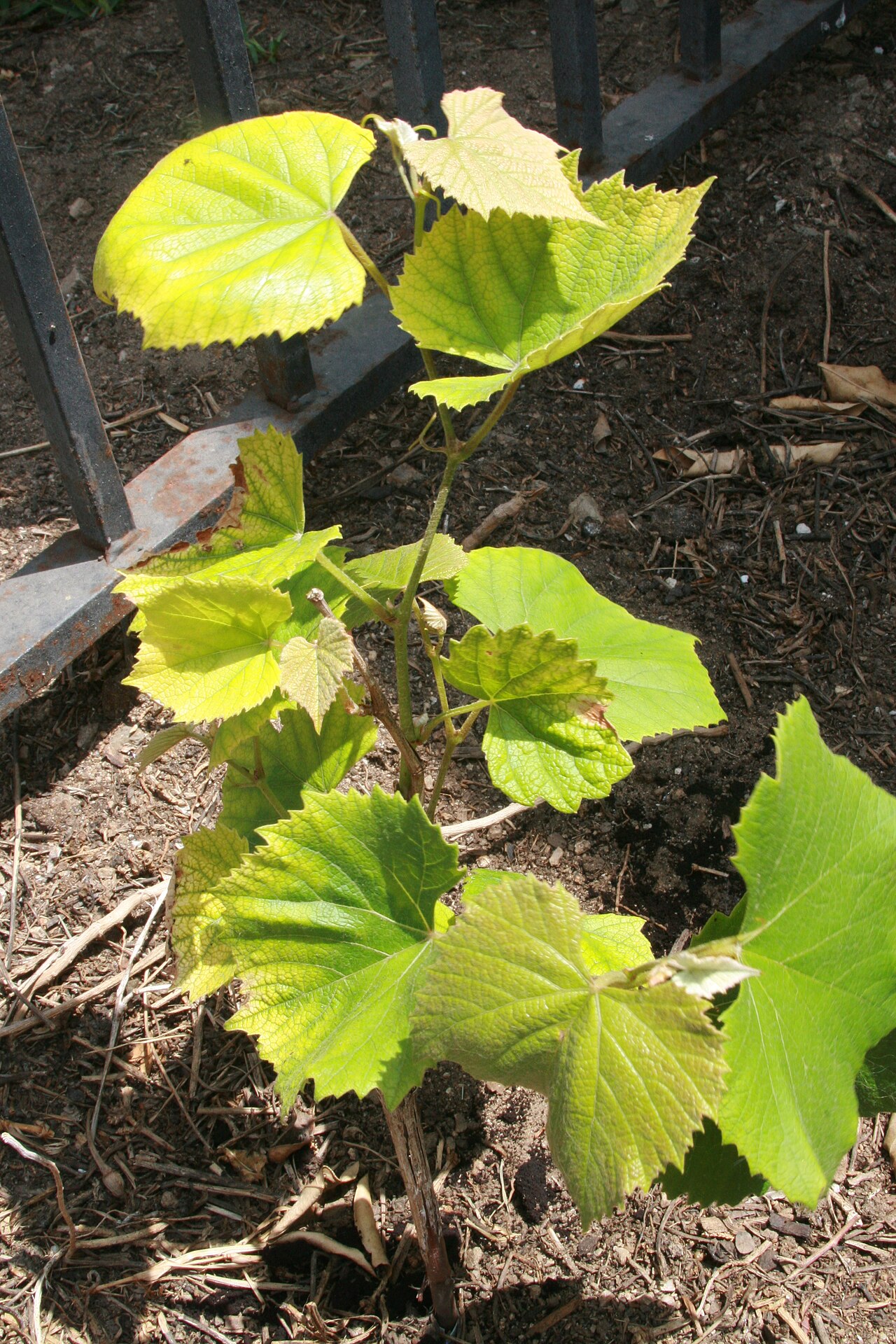
concord grape
Vitis labrusca
Secondary II Medium No biomass productionAmerican grapevine — rustic and tolerant of diseases that afflict V. vinifera in the tropics. Source of >90% of Brazilian grape production (Niagara...
-
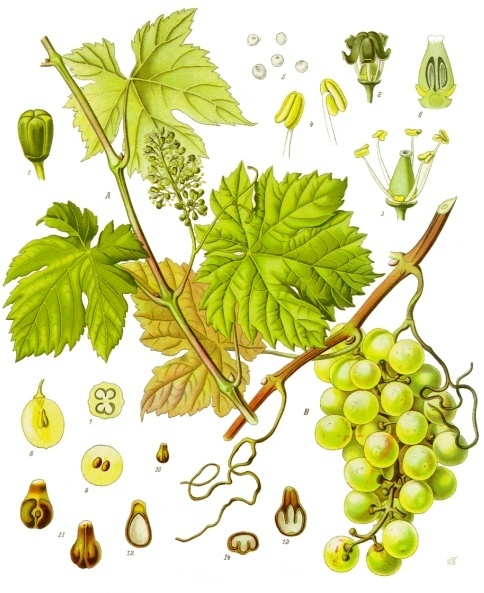
grape
Vitis vinifera
Secondary II Medium No biomass productionWoody perennial vine. Cultivated throughout Brazil — European grapevines (Vitis vinifera) in the South (table and wine grapes); American (V. labrus...
-
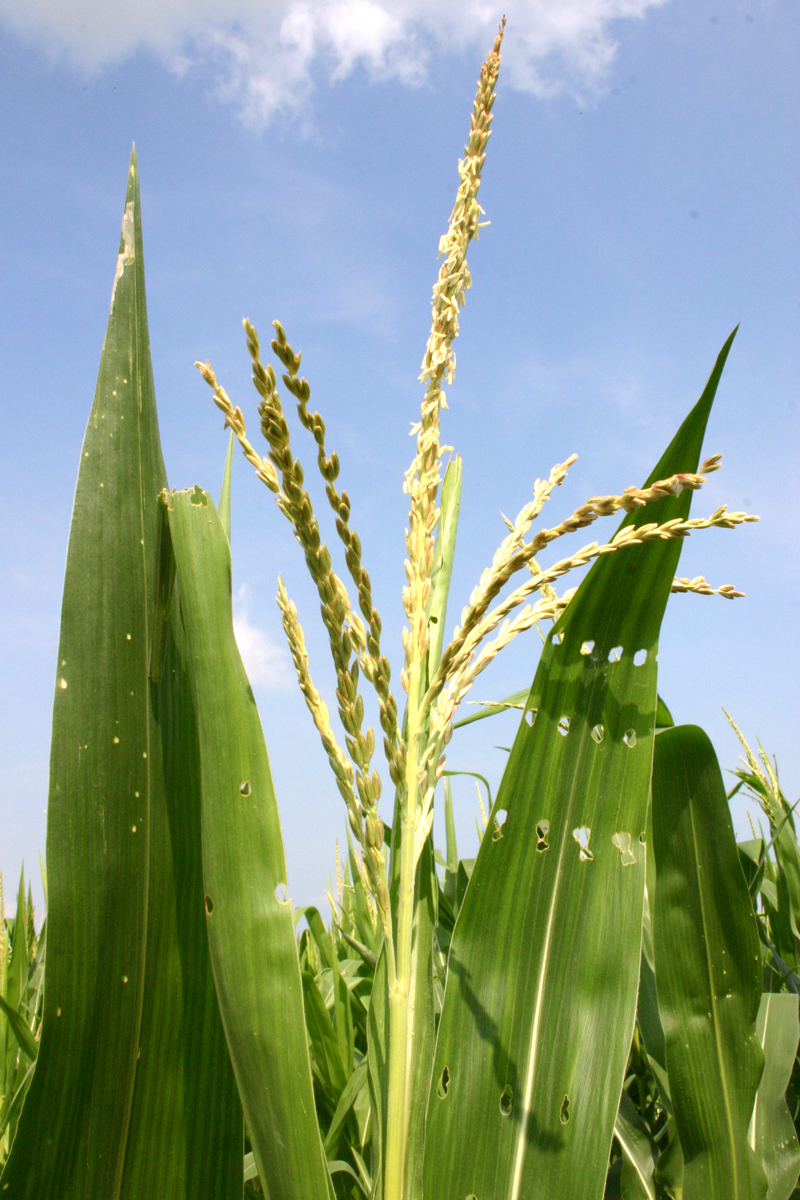
maize
Zea mays
Placenta I Emergent Mulch biomassAnnual C4 cereal — placed by Pasini in the emergent stratum of Tabela 3 and recommended for the 'up to 6 months' phase of Tabela 4. Short-cycle cov...
-
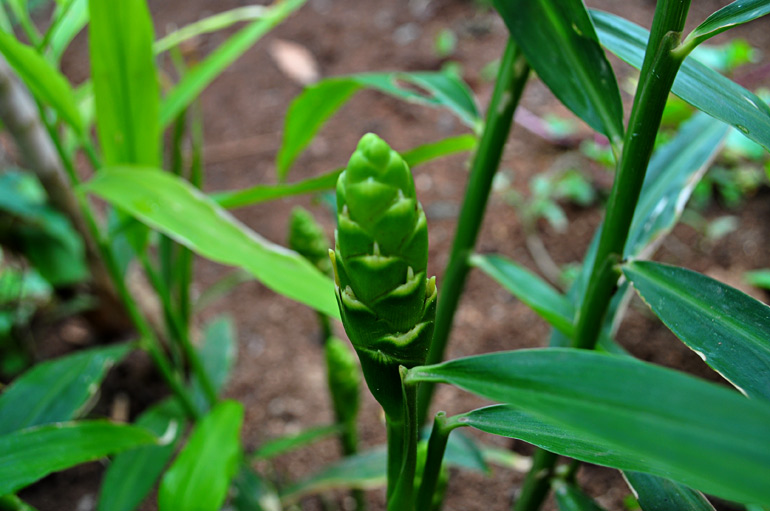
ginger
Zingiber officinale
Placenta I Low No biomass productionPerennial tropical aromatic rhizome. Pasini lists it in the low stratum of Tabela 3 and in the '1 to 3 years' phase of Tabela 4. Adapts well to the...
❓ Frequently asked questions
What characterizes the Cerrado biome?
Tropical savanna of central Brazil — the most biodiverse savanna on Earth. Pronounced dry season (4–6 months), deep acidic soils, fire integrated into species dynamics. Cerrado species typically have deep roots, thick bark, and tolerance to fire and drought — valuable traits for systems in seasonal climates.
Which plants does the catalog suggest for the Cerrado biome?
The catalog holds 204 species, among them tamarind, white tephrosia, thyme. Each profile shows stratum, succession stage, and the management data, with sources cited.