Plants
tipu tree
Tipuana tipu
Family: Fabaceae · Genus: Tipuana
pride of Bolivia, rosewood, yellow jacaranda
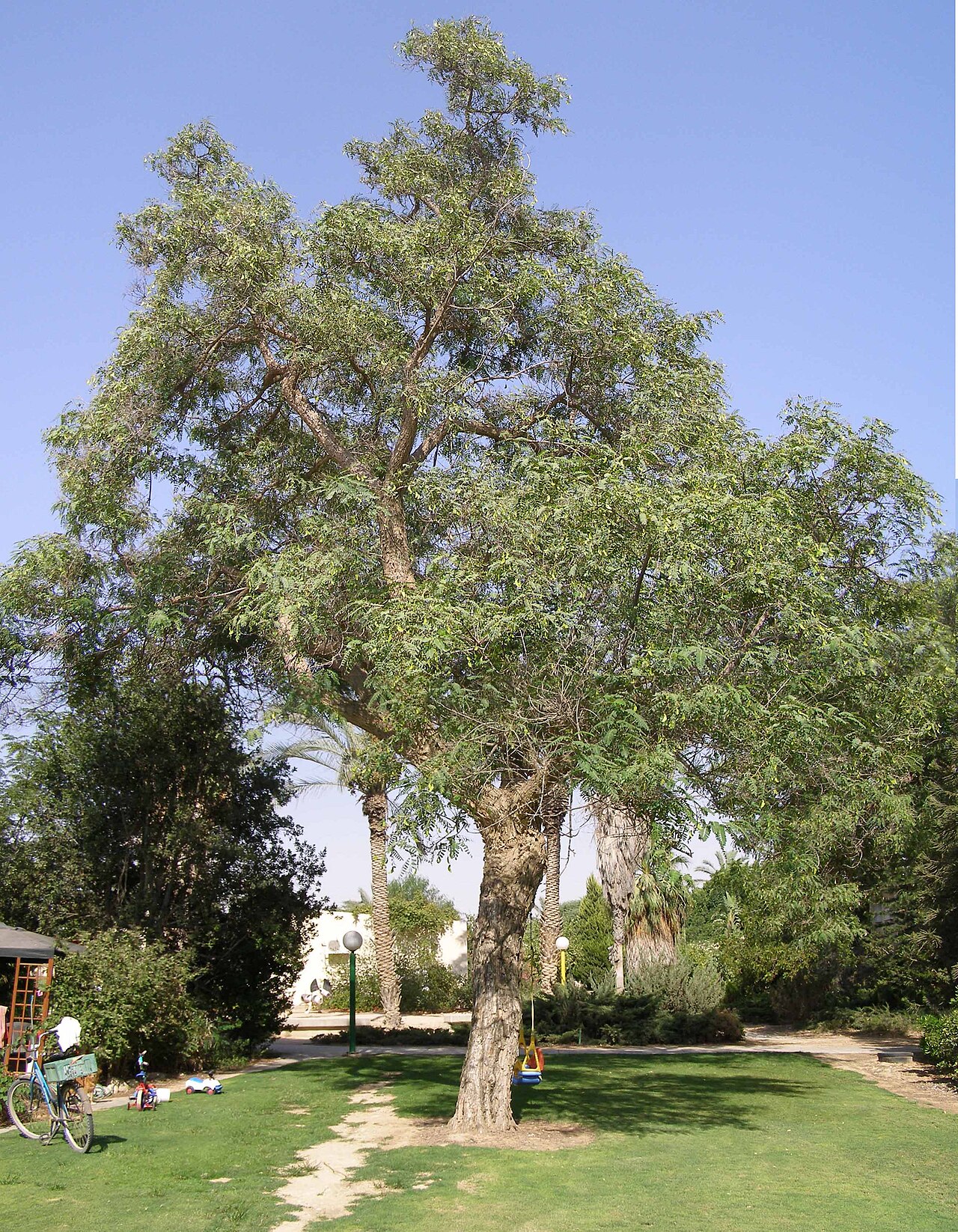
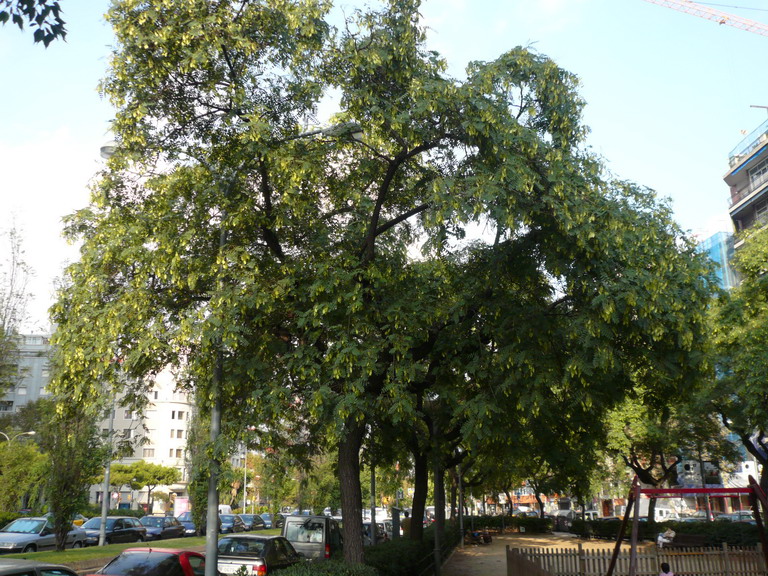
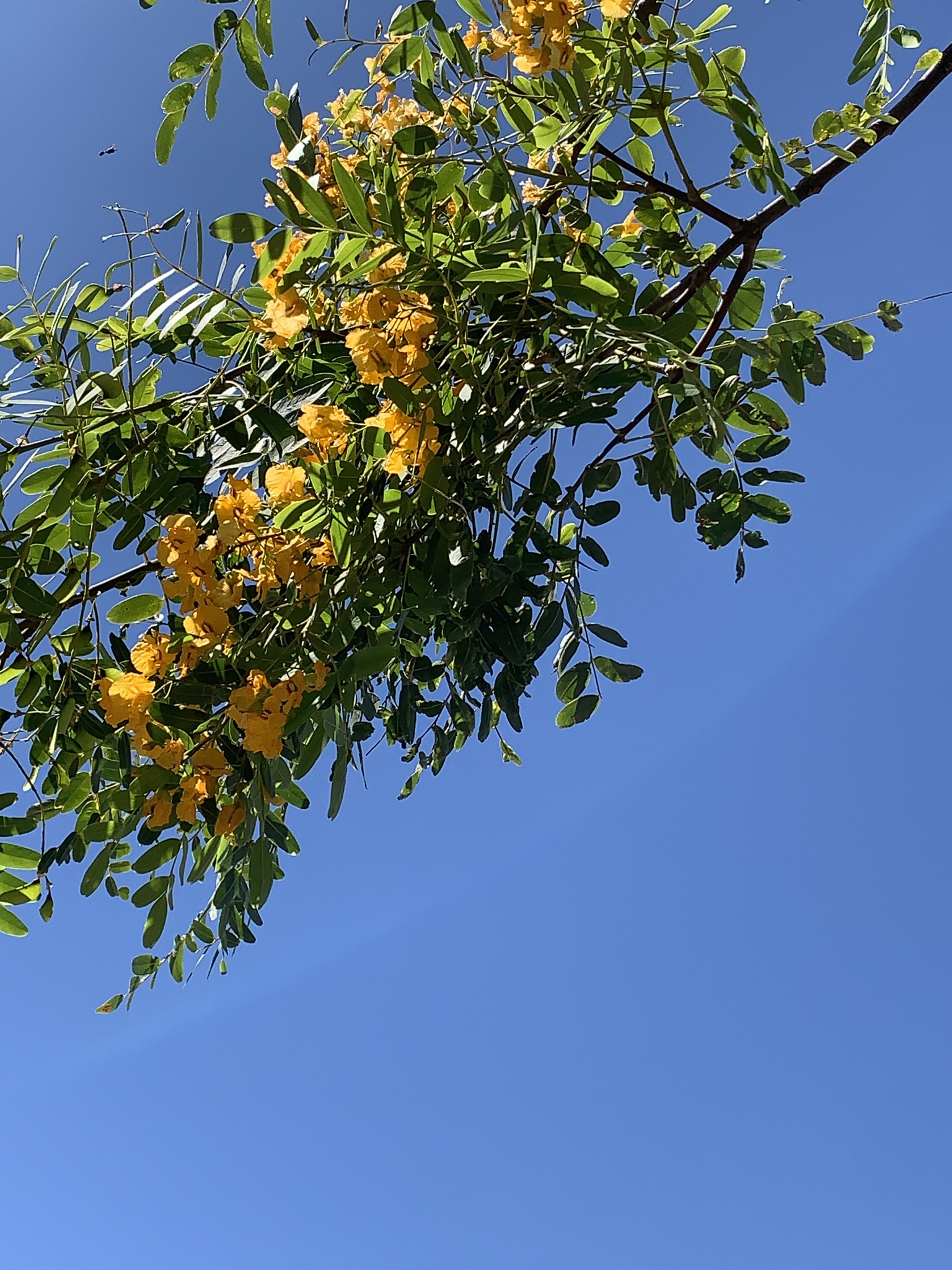
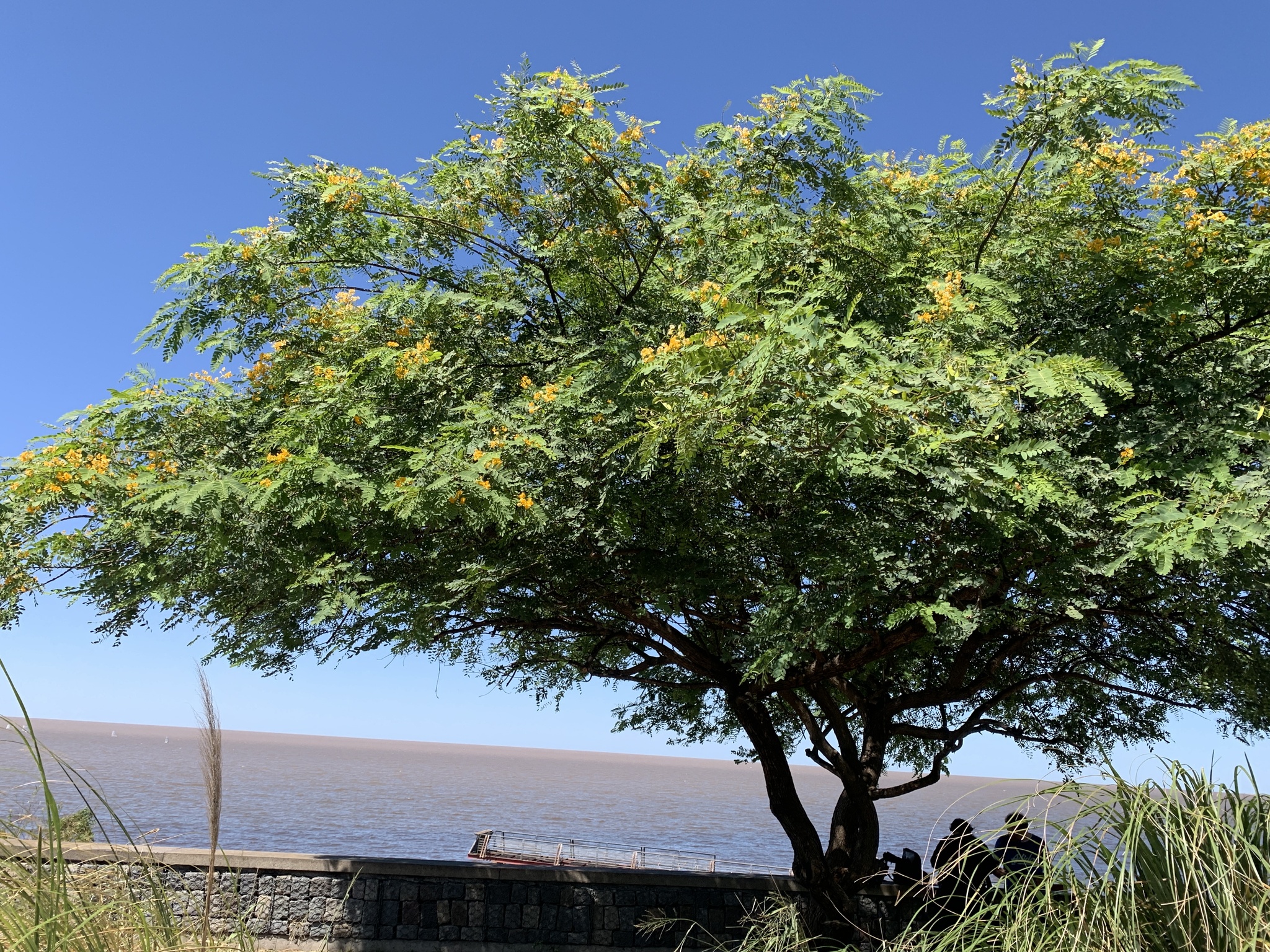
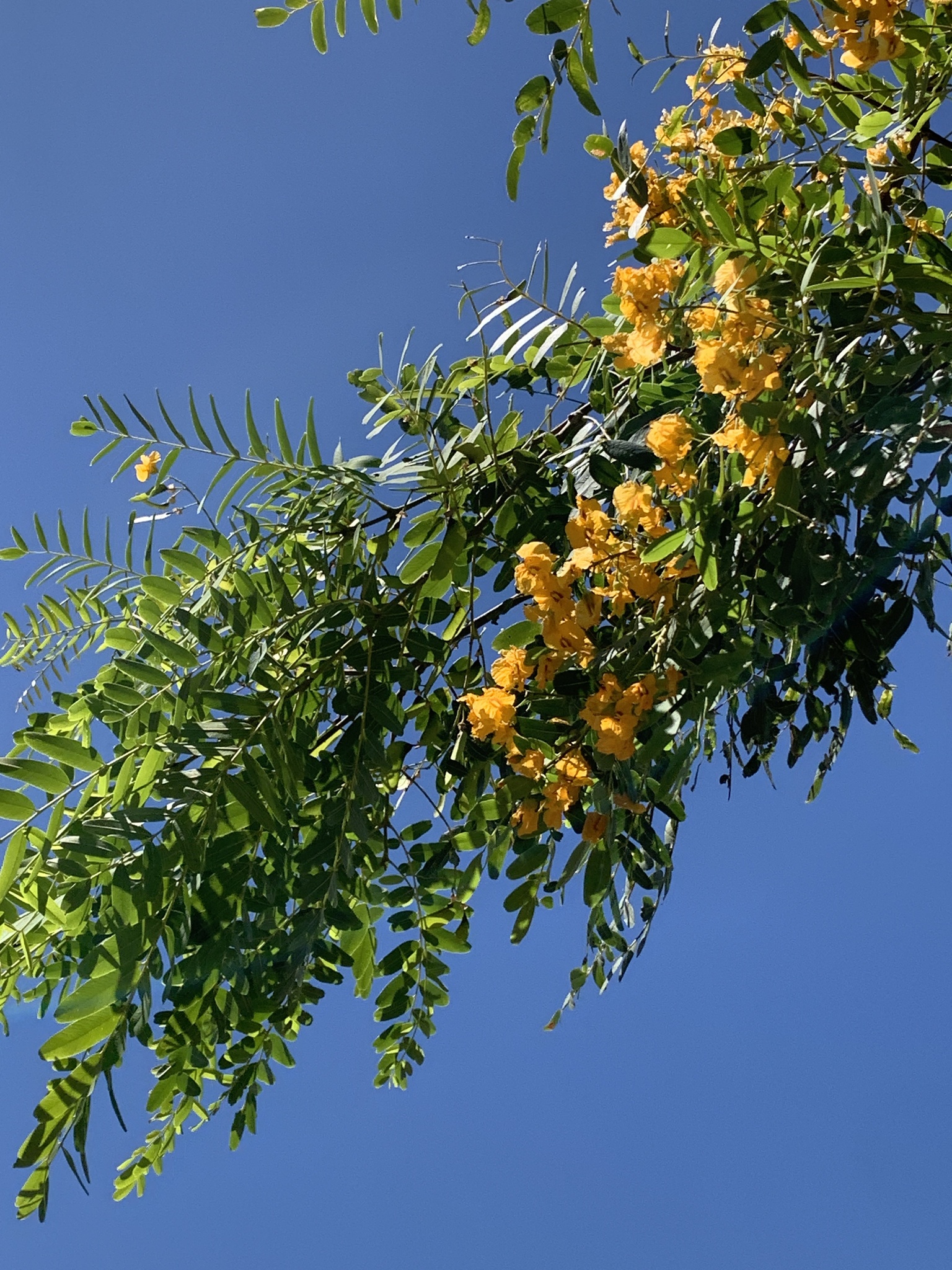
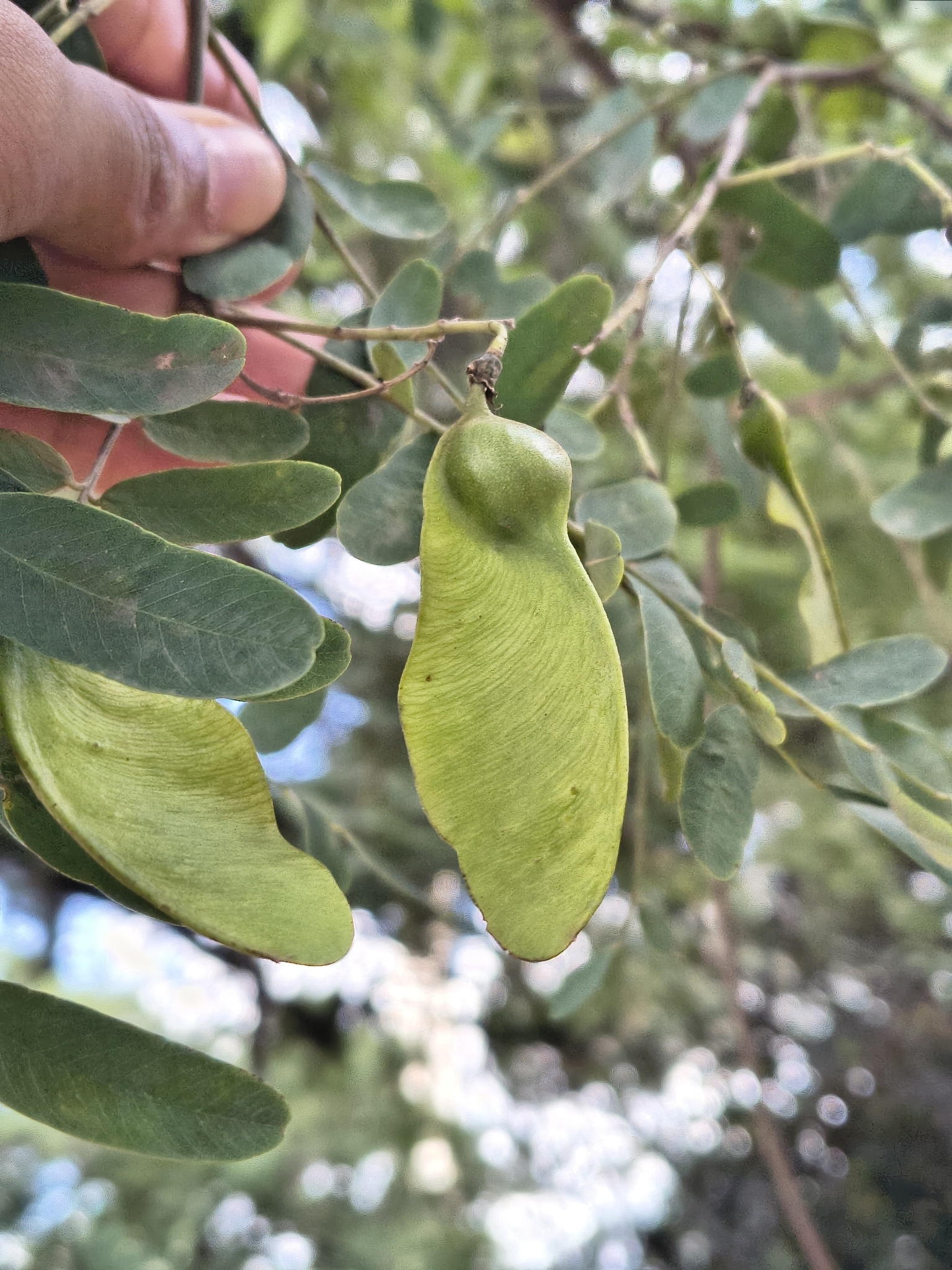
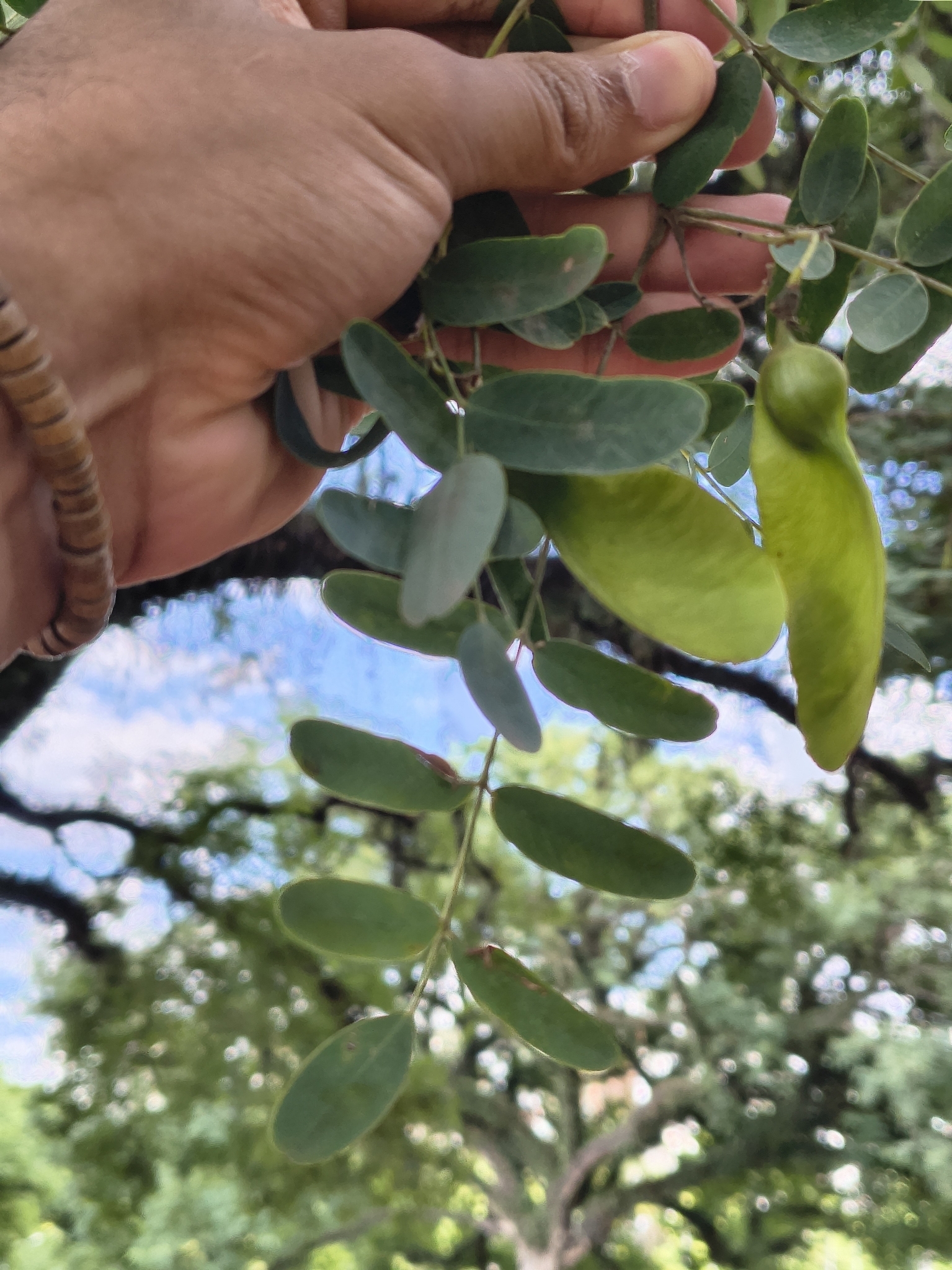
A very fast-growing leguminous tree of 10-30 m, with a broad spreading crown, native to southern Bolivia, northern Argentina, Paraguay, Uruguay and southern Brazil. It fixes nitrogen in symbiosis with soil bacteria and is valued for shade, rapid growth and drought tolerance once established. In some Mediterranean climates it has become invasive through prolific self-seeding.
Götsch succession
- Götsch stage
- Secondary II
- Ecological role
- Early secondary
- Primary stratum
- Emergent
- Strata
- Emergent, High
- Biomass class
- Fertilizer biomass
Environment
- Light requirement
- Full sun
- Water requirement
- Moderate
- Drought tolerance
- High
- Waterlogging tolerance
- Low
- Soil pH range
- 5–7.5
- Preferred soil texture
- Loamy, Sandy, Clayey
- Hardiness zones
- 9–11
- Frost tolerance
- -5.0 °C
Morphology
- Mature height
- 10–30 m
- Recommended spacing
- 2–12 m
- Root system
- Taproot
- Root depth
- Shallow
- Growth rate
- Very fast
- Lifespan
- ≤ 150 years
- Time to first harvest
- 18 months
Biomes & climate
- Atlantic Forest Native
- Pampa Native
- Cerrado Suitable
Köppen classes
- Humid subtropical (Cfa) Native
- Subtropical with dry winter (Cwa) Native
- Oceanic (Cfb) Suitable
- Hot-summer Mediterranean (Csa) Suitable
Where it fits in a guild
Tipu tree takes the Emergent stratum in the Secondary II phase of succession — in a guild it shares the line with species from the other strata, each harvesting light at its own height, in its own time. It also fixes nitrogen, feeding the soil for its line neighbors.
Free account — and the catalog stays open, no sign-up needed.
🪴 Cultivation
Thrives only in warm climates (USDA zones 9-11); grows 1-1.5 m per year when young, reaching shade size in 5-8 years. Potentially invasive — control self-seeding.
✂️ Management & Pruning
A fast-growing fixer that responds well to pollarding, coppicing and lopping, resprouting vigorously (young trees resprout from roots in spring after frost). In a cutting trial, plants cut at 1 m on 6/8/12-week intervals yielded most leaf at the 12-week (quarterly) interval, with 100% survival over 2 years — more frequent cutting reduced yield. Practically, cut to ~1 m on a quarterly rotation for maximum biomass; periodic pollarding releases light through its light, spreading crown. Cut in the warm growing season (spring–summer); because the wood is brittle, manage crown size with repeated light pollarding rather than letting heavy limbs form.
📅 Phenology
Flowering months: October, November, December, January
Fruiting months: February, March, April, May
❓ Frequently asked questions
How long until the first harvest of tipu tree?
The first harvest of tipu tree comes around 18 months after planting.
What spacing is recommended for tipu tree?
The recommended spacing for tipu tree is 2–12 m.
How tall does tipu tree grow?
At maturity, tipu tree reaches 10–30 m tall.
When does tipu tree fruit?
Fruiting of tipu tree occurs in February, March, April, May.
When does tipu tree flower?
Flowering of tipu tree occurs in October, November, December, January.
What stage and stratum does tipu tree occupy in a syntropic system?
In a syntropic system, tipu tree belongs to the secondary ii stage, occupying the emergent stratum.
Does tipu tree fix nitrogen?
Yes — tipu tree is a nitrogen-fixing species that helps fertilize the system's soil.
Functions
Propagation
Seed
Citations
- World Agroforestry (ICRAF) AgroforesTree Database — Tipuana tipu (height_min_m, height_max_m, nitrogen_fixer, growth_rate, functions, gotsch_stage, root_depth, ph_min, ph_max, pruning_notes)
- Useful Tropical Plants — Tipuana tipu (drought_tolerance, hardiness_zone_min, hardiness_zone_max, biomes, cultivation_notes, root_depth, ph_min, ph_max, waterlogging_tolerance, pruning_notes)
- Pottinger & Sandford — Tipuana tipu cutting regime, Agroforestry Systems (pruning_notes, time_to_first_harvest_months)
- Gardening Know How — How to grow Tipuana trees (lifespan_years_max, hardiness_zone_min, hardiness_zone_max)
- Prefeitura de Passo Fundo — Tipuana (phenology)
External references
Continue exploring
Related plants
-
Brazilian ironwood
Libidibia ferrea
Secondary II High Fertilizer & mulchLeguminous tree occurring in Caatinga, Cerrado and Atlantic Forest. Sun-tolerant and melliferous.
-
mangaba
Hancornia speciosa
Secondary II MediumEvergreen to semi-deciduous tree 2–10 m tall, characteristic of Brazilian Cerrado and coastal tablelands. Considered one of Brazil's priority 'Plan...
-
avocado
Persea americana
Secondary II High No biomass productionLong-lived perennial fruit tree. Pasini classifies it in the high stratum of Tabela 3 and explicitly cites it among Abundance-system species (high ...
-
mango
Mangifera indica
Secondary II High No biomass productionLong-lived tropical fruit tree. Pasini lists it in the high stratum of Tabela 3 and in the '20 to 50 years' phase of Tabela 4 (high stratum). A key...
-
açaí palm
Euterpe oleracea
Secondary II High No biomass productionAmazonian native multi-stemmed palm. Pasini lists it in the high stratum of Tabela 3 and cites it explicitly among Abundance-system species. Fruit ...
-
peach palm
Bactris gasipaes
Secondary II Emergent No biomass productionAmazonian multi-stemmed palm; produces heart of palm in ~3 years and edible fruit in ~5 years. Pasini lists it in the emergent stratum of Tabela 3 ...