Plants
lemongrass
Cymbopogon citratus (DC.) Stapf
Family: Poaceae · Genus: Cymbopogon
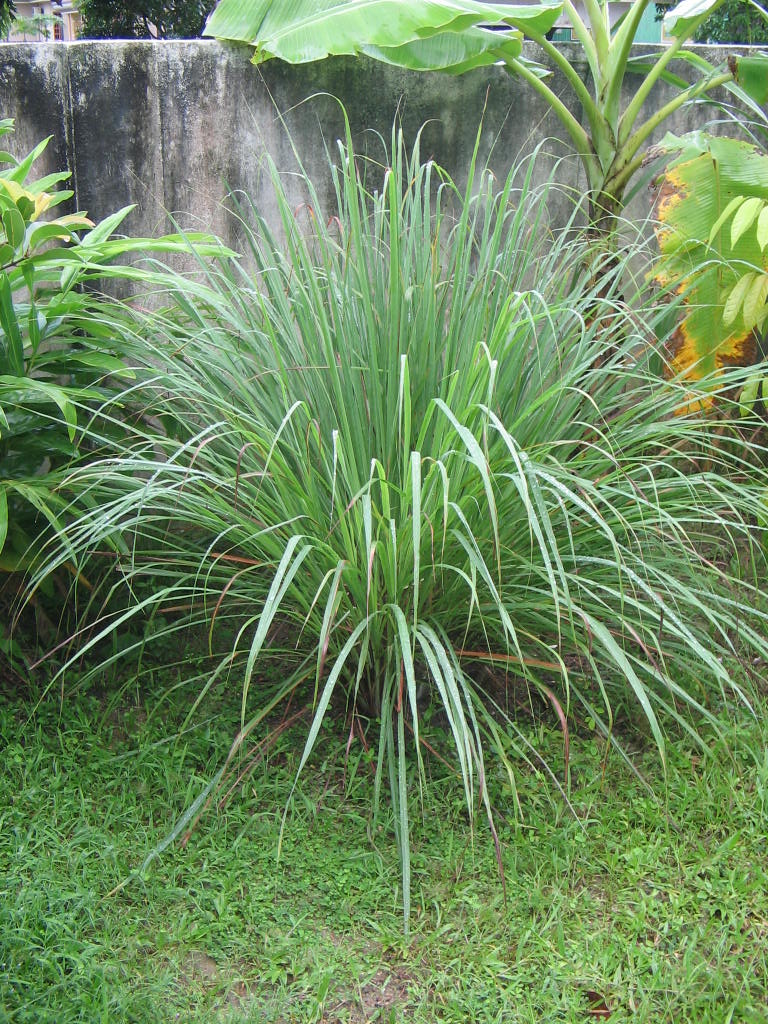
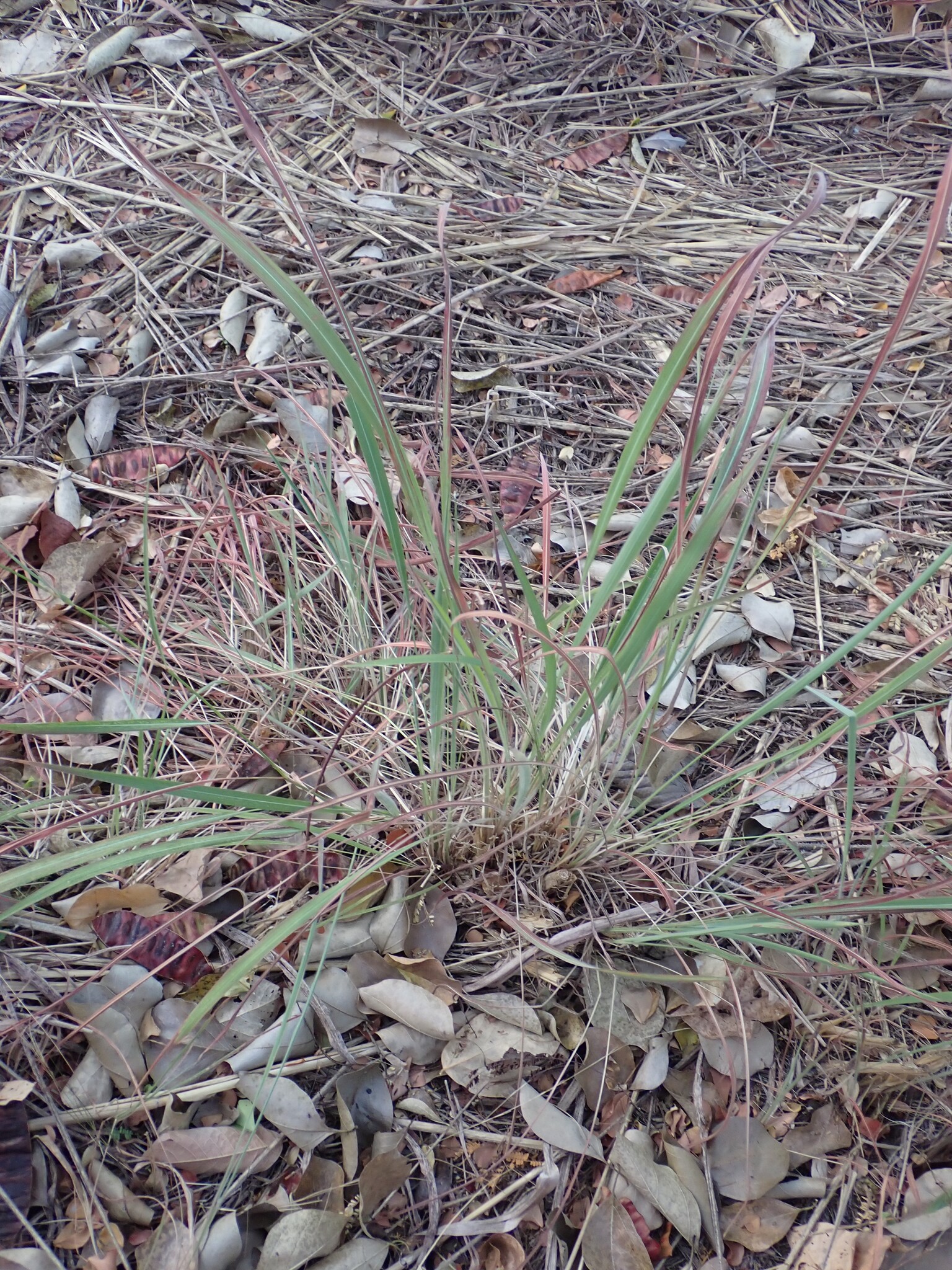
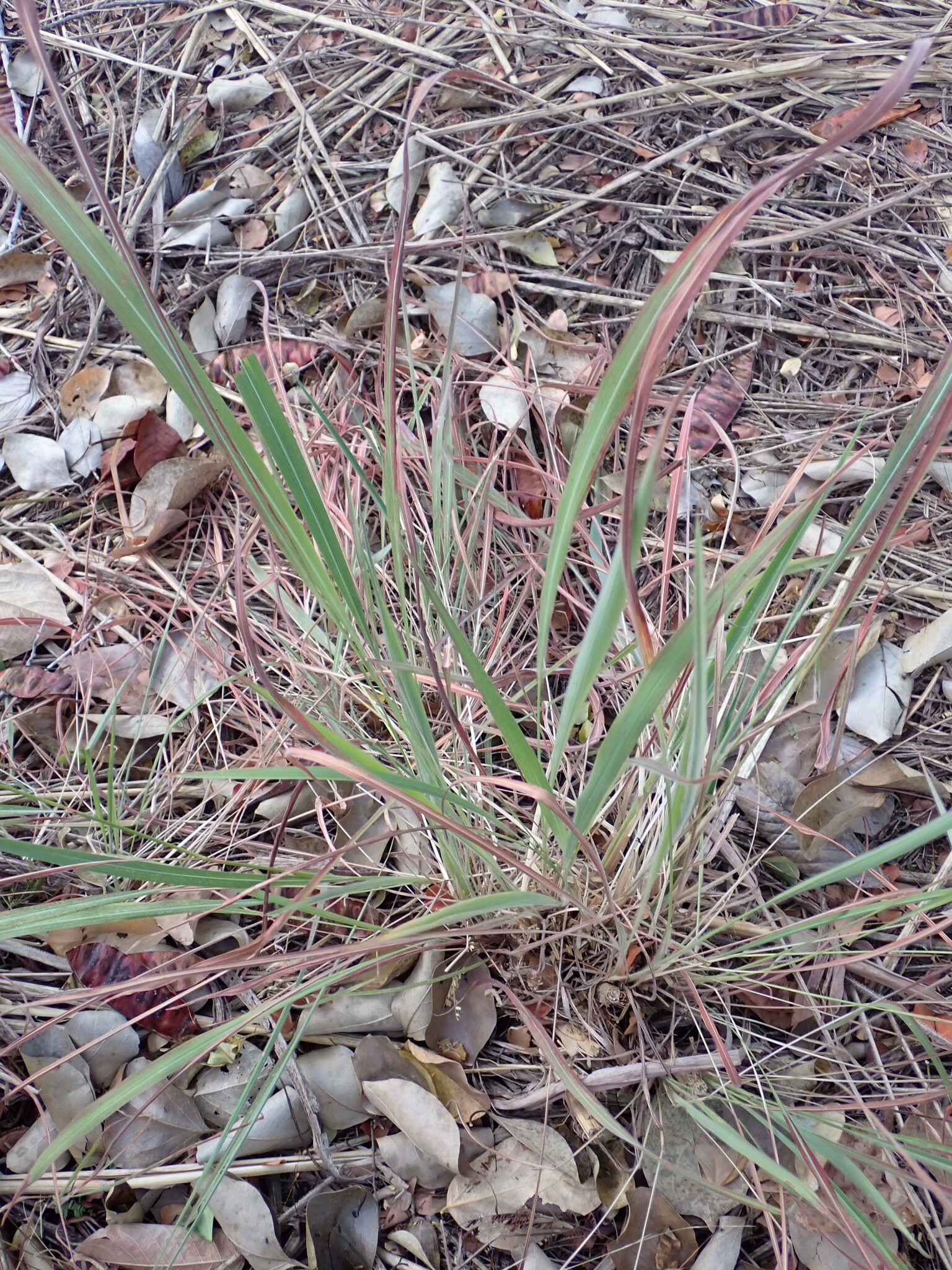
Perennial aromatic grass (1–1.5 m) forming dense clumps. Lemon-scented leaves (citral). Permanent cover between tree rows in syntropic systems, mosquito repellent, essential-oil source. Drought-tolerant; prefers full sun.
Götsch succession
- Götsch stage
- Placenta I
- Ecological role
- Pioneer
- Primary stratum
- Low
- Strata
- Low
- Biomass class
- Mulch biomass
Environment
- Light requirement
- Full sun
- Water requirement
- Moderate
- Drought tolerance
- High
- Soil pH range
- 5–7.5
- Preferred soil texture
- Loamy, Sandy, Clayey
- Hardiness zones
- 10–13
Morphology
- Mature height
- 1–1.5 m
- Recommended spacing
- 0.5–1 m
- Root system
- Fibrous
- Root depth
- Shallow
- Growth rate
- Fast
- Lifespan
- 4–10 years
Biomes & climate
- Atlantic Forest Naturalized
- Cerrado Suitable
- Caatinga Suitable
- Amazon Naturalized
Köppen classes
- Tropical rainforest (Af) Suitable
- Tropical monsoon (Am) Suitable
- Tropical savanna with dry winter (Aw) Suitable
- Hot semi-arid (BSh) Suitable
- Humid subtropical (Cfa) Suitable
- Subtropical with dry winter (Cwa) Suitable
Where it fits in a guild
Lemongrass takes the Low stratum in the Placenta I phase of succession — in a guild it shares the line with species from the other strata, each harvesting light at its own height, in its own time.
Free account — and the catalog stays open, no sign-up needed.
🪴 Cultivation
Dense clump spreading by short rhizomes; propagated vegetatively by division (rarely flowers outside its native habitat, setting almost no seed). Tolerates a wide range of soils and pH, prefers well-drained soil in full sun, and is frost-sensitive (mortality on prolonged exposure below ~10 °C). Citral-rich essential oil (insect repellent).
❓ Frequently asked questions
What spacing is recommended for lemongrass?
The recommended spacing for lemongrass is 0.5–1 m.
How tall does lemongrass grow?
At maturity, lemongrass reaches 1–1.5 m tall.
What stage and stratum does lemongrass occupy in a syntropic system?
In a syntropic system, lemongrass belongs to the placenta i stage, occupying the low stratum.
Functions
Propagation
Division
Citations
- PFAF Plant Database — Cymbopogon citratus (ph_min, ph_max, hardiness_zone_min, hardiness_zone_max, drought_tolerance, light_need, soil_texture_preference, propagation, cultivation_notes)
- GBIF Backbone Taxonomy — Cymbopogon citratus (gbif_taxon_key, genus, family)
External references
Continue exploring
Related plants
-
pigeon pea
Cajanus cajan
Placenta I Low Fertilizer biomass 🌱 Nitrogen fixerShort-cycle shrubby legume that fixes nitrogen, widely used in Brazilian agroforestry as green manure, early shade and food. Vigorous on poor soils.
-
sunn hemp
Crotalaria juncea
Placenta I High Fertilizer biomass 🌱 Nitrogen fixerAnnual green-manure legume, fixes up to ~450 kg N/ha, ideal for the Placenta I phase. Breaks nematode cycles and contributes large amounts of ferti...
-
velvet bean
Mucuna pruriens
Placenta I Low Fertilizer biomass 🌱 Nitrogen fixerAnnual climbing legume that fixes nitrogen (~180–220 kg N/ha) and produces dense cover biomass. Suppresses weeds, decompacts the soil, and is one o...
-
jack bean
Canavalia ensiformis
Placenta I Low Fertilizer biomass 🌱 Nitrogen fixerAnnual nitrogen-fixing legume with strong soil-decompacting and weed-suppressing ability. Explicitly cited by Pasini among Accumulation-system spec...
-
maize
Zea mays
Placenta I Emergent Mulch biomassAnnual C4 cereal — placed by Pasini in the emergent stratum of Tabela 3 and recommended for the 'up to 6 months' phase of Tabela 4. Short-cycle cov...
-
sweet potato
Ipomoea batatas
Placenta I Ground cover No biomass productionShort-cycle creeping tuber crop. Pasini lists it in the low stratum of Tabela 3. Excellent living ground cover early in the agroforestry cycle, edi...