
Climate
Plants for the Hot semi-arid (BSh) climate
Hot semi-arid: scarce, irregular rain. Favor hardy, deep-rooted species, fast shade, and every bit of biomass turned into mulch — the water that falls has to stay in the system.
81 species in the catalog · Refine this list in the catalog
-
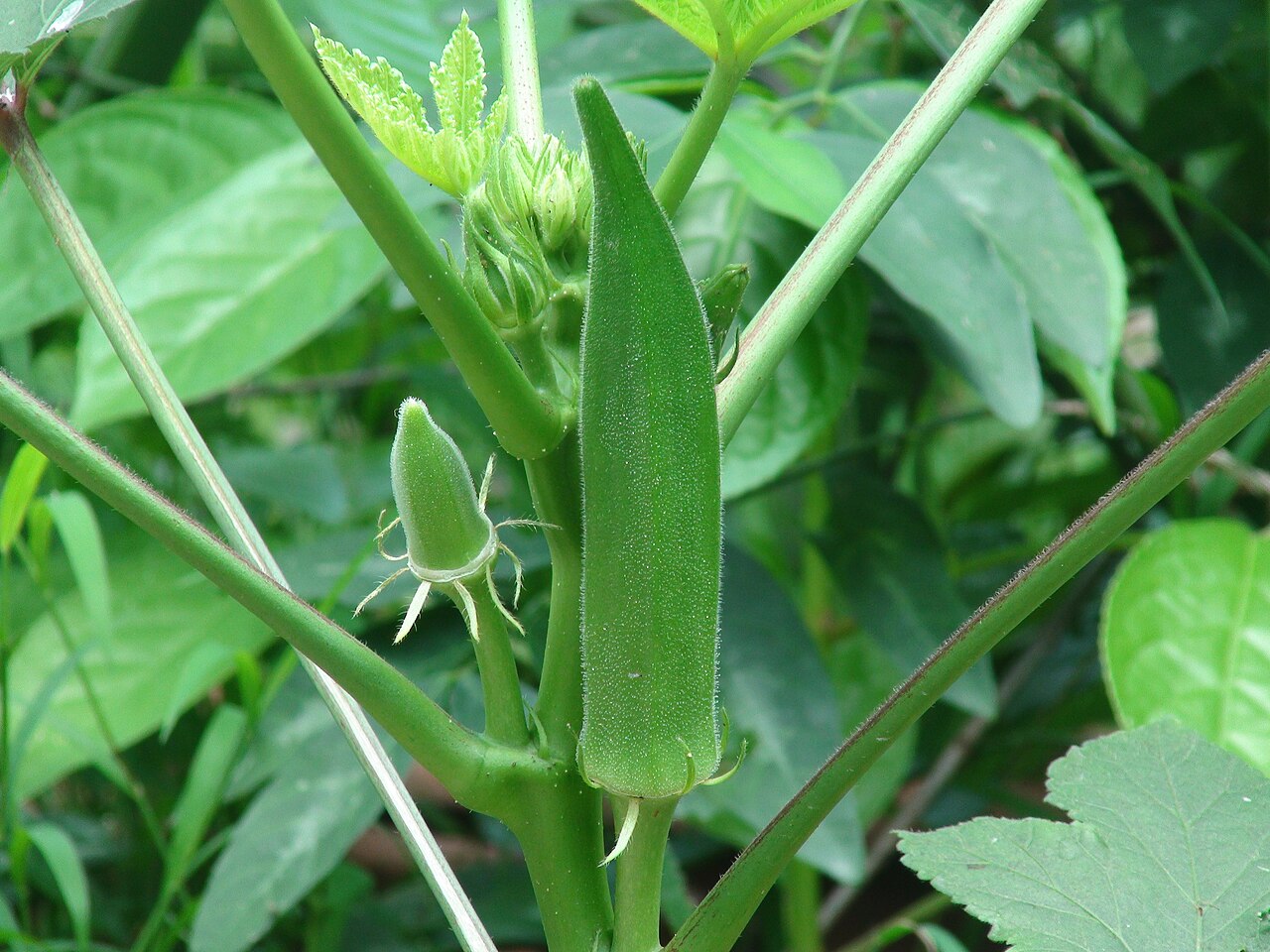
okra
Abelmoschus esculentus
Placenta I High No biomass productionAfrican annual fruit-vegetable widely cultivated in Brazilian SAFs. EcoAgri lists it in the high stratum of the 'up to 6 months' bin (placenta_1). ...
-
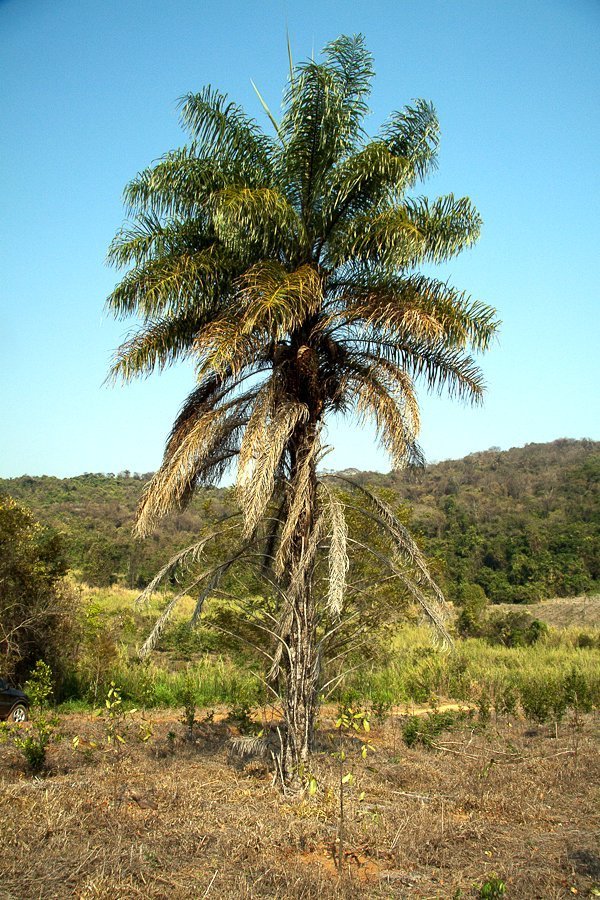
macauba palm
Acrocomia aculeata
Secondary II Emergent Mulch biomassNative palm of the Cerrado and Atlantic Forest, distributed from Bahia to Paraná. Spiny stipe 10–20 m. Orange-yellow fruits with yellow pulp and an...
-
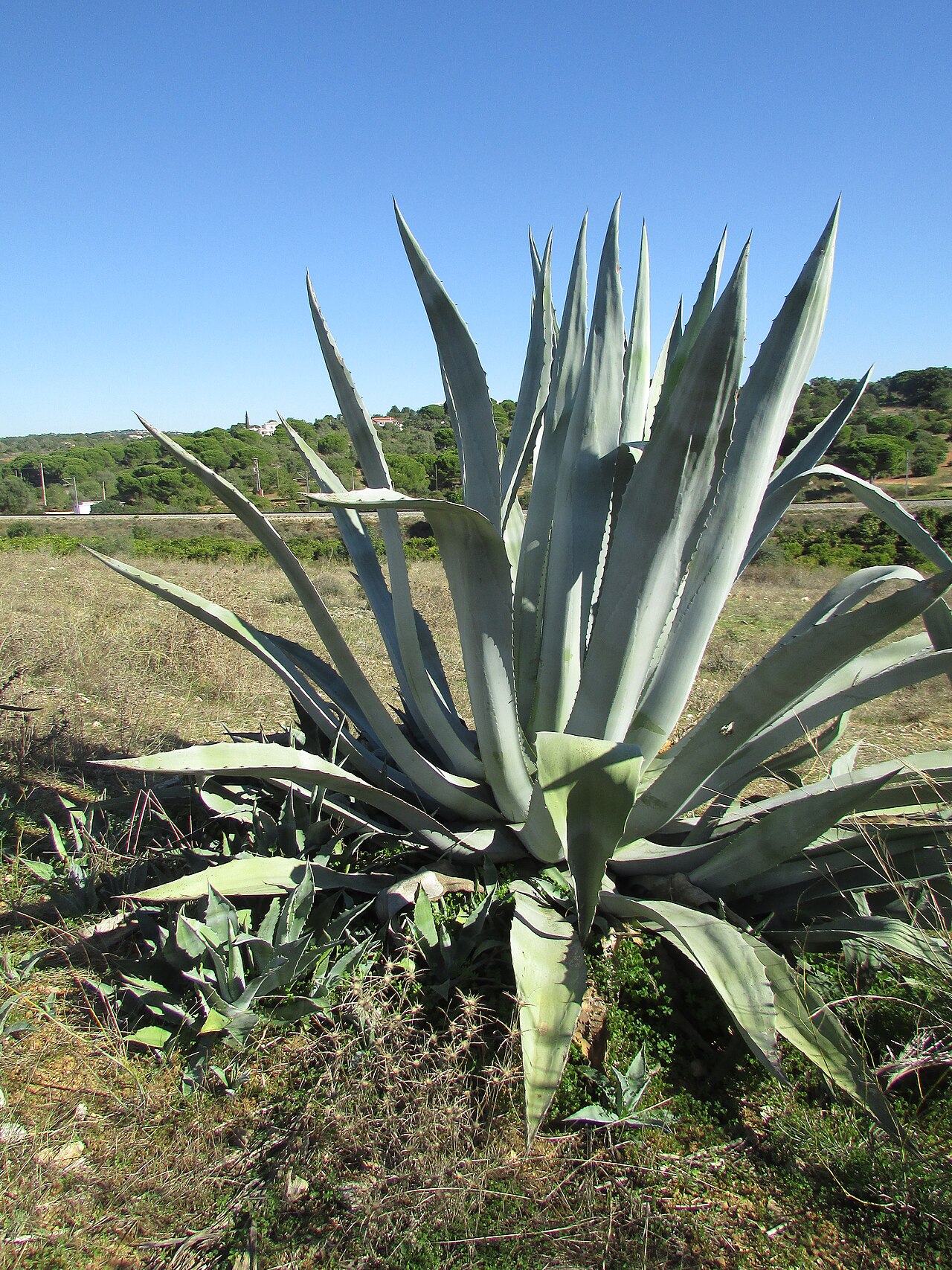
century plant
Agave americana
Placenta I Ground cover Mulch biomassPivotal species of the accumulation phase on exhausted soils. Rebello describes its use in Chapada dos Veadeiros: planted at 20 cm spacing on near-...
-
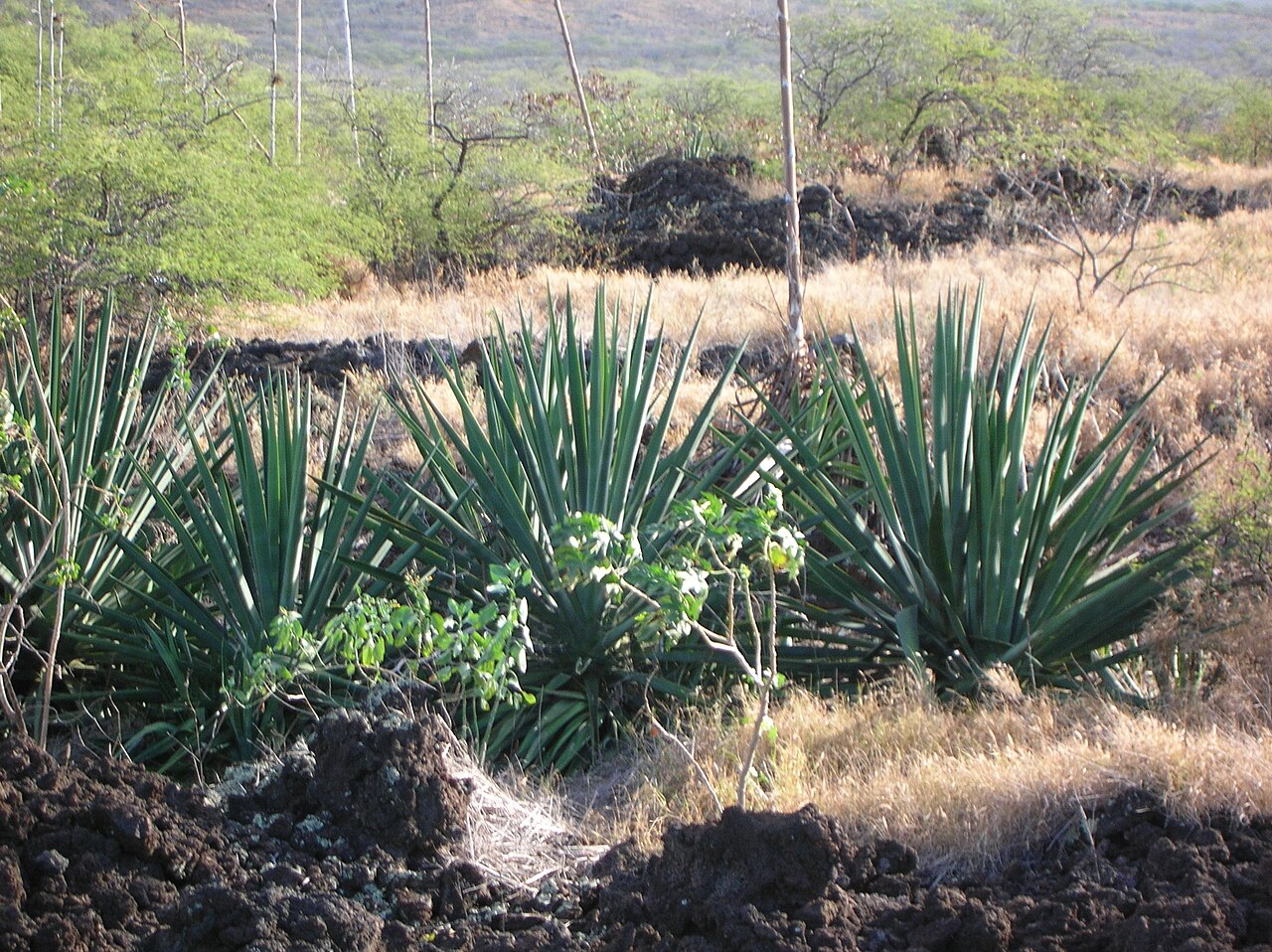
sisal
Agave sisalana
Placenta II Low Mulch biomassXerophytic agave domesticated in Mesoamerica and produced at scale in Bahia. Rebello lists it among species adapted to very dry Caatinga environmen...
-
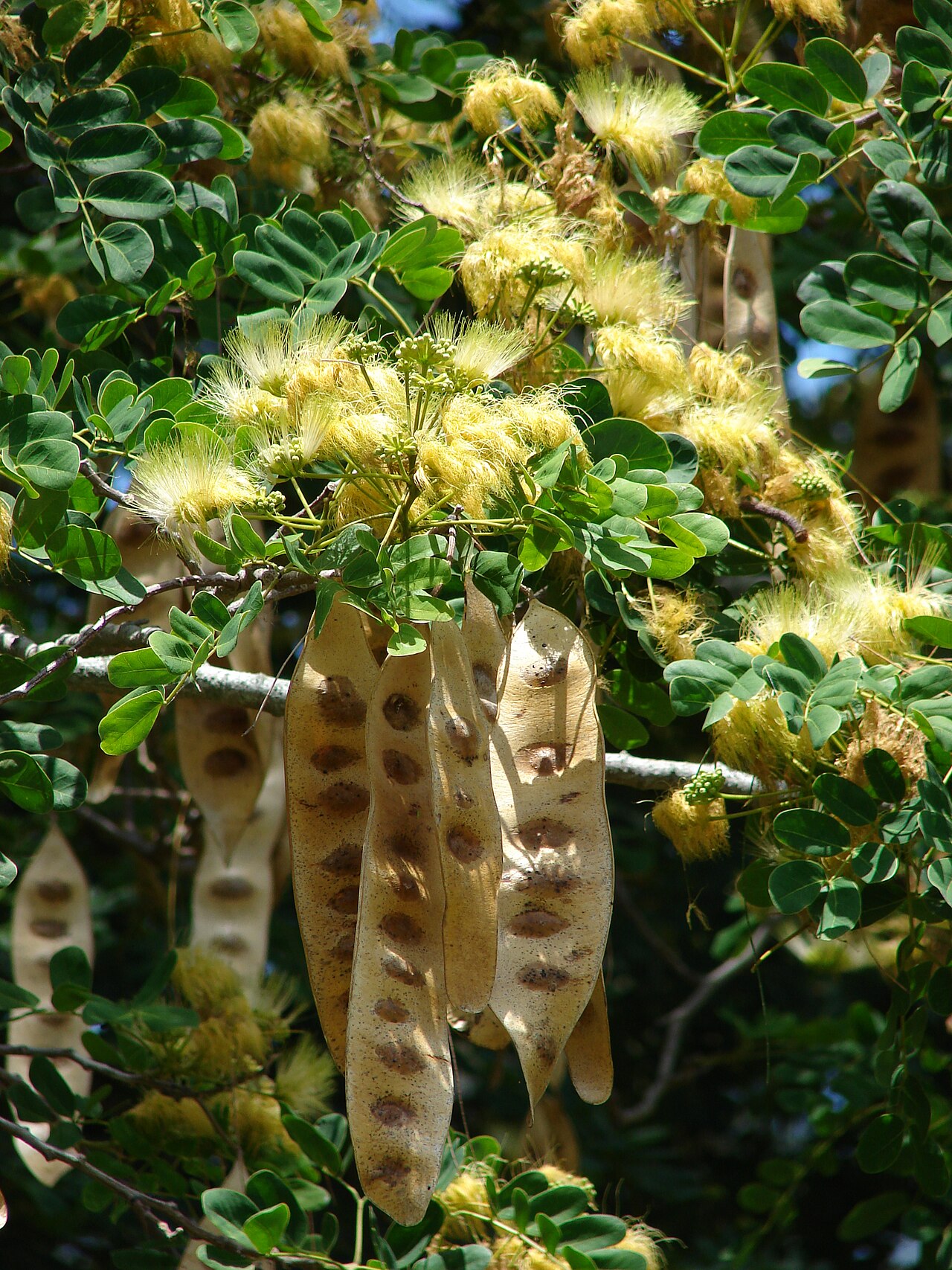
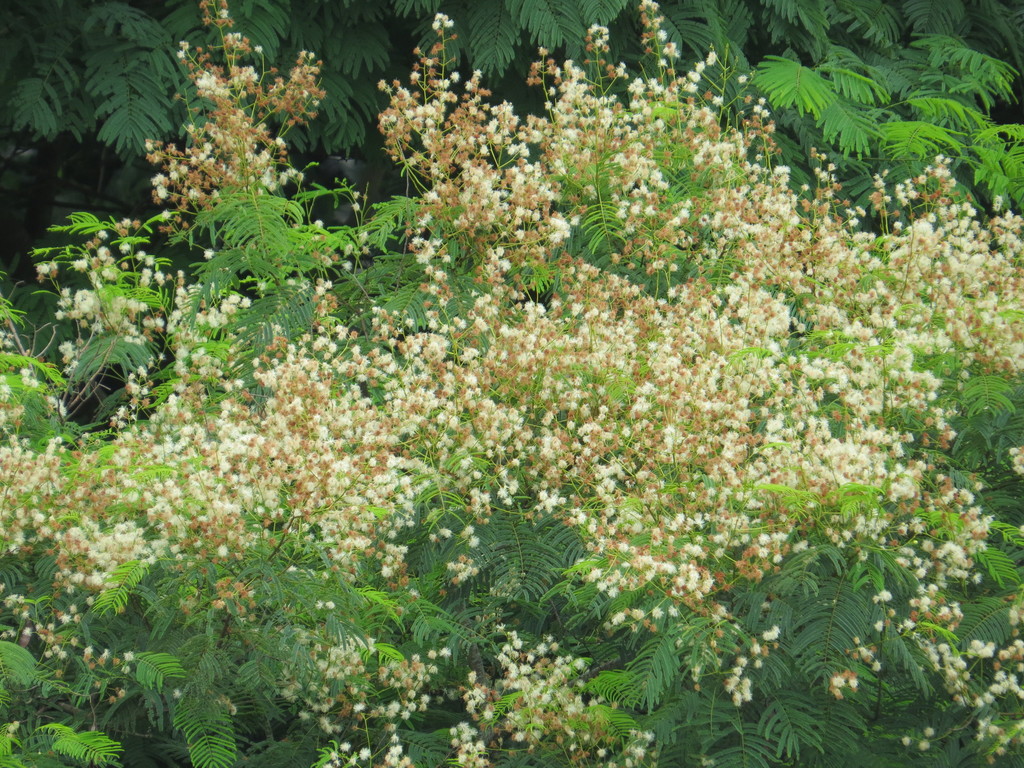
siris tree
Albizia lebbeck
Secondary II High Fertilizer biomass 🌱 Nitrogen fixerA fast-growing, drought-tolerant leguminous tree of 18-30 m, native to tropical Asia and now pantropical. It fixes nitrogen readily and coppices ex...
-
amburana
Amburana cearensis
Climax High Mulch biomassPremium-timber leguminous tree native to Caatinga, Cerrado, and dry Atlantic Forest. EcoAgri lists it in the high stratum of the '> 50 years' bin. ...
-
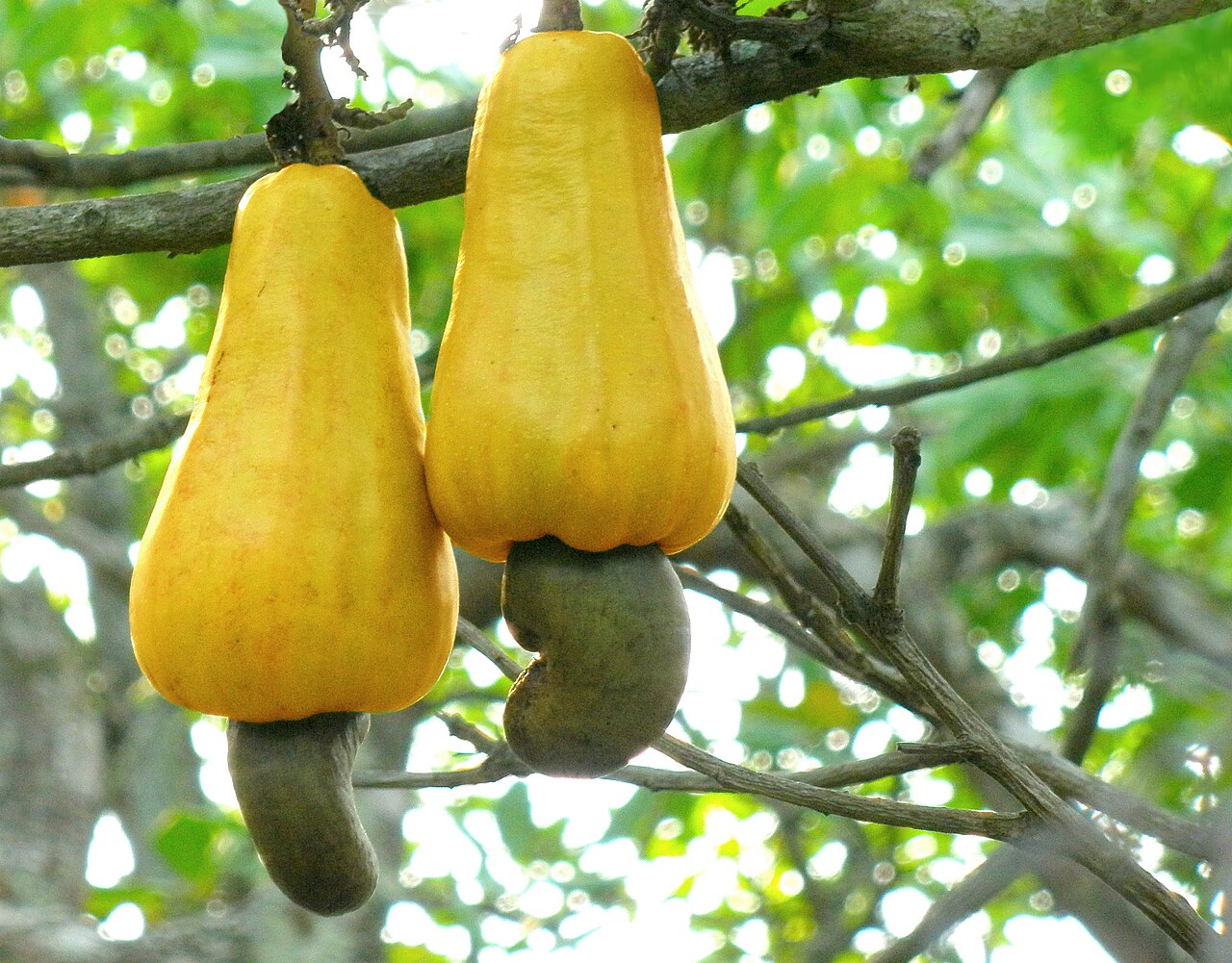
cashew
Anacardium occidentale
Secondary II High No biomass productionNative fruit tree of the Cerrado and Caatinga; produces a pseudofruit (the cashew apple) and the true cashew nut. Pasini lists it in the emergent s...
-
dwarf early-bearing cashew
Anacardium occidentale
Secondary II High No biomass productionEmbrapa dwarf early-bearing cashew clones — 4–6 m height vs. 8–15 m of common cashew. First fruits at 18–24 months (vs. 4 years for the common cash...
-
cebil
Anadenanthera colubrina
Secondary I High Fertilizer biomass 🌱 Nitrogen fixerFast-growing pioneer legume, nitrogen fixer. Adapted to poor and degraded soils; widely used in restoration of degraded areas across Caatinga, Cerr...
-
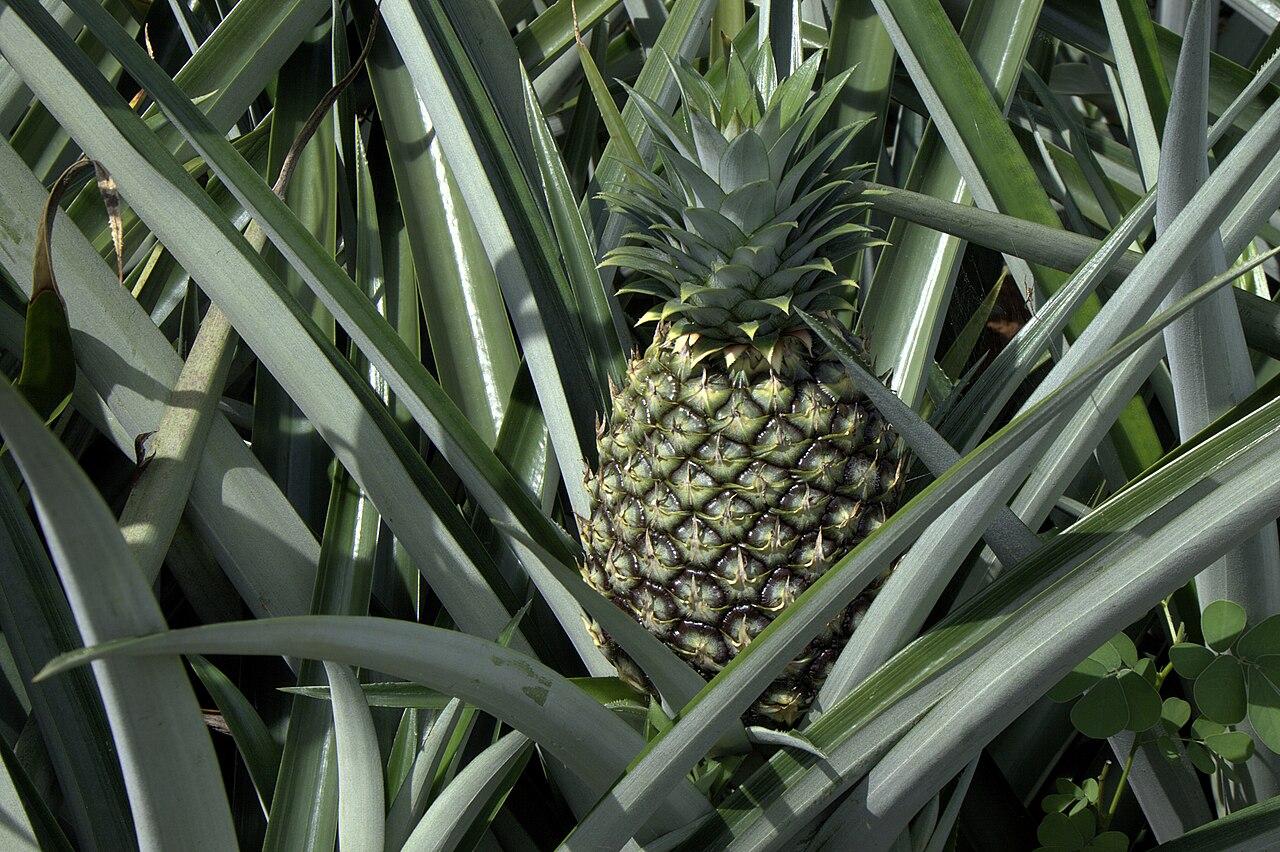
pérola pineapple
Ananas comosus
Placenta II Ground cover No biomass productionDominant cultivar in Brazil's domestic market. Erect plants with long spiny leaves, long peduncle, conical fruits weighing 1.0–1.5 kg, aromatic whi...
-
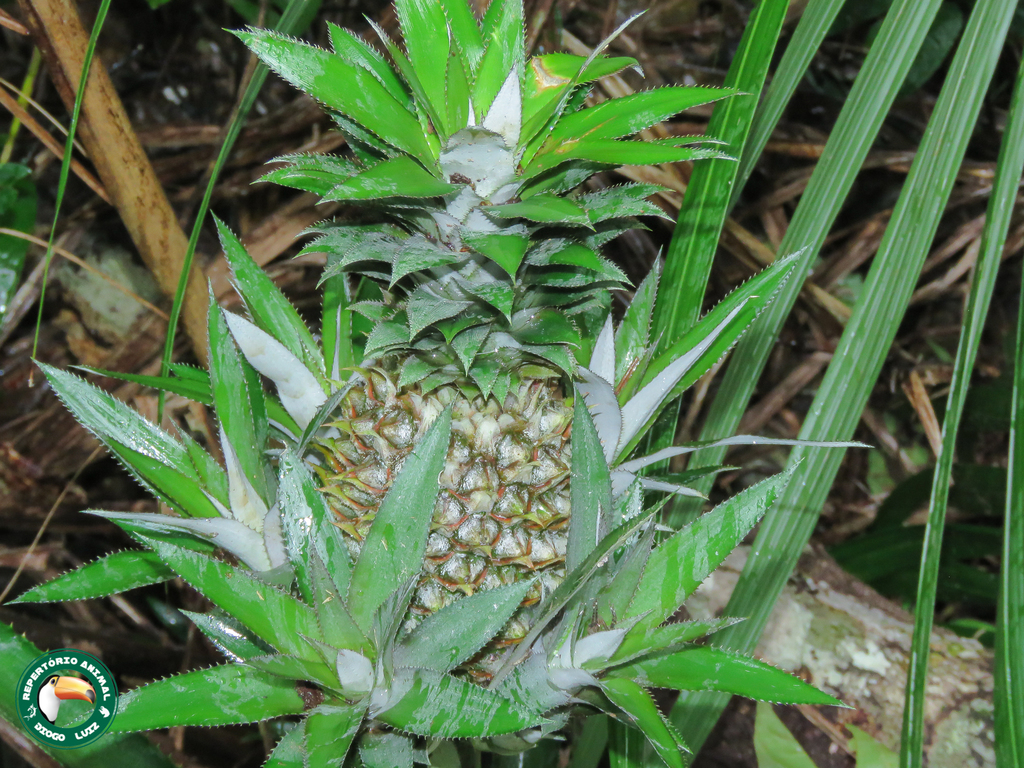
brs imperial pineapple
Ananas comosus
Placenta II Ground cover No biomass productionEmbrapa hybrid cultivar ('Perolera' × 'Smooth Cayenne'). Spineless dark-green leaves. Crowned fruit ~1.2 kg (up to 1.5 kg). Resistant to fusariosis...
-
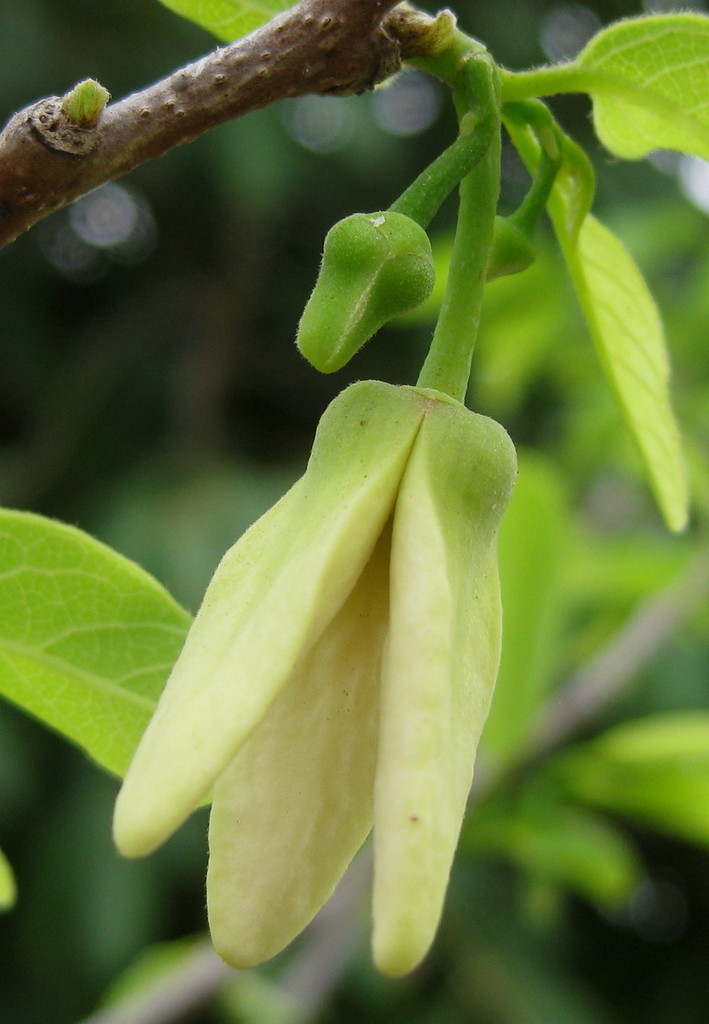
sugar apple
Annona squamosa
Secondary I High No biomass productionSmall tropical fruit tree, same family as graviola. Pasini lists it in the high stratum of Tabela 3. Tolerates poor soils and drought; traditional ...
-
pinto peanut
Arachis pintoi
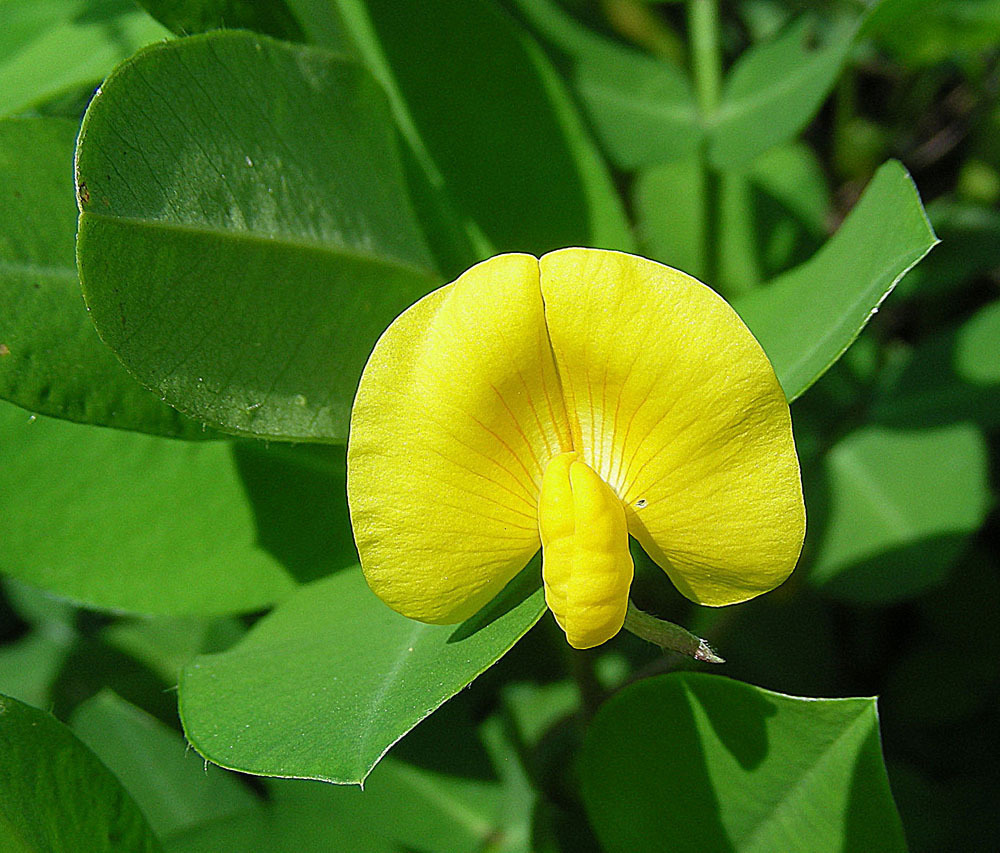
Placenta I Ground cover Fertilizer biomass 🌱 Nitrogen fixerPerennial creeping legume with stolons, 20–40 cm tall. Permanent living mulch, persists under 70% shade. Fixes nitrogen, produces 5–13 t/ha/year of...
-
babassu palm
Attalea speciosa
Climax Emergent Mulch biomassNative palm of the transition zones between the Amazon, Cerrado, and Caatinga — strongly present in Maranhão, Piauí, Tocantins, and northern Goiás....
-
neem
Azadirachta indica
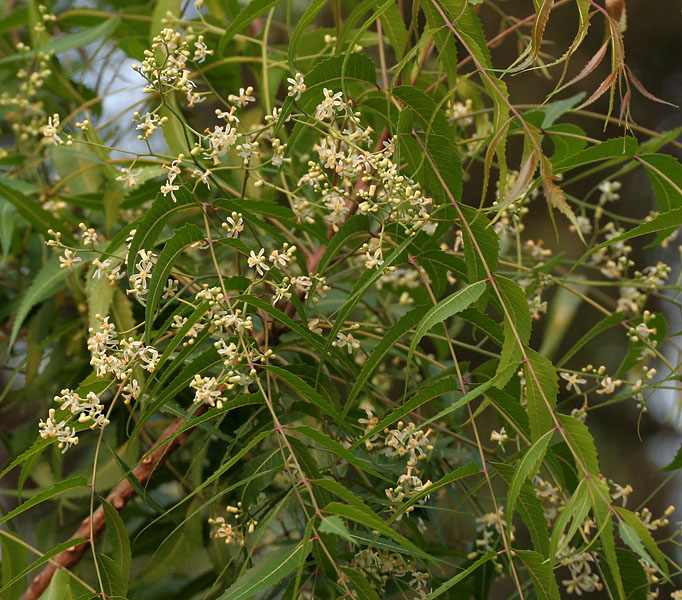
Secondary I High Mulch biomassIndian-origin tree adapted to Brazil, the biopesticide species of the Embrapa Vitrine SAF. Leaves and seed oil (azadirachtin) repel more than 200 i...
-
balcooa bamboo
Bambusa balcooa
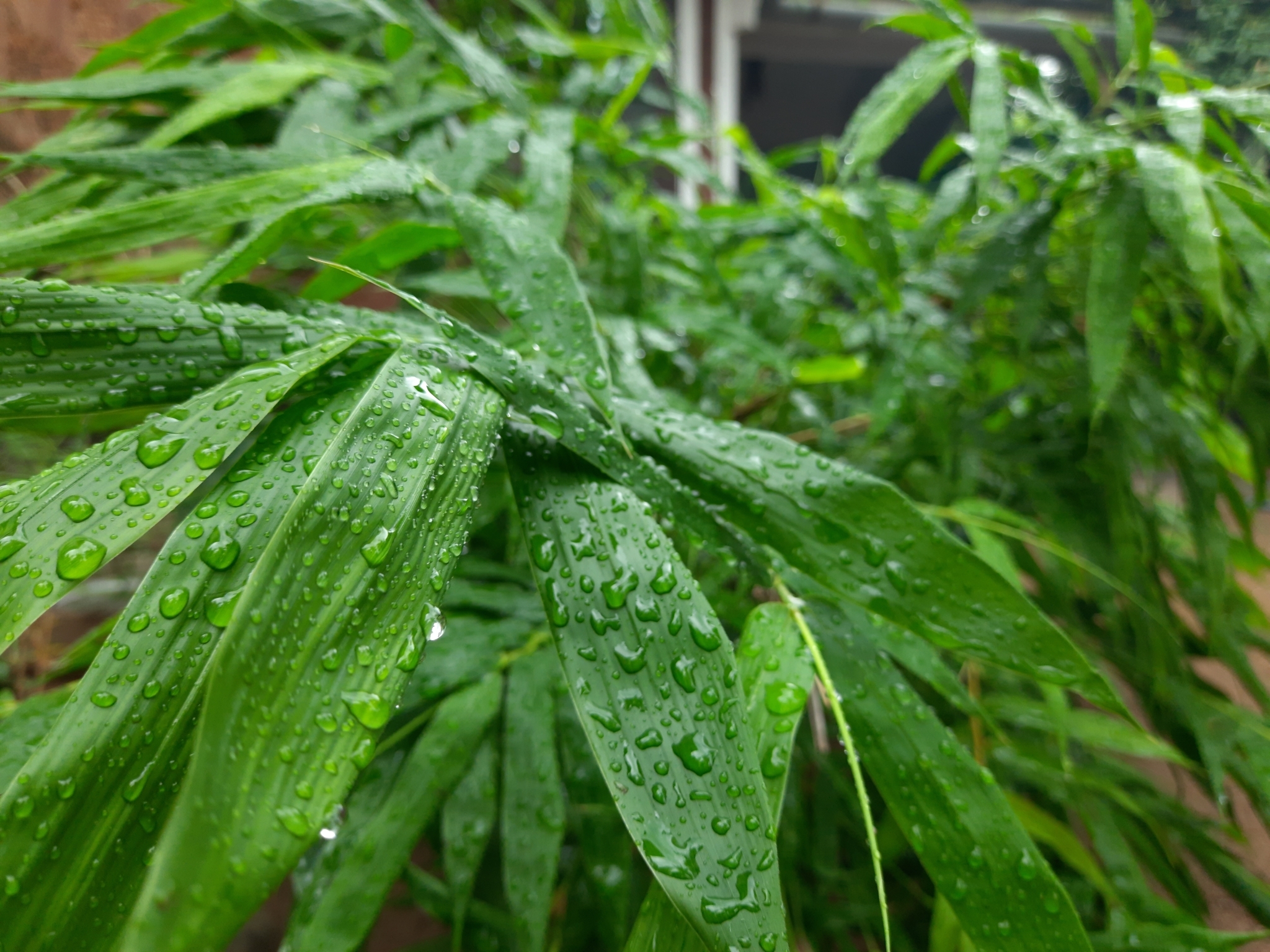
Secondary I Emergent Mulch biomassA large clumping bamboo native to the Indian subcontinent and Indochina, with thick culms up to 25 m and thick walls. It is highly valued for const...
-
mama-cadela
Brosimum gaudichaudii
Secondary II Medium No biomass productionNative Cerrado small tree (3–8 m), exudes white latex. Small orange-yellow edible fruits with sweet taste. Medicinal root — psoralen traditionally ...
-
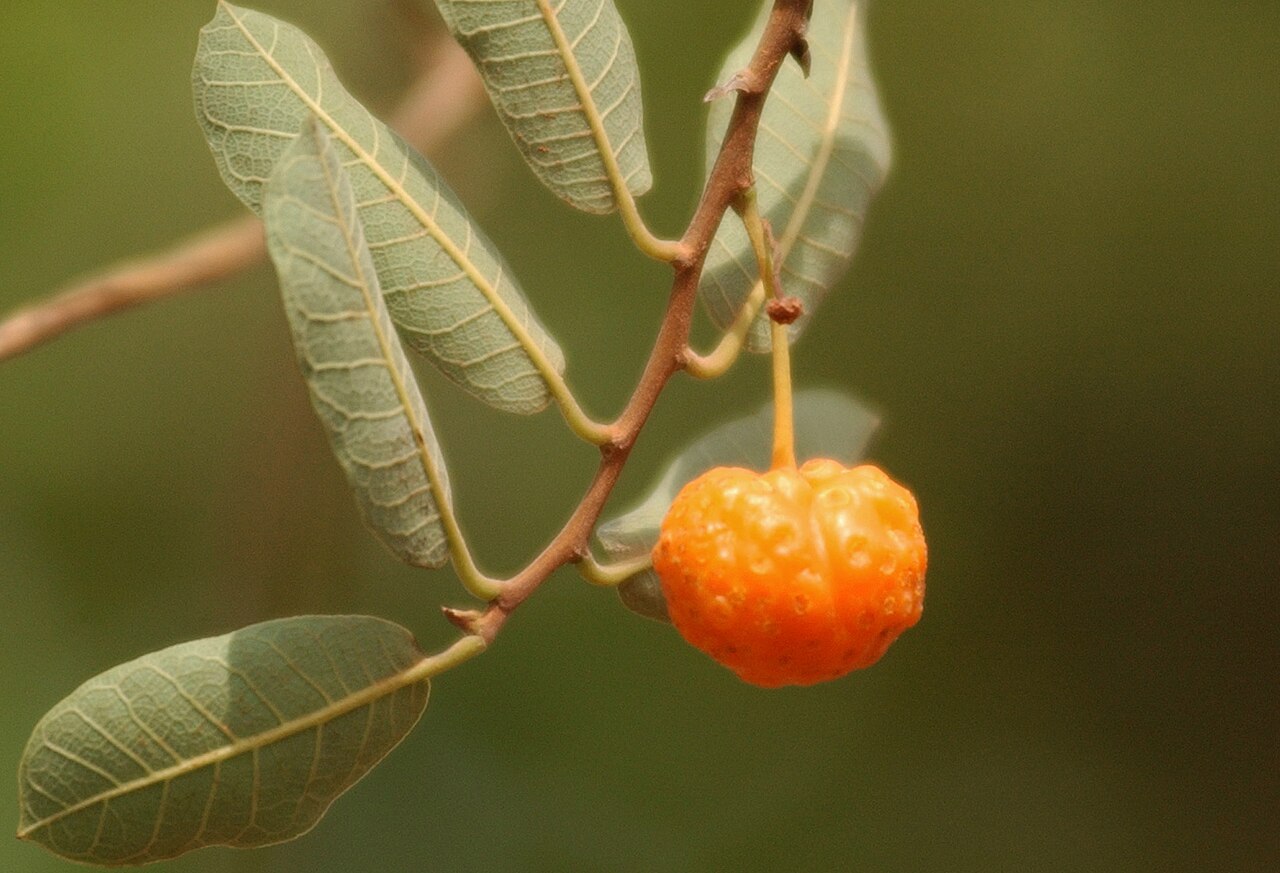
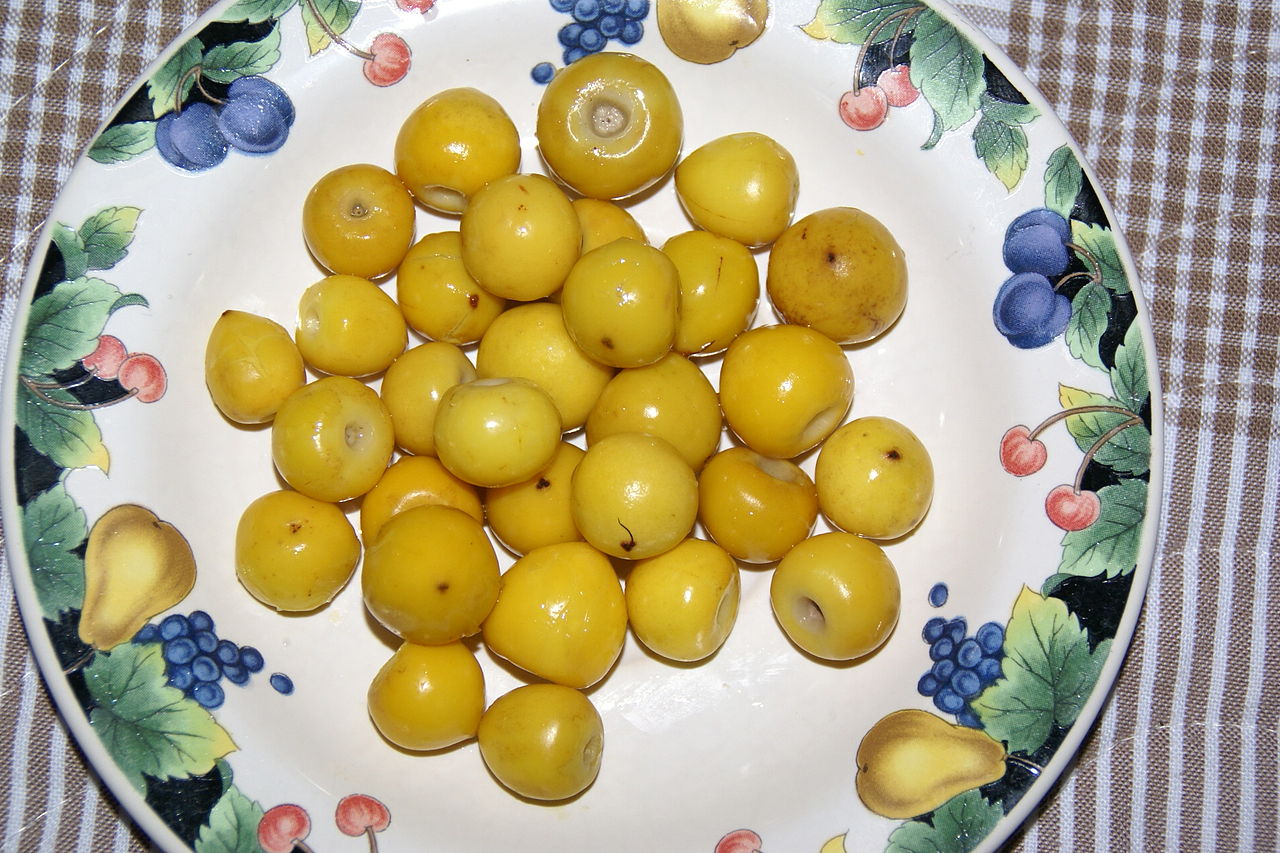
nance
Byrsonima crassifolia
Secondary II High No biomass productionNative Cerrado and Caatinga fruit tree with a wide, low crown. EcoAgri lists it in the high stratum of the 'up to 50 years' extras. Small yellow fr...
-
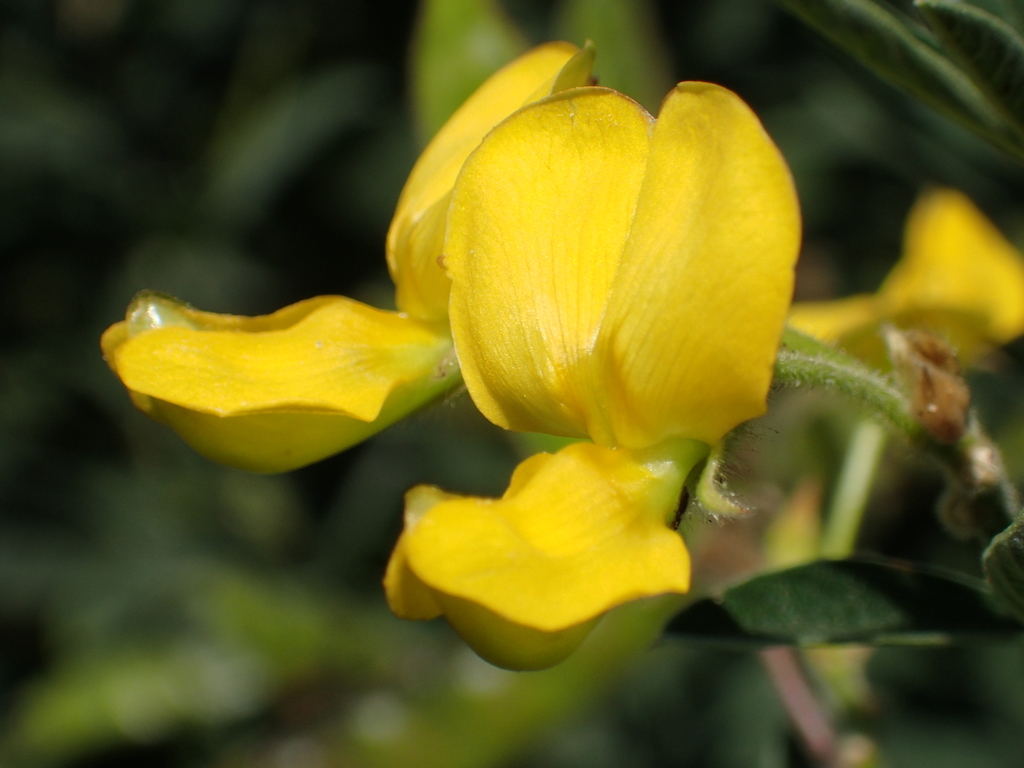
pigeon pea
Cajanus cajan
Placenta I Low Fertilizer biomass 🌱 Nitrogen fixerShort-cycle shrubby legume that fixes nitrogen, widely used in Brazilian agroforestry as green manure, early shade and food. Vigorous on poor soils.
-
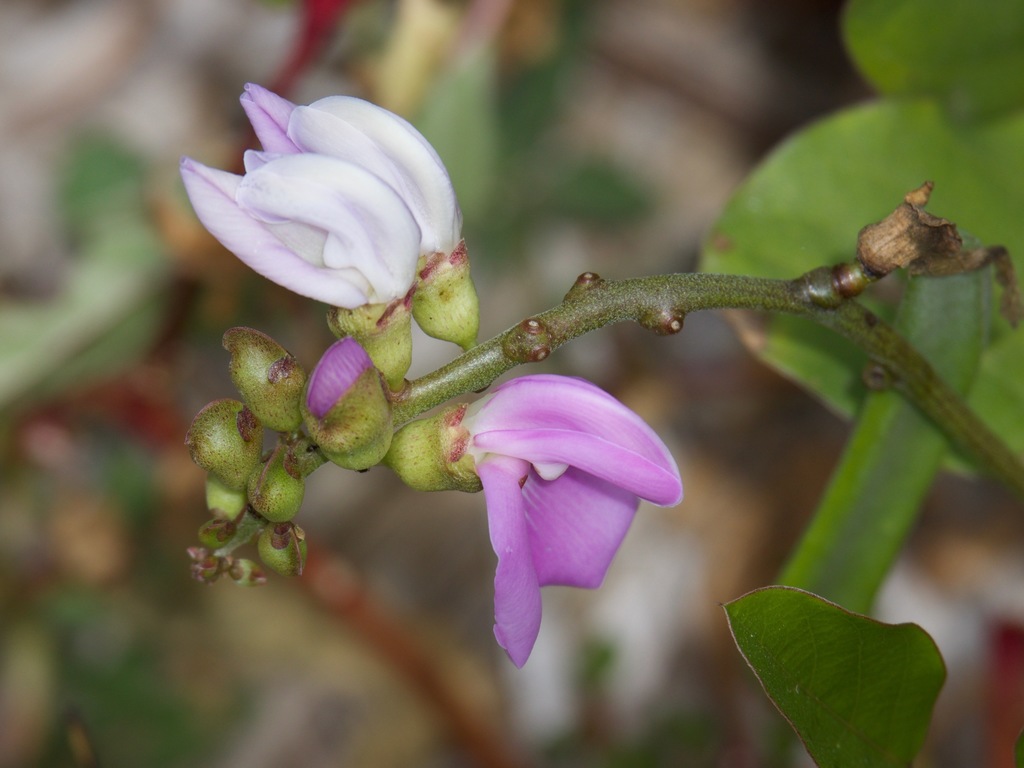
Brazilian jack bean
Canavalia brasiliensis
Placenta I Low Fertilizer biomass 🌱 Nitrogen fixerAnnual nitrogen-fixing legume native to Brazil, cousin of feijão-de-porco. Listed in Embrapa CT-16 Tabela 1 as a cover crop alongside crotalarias a...
-
jack bean
Canavalia ensiformis
Placenta I Low Fertilizer biomass 🌱 Nitrogen fixerAnnual nitrogen-fixing legume with strong soil-decompacting and weed-suppressing ability. Explicitly cited by Pasini among Accumulation-system spec...
-
dedo-de-moça pepper
Capsicum baccatum
Placenta II Low No biomass productionBrazil's most-consumed fresh chili (5,000–30,000 SHU). Elongated red fruits (~6 cm). 1–1.5 m plant, open canopy. Backbone of the sauce and pickle i...
-
biquinho pepper
Capsicum chinense
Placenta II Low No biomass productionBrazilian C. chinense cultivar with low pungency (0–200 SHU) and intense aroma, teardrop shape. Origin in southern Minas Gerais. 60–90 cm plant, de...
-
malagueta pepper
Capsicum frutescens
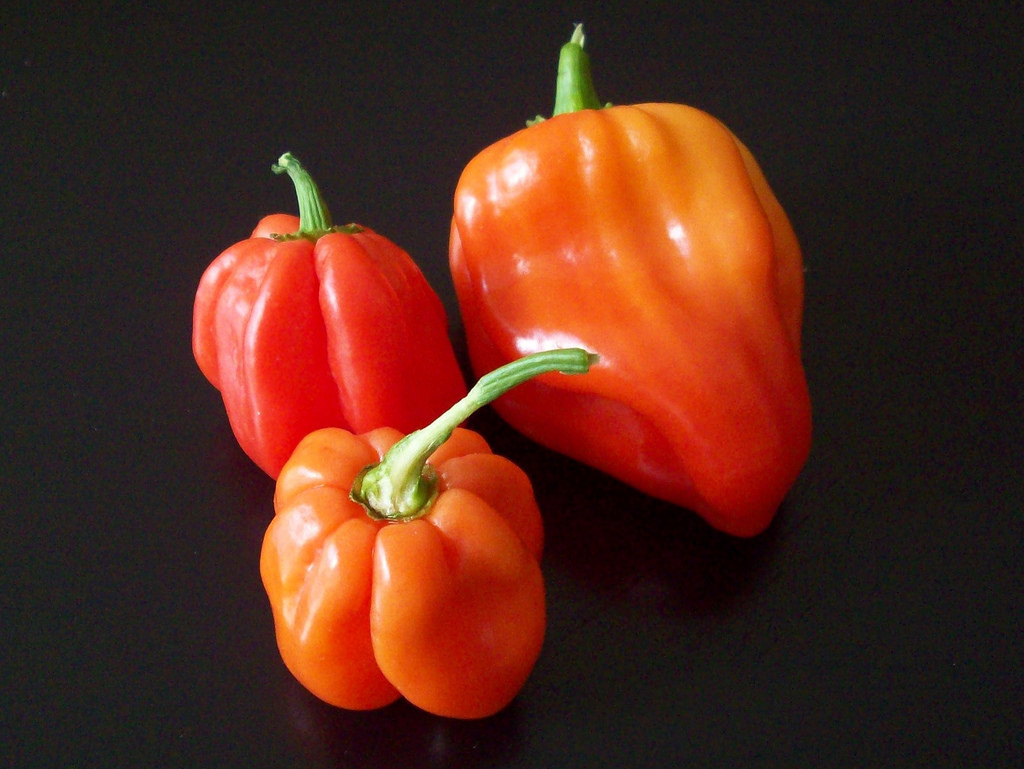
Placenta II Low No biomass productionVery pungent Brazilian pepper (60,000–100,000 SHU), small upright red fruits. Perennial in tropical zones (3–5 years). Tolerates light shade. Widel...
❓ Frequently asked questions
What is the Hot semi-arid (BSh) climate?
Hot, with scarce and irregular rainfall (300–800 mm/year). The climate of the Caatinga. Agroforestry here starts from xerophytic species and prioritises water capture and infiltration.
Which plants does the catalog suggest for the Hot semi-arid (BSh) climate?
The catalog holds 81 species, among them okra, macauba palm, century plant. Each profile shows stratum, succession stage, and the management data, with sources cited.