
Climate
Plants for the Subtropical with dry winter (Cwa) climate
Subtropical with a dry winter: hot rainy summers, dry winters with possible frost. The tropical calendar applies (plant with the rains), plus attention to the hardiness of the perennials.
173 species in the catalog · Refine this list in the catalog
-
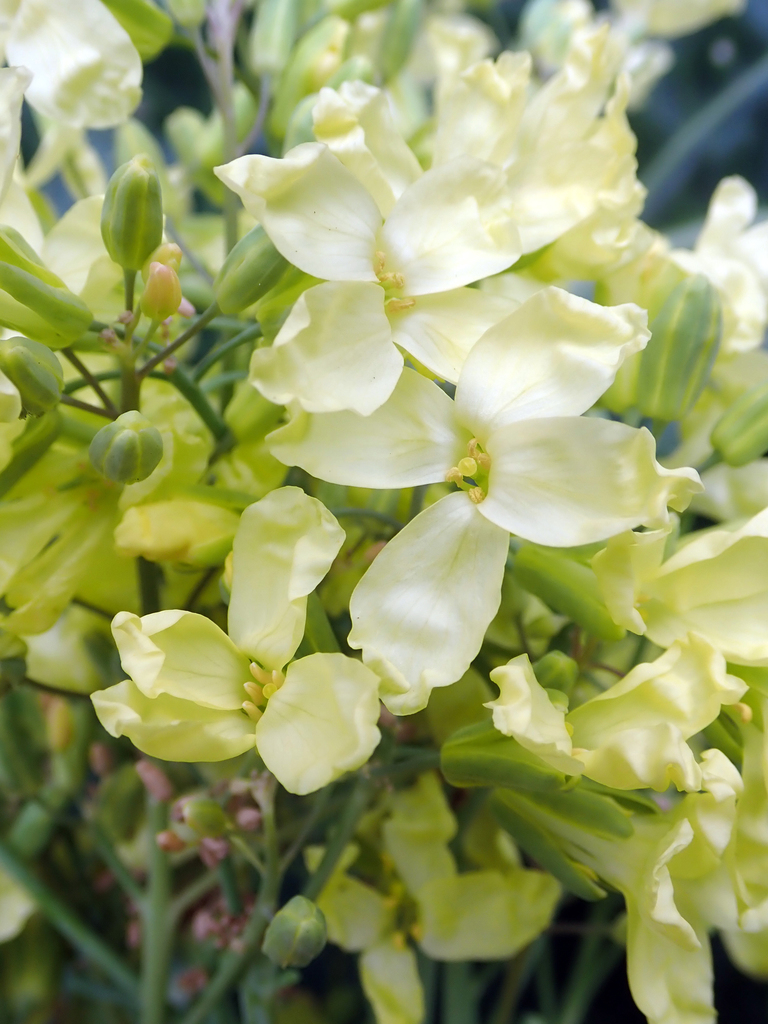
cauliflower
Brassica oleracea var. botrytis
Placenta I Medium No biomass productionAnnual brassica grown for its white inflorescence. Pasini lists it in the high stratum of Tabela 3 (alongside broccoli and cabbage). 90–120 day cyc...
-
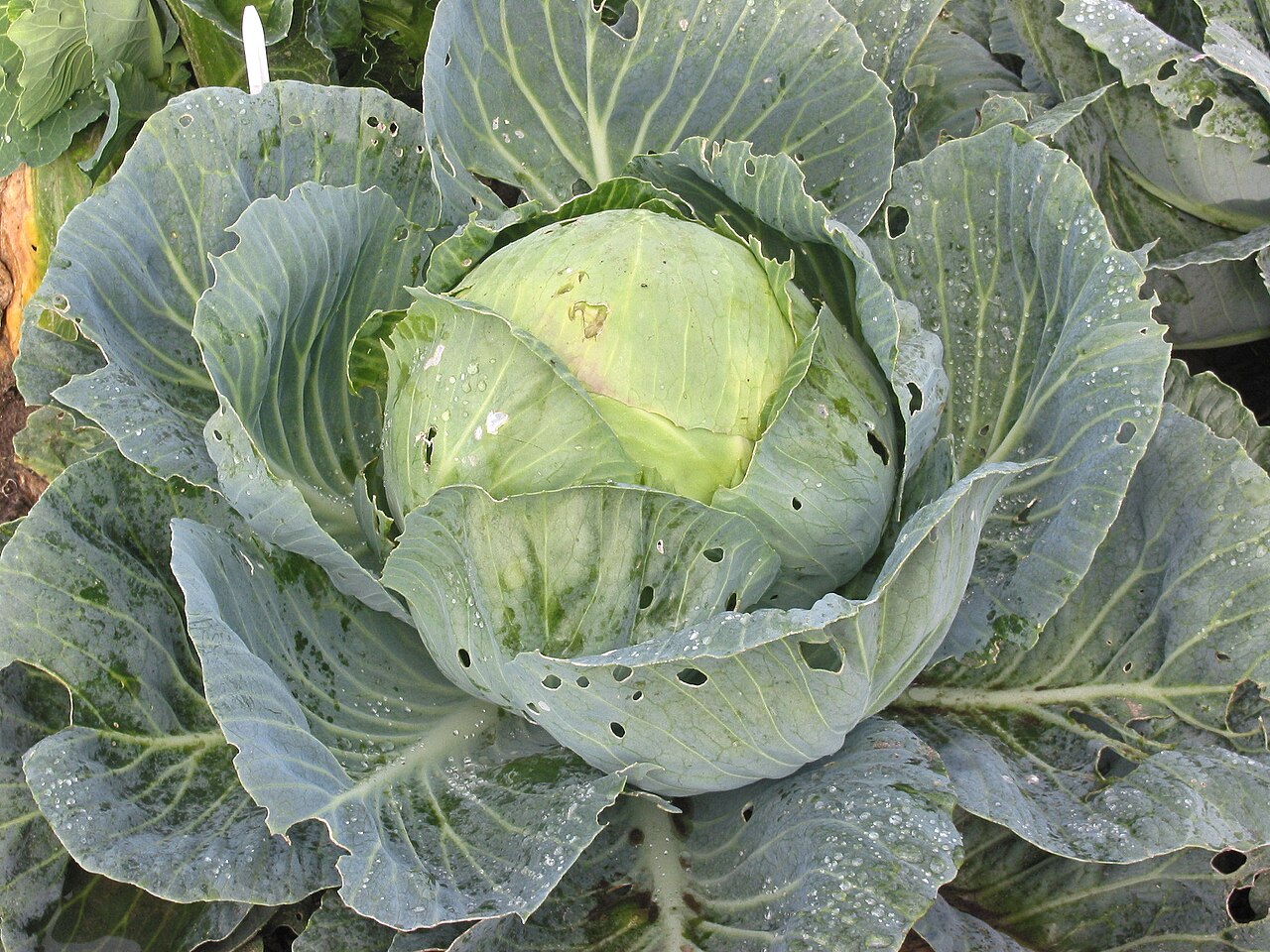
cabbage
Brassica oleracea var. capitata
Placenta I Medium No biomass productionAnnual brassica grown for its compact head of leaves. Pasini lists it in the high stratum of Tabela 3. Tolerates heat better than broccoli or cauli...
-
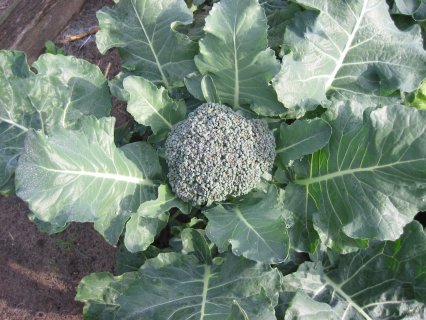
broccoli
Brassica oleracea var. italica
Placenta I Medium No biomass productionAnnual brassica grown for its green inflorescence. Pasini gives it as an example occupying the medium stratum in consortium with collards (low), to...
-
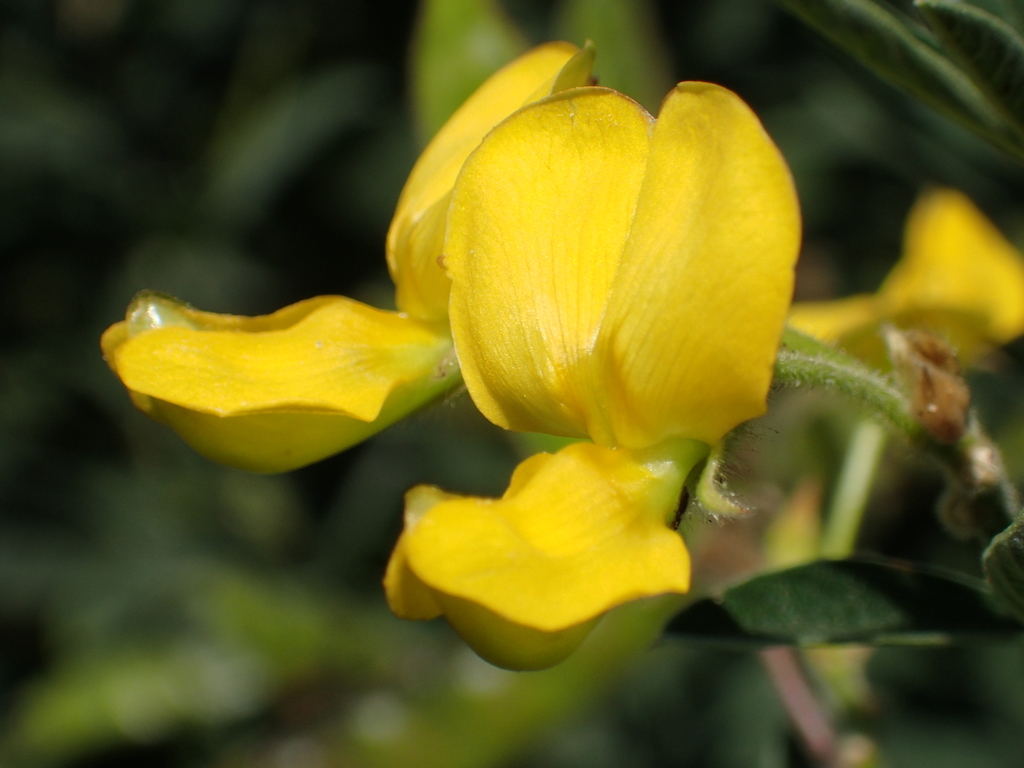
pigeon pea
Cajanus cajan
Placenta I Low Fertilizer biomass 🌱 Nitrogen fixerShort-cycle shrubby legume that fixes nitrogen, widely used in Brazilian agroforestry as green manure, early shade and food. Vigorous on poor soils.
-
gabiroba
Campomanesia adamantium
Placenta II LowPioneer fruit shrub of the Cerrado that colonizes degraded areas. Deep roots stabilize soil and aid water retention. Edible fruits and medicinal le...
-
jack bean
Canavalia ensiformis
Placenta I Low Fertilizer biomass 🌱 Nitrogen fixerAnnual nitrogen-fixing legume with strong soil-decompacting and weed-suppressing ability. Explicitly cited by Pasini among Accumulation-system spec...
-
cumari pepper
Capsicum baccatum
Placenta II Low No biomass productionNative Brazilian forest pepper, small (~1 cm) very pungent fruits (30,000–100,000 SHU). Tolerates partial shade — riparian forest understory and ho...
-
dedo-de-moça pepper
Capsicum baccatum
Placenta II Low No biomass productionBrazil's most-consumed fresh chili (5,000–30,000 SHU). Elongated red fruits (~6 cm). 1–1.5 m plant, open canopy. Backbone of the sauce and pickle i...
-
biquinho pepper
Capsicum chinense
Placenta II Low No biomass productionBrazilian C. chinense cultivar with low pungency (0–200 SHU) and intense aroma, teardrop shape. Origin in southern Minas Gerais. 60–90 cm plant, de...
-
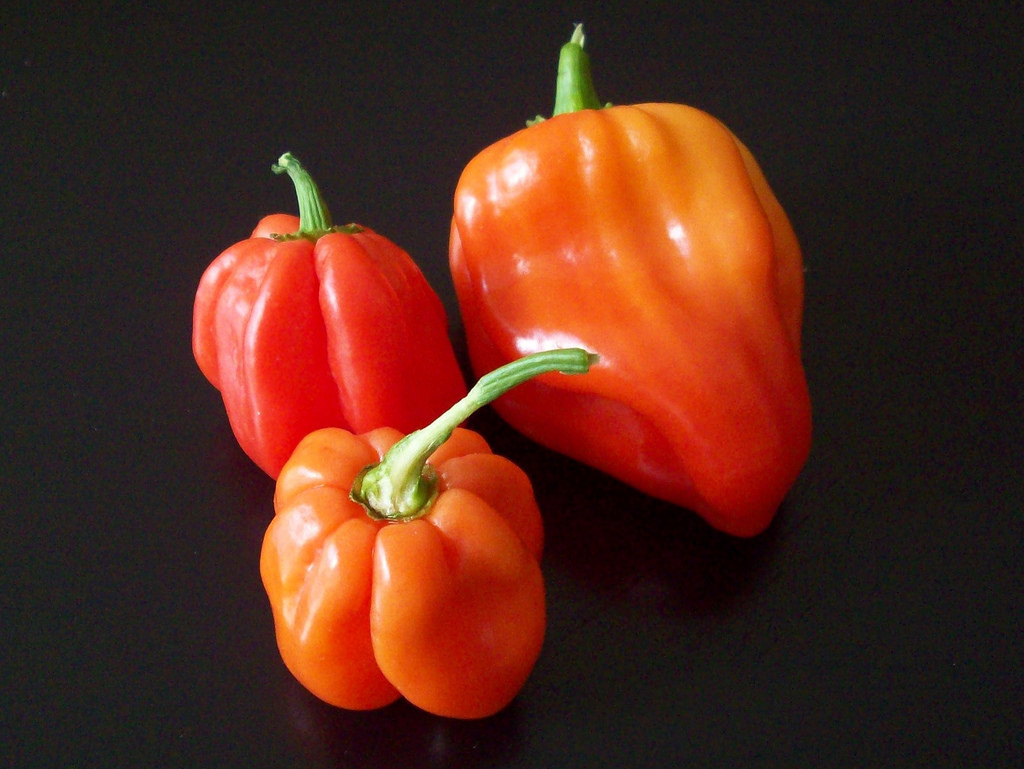
malagueta pepper
Capsicum frutescens
Placenta II Low No biomass productionVery pungent Brazilian pepper (60,000–100,000 SHU), small upright red fruits. Perennial in tropical zones (3–5 years). Tolerates light shade. Widel...
-
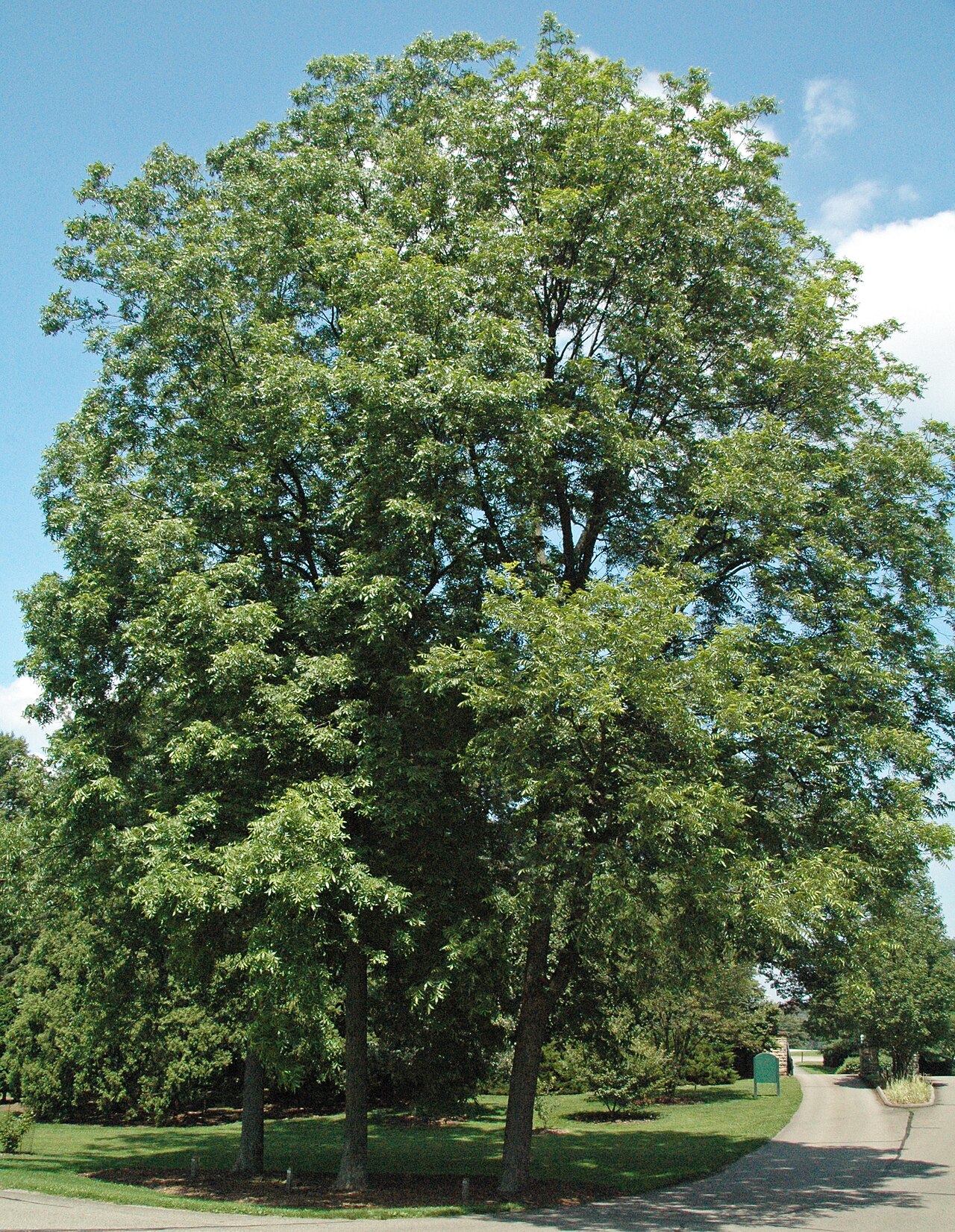
pecan
Carya illinoinensis
Secondary II High No biomass productionPecan, a large deciduous tree of the Juglandaceae family, native to North America and successfully grown in southern Brazil, especially Rio Grande ...
-
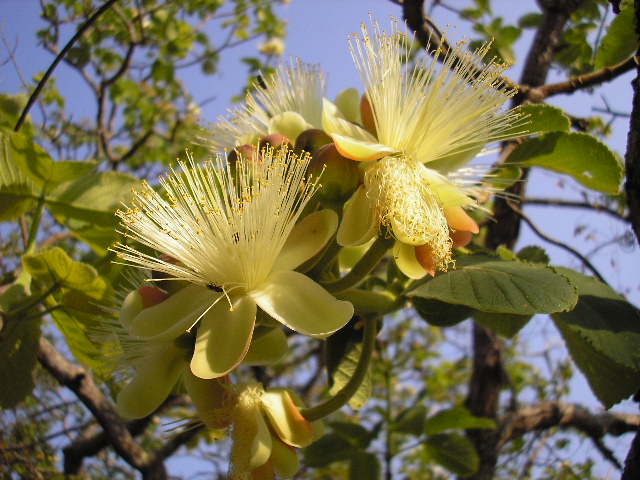
souari nut
Caryocar brasiliense
Climax HighIconic fruit tree of the Brazilian Cerrado, up to ~10 m tall with a broad crown. Very slow growth; first fruits not until ~30 years in smaller indi...
-
Spanish cedar
Cedrela fissilis
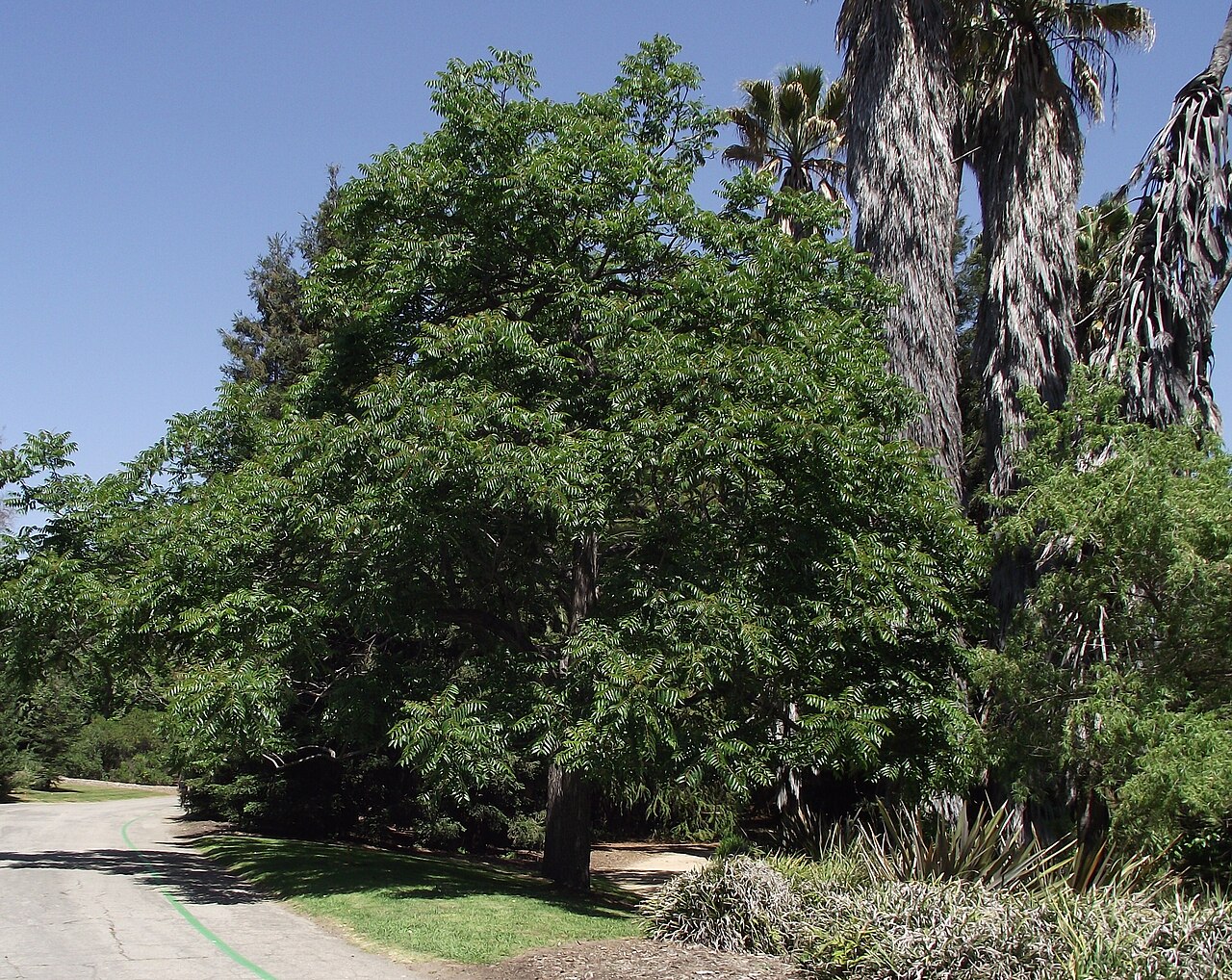
Secondary II High Mulch biomassPremium native timber of the Atlantic Forest, Cerrado, and Amazonia. Pasini lists it in the high stratum of Tabela 3 and cites it as a premium timb...
-
silk floss tree
Ceiba speciosa
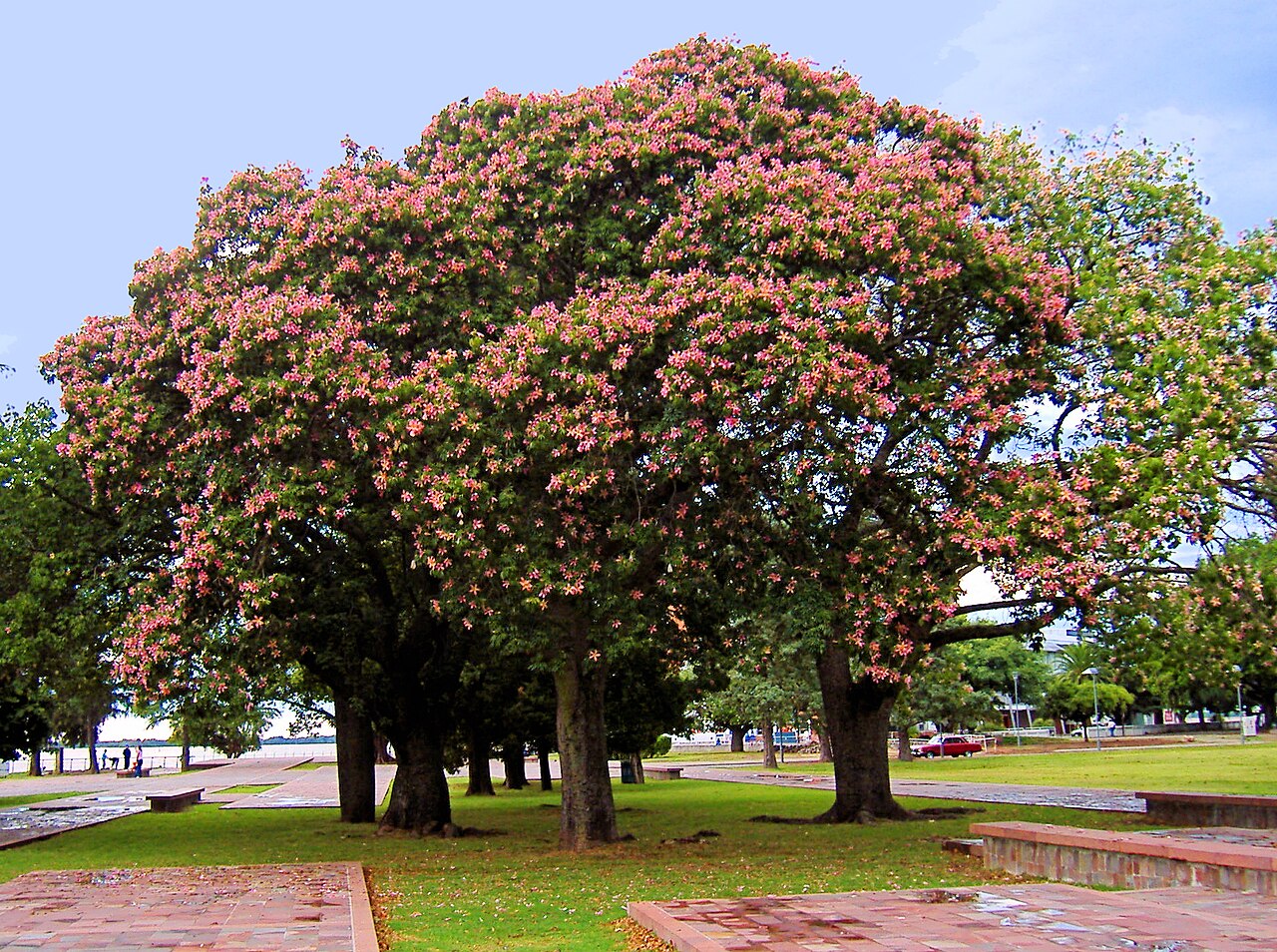
Secondary I EmergentDeciduous Atlantic Forest tree reaching 15–30 m with a crown up to 20 m wide. Fast growth (~6 m in 2–3 years). Trunk often armed with conical spines.
-
common chicory
Cichorium intybus
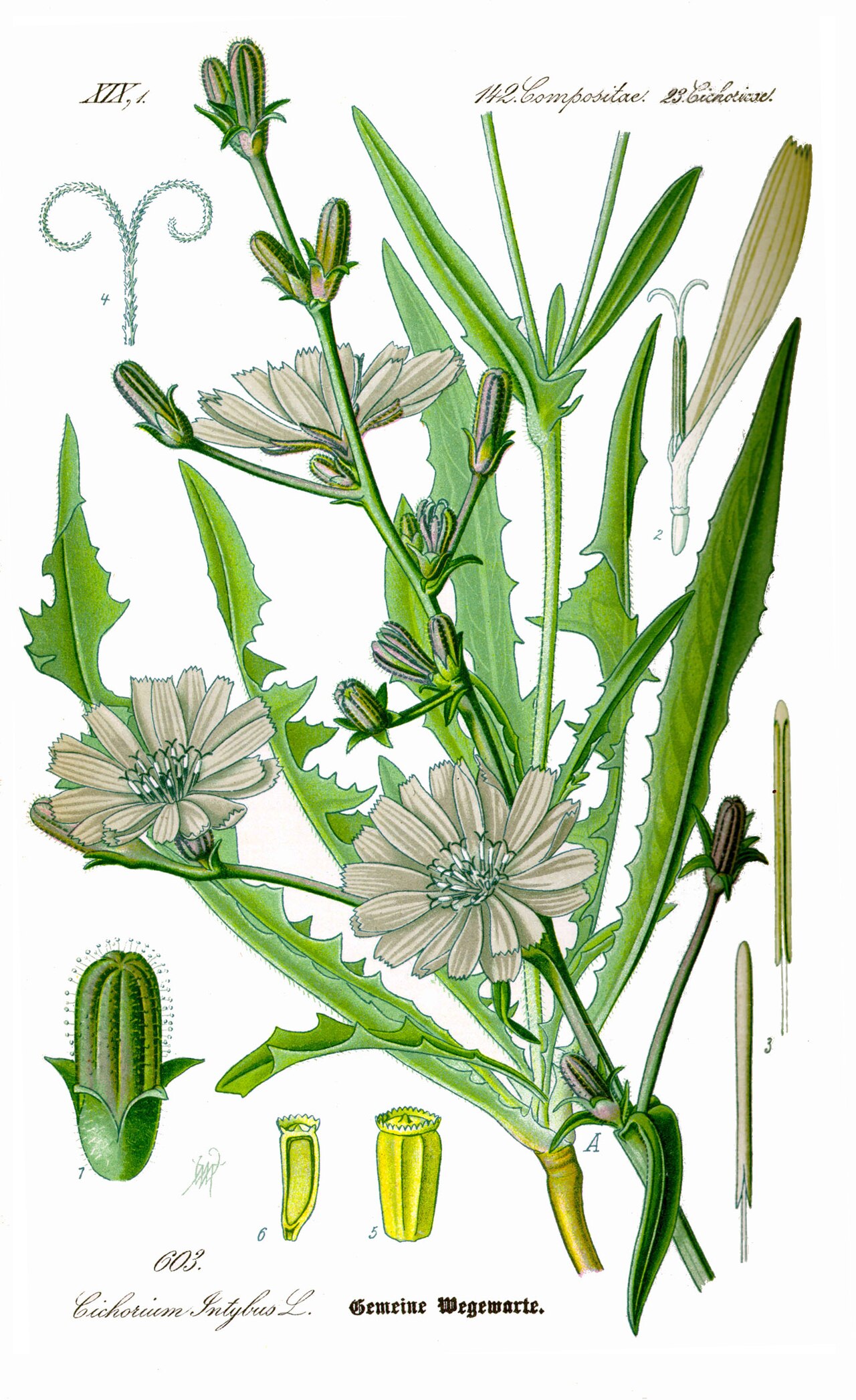
Placenta I Medium No biomass productionBitter perennial leafy green with deep taproots — an excellent soil decompactor. Pasini lists it in the medium stratum of Tabela 3. Leaves used in ...
-
watermelon
Citrullus lanatus
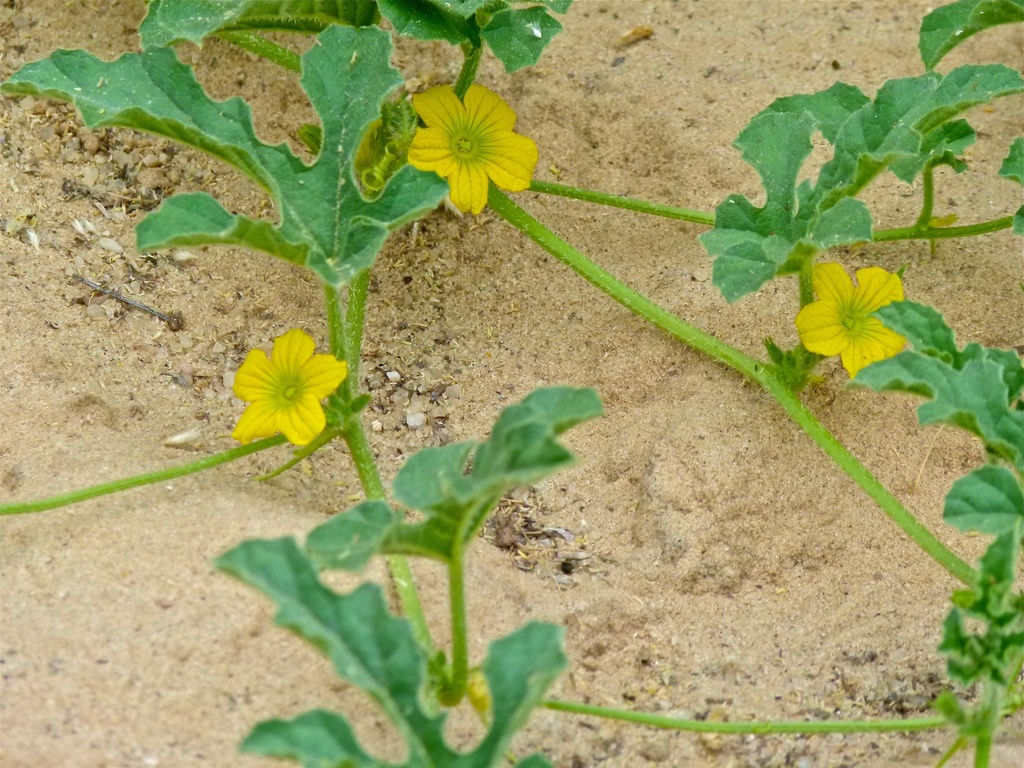
Placenta I Ground cover No biomass productionAnnual creeping cucurbit with large fruit. Embrapa CT-16 plants it in the planting holes of forest and fruit species during the initial agroforestr...
-
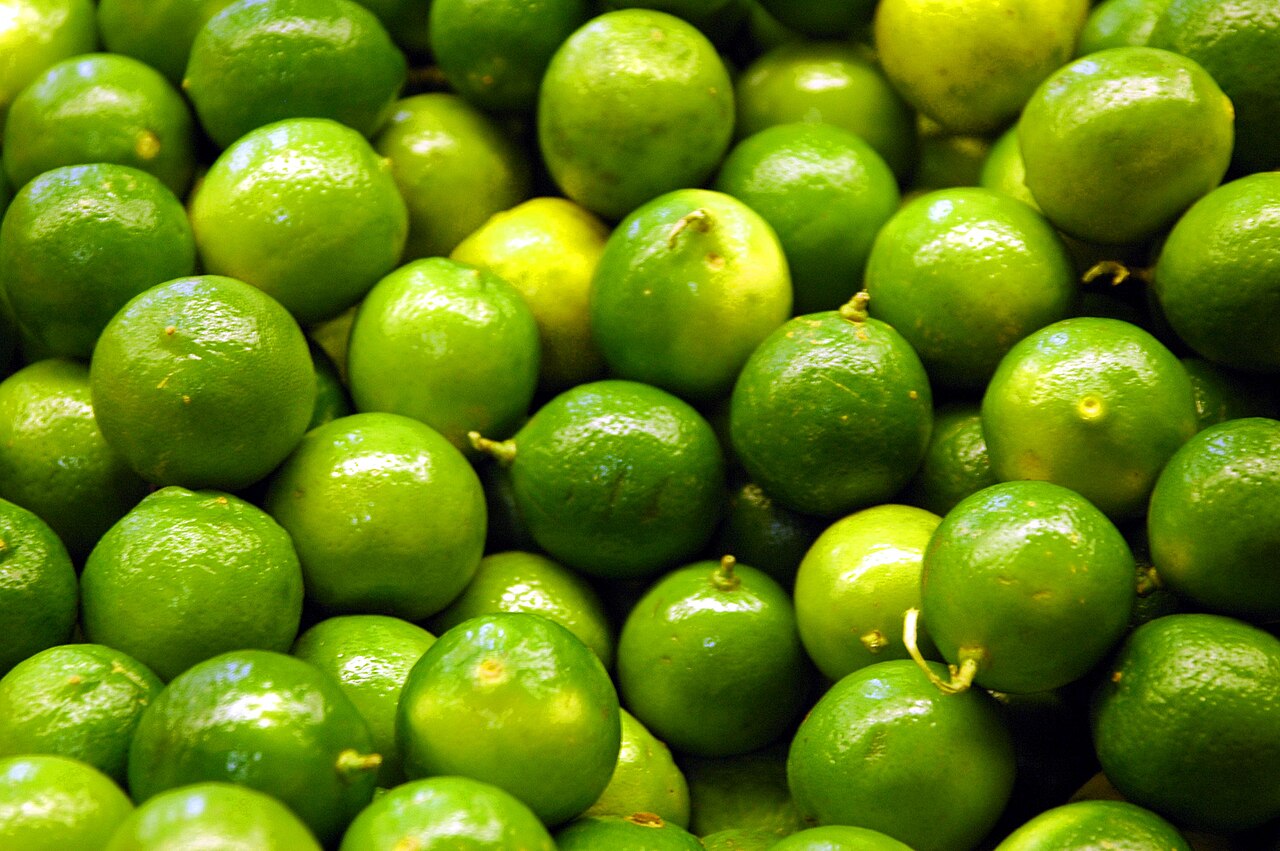
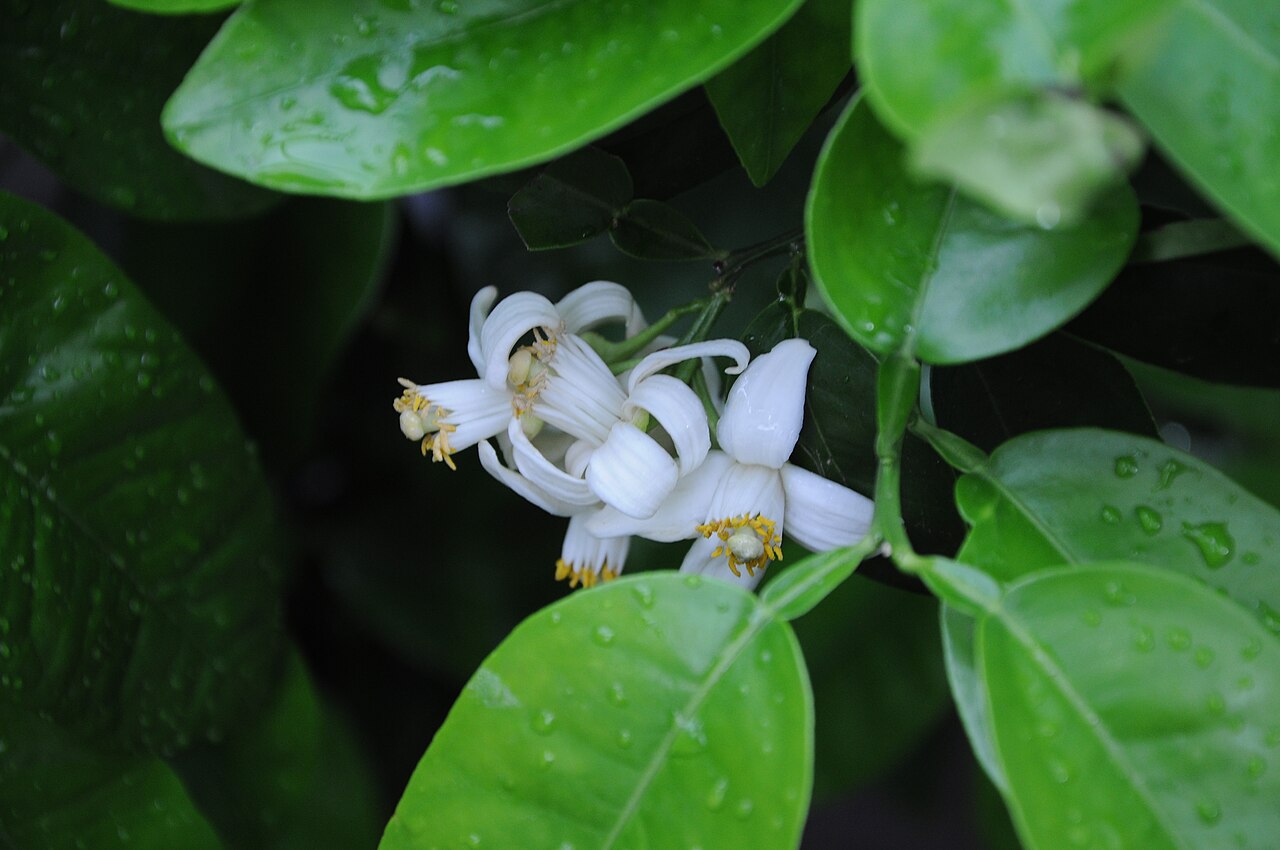
Persian lime
Citrus × latifolia
Secondary I Medium No biomass productionMedium-stratum citrus in syntropic systems. Pasini cites 'lemon' as a stratification example next to coffee (low), avocado (high), and eucalyptus (...
-
grapefruit
Citrus × paradisi
Secondary I Medium No biomass productionMedium-stratum citrus in syntropic systems. The Bosque de Niebla Guidebook lists grapefruit in the Secondary phase of the medium stratum, alongside...
-
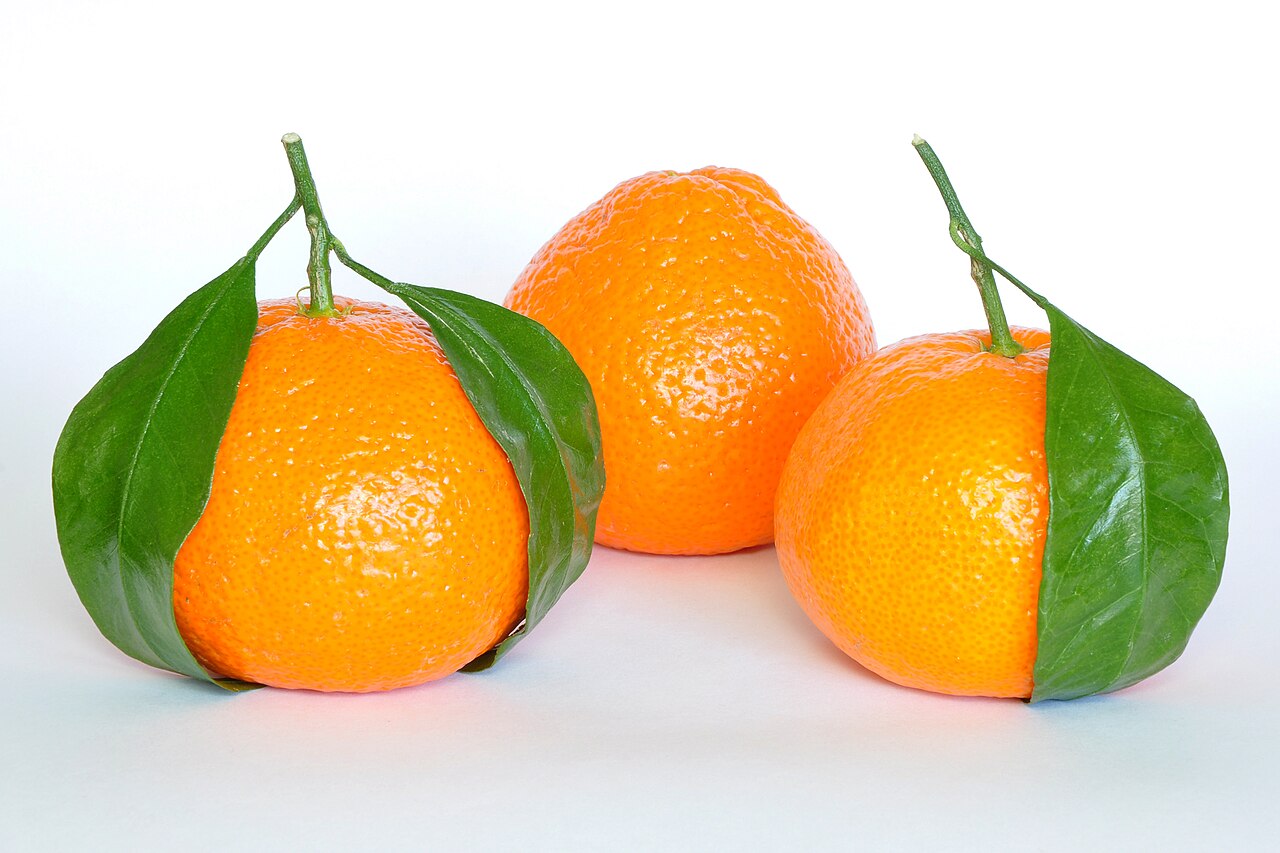
mandarin
Citrus reticulata
Secondary II Medium No biomass productionMedium-stratum citrus in syntropic systems. Pasini lists ponkan in the high stratum of Tabela 3; the Bosque de Niebla Guidebook places the mandarin...
-
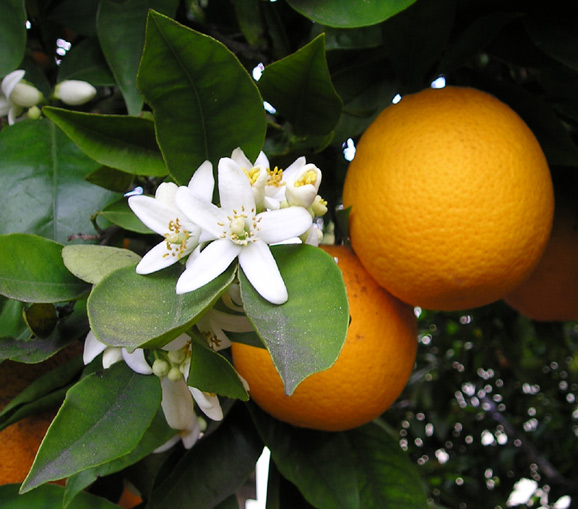
orange
Citrus × sinensis
Secondary I High No biomass productionCitrus fruit tree widely used in Brazilian agroforestry systems. Pasini lists it in the high stratum of Tabela 3 and cites it among Abundance-syste...
-
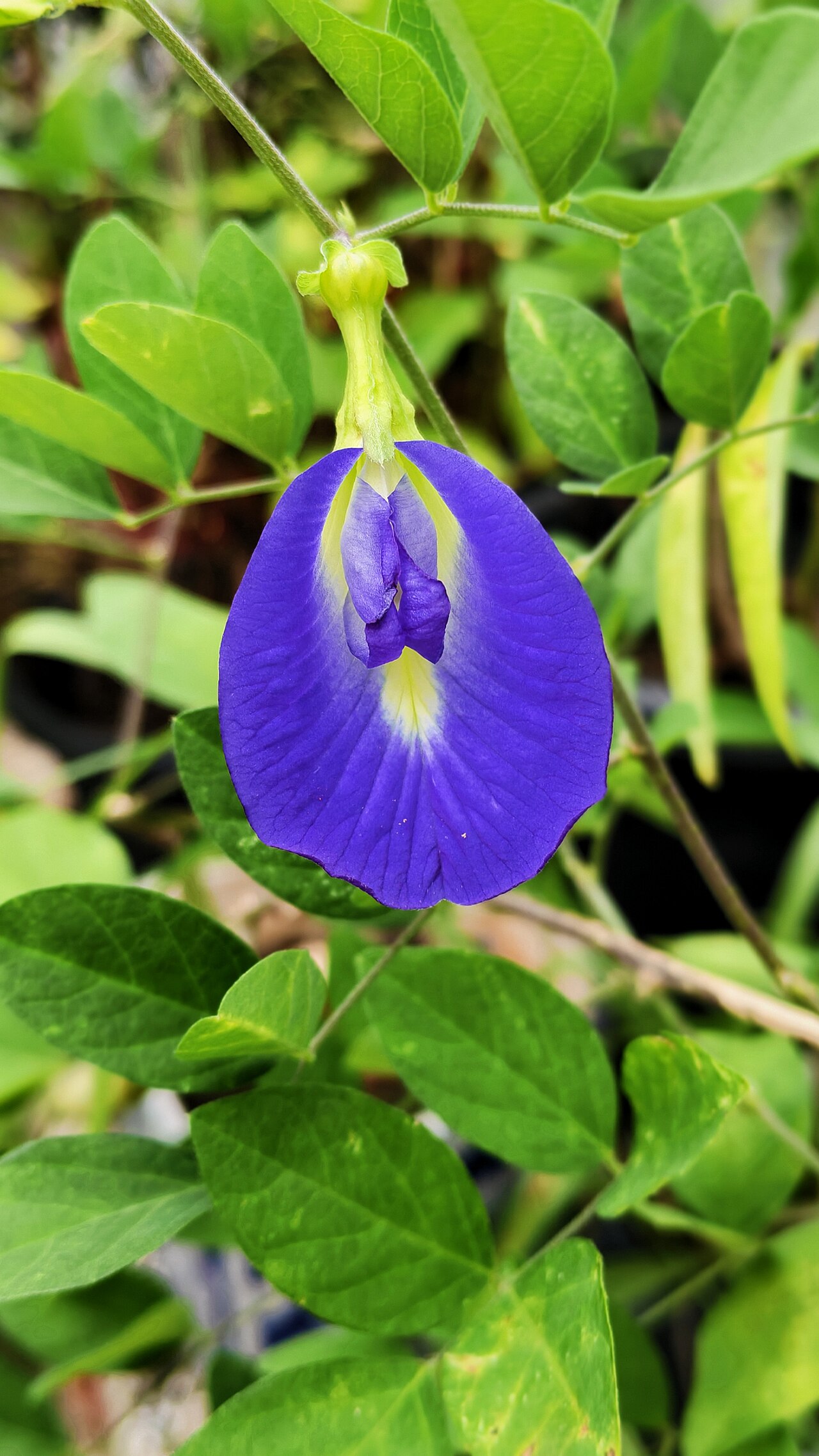
butterfly pea
Clitoria ternatea
Placenta I Ground cover Fertilizer biomass 🌱 Nitrogen fixerA perennial herbaceous climbing legume able to fix up to 100 kg N per hectare per year in symbiosis with Rhizobium. Used as a high-value forage (pr...
-
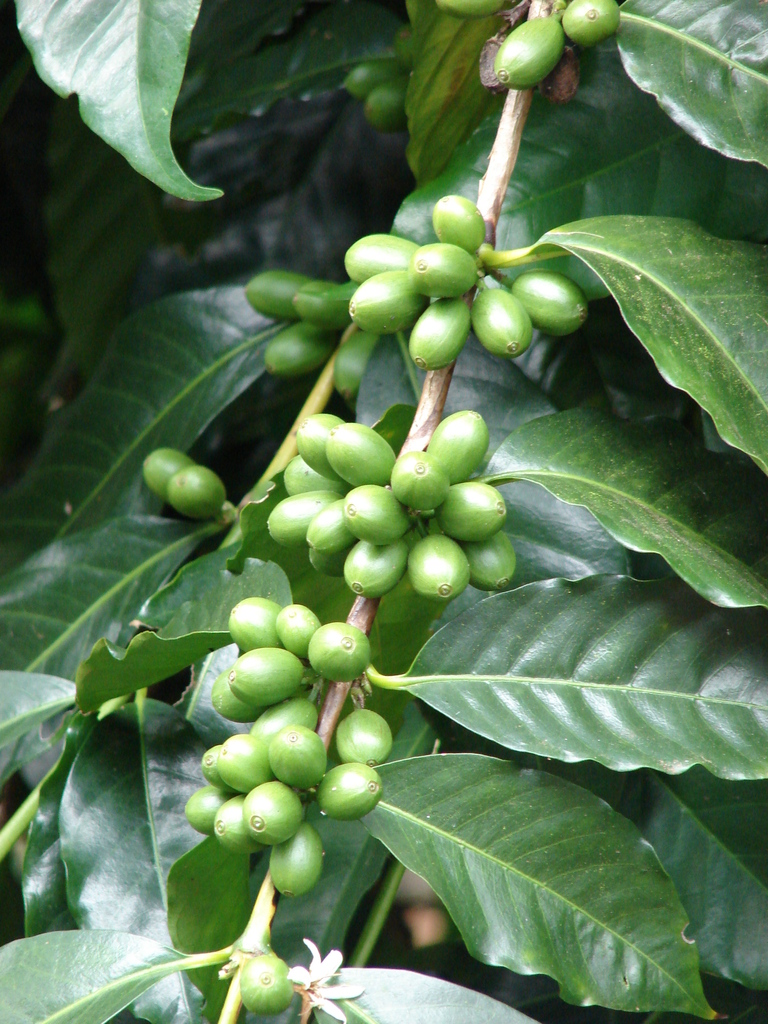
coffee
Coffea arabica
Secondary I Low No biomass productionShade-grown crop valuable in syntropic Atlantic Forest systems. Occupies the low stratum between bananas and ingás.
-
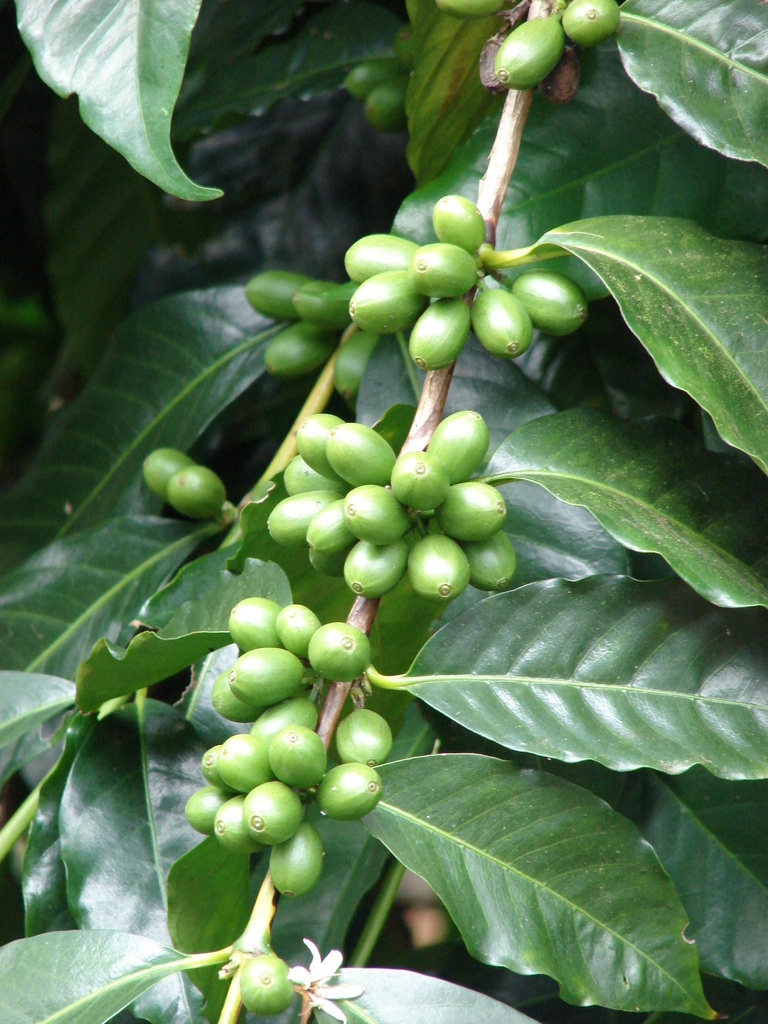
catuaí coffee
Coffea arabica
Secondary I Low No biomass productionCaturra × Mundo Novo hybrid developed by IAC. Compact dwarf architecture (1.8–2.5 m) — eases harvest and dense planting. Dominant cultivar in Brazi...
-
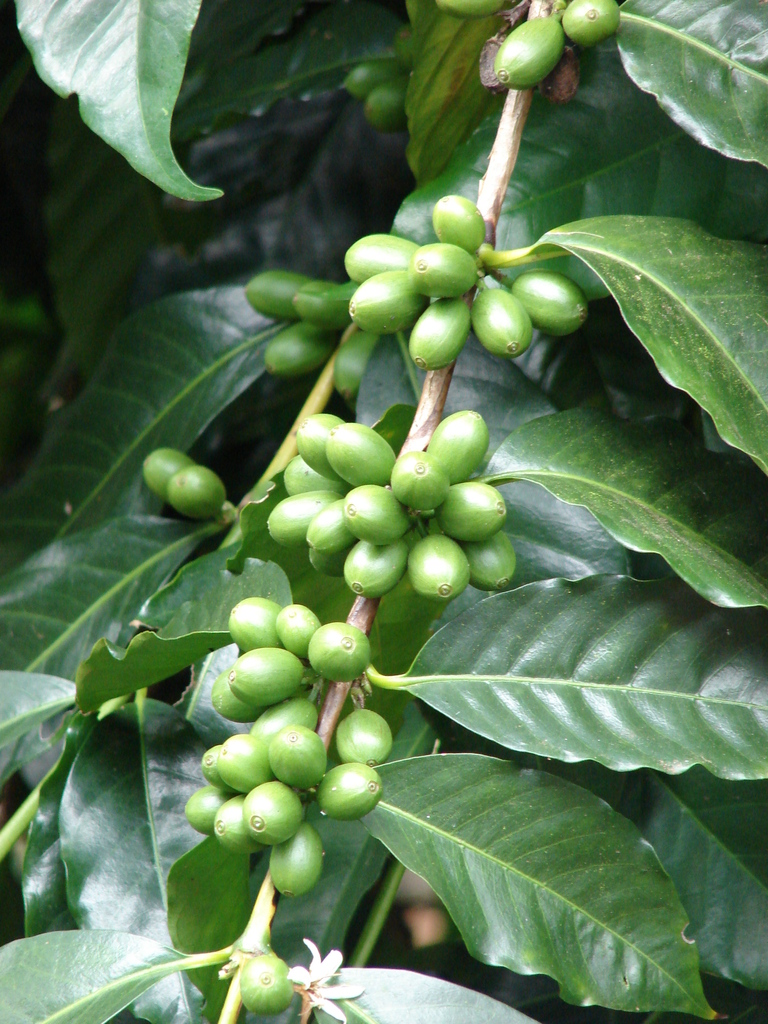
mundo novo coffee
Coffea arabica
Secondary I Medium No biomass productionNatural Sumatra × Red Bourbon hybrid selected by IAC. Tall (2.5–4 m), thin trunk that arches and requires sucker thinning. Excellent vigor, rustici...
❓ Frequently asked questions
What is the Subtropical with dry winter (Cwa) climate?
Hot wet summers and dry winters. Common in central-southern Brazil and parts of inland São Paulo, Minas Gerais, and Goiás.
Which plants does the catalog suggest for the Subtropical with dry winter (Cwa) climate?
The catalog holds 173 species, among them cauliflower, cabbage, broccoli. Each profile shows stratum, succession stage, and the management data, with sources cited.