
Climate
Plants for the Subtropical with dry winter (Cwa) climate
Subtropical with a dry winter: hot rainy summers, dry winters with possible frost. The tropical calendar applies (plant with the rains), plus attention to the hardiness of the perennials.
173 species in the catalog · Refine this list in the catalog
-
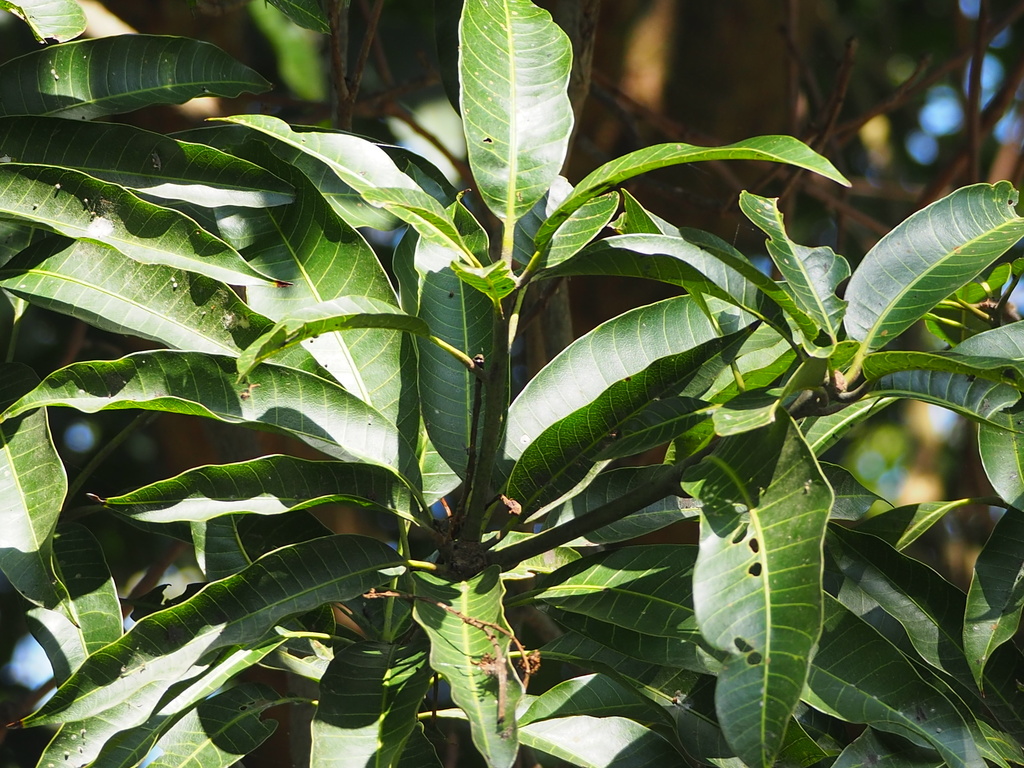
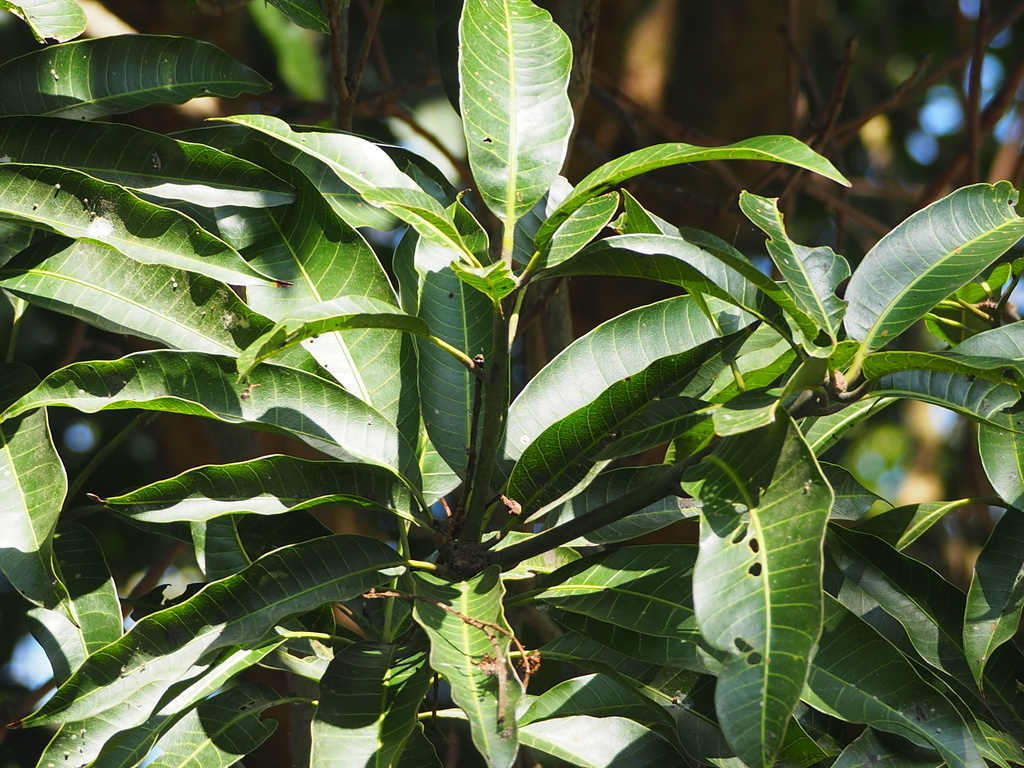
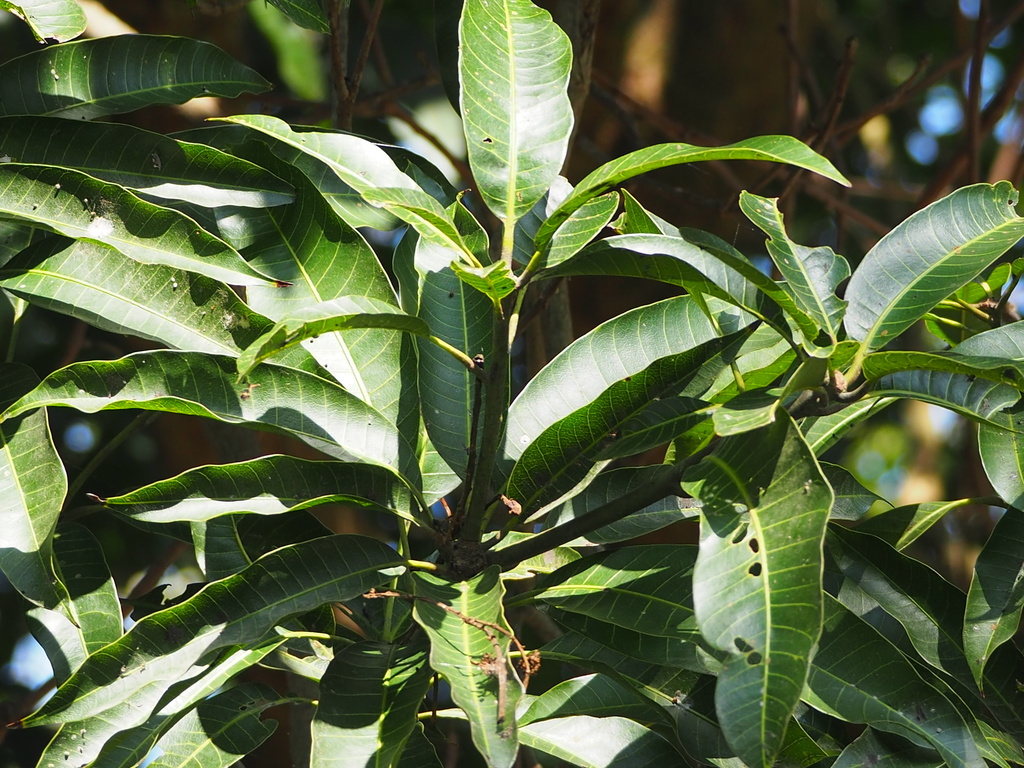
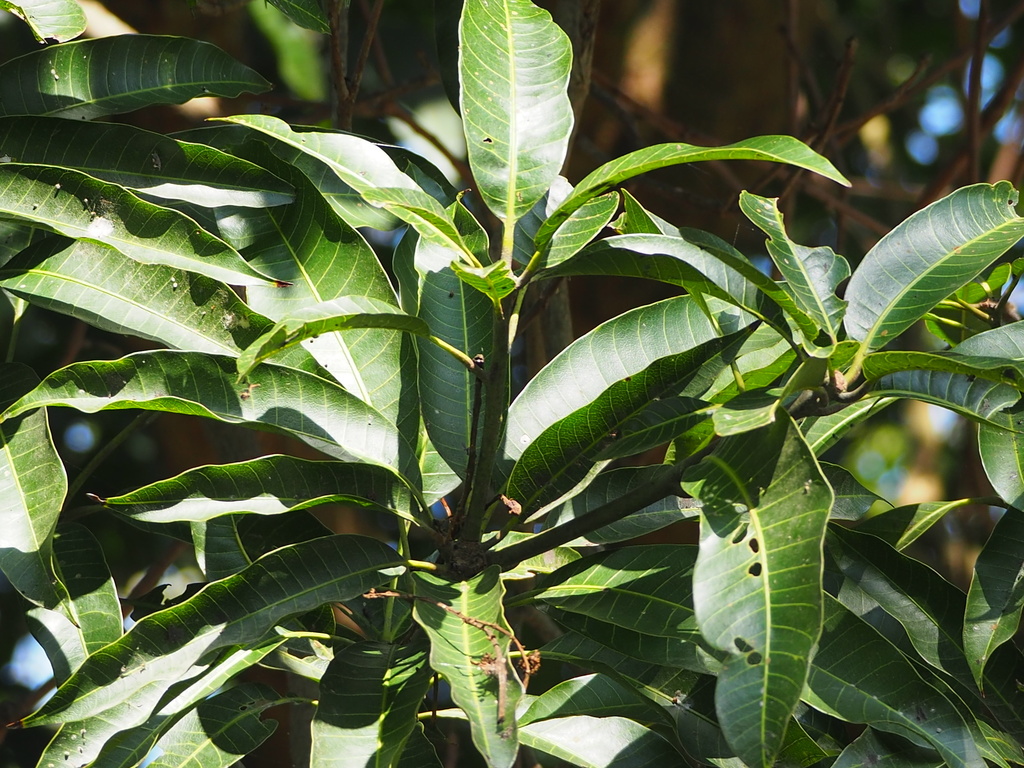
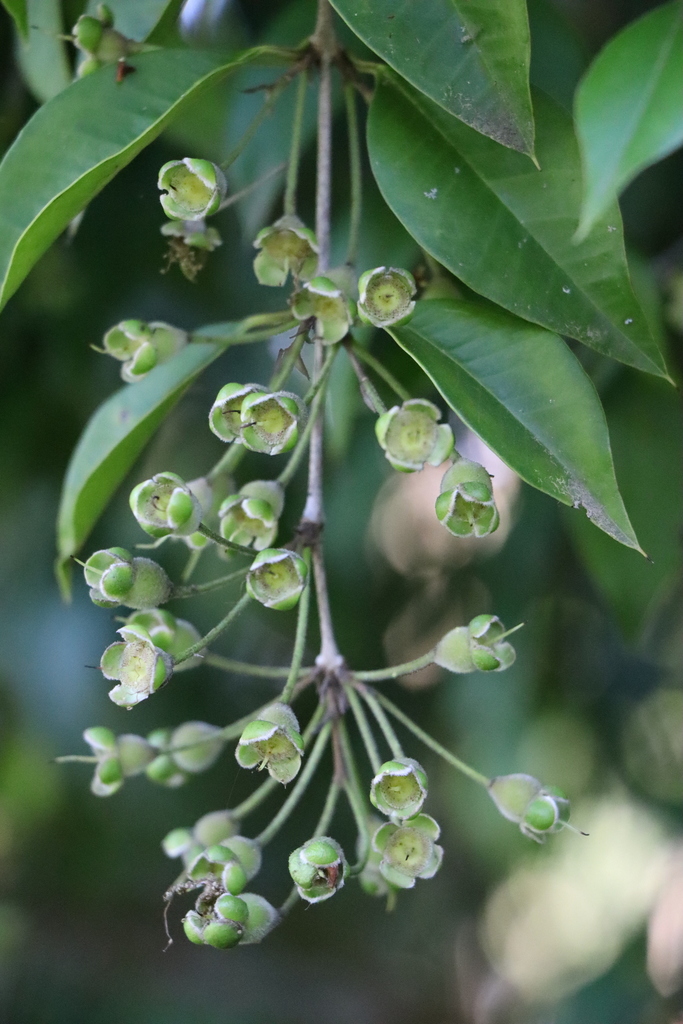
coquinho mango
Mangifera indica
Secondary II High No biomass productionMedium-sized cultivar (6–9 m), branched canopy. Small round fruit (120–150 g), light yellow-green skin, fibrous flesh with good flavor. Highly prod...
-
uba mango
Mangifera indica
Secondary II High Mulch biomassBrazilian cultivar originating in Ubá (Minas Gerais). Vigorous tree with dense rounded canopy (10–14 m). Small fruit (50–80 g), late ripening, inte...
-
tommy atkins mango
Mangifera indica
Secondary II High No biomass productionDominant cultivar in Brazil's mango export trade (~90% of volume). Origin: Florida (1922). Vigorous tree (10–14 m unpruned), dense rounded canopy. ...
-
espada mango
Mangifera indica
Secondary II Emergent Mulch biomassBrazil's oldest mango cultivar. Vigorous tall tree (12–15 m), green-to-yellow fruit with fibrous flesh (300 g, 18° Brix). Today used more as rootst...
-
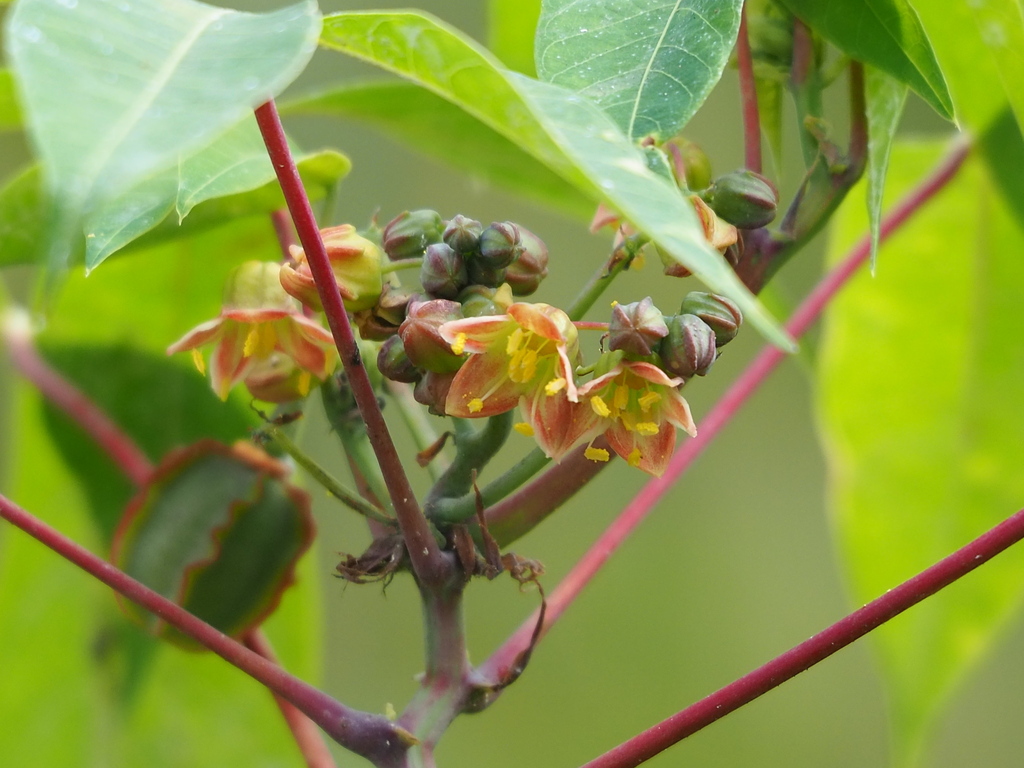
bitter cassava
Manihot esculenta
Placenta II Low Fertilizer biomassCultivar group of Manihot esculenta with high cyanogenic glycoside content (>100 mg HCN/kg fresh root). Unsafe for direct consumption — requires ro...
-
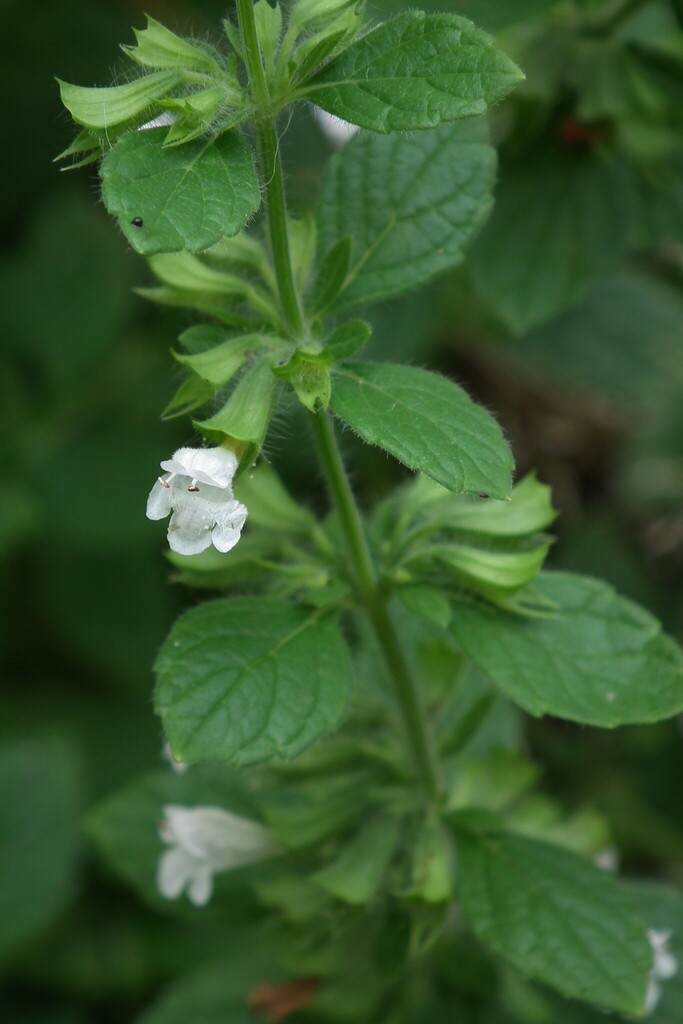
lemon balm
Melissa officinalis
Placenta I Low No biomass productionPerennial herb (40–80 cm), light-green strongly lemon-scented leaves. Tolerates partial shade — fills shaded niches where rosemary and thyme don't ...
-
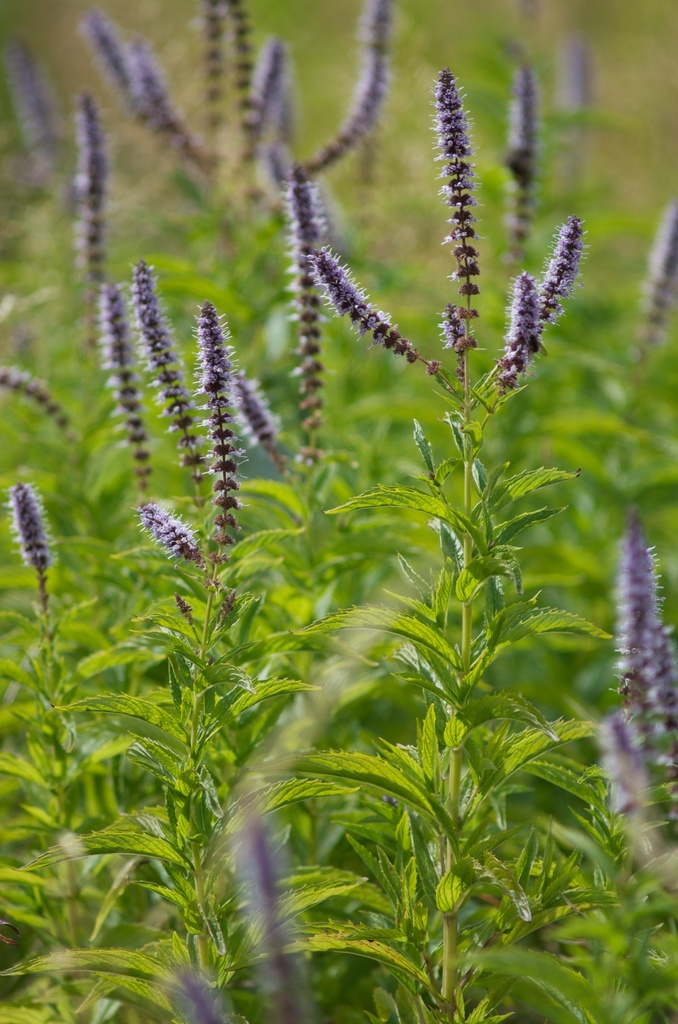
spearmint
Mentha spicata
Placenta I Ground cover No biomass productionStrongly aromatic perennial Lamiaceae that spreads vigorously by stolons. Pasini lists it in the low stratum of Tabela 3. Tolerates partial shade; ...
-
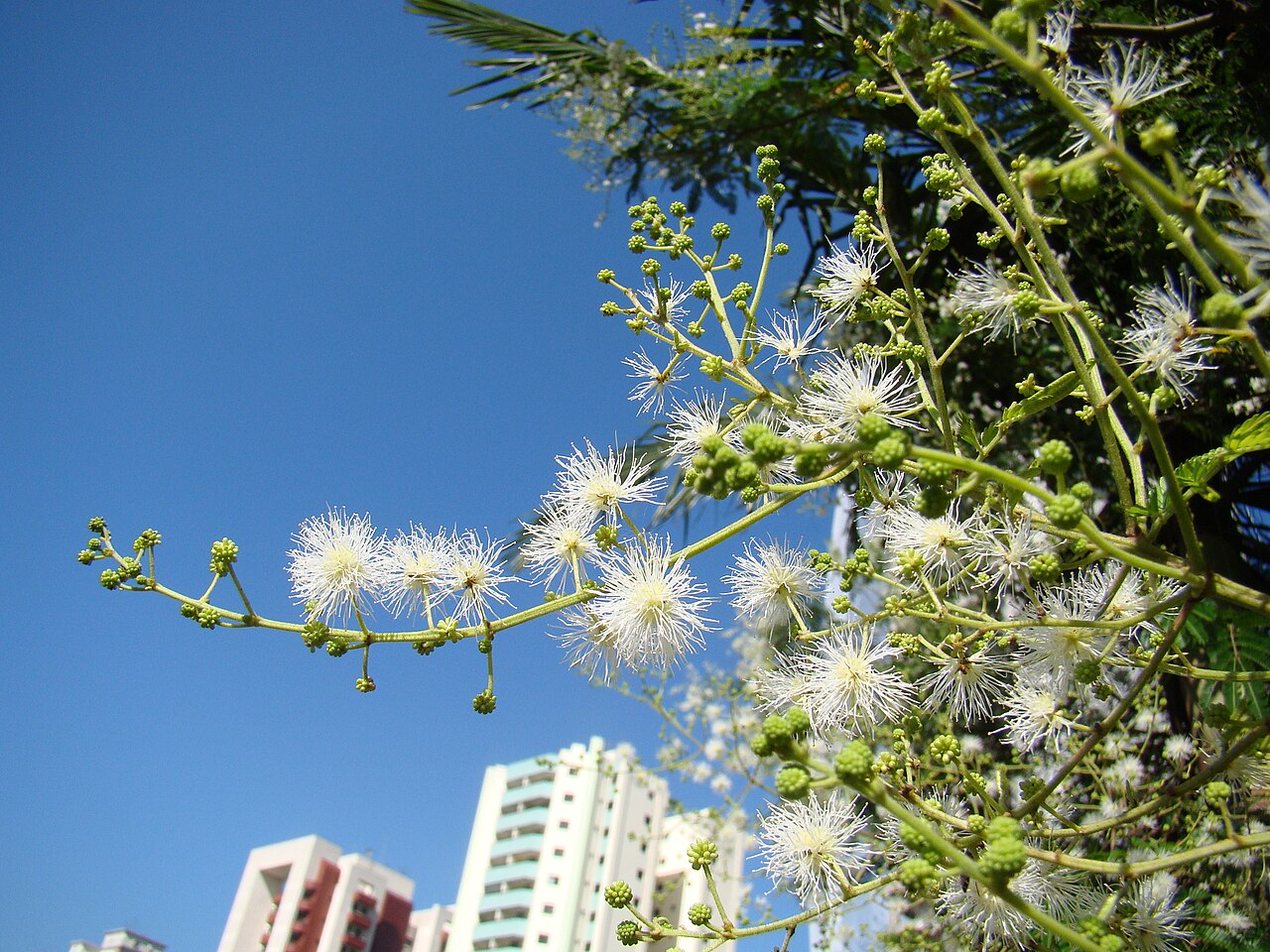
maricá
Mimosa bimucronata
Placenta II Medium Fertilizer biomass 🌱 Nitrogen fixerA pioneer leguminous tree or small tree, spiny and much-branched, 4-8 m tall (occasionally to 15 m), native to eastern and southern Brazil. It fixe...
-
sabia tree
Mimosa caesalpiniifolia
Secondary I Medium Fertilizer biomass 🌱 Nitrogen fixerNative legume of the Caatinga and northeastern Atlantic Forest. Medium tree (4–10 m), sparse spiny canopy. Nitrogen-fixer — central in degraded-soi...
-
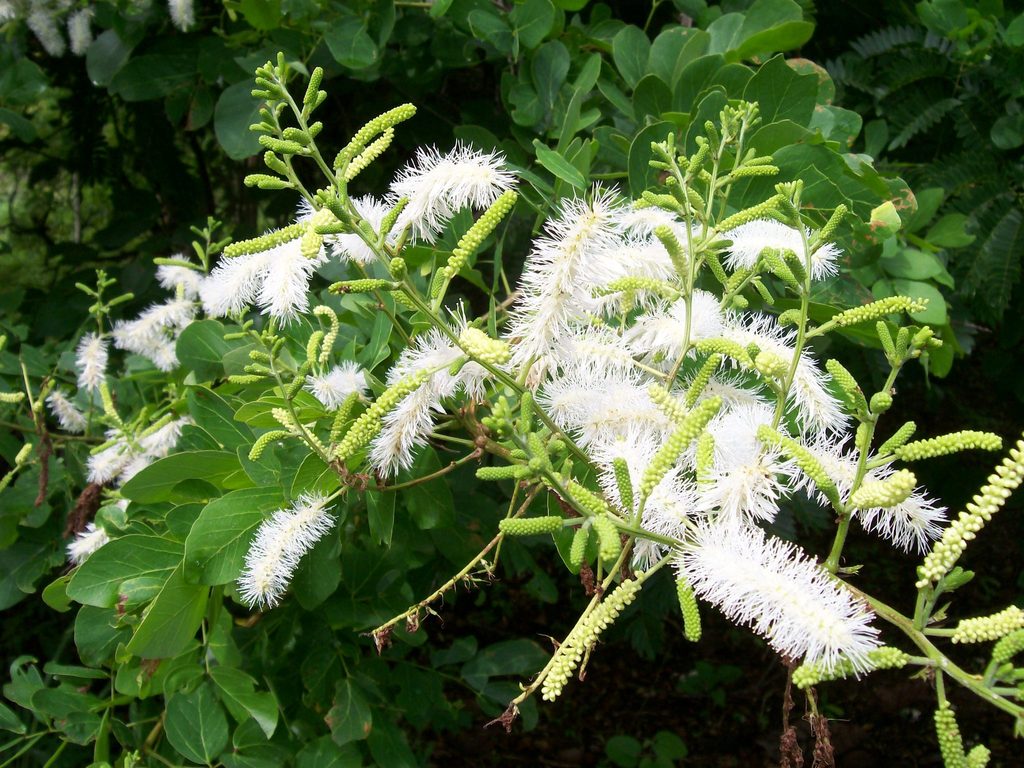
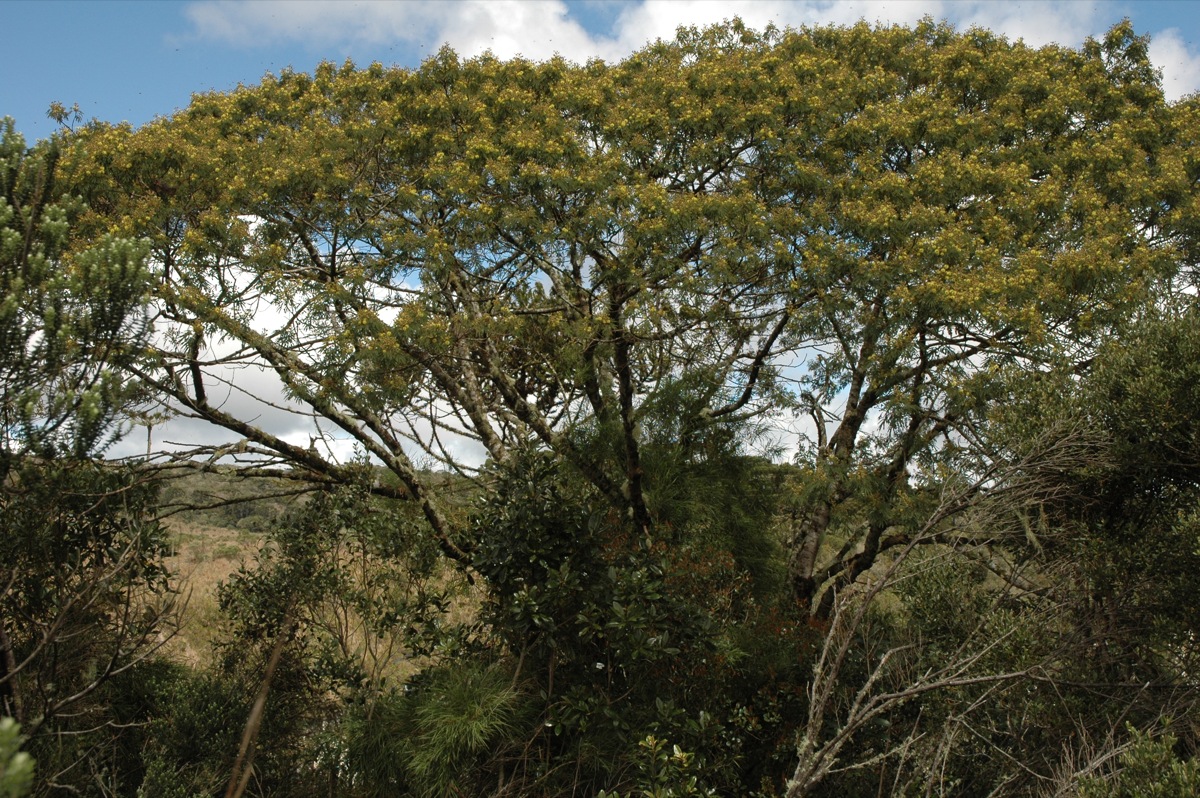
bracatinga
Mimosa scabrella
Secondary I High Fertilizer biomass 🌱 Nitrogen fixerPioneer legume native to southern Brazil and highland Atlantic Forest, listed by IPOEMA among anchor Brazilian species for SAFs (alongside cacao, y...
-
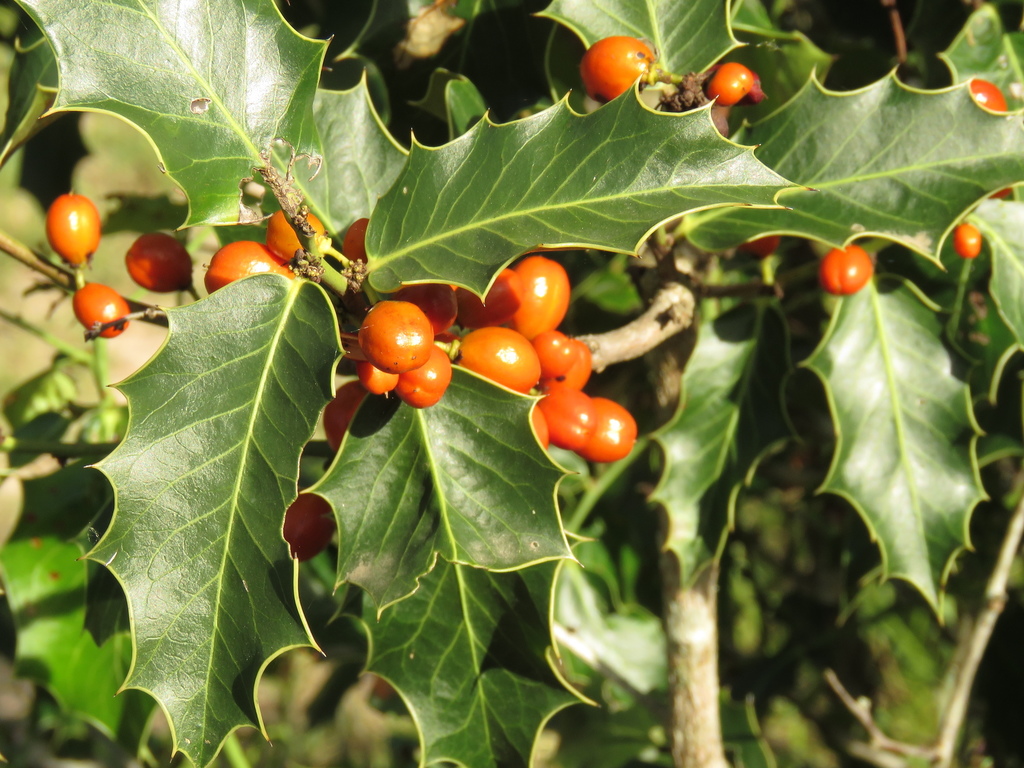
holythorn
Monteverdia ilicifolia
Secondary I Medium No biomass productionAn evergreen shrub or small tree of the Celastraceae family, native to southern and southeastern Brazil, with leathery, spiny-margined holly-like l...
-
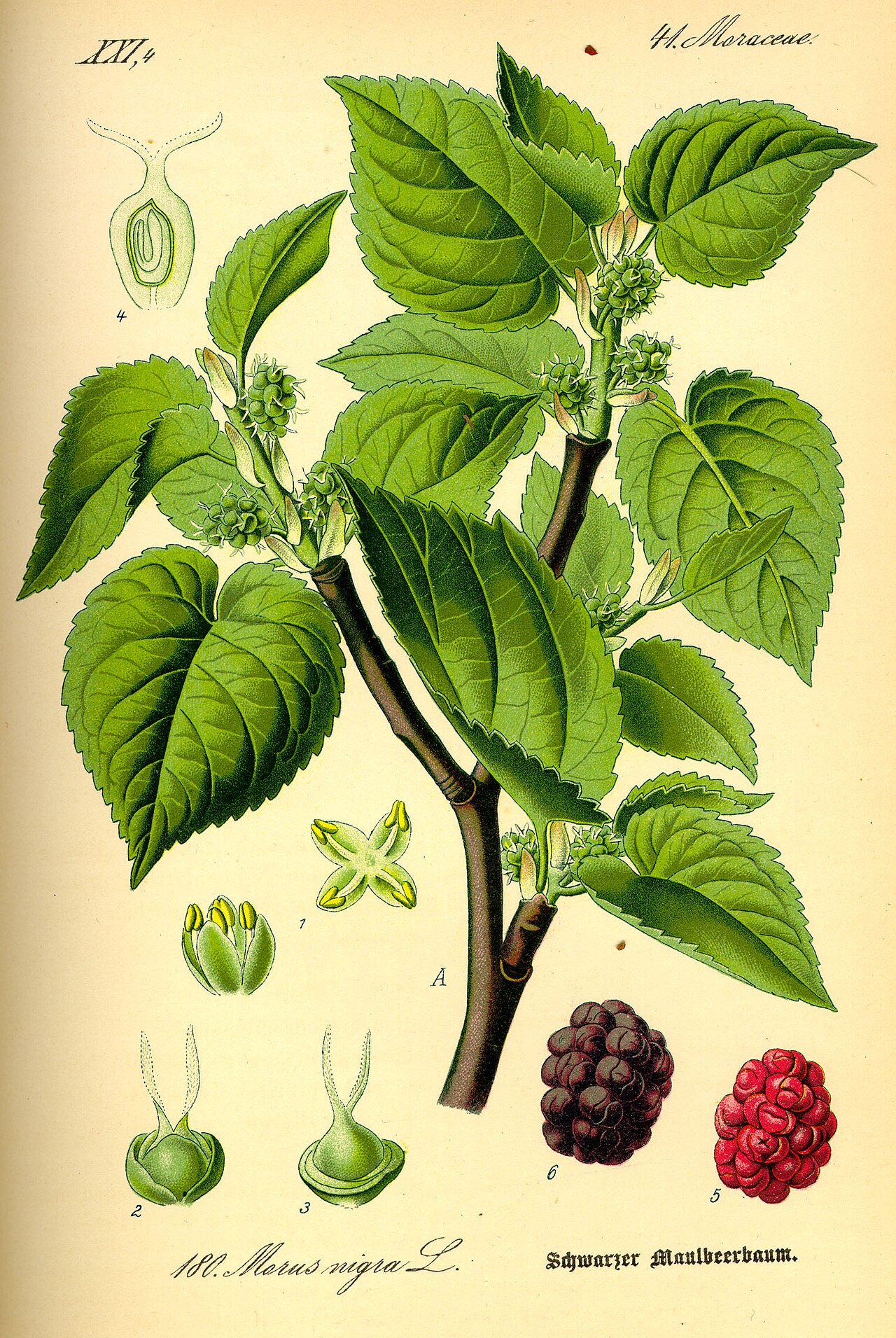
black mulberry
Morus nigra
Secondary I High Fertilizer biomassFast-growing fruit tree, tolerates drastic pruning well and coppices readily — ideal as a nurse plant in syntropic systems. Pasini lists it in the ...
-
velvet bean
Mucuna pruriens
Placenta I Low Fertilizer biomass 🌱 Nitrogen fixerAnnual climbing legume that fixes nitrogen (~180–220 kg N/ha) and produces dense cover biomass. Suppresses weeds, decompacts the soil, and is one o...
-
pome banana
Musa × paradisiaca
Placenta II High Mulch biomassAAB Pome subgroup, tall (5–7 m), bunch 12–18 kg. Slightly tart flavor prized in the Brazilian domestic market. Before Prata-Anã it dominated the so...
-
plantain
Musa × paradisiaca
Placenta II High Mulch biomassAAB Plantain subgroup — cooking banana, tall to emergent (5–7 m), bunch 15–25 kg with few large starchy fingers. Staple food across Northern and No...
-
dwarf pome banana
Musa × paradisiaca
Placenta II High Mulch biomassDwarf mutation of Prata (AAB), 2.5–3.5 m. Together with Prata and Pacovan accounts for ~60% of Brazilian banana area. Per Embrapa, a 'watershed' cu...
-
guabiju
Myrcianthes pungens
Secondary II High Mulch biomassNative tree of the Pampa, southern Atlantic Forest, and southern Minas Gerais. 8–15 m, dense canopy. Dark-red to purple fruit, sweet delicately fla...
-
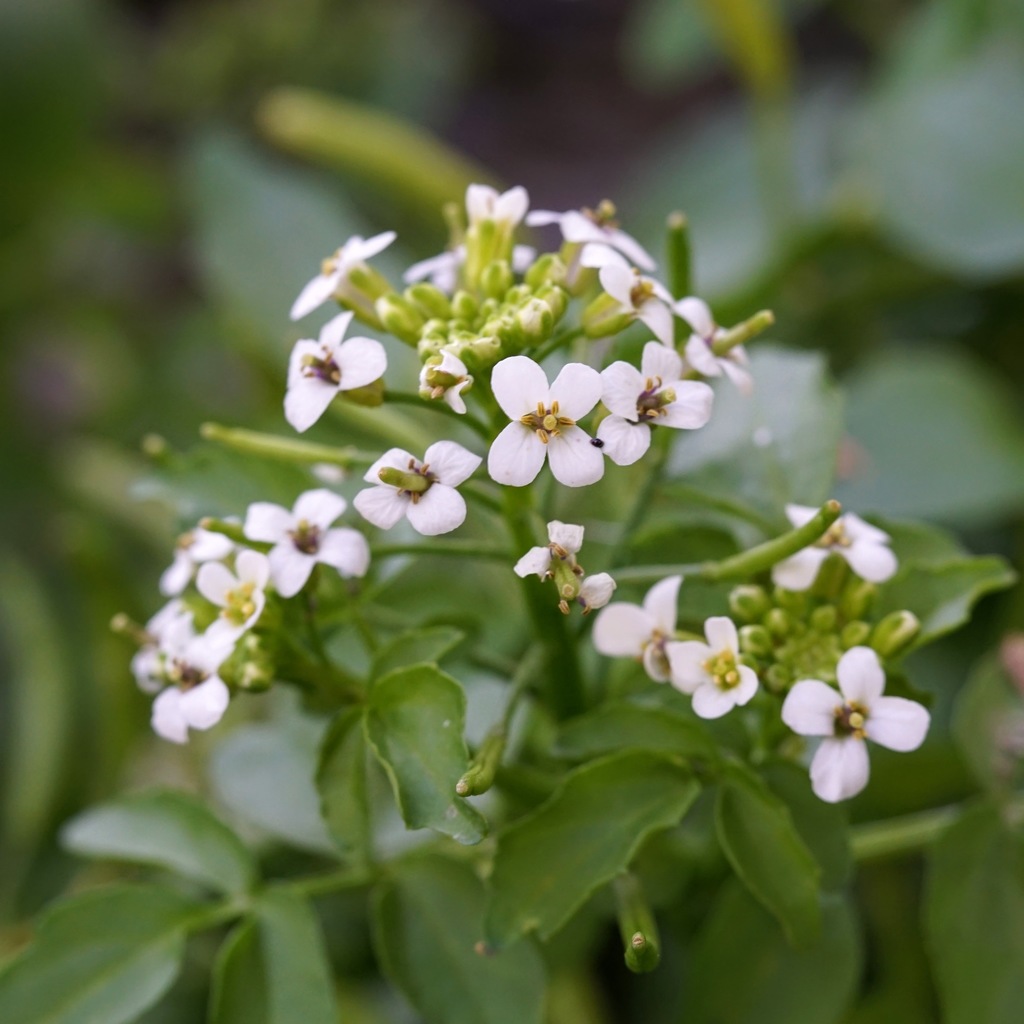
watercress
Nasturtium officinale
Placenta I Ground cover No biomass productionAquatic or semi-aquatic leafy green of European origin, naturalized in Brazil. Pasini lists it in the low stratum of Tabela 3. Grows in moist soils...
-
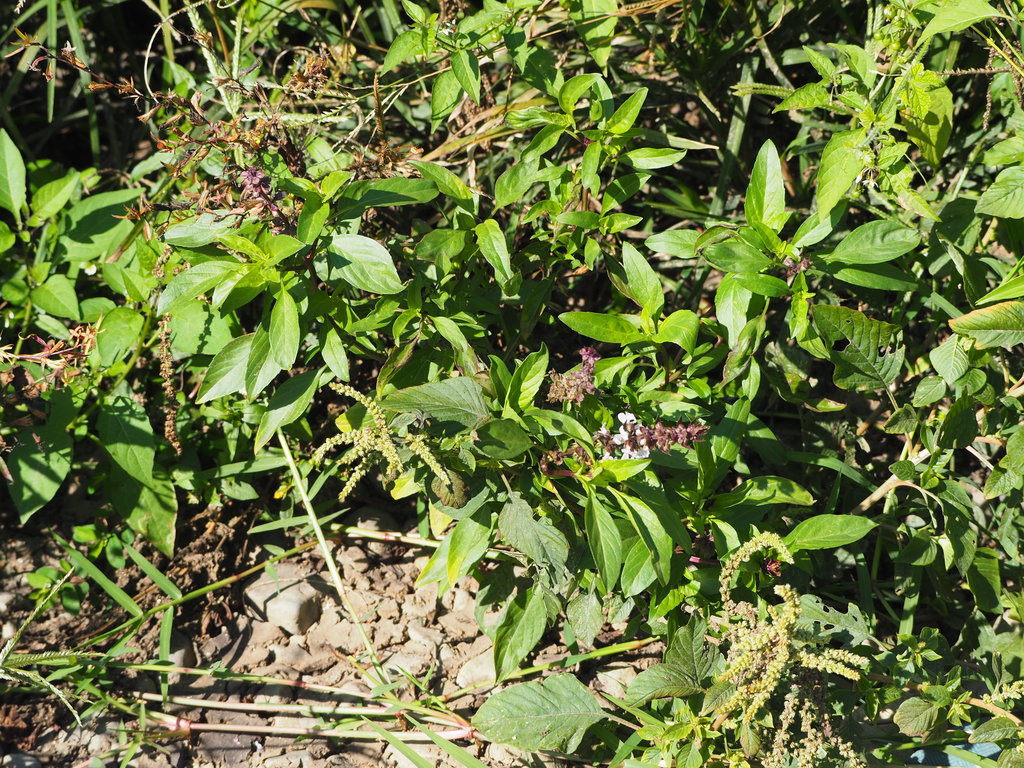
basil
Ocimum basilicum
Placenta I Low No biomass productionAromatic annual or short-lived perennial Lamiaceae. Pasini lists it in the high stratum of Tabela 3 (grown as a low-stratum species in beds). Attra...
-
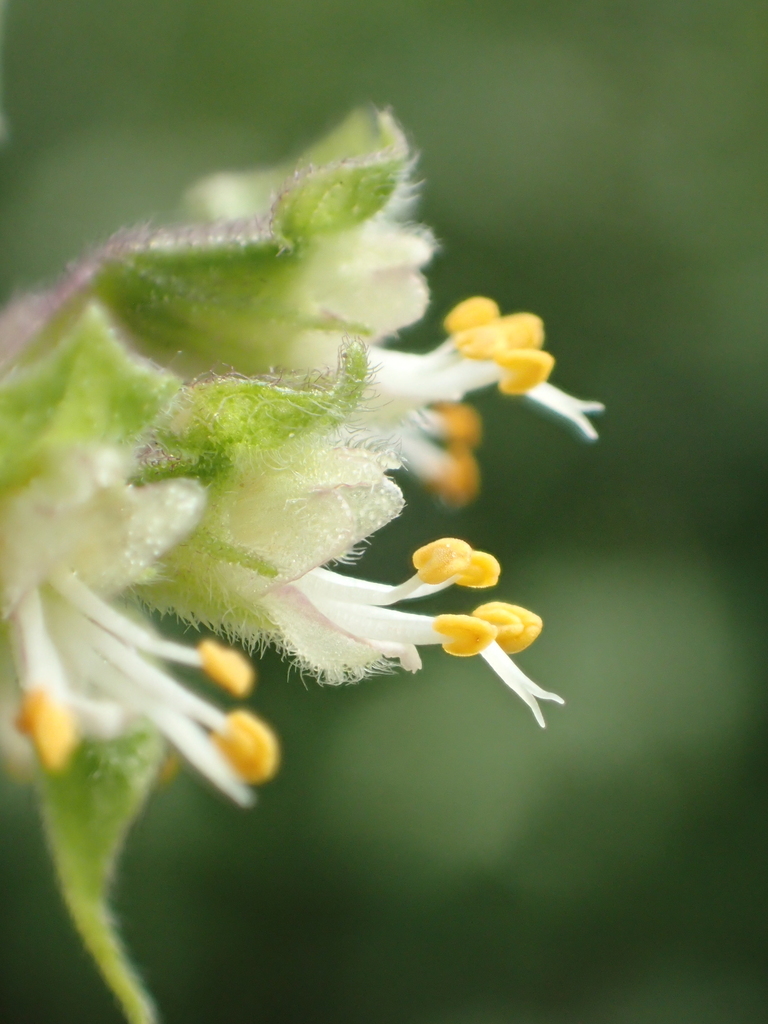
African basil
Ocimum gratissimum
Placenta II Medium No biomass productionShort-lived perennial Lamiaceae, cousin of common basil (distinct species). EcoAgri lists it in the medium stratum of the 'up to 3 years' bin. Arom...
-
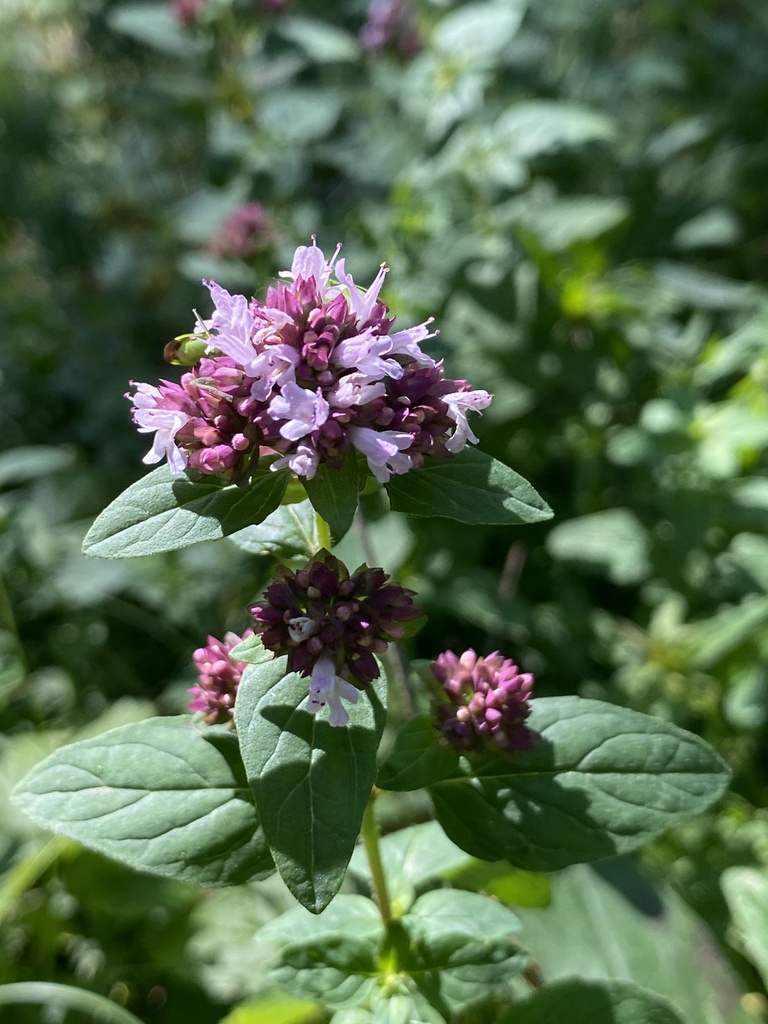
oregano
Origanum vulgare
Placenta I Ground cover No biomass productionPerennial Mediterranean herb (20–60 cm), small aromatic leaves. In southeastern and southern Brazilian syntropic systems used as permanent cover be...
-
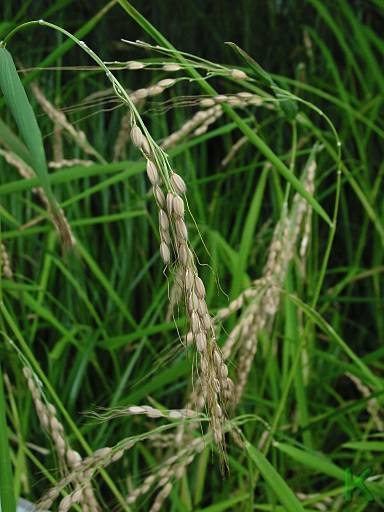
rice
Oryza sativa
Placenta I High Mulch biomassWorld's most-cultivated annual cereal. The Bosque de Niebla Guidebook (Consortium Design 2019) places rice as a typical Placenta I species in the h...
-
sweet passion fruit
Passiflora alata
Placenta II Medium No biomass productionBrazilian native vine distinct from sour passionfruit (P. edulis). Pyriform orange-yellow fruit with sweet, fragrant flesh eaten fresh — fruitier, ...
-
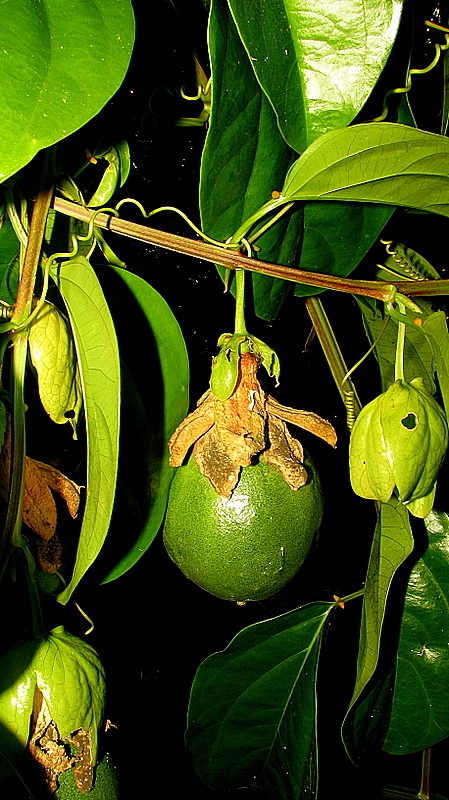
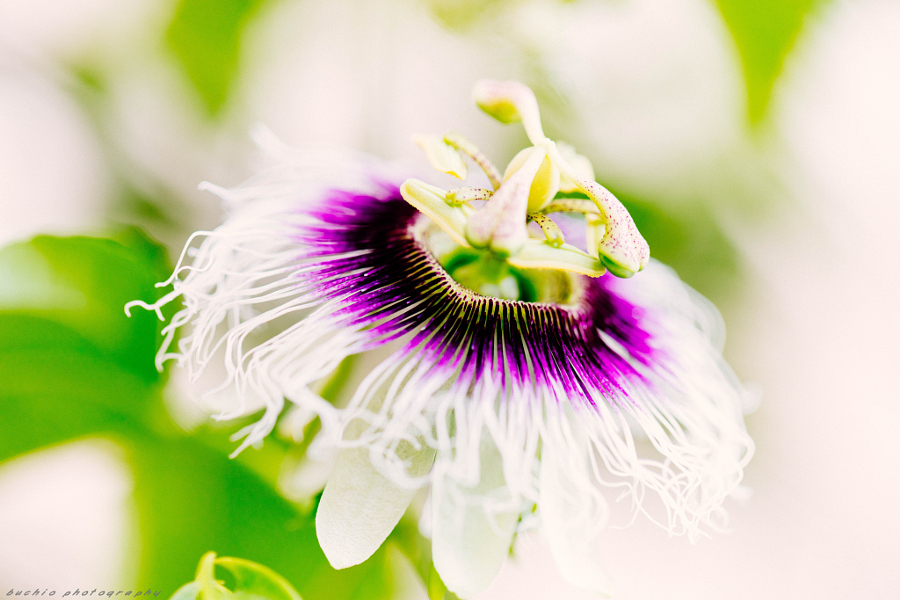
passion fruit
Passiflora edulis
Placenta II High No biomass productionBrazilian-native woody fruiting climber. Pasini lists it in the high stratum of Tabela 3 (grows over high-stratum structures). Fruits in ~9–12 mont...
❓ Frequently asked questions
What is the Subtropical with dry winter (Cwa) climate?
Hot wet summers and dry winters. Common in central-southern Brazil and parts of inland São Paulo, Minas Gerais, and Goiás.
Which plants does the catalog suggest for the Subtropical with dry winter (Cwa) climate?
The catalog holds 173 species, among them coquinho mango, uba mango, tommy atkins mango. Each profile shows stratum, succession stage, and the management data, with sources cited.