Plants
toothache plant
Acmella oleracea
Family: Asteraceae · Genus: Acmella
paracress, Szechuan buttons, electric daisy
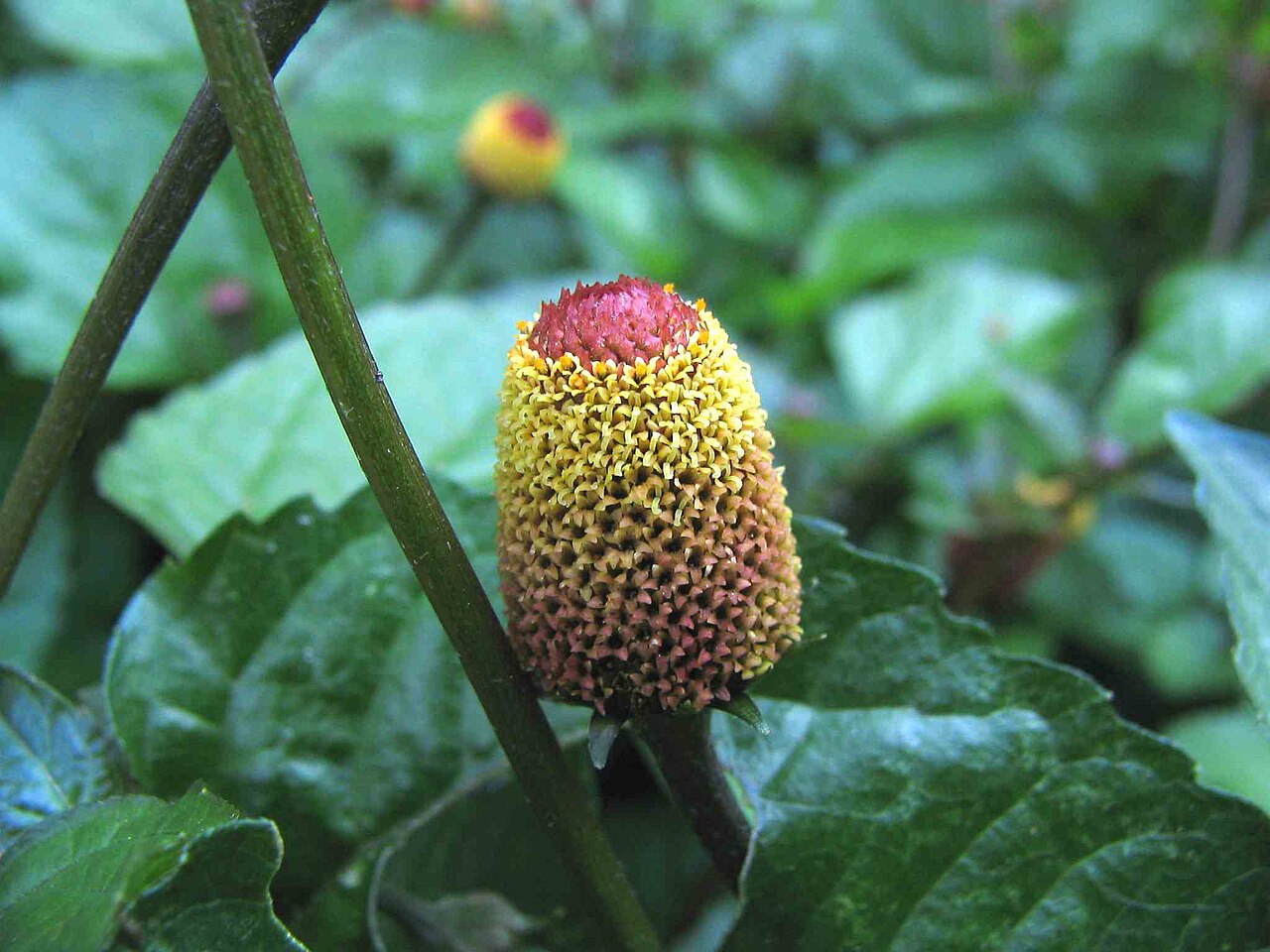
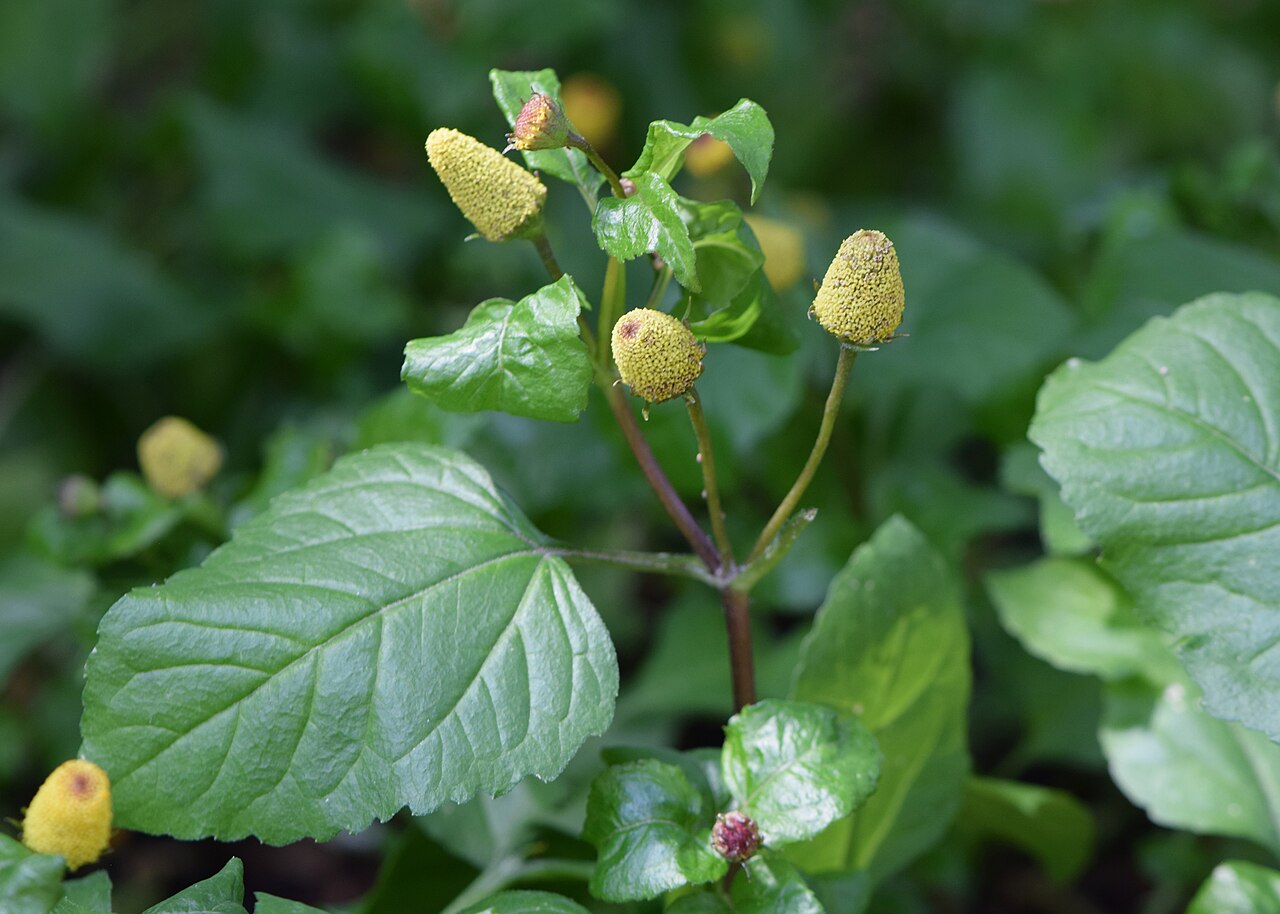
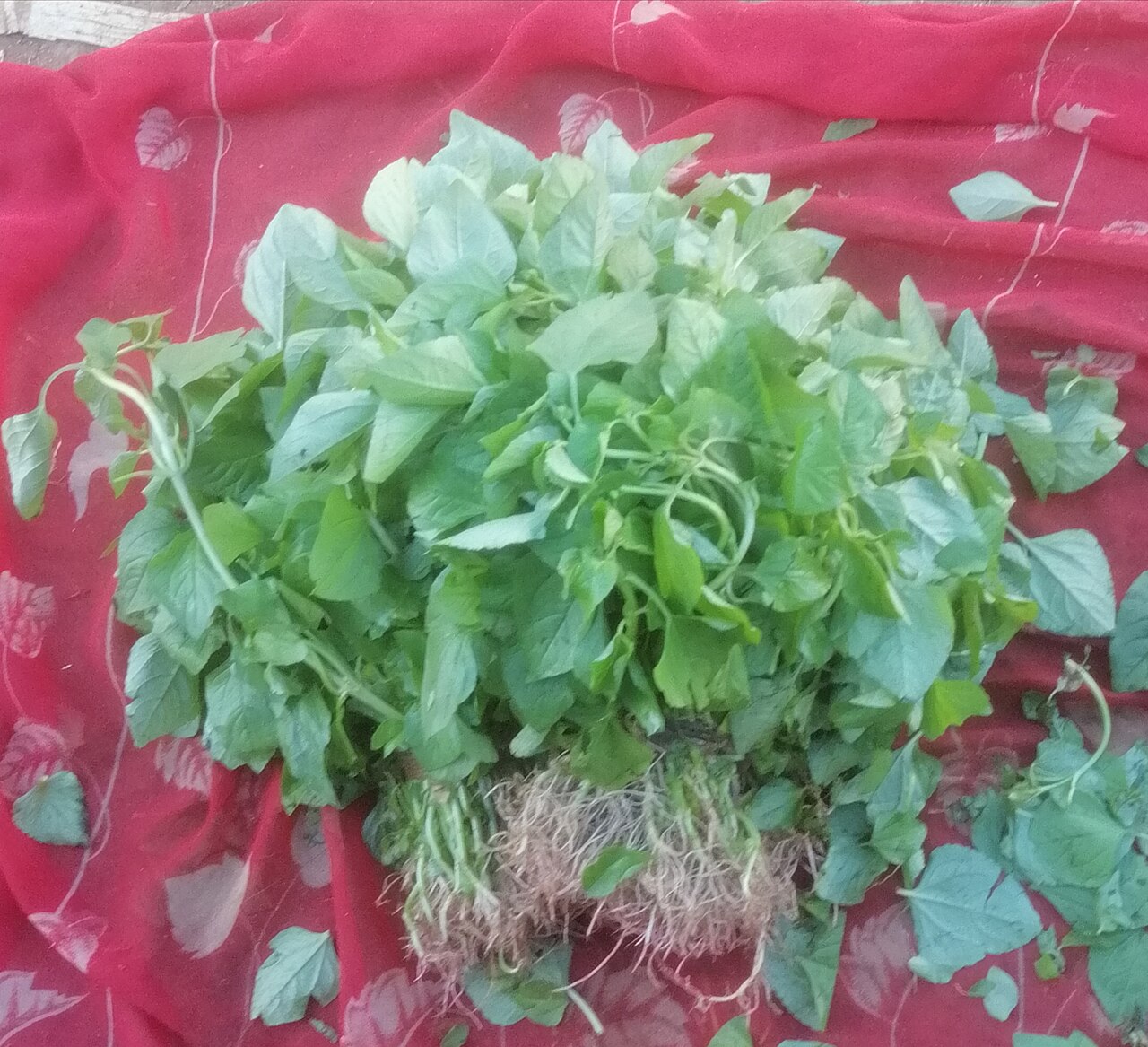
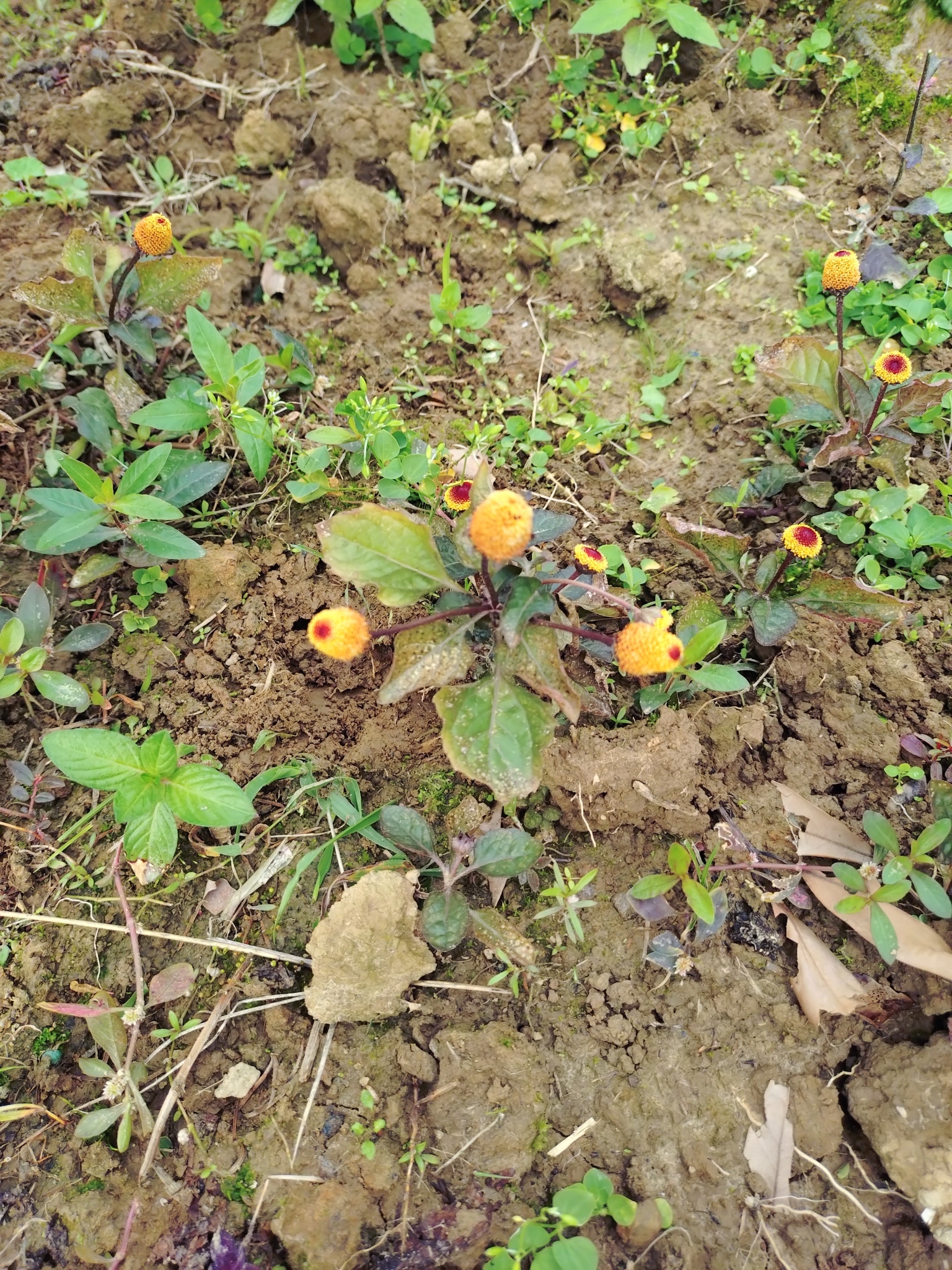
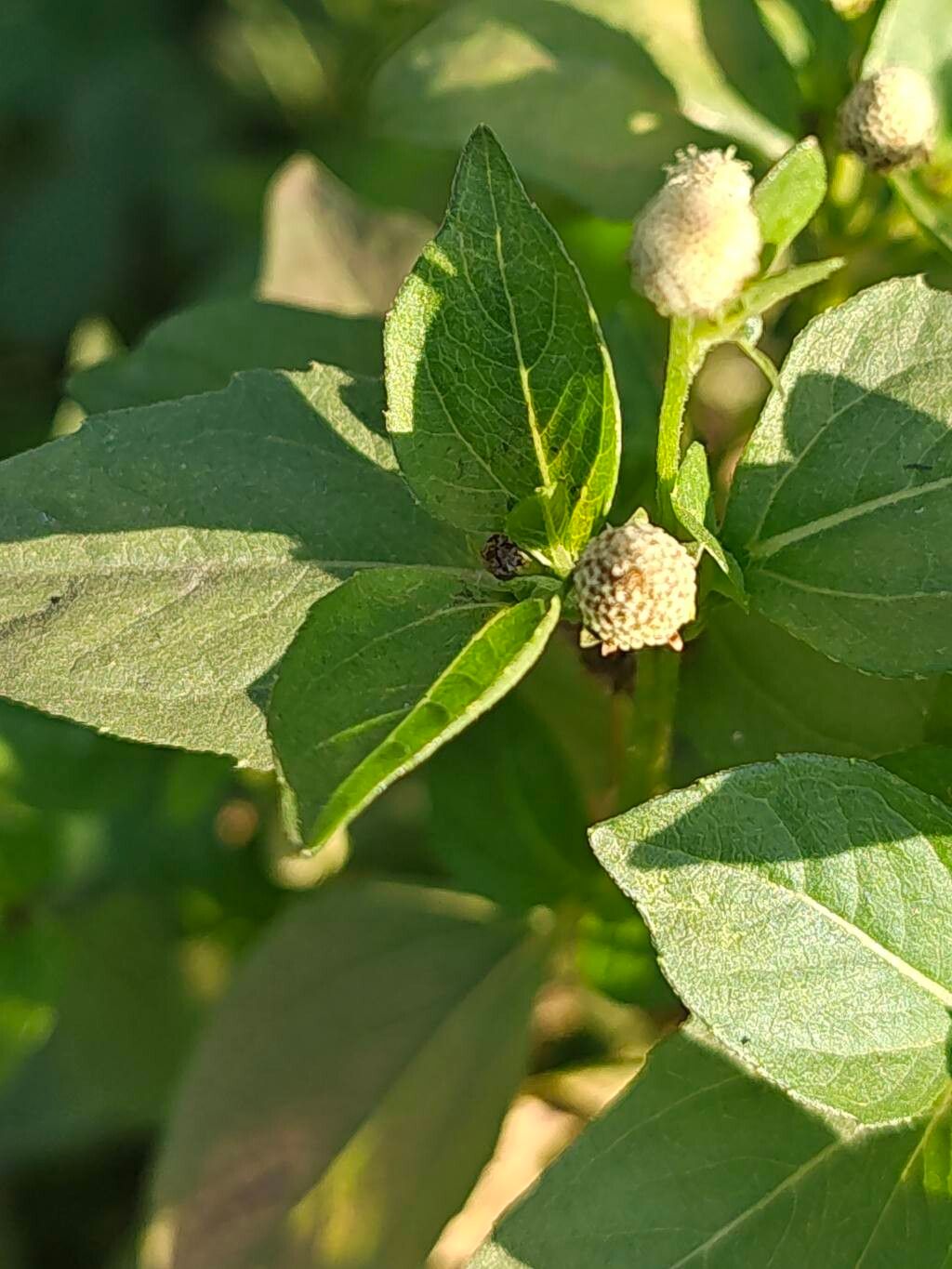
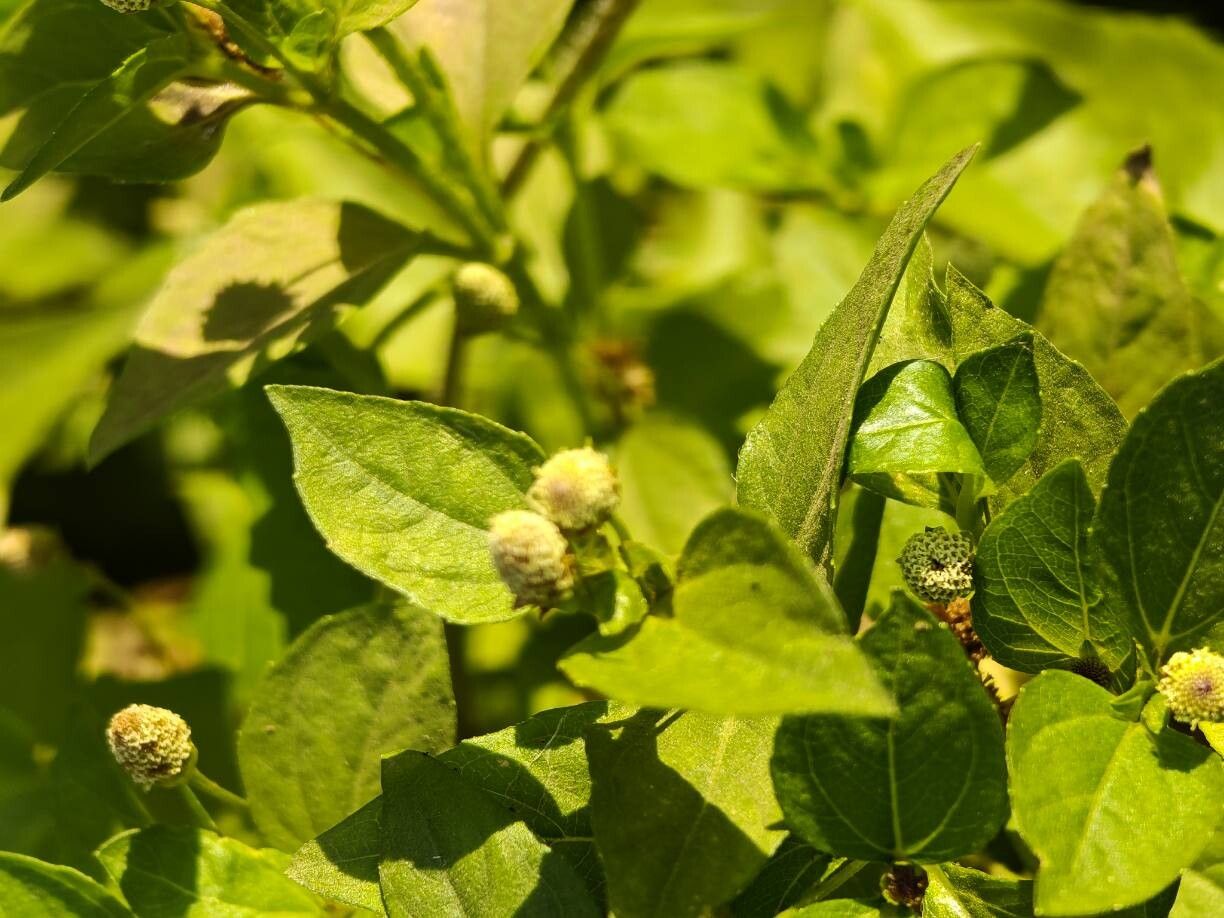
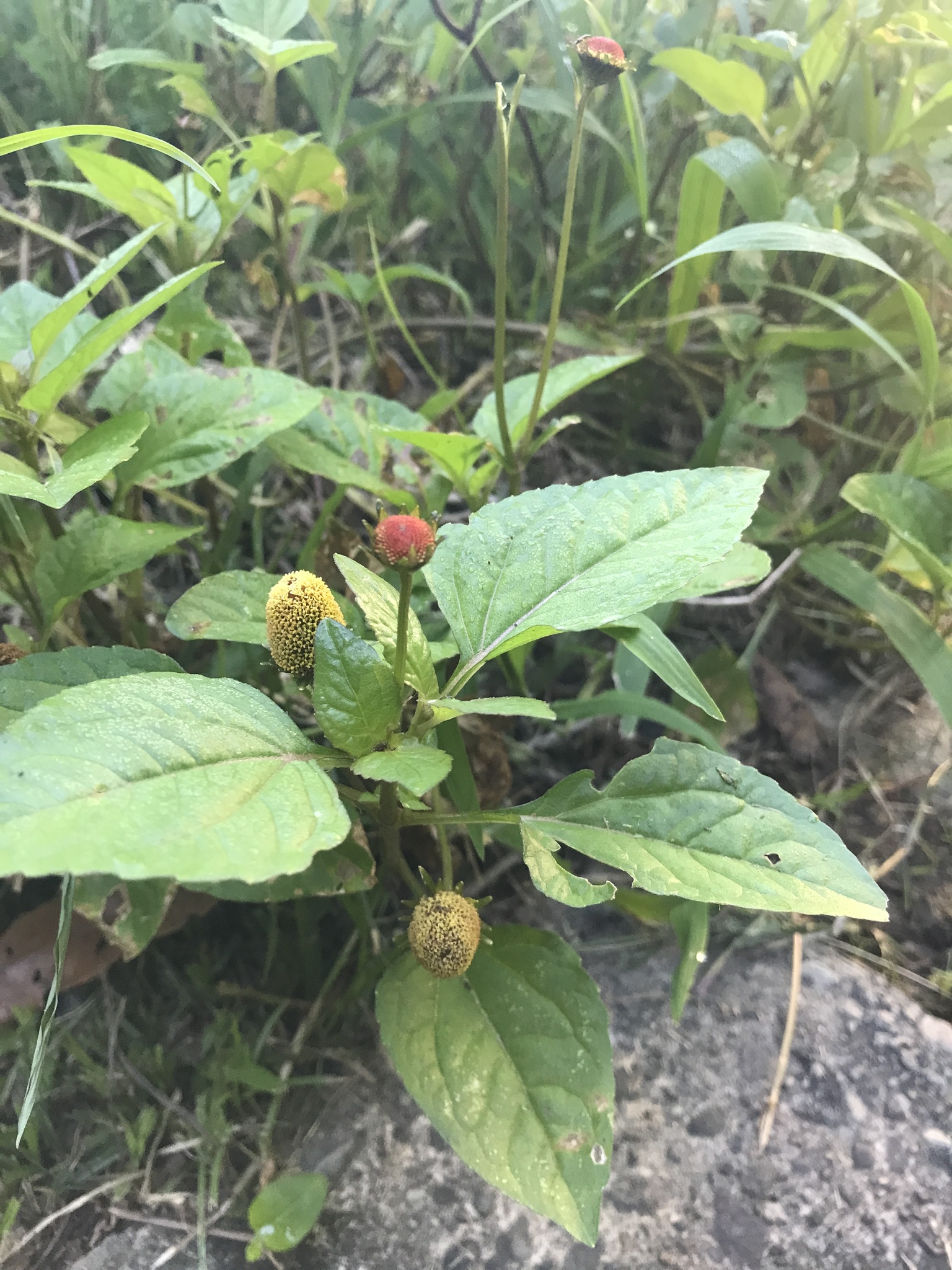
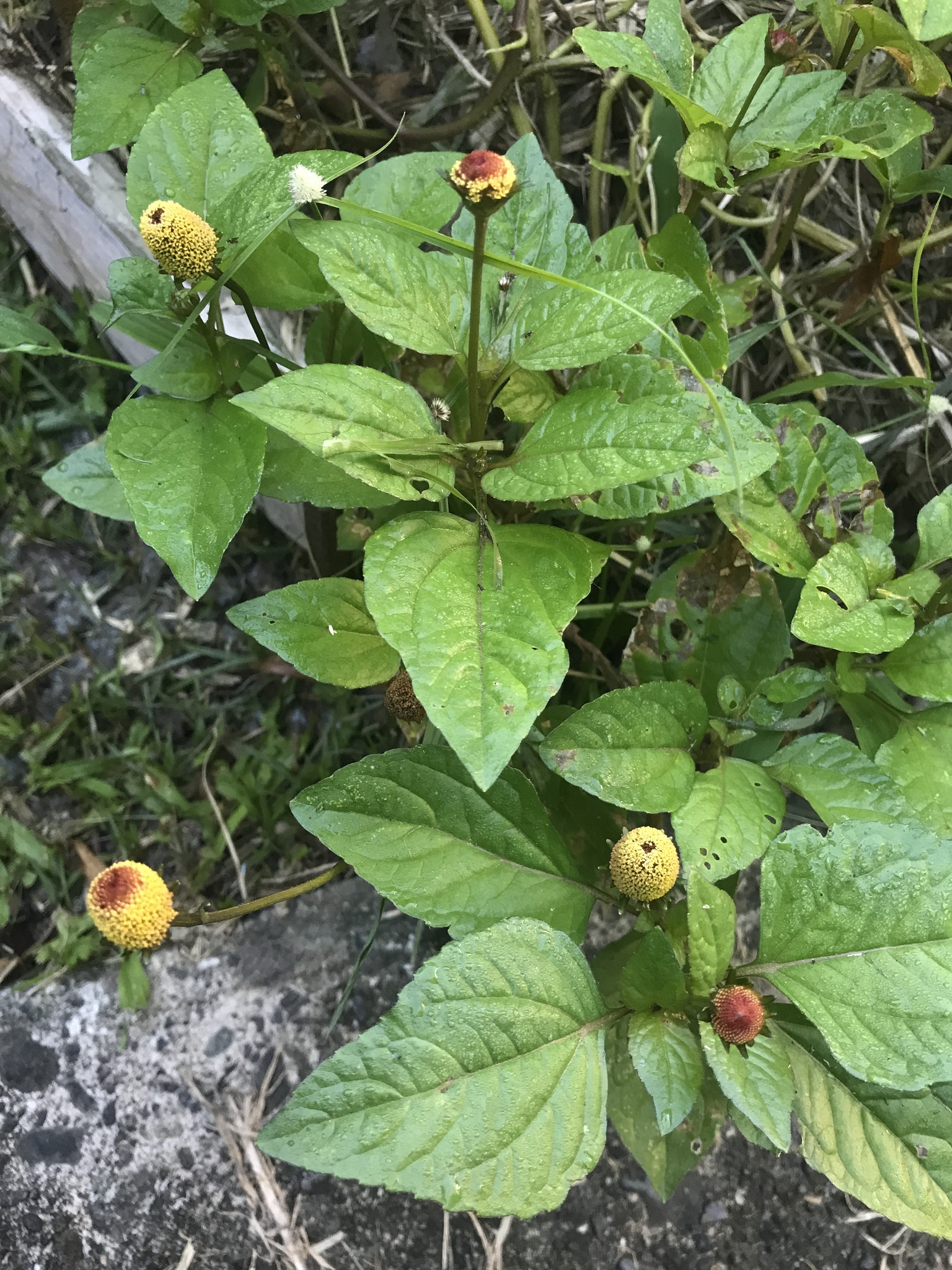
A low-growing annual or short-lived perennial herb of Amazonian origin, with edible leaves and yellow inflorescences that produce a characteristic tingling and numbing sensation in the mouth (attributed to spilanthol). It is a traditional unconventional food plant (PANC) in the cuisine of Pará, a base for dishes such as tacacá and pato no tucupi, and also used in folk medicine.
📚 Synonyms
Scientific synonyms: Spilanthes oleracea L., Spilanthes acmella (L.) Murray, Spilanthes acmella var. oleracea
Götsch succession
- Götsch stage
- Placenta I
- Ecological role
- Pioneer
- Primary stratum
- Ground cover
- Strata
- Ground cover, Low
- Biomass class
- No biomass production
Environment
- Light requirement
- Full sun
- Water requirement
- High
- Drought tolerance
- Low
- Waterlogging tolerance
- Moderate
- Soil pH range
- 5.5–6.8
- Preferred soil texture
- Loamy
- Hardiness zones
- 10–12
- Frost tolerance
- 0.0 °C
Morphology
- Mature height
- 0.2–0.4 m
- Recommended spacing
- 0.2–0.3 m
- Root system
- Fibrous
- Root depth
- Shallow
- Growth rate
- Very fast
- Lifespan
- 1–2 years
- Time to first harvest
- 2 months
- Productive lifespan
- 1 year
Biomes & climate
- Amazon Native
Köppen classes
- Tropical rainforest (Af) Suitable
- Tropical monsoon (Am) Suitable
- Tropical savanna with dry winter (Aw) Suitable
Where it fits in a guild
Toothache plant takes the Ground cover stratum in the Placenta I phase of succession — in a guild it shares the line with species from the other strata, each harvesting light at its own height, in its own time.
Free account — and the catalog stays open, no sign-up needed.
✂️ Management & Pruning
Cut-and-come-again harvest: cut young leaves and shoots above the base and the plant resprouts repeatedly. Pinch the growing tips to encourage branching and denser foliage, and remove flower buds when leaf is the goal, since the plant tends to age and turn bitter after flowering.
📅 Phenology
Flowering months: January, February, March, November, December
❓ Frequently asked questions
How long until the first harvest of toothache plant?
The first harvest of toothache plant comes around 2 months after planting.
What spacing is recommended for toothache plant?
The recommended spacing for toothache plant is 0.2–0.3 m.
How tall does toothache plant grow?
At maturity, toothache plant reaches 0.2–0.4 m tall.
When does toothache plant flower?
Flowering of toothache plant occurs in January, February, March, November, December.
What stage and stratum does toothache plant occupy in a syntropic system?
In a syntropic system, toothache plant belongs to the placenta i stage, occupying the ground cover stratum.
Functions
Propagation
Seed, Cutting
Citations
- Flora e Funga do Brasil (scientific_name, biomes, family)
- Wikipedia (Acmella oleracea) (common_names, description, synonyms, growth_rate, light_need, frost_tolerance_c, external_ids)
- Kinupp & Lorenzi, Plantas Alimentícias Não Convencionais (PANC) no Brasil (pruning_notes, lifespan_years_min, lifespan_years_max, productive_lifespan_years)
External references
Continue exploring
Related plants
-
velvet bean
Mucuna pruriens
Placenta I Low Fertilizer biomass 🌱 Nitrogen fixerAnnual climbing legume that fixes nitrogen (~180–220 kg N/ha) and produces dense cover biomass. Suppresses weeds, decompacts the soil, and is one o...
-
maize
Zea mays
Placenta I Emergent Mulch biomassAnnual C4 cereal — placed by Pasini in the emergent stratum of Tabela 3 and recommended for the 'up to 6 months' phase of Tabela 4. Short-cycle cov...
-
sweet potato
Ipomoea batatas
Placenta I Ground cover No biomass productionShort-cycle creeping tuber crop. Pasini lists it in the low stratum of Tabela 3. Excellent living ground cover early in the agroforestry cycle, edi...
-
pumpkin
Cucurbita moschata
Placenta I Ground cover No biomass productionAnnual creeping cucurbit. Pasini lists it in the medium stratum of Tabela 3 and in the 'up to 6 months' phase of Tabela 4 (low stratum). The Bosque...
-
common bean
Phaseolus vulgaris
Placenta I Low Fertilizer biomass 🌱 Nitrogen fixerAnnual nitrogen-fixing legume, dietary staple in Brazil. Pasini lists it in the medium stratum of Tabela 3. Planted in consortium with corn in the ...
-
rice
Oryza sativa
Placenta I High Mulch biomassWorld's most-cultivated annual cereal. The Bosque de Niebla Guidebook (Consortium Design 2019) places rice as a typical Placenta I species in the h...