Plants
maricá
Mimosa bimucronata
Family: Fabaceae · Genus: Mimosa
giant sensitive tree
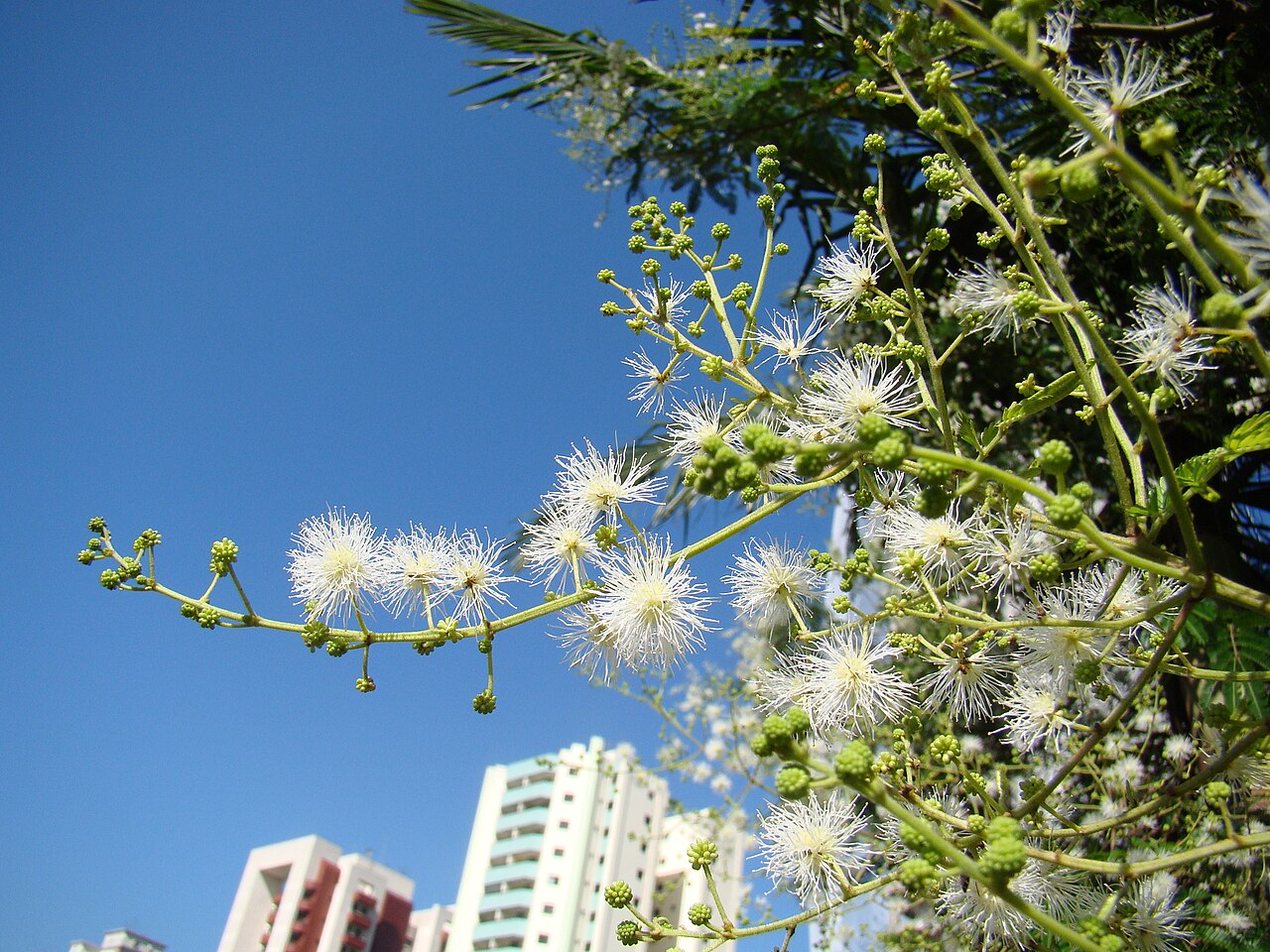
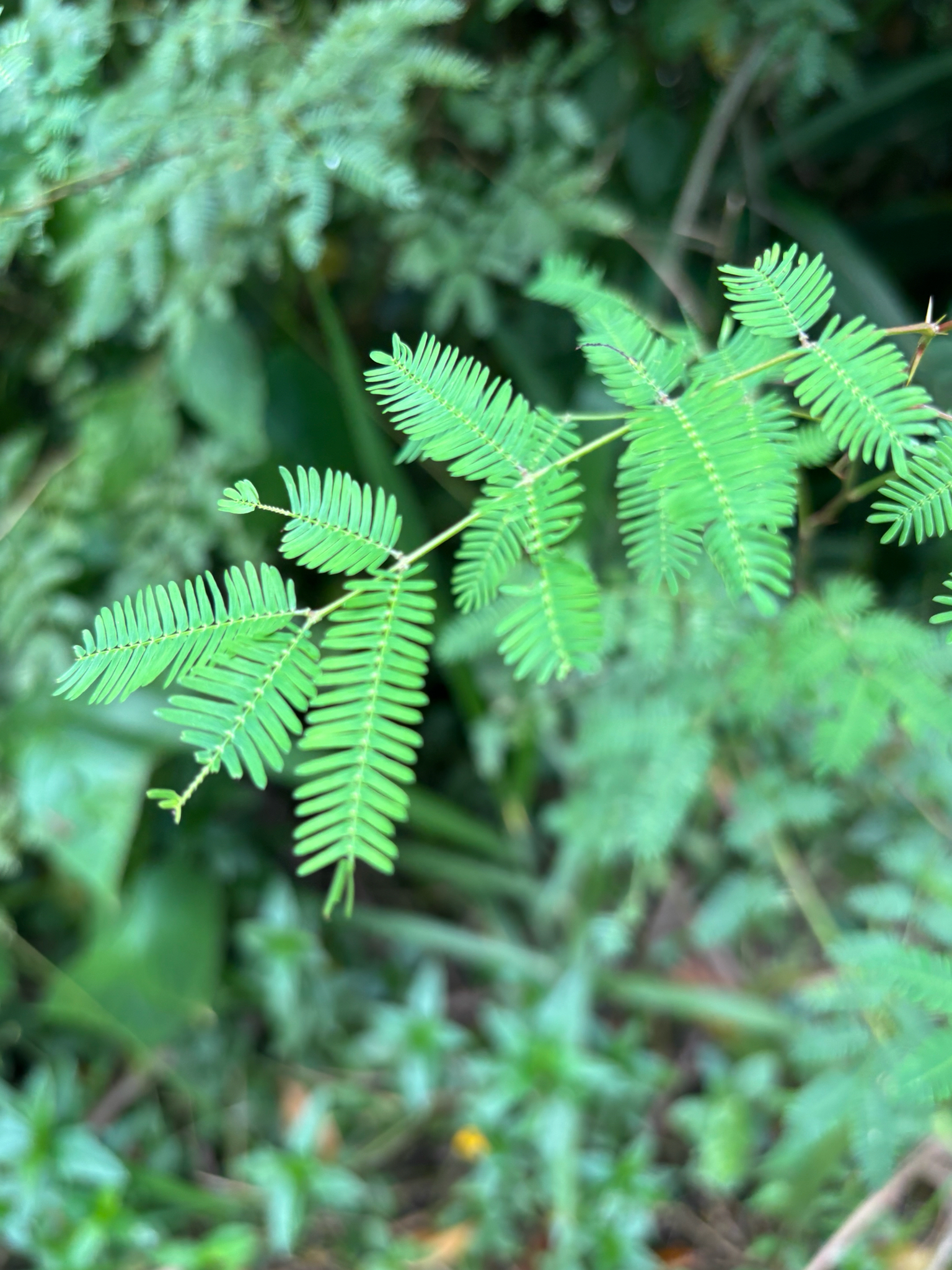
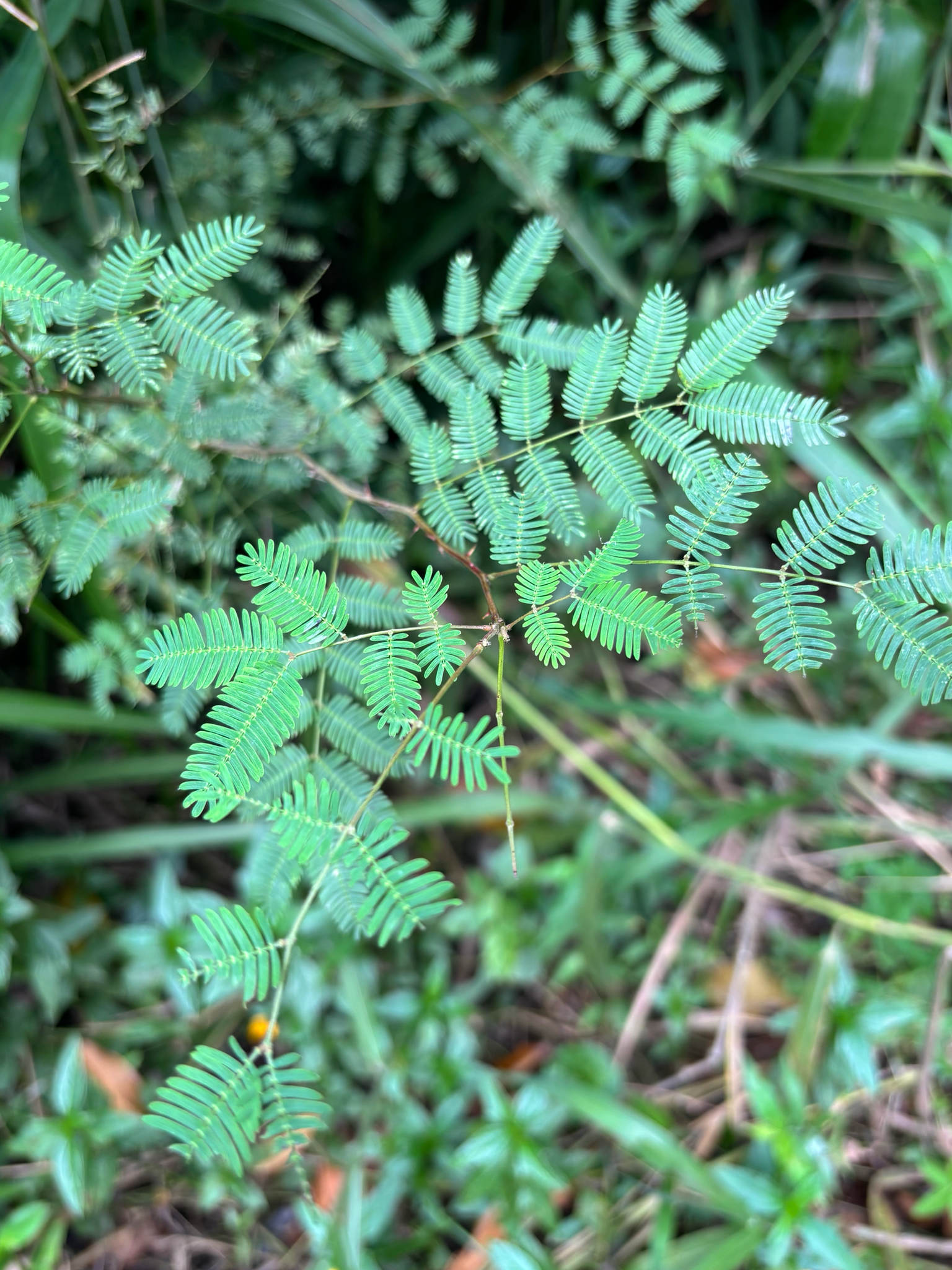
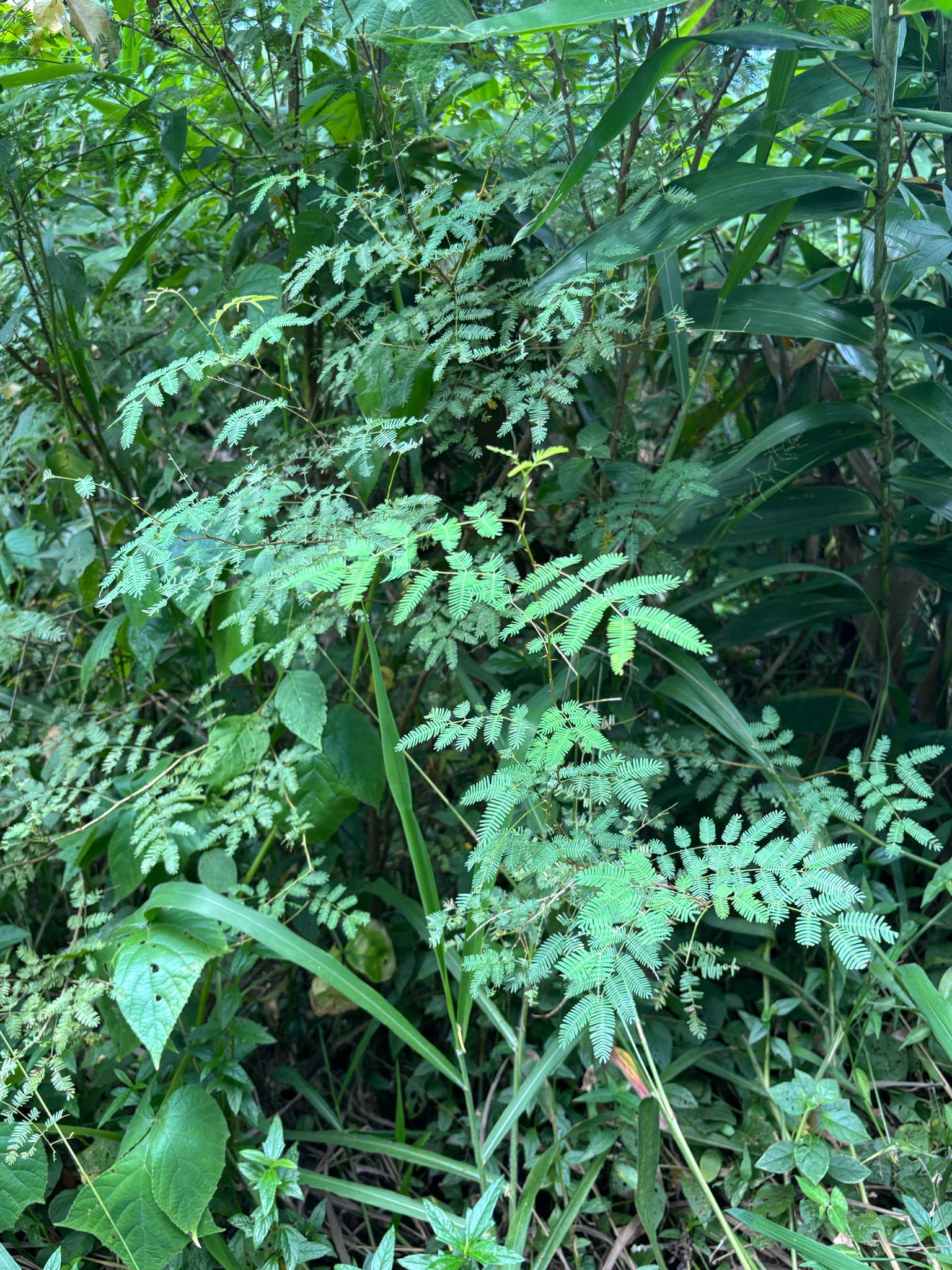
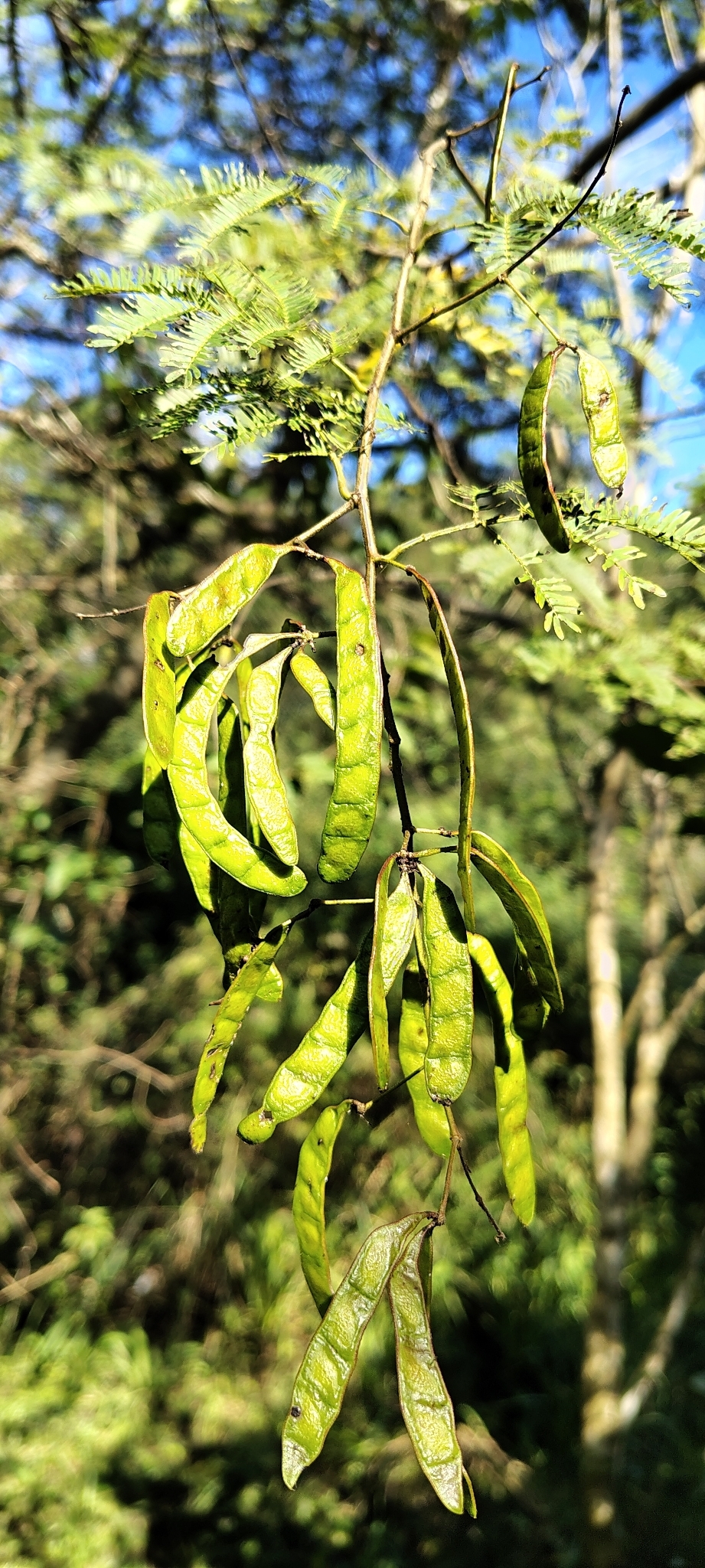
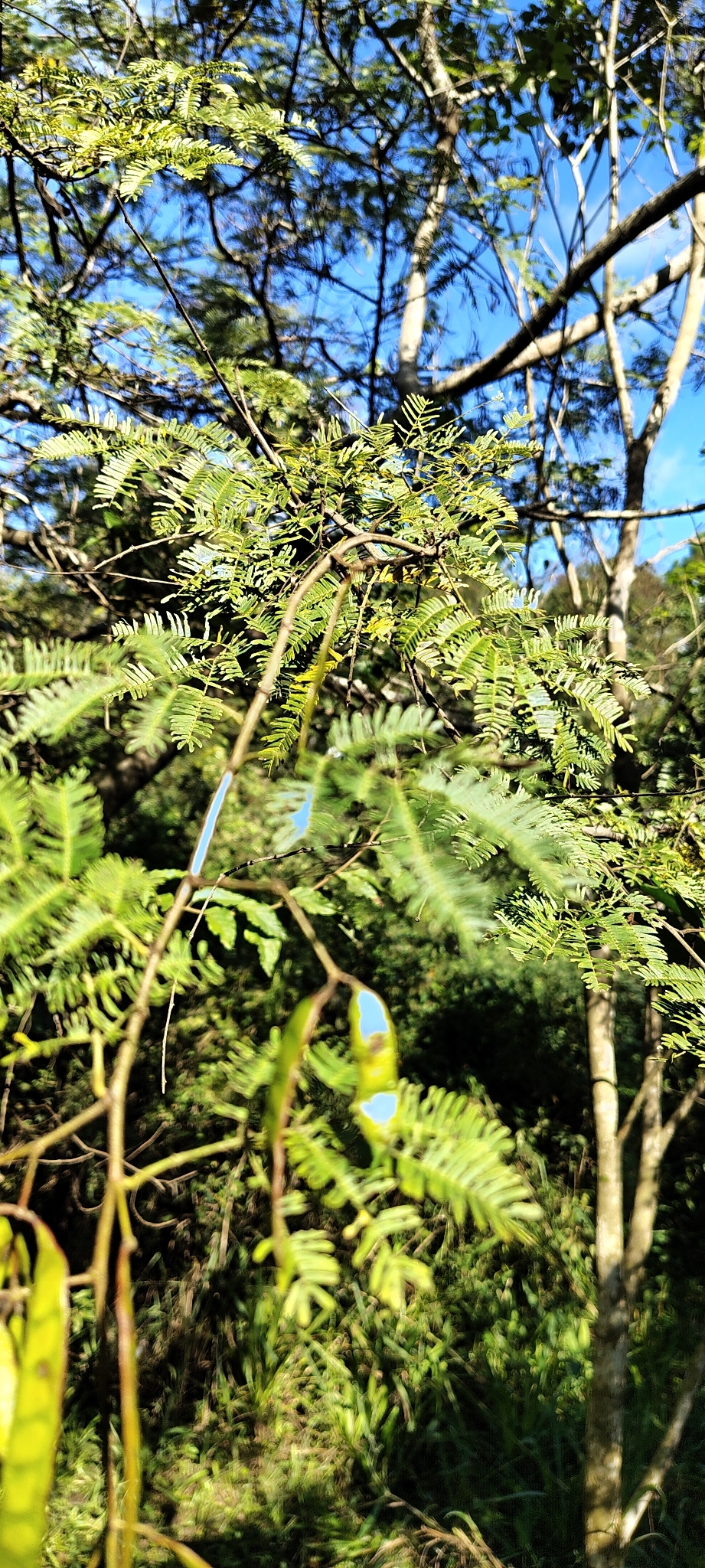
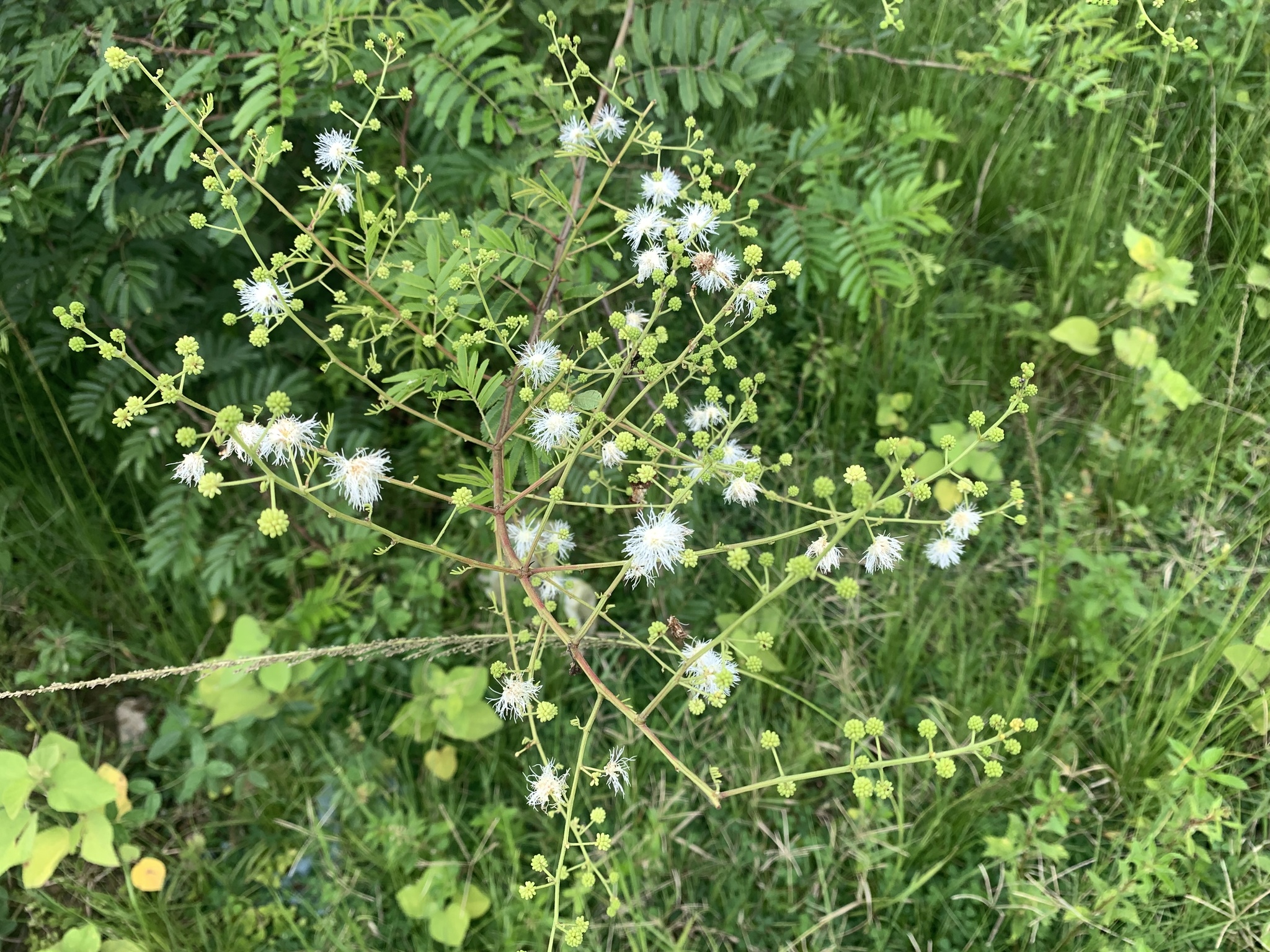
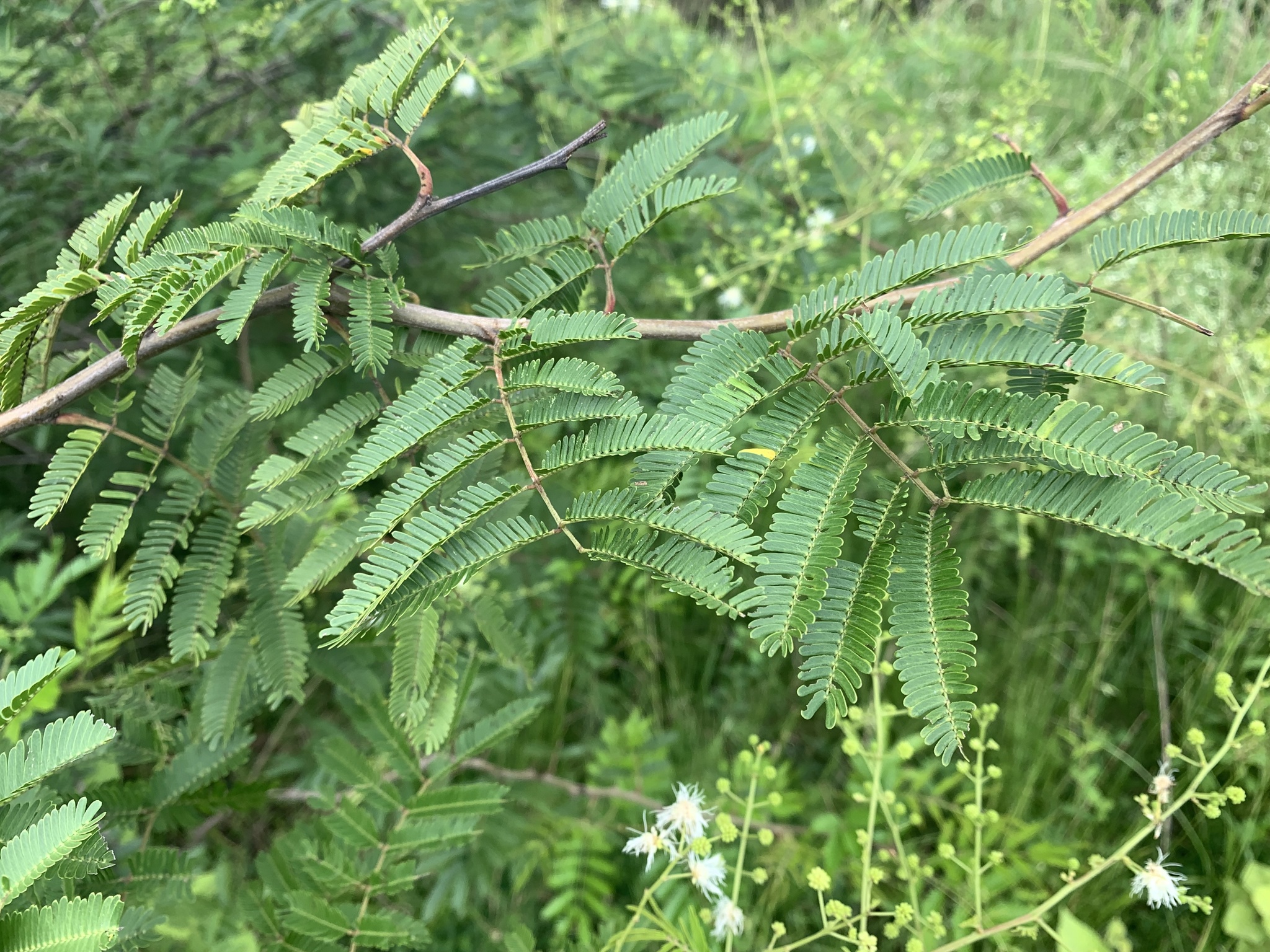
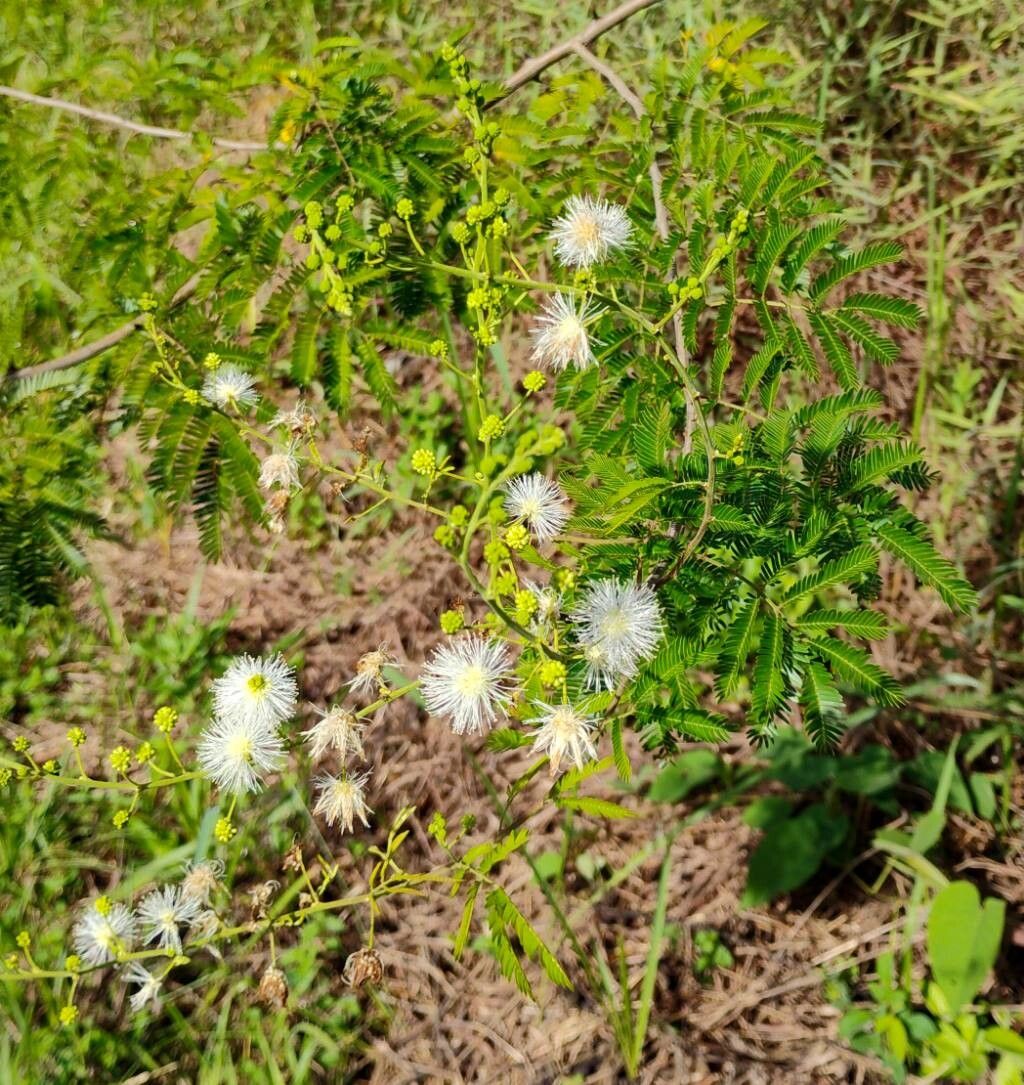
A pioneer leguminous tree or small tree, spiny and much-branched, 4-8 m tall (occasionally to 15 m), native to eastern and southern Brazil. It fixes nitrogen, is aggressive and soil-improving, much used in restoring degraded and floodable areas and as a living fence. It flowers in white panicles and produces distinctive brick-red pods.
Götsch succession
- Götsch stage
- Placenta II
- Ecological role
- Pioneer
- Primary stratum
- Medium
- Strata
- Medium, High
- Biomass class
- Fertilizer biomass
Environment
- Light requirement
- Full sun
- Water requirement
- Moderate
- Drought tolerance
- Moderate
- Waterlogging tolerance
- High
- Soil pH range
- 4–5
- Preferred soil texture
- Clayey, Loamy, Silty
- Frost tolerance
- -5.4 °C
Morphology
- Mature height
- 4–8 m
- Recommended spacing
- 0.25–3 m
- Root system
- Taproot
- Root depth
- Deep
- Growth rate
- Fast
- Lifespan
- 20–30 years
- Time to first harvest
- 12 months
- Productive lifespan
- 6 years
Biomes & climate
- Atlantic Forest Native
- Pampa Native
Köppen classes
- Humid subtropical (Cfa) Native
- Oceanic (Cfb) Native
- Subtropical with dry winter (Cwa) Suitable
- Tropical savanna with dry winter (Aw) Suitable
Where it fits in a guild
Maricá takes the Medium stratum in the Placenta II phase of succession — in a guild it shares the line with species from the other strata, each harvesting light at its own height, in its own time. It also fixes nitrogen, feeding the soil for its line neighbors.
Free account — and the catalog stays open, no sign-up needed.
🪴 Cultivation
An aggressive pioneer, good for recovering waterlogged and flood-prone areas, but also grows on drained or rocky sites in full sun; widely used as a thorny living fence. Can regenerate densely.
✂️ Management & Pruning
A fast-growing pioneer that coppices vigorously — it resprouts strongly after cutting from both the collar and various heights, can be managed as coppice and re-cut within 2–3 years. It does not self-prune but accepts branch and formative/conduction pruning well, done periodically. Cut to the base or any height to release light to crops; its fast-decomposing foliage is soil-improving biomass and the wood is high-calorific firewood (burns even green). Cut best in the warmer wet season for stronger regrowth. The leaves contain mimosine (relevant to ruminant fodder, not chop-and-drop mulch).
📅 Phenology
Flowering months: December, January, February, March
Fruiting months: April, May, June, July
❓ Frequently asked questions
How long until the first harvest of maricá?
The first harvest of maricá comes around 12 months after planting.
What spacing is recommended for maricá?
The recommended spacing for maricá is 0.25–3 m.
How tall does maricá grow?
At maturity, maricá reaches 4–8 m tall.
When does maricá fruit?
Fruiting of maricá occurs in April, May, June, July.
When does maricá flower?
Flowering of maricá occurs in December, January, February, March.
What stage and stratum does maricá occupy in a syntropic system?
In a syntropic system, maricá belongs to the placenta ii stage, occupying the medium stratum.
Does maricá fix nitrogen?
Yes — maricá is a nitrogen-fixing species that helps fertilize the system's soil.
Functions
Propagation
Seed
Citations
- Embrapa Florestas — Maricá (Mimosa bimucronata), Circular Técnica 94 (height_min_m, height_max_m, ecological_role, nitrogen_fixer, biomes, functions, gotsch_stage, pruning_notes, lifespan_years_min, lifespan_years_max, productive_lifespan_years, time_to_first_harvest_months, frost_tolerance_c, waterlogging_tolerance, root_depth, ph_min, ph_max)
- Flora e Funga do Brasil (REFLORA) — Mimosa bimucronata (scientific_name, family, genus, biomes)
- Plants of the World Online (POWO), Kew (scientific_name, powo_id)
- IBFlorestas — Maricá (spacing_min_m, spacing_max_m)
- Useful Tropical Plants — Mimosa bimucronata (growth_rate, waterlogging_tolerance, time_to_first_harvest_months)
External references
Continue exploring
Related plants
-
banana
Musa × paradisiaca
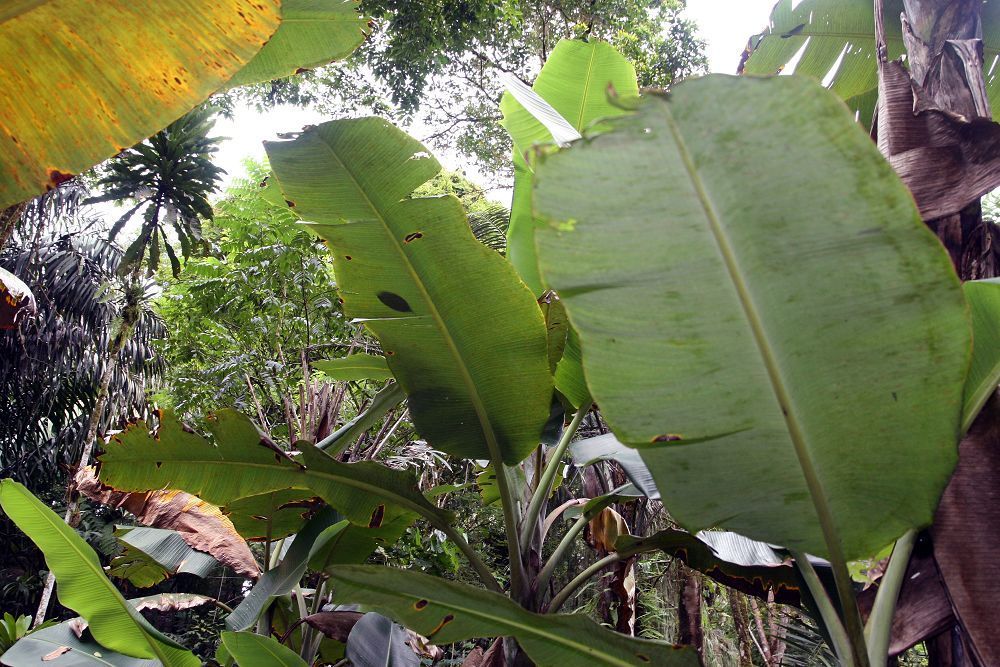
Placenta II High Mulch biomassBanana is a fast-growing pioneer species valued for cover biomass, edible fruit, and a structuring role in syntropic rows. Grows in any moist, well...
-
papaya
Carica papaya
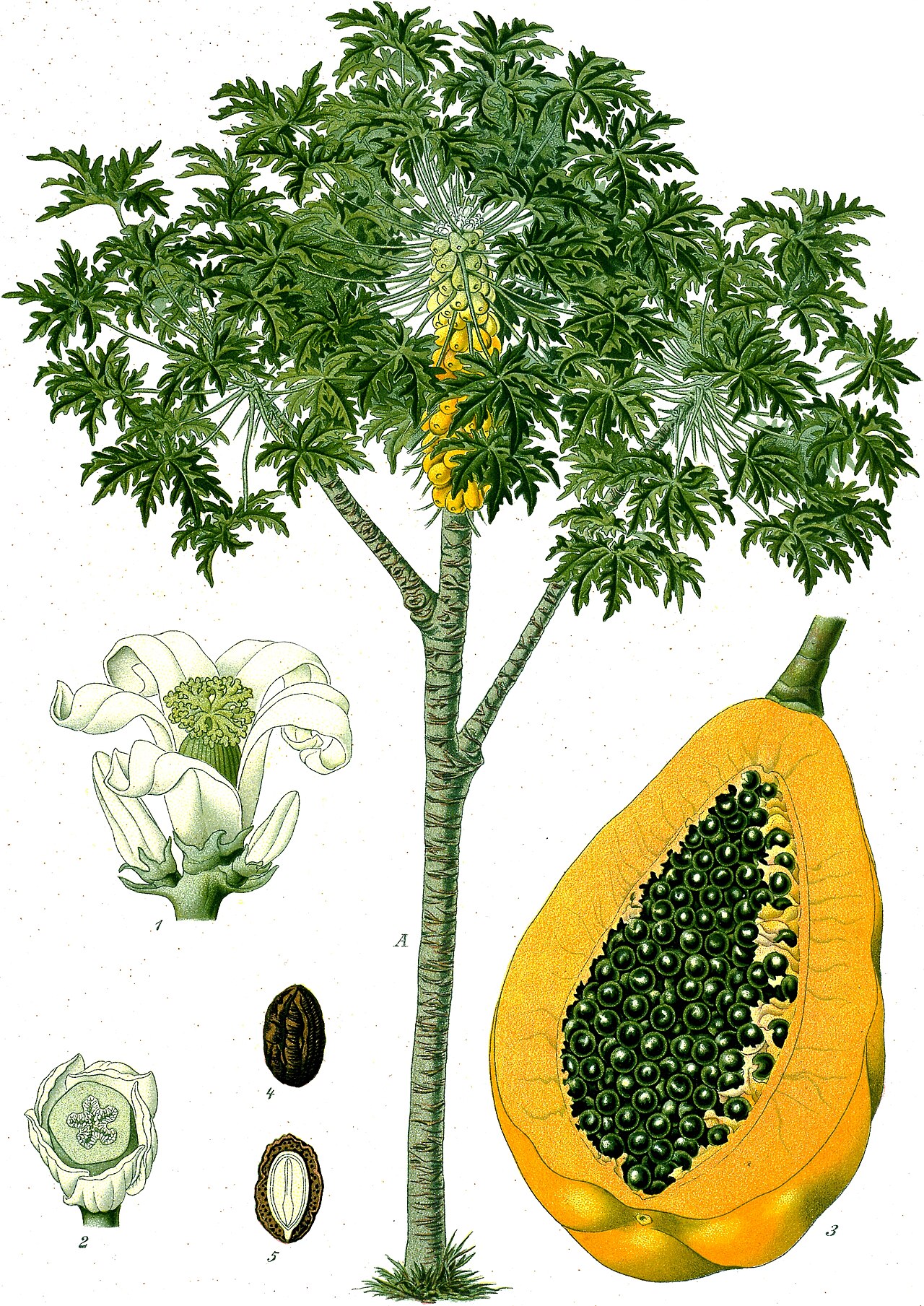
Placenta II High Mulch biomassShort-cycle Placenta II species occupying the high stratum for 2–4 years. Fruits 9–12 months after planting.
-
Brazilian fern tree
Schizolobium parahyba
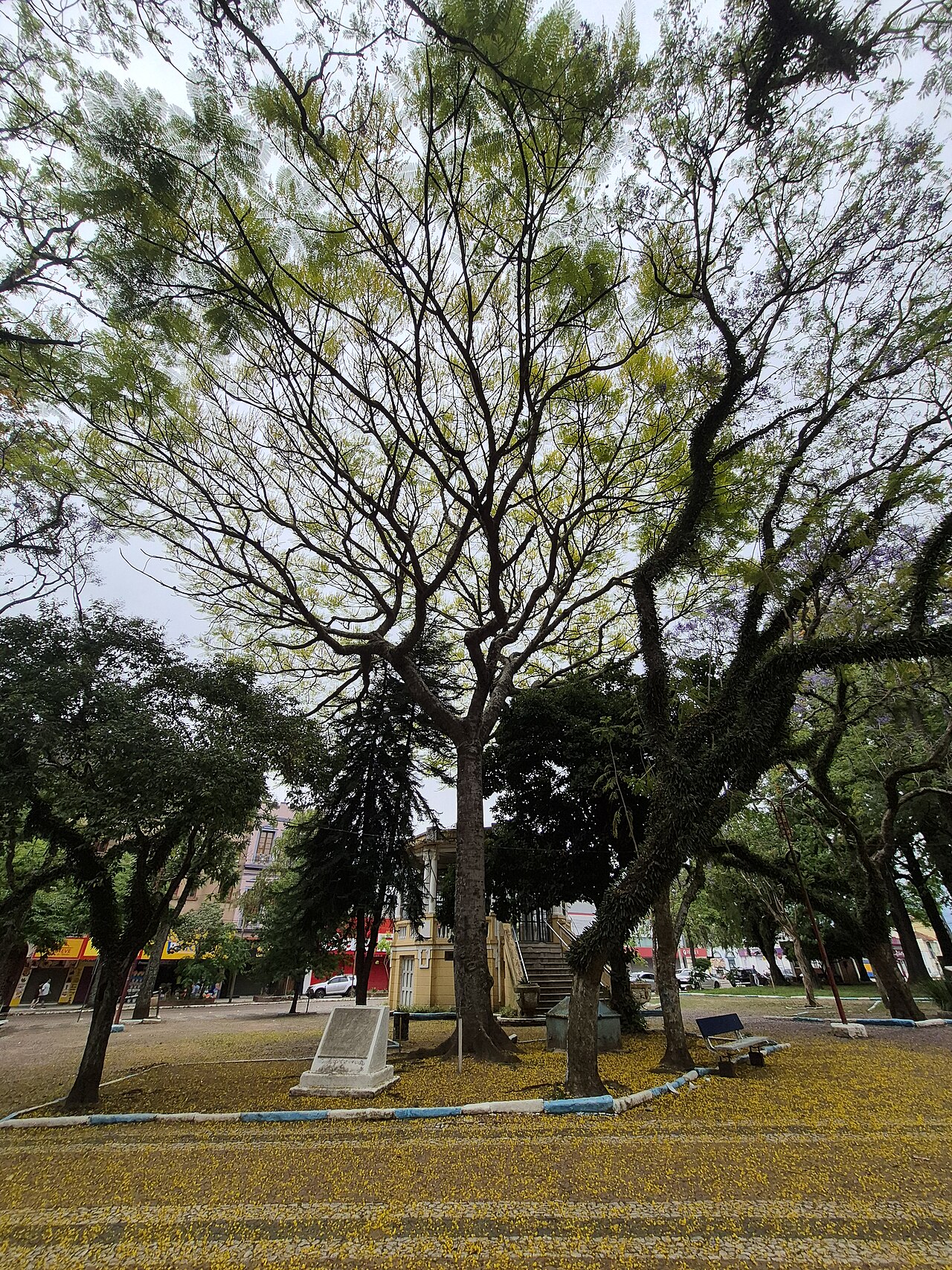
Placenta II Emergent Fertilizer & mulchPioneer Atlantic Forest species with extremely fast growth (up to 6 m per year in early years), reaching 20–30 m. Excellent for early shade and bio...
-
trumpet tree
Cecropia pachystachya
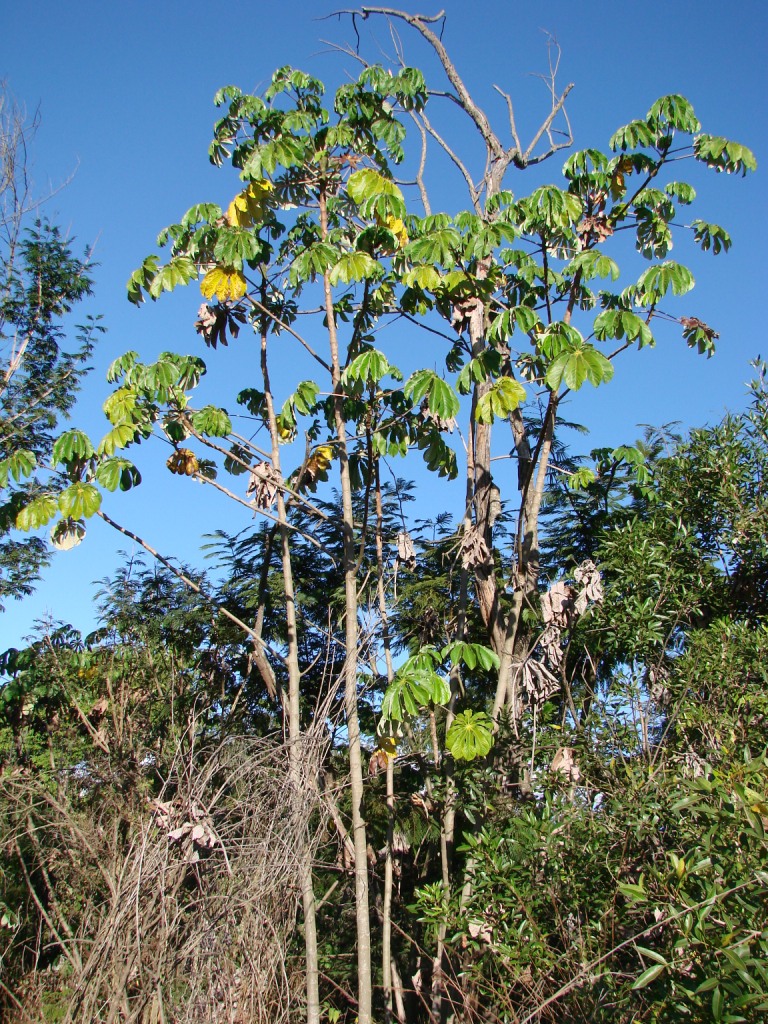
Placenta II Medium Mulch biomassFast-growing, short-lived (~20 years) pioneer tree that colonizes edges and gaps in all Brazilian biomes. Fruits eaten by birds and primates; symbi...
-
Mexican sunflower
Tithonia diversifolia
Placenta II High Fertilizer biomassFast-growing perennial shrub; propagated by stem cuttings; high biomass production rich in nitrogen, phosphorus, and potassium. Explicitly cited by...
-
Mombaça grass
Megathyrsus maximus
Placenta II Low Mulch biomassHighly productive forage grass producing large amounts of cover biomass. Central in large-scale syntropic experiments (Rebello & Sakamoto 2019) — c...