Plants
sage
Salvia officinalis L.
Family: Lamiaceae · Genus: Salvia
common sage, garden sage
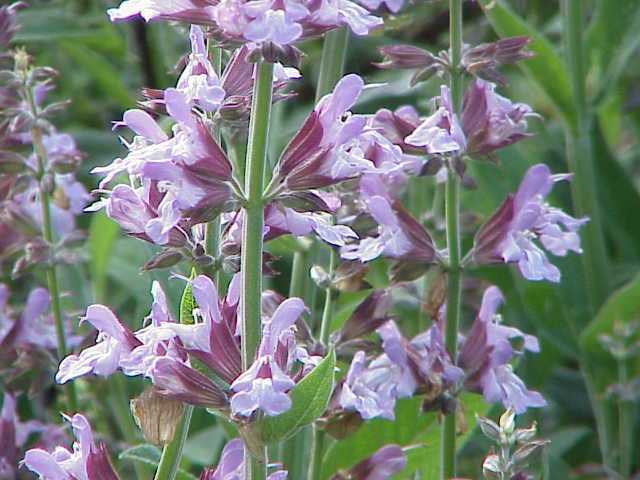
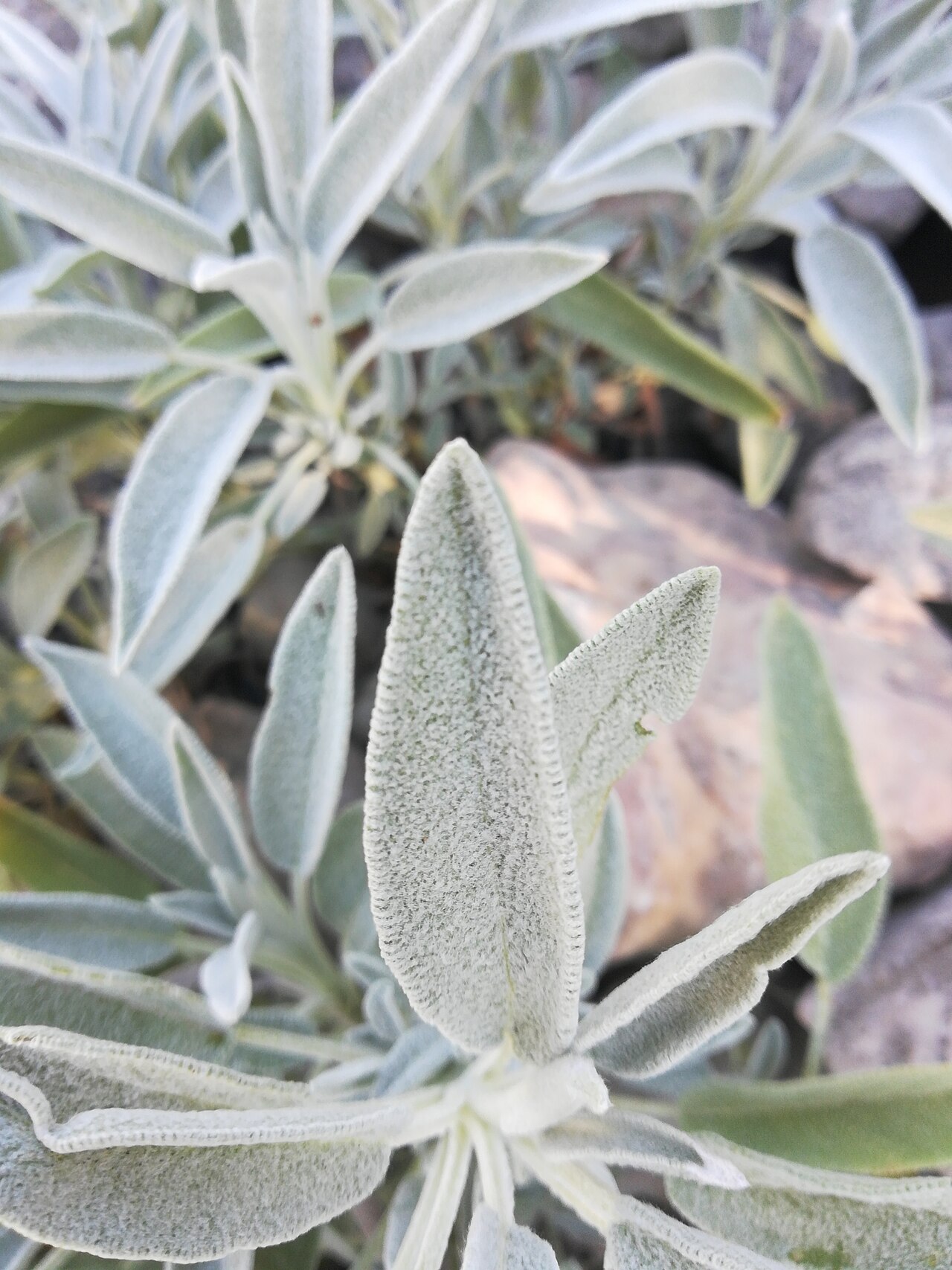
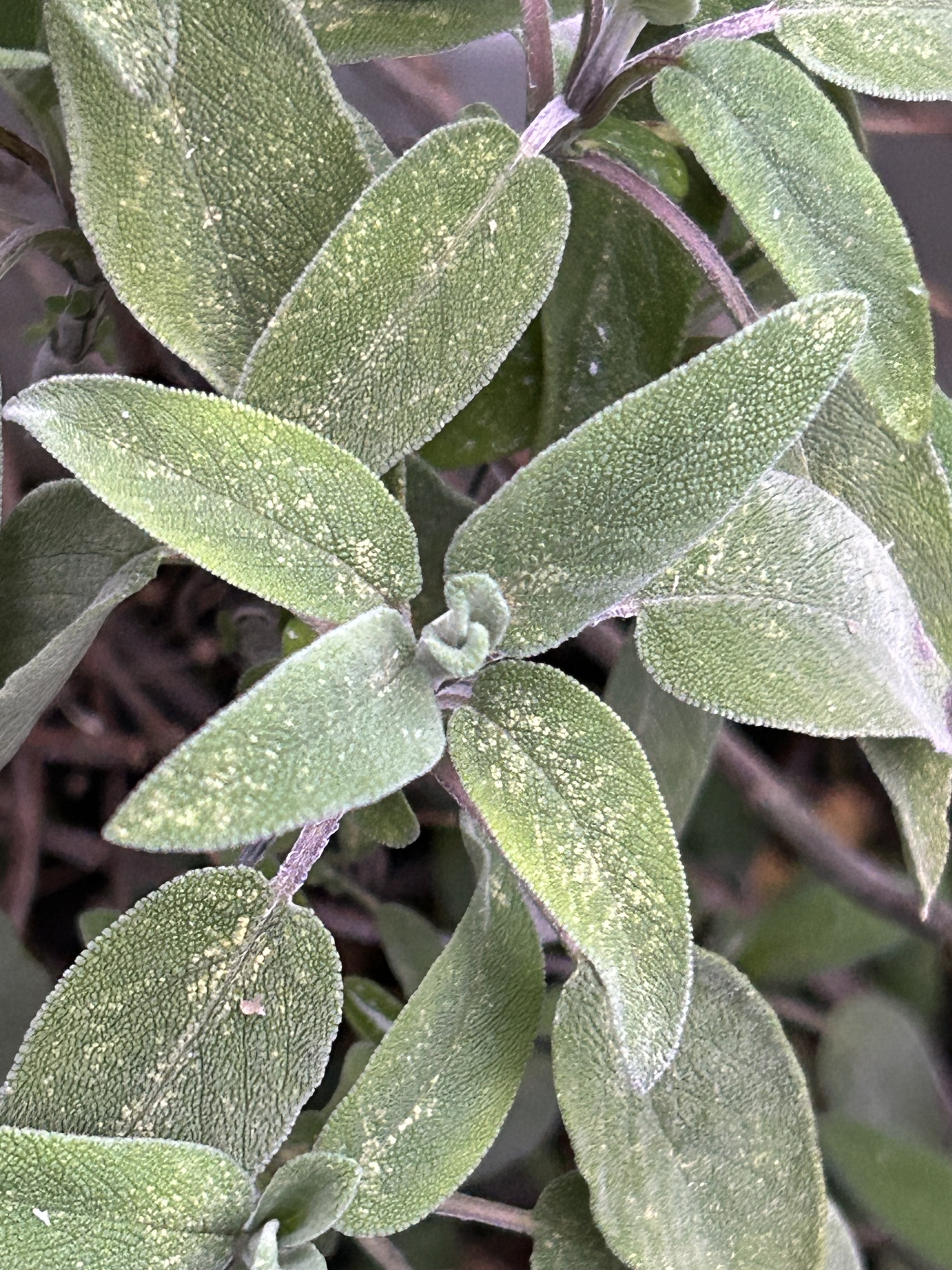
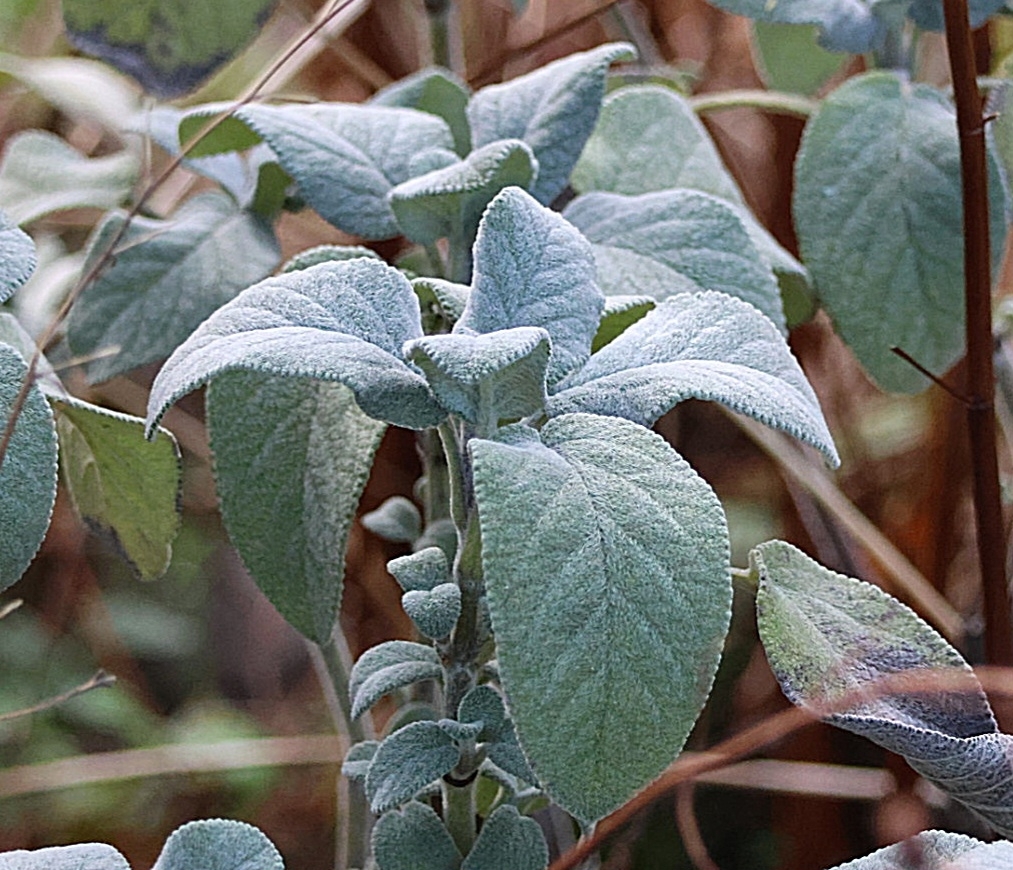
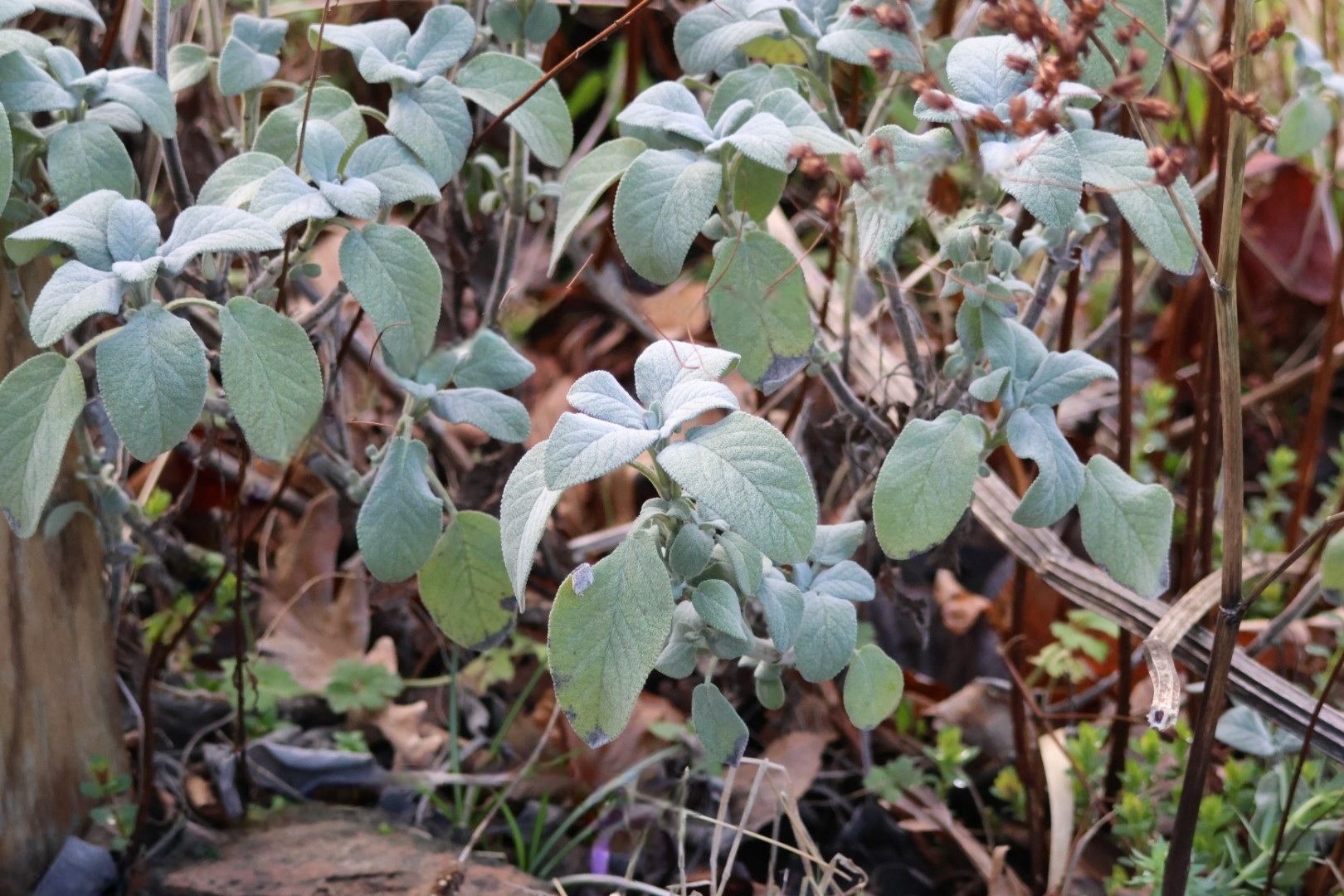
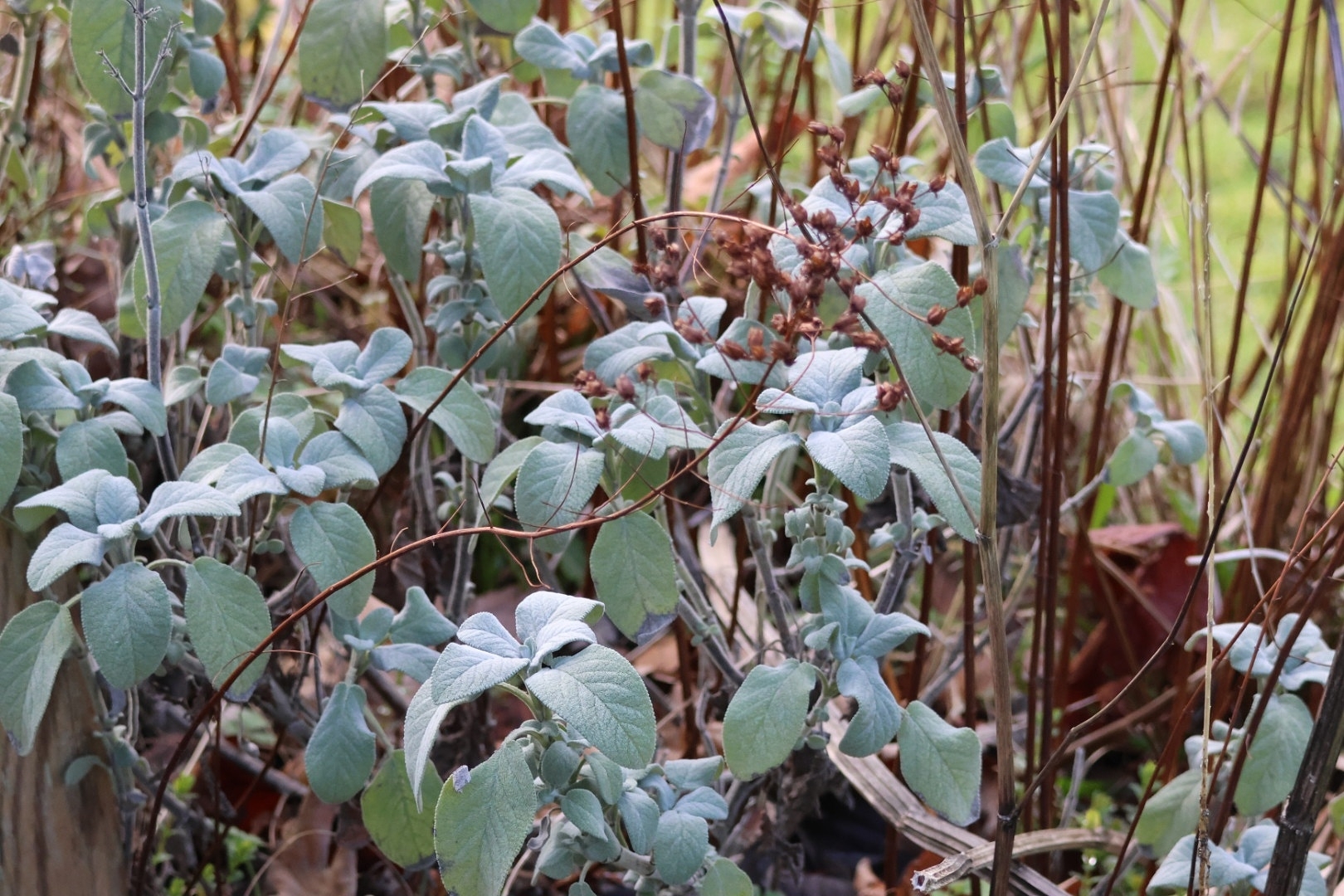
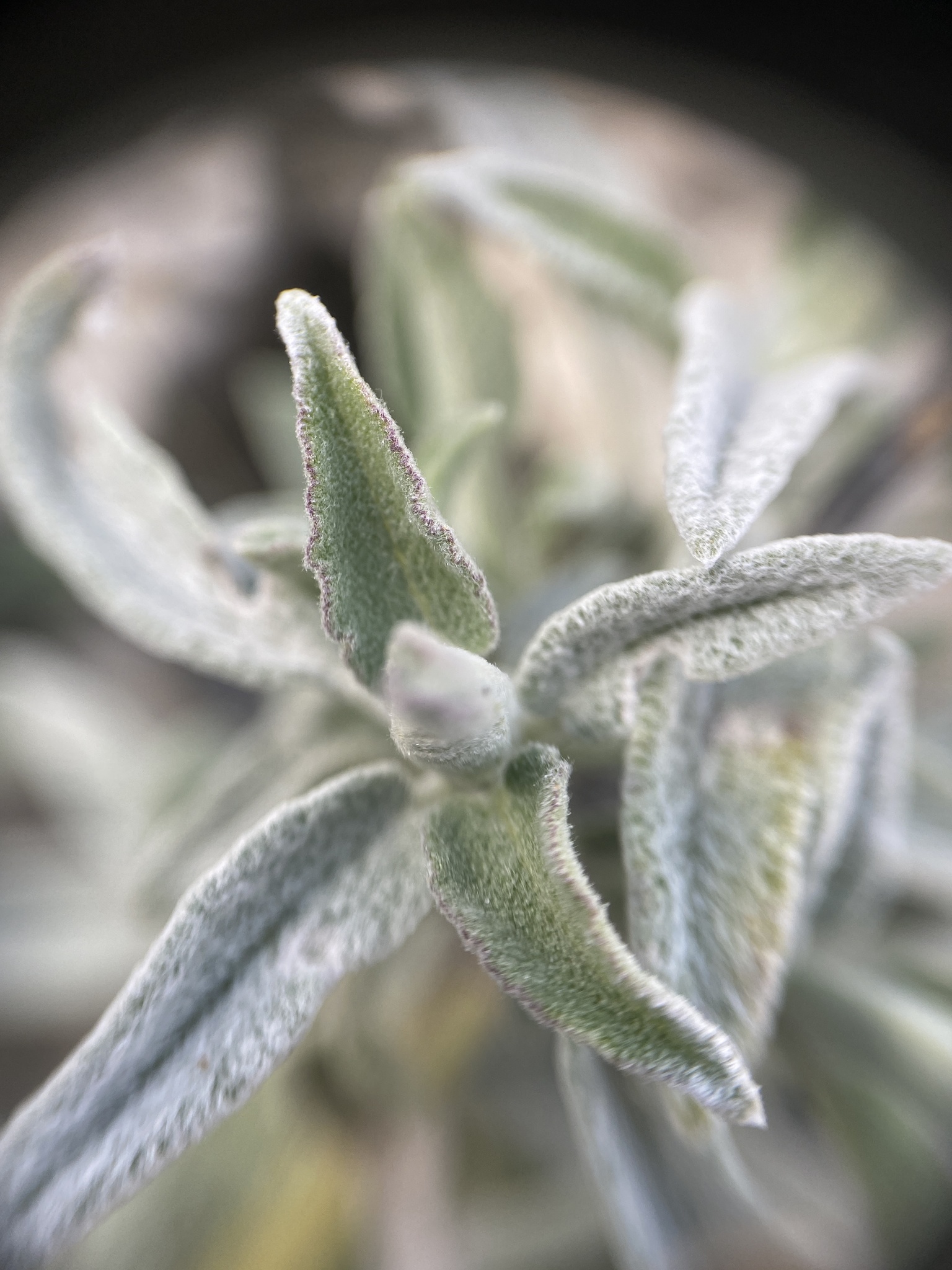
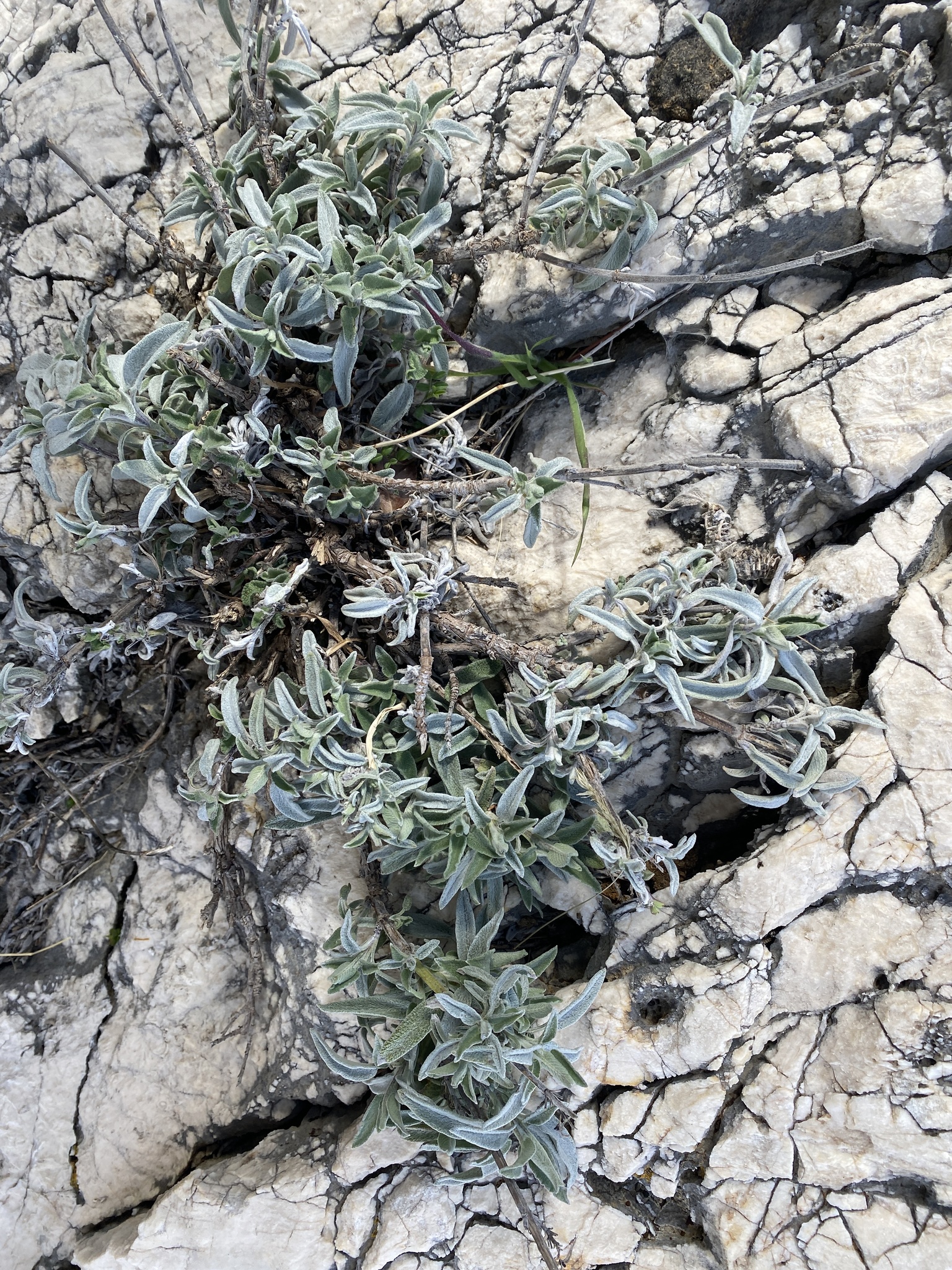
Perennial Mediterranean subshrub (40–80 cm), grey-green aromatic leaves. Cold-hardy. In subtropical syntropic systems pairs well with rosemary and thyme in partly shaded beds.
Götsch succession
- Götsch stage
- Placenta II
- Ecological role
- Pioneer
- Primary stratum
- Low
- Strata
- Low, Ground cover
- Biomass class
- No biomass production
Environment
- Light requirement
- Full sun
- Water requirement
- Low
- Drought tolerance
- High
- Waterlogging tolerance
- Low
- Soil pH range
- 6–7.5
- Preferred soil texture
- Sandy, Loamy
- Hardiness zones
- 5–10
- Frost tolerance
- -15.0 °C
Morphology
- Mature height
- 0.4–0.8 m
- Recommended spacing
- 0.4–0.6 m
- Root system
- Taproot
- Root depth
- Medium
- Growth rate
- Moderate
- Lifespan
- 5–15 years
Biomes & climate
- Atlantic Forest Suitable
- Pampa Suitable
Köppen classes
- Hot-summer Mediterranean (Csa) Suitable
- Warm-summer Mediterranean (Csb) Suitable
- Humid subtropical (Cfa) Suitable
- Oceanic (Cfb) Suitable
- Subtropical highland (Cwb) Suitable
Where it fits in a guild
Sage takes the Low stratum in the Placenta II phase of succession — in a guild it shares the line with species from the other strata, each harvesting light at its own height, in its own time.
Free account — and the catalog stays open, no sign-up needed.
🪴 Cultivation
A woody Mediterranean subshrub, hardy (zones 5–10) and drought tolerant; sandy-to-loamy well-drained soil, neutral to slightly alkaline (pH ~6–7.5). May be killed by excessive winter wet. Needs full sun. Propagated by seed or shoot cutting.
✂️ Management & Pruning
Prune in early spring and after flowering to keep shape and encourage fresh foliage; avoid hard cuts into old wood, which resprouts poorly. Replace woody, open plants every few years.
📅 Phenology
Flowering months: October, November, December, January
❓ Frequently asked questions
What spacing is recommended for sage?
The recommended spacing for sage is 0.4–0.6 m.
How tall does sage grow?
At maturity, sage reaches 0.4–0.8 m tall.
When does sage flower?
Flowering of sage occurs in October, November, December, January.
What stage and stratum does sage occupy in a syntropic system?
In a syntropic system, sage belongs to the placenta ii stage, occupying the low stratum.
Functions
Propagation
Seed, Cutting
Citations
- Plants For A Future (PFAF) — Salvia officinalis (height_max_m, soil_texture_preference, light_need, water_need, drought_tolerance, propagation, hardiness_zone_min, hardiness_zone_max, ph_max, waterlogging_tolerance)
External references
Continue exploring
Related plants
-
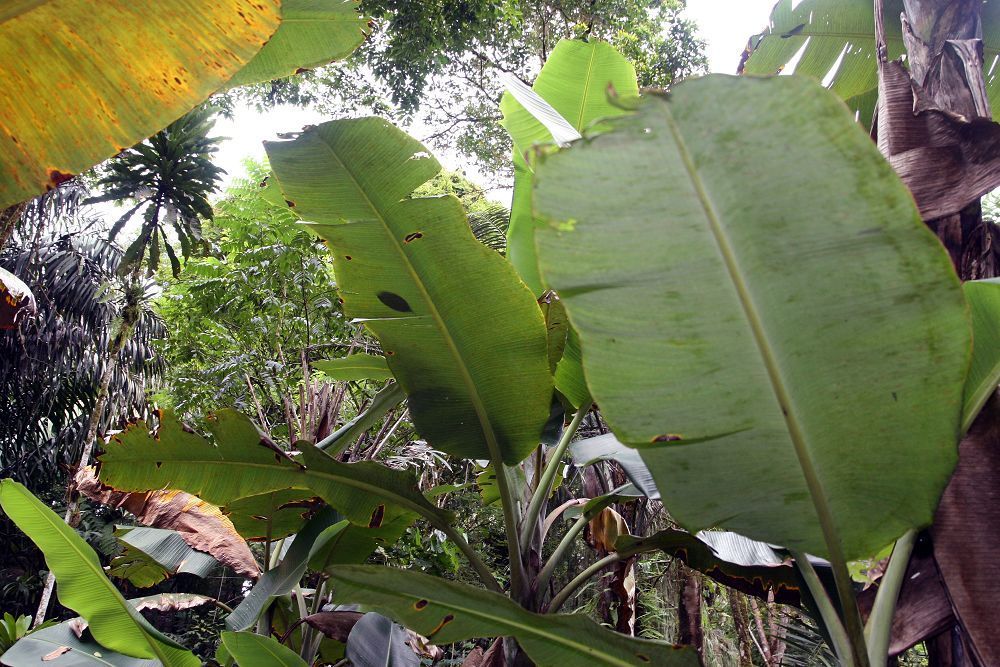
banana
Musa × paradisiaca
Placenta II High Mulch biomassBanana is a fast-growing pioneer species valued for cover biomass, edible fruit, and a structuring role in syntropic rows. Grows in any moist, well...
-
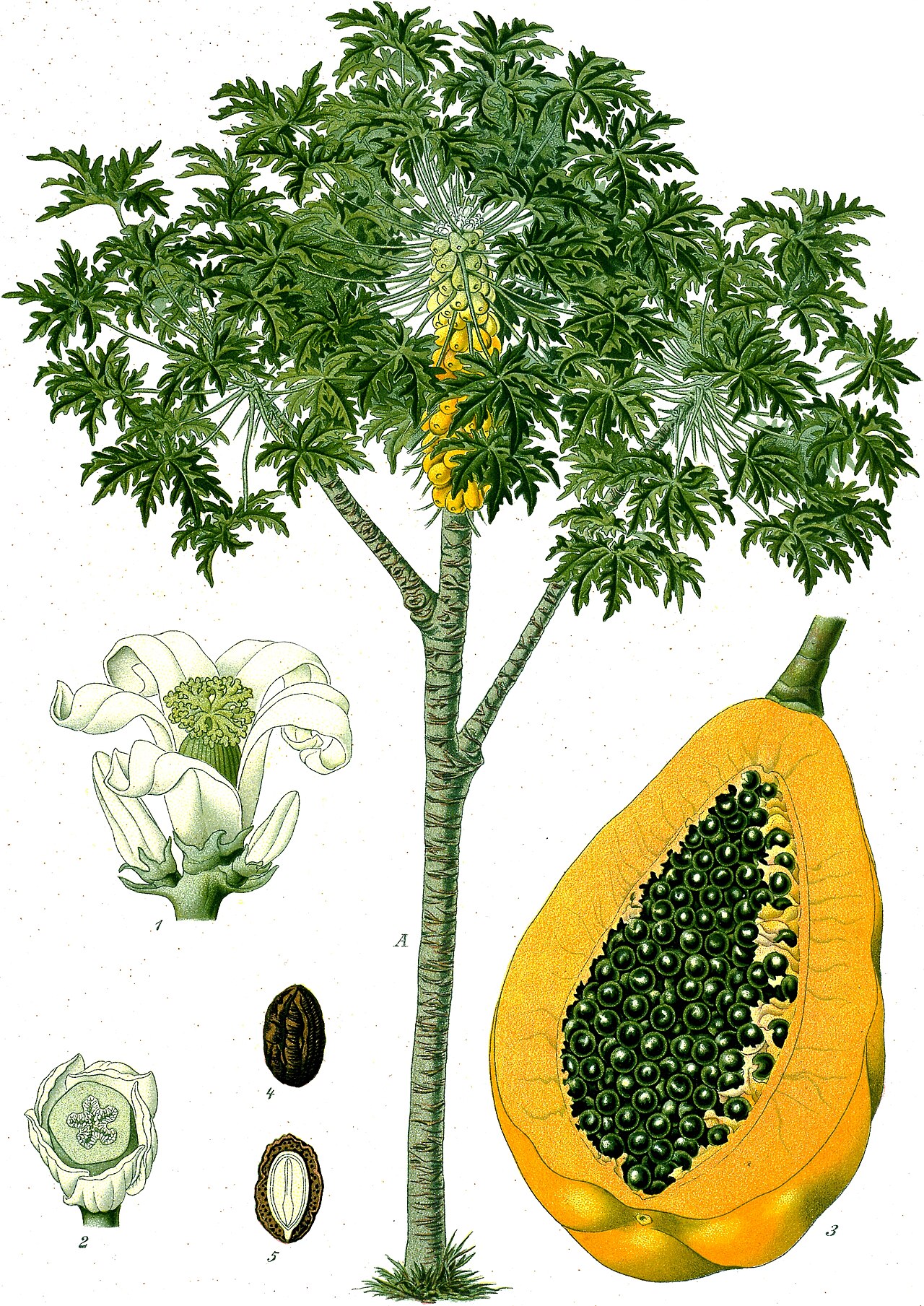
papaya
Carica papaya
Placenta II High Mulch biomassShort-cycle Placenta II species occupying the high stratum for 2–4 years. Fruits 9–12 months after planting.
-
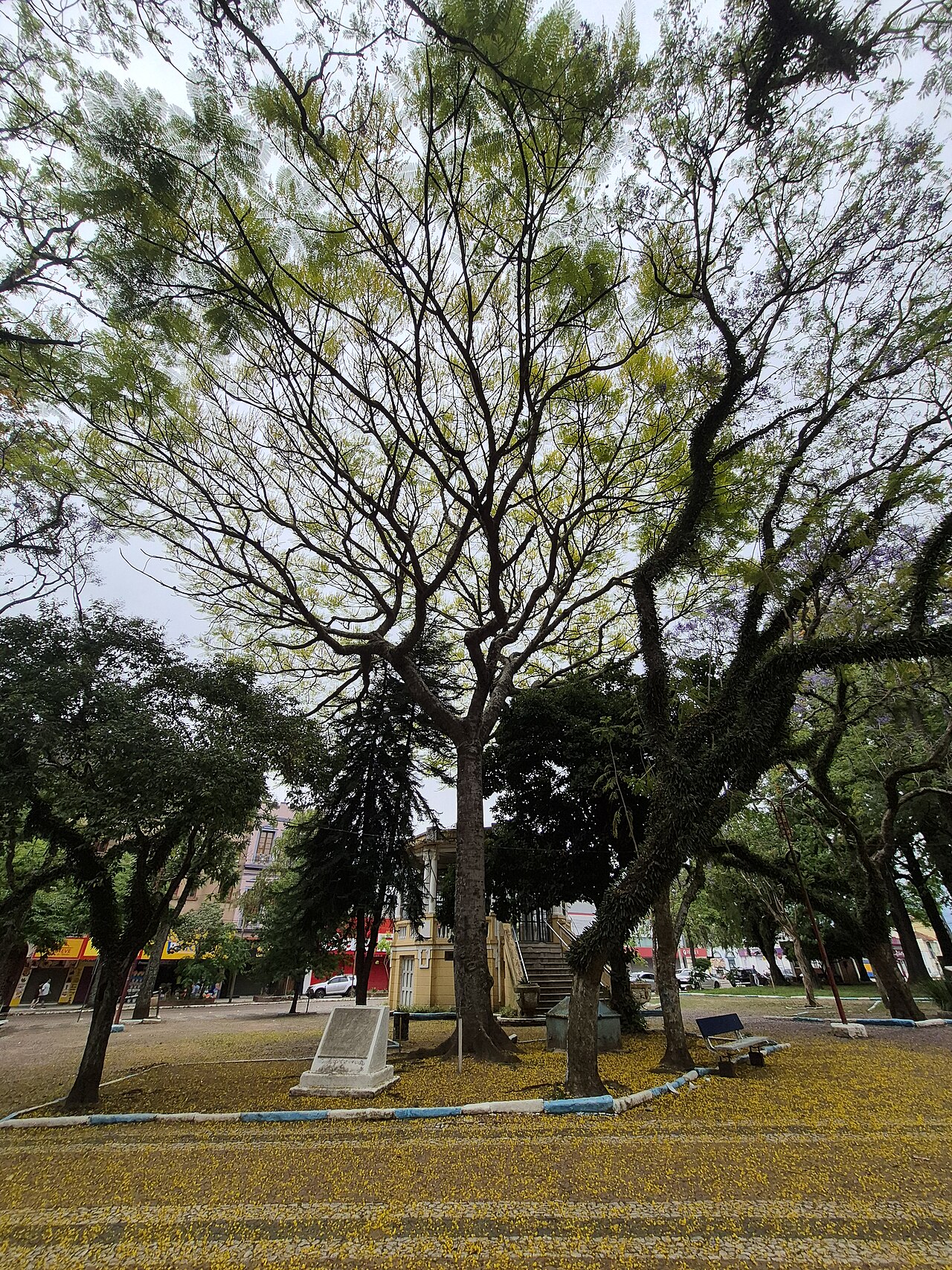
Brazilian fern tree
Schizolobium parahyba
Placenta II Emergent Fertilizer & mulchPioneer Atlantic Forest species with extremely fast growth (up to 6 m per year in early years), reaching 20–30 m. Excellent for early shade and bio...
-
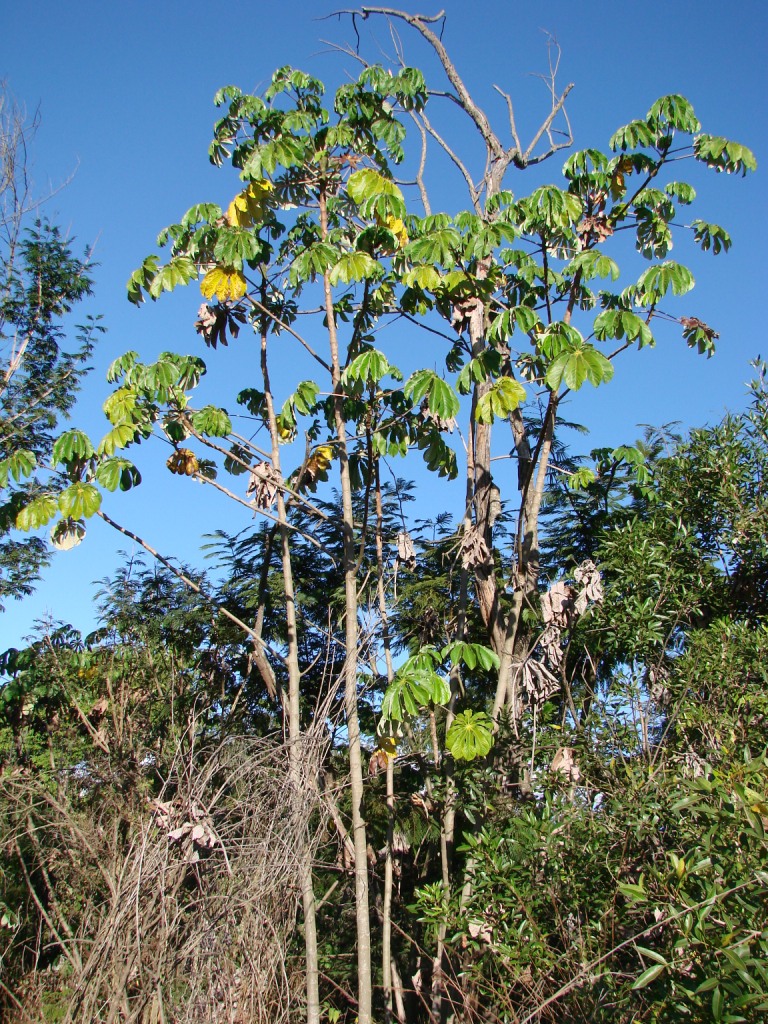
trumpet tree
Cecropia pachystachya
Placenta II Medium Mulch biomassFast-growing, short-lived (~20 years) pioneer tree that colonizes edges and gaps in all Brazilian biomes. Fruits eaten by birds and primates; symbi...
-
Mexican sunflower
Tithonia diversifolia
Placenta II High Fertilizer biomassFast-growing perennial shrub; propagated by stem cuttings; high biomass production rich in nitrogen, phosphorus, and potassium. Explicitly cited by...
-
Mombaça grass
Megathyrsus maximus
Placenta II Low Mulch biomassHighly productive forage grass producing large amounts of cover biomass. Central in large-scale syntropic experiments (Rebello & Sakamoto 2019) — c...