
Stratum
Plants of the ground cover stratum
Ground covers dress the system's floor: they hold moisture, protect the soil, and claim the niche that would otherwise go to grass. In the early years they are protagonists — squashes, tubers, and creeping beans pay the bill while the trees grow.
49 species in the catalog · Refine this list in the catalog
-
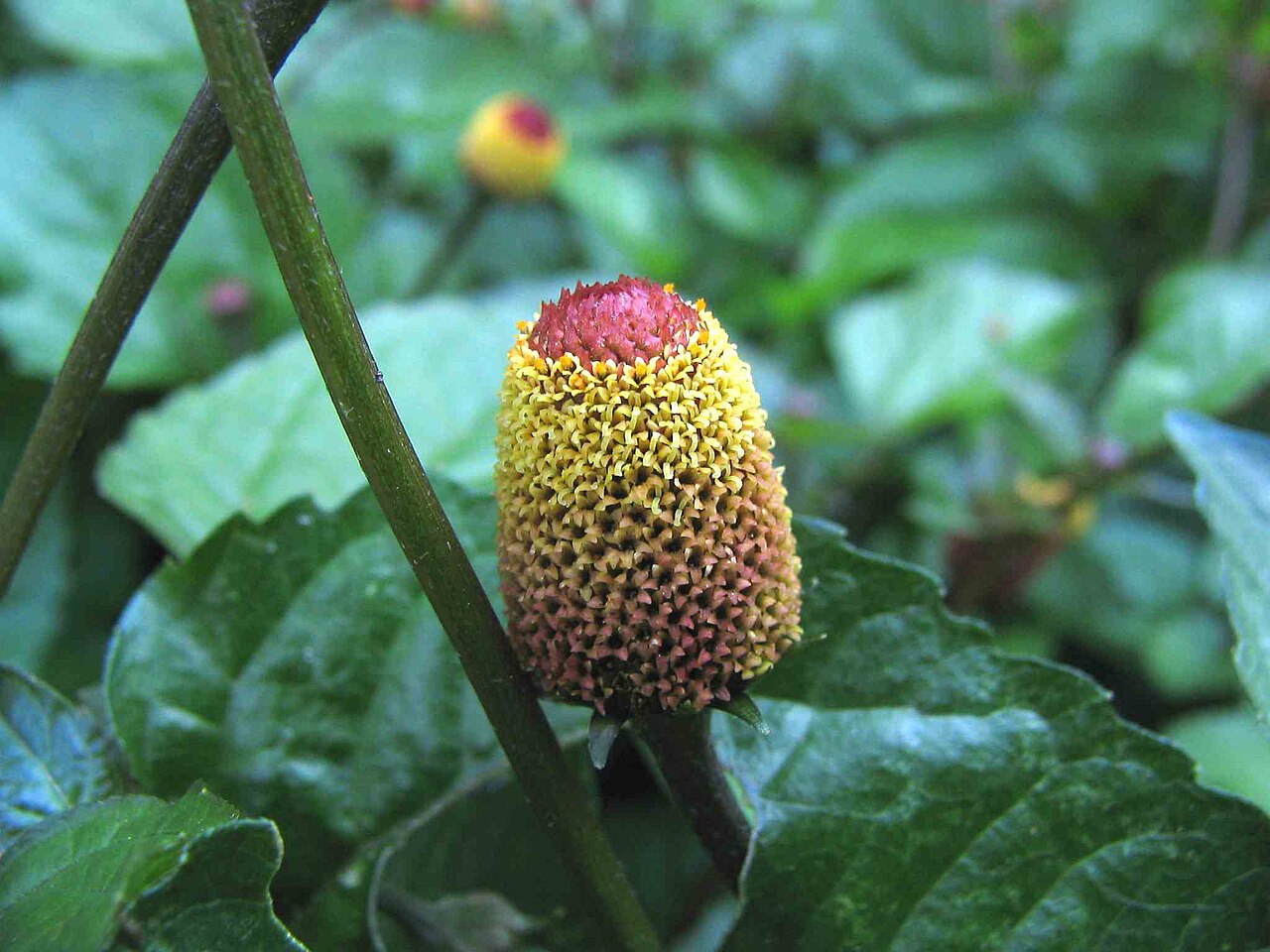
toothache plant
Acmella oleracea
Placenta I Ground cover No biomass productionA low-growing annual or short-lived perennial herb of Amazonian origin, with edible leaves and yellow inflorescences that produce a characteristic ...
-
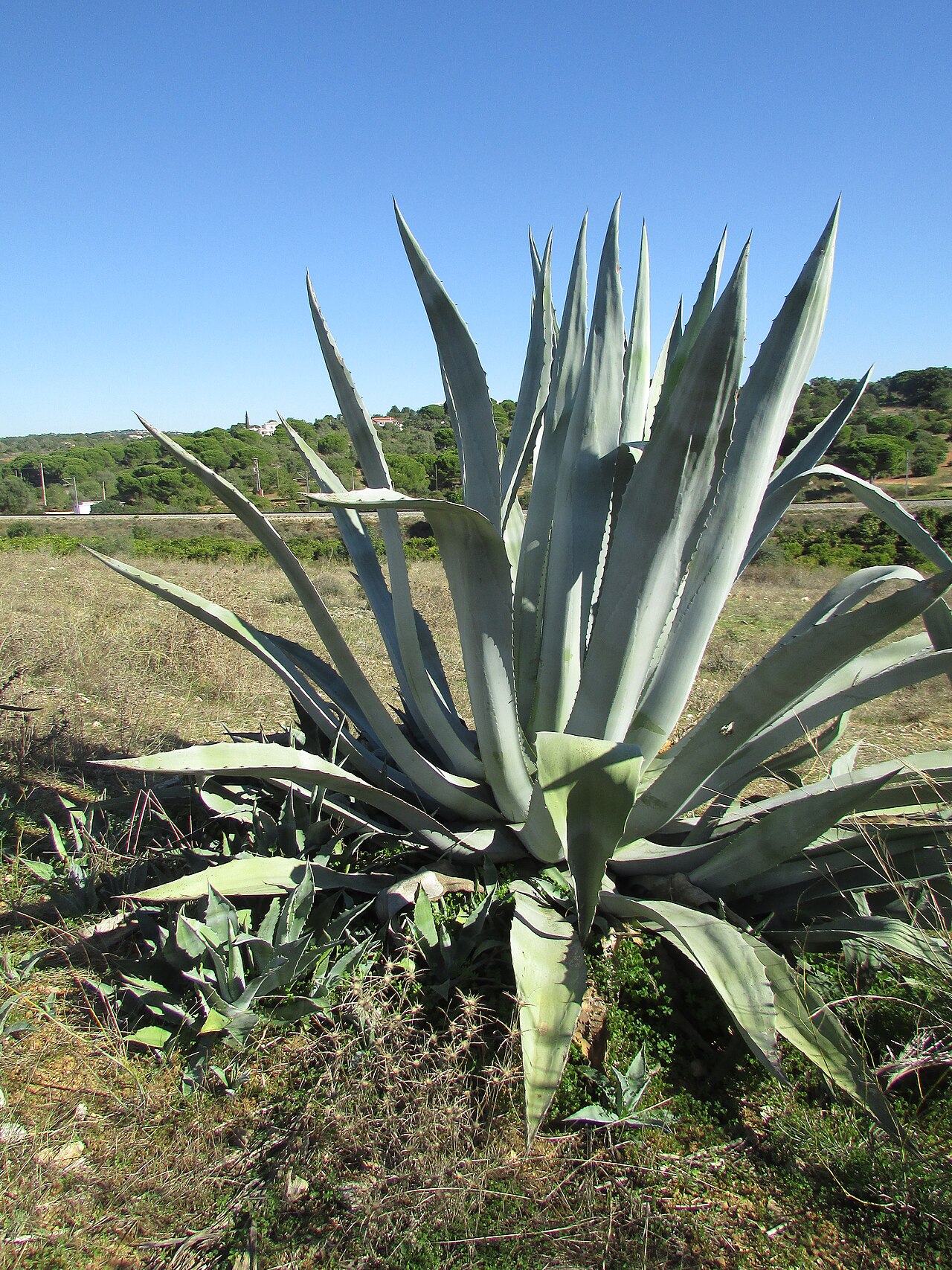
century plant
Agave americana
Placenta I Ground cover Mulch biomassPivotal species of the accumulation phase on exhausted soils. Rebello describes its use in Chapada dos Veadeiros: planted at 20 cm spacing on near-...
-
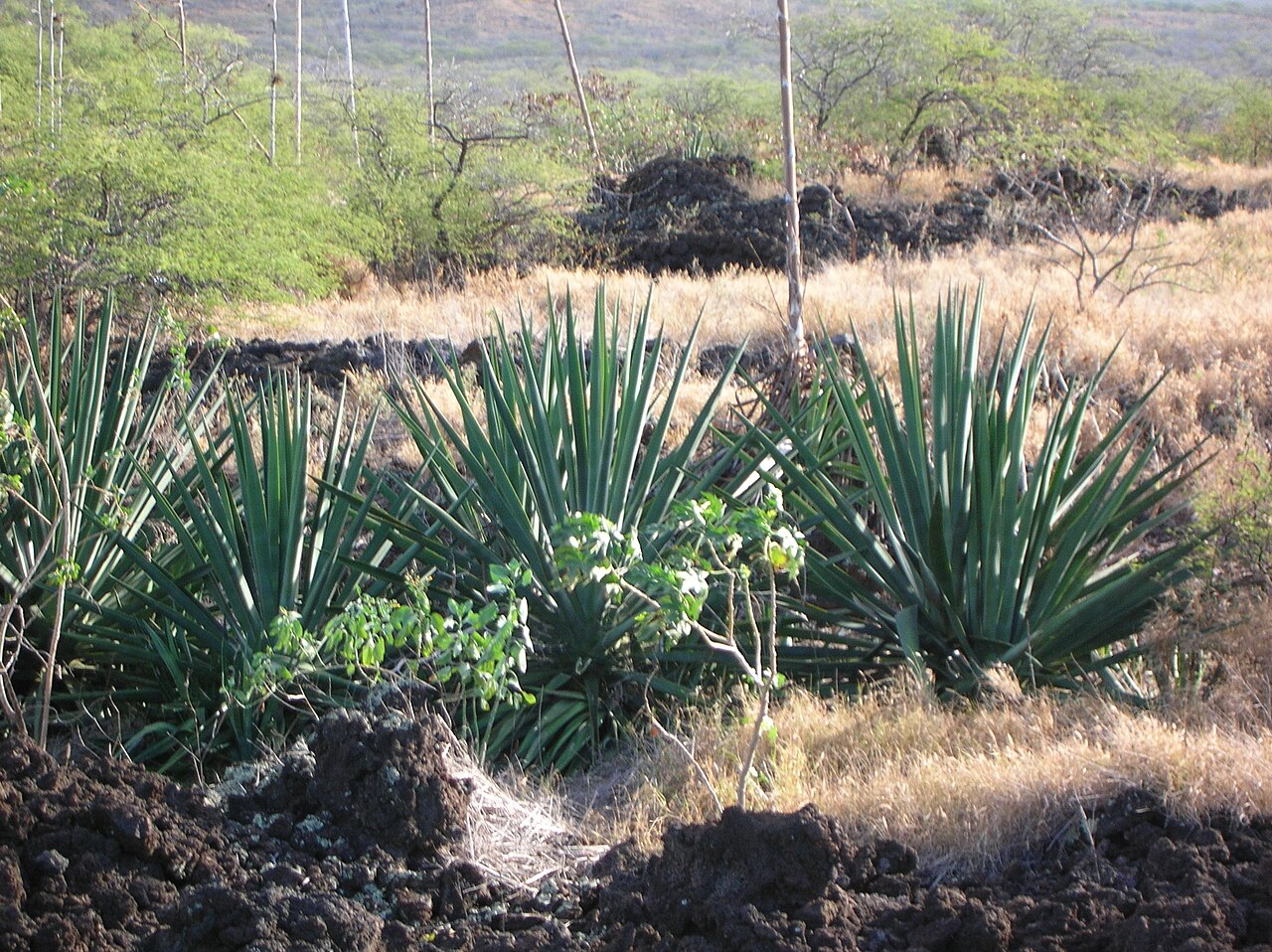
sisal
Agave sisalana
Placenta II Low Mulch biomassXerophytic agave domesticated in Mesoamerica and produced at scale in Bahia. Rebello lists it among species adapted to very dry Caatinga environmen...
-
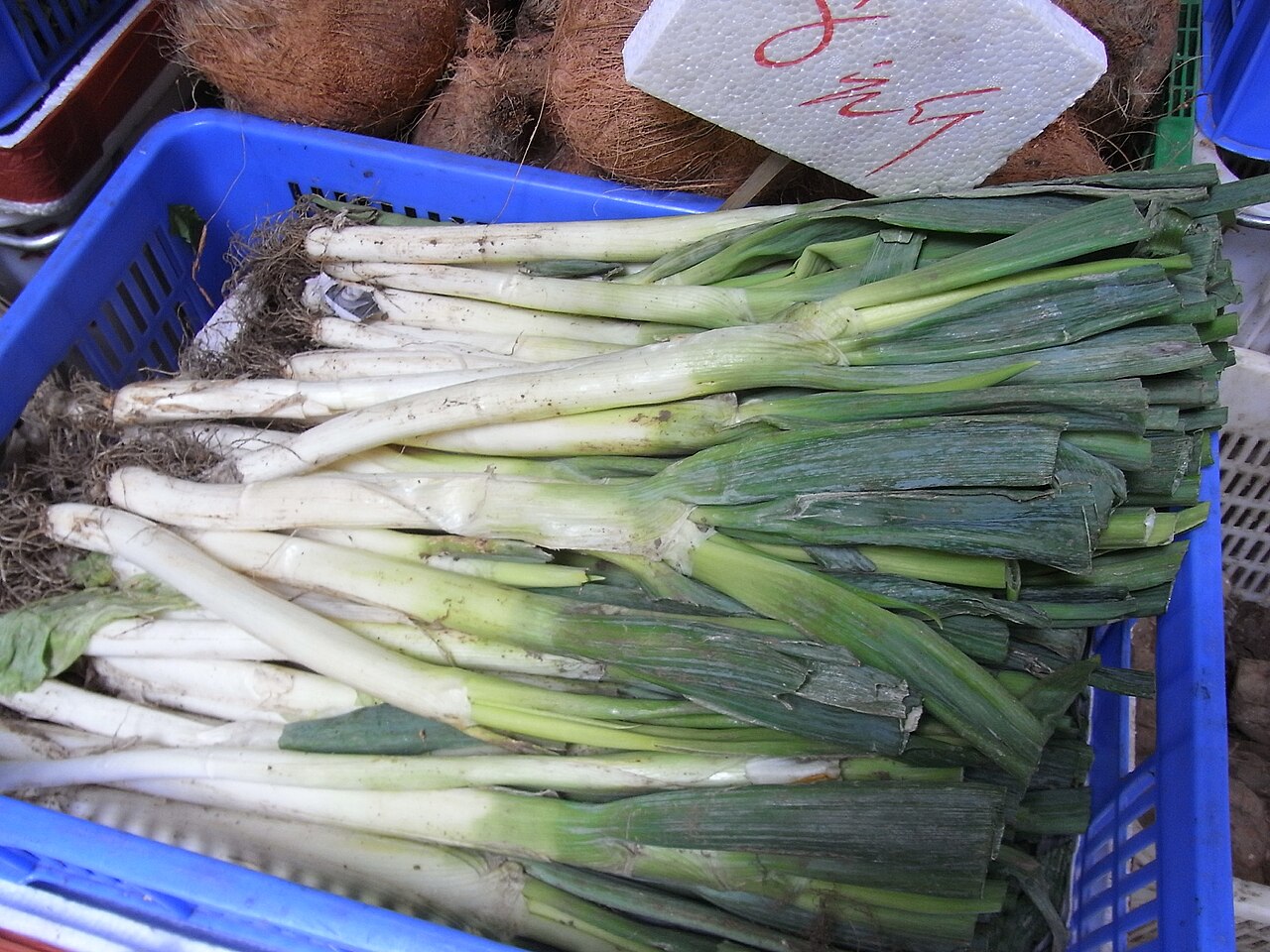
Welsh onion
Allium fistulosum
Placenta I Ground cover No biomass productionPerennial clumping Allium widely used as a culinary herb. Pasini lists it in the high stratum of Tabela 3 (Brazilian use is in the low stratum). Pr...
-
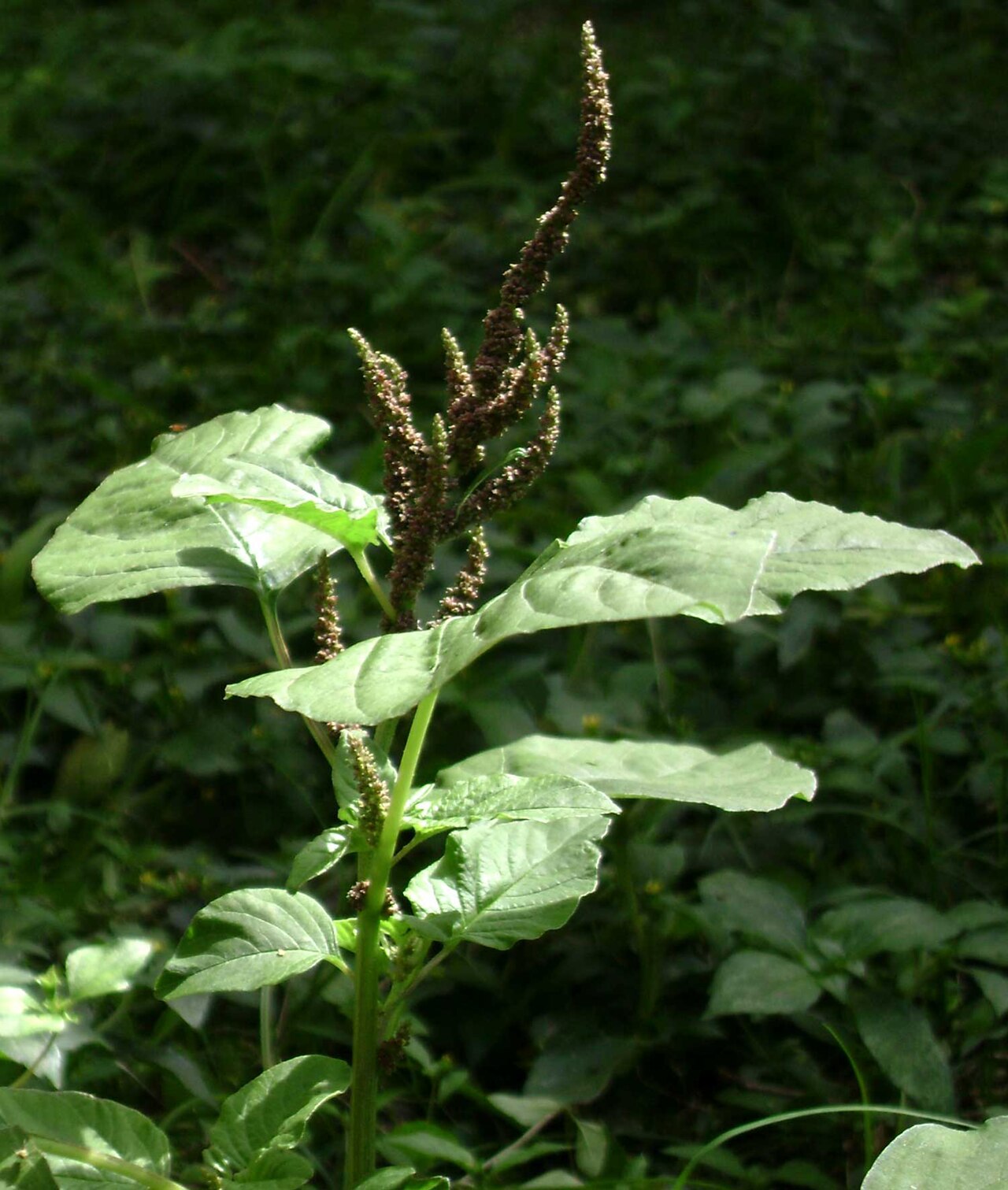
slender amaranth
Amaranthus viridis
Placenta I Low Mulch biomassAn erect annual herb in the Amaranthaceae, widely distributed in the American tropics and cosmopolitan as a volunteer. It grows about 0.3–0.8 m tal...
-
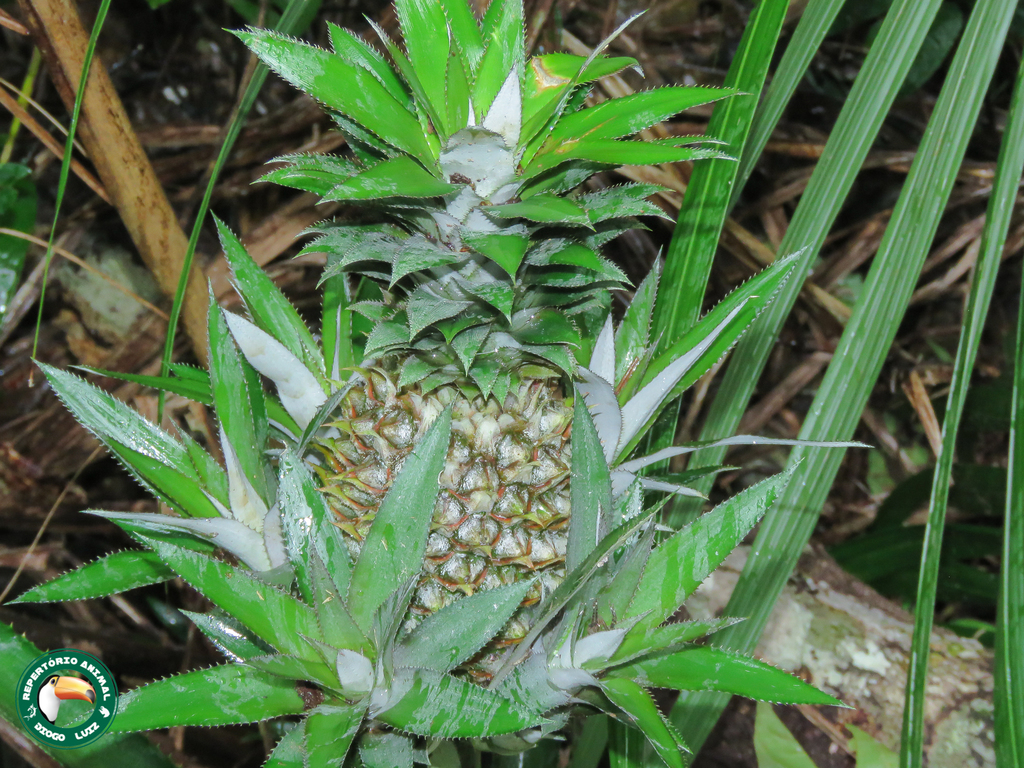
brs imperial pineapple
Ananas comosus
Placenta II Ground cover No biomass productionEmbrapa hybrid cultivar ('Perolera' × 'Smooth Cayenne'). Spineless dark-green leaves. Crowned fruit ~1.2 kg (up to 1.5 kg). Resistant to fusariosis...
-
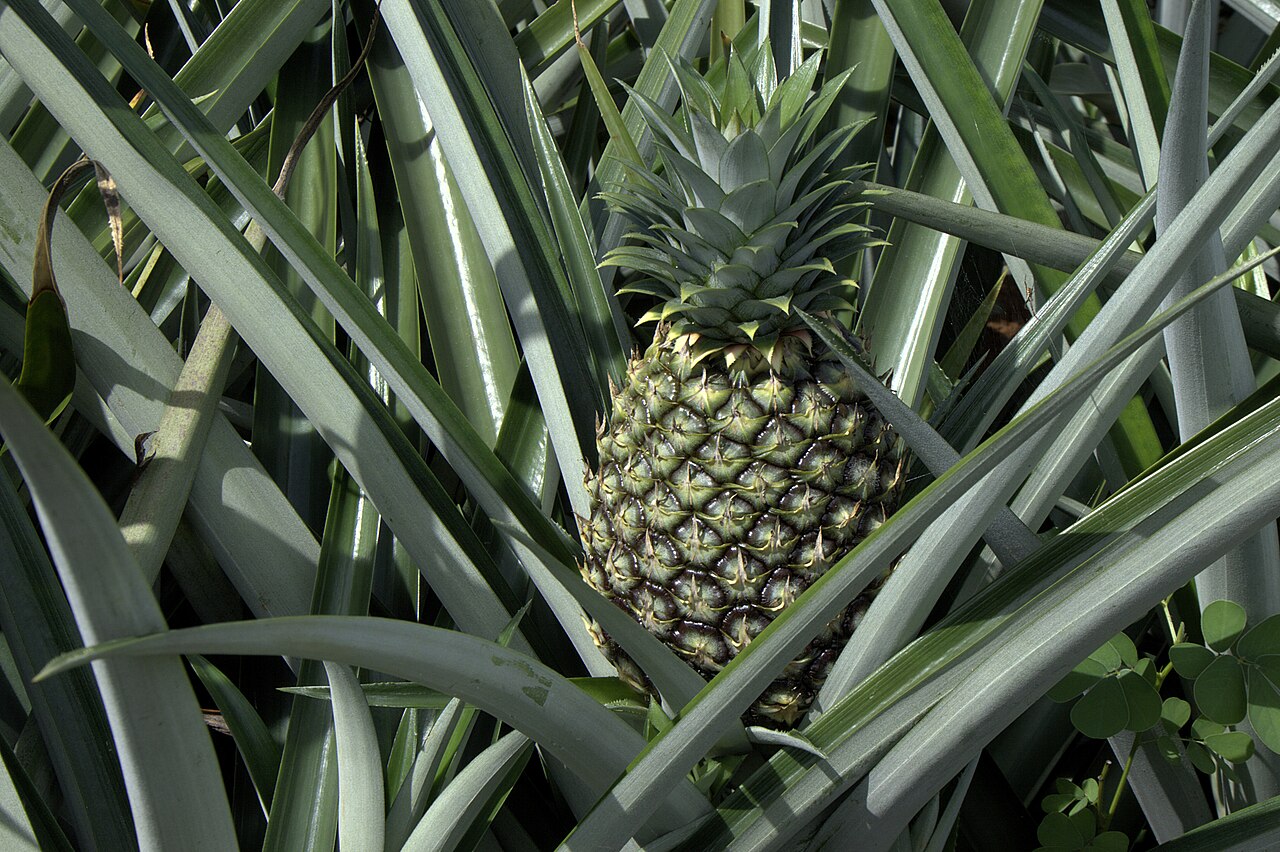
smooth cayenne pineapple
Ananas comosus
Placenta II Ground cover No biomass productionWorld's export leader until MD-2 arrived. Leaves nearly spineless. Cylindrical fruits 1.5–2.0 kg, yellow-orange skin, firm yellow flesh rich in sug...
-
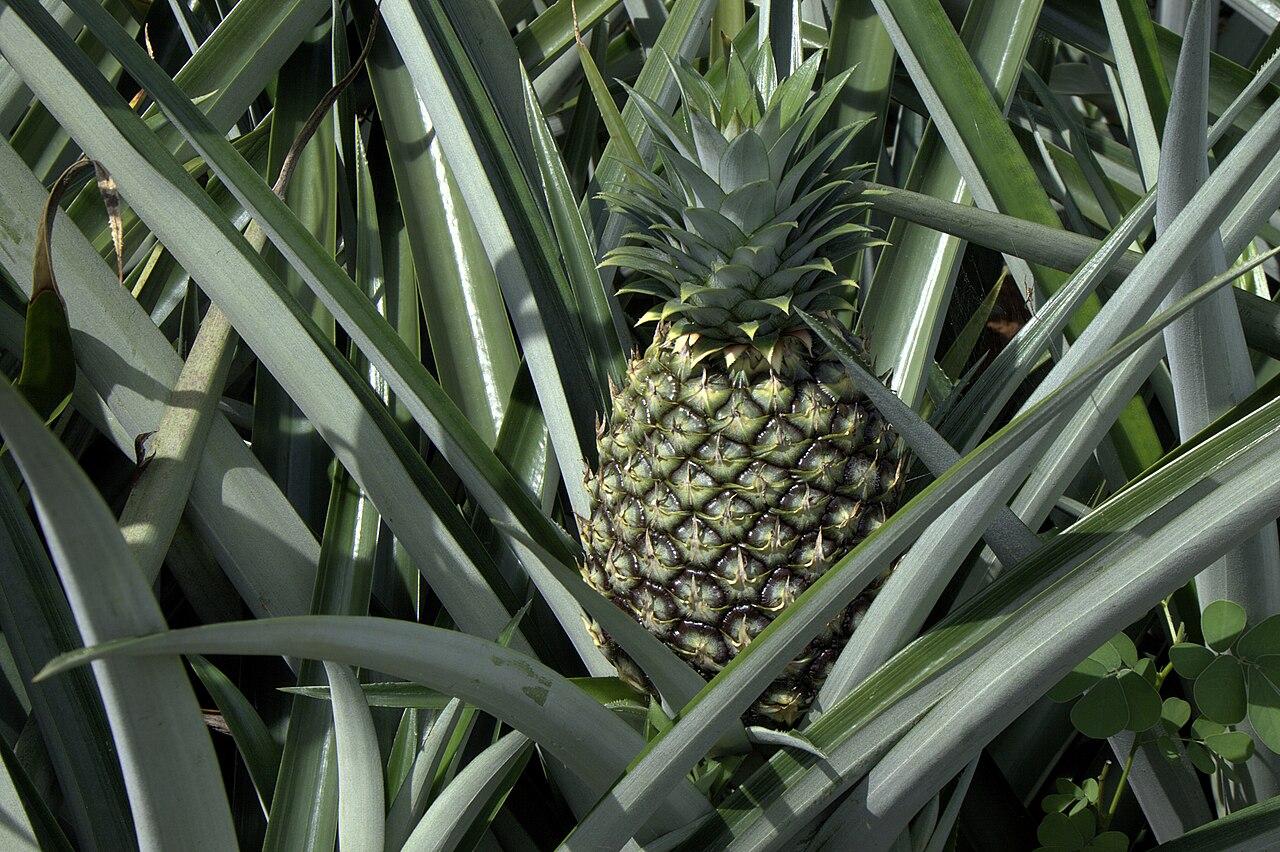
pérola pineapple
Ananas comosus
Placenta II Ground cover No biomass productionDominant cultivar in Brazil's domestic market. Erect plants with long spiny leaves, long peduncle, conical fruits weighing 1.0–1.5 kg, aromatic whi...
-
peanut
Arachis hypogaea
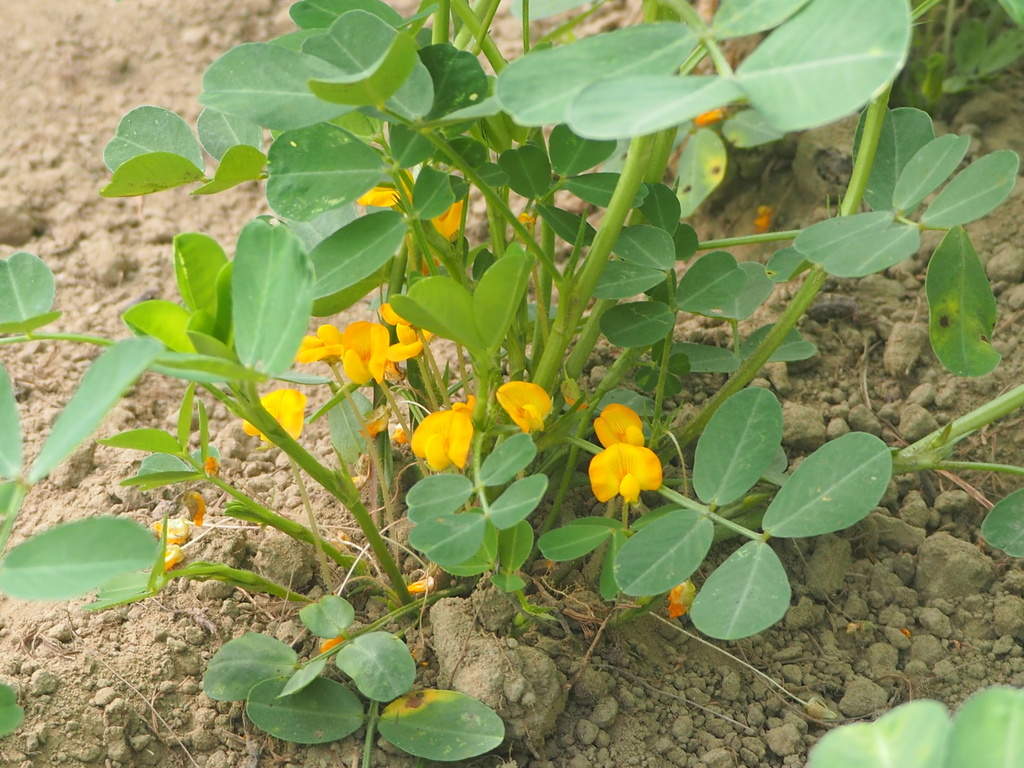
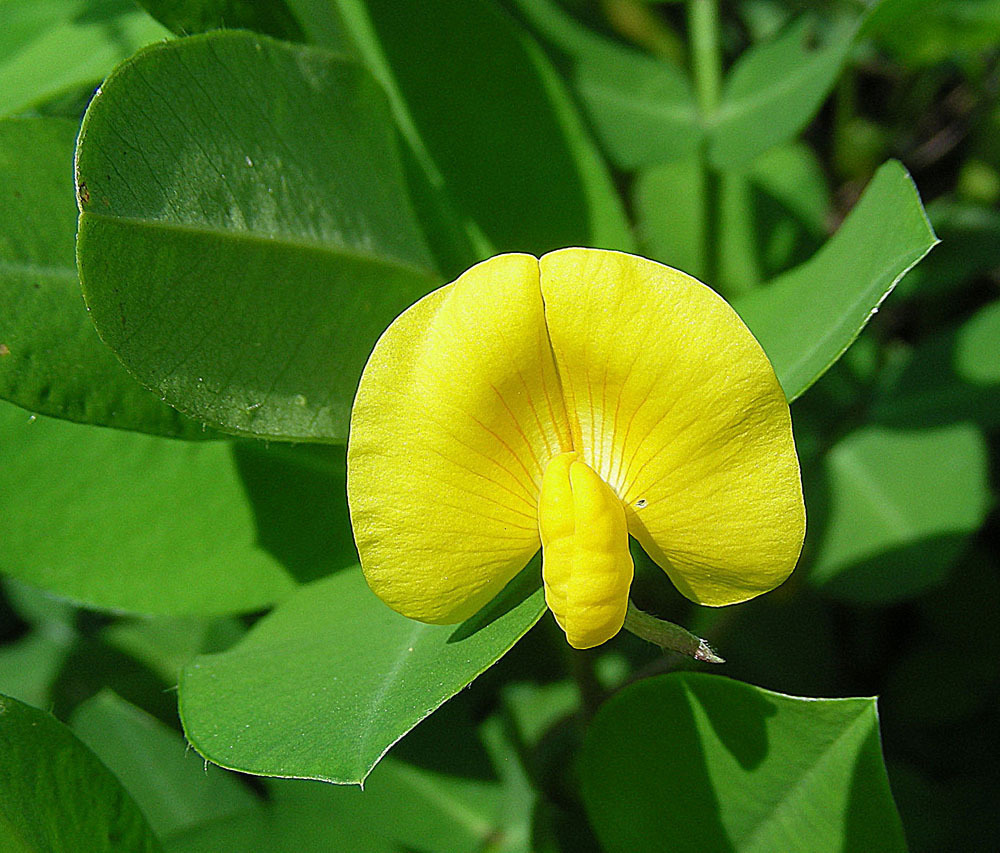
Placenta I Ground cover Fertilizer biomass 🌱 Nitrogen fixerAnnual nitrogen-fixing legume that produces its pod underground (geocarpic). Pasini lists it in the low stratum of Tabela 3. Excellent ground cover...
-
pinto peanut
Arachis pintoi
Placenta I Ground cover Fertilizer biomass 🌱 Nitrogen fixerPerennial creeping legume with stolons, 20–40 cm tall. Permanent living mulch, persists under 70% shade. Fixes nitrogen, produces 5–13 t/ha/year of...
-
carqueja
Baccharis trimera
Placenta II Low No biomass productionA perennial subshrub of the Asteraceae family, native to southern, southeastern and central-western Brazil and neighboring parts of South America, ...
-
Brazilian jack bean
Canavalia brasiliensis
Placenta I Low Fertilizer biomass 🌱 Nitrogen fixerAnnual nitrogen-fixing legume native to Brazil, cousin of feijão-de-porco. Listed in Embrapa CT-16 Tabela 1 as a cover crop alongside crotalarias a...
-
jack bean
Canavalia ensiformis
Placenta I Low Fertilizer biomass 🌱 Nitrogen fixerAnnual nitrogen-fixing legume with strong soil-decompacting and weed-suppressing ability. Explicitly cited by Pasini among Accumulation-system spec...
-
biquinho pepper
Capsicum chinense
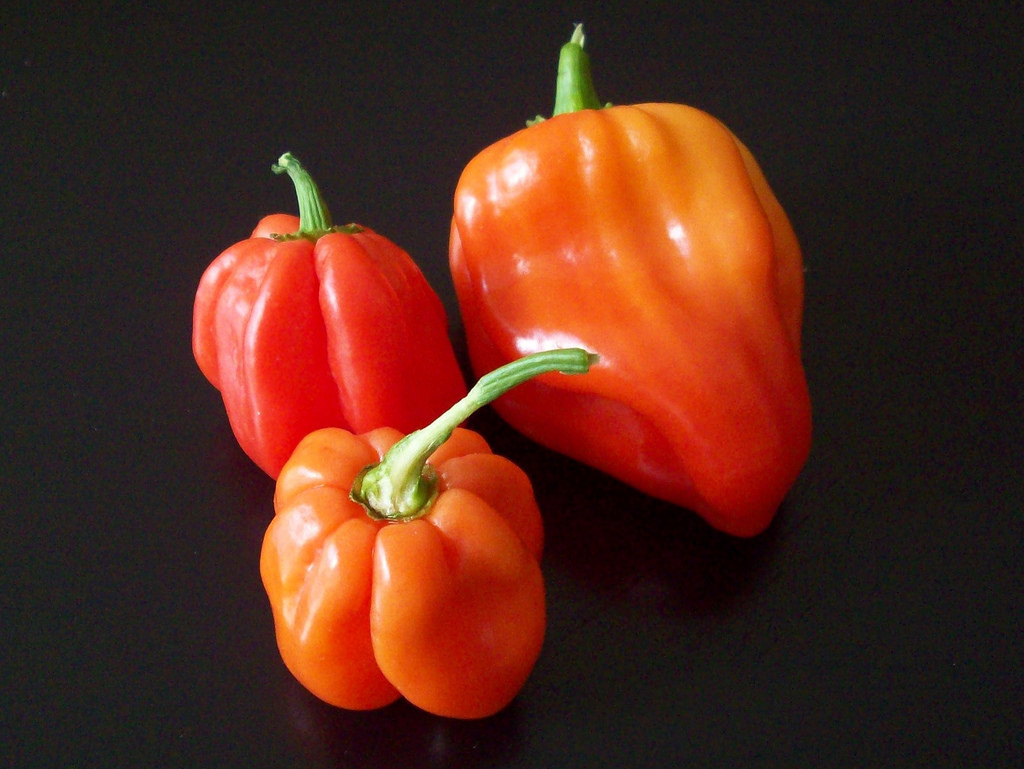
Placenta II Low No biomass productionBrazilian C. chinense cultivar with low pungency (0–200 SHU) and intense aroma, teardrop shape. Origin in southern Minas Gerais. 60–90 cm plant, de...
-
watermelon
Citrullus lanatus
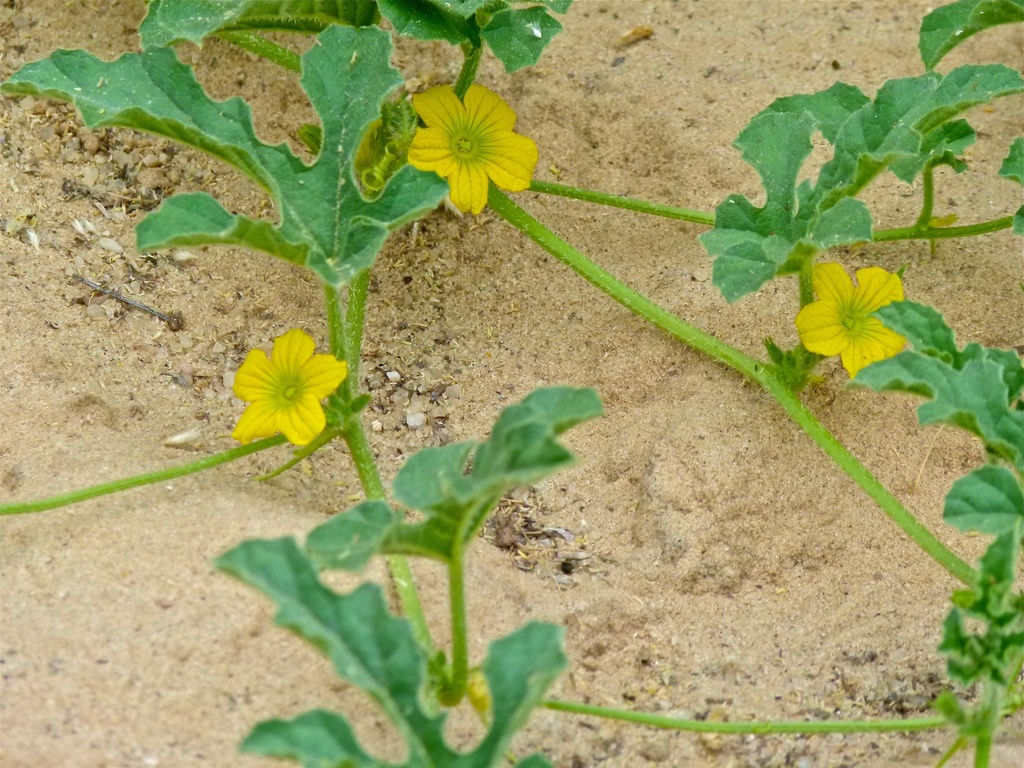
Placenta I Ground cover No biomass productionAnnual creeping cucurbit with large fruit. Embrapa CT-16 plants it in the planting holes of forest and fruit species during the initial agroforestr...
-
butterfly pea
Clitoria ternatea
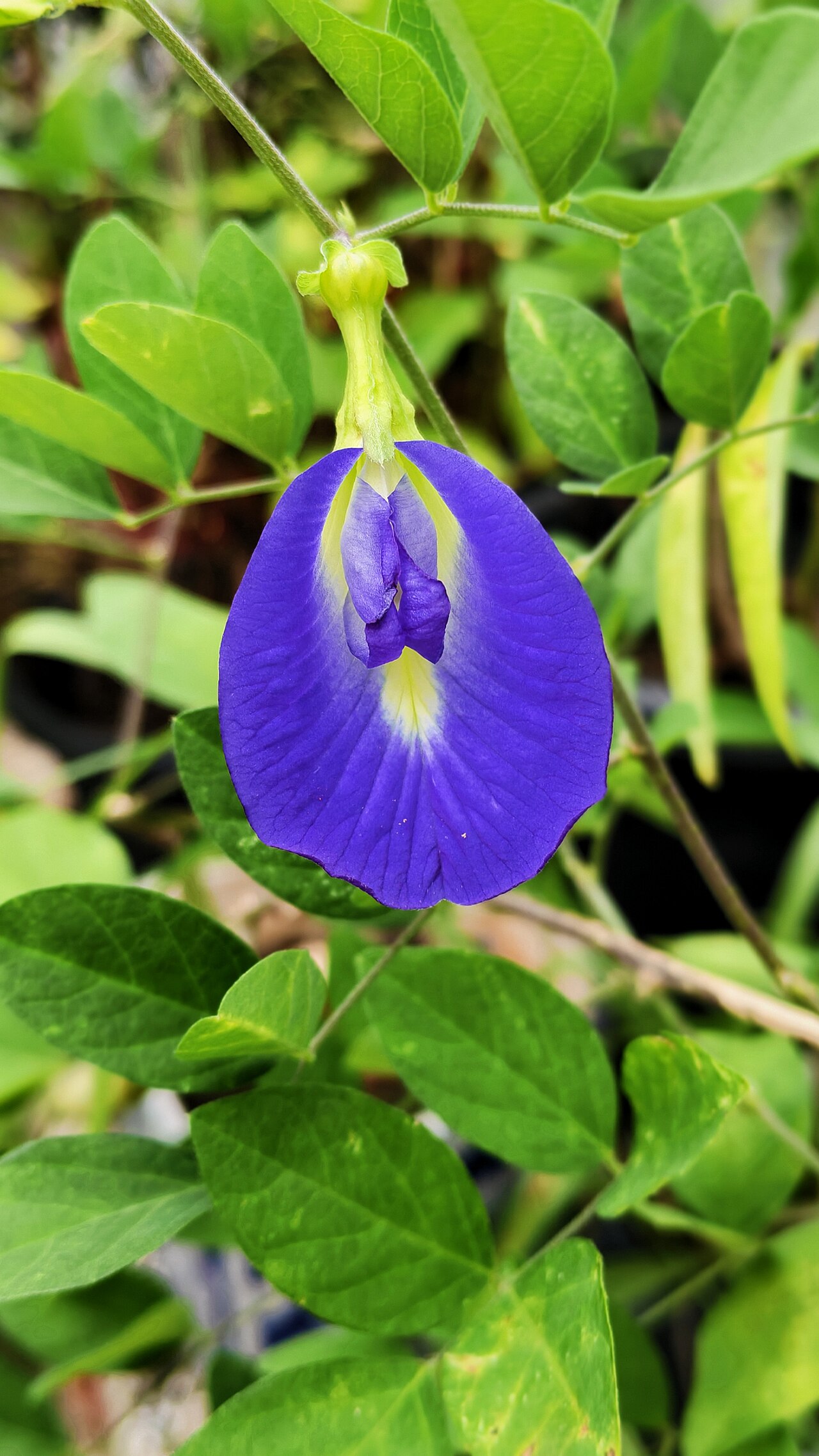
Placenta I Ground cover Fertilizer biomass 🌱 Nitrogen fixerA perennial herbaceous climbing legume able to fix up to 100 kg N per hectare per year in symbiosis with Rhizobium. Used as a high-value forage (pr...
-
taro
Colocasia esculenta
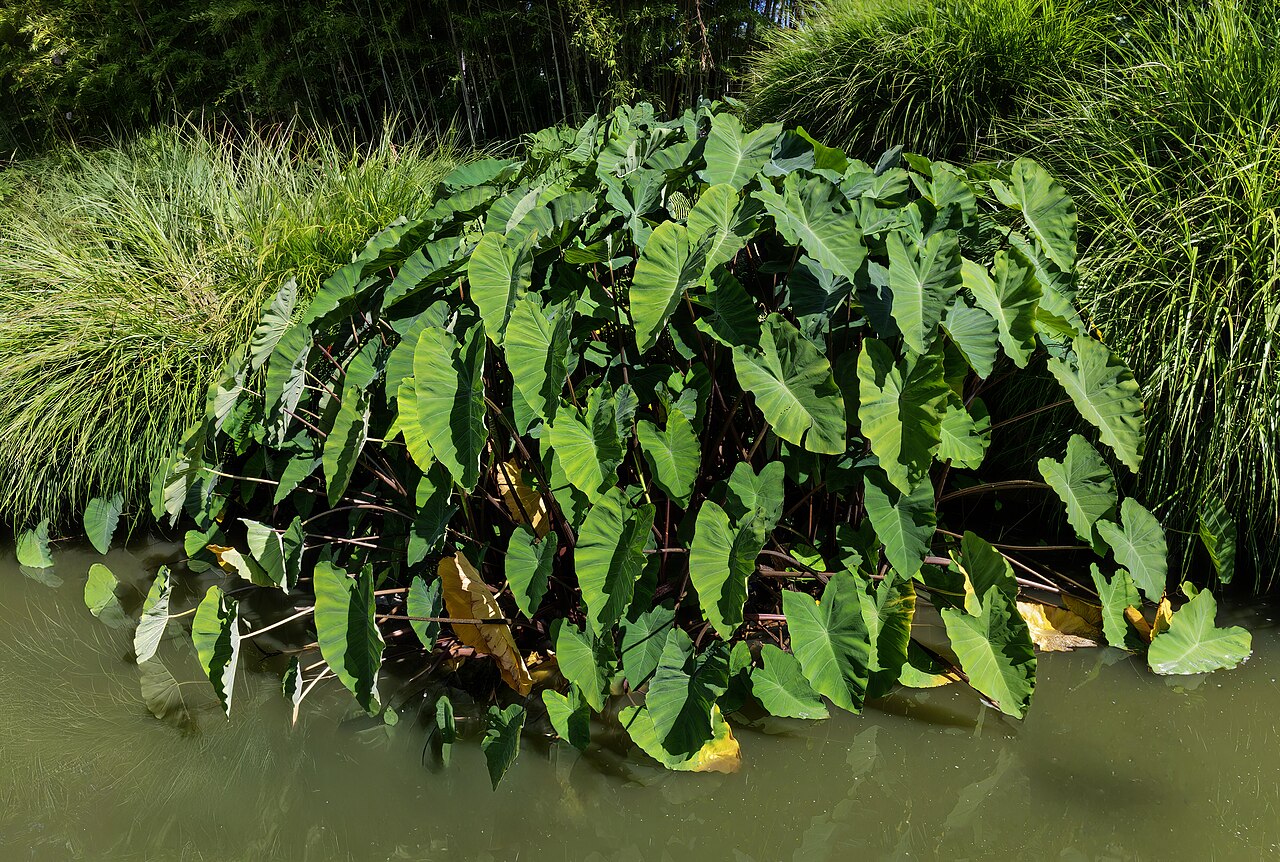
Placenta I Low Fertilizer biomassDistinct from taioba (Xanthosoma sagittifolium, already in canon, native species) and from yam (Dioscorea spp.). Introduced Asian species cultivate...
-
West Indian gherkin
Cucumis anguria
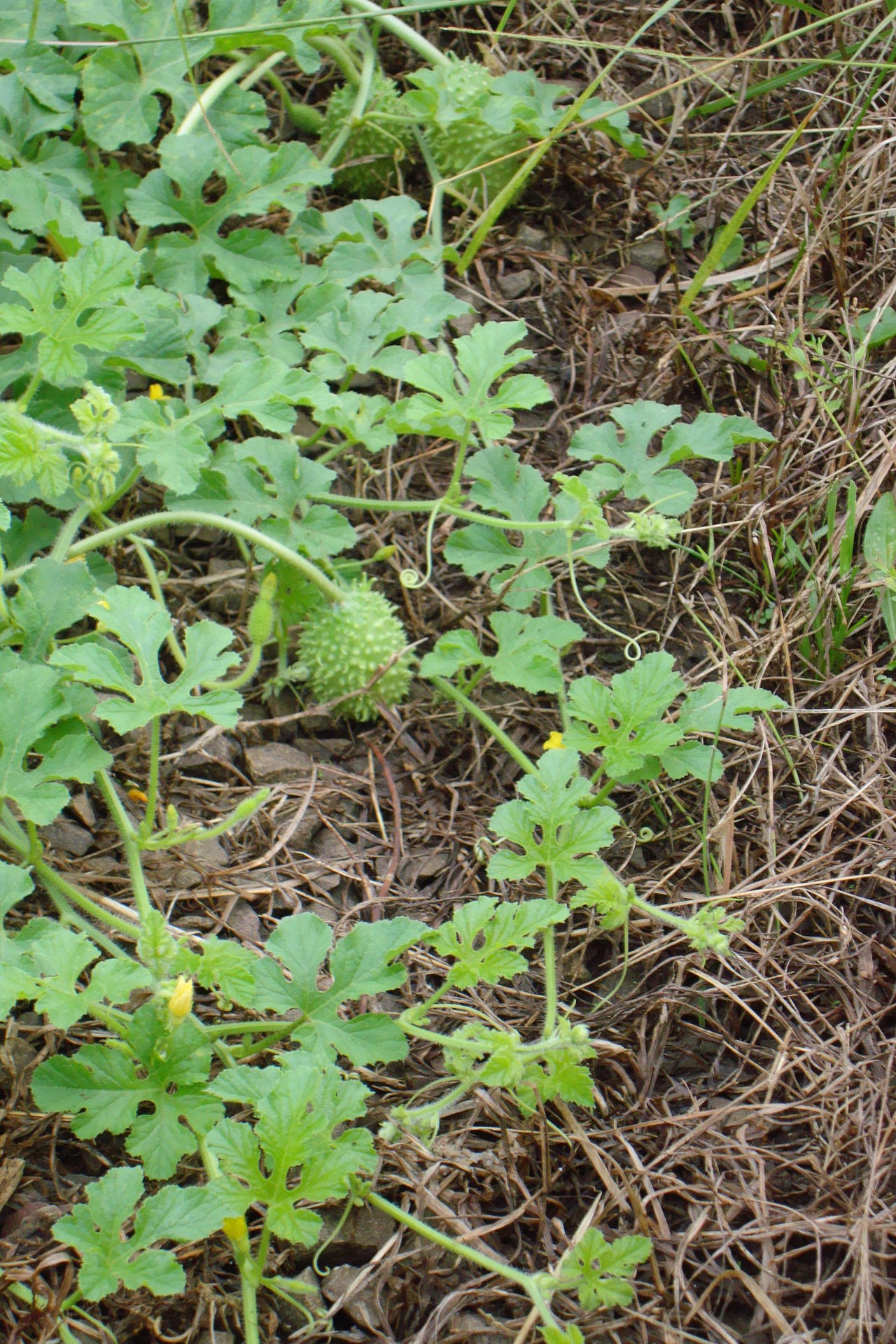
Placenta I Ground cover No biomass productionAnnual climbing cucurbit of African origin, popular in northern and northeastern Brazil. Listed in the Embrapa CT-16 Vitrine SAF. Fruit with soft s...
-
melon
Cucumis melo
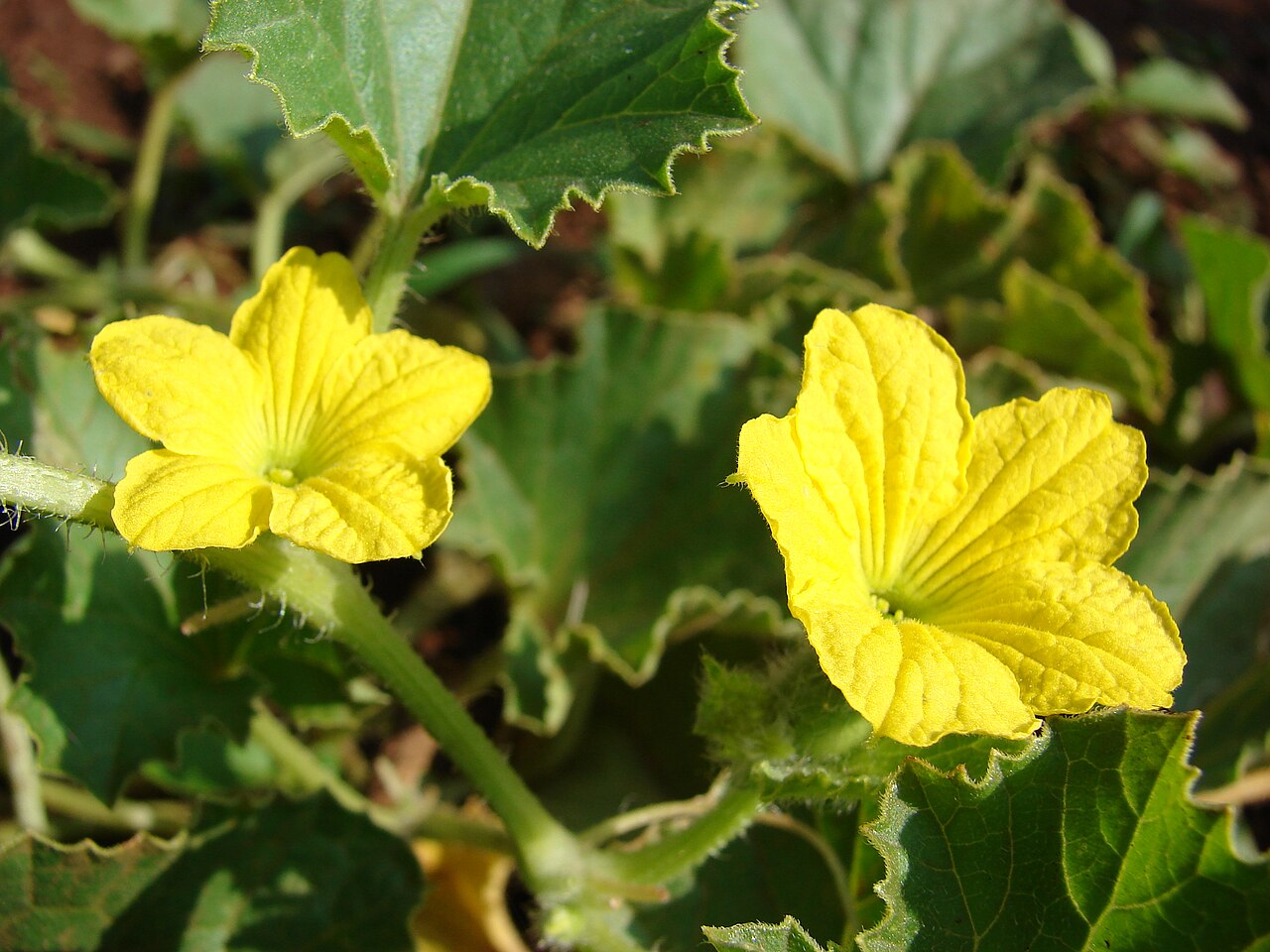
Placenta I Ground cover No biomass productionAnnual creeping cucurbit. EcoAgri lists it in the ground-cover stratum of the 'up to 6 months' bin. Cultivated in hot, dry climates; very popular i...
-
cucumber
Cucumis sativus
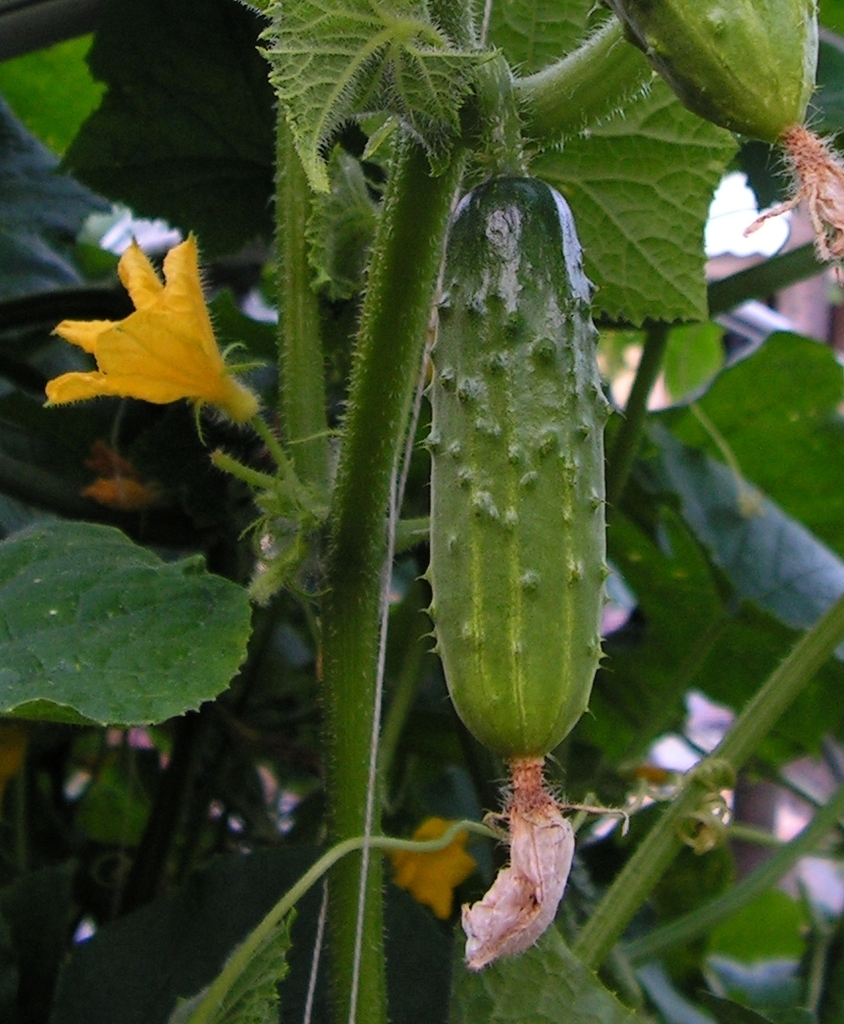
Placenta I Ground cover No biomass productionAnnual climbing cucurbit. Pasini lists it in the medium stratum of Tabela 3 (grows on the ground or on a trellis). Embrapa CT-16 cultivates it in t...
-
pumpkin
Cucurbita moschata
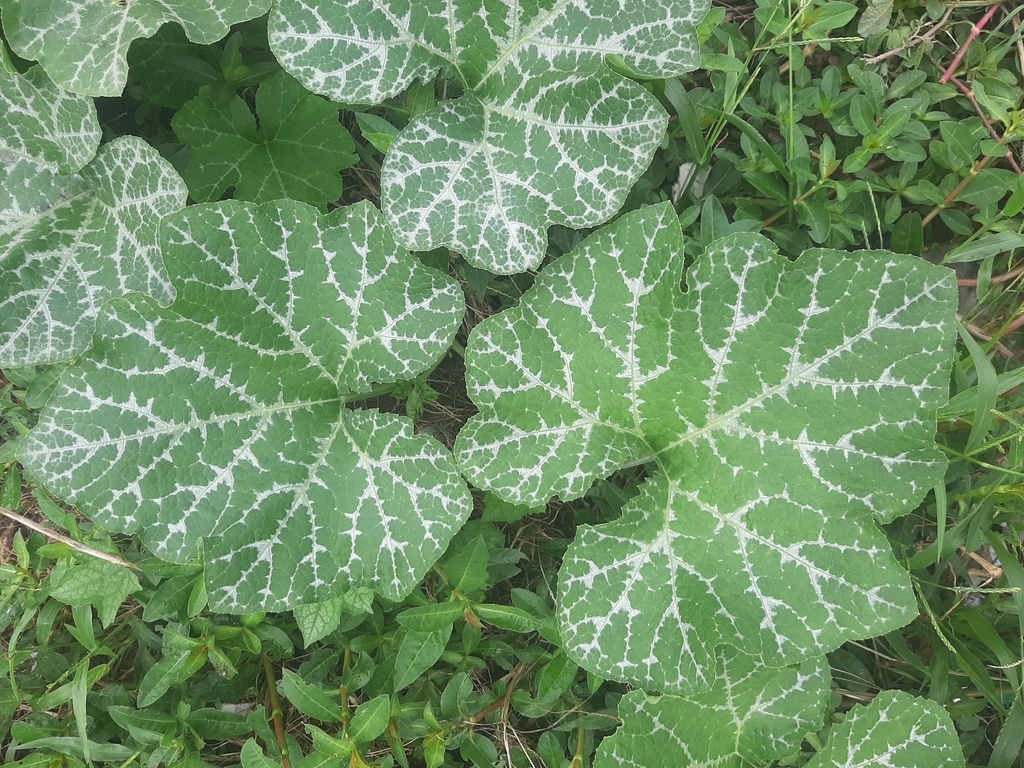
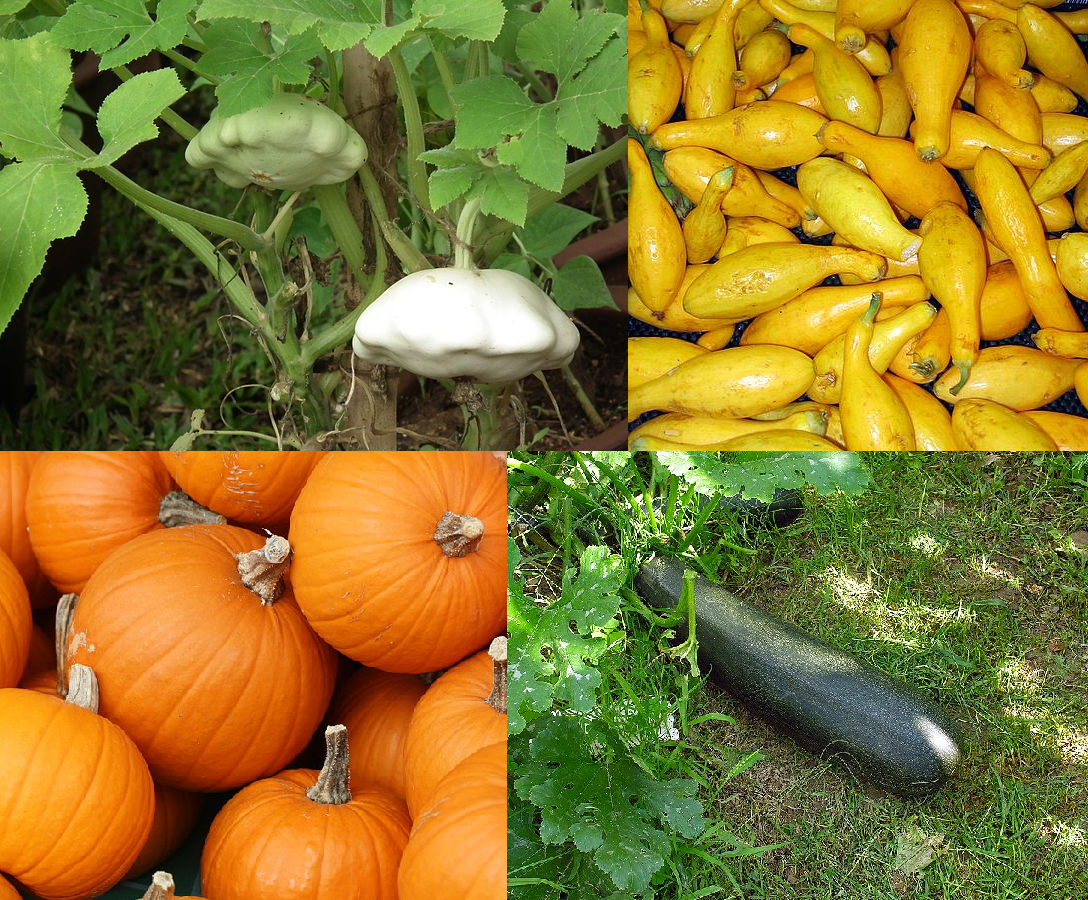
Placenta I Ground cover No biomass productionAnnual creeping cucurbit. Pasini lists it in the medium stratum of Tabela 3 and in the 'up to 6 months' phase of Tabela 4 (low stratum). The Bosque...
-
zucchini
Cucurbita pepo
Placenta I Ground cover No biomass productionAnnual cucurbit grown for its immature green fruit. Pasini lists it in the medium stratum of Tabela 3 (occupies the low stratum during growth). 60–...
-
creeping beggarweed
Desmodium incanum
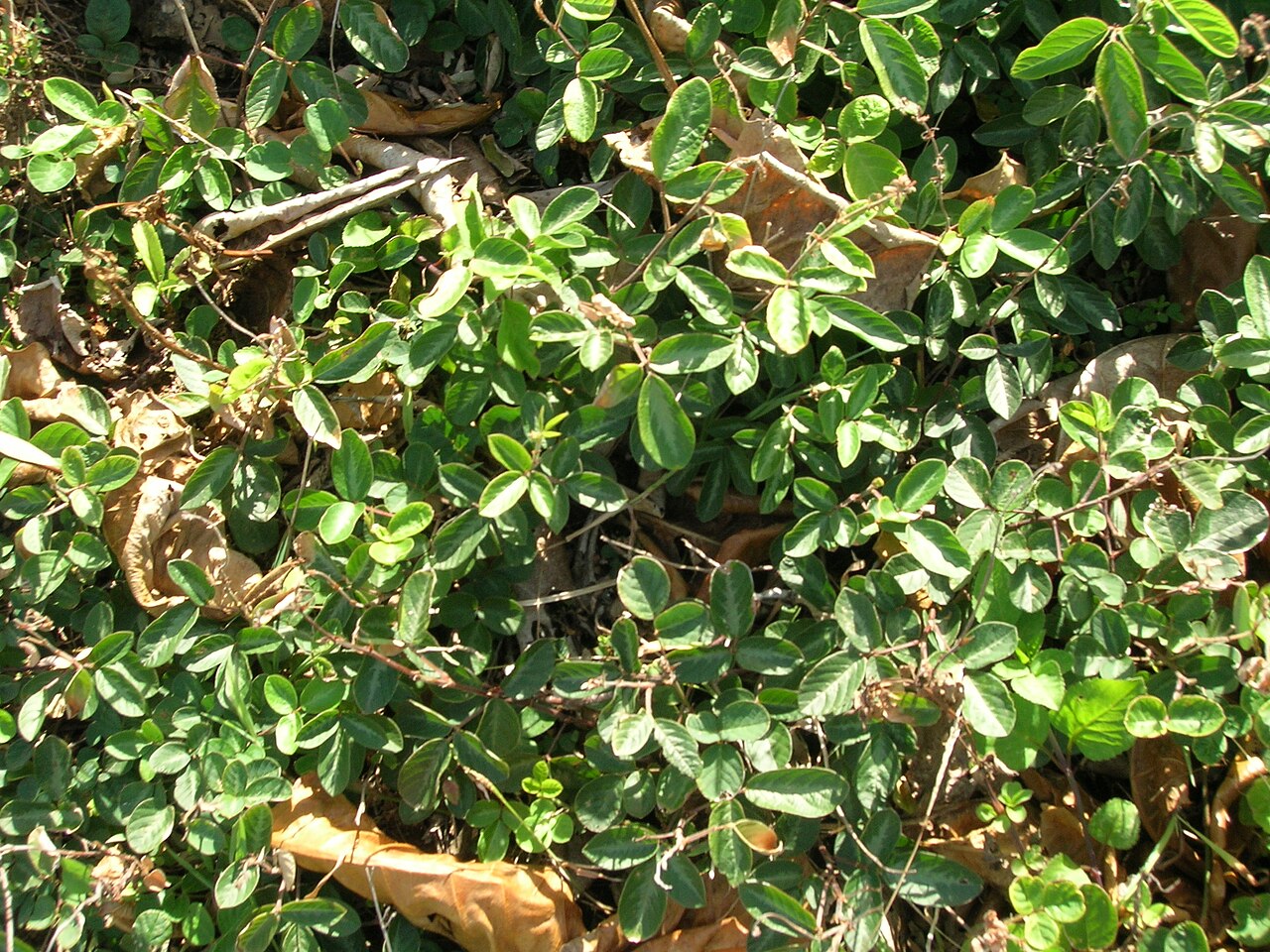
Placenta I Ground cover Fertilizer biomass 🌱 Nitrogen fixerA perennial creeping herbaceous legume native to tropical and subtropical America (including the grasslands of southern Brazil), with an aggressive...
-
water yam
Dioscorea alata
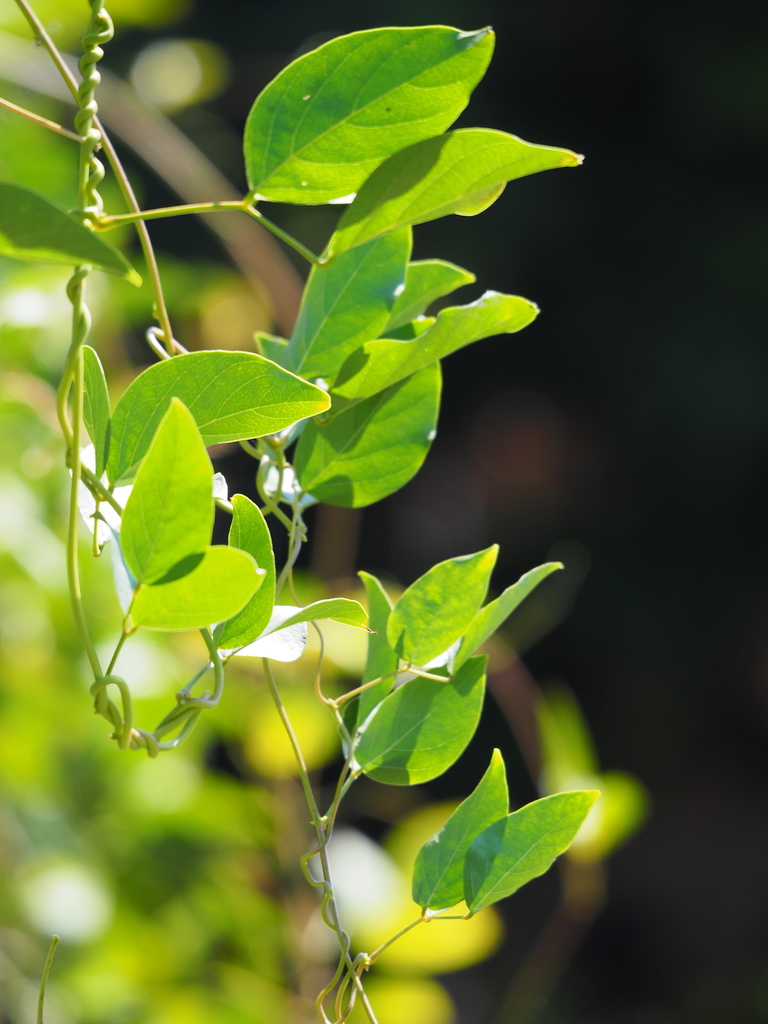
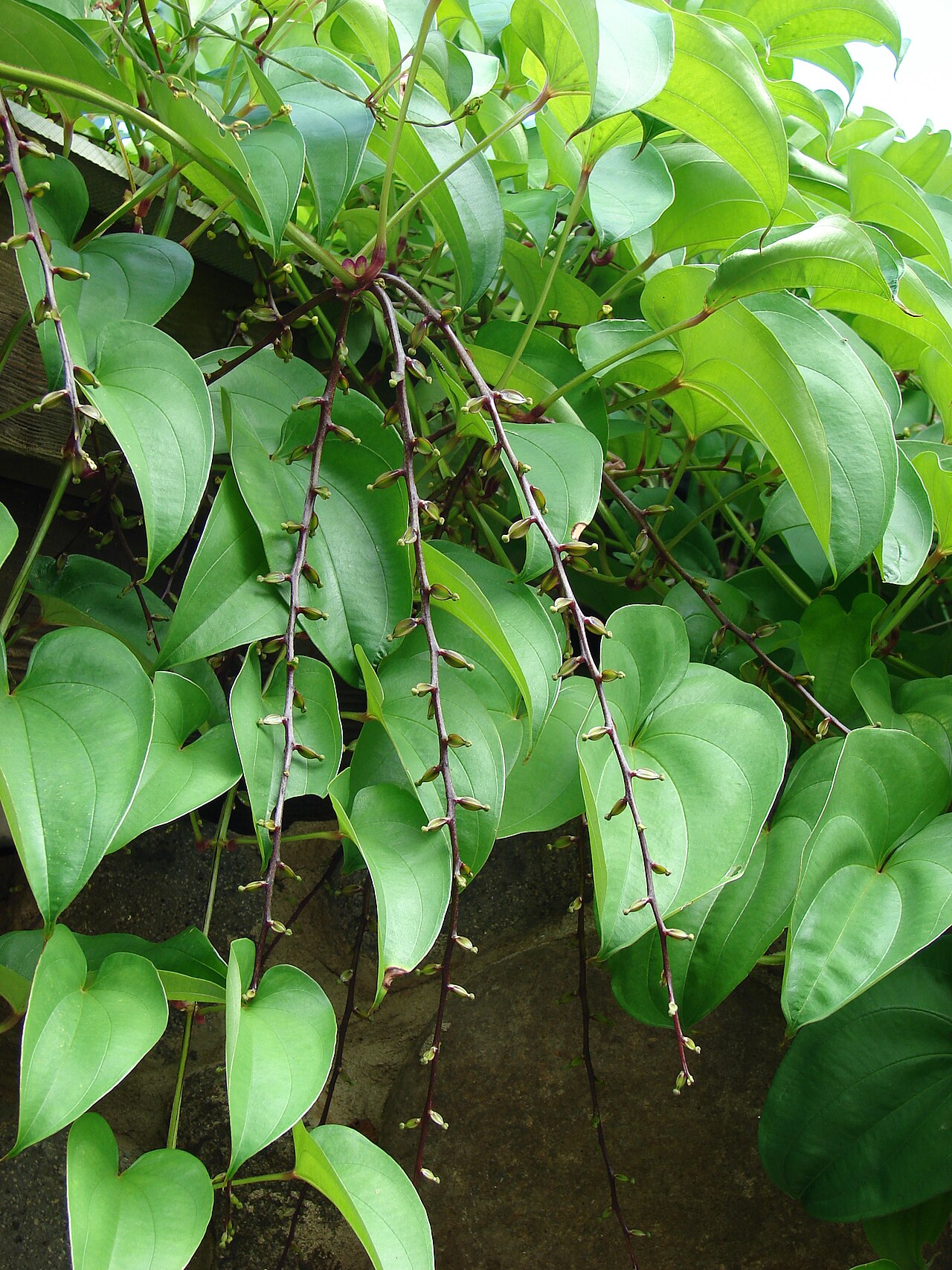
Placenta II Low Fertilizer biomassAsian-origin yam naturalized throughout tropical Brazil. Vigorous vine with winged stems, large tubers (up to 5 kg). More productive than purple ya...
❓ Frequently asked questions
What is the ground cover stratum?
Ground cover; tolerates deep shade.
Which plants occupy the ground cover stratum?
The catalog holds 49 species, among them toothache plant, century plant, sisal. Each profile shows stratum, succession stage, and the management data, with sources cited.