
Stratum
Plants of the ground cover stratum
Ground covers dress the system's floor: they hold moisture, protect the soil, and claim the niche that would otherwise go to grass. In the early years they are protagonists — squashes, tubers, and creeping beans pay the bill while the trees grow.
49 species in the catalog · Refine this list in the catalog
-
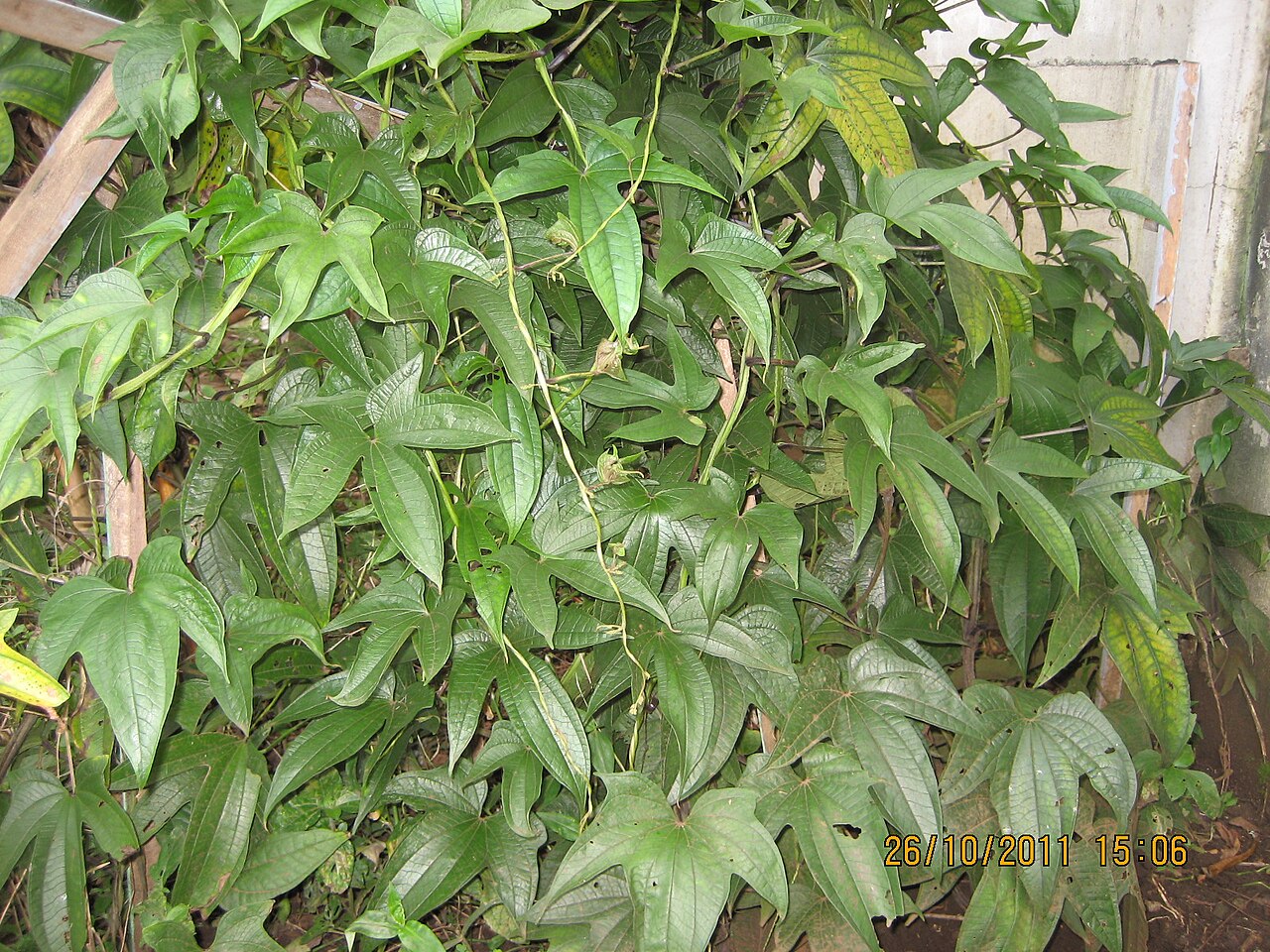
cush-cush yam
Dioscorea trifida
Placenta II Low Fertilizer biomassNative Amazonian yam, tuberous vine with purple-skinned tubers and colored flesh. Delicate flavor, prized in regional cuisine. Highly productive ev...
-
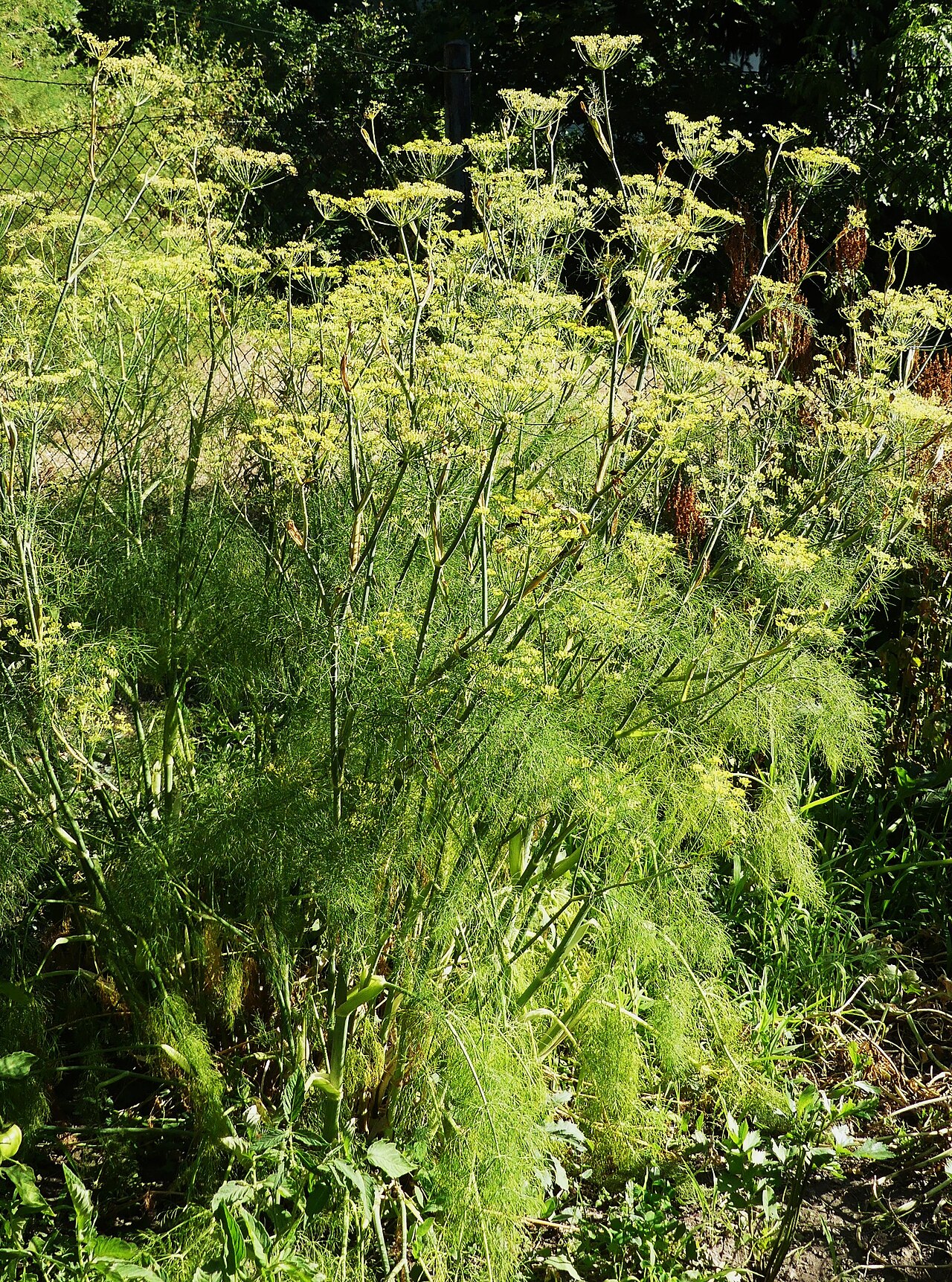
fennel
Foeniculum vulgare
Placenta I Low No biomass productionPerennial Mediterranean herb (1–2 m), feathery anise-scented leaves. Seeds used as seasoning and medicinal. Bulb of the sweet variety is a vegetabl...
-
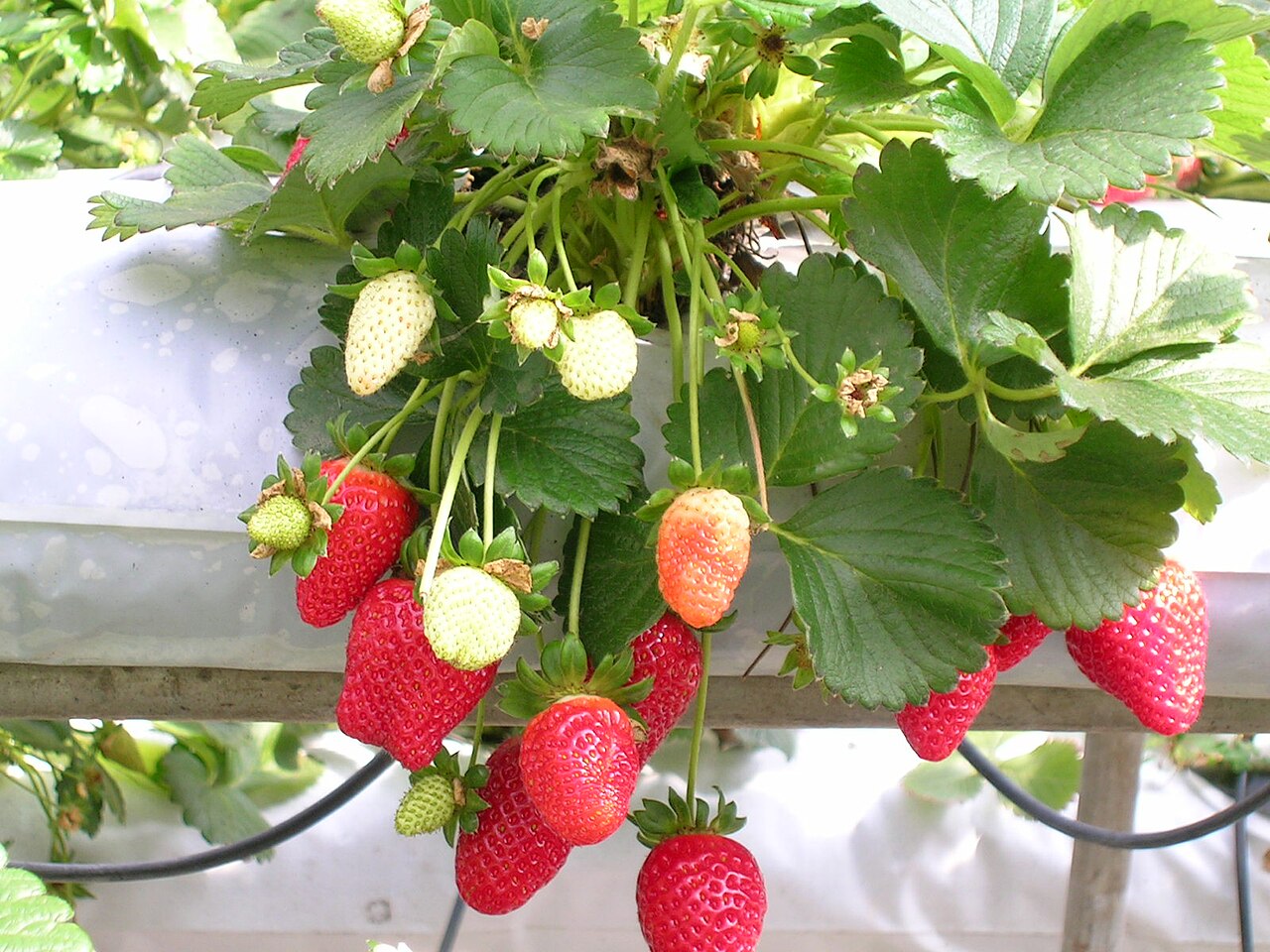
strawberry
Fragaria × ananassa
Placenta I Ground cover No biomass productionPerennial herbaceous ground-runner cultivated as annual or biennial. Productive ground cover in vegetable gardens and syntropic systems. Mild cold ...
-
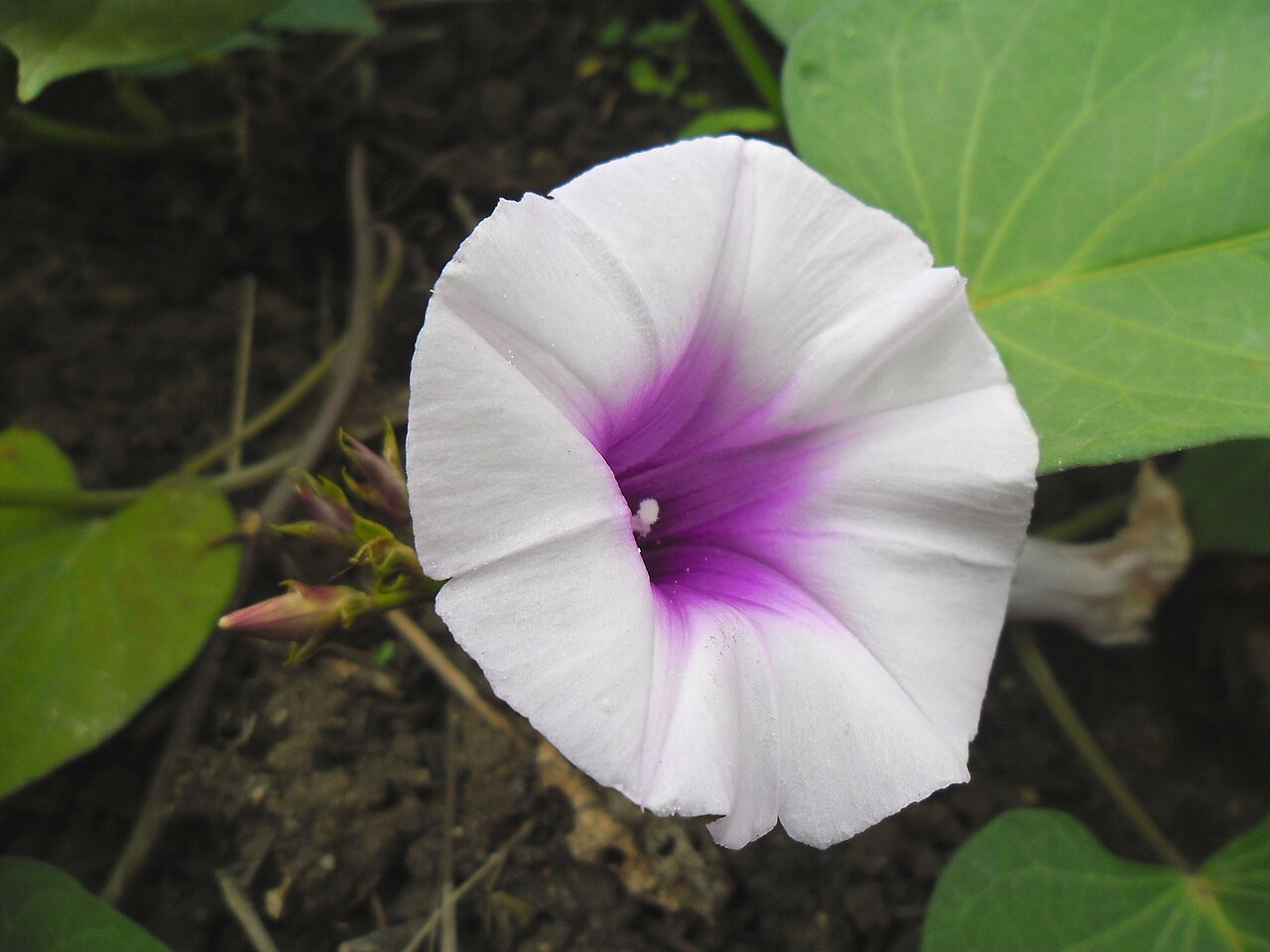
sweet potato
Ipomoea batatas
Placenta I Ground cover No biomass productionShort-cycle creeping tuber crop. Pasini lists it in the low stratum of Tabela 3. Excellent living ground cover early in the agroforestry cycle, edi...
-
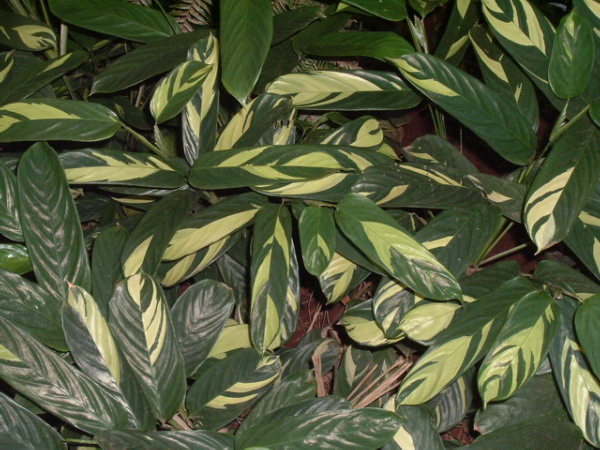
arrowroot
Maranta arundinacea
Placenta II Low No biomass productionPerennial tropical tuber crop whose starch is traditionally used in porridges and biscuits. EcoAgri lists it in the low stratum of the 'up to 3 yea...
-
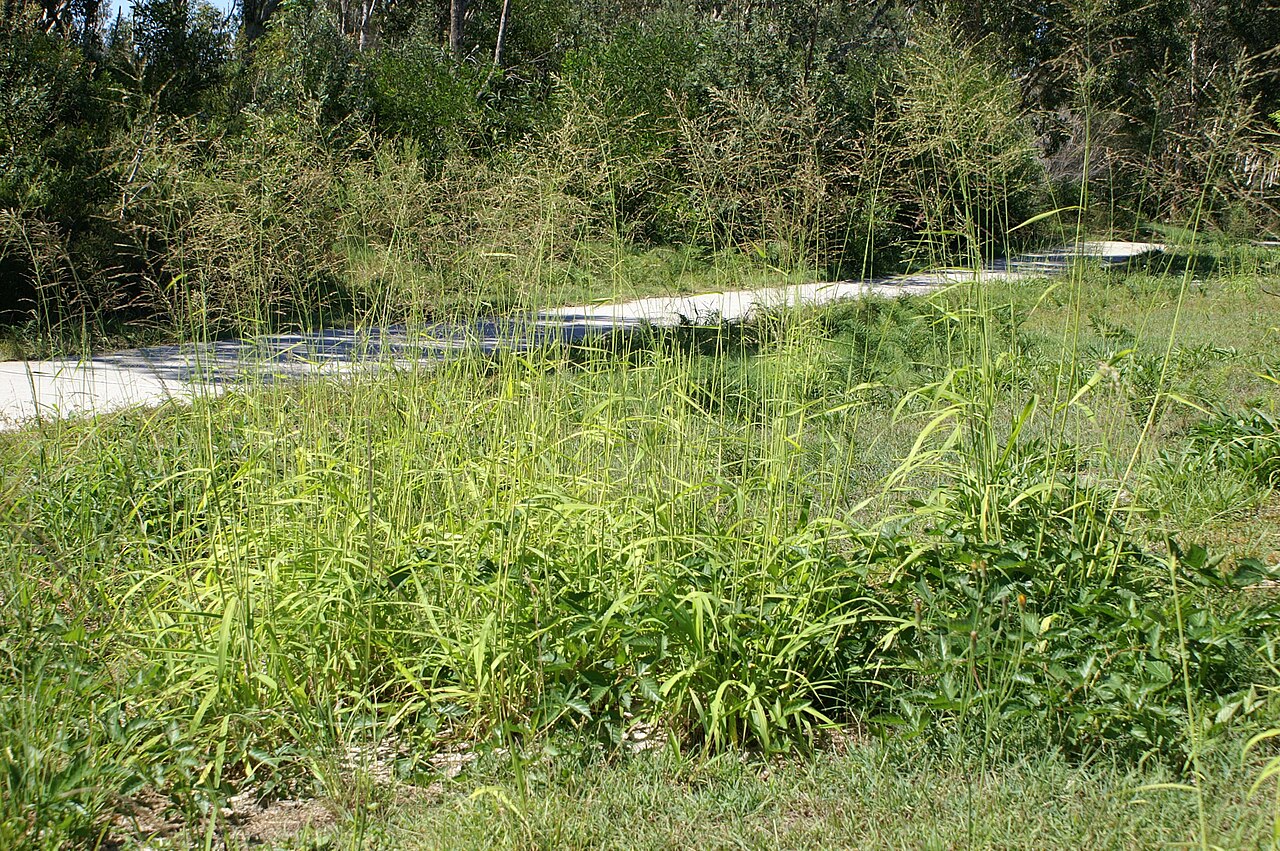
Mombaça grass
Megathyrsus maximus
Placenta II Low Mulch biomassHighly productive forage grass producing large amounts of cover biomass. Central in large-scale syntropic experiments (Rebello & Sakamoto 2019) — c...
-
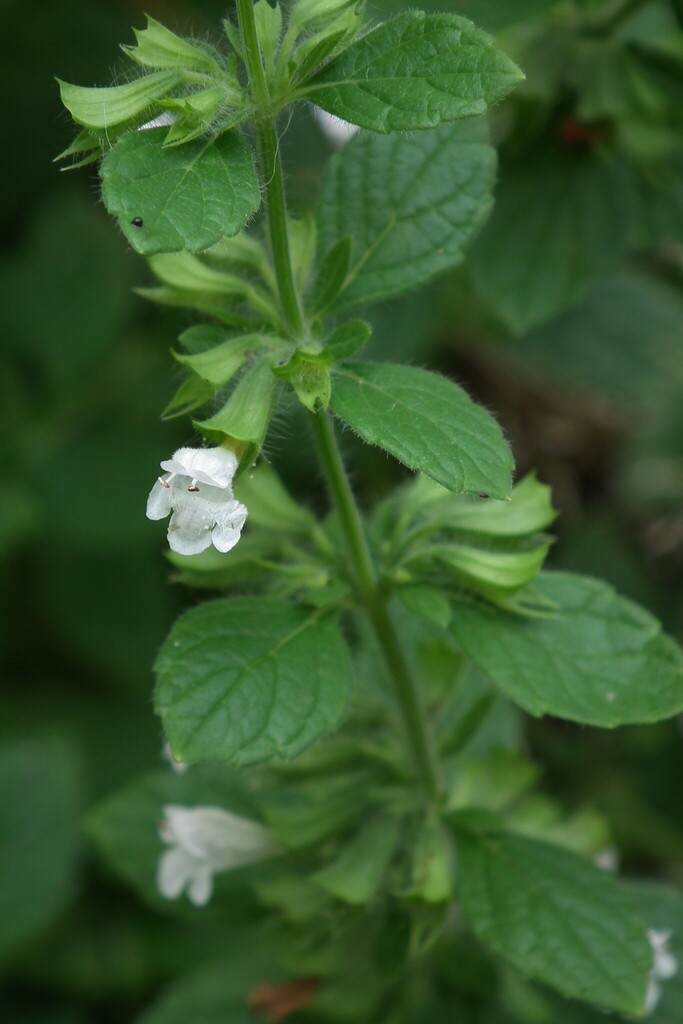
lemon balm
Melissa officinalis
Placenta I Low No biomass productionPerennial herb (40–80 cm), light-green strongly lemon-scented leaves. Tolerates partial shade — fills shaded niches where rosemary and thyme don't ...
-
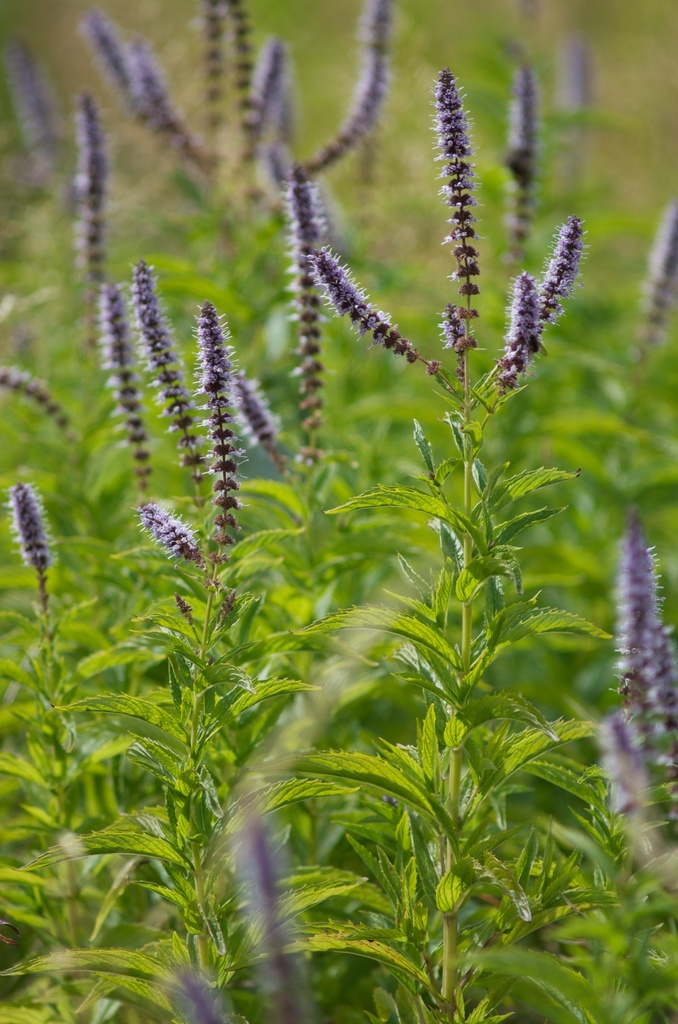
spearmint
Mentha spicata
Placenta I Ground cover No biomass productionStrongly aromatic perennial Lamiaceae that spreads vigorously by stolons. Pasini lists it in the low stratum of Tabela 3. Tolerates partial shade; ...
-
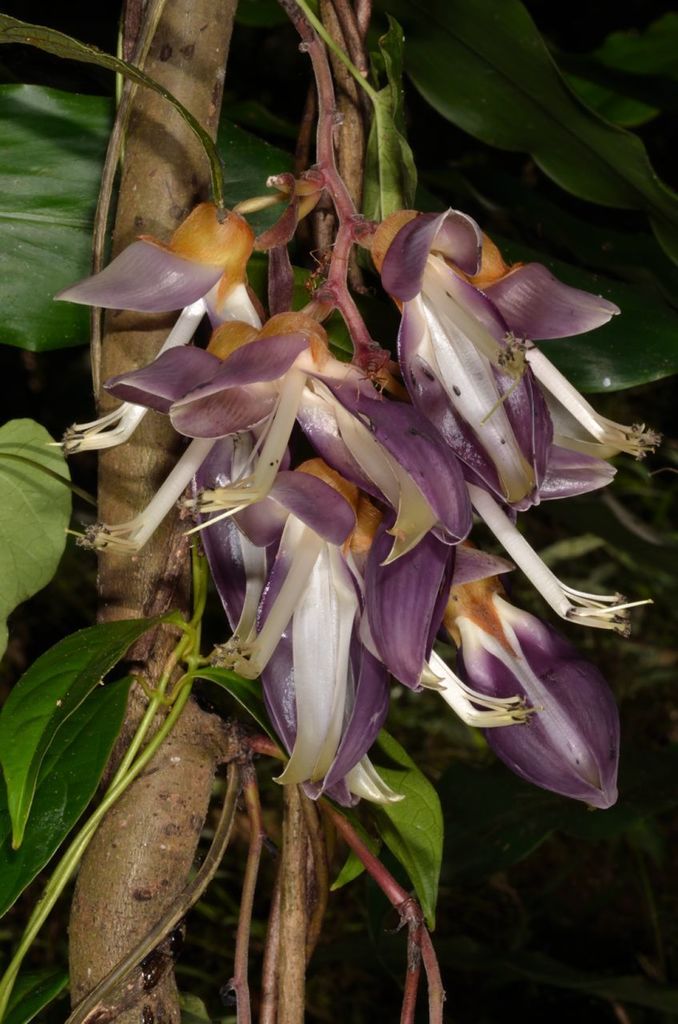
velvet bean
Mucuna pruriens
Placenta I Low Fertilizer biomass 🌱 Nitrogen fixerAnnual climbing legume that fixes nitrogen (~180–220 kg N/ha) and produces dense cover biomass. Suppresses weeds, decompacts the soil, and is one o...
-
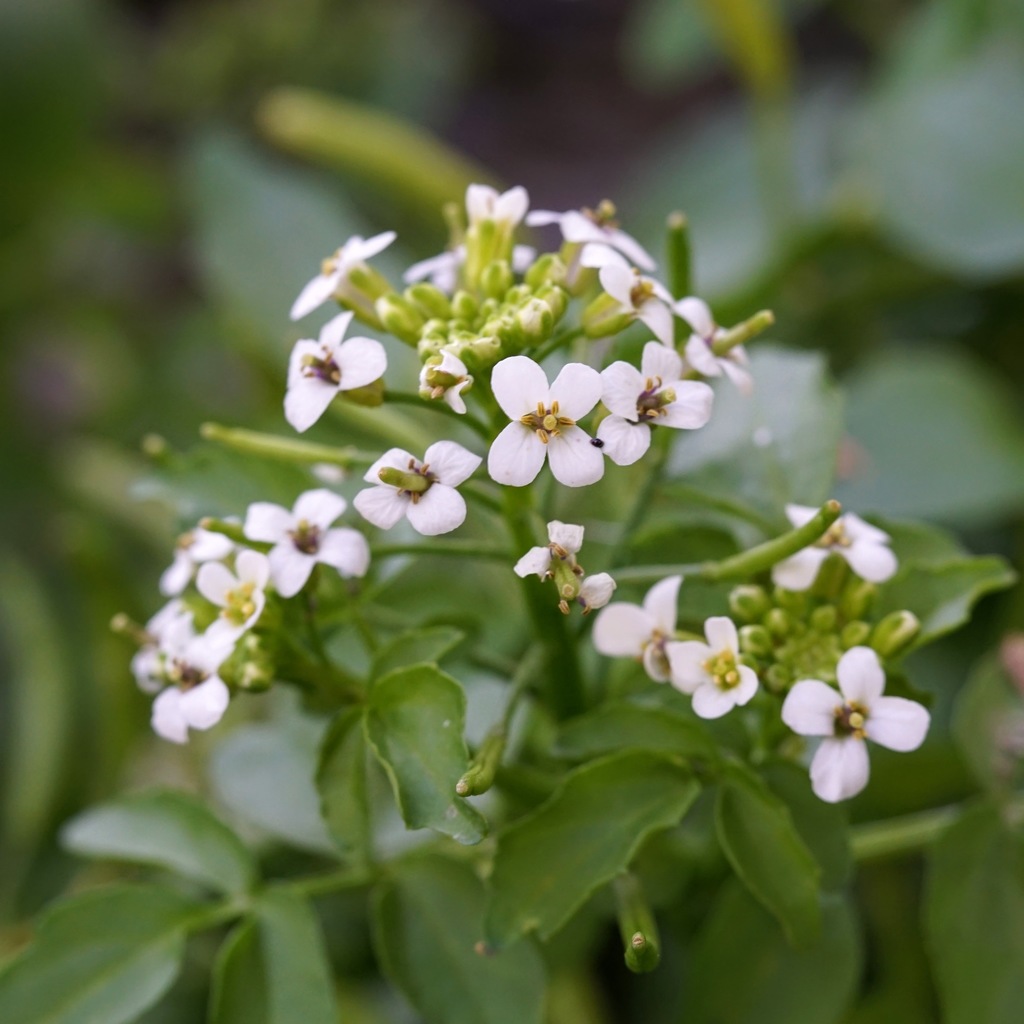
watercress
Nasturtium officinale
Placenta I Ground cover No biomass productionAquatic or semi-aquatic leafy green of European origin, naturalized in Brazil. Pasini lists it in the low stratum of Tabela 3. Grows in moist soils...
-
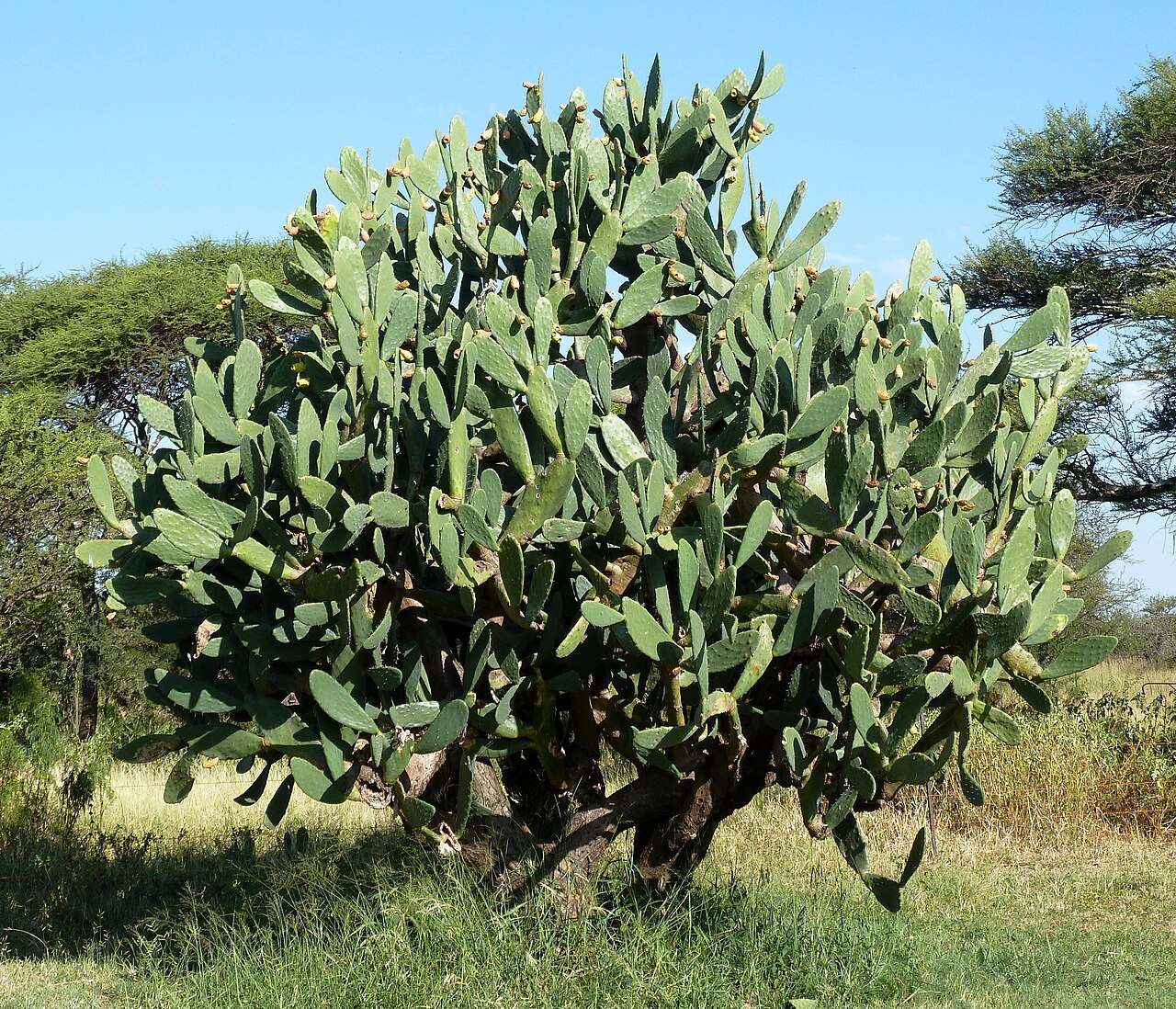
spineless cactus
Opuntia ficus-indica
Placenta II LowIntroduced cactus widely cultivated in the Brazilian semiarid as strategic fodder reserve. CAM metabolism gives extremely high water-use efficiency...
-
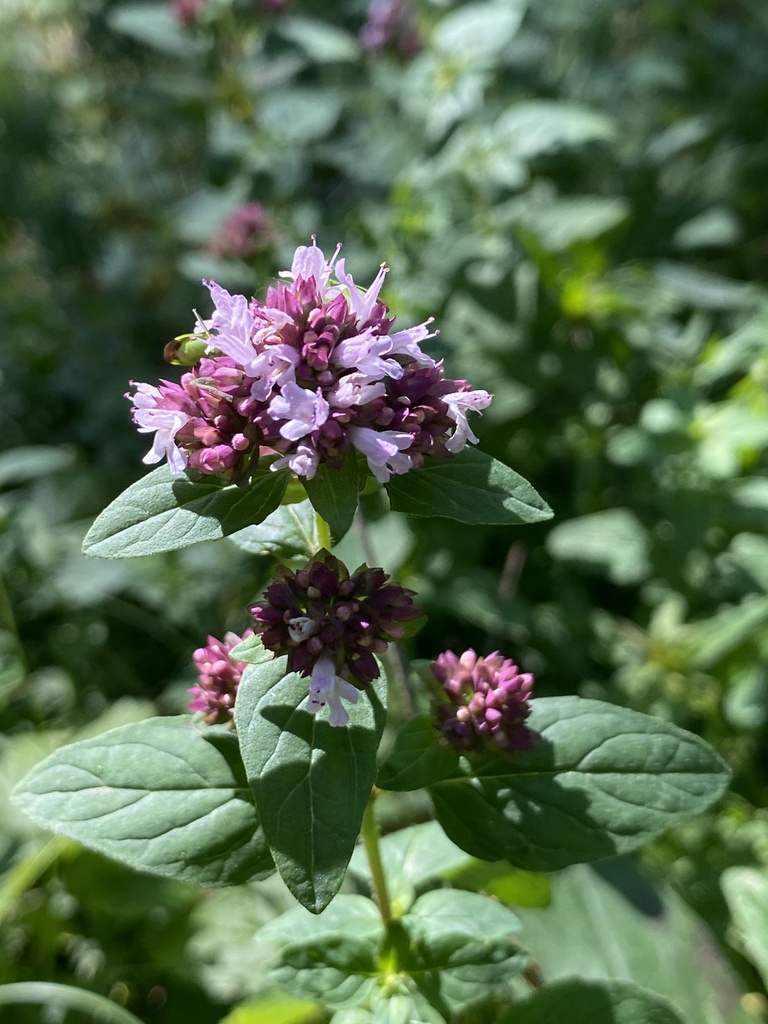
oregano
Origanum vulgare
Placenta I Ground cover No biomass productionPerennial Mediterranean herb (20–60 cm), small aromatic leaves. In southeastern and southern Brazilian syntropic systems used as permanent cover be...
-
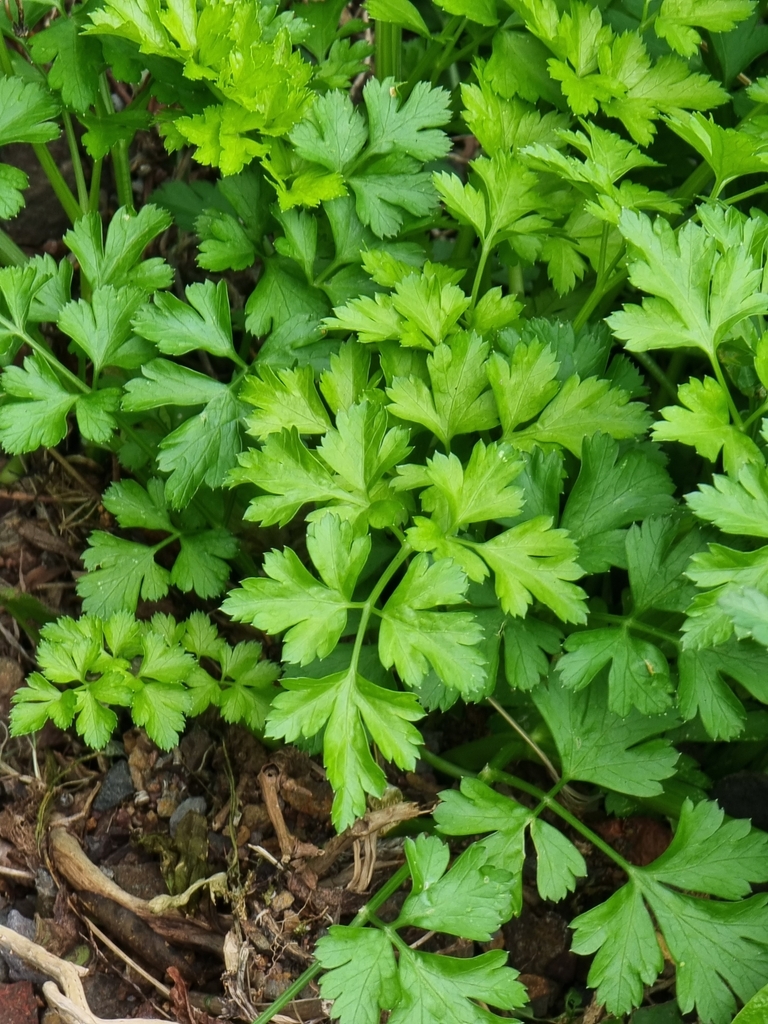
parsley
Petroselinum crispum
Placenta I Ground cover No biomass productionBiennial Apiaceae grown as an annual for its aromatic leaves. Pasini lists it in the low stratum of Tabela 3. Tolerates partial shade; consorts wel...
-
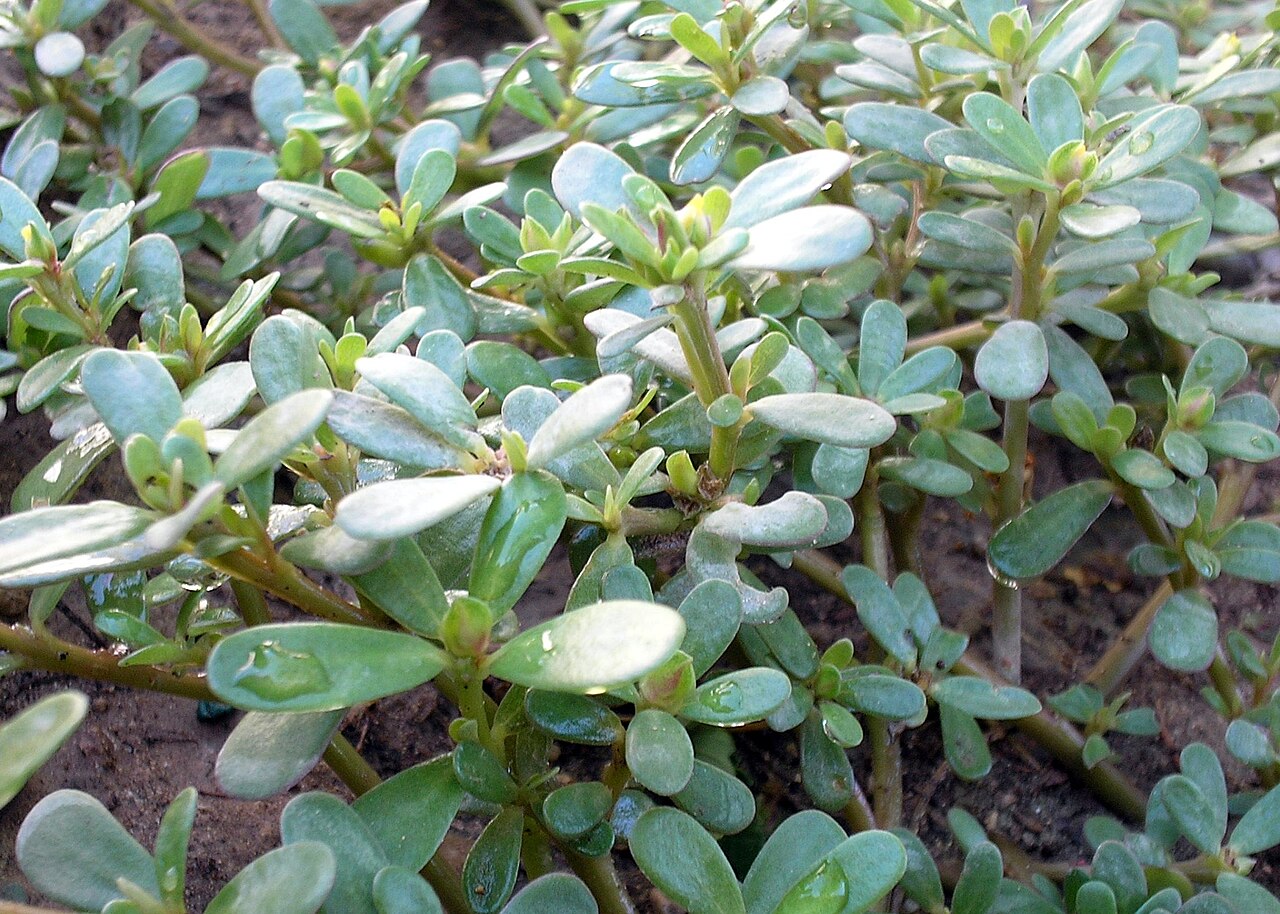
common purslane
Portulaca oleracea
Placenta I Ground cover Mulch biomassA prostrate annual succulent herb in the Portulacaceae, with a cosmopolitan distribution and very common as a volunteer in gardens and pavements. I...
-
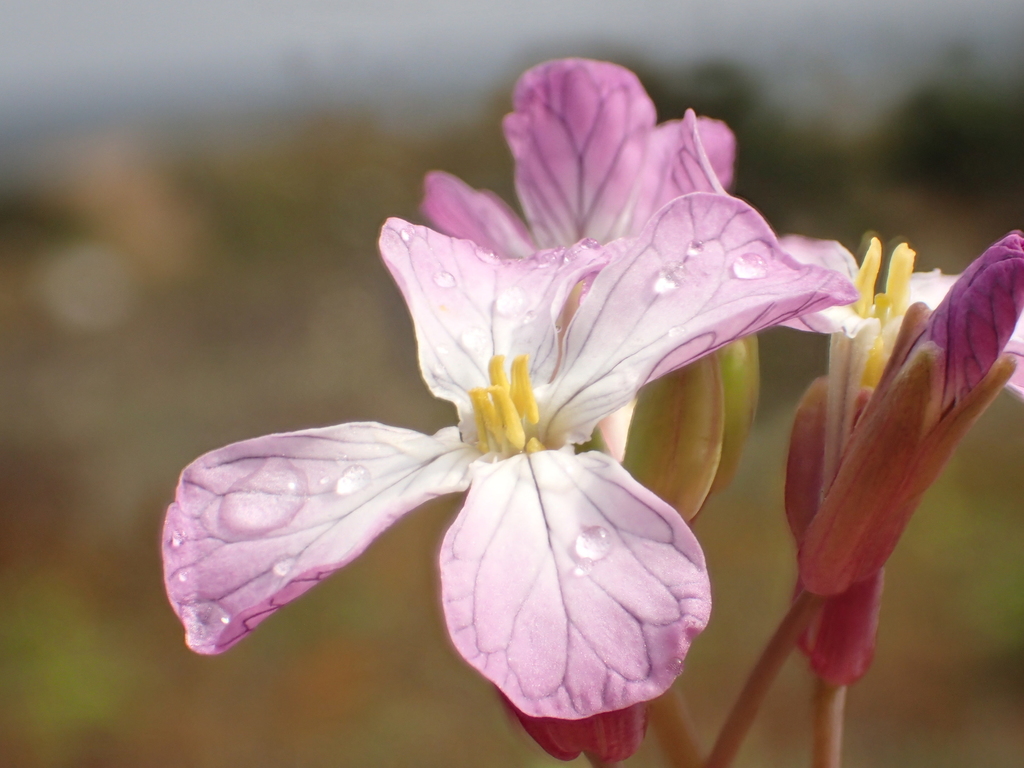
radish
Raphanus sativus
Placenta I Ground cover No biomass productionUltra-short-cycle brassica (25–35 days). Pasini lists it in the medium stratum of Tabela 3 (grown as a low-stratum species). Excellent for rotating...
-
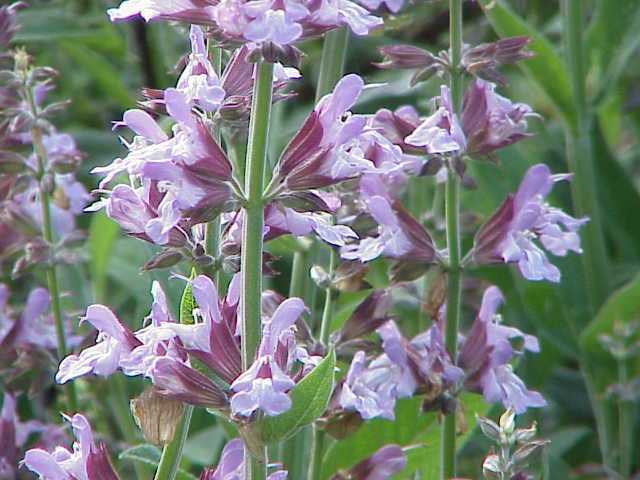
sage
Salvia officinalis
Placenta II Low No biomass productionPerennial Mediterranean subshrub (40–80 cm), grey-green aromatic leaves. Cold-hardy. In subtropical syntropic systems pairs well with rosemary and ...
-
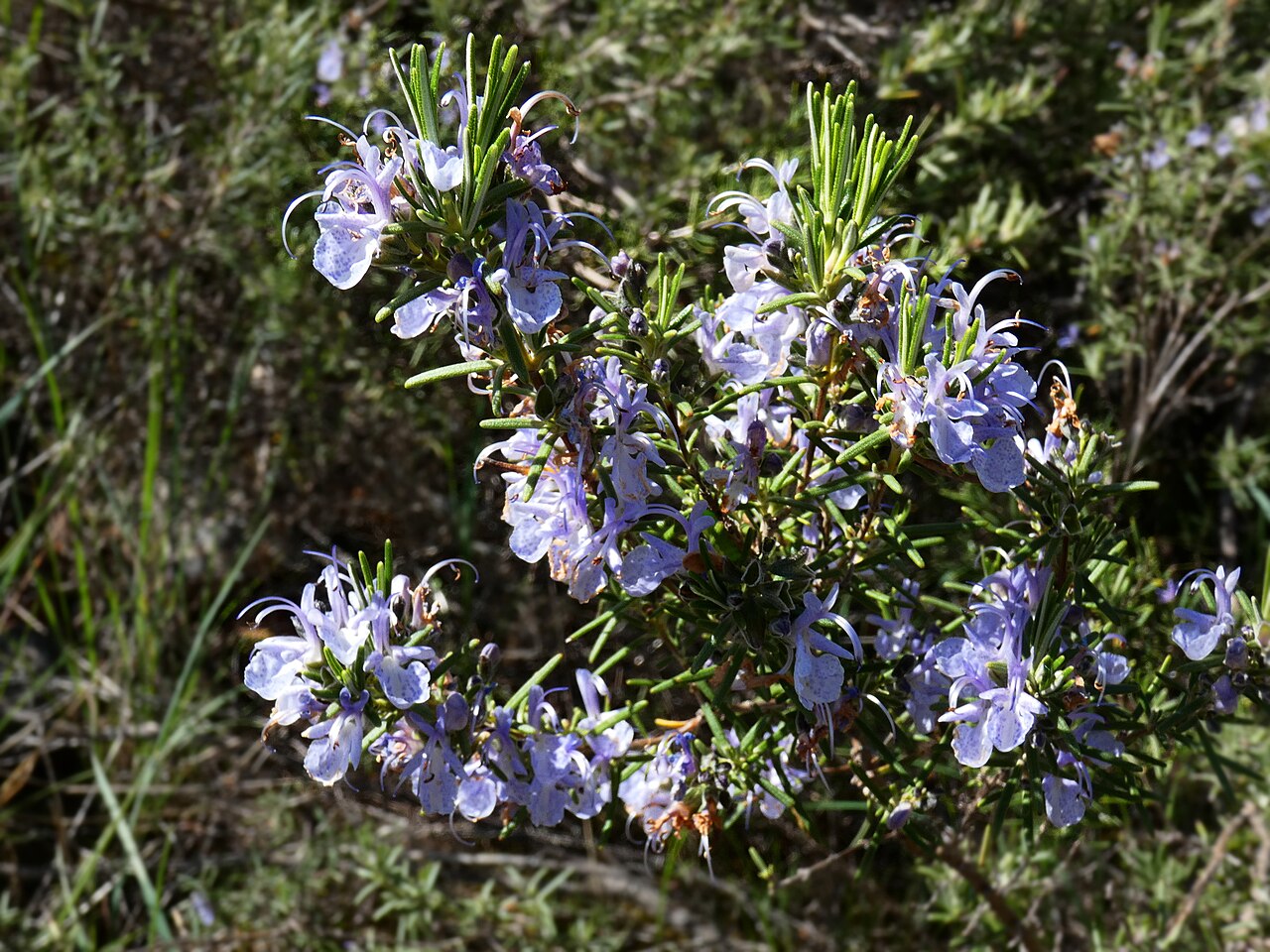
rosemary
Salvia rosmarinus
Placenta II Low No biomass productionPerennial Mediterranean shrub (0.8–1.5 m), aromatic, narrow resinous leaves. Extreme drought tolerance; prefers well-drained slightly alkaline soil...
-
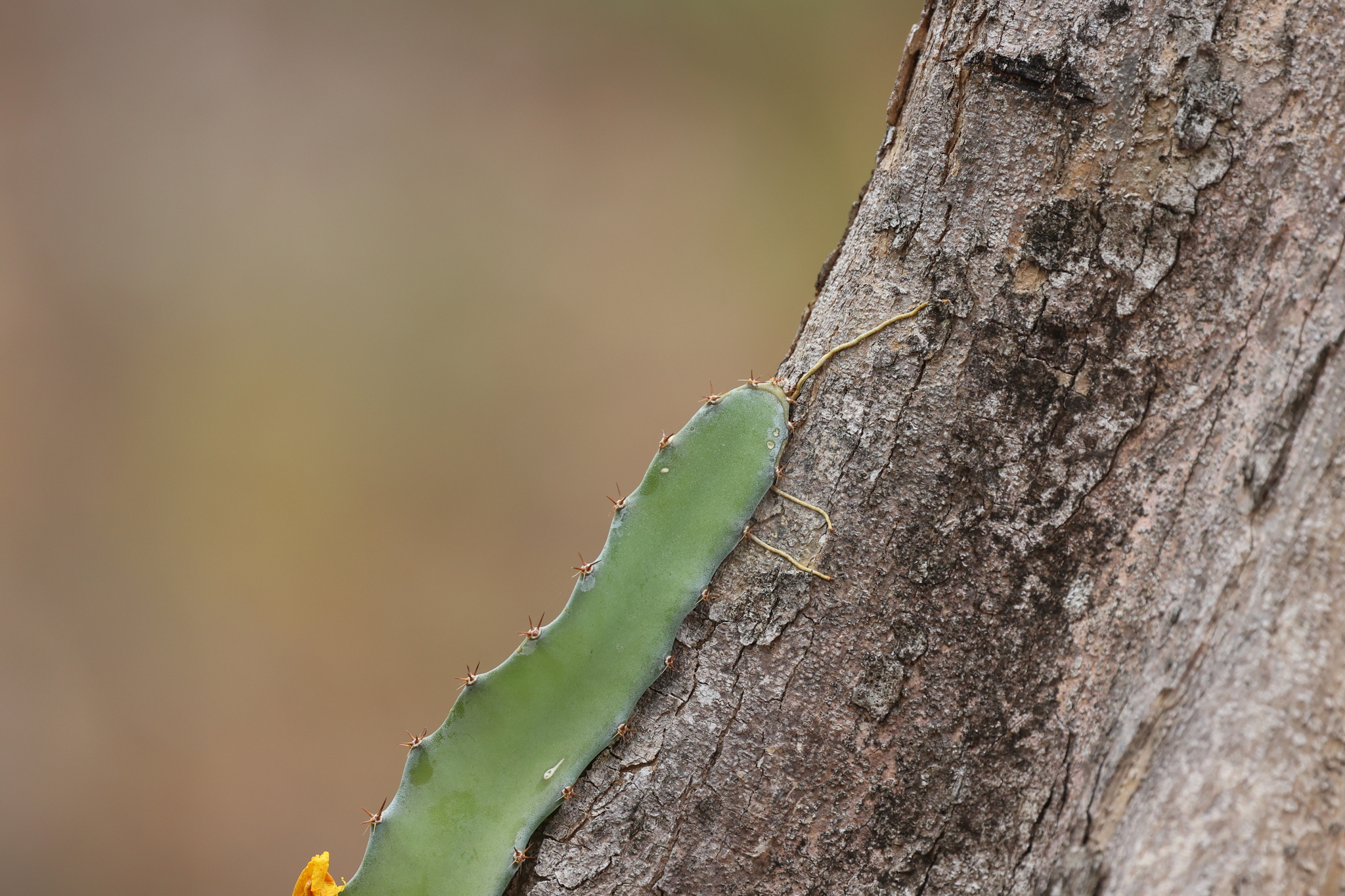
red-fleshed dragon fruit
Selenicereus costaricensis
Placenta II Low No biomass productionAn epiphytic, climbing cactus native to Central America and northwestern South America (from Nicaragua to northern Peru), grown for its deep red-fl...
-
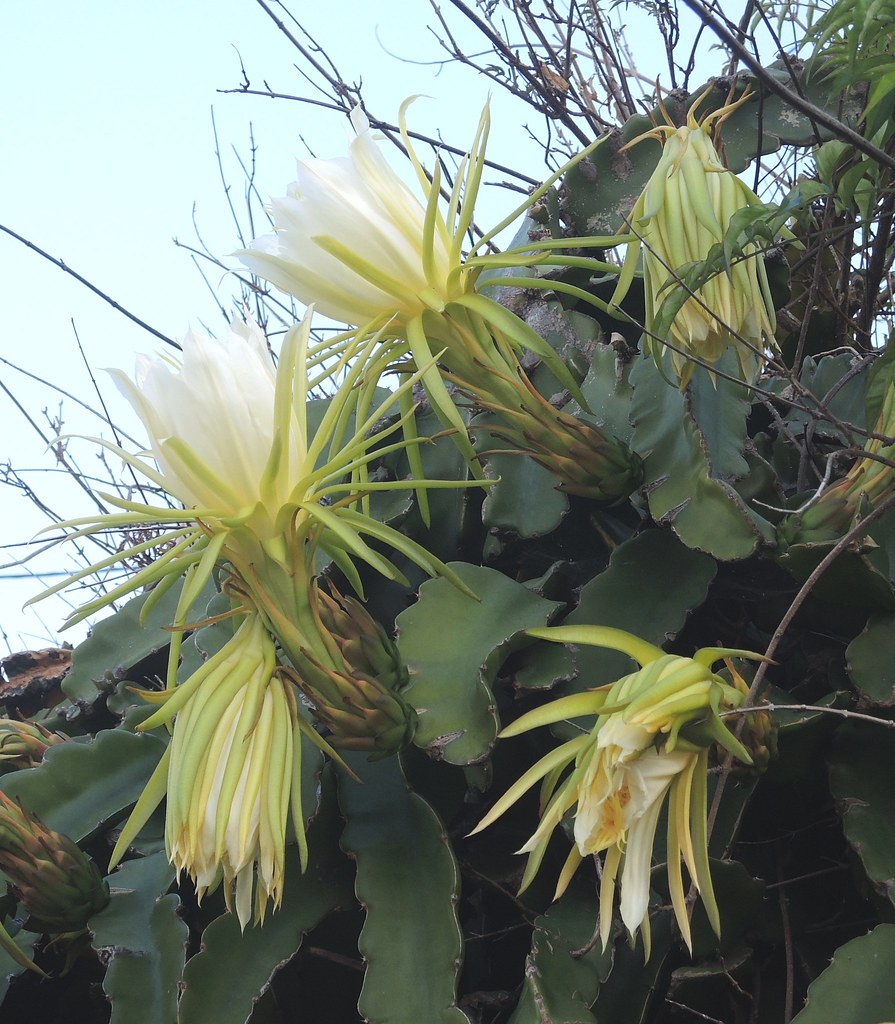
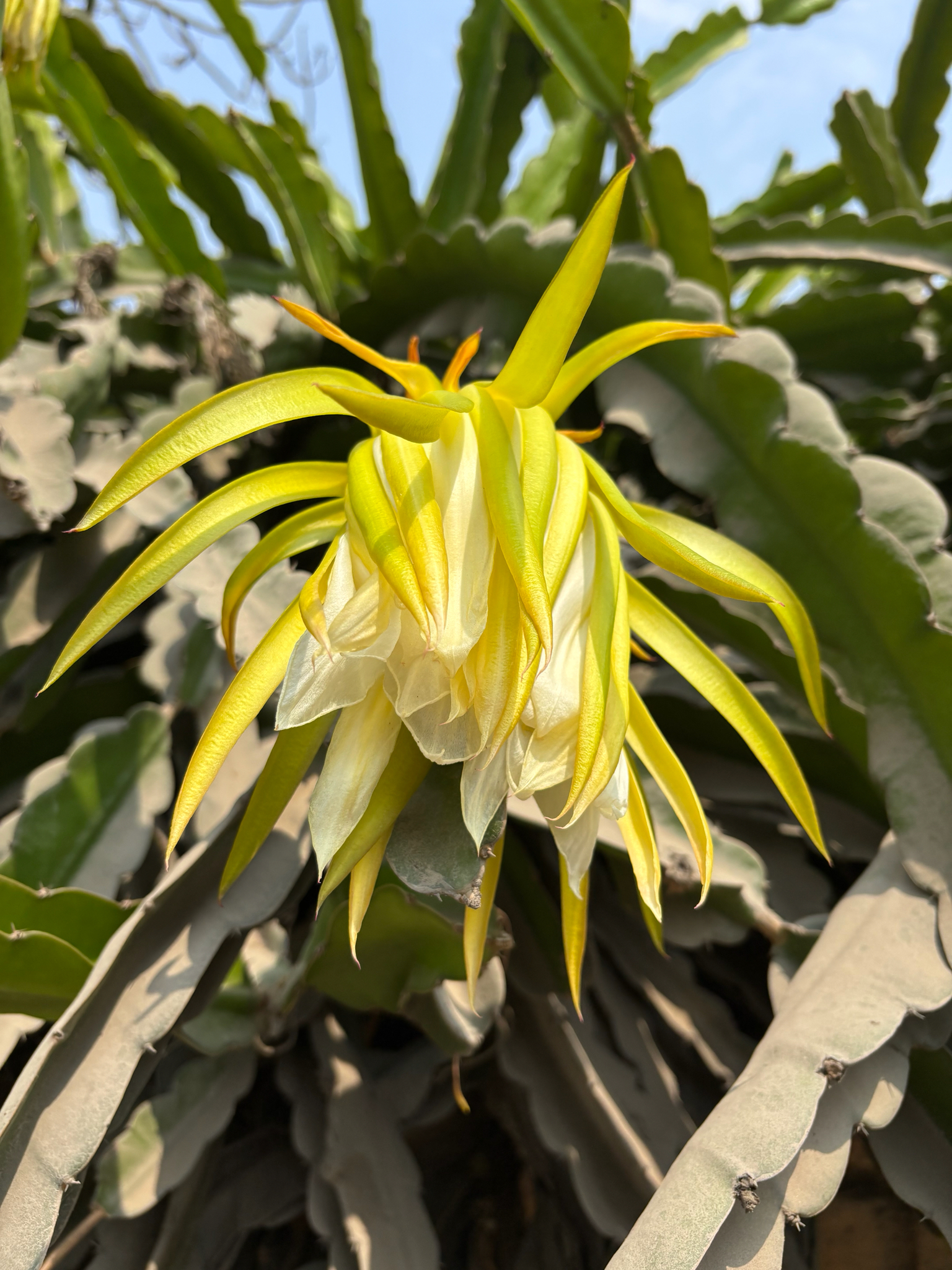
yellow dragon fruit
Selenicereus megalanthus
Placenta II Low No biomass productionAn epiphytic, climbing cactus native to northern South America (Colombia, Ecuador, Peru and Bolivia), grown for its yellow-skinned, white-fleshed a...
-
white-fleshed dragon fruit
Selenicereus undatus
Placenta II Low No biomass productionAn epiphytic, climbing cactus (originating between Mexico and Honduras) grown for its white-fleshed, pink-skinned dragon fruit. It grows on support...
-
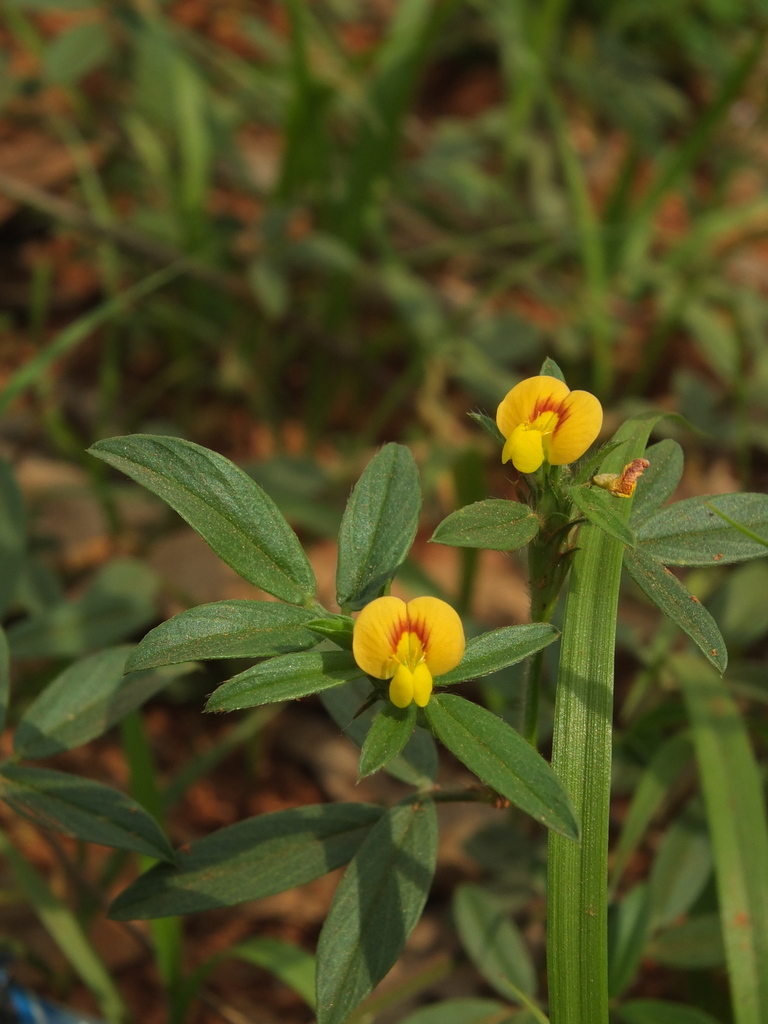
stylo
Stylosanthes guianensis
Placenta I Ground cover Fertilizer biomass 🌱 Nitrogen fixerHerbaceous forage legume, nitrogen-fixer. Rebello includes stylosanthes among key accumulation-phase species in Cerrado and Caatinga, alongside pig...
-
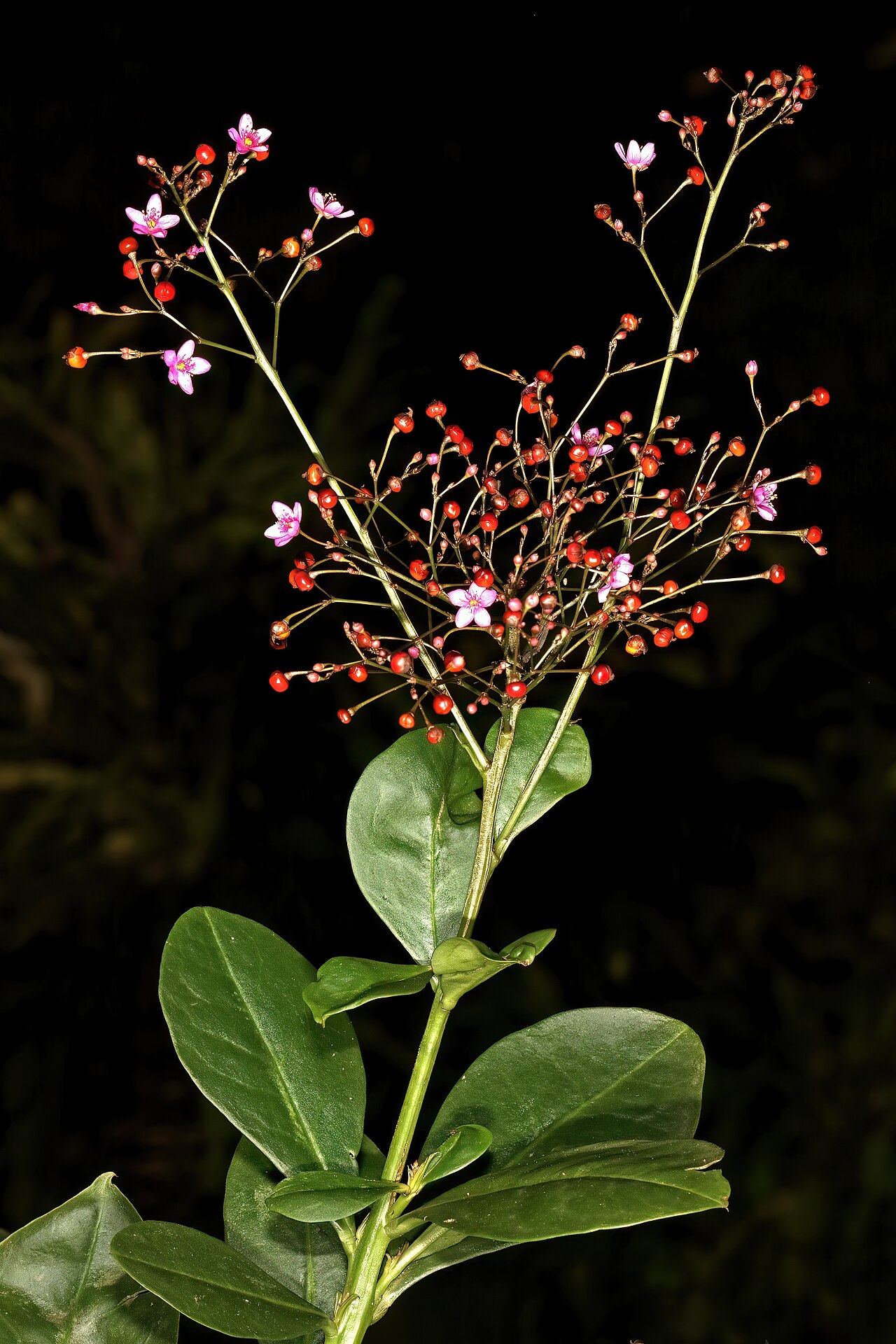
fameflower
Talinum paniculatum
Placenta I Low No biomass productionA perennial succulent herb in the Talinaceae, native to the Americas and common as an unconventional food plant (PANC) and a volunteer in gardens. ...
-
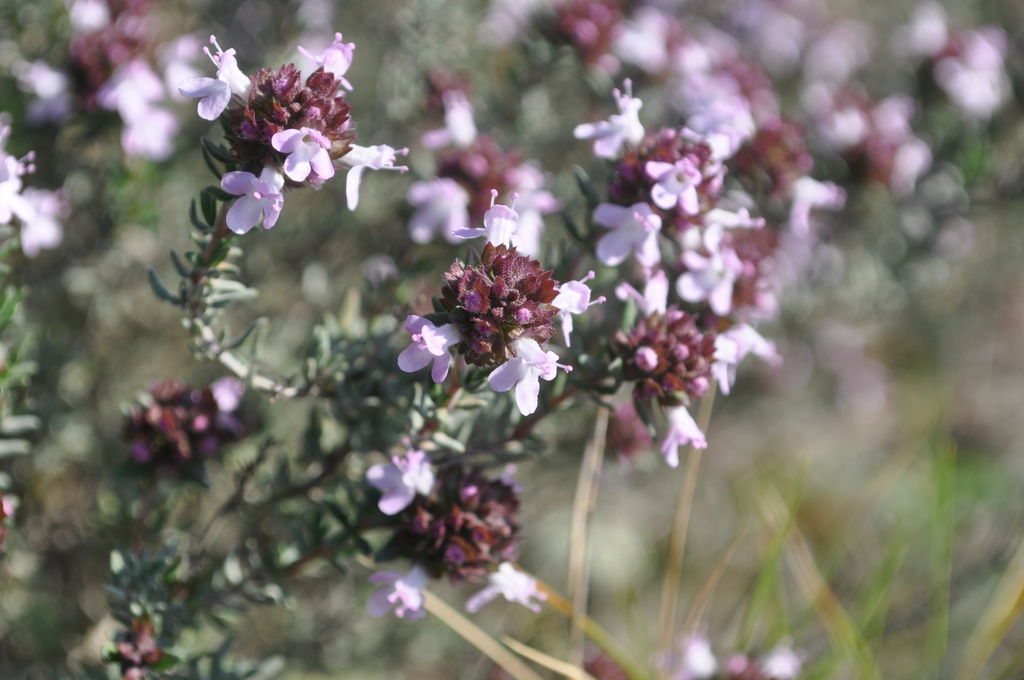
thyme
Thymus vulgaris
Placenta I Ground cover No biomass productionCreeping Mediterranean subshrub (15–30 cm), tiny leaves. Permanent ground cover in full sun on dry well-drained soil. Bee-attracting. Tolerates lig...
-
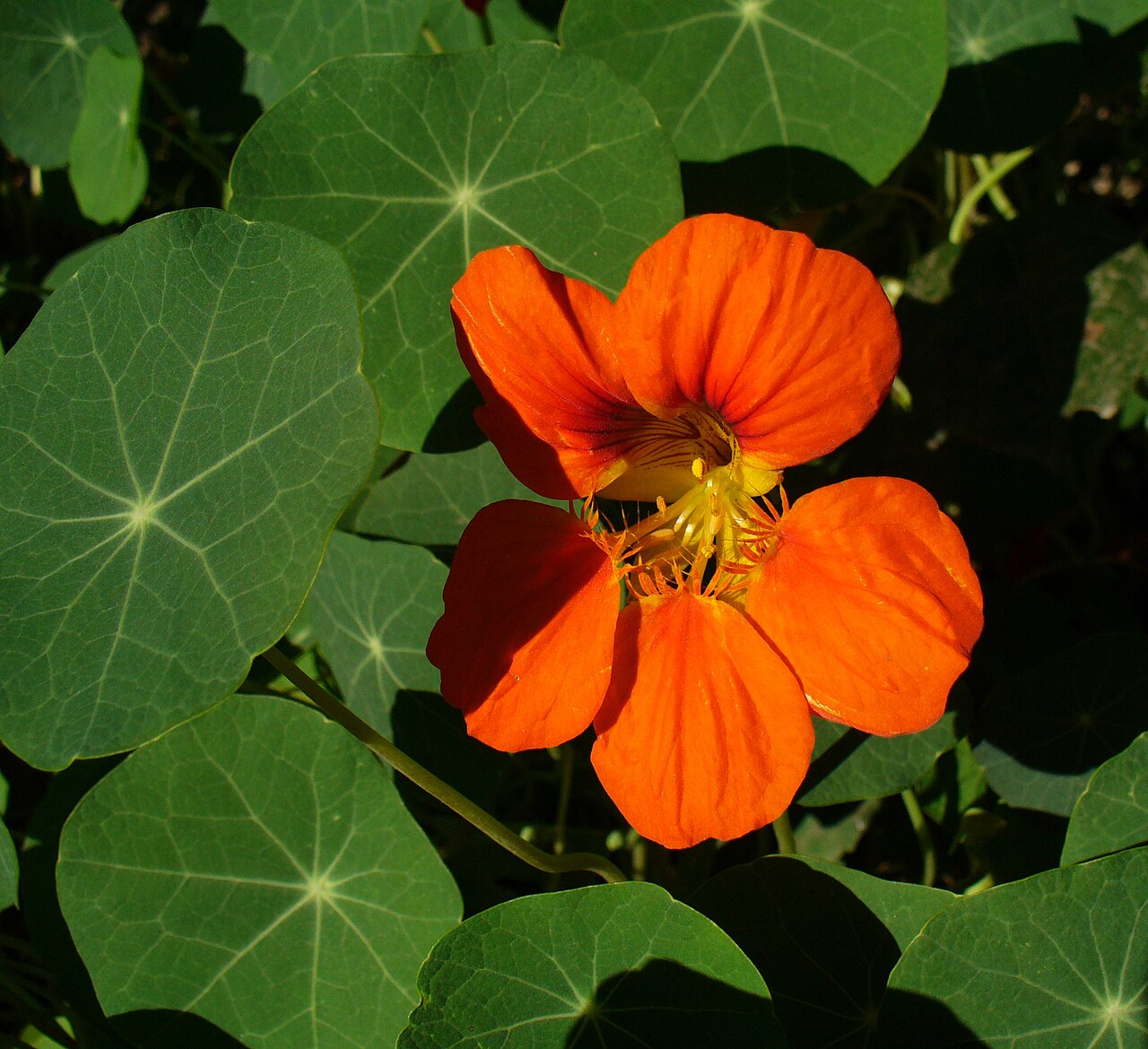
garden nasturtium
Tropaeolum majus
Placenta I Ground cover No biomass productionA fast-growing trailing or climbing herb, annual or short-lived perennial, native to the South American Andes and widely grown as an ornamental. Al...
❓ Frequently asked questions
What is the ground cover stratum?
Ground cover; tolerates deep shade.
Which plants occupy the ground cover stratum?
The catalog holds 49 species, among them cush-cush yam, fennel, strawberry. Each profile shows stratum, succession stage, and the management data, with sources cited.