Plants
Plant Catalog
204 plants found
-
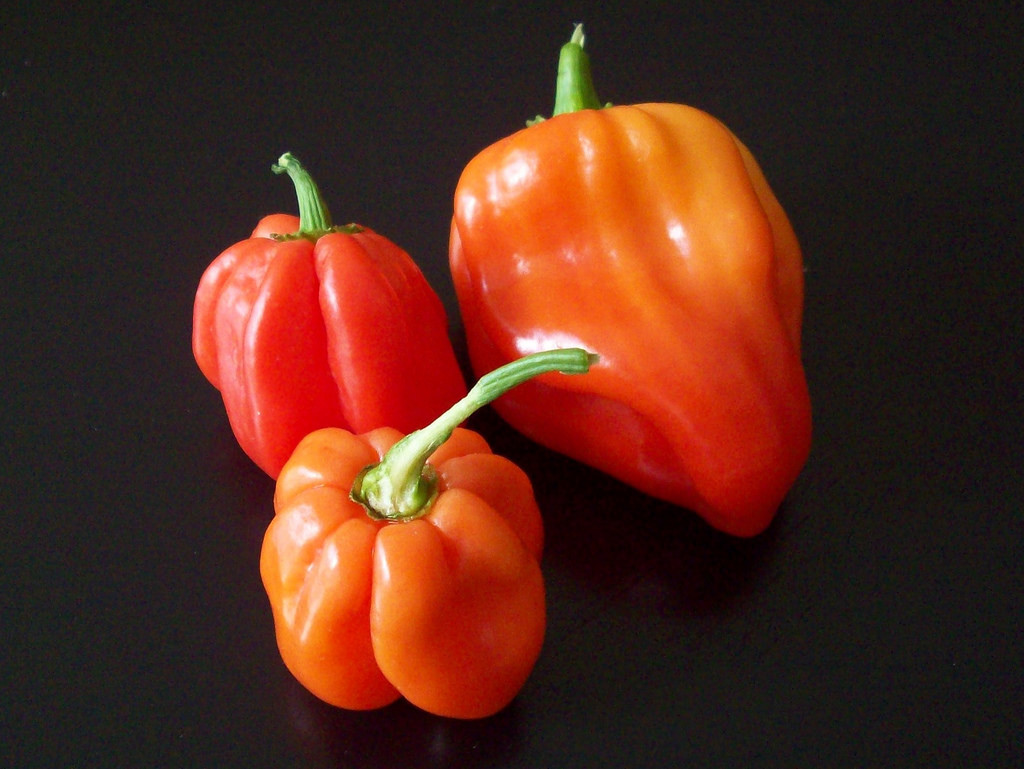
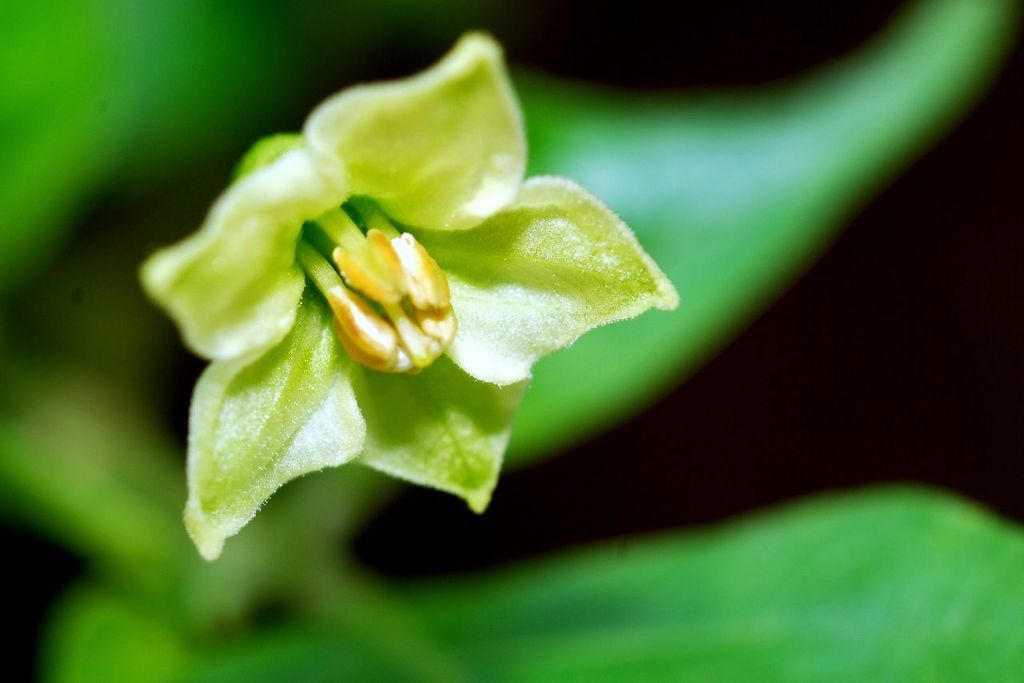
pimenta de cheiro
Capsicum chinense
Placenta II Low No biomass productionBrazilian C. chinense pepper with low pungency (0–500 SHU) and very intense aroma. Round yellow/green/red fruits. Foundation of Pará and Amazon cui...
-
malagueta pepper
Capsicum frutescens
Placenta II Low No biomass productionVery pungent Brazilian pepper (60,000–100,000 SHU), small upright red fruits. Perennial in tropical zones (3–5 years). Tolerates light shade. Widel...
-
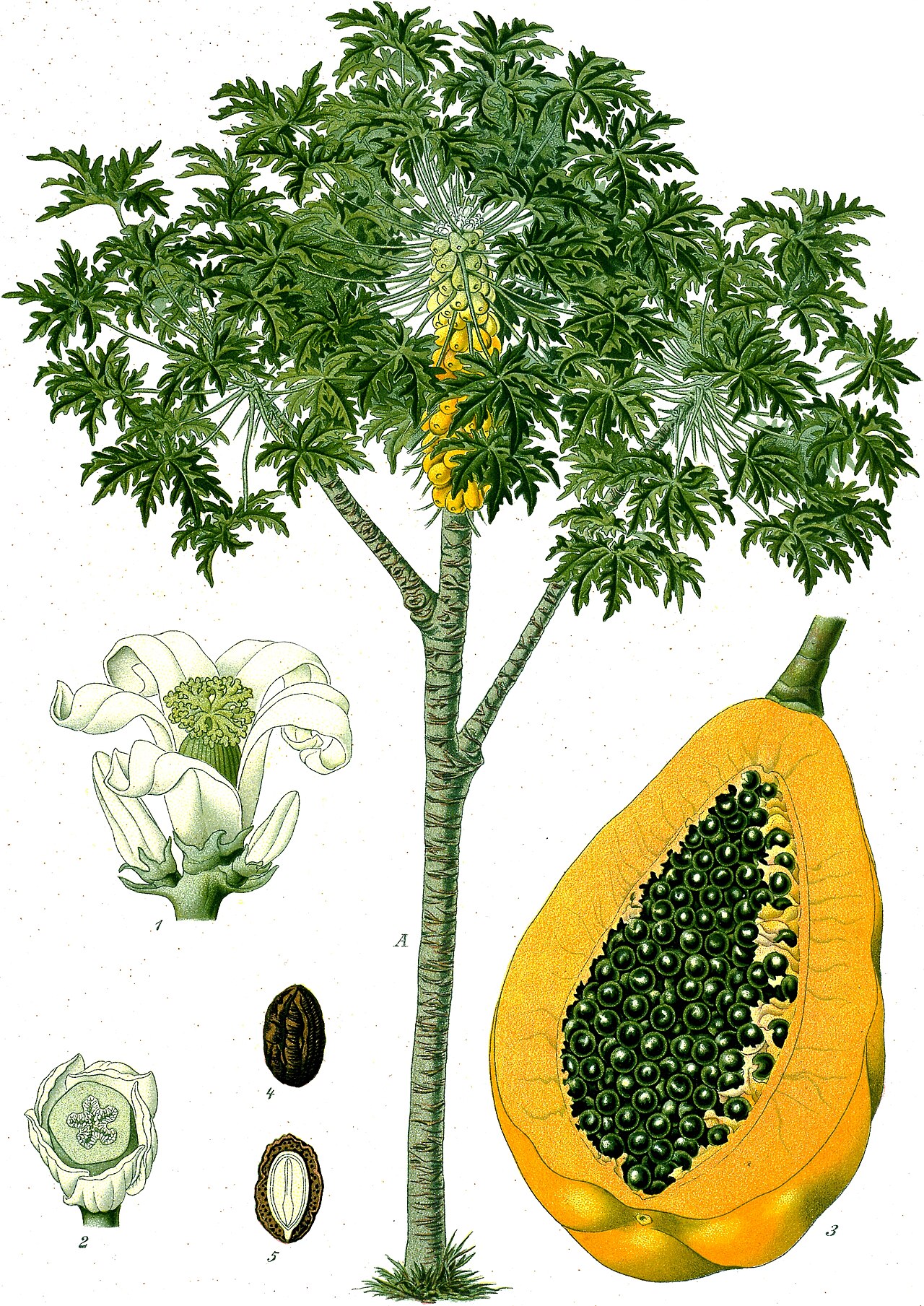
papaya
Carica papaya
Placenta II High Mulch biomassShort-cycle Placenta II species occupying the high stratum for 2–4 years. Fruits 9–12 months after planting.
-
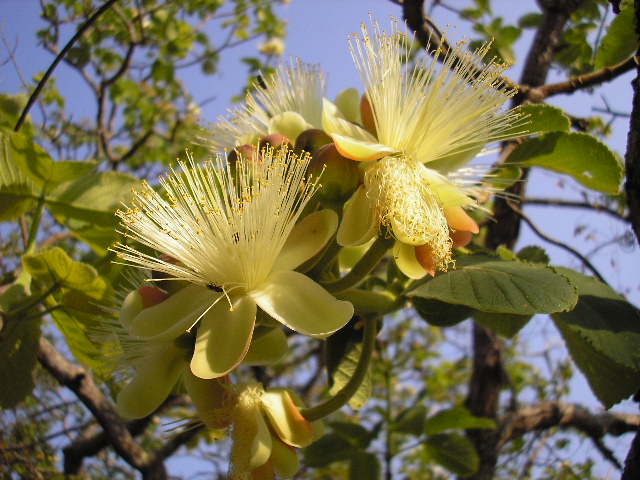
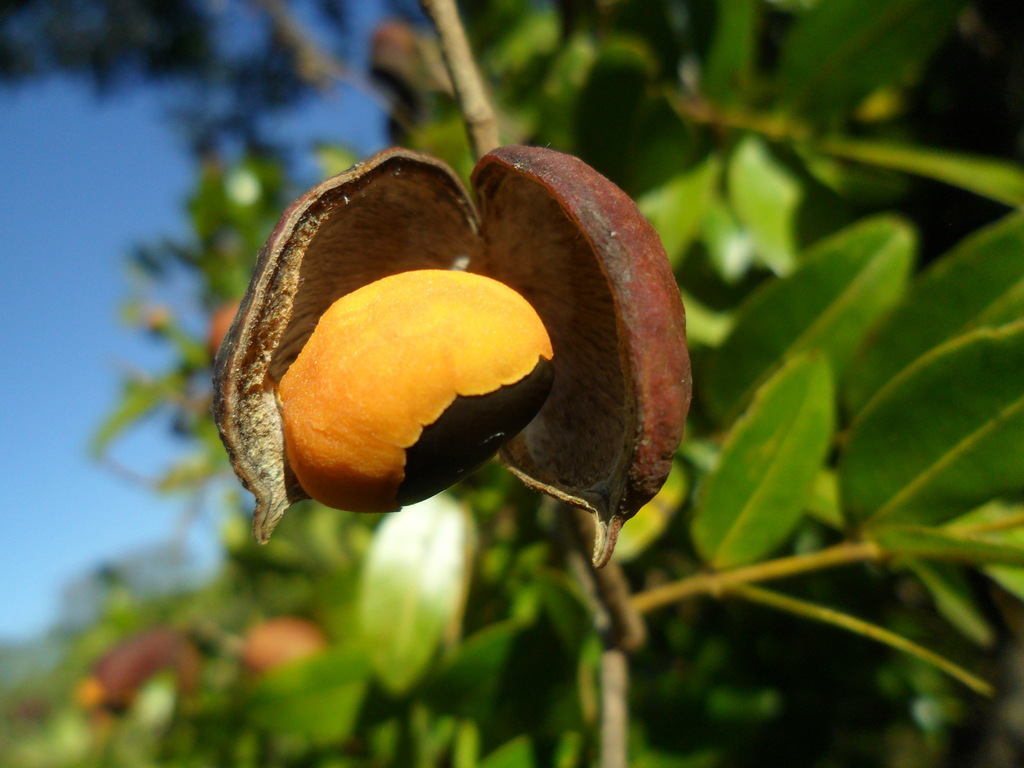
souari nut
Caryocar brasiliense
Climax HighIconic fruit tree of the Brazilian Cerrado, up to ~10 m tall with a broad crown. Very slow growth; first fruits not until ~30 years in smaller indi...
-
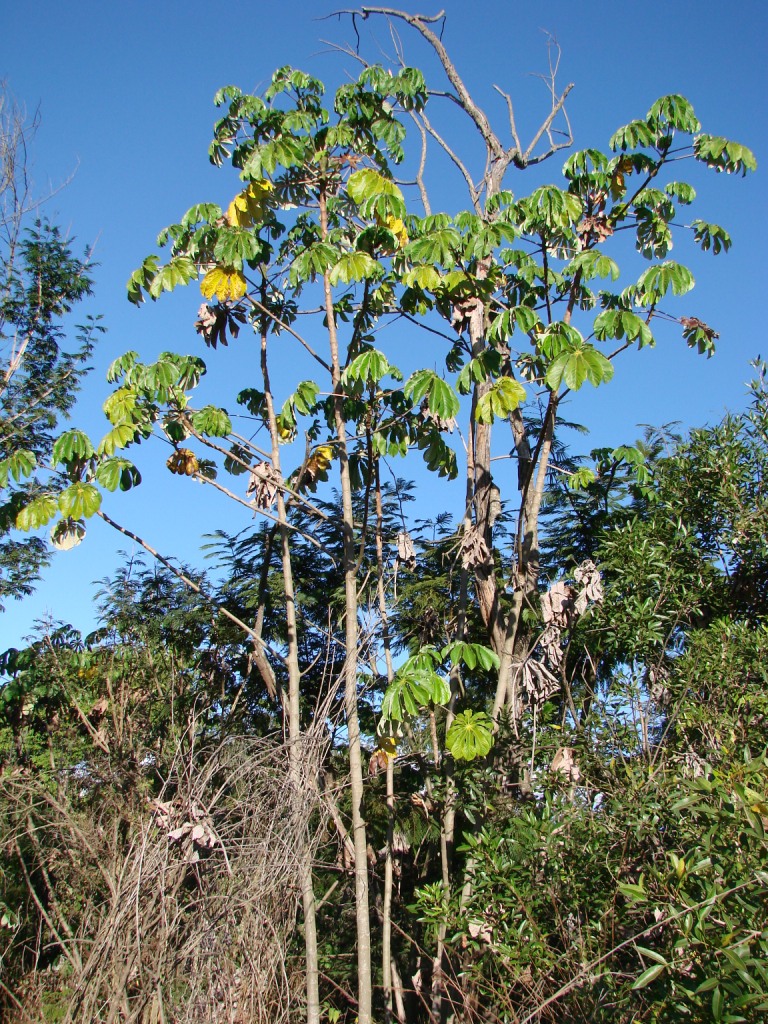
trumpet tree
Cecropia pachystachya
Placenta II Medium Mulch biomassFast-growing, short-lived (~20 years) pioneer tree that colonizes edges and gaps in all Brazilian biomes. Fruits eaten by birds and primates; symbi...
-
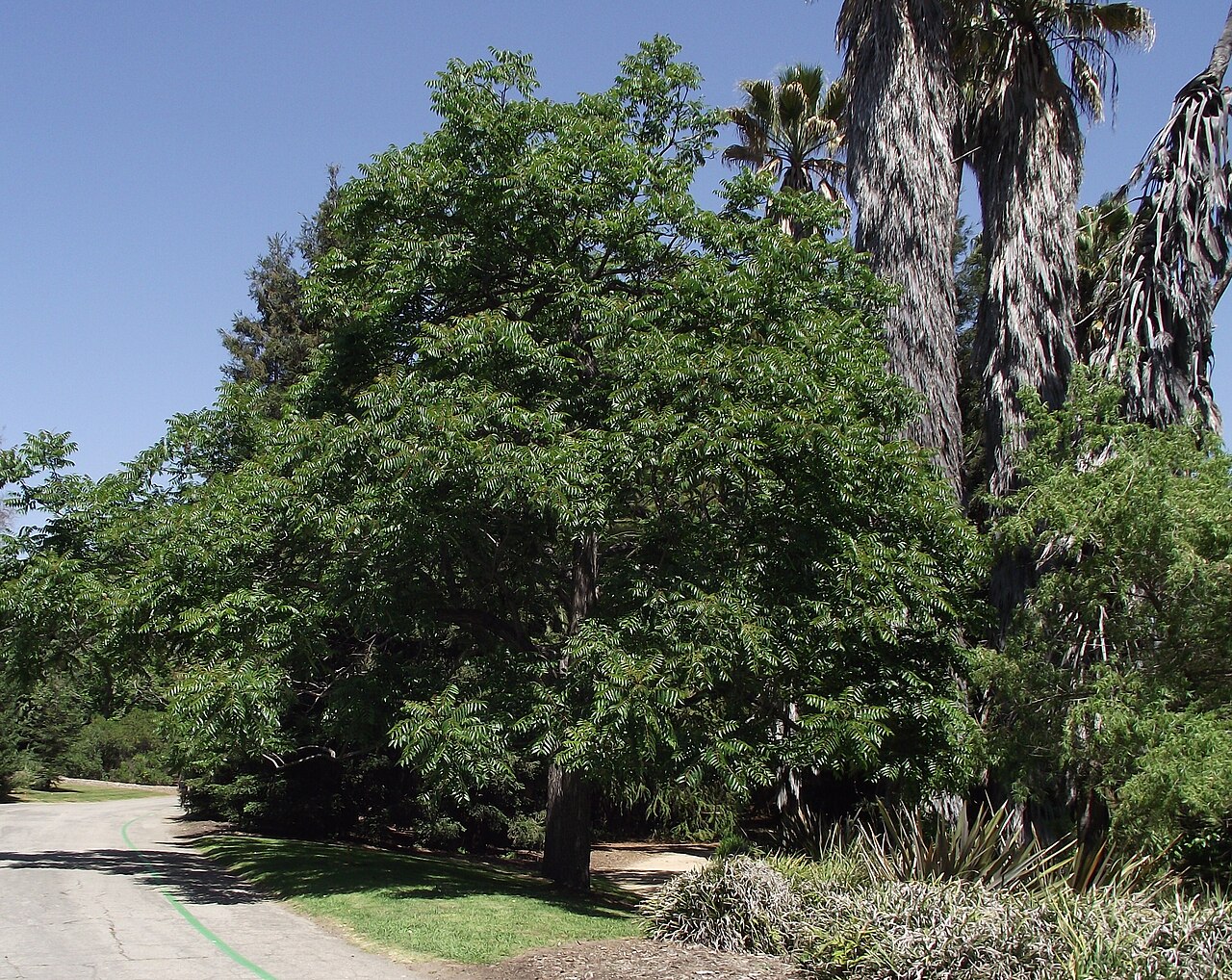
Spanish cedar
Cedrela fissilis
Secondary II High Mulch biomassPremium native timber of the Atlantic Forest, Cerrado, and Amazonia. Pasini lists it in the high stratum of Tabela 3 and cites it as a premium timb...
-
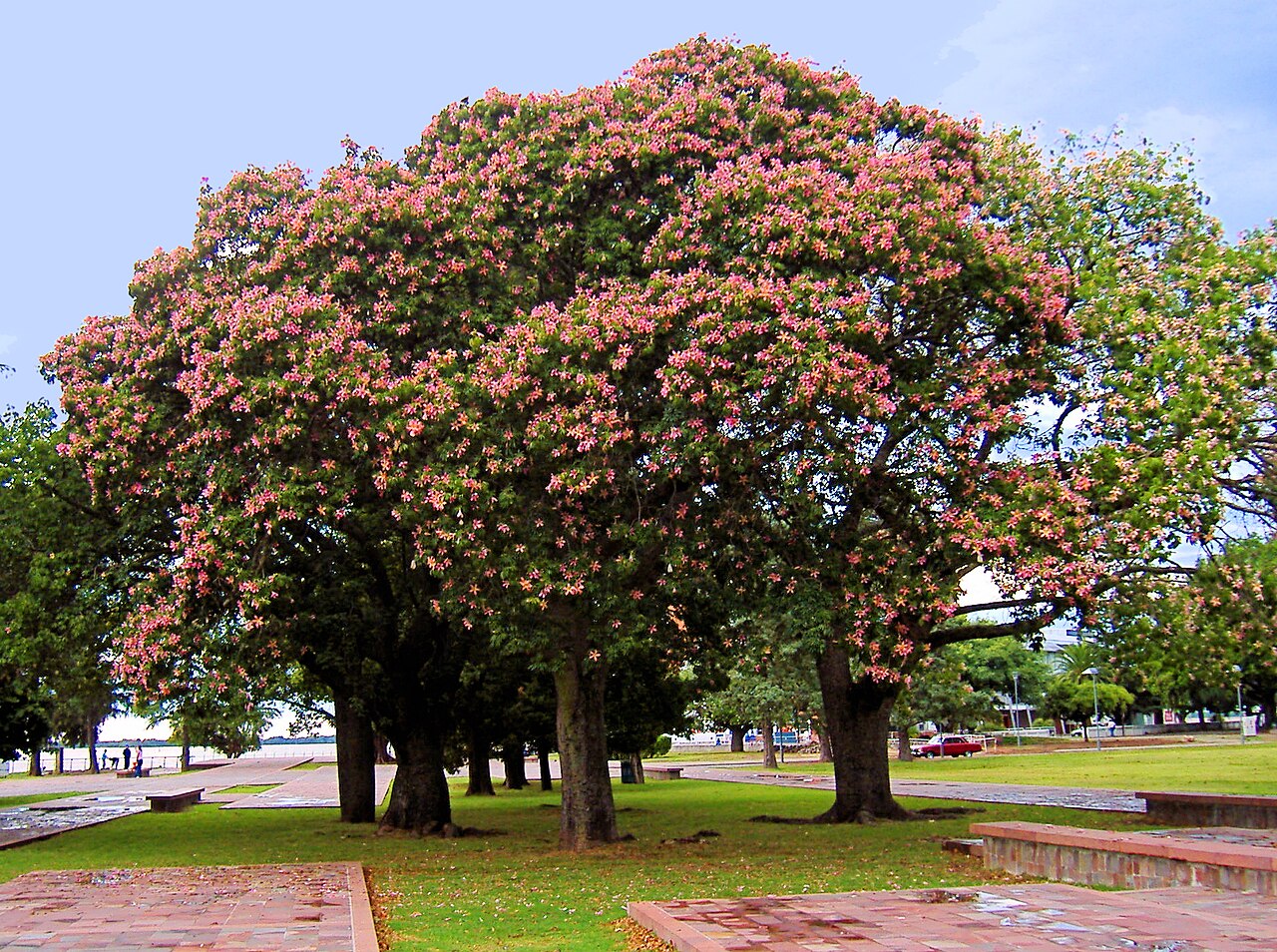
silk floss tree
Ceiba speciosa
Secondary I EmergentDeciduous Atlantic Forest tree reaching 15–30 m with a crown up to 20 m wide. Fast growth (~6 m in 2–3 years). Trunk often armed with conical spines.
-
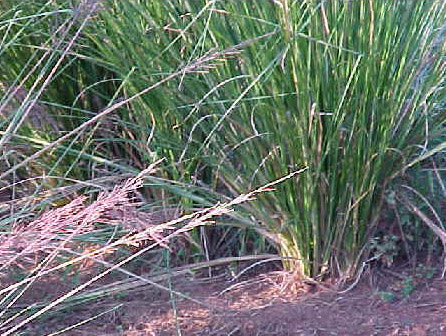
vetiver
Chrysopogon zizanioides
Placenta II Low Mulch biomassPerennial grass with deep vertical roots (up to 4 m), originally from India. The Bosque de Niebla Guidebook recommends vetiver as a hedgerow specie...
-
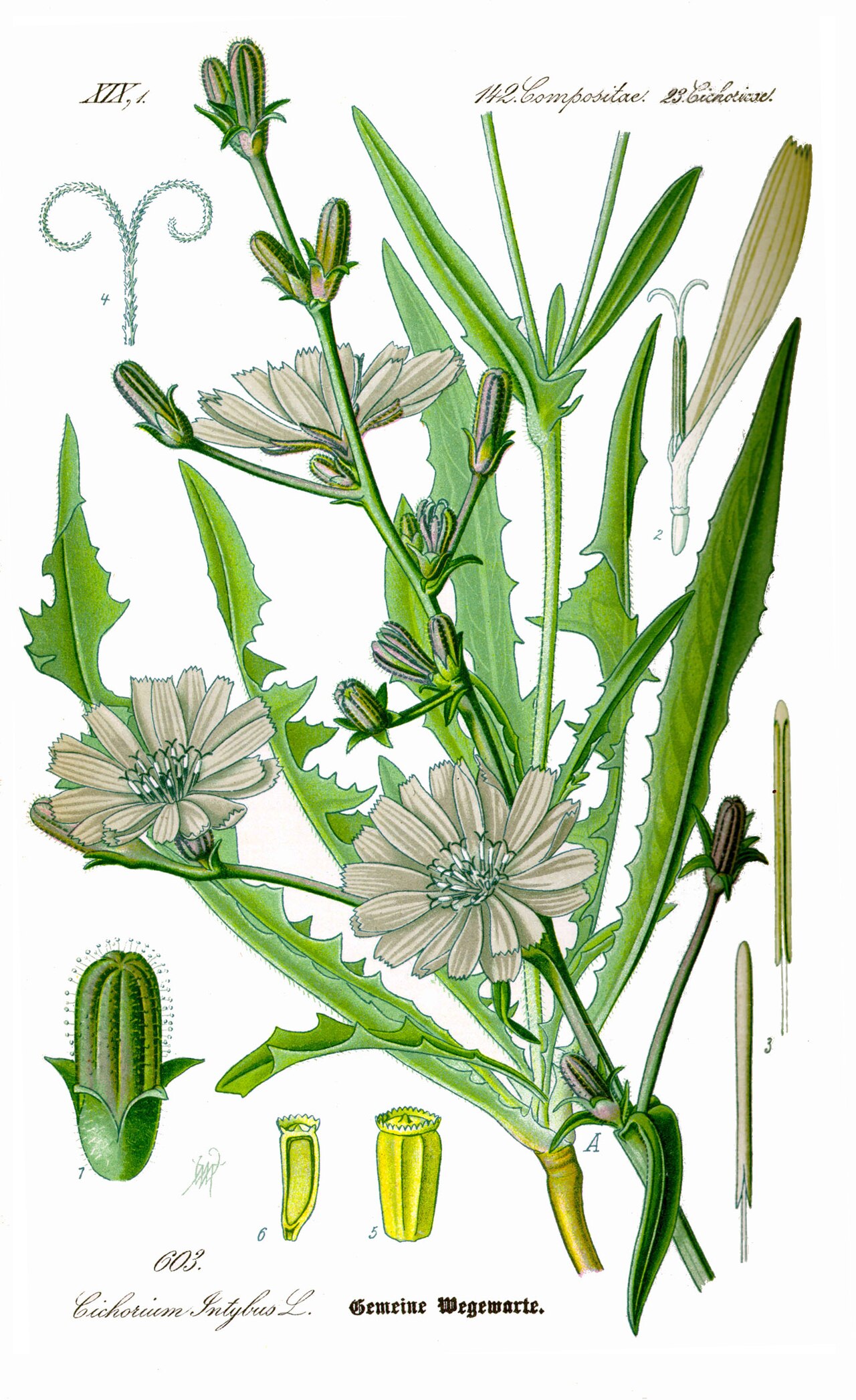
common chicory
Cichorium intybus
Placenta I Medium No biomass productionBitter perennial leafy green with deep taproots — an excellent soil decompactor. Pasini lists it in the medium stratum of Tabela 3. Leaves used in ...
-
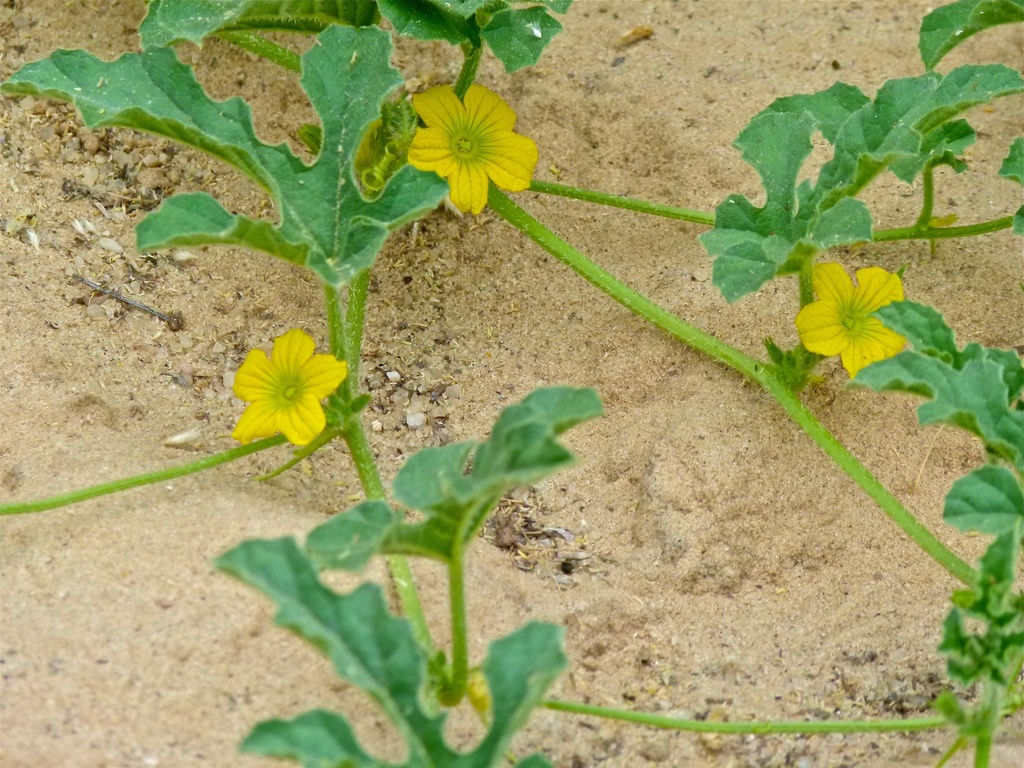
watermelon
Citrullus lanatus
Placenta I Ground cover No biomass productionAnnual creeping cucurbit with large fruit. Embrapa CT-16 plants it in the planting holes of forest and fruit species during the initial agroforestr...
-
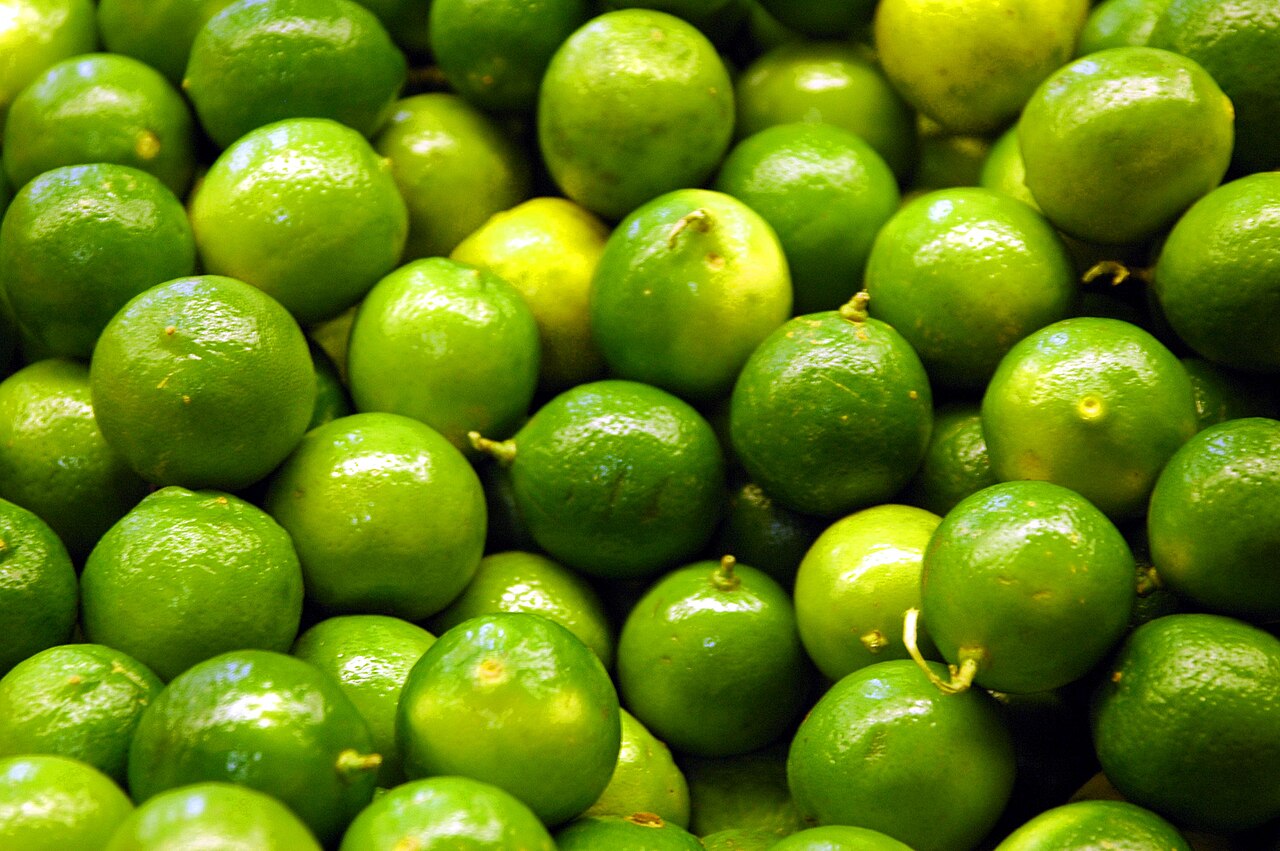
Persian lime
Citrus × latifolia
Secondary I Medium No biomass productionMedium-stratum citrus in syntropic systems. Pasini cites 'lemon' as a stratification example next to coffee (low), avocado (high), and eucalyptus (...
-
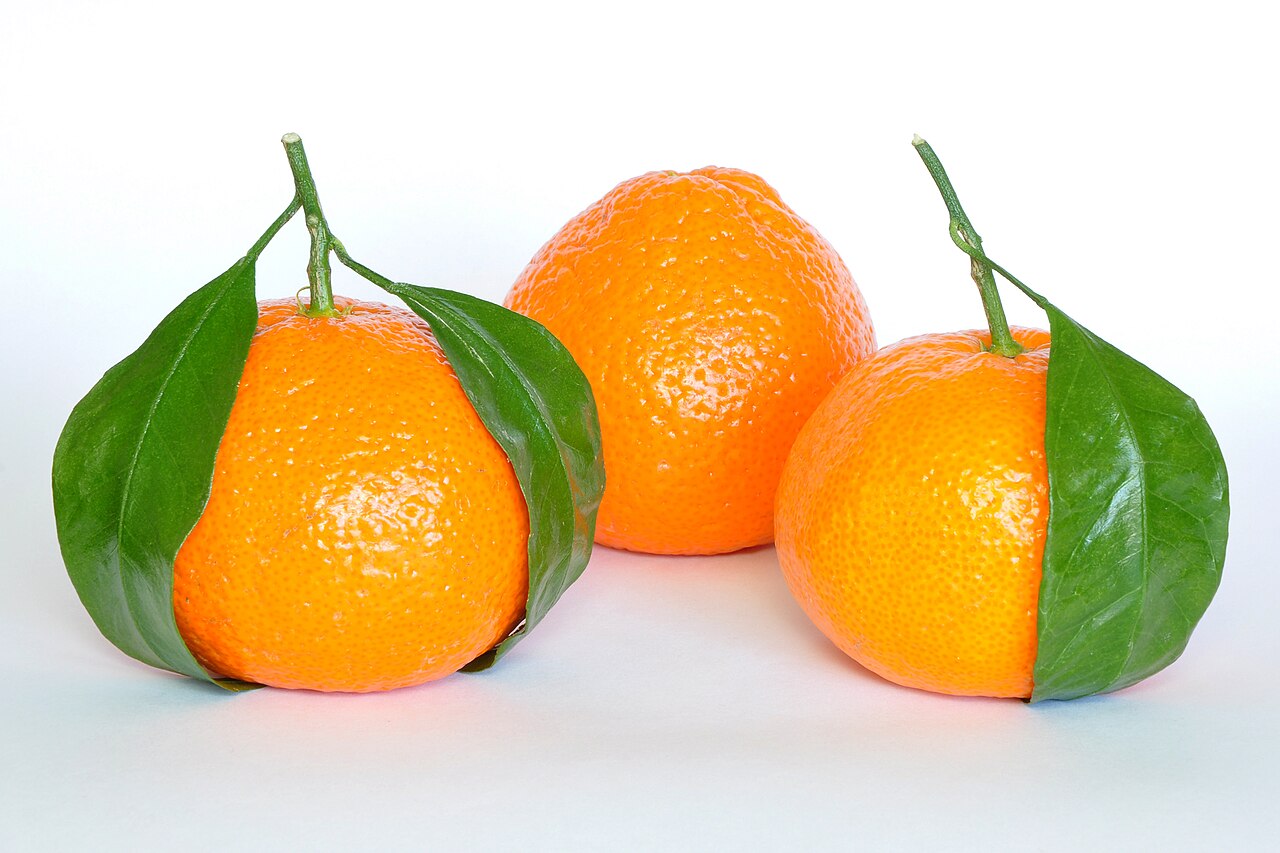
mandarin
Citrus reticulata
Secondary II Medium No biomass productionMedium-stratum citrus in syntropic systems. Pasini lists ponkan in the high stratum of Tabela 3; the Bosque de Niebla Guidebook places the mandarin...
-
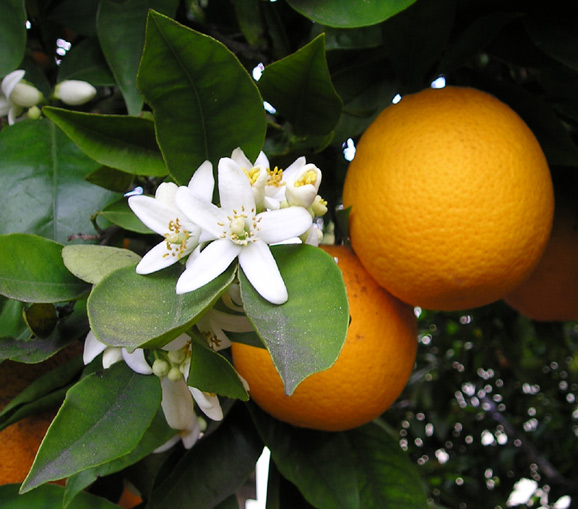
orange
Citrus × sinensis
Secondary I High No biomass productionCitrus fruit tree widely used in Brazilian agroforestry systems. Pasini lists it in the high stratum of Tabela 3 and cites it among Abundance-syste...
-
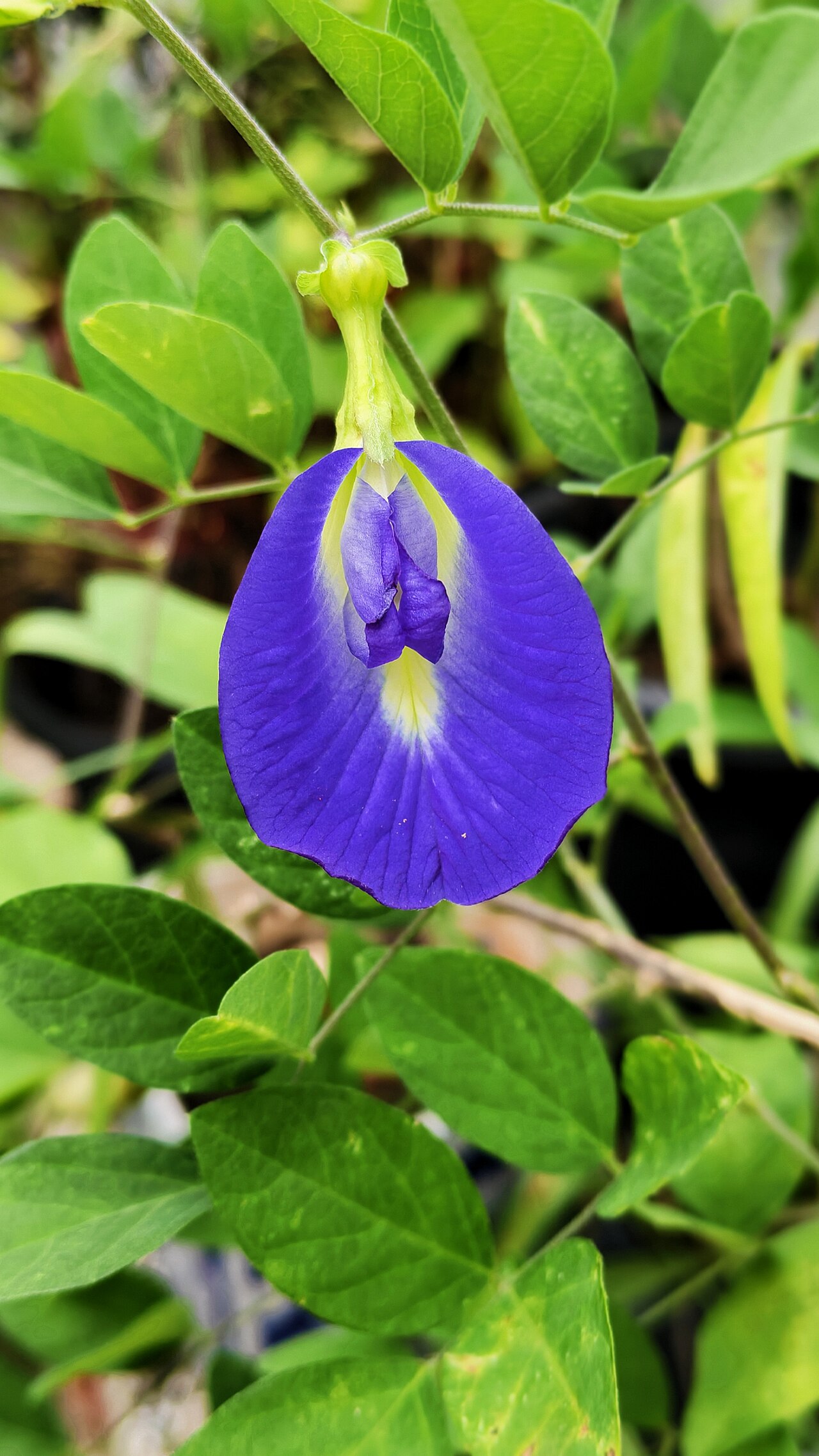
butterfly pea
Clitoria ternatea
Placenta I Ground cover Fertilizer biomass 🌱 Nitrogen fixerA perennial herbaceous climbing legume able to fix up to 100 kg N per hectare per year in symbiosis with Rhizobium. Used as a high-value forage (pr...
-
catuaí coffee
Coffea arabica
Secondary I Low No biomass productionCaturra × Mundo Novo hybrid developed by IAC. Compact dwarf architecture (1.8–2.5 m) — eases harvest and dense planting. Dominant cultivar in Brazi...
-
mundo novo coffee
Coffea arabica
Secondary I Medium No biomass productionNatural Sumatra × Red Bourbon hybrid selected by IAC. Tall (2.5–4 m), thin trunk that arches and requires sucker thinning. Excellent vigor, rustici...
-
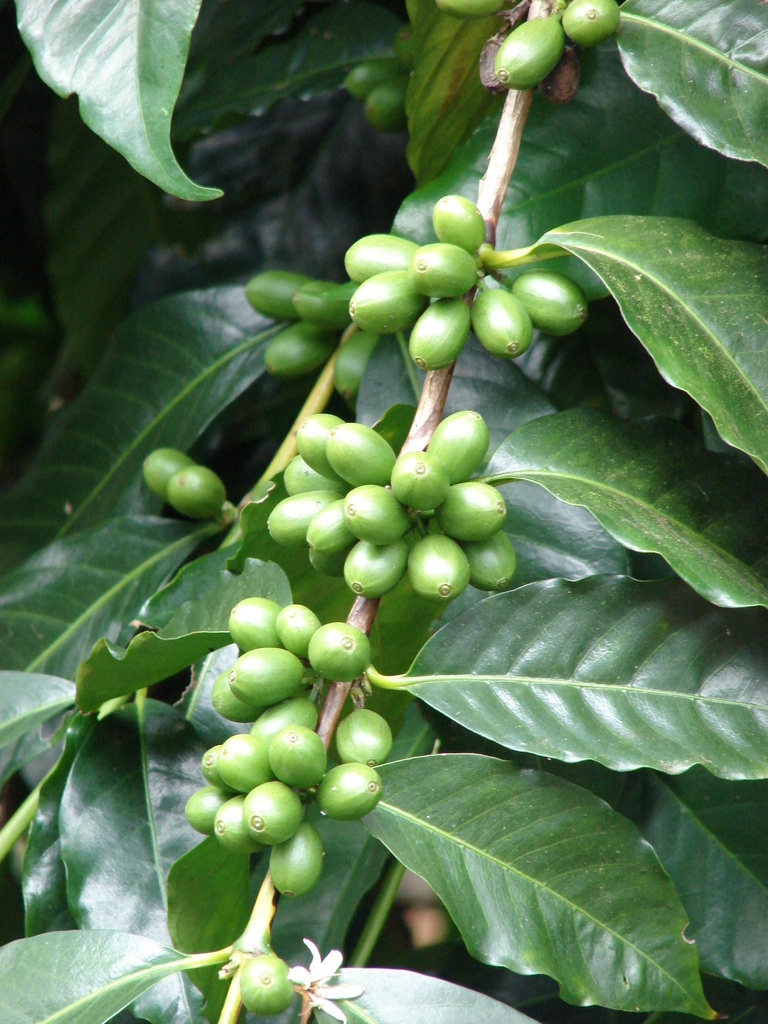
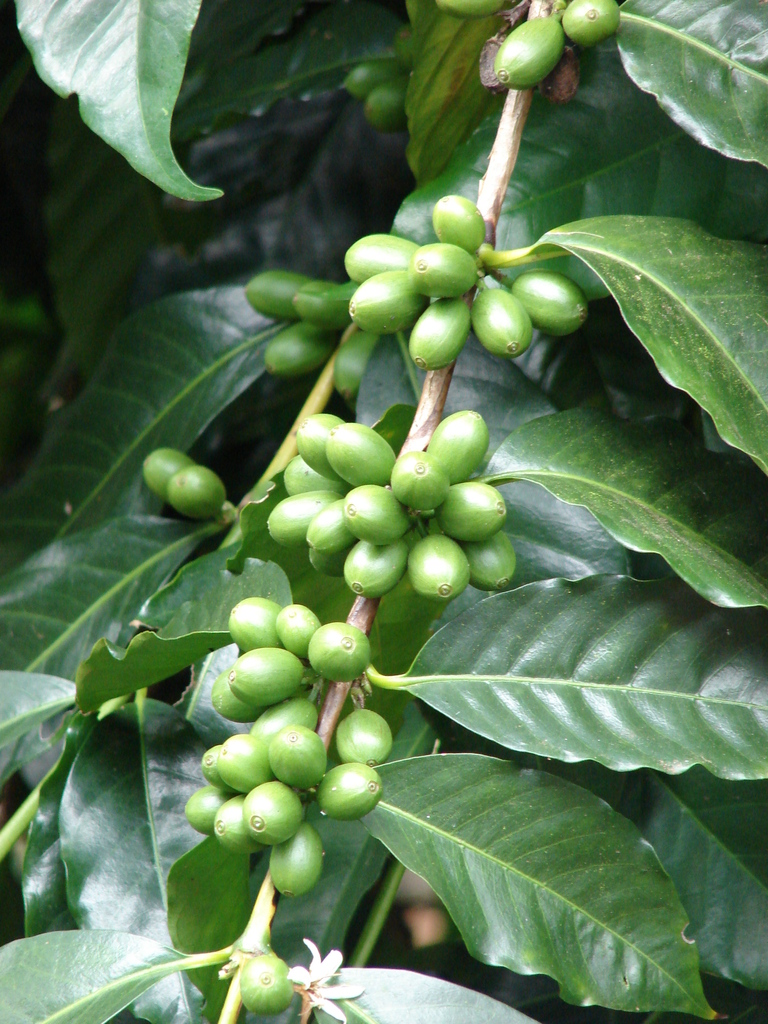
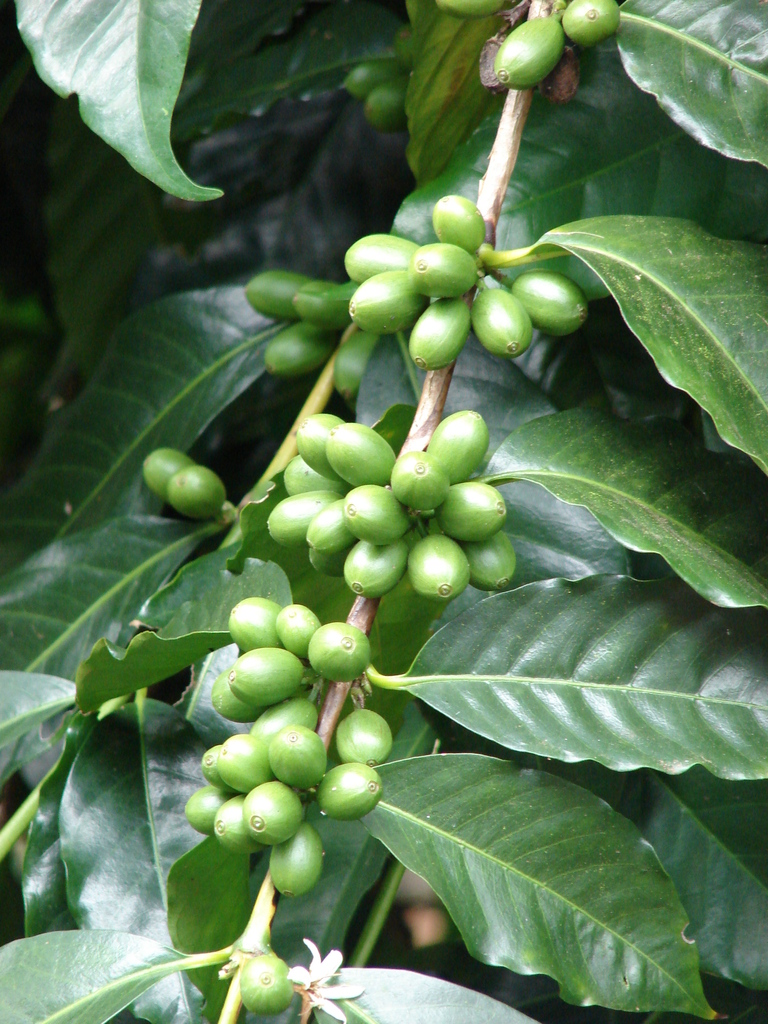
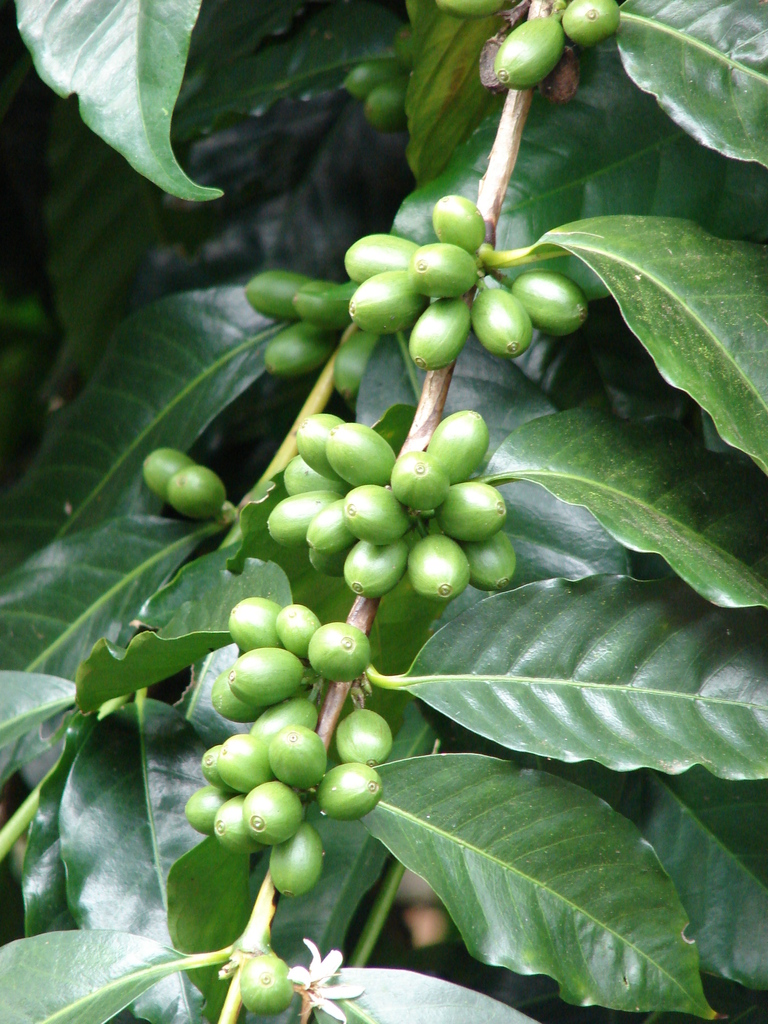
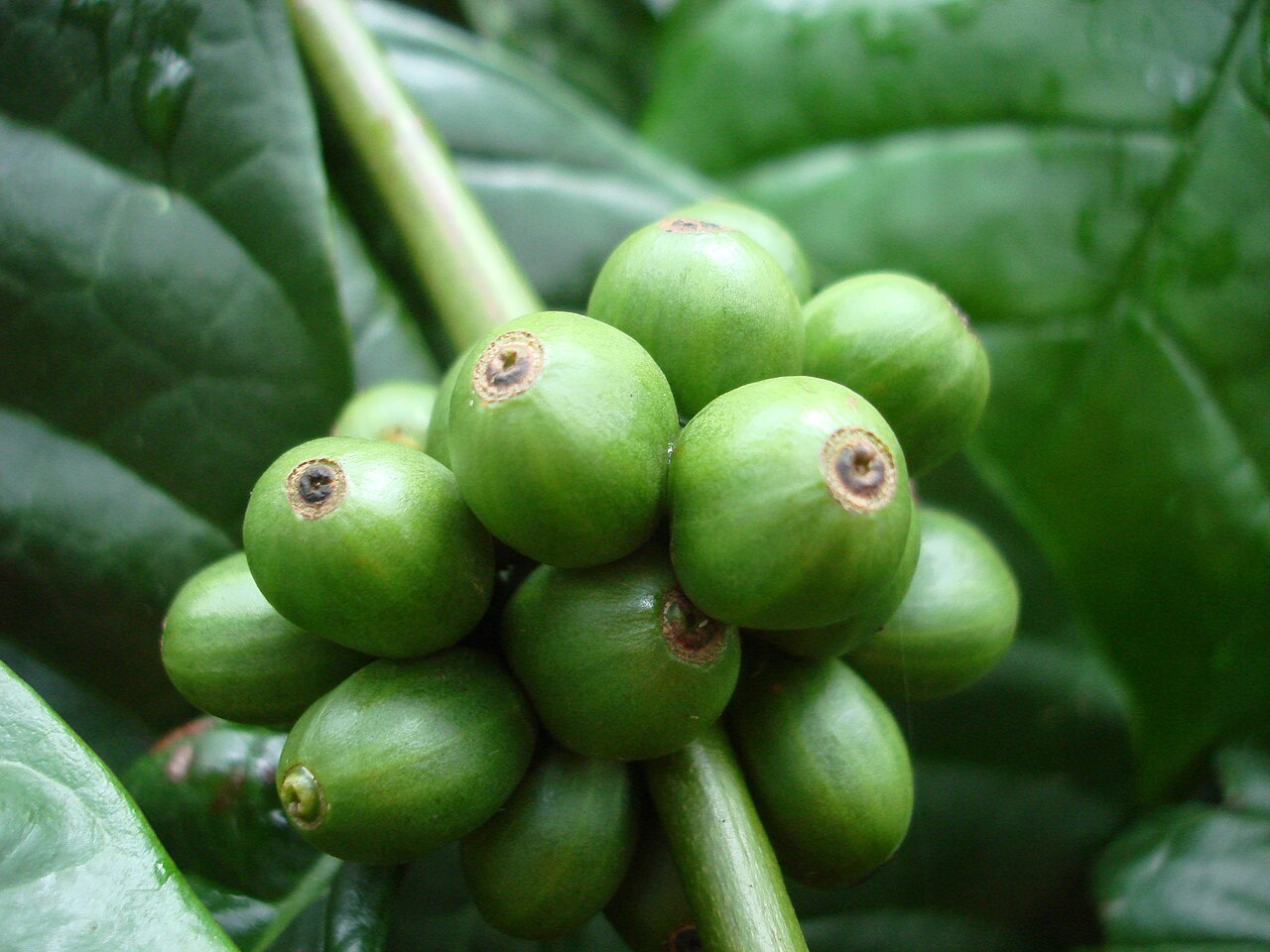
coffee
Coffea arabica
Secondary I Low No biomass productionShade-grown crop valuable in syntropic Atlantic Forest systems. Occupies the low stratum between bananas and ingás.
-
bourbon coffee
Coffea arabica
Secondary I Medium No biomass productionHeirloom arabica cultivar — originated on Bourbon Island (modern Réunion) in the 18th century. Tall (3–4 m), open canopy. Susceptible to coffee lea...
-
robusta coffee
Coffea canephora
Secondary I Medium No biomass productionDistinct coffee species from arabica — more vigorous, adapted to lowland (0–800 m) and hot climate (22–26°C). Brazil's dominant species in Espírito...
-
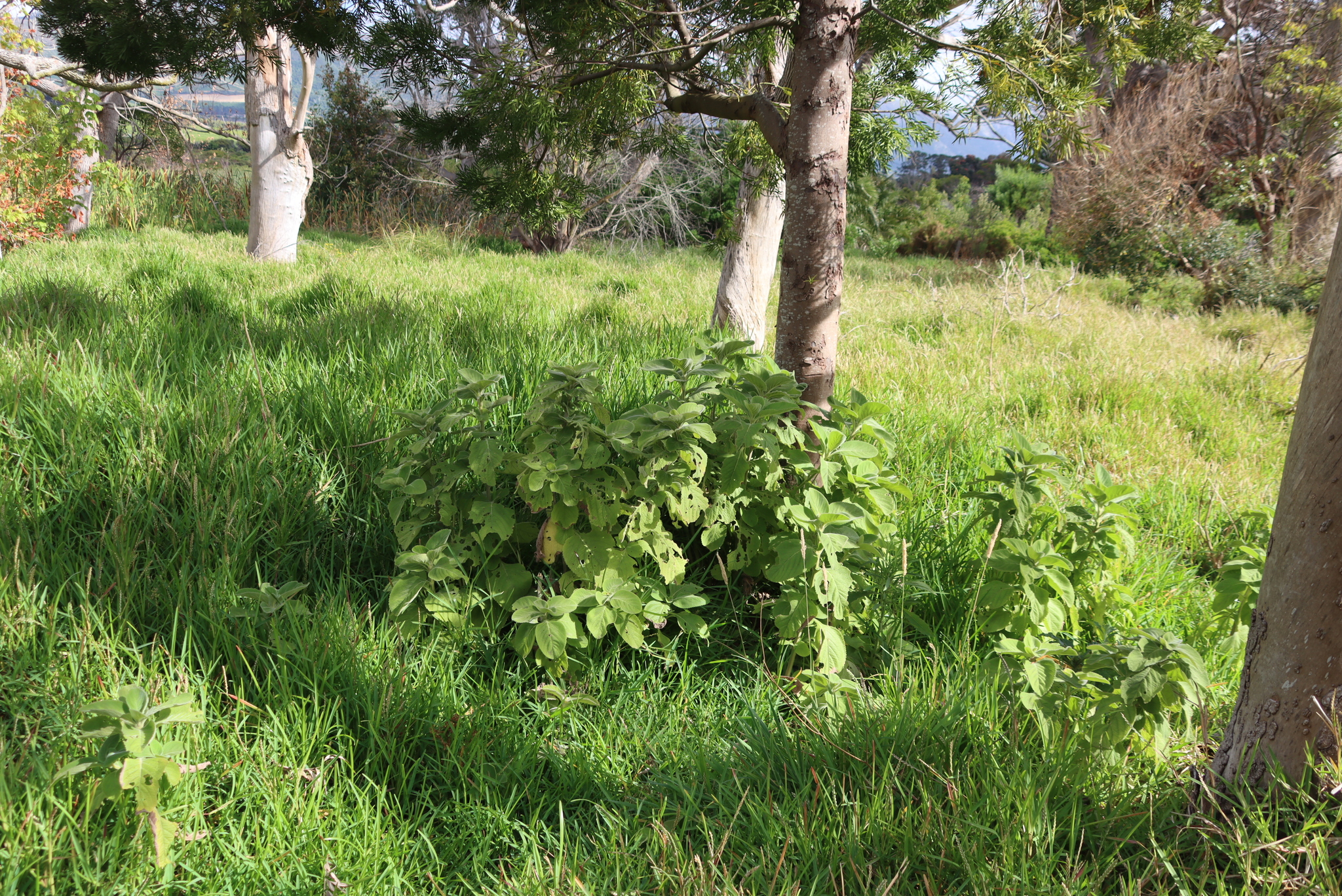
woolly plectranthus
Coleus barbatus
Secondary I Medium No biomass productionA perennial semi-succulent subshrub of the Lamiaceae family, native to tropical Africa, the Arabian Peninsula and Asia, widely grown in Brazil as b...
-
diesel tree
Copaifera langsdorffii
Climax High Mulch biomassClimax Cerrado and Atlantic Forest legume; produces medicinal oil from trunk exudates. Pasini lists it in the high stratum of Tabela 3 and in the '...
-
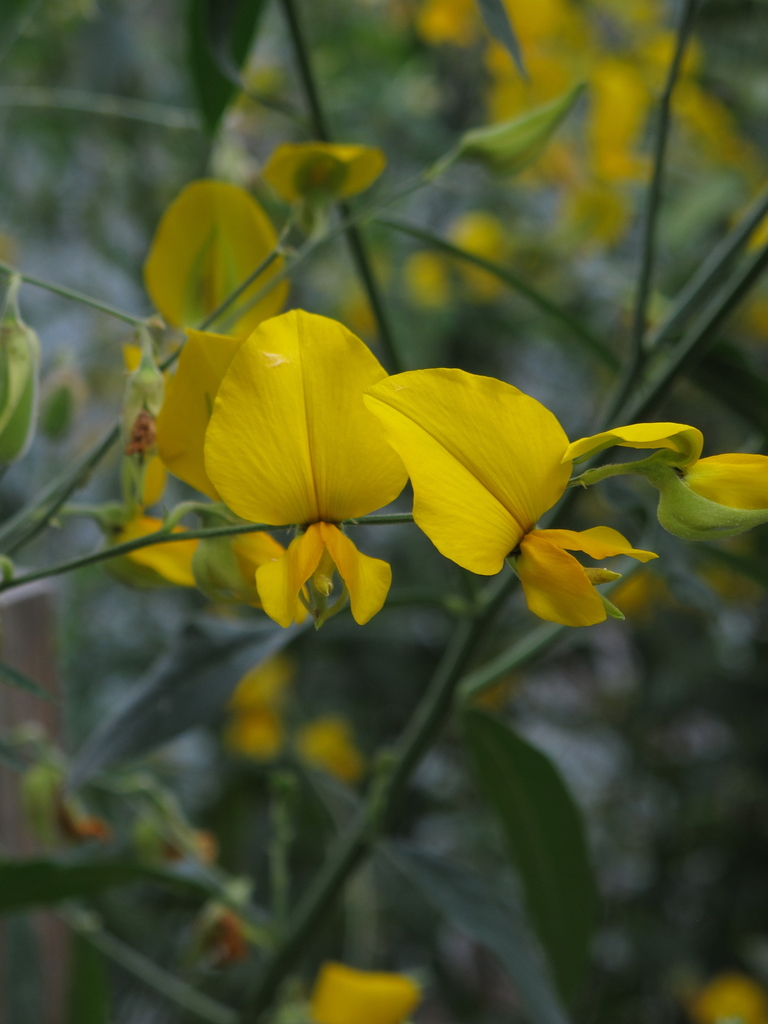
sunn hemp
Crotalaria juncea
Placenta I High Fertilizer biomass 🌱 Nitrogen fixerAnnual green-manure legume, fixes up to ~450 kg N/ha, ideal for the Placenta I phase. Breaks nematode cycles and contributes large amounts of ferti...
-
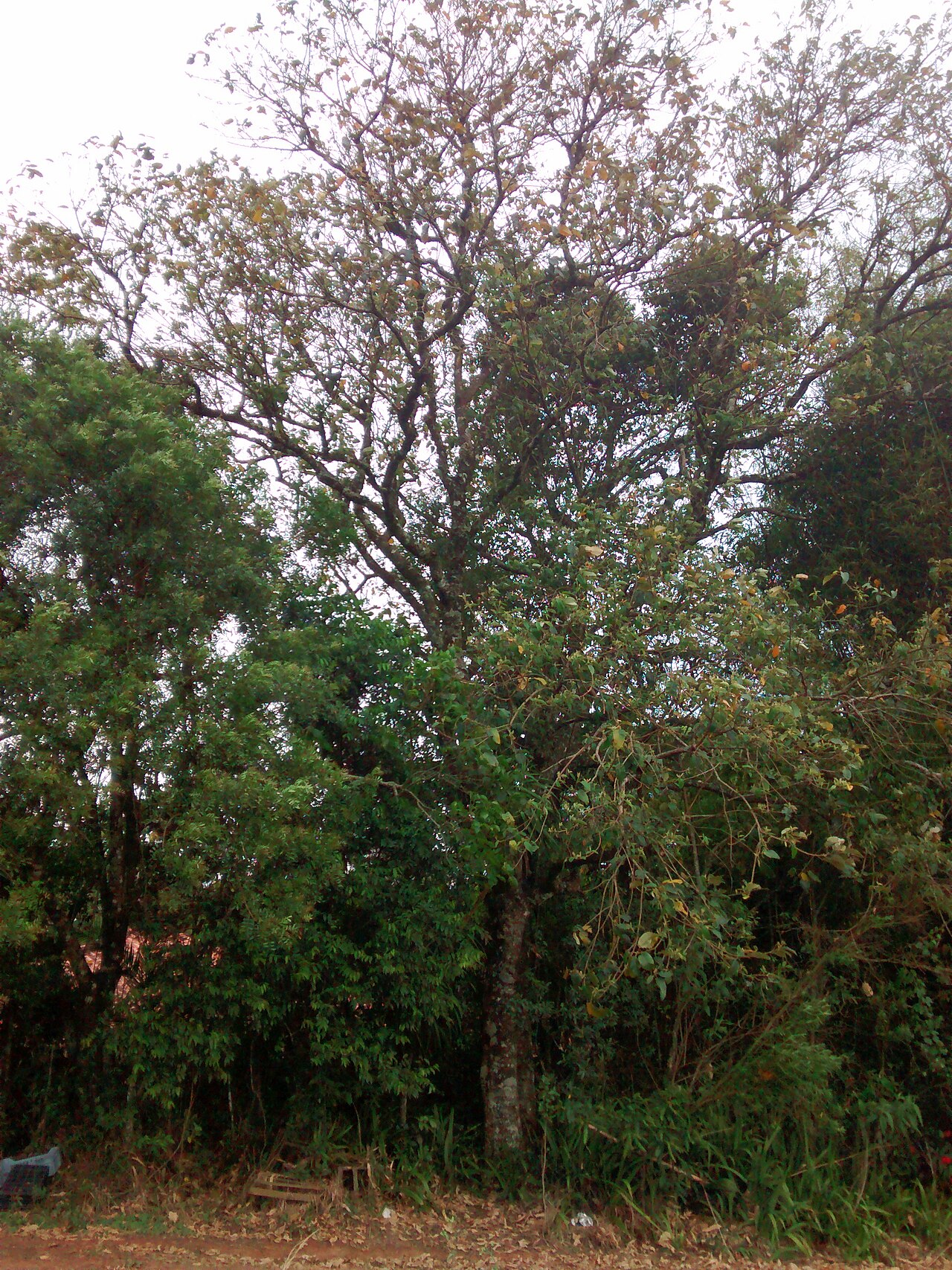
capixingui
Croton floribundus
Secondary I High Mulch biomassNative pioneer tree of the Atlantic Forest and Cerrado, common in edges and clearings of semi-deciduous forests. Reaches 8–15 m on a roughly 30-yea...
-
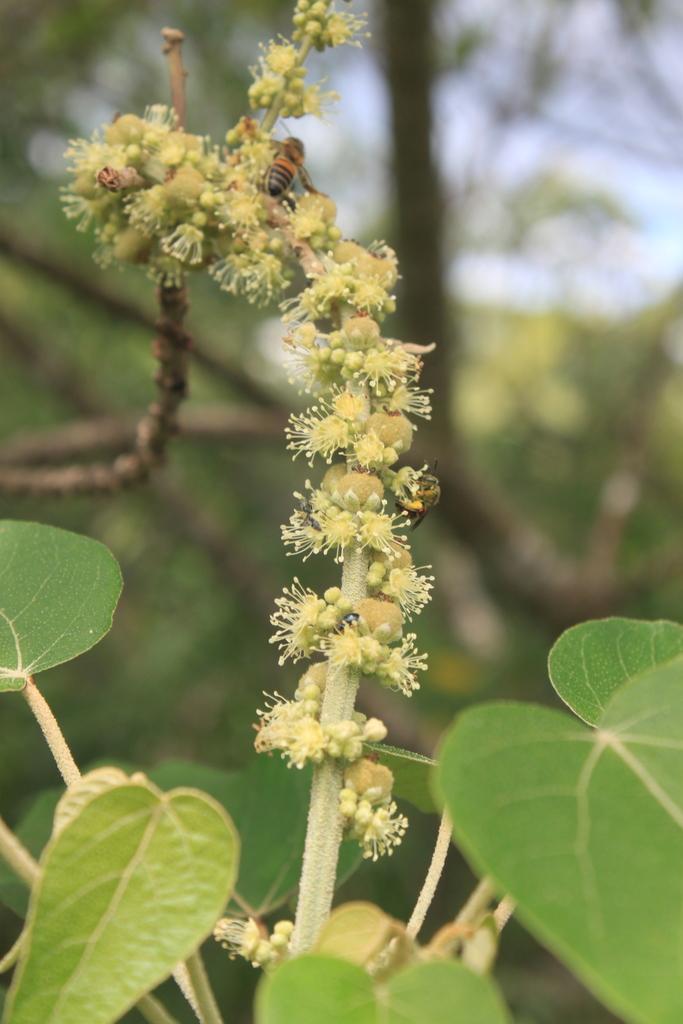
dragon's blood tree
Croton urucurana
Secondary I Medium Mulch biomassHeliophyte pioneer tree typical of riparian forests and humid terrain across the Amazon, Cerrado, and Atlantic Forest. Reaches 7–14 m and produces ...