Plants
Plant Catalog
168 plants found
-
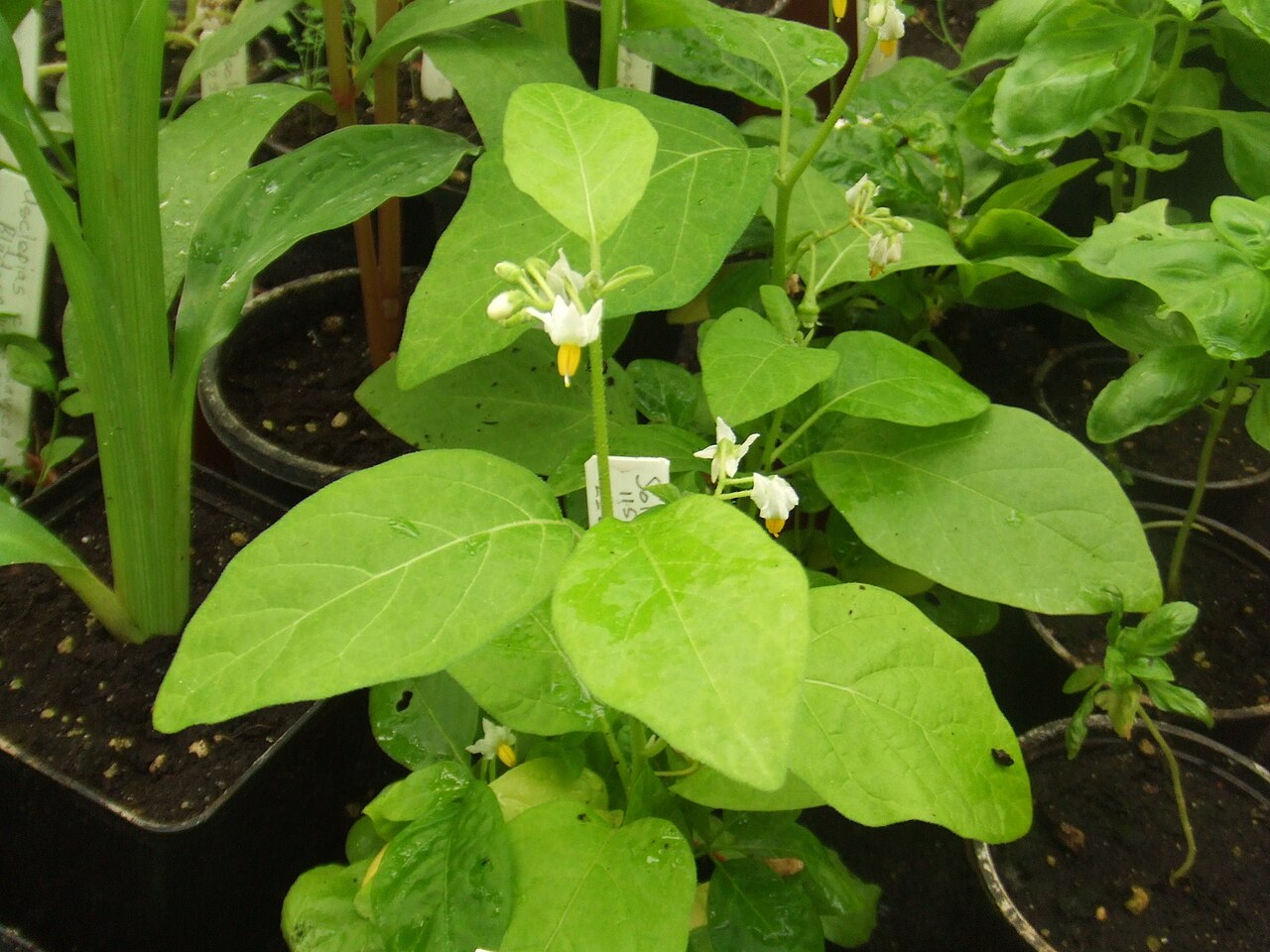
scarlet eggplant
Solanum aethiopicum
Placenta II Medium No biomass productionSolanaceae of African origin, close relative of eggplant. EcoAgri lists it in the medium stratum of the 'up to 3 years' bin. Bitter green fruits ea...
-
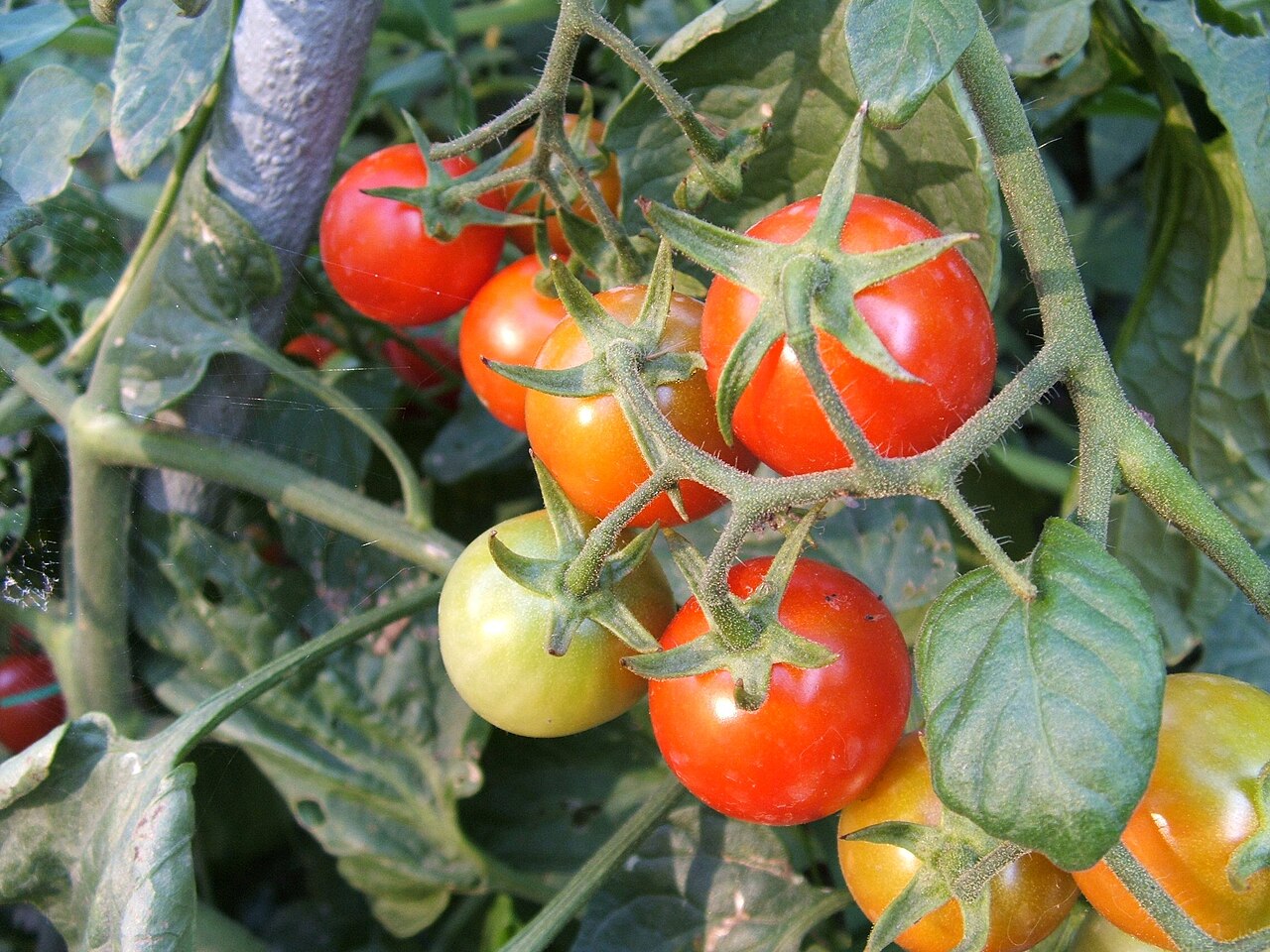
tomato
Solanum lycopersicum
Placenta I High No biomass productionAnnual vegetable-fruit, listed by Pasini in the high stratum of Tabela 3. The Bosque de Niebla Guidebook places it as typical Placenta I in the hig...
-
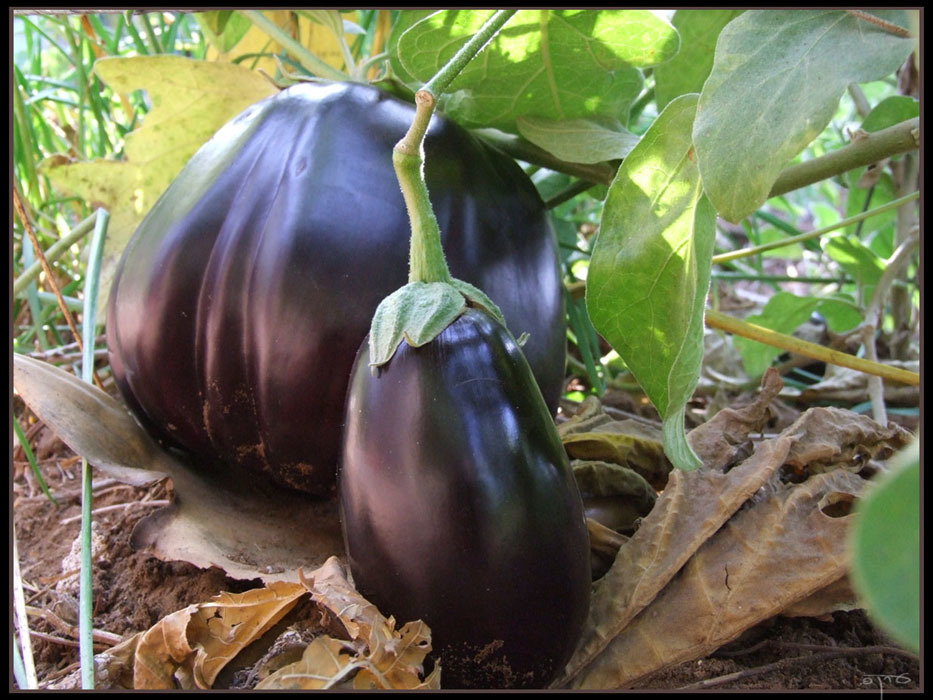
eggplant
Solanum melongena
Placenta I Medium No biomass productionAnnual or short-lived perennial Solanaceae grown for the fruit. The Bosque de Niebla Guidebook lists eggplant as Placenta I in the medium stratum. ...
-
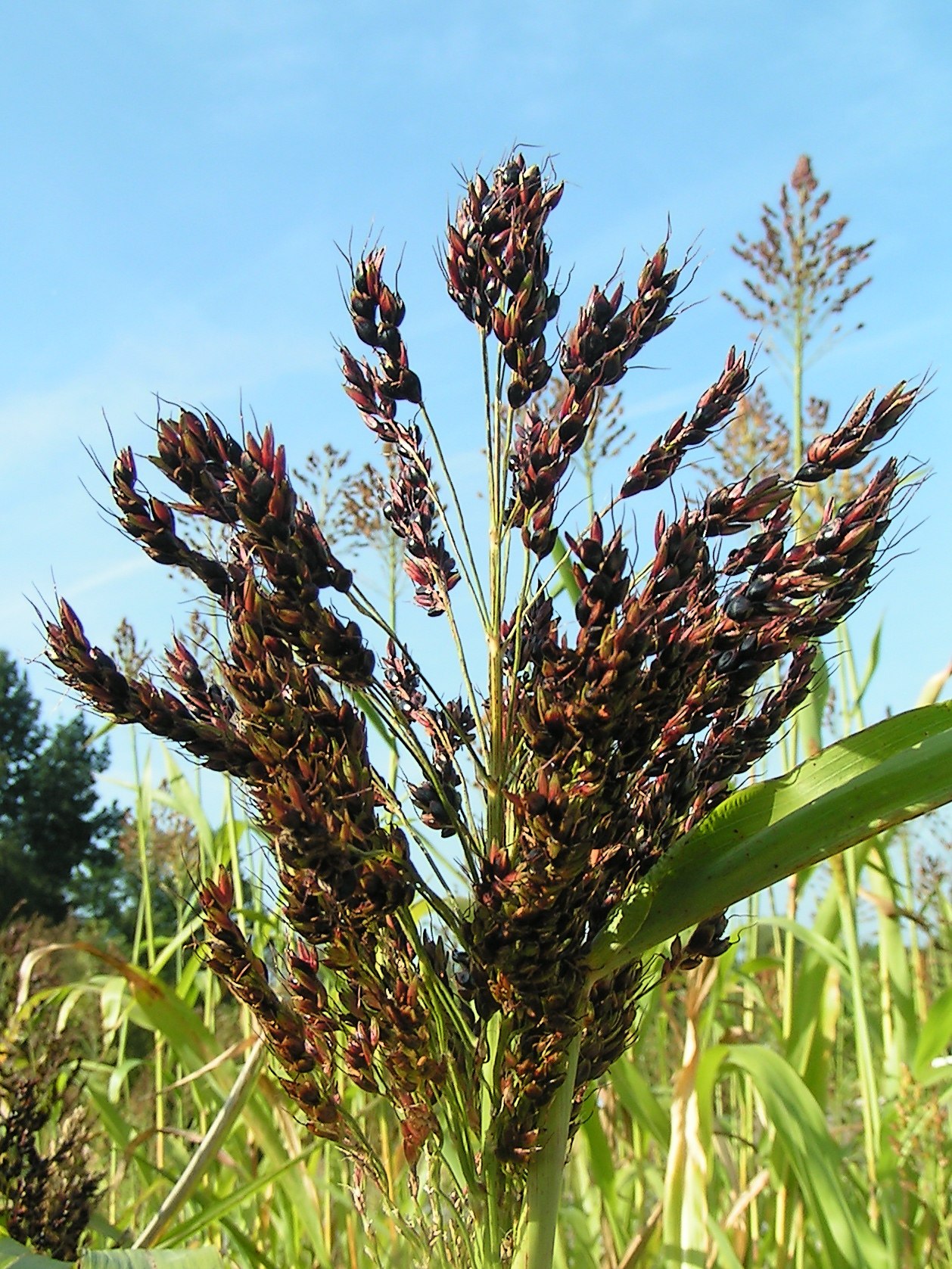
sorghum
Sorghum bicolor
Placenta I Emergent Mulch biomassAfrican annual cereal highly tolerant of drought. Rebello & Sakamoto (2019) list sorghum among grain crops (alongside soybean, corn, and cotton) pr...
-
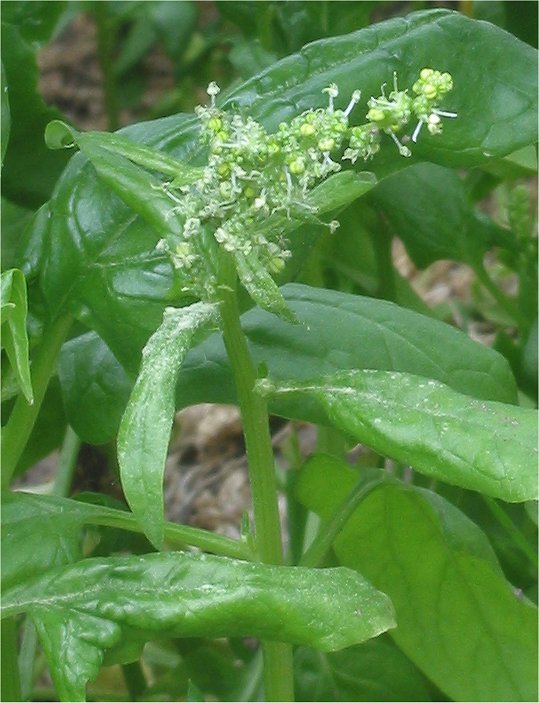
spinach
Spinacia oleracea
Placenta I Low No biomass productionAnnual leafy vegetable for mild climates. Pasini lists it in the medium stratum of Tabela 3. In Brazilian tropical climates, best cultivated in coo...
-
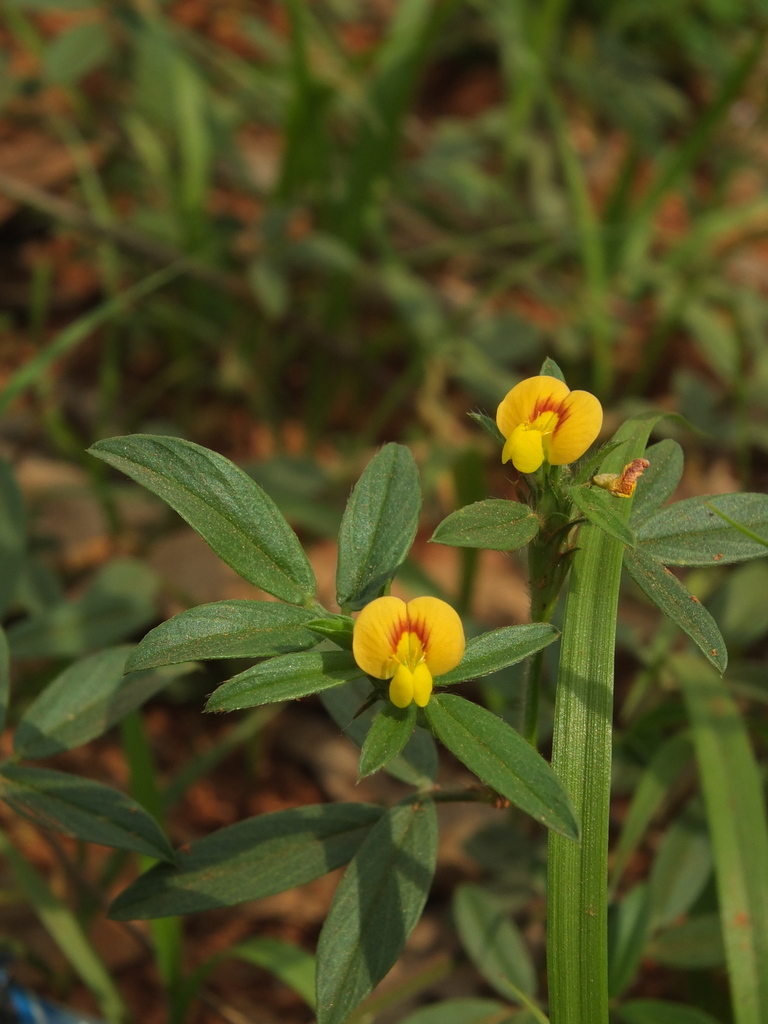
stylo
Stylosanthes guianensis
Placenta I Ground cover Fertilizer biomass 🌱 Nitrogen fixerHerbaceous forage legume, nitrogen-fixer. Rebello includes stylosanthes among key accumulation-phase species in Cerrado and Caatinga, alongside pig...
-
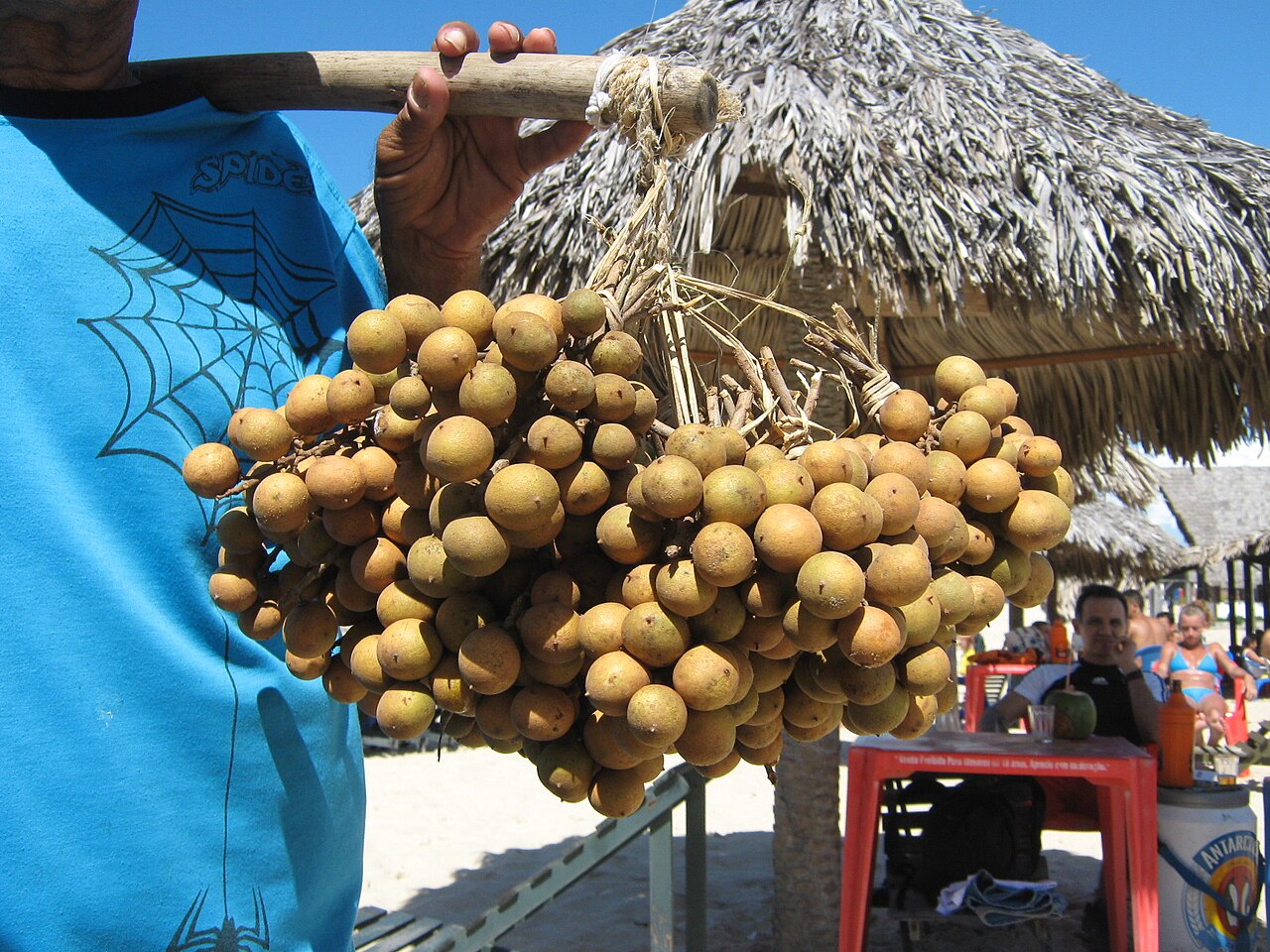
pitomba
Talisia esculenta
Secondary II Medium No biomass productionNative tree of the Amazon and Atlantic Forest, from Northeastern Brazil to Rio de Janeiro. 6–12 m tall, evergreen leafy canopy, trunk 30–40 cm. Ova...
-
white tephrosia
Tephrosia candida
Placenta II Low Mulch biomass 🌱 Nitrogen fixerA short-lived (3-4 years) perennial leguminous shrub of 1-3 m, native to India and widely introduced across the tropics. It fixes nitrogen and is g...
-
forastero cacao
Theobroma cacao
Secondary II Medium No biomass productionBrazil's dominant cacao varietal group — yellow-green pods, purple-cotyledon seeds, robust but less aromatic flavor. Tall (6–12 m unpruned), vigoro...
-
trinitario cacao
Theobroma cacao
Secondary II Medium No biomass productionHybrid group (Forastero × Criollo) originating in Trinidad. Combines Forastero's vigor with Criollo's cup quality. Medium height (5–8 m), intermedi...
-
criollo cacao
Theobroma cacao
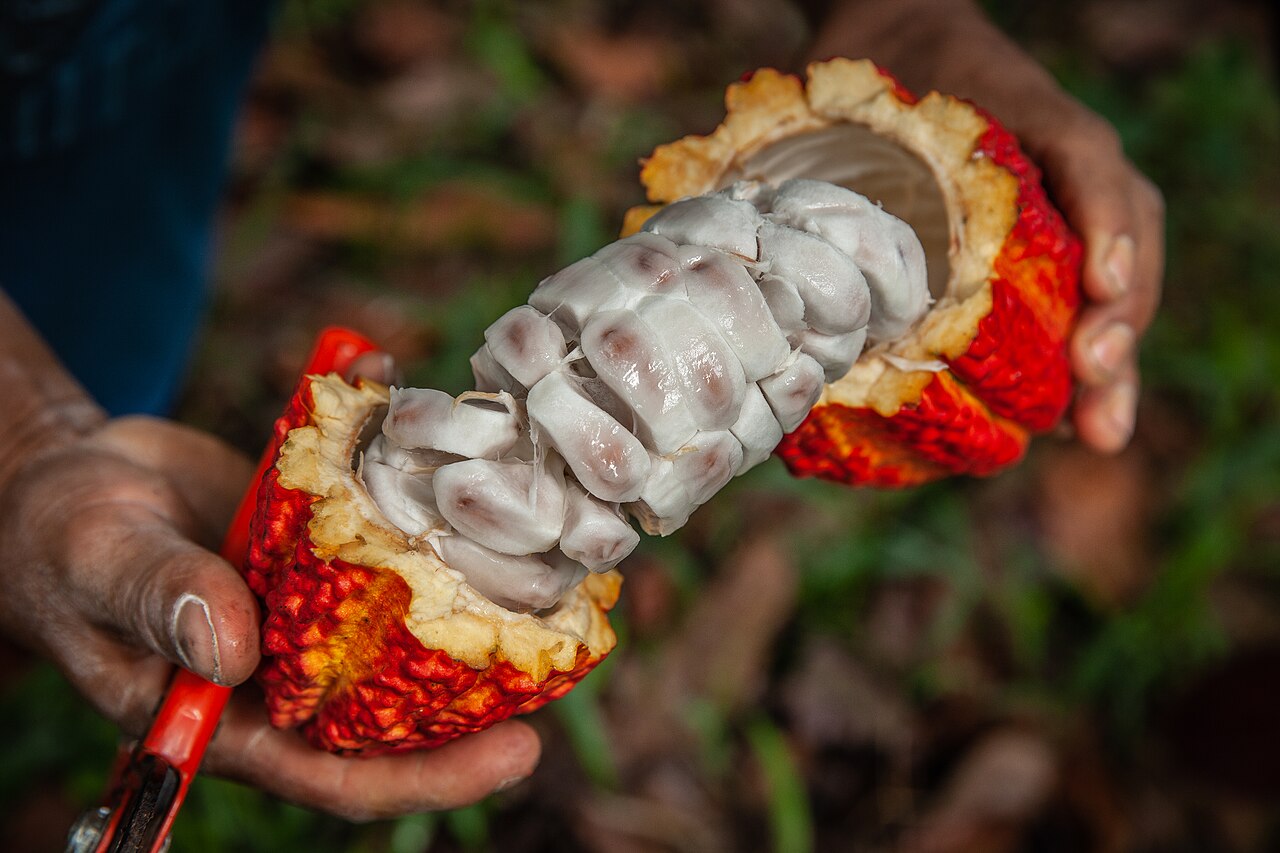
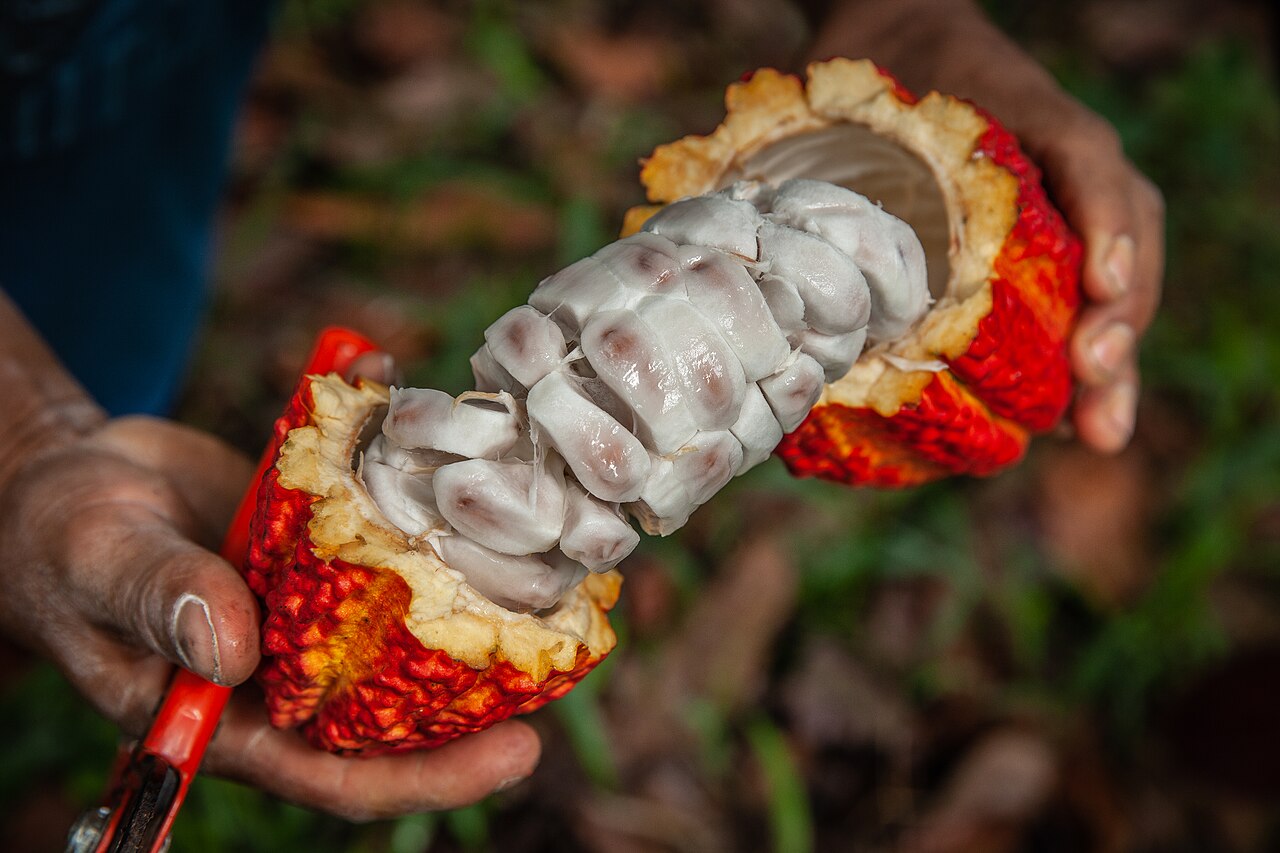
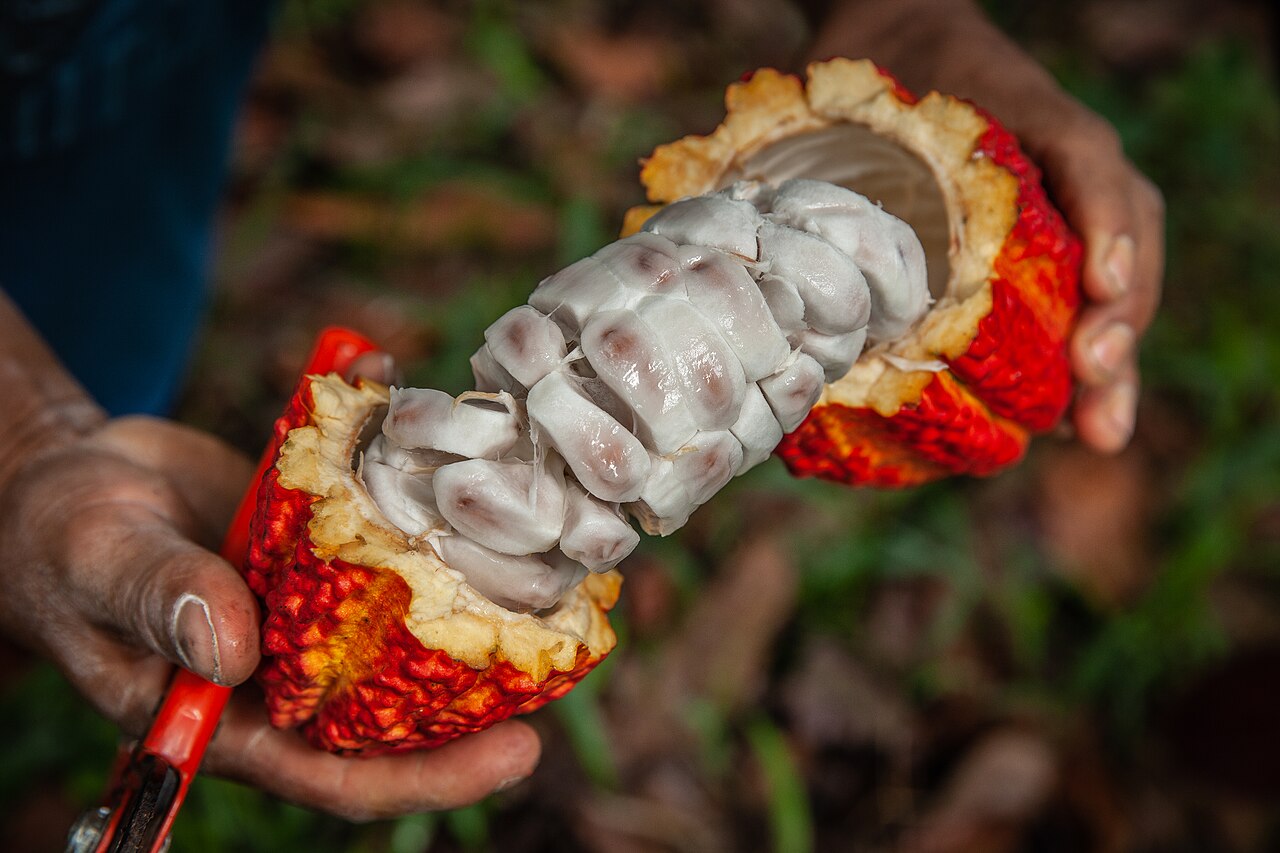
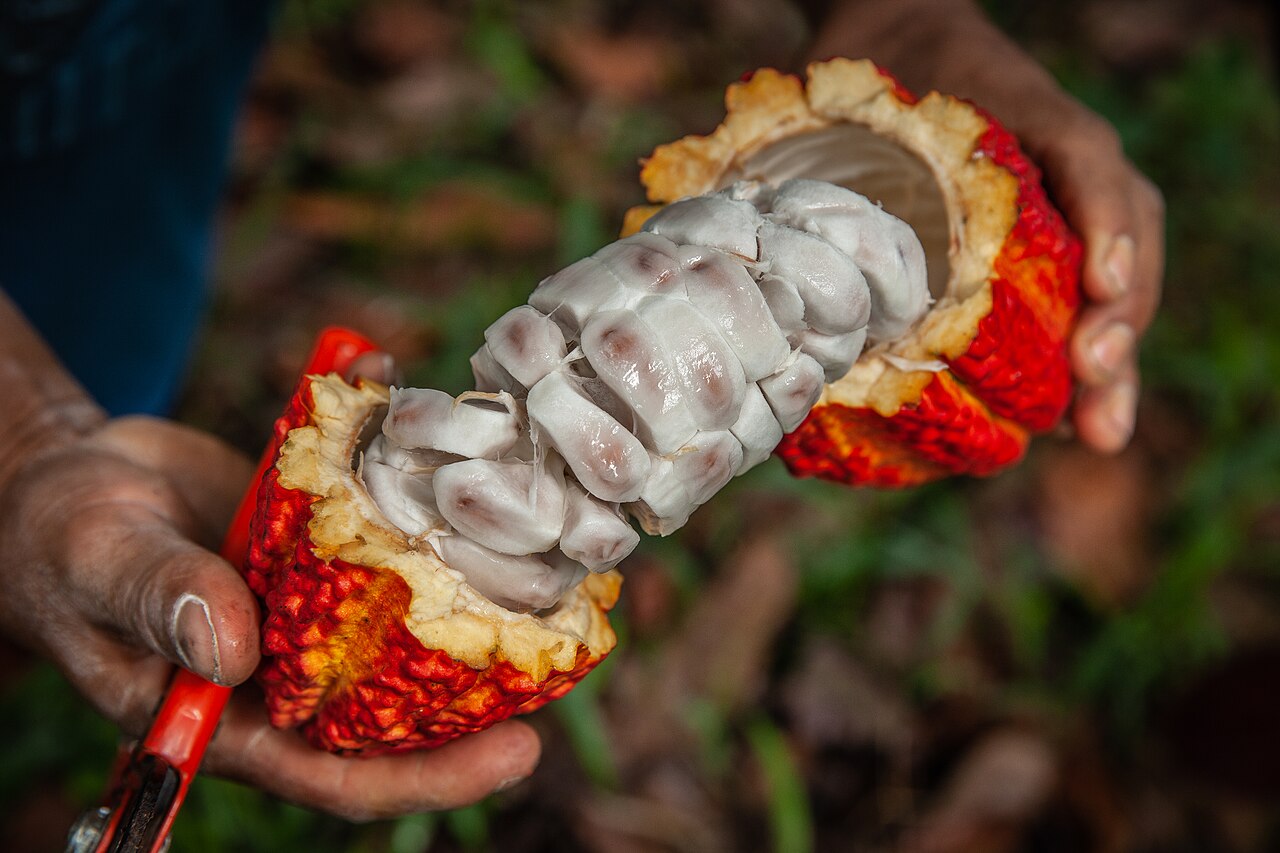
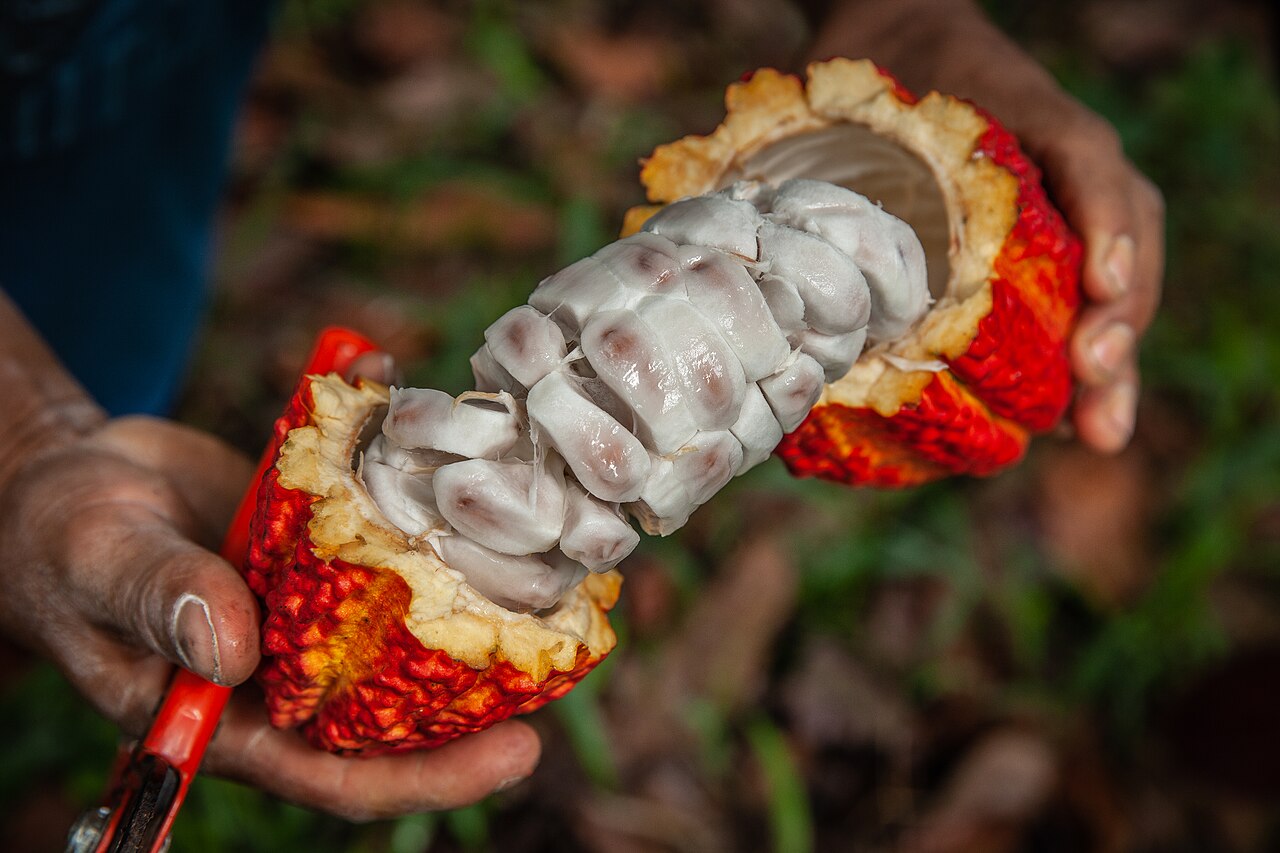
Secondary II Medium No biomass productionHeirloom varietal group — Mesoamerican origin, red or yellow pods with white-to-pale-purple seeds. Delicate, low-bitterness flavor — the basis of t...
-
ccn-51 cacao
Theobroma cacao
Secondary II Medium No biomass productionEcuadorian hybrid clone (IMC-67 × ICS-95) selected by Homero Castro in the 1960s. Compact (4–5 m), self-compatible, high yield (up to 4 t/ha), and ...
-
cocoa
Theobroma cacao
Secondary I Low No biomass productionLow-stratum fruit tree shaded by bananas, ingás and palms in the Bahia syntropic systems pioneered by Götsch.
-
cupuaçu
Theobroma grandiflorum
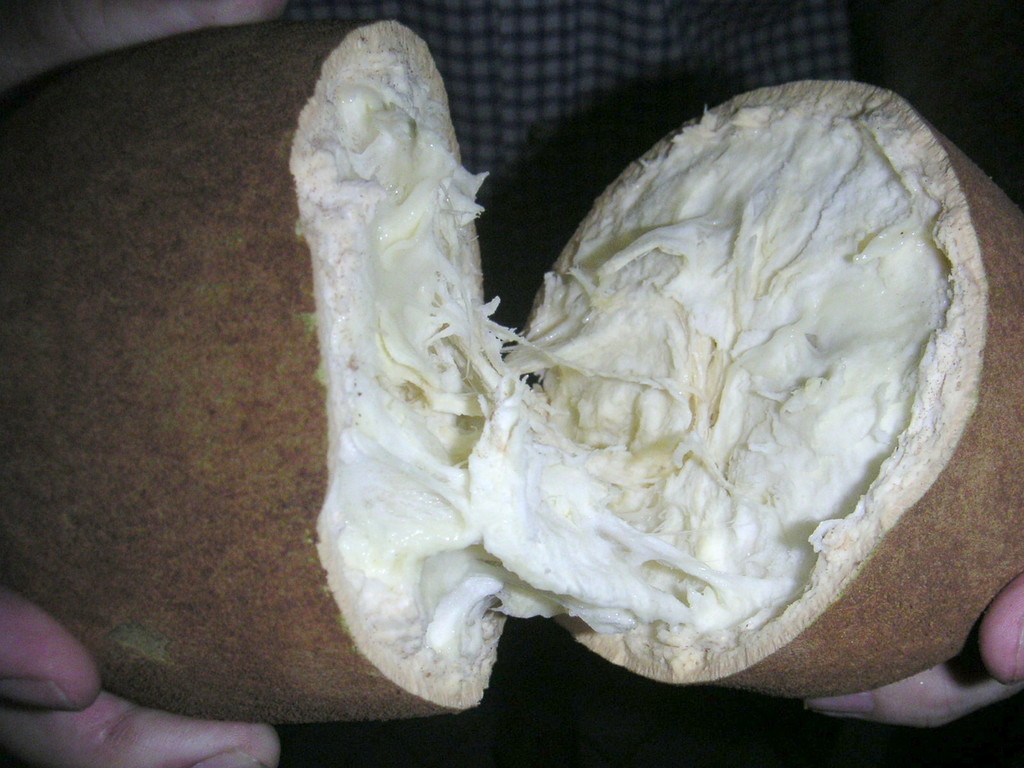
Secondary I Medium No biomass productionAmazonian high-stratum fruit tree, cousin of cocoa. Pasini lists it in the high stratum of Tabela 3 and among Abundance-system species — middle pha...
-
thyme
Thymus vulgaris
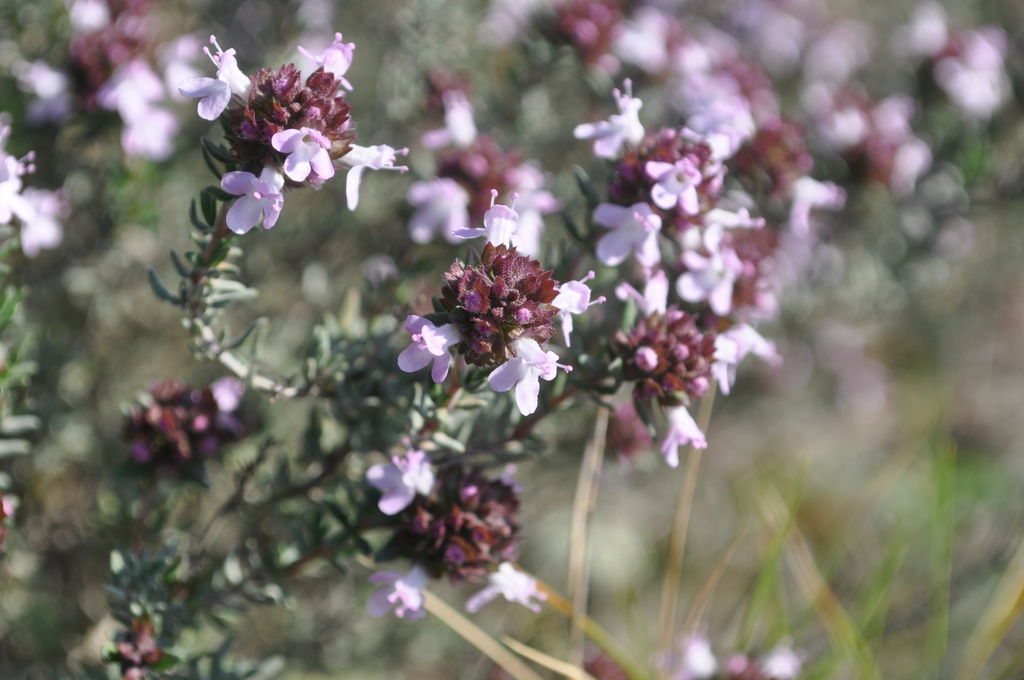
Placenta I Ground cover No biomass productionCreeping Mediterranean subshrub (15–30 cm), tiny leaves. Permanent ground cover in full sun on dry well-drained soil. Bee-attracting. Tolerates lig...
-
tipu tree
Tipuana tipu
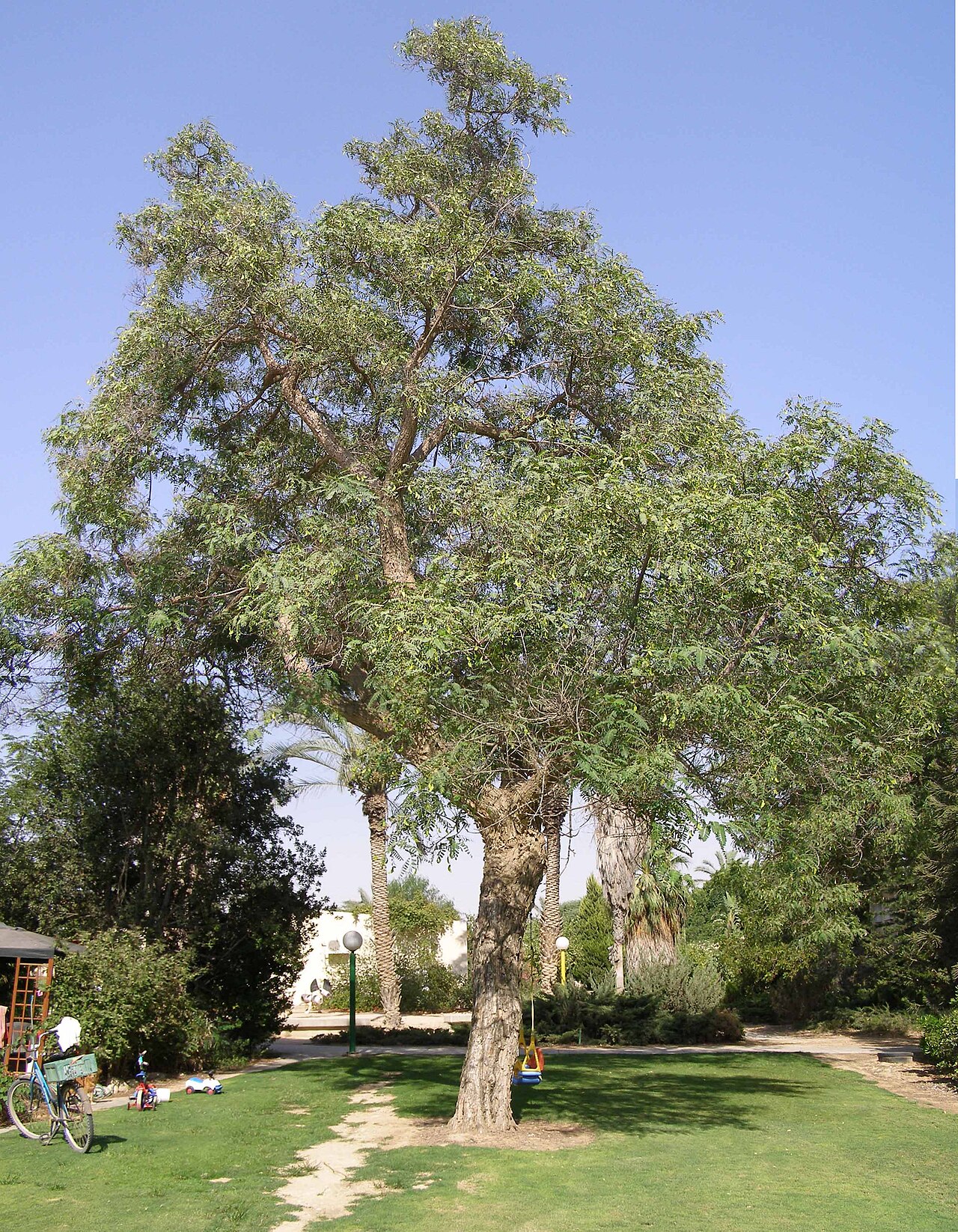
Secondary II Emergent Fertilizer biomass 🌱 Nitrogen fixerA very fast-growing leguminous tree of 10-30 m, with a broad spreading crown, native to southern Bolivia, northern Argentina, Paraguay, Uruguay and...
-
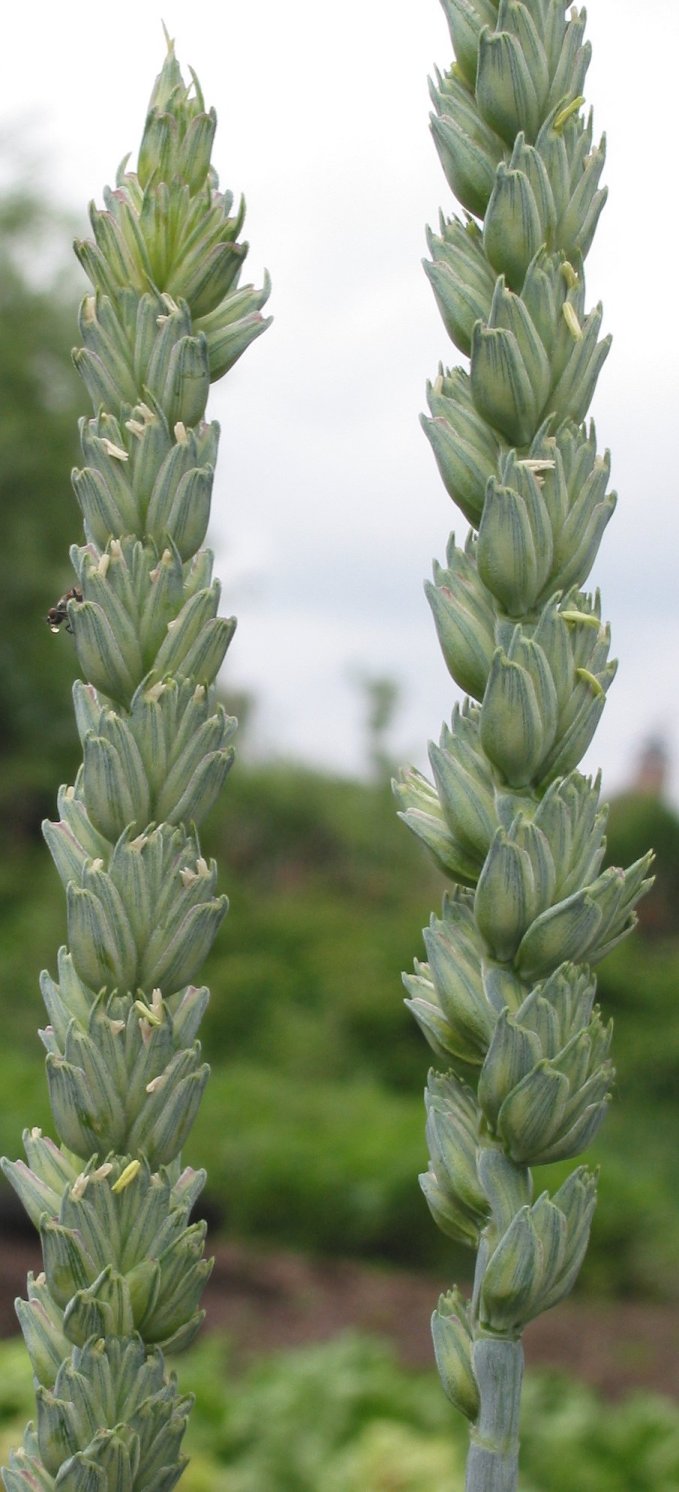
wheat
Triticum aestivum
Placenta I High Mulch biomassAnnual cereal originating in the Fertile Crescent. Rebello & Sakamoto (2019) tested wheat in a syntropic system in the Cerrado (Chapada dos Veadeir...
-
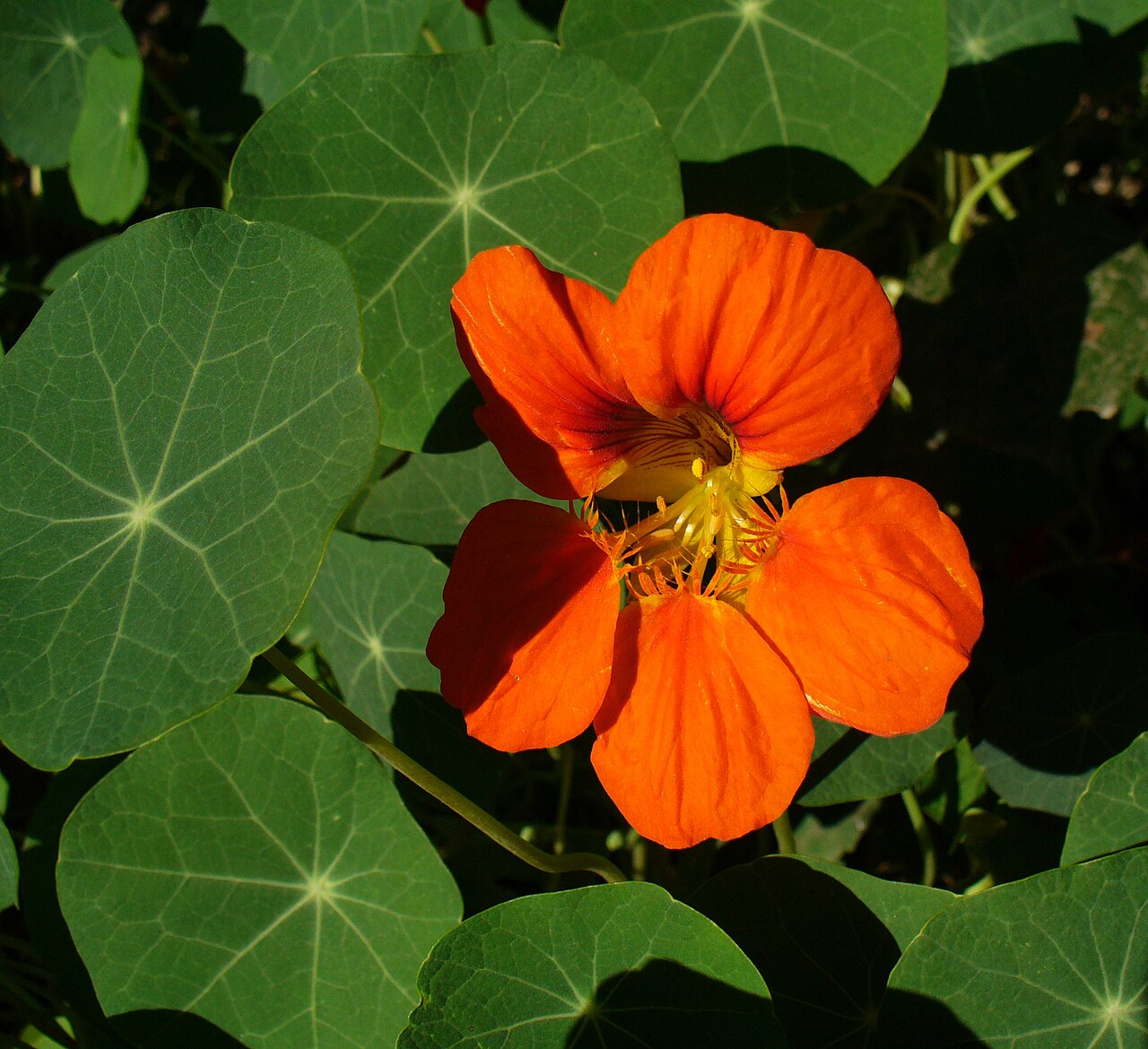
garden nasturtium
Tropaeolum majus
Placenta I Ground cover No biomass productionA fast-growing trailing or climbing herb, annual or short-lived perennial, native to the South American Andes and widely grown as an ornamental. Al...
-
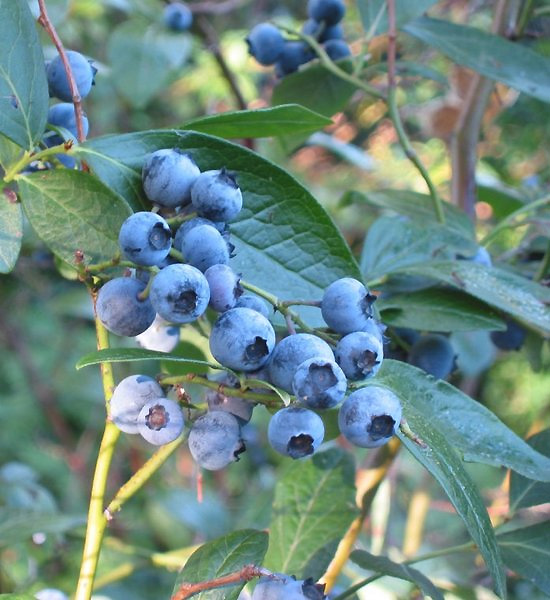
blueberry
Vaccinium corymbosum
Secondary I Low No biomass productionNorthern highbush blueberry, a deciduous shrub of the Ericaceae family, exotic to Brazil and grown in cold regions of the south, notably Rio Grande...
-
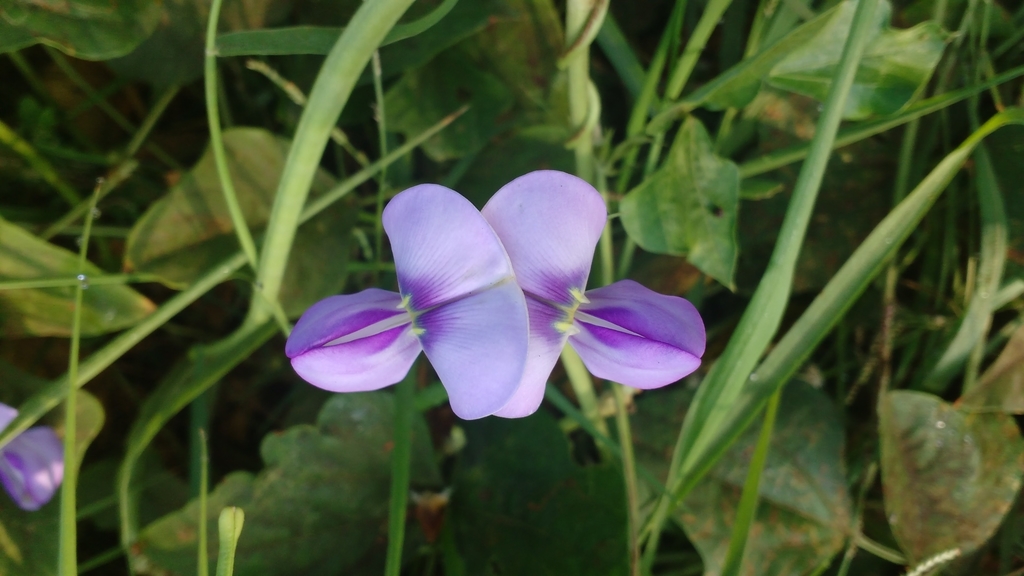
cowpea
Vigna unguiculata
Placenta I Ground cover Fertilizer biomass 🌱 Nitrogen fixerAnnual nitrogen-fixing legume, prostrate or semi-climbing. Adapted to NE Brazil — protein staple of regional cuisine. Short cycle (60–90 days). Mor...
-
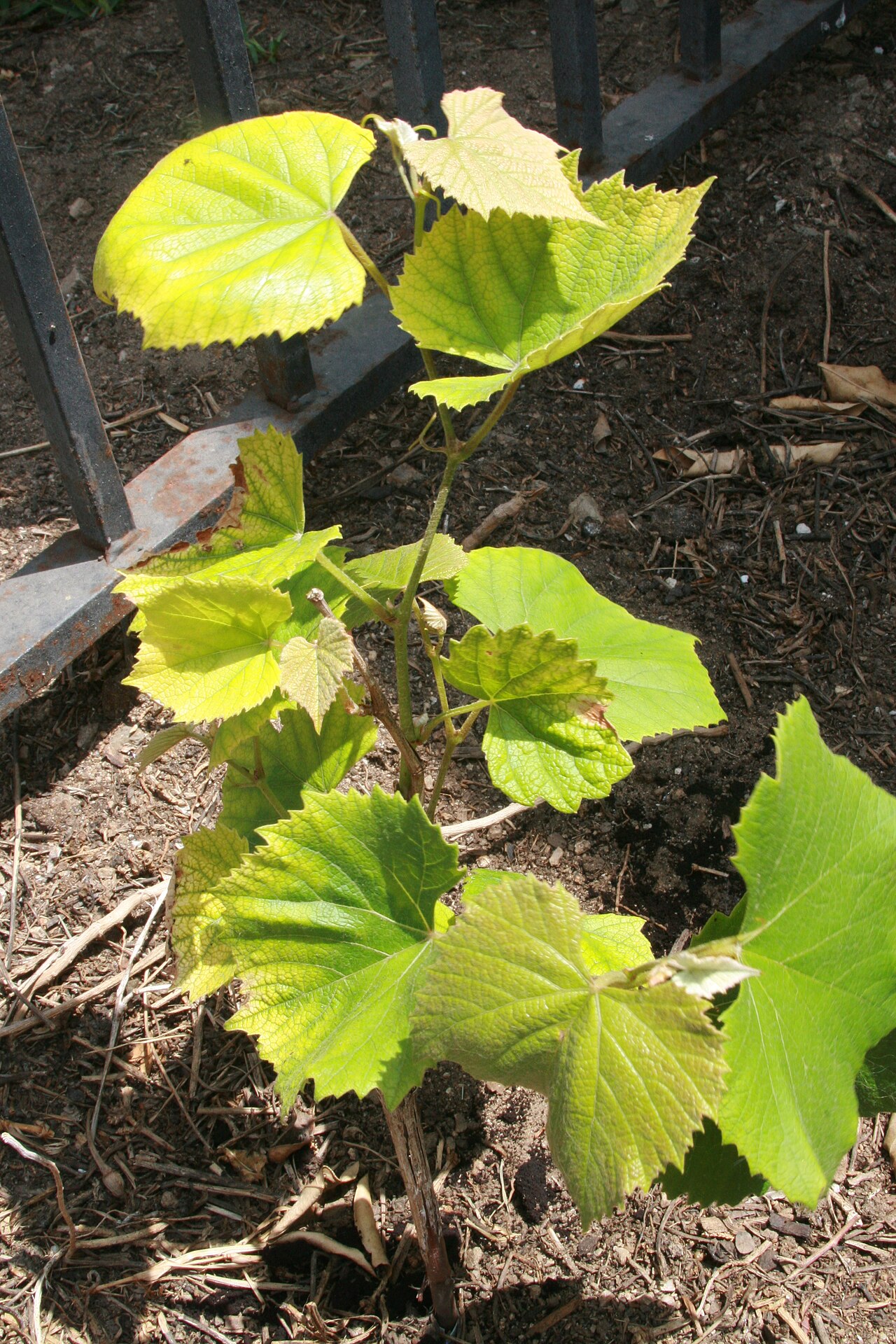
concord grape
Vitis labrusca
Secondary II Medium No biomass productionAmerican grapevine — rustic and tolerant of diseases that afflict V. vinifera in the tropics. Source of >90% of Brazilian grape production (Niagara...
-
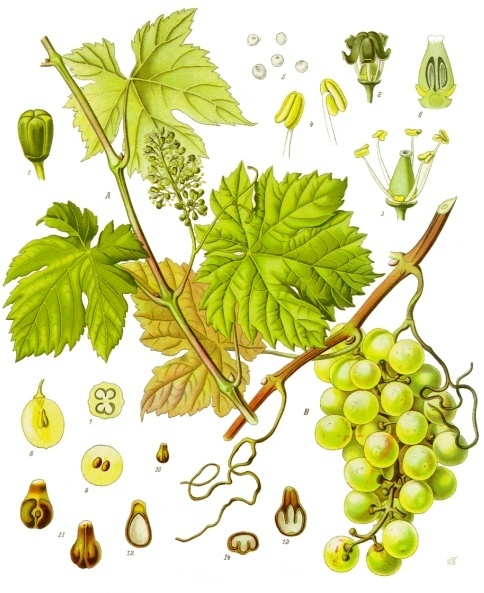
grape
Vitis vinifera
Secondary II Medium No biomass productionWoody perennial vine. Cultivated throughout Brazil — European grapevines (Vitis vinifera) in the South (table and wine grapes); American (V. labrus...
-
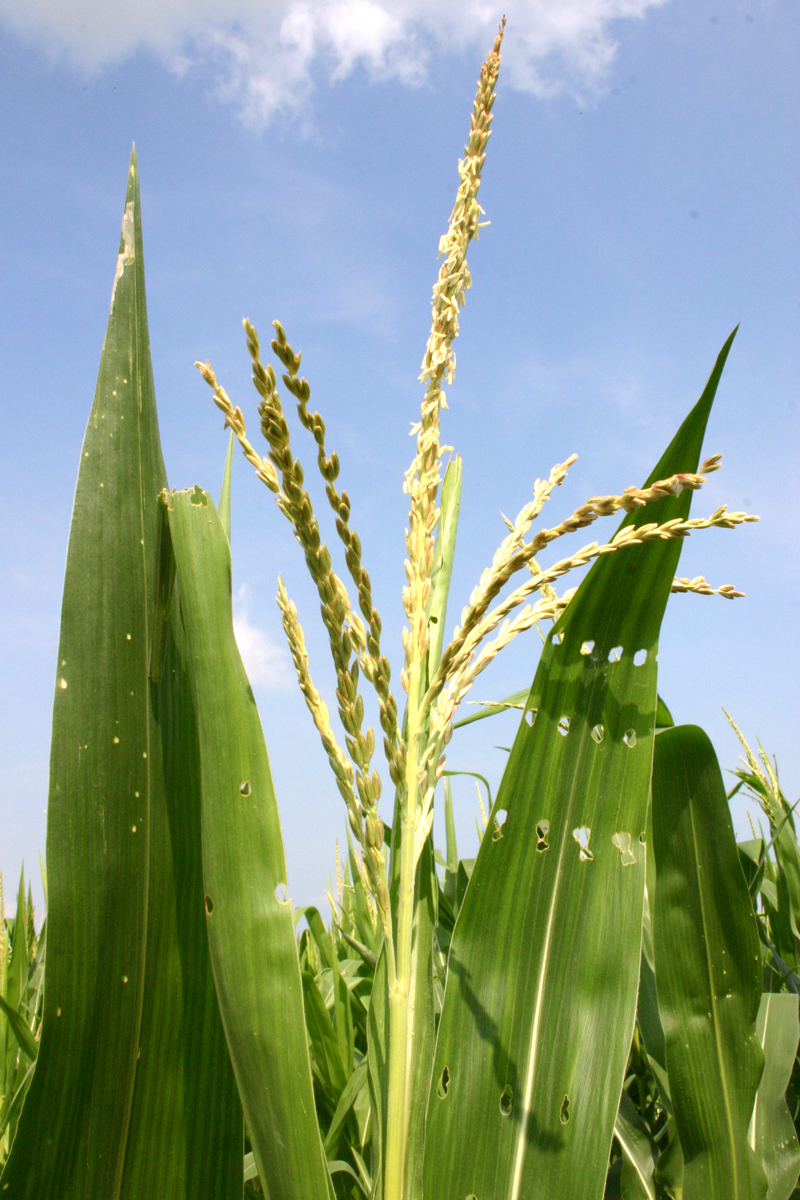
maize
Zea mays
Placenta I Emergent Mulch biomassAnnual C4 cereal — placed by Pasini in the emergent stratum of Tabela 3 and recommended for the 'up to 6 months' phase of Tabela 4. Short-cycle cov...
-
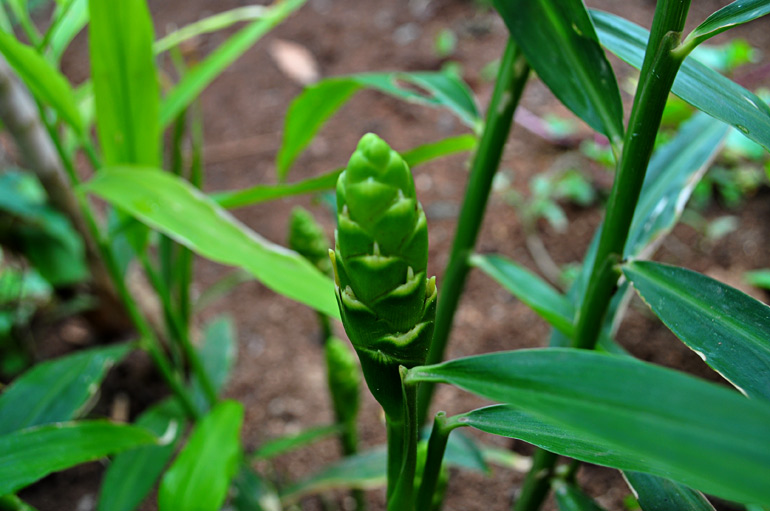
ginger
Zingiber officinale
Placenta I Low No biomass productionPerennial tropical aromatic rhizome. Pasini lists it in the low stratum of Tabela 3 and in the '1 to 3 years' phase of Tabela 4. Adapts well to the...