
Biome
Plants of the Atlantic Forest biome
A humid biome of varied terrain and enormous diversity — and home to much of Brazil's experience with syntropic agriculture. The list runs from fast pioneers to climax timber, which leaves room to design complete successions. Each species' relation to the biome is on its profile.
284 species in the catalog · Refine this list in the catalog
-
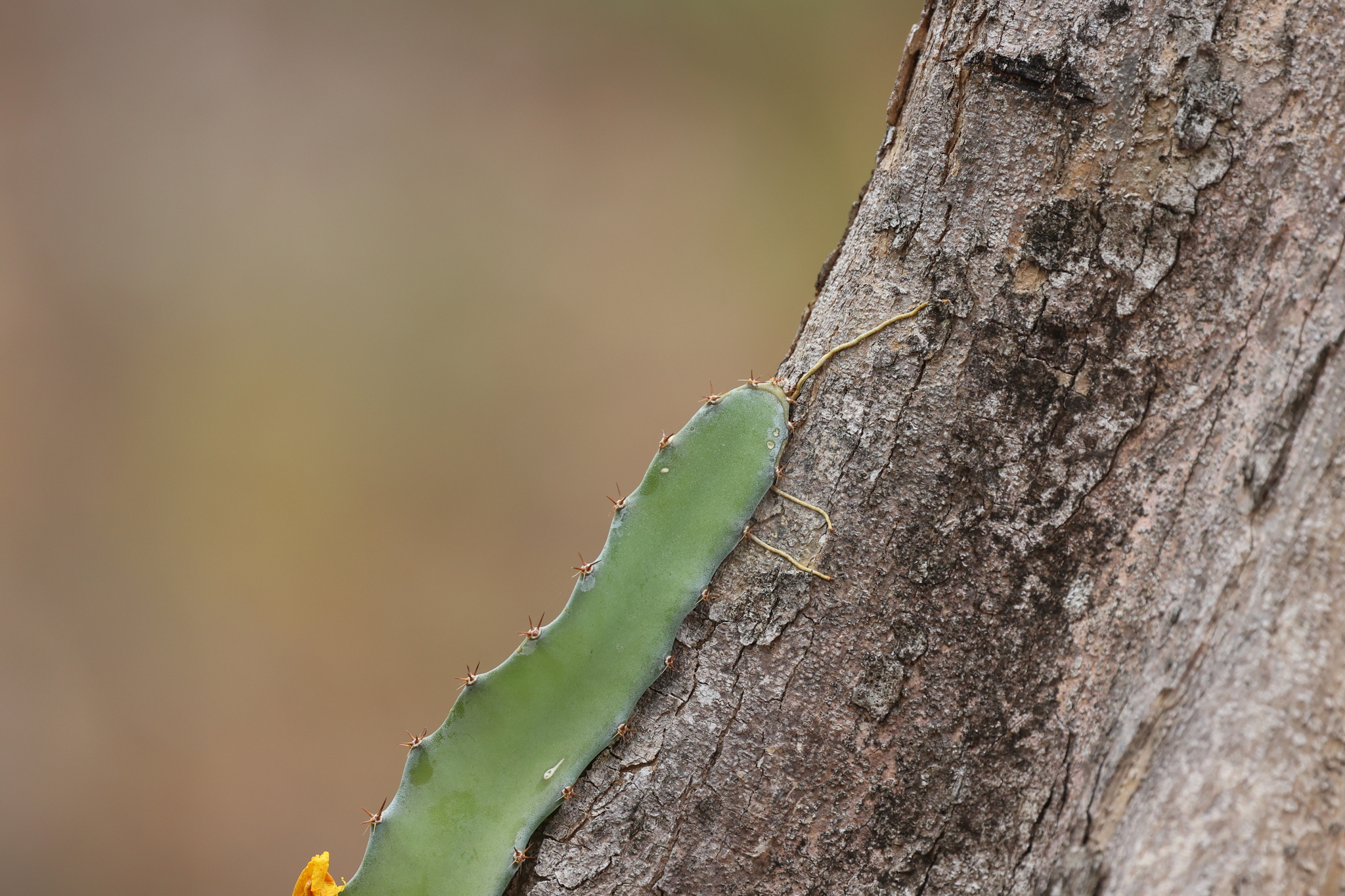
red-fleshed dragon fruit
Selenicereus costaricensis
Placenta II Low No biomass productionAn epiphytic, climbing cactus native to Central America and northwestern South America (from Nicaragua to northern Peru), grown for its deep red-fl...
-
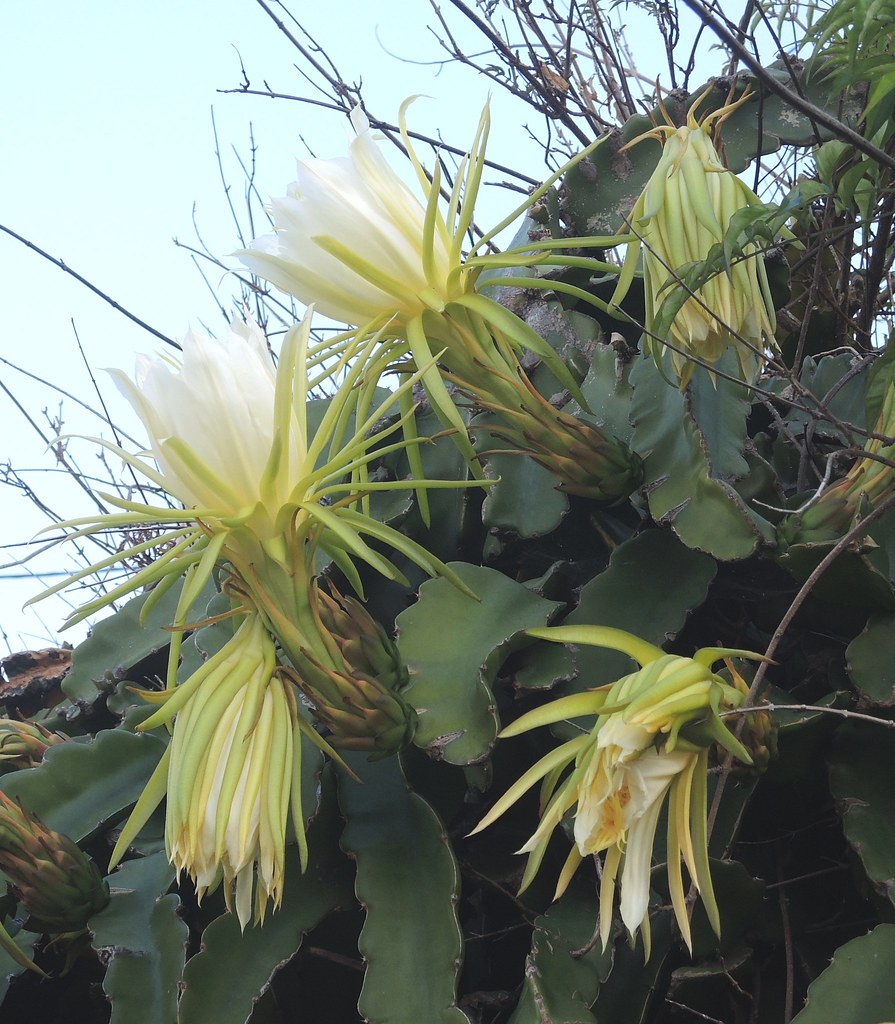
yellow dragon fruit
Selenicereus megalanthus
Placenta II Low No biomass productionAn epiphytic, climbing cactus native to northern South America (Colombia, Ecuador, Peru and Bolivia), grown for its yellow-skinned, white-fleshed a...
-
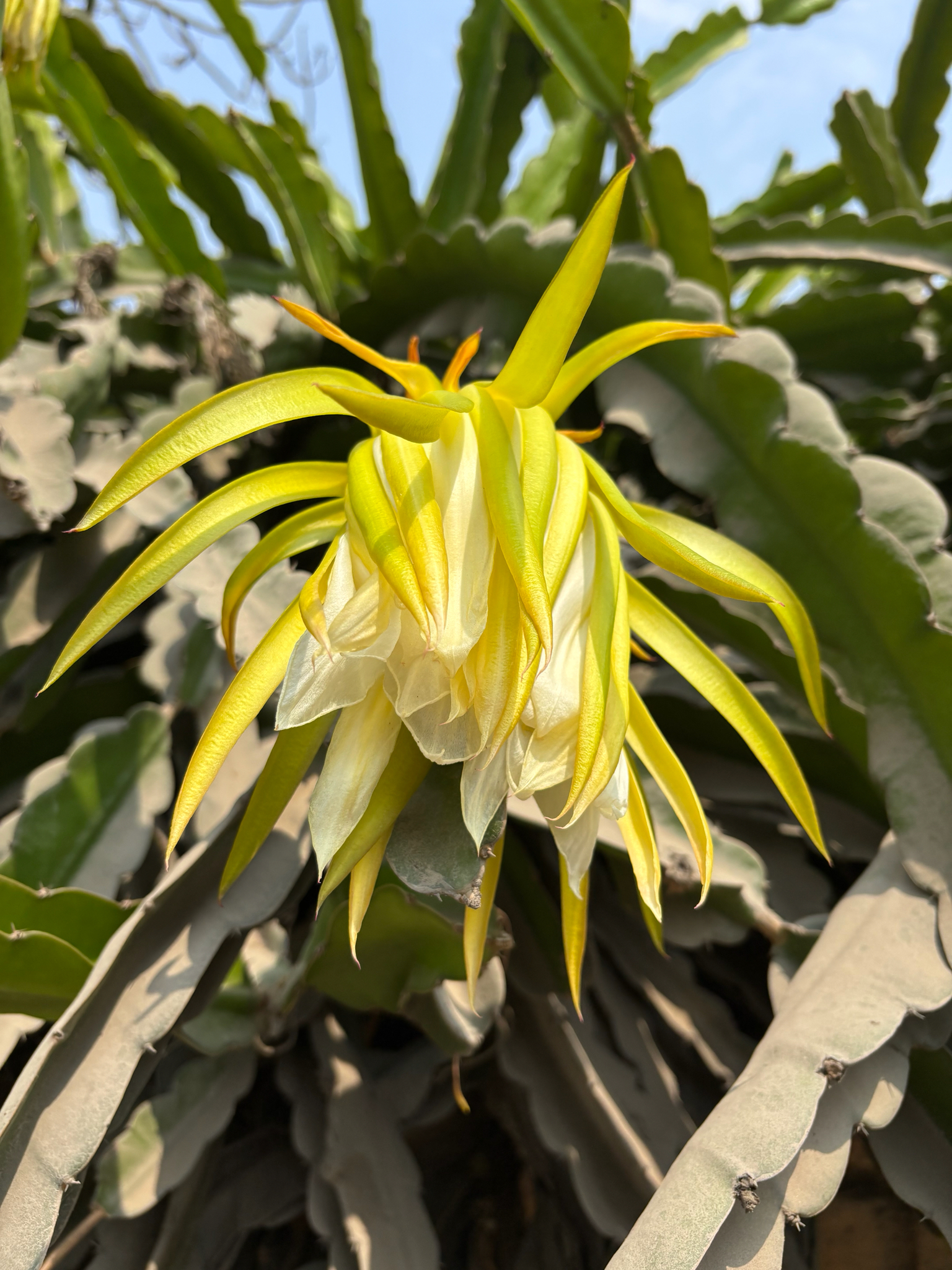
white-fleshed dragon fruit
Selenicereus undatus
Placenta II Low No biomass productionAn epiphytic, climbing cactus (originating between Mexico and Honduras) grown for its white-fleshed, pink-skinned dragon fruit. It grows on support...
-
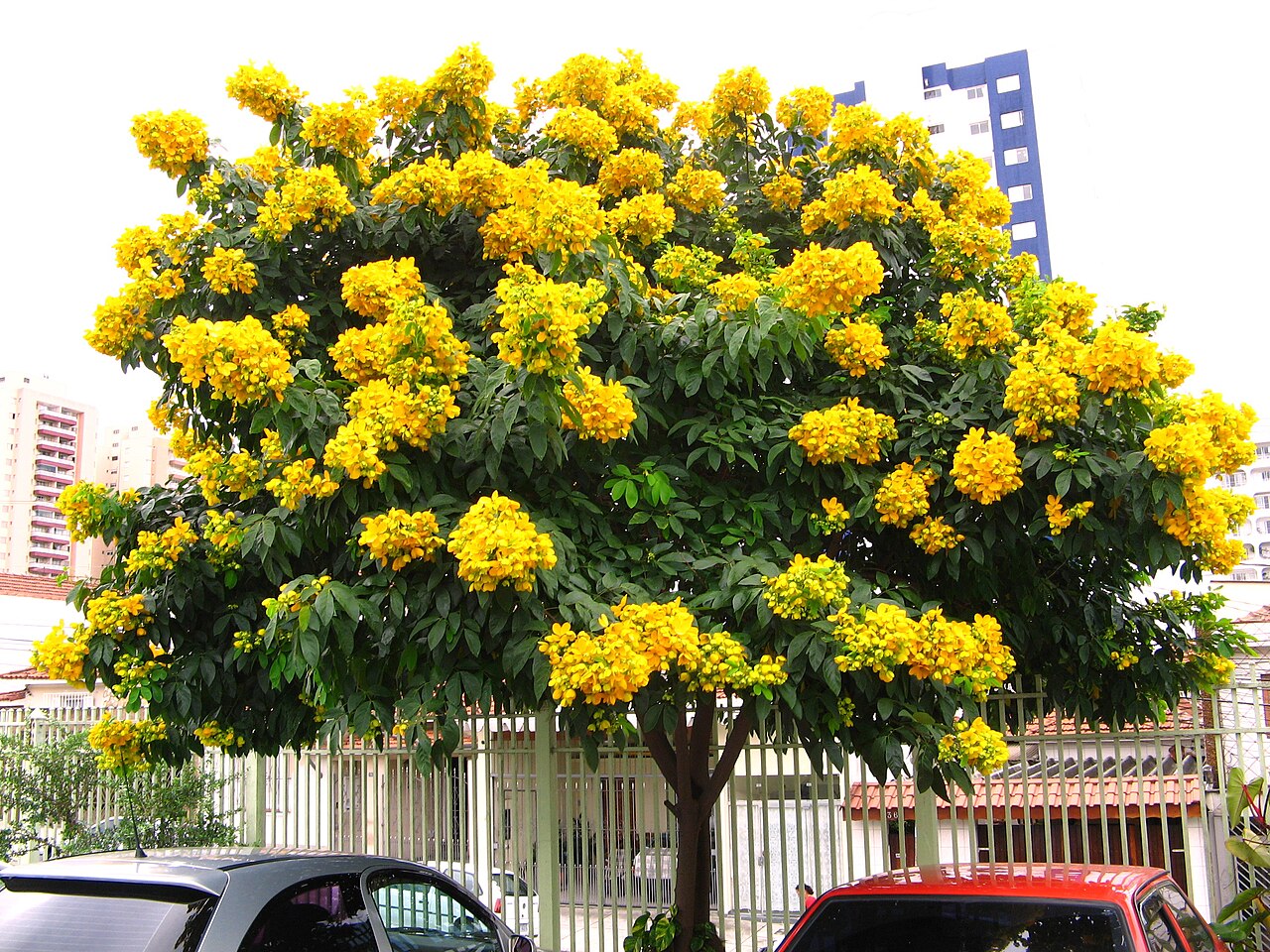
senna macranthera
Senna macranthera
Secondary I Medium Fertilizer biomassA nitrogen-associated leguminous tree native to Brazil, small to medium-sized (6-8 m), fast-growing and semi-deciduous. It bears showy yellow flowe...
-
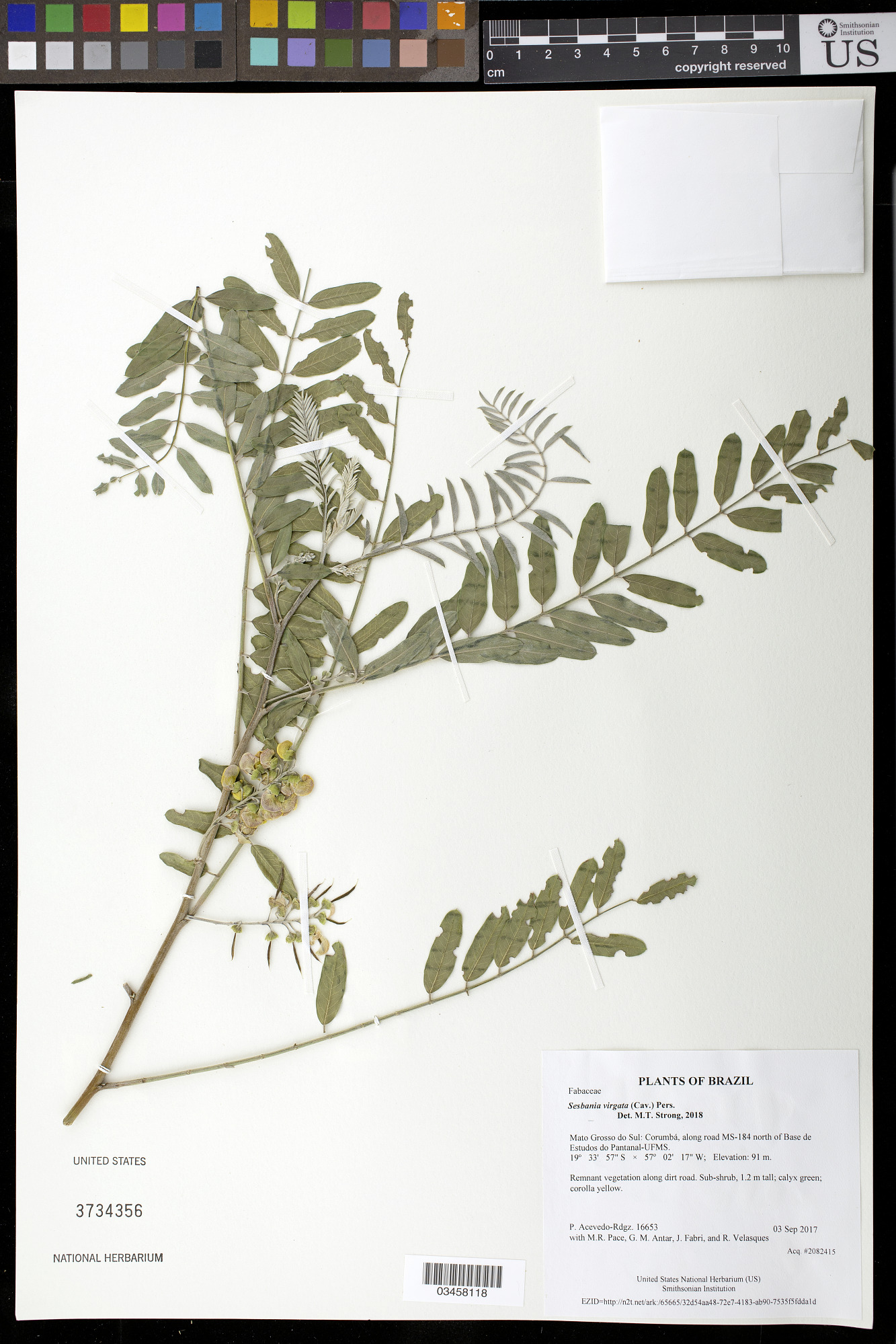
wand riverhemp
Sesbania virgata
Placenta I Low Fertilizer biomass 🌱 Nitrogen fixerA pioneer leguminous shrub native to riparian environments of southern Brazil, Uruguay and northeastern Argentina. It fixes nitrogen by nodulating ...
-
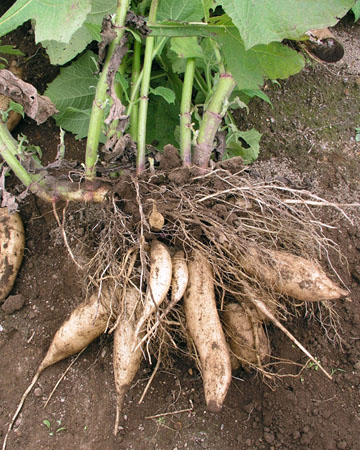
yacon
Smallanthus sonchifolius
Placenta II Medium Fertilizer biomassAndean tuber crop, herbaceous 2–3 m. Sweet tubers rich in fructooligosaccharides — a non-glycemic sugar suitable for diabetics. Cycle 6–10 months t...
-
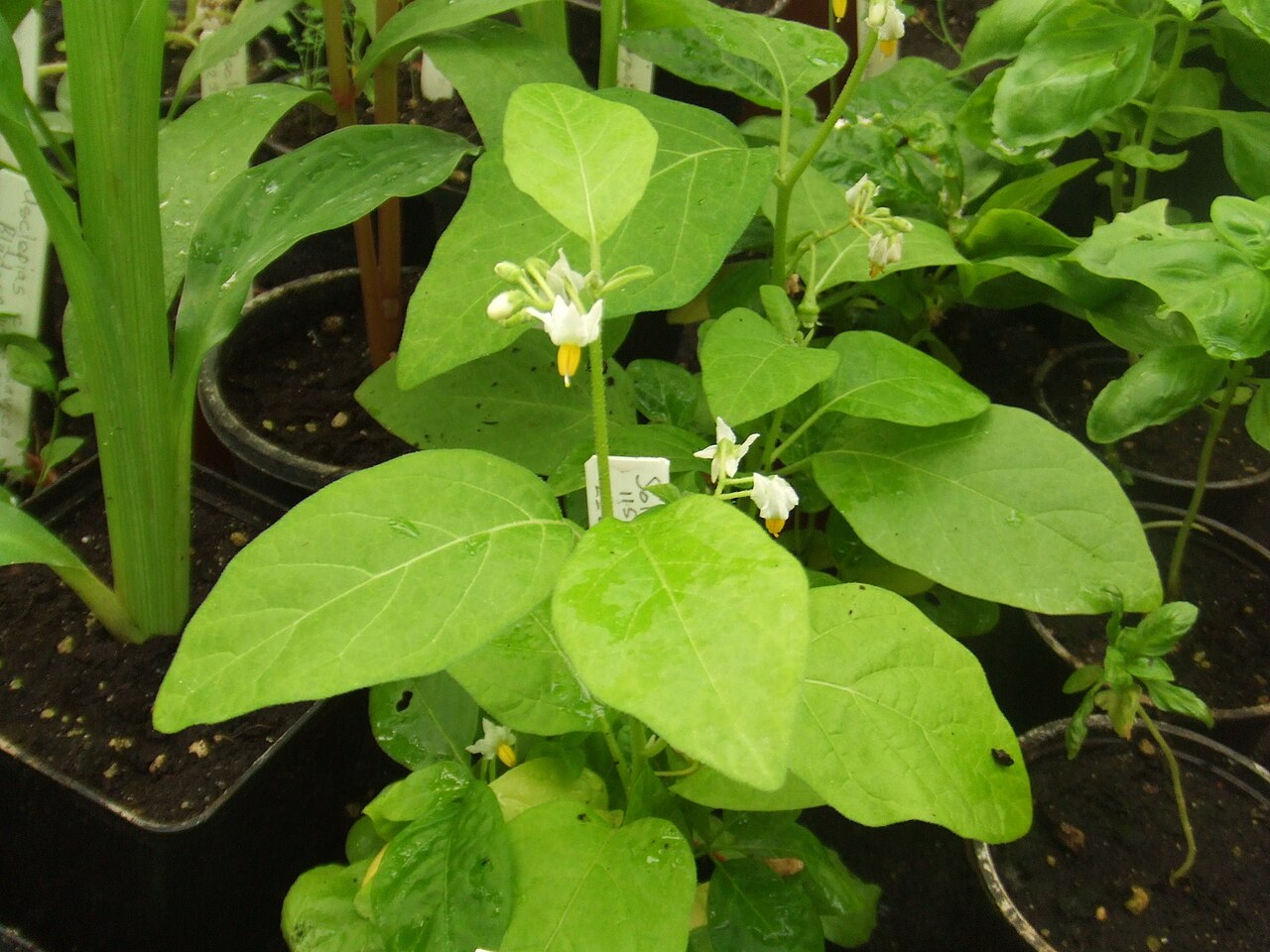
scarlet eggplant
Solanum aethiopicum
Placenta II Medium No biomass productionSolanaceae of African origin, close relative of eggplant. EcoAgri lists it in the medium stratum of the 'up to 3 years' bin. Bitter green fruits ea...
-
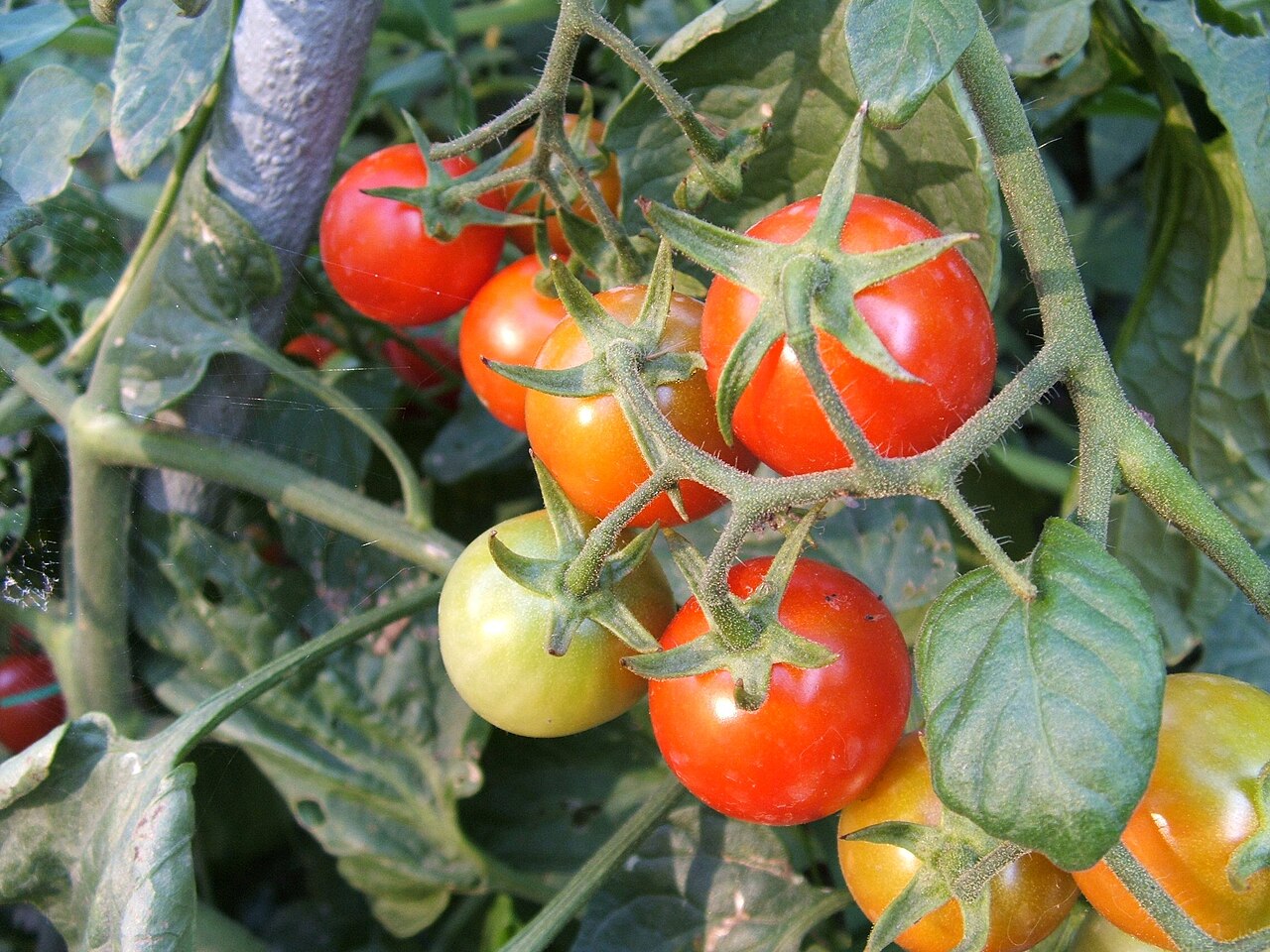
tomato
Solanum lycopersicum
Placenta I High No biomass productionAnnual vegetable-fruit, listed by Pasini in the high stratum of Tabela 3. The Bosque de Niebla Guidebook places it as typical Placenta I in the hig...
-
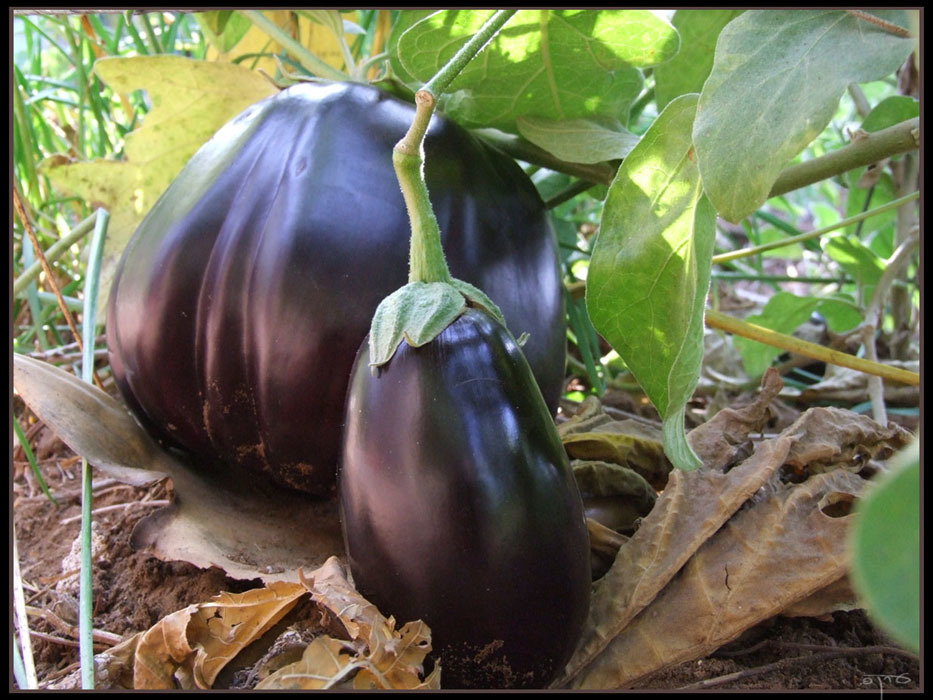
eggplant
Solanum melongena
Placenta I Medium No biomass productionAnnual or short-lived perennial Solanaceae grown for the fruit. The Bosque de Niebla Guidebook lists eggplant as Placenta I in the medium stratum. ...
-
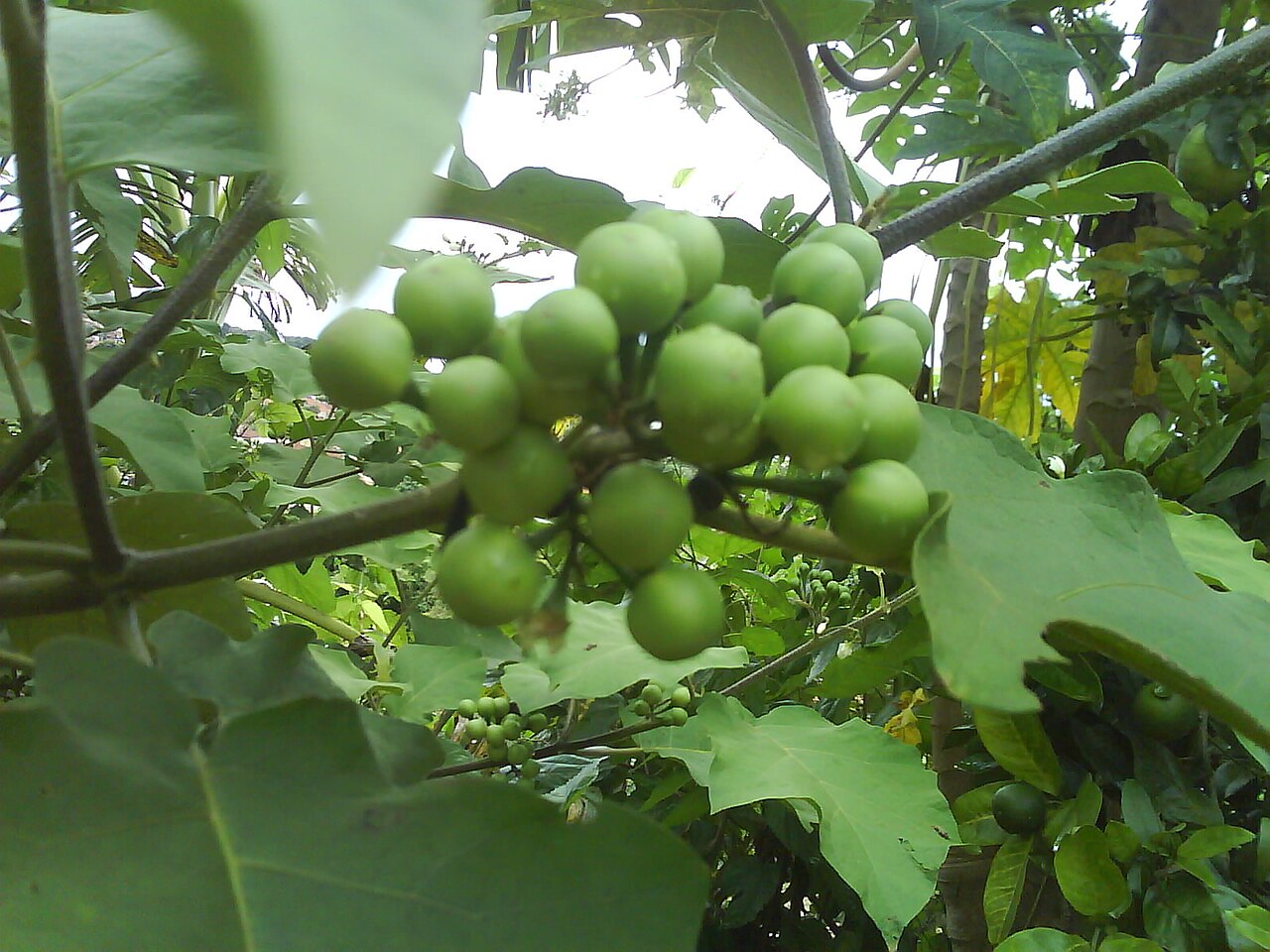
jurubeba
Solanum paniculatum
Placenta II Medium No biomass productionA pioneer shrub native to Brazil, in the Solanaceae, common in disturbed areas, roadsides and pastures across most of the country. It reaches about...
-
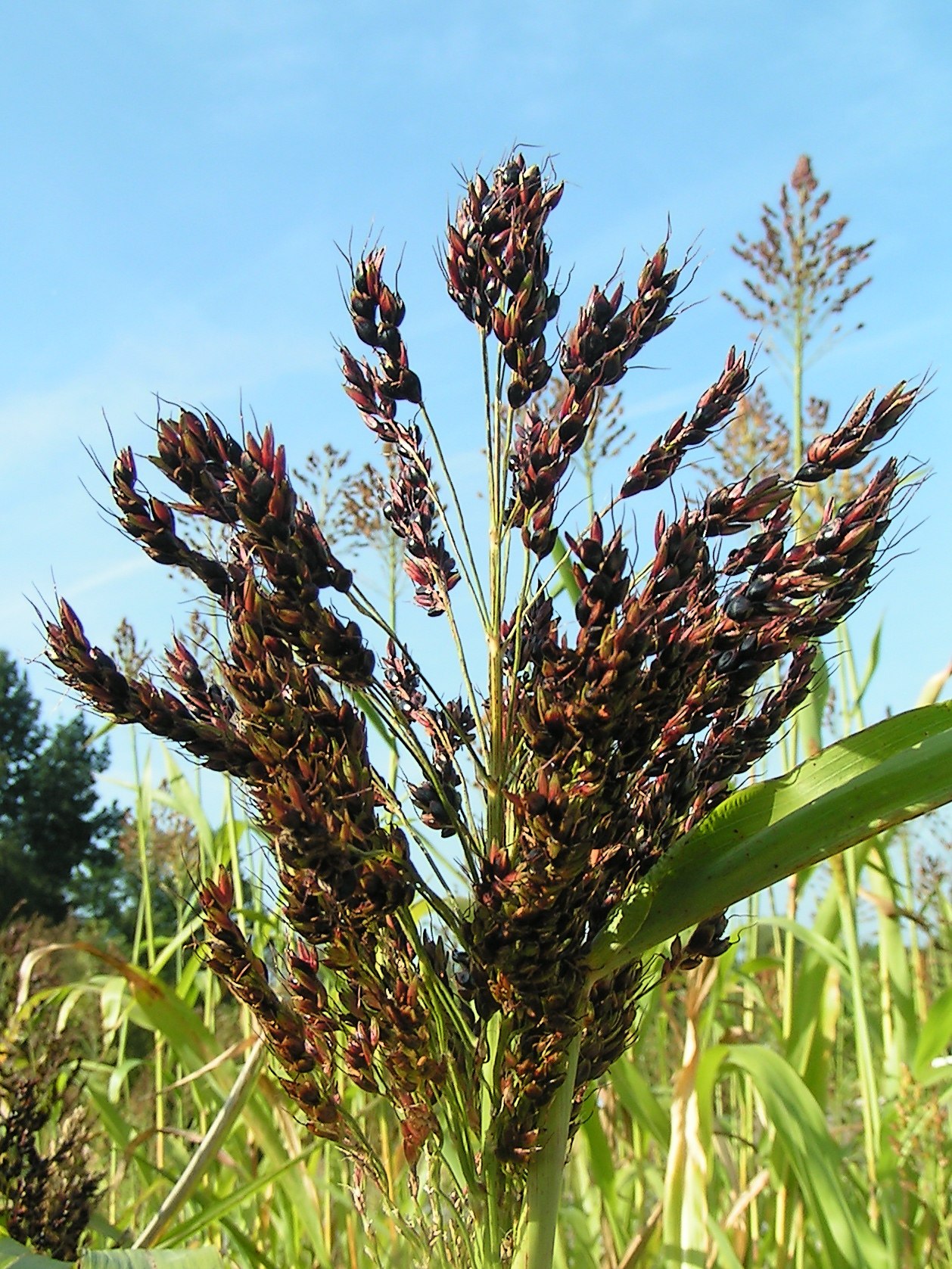
sorghum
Sorghum bicolor
Placenta I Emergent Mulch biomassAfrican annual cereal highly tolerant of drought. Rebello & Sakamoto (2019) list sorghum among grain crops (alongside soybean, corn, and cotton) pr...
-
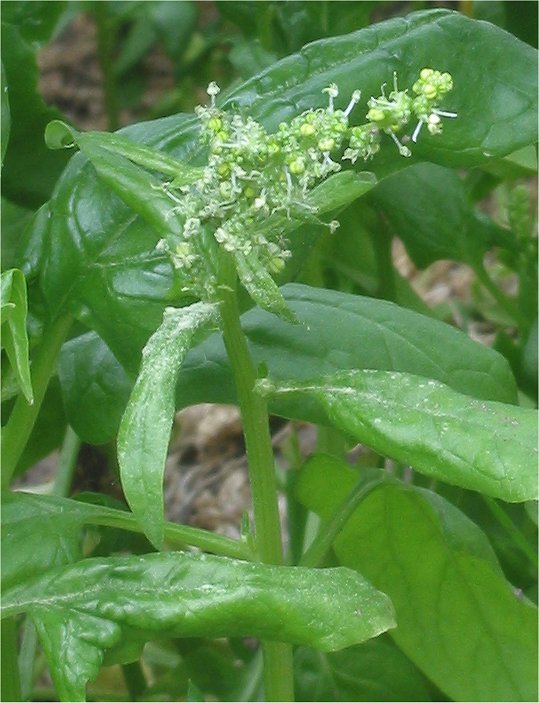
spinach
Spinacia oleracea
Placenta I Low No biomass productionAnnual leafy vegetable for mild climates. Pasini lists it in the medium stratum of Tabela 3. In Brazilian tropical climates, best cultivated in coo...
-
yellow mombin
Spondias mombin
Secondary I Emergent No biomass productionFast-growing pioneer fruit tree; Pasini lists it in the emergent/high stratum of Tabela 3 and among Abundance-system species (emergent stratum, 10–...
-
yellow mombin
Spondias mombin
Secondary II High Mulch biomassAmazonian and neotropical tree of high-to-emergent stratum, cited by Embrapa among key fruit species for Amazonian SAFs. Productive lifespan 40 yea...
-
red mombin
Spondias purpurea
Secondary I High No biomass productionNortheastern Brazilian native fruit tree; propagated by cuttings. Pasini lists it in the high stratum of Tabela 3. Drought-tolerant, short cycle to...
-
licuri palm
Syagrus coronata
Climax High Mulch biomassNative palm of the Caatinga and Northeastern Atlantic Forest, from northern Minas Gerais to Maranhão. Medium height (8–12 m), trunk covered by pers...
-
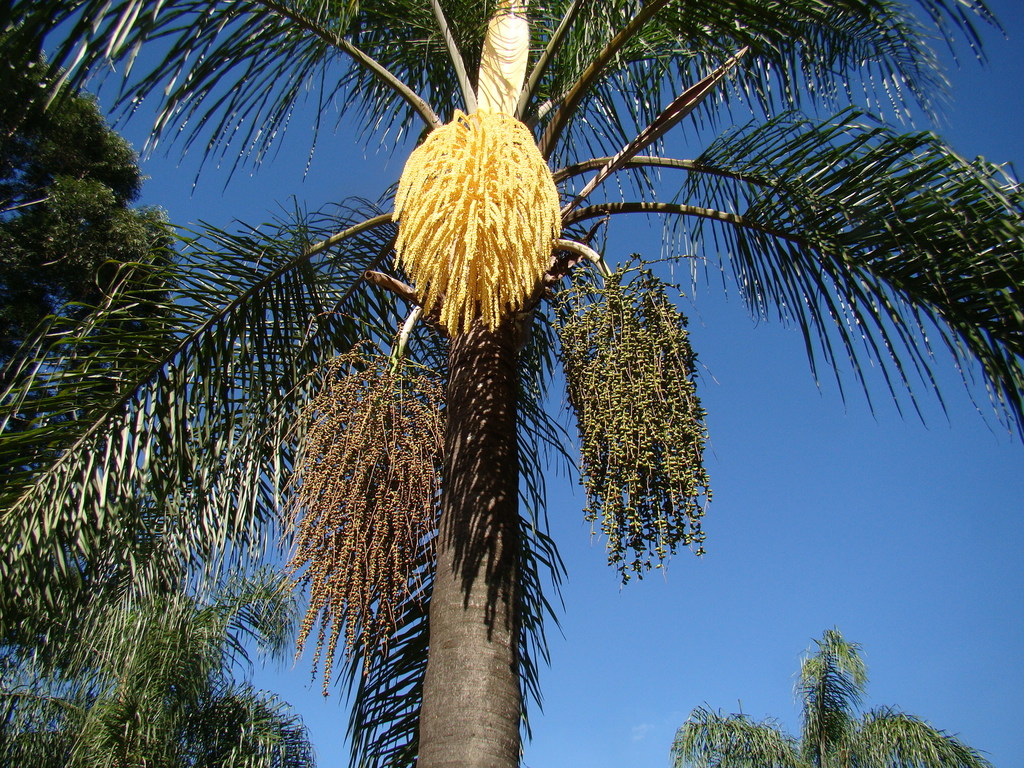
queen palm
Syagrus romanzoffiana
Secondary II High No biomass productionAtlantic Forest native palm, listed by Pasini in the high stratum of Tabela 3. Edible orange-yellow fruit consumed by local fauna; a central specie...
-
java plum
Syzygium cumini
Secondary II High No biomass productionAsian fruit tree naturalized in Brazil, listed by Pasini in the high stratum of Tabela 3. Edible purple fruit (jam, wine); leaves and bark are medi...
-
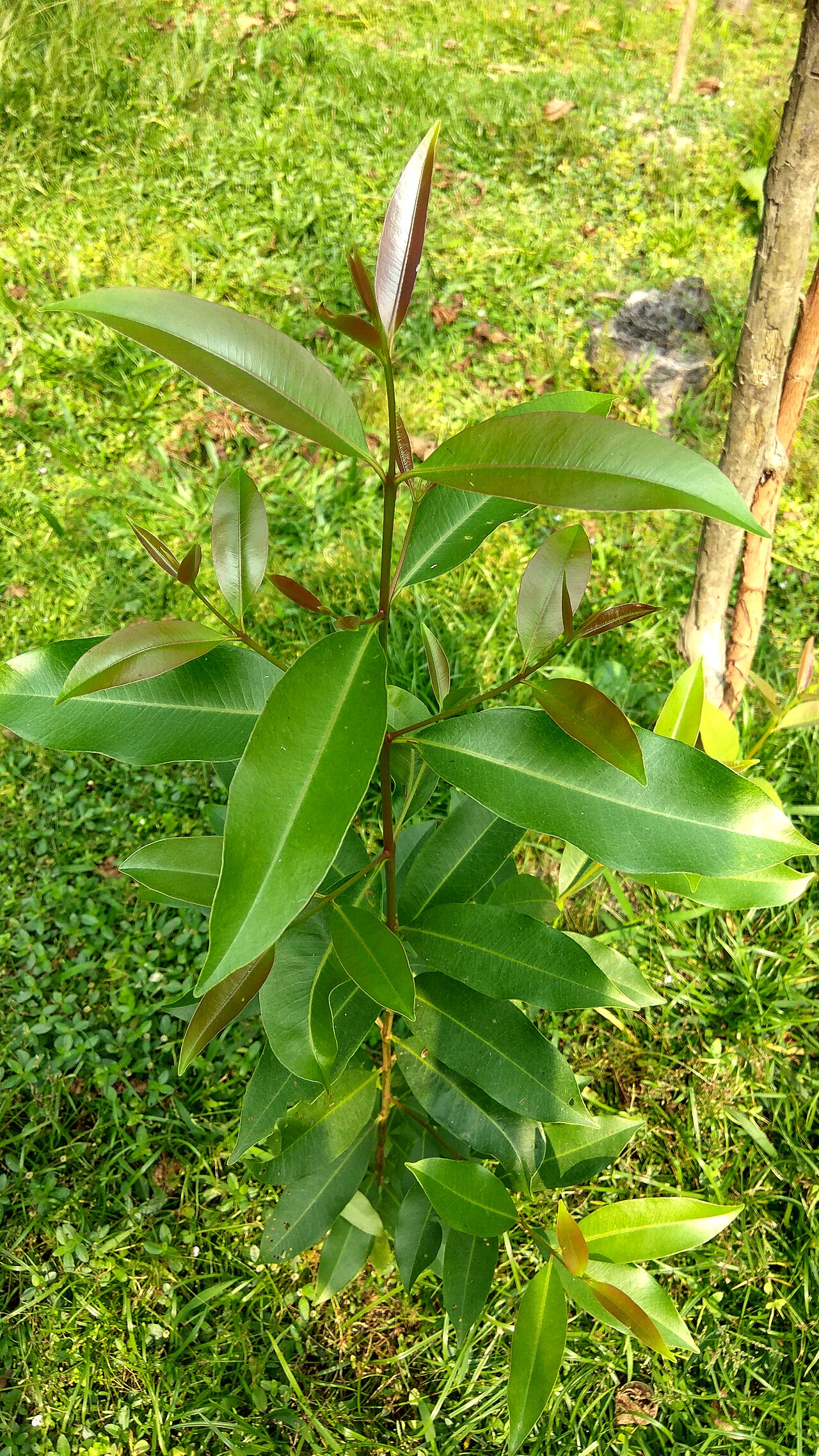
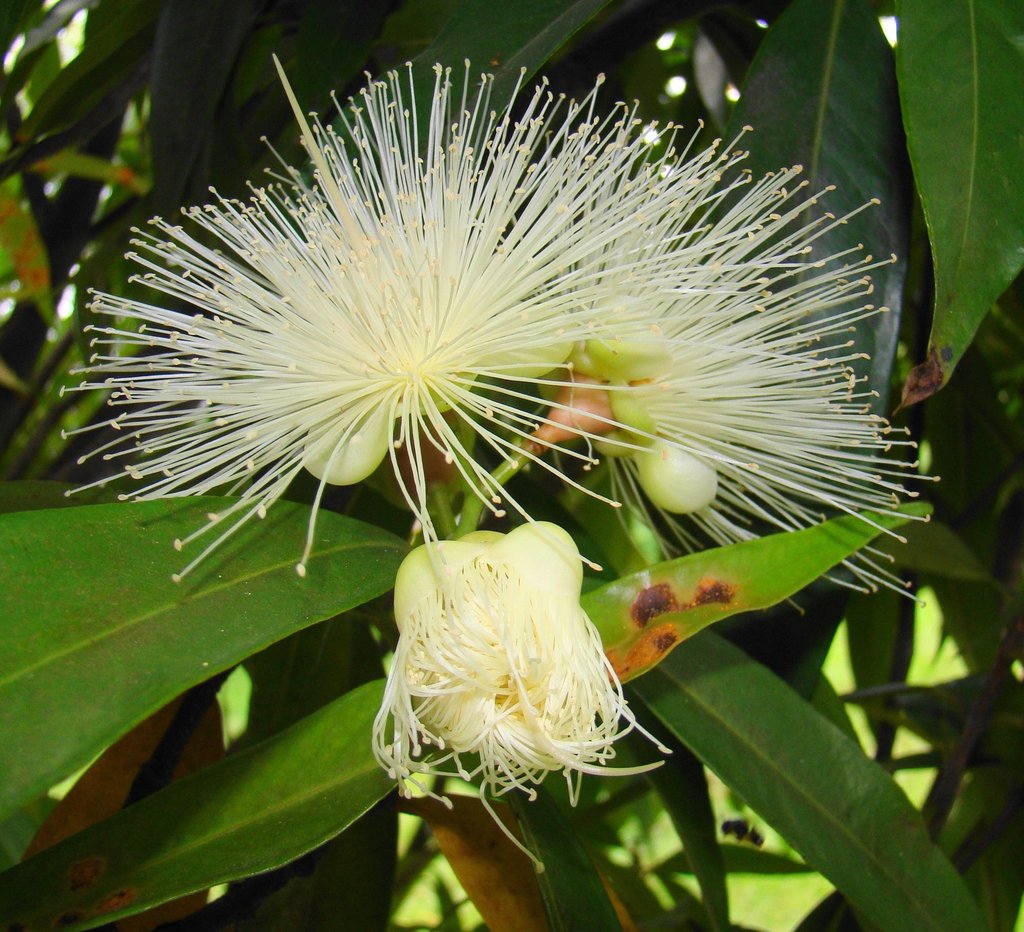
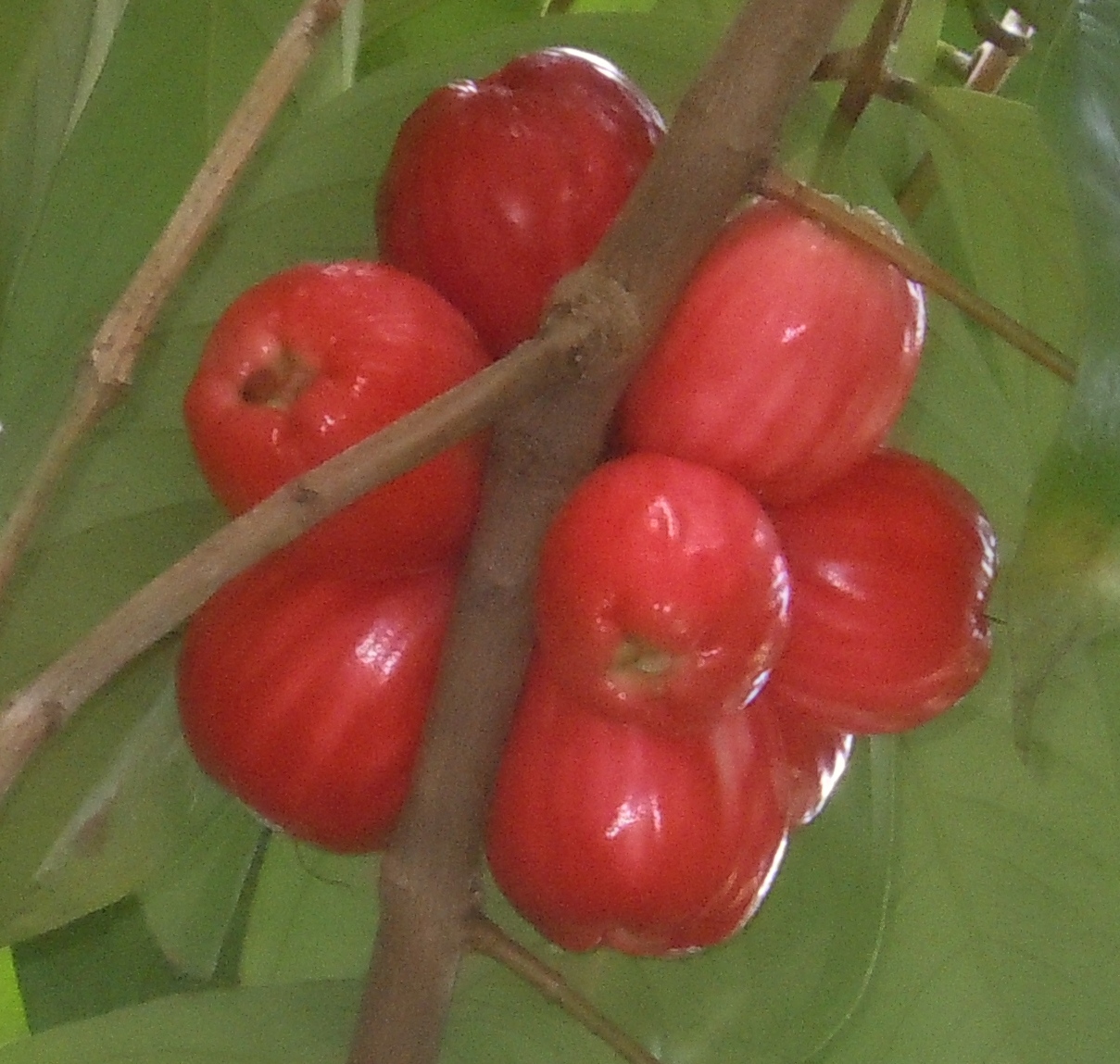
rose apple
Syzygium jambos
Climax High No biomass productionAsian fruit tree naturalized in Brazil, distinct from the Malay apple (S. malaccense). EcoAgri lists it in the high stratum of the '> 50 years' bin...
-
Malay apple
Syzygium malaccense
Secondary II High No biomass productionAsian tropical fruit listed by Pasini in the high stratum of Tabela 3. Pink-red mildly sweet fruit with crisp pulp. Tolerates wet soils; grows well...
-
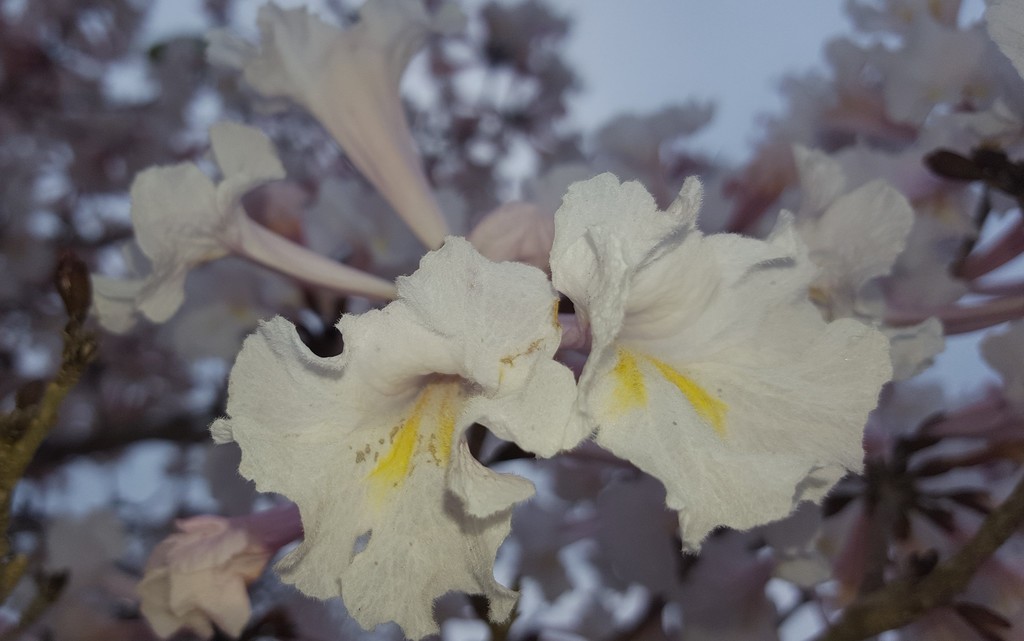
white ipê
Tabebuia roseoalba
Climax High No biomass productionMedium tree of the Cerrado, Atlantic Forest, and Caatinga (10–18 m). White-to-pale-pink flowering in July–August. Drought-tolerant. Medium-density ...
-
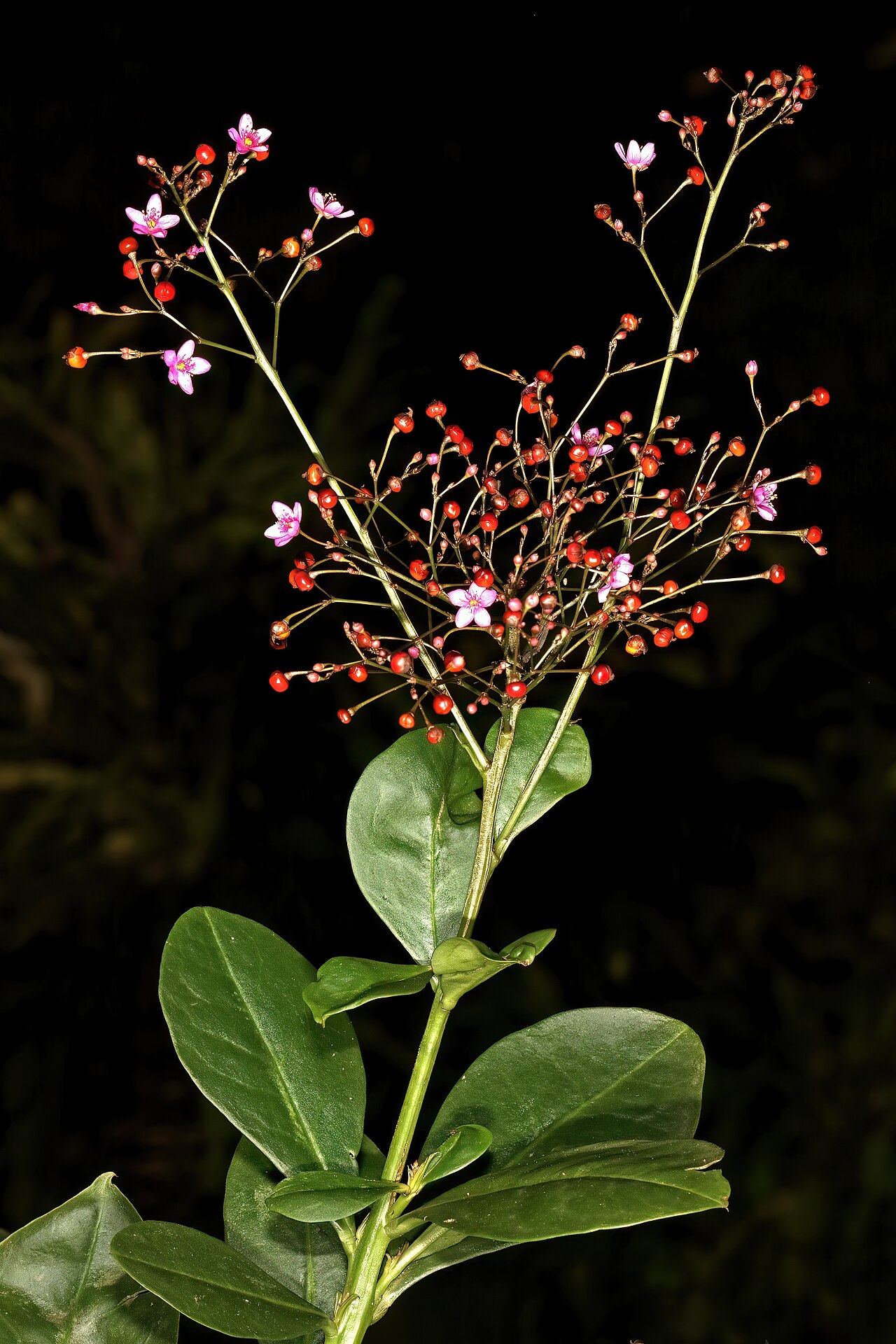
fameflower
Talinum paniculatum
Placenta I Low No biomass productionA perennial succulent herb in the Talinaceae, native to the Americas and common as an unconventional food plant (PANC) and a volunteer in gardens. ...
-
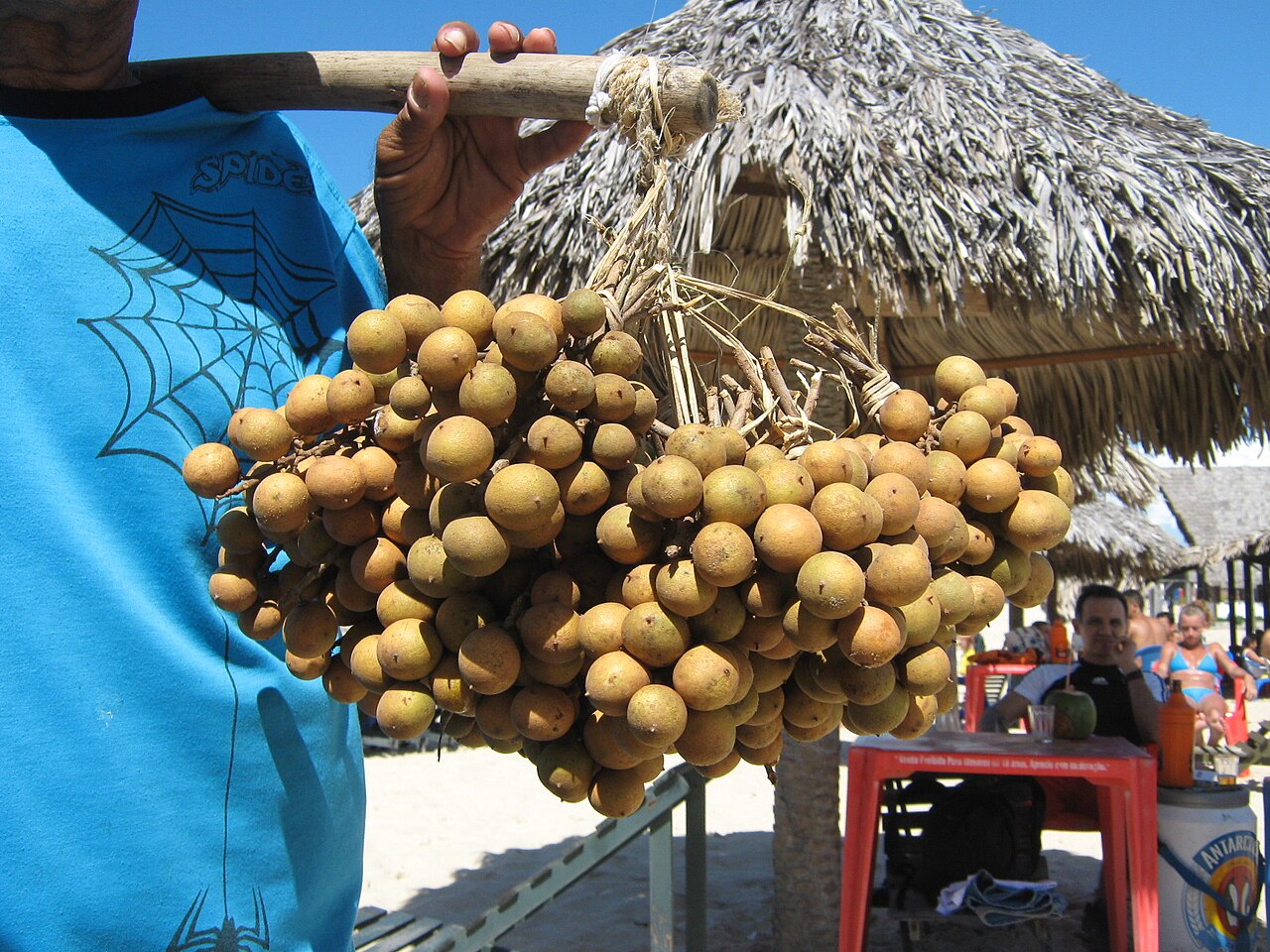
pitomba
Talisia esculenta
Secondary II Medium No biomass productionNative tree of the Amazon and Atlantic Forest, from Northeastern Brazil to Rio de Janeiro. 6–12 m tall, evergreen leafy canopy, trunk 30–40 cm. Ova...
-
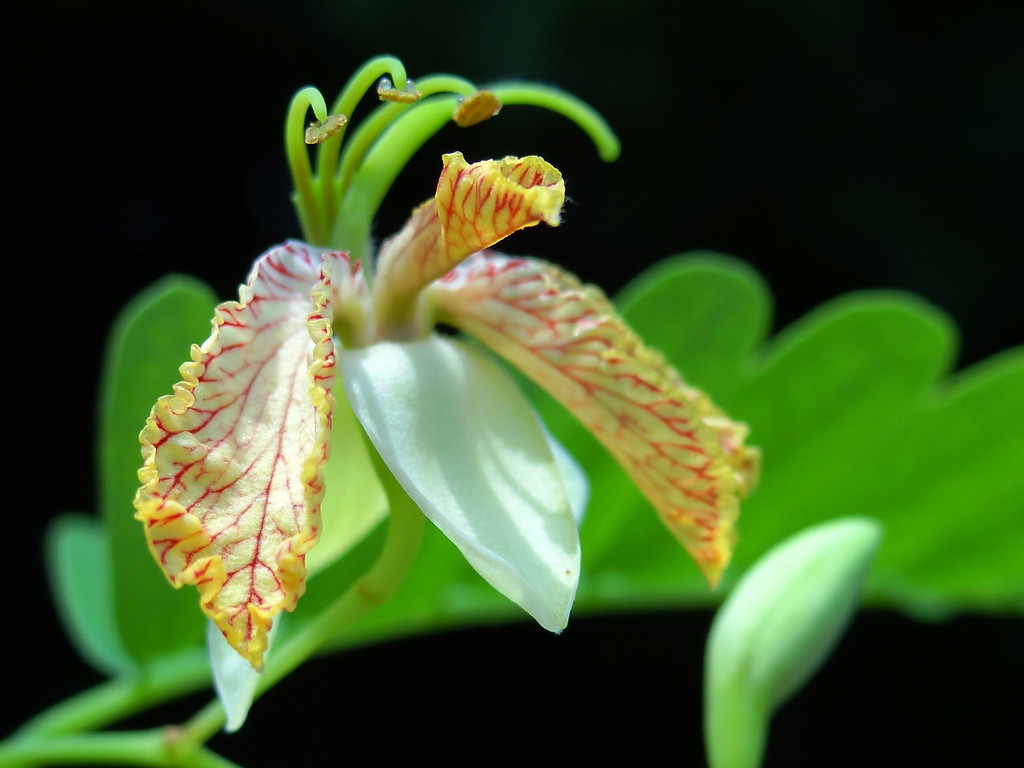
tamarind
Tamarindus indica
Climax High No biomass production 🌱 Nitrogen fixerAfrican leguminous fruit tree naturalized in the Brazilian semi-arid. EcoAgri lists it in the high stratum of the '> 50 years' bin. Tolerates sandy...
❓ Frequently asked questions
What characterizes the Atlantic Forest biome?
Humid tropical forest that once covered Brazil's entire east coast. Less than 12% of original cover remains — restoring it is one of the central goals of Brazilian syntropic agriculture. High diversity of fruit, timber, and pioneer species adapted to a tropical-highland climate.
Which plants does the catalog suggest for the Atlantic Forest biome?
The catalog holds 284 species, among them red-fleshed dragon fruit, yellow dragon fruit, white-fleshed dragon fruit. Each profile shows stratum, succession stage, and the management data, with sources cited.