
Biome
Plants of the Atlantic Forest biome
A humid biome of varied terrain and enormous diversity — and home to much of Brazil's experience with syntropic agriculture. The list runs from fast pioneers to climax timber, which leaves room to design complete successions. Each species' relation to the biome is on its profile.
284 species in the catalog · Refine this list in the catalog
-
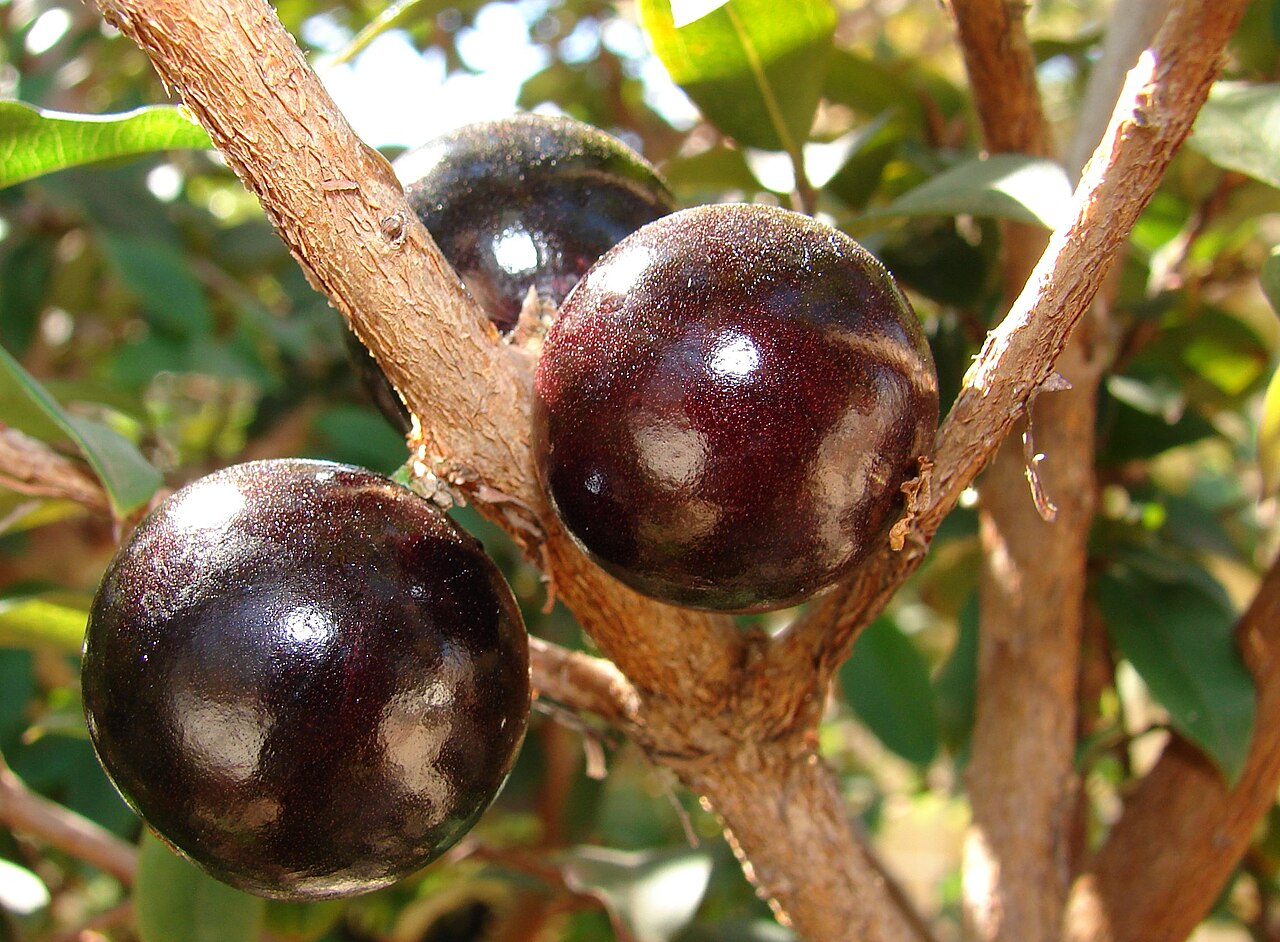
jabuticaba
Plinia cauliflora
Secondary II Low No biomass productionAtlantic Forest native characterized by cauliflory (fruits on the trunk). Pasini lists it in the high stratum of Tabela 3 and in the 20–50 year / +...
-
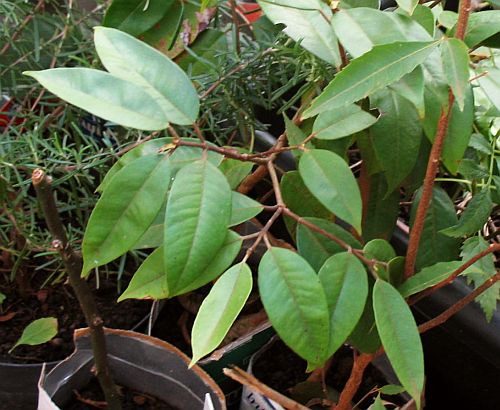
cambucá
Plinia edulis
Secondary II Medium No biomass productionAtlantic-Forest-endemic myrtle of the medium stratum. Rebello cites cambucá as an example of syntropic coexistence with cupuaçu in Casimiro de Abre...
-
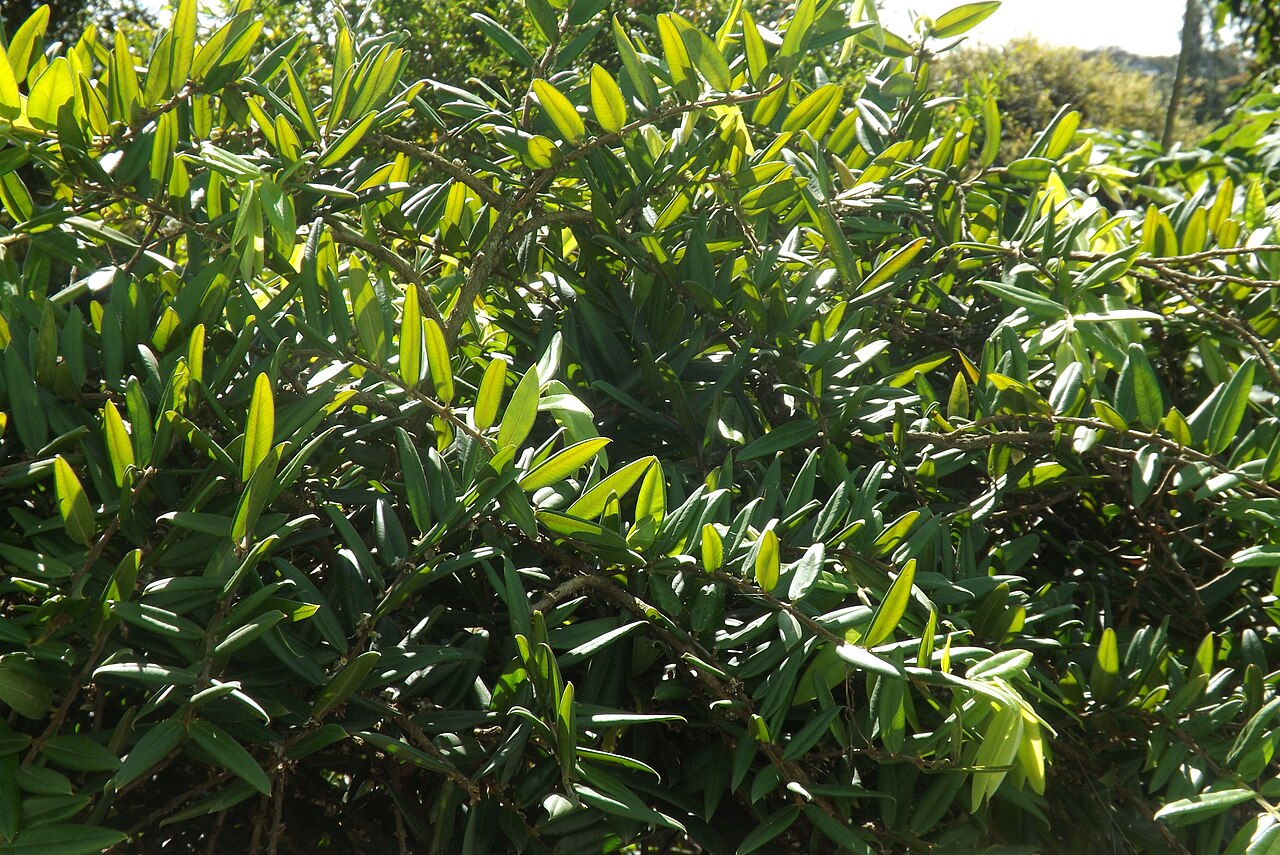
yellow jaboticaba
Plinia glomerata
Secondary II Medium No biomass productionAtlantic Forest native, rarely seen outside collections. Pasini lists it in the medium stratum of Tabela 3. Yellow fruit covered in fine edible hai...
-
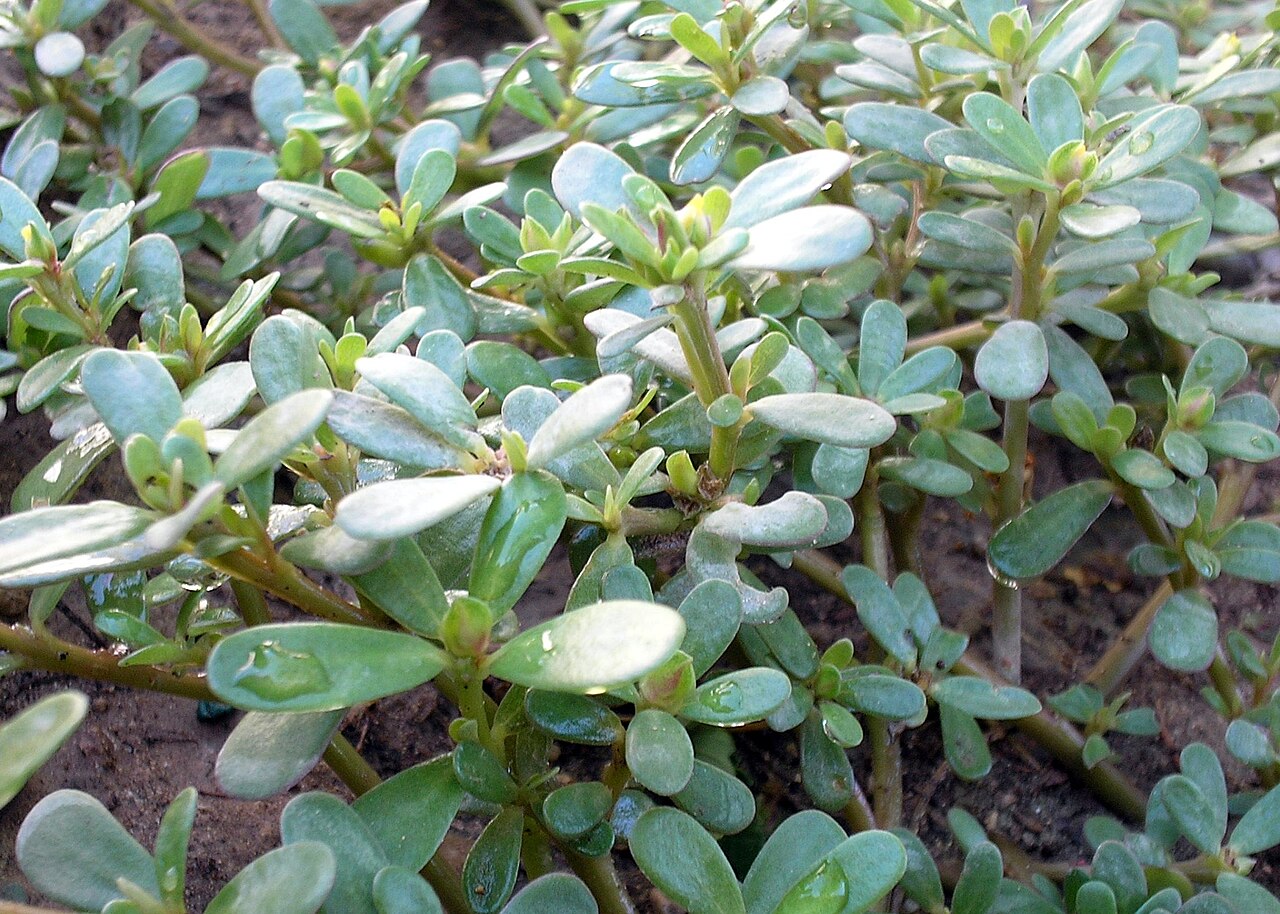
common purslane
Portulaca oleracea
Placenta I Ground cover Mulch biomassA prostrate annual succulent herb in the Portulacaceae, with a cosmopolitan distribution and very common as a volunteer in gardens and pavements. I...
-
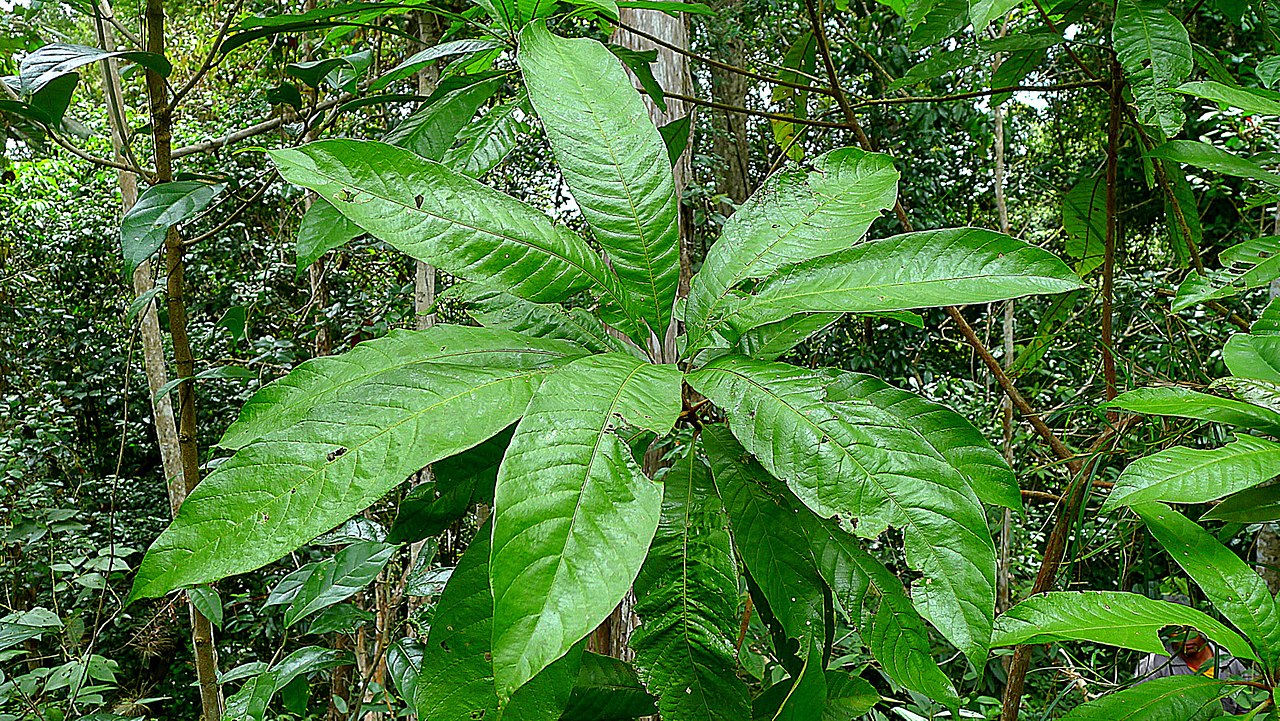
abiu
Pouteria caimito
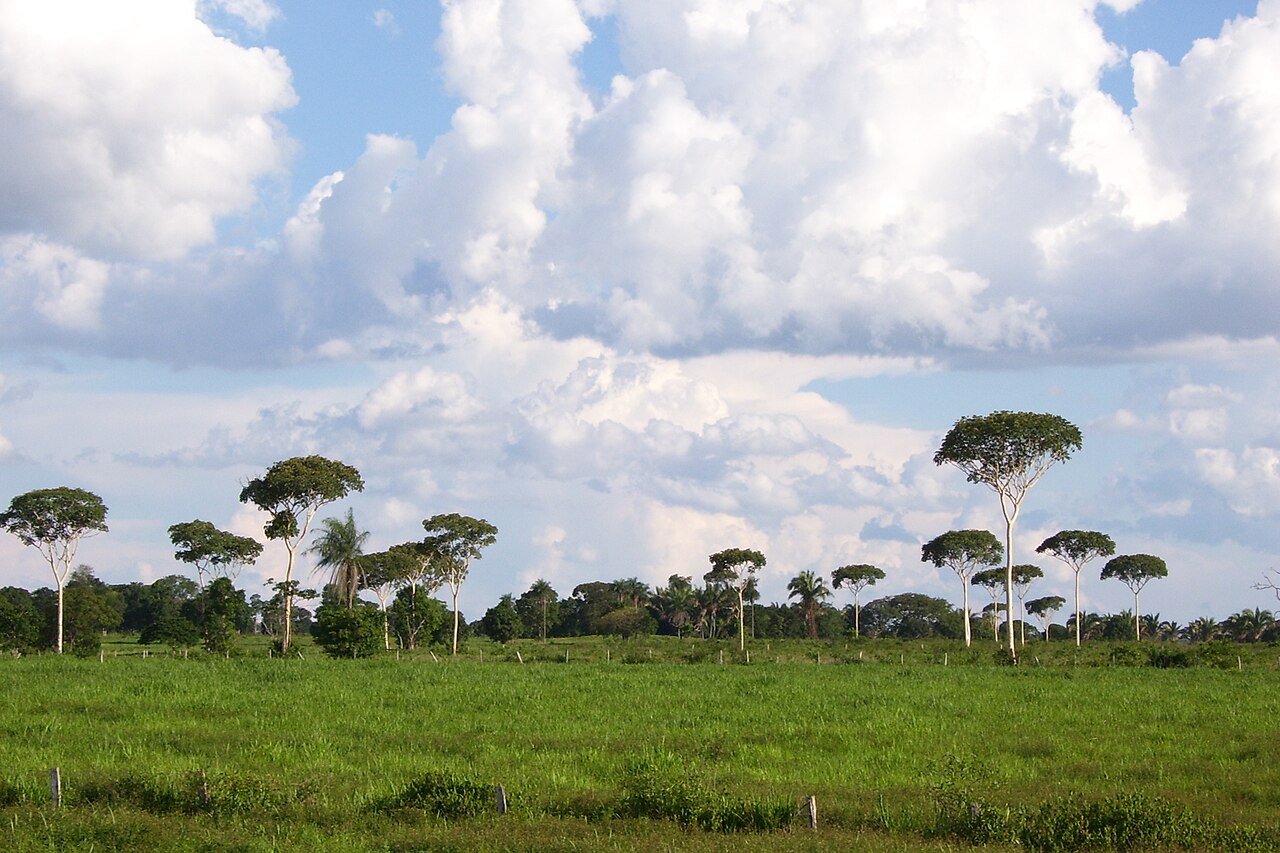
Secondary II High No biomass productionAmazonian fruit tree with sweet, milky yellow pulp. Pasini lists it in the high stratum of Tabela 3. Tolerates partial shade well in early years; o...
-
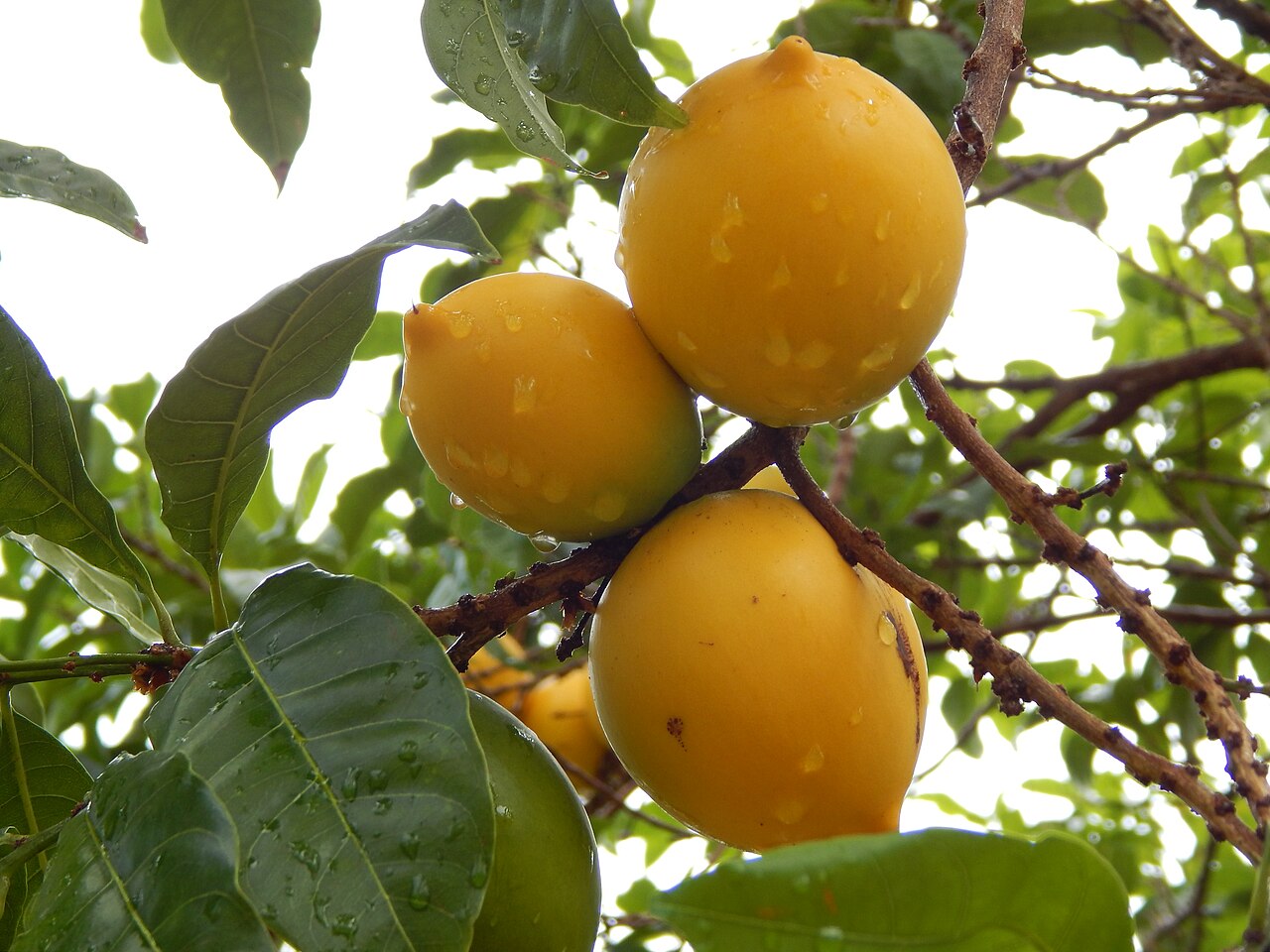
guapeva
Pouteria torta
Secondary II High Mulch biomassMedium-sized Cerrado and Atlantic Forest tree (8–15 m). Large yellow-orange fruit with sweet starchy flesh and shiny seeds — edible raw or in jams....
-
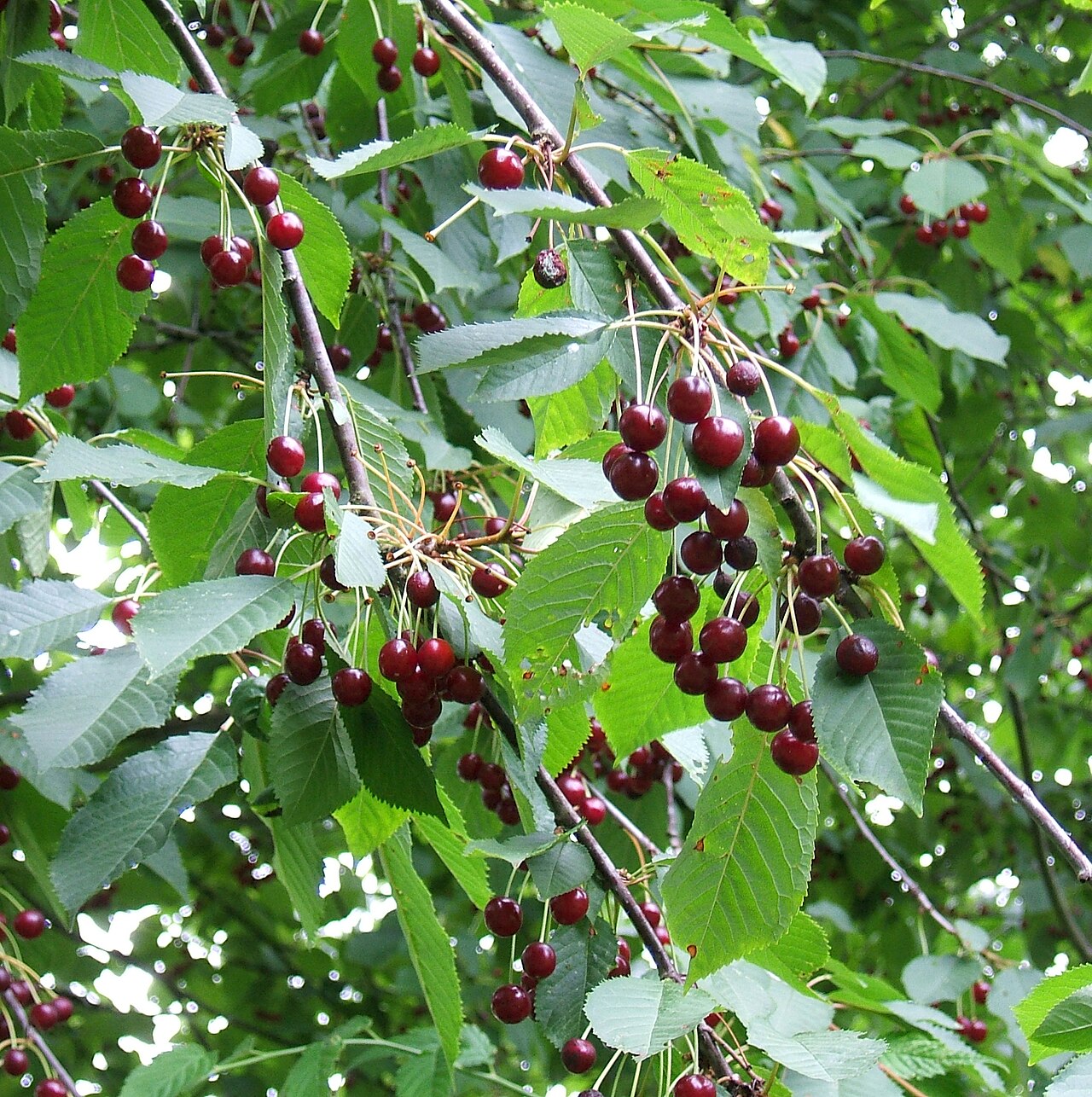
sweet cherry
Prunus avium
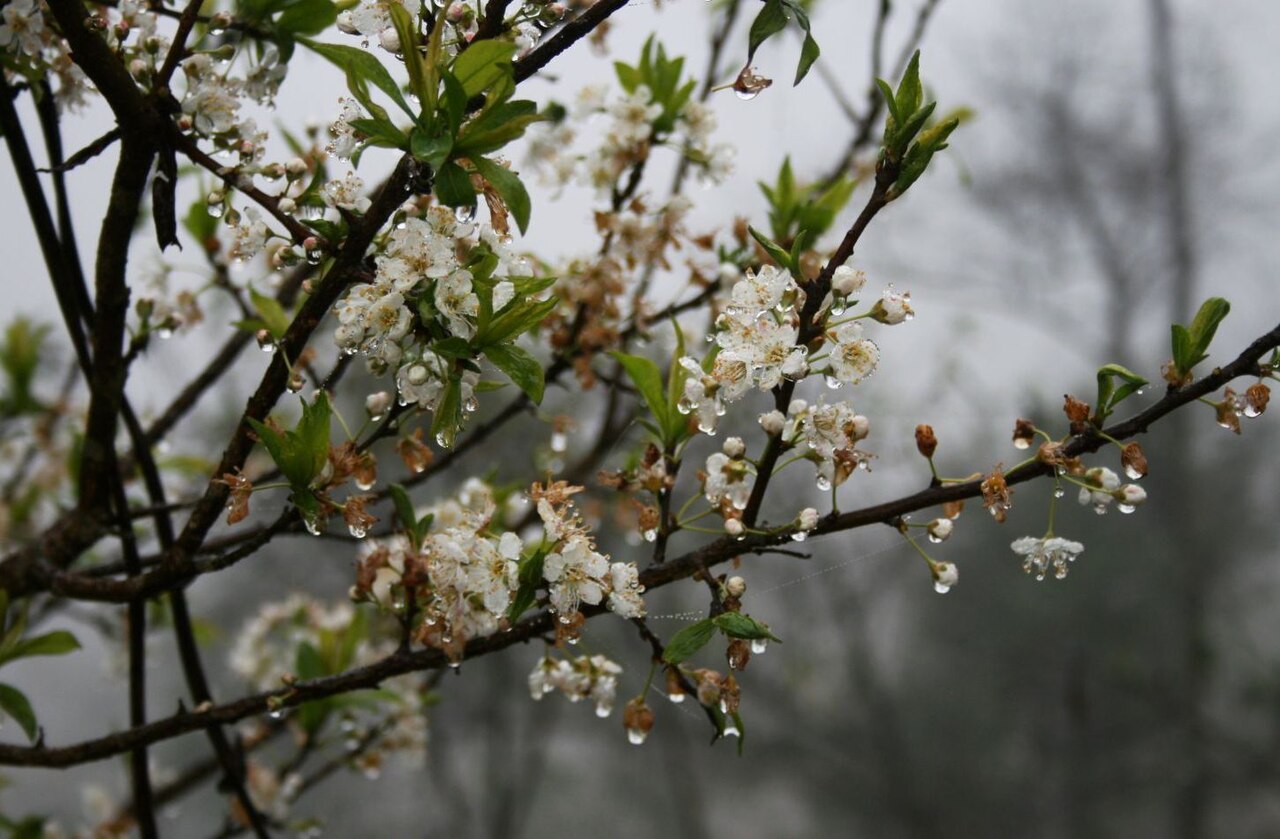
Secondary II High No biomass productionSweet cherry, a deciduous tree of the Rosaceae family, exotic to Brazil and highly chill-demanding — most cultivars need more than 800 hours below ...
-
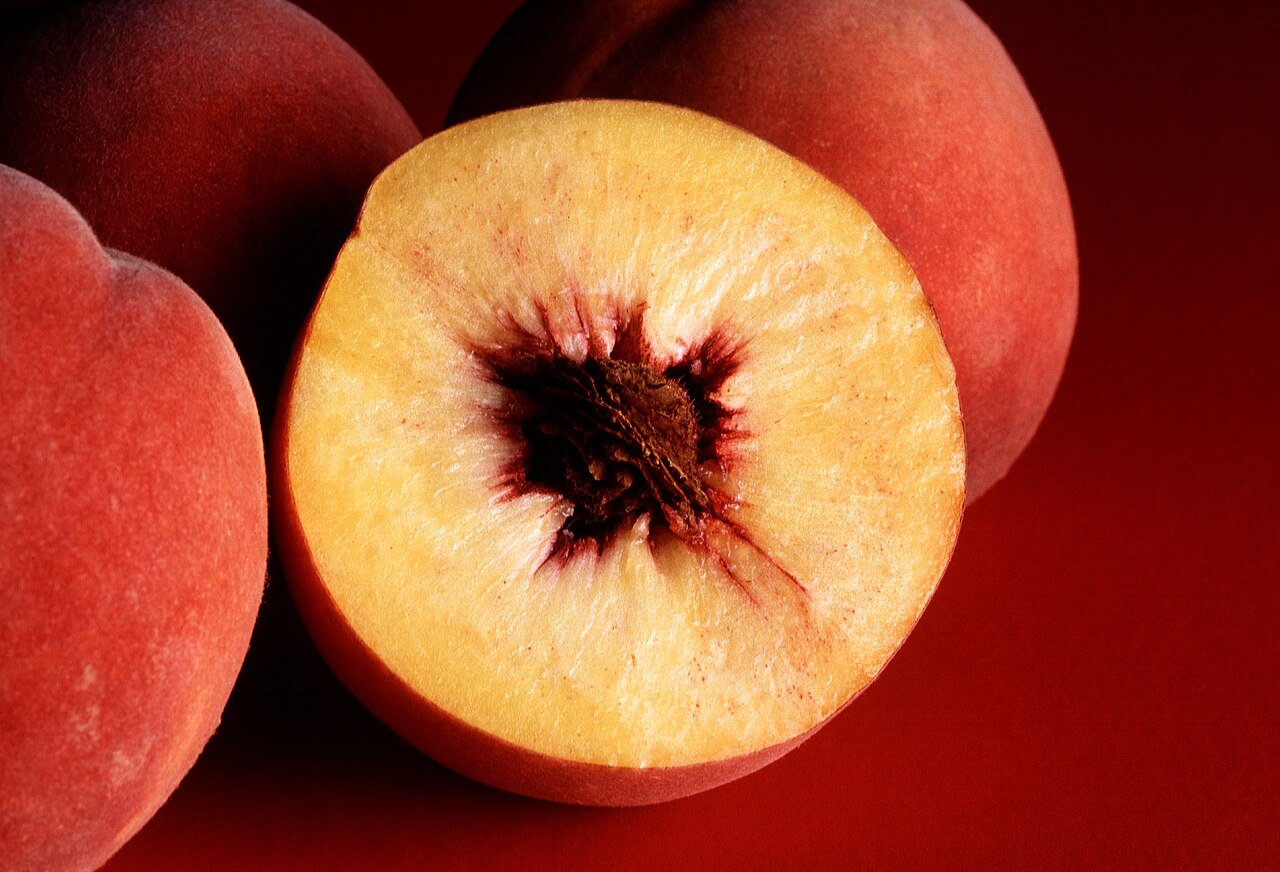
peach
Prunus persica
Secondary I Medium No biomass productionA deciduous fruit tree of the Rosaceae family, exotic to Brazil but well adapted to the temperate-climate regions of the south. It requires winter ...
-
Japanese plum
Prunus salicina
Secondary I Medium No biomass productionA deciduous plum tree originating in China, widely grown in southern Brazil as a temperate fruit crop. It has a moderate chill requirement (cultiva...
-
embiruçu
Pseudobombax grandiflorum
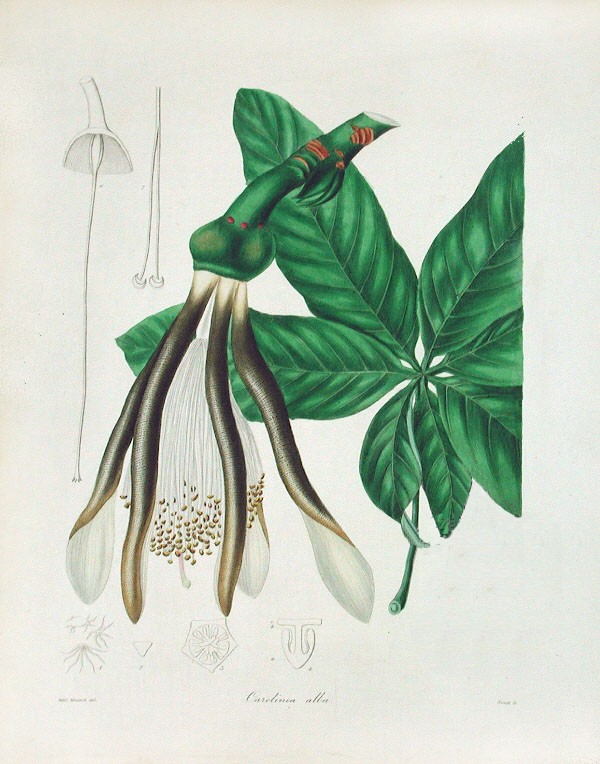
Secondary II High Mulch biomassNative tree of the Atlantic Forest and Cerrado, with spectacular brush-like white flowers. EcoAgri lists it in the high stratum of the 'up to 50 ye...
-
strawberry guava
Psidium cattleyanum
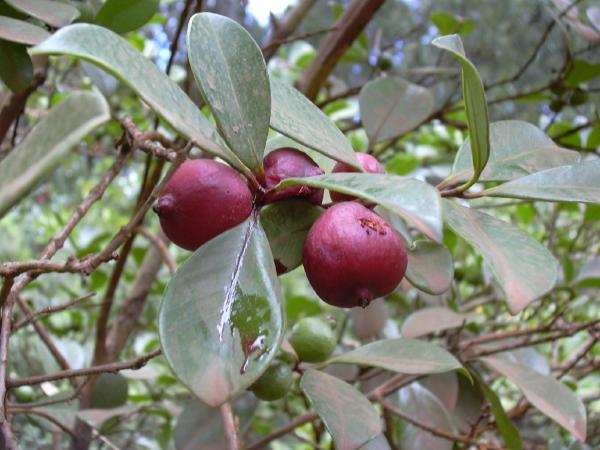
Secondary I High No biomass productionSmall native Atlantic Forest fruit tree, listed by Pasini in the high stratum of Tabela 3. Small red or yellow fruit similar to a guava with intens...
-
guava
Psidium guajava
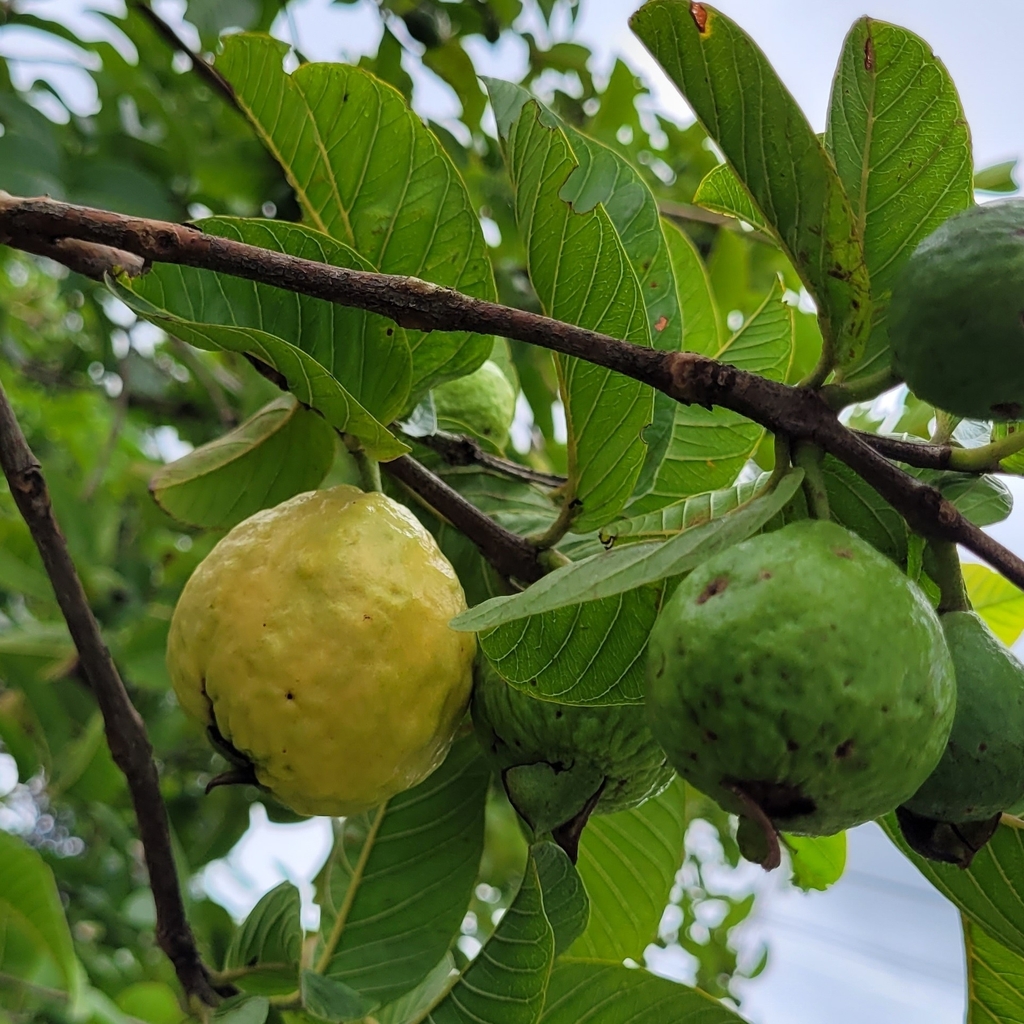
Secondary I High No biomass productionNative tropical American fruit tree, common in Brazilian syntropic agroforestry systems. Pasini lists it in the high stratum of Tabela 3. Tolerates...
-
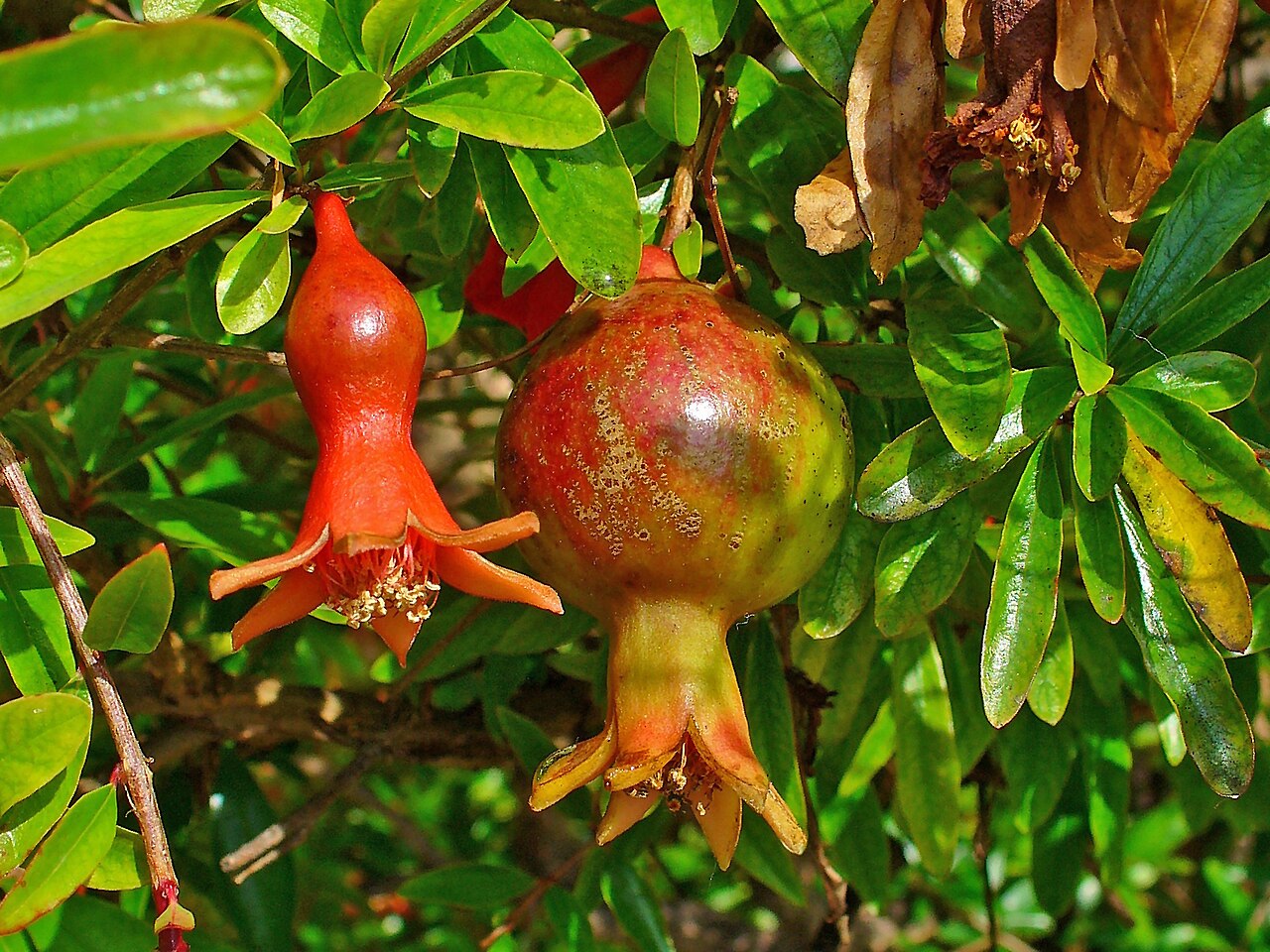
pomegranate
Punica granatum
Secondary I Low No biomass productionPomegranate, a deciduous shrub or small tree of the Lythraceae family, exotic to Brazil and cultivated across a wide range of the country. Drought-...
-
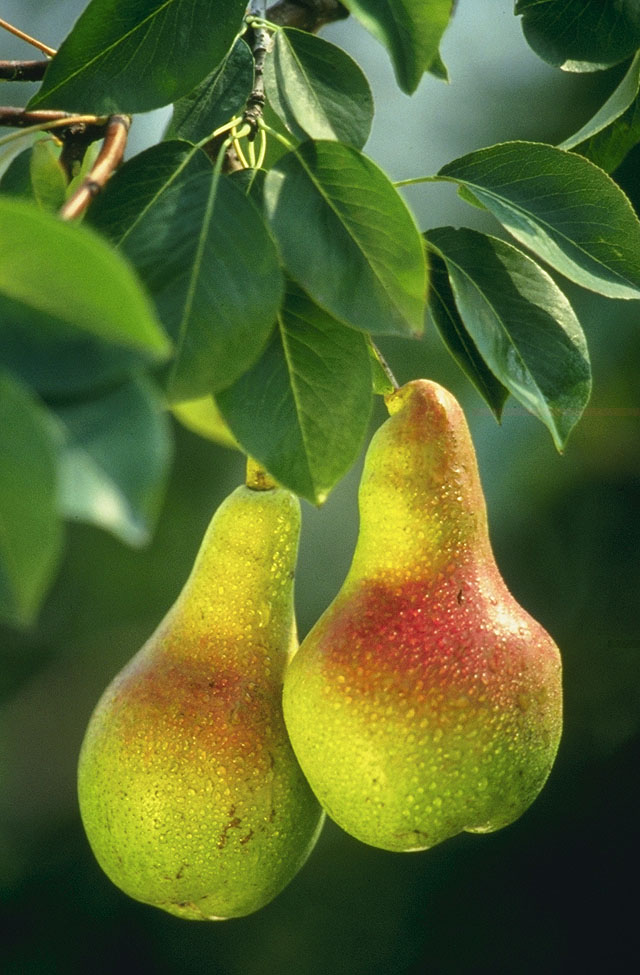
European pear
Pyrus communis
Secondary II Medium No biomass productionThe European pear, a deciduous fruit tree of the Rosaceae family, exotic to Brazil and demanding in chill (usually more than 600 hours below 7 °C)....
-
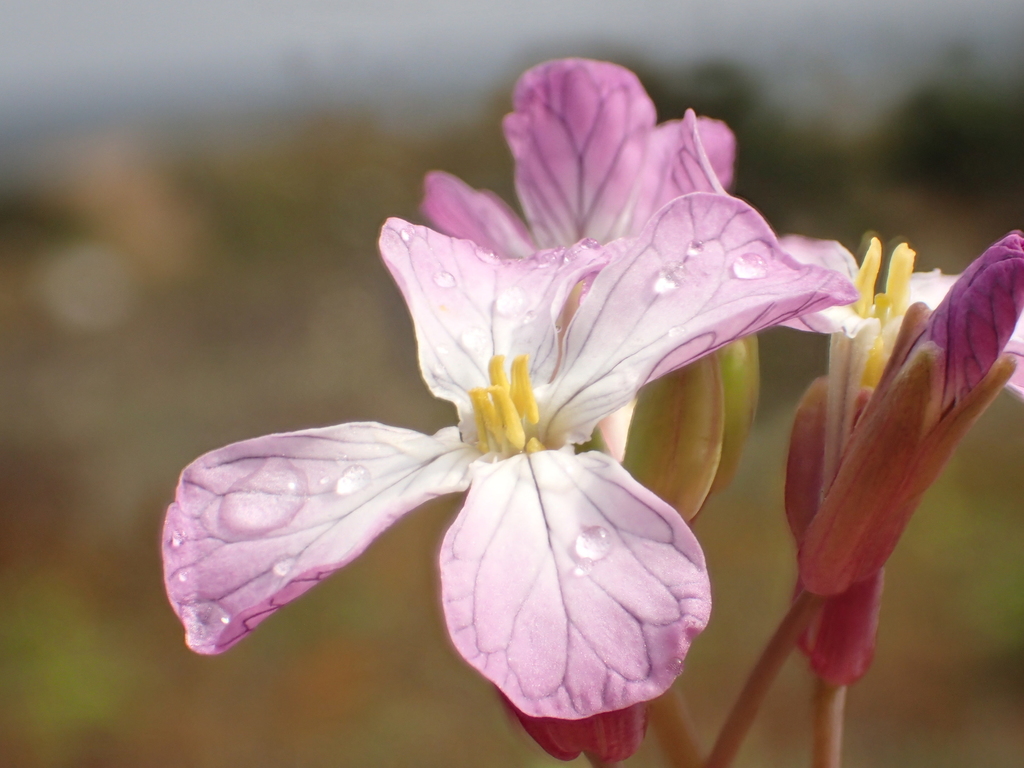
radish
Raphanus sativus
Placenta I Ground cover No biomass productionUltra-short-cycle brassica (25–35 days). Pasini lists it in the medium stratum of Tabela 3 (grown as a low-stratum species). Excellent for rotating...
-
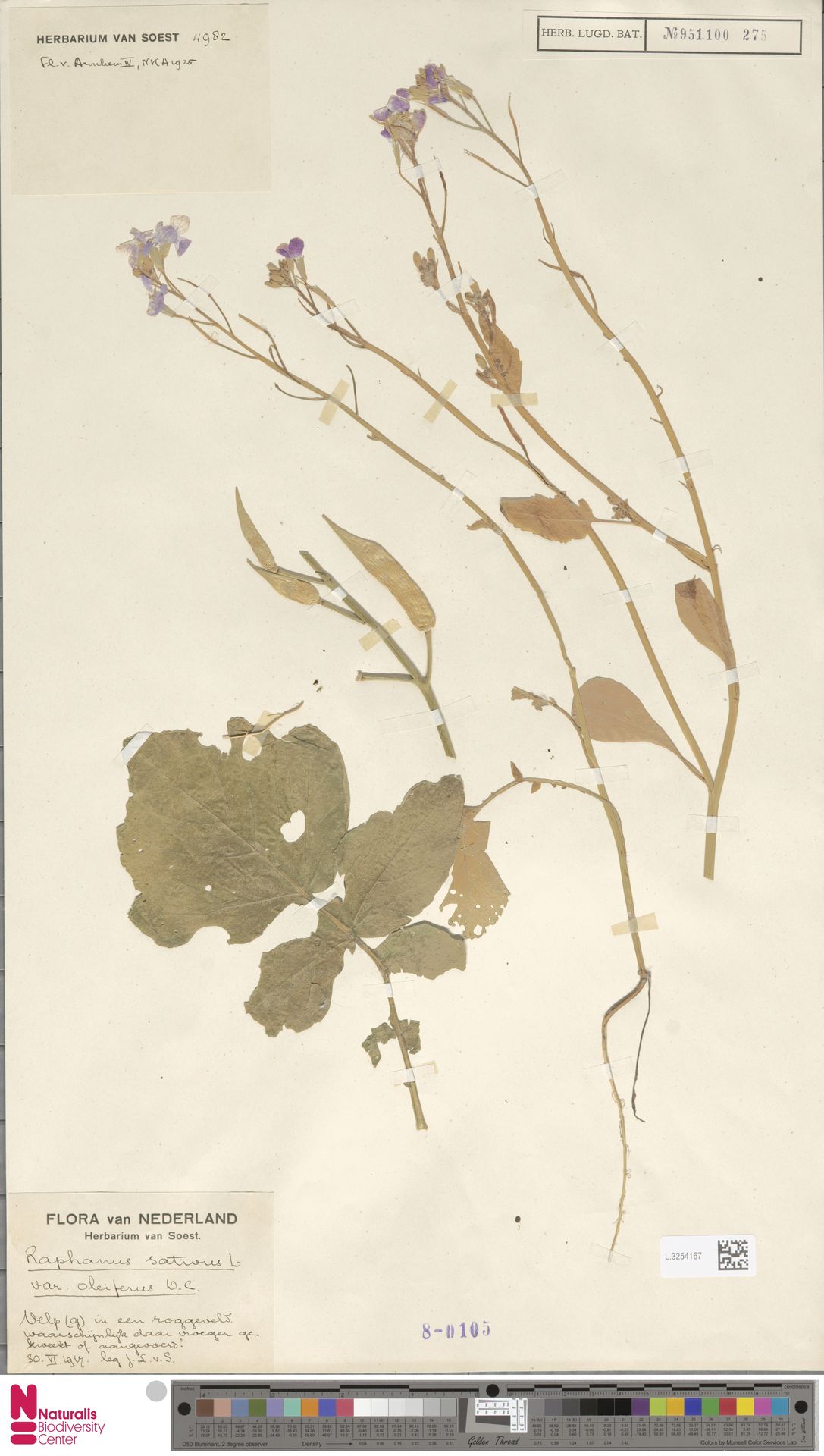
fodder radish
Raphanus sativus var. oleiferus
Placenta I Low Fertilizer biomassSpecific Raphanus cultivar for green manure. Pasini lists it in the medium stratum of Tabela 3. Taproot breaks through compacted layers; sulfur- an...
-
castor bean
Ricinus communis
Placenta II Emergent Mulch biomassAnnual or short-lived perennial shrub/small tree, a high-yielding oilseed crop. EcoAgri lists it in the emergent stratum of the 'up to 3 years' bin...
-
raspberry
Rubus idaeus
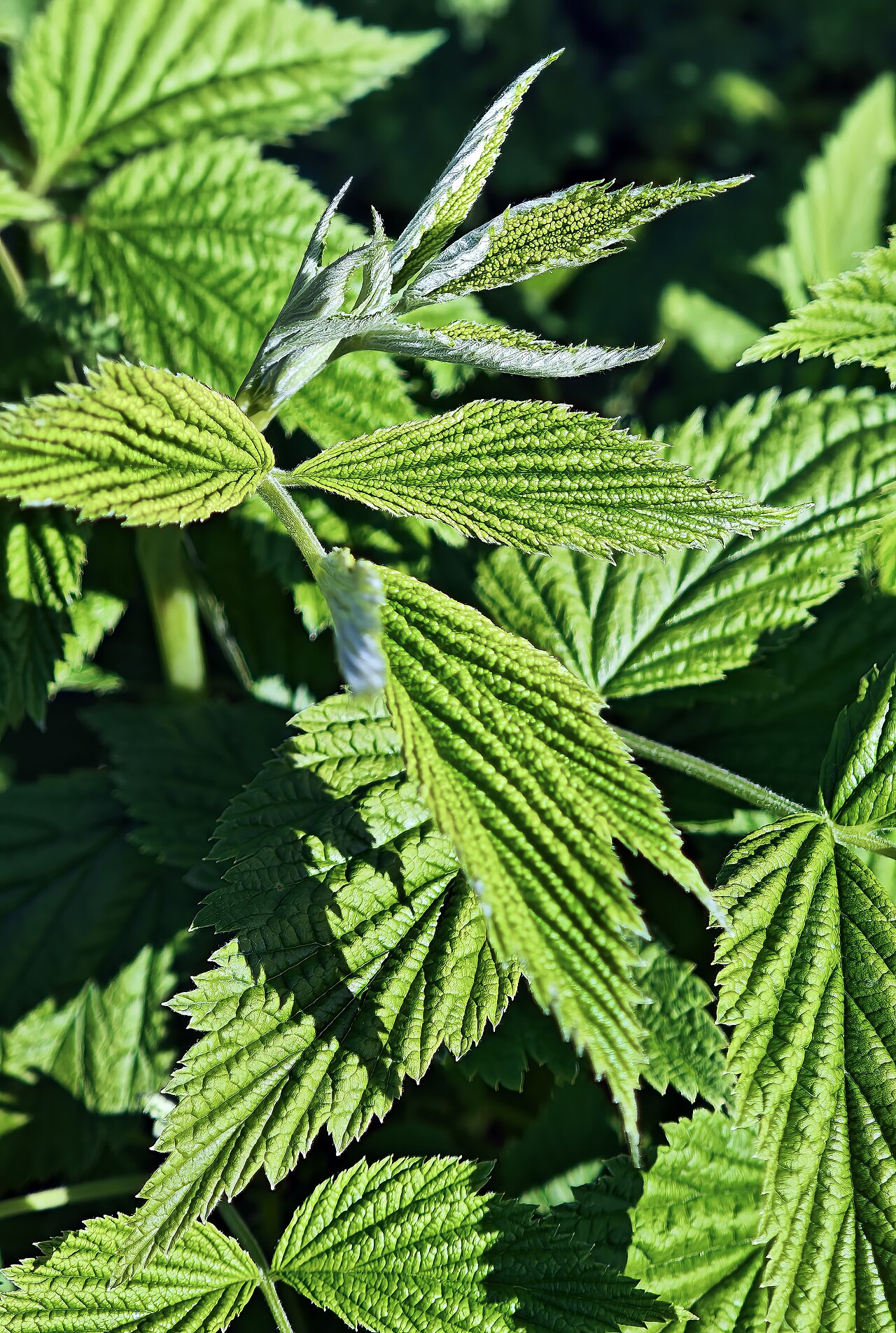
Secondary I Low No biomass productionRaspberry, a perennial shrub with biennial canes of the Rosaceae family, exotic to Brazil and grown in cold regions of the south and in highland mi...
-
sugar cane
Saccharum officinarum
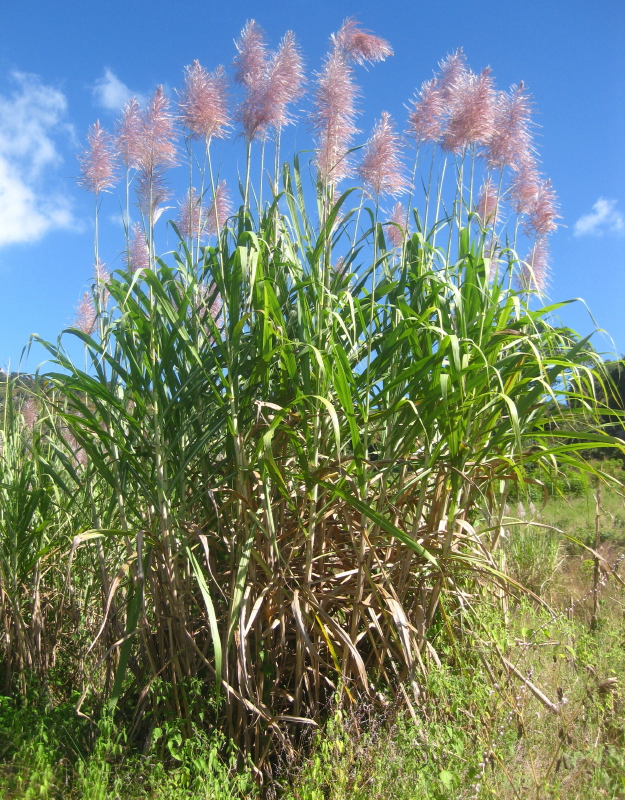
Placenta II Emergent Mulch biomassPerennial grass with very high production of cover biomass. Pasini lists it in the emergent stratum (Tabela 3). Cut periodically in syntropic agrof...
-
sage
Salvia officinalis
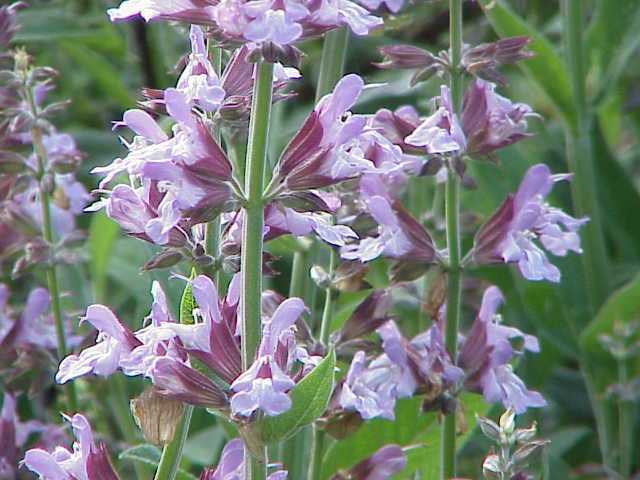
Placenta II Low No biomass productionPerennial Mediterranean subshrub (40–80 cm), grey-green aromatic leaves. Cold-hardy. In subtropical syntropic systems pairs well with rosemary and ...
-
rosemary
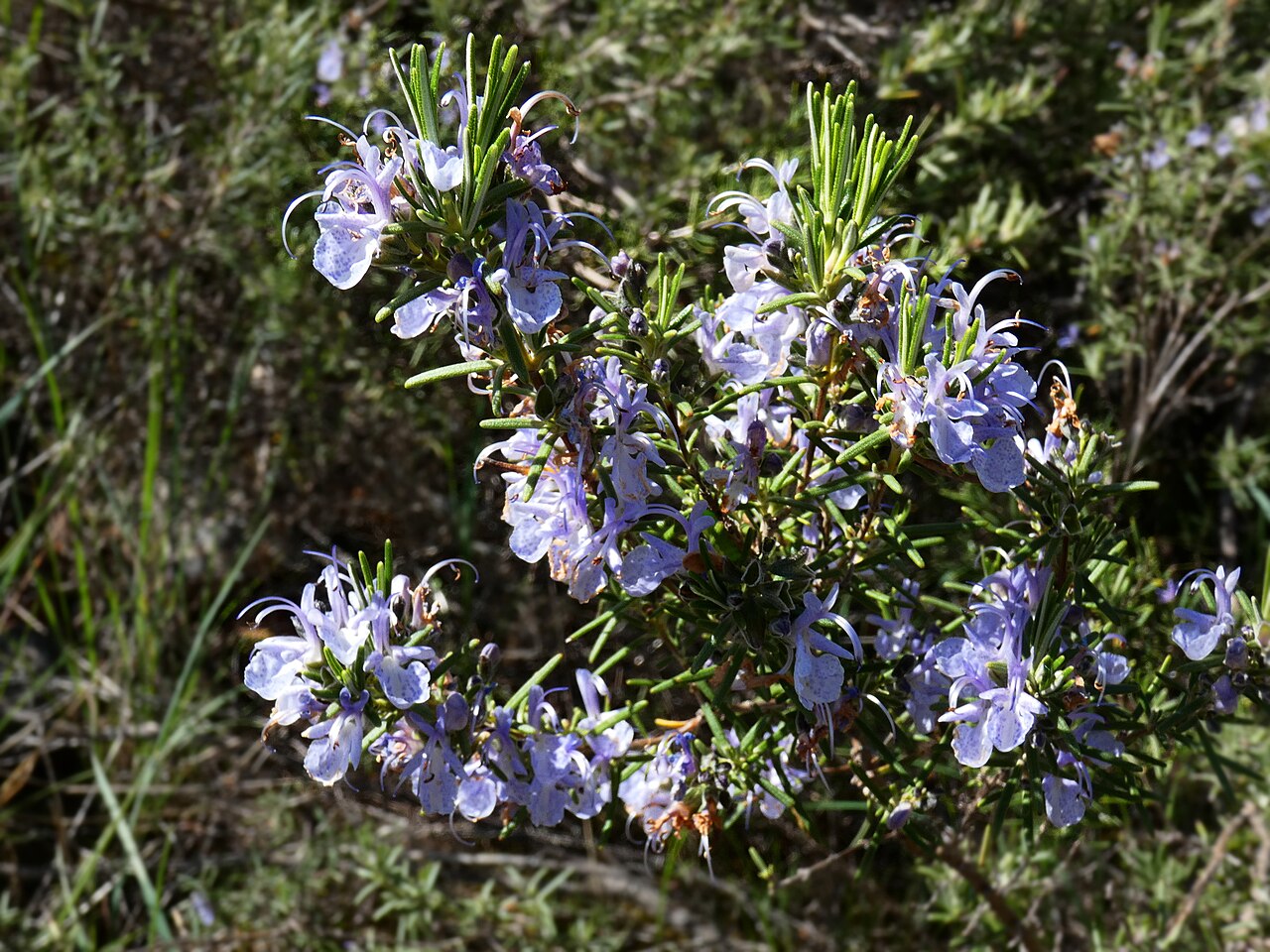
Salvia rosmarinus
Placenta II Low No biomass productionPerennial Mediterranean shrub (0.8–1.5 m), aromatic, narrow resinous leaves. Extreme drought tolerance; prefers well-drained slightly alkaline soil...
-
morototó
Schefflera morototoni
Secondary I Emergent Mulch biomassFast-growing pioneer tree common in Atlantic Forest and Amazon clearings. EcoAgri lists it in the emergent stratum of the 'up to 50 years' extras. ...
-
Brazilian fern tree
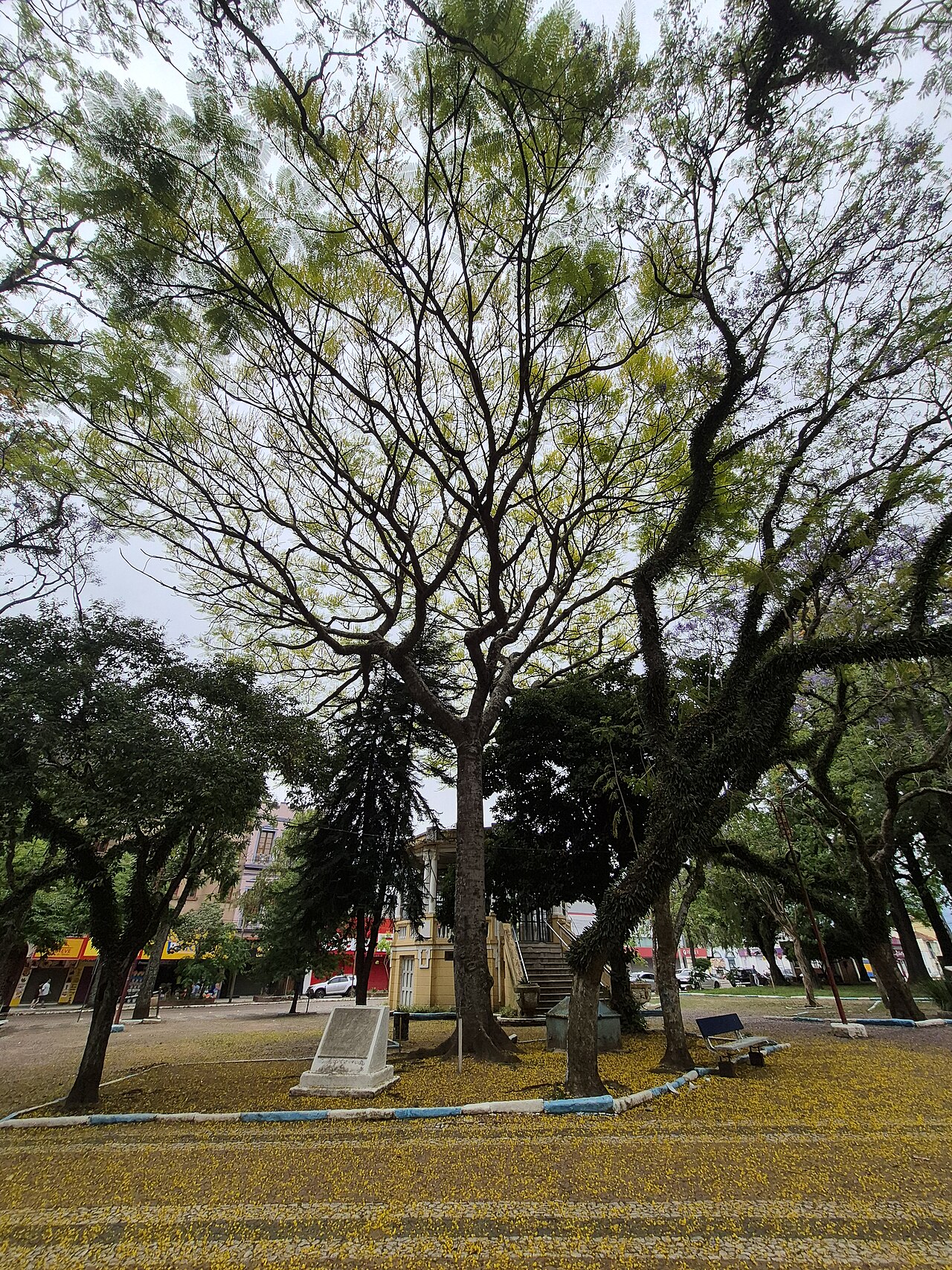
Schizolobium parahyba
Placenta II Emergent Fertilizer & mulchPioneer Atlantic Forest species with extremely fast growth (up to 6 m per year in early years), reaching 20–30 m. Excellent for early shade and bio...
-
chayote
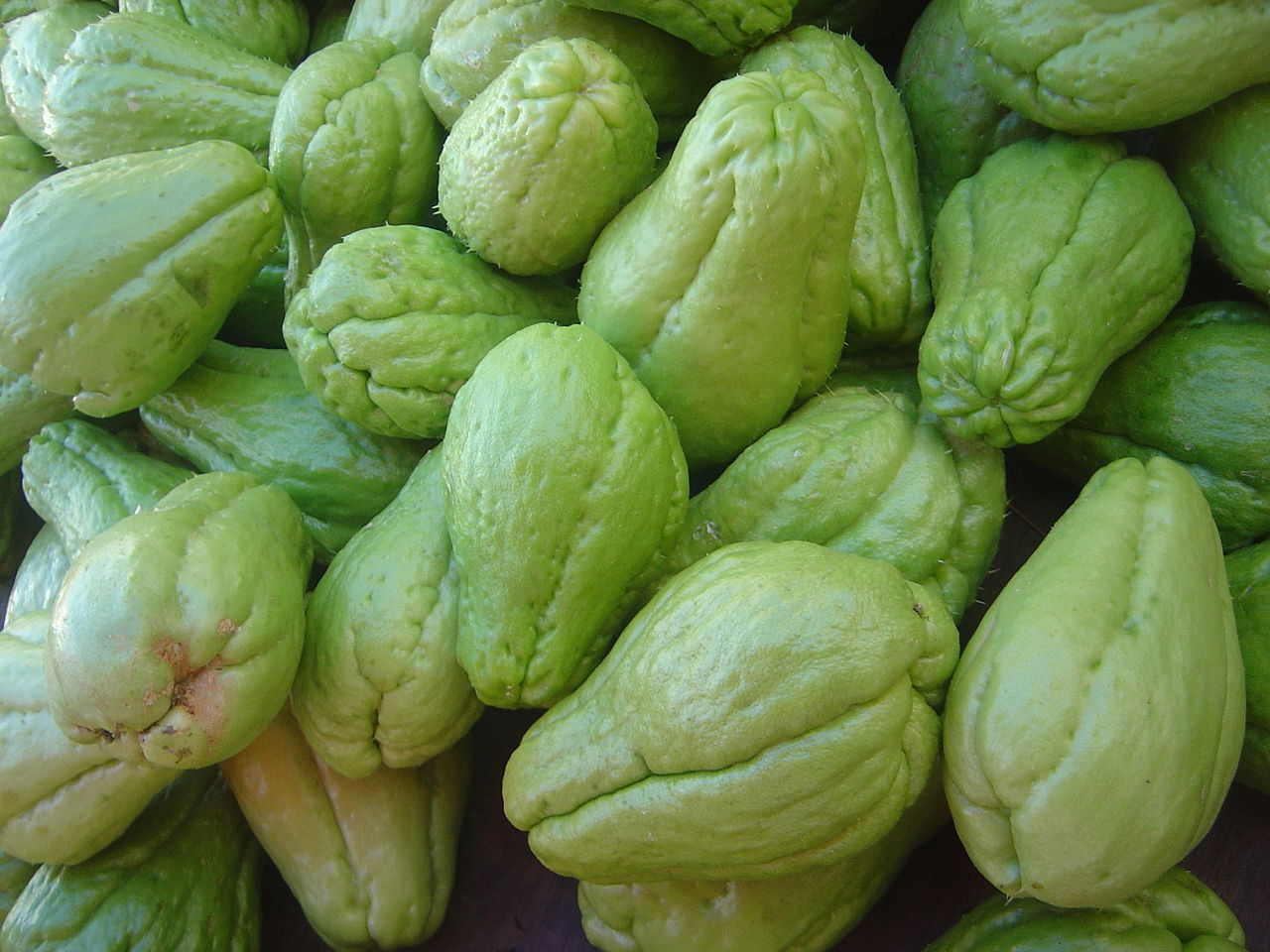
Sechium edule
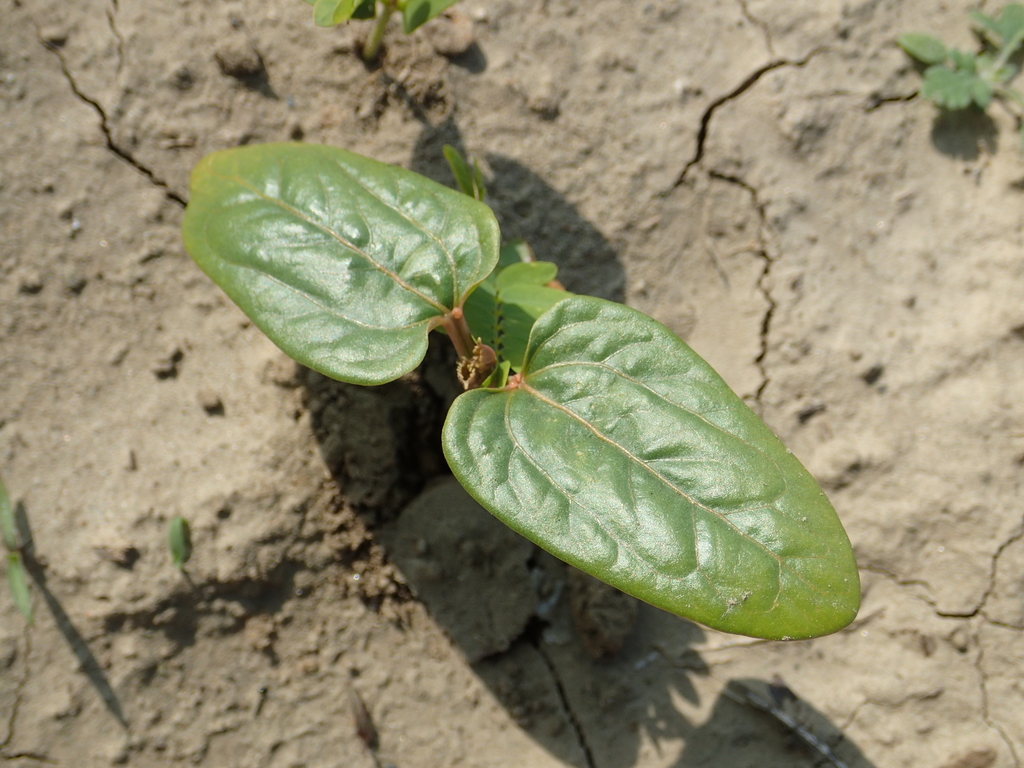
Placenta II High No biomass productionPerennial climbing cucurbit of Mesoamerican origin, naturalized in Brazil. EcoAgri lists it in the high stratum of the 'up to 3 years' bin (the pla...
❓ Frequently asked questions
What characterizes the Atlantic Forest biome?
Humid tropical forest that once covered Brazil's entire east coast. Less than 12% of original cover remains — restoring it is one of the central goals of Brazilian syntropic agriculture. High diversity of fruit, timber, and pioneer species adapted to a tropical-highland climate.
Which plants does the catalog suggest for the Atlantic Forest biome?
The catalog holds 284 species, among them jabuticaba, cambucá, yellow jaboticaba. Each profile shows stratum, succession stage, and the management data, with sources cited.