
Biome
Plants of the Atlantic Forest biome
A humid biome of varied terrain and enormous diversity — and home to much of Brazil's experience with syntropic agriculture. The list runs from fast pioneers to climax timber, which leaves room to design complete successions. Each species' relation to the biome is on its profile.
284 species in the catalog · Refine this list in the catalog
-
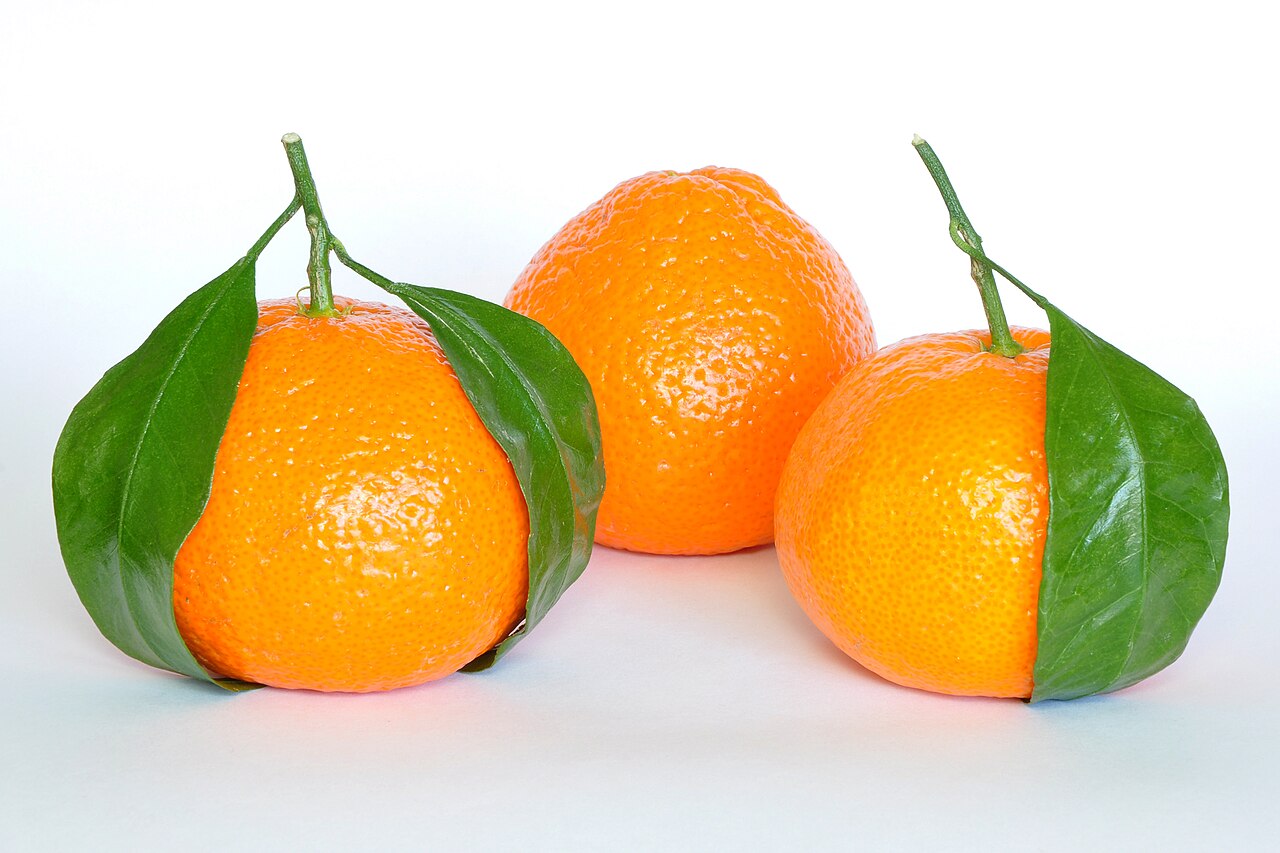
mandarin
Citrus reticulata
Secondary II Medium No biomass productionMedium-stratum citrus in syntropic systems. Pasini lists ponkan in the high stratum of Tabela 3; the Bosque de Niebla Guidebook places the mandarin...
-
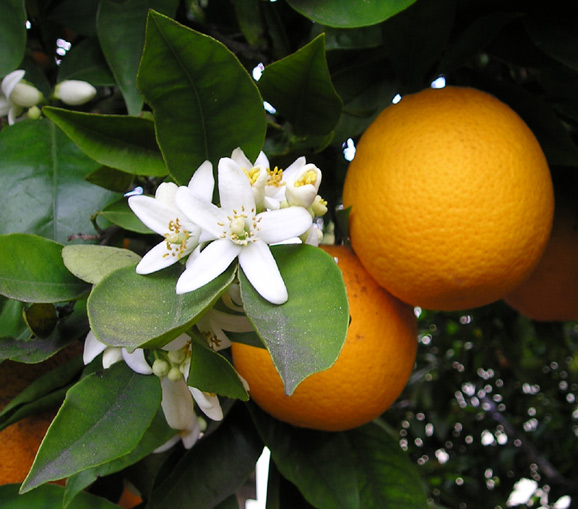
orange
Citrus × sinensis
Secondary I High No biomass productionCitrus fruit tree widely used in Brazilian agroforestry systems. Pasini lists it in the high stratum of Tabela 3 and cites it among Abundance-syste...
-
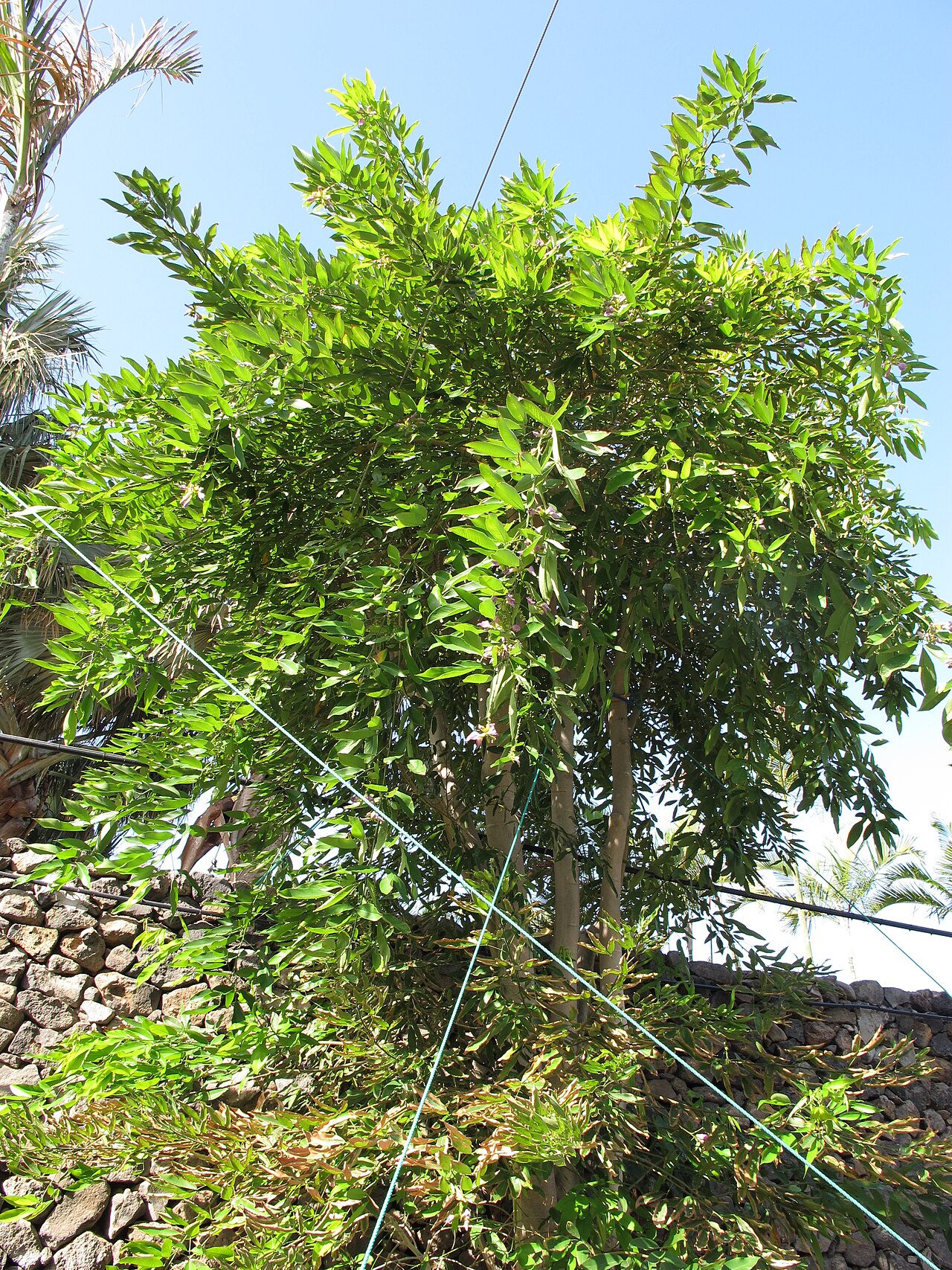
fairchild's clitoria
Clitoria fairchildiana
Secondary I High Fertilizer biomass 🌱 Nitrogen fixerA leguminous tree native to Brazil (Amazonian domain), 6-12 m tall, with a broad crown and violet flowers in pendulous inflorescences. It nodulates...
-
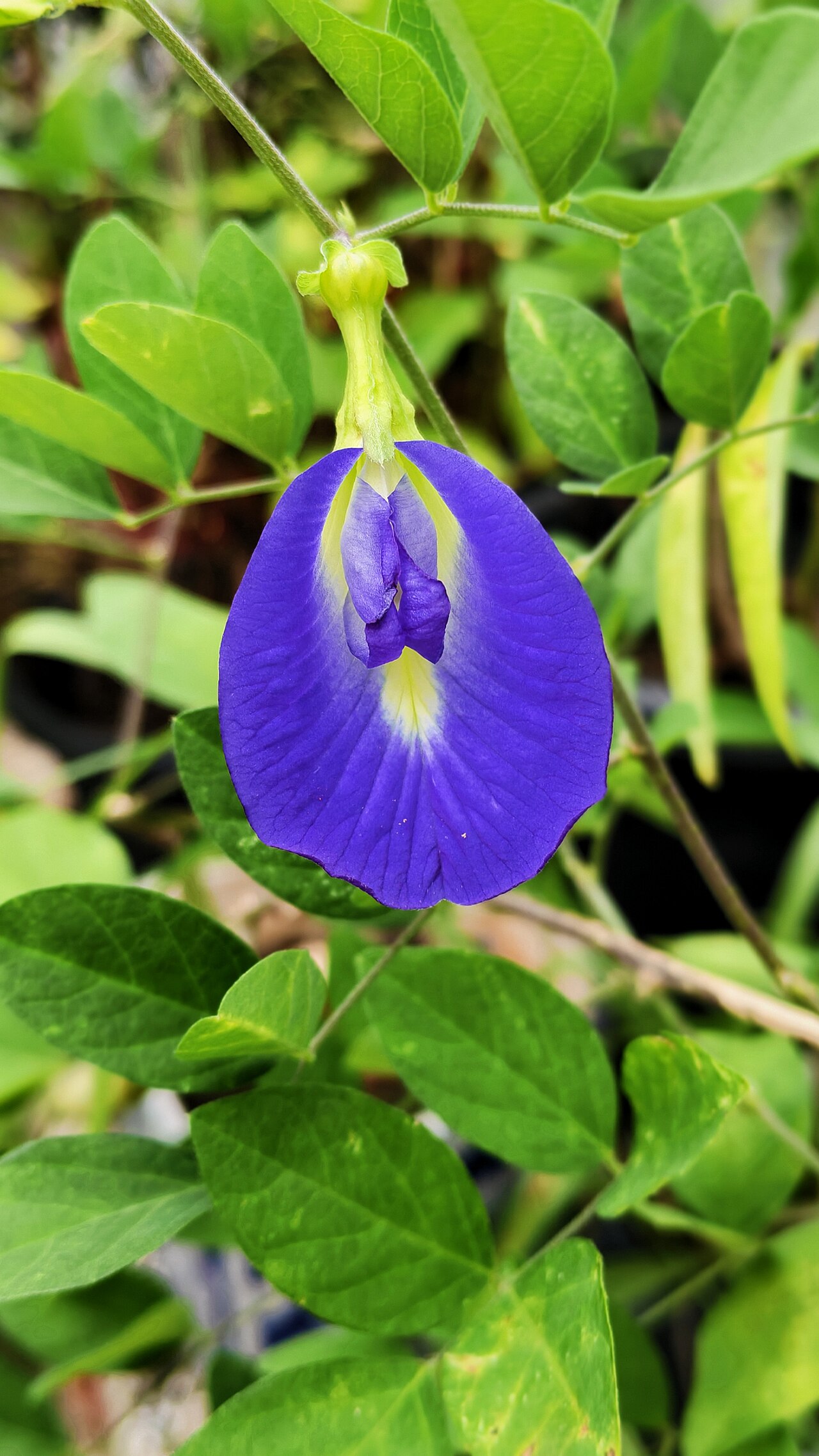
butterfly pea
Clitoria ternatea
Placenta I Ground cover Fertilizer biomass 🌱 Nitrogen fixerA perennial herbaceous climbing legume able to fix up to 100 kg N per hectare per year in symbiosis with Rhizobium. Used as a high-value forage (pr...
-
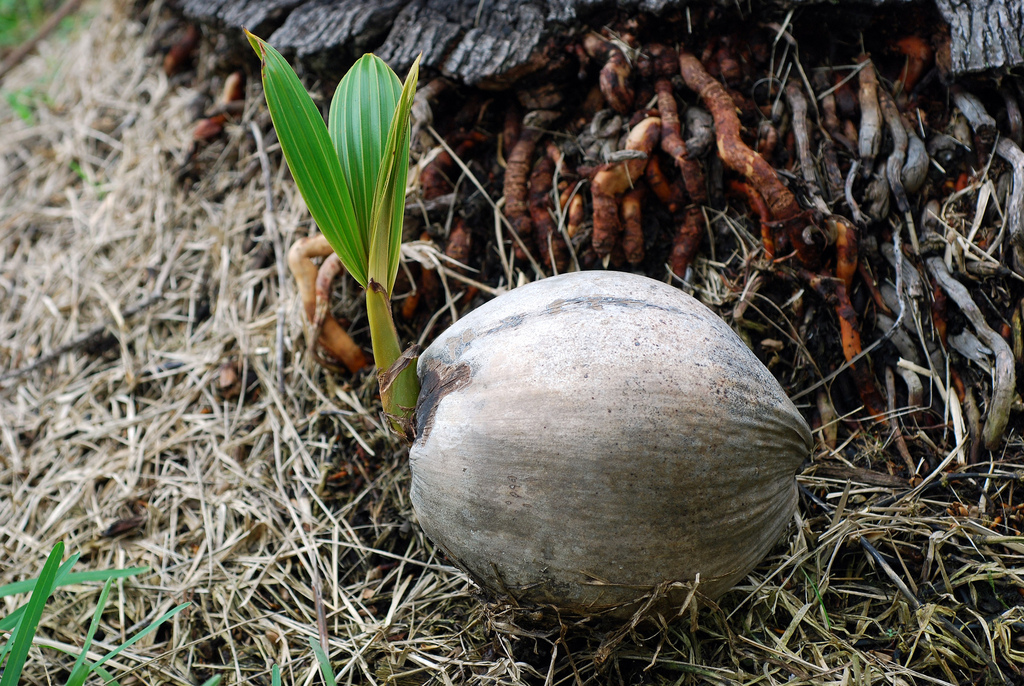
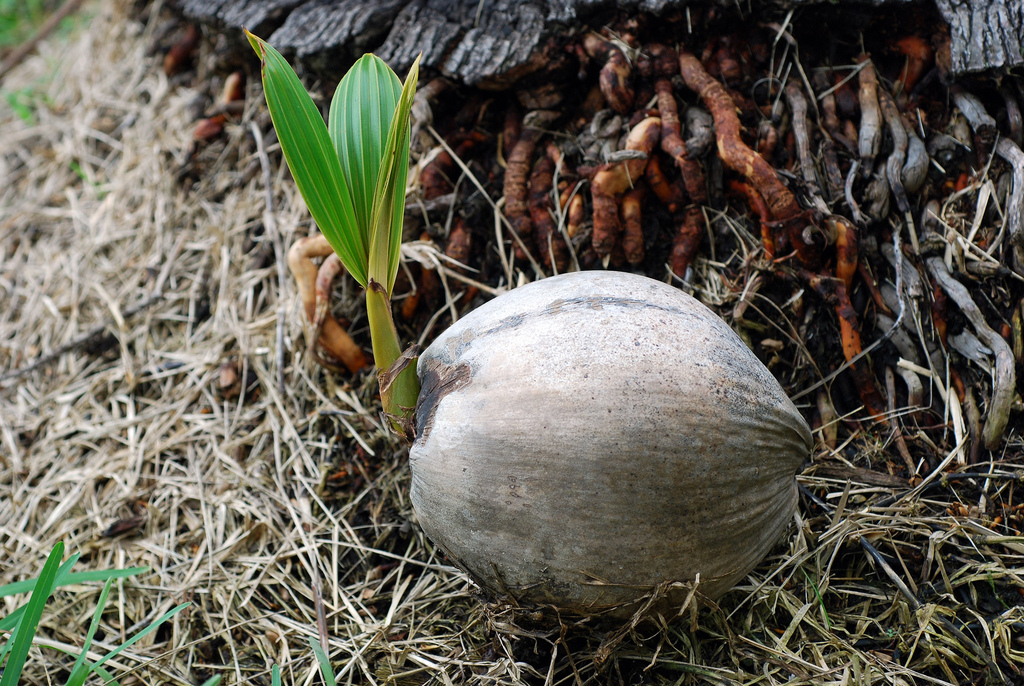
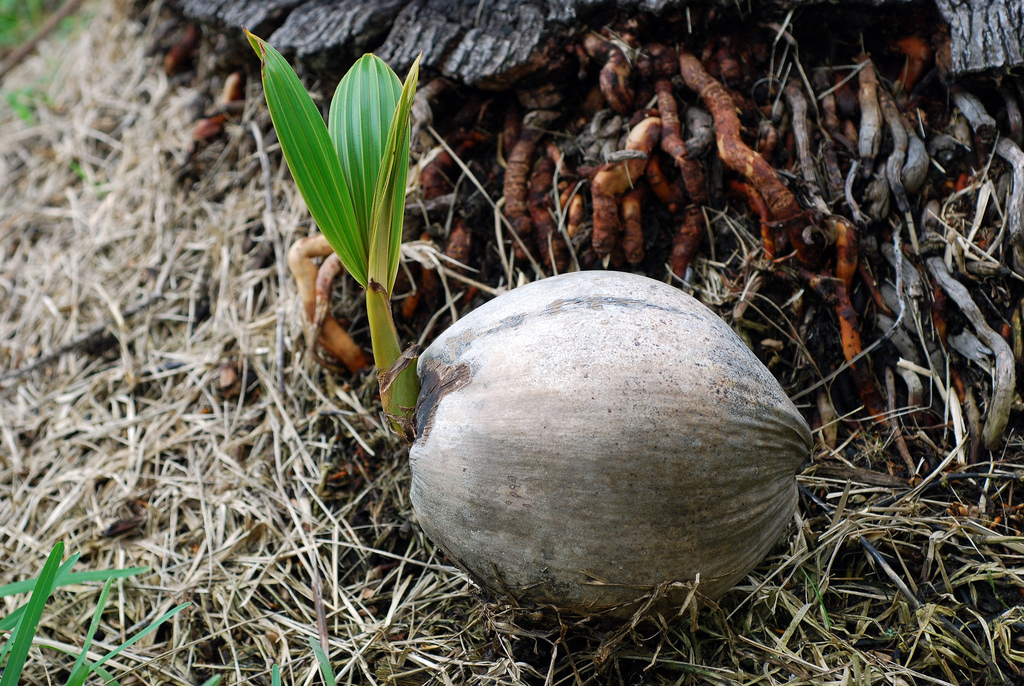
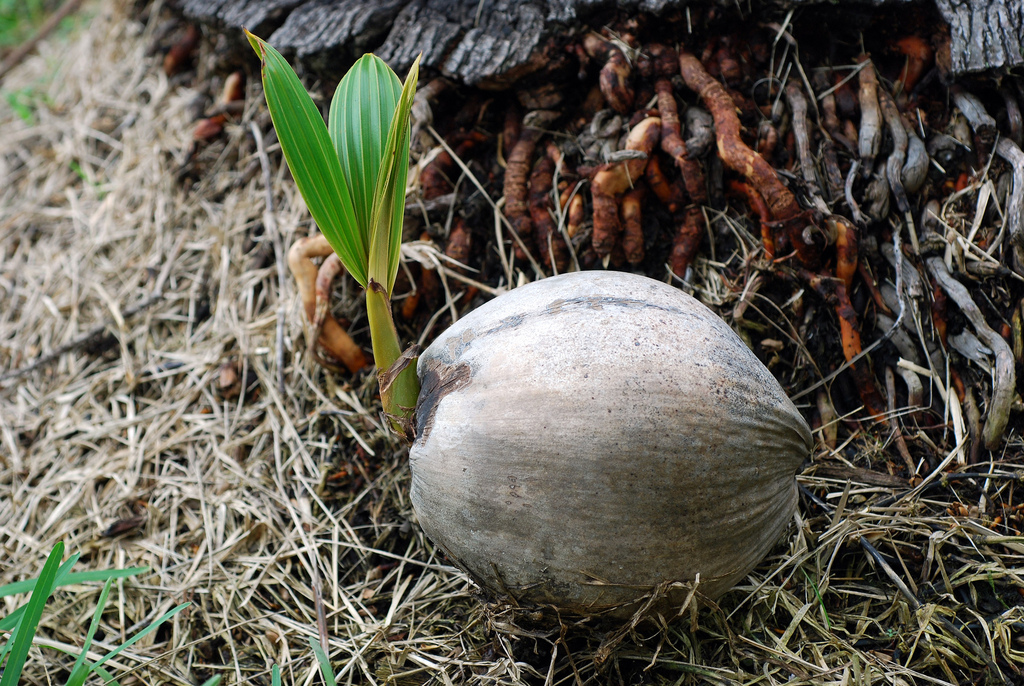
hybrid coconut
Cocos nucifera
Secondary II High No biomass productionDwarf × Tall hybrids registered by Embrapa (BRS 001, 002, 003). Intermediate height (15–20 m), early bearing (4 years), medium fruits. Combine Tall...
-
yellow dwarf coconut
Cocos nucifera
Secondary II High No biomass productionYellow Dwarf cultivar. Height and cycle similar to Green Dwarf (8–12 m, first harvest at 2–3 years). Slightly larger yellow fruits. Better toleranc...
-
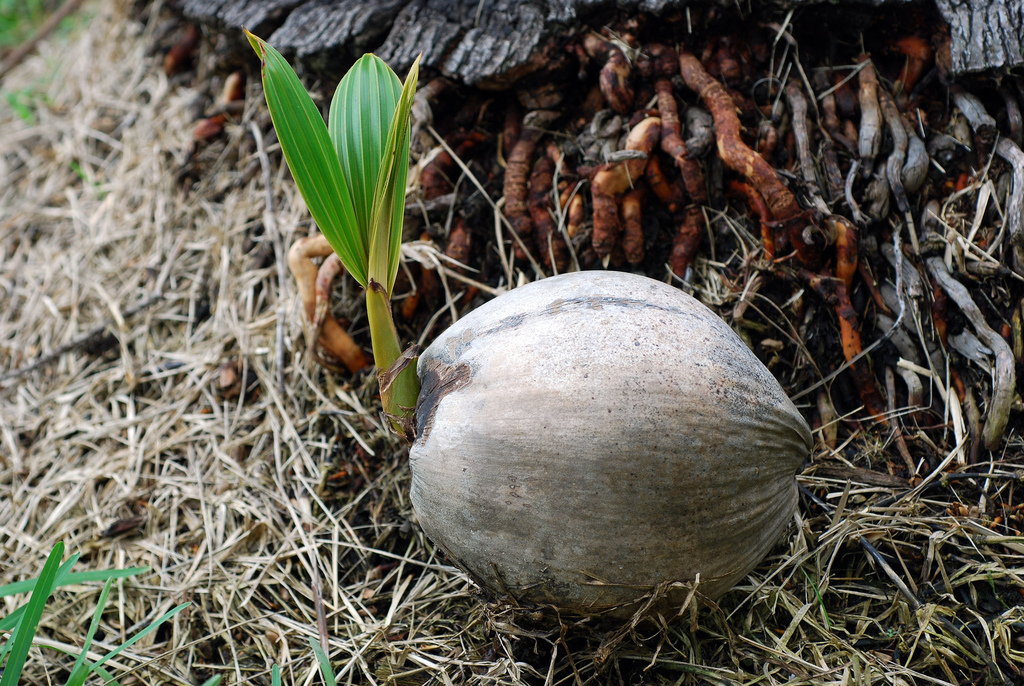
coconut palm
Cocos nucifera
Secondary II Emergent No biomass productionHigh-value palm naturalized along Brazilian coastlines. Pasini lists it in the emergent stratum of Tabela 3. Tolerates salinity and coastal winds; ...
-
tall coconut
Cocos nucifera
Secondary II Emergent No biomass productionTall variety — emergent (20–30 m), 60–70 year lifespan, first flowering at 5–7 years. 60–80 large fruits per plant per year for copra, oil, and fib...
-
green dwarf coconut
Cocos nucifera
Secondary II High No biomass productionGreen Dwarf cultivar — Brazil's commercial mainstay for coconut water. 8–12 m tall, 30–40 year economic life, first harvest at 2–3 years. Yields 15...
-
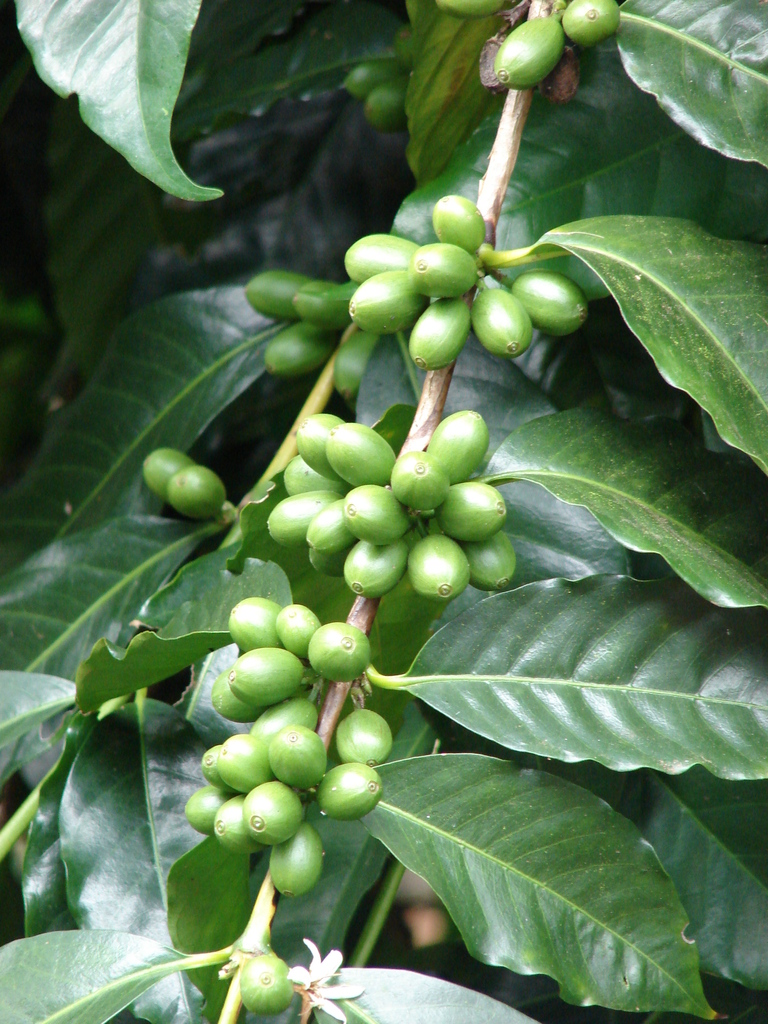
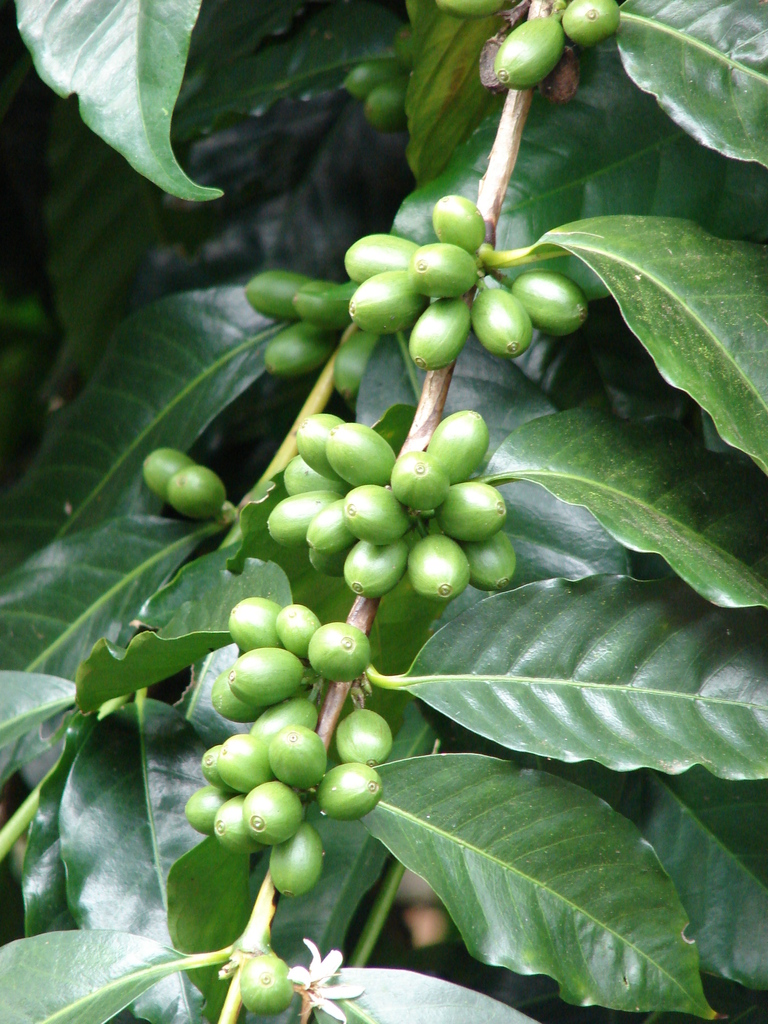
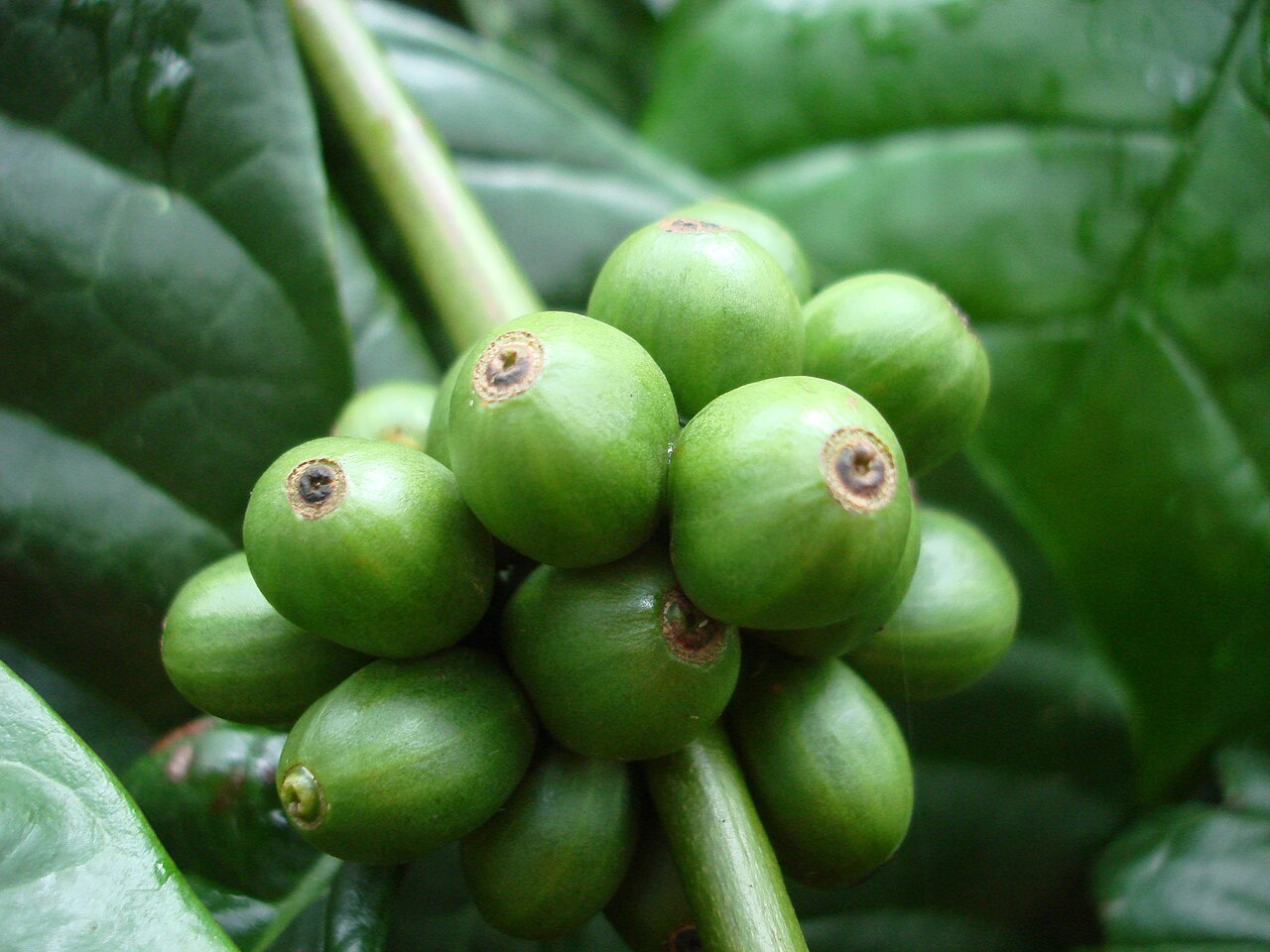
catuaí coffee
Coffea arabica
Secondary I Low No biomass productionCaturra × Mundo Novo hybrid developed by IAC. Compact dwarf architecture (1.8–2.5 m) — eases harvest and dense planting. Dominant cultivar in Brazi...
-
mundo novo coffee
Coffea arabica
Secondary I Medium No biomass productionNatural Sumatra × Red Bourbon hybrid selected by IAC. Tall (2.5–4 m), thin trunk that arches and requires sucker thinning. Excellent vigor, rustici...
-
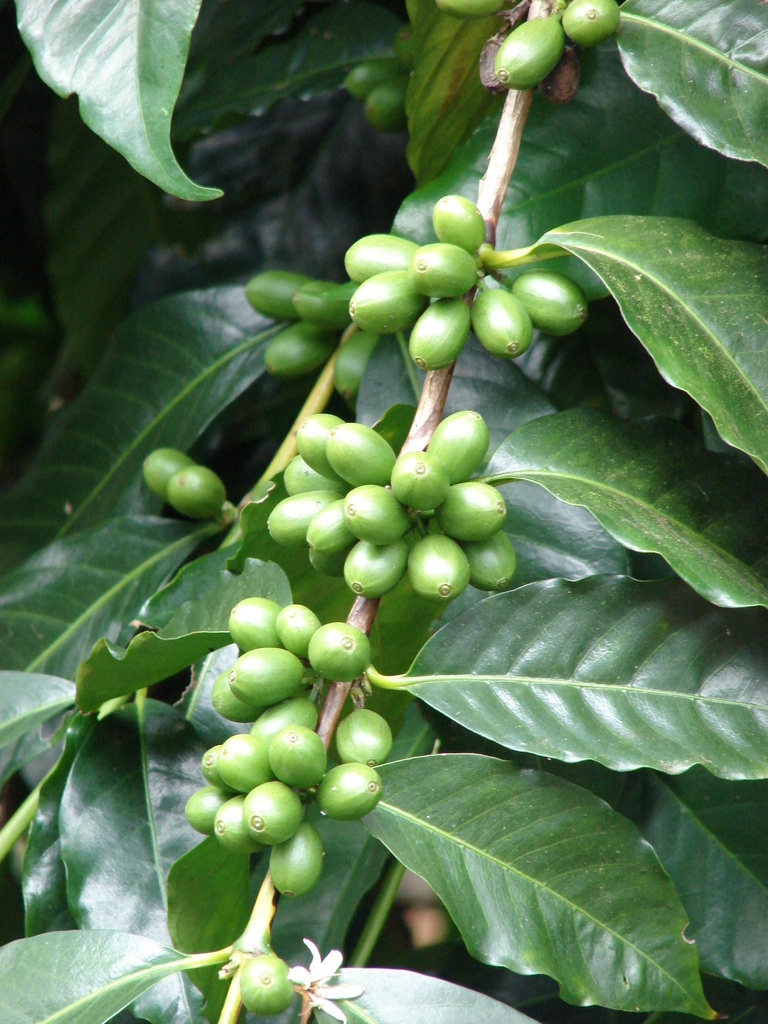
coffee
Coffea arabica
Secondary I Low No biomass productionShade-grown crop valuable in syntropic Atlantic Forest systems. Occupies the low stratum between bananas and ingás.
-
geisha coffee
Coffea arabica
Secondary I Medium No biomass productionHeirloom arabica from the Gesha valley in Ethiopia, rediscovered in Panama in the 2000s. Tall, open canopy, low yield but exceptional floral cup pr...
-
bourbon coffee
Coffea arabica
Secondary I Medium No biomass productionHeirloom arabica cultivar — originated on Bourbon Island (modern Réunion) in the 18th century. Tall (3–4 m), open canopy. Susceptible to coffee lea...
-
robusta coffee
Coffea canephora
Secondary I Medium No biomass productionDistinct coffee species from arabica — more vigorous, adapted to lowland (0–800 m) and hot climate (22–26°C). Brazil's dominant species in Espírito...
-
woolly plectranthus
Coleus barbatus
Secondary I Medium No biomass productionA perennial semi-succulent subshrub of the Lamiaceae family, native to tropical Africa, the Arabian Peninsula and Asia, widely grown in Brazil as b...
-
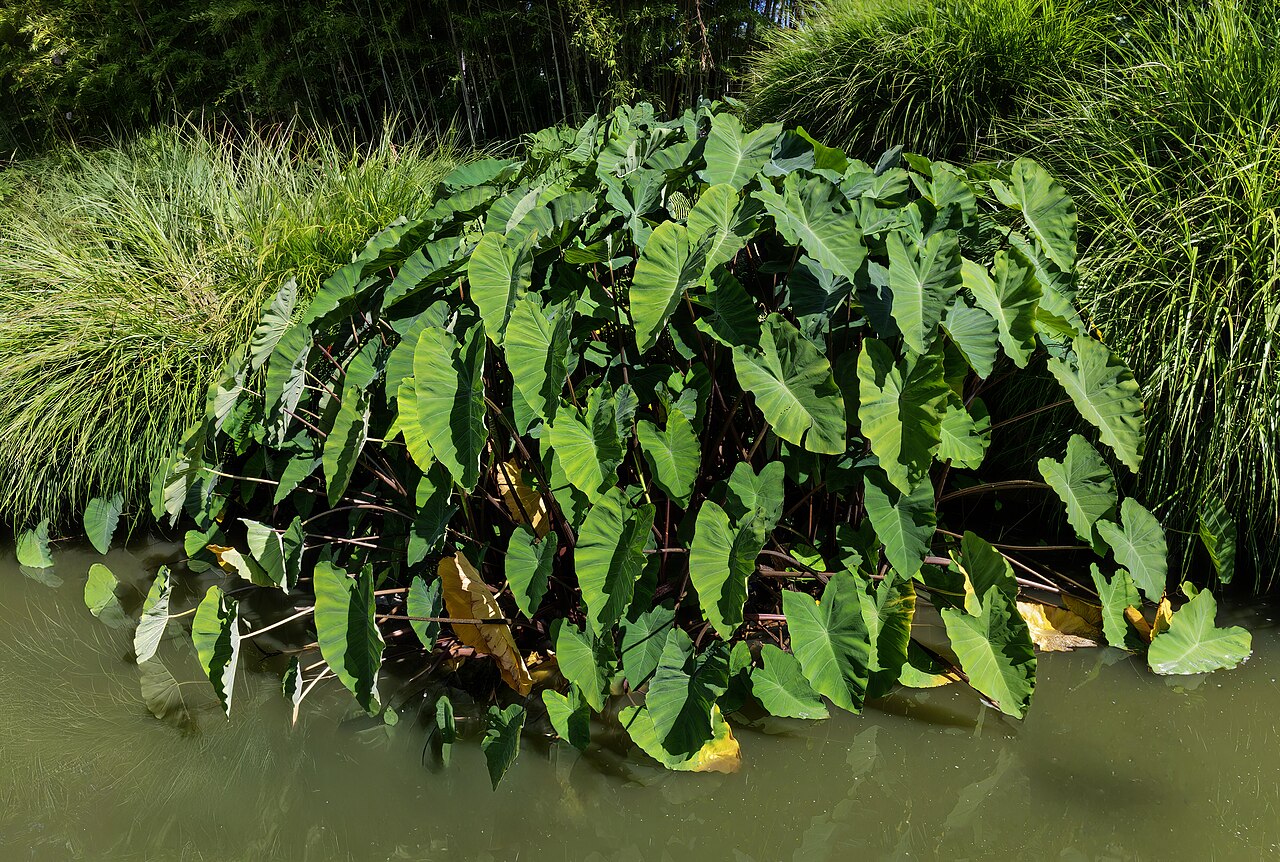
taro
Colocasia esculenta
Placenta I Low Fertilizer biomassDistinct from taioba (Xanthosoma sagittifolium, already in canon, native species) and from yam (Dioscorea spp.). Introduced Asian species cultivate...
-
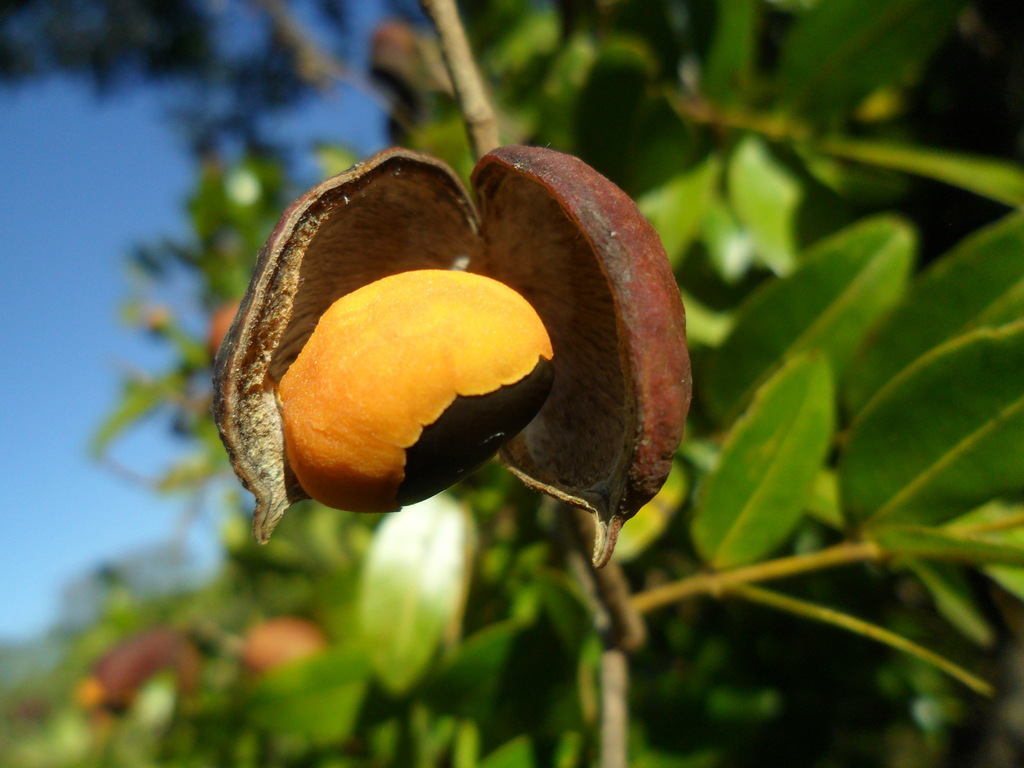
diesel tree
Copaifera langsdorffii
Climax High Mulch biomassClimax Cerrado and Atlantic Forest legume; produces medicinal oil from trunk exudates. Pasini lists it in the high stratum of Tabela 3 and in the '...
-
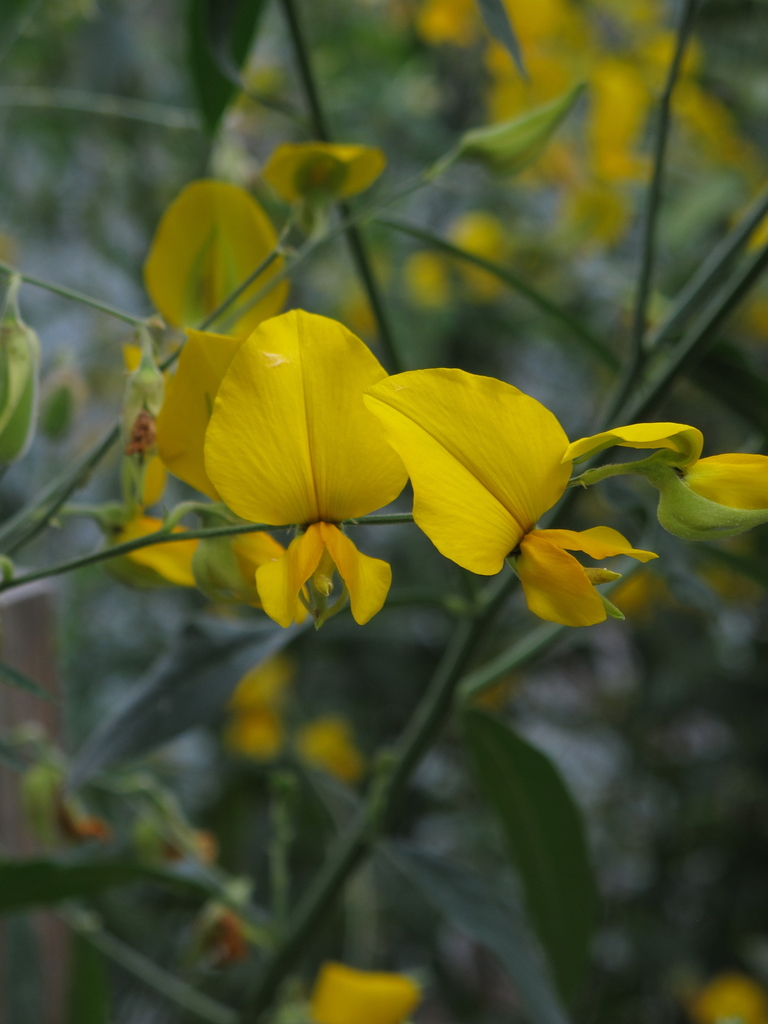
sunn hemp
Crotalaria juncea
Placenta I High Fertilizer biomass 🌱 Nitrogen fixerAnnual green-manure legume, fixes up to ~450 kg N/ha, ideal for the Placenta I phase. Breaks nematode cycles and contributes large amounts of ferti...
-
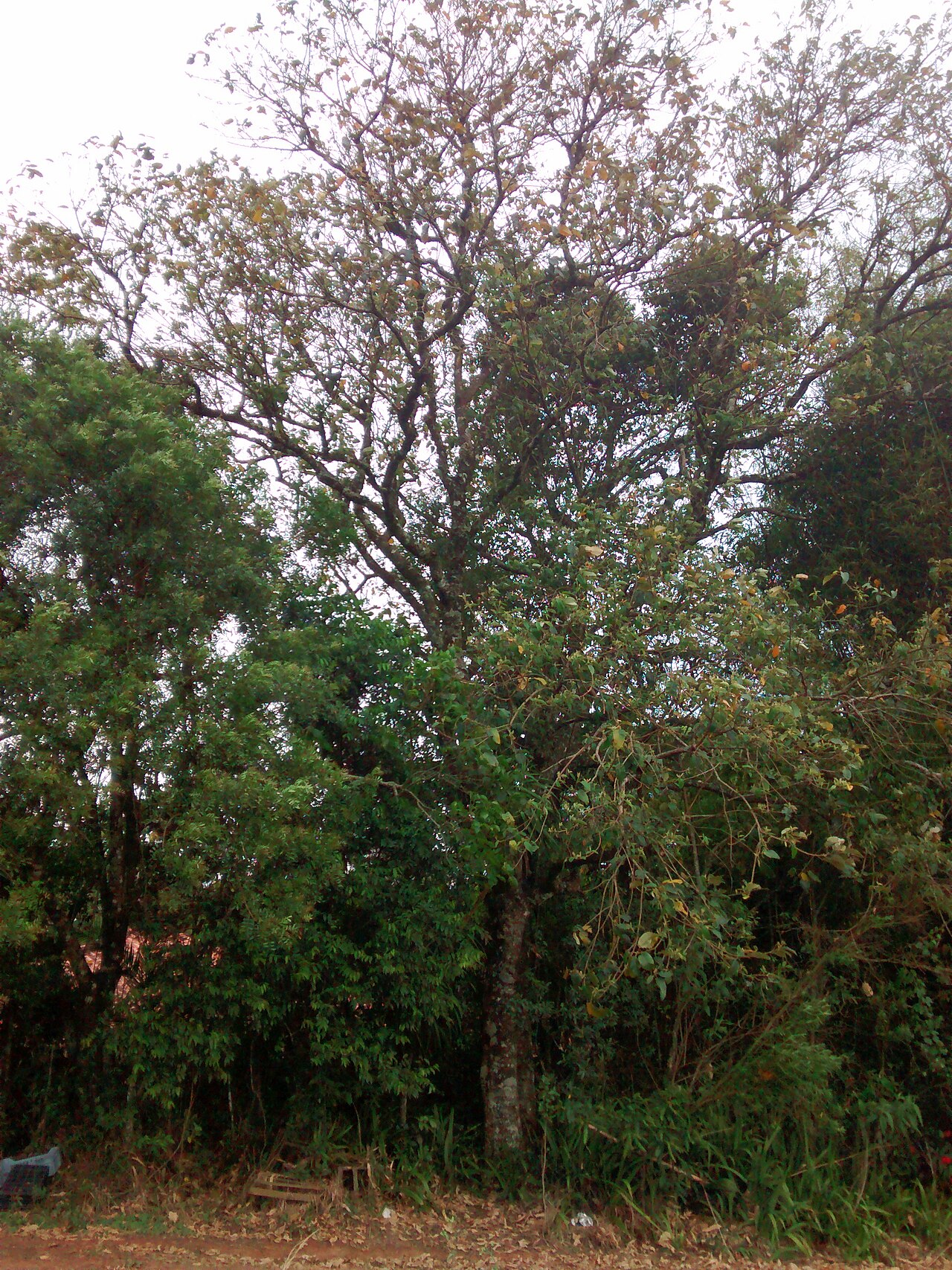
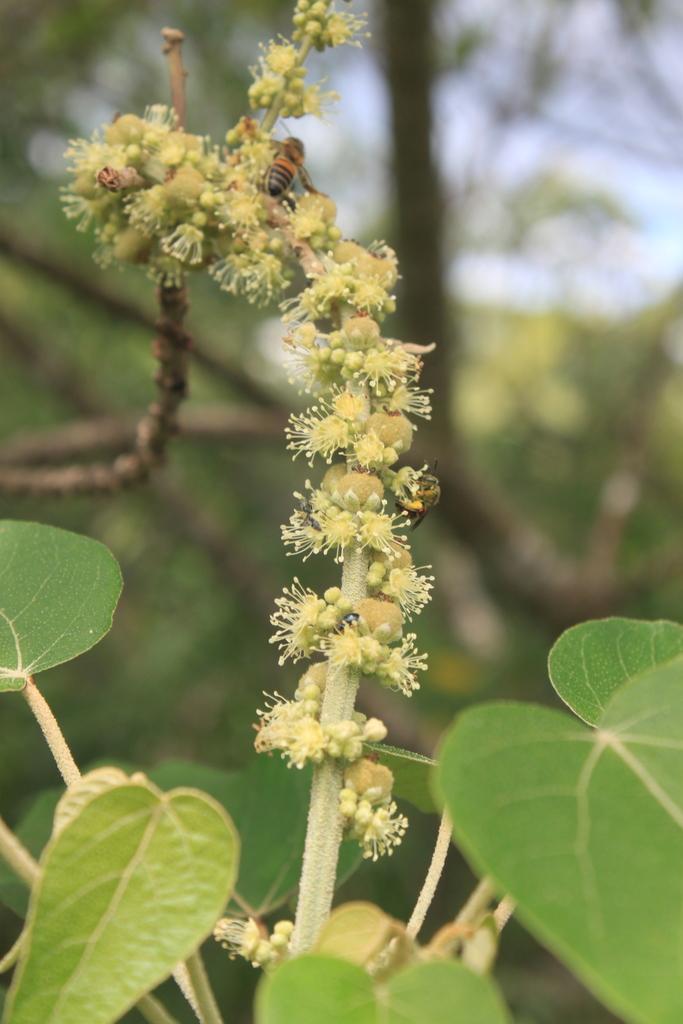
capixingui
Croton floribundus
Secondary I High Mulch biomassNative pioneer tree of the Atlantic Forest and Cerrado, common in edges and clearings of semi-deciduous forests. Reaches 8–15 m on a roughly 30-yea...
-
dragon's blood tree
Croton urucurana
Secondary I Medium Mulch biomassHeliophyte pioneer tree typical of riparian forests and humid terrain across the Amazon, Cerrado, and Atlantic Forest. Reaches 7–14 m and produces ...
-
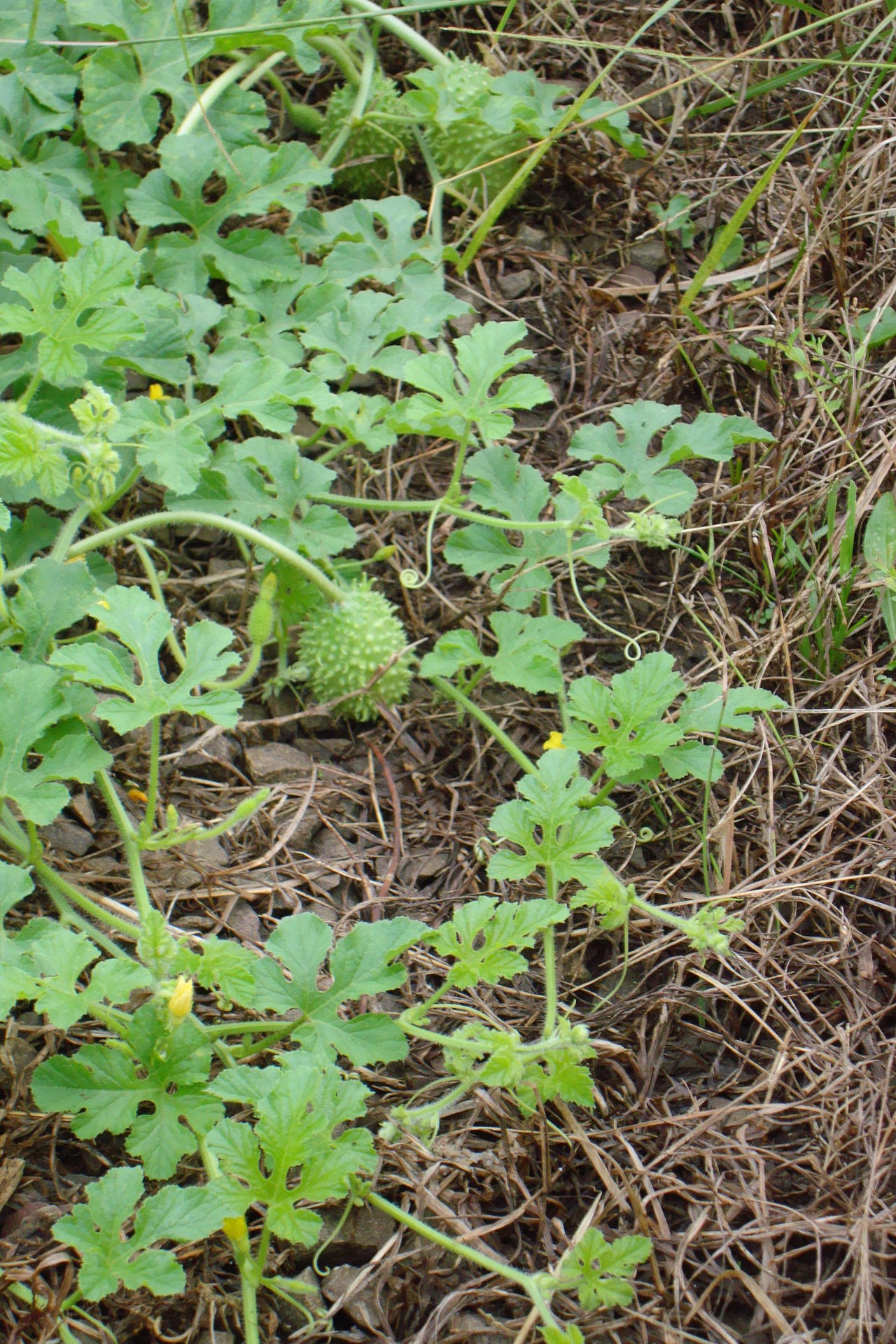
West Indian gherkin
Cucumis anguria
Placenta I Ground cover No biomass productionAnnual climbing cucurbit of African origin, popular in northern and northeastern Brazil. Listed in the Embrapa CT-16 Vitrine SAF. Fruit with soft s...
-
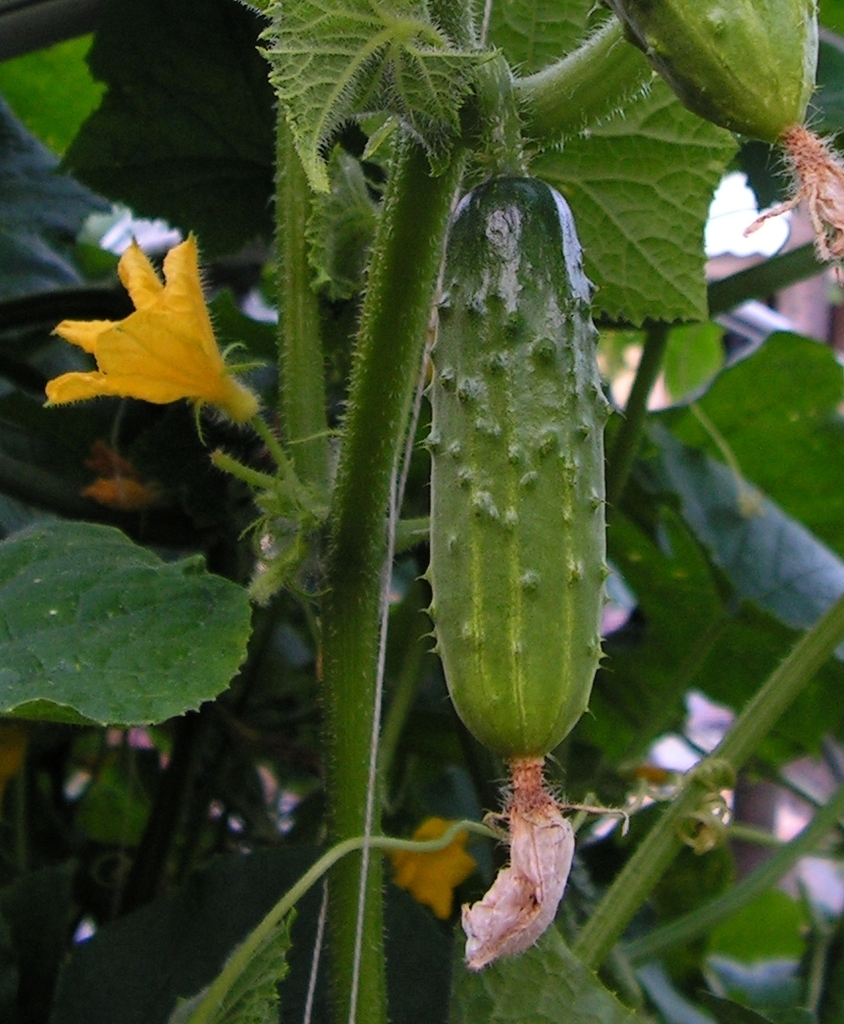
cucumber
Cucumis sativus
Placenta I Ground cover No biomass productionAnnual climbing cucurbit. Pasini lists it in the medium stratum of Tabela 3 (grows on the ground or on a trellis). Embrapa CT-16 cultivates it in t...
-
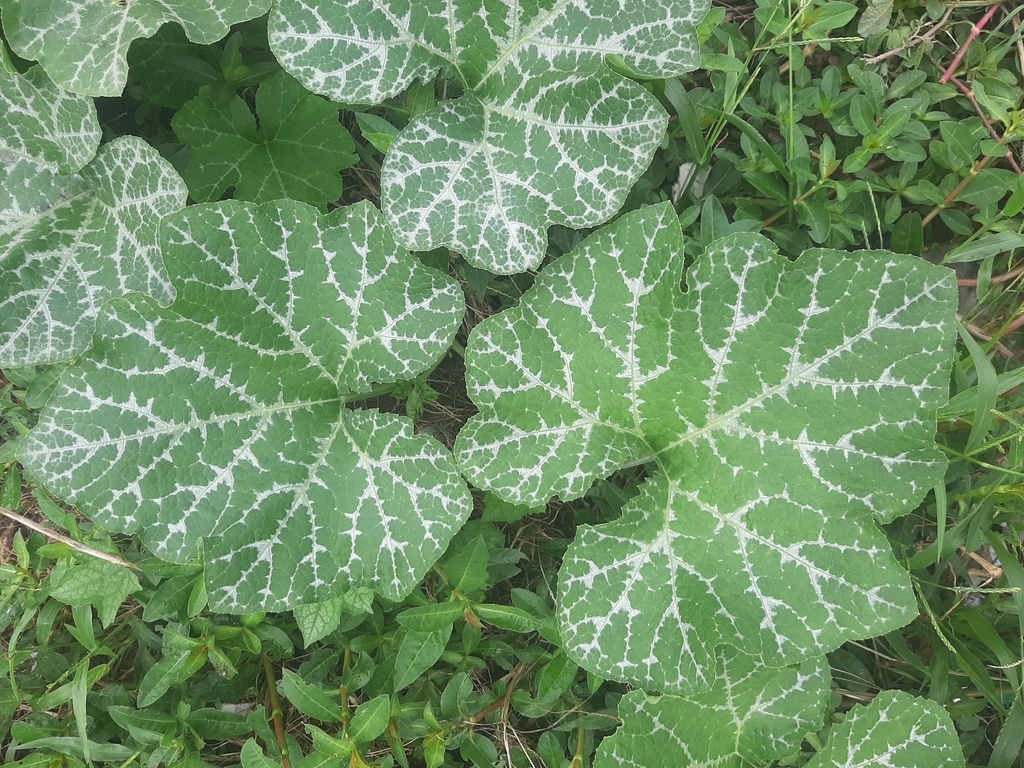
pumpkin
Cucurbita moschata
Placenta I Ground cover No biomass productionAnnual creeping cucurbit. Pasini lists it in the medium stratum of Tabela 3 and in the 'up to 6 months' phase of Tabela 4 (low stratum). The Bosque...
❓ Frequently asked questions
What characterizes the Atlantic Forest biome?
Humid tropical forest that once covered Brazil's entire east coast. Less than 12% of original cover remains — restoring it is one of the central goals of Brazilian syntropic agriculture. High diversity of fruit, timber, and pioneer species adapted to a tropical-highland climate.
Which plants does the catalog suggest for the Atlantic Forest biome?
The catalog holds 284 species, among them mandarin, orange, fairchild's clitoria. Each profile shows stratum, succession stage, and the management data, with sources cited.