
Biome
Plants of the Atlantic Forest biome
A humid biome of varied terrain and enormous diversity — and home to much of Brazil's experience with syntropic agriculture. The list runs from fast pioneers to climax timber, which leaves room to design complete successions. Each species' relation to the biome is on its profile.
284 species in the catalog · Refine this list in the catalog
-
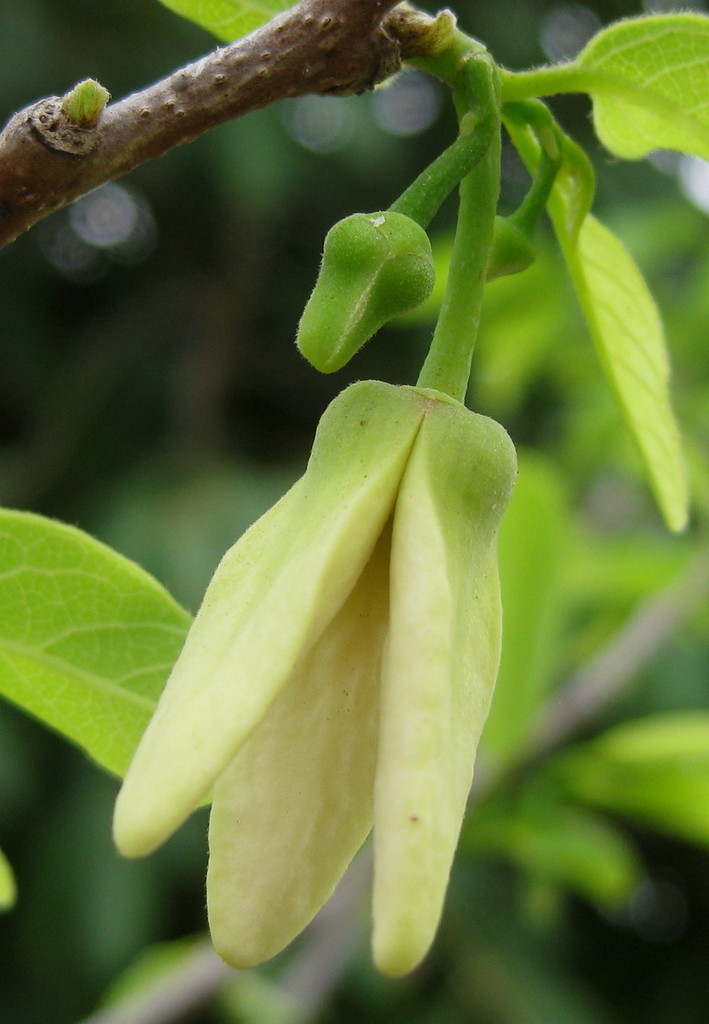
sugar apple
Annona squamosa
Secondary I High No biomass productionSmall tropical fruit tree, same family as graviola. Pasini lists it in the high stratum of Tabela 3. Tolerates poor soils and drought; traditional ...
-
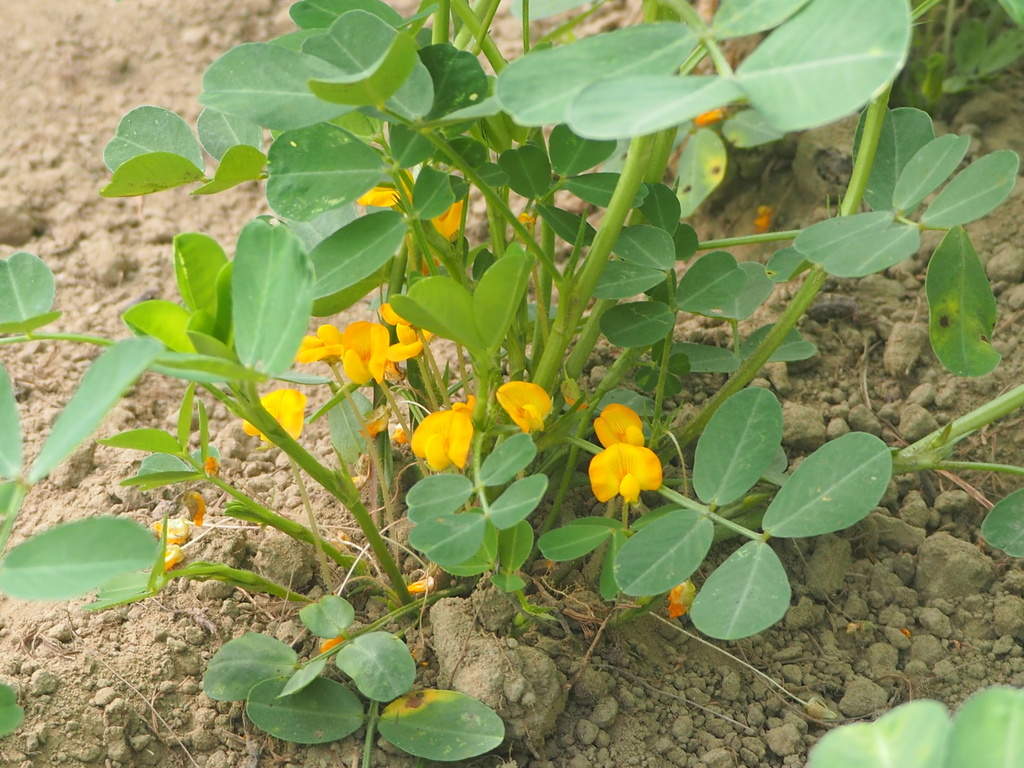
peanut
Arachis hypogaea
Placenta I Ground cover Fertilizer biomass 🌱 Nitrogen fixerAnnual nitrogen-fixing legume that produces its pod underground (geocarpic). Pasini lists it in the low stratum of Tabela 3. Excellent ground cover...
-
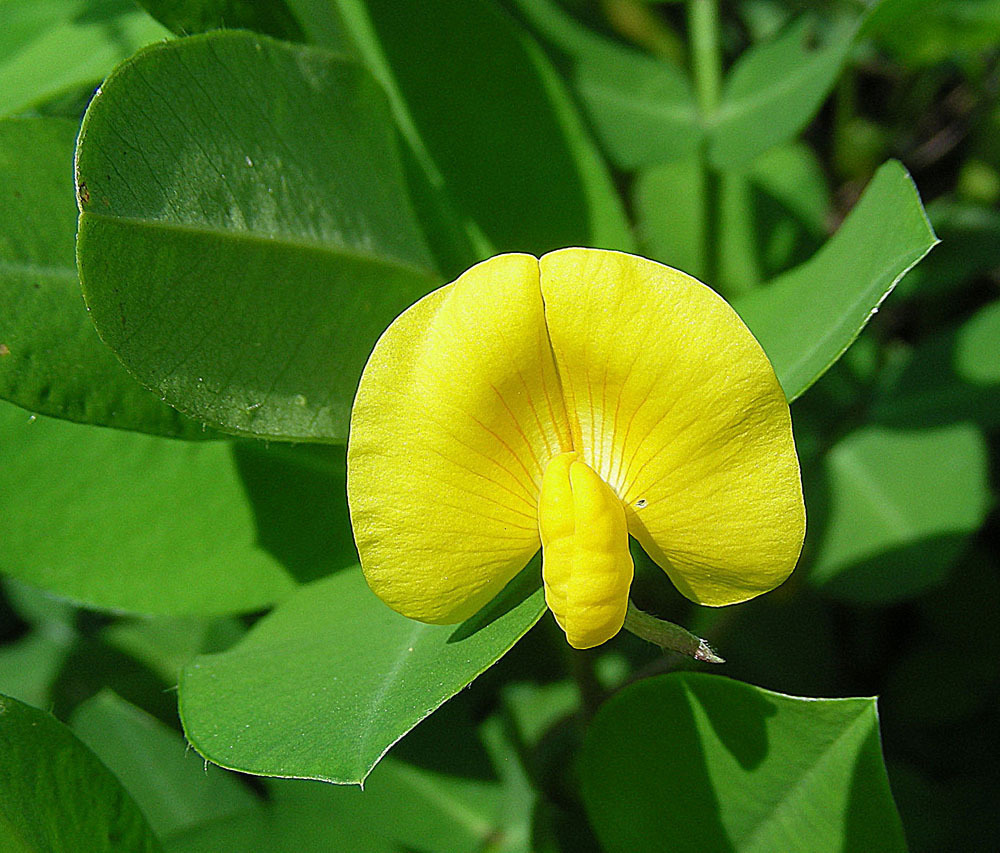
pinto peanut
Arachis pintoi
Placenta I Ground cover Fertilizer biomass 🌱 Nitrogen fixerPerennial creeping legume with stolons, 20–40 cm tall. Permanent living mulch, persists under 70% shade. Fixes nitrogen, produces 5–13 t/ha/year of...
-
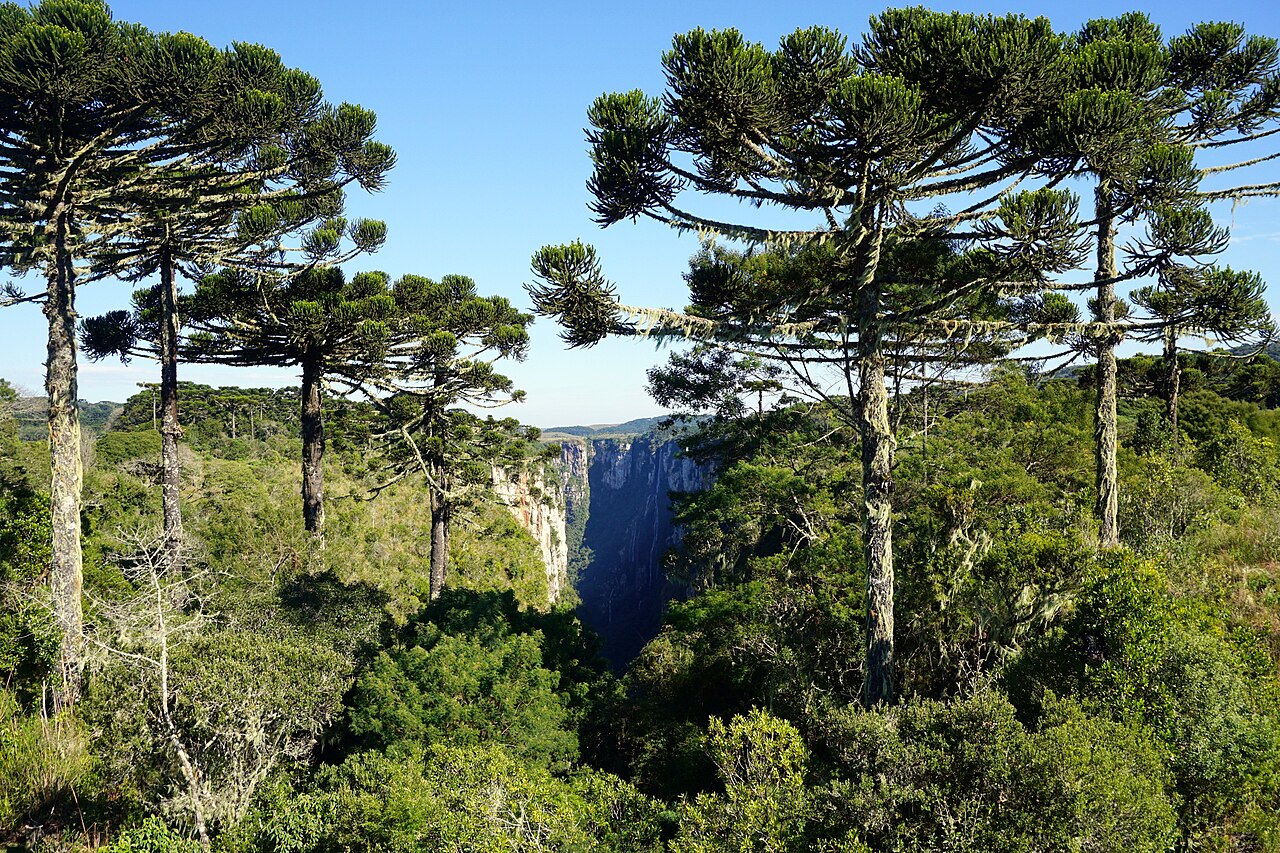
paraná pine
Araucaria angustifolia
Climax Emergent Mulch biomassConifer native to southern Brazil, an iconic emergent of highland Atlantic Forest. Rebello cites it among emergent-stratum representatives in clima...
-
arracacha
Arracacia xanthorrhiza
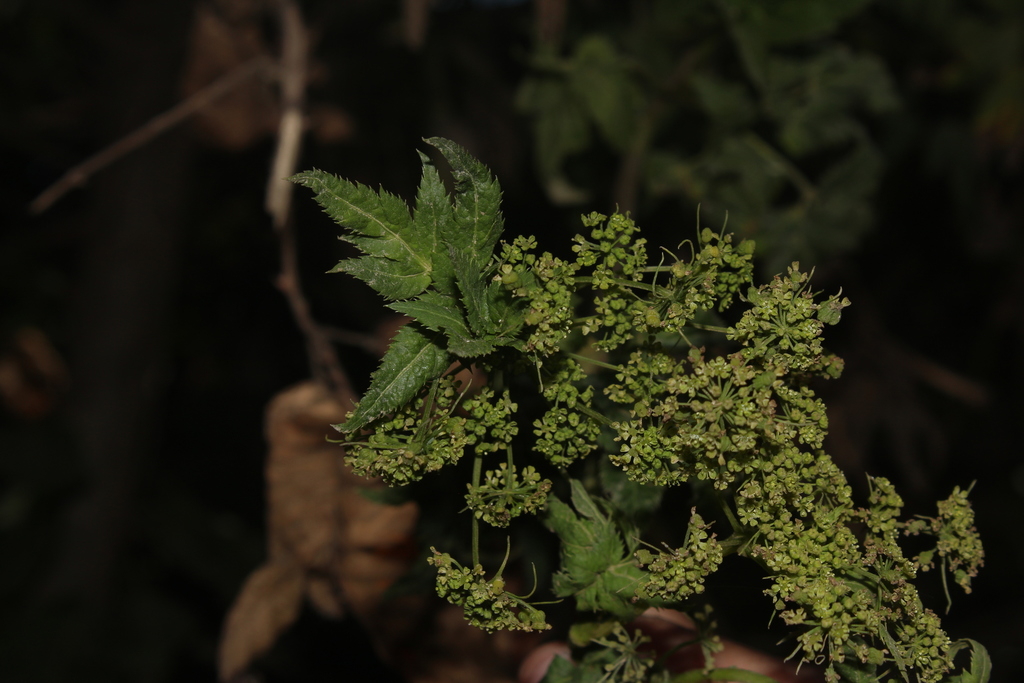
Placenta I Low No biomass productionAndean apiaceous tuber crop, cultivated mainly in southern Minas Gerais and Paraná. Pasini lists it in the medium stratum of Tabela 3. 8–10 month c...
-
breadfruit
Artocarpus altilis
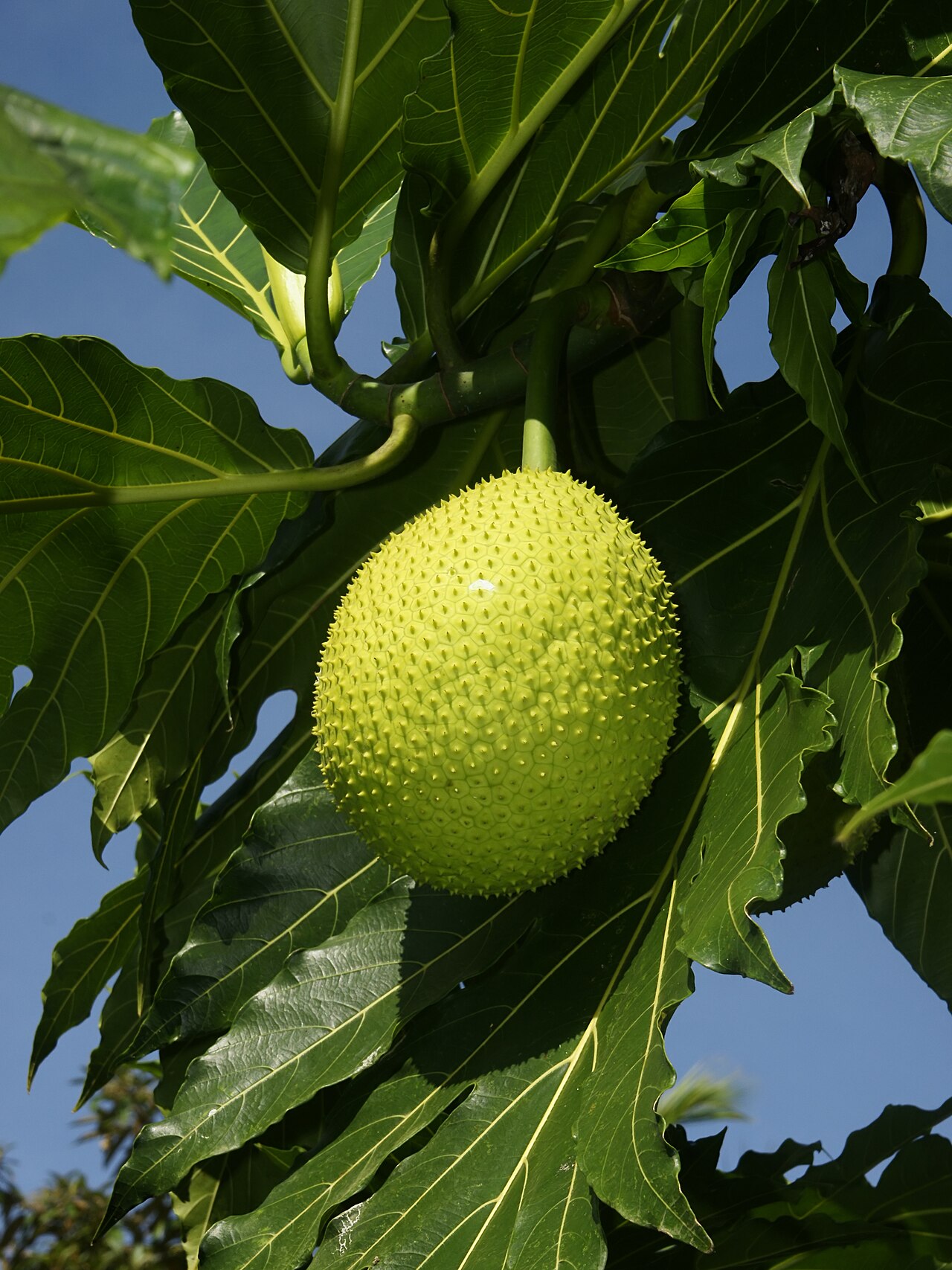
Climax High No biomass productionPacific fruit tree naturalized in Brazilian coastal and Amazonian regions. EcoAgri lists it in the high stratum of the '> 50 years' bin. Starchy fr...
-
jackfruit
Artocarpus heterophyllus
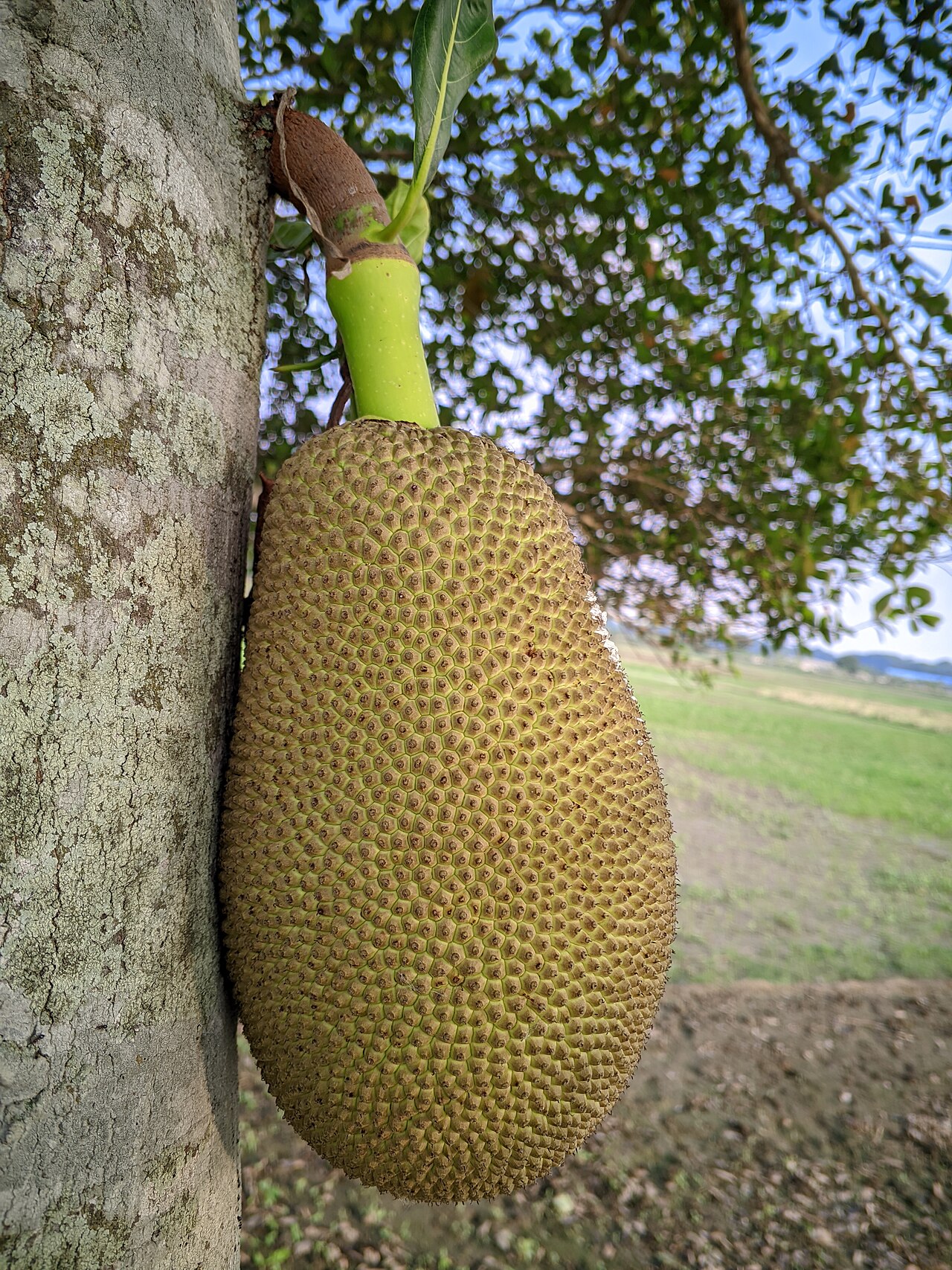
Secondary II High No biomass productionAsian fruit tree naturalized in the Brazilian Atlantic Forest. Pasini lists it in the high stratum of Tabela 3 and in the 5–18 year phase of the co...
-
peroba-poca
Aspidosperma cylindrocarpon
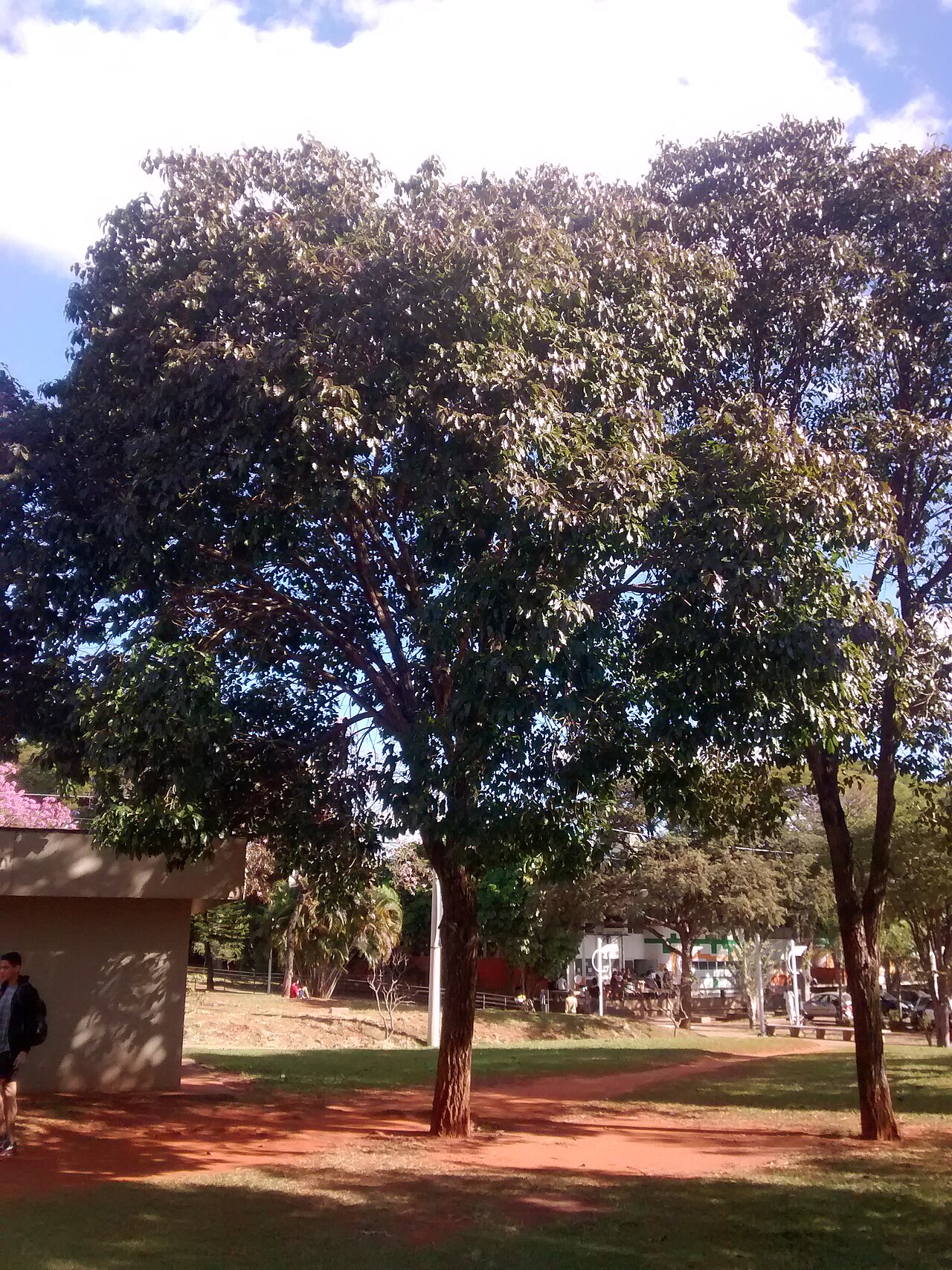
Climax High Mulch biomassPremium-timber tree native to the Atlantic Forest and Cerrado, distinct from peroba-rosa (Aspidosperma polyneuron). Rebello & Sakamoto (2019) plant...
-
peroba rosa
Aspidosperma polyneuron
Climax HighAtlantic Forest climax tree with very slow growth and dense, prized timber. Reaches 20–30 m. IUCN-listed as threatened due to logging.
-
babassu palm
Attalea speciosa
Climax Emergent Mulch biomassNative palm of the transition zones between the Amazon, Cerrado, and Caatinga — strongly present in Maranhão, Piauí, Tocantins, and northern Goiás....
-
bilimbi
Averrhoa bilimbi
Secondary I Medium No biomass productionSmall tropical tree (5–10 m), close relative of carambola (Averrhoa carambola, already in canon). Small green cylindrical very acidic fruits — used...
-
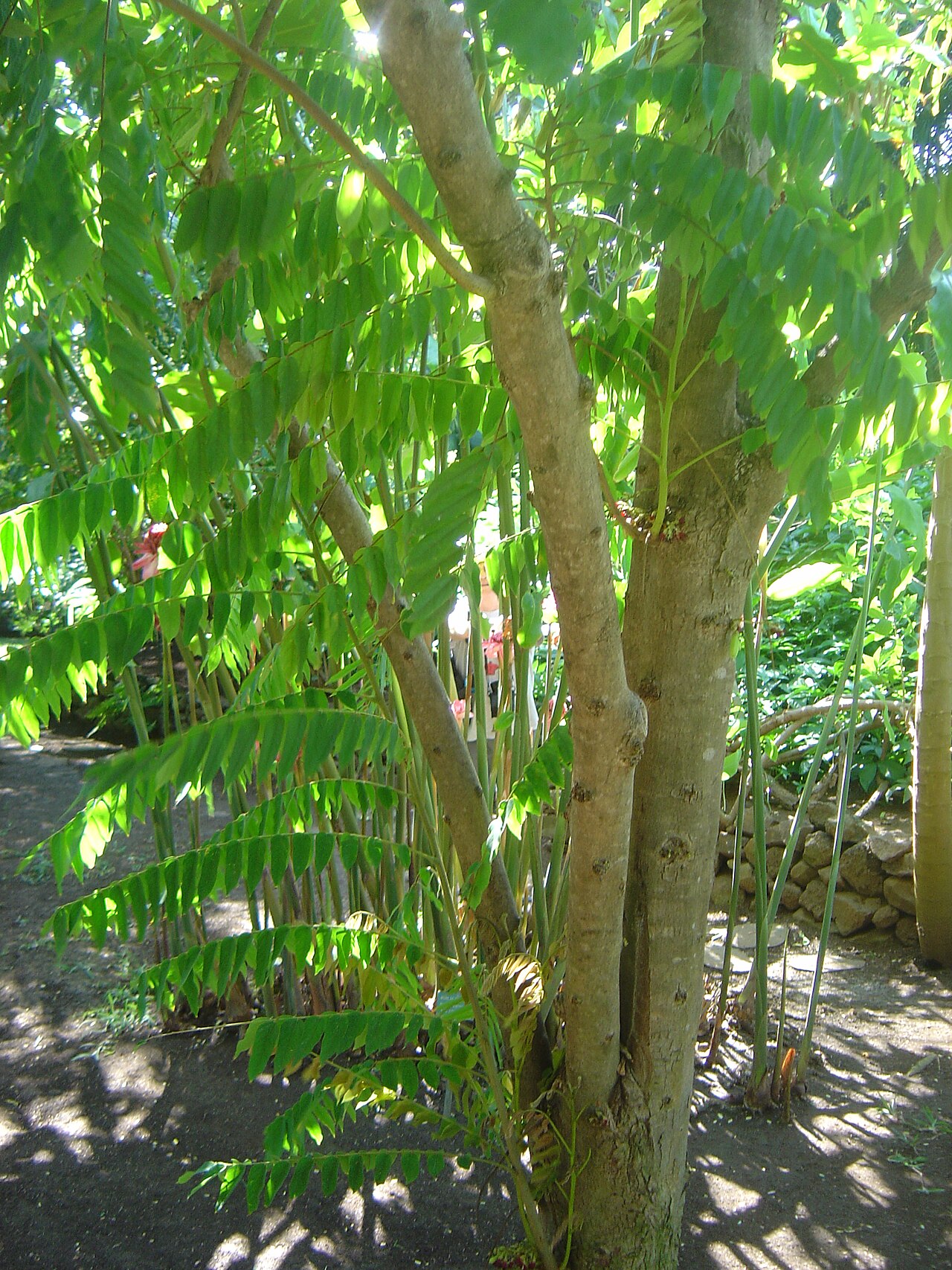
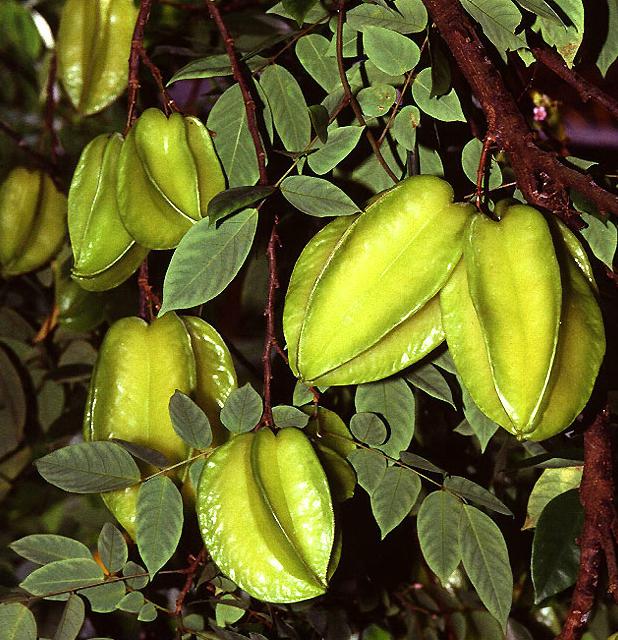
starfruit
Averrhoa carambola
Secondary II Medium No biomass productionAsian fruit tree naturalized in Brazil, with the characteristic star-shape when sliced. EcoAgri lists it in the medium stratum of the 'up to 50 yea...
-
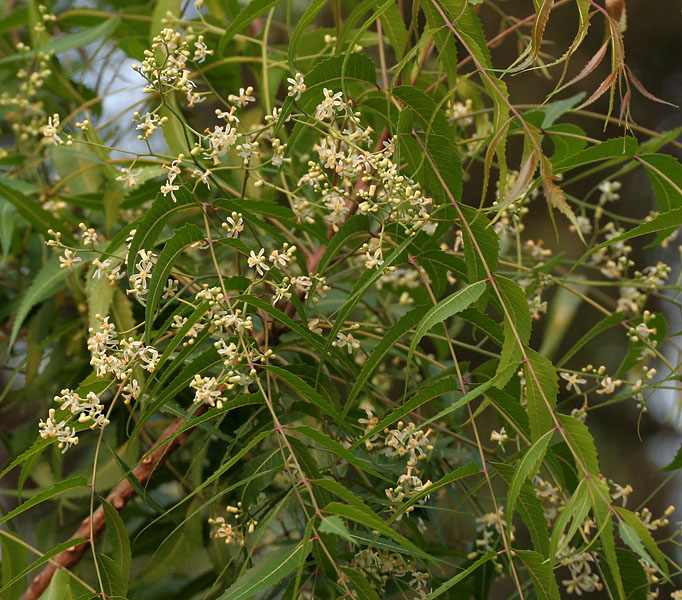
neem
Azadirachta indica
Secondary I High Mulch biomassIndian-origin tree adapted to Brazil, the biopesticide species of the Embrapa Vitrine SAF. Leaves and seed oil (azadirachtin) repel more than 200 i...
-
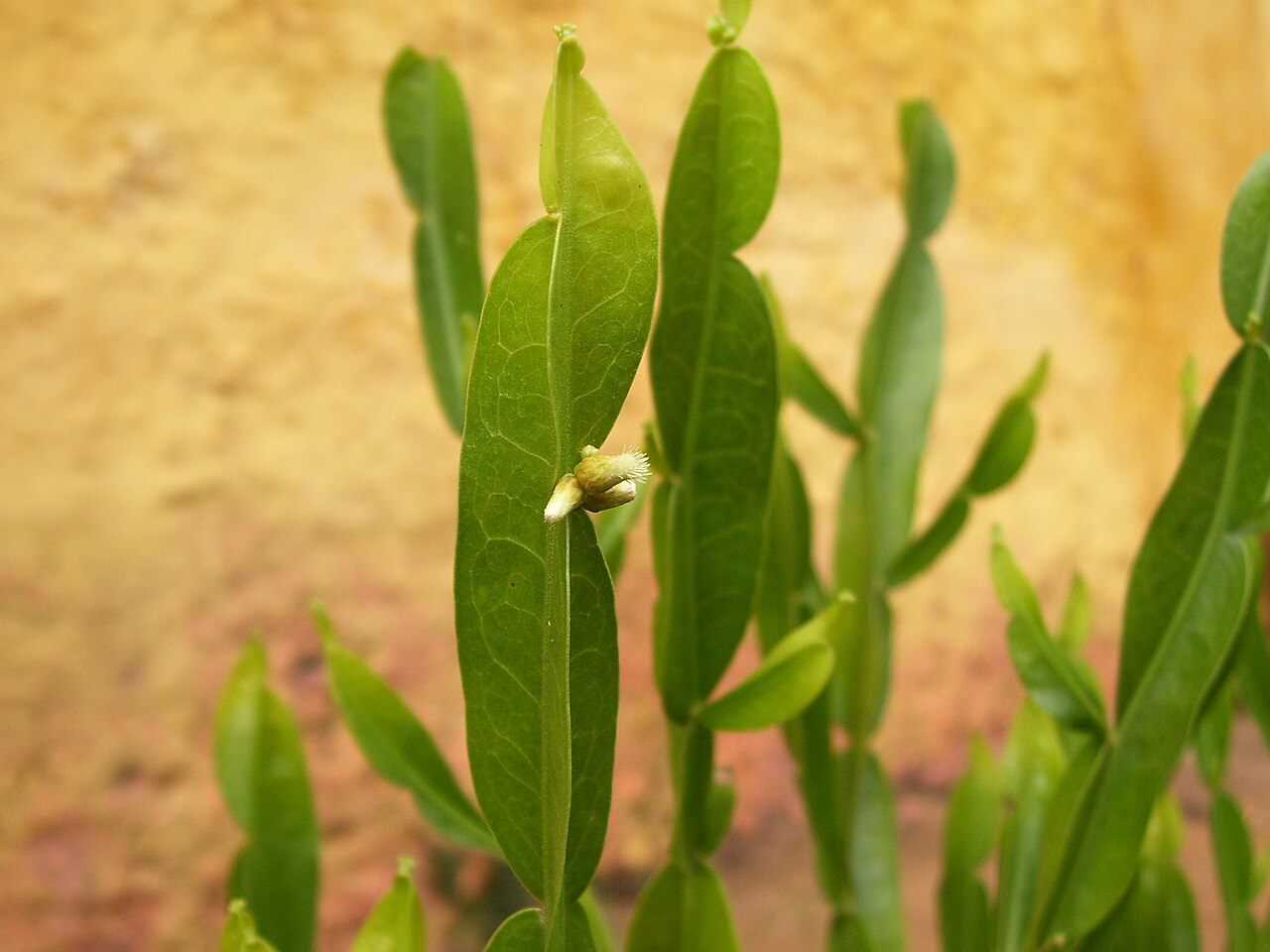
carqueja
Baccharis trimera
Placenta II Low No biomass productionA perennial subshrub of the Asteraceae family, native to southern, southeastern and central-western Brazil and neighboring parts of South America, ...
-
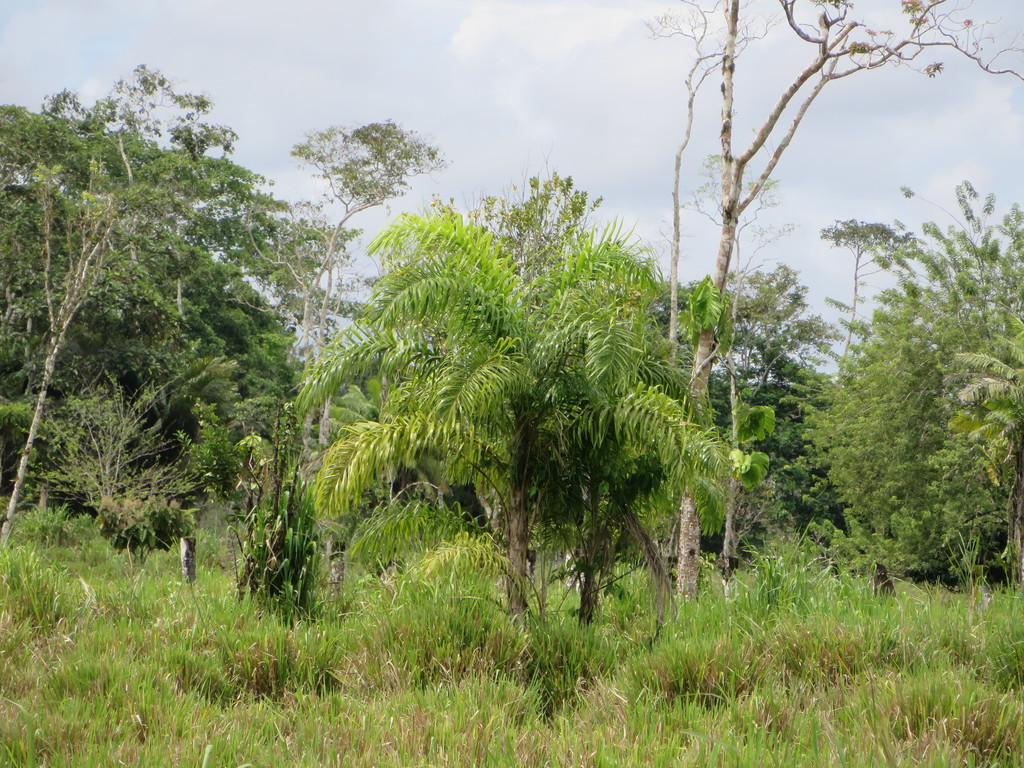
peach palm
Bactris gasipaes
Secondary II Emergent No biomass productionAmazonian multi-stemmed palm; produces heart of palm in ~3 years and edible fruit in ~5 years. Pasini lists it in the emergent stratum of Tabela 3 ...
-
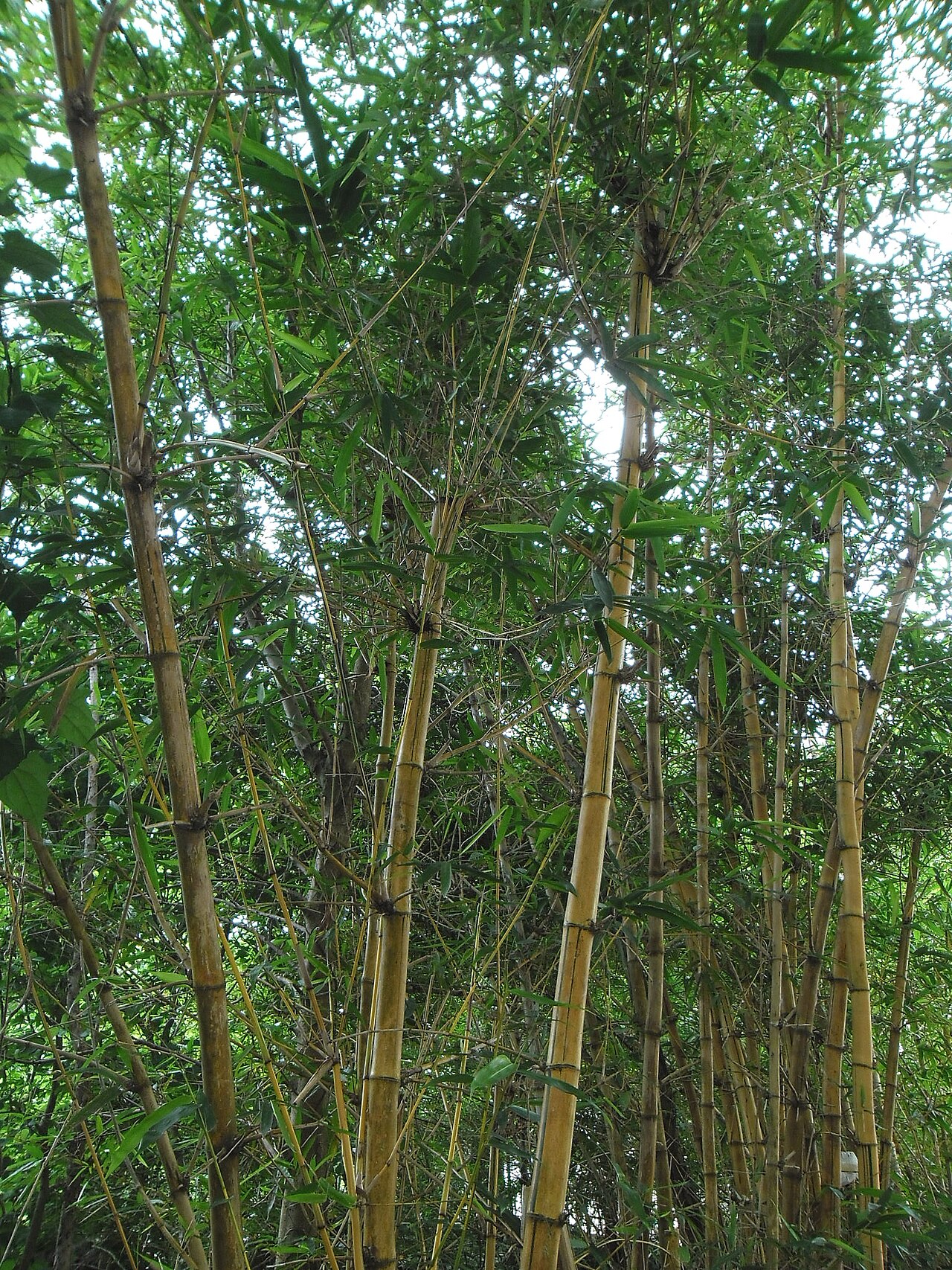
balcooa bamboo
Bambusa balcooa
Secondary I Emergent Mulch biomassA large clumping bamboo native to the Indian subcontinent and Indochina, with thick culms up to 25 m and thick walls. It is highly valued for const...
-
punting pole bamboo
Bambusa tuldoides
Secondary I High Mulch biomassA clumping bamboo native to southern China, with straight, relatively slender culms 6–12 m tall, widely used as poles, in light construction and cr...
-
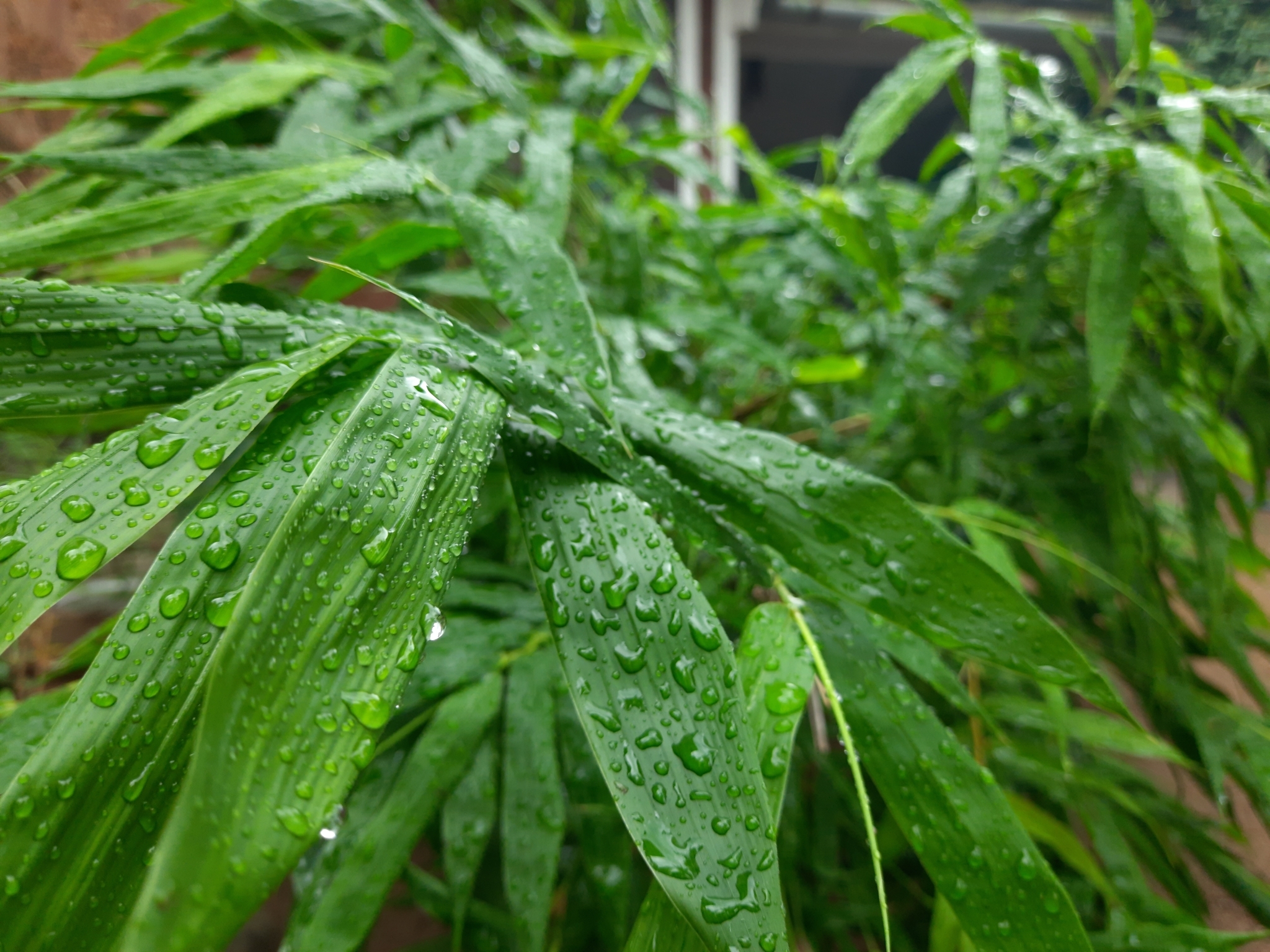
common bamboo
Bambusa vulgaris
Secondary I High Mulch biomassA clumping (non-running) bamboo native to Southeast Asia and one of the most widely cultivated bamboos in the tropics. It forms dense clumps with c...
-
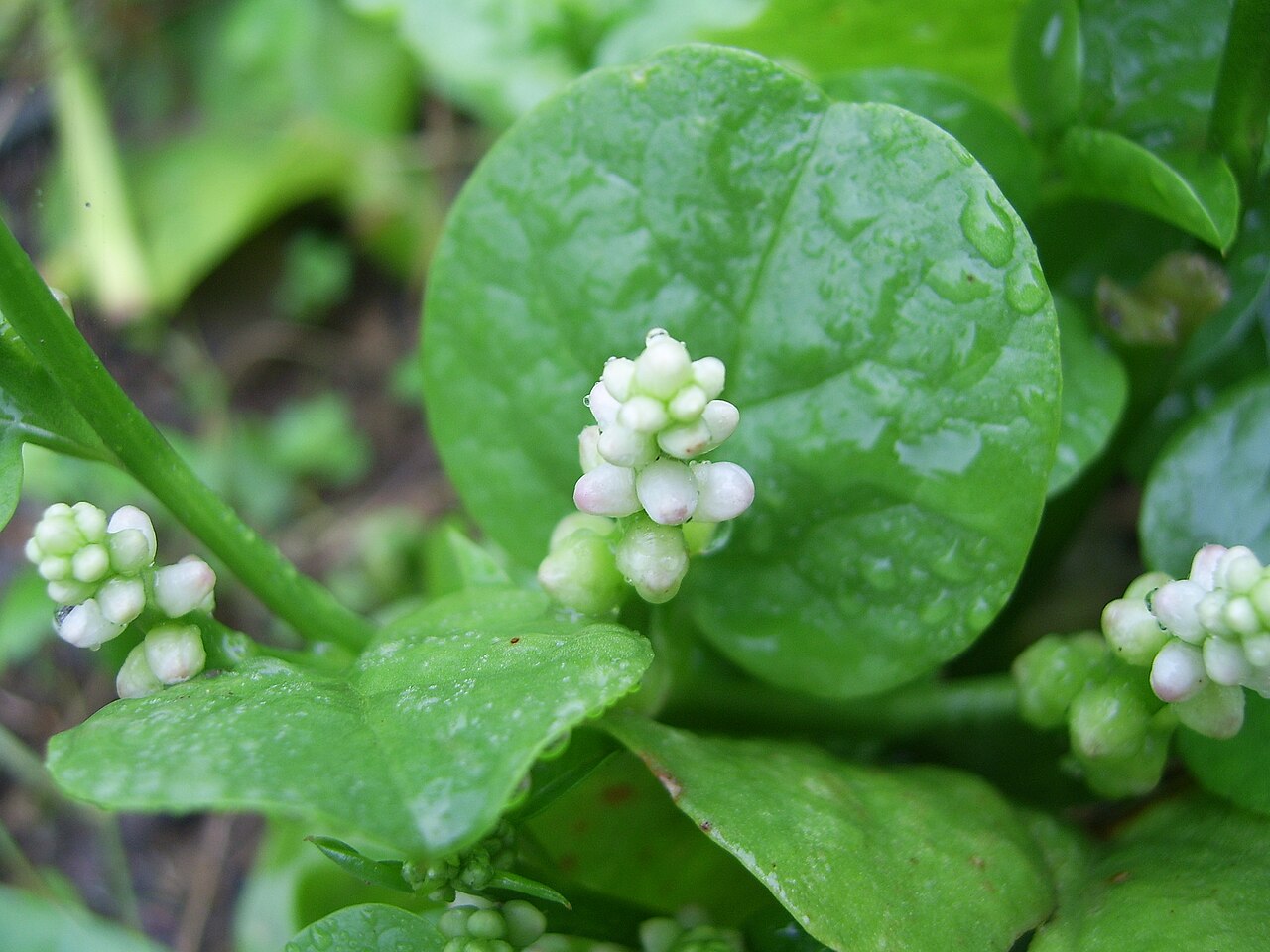
Malabar spinach
Basella alba
Placenta I Low No biomass productionA vigorous perennial soft-stemmed climbing vine grown as an annual, native to tropical Asia and widely naturalized in Brazil. Its thick, mucilagino...
-
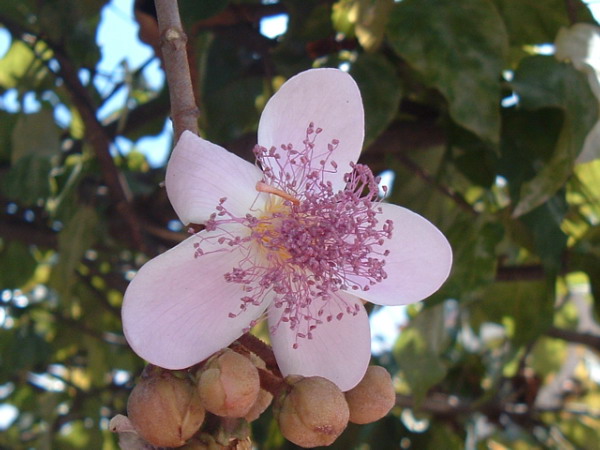
annatto
Bixa orellana
Secondary I Medium No biomass productionTropical American native dye-producing shrub. Pasini lists it in the medium stratum of Tabela 3 and in the 3–10 year phase of Tabela 4. Seeds yield...
-
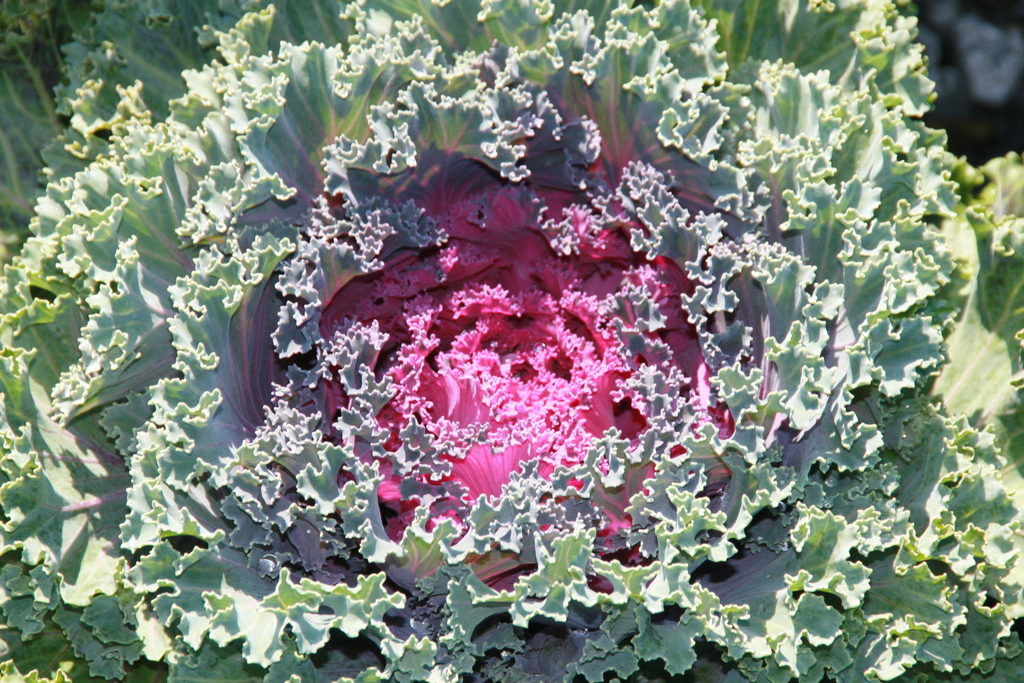
collard greens
Brassica oleracea var. acephala
Placenta I Low No biomass productionPerennial brassica widely grown in Brazilian backyards. Pasini gives it as an example occupying the low stratum in consortium with broccoli (medium...
-
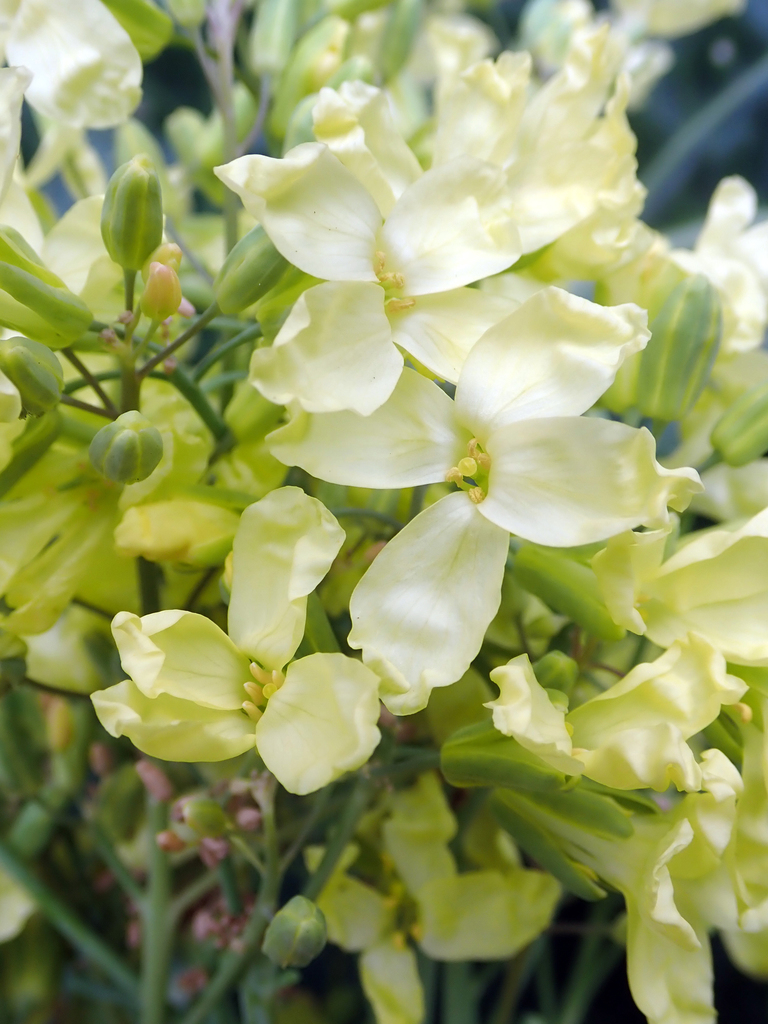
cauliflower
Brassica oleracea var. botrytis
Placenta I Medium No biomass productionAnnual brassica grown for its white inflorescence. Pasini lists it in the high stratum of Tabela 3 (alongside broccoli and cabbage). 90–120 day cyc...
-
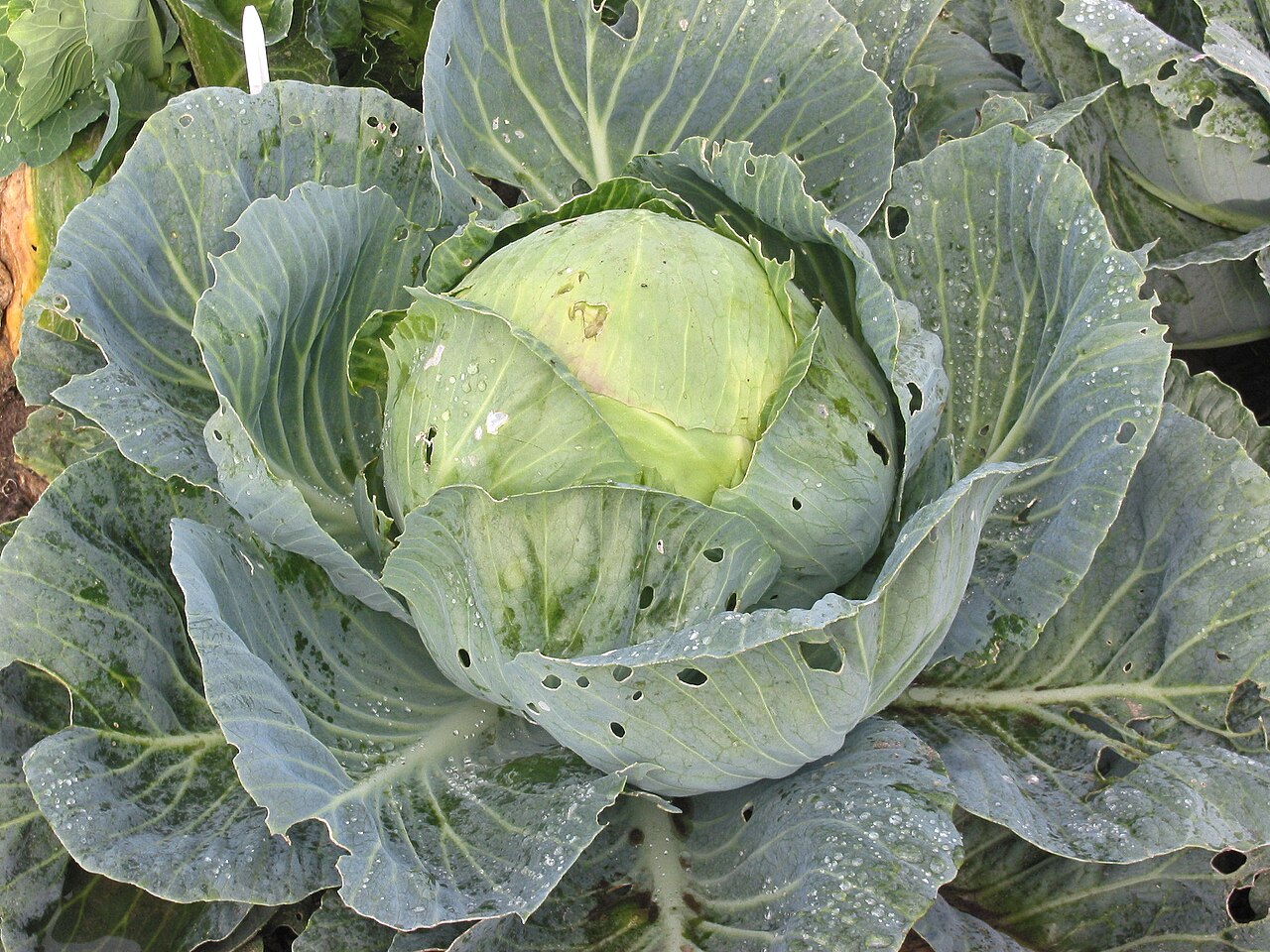
cabbage
Brassica oleracea var. capitata
Placenta I Medium No biomass productionAnnual brassica grown for its compact head of leaves. Pasini lists it in the high stratum of Tabela 3. Tolerates heat better than broccoli or cauli...
-
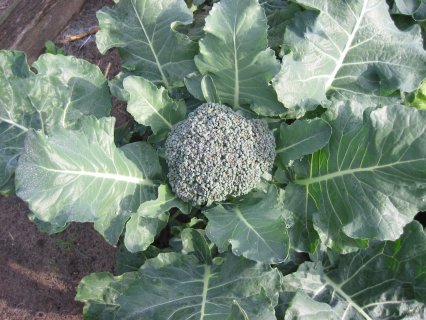
broccoli
Brassica oleracea var. italica
Placenta I Medium No biomass productionAnnual brassica grown for its green inflorescence. Pasini gives it as an example occupying the medium stratum in consortium with collards (low), to...
❓ Frequently asked questions
What characterizes the Atlantic Forest biome?
Humid tropical forest that once covered Brazil's entire east coast. Less than 12% of original cover remains — restoring it is one of the central goals of Brazilian syntropic agriculture. High diversity of fruit, timber, and pioneer species adapted to a tropical-highland climate.
Which plants does the catalog suggest for the Atlantic Forest biome?
The catalog holds 284 species, among them sugar apple, peanut, pinto peanut. Each profile shows stratum, succession stage, and the management data, with sources cited.